Industry Briefing
A single destination for timely, editor-curated robotics news from around the world.

USS Theodore Roosevelt Becomes First Carrier with Fully Operational Drone Control Center for MQ-25 Stingray
The USS Theodore Roosevelt has achieved a significant milestone by becoming the first U.S. Navy supercarrier equipped with a fully operational Unmanned Air Warfare Center (UAWC) capable of supporting the MQ-25 Stingray drone. This development is a crucial step towards the Navy's goal of achieving initial operational capability (IOC) for the MQ-25, now projected for 2029 after several delays. This advancement is vital as it enhances the Navy's aerial capabilities, allowing for the integration of the MQ-25 Stingray into routine carrier operations. The UAWC on the Theodore Roosevelt is expected to facilitate the deployment of the Stingray, which aims to extend the operational range of carrier air wings while reducing the reliance on crewed aircraft for refueling missions. Looking ahead, the Navy plans to deploy the MQ-25 Stingray first on the USS Theodore Roosevelt, with the USS Ronald Reagan's UAWC expected to be operational by August 2026. The integration of the UAWC and the MQ-25 program remains a focal point for the Navy as it seeks to modernize its carrier operations and enhance mission effectiveness.
Air Carriers MQ-25 Navies Nimitz Class Sea
Fire Point CEO Discusses Development of Missiles and Drones Against Russian Forces
Fire Point CEO Iryna Terekh recently shared insights on the company's evolution from a garage startup to a key player in missile and drone production. Amid ongoing threats from Russian missiles, Terekh highlighted the effectiveness of their FP-1 and FP-2 drones, as well as the new Flamingo cruise missiles, which enhance Ukraine's long-range capabilities. The significance of Fire Point's advancements lies in their strategic aim to counter Russian aggression. The FP-9 ballistic missile, designed to strike targets up to 500 miles away, and the FP-7.x interceptor, intended as a cost-effective alternative to Patriot systems, are pivotal in strengthening Ukraine's defense. Terekh's leadership has been crucial in navigating the challenges of weapon development under constant threat. Looking ahead, the status of the FP-9 program and the development of indigenous missile systems will be critical. Terekh's insights into the use of AI in weapon systems and the challenges faced during production highlight the innovative approaches being taken to ensure Ukraine's defense capabilities remain robust. No further timeline was disclosed at the time of publication.
News & Features Around The Globe Europe Land Land-Based Ballistic Missile Defense Russia
GeoComm and SkyfireAI Enhance Drone Response with New DFR Routing Integration
GeoComm and SkyfireAI have unveiled a new integration aimed at enhancing Drone as First Responder (DFR) programs' efficiency in emergency situations. By merging GeoComm’s DFR Routing technology with SkyfireAI’s autonomous drone platform, public safety agencies can access comprehensive location intelligence immediately upon receiving a 9-1-1 call. This integration addresses a significant challenge faced by DFR programs, as timely drone deployment is only part of the equation. Accurate incident location and access information are crucial for effective response. The new system incorporates operational details like buildings and access routes, enabling drone operators and first responders to gain a clearer understanding of the situation before ground units arrive. Looking ahead, the partnership between GeoComm and SkyfireAI aims to streamline the workflow from emergency call to drone deployment and ground response. As DFR programs grow across the U.S., the focus is shifting towards integrating various data sources to enhance situational awareness and improve emergency response outcomes. No further timeline was disclosed at the time of publication.
AI Applications Drone News Drone News Feeds Fire and Police Law Enforcement
Genki Robotics Plans to Launch First Product This Year, According to CEO Andy Rubin
Genki Robotics, a Tokyo-based startup, is set to launch its inaugural product this year, as confirmed by CEO Andy Rubin in an interview with Nikkei Asia. This marks a significant step for the company as it transitions towards commercial deployment following a recent fundraising round. The launch is noteworthy as Genki Robotics aims to create an app-store-like marketplace that will allow outside developers to create and sell new robot behaviors. This initiative could enhance the functionality and adaptability of their products, potentially attracting a wider range of users and developers in the robotics field. Looking ahead, stakeholders should monitor Genki Robotics' progress in product development and the establishment of its operating system for external developers. No further timeline was disclosed at the time of publication.
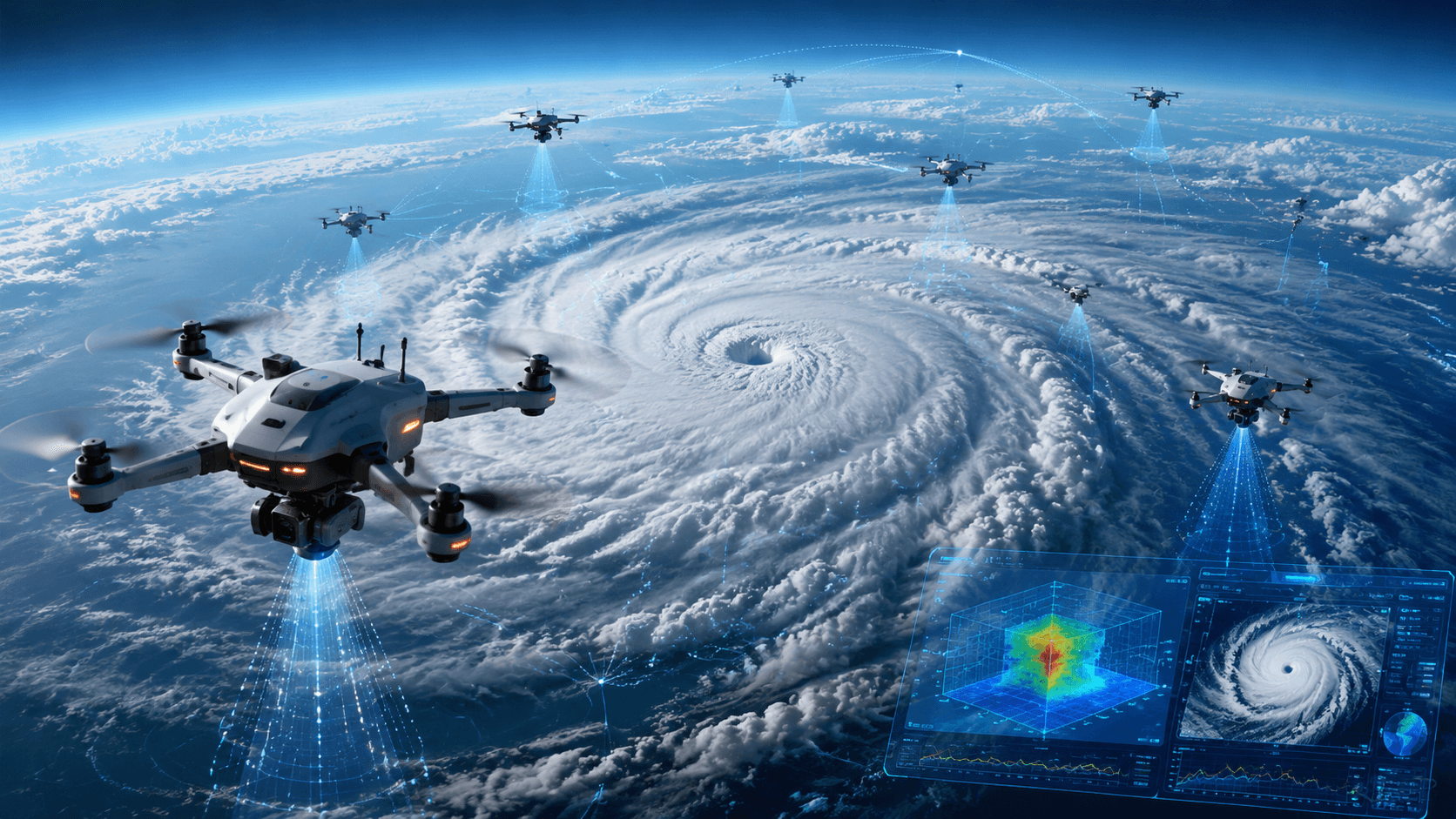
China Meteorological Administration Conducts First Full 3D Typhoon Observation Using Drone Swarm
The China Meteorological Administration has successfully utilized a bee colony drone swarm to conduct the first full-process three-dimensional observation of a typhoon. This coordinated array of unmanned aerial vehicles (UAVs) was deployed to gather critical data on temperature, humidity, wind, and turbulence during the typhoon's landfall. This achievement is significant as it enhances the understanding of typhoon dynamics and improves forecasting accuracy. By capturing data from multiple altitudes simultaneously, the drone swarm provides a comprehensive view of the typhoon's behavior, which is essential for disaster preparedness and response efforts. Looking ahead, the implications of this technology could lead to advancements in meteorological research and operational forecasting. No further timeline was disclosed at the time of publication.
Technology
Samsung Launches CEO-Directed Robotics Division to Compete in Humanoid Robotics
Samsung Electronics has officially established the RX (Robotics eXperience) division, reporting directly to CEO Jong-Hee Han, to spearhead its robotics initiatives. This move comes as the company aims to position itself as a key player in the humanoid robotics race, previously dominated by firms like Boston Dynamics. The RX division will consolidate Samsung's scattered robotics technologies and talent, focusing on long-term strategy, core technology development, and commercialization. Leading the robotics strategy team is Executive Vice President Dong-Kyun Lee, who previously directed robotics strategy at Hyundai Motor Group and played a pivotal role in shaping Boston Dynamics' future. Additionally, two prominent scholars, Professor Hyun-Jin Kim from Seoul National University and Professor Eui-Chan Kim from Asia University, have joined Samsung to tackle the technological challenges in robotic dexterity, a critical aspect for the commercialization of humanoid robots. Samsung's pragmatic strategy involves validating manufacturing scenarios before expanding into home and retail sectors. The RX division will be based in Seoul's R&D hub, with plans to invest in infrastructure and establish robotics research centers in the U.S., China, and Japan. The company's goal is to transform all domestic and international production facilities into AI-driven autonomous factories by 2030, marking a significant shift in its robotics approach from decentralized research to centralized advancement.
Humanoid Robots Robotics Technology AI Manufacturing Automation
Allocentric Teleoperation Enhances Multirobot Coordination from Variable Perspectives
In the July 2026 issue of Science Robotics, researchers introduced allocentric teleoperation as a novel approach to enhance multirobot coordination. This method allows operators to control multiple robots from various perspectives, improving situational awareness and operational efficiency. The significance of this development lies in its potential to transform how operators interact with robotic systems. By enabling a variable perspective, allocentric teleoperation can facilitate more intuitive control and better decision-making in complex environments, which is crucial for applications in fields such as search and rescue, exploration, and industrial automation. Looking ahead, the implications of allocentric teleoperation could lead to advancements in robotic teamwork and autonomy. Future research may focus on refining this technology and exploring its integration into existing robotic systems. No further timeline was disclosed at the time of publication.
Research Article
GoPro MAX2 Camera Enhances Video Capabilities with Major Firmware Update
GoPro has released a significant firmware update for its MAX2 camera, enhancing its video recording capabilities. The update introduces a Maximum Bitrate option that allows recording at up to 200Mbps, improving image quality by preserving more data and reducing compression artifacts. This feature is particularly beneficial for action sports enthusiasts and professional creators, as it enhances the clarity of fast-moving footage. The MAX2, launched less than a year ago, has quickly gained recognition as one of the best 360 cameras available, receiving multiple awards for its performance. The new firmware also expands professional features like 10-bit color and GP-Log to all Time Lapse recording modes, providing filmmakers with greater flexibility and control during post-production. These enhancements make the MAX2 an even more compelling choice for those looking to capture high-quality video content. Looking ahead, GoPro's continued focus on improving the MAX2's features suggests that the company is committed to meeting the needs of both amateur and professional videographers. No further timeline was disclosed at the time of publication.
News
Corvus Robotics Appoints Co-Founder Mohammed Kabir as New CEO
Corvus Robotics has appointed Mohammed Kabir, its Co-Founder and Chief Technology Officer, as the new Chief Executive Officer, effective August 25, 2026. Kabir takes over from Jackie Wu, who will transition to the Board of Directors due to health reasons. Kabir has been instrumental in leading the company's technology and product development since its inception. This leadership change is significant for Corvus Robotics, a key player in the deployment of physical AI robotic systems for logistics and warehousing. The appointment of Kabir, who has extensive experience in technology, is expected to drive the company's strategic direction and innovation in the rapidly evolving robotics sector. The transition comes alongside the announcement of $20 million in new funding aimed at enhancing their AI systems for warehouse and distribution operations. Looking ahead, stakeholders will be keen to observe how Kabir's leadership influences Corvus Robotics' growth and product development. The recent funding will likely play a crucial role in accelerating advancements in their physical AI systems. No further timeline was disclosed at the time of publication.

Robots Acquire New Skills from One Video in Just 29 Seconds
Recent advancements in robotics have demonstrated that robots can learn new skills from a single video in just 29 seconds. This capability is crucial for enabling robots to operate effectively in dynamic environments, where adaptability is essential. Traditional robotic systems often struggle to perform tasks outside their initial training, highlighting the significance of this breakthrough. The ability for robots to quickly learn from minimal input not only enhances their functionality but also reduces the time and resources required for training. This development could lead to more efficient deployment of robots in various applications, making them more versatile and responsive to real-world challenges. As industries increasingly adopt robotic solutions, the demand for such adaptable systems is likely to grow. Looking ahead, it will be important to monitor how this technology evolves and its potential integration into existing robotic platforms. The implications for manufacturing, logistics, and service sectors could be substantial, as robots become more capable of learning and adapting on the fly. No further timeline was disclosed at the time of publication.
Robotics
BRINC Enhances LiveOps with Real-Time Wildfire and Smoke Tracking Features
BRINC has introduced two new map layers to its LiveOps platform, providing real-time wildfire and smoke tracking for public safety agencies. Launched on August 7, this feature allows users to access critical information without switching applications, streamlining operations during wildfire responses. The integration of fire detection and smoke condition data from the National Oceanic and Atmospheric Administration (NOAA) aims to enhance situational awareness for fire departments and emergency managers. By displaying this information directly on the existing drone operations map, BRINC facilitates quicker decision-making in challenging conditions, particularly when visibility is compromised. As wildfire response becomes increasingly complex, BRINC's initiative reflects a broader trend towards consolidating operational data. The company aims to transform LiveOps into a comprehensive operational tool, integrating various data sources to support over 1,000 public safety agencies and 20% of US SWAT teams. No further timeline was disclosed at the time of publication.
News
BRINC Enhances LiveOps with Wildfire and Smoke Tracking Features for Drones
BRINC has introduced wildfire and smoke tracking capabilities to its LiveOps platform, enhancing support for public safety agencies during fire responses. Announced on August 10, the new features include two map layers that display active fire detections and current smoke conditions, available to all customers at no extra cost since August 7. This integration utilizes data from the National Oceanic and Atmospheric Administration (NOAA). The addition of these features is significant as it provides responders with a comprehensive operational overview without the need to switch between different systems. Fire departments and emergency managers can utilize this information to coordinate wildfire responses effectively, while law enforcement can monitor smoke conditions that may hinder visibility in affected areas. BRINC's CEO, Blake Resnick, emphasized the importance of streamlining information access for agencies stretched thin during wildfire incidents. Looking ahead, BRINC continues to focus on integrating various public safety data sources into its LiveOps platform. The company has previously responded to customer feedback by incorporating features like live traffic information from Google Maps. No further timeline was disclosed at the time of publication.
Applications Drone News Drone News Feeds emergency response Featured – Safety and Security Fire and Police
Uber CEO affirms strong ties with Waymo amid partnership concerns
Uber CEO Dara Khosrowshahi stated that the partnership with Waymo remains strong, despite speculation of a rift following the end of their Phoenix collaboration. Khosrowshahi emphasized ongoing operations in Atlanta and Austin, asserting that Waymo is a crucial partner for Uber's robotaxi services. However, evidence suggests a weakening relationship, as Uber explores multiple AV partnerships and acknowledges the slow adoption of robot-driven cars, which currently represent less than 0.5% of its trip volume. The significance of this partnership is underscored by Uber's commitment to invest over $10 billion in its robotaxi business, with Waymo being the only partner operating at scale. Khosrowshahi's comments reflect a cautious optimism, as he recognizes the need for diversification in Uber's AV partnerships while also acknowledging the competitive landscape where Waymo is gaining market share from traditional rideshare services. Looking ahead, the dynamics between Uber and Waymo will be crucial to watch, especially as the robotaxi market evolves. Khosrowshahi's remarks suggest that while the partnership is currently beneficial, the future may bring increased competition and the emergence of new players in the autonomous vehicle space. No further timeline was disclosed at the time of publication.
Autonomous Cars News Ride-sharing Transportation Uber Waymo
Researchers Introduce Milo, the First Fully Autonomous Robotic Guide Dog for the Visually Impaired
Researchers have unveiled Milo, the world’s first fully autonomous robotic guide dog, aimed at assisting blind and visually impaired individuals in navigating various environments. This AI-powered mobile robot serves as a cost-effective alternative to traditional guide dogs, which can be expensive and in limited supply. Milo can be produced for under $2,000, significantly increasing accessibility for those awaiting trained guide dogs. The significance of Milo lies in its ability to navigate unfamiliar locations without the need for pre-mapped environments, utilizing onboard artificial intelligence to identify paths and avoid obstacles. This capability is crucial for users who require reliable navigation assistance in diverse settings. The robot's navigation system, trained through reinforcement learning, allows it to adapt to different lighting and environmental conditions, enhancing its usability. Looking ahead, the open-source release of Milo, including its hardware designs and AI models, invites further research and development in the field. This initiative could lead to advancements in assistive technologies for the visually impaired, making navigation safer and more efficient. No further timeline was disclosed at the time of publication.
Health News accessibility artificial intelligence assistive robotics assistive technology
Hanwha Group Establishes New Holding Company Led by Kim Dong-seon
Hanwha Group has launched Hanwha Machinery & Services Holdings, consolidating 57 technology and lifestyle affiliates under one umbrella. This new holding company is set to debut on the Kospi on August 25, following shareholder approval for its corporate split from Hanwha Corp. Kim Dong-seon, the youngest son of the group chairman, will lead the future strategy of Hanwha M&S. The establishment of Hanwha M&S is significant as it aims to enhance management specialization and foster collaboration among its affiliates. The technology portfolio includes notable companies such as Hanwha Vision and Hanwha Robotics, while lifestyle businesses feature Hanwha Galleria and Hanwha Hotels & Resorts. Collectively, these affiliates generated approximately 6 trillion won ($4.2 billion) in sales and held assets worth around 11.3 trillion won at the end of the previous year. Looking ahead, the new holding structure is expected to reduce the conglomerate discount and facilitate investment and expansion in both technology and lifestyle sectors. No further timeline was disclosed at the time of publication.
All News
QuadBoat: A Spider-Inspired Robotic Boat for Water Rescue Operations
Researchers at the Shenzhen Institute of Artificial Intelligence and Robotics for Society and Stevens Institute of Technology have developed QuadBoat, a four-legged robotic boat designed to track and retrieve individuals from water. Unlike traditional unmanned surface vehicles, QuadBoat can physically extract victims, addressing a critical gap in maritime rescue operations. The significance of QuadBoat lies in its innovative design, inspired by fishing spiders, which allows it to maneuver effectively on water. The robot employs a unique combination of buoyancy and leg propulsion, enabling it to adapt its posture for optimal movement. This capability is crucial for rescue missions, where swift extraction from water can be life-saving. Future developments to watch include the potential deployment of QuadBoat in emergency scenarios such as boat crashes. The robot's advanced tracking and retrieval capabilities could enhance the efficiency of rescue teams, particularly in challenging conditions where traditional vehicles may falter. No further timeline was disclosed at the time of publication.
AI and Robotics
Spider-Inspired Robotic Boat Designed for Tracking and Rescuing Individuals in Water
Rescue teams in coastal areas frequently face the challenge of saving individuals at risk of drowning. These critical operations demand rapid response times, as delays can lead to severe or fatal outcomes for those in distress. The development of a spider-inspired robotic boat aims to enhance the efficiency of these rescue missions. By mimicking the agility and precision of a spider, this innovative technology could significantly improve the ability of emergency teams to locate and assist individuals in peril. Looking ahead, the effectiveness of this robotic boat in real-world rescue scenarios will be crucial to its adoption. The ongoing evaluation of its capabilities will determine its potential impact on coastal rescue operations and overall safety in aquatic environments. No further timeline was disclosed at the time of publication.
Robotics
BAE Systems Explores Typhoon Integration with CCA Drones and Meteor Missiles
BAE Systems is investigating the integration of uncrewed collaborative combat aircraft (CCA) with the Eurofighter Typhoon, aiming to enhance combat capabilities. This initiative is part of a broader Long-Term Evolution (LTE) program that seeks to improve the jet's operational effectiveness in modern warfare environments. The integration of CCAs with the Typhoon is significant as it aims to expand the combat mass and operational range of air forces, addressing emerging threats. BAE Systems has accelerated this work over the past year, coinciding with the U.K. Royal Air Force's launch of the Storm Fighter CCA program, which will enable these drones to operate alongside the Typhoon, F-35, and future Tempest jets. Looking ahead, BAE Systems plans to incorporate advanced technologies such as the European Common Radar System (ECRS) Mk 2 and a large-area display cockpit into the Typhoon. These enhancements are expected to improve the aircraft's capabilities in collaborative combat scenarios, as demonstrated in recent simulations off the east coast of Scotland, where Typhoons successfully coordinated with CCAs.
Air Air Forces Collaborative Combat Aircraft Fighters Royal Air Force Typhoon
Microsoft Addresses Security Flaw in Age of Empires II with Latest Patch
On Tuesday, Microsoft released a significant security patch addressing a record number of vulnerabilities across its products, including the remastered Age of Empires II. This patch fixed a critical flaw that could have allowed hackers to take control of a victim's computer through a malicious game invite, as reported by security researchers. The importance of this patch lies in its potential to protect gamers from cyber threats. The vulnerability, identified as CVE-2026-50663, could have enabled attackers to execute remote code on victims' machines, posing serious risks such as unauthorized access and data theft. Cybersecurity firm Rapid7 highlighted that while there is no evidence of this bug being exploited in the wild, the gaming community remains a prime target for malware distribution. Looking ahead, it will be crucial to monitor how Microsoft continues to leverage AI in identifying and addressing security vulnerabilities across its platforms. No further timeline was disclosed at the time of publication.
Security Age of Empires Age of Empires II cybersecurity In Brief Microsoft
XPeng CEO Completes First Fully Driverless Robotaxi Trip, Marking Key Milestone
XPeng, the Guangzhou-based electric vehicle manufacturer, has made significant strides in its robotaxi ambitions. CEO He Xiaopeng recently completed the first full robotaxi trip, showcasing the integration of the company's ride-hailing, dispatch, and pick-up systems. This milestone signifies the beginning of employee testing for XPeng's robotaxi platform, which was unveiled at the 2025 AI Day. The importance of this development lies in XPeng's transition from smart electric vehicles to fully robotic vehicles. He Xiaopeng emphasized that this service is crucial for advancing physical AI, which is designed for real-world applications. The robotaxi, based on the XPeng GX model, is China's first mass-produced vehicle engineered for Level 4 autonomy, capable of driving itself in most conditions without human intervention. Looking ahead, XPeng secured a road-testing permit in Guangzhou and established a dedicated robotaxi business unit. Pilot operations are set for the second half of 2026, with aspirations for fully autonomous operations without an on-site safety officer by early 2027. No further timeline was disclosed at the time of publication.
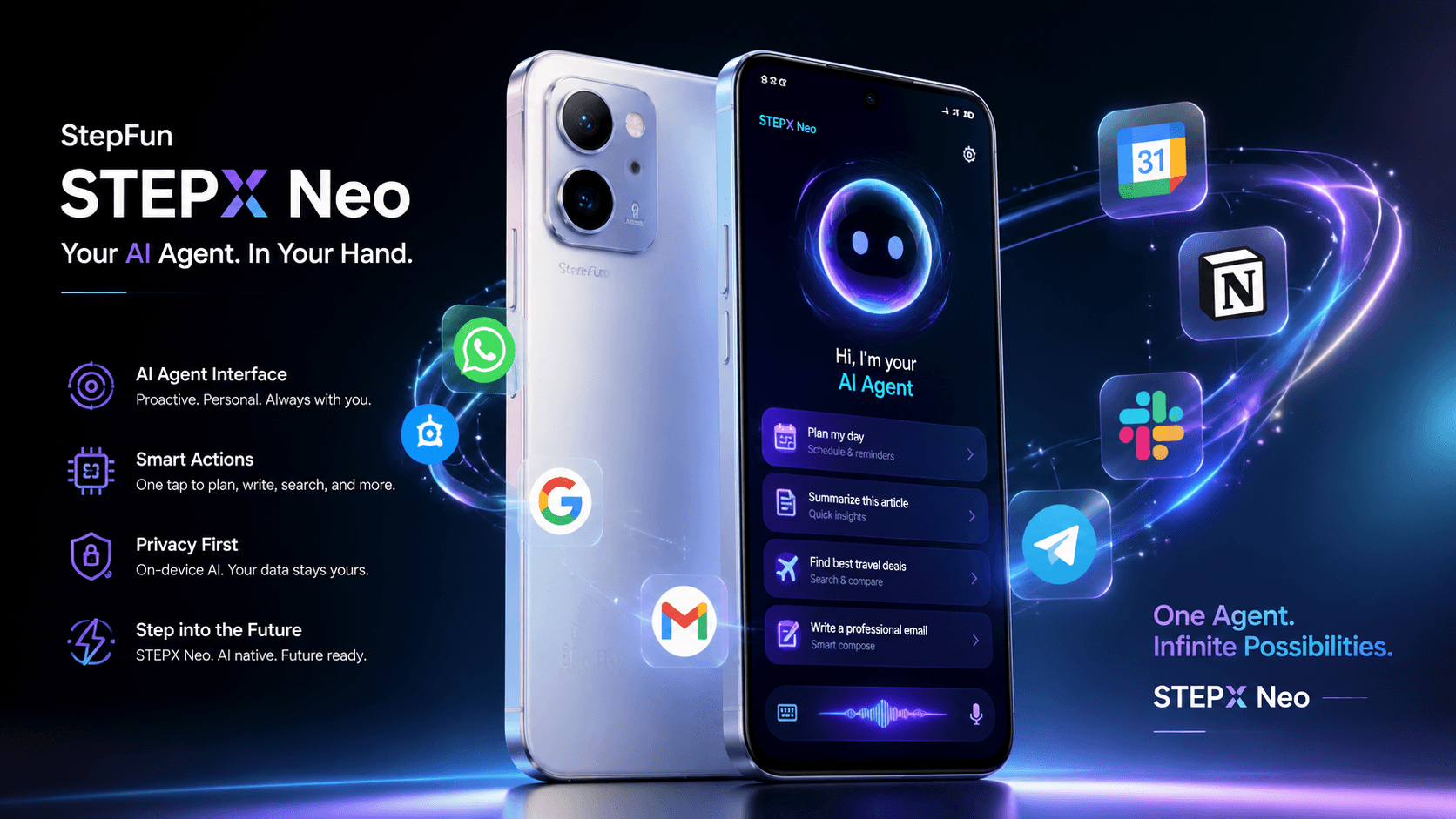
StepFun Launches STEPX Neo: An AI Agent Phone with Cross-App Integration
StepFun, a Shanghai-based AI unicorn, has introduced the STEPX Neo, an innovative phone equipped with the agent-native Step AOS and Amoo agent. This device integrates over 10 major platforms, including Alipay, Meituan, Didi, and Baidu, enabling autonomous task execution across applications. The launch of STEPX Neo is significant as it represents a leap forward in mobile technology, allowing users to perform tasks seamlessly across multiple applications without manual intervention. By leveraging the capabilities of various platforms, the STEPX Neo aims to enhance user experience and efficiency in daily tasks. Looking ahead, the impact of STEPX Neo on the market will be worth monitoring, particularly in how it influences user adoption of AI-driven mobile solutions. No further timeline was disclosed at the time of publication.
Technology
Japanese Researchers Develop Floating Companion Robot Inspired by Fictional Characters
Researchers at Keio University in Tokyo have created a silent, floating companion robot that mimics the movement of animated creatures. This innovative prototype, inspired by characters like Tinker Bell and Pokémon’s Mew, is designed to be approachable and safe for indoor environments. The significance of this development lies in its potential to enhance human-robot interaction at home. Unlike traditional drones, this soft floating robot utilizes helium for buoyancy, resulting in quieter operation and lower energy consumption, making it a more natural companion for users. Looking ahead, the researchers have established a systematic interaction design framework for soft floating robots, which could lead to advancements in mobility and human interaction. No further timeline was disclosed at the time of publication.
AI and Robotics
SpaceX IPO Provides Indirect Investment Opportunity in Starmind Project
Starmind does not have a standalone stock or ticker; investors can gain exposure through SpaceX (ticker: SPCX), which began trading on Nasdaq after its IPO on June 12, 2026. Starmind is integrated within SpaceX, contributing to the company's AI and space initiatives, and its performance directly influences SPCX shares. The significance of Starmind lies in its role as a division of SpaceX, which encompasses other projects like Starlink and Starship. As of early July 2026, SPCX shares are trading between $149 and $150, significantly lower than their 52-week high of $225.64. The project’s milestones, such as AI1 prototype updates, can impact SpaceX's stock performance, making it essential for investors to monitor these developments closely. Looking ahead, the early 2027 launch of AI1 prototype satellites is a critical milestone that could provide verifiable data affecting Starmind's valuation and, consequently, SPCX stock. No further timeline was disclosed at the time of publication, but the upcoming events will be pivotal for investors tracking the relationship between Starmind and SpaceX's stock performance.

Galaxy Robot Park Opens as World's First Robot Cultural Complex in Seoul
Galaxy Robot Park officially opened in Gwangjin-gu, eastern Seoul, showcasing humanoid robots performing K-pop dances and martial arts. The event featured a 40-minute performance where robots, powered by AI, coordinated their movements autonomously, marking a significant improvement from previous demonstrations. CEO Choi Yong-ho highlighted the robots' ability to analyze choreography from online videos, likening their operation to 'autonomous driving' for robots. The significance of Galaxy Robot Park lies in its ambition to be a cultural hub centered around robotics, although its remote location poses challenges for accessibility. The park aims to deliver entertainment experiences that only robots can provide, blending technology with performance art. The successful execution of the performance indicates advancements in robotic coordination and AI capabilities, suggesting a promising future for robot entertainment. Looking ahead, the development of Galaxy Robot Park will be closely monitored as it evolves from a spectacle into a fully realized cultural venue. The integration of advanced robotics in entertainment could pave the way for new forms of artistic expression. No further timeline was disclosed at the time of publication.
All News
Humanoid Robot Crashes During Training for World Humanoid Robot Games in Beijing
A humanoid robot experienced a severe crash during a training sprint in Beijing, colliding with a cushioned wall and nearly splitting in half. This incident occurred as part of the preparations for the World Humanoid Robot Games, also known as the 'Robot Olympics,' set to begin on August 22. The event will feature 2,056 machines from 666 teams across 16 countries. The crash, which was captured on video and has garnered over 13 million views online, raises questions about the robot's programming and perception capabilities. Experts note that such failures are crucial for testing robots under challenging conditions, allowing developers to gather data to enhance performance and safety before real-world deployment. As the World Humanoid Robot Games approaches, with 30 competitive events planned, the increase in participation—up 138 percent in teams and quadrupled robot entries—highlights the growing interest and advancements in humanoid robotics. No further timeline was disclosed at the time of publication.
AI and Robotics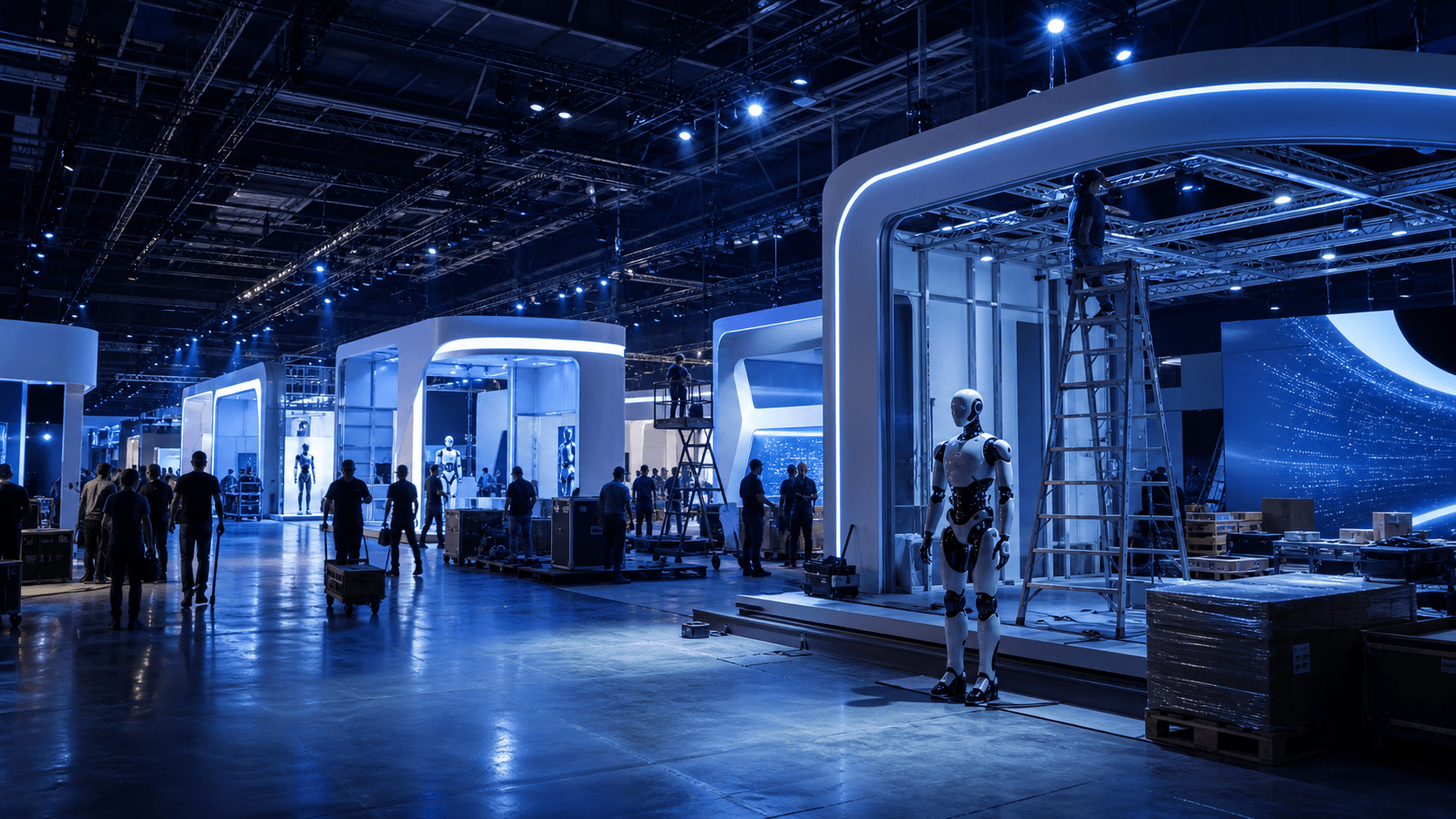
Preparations Continue Late for WRC 2026 as Robots and Workers Collaborate
On August 18, the eve of the 11th World Robot Conference in Beijing Yizhuang, workers were actively engaged in final preparations. They were busy installing booths, rehearsing boxing matches, and debugging robots well past 10 PM. This scene highlights the dedication and effort put into ensuring a successful event. The significance of this year's conference lies in its emphasis on real-scene demonstrations and the industry's shift from mere performance showcases to validating the value of robotics technology. The focus on hands, perception, and data reflects a growing recognition of the importance of practical applications in robotics. Looking ahead, attendees and industry professionals will be keen to observe how these developments influence future robotics applications and innovations. No further timeline was disclosed at the time of publication.

Bluesky's Leaders Discuss Social Media's Future at TechCrunch Disrupt 2026
At TechCrunch Disrupt 2026, Bluesky's CEO Toni Schneider and COO Rose Wang will present their vision for the future of social media, emphasizing the importance of protocols over platforms. Schneider, who recently transitioned from interim to permanent CEO, aims to lead Bluesky in a new era of social media that fosters innovative products and communities. This discussion is crucial as the social media landscape evolves, presenting opportunities for new business models and user experiences. Bluesky, alongside other emerging platforms, is navigating a competitive environment dominated by established players like Facebook and Twitter, which have shifted towards AI-driven models. The focus on user-centric design could position Bluesky favorably in this transition. Attendees at Disrupt 2026 will gain insights into Bluesky's strategy and the broader implications for the social media industry. With over 10,000 participants expected, the event will serve as a platform for networking and exploring the future of social media, highlighting the potential for open protocols to reshape user engagement.
Social TechCrunch Disrupt Bluesky
Robotics Companies Compete to Collect Human Videos for AI Training in India
Robotics companies are actively gathering videos of workers in India performing tasks such as shoe stitching and steel welding. This initiative aims to enhance the capabilities of robots by providing them with the necessary skills through human demonstrations. The significance of this effort lies in the ongoing competition among robotics firms to develop advanced AI systems that can replicate human tasks. By utilizing real-life footage of skilled workers, these companies hope to improve the training processes for their robots, ultimately leading to more efficient automation solutions. Looking ahead, it will be important to monitor how these efforts evolve and the impact they have on both the workforce and the robotics industry. No further timeline was disclosed at the time of publication.

Researchers Propose AI-First Approach to Scientific Papers with New Format
In May, 37 researchers from leading universities and tech companies published a paper on ArXiv advocating for a shift in scientific writing, suggesting that AI should take precedence in the research process. They introduced the concept of an 'Agent-Native Research Artifact' (ARA), designed to cater to AI's capabilities as autonomous contributors rather than mere tools. This proposal reflects a growing belief that AI can enhance research workflows and collaboration. The authors argue that traditional scientific papers fail to capture the full scope of research, leading to significant information loss. They highlight two main flaws: the 'storytelling tax,' where only a fraction of the research process is documented, and the 'engineering tax,' which results in incomplete information that hampers reproducibility. The ARA aims to address these issues by providing a format that allows AI to efficiently process and contribute to scientific knowledge. As AI continues to evolve, the implications for scientific research are profound. The ARA could pave the way for a new era of collaboration between humans and AI, potentially transforming how research is conducted and shared. No further timeline was disclosed at the time of publication.
Ai-research Ai-scientist Scientific-research Publishing
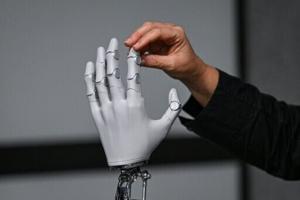
Foundation Robotics Unveils Advanced Robotic Hand That Catches Baseballs with Precision
Foundation Robotics has released a video showcasing its innovative robotic hand that successfully catches a baseball mid-air, demonstrating significant advancements in robotic dexterity and control. This development is crucial as it illustrates how enhanced mechanical design and motion planning are enabling robotic hands to perform intricate tasks with human-like precision, a key requirement for industrial applications. Looking ahead, the focus will be on how this tendon-driven architecture and advanced control systems can further improve the capabilities of humanoid robots in handling diverse tools and objects, enhancing their utility in complex environments. No further timeline was disclosed at the time of publication.
AI and Robotics
Qualcomm's Humanoid Robot Collapses During Live Demonstration at Computex 2026
A humanoid robot powered by Qualcomm's Dragonwing IQ10 AI platform collapsed unexpectedly during a live keynote at Computex 2026 in Taiwan. The incident occurred moments after the robot walked onto the stage, where it fell face-first despite briefly raising a fist, indicating it was still operational. Handlers quickly intervened, covering the robot and carrying it off stage. This incident highlights the inherent risks associated with live technology demonstrations. Qualcomm attributed the fall to a communication glitch, emphasizing that such failures provide valuable data for improving software and system reliability. The company noted that the robot executed its safe-collapse sequence to protect itself and its surroundings, demonstrating the effectiveness of its safety systems. Looking ahead, Qualcomm's Dragonwing IQ10 Robotics Reference Design aims to enhance the development of robots by integrating advanced computing capabilities and robust safety features. No further timeline was disclosed at the time of publication.
AI and Robotics
Estonian Startup Rollo Robotics Launches 1ROLLO, the First Autonomous Monowheel Security Robot
Rollo Robotics, an Estonian startup, has introduced the 1ROLLO, the world's first stable autonomous monowheel security robot designed for real-world patrols. This innovative robot autonomously monitors large facilities, navigating preset routes while balancing on a single 60-centimeter wheel and continuously scanning its environment. The introduction of 1ROLLO is significant as it addresses the long-standing challenge of stability in monowheel robots, enhancing cost-efficiency and versatility in security patrols. With a compact design, the robot can travel at speeds of up to 30 km/h and operates for up to eight hours on a single charge, making it suitable for continuous surveillance across expansive sites. Looking ahead, Rollo Robotics plans to offer 1ROLLO through a subscription-based service, allowing customers to access the technology without a large upfront investment. Commercial availability is expected in 2027, and the robot's ability to navigate tight spaces could revolutionize security operations in various critical infrastructure settings.
AI and Robotics
Cooperative Climbing Control for Bridge Pier Defect Detection Using Multi-Wheel Robots
A new multi-wheel cooperative climbing control system has been developed for detecting defects in bridge piers. This innovative circular frame robot system enhances the efficiency and accuracy of inspections, addressing a critical need in infrastructure maintenance. The significance of this technology lies in its potential to improve safety and reduce costs associated with bridge maintenance. By utilizing a cooperative approach, the system can navigate complex structures more effectively, ensuring that defects are identified promptly and accurately. Looking ahead, the adoption of this multi-wheel cooperative climbing control system could revolutionize the way infrastructure inspections are conducted. No further timeline was disclosed at the time of publication.
RESEARCH ARTICLE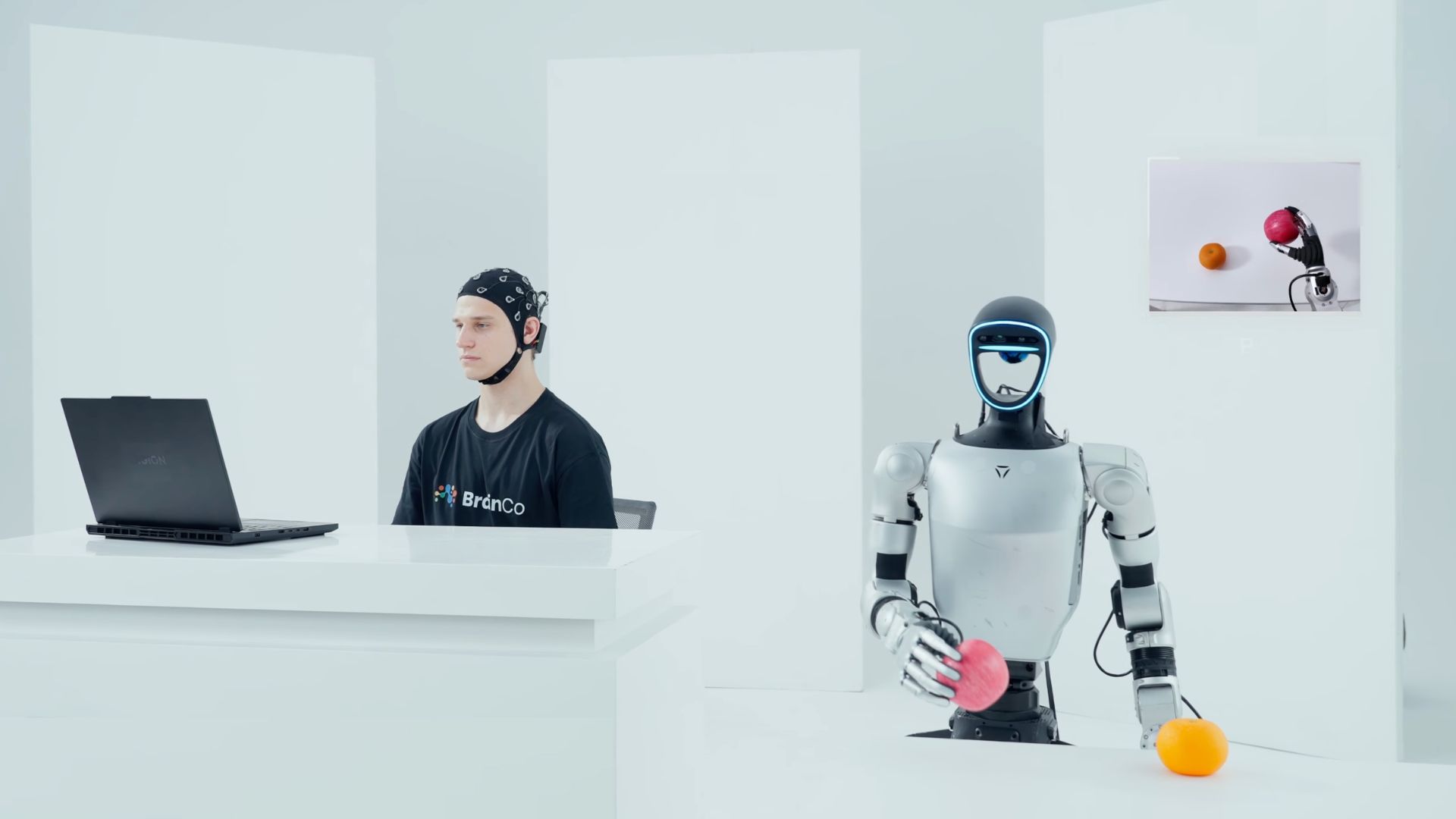
BrainCo Launches Innovative Brain-to-Robot Platform for Thought-Controlled Machines
BrainCo has introduced a groundbreaking 'brain-to-robot' platform at the World Artificial Intelligence Conference in Shanghai. This system enables users to control robots solely through brain signals, utilizing a non-invasive brain-computer interface (BCI) that interprets electrical signals from the brain via an EEG headset. This development is significant as it addresses a major challenge in robotics: understanding human intentions. Nyx He, senior vice-president of BrainCo, emphasized that while robots have advanced in autonomous actions, the next frontier is enhancing their ability to comprehend human commands. The platform also aims to generate high-quality training data essential for training intelligent machines. Looking ahead, BrainCo's platform is compatible with various third-party hardware, including humanoid robots and robotic arms. The potential for this technology extends beyond mere control, as it could significantly improve the training processes for future robots, addressing the critical need for real-world interaction data in embodied AI applications. No further timeline was disclosed at the time of publication.
AI and Robotics Innovation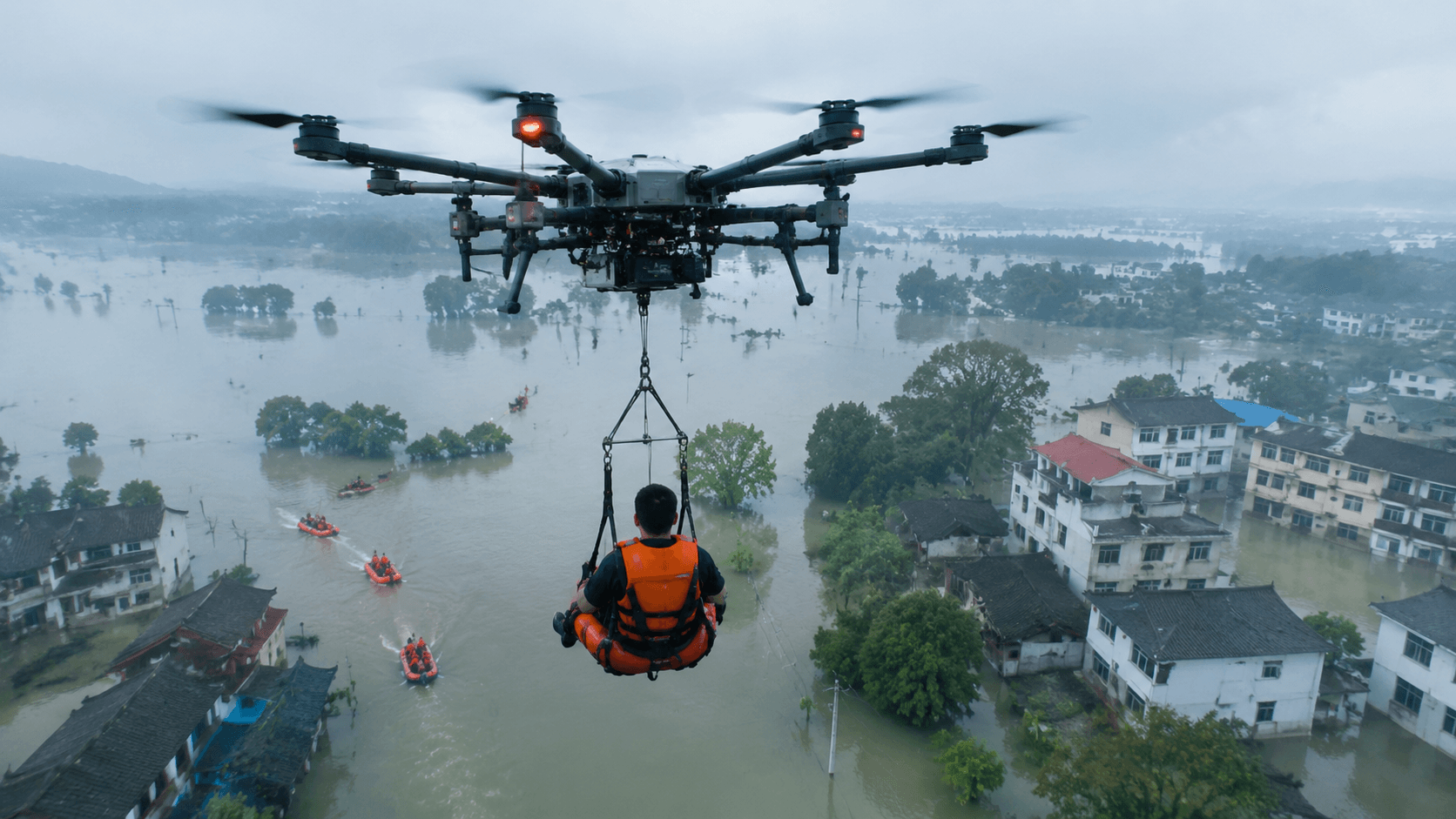
Chinese Heavy-Lift Drones Airlift Flood Victims in Guangxi Amid Safety Protocols
In Guangxi, China, heavy-lift drones have been deployed to rescue flood victims by airlifting individuals, defying standard safety protocols. This operation highlights the capabilities of the trillion-yuan low-altitude economy, which is becoming increasingly significant in emergency response scenarios. The use of these drones marks a pivotal moment in the integration of aerial technology into disaster management, showcasing their potential to save lives in critical situations. The significance of this operation lies in its demonstration of the industrial capacity within China's low-altitude economy, which is estimated to be worth trillions of yuan. By utilizing drones for rescue missions, authorities are not only addressing immediate humanitarian needs but also paving the way for future applications of drone technology in various sectors. This incident underscores the evolving landscape of aerial logistics and emergency response, emphasizing the need for updated safety regulations to accommodate such innovations. Looking ahead, the continued use of heavy-lift drones in rescue operations may lead to further advancements in drone technology and regulatory frameworks. No further timeline was disclosed at the time of publication, but the success of these missions could prompt increased investment and development in the low-altitude economy, potentially transforming how emergency services operate in the future.
Technology
Humanoid Robot H1 Completes First Live Gallbladder Surgery Under Surgeon Control
In July 2026, a humanoid robot successfully performed the world's first live gallbladder surgery on a pig under the control of a surgeon. This groundbreaking procedure, documented by Nature and featured on the front page of the New York Post, has sparked significant discussions in the tech community about the implications of humanoid robots in surgical settings, particularly regarding remote control and AI capabilities. The significance of this achievement lies in its potential to disrupt the surgical robotics market, which has been dominated by the Da Vinci surgical system for nearly two decades. The Da Vinci system, known for its high costs exceeding $2 million, relies on specialized robotic arms and instruments. In contrast, the humanoid robot's design allows it to utilize standard surgical tools, which could lead to reduced costs and increased accessibility for hospitals. Looking ahead, the successful completion of this surgery marks a pivotal moment for humanoid robots in healthcare. While regulatory hurdles and clinical validation processes remain, the experiment demonstrates that humanoid robots can perform complex surgical tasks. The next challenge will be determining when the costs associated with these robots can be lowered enough for broader adoption by hospitals beyond top-tier institutions. No further timeline was disclosed at the time of publication.
Humanoid Robots Surgical Robotics AI in Healthcare Remote Surgery
MIT and EPFL Develop Aerial-Aquatic Robot for Enhanced Environmental Studies
In a groundbreaking demonstration, two full teams of humanoid robots engaged in an 11-vs-11 soccer match at RoboCup 2026 in Incheon, South Korea, marking a significant milestone in robotic sports. This event showcased the advancements in humanoid robotics, with Tech United competing against IRIS, bringing the vision of robot soccer closer to reality. The significance of this event lies in its potential to drive interest and investment in humanoid robotics and AI technologies. As robots like Boston Dynamics' Atlas perform in front of large audiences, the market for humanoid robots in entertainment and practical applications is expected to grow. Additionally, the introduction of advanced robotic hands by 1X, featuring 25 degrees of freedom, highlights the ongoing evolution in dexterity and manipulation capabilities. Looking ahead, the next major robotics events include the Summer School on Multi-Robot Systems in Prague from July 29 to August 4, 2026, and IROS 2026 in Pittsburgh from September 27 to October 1, 2026. These gatherings will likely showcase further advancements in robotics and provide a platform for collaboration and innovation in the field. No further timeline was disclosed at the time of publication.
Video-friday Humanoids Robotics World-cup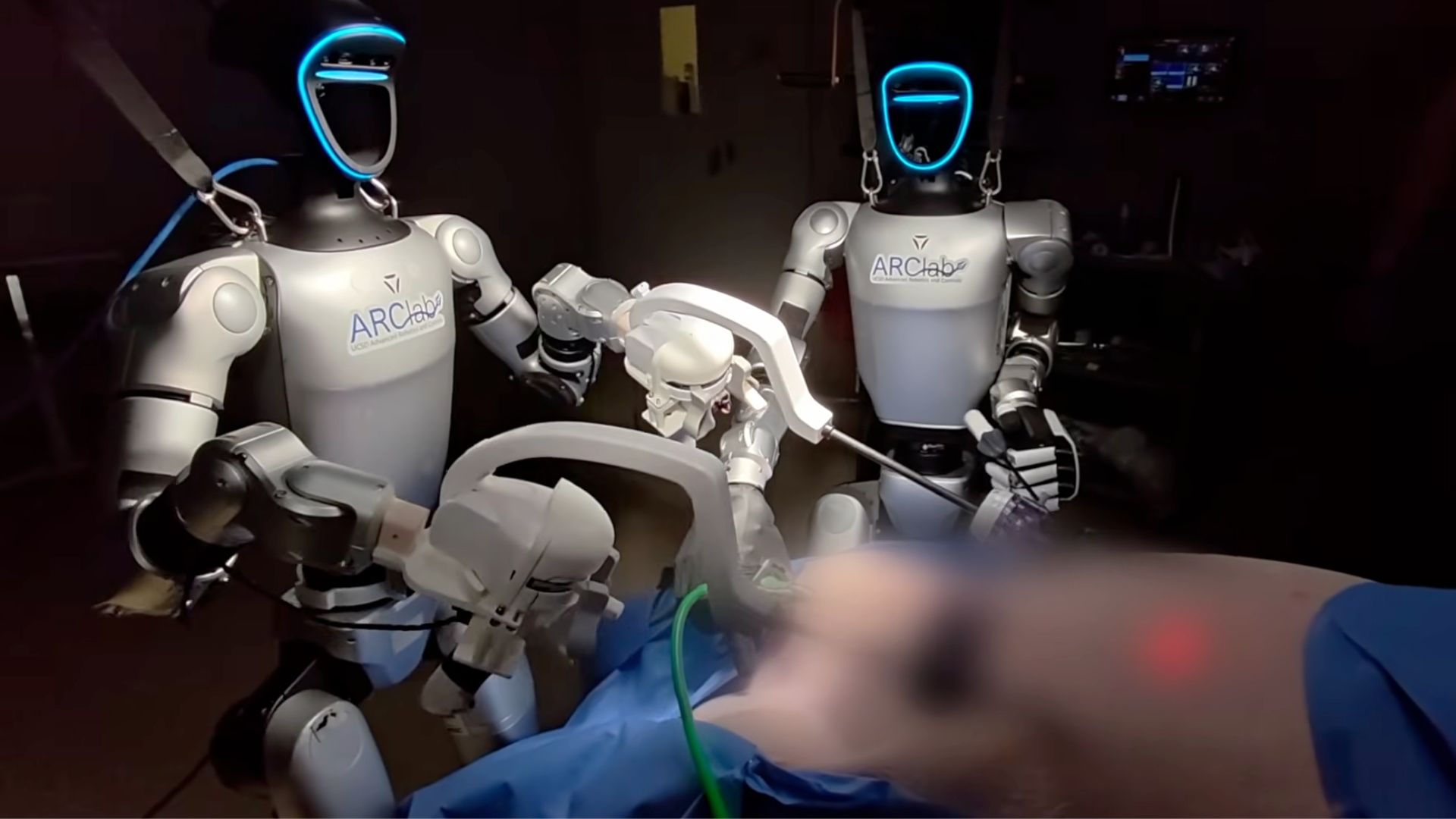
World’s first surgery using teleoperated humanoid robots conducted by US team
A team of researchers has made a groundbreaking advancement by successfully employing teleoperated humanoid robots to carry out two complex tasks. This achievement marks a significant milestone in robotics, showcasing the potential for remote-controlled machines to perform intricate functions that were previously thought to be the domain of human operators. The experiments took place in a controlled environment, allowing the researchers to meticulously assess the robots' capabilities and refine their performance. The motivation behind this innovative project stems from the desire to enhance efficiency and safety in various industries, particularly in situations where human presence may be risky or impractical. By leveraging advanced teleoperation technology, the researchers demonstrated that humanoid robots could effectively mimic human movements and decision-making processes, paving the way for future applications in fields such as disaster response, healthcare, and manufacturing. The successful execution of these tasks not only highlights the progress in robotic technology but also opens new avenues for research and development, potentially transforming how we approach complex operations in challenging environments. As the team continues to refine their methods, the implications of this work could lead to widespread adoption of teleoperated robots in various sectors, ultimately improving productivity and safety for human workers.
AI and Robotics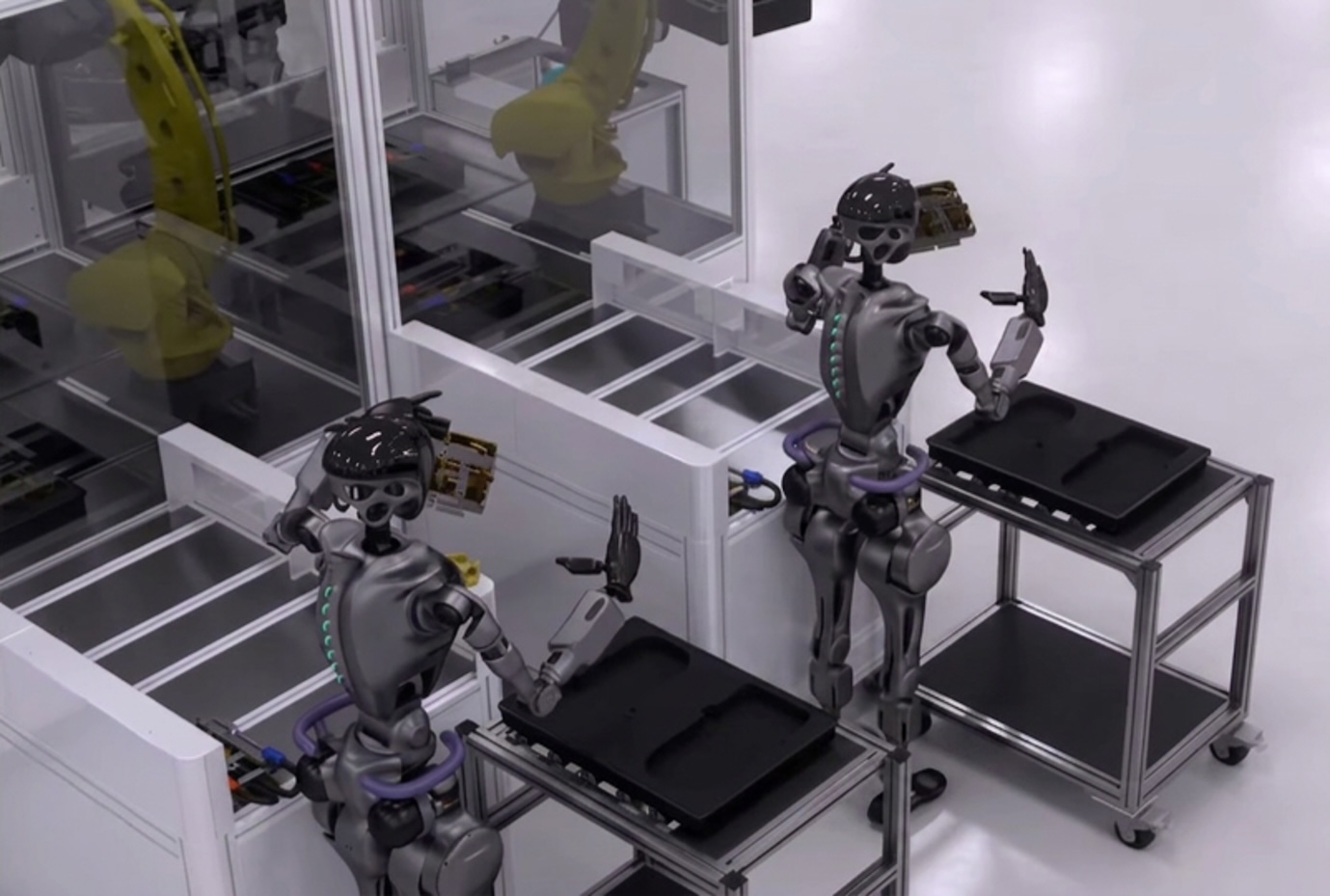
SpaceX Launches Starmind Project for 1 Million AI Satellites by 2028
SpaceX has officially named its orbital AI infrastructure project 'Starmind,' which aims to deploy a constellation of up to 1 million satellites. This initiative, confirmed by Elon Musk on June 22, 2026, will enable AI inference directly in space, utilizing solar energy rather than terrestrial power sources. The first satellite, designated AI1, was unveiled on June 8, 2026, and is designed to operate in sun-synchronous orbits. The significance of Starmind lies in its potential to overcome the limitations faced by ground-based data centers, such as land, power, and water constraints. By running AI computations in orbit, Starmind can provide a more efficient solution to the growing demand for AI computing power. The project leverages the existing Starlink infrastructure for data transmission, distinguishing its function from Starlink's internet relay capabilities. Looking ahead, SpaceX plans to begin hardware deployment with the AI1 satellite, while full-scale production and deployment of the satellite constellation are targeted for 2028. As of now, no Starmind satellites have been launched, and further engineering challenges remain to be addressed, particularly regarding the scalability of the satellite design.

SpaceX Unveils AI1 Satellite Specs for Starmind Constellation with Key Thermal Challenges
SpaceX has introduced the AI1 satellite, the inaugural component of its Starmind constellation, which stands 20 meters tall and has a wingspan of 70 meters. This orbital compute node is designed to deliver computing power equivalent to one NVIDIA GB300 server rack, utilizing a unique cooling system with deployable liquid radiators. The satellite's specifications were revealed during a presentation on June 8, 2026, ahead of SpaceX's IPO. The significance of the AI1 satellite lies in its role as a compute platform rather than a traditional satellite, focusing on running AI inference workloads. The satellite's cooling system, which is critical for its operation in the vacuum of space, is designed to reject heat through infrared radiation. However, independent engineers have raised concerns about the feasibility of the thermal and mass claims made by SpaceX, suggesting that the cooling requirements may exceed practical limits. Looking ahead, SpaceX plans to launch two AI1 prototypes in early 2027, with full-scale production expected to commence later that year at its Gigasat facility in Bastrop, Texas. The ongoing debate regarding the satellite's thermal management capabilities will be crucial to monitor as the project progresses, with no further timeline disclosed at the time of publication.
SpaceX's Starmind Faces Feasibility Challenges for 1 Million Satellite Deployment
On January 30, 2026, SpaceX submitted a request to the FCC to launch up to 1 million satellites as part of its Starmind orbital compute constellation. This ambitious plan is unprecedented, as the total number of satellites ever launched globally is in the low tens of thousands. The proposal seeks a waiver from standard deployment milestones, citing reliance on the Starship's full reusability for success. The significance of this request lies in the technical and logistical challenges it presents. Experts warn that low Earth orbit may not support the proposed number of active satellites without risking a debris cascade. SpaceX's own IPO prospectus acknowledges unresolved dependencies related to Starship's launch cadence and reusability, which are critical for the orbital AI compute strategy. Looking ahead, the timeline for achieving the necessary launch cadence and manufacturing capacity remains uncertain. SpaceX's Gigasat facility in Texas aims for volume production by late 2027, but this would require unprecedented output levels. No further timeline was disclosed at the time of publication, leaving the feasibility of the Starmind project in question.

Starmind's Orbital Compute vs. Terrestrial Data Centers: Analyzing Resource Advantages
Starmind's orbital compute technology presents a significant advantage over traditional ground-based data centers by eliminating constraints related to land, water, and grid permitting. While terrestrial data centers are currently cheaper and faster to construct, with U.S. data center spending reaching $85.3 billion in 2026, Starmind's approach focuses on addressing the growing resource limitations faced by hyperscale facilities. The significance of Starmind's technology lies in its ability to sidestep the increasing challenges of land and water usage. For instance, a 100 MW data center can consume approximately 530,000 gallons of water daily for cooling, while Starmind's AI1 utilizes deployable liquid radiators that require no water. This structural advantage could resonate with investors as the demand for AI computing continues to escalate, potentially leading to annual water withdrawals of up to 1.7 trillion gallons by 2027. Looking ahead, Starmind's next milestones include the launch of AI1 prototypes scheduled for early 2027. However, the technology's claims regarding cooling efficiency and operational reliability remain unverified until real flight data is available. As the industry evolves, the competition between orbital and terrestrial solutions will become increasingly relevant, particularly in the context of resource management and sustainability.
SpaceX Proposes 1 Million AI Satellites to Address Ground Data Center Constraints
On January 30, 2026, SpaceX filed with the FCC to launch up to 1 million AI compute satellites, positioning orbital data centers as a solution to the increasing demand for AI computing power. Ground data centers are facing significant challenges, with energy consumption projected to reach approximately 1,050 TWh in 2026, making them the fifth-largest electricity consumer globally. The demand for new data center capacity is outpacing the growth of power generation infrastructure, leading to a critical bottleneck in the grid system. The significance of this initiative lies in the structural constraints faced by ground data centers, including power delivery limitations, high water consumption, and local opposition to new projects. The Uptime Institute's 2026 outlook identifies power as the primary constraint on data center growth, with capacity clearing prices in the PJM grid skyrocketing to $329.17/MW, driven by data center expansion. Additionally, cooling requirements are becoming increasingly unsustainable, with facilities consuming vast amounts of water, further complicating their operational viability. Looking ahead, SpaceX's orbital AI compute initiative aims to circumvent these challenges by leveraging the advantages of space, such as continuous solar power and minimal local opposition. The first AI prototypes are expected to launch in early 2027, with operational deployments planned for 2028. No further timeline was disclosed at the time of publication.
Starmind's Satellite Technology Achieves 880 Billion Liters in Annual Water Savings
Starmind has announced that its satellite technology can save approximately 880 billion liters of cooling water annually at full scale. This figure is equivalent to the annual household water use of around 6.5 million Americans. The technology operates by utilizing a closed-loop liquid cooling system that eliminates the need for water during its operational life, contrasting sharply with traditional ground data centers that consume vast amounts of water for cooling. The significance of this achievement lies in the growing water consumption crisis faced by data centers, particularly as AI expansion drives demand. In 2025, U.S. data centers consumed nearly one trillion liters of water, highlighting the urgent need for sustainable solutions. Starmind's approach not only addresses direct water usage but also avoids indirect water consumption associated with electricity generation, marking a substantial shift in how computing can be conducted in a resource-efficient manner. Looking ahead, Starmind's deployment strategy includes a projected buildout of 100 GW of orbital compute per year, which could displace an additional 735 billion liters of ground water demand annually. The first tranche of 10,000 satellites is already operational, offsetting approximately 8.8 billion liters of water per year. No further timeline was disclosed at the time of publication.
SpaceX's Starship V3 Plans for 1 Million Starmind Satellites by 2030
SpaceX's Starship V3 is set to revolutionize satellite deployment, aiming to launch 1 million Starmind satellites by 2030. The spacecraft can carry over 100 tonnes to low Earth orbit (LEO), significantly more than the Falcon 9's capacity. As of May 2026, Starship has completed 12 flights, with the next mission scheduled for late July 2026, focusing on operational payloads including AI1 prototypes in early 2027. This ambitious plan is crucial for expanding orbital compute capacity, targeting an annual addition of 100 GW through a million tonnes of satellite hardware. SpaceX's strategy hinges on achieving a launch cadence of approximately 12,000 flights, equating to about three launches per day. The company has invested over $15 billion in the Starship program, with expectations to begin payload deliveries in the second half of 2026, starting with Starlink V3 satellites. Looking ahead, the successful deployment of the Starmind constellation will depend on Starship's ability to meet its cost targets of $10–20 million per flight. If achieved, this would make launching satellites more economical than building ground data centers. The next significant milestone will be the launch of AI1 prototypes in early 2027, with full-scale deployments commencing in 2028 from the new Gigasat factory in Texas.
SpaceX's Starmind Plans 1 Million AI Satellites Amid Collision Risks
SpaceX has announced its ambitious Starmind project, which aims to deploy 1 million AI satellites in orbits between 500 and 2,000 km. This initiative, confirmed by Elon Musk on June 23, 2026, follows a merger with xAI, valuing the combined entity at $1.25 trillion. The satellites will function as orbital data centers, processing AI workloads powered by solar arrays and linked by optical lasers. The significance of Starmind lies in its potential to add 100 gigawatts of AI compute capacity annually, contingent on the successful operation of the Starship launch system. However, the project raises concerns regarding space debris, as the current orbital environment is already congested, with a 20% increase in collision risk reported since 2024. The European Space Agency has highlighted that the density of debris in low Earth orbit is now comparable to that of active satellites, complicating the operational landscape for new entrants like Starmind. Looking ahead, the first operational orbital AI deployments are targeted for 2028, with test launches expected in early 2027. However, the project faces scrutiny regarding its impact on space debris, as even a 1% failure rate could significantly increase the number of uncontrollable objects in orbit, exacerbating existing risks. No further timeline was disclosed at the time of publication.

Tesla's Optimus Robots to Support Starmind Satellite Production, Not Maintenance
Tesla's Optimus robots will not be used to repair Starmind satellites in orbit, as confirmed by recent statements from Elon Musk. Instead, these robots are intended to assist in the construction and operation of the Terafab chip manufacturing facility in Texas. The AI1 satellites, designed to disintegrate upon reentry, highlight the company's swap-and-replace strategy rather than traditional maintenance practices. This approach is significant as it reflects a broader trend in satellite management, where mass-produced satellites are replaced rather than repaired. The economics of servicing missions are prohibitive, with the cost of launching a replacement satellite being significantly lower than conducting a repair mission. This model aligns with SpaceX's operational history, where rapid replacement of satellites is more efficient than attempting to maintain them in orbit. Looking ahead, the focus will remain on the production capabilities of the Gigasat factory, which is expected to support the continuous replacement of satellites. No further timeline was disclosed at the time of publication, but the demand for rapid satellite turnover suggests a robust future for Optimus robots in terrestrial manufacturing rather than in-space servicing.

SpaceX's $1.75 Trillion Valuation Driven by Starmind's Future Potential
Starmind is a pivotal element in SpaceX's estimated $1.75 trillion IPO valuation, despite currently generating no confirmed revenue. The stock price reflects optimistic projections regarding AI infrastructure growth, which Starmind has yet to substantiate. As of early July 2026, SpaceX's stock has decreased from its 52-week high of $225.64 to around $150, indicating market skepticism about future execution. The significance of Starmind lies in its potential to transform SpaceX's revenue model beyond traditional launch services. Goldman Sachs has shifted its focus from Starlink subscriber growth to the prospects of AI revenue, including orbital computing, as a cornerstone of SpaceX's long-term valuation. This marks a substantial change in how analysts view the company's growth trajectory, necessitating rates exceeding its historical 33% growth. Looking ahead, the credibility of Starmind as a growth narrative will be crucial for maintaining investor confidence. Analysts have noted a considerable divergence in price targets, reflecting uncertainty about the value of the Starmind and xAI initiatives. No further timeline was disclosed at the time of publication regarding specific milestones for these projects.

SpaceX's Starmind Targets AI Labs with $6.3 Billion Compute Contracts
SpaceX's Starmind is designed to provide wholesale AI compute services to businesses, particularly AI labs and cloud customers, rather than individual consumers. The service operates similarly to AWS, where users benefit from applications running on Starmind without direct subscriptions. The compute capacity of a single AI1 satellite is comparable to one NVIDIA GB300 rack, emphasizing its enterprise-grade capabilities. The significance of Starmind lies in its positioning as a potential fourth hyperscaler, joining the ranks of AWS, Microsoft Azure, and Google Cloud. The Reflection AI contract, valued at $150 million per month, exemplifies the enterprise-focused model, with total payments potentially reaching $6.3 billion through 2029. This contract highlights the growing demand for AI compute resources, particularly from AI-native startups and labs. Looking ahead, the focus will remain on securing additional enterprise contracts as Starmind expands its offerings. No consumer-facing products or subscriptions have been announced, and the current strategy is to cater to businesses with substantial AI workloads. No further timeline was disclosed at the time of publication.

A soft exoskeleton could restore hand function in people with motor impairments
Recent technological advances have opened valuable possibilities for supporting people with motor impairments or who are recovering from injuries to the brain, spinal cord or nerves. Millions of people worldwide currently experience difficulty moving their hands or other parts of their body. Some of these motor impairments are associated with progressive neurodegenerative diseases, such as amyotrophic lateral sclerosis (ALS), while others are the result of neurological damage caused by an injury or a stroke.
RoboticsRobotics needs a service framework.
RSF defines a common language for robot service capability, lifecycle operations, certification pathways, and service-provider networks.
Join the RobotToday community on LinkedIn
Daily robotics news, in-depth analysis, conference highlights, and discussions with professionals worldwide.