Industry Briefing
A single destination for timely, editor-curated robotics news from around the world.

General Glen VanHerck Discusses Drone Swarms Over Langley AFB and NORAD's Preparedness
General Glen VanHerck, former head of NORAD and NORTHCOM, expressed that the drone swarms over Langley Air Force Base in December 2023 were anticipated threats. He highlighted the ongoing concerns regarding U.S. military installations' vulnerabilities to drone incursions, emphasizing that the military was not adequately prepared to address such threats. The incursions, which began on December 6, 2023, involved uncrewed aerial systems (UAS) that posed potential risks to flight safety, although they did not show hostile intent. VanHerck noted that he had previously communicated his frustrations about the lack of domain awareness and the need for enhanced capabilities to the Secretary of Defense, Lloyd Austin, in December 2021. Looking ahead, VanHerck's insights underline the necessity for improved policies and authority regarding drone defense at military installations. The challenges of jurisdiction and empowerment for installation commanders remain critical issues that need to be addressed to enhance national security against evolving aerial threats. No further timeline was disclosed at the time of publication.
News & Features Air Counter-Unmanned Aerial Vehicles (C-UAS) Drones Land Unmanned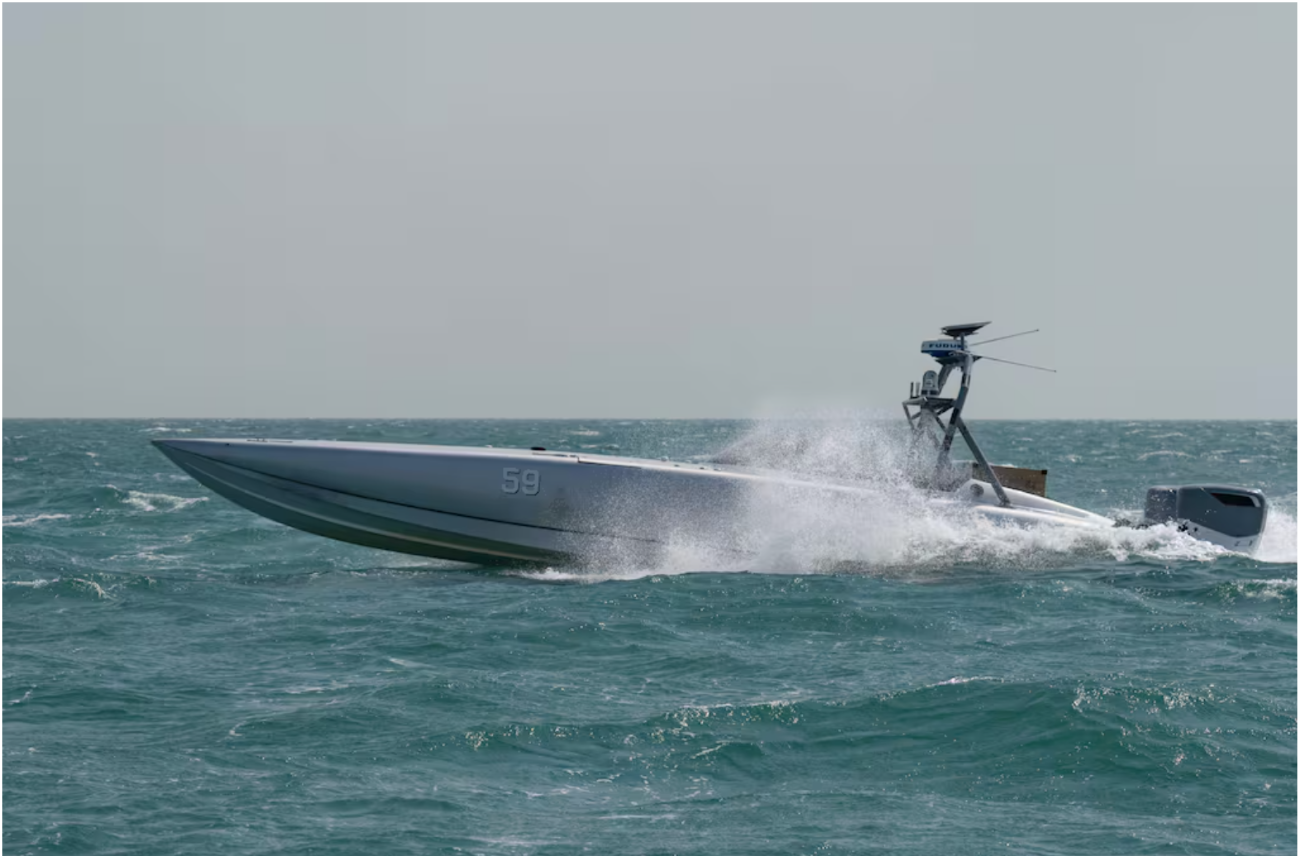
Pentagon Issues Urgent Request for Robotic Boats to Deploy Drone Swarms in 120 Days
The Pentagon has issued an urgent solicitation for the development of robotic boats capable of launching drone swarms within 120 days. This initiative, led by the Defense Innovation Unit (DIU) under the Department of Defense, aims to address the rising costs of modern warfare, where expensive naval vessels are increasingly vulnerable to cheaper unmanned threats. The DIU's project, codenamed SWAP-USV, seeks solutions that can autonomously track and intercept asymmetric maritime threats, such as high-speed smuggling boats and semi-submersibles. The robotic boats must carry at least two small drones with a combined payload capacity of 2 kilograms (approximately 4.4 pounds) for kinetic strikes, emphasizing the need for cost-effective defense mechanisms in contested environments. Looking ahead, the DIU has outlined a two-phase testing approach, with Sprint 1 requiring a fully mission-capable unmanned surface vehicle (USV) ready for testing within 29 days of selection, and a $40 million prize for successful solutions. The urgency of the 120-day timeline reflects the Pentagon's recognition of the need to adapt to evolving maritime threats and cost dynamics in warfare.
Robotic Boats Drone Technology Military Innovation Defense Technology
Seven AI Technologies Enhancing Military Drone Swarms' Intelligence and Effectiveness
Military drone swarms are becoming a pivotal advancement in autonomous warfare, enabling multiple unmanned systems to operate collectively rather than individually. This capability is heavily reliant on artificial intelligence, which aids drones in interpreting sensor data, navigating complex environments, and communicating effectively, thereby reducing the burden on human operators. The significance of these advancements lies in their ability to enhance operational resilience. Swarm intelligence allows drones to function as a coordinated unit, utilizing decentralized algorithms to manage interactions, maintain formations, and adapt to challenges, inspired by natural collective behaviors. Programs like DARPA’s OFFSET have explored these concepts, demonstrating how autonomous systems can collaborate in intricate missions, particularly in urban settings. Looking ahead, the integration of edge AI technology is crucial for military drone swarms. This innovation enables drones to process data onboard, ensuring functionality even when connectivity to command centers is compromised. As these technologies evolve, their impact on military operations and strategies will be significant, with ongoing developments to watch closely.
AI and Robotics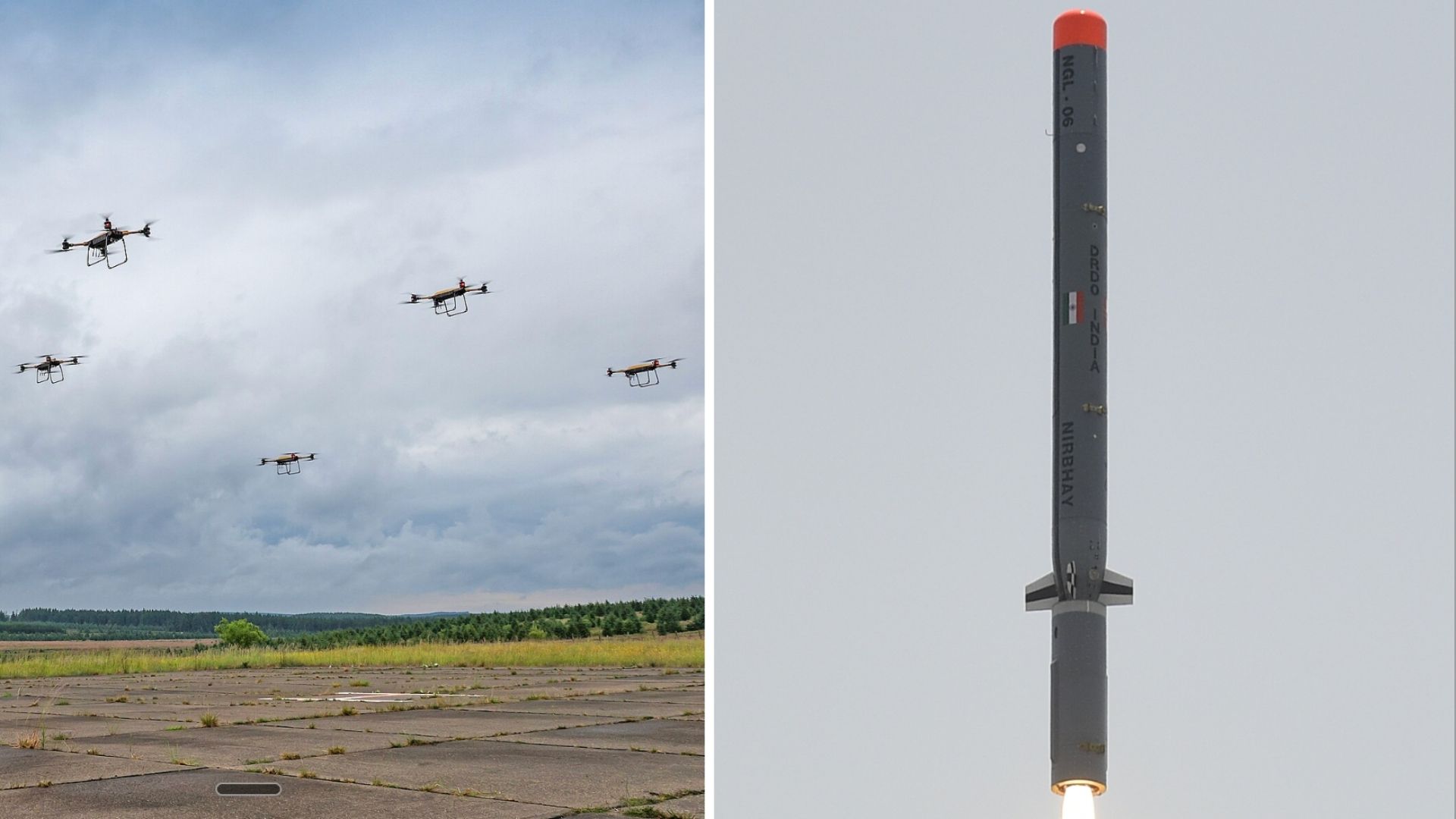
Comparative Analysis of Drone Swarms and Cruise Missiles: Range, Cost, and Power
Drone swarms and cruise missiles serve to challenge modern air-defense systems, albeit through distinct methodologies. Cruise missiles, such as the US Navy's Tomahawk, excel in long-range precision strikes, capable of traveling approximately 900 nautical miles (1,600 kilometers) and delivering powerful warheads. In contrast, drone swarms leverage quantity and coordination, saturating defenses despite their generally shorter ranges and smaller payloads. The significance of this comparison lies in the evolving landscape of military technology, where the choice between cruise missiles and drone swarms can influence operational strategies. While cruise missiles possess greater destructive power with warheads around 1,000 pounds, drone swarms can overwhelm targets through sheer numbers, allowing multiple simultaneous strikes. This capability makes drone swarms an appealing option for modern warfare, where cost-effectiveness and adaptability are crucial. Looking ahead, the development of both technologies will be critical in shaping future military engagements. As advancements continue, the balance between the sophistication of cruise missiles and the tactical advantages of drone swarms will likely dictate their respective roles in combat scenarios. No further timeline was disclosed at the time of publication.
Military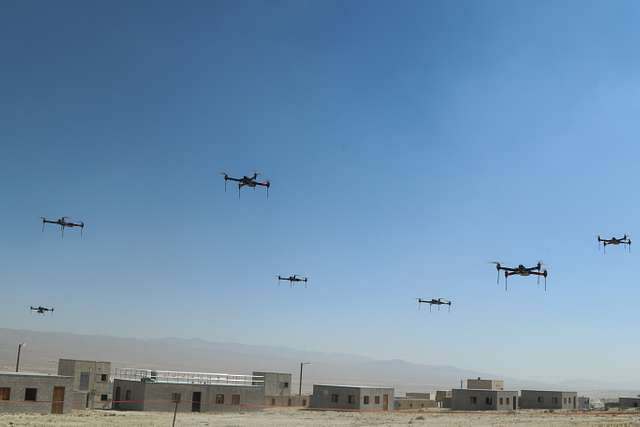
Auriga Space and U.S. Army Explore Electromagnetic Launchers for Countering Drone Swarms
Auriga Space has entered a three-year Cooperative Research and Development Agreement (CRADA) with the U.S. Army Combat Capabilities Development Command Armaments Center (DEVCOM AC) to investigate the potential of electromagnetic launch technology in countering drone swarms. This initiative aims to find a cost-effective alternative to traditional missile interceptors, which have proven expensive in engagements against low-cost drones. The significance of this research lies in the increasing need for modern militaries to address the economic challenges posed by drone warfare. Current missile interceptors can cost hundreds of thousands to millions of dollars, creating a cost imbalance when defending against inexpensive drones. The CRADA represents a broader commitment by the Department of War to explore innovative counter-drone technologies that can maintain high engagement rates while reducing operational costs. Looking ahead, Auriga plans to conduct the first outdoor flight test of its transportable electromagnetic launch platform, Hermes, later this summer. This platform is designed for rapid reloads and repeated engagements against multiple targets, potentially offering a new solution to the growing threat of drone swarms. No further timeline was disclosed at the time of publication.
Anti-drone technology Applications C-UAS Defense Drone News Drone News Feeds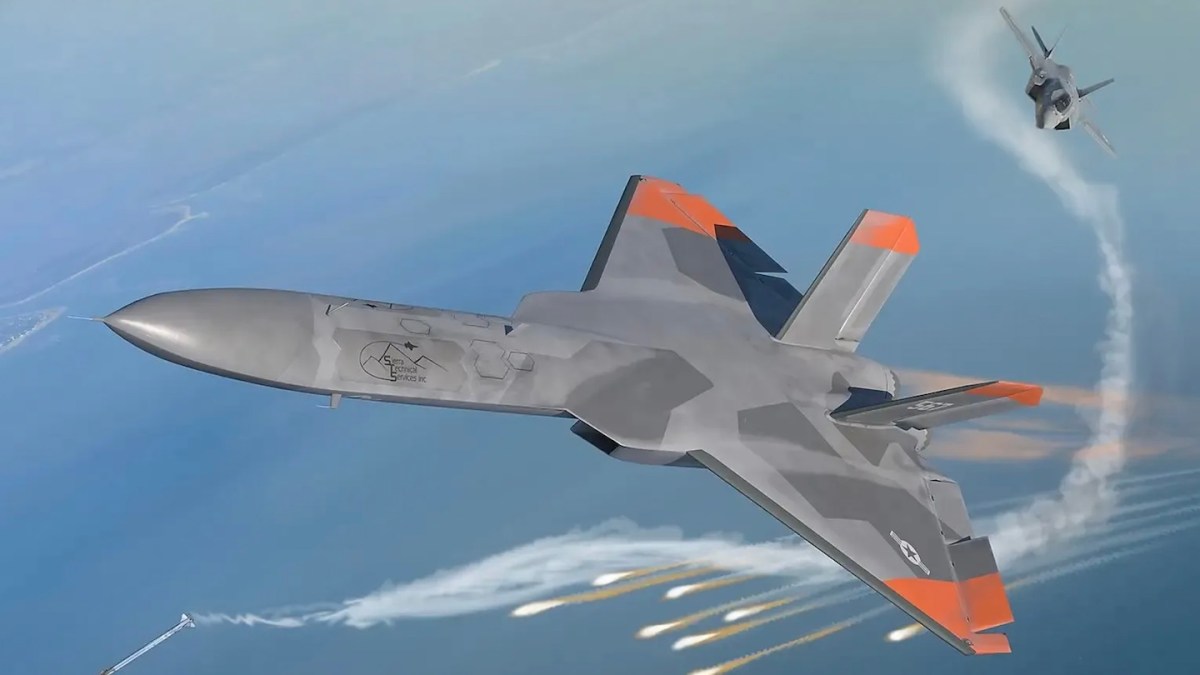
U.S. Air Force Seeks New Family of Expendable Target Drones for Diverse Threat Simulation
The U.S. Air Force is pursuing a new family of aerial targets designed to replicate a wide range of airborne threats, including stealth fighters and UAV swarms. This initiative aims to create realistic yet cost-effective targets that can be routinely used and destroyed during testing, as outlined in a recent Request for Information (RFI). The Air Force's requirements emphasize the need for these targets to be inexpensive and simple to manufacture, allowing them to be treated as expendable. This marks a shift from existing aerial targets like the QF-16, which is based on a converted fighter aircraft. The new targets are expected to leverage commercial technologies and manufacturing methods to enhance scalability and reduce costs. The proposed systems will cater to various threat categories, with specific requirements for advanced fighter aircraft, including supersonic capabilities and advanced radar cross-section profiles. Responses to the RFI are due by September 28, and the Air Force is particularly interested in non-traditional solutions that can offer advantages over legacy systems.
Air Air Forces Drones News & Features U.S. Air Force
The Emergence of Autonomous Drone Swarms as Advanced Killing Machines
Autonomous drone swarms have officially been introduced, showcasing technology that transforms various uncrewed platforms into effective swarming killing machines. This development marks a significant advancement in drone capabilities, with companies now able to deploy everything from commercial quadcopters to larger drones resembling small rhinos. The introduction of these drone swarms is crucial as they represent a new frontier in military and surveillance applications. Their ability to operate collectively enhances their effectiveness in various scenarios, potentially changing the landscape of aerial combat and reconnaissance. The ongoing evolution of drone technology is likely to raise important discussions regarding ethics and regulations in warfare. Looking ahead, the continued development and deployment of autonomous drone swarms will be pivotal to watch. As more companies enter this space and refine their technologies, the implications for military strategy and defense procurement will become increasingly significant. No further timeline was disclosed at the time of publication.

Northrop Grumman Launches 50mm Raid Hunter for Enhanced Short-Range Air Defense
Northrop Grumman has unveiled the Raid Hunter, a new short-range air defense system designed to protect military bases from aerial threats. This 50mm gun-based system aims to counter cruise missiles and drone swarms, addressing a critical gap in short-range air defense capabilities. The introduction of Raid Hunter is significant as it provides military forces with a mobile and cost-effective solution to respond to large-scale aerial attacks. With its ability to strike multiple targets quickly, the system enhances the protection of vital infrastructure against evolving threats. Looking ahead, Northrop Grumman plans to conduct testing throughout the year to evaluate Raid Hunter's performance and operational deployment timeline. The system's modular design and mobility will allow for flexible deployment options, making it suitable for various operational environments.
Military
US Marine Corps Awards $11 Million Contract for Epirus' HAVOC Microwave Weapon System
The US Marine Corps has awarded Epirus an $11 million contract for the HAVOC system, a vehicle-mounted high-power microwave weapon designed to disable drone swarms. This system is derived from Epirus' Leonidas weapon and will be integrated into both manned and unmanned Marine Corps vehicles, enhancing their counter-drone capabilities. The HAVOC system represents a significant advancement in the Marine Corps' efforts to combat drone threats, providing three times the power and improved range compared to its predecessor, the Expeditionary Directed Energy Counter-Swarm system (ExDECS). This capability allows for simultaneous electronic effects against multiple drones, ensuring effective protection for high-value assets and personnel. Looking ahead, the HAVOC system's software-driven architecture will enable continuous updates to counter evolving drone technologies. The universal sled mount design will facilitate its deployment across various Marine Corps vehicles, enhancing operational flexibility. No further timeline was disclosed at the time of publication.
Military
3D-printed autonomous interceptor aircraft targets hostile drone swarms at 350 mph
Colorado-based SkyDefense has introduced CobraJet, an autonomous interceptor aircraft designed to stop hostile drones before...
Military
New laser weapon system uses rapid pulses to defeat drones swarms in seconds
Israeli startup Esh-Tech has unveiled an innovative laser-based air defense system aimed at countering the increasing threat of aerial attacks. The announcement was made during a technology showcase in Tel Aviv on October 15, 2023. This advanced system is designed to provide a cost-effective and efficient solution for intercepting drones and other airborne threats, which have become more prevalent in recent conflicts. Esh-Tech's motivation stems from the urgent need for enhanced security measures in the region, as traditional defense systems often face limitations in terms of cost and effectiveness against modern aerial threats. The laser technology allows for precise targeting and engagement, significantly reducing the expense associated with conventional missile systems. The development process involved extensive research and collaboration with defense experts, ensuring that the system meets the rigorous demands of military applications. Esh-Tech aims to position its product as a vital tool for both national defense and private sector security, potentially transforming the landscape of air defense strategies in Israel and beyond.
Military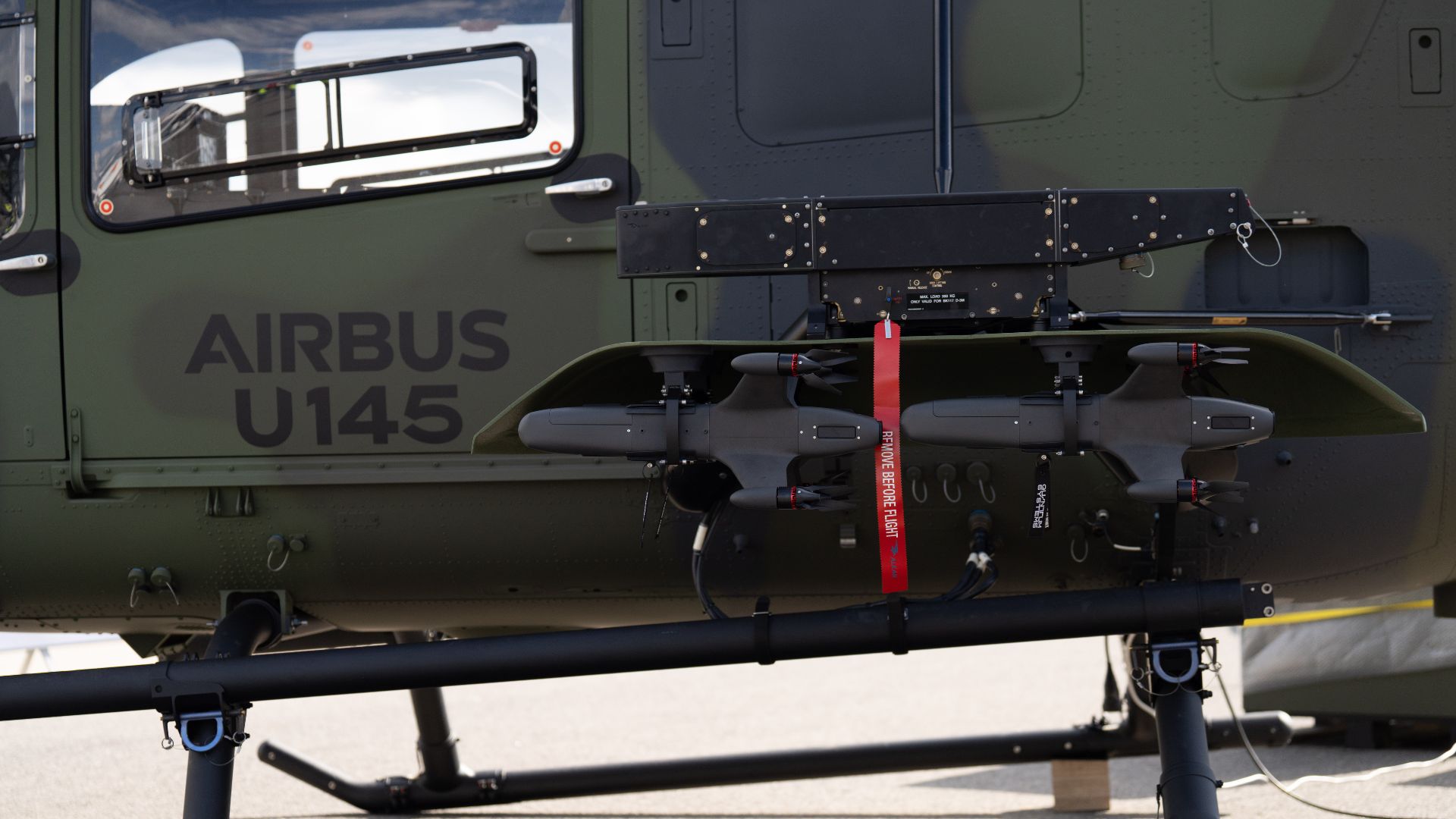
Airbus modifies H145M helicopter to deploy interceptors against tactical drone swarms
Airbus Helicopters, in collaboration with German defense officials, is responding to the increasing threats posed by small attack drones to military helicopters. This initiative comes amid heightened concerns regarding the vulnerability of aerial vehicles in modern combat scenarios. The partnership aims to enhance the defensive capabilities of helicopters, ensuring they can effectively counteract the risks associated with drone warfare. By integrating advanced technologies and innovative strategies, the companies seek to bolster the safety and operational effectiveness of military aviation. This development is particularly timely given the evolving landscape of aerial threats, which has prompted defense sectors worldwide to reassess their strategies and equipment. The collaboration highlights a proactive approach to addressing emerging challenges in military operations.
Military
World’s first two-seat Gripen F jet can coordinate drone swarms for added lethality
Saab, the Swedish aerospace and defense company, has unveiled the world's first Gripen F fighter jet during a ceremony held at its facility in Linköping. This significant event took place recently, marking a milestone in the development of advanced military aircraft. The Gripen F, a twin-seat variant of the Gripen E, is designed to enhance operational capabilities and provide advanced training for pilots. Saab's decision to develop this model stems from the increasing demand for versatile and efficient fighter jets in modern air forces. The rollout of the Gripen F is expected to strengthen Sweden's defense capabilities and contribute to international military partnerships. The aircraft features cutting-edge technology and improved performance, positioning it as a competitive option in the global defense market.
Pentagon taps US firm for coordinated attack by intelligent, low-cost drone swarms
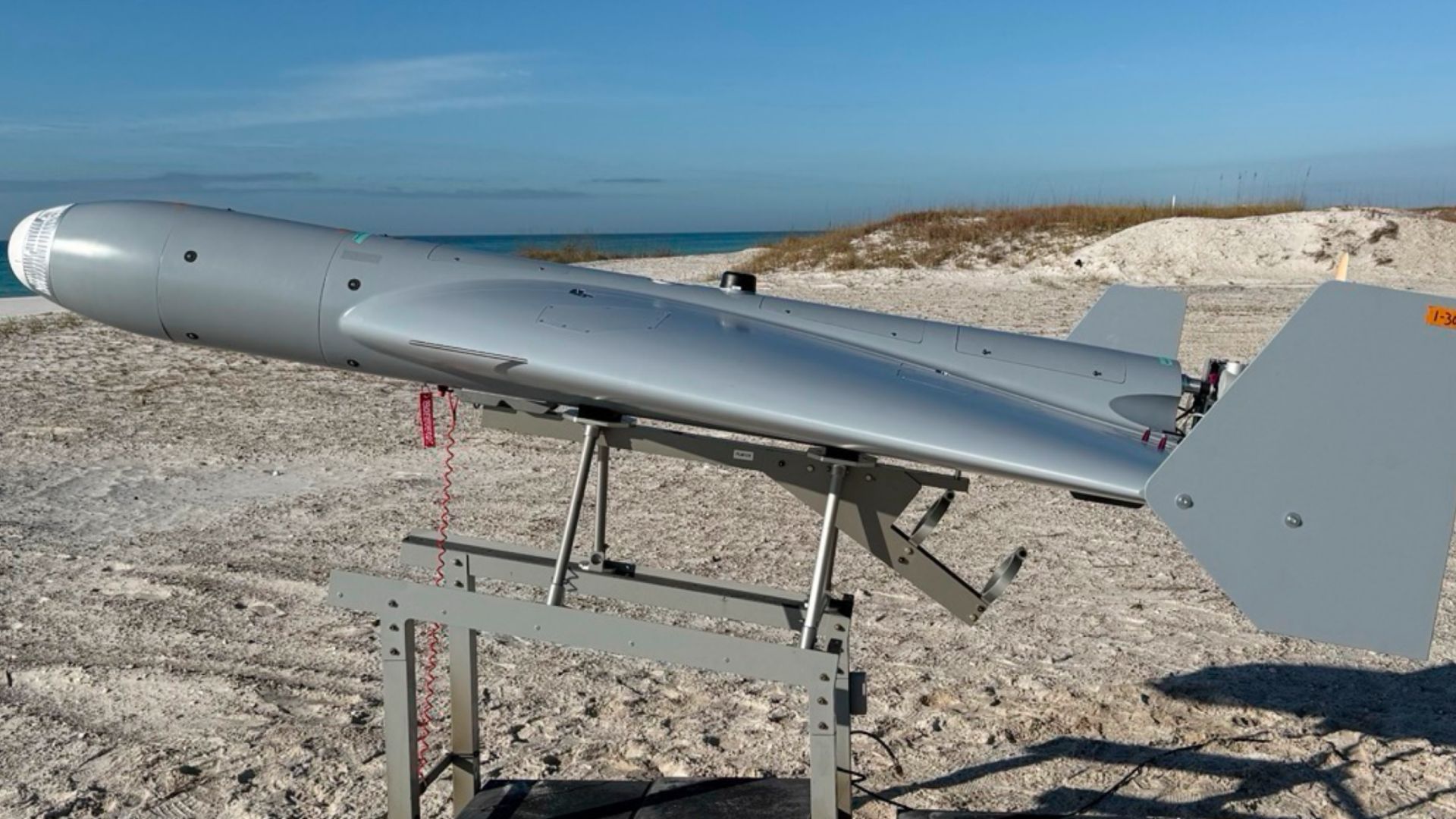
The Pentagon has chosen Shield AI to implement its Hivemind autonomy software on the Low-Cost Attritable Strike Unmanned Aerial Vehicle (UAV). This decision, announced recently, aims to enhance the operational capabilities of the military's drone fleet. By integrating advanced artificial intelligence, the Pentagon seeks to improve mission efficiency and effectiveness in various combat scenarios. The collaboration with Shield AI is part of a broader initiative to leverage cutting-edge technology in defense operations, ensuring that the U.S. military remains at the forefront of innovation in unmanned systems. The integration process is expected to commence shortly, with the goal of deploying the enhanced UAVs in upcoming military exercises.
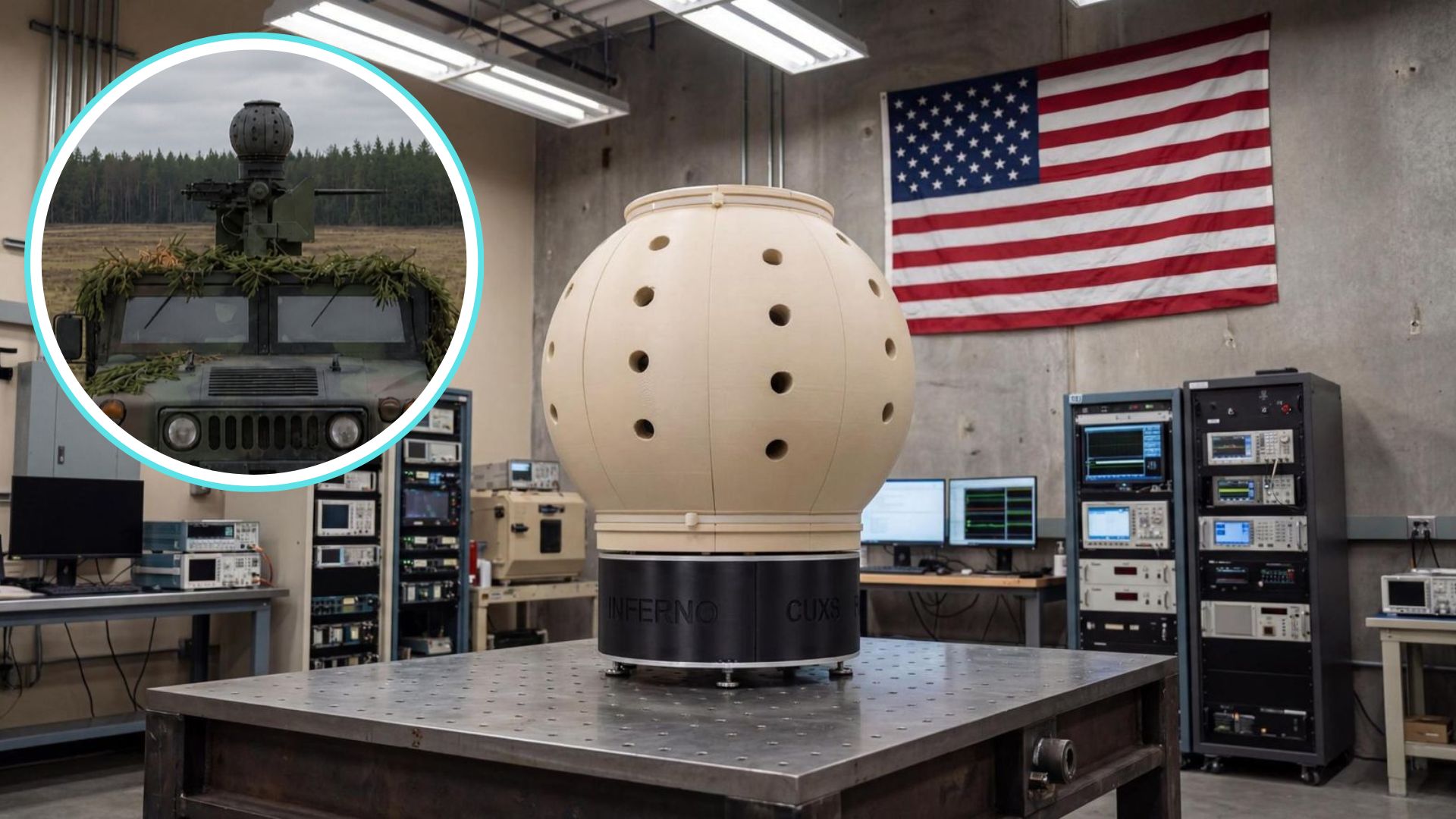
New US turret fires 54 barrels in 360 degrees at drone swarms using acoustic sensors
A US startup is at the forefront of innovation in drone warfare, focusing on the development of advanced swarm attack strategies and jam-resistant aircraft. This initiative comes as military tactics evolve to incorporate faster and more efficient unmanned aerial vehicles. The startup aims to enhance operational capabilities for defense forces by leveraging cutting-edge technology to counteract electronic warfare and improve the effectiveness of drone missions. With the increasing reliance on drone technology in modern conflicts, the company is positioning itself to meet the growing demand for sophisticated aerial combat solutions. The advancements are expected to play a crucial role in future military engagements, ensuring that armed forces can maintain a strategic advantage in the face of evolving threats.
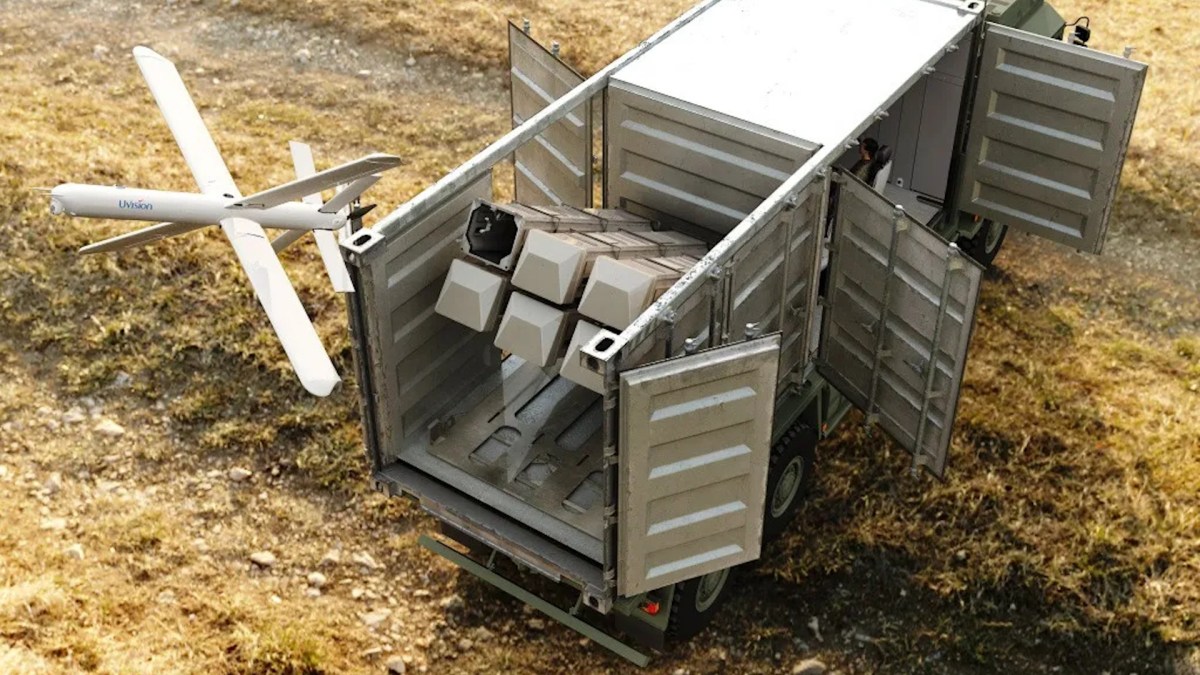
Drone Swarms Packed Into Unassuming Containers Sought By DARPA
The Defense Advanced Research Projects Agency (DARPA) is exploring the development of remotely triggered drone swarms that can be concealed within unassuming containers. This innovative approach aims to enhance military capabilities by deploying swarms behind enemy lines, creating a versatile and challenging threat that could emerge from multiple locations. The initiative reflects a growing interest in advanced drone technology and its potential applications in modern warfare, as military strategists seek to outmaneuver traditional defense systems. By leveraging containerized drones, DARPA aims to increase operational flexibility and surprise in combat scenarios, posing significant implications for future military engagements.
News & Features Air Drones Unmanned
ThinKom Develops Self-Funded Mobile HPM Weapon to Counter Drone Swarms
ThinKom Solutions, a company based in Hawthorne, California, has introduced Alecto, a self-funded mobile high-power microwave (HPM) directed energy weapon aimed at neutralizing swarms of unmanned aircraft systems (UAS). Announced on May 4, 2026, the development of Alecto leverages ThinKom's proprietary Variable Inclination Continuous Transverse Stub (VICTS) antenna technology. This innovation is specifically designed to meet the Counter-UAS (C-UAS) needs of the Department of Defense, addressing growing concerns over the increasing use of drone swarms in military and security operations. The introduction of Alecto represents a significant advancement in directed energy capabilities, providing a new tool for defense against aerial threats.
Robotics needs a service framework.
RSF defines a common language for robot service capability, lifecycle operations, certification pathways, and service-provider networks.
Join the RobotToday community on LinkedIn
Daily robotics news, in-depth analysis, conference highlights, and discussions with professionals worldwide.