Industry Briefing
A single destination for timely, editor-curated robotics news from around the world.

DHS Secretary: U.S. Still Building Counter-Drone Defenses for World Cup
In a recent statement, DHS Secretary Alejandro Mayorkas acknowledged that federal efforts to enhance counter-drone defenses are still lagging behind, particularly in preparation for high-profile events such as the upcoming World Cup. This admission highlights ongoing concerns regarding the potential threats posed by drones, especially in relation to critical infrastructure and large gatherings. The Department of Homeland Security is actively working to establish new protocols aimed at mitigating these risks, but Mayorkas emphasized that more progress is needed to ensure adequate protection. The urgency of these measures reflects the increasing prevalence of drone usage and the need for effective strategies to safeguard public safety during major events.
Anti-drone technology Applications C-UAS Defense DHS Drone News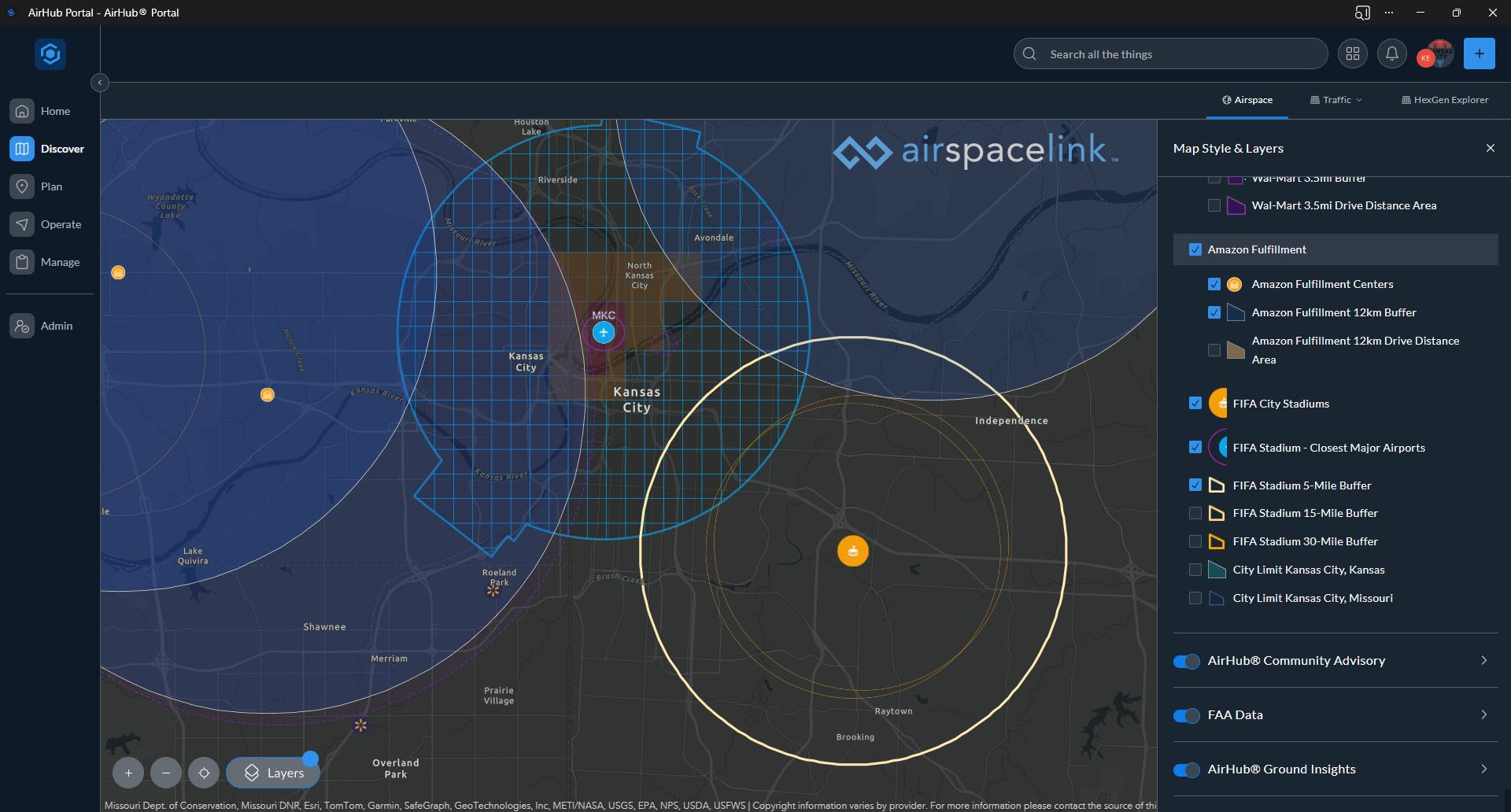
Kansas City Builds a World Cup-Era Drone Defense Network
Kansas City, Missouri, has taken a significant step in enhancing public safety by implementing a shared drone coordination and counter-unmanned aerial systems (UAS) platform. This initiative, spearheaded by Airspace Link in collaboration with regional public safety agencies, aims to bolster security during the FIFA World Cup and improve future urban drone operations. The deployment marks Kansas City as one of the first regions in the United States to adopt such an integrated system, reflecting a proactive approach to managing drone traffic and mitigating potential threats. The platform is designed to facilitate coordinated responses to drone-related incidents, ensuring a safer environment for large-scale events and everyday urban activities.
C-UAS defense Drone News Drone News Feeds News UTM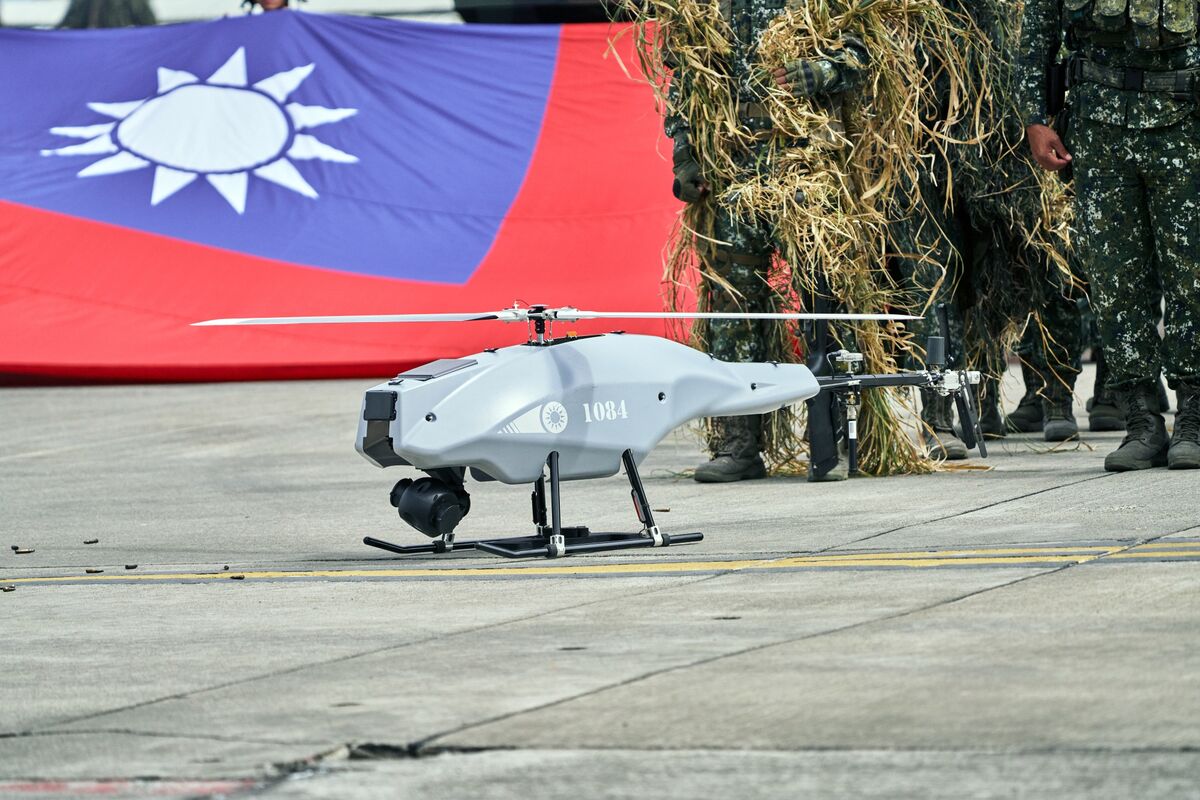
Taiwan Opposition’s $7.5 Billion Plan Stirs Drone Defense Debate
Taiwan's main opposition party has unveiled a strategy to advance the drone industry, shortly after blocking a similar initiative proposed by President Lai Ching-te's administration. This development comes amid ongoing discussions regarding unmanned systems, which hold significant importance for Taiwan's defense capabilities. The opposition's move reflects a growing emphasis on enhancing the island's technological and military resources in response to regional security challenges. The initiative aims to bolster Taiwan's defense infrastructure and ensure its preparedness in an increasingly complex geopolitical landscape.

Why Motorola is spending $1.5 billion on drone defense
The drone industry, traditionally centered on enhancing aerial capabilities, is shifting its focus towards managing unwanted drone activity, as evidenced by a recent $1.5 billion acquisition. This strategic move indicates a growing recognition of the need for effective drone control solutions amid increasing concerns over privacy and security. The acquisition highlights a significant opportunity for businesses to develop technologies that can mitigate the risks posed by unauthorized drones. As the market evolves, stakeholders are likely to invest in systems that not only enhance drone functionality but also ensure safe airspace management.
News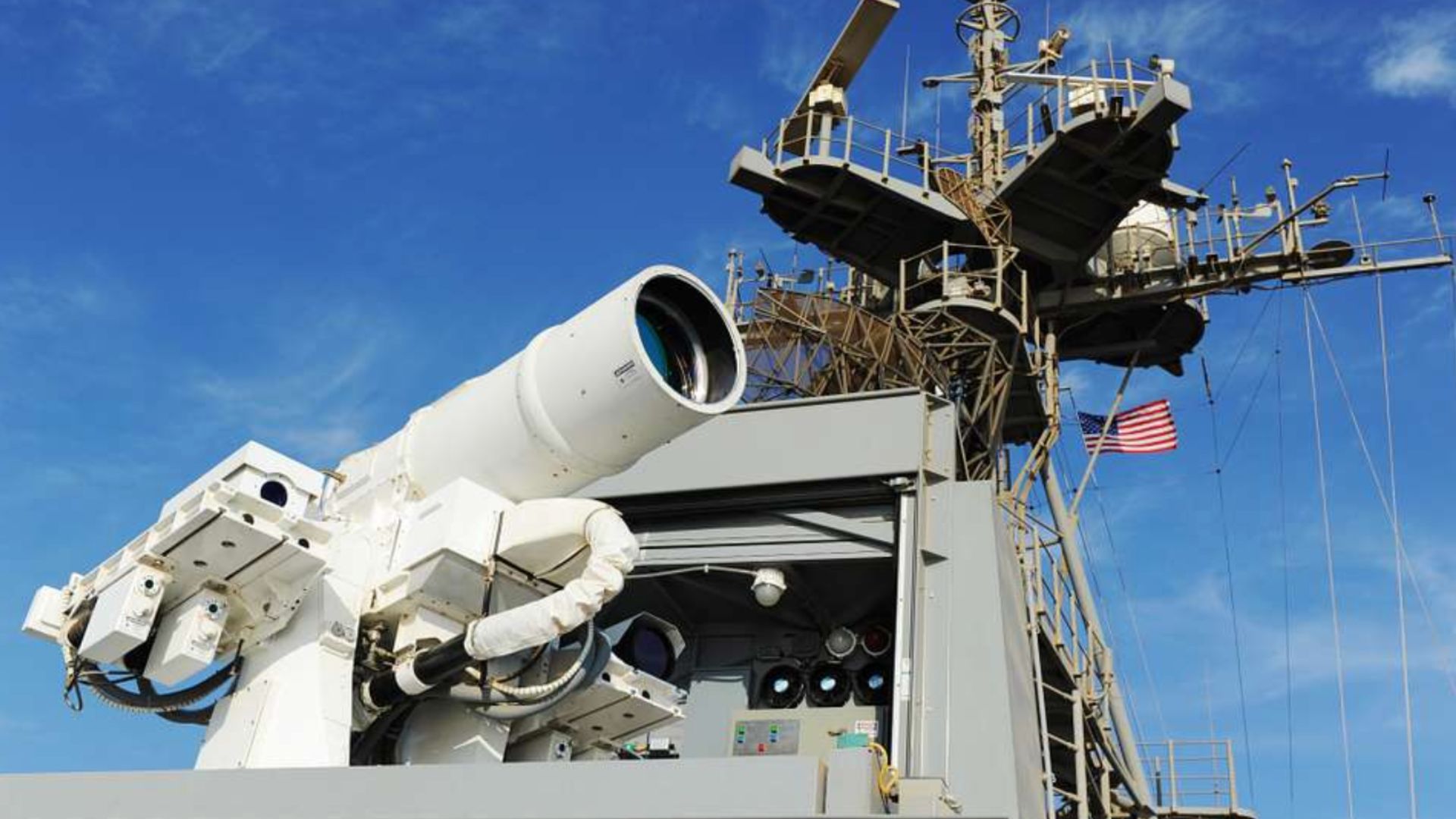
Nine US Navy destroyers that carry laser weapons for drone defense
The U.S. Navy has officially deployed laser weapons aboard its destroyers, marking a significant advancement from previous experimental demonstrations. This deployment, which occurred in October 2023, aims to enhance the Navy's defensive capabilities against various threats, including drones and small boats. The integration of laser technology is part of a broader strategy to modernize military assets and improve operational efficiency. By utilizing directed energy systems, the Navy seeks to provide a cost-effective and precise alternative to traditional munitions, thereby reducing logistical burdens and increasing response times in combat situations. The successful implementation of these systems aboard destroyers underscores the Navy's commitment to innovation and maintaining a technological edge in maritime operations.
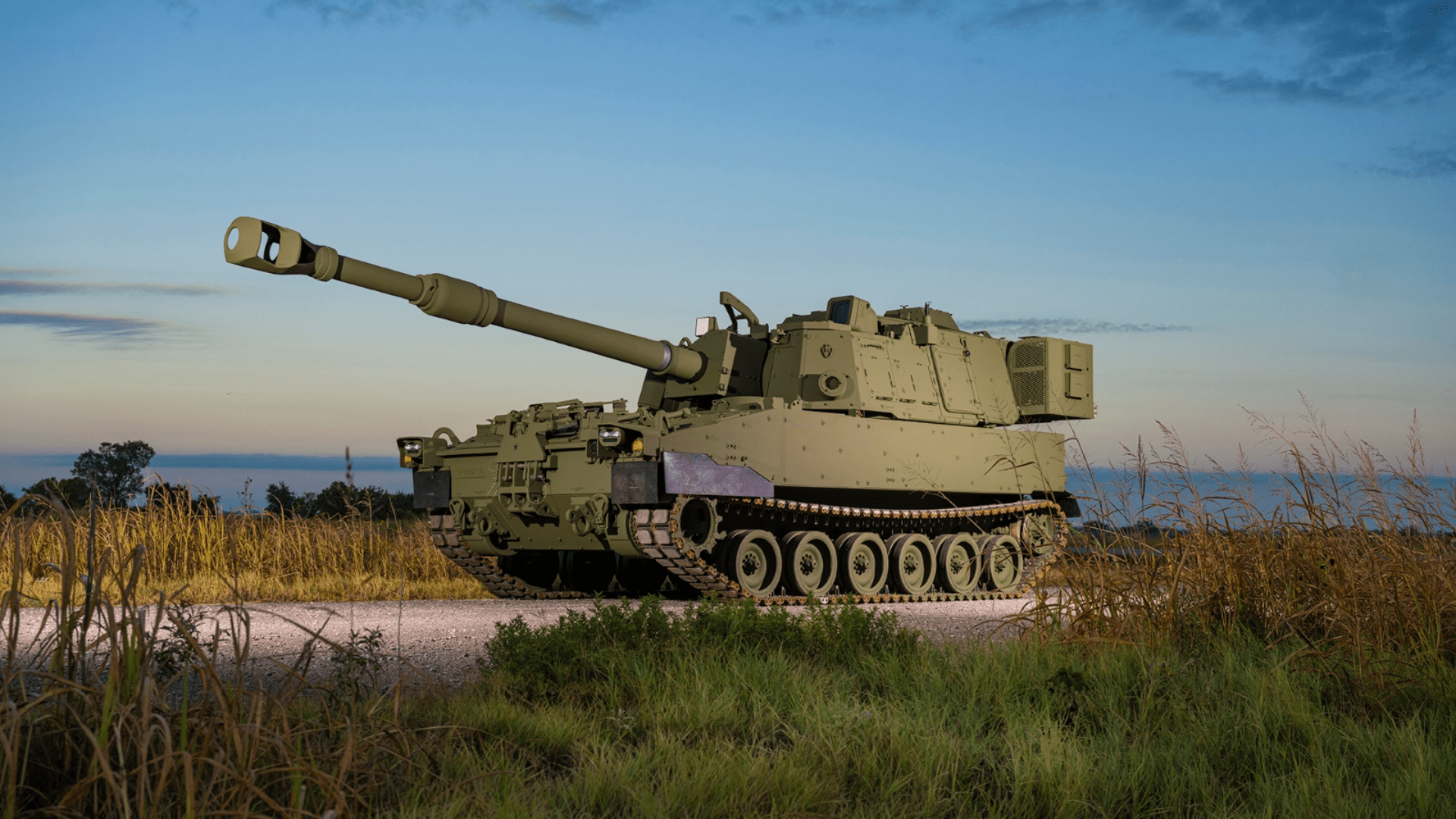
US Army trials LP-CROWS integration on Paladin artillery for drone defense
Engineers at the US Army Yuma Proving Ground are conducting developmental testing of advanced military technologies. This initiative, which began recently, aims to evaluate and enhance the performance of various systems crucial for operational readiness. The testing is part of the Army's ongoing efforts to improve its capabilities and ensure that troops are equipped with the most effective tools for modern warfare. By rigorously assessing these technologies in a controlled environment, the Army seeks to identify potential improvements and address any issues before deployment. The Yuma Proving Ground, known for its vast testing facilities, provides an ideal location for these critical evaluations, allowing engineers to simulate real-world conditions effectively. This testing phase is essential for maintaining the Army's competitive edge and ensuring the safety and effectiveness of its personnel in future missions.
Military
UK Ministry of Defence Awards £3.16m Contracts for Low-Cost Drone Interceptors
The UK Ministry of Defence has allocated £3.16 million in contracts to three British SMEs for the development and testing of new low-cost drone interceptors. This initiative aims to enhance the UK's capabilities in countering drone threats effectively and affordably. The significance of this funding lies in its potential to bolster national security by enabling rapid development of innovative solutions to address emerging aerial threats. By engaging SMEs, the MoD is fostering a competitive environment that encourages technological advancements in drone interception. Looking ahead, the success of these trials could lead to further investments in drone defense technologies. No further timeline was disclosed at the time of publication.
News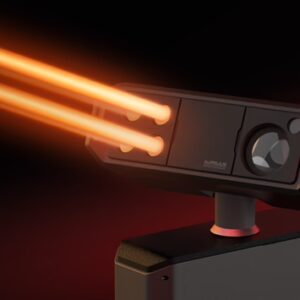
Military Selects First Bases for Directed-Energy Counter-Drone Program
The U.S. Department of Defense has unveiled the first five military installations chosen to participate in a directed-energy counter-drone program aimed at enhancing defenses against unmanned aircraft systems (UAS). This initiative, announced by the Joint Interagency Task Force 401, seeks to bolster national security by developing advanced drone defense technologies. The selected bases will play a crucial role in testing and implementing these systems, reflecting the growing need to address the evolving threats posed by drones. The program underscores the military's commitment to adapting to modern warfare challenges and ensuring effective countermeasures against potential aerial threats.
Anti-drone technology Applications C-UAS Defense defense Drone News
Lai says Taiwan won't 'relinquish freedom,' vows new drone budgets
On May 20, 2026, Taiwan President Lai Ching-te delivered a speech at the presidential building in Taipei, commemorating the two-year mark of his administration. In his address, Lai emphasized that the future of Taiwan will be determined solely by its citizens, rejecting any influence from foreign powers. He reiterated Taiwan's commitment to maintaining its freedom and announced plans to increase the budget for drone defense capabilities. Lai's remarks come amid rising tensions with China and concerns regarding U.S.-China relations, particularly in light of recent discussions between former U.S. President Donald Trump and Chinese President Xi Jinping. The president stated that Taiwan aims to prevent conflict rather than provoke it, highlighting the delicate geopolitical landscape that Taiwan navigates.

L3Harris turns handheld radios into counter-drone jammers
L3Harris executives announced that the upcoming Wraith Shield software update will enhance drone defense capabilities by utilizing the existing antenna to detect and disrupt enemy drone control signals. This innovative technology aims to bolster security measures against potential drone threats. The update is expected to be implemented in the near future, although specific timing details have not been disclosed. By integrating advanced signal scanning and jamming functions, Wraith Shield seeks to provide a proactive solution to counteract the growing risks associated with unauthorized drone operations.
Air Warfare Land Warfare Networks & Digital Warfare Air Force Army artificial intelligence AI
California Startup Develops Tube-Launched Quadcopter for U.S. Military Defense
A California-based startup, founded by a 22-year-old Ukrainian software engineer, is developing a tube-launched, foldable quadcopter designed to counter unmanned aerial systems (UAS). The company aims to market this innovative defense technology to the U.S. military, targeting the rising threat of drone and missile attacks. Specific metrics regarding the quadcopter's capabilities and launch timeline have not been disclosed. This initiative is significant as it addresses the increasing frequency and sophistication of drone warfare, which poses challenges to military operations. By making drone attacks financially burdensome, the startup hopes to deter potential aggressors and enhance national security. The focus on a compact, easily deployable system aligns with current military needs for versatile and effective countermeasures against aerial threats. Looking ahead, the startup's next steps include securing partnerships with defense agencies and demonstrating the quadcopter's effectiveness in real-world scenarios. No further timeline was disclosed at the time of publication, but the company is poised to make waves in the defense sector if successful in its endeavors.
Anti-drone technology Applications Defense defense Drone News Drone News Feeds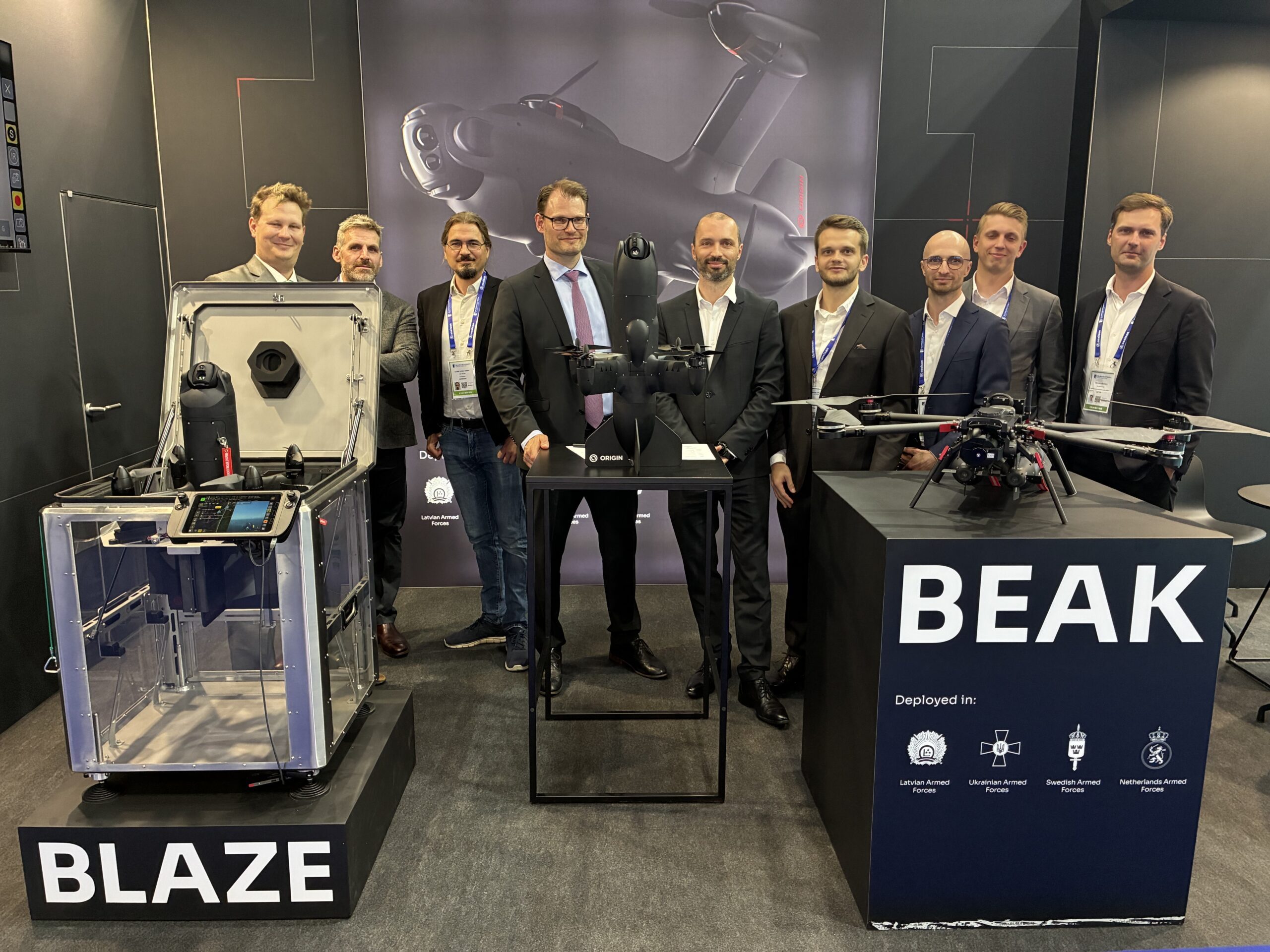
European Defense Firms Partner on Sensor-to-Interceptor Counter-Drone Network
European counter-drone companies Alpine Eagle and Origin Robotics have formed a partnership to develop an integrated counter-drone system. This collaboration, formalized through a memorandum of understanding, aims to combine Origin Robotics’ BLAZE interceptor with Alpine Eagle’s Sentinel architecture. The initiative seeks to enhance air defense capabilities by creating a unified network that incorporates detection, command-and-control, and interception technologies. This strategic alliance reflects the growing need for advanced solutions to counter drone threats in Europe.
Anti-drone technology Applications C-UAS Defense defense Drone News
Terra Drone Establishes Estonia-Based Defense Subsidiary to Support European Expansion
Japan's Terra Drone Corporation has launched a new subsidiary, Terra Defense Europe, in Estonia, marking a significant expansion of its defense business in Europe. This move comes as the company shifts its focus from commercial drone services to defense and counter-drone systems. Established to enhance its operational capabilities, the subsidiary will provide sales, maintenance, logistics management, and foster local partnerships for unmanned systems related to defense throughout Europe. This strategic initiative reflects the growing demand for advanced defense technologies in the region.
Applications Defense defense Drone News Drone News Feeds News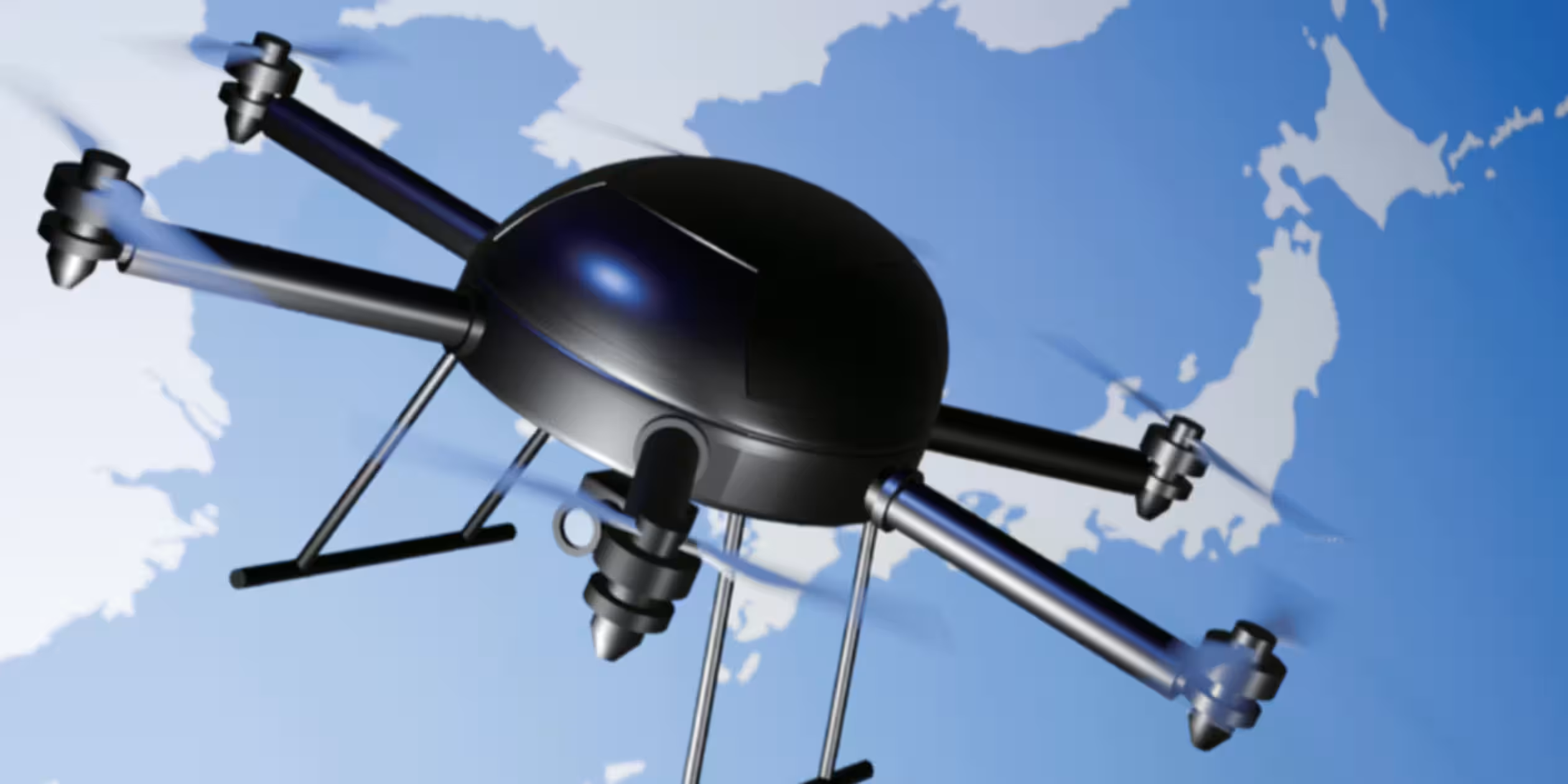
Japanese Drone Stocks Experience Surge as Investors Diversify from AI and Defense
Japanese drone companies are witnessing a significant influx of investment as military demand for unmanned systems rises. Investors are increasingly looking for alternatives to artificial intelligence stocks and traditional defense stocks that had previously gained popularity. This shift indicates a growing interest in the drone sector, which is becoming a focal point for investment in Japan. The surge in investment is crucial as it highlights the potential of the drone industry amidst geopolitical tensions and the evolving landscape of defense technology. Companies like Terra Drone are emerging as key players in the Tokyo market, attracting attention from investors eager to capitalize on the expanding military applications of drones. This trend reflects a broader movement towards diversification in investment portfolios. Looking ahead, the drone industry is expected to continue its upward trajectory as demand for unmanned systems grows. Investors should monitor developments in regulatory frameworks and technological advancements that could further influence the market. No further timeline was disclosed at the time of publication.

T3 Defense Secures 60% Ownership in Israeli Drone Manufacturer Project35
T3 Defense has successfully acquired a 60% stake in Project35, an Israeli firm focused on drone technology. This acquisition highlights T3 Defense's commitment to expanding its capabilities in the drone sector, particularly in the development of aerial interceptors and counter-uncrewed aerial vehicle systems. The significance of this acquisition lies in T3 Defense's strategic move to enhance its portfolio in the rapidly evolving drone industry. By integrating Project35's expertise in drone manufacturing and C-UAV systems, T3 Defense aims to strengthen its position in the market and respond to increasing demand for advanced aerial technologies. Looking ahead, industry observers will be keen to see how T3 Defense leverages this acquisition to innovate and expand its product offerings. No further timeline was disclosed at the time of publication.
News
Auriga Space and U.S. Army Explore Electromagnetic Launchers for Countering Drone Swarms
Auriga Space has entered a three-year Cooperative Research and Development Agreement (CRADA) with the U.S. Army Combat Capabilities Development Command Armaments Center (DEVCOM AC) to investigate the potential of electromagnetic launch technology in countering drone swarms. This initiative aims to find a cost-effective alternative to traditional missile interceptors, which have proven expensive in engagements against low-cost drones. The significance of this research lies in the increasing need for modern militaries to address the economic challenges posed by drone warfare. Current missile interceptors can cost hundreds of thousands to millions of dollars, creating a cost imbalance when defending against inexpensive drones. The CRADA represents a broader commitment by the Department of War to explore innovative counter-drone technologies that can maintain high engagement rates while reducing operational costs. Looking ahead, Auriga plans to conduct the first outdoor flight test of its transportable electromagnetic launch platform, Hermes, later this summer. This platform is designed for rapid reloads and repeated engagements against multiple targets, potentially offering a new solution to the growing threat of drone swarms. No further timeline was disclosed at the time of publication.
Anti-drone technology Applications C-UAS Defense Drone News Drone News Feeds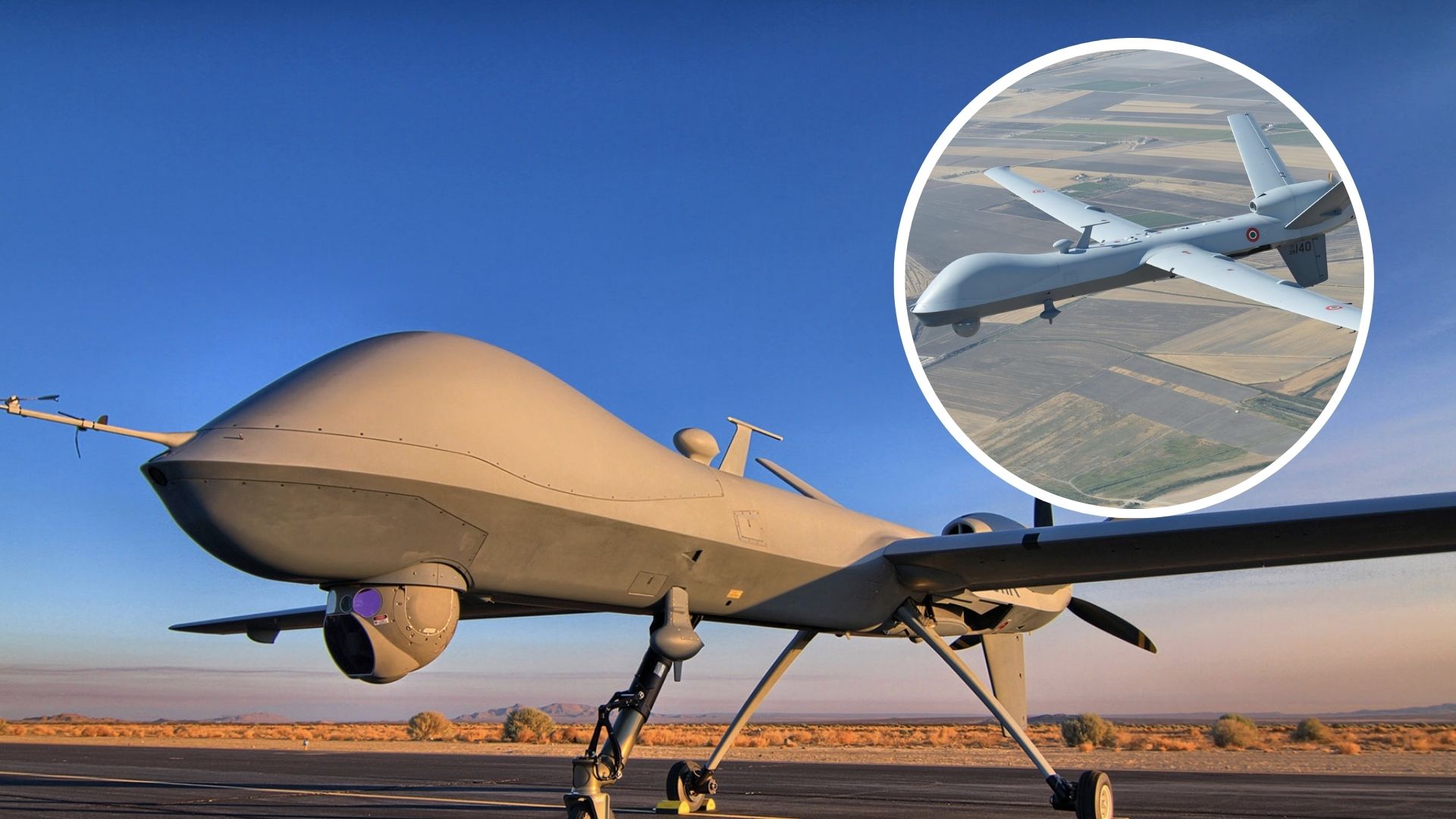
U.S. Department of Defense Launches Massed Modular Aircraft Initiative for Cost-Effective Drones
The U.S. Department of Defense is initiating the Massed Modular Aircraft (MMA) program to develop low-cost combat drones capable of performing missions similar to the MQ-9A Reaper. This initiative reflects a strategic shift towards utilizing affordable, expendable drones in modern warfare, particularly in light of recent conflicts that have exposed the vulnerabilities of high-value aircraft in contested airspace. The Pentagon aims to create a fleet of modular, long-range unmanned aircraft that can be rapidly reconfigured for various missions, significantly reducing operational costs while maintaining effectiveness against advanced enemy defenses. This shift is driven by the need for a more sustainable military approach, as the loss of MQ-9 Reapers during operations against Iran has highlighted the financial burden of relying on expensive platforms. With each MQ-9 costing approximately $30 million, military planners recognize that a strategy focused solely on high-value aircraft is increasingly untenable. The MMA initiative seeks to provide a flexible, risk-tolerant option that can deploy large numbers of drones to overwhelm enemy defenses, thereby ensuring operational capability despite potential losses. Looking ahead, the Pentagon's focus on massed modular aircraft indicates a significant evolution in military tactics. The ability to deploy swarms of low-cost drones could complicate enemy air defenses and enhance reconnaissance and strike capabilities. No further timeline was disclosed at the time of publication, but the emphasis on affordability and modularity suggests a proactive response to the changing dynamics of modern warfare and the need for cost-effective solutions in defense operations.
Military
Collective Defence Acquires Asterion in $1 Billion Deal Combining Cybersecurity and Counter-Drone Technology
Collective Defence has successfully acquired counter-drone company Asterion in a deal valued at over $1 billion, marking a significant milestone as Luxembourg's first defense unicorn. This acquisition, announced recently, combines Asterion’s expertise in counter-unmanned aerial systems (UAS) with Collective Defence’s cybersecurity capabilities, positioning the newly formed entity as one of Europe’s largest privately held defense technology firms. The strategic move aims to enhance the region's defense capabilities amid growing concerns over drone-related threats and cybersecurity vulnerabilities.
Applications C-UAS Defense defense Drone News Drone News Feeds
Taiwan Secures Contracts for Sea Drones to Enhance Coast Guard Defense Against China
Taiwan has awarded contracts for dozens of sea drones to bolster its Coast Guard capabilities amid rising tensions with China. This decision reflects Taiwan's commitment to enhancing its maritime defense using U.S. technology as a countermeasure against China's expanding maritime operations in the region. The procurement of these sea drones is significant as it underscores Taiwan's proactive approach to strengthening its defense mechanisms in response to China's increasing maritime assertiveness. The move aims to enhance the Coast Guard's operational capabilities and ensure the security of Taiwan's waters. Looking ahead, further developments in Taiwan's defense strategy may emerge as the country continues to adapt to the evolving geopolitical landscape. No further timeline was disclosed at the time of publication.
Sentrycs Lands Major Counter-Drone Contracts Across World Cup Cities
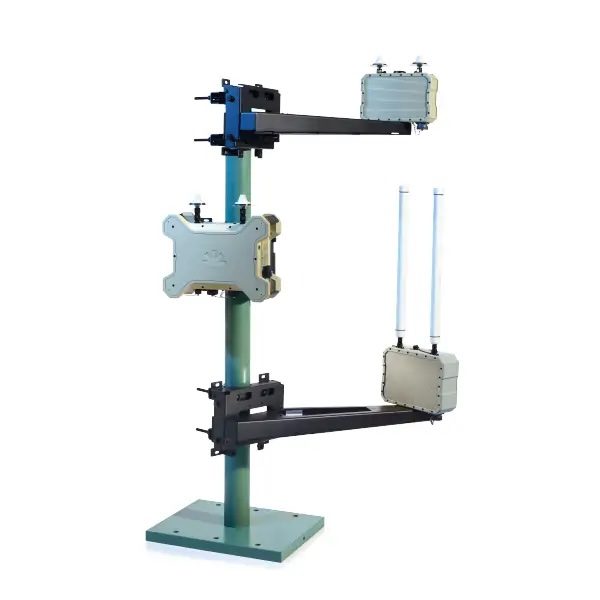
Sentrycs has secured significant contracts to implement its counter-drone systems across cities hosting the World Cup in the U.S., Mexico, and Canada. This initiative is part of broader efforts to enhance security protocols against potential drone threats, particularly during high-profile events and near critical infrastructure. The deployment of these systems aims to mitigate risks posed by drones operated either recklessly or with malicious intent. The timing of this rollout aligns with the upcoming World Cup, emphasizing the importance of safeguarding public safety during large gatherings. Sentrycs plans to integrate advanced technology to monitor and neutralize unauthorized drone activity effectively.
C-UAS DL Exclusive Drone News Drone News Feeds News airspace security
Beyond the Primes: Drone Dominance’s First Order Highlights a New Generation of Defense Drone Manufacturers
The Pentagon's Drone Dominance Program has transitioned from competition to procurement, with the Department of War announcing its first order this week. This milestone coincides with the launch of Gauntlet II, a significant step in the initiative aimed at quickly deploying low-cost military drones. The program is designed to enhance the capabilities of emerging drone manufacturers, highlighting a shift towards a new generation of defense technology. As the military seeks to modernize its drone fleet, these developments underscore the growing importance of innovative companies in the defense sector.
Applications Blue UAS Defense defense Drone Manufacturing Drone News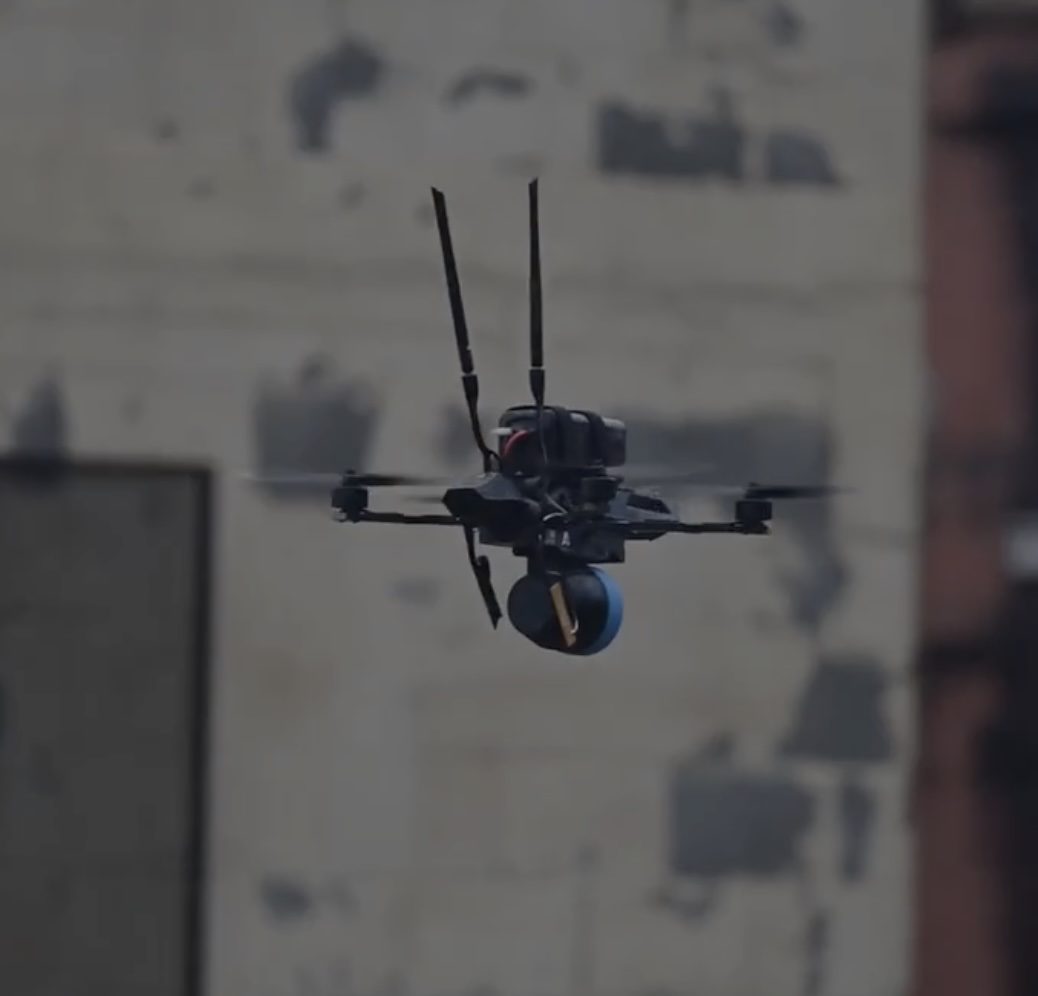
Drone Dominance: The Defense Department’s Push to Build a Scalable U.S. Drone Supply Chain
During the keynote roundtable at XPONENTIAL 2026 this morning, leaders from government and industry convened to discuss a pivotal shift in the U.S. drone sector. The focus of the panel, moderated by Michael Robbins of AUVSI, was on advancing from initial innovation and prototype development to establishing robust industrial production and scrutinizing the supply chain. This transition aims to facilitate rapid military acquisition of drone technology, reflecting the Department of Defense's commitment to enhancing the nation's drone capabilities. The discussions highlighted the urgency of creating a scalable supply chain to support the growing demands of both commercial and military applications in the drone industry.
Defense DL Exclusive Drone Manufacturing Drone News Drone News Feeds Dual Use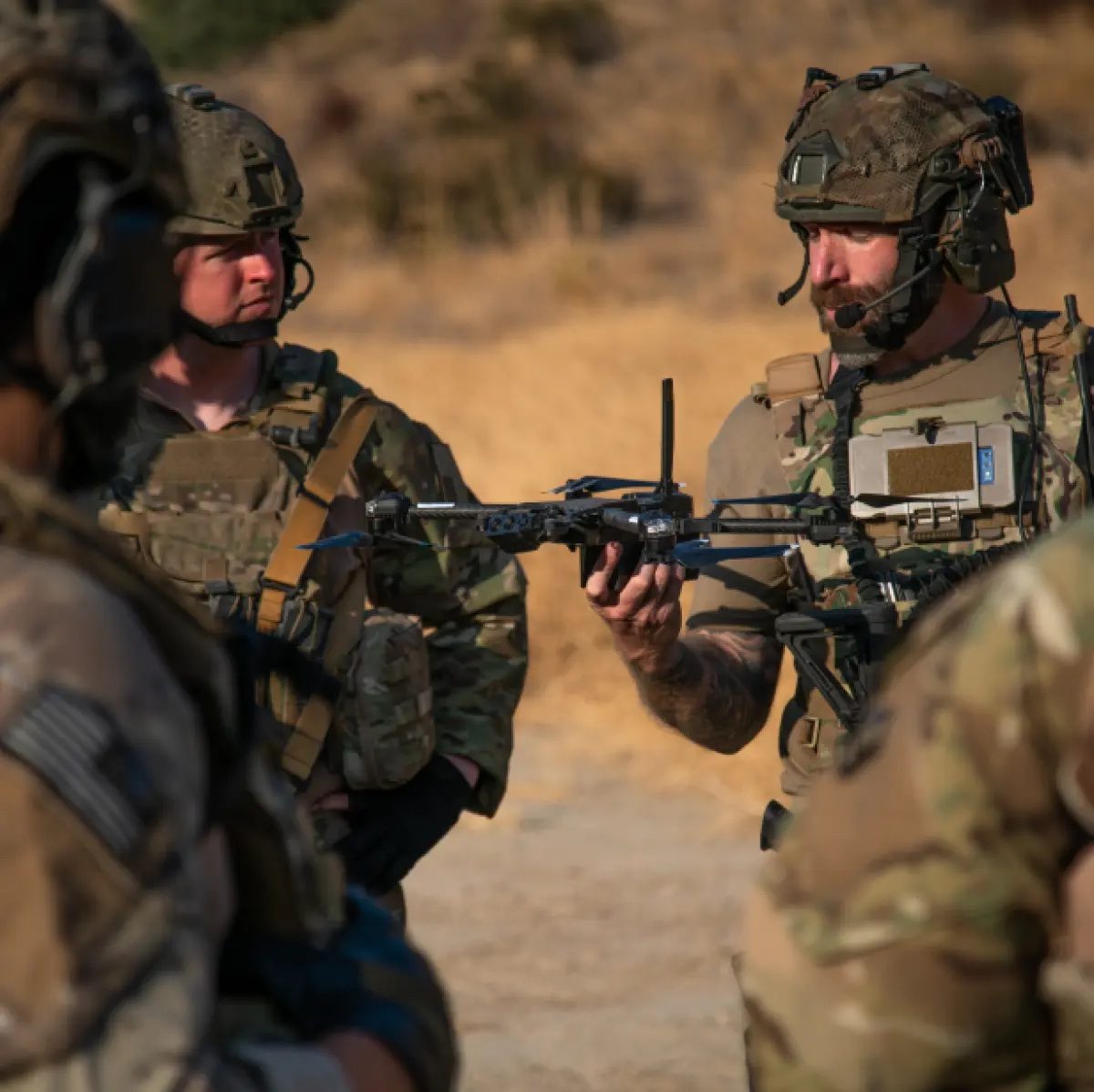
When Commercial Drone Technology Meets Defense: A Closer Look at Civil–Military Integration
A recent report from the Foundation for Defense of Democracies (FDD) underscores the significant convergence of commercial drone technology and military applications, highlighting the evolving landscape of the drone industry. This analysis, titled “China’s War Wolves,” emphasizes how shared innovation pipelines are influencing both commercial markets and defense capabilities. The report draws attention to the implications of civil-military integration, particularly in the context of national security and technological advancement. As the demand for drones continues to rise, understanding the interplay between civilian and military uses becomes increasingly critical. The findings are particularly relevant as nations seek to enhance their defense strategies while leveraging advancements in commercial technology.
Applications Defense defense DL Exclusive Drone News Drone News Feeds
Ukraine Aims to Double Drone Production to 20 Million Annually with EU Support
Ukrainian President Volodymyr Zelenskyy announced that Ukraine is currently producing 10 million drones each year. With the assistance of partners, the country aims to increase its drone production capacity to 20 million annually. This initiative is significant as it highlights Ukraine's commitment to enhancing its unmanned systems capabilities amid ongoing challenges. The collaboration with partners, particularly the EU, is expected to accelerate the production process and improve the technological advancements in drone manufacturing. Looking ahead, stakeholders will be keen to monitor the progress of this production increase and the potential impact on Ukraine's defense capabilities. No further timeline was disclosed at the time of publication.
Air Warfare Air Force Drones EU Europe Fincantieri
Blue Water Autonomy and Saildrone Sue Navy Over MUSV Marketplace Proposals
Blue Water Autonomy and Saildrone have initiated legal action against the U.S. Navy, asserting that their submissions met the requirements for the new MUSV marketplace. The lawsuits highlight the companies' contention that their proposals were compliant with the Navy's specifications, which is crucial for their competitive positioning in the defense sector. This legal dispute is significant as it underscores the challenges faced by companies in meeting military procurement standards and the implications of such lawsuits on future contracts. The outcome could influence how the Navy evaluates proposals and the overall dynamics of the MUSV marketplace, which is vital for advancing unmanned surface vehicle technologies. As the case unfolds, stakeholders should monitor the Navy's response and any potential changes to the MUSV marketplace criteria. The resolution of this dispute may set precedents for future engagements between defense contractors and military branches, impacting the broader landscape of defense procurement.
Naval Warfare Blue Water Autonomy Drones MUSV Navy Saildrone
Japan's ATLA Selects Terra Drone Interceptor for 2026 Counter-UAV Trials
Japan's Acquisition, Technology & Logistics Agency (ATLA) has chosen Terra Drone's interceptor drone as a test article for its Interceptor Drone Rapid Acquisition Programme. This selection marks a significant step in Japan's efforts to enhance its counter-UAV capabilities. The decision to utilize Terra Drone's locally developed technology underscores the importance of domestic innovation in addressing emerging threats in aerial security. The trials scheduled for 2026 will evaluate the effectiveness of the interceptor drone in real-world scenarios, contributing to Japan's defense strategy. As the trials approach, stakeholders will be keen to observe the performance of the Terra Drone interceptor and its potential integration into Japan's defense systems. No further timeline was disclosed at the time of publication.
News
Tesseract Ventures Selected for Pentagon's Autonomous Drone Delivery System Prototype Program
Tesseract Ventures, a Kansas City-based robotics and drone company, has been chosen by the Defense Innovation Unit (DIU) to participate in a prototype program aimed at enhancing the U.S. military's use of autonomous drones. This initiative, known as the Containerized Autonomous Drone Delivery System (CADDS), focuses on deploying unmanned aerial systems in challenging environments with limited infrastructure. The CADDS project represents a significant advancement for Tesseract Ventures, as it seeks to transition from single-operator drone control to a system where one individual can manage multiple drones simultaneously. This approach aims to improve operational efficiency and reduce the personnel required for drone missions, aligning with the Pentagon's goal of utilizing unmanned systems more extensively in military operations. Looking ahead, Tesseract Ventures will demonstrate its NOMAD modular autonomous platform as part of the prototype project. This platform is designed to facilitate the deployment, launch, recovery, and management of multiple drones from transportable containers. No further timeline was disclosed at the time of publication.
Military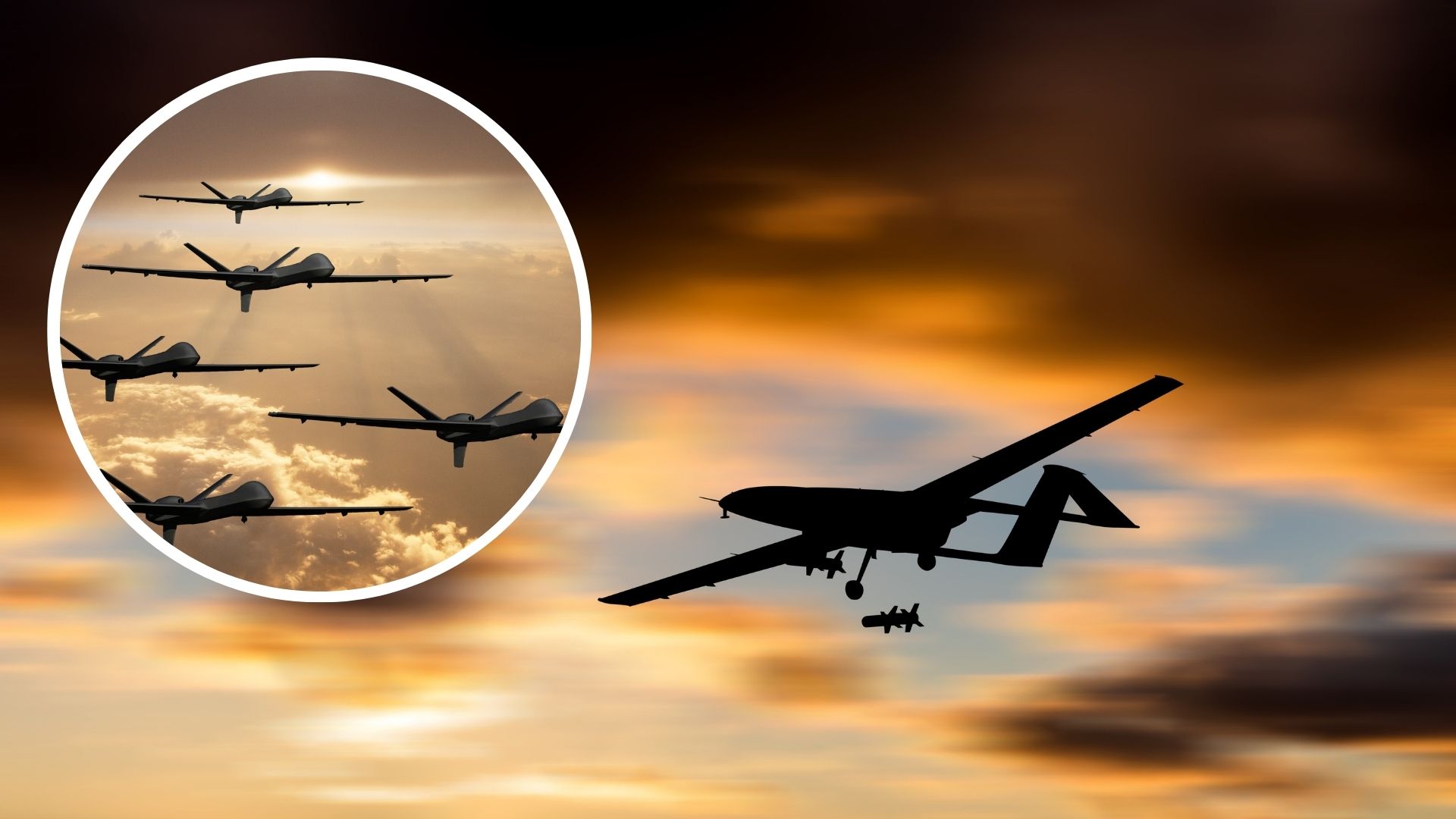
Quantum Systems Group's Apex Recordhunter Drone Achieves 434 mph Speed Milestone
Quantum Systems Group, a German aerospace firm, has announced that its Apex Recordhunter experimental drone reached a remarkable speed of 434 miles per hour. This achievement, pending formal certification, could set a new world record for battery-powered unmanned aerial vehicles. The project emphasizes advancements in electric propulsion and aerodynamics, aiming to enhance military applications for future interceptor drones. The significance of this milestone lies in its potential to reshape aerial defense systems. As military conflicts increasingly utilize high-speed drones, the demand for agile interceptor systems has surged. Traditional surface-to-air missiles are often too expensive for engaging low-cost drones, prompting the development of dedicated UAVs that can effectively counter these threats. The technologies validated through the Apex Recordhunter program are expected to play a crucial role in the next generation of interceptor drones. Looking ahead, Quantum Systems Group plans to conduct further speed trials focused on operational military roles, including FPV platforms and specialized anti-aircraft interceptors. The rapid evolution of drone warfare necessitates breakthroughs in speed and maneuverability, making the Apex Recordhunter a pivotal testbed for future technologies. No further timeline was disclosed at the time of publication.
Military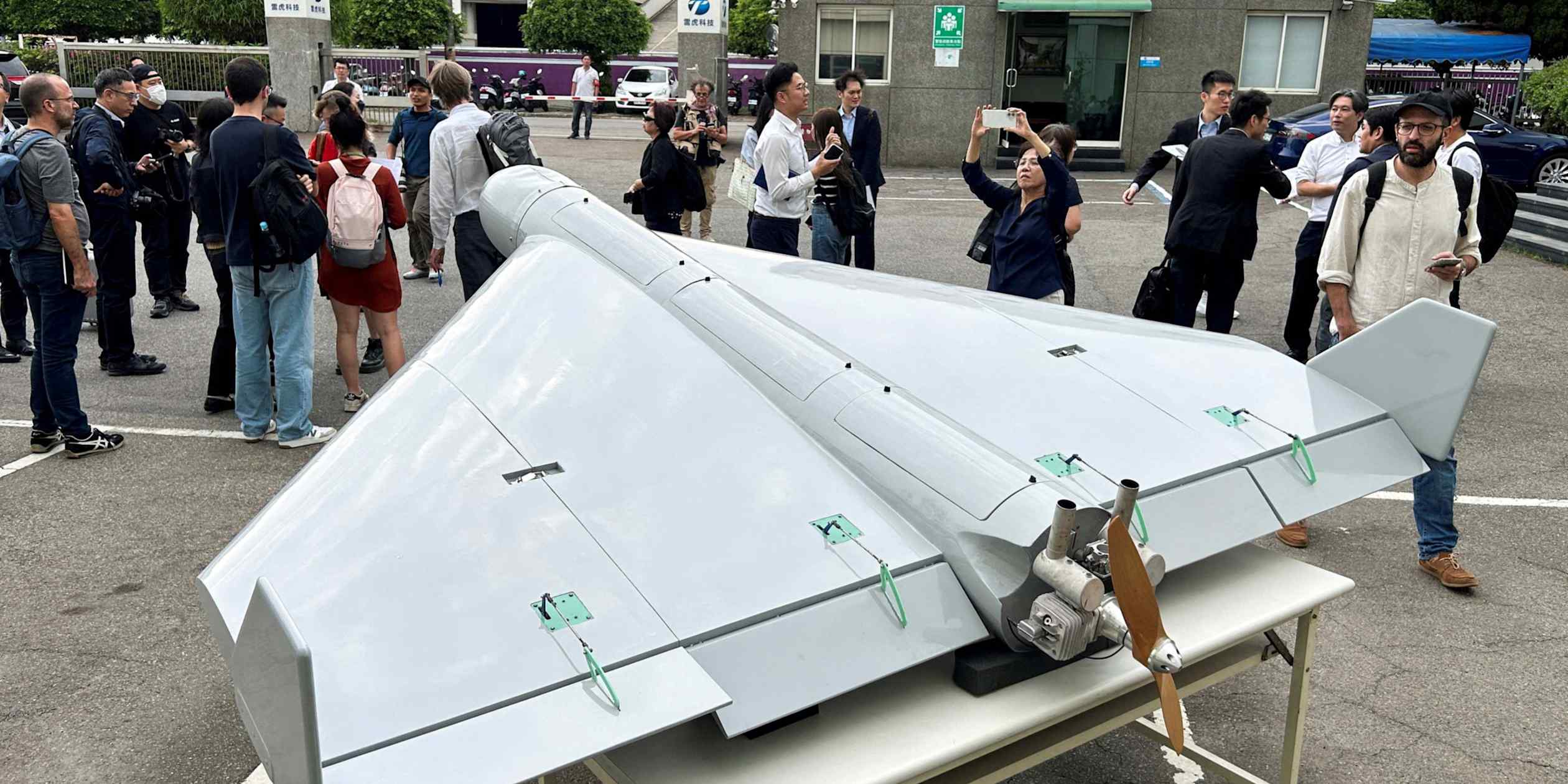
Drones hover at center of Taiwan's defense debate
In Taiwan, the ongoing debate over the role of drones in national defense has intensified, highlighting significant divisions between the ruling Democratic Progressive Party (DPP) and the opposition Kuomintang (KMT). This discord threatens to impede the development of the country's drone industry, which is critical for enhancing military capabilities amid rising tensions with China. The discussion gained momentum during a media tour on April 21, 2026, in Taichung, where the Thunder Tiger Group showcased its Papa Delta drone. As Taiwan grapples with budget cuts affecting defense spending, concerns about the future of its drone program have emerged, prompting scrutiny of the KMT's stance on defense cuts. The political landscape remains fraught, with the KMT's leadership planning a trip to the United States, further complicating the dialogue surrounding Taiwan's defense strategy. The situation underscores the urgency for Taiwan to bolster its military technology in response to external pressures, particularly from China, while navigating internal political challenges.
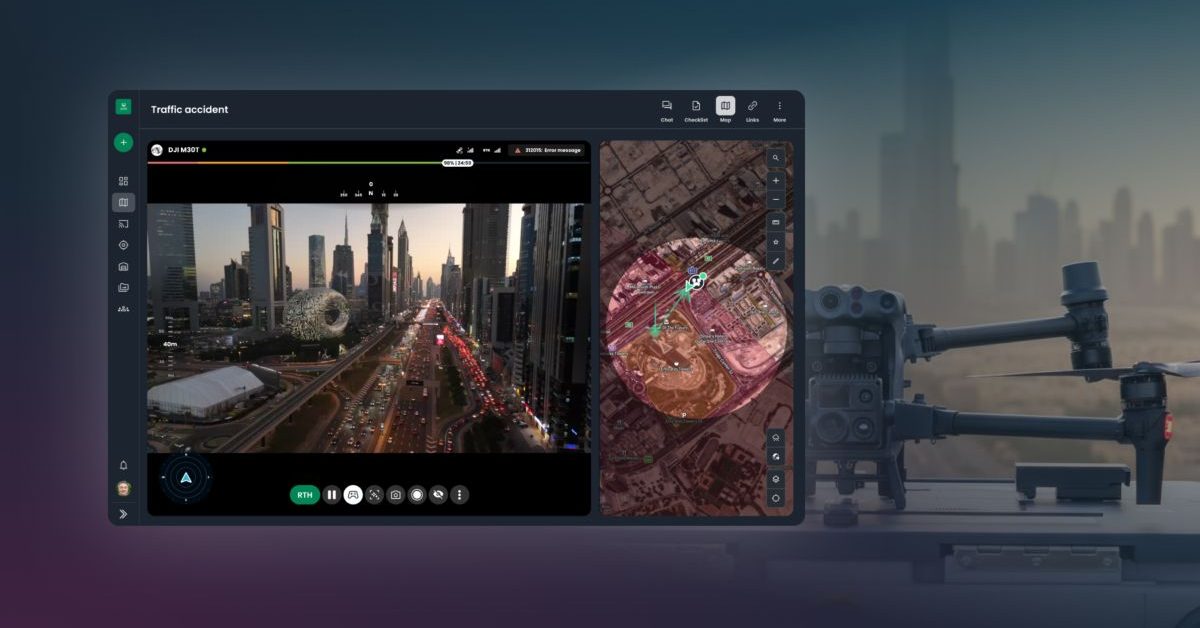
New funding fuels AirHub’s defense drone ambitions
AirHub, a European company, is intensifying its efforts to integrate drones into the core operations of security, defense, and critical infrastructure. With new funding secured, the company aims to position itself as a leader in this transformative shift towards utilizing drones beyond mere tools. This strategic move reflects a growing recognition of the potential for drones to enhance operational efficiency and effectiveness in critical sectors.
News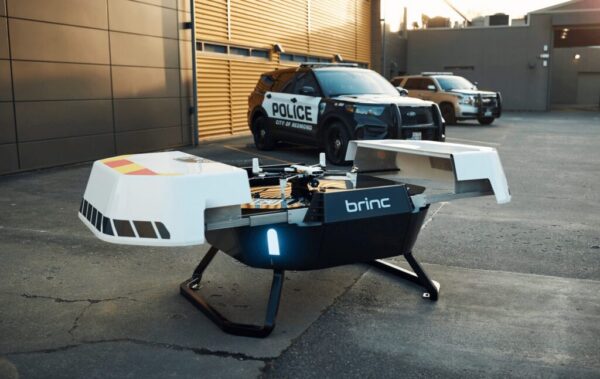
BRINC Secures $125 Million Funding Round Led by Motorola Solutions for Public Safety Drones
BRINC, a Seattle-based public safety drone manufacturer, announced on July 14, 2026, that it has secured a $125 million financing round led by Motorola Solutions. This investment raises BRINC's total capital to over a quarter billion dollars and aims to deploy a BRINC 911 response drone at every police and fire station across the U.S., targeting 80,000 facilities. The funding will enable BRINC to expand its domestic manufacturing, launch new products, and scale its go-to-market operations. The company plans to move into a facility three times the size of its current factory by the end of 2026 to meet the increasing demand from public safety agencies. In 2025, BRINC tripled its revenue and quintupled its monthly production capacity, signing nearly four times as many contracts for 911 response drones in 2026 compared to the previous year. Looking ahead, BRINC's founder Blake Resnick emphasized the importance of situational awareness in emergencies, stating that their drones provide critical information before first responders arrive. The company is also collaborating with the National League of Cities for a nationwide rollout of drone first response (DFR) initiatives. No further timeline was disclosed at the time of publication.
DFR Drone News Drone News Feeds News Public Safety 80000 stations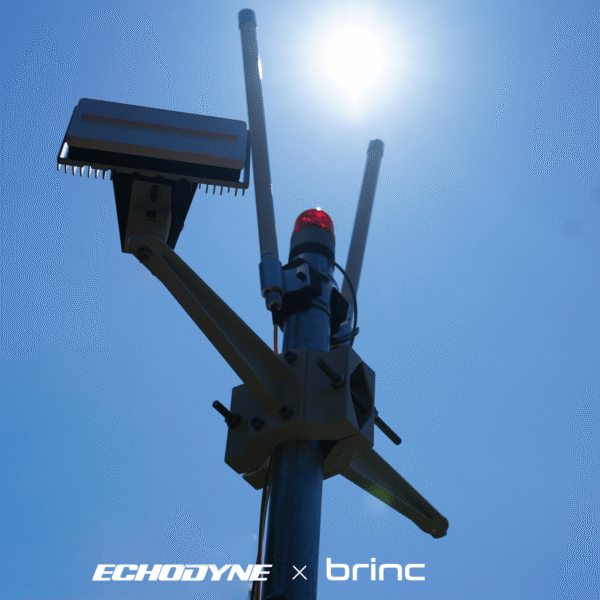
Echodyne Launches 86,350-Square-Foot Radar Facility to Boost MESA Production
Echodyne, a radar manufacturer based in Kirkland, Washington, has inaugurated an 86,350-square-foot facility designed to produce over 30,000 MESA radars annually. This new plant, announced on July 9, 2026, aims to address the growing global demand for counter-unmanned aerial systems (C-UAS) technology, enhancing the company's production capabilities significantly. The expansion is crucial as the market for counter-UAS solutions continues to grow, driven by increasing security concerns and the proliferation of drones. Echodyne's MESA radar technology is known for its advanced capabilities, making it a key player in the C-UAS sector. This facility will allow the company to scale operations and meet the rising needs of both domestic and international clients. Looking ahead, Echodyne's new manufacturing site is expected to play a pivotal role in fulfilling orders and enhancing supply chain efficiency. No further timeline was disclosed at the time of publication regarding additional production milestones or expansion plans for the facility.
Drone News Drone News Feeds NDAA Compliant News US Government $490 million contract
SkyfireAI Raises $11M in Seed Funding to Develop Autonomous Drone Fleet Platform for First Responders and Defense
SkyfireAI, a U.S. startup specializing in drone autonomy, has successfully secured $11 million in seed funding to advance its innovative software solutions. The funding round, primarily led by Mucker Capital, also saw contributions from notable investors including AI Fund, SaaS Ventures, and Halogen. This financial boost aims to enhance the company's capabilities in developing technology that enables organizations to efficiently manage fleets of drones without the need for a proportional increase in pilots or operational staff. The investment comes at a time when the demand for drone coordination and automation is rapidly growing, reflecting a broader trend towards increased efficiency in various sectors.
AI AI Funding & Investment Robotics autonomous drones Mucker Capital Seed Funding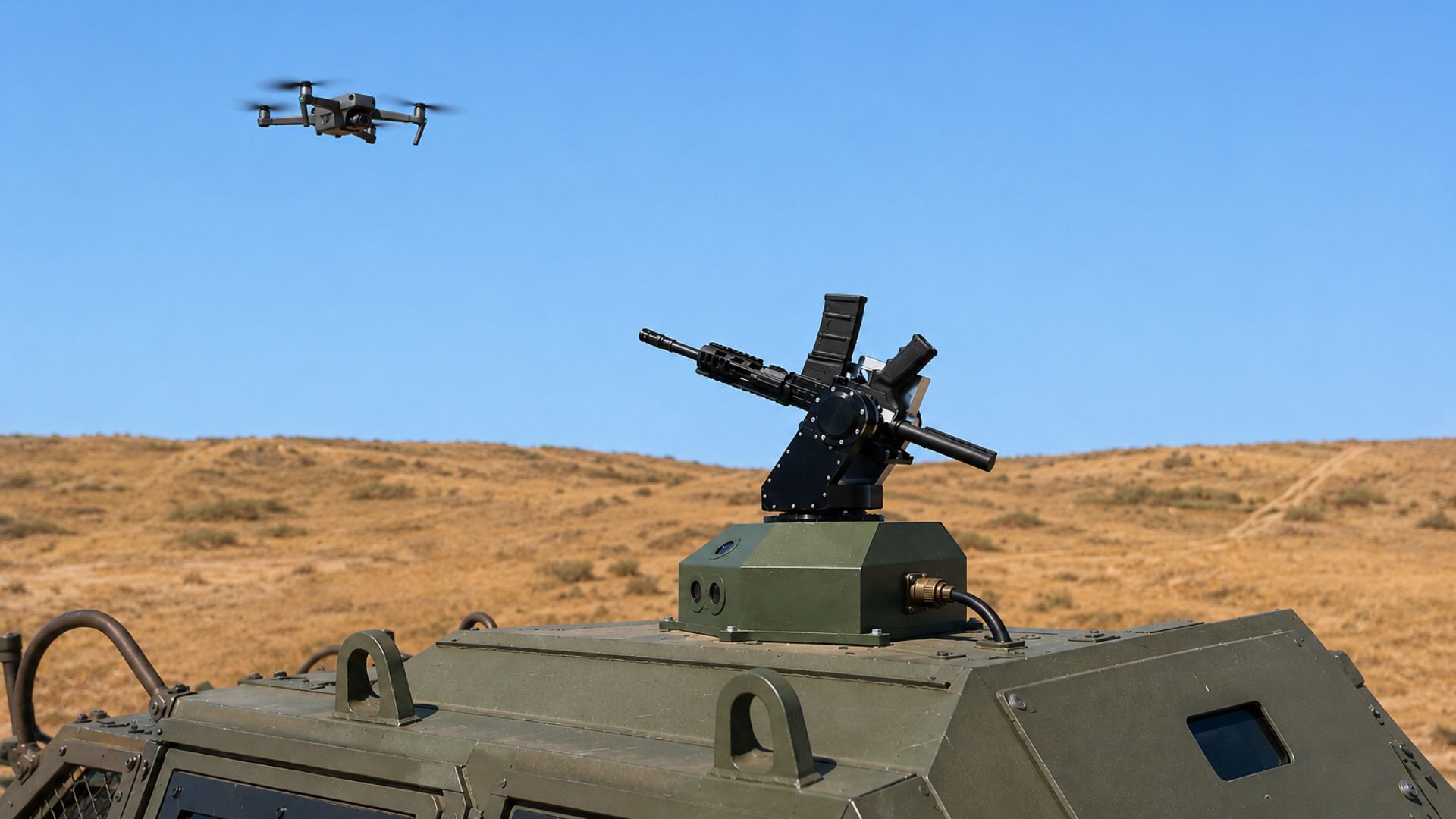
Axon Vision Launches ForceField Counter-Drone System to Combat FPV Drone Threats
Israeli defense technology firm Axon Vision has unveiled ForceField, a counter-drone system designed to neutralize first-person view (FPV) drones, including those controlled via fiber optics. The system's development followed successful live-fire evaluations, demonstrating its capability to detect and engage FPV drone threats in real time, thereby enhancing protection for military forces against evolving battlefield risks. The significance of ForceField lies in its ability to address the growing challenge posed by FPV drones, which are increasingly utilized for precision strikes at low costs. Traditional electronic warfare measures often fail against fiber-optic-controlled drones, making ForceField's passive sensor technology crucial. By employing Edge AI software, the system allows operators to assess threats without relying on external networks, streamlining the engagement process and reducing the need for extensive modifications to existing military platforms. Looking ahead, Axon Vision is actively engaging with military customers and partners to evaluate ForceField's capabilities. The system's modular design offers flexibility for integration with current weapon systems, potentially simplifying deployment across various military fleets. No further timeline was disclosed at the time of publication.
Military
France Validates C-UAS Package for Rafale Fighters to Target Shahed-Type Drones
France has confirmed the validation of a Counter-Unmanned Aerial System (C-UAS) package for its Rafale fighters. This package enables the aircraft to engage Shahed-type attack drones using 68mm rockets, enhancing their operational capabilities in drone warfare. The implementation of this C-UAS package is significant as it addresses the growing threat posed by drones in modern combat scenarios. By equipping Rafale fighters with the ability to target these unmanned aerial vehicles, France aims to bolster its defense strategy and ensure air superiority against emerging aerial threats. Looking ahead, the focus will be on the operational deployment of this C-UAS capability within the French Air Force. No further timeline was disclosed at the time of publication.
News
U.S. Army Partners with Auriga Space to Develop Electromagnetic Counter-Drone Technology
The U.S. Army has entered a three-year partnership with Auriga Space to develop electromagnetic (EM) counter-drone technology. This collaboration aims to create a high-speed defense system against enemy Unmanned Aerial Systems (UAS) using Auriga's innovative propulsion methods, which rely on electricity and magnetic levitation rather than traditional chemical propellants. This partnership is crucial as military forces face the economic challenge of countering inexpensive drones with costly missiles. Current air defense systems struggle to balance effectiveness and affordability, making the development of sustainable counter-drone solutions a top priority. Auriga's EM technology promises to provide a cost-effective alternative, enabling rapid and repeatable launches from a compact system. Looking ahead, both organizations will share expertise and data to refine the EM-based counter-drone technology for field deployment. The focus will be on overcoming the limitations of existing counter-drone methods, with the potential for a significant shift in military air defense strategies. No further timeline was disclosed at the time of publication.
Military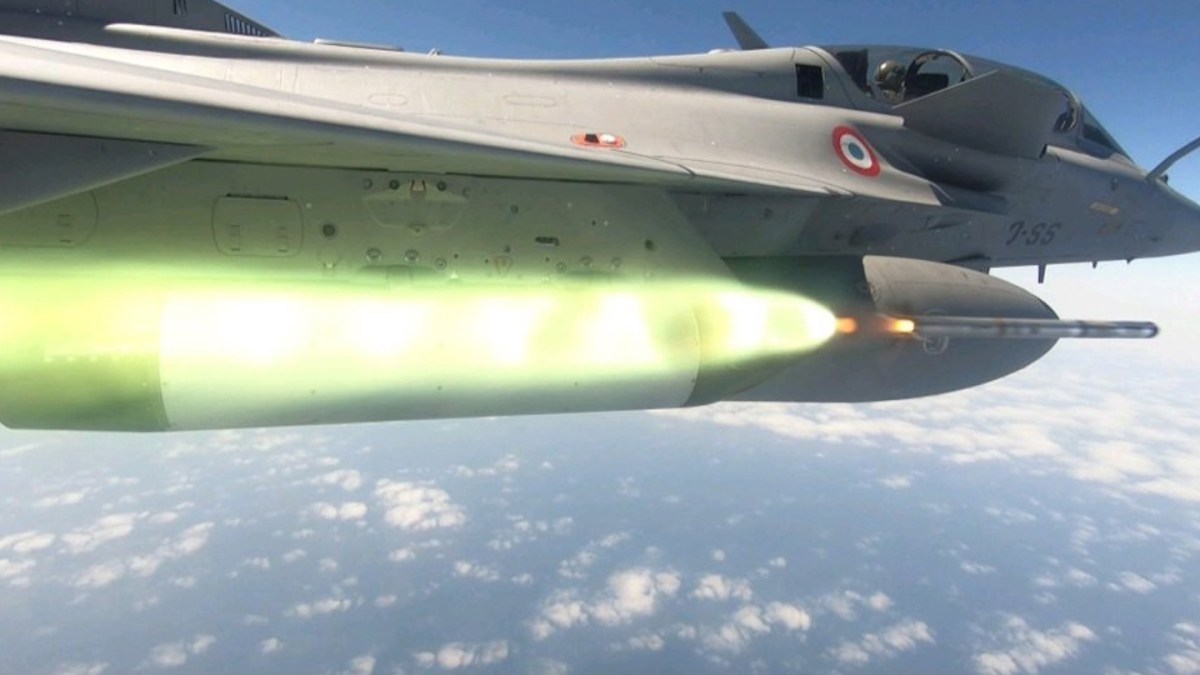
France's Rafale Fighter Integrates Affordable Laser-Guided Rockets for Anti-Drone Operations
France has successfully conducted live-fire tests of 68mm laser-guided rockets from its Rafale fighter, enhancing its anti-drone capabilities. This development follows a trend among air forces to adopt cost-effective solutions for countering drones, rather than relying solely on expensive missiles. The Directorate General of Armaments (DGA) announced the integration of these rockets, which were tested in collaboration with the French Air and Space Force and supported by Dassault Aviation and Thales. The integration program, known as Lutte antidrone sur avion de combat (LADAC), aims to provide French Rafales with a more economical option for countering threats posed by drones like the Iranian Shahed-136. The DGA confirmed that the time from contract award to achieving initial operational capability was under eight months, indicating a swift development process. This capability may also be extended to export customers of the Rafale and potentially other combat aircraft. Looking ahead, the focus will be on the operational deployment of these laser-guided rockets, which are designed to work with the Rafale’s modified RBE2 radar and Talios pod for target tracking. The Aculeus-LG rocket, with a range of 3.7 miles, represents a significant advancement in the cost-effective defense against unmanned aerial systems (UAS). No further timeline was disclosed at the time of publication.
Air Air Forces Drones Fighters French Air Force News & Features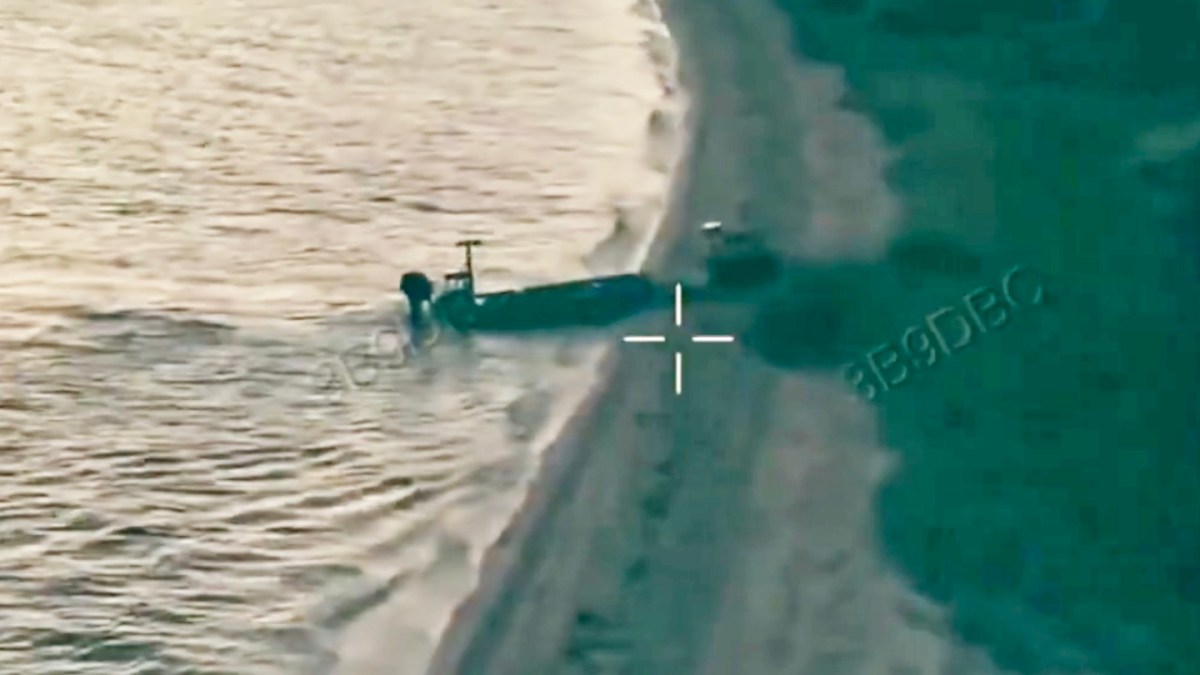
Ukraine Executes Historic Combat Mission Using Drone Boat to Deploy Armed Robot
Ukraine has conducted a groundbreaking military operation, deploying an armed ground robot via a sea drone on the Russian-occupied Kinburn Spit. This mission, executed by the 123rd Separate Territorial Defense Brigade, marks the first known instance of a sea drone transporting a combat robot into enemy territory, showcasing Ukraine's innovative use of uncrewed systems in warfare. The significance of this operation lies in its demonstration of advanced military technology and strategy, as Ukraine seeks to leverage unmanned systems to counter Russian forces. The use of the uncrewed surface vessel (USV) to deliver the Rys family ground robot reflects a shift towards automation in combat, potentially changing the dynamics of modern warfare. Looking ahead, the continued integration of uncrewed systems in military operations will be crucial for Ukraine's strategy. As the conflict evolves, further developments in robotic warfare and the effectiveness of these technologies in combat scenarios will be closely monitored. No further timeline was disclosed at the time of publication.
Sea Armies Around The Globe Drones Europe Land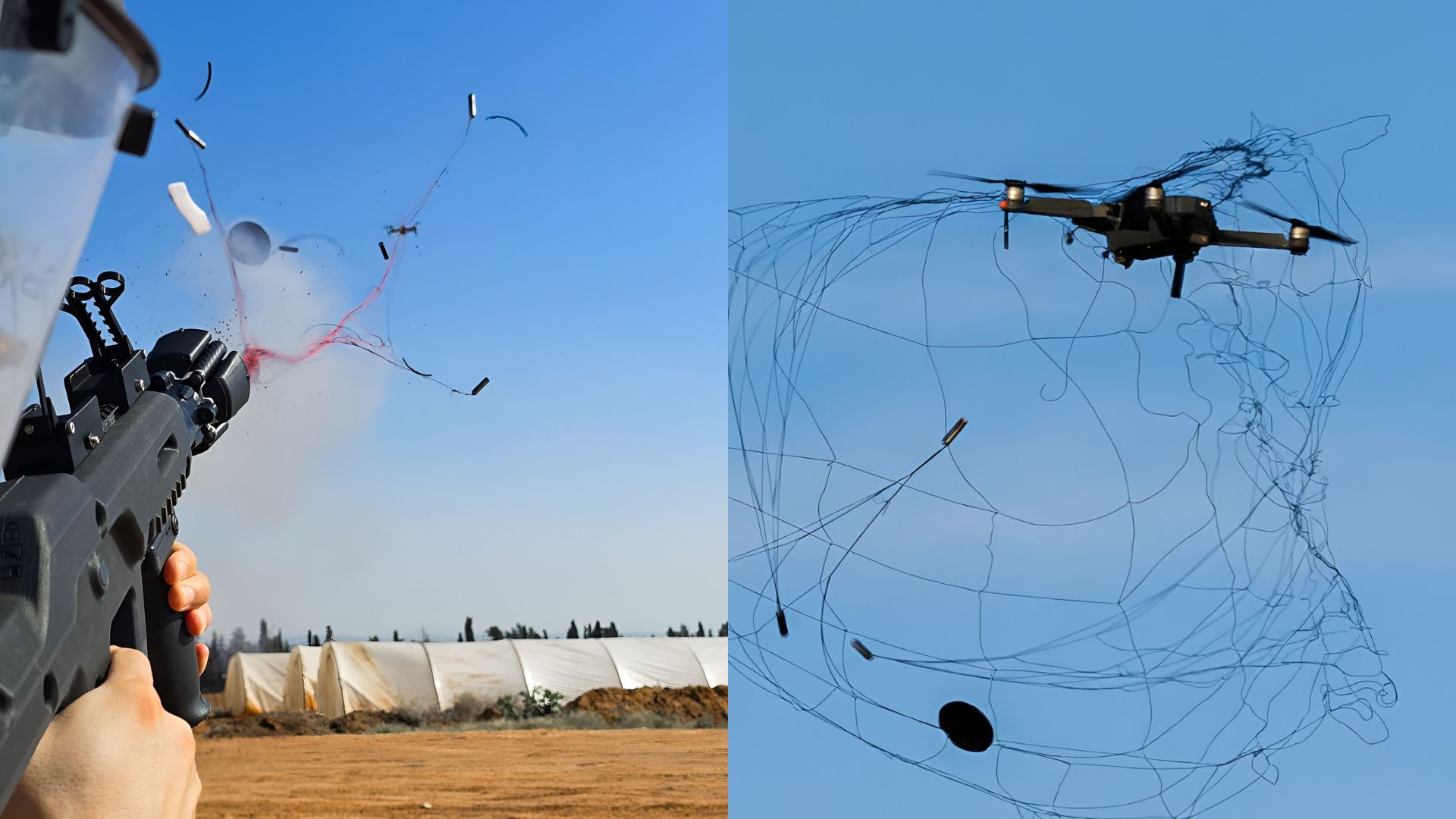
ParaZero Technologies Launches DefendAir for Autonomous Drone Interception in Military Applications
ParaZero Technologies has introduced its DefendAir platform, designed to intercept first-person view (FPV) drones autonomously before they can strike military vehicles. This system utilizes a non-explosive net-based interception method, creating a 360-degree defensive envelope around assets. The platform aims to enhance protection for both moving and stationary high-value military targets without the weight penalties of traditional armor. The rise of low-cost FPV drones has prompted militaries to seek effective countermeasures, as these drones have proven capable of damaging expensive military equipment. ParaZero's DefendAir addresses the limitations of conventional protective measures, such as steel cages, by offering a more agile and responsive solution. The system's ability to detect and neutralize threats rapidly is crucial for modern battlefield scenarios, where speed and precision are paramount. ParaZero is currently collaborating with Tier-1 defense companies to refine the DefendAir technology for operational requirements. While the company has not disclosed specific partners or a timeline for deployment, the focus on active counter-drone systems reflects a broader trend in military strategy, emphasizing the need for innovative solutions to counter evolving aerial threats. No further timeline was disclosed at the time of publication.
Military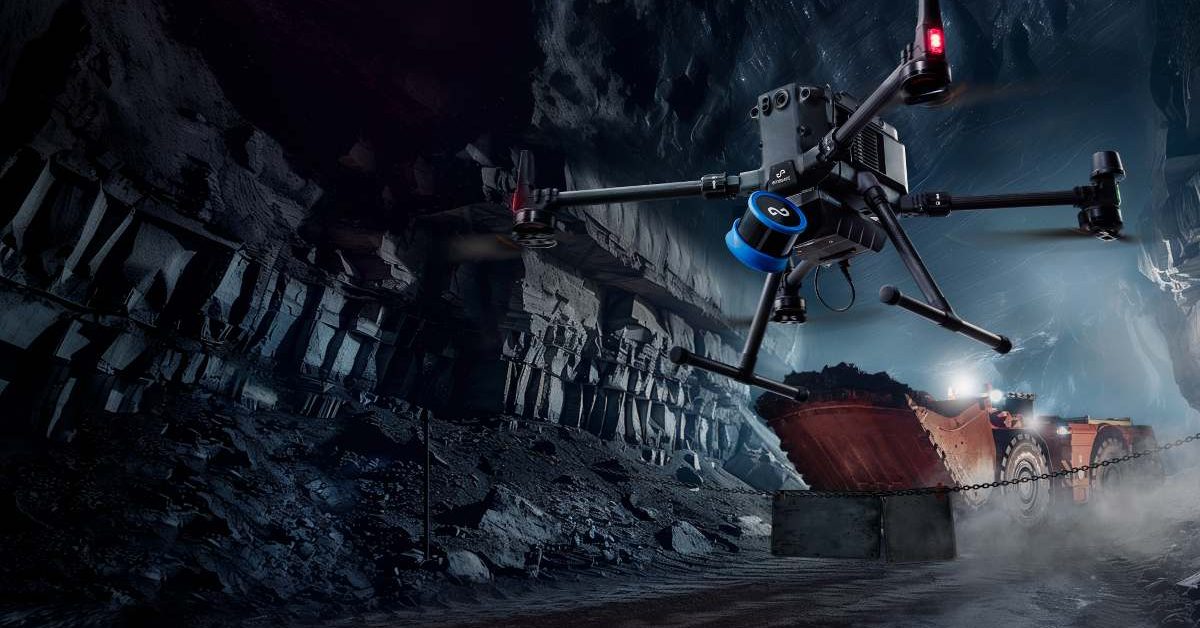
Emesent Secures $17 Million to Enhance AI-Driven Drone Operations and Expand Manufacturing
Emesent, an Australian drone mapping company, has raised $17 million to boost its AI-powered autonomous operations. This funding includes a $7 million venture debt facility from the National Reconstruction Fund Corporation and a $10 million equity round from notable investors such as Main Sequence and QIC Ventures. The investment aims to enhance the capabilities of drones in complex environments with minimal human intervention. The significance of this funding lies in Emesent's strategy to focus on software advancements alongside hardware improvements. The company plans to develop its Cortex AI autonomy software and Aura cloud platform, which will enable drones to operate in GPS-denied areas and process 3D mapping data efficiently. Emesent's existing Hovermap LiDAR payload is already utilized in over 200 mine sites globally, showcasing its established presence in the industrial drone sector. Looking ahead, Emesent intends to expand its manufacturing capabilities in Queensland while pursuing growth in international markets. CEO Charles Miller emphasized the importance of this investment in enhancing AI and autonomy for industries such as mining and defense. No further timeline was disclosed at the time of publication for the anticipated developments from this funding round.
News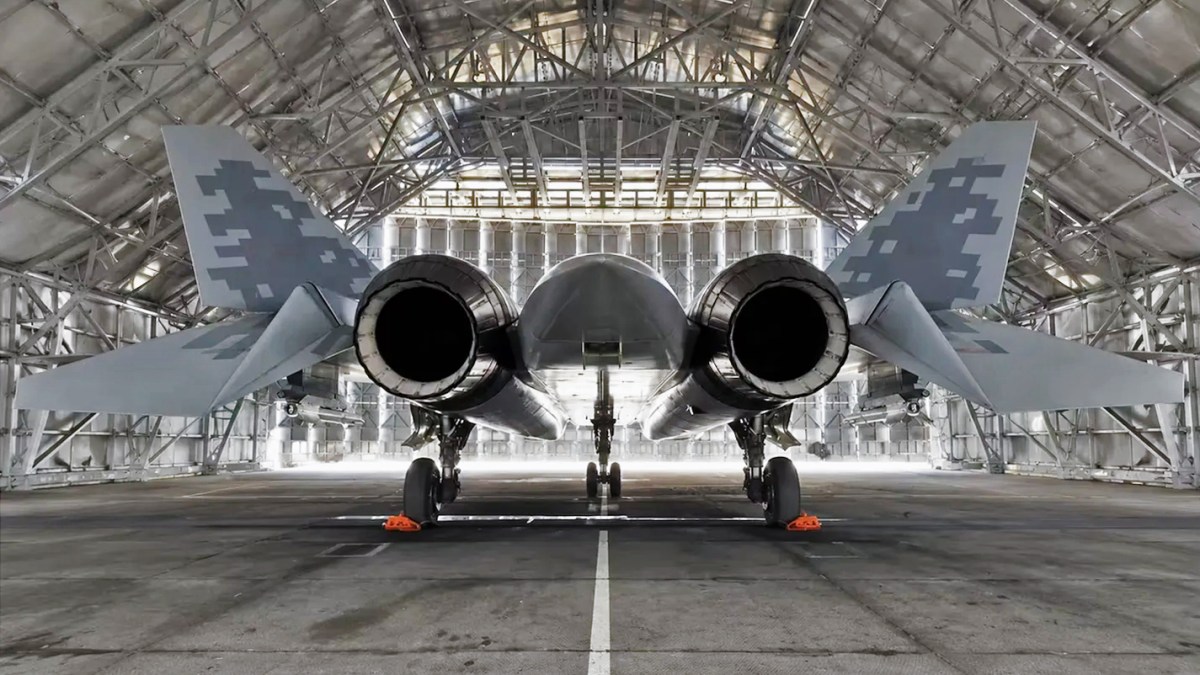
New Su-57 Weapons Configuration Points To Drone And Cruise Missile Defense Mission
Russia's advanced Su-57 fighter jet is reportedly being repurposed to bolster defenses against Ukraine's expanding long-range strike capabilities. This strategic shift highlights the ongoing military tensions between the two nations, particularly as Ukraine enhances its arsenal with drones and cruise missiles. The modification of the Su-57's weapons configuration suggests a focused effort by Russia to counter these emerging threats. As the conflict continues to evolve, the adaptation of such high-tech military assets underscores the urgency for Russia to maintain its defensive posture in the face of Ukraine's advancements.
Air Air Force Munitions Air Forces Air-To-Air Fighters Russian Air Force
European startup to make defense drones in Japan, export across Asia
Portuguese drone startup Tekever is set to establish a manufacturing base for defense drones in Japan, marking a significant milestone as it is expected to be the first foreign defense company to do so. The initiative, reported on June 23, 2026, aims to leverage Japan's advanced sensor technology and will involve collaboration with Marubeni, which will serve as the sales agent for Tekever's products across Asia. This move is part of Tekever's strategy to expand its market presence in the region and enhance its technological capabilities by tapping into Japan's expertise in defense systems. The establishment of the manufacturing facility is anticipated to strengthen defense ties between Portugal and Japan while contributing to the growing demand for advanced drone technology in the Asian market.
Japan's top defense contractor branches out into small interceptor drones
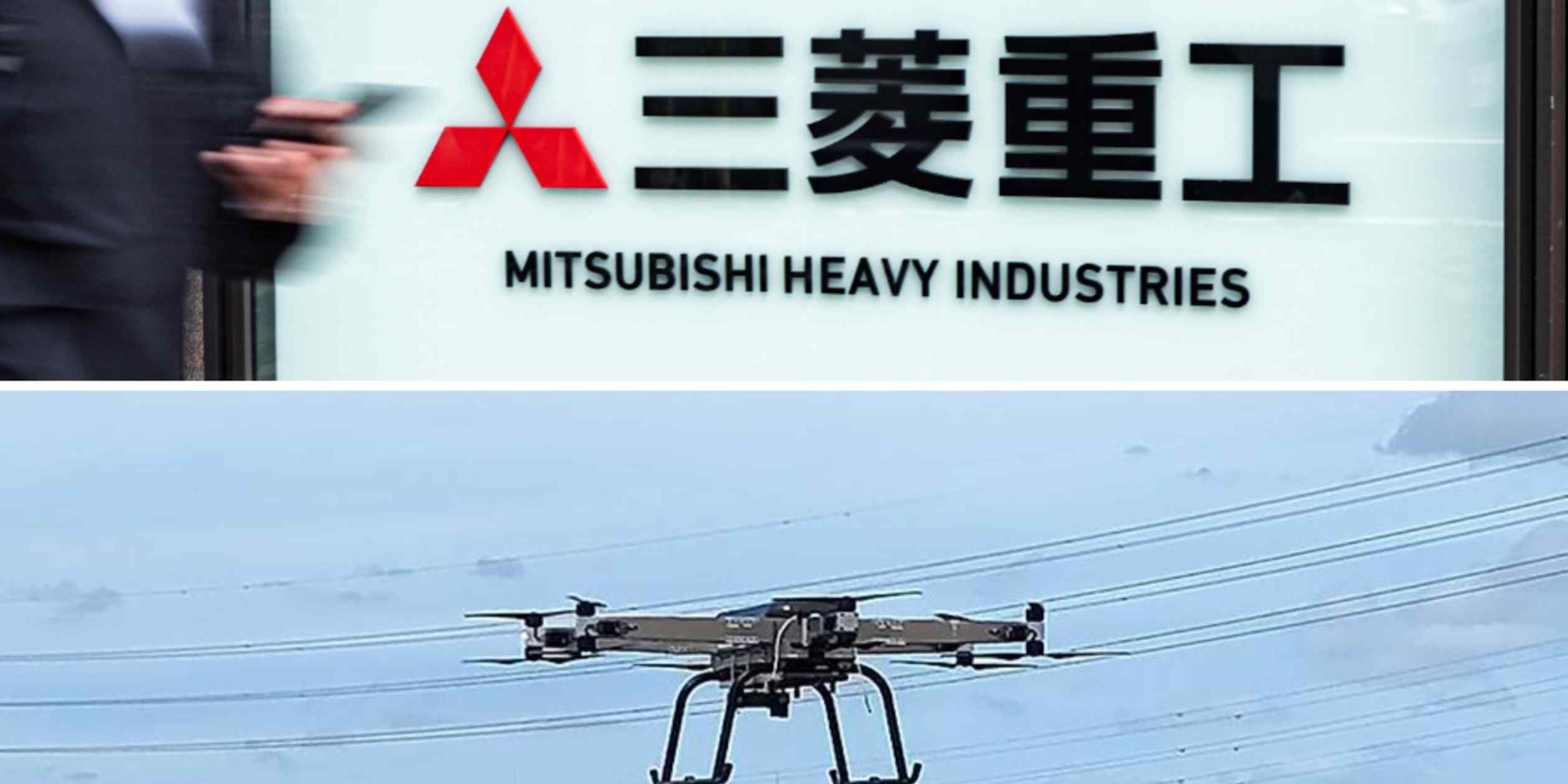
Mitsubishi Heavy Industries, Japan's leading defense contractor, is shifting its focus towards the development of small interceptor drones in response to the growing significance of low-cost aerial technology amid ongoing conflicts in Ukraine and the Middle East. This strategic move, announced on June 18, 2026, in Tokyo, aligns with Japan's broader initiative to bolster its domestic defense capabilities and establish a self-sufficient drone industry. The company, traditionally known for manufacturing destroyers and missiles, is investing substantial resources into this new sector, reflecting a commitment to adapt to evolving military needs and enhance national security.

Eurosatory 2026: DefSecIntel unveils DroneHive interceptor trailer
DefSecIntel has unveiled DroneHive, an innovative automated multi-cell interceptor trailer designed to enhance aerial defense capabilities. This new system operates in conjunction with the company's advanced EIRSHIELD C2 platform, which is equipped with a variety of sensors for comprehensive situational awareness. The launch took place recently, marking a significant advancement in drone interception technology. The introduction of DroneHive aims to address the growing concerns surrounding unauthorized drone activities and potential threats to security. By automating the interception process, DefSecIntel seeks to improve response times and operational efficiency in protecting sensitive areas. The integration of the EIRSHIELD C2 platform allows for real-time data analysis and decision-making, further bolstering the effectiveness of the interceptor system. This development reflects a broader trend in the defense industry towards leveraging automation and advanced technology to counter evolving aerial threats. As drone usage continues to rise, solutions like DroneHive are becoming increasingly vital for ensuring safety and security in various environments.
News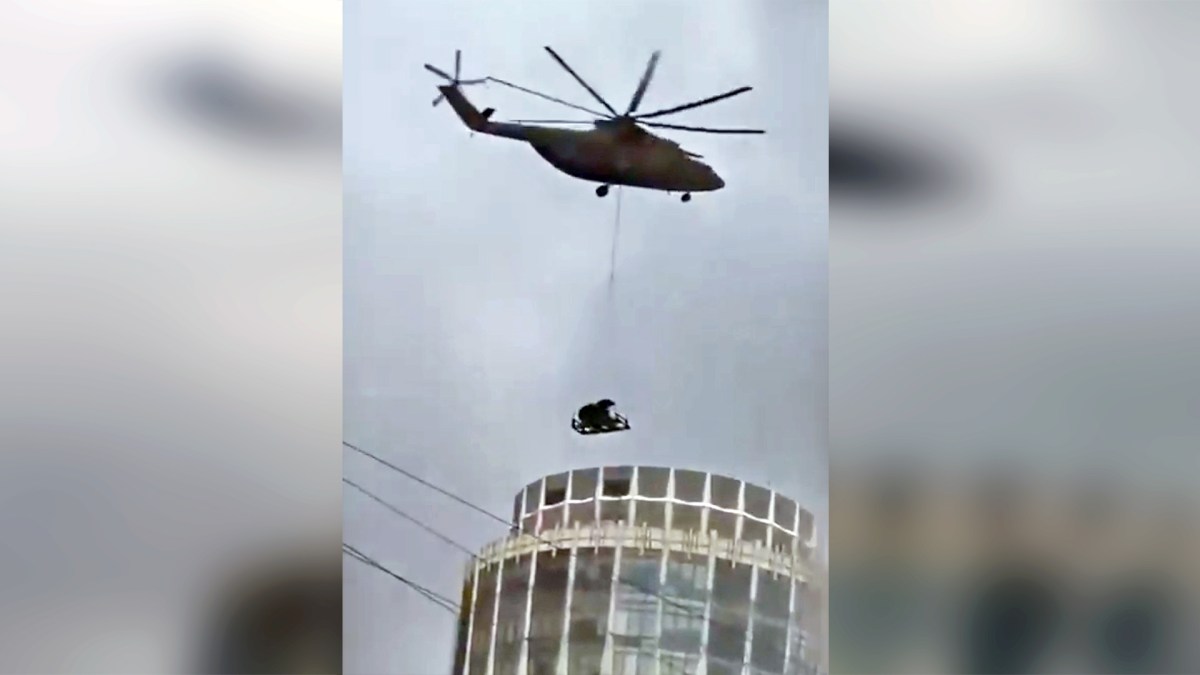
New Counter-Drone Optimized Pantsir Air Defense System Being Deployed Atop Skyscrapers In Moscow
A video has emerged depicting the airlift of a Pantsir-SMD-E air defense system onto a skyscraper in Moscow, highlighting Russia's efforts to bolster its defenses against escalating drone attacks from Ukraine. This deployment reflects the growing concern in the Russian capital regarding the threat posed by Ukrainian drones, prompting the government to enhance its military capabilities in urban areas. The strategic placement of the Pantsir system atop high-rise buildings aims to provide a more effective response to aerial threats, showcasing a proactive approach to national security amidst ongoing conflict.
Air Air Forces Around The Globe Counter-Unmanned Aerial Vehicles (C-UAS) Drones Europe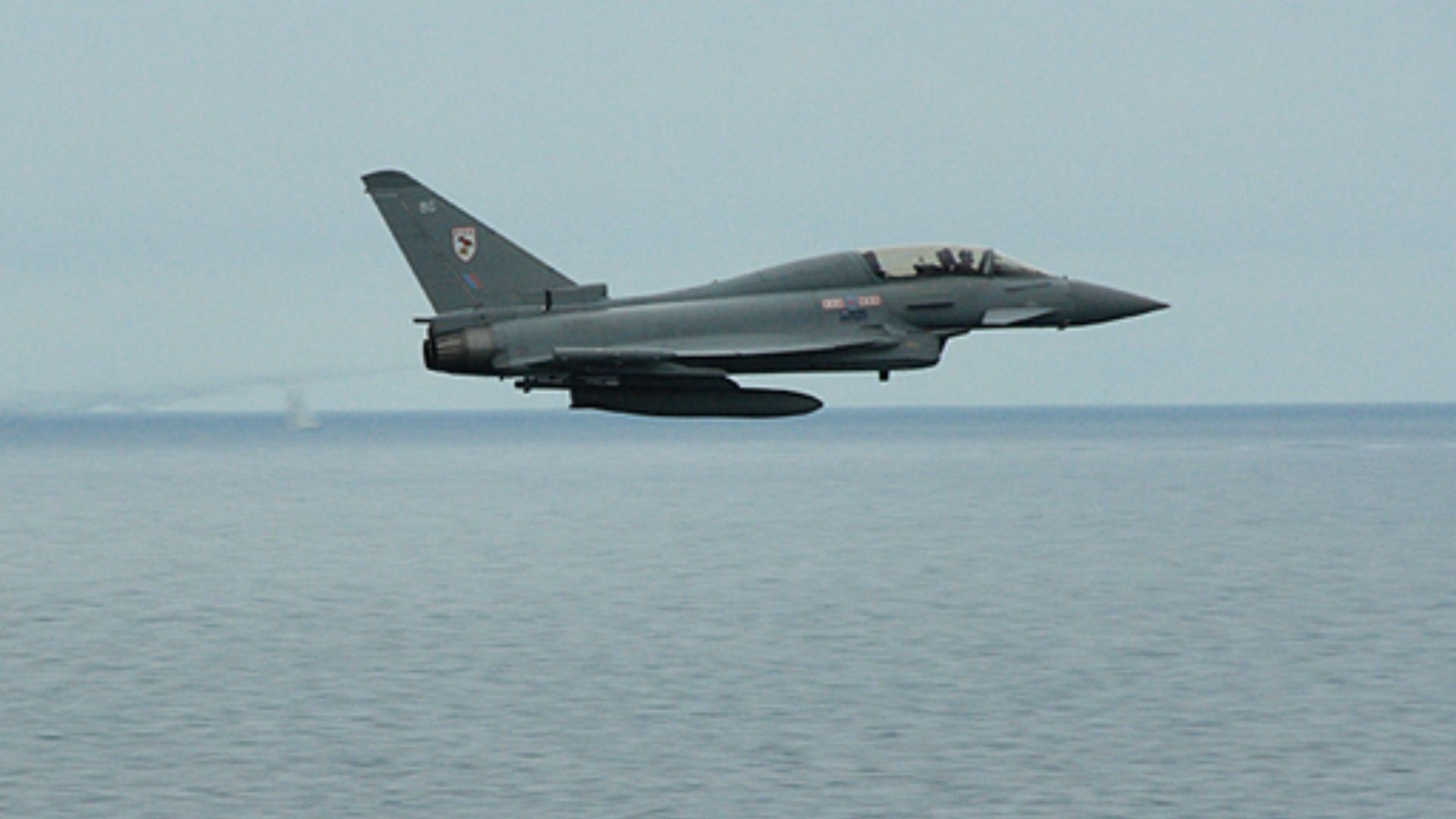
UK military deploys low-cost laser-guided rockets to destroy drones with precision defense
The Royal Air Force (RAF) has initiated the deployment of a cost-effective laser-guided counter-drone weapon system on its Eurofighter Typhoon aircraft. This move comes as part of the RAF's ongoing efforts to enhance its capabilities in addressing the growing threat posed by unmanned aerial vehicles (UAVs). The deployment began in October 2023, as the military seeks to bolster its defense strategies amid increasing concerns over drone-related security risks. By integrating this advanced technology into its fleet, the RAF aims to improve its operational effectiveness in neutralizing potential drone threats, ensuring the safety of airspace and ground operations. The laser-guided system is designed to provide precision targeting, allowing for effective engagement of hostile drones while minimizing collateral damage.

Japanese drone company eyes global defense market through Ukraine
Japanese drone manufacturer Terra Drone is advancing its presence in the defense sector with the deployment of its new fixed-wing interceptor drone, the Terra A2, in Ukraine. This move comes as low-cost attack drones increasingly transform modern warfare, and Ukraine serves as a critical testing ground for anti-drone technologies amid ongoing conflict. The operational deployment of the Terra A2 marks a significant step for the company as it seeks to enhance its capabilities in a market that is rapidly evolving due to the challenges posed by drone warfare.
News
Israeli military, defense firms race to find solution to FPV drone threats
Israeli technology companies are developing advanced military solutions, including smart rifles and counter-drone systems, to address emerging threats on the battlefield. These innovations come in response to the increasing sophistication of weaponry and tactics used by adversaries. The advancements aim to enhance the effectiveness of Israeli defense forces in various combat scenarios. As these smaller firms showcase their capabilities, they highlight the importance of adapting to modern warfare challenges. The ongoing conflict and the need for superior defense mechanisms drive the urgency behind these technological developments.
Air Warfare Global Land Warfare Air Force Army Counter UAS cUAS
US Military Pushes for Boost in 2027 Spending on Drones and Air Defenses Used in Iran War
U.S. military officials are advocating for a significant budget increase in the upcoming fiscal year, proposing an allocation of tens of billions of dollars for advanced military technology. This funding is aimed at enhancing capabilities in drones, air defense systems, and fighter jets, which have played a crucial role in ongoing operations related to the conflict with Iran. The push for increased spending reflects a strategic response to evolving threats and the need to maintain military readiness. As tensions in the region continue, these investments are seen as essential for ensuring national security and supporting U.S. interests abroad. The proposal is expected to be a focal point in budget discussions as lawmakers assess the military's funding priorities for the coming year.

‘Millions of drones’: What to expect from Turkey’s SAHA 2026 defense expo
The upcoming 2026 edition of SAHA is set to highlight its transformation from a national showcase to a significant global hub for the defense and aerospace industry. Industry experts emphasize that this evolution reflects the event's growing importance on the international stage. The conference will serve as a platform for key stakeholders to engage, share innovations, and discuss trends shaping the future of defense and aerospace. As the event approaches, anticipation builds around the opportunities it will present for collaboration and networking among global leaders in the sector.
Global baykar business Drones Eurofighter Typhoon EuropeRobotics needs a service framework.
RSF defines a common language for robot service capability, lifecycle operations, certification pathways, and service-provider networks.