Industry Briefing
A single destination for timely, editor-curated robotics news from around the world.

ImportAI 449: LLMs training other LLMs; 72B distributed training run; computer vision is harder than generative text
As artificial intelligence continues to evolve, experts are raising concerns about its potential to disrupt political systems globally. A recent discussion among political analysts and technologists highlighted the possibility of an unprecedented political interregnum driven by AI advancements. This conversation gained momentum in October 2023, as various stakeholders, including policymakers and industry leaders, began to assess the implications of AI on governance and societal structures. The rapid integration of AI technologies into everyday life is prompting fears that traditional political frameworks may struggle to adapt, leading to instability and uncertainty. Analysts argue that the increasing reliance on AI for decision-making processes could undermine democratic institutions, as algorithms may not reflect the complexities of human values and ethics. In response to these concerns, experts are advocating for proactive measures to ensure that AI development aligns with democratic principles. They emphasize the need for transparent regulations and ethical guidelines to mitigate potential risks associated with AI's influence on political landscapes. The discourse around AI's role in shaping future governance is expected to intensify as the technology continues to advance, prompting a reevaluation of how societies govern themselves in an increasingly automated world. As the debate unfolds, the urgency for a collaborative approach among technologists, policymakers, and civil society becomes clear, aiming to harness the benefits of AI while safeguarding democratic integrity and social cohesion.
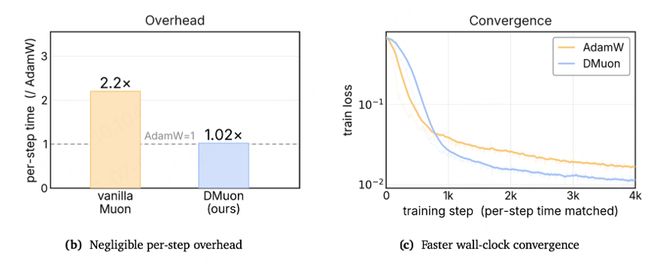
Variable Launches DMuon Optimizer to Improve Distributed Muon Model Infrastructure Efficiency by 30%
Variable Robotics has introduced the DMuon optimizer, enhancing the distributed Muon model infrastructure's efficiency by approximately 30%. This new optimizer addresses the additional computational and communication costs associated with using Muon in distributed training, which previously resulted in an end-to-end step time 2.2 times longer than AdamW. The significance of DMuon lies in its ability to maintain the faster convergence benefits of the Muon optimizer while reducing the end-to-end step time to just 1.02 times that of AdamW. This improvement is achieved through fine-grained communication optimization, computation-aware load balancing, and a high-performance kernel system, making DMuon a viable option for embodied model training without requiring changes to parameter update rules or training frameworks. Looking ahead, DMuon is expected to become a new default choice for embodied model training, as it effectively mitigates the redundant computations and communication overhead that previously hindered Muon's performance in distributed environments. No further timeline was disclosed at the time of publication.
Neural Network Optimization Distributed Training Machine Learning Infrastructure AI Models
Your Next AI Query May Travel Where the Power Is
Nvidia, in collaboration with InfraPartners, Prologis, and the Electric Power Research Institute (EPRI), is set to launch a pilot project later this year to construct approximately 25 micro data centers near utility substations across five U.S. states. This initiative aims to address the growing energy demands of the AI industry, which is projected to consume 9 to 17 percent of the country’s electricity generation by 2030. By strategically locating these small data centers, each with a capacity of 5 to 20 megawatts, the project seeks to enhance flexibility in power consumption and optimize the use of available electricity. The approach involves shifting computational workloads to different substations based on real-time power availability, thereby alleviating pressure on overloaded substations and maximizing overall energy efficiency. With U.S. grid operators typically utilizing only 53 percent of their generation capacity, this strategy could significantly increase the effective power supply for data centers. As AI workloads evolve, particularly in inference tasks that require less intensive computational resources compared to training, the micro data centers can dynamically route workloads to where power is most accessible. The project, termed “distributed inference,” is expected to begin construction by the end of 2026, with the goal of demonstrating a new model for data center operations that aligns with the increasing demand for energy-efficient solutions in the tech industry.
Ai-data-centers Nvidia Epri Power-generationRobotics needs a service framework.
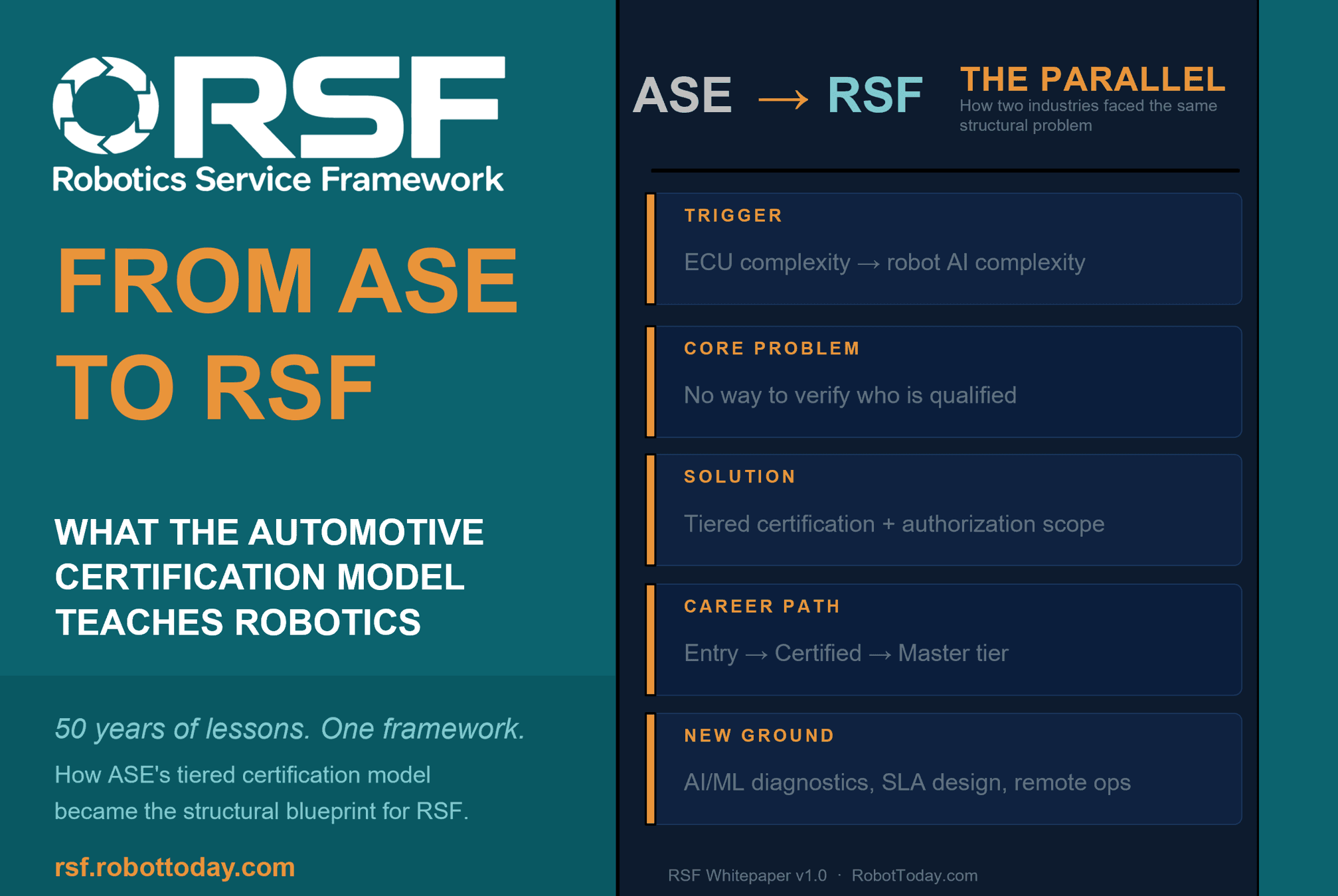
RSF defines a common language for robot service capability, lifecycle operations, certification pathways, and service-provider networks.