

Industry Briefing
A single destination for timely, editor-curated robotics news from around the world.

China Faces Data Shortage Hindering Development of Humanoid Robots with Embodied Intelligence
China is establishing training grounds for embodied intelligence across the country. However, a significant shortfall of over 99% in physical-interaction data threatens to keep humanoid robots from advancing beyond demonstration phases. This data deficiency is critical as it limits the ability of humanoid robots to learn and adapt through real-world interactions. Without sufficient data, the development of these robots may stagnate, impacting China's ambitions in robotics and AI. Looking ahead, the focus will be on addressing this data gap to enable more effective training for humanoid robots. No further timeline was disclosed at the time of publication.
Robotics
Data Challenges Impeding Progress in Visual and Physical AI Development
Recent findings reveal that the shift in AI focus from text to physical world data is causing significant challenges. A 2026 survey of over 700 professionals indicates that data-related issues are the primary cause of model failures in physical AI systems. The report emphasizes the importance of data curation over merely expanding model architectures, highlighting that inefficient annotation processes lead to wasted resources as teams often discard labeled data before production. Understanding these data bottlenecks is crucial for organizations aiming to advance their physical AI capabilities. The report illustrates that effective data management is what distinguishes successful teams from those that struggle to deliver functional models. As the demand for systems that can perceive and act in physical environments grows, addressing these data challenges becomes increasingly important for innovation in the field. Looking ahead, organizations must prioritize refining their data curation processes to enhance the performance of physical AI systems. No further timeline was disclosed at the time of publication.
Type-whitepaper Artificial-intelligence Computer-models Data-bottleneck
WUWENAI's Liu Shengxiang Addresses Data Bottleneck in Embodied AI Development
WUWENAI founder Liu Shengxiang has identified data as the primary bottleneck in the development of embodied AI. To tackle this challenge, the startup has developed a closed-loop Real-to-Sim-to-Real pipeline, which Liu claims is ahead of World Labs' SceniX initiative by several months. This advancement is significant as it highlights the critical role of data in enhancing the capabilities of embodied AI systems. By creating a more efficient data pipeline, WUWENAI aims to accelerate the development and deployment of AI technologies that can interact with the real world more effectively. Looking ahead, industry observers should monitor how WUWENAI's innovations influence the broader landscape of embodied AI and whether their pipeline can set new standards in data utilization. No further timeline was disclosed at the time of publication.

Three Key Challenges Hindering the Development of Advanced Humanoid Robots
The development of humanoid robots, akin to C-3PO, faces significant challenges in reliability, dexterity, and data management. While advancements in AI have improved reasoning capabilities, the physical aspects of robotics remain problematic. Current robots excel in specific tasks but struggle with complex manipulations that require high precision and reliability. These challenges are critical as they impact the deployment of robots in various sectors, including healthcare and manufacturing. For instance, surgical robots like the da Vinci system demonstrate the gap between theoretical intelligence and practical application, where reliability is paramount. The need for robots to perform consistently across millions of cycles is essential for their acceptance in sensitive environments. Looking ahead, the industry must focus on overcoming these bottlenecks to enable broader adoption of humanoid robots. The reliance on a combination of real and synthetic data for training highlights the ongoing need for innovative solutions. No further timeline was disclosed at the time of publication.
Factory / Robotics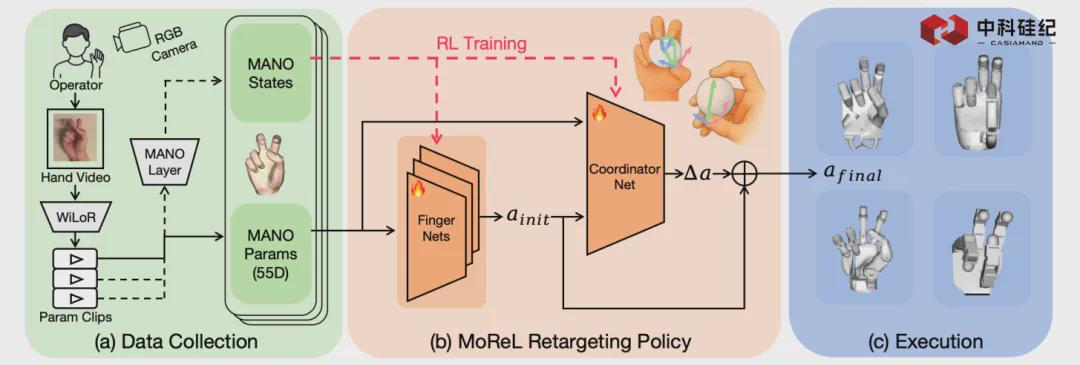
Breaking Through Data Bottlenecks: Si 0.5 Enables Millisecond Mapping from Human to Dexterous Hands
Zhongke Silicon Memory has unveiled MoReL, an innovative modular reinforcement learning framework designed to enhance embodied intelligence by facilitating real-time mapping of human hand movements to a variety of dexterous robotic hands. This significant advancement, announced recently, aims to tackle the prevalent issues of data scarcity and compatibility that have hindered the effective control of robotic systems. By enabling precise and efficient manipulation across different robotic platforms, MoReL eliminates the necessity for extensive reconfiguration, thereby streamlining the integration of human-like dexterity in robotics. This development marks a pivotal step forward in the field, promising to enhance the functionality and adaptability of robotic hands in various applications.
Robotic Manipulation Reinforcement Learning Dexterous Robotics Human-Robot Interaction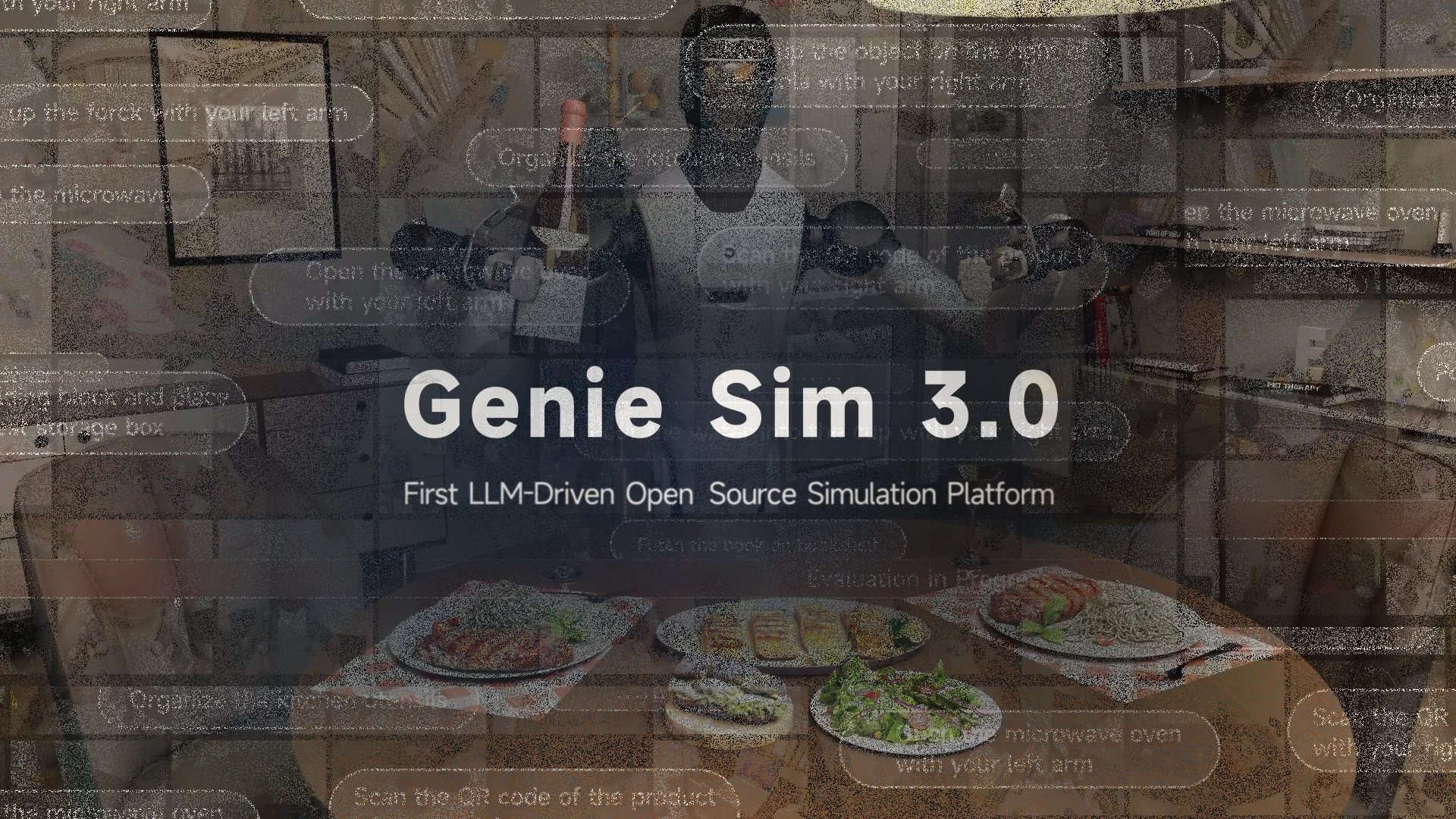
The Synthetic Engine: How AGIBOT Genie Sim 3.0 Resolves the Embodied AI Data Bottleneck
AGIBOT has introduced a groundbreaking unified simulation infrastructure designed to enhance the transition from digital training to real-world application. This innovative system leverages large language model (LLM)-driven spatial world models alongside massively parallel reinforcement learning techniques. By integrating these advanced technologies, AGIBOT aims to significantly accelerate the development and deployment of robotic systems. The announcement, made recently, highlights the company's commitment to advancing artificial intelligence and robotics, providing a robust framework that could revolutionize how machines are trained and utilized in various industries. The infrastructure is expected to streamline processes, improve efficiency, and ultimately lead to more effective physical deployments of AI-driven solutions.
AI Week open-source China AGIBOT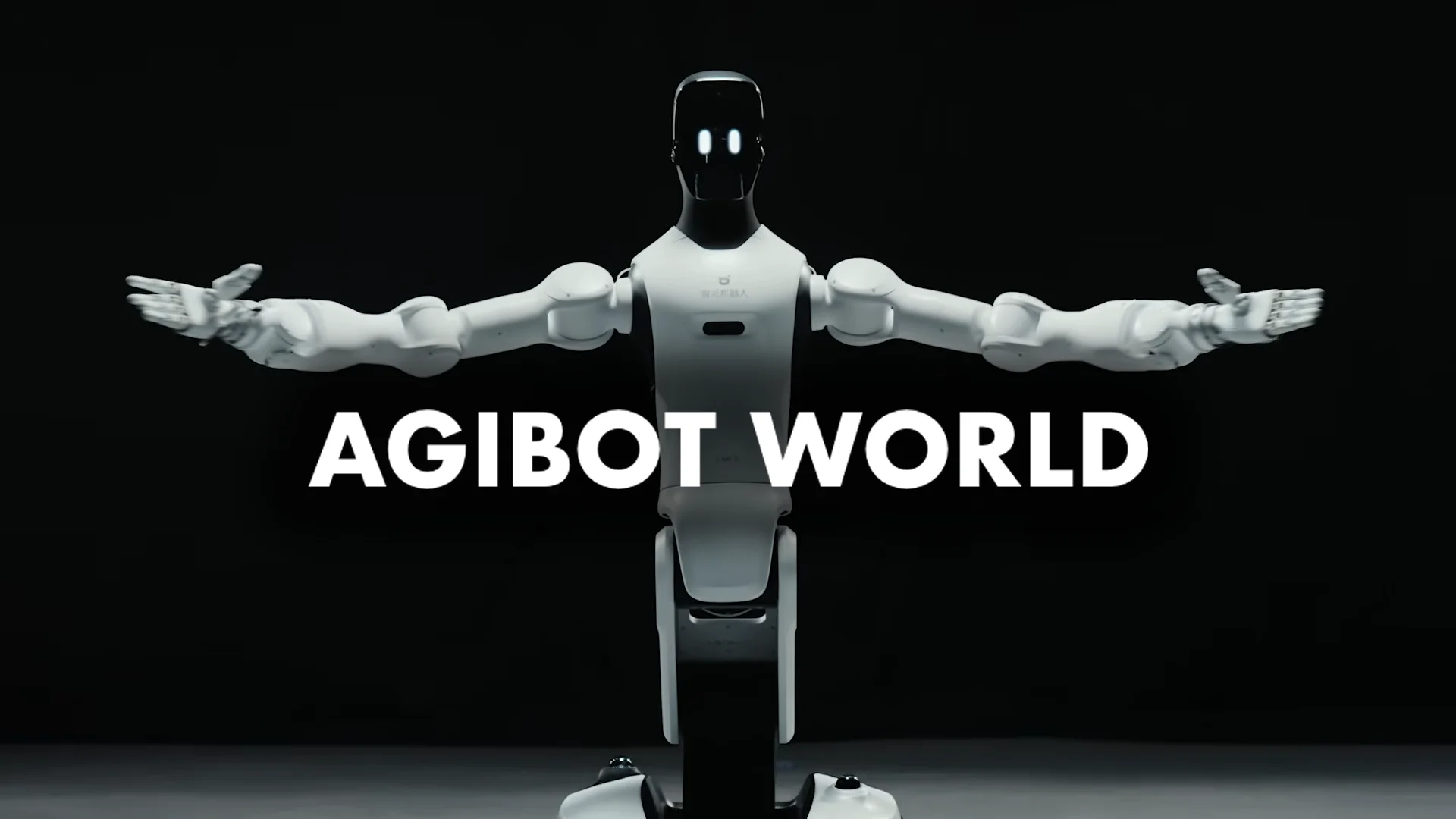
The Data Bottleneck: Why AGIBOT is Open-Sourcing its Real-World Training Library
AGIBOT has announced the launch of a multi-phase, industrial-grade dataset aimed at addressing the significant scaling challenges faced by the robotics industry. This initiative comes as robotics technology transitions from research environments to everyday use in homes. The dataset, which is expected to enhance the development and deployment of robotic systems, will be made available in phases, allowing for comprehensive testing and refinement. The move is part of AGIBOT's broader strategy to facilitate innovation and improve the efficiency of robotic applications, ultimately making them more accessible to consumers. This launch is particularly timely, given the increasing demand for advanced robotics solutions in various sectors.
Data Collection AI Week Dataset China AGIBOT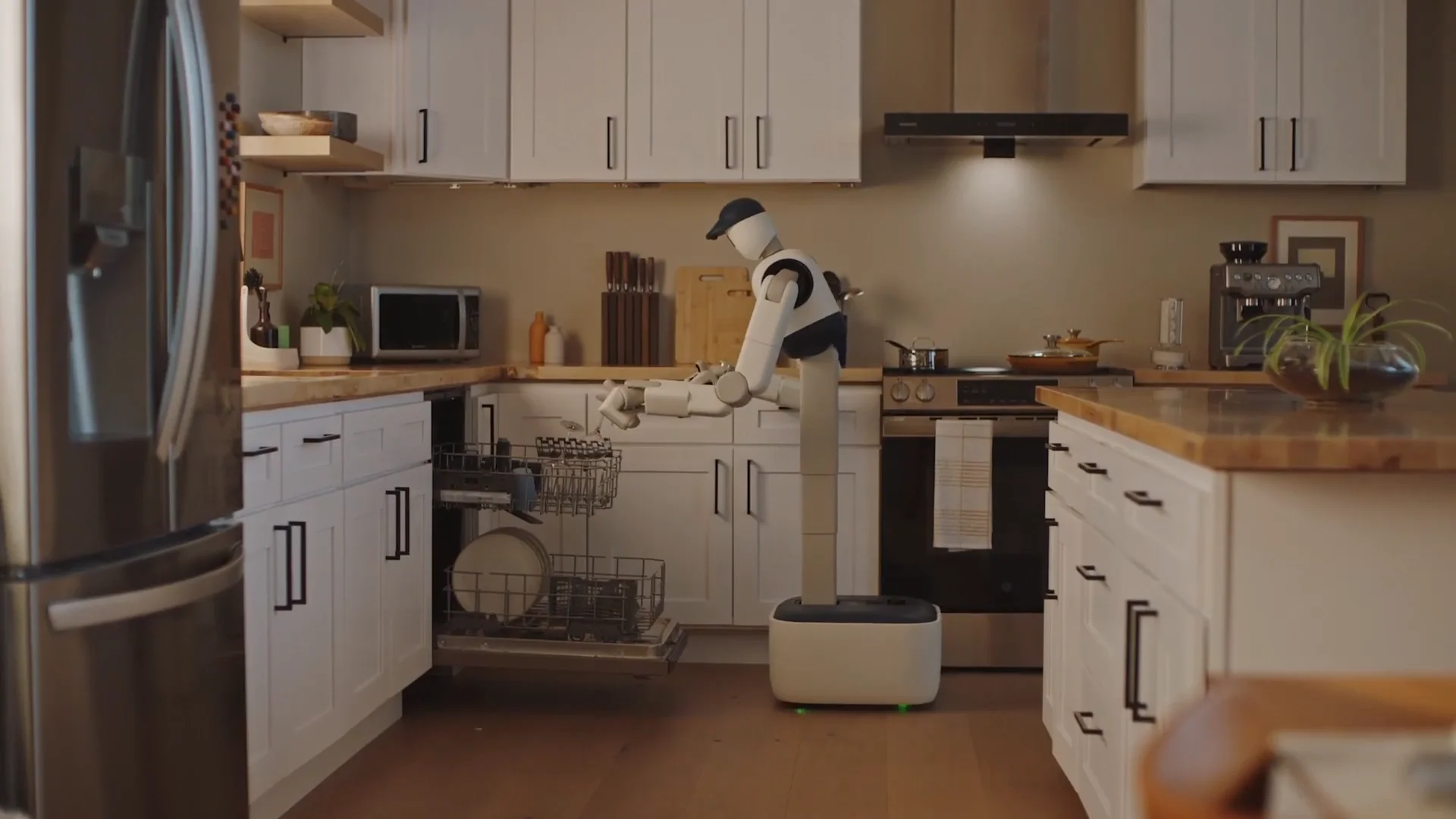
Sunday Robotics Founders on the "GPT Moment" for Physical AI and Breaking the Data Bottleneck
In a recent interview, Tony Zhao and Cheng Chi discussed their innovative "data-first" philosophy, which they believe is pivotal in advancing technology within their industry. They emphasized the impending end of teleoperation, suggesting that reliance on remote control systems is becoming obsolete. Zhao and Chi expressed their concerns about the current state of the industry, which they feel is caught in a transitional phase between traditional generative pre-trained transformers (GPT) and the more advanced ChatGPT models. Their insights reflect a broader trend in technology, where data-driven approaches are increasingly seen as essential for progress. The interview sheds light on the challenges and opportunities facing the industry as it navigates this critical evolution.
Sunday Robotics Memo
Unitree’s G1-D Swaps Legs for Wheels to Solve the AI Data Bottleneck
Unitree Robotics has unveiled its latest innovation, the G1-D, marking a significant shift from its previous focus on bipedal agility to a new emphasis on stability. This wheeled humanoid robot is equipped with a comprehensive software platform aimed at enhancing data acquisition and streamlining model training processes. The launch, which occurred in October 2023, reflects the company's commitment to advancing robotics technology and improving operational efficiency in various applications. By integrating robust software capabilities with the G1-D's design, Unitree Robotics seeks to address the growing demand for reliable robotic solutions in diverse sectors.
G1 Unitree Robotics G1-D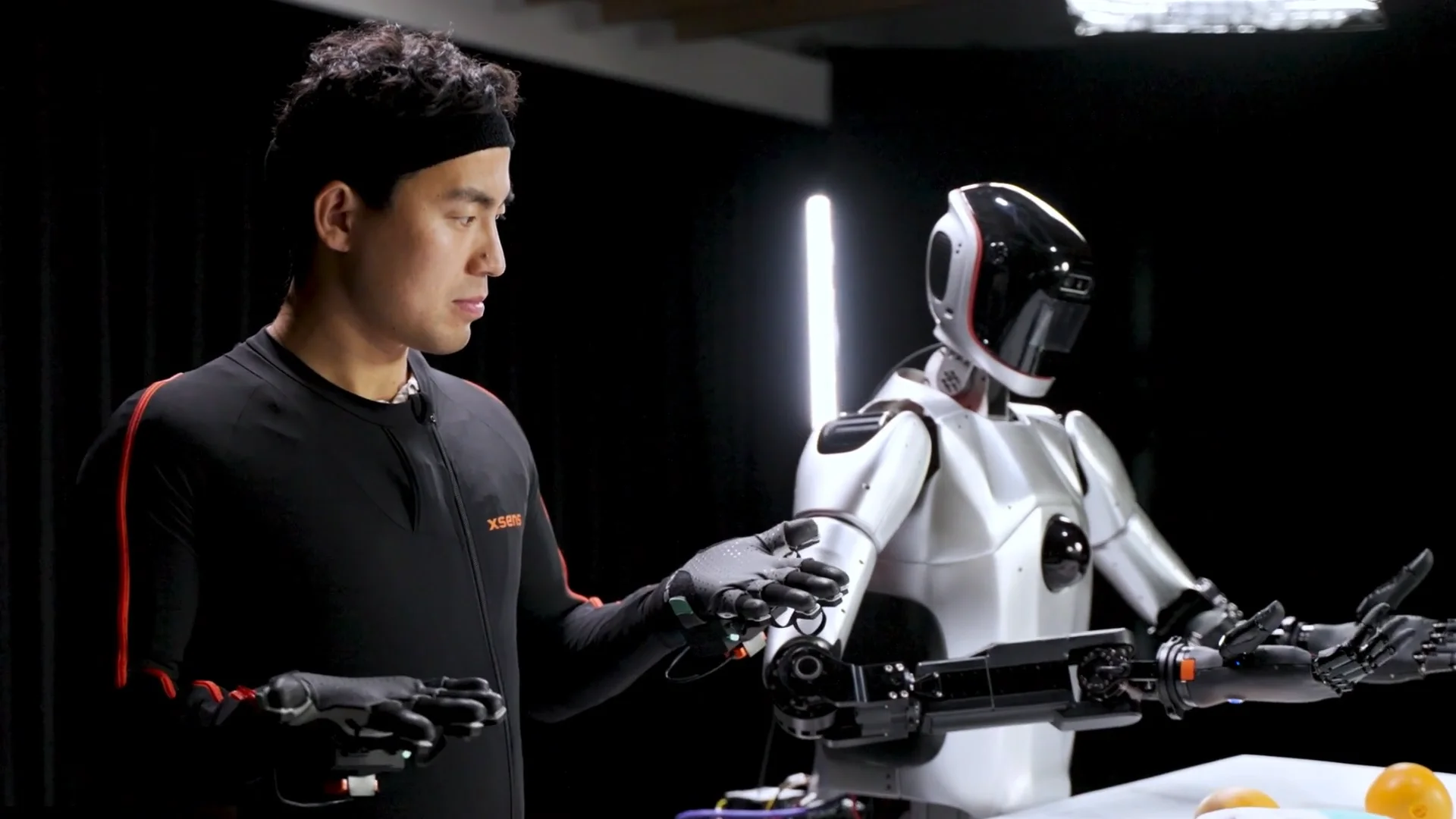
Xsens Launches New 'Link' MoCap Suit to Service Robotics' Data Bottleneck
Xsens has unveiled its next-generation motion capture system, Xsens Link, designed specifically for robotics labs, entertainment, and sports industries. Launched recently, this advanced platform serves as a high-fidelity tool for teleoperation and AI training, catering to the growing demand for effective solutions in the "human-in-the-loop" strategy. By addressing the industry's challenges related to physical data bottlenecks, Xsens Link aims to enhance the capabilities of humanoid robots and improve their interaction with human operators.
xsens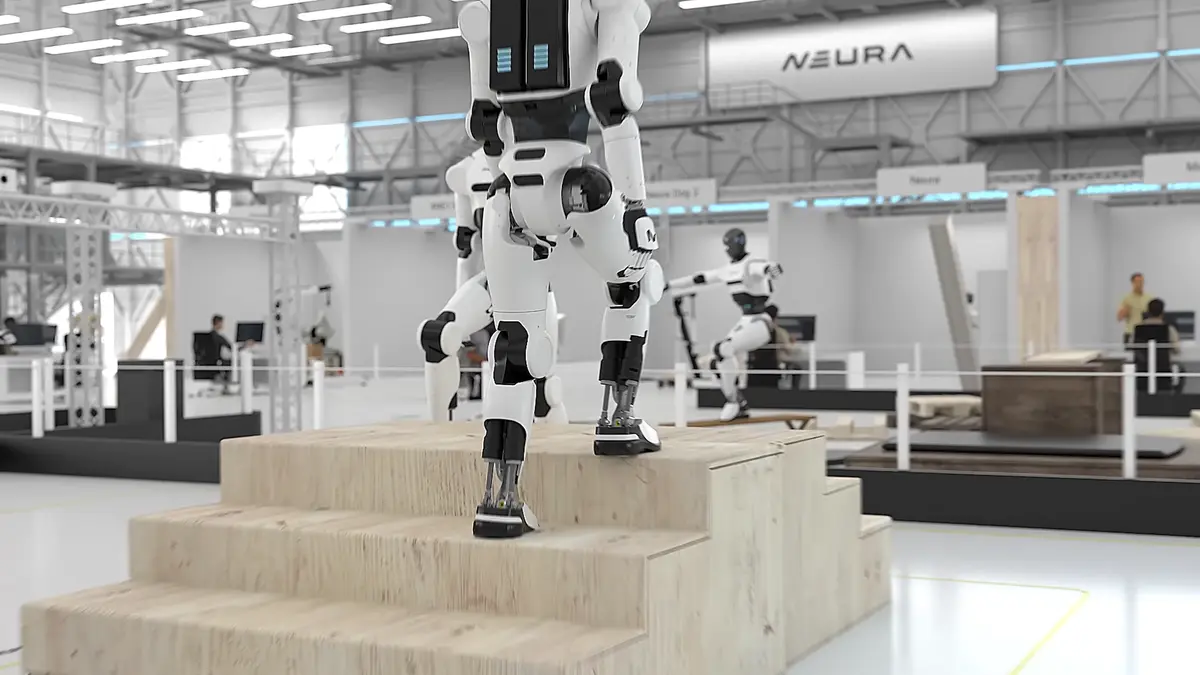
The Physical AI Bottleneck: Comparing the Data Strategies of 1X, Figure, Tesla, and Neura
A recent report by the LA Times reveals that leading robotics companies are engaged in a significant, low-tech initiative to collect real-world data, which has emerged as a critical challenge in the field. As of October 2023, these companies are exploring various strategies to address this data bottleneck, with approaches ranging from human-video capture and teleoperation to extensive simulation techniques. The diversity in methods reflects the industry's urgent need to enhance robotic capabilities and improve performance in real-world applications.
Data Collection 1X-technologies Tesla Figure Neura Robotics Neura GymRobotics needs a service framework.
RSF defines a common language for robot service capability, lifecycle operations, certification pathways, and service-provider networks.
Join the RobotToday community on LinkedIn
Daily robotics news, in-depth analysis, conference highlights, and discussions with professionals worldwide.







