Industry Briefing
A single destination for timely, editor-curated robotics news from around the world.

The Shift in Physical AI: Qunke Technology Develops a Simulation Data Production Line
Qunke Technology has introduced a pioneering solution to tackle the pressing shortage of high-quality 3D training data, which is vital for the advancement of the physical AI industry. As leading companies in embodied intelligence shift their focus from model architecture to data infrastructure, Qunke's innovative simulation data production line aims to fill this gap. The company’s efforts have been recognized at the European Conference on Computer Vision (ECCV), where three of its groundbreaking research papers were accepted. These contributions are expected to set new benchmarks in the fields of spatial intelligence and data synthesis, further propelling the development of AI technologies.
Embodied Intelligence Simulation Data 3D Training Data AI Benchmarking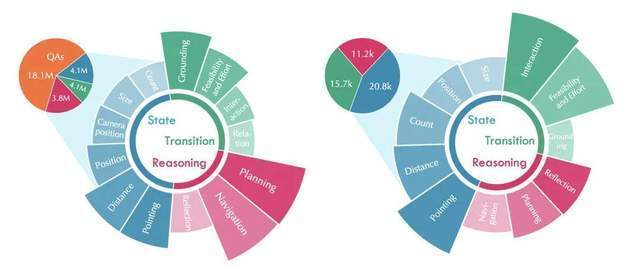
China's Embodied AI Models Gear Up for Competition Ahead of WAIC 2026
China's leading tech companies are intensifying their efforts in embodied AI as they prepare for the WAIC 2026 event in Shanghai, scheduled for July 17. This year's competition is marked by the launch of several advanced models, including Xiaomi's X0, a multimodal generative model with 38 billion parameters designed to enhance robotic training data generation. The significance of this competition lies in the critical need for physical interaction data, which is currently lacking by over 99%. Xiaomi's generative model aims to address this gap by autonomously generating and augmenting training data without the need for new data collection, thereby improving efficiency by 83 times. The event will showcase over 200 companies, highlighting the growing importance of embodied intelligence in the tech landscape. As the industry evolves, companies like Tencent Cloud and RoboScience are also making strides with cloud-based embodied AI services. The competition at WAIC 2026 will be pivotal, as companies vie for dominance in the emerging ecosystem of embodied intelligence, with advancements in visual understanding and cognitive reasoning being key areas of focus.
Embodied AI Robotics Data Synthesis Open Source Cognitive Computing
Graphene “Tattoos” for Plants Could Form Neural Networks
Researchers at the University of Texas at Austin have developed an innovative graphene "tattoo" that adheres directly to plant leaves, enabling real-time monitoring of leaf hydration. This breakthrough, published in the journal Nano Letters in February, addresses the limitations of traditional methods that require cutting leaves for moisture assessment. The sensor, which functions like a three-terminal transistor, sends electric pulses into the leaf, allowing it to measure moisture levels without disrupting photosynthesis. Led by associate professor Jean Anne Incorvia and graduate student Utkarsh Misra, the team envisions a future where these sensors could form a neural network across forests, providing critical data on drought and fire risks. The flexible and nearly transparent graphene material allows the tattoo to adapt to the leaf's movements, while its unique properties enable it to act as an artificial synapse, potentially enhancing plant-based computing. The concept emerged from a collaboration with geologist Ashley Matheny, highlighting the practical applications of the technology in agriculture and environmental monitoring. The researchers successfully trained a neural network to classify leaf hydration states, paving the way for more sophisticated plant monitoring systems that could help farmers and forest rangers respond to climate change challenges.
Graphene Agriculture Wildfires Neural-networks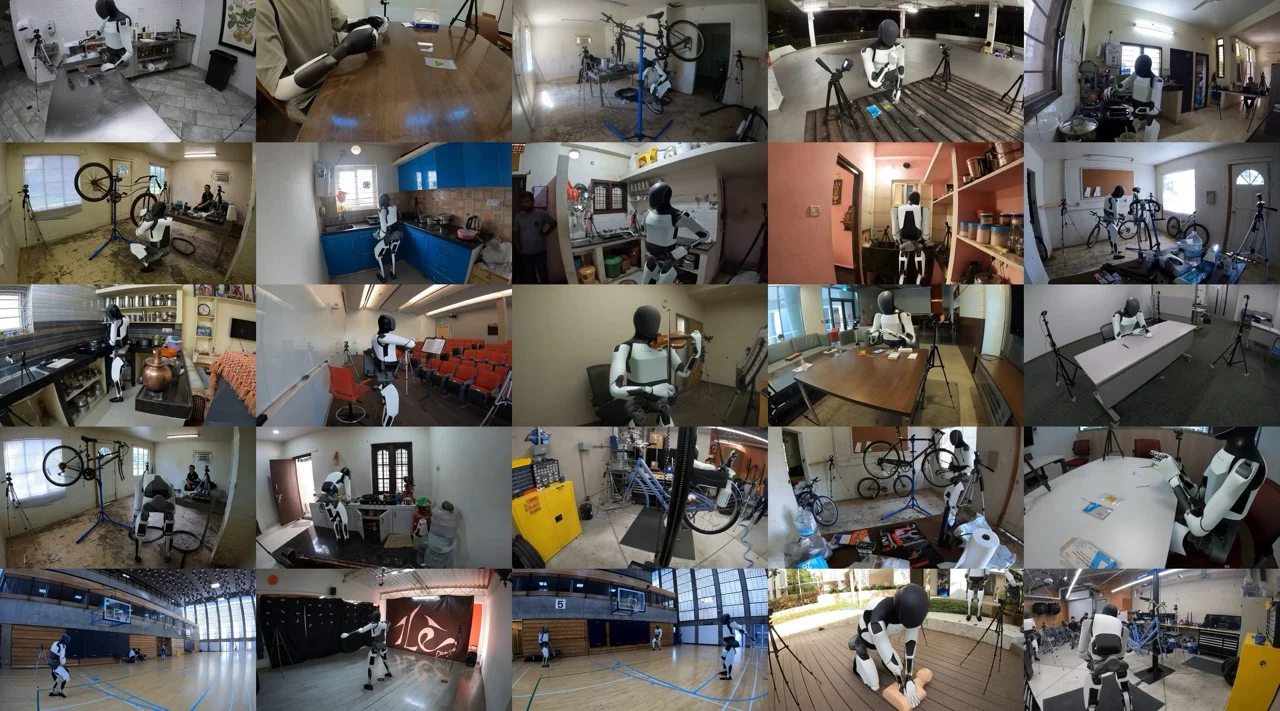
Research Spotlight: X-Humanoid ‘Robotizes’ Human Videos to Train the Next Generation of Androids
Researchers at the National University of Singapore have unveiled an innovative generative video pipeline designed to transform third-person footage of human activities into synthetic training data for humanoid robots. This groundbreaking development aims to address the embodiment gap in robotics, enabling more effective training of robots by providing them with diverse and realistic scenarios. The project, which leverages advanced video synthesis techniques, represents a significant advancement in the field of robotics and artificial intelligence. By creating a scalable solution for generating training data, the researchers hope to enhance the capabilities of humanoid robots, making them more adept at understanding and interacting with the world around them.
Data Collection embodied-aiRobotics needs a service framework.
RSF defines a common language for robot service capability, lifecycle operations, certification pathways, and service-provider networks.