

Industry Briefing
A single destination for timely, editor-curated robotics news from around the world.

Elon Musk's Tesla Cybercab Launches Robotaxi Service in Austin, Texas
Tesla is set to launch its Cybercab as part of its robotaxi service in Austin, Texas, nearly two years after Elon Musk first introduced the concept. This stripped-down, camera-only vehicle aims to revolutionize Tesla's approach to autonomy, relying solely on cameras instead of multiple sensors used by competitors. The significance of this launch lies in Musk's bold bet on a simplified autonomous driving system, which he believes will lead to robotaxi success. However, the Cybercab's lack of traditional controls raises safety concerns, as it will operate without human fallback in case of system failures, placing full legal responsibility on Tesla. As the Cybercab begins public rides, industry observers will closely monitor its performance and safety. Musk's unconventional philosophy challenges the prevailing belief that more sensors equate to greater safety, and the outcome of this venture could reshape the future of autonomous vehicles.
Autonomous Cars Electric Cars Elon Musk Tech Tesla Transportation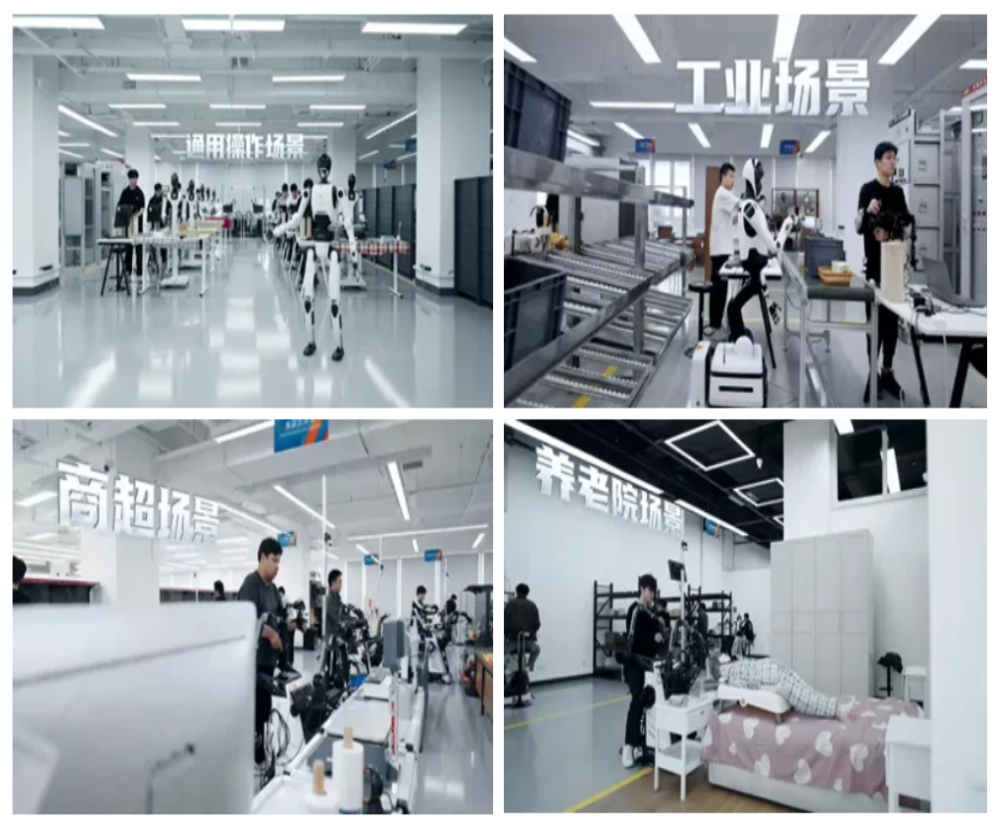
The Paradox of Embodied Intelligence: Massive Investment Amidst Slow Product Development
In the first half of 2026, the embodied intelligence sector saw a remarkable influx of investment, amassing 93.5 billion yuan through 322 financing events. However, despite this substantial financial backing, product development within the industry is still in its early stages, with many leading companies facing difficulties in generating significant sales. Industry experts highlight the critical need for securing ongoing funding and developing practical applications to navigate the challenging path toward commercialization.
Embodied Intelligence Robotics Investment Commercialization Technology Development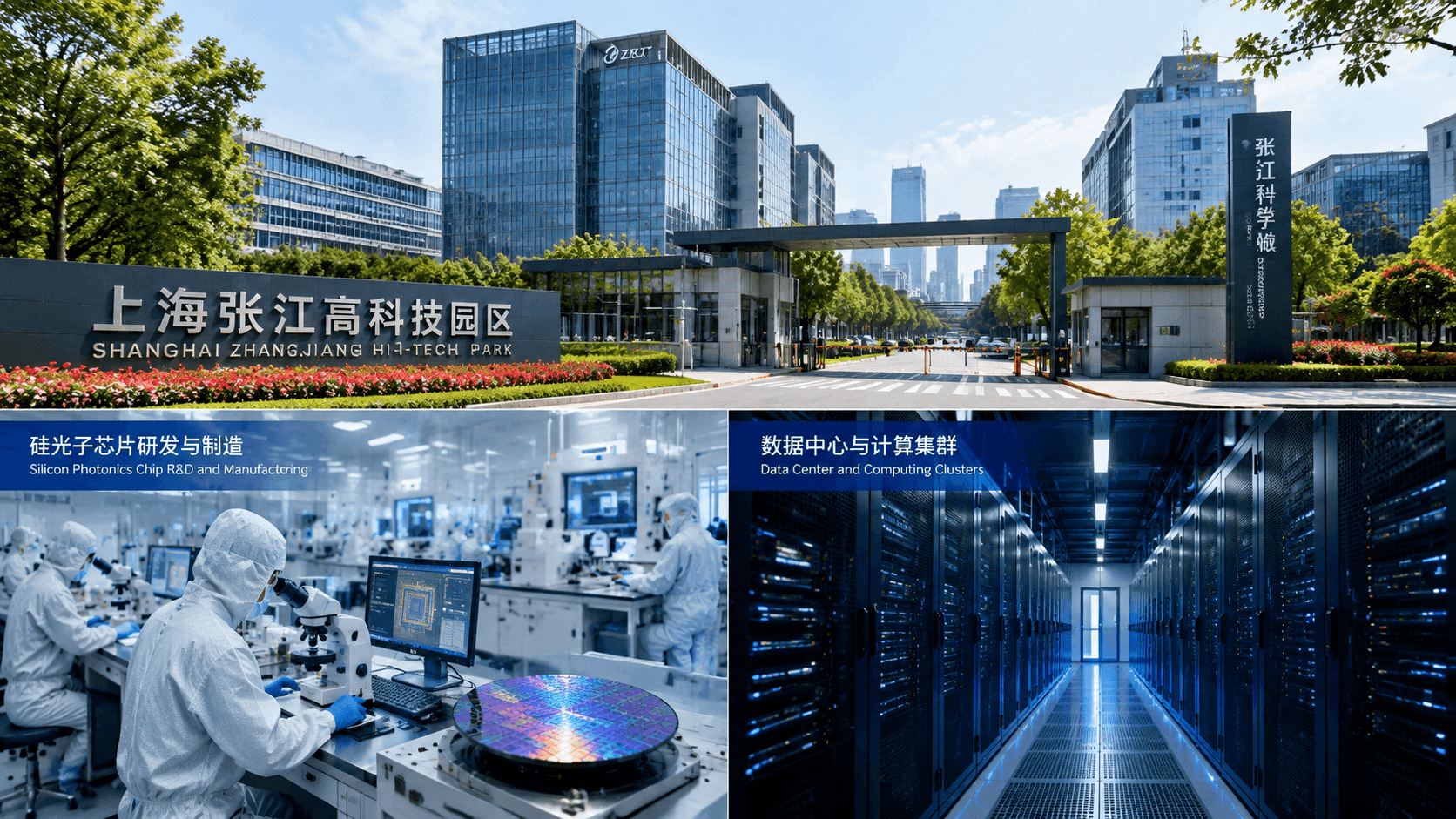
Computing Power Paradox: General-Purpose Chips in Shortage as Shanghai Zhangjiang Builds China Silicon Photonics Hub
In the midst of ongoing discussions regarding China's computing power dynamics, Shanghai Zhangjiang has established itself as a significant national center for silicon photonics. This development comes as over 20 companies have set up operations in the area, covering the entire value chain of the technology. The rise of Zhangjiang as a hub reflects the country's strategic focus on advancing its capabilities in this critical sector, which is essential for enhancing computing power and addressing potential shortages. The concentration of firms in Shanghai is indicative of a broader push to innovate and strengthen China's position in the global technology landscape.
Technology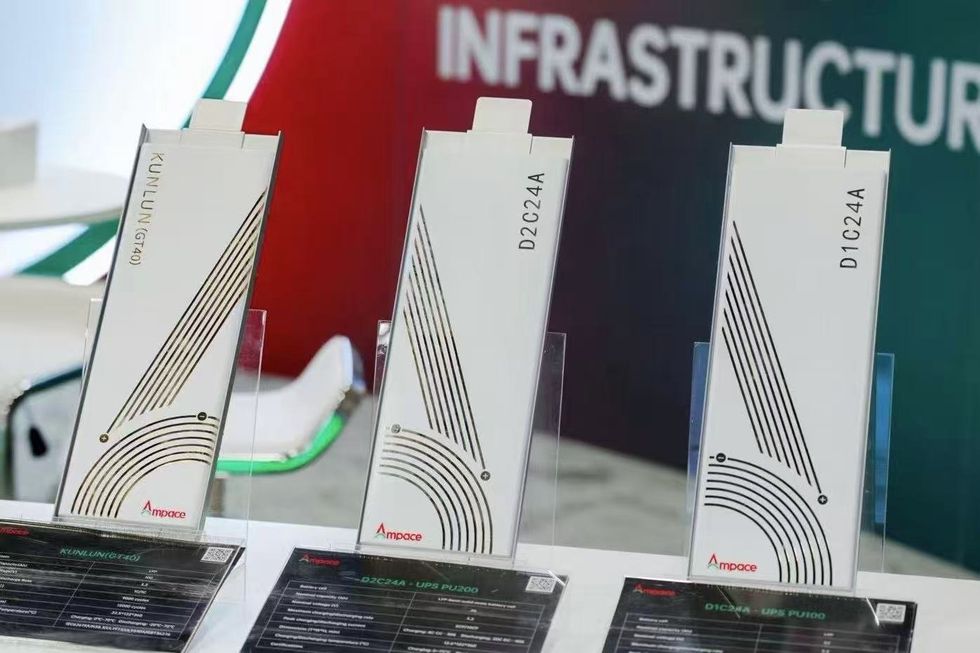
Neutralizing the Gigascale Problem: How to Solve the Physical Power Paradox of Extreme AI Training Loads
As the demand for AI workloads escalates, the data center industry is confronting significant challenges related to power stability. At Data Center World 2026 in Washington, D.C., Ampace and Eaton highlighted these issues during their session titled "Powering Giga-scale AI." They discussed how modern AI computing clusters, which rely on extensive GPU setups, create abrupt and high-frequency power fluctuations that can destabilize local grids. Traditional backup systems, such as diesel generators, struggle to respond to these rapid changes, leading to costly infrastructure oversizing. To address this "power paradox," Ampace is introducing its semi-solid-state battery technology, which acts as a high-speed stabilizer for power spikes, thereby enhancing the reliability of AI infrastructure. This innovation is designed to work in tandem with Eaton's advanced UPS systems, which prioritize rapid load responsiveness. By transforming energy storage from a passive backup into an active component, the collaboration aims to ensure continuous AI operations while minimizing the risk of grid stress. Ampace's approach not only enhances safety by reducing the risk of thermal runaway but also optimizes the total cost of ownership for AI data centers by allowing operators to right-size their infrastructure. As AI technology continues to evolve, Ampace is committed to developing solutions that align with future grid requirements and ensure the resilience of AI systems.
Batteries Power-electronics Data-centers Energy-storage Ai-infrastructureRobotics needs a service framework.
RSF defines a common language for robot service capability, lifecycle operations, certification pathways, and service-provider networks.
Join the RobotToday community on LinkedIn
Daily robotics news, in-depth analysis, conference highlights, and discussions with professionals worldwide.







