Industry Briefing
A single destination for timely, editor-curated robotics news from around the world.
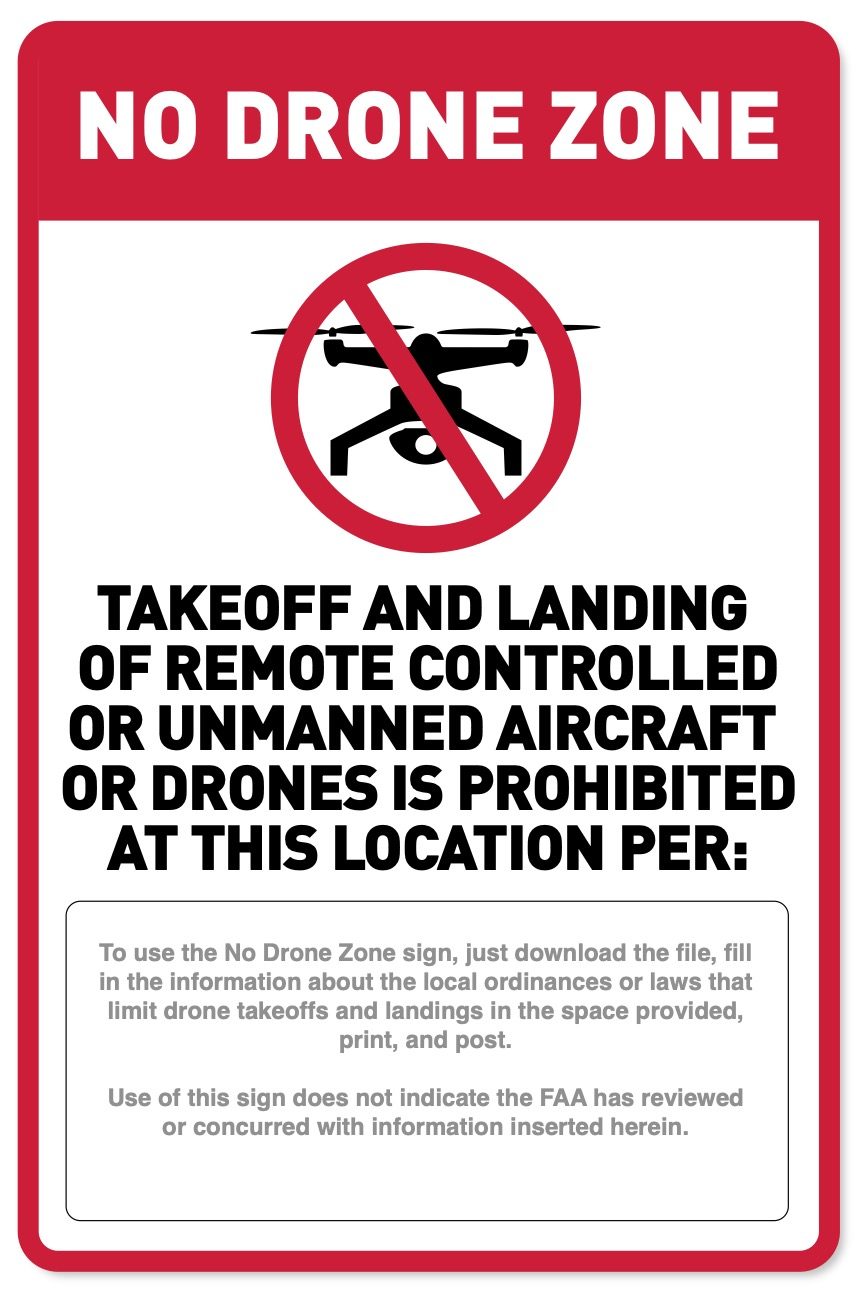
FAA Creates World Cup No-Drone Zones Across U.S. Host Cities
The Federal Aviation Administration (FAA) has implemented extensive temporary flight restrictions for the upcoming FIFA World Cup 2026, designating specific areas as “No Drone Zones” across various host cities in the United States. These restrictions will apply to stadiums, fan events, team hotels, training sites, and base camps to ensure safety and security during the tournament. The FAA's decision aims to mitigate potential risks associated with drone usage in crowded venues and public gatherings. The restrictions will be in effect throughout the duration of the World Cup, which is set to take place in June and July 2026, as part of the agency's commitment to maintaining a secure environment for players and fans alike.
Anti-drone technology Drone News Drone News Feeds Drones in the News Featured - FAA and Regulations Legal
Fort Worth Takes a Vendor-Neutral Approach to Building Its DFR Program
The Fort Worth Police Department is exploring various drone first responder (DFR) systems as part of its initiative to enhance law enforcement capabilities. This evaluation comes amid a nationwide trend where police agencies are integrating drones into their operations. The department is adopting a vendor-neutral approach, allowing it to assess multiple systems to determine which best meets its operational needs. This strategic move aims to ensure that Fort Worth's DFR program is tailored effectively to support its law enforcement objectives. The testing of these systems is currently underway, reflecting the department's commitment to leveraging advanced technology for improved public safety.
Applications Drone News Drone News Feeds Drones in the News Featured – Safety and Security First Responder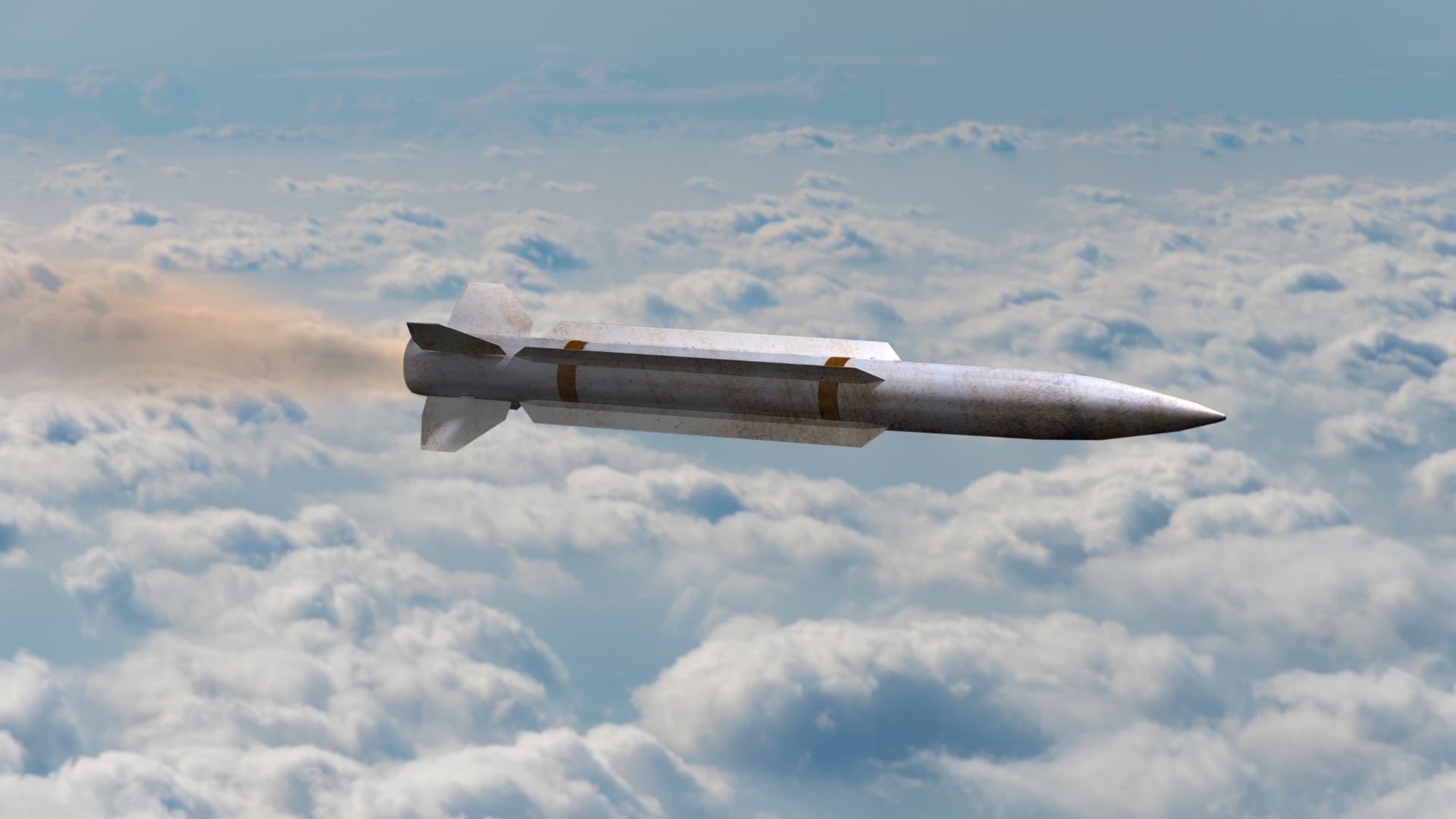
US eyes 1,150-mile missile as China expands military reach across Pacific
The US Air Force is preparing to develop a new class of missiles aimed at enhancing its strategic capabilities. This initiative comes in response to evolving global threats and aims to ensure the military remains competitive in modern warfare. The groundwork for this missile program is being established as part of broader defense strategies to address advancements in missile technology by potential adversaries. The Air Force is focusing on integrating advanced technologies and innovative designs to improve the effectiveness and reliability of these new weapons. While specific details about the missile systems remain classified, the effort underscores the military’s commitment to maintaining a robust deterrent posture. The initiative is expected to unfold over the coming years, with testing and deployment phases anticipated to begin in the near future.
Military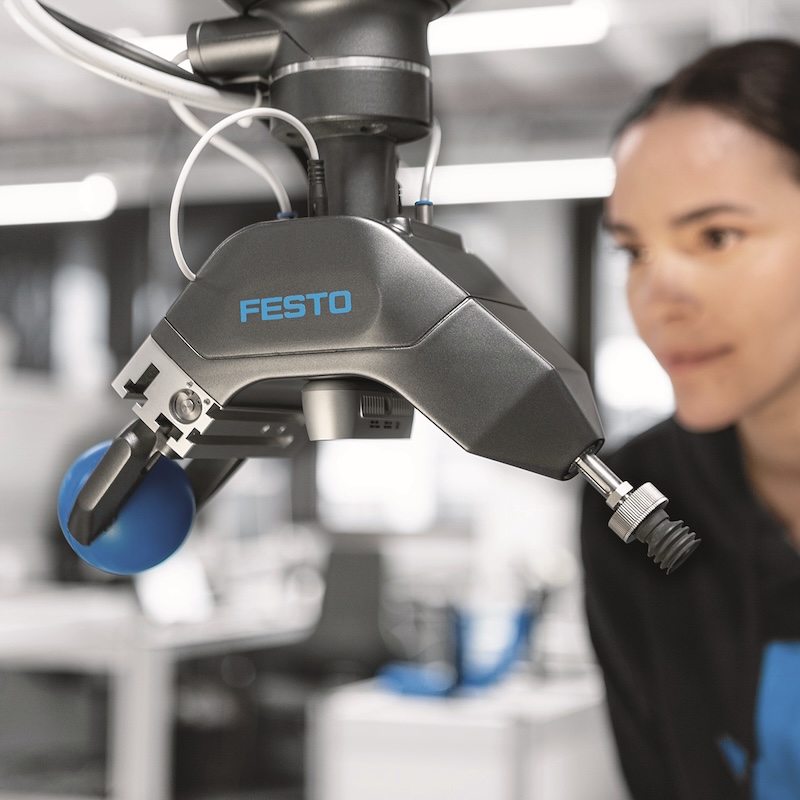
Festo launches GripperAI software to simplify flexible robot handling
Festo has launched GripperAI, an innovative AI-driven software designed to enhance robotic handling capabilities. This solution allows robots to manage a variety of mixed, unfamiliar, and randomly positioned products without requiring extensive programming or specialized vision systems. The introduction of GripperAI aims to provide manufacturers with increased flexibility in their automated handling processes. By automatically determining the best gripping point for each item, the software streamlines operations and improves efficiency in manufacturing environments. This advancement reflects Festo's commitment to integrating cutting-edge technology into automation solutions, catering to the evolving needs of the industry.
Components Industrial robots News AI software automation news cobots
Is Tesla (TSLA) the Best Quality Stock to Buy and Hold for the Next 5 Years?
A significant event unfolded recently as local authorities in Springfield announced a new initiative aimed at improving community safety. The program, set to launch next month, will introduce additional patrols and community engagement activities in response to rising concerns about crime rates in the area. This decision comes after a series of public meetings held over the past few weeks, where residents expressed their fears and suggestions regarding safety measures. The initiative will be implemented throughout various neighborhoods in Springfield, focusing on areas that have reported higher incidents of crime. Officials emphasized the importance of collaboration between law enforcement and community members, aiming to foster a safer environment through increased visibility and proactive measures. The motivation behind this initiative stems from a noticeable uptick in crime statistics, which has prompted local leaders to take action. By enhancing police presence and encouraging community involvement, authorities hope to not only deter criminal activity but also build trust and communication between residents and law enforcement. The program will utilize a combination of foot and vehicle patrols, along with community outreach events designed to educate residents on safety practices and crime prevention strategies. This multifaceted approach aims to create a more secure atmosphere for all Springfield residents, addressing their concerns while promoting a sense of unity and shared responsibility in maintaining safety within the community.

How ProAV Impacts Industrial Automation Networks
Recent advancements in deterministic Ethernet and time-sensitive networking standards are transforming industrial networks, enhancing both safety and speed. These developments are particularly significant as certification programs are now facilitating multi-vendor interoperability, allowing different systems and devices to work seamlessly together. This progress is crucial for industries that rely on real-time data transmission and require reliable communication between various components. By implementing these standards, companies can expect improved operational efficiency and reduced downtime, ultimately leading to more robust industrial environments. The push for these technologies reflects a growing demand for smarter, more connected industrial solutions that can adapt to the complexities of modern manufacturing and automation.
Factory / Communication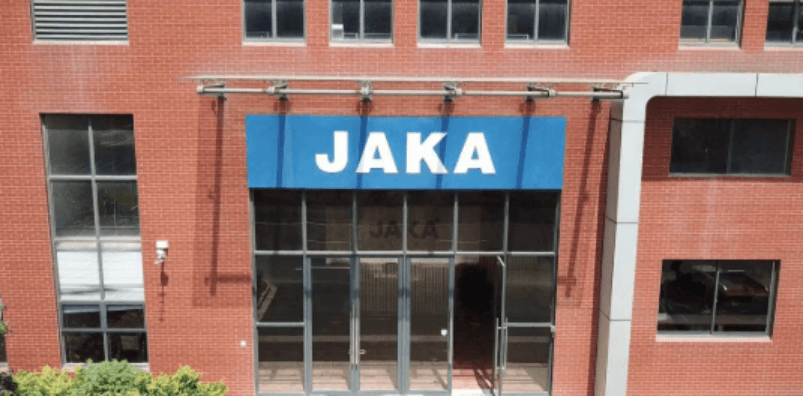
What Company Makes Robotic Arms?
As industrial automation increasingly shapes modern manufacturing, companies are seeking robotic arms that can effectively adapt to real production environments. JAKA, a prominent player in the robotics sector, emphasizes the importance of understanding how robotic arms function on the factory floor rather than merely in controlled testing scenarios. The demand for flexible and compact robotic systems is rising, driven by the need for quick deployment and adaptability to changing production requirements across various industries, including electronics and automotive assembly. JAKA distinguishes itself by focusing on collaborative robotic arms that facilitate close interaction with human workers and existing production systems. By developing systems that balance precision, payload, and safety without necessitating extensive infrastructure changes, JAKA enables the integration of robotic arms into compact workspaces and mixed-production lines. Their design philosophy prioritizes standardized interfaces and modularity, allowing seamless compatibility with vision systems and other automation components. The design and support of robotic arms throughout their lifecycle are crucial factors in determining a manufacturer’s reliability. JAKA’s lightweight structures, consistent motion control, and user-friendly programming interfaces reduce deployment time and operational barriers, making their systems suitable for a variety of tasks such as assembly, inspection, packaging, and testing. By emphasizing system compatibility and long-term usability, JAKA positions itself as a trusted supplier, committed to supporting customers through integration and future automation expansions. Ultimately, the effectiveness of robotic arms in real-world applications hinges on their ability to adapt and support sustainable automation strategies.
Cobot Arm Buying Guide: How to Choose the Best One for Flexible Automation?
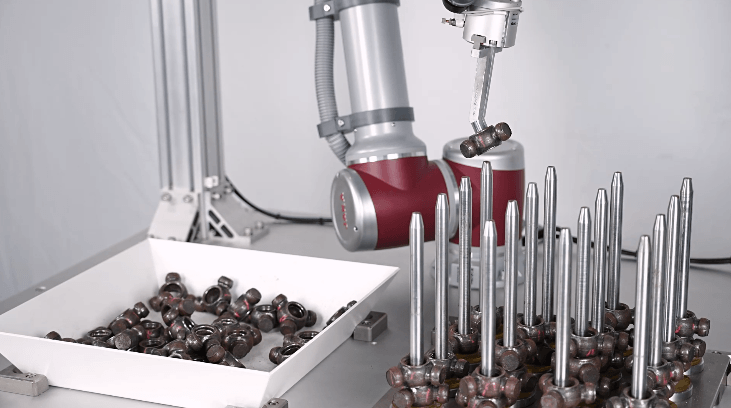
JAKA, a leader in automation solutions, emphasizes the importance of selecting the right cobot or industrial robot arm to enhance productivity in flexible manufacturing environments. The company evaluates specific tasks such as assembly, packaging, and material handling to determine the most suitable automation tools, considering factors like payload capacity, working radius, and operational safety. The JAKA Zu20, for instance, is highlighted for its advanced control algorithms and high-resolution encoders, enabling it to handle heavy workpieces with a reach of 1780 mm and a payload of 20 kg. Its IP65 protection rating ensures reliable operation in challenging industrial conditions, showcasing how technical specifications can influence long-term usability. Deployment flexibility is also a key consideration, with lightweight designs and intuitive programming interfaces significantly reducing setup time. The JAKA Zu20 allows operators to program without specialized coding skills, facilitating integration with existing systems like MES and AGVs. This streamlined approach enables the company to expand automation across multiple production lines while minimizing downtime. By prioritizing precision, adaptability, and ease of deployment, JAKA aims to implement scalable automation strategies that meet evolving manufacturing demands. The company’s commitment to informed decision-making ensures that its automation investments enhance operational safety and efficiency, ultimately supporting its production goals while reducing manual workloads.
Advanced Calibration Techniques for Vision Guided Robotic Systems
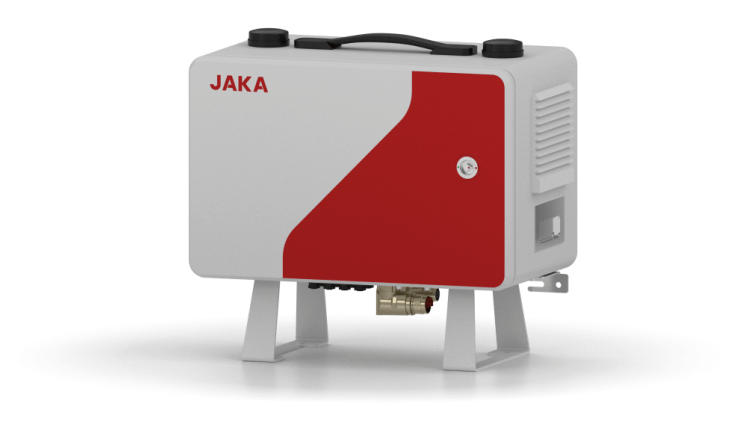
JAKA, a leader in robotic technology, emphasizes the critical importance of meticulous calibration in vision-guided robotic systems to achieve high operational accuracy. This process, which aligns the coordinate systems of the camera, robot, and environment, is essential for delicate tasks such as assembly and inspection. Poor calibration can lead to significant operational failures. The calibration process begins with intrinsic calibration, which corrects lens distortion and establishes the camera's focal length, followed by extrinsic calibration to determine the camera's position relative to the robot. JAKA's robotic platforms are designed with anti-interference and low-vibration features, ensuring a stable foundation for these calibrations. For enhanced precision, JAKA employs hand-eye calibration, which establishes the spatial relationship between the camera and the robot's end-effector. This method is vital for guiding the robot accurately to targets viewed by the moving camera. The company's advanced control technology ensures repeatable performance, crucial for effective hand-eye coordination. Moreover, JAKA recognizes that calibration is an ongoing process. Process-specific calibration fine-tunes systems for particular tasks, while periodic recalibration addresses issues like thermal drift and mechanical wear. The intuitive graphical programming in JAKA's cobot systems facilitates these adjustments, maintaining long-term accuracy. Through these advanced calibration techniques, JAKA transforms vision systems and robots into cohesive, intelligent units, enabling them to perform complex tasks accurately in dynamic environments.
Robotics needs a service framework.
RSF defines a common language for robot service capability, lifecycle operations, certification pathways, and service-provider networks.