Industry Briefing
A single destination for timely, editor-curated robotics news from around the world.
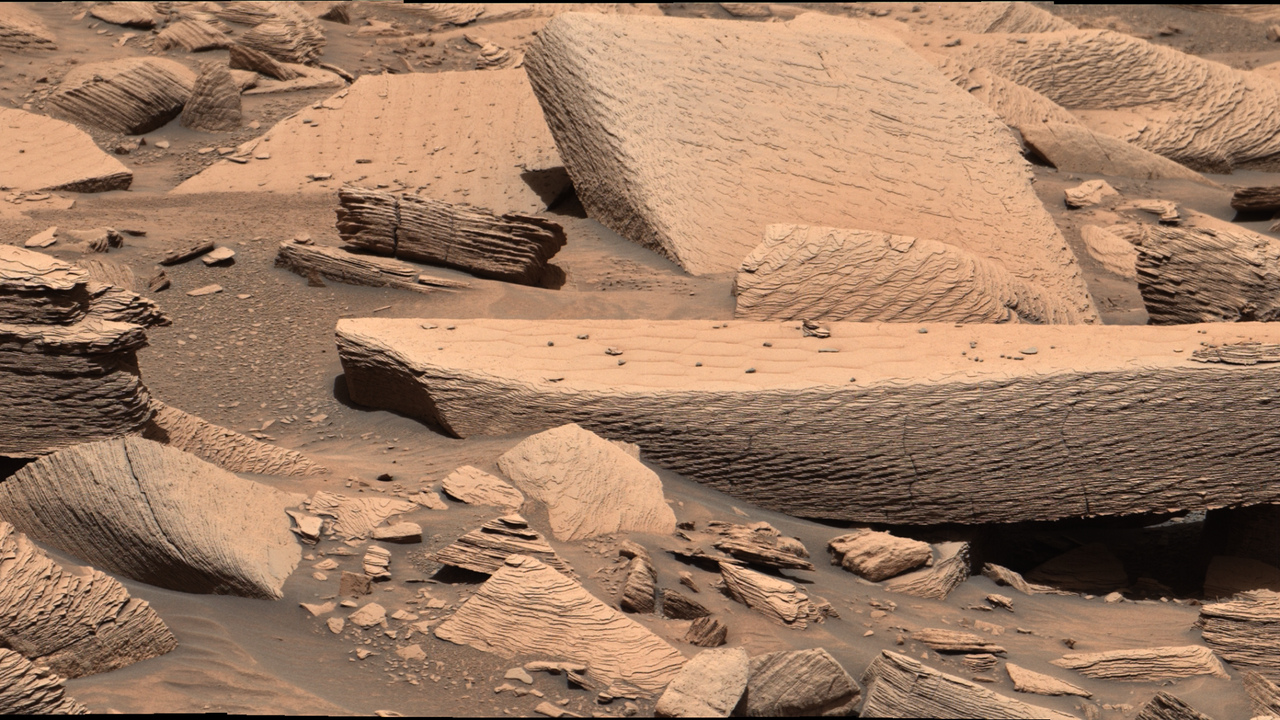
NASA's Curiosity Rover Reveals Evidence of Ancient Sandstorms on Mars
NASA's Curiosity rover has discovered signs of ancient sandstorms on Mars, indicating that the planet's environment was vastly different billions of years ago. Researchers believe that ancient Mars had a thicker atmosphere, flowing rivers, and large lakes, contrasting sharply with its current barren landscape. The rover's observations, particularly in a region called 'Jawbone Canyon,' show the aftermath of a significant sandstorm that created rippled rock formations from intense winds. This discovery is crucial as it enhances our understanding of Mars' geological history and the planet's potential to have supported life. The findings were detailed in a study published in the journal Geology, highlighting the importance of the Curiosity rover's ongoing mission. The image captured in 2024 serves as a reminder of the long history of Mars exploration, which began with NASA's Viking 1 lander 50 years ago, marking a significant milestone in planetary science. Looking ahead, researchers will continue to analyze data from Curiosity and other rovers like Perseverance to further explore Mars' ancient climate and geological processes. No further timeline was disclosed at the time of publication.
Mars Astronomy Solar System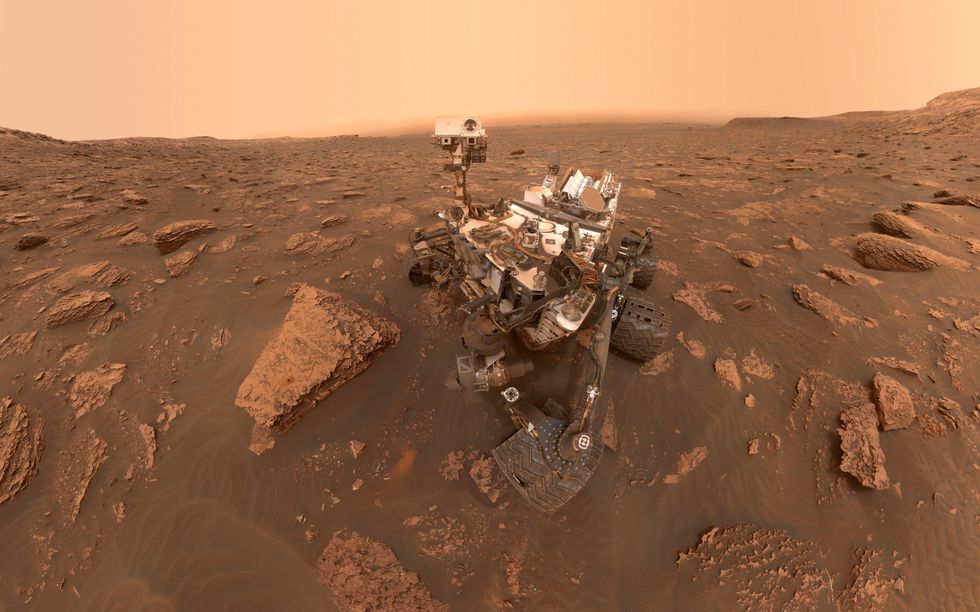
How JPL Keeps the 13-Year-Old Curiosity Rover Doing Science
The Curiosity rover, which has been exploring Mars for 13 years, continues to operate effectively despite the challenges of its hostile environment. Since its successful landing in August 2012 at the Jet Propulsion Laboratory (JPL) in Pasadena, California, Curiosity has traveled nearly 37 kilometers, drilled into 42 rocks, and captured approximately 763,000 images. JPL engineers, including assistant team chief Alexandra Holloway, have implemented ongoing software updates and innovative solutions to keep the rover functional, even as it faces wear and diminishing power. Holloway highlighted the rover's longevity, attributing it to robust engineering and continuous maintenance efforts. While Curiosity and the younger Perseverance rover share similar hardware, Perseverance features additional capabilities for autonomous navigation, reflecting their distinct mission objectives. Curiosity's operational challenges include wheel wear from sharp rocks and power consumption from its nuclear source, which decreases over time. Engineers have developed strategies to optimize power usage, such as reducing computer activation time and parallel processing tasks. Looking ahead, Holloway noted that while Curiosity's arm may eventually fail, the rover still possesses valuable remote sensing instruments that will contribute to future Mars exploration. With its power source expected to remain viable through at least 2035, Curiosity's mission continues to yield significant scientific insights, paving the way for future missions.
Curiosity-rover Mars JplRobotics needs a service framework.
RSF defines a common language for robot service capability, lifecycle operations, certification pathways, and service-provider networks.
Join the RobotToday community on LinkedIn
Daily robotics news, in-depth analysis, conference highlights, and discussions with professionals worldwide.