Industry Briefing
A single destination for timely, editor-curated robotics news from around the world.

AGIBOT Hosts “AGIBOT NIGHT,” a Robot
AGIBOT recently held an innovative event titled 'AGIBOT NIGHT,' a live gala that showcased humanoid robots as the main performers. The event, which took place to celebrate advancements in humanoid robotics, featured robots demonstrating their skills in dance, magic, and comedy. This milestone event underscores the growing potential for robots to participate in cultural settings and highlights the progress AGIBOT has made in enhancing the stability and coordination of various robotic platforms. By blending entertainment with technology, AGIBOT aims to foster greater human-robot collaboration and engagement.
Humanoid Robotics Live Performances Cultural Integration Robotics Technology Human-Robot Interaction
Sabanto Inc. and Verdant Robotics Announce Technical Integration of Autonomous Tractor Operation with SharpShooter Plant-Level Precision Application
A new integrated solution has been developed that combines two systems, allowing for fully autonomous field work in agriculture. This innovation enables tasks ranging from navigation to plant-level application to be performed without the need for an operator in the cab. The advancement represents a significant leap in agricultural technology, streamlining operations and enhancing efficiency in the field. The system is designed to operate seamlessly, reflecting the latest advancements in automation and data integration. This development is expected to transform farming practices, reducing labor costs and increasing productivity.

DJI Agriculture Reveals Global Adoption of Agricultural Drones Cuts 51Mt in Carbon Emissions and Saves 410Mts of Water for Farmers Globally
At Brazil's AgriShow, a new report has been unveiled showcasing the rapid growth of the agricultural drone industry, revealing that over 600,000 DJI agricultural drones are now operational across more than 100 countries and regions. This significant milestone underscores the increasing adoption of drone technology in agriculture, driven by the need for enhanced efficiency and precision in farming practices. The report highlights how these drones are transforming traditional agricultural methods, enabling farmers to monitor crops, optimize resource use, and improve yields. As the industry matures, stakeholders are optimistic about the potential for further advancements and increased integration of drone technology in agricultural operations worldwide.

LiTime Powers Smart Agriculture and Robotics in Agriculture with Extended Runtime and System Integration
Automation is transforming the landscape of modern agriculture, with technologies such as lawn mowers, irrigation control systems, automated transporters, and robotics becoming increasingly prevalent on farms, plantations, and in greenhouses. These advanced tools are designed to operate efficiently over extended periods, requiring intelligent management and minimal maintenance in challenging outdoor conditions. In response to these demands, LiTime, a prominent manufacturer of lithium batteries, is stepping up to provide innovative energy solutions tailored for agricultural automation. Their products aim to enhance the performance and reliability of these automated systems, ensuring that farmers can maximize productivity while minimizing operational challenges.
Agriculture Automation agricultural automation agricultural machinery agricultural robots amrs
An Adaptive Double Closed‐Loop Path Tracking Control Method for High‐Precision Autonomous Navigation of Agricultural Machinery
In a recent study published in the Journal of Field Robotics, researchers have unveiled significant advancements in robotic navigation systems, particularly focusing on autonomous vehicles. This groundbreaking research, conducted by a team of engineers and computer scientists, was released in May 2026 and highlights the integration of artificial intelligence with real-time data processing to enhance navigation accuracy. The study took place in various urban environments, where the team tested their innovative algorithms designed to improve obstacle detection and route optimization. The motivation behind this research stems from the increasing demand for safer and more efficient autonomous transportation solutions in densely populated areas. Through a series of simulations and field tests, the researchers demonstrated how their approach allows vehicles to adapt to dynamic conditions, such as changing traffic patterns and unexpected obstacles. This capability not only promises to reduce the likelihood of accidents but also aims to improve overall traffic flow. The findings are expected to have a profound impact on the future of urban mobility, potentially leading to widespread adoption of autonomous vehicles that can navigate complex environments with greater reliability. As cities continue to evolve, the integration of such advanced robotic systems could play a crucial role in shaping the future of transportation.
RESEARCH ARTICLE
Control System for the Navigation of the Agricultural Robots: A Review
The Journal of Field Robotics has published new research findings that highlight advancements in autonomous robotic systems. This study, released in EarlyView, focuses on the integration of artificial intelligence in navigation and obstacle avoidance, showcasing significant improvements in efficiency and safety for robotic applications. Conducted by a team of researchers from various institutions, the study emphasizes the growing importance of robotics in fields such as agriculture, manufacturing, and disaster response. The research was initiated in response to the increasing demand for reliable autonomous systems capable of operating in complex environments. By employing advanced algorithms and machine learning techniques, the team successfully enhanced the robots' ability to adapt to dynamic surroundings, thereby reducing the risk of accidents and improving operational performance. The findings are expected to influence future developments in robotic technology, paving the way for more sophisticated applications that can operate seamlessly alongside humans. This work not only contributes to the academic field but also has practical implications for industries looking to implement robotic solutions in their operations. The study underscores the potential of robotics to transform various sectors by providing safer and more efficient alternatives to traditional methods.
SURVEY ARTICLE
A Breeding Cotton Harvesting Robot: Design, Integration, and Field Evaluation
A recent study published in the Journal of Field Robotics has highlighted significant advancements in robotic technology aimed at improving agricultural practices. Researchers from various institutions collaborated to develop autonomous systems capable of performing complex tasks such as planting, monitoring crop health, and harvesting. The study, released in early October 2023, emphasizes the growing need for innovative solutions in agriculture to address labor shortages and enhance efficiency. Conducted in various agricultural settings, the research showcases how these robots utilize advanced sensors and artificial intelligence to navigate fields and make real-time decisions. The motivation behind this initiative stems from the increasing demand for food production and the challenges posed by climate change, which necessitate more sustainable farming methods. The findings suggest that integrating robotic systems into farming operations can lead to higher yields and reduced environmental impact. As the agricultural sector faces mounting pressures, the introduction of such technology is seen as a crucial step towards modernizing practices and ensuring food security for the future.
RESEARCH ARTICLE
AMX Launches HuRoC to Advance Social Implementation of Humanoid Robots in Ota City
AMX Corporation has established the HuRoC (Human-Robot Commons) co-creation platform aimed at exploring and creating a future where humans and robots coexist. Based in Ota City, Tokyo, HuRoC will focus on the social implementation of humanoid robots and the validation of use cases. An expo titled 'HuRoC EXPO 2026' is scheduled for July 17 at the Ota City Industrial Plaza PiO. The initiative is significant as it addresses the pressing question of how humanoid robots can be utilized in society, a topic that remains under-discussed globally. HuRoC aims to create a concrete vision for the future of humanoid robots, emphasizing their social integration rather than just the technology itself. The platform will facilitate collaboration among robot manufacturers, AI researchers, and testing environments to generate valuable AI training data through practical demonstrations. Looking ahead, HuRoC plans to incorporate additive manufacturing techniques to produce humanoid robots, thereby enhancing the manufacturing capabilities in Ota City. The expo will feature discussions on the future of humanoid robots, agricultural automation, and collaborative efforts among various stakeholders, including startups and universities. No further timeline was disclosed at the time of publication.

Dogtooth Secures £14M Investment for AI Robotics in Agriculture
Cambridge-based AI robotics company Dogtooth has successfully raised £14 million in funding to enhance its agricultural technology solutions. This investment aims to accelerate the development of advanced robotics designed for precision farming, addressing the growing demand for automation in the agtech sector. The funding round highlights the increasing interest in AI-driven solutions within the agricultural industry, particularly in the UK market. The significance of this funding lies in its potential to transform agricultural practices through the integration of AI and robotics. As the global agricultural sector faces challenges such as labor shortages and the need for sustainable practices, innovations like those from Dogtooth are crucial. The investment reflects a broader trend of increasing capital flow into agtech, with investors recognizing the importance of technology in enhancing productivity and sustainability. Looking ahead, Dogtooth's next steps will likely focus on scaling its technology and expanding its market presence. No further timeline was disclosed at the time of publication, but the company’s advancements in AI robotics could set new benchmarks in the agricultural sector, paving the way for future innovations and partnerships in agtech.
Agtech FoodTech
A Survey of Dynamic Wireless Power Transfer for Persistent UAV Transportation in Low‐Altitude Economy: The Field–Motion Framework
A recent study published in the Journal of Field Robotics highlights advancements in robotic technology aimed at enhancing agricultural efficiency. Researchers from various universities collaborated to develop an innovative robotic system designed to automate crop monitoring and management tasks. This study, released in early October 2023, emphasizes the growing need for sustainable farming practices amid increasing global food demands. The robotic system utilizes advanced sensors and artificial intelligence to assess crop health, optimize irrigation, and reduce pesticide usage. By integrating these technologies, the researchers aim to support farmers in making data-driven decisions that can lead to higher yields and lower environmental impact. The project was conducted in various agricultural settings, showcasing its adaptability to different crops and farming methods. The motivation behind this initiative stems from the challenges faced by the agricultural sector, including labor shortages and the need for more efficient resource management. By automating routine tasks, the robotic system not only addresses these issues but also promotes sustainable agricultural practices that are essential for future food security. As the agricultural landscape continues to evolve, this research represents a significant step towards the integration of robotics in farming, potentially transforming how crops are cultivated and managed in the years to come.
SURVEY ARTICLE
FLSea: Underwater Visual–Inertial and Stereovision Forward‐Looking Data Sets
A recent study published in the Journal of Field Robotics highlights advancements in autonomous robotic systems designed for agricultural applications. Researchers from various institutions collaborated to develop innovative algorithms that enhance the efficiency and effectiveness of robots in crop monitoring and management. The findings, released in early October 2023, demonstrate how these technologies can significantly reduce labor costs and improve yield predictions, addressing the growing demand for sustainable farming practices. The research was conducted in various agricultural settings, showcasing the robots' adaptability to different environments and crops. By integrating machine learning and real-time data analysis, the team aims to provide farmers with tools that not only optimize their operations but also contribute to environmental sustainability. This study marks a significant step forward in the integration of robotics into agriculture, promising to transform traditional farming methods and support food security in the face of global challenges.
RESEARCH ARTICLE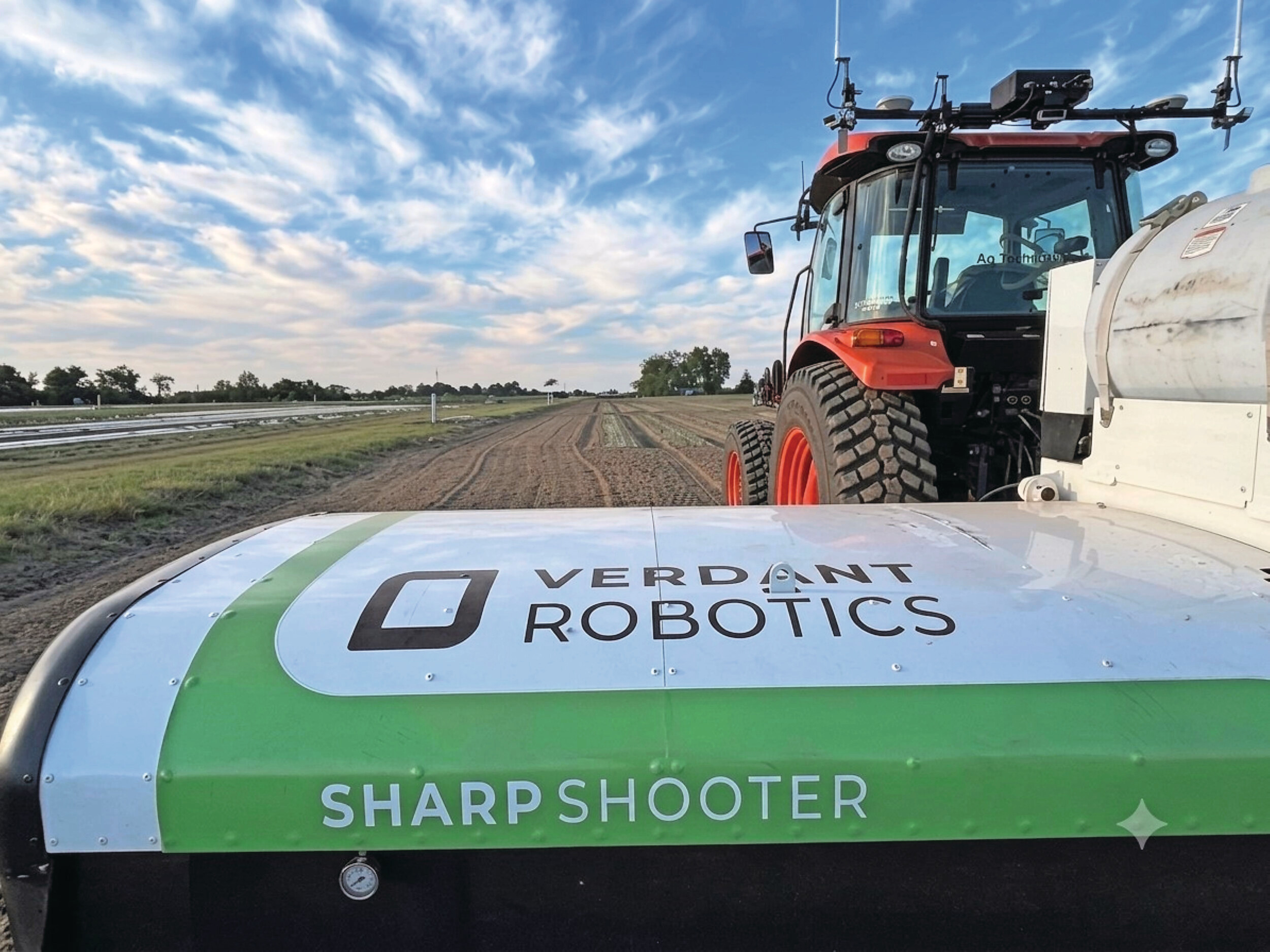
Sabanto and Verdant Robotics integrate autonomy and precision application systems
U.S. companies Sabanto Inc. and Verdant Robotics have announced a groundbreaking integration of their systems, marking a significant advancement in agricultural automation. This collaboration allows producers to automate various fieldwork tasks, including navigation and plant-level input application, without the need for an operator present in the cab. The integration aims to enhance efficiency and productivity in farming operations, responding to the growing demand for innovative agricultural solutions. By leveraging advanced technology, both companies are paving the way for a new era of autonomous farming, which could transform traditional practices and address labor shortages in the industry.
Autonomous/semi-autosteering systems autonomous farm equipment autonomous tractors crop management systems retrofit kits
M3RS: Multi‐Robot, Multi‐Objective, and Multi‐Mode Routing and Scheduling
A recent study published in the Journal of Field Robotics highlights the advancements in robotic technology aimed at enhancing agricultural efficiency. Conducted by a team of researchers from various universities, the study was released in October 2023. The research focuses on the integration of autonomous robots in farming practices, particularly in crop monitoring and harvesting tasks. The motivation behind this initiative stems from the growing need for sustainable agricultural solutions to meet the demands of a rising global population. By employing robots equipped with advanced sensors and artificial intelligence, farmers can optimize resource usage, reduce labor costs, and increase crop yields. The researchers conducted field trials across multiple farms, demonstrating how these robotic systems can operate in real-time to assess plant health and identify areas requiring attention. The findings suggest that the implementation of such technologies could revolutionize traditional farming methods, making them more efficient and environmentally friendly. As the agricultural sector faces challenges such as labor shortages and climate change, this innovative approach offers a promising pathway to enhance productivity while minimizing environmental impact. The study underscores the potential of robotics in transforming agriculture, paving the way for future developments in the field.
RESEARCH ARTICLE
"When robots learn to write code, how will sweet potatoes rewrite the infrastructure of the industry?"
As advancements in artificial intelligence continue to evolve, the integration of robots capable of writing code is poised to transform various industries. This shift is particularly noteworthy in the agricultural sector, where innovative practices involving sweet potatoes are emerging. Researchers and industry experts are exploring how these developments could enhance agricultural infrastructure and efficiency. The exploration into this intersection of technology and agriculture is gaining momentum, with discussions taking place at conferences and workshops throughout 2023. Experts believe that by leveraging AI-driven coding capabilities, agricultural processes can be optimized, leading to increased productivity and sustainability. The motivation behind this initiative stems from the need to modernize farming practices and address challenges such as food security and resource management. By utilizing robots to automate coding tasks, farmers can focus on strategic decision-making and innovative cultivation methods. This evolution in the industry is expected to unfold through collaborative efforts among technologists, agricultural scientists, and farmers, who are working together to implement AI solutions. As these technologies become more accessible, the potential for sweet potatoes and other crops to play a pivotal role in reshaping agricultural infrastructure is becoming increasingly evident. The ongoing research and development efforts aim to create a more resilient and efficient agricultural system, ultimately benefiting both producers and consumers.
Robotics Automation AI
Object‐Enhanced Loop Closing With Semantic Topological Graphs
The Journal of Field Robotics has published new research highlighting advancements in autonomous robotic systems. This study, released in early October 2023, focuses on the integration of artificial intelligence in field robotics, aiming to enhance efficiency and adaptability in various environments. Conducted by a team of researchers from leading universities, the findings demonstrate how these innovations can significantly improve the performance of robots in agricultural, industrial, and exploration applications. The motivation behind this research stems from the growing need for automation in sectors facing labor shortages and the demand for increased productivity. The researchers employed a combination of machine learning algorithms and real-time data processing techniques to develop a prototype that showcases the potential of these autonomous systems. This work not only contributes to the field of robotics but also addresses pressing challenges in modern industries, paving the way for future developments in smart technology.
RESEARCH ARTICLE
Path Tracking Control for Crawler Robots With Track Slippage and Signal Time Delay Based on Pure Pursuit and Look‐Ahead Heading Error Compensation
A recent study published in the Journal of Field Robotics highlights advancements in autonomous robotic systems designed for agricultural applications. Conducted by a team of researchers from various institutions, the study was released in early October 2023. The research focuses on the integration of artificial intelligence and machine learning to enhance the efficiency and effectiveness of farming practices. The motivation behind this study stems from the increasing demand for sustainable agricultural solutions amid global food security challenges. By employing innovative robotic technologies, the researchers aim to address labor shortages and improve crop management. The study outlines the development of a prototype robot capable of performing tasks such as planting, monitoring, and harvesting crops with minimal human intervention. Field tests were conducted in diverse agricultural settings to evaluate the robot's performance and adaptability. The findings indicate that the robotic systems can significantly reduce operational costs and increase yield, offering a promising solution for modern farming challenges. This research not only contributes to the field of robotics but also provides valuable insights for farmers seeking to adopt new technologies for enhanced productivity.
RESEARCH ARTICLE
How Equipment Asset Management Practices Must Evolve for Industry 4.0 to Deliver on its Promise
Industry 4.0 is poised to revolutionize manufacturing and supply chain management through the integration of connected sensors and intelligent systems. This technological advancement enables machines to predict failures, production lines to self-optimize based on real-time demand, and supply chains to adapt autonomously without human oversight. Despite the substantial investments and credible case studies showcasing its potential, many companies are hesitant to fully embrace these innovations. The reluctance stems from concerns over implementation challenges, workforce adaptation, and the need for a cultural shift within organizations. As the industry continues to evolve, understanding and addressing these barriers will be crucial for harnessing the full benefits of Industry 4.0.
Engineering Industry ai in manufacturing asset reliability automation news condition monitoring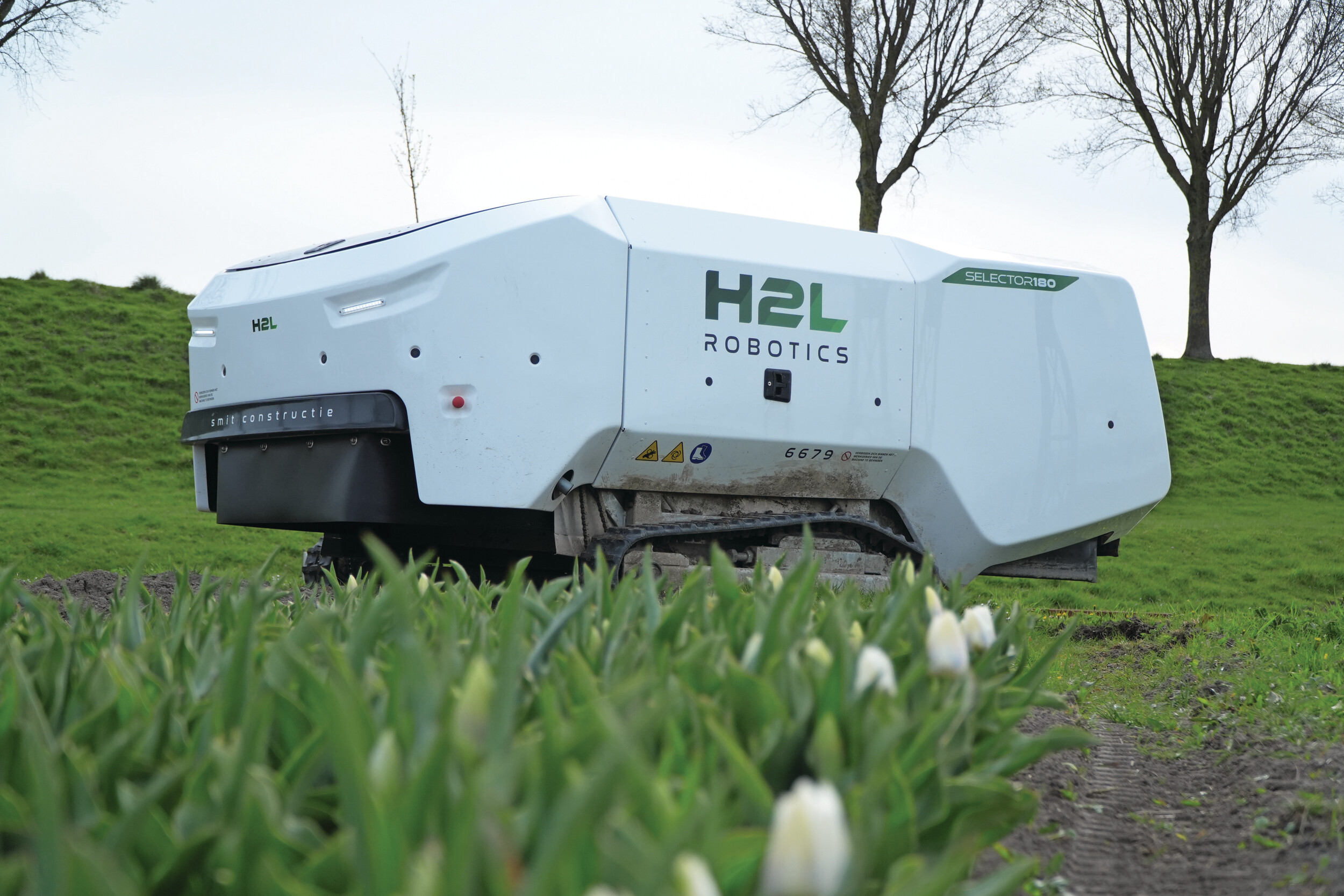
From novelty to necessity: Why tulip growers are betting on robotic disease selection
The H2L Selector, a robotic system for disease selection in tulip production, has transitioned from experimental use to mainstream adoption, with 139 units sold and an average user rating of 4.1 out of 5. This advancement marks a significant step in the integration of technology within the agricultural sector. However, tulip growers emphasize that the broader acceptance of this technology hinges on enhancements in its reliability and performance. As the industry continues to evolve, the focus remains on refining these systems to meet the demands of producers.
Smart farming Brandstof (Energie) Gewasbescherming Precisielandbouw robots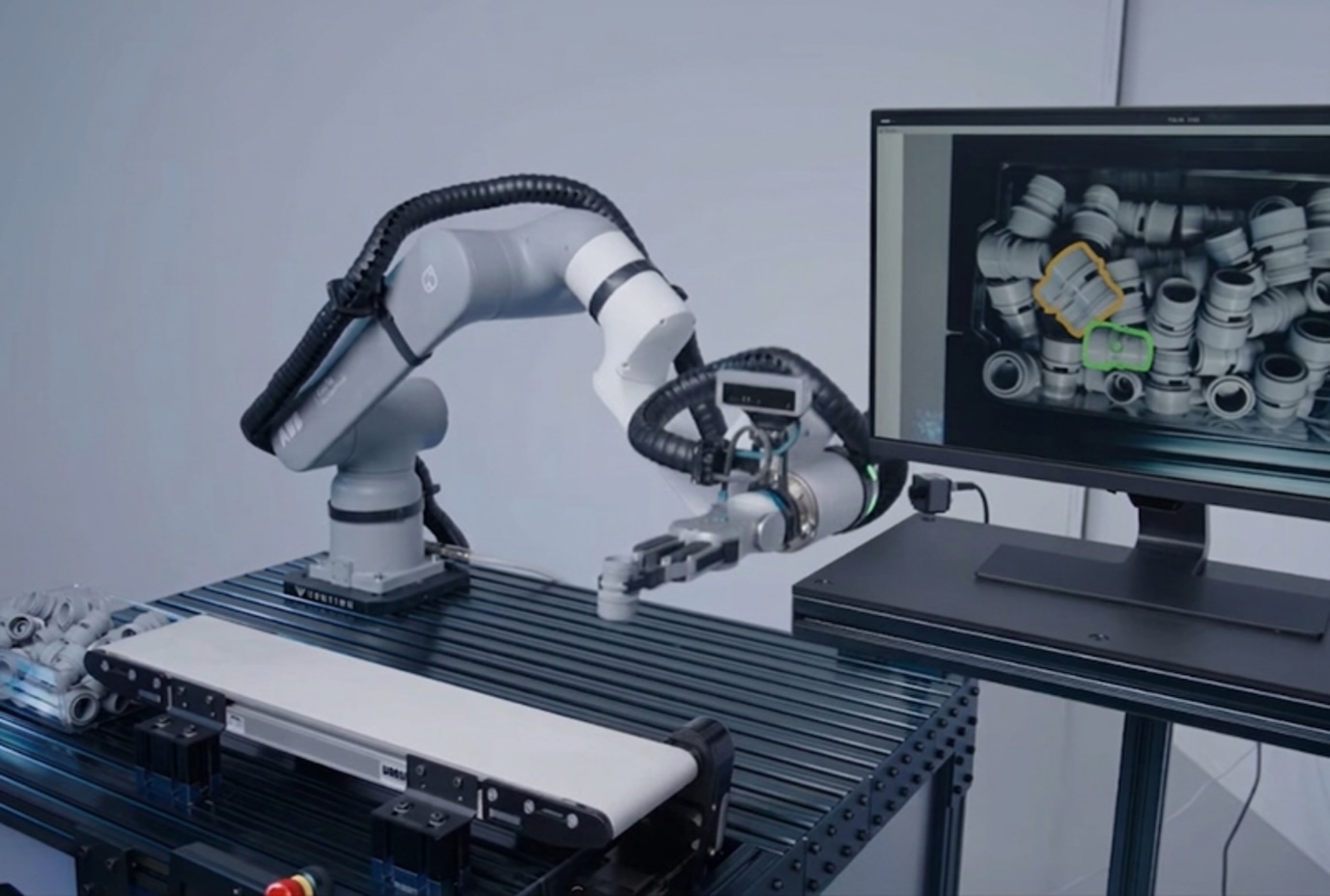
Research on Orchard Navigation Path Planning Based on 3D LiDAR SLAM Considering Terrain Roughness
A recent study published in the Journal of Field Robotics highlights advancements in autonomous robotic systems designed for agricultural applications. Researchers from a consortium of universities and tech companies conducted the study to address the growing need for efficient farming solutions amid rising labor costs and food demand. The research, which began in early 2023, took place across various agricultural sites in California, focusing on the integration of robotics in crop monitoring and harvesting. The team developed a prototype robot equipped with advanced sensors and machine learning algorithms, enabling it to navigate fields and collect data on crop health. This innovation aims to enhance productivity and reduce the reliance on manual labor, which has become increasingly scarce. The researchers conducted extensive field tests to evaluate the robot's performance and adaptability to different farming conditions. The findings suggest that these autonomous systems could significantly improve yield and reduce waste, addressing both economic and environmental challenges in agriculture. The study underscores the potential of robotics to transform traditional farming practices, paving the way for more sustainable and efficient food production methods in the future.
RESEARCH ARTICLE
Cross‐Modal Synergistic Optimization Multi‐Task Segmentation Network for Autonomous Ground Intelligent Agents in Field Environments
A recent study published in the Journal of Field Robotics highlights the advancements in autonomous robotic systems designed for agricultural applications. Researchers from various institutions collaborated to explore innovative technologies that enhance efficiency and sustainability in farming practices. The findings, released in early October 2023, emphasize the growing importance of robotics in addressing labor shortages and increasing productivity in the agricultural sector. The study showcases several case studies where autonomous robots successfully performed tasks such as planting, harvesting, and monitoring crops, demonstrating their potential to revolutionize traditional farming methods. By integrating artificial intelligence and machine learning, these robots can adapt to varying environmental conditions and optimize resource use, ultimately contributing to more sustainable agricultural practices. The motivation behind this research stems from the pressing challenges faced by the agricultural industry, including the need for increased food production to meet global demand and the impact of climate change on farming. The researchers advocate for the adoption of robotic technologies as a viable solution to enhance food security and reduce the environmental footprint of agriculture. Through rigorous testing and evaluation, the study provides insights into the operational capabilities of these autonomous systems, paving the way for further innovations in the field. As the agricultural sector continues to evolve, the integration of robotics is expected to play a crucial role in shaping the future of food production.
RESEARCH ARTICLE
Mobile Manipulator Robot for Autonomous In‐Situ Soil Measurements in Chile Pepper Cultivation
A recent study published in the Journal of Field Robotics highlights the advancements in autonomous robotic systems designed for agricultural applications. Researchers from various institutions conducted the study to explore how these technologies can enhance efficiency and productivity in farming practices. The findings, released in early October 2023, indicate that the integration of robotics in agriculture can significantly reduce labor costs and improve crop yields. The research was conducted in multiple agricultural settings, demonstrating the versatility of robotic systems in different environments. By employing advanced sensors and machine learning algorithms, these robots can perform tasks such as planting, harvesting, and monitoring crop health with minimal human intervention. The motivation behind this innovation stems from the growing need for sustainable farming solutions amid increasing global food demand and labor shortages in the agricultural sector. Through extensive field trials, the researchers documented the robots' performance, revealing their ability to operate efficiently under various weather conditions and terrains. This study not only underscores the potential of robotics to transform agriculture but also emphasizes the importance of continued investment in technology to address future challenges in food production.
RESEARCH ARTICLE
A Design Specifications Template for Wearable Haptic Interfaces: A Case Study for Robotic Gripper Applications
A recent study published in the Journal of Field Robotics highlights advancements in autonomous robotic systems designed for agricultural applications. Researchers from various institutions collaborated to explore the integration of artificial intelligence and machine learning in enhancing the efficiency of farming practices. The study, released in early October 2023, emphasizes the growing need for innovative solutions in agriculture due to increasing global food demands and labor shortages. The research team conducted extensive field tests in multiple agricultural settings to evaluate the performance of these autonomous systems. By employing advanced algorithms, the robots demonstrated improved capabilities in tasks such as planting, harvesting, and monitoring crop health. The findings suggest that these technologies could significantly reduce labor costs and increase productivity, addressing critical challenges faced by the agricultural sector. This initiative aims to provide farmers with reliable tools that can adapt to various environmental conditions and crop types, ultimately contributing to sustainable farming practices. The study's outcomes are expected to influence future developments in agricultural robotics, paving the way for more efficient and environmentally friendly farming solutions.
RESEARCH ARTICLE
Watch: Humanoid robot dance crew capture spotlight on America’s Got Talent show
Chinese humanoid robots have captured the attention of a significant American television audience, underscoring an increasing cultural and technological divide between the two nations. This development comes as these advanced robots have been showcased in various entertainment formats, demonstrating their capabilities in tasks ranging from performance art to interactive engagement with viewers. The surge in interest was particularly notable during a recent televised competition, where the robots showcased their skills, impressing audiences and judges alike. The event took place in the United States, where the integration of robotics into mainstream entertainment is still in its nascent stages, contrasting sharply with China's rapid advancements in this field. The growing fascination with these humanoid robots reflects broader trends in technology and innovation, as well as shifting perceptions of artificial intelligence and automation in society. Experts suggest that this phenomenon is driven by a combination of curiosity and concern over the implications of robotics in everyday life. As American viewers become more exposed to the capabilities of these machines, discussions around their potential impact on jobs, social interaction, and ethical considerations are intensifying. The successful reception of Chinese humanoid robots on American television not only highlights their technological prowess but also raises questions about the future of human-robot relationships in a world increasingly influenced by artificial intelligence.
A Low‐Drift Legged Robot State‐Estimation System Through Combined Physics‐Informed Contact Estimation Network and Full Joint State
A recent study published in the Journal of Field Robotics highlights advancements in autonomous robotic systems designed for agricultural applications. Researchers from various institutions collaborated to develop innovative algorithms that enhance the efficiency and precision of farming robots. The findings, released in early October 2023, demonstrate how these technologies can significantly improve crop monitoring and management. The study was conducted across multiple farms in the Midwest, where the team tested the robots' capabilities in real-world conditions. By utilizing advanced sensors and machine learning techniques, the robots were able to identify crop health issues and optimize resource usage, such as water and fertilizers. This approach not only aims to increase agricultural productivity but also addresses sustainability concerns in farming practices. The motivation behind this research stems from the growing need for efficient food production methods to meet the demands of a rising global population. As traditional farming faces challenges such as labor shortages and environmental impacts, the integration of autonomous systems presents a viable solution. The researchers emphasized that the successful implementation of these technologies could lead to a transformative shift in how agriculture is practiced, ultimately benefiting both farmers and consumers alike.
RESEARCH ARTICLE
Multi‐Robot Collaborative Navigation Framework Based on 3D Voronoi Partitioning in Uneven and Unstructured Environments
A recent study published in the Journal of Field Robotics highlights advancements in autonomous robotic systems designed for agricultural applications. Researchers from various institutions collaborated to develop innovative algorithms that enhance the efficiency and accuracy of these robots in crop monitoring and management. The study, released in early October 2023, emphasizes the growing need for automation in agriculture due to labor shortages and the increasing demand for food production. The research was conducted across multiple farms in the Midwest, where the team tested the robots' capabilities in real-world conditions. By integrating machine learning techniques, the robots can now analyze crop health, detect pests, and optimize resource usage, significantly reducing the environmental impact of farming practices. This initiative aims to address the challenges faced by farmers, particularly in light of climate change and the need for sustainable agriculture. The findings suggest that implementing these robotic systems can lead to improved yields and reduced operational costs, ultimately benefiting both farmers and consumers. As the agricultural sector continues to evolve, the integration of such technologies is seen as a crucial step toward a more sustainable future.
RESEARCH ARTICLE
From Flybys to Sample Return: A Review of Space Probes and Robotic Sampling Technologies for Small Bodies
A recent study published in the Journal of Field Robotics highlights advancements in robotic technology aimed at enhancing agricultural efficiency. Researchers from various institutions conducted experiments to assess the effectiveness of autonomous robots in crop monitoring and management. The study, released in early October 2023, took place in diverse agricultural settings across the United States. The motivation behind this research stems from the increasing demand for sustainable farming practices and the need to address labor shortages in the agricultural sector. By integrating advanced robotics, the team aims to provide farmers with innovative tools that can optimize crop yields while minimizing environmental impact. The researchers implemented a series of field tests to evaluate the robots' capabilities in tasks such as soil analysis, pest detection, and irrigation management. The findings indicate that these autonomous systems can significantly reduce the time and labor required for traditional farming methods, ultimately leading to more efficient agricultural practices. This groundbreaking work not only showcases the potential of robotics in transforming agriculture but also emphasizes the importance of technological solutions in meeting the challenges posed by a growing global population and climate change. As the agricultural industry continues to evolve, the integration of robotic technology may play a crucial role in shaping the future of food production.
SURVEY ARTICLE
TorqueAGI Announces Collaborations with NVIDIA, John Deere, and Dexterity to Advance Physical AI for Enterprise-Grade Robots
TorqueAGI has announced a strategic partnership with NVIDIA, John Deere, and Dexterity to enhance the deployment of Physical AI technologies in real-world applications. This collaboration aims to leverage the advanced computing capabilities of NVIDIA, the agricultural expertise of John Deere, and the automation solutions provided by Dexterity to create innovative AI-driven systems. The initiative, which was unveiled in October 2023, seeks to address the growing demand for intelligent automation across various industries, particularly in agriculture and manufacturing. By combining their strengths, the partners intend to accelerate the development and implementation of AI solutions that can improve efficiency, productivity, and decision-making processes in physical environments. This partnership marks a significant step forward in the integration of AI into everyday operations, paving the way for smarter, more responsive systems that can adapt to real-time challenges.
A Novel Crawling Robot Based on the Hexagonal Mesh Structure and Enhanced PID Control Strategy
A recent study published in the Journal of Field Robotics highlights advancements in robotic technology, specifically focusing on the development of autonomous systems designed for agricultural applications. Conducted by a team of researchers from various universities, the study was released in June 2026 and aims to address the increasing demand for efficient farming practices in response to global food shortages. The research team explored innovative robotic solutions that can enhance crop monitoring and management, ultimately improving yield and reducing labor costs. By integrating advanced sensors and machine learning algorithms, these autonomous robots can navigate complex agricultural environments, collect data, and perform tasks such as planting and harvesting with minimal human intervention. This initiative is driven by the need for sustainable agricultural practices, as traditional farming methods struggle to keep pace with population growth and climate change. The findings suggest that implementing such robotic systems could significantly transform the agricultural landscape, making it more efficient and resilient. The study's implications extend beyond immediate agricultural benefits, as it also addresses broader environmental concerns by promoting precision farming techniques that minimize resource waste. As the agricultural sector continues to evolve, the integration of robotics may play a crucial role in ensuring food security for future generations.
RESEARCH ARTICLE
Unitree Robotics Enters South Korea with "Ordination" at Seoul's Largest Buddhist Temple
Unitree Robotics, a prominent Chinese humanoid robot manufacturer, has made its debut in South Korea, marking a significant milestone in the integration of robotics into cultural practices. The company's G1 robot recently participated in a Buddhist ordination ceremony at Jogye Temple in Seoul, where it was bestowed with the dharma name "Gabi." This event, which took place on [insert date if available], highlights the growing acceptance and innovative applications of robotics in diverse fields, including spirituality and tradition. By engaging in such ceremonies, Unitree Robotics aims to showcase the capabilities of humanoid robots and their potential to bridge cultural gaps, while also exploring new markets in Asia.
Robotics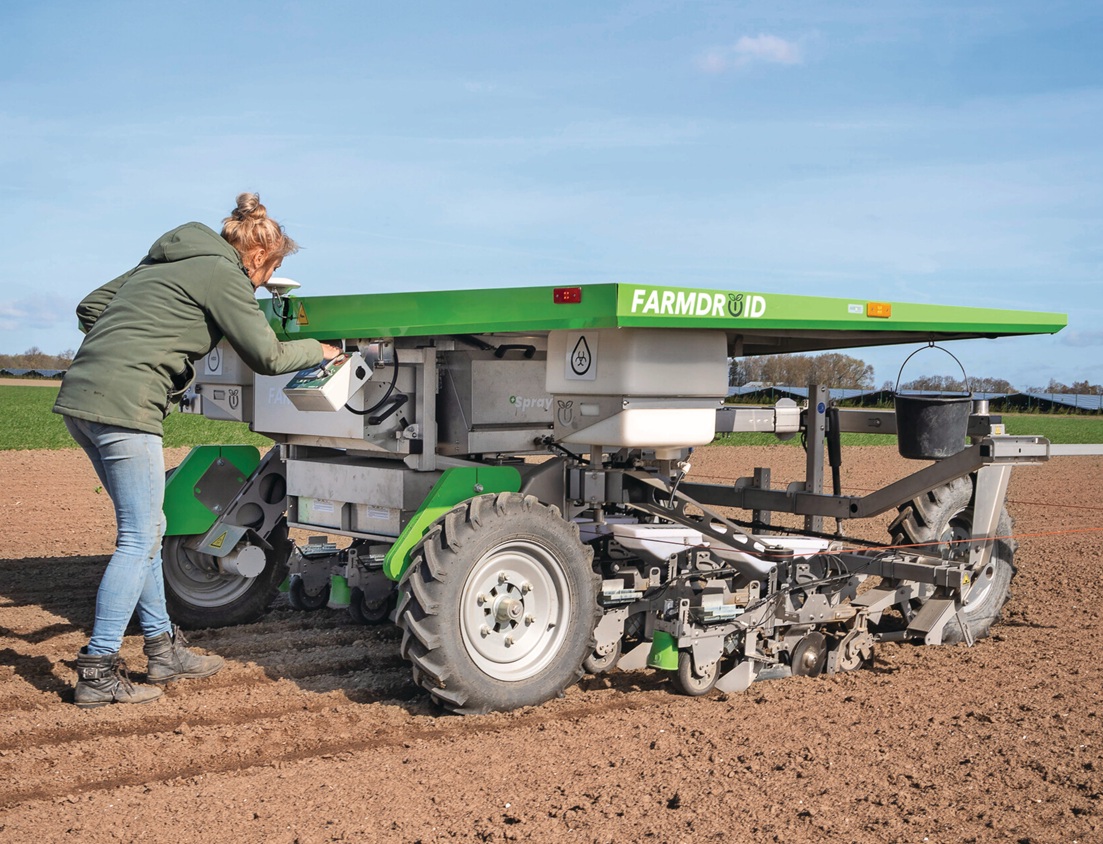
Pioneering in the Dutch polder again with a robot
Mariëlle Keijzer has been utilizing a FarmDroid FD20 field robot for the past three years to enhance her sugar beet farming operations. This innovative technology allows her to efficiently perform tasks such as sowing, spot spraying, and hoeing, marking a significant advancement in agricultural practices. Keijzer's experience with the robot highlights her role as a pioneer in the integration of automation in farming, showcasing the potential benefits of precision agriculture. The ongoing use of the FarmDroid underscores the growing trend towards sustainable farming solutions that aim to improve efficiency and reduce labor costs.
Smart farming Smart Farming
The Shifting Paradigms of Disaster Robotics Three Decades of Research
A recent study published in the Journal of Field Robotics highlights advancements in robotic technology aimed at improving agricultural efficiency. Researchers from a leading university conducted experiments over the past year, focusing on the integration of autonomous robots in crop monitoring and management. The trials took place in various agricultural settings across the Midwest, where the team sought to address the growing challenges of labor shortages and the need for sustainable farming practices. The motivation behind this research stems from the increasing demand for food production and the necessity to optimize resource use in agriculture. By employing cutting-edge robotics, the researchers aimed to demonstrate how these machines can enhance precision in tasks such as planting, watering, and pest control. The study involved deploying multiple robotic prototypes equipped with advanced sensors and AI algorithms to gather data and perform tasks autonomously. Results from the trials indicate that the use of these robots not only improved operational efficiency but also reduced the environmental impact of farming activities. The findings suggest that integrating robotics into agricultural practices could be a viable solution to meet the demands of a growing population while promoting sustainable farming methods. As the agricultural sector continues to evolve, this research paves the way for further innovations in the use of robotics to support food production and resource management.
RESEARCH ARTICLE
Soft Computing Techniques Applied to Adaptive Hybrid Navigation Methods for Tethered Robots in Dynamic Environments
A recent study published in the Journal of Field Robotics highlights advancements in robotic technology aimed at enhancing agricultural efficiency. Researchers from various institutions conducted experiments over the past year, focusing on the integration of autonomous robots in crop monitoring and management. The study, carried out in multiple agricultural settings across the Midwest, demonstrates how these robots can significantly reduce labor costs and increase yield by providing real-time data on soil conditions and crop health. The motivation behind this research stems from the growing need for sustainable farming practices amid rising global food demands. By employing sophisticated sensors and machine learning algorithms, the robots are designed to analyze vast amounts of agricultural data, allowing farmers to make informed decisions quickly. The findings indicate that the use of these robotic systems can lead to a more precise application of resources, ultimately promoting environmental sustainability. As the agricultural sector faces challenges such as labor shortages and climate change, the implementation of robotic technology presents a viable solution to improve productivity and resilience in farming operations. The research team plans to continue refining these technologies, aiming for broader adoption in the industry.
RESEARCH ARTICLE
Optimization of Magnetic Adsorption Units for Wall‐Climbing Robots via Integrated Response Surface Methodology and Genetic Algorithm
The Journal of Field Robotics has published an early view article highlighting advancements in robotic technology aimed at enhancing agricultural practices. Researchers from various institutions collaborated on this study, which was released in October 2023. The article focuses on the development of autonomous robots designed to improve efficiency in crop monitoring and harvesting processes. The motivation behind this research stems from the growing need for sustainable agricultural solutions to meet the demands of an increasing global population. By integrating advanced sensors and machine learning algorithms, these robots can analyze soil conditions, monitor plant health, and optimize harvesting schedules, ultimately reducing labor costs and increasing yield. The study outlines the methodologies employed in the design and testing of these robots, including field trials that demonstrate their effectiveness in real-world agricultural settings. The findings suggest that the implementation of such robotic systems could significantly transform traditional farming practices, offering a more sustainable approach to food production. This publication underscores the importance of innovation in agriculture and the potential for robotics to address critical challenges in the sector. As the demand for food continues to rise, the integration of technology in farming is becoming increasingly essential for ensuring food security and sustainability.
RESEARCH ARTICLE
Foundation Model‐Driven Grasping of Unknown Objects via Center of Gravity Estimation
A recent study published in the Journal of Field Robotics highlights advancements in autonomous robotic systems designed for agricultural applications. Conducted by a team of researchers from various universities, the study was released in early October 2023. The research focuses on enhancing the efficiency and precision of farming practices through the integration of robotics and artificial intelligence. The study addresses the growing need for sustainable agricultural solutions amid increasing global food demand and labor shortages. By employing advanced algorithms and machine learning techniques, the researchers developed a prototype robotic system capable of performing tasks such as planting, monitoring crop health, and harvesting with minimal human intervention. Field tests were conducted in diverse agricultural settings, demonstrating the robot's ability to navigate complex terrains and adapt to varying environmental conditions. The findings suggest that these robotic systems could significantly reduce labor costs and improve crop yields, ultimately contributing to more sustainable farming practices. This innovative approach not only aims to alleviate some of the pressures faced by the agricultural sector but also seeks to pave the way for future developments in the field of robotics, emphasizing the importance of technology in addressing global challenges.
RESEARCH ARTICLE
A Review on Path Planning for Autonomous Underwater Vehicles: From Models, Classical Methods, and Learning‐Based Intelligence Perspectives
In a recent study published in the Journal of Field Robotics, researchers explored advancements in robotic technologies aimed at enhancing agricultural efficiency. The findings, released in May 2026, highlight innovative methods for deploying autonomous robots in farming environments to improve crop management and yield. Conducted by a team of experts in robotics and agriculture, the research took place in various agricultural settings, focusing on the integration of artificial intelligence and machine learning to optimize planting, monitoring, and harvesting processes. The motivation behind this initiative stems from the growing need for sustainable farming practices and the increasing global demand for food production. By utilizing advanced robotics, the study aims to address labor shortages and reduce environmental impacts associated with traditional farming methods. The researchers conducted extensive field trials to assess the effectiveness of these robotic systems, demonstrating significant improvements in efficiency and productivity. This work not only contributes to the field of robotics but also offers practical solutions for the agricultural sector facing modern challenges.
SURVEY ARTICLE
Design, Model Analysis and Experimental Investigation of Modular Soft Pneumatic Gripper Equipped With Multi‐Configurable Functionality and Adjustable Effective Length
A recent study published in the Journal of Field Robotics highlights advancements in robotic technology aimed at enhancing agricultural efficiency. Conducted by a team of researchers from various universities, the study was released in May 2026 and focuses on the integration of autonomous robots in farming practices. The research aims to address the growing need for sustainable agricultural solutions amid increasing global food demand and labor shortages. By utilizing advanced sensors and machine learning algorithms, the robots are designed to perform tasks such as planting, monitoring crop health, and harvesting with minimal human intervention. Field tests conducted in diverse agricultural settings demonstrated the robots' ability to significantly increase productivity while reducing resource consumption. The findings suggest that these innovations could play a crucial role in transforming traditional farming methods and promoting environmentally friendly practices. As the agricultural sector faces mounting challenges, the implementation of such robotic technologies could provide a viable path toward more efficient and sustainable food production systems.
RESEARCH ARTICLE
Physics‐Based Torque Prediction Model for Excavating Drums on Granular Soil
A recent study published in the Journal of Field Robotics highlights advancements in robotic technology aimed at enhancing agricultural efficiency. Conducted by a team of researchers from various institutions, the study was released in May 2026 and focuses on the integration of autonomous robots in farming practices. The research addresses the growing need for sustainable agricultural solutions in response to increasing global food demands and labor shortages. By employing advanced sensors and machine learning algorithms, the robots are designed to optimize planting, monitoring, and harvesting processes, thereby reducing resource waste and improving crop yields. The study was carried out in diverse agricultural settings, showcasing the robots' adaptability to different environments and crop types. Through extensive field trials, the researchers demonstrated how these autonomous systems can operate effectively, even in challenging conditions, while significantly minimizing human intervention. This innovative approach not only aims to boost productivity but also seeks to promote environmentally friendly practices in agriculture, aligning with global sustainability goals. The findings suggest that the implementation of such robotic technologies could revolutionize the agricultural sector, making it more resilient and efficient in the face of future challenges.
RESEARCH ARTICLE
Autonomous Transportation Robots for Finished Vehicle Docking in RORO Logistics Terminal: Design, Control, and Implementation
In a recent study published in the Journal of Field Robotics, researchers explored advancements in robotic technologies aimed at enhancing agricultural efficiency. The research, conducted by a team of scientists from various institutions, was released in May 2026 and highlights the integration of autonomous systems in farming practices. The study emphasizes the growing need for innovative solutions in agriculture due to increasing global food demands and labor shortages. By implementing advanced robotics, the team aims to address these challenges, demonstrating how autonomous machines can improve crop monitoring, pest control, and harvesting processes. The researchers employed a combination of field tests and simulations to assess the performance of these robotic systems in real-world agricultural settings. Their findings indicate significant improvements in productivity and resource management, suggesting that the adoption of such technologies could lead to more sustainable farming practices. This research not only contributes to the field of robotics but also offers practical solutions for the agricultural sector, potentially transforming how food is produced and managed in the future.
RESEARCH ARTICLE
Design and Performance Analysis of a Delta Robot for High‐Speed Seed Cutting
In a recent study published in the Journal of Field Robotics, researchers explored advancements in robotic technology aimed at enhancing agricultural efficiency. The findings, released in May 2026, highlight innovative methods for integrating autonomous systems into farming practices. Conducted by a team of experts in robotics and agriculture, the research took place in various agricultural settings to assess the practical applications of these technologies. The motivation behind this study stems from the growing need for sustainable farming solutions that can address labor shortages and increase productivity in the face of climate change. By employing advanced robotics, the team demonstrated how these systems can optimize crop management and reduce resource waste. The research involved extensive field trials, where robotic systems were tested for their ability to perform tasks such as planting, monitoring crop health, and harvesting. The results indicated significant improvements in efficiency and yield, suggesting that the integration of robotics could revolutionize traditional farming methods. This study not only contributes to the body of knowledge in agricultural robotics but also underscores the potential for these technologies to transform the agricultural landscape, making it more resilient and sustainable for future generations.
RESEARCH NOTE
KBQ‐RRT*: A Smoothness‐Enhanced Kinematic Bidirectional Quick‐RRT* Via Dual‐Tree Optimization for Autonomous Navigation in Complex Orchards
In May 2026, the Journal of Field Robotics published a significant study highlighting advancements in robotic technology. Researchers from various institutions collaborated to explore innovative applications of robotics in field environments, aiming to enhance efficiency and safety in agricultural practices. The study was conducted over several months, focusing on the integration of autonomous systems in crop management and monitoring. The research team utilized a combination of machine learning algorithms and sensor technologies to develop robots capable of performing tasks such as planting, weeding, and harvesting with minimal human intervention. This initiative was driven by the need to address labor shortages in agriculture and to improve productivity in the face of increasing global food demands. Field tests were conducted in diverse agricultural settings, demonstrating the robots' ability to adapt to varying conditions and perform complex tasks autonomously. The findings suggest that the implementation of these robotic systems could revolutionize farming practices, reduce costs, and promote sustainable agriculture. The study's implications extend beyond agriculture, as the methodologies developed could be applied to other sectors requiring automation and precision in fieldwork. As the demand for innovative solutions grows, this research marks a pivotal step towards the future of robotics in various industries.
RESEARCH ARTICLE
HK‐MEMS, a Multi‐Sensor Data Set With MEMS LiDAR on Degenerate and Dynamic Urban Scenarios
In May 2026, the Journal of Field Robotics published a significant study focusing on advancements in robotic technology. Researchers from various institutions collaborated to explore innovative applications of robotics in field environments, aiming to enhance efficiency and safety in agricultural practices. The study highlights the integration of artificial intelligence and machine learning to improve the decision-making processes of autonomous robots. Conducted in diverse agricultural settings, the research emphasizes the growing need for automation in response to labor shortages and the increasing demand for food production. By employing advanced sensors and data analytics, the robots demonstrated improved performance in tasks such as planting, harvesting, and monitoring crop health. The findings are expected to influence future developments in agricultural robotics, potentially leading to widespread adoption of these technologies in the industry. As the global population continues to rise, the study underscores the importance of leveraging robotics to meet food security challenges while promoting sustainable farming practices.
RESEARCH ARTICLE
A Cascaded Strategy With Embodied Artificial Intelligence: Forward Kinematics Solutions for CCRobot‐S
A recent study published in the Journal of Field Robotics highlights advancements in robotic technology aimed at enhancing agricultural efficiency. Conducted by a team of researchers from various universities, the study was released in May 2026 and focuses on the integration of autonomous robots in farming practices. The research aims to address the growing challenges faced by the agricultural sector, such as labor shortages and the need for sustainable farming methods. By employing sophisticated algorithms and machine learning techniques, the robots are designed to perform tasks such as planting, monitoring crop health, and harvesting with minimal human intervention. The study was conducted in various agricultural settings, showcasing the robots' adaptability to different crops and environmental conditions. The findings suggest that these robotic systems can significantly increase productivity while reducing the environmental impact of traditional farming practices. This innovative approach not only promises to alleviate labor pressures but also aims to contribute to food security by optimizing resource use. As the agricultural industry continues to evolve, the integration of robotics may play a crucial role in shaping the future of food production.
RESEARCH ARTICLE
Design and Analysis of Automatic Whole Row Tomato Seedling Transplanter Technology With Integrated Controlling System
In May 2026, the Journal of Field Robotics published a significant study that explores advancements in robotic technology aimed at enhancing agricultural practices. Researchers from various institutions collaborated to investigate the integration of autonomous robots in crop management, focusing on their efficiency and effectiveness in monitoring plant health and optimizing resource use. The study highlights the growing need for innovative solutions in agriculture, driven by increasing global food demands and the challenges posed by climate change. By employing advanced sensors and machine learning algorithms, the robots demonstrated improved accuracy in detecting crop diseases and pests, ultimately leading to better yield outcomes. This research underscores the potential of robotics to transform traditional farming methods, offering a sustainable approach to food production in an era of rapid technological advancement.
RESEARCH ARTICLE
Redefining Optimal Coverage Path Planning for FLS‐Equipped AUVs With Deep Reinforcement Learning
The Journal of Field Robotics has recently published an EarlyView article highlighting advancements in robotic technology. Researchers from various institutions have collaborated to explore innovative applications of robotics in field environments. This study, released in October 2023, focuses on enhancing the efficiency and effectiveness of robotic systems in agricultural and environmental monitoring tasks. The motivation behind this research stems from the increasing demand for precision agriculture and sustainable practices, which necessitate the integration of advanced robotics. By employing cutting-edge algorithms and sensor technologies, the team aims to improve data collection and analysis in challenging outdoor conditions. The findings suggest that these advancements could significantly reduce labor costs and increase productivity for farmers, while also providing critical insights for environmental conservation efforts. This collaborative effort underscores the potential of robotics to transform traditional practices and address pressing global challenges.
RESEARCH ARTICLE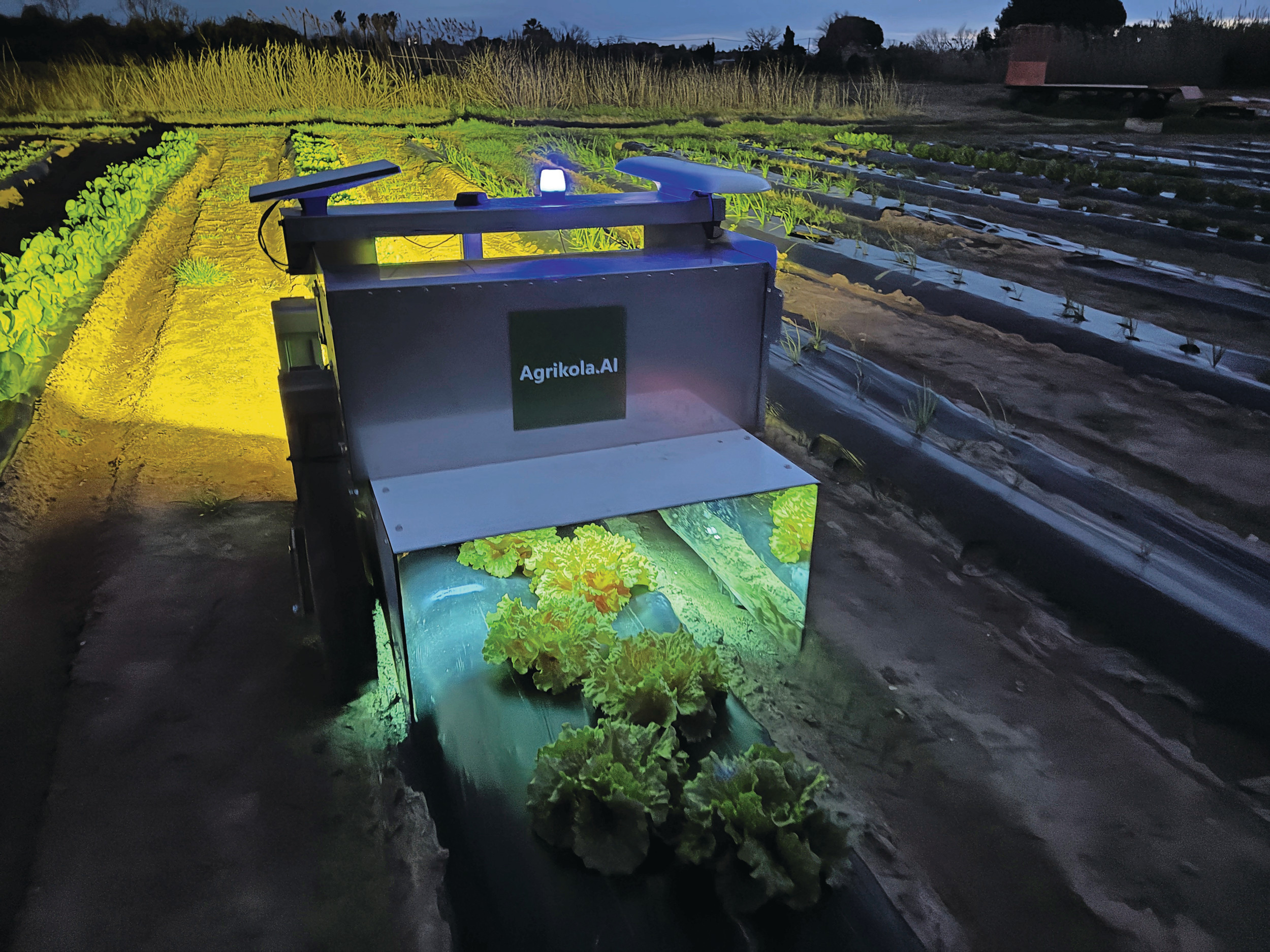
UVC robots show promise in the fight against fungi
In a significant advancement for greenhouse horticulture, autonomous robots utilizing UVC light for fungal control have shown promising results. This innovative technology has been successfully implemented in Norway, the United Kingdom, and the United States, particularly in the cultivation of open crops such as grapes and strawberries. Additionally, since 2025, the use of UVC robots has expanded to field vegetables in Spain. This development reflects a broader trend towards precision agriculture, aiming to enhance crop management and reduce reliance on chemical treatments. The integration of UVC technology in farming practices highlights the ongoing efforts to improve sustainability and efficiency in agricultural production.
Field robots autonomous technology crop protection greenhouses precision agriculture robotic harvesting
DURAL: Degradation‐Resistant Robust Adaptive Localization by LiDAR‐Inertial‐UWB‐Wheel Fusion for Coal Mine Robots
A recent study published in the Journal of Field Robotics highlights advancements in autonomous robotic systems designed for agricultural applications. Conducted by a team of researchers from various universities, the study was released in early October 2023. The research focuses on enhancing the efficiency of crop monitoring and management through the integration of advanced sensors and machine learning algorithms. The motivation behind this study stems from the growing need for sustainable agricultural practices amid increasing global food demands. By employing autonomous robots equipped with state-of-the-art technology, farmers can optimize resource use, reduce labor costs, and improve crop yields. The researchers conducted field tests in diverse agricultural settings to evaluate the robots' performance in real-world conditions. Through rigorous testing and data analysis, the team demonstrated that these robotic systems could significantly improve the accuracy of crop assessments and facilitate timely interventions. The findings suggest that the implementation of such technology could revolutionize traditional farming methods, making them more efficient and environmentally friendly. This innovative approach not only addresses current agricultural challenges but also paves the way for future developments in the field of robotics and sustainable farming practices.
RESEARCH ARTICLE
Constrained Adaptive Fractional‐Order Sliding‐Mode Controller for Stabilizing the Two‐Degree‐of‐Freedom Gimbal System With Limited Field‐of‐View Sensors: Theoretical and Experimental Discussion
A recent study published in the Journal of Field Robotics highlights advancements in autonomous robotic systems designed for agricultural applications. Conducted by a team of researchers from various universities, the study was released in early October 2023. The research focuses on the integration of artificial intelligence and machine learning technologies to enhance the efficiency and precision of farming practices. The study was carried out in agricultural fields across multiple locations, showcasing the robots' capabilities in tasks such as planting, monitoring crop health, and harvesting. The motivation behind this research stems from the growing need for sustainable farming solutions that can address labor shortages and improve crop yields in the face of climate change. The researchers employed a combination of field trials and simulations to test the robots' performance under various conditions, demonstrating significant improvements in operational efficiency compared to traditional farming methods. This innovative approach not only aims to reduce the environmental impact of agriculture but also seeks to empower farmers with advanced tools for better decision-making. As the agricultural sector continues to evolve, the findings from this study could pave the way for the widespread adoption of autonomous robots, ultimately transforming the future of farming.
RESEARCH ARTICLE
Advances in Autonomous Vehicle Testing: The State of the Art and Future Outlook on Driving Datasets, Simulators, and Proving Grounds
A recent study published in the Journal of Field Robotics highlights advancements in autonomous robotic systems designed for agricultural applications. Researchers from a leading university conducted the study to explore how these robots can improve efficiency and sustainability in farming practices. The findings, released in early October 2023, indicate that the integration of advanced sensors and artificial intelligence allows these robots to perform tasks such as planting, monitoring crop health, and harvesting with greater precision. The research was conducted on various farms across the Midwest, where the team tested different robotic models under real-world conditions. The motivation behind this study stems from the increasing demand for food production and the need to reduce environmental impact. By employing autonomous technology, farmers can potentially decrease labor costs and enhance productivity while minimizing the use of pesticides and fertilizers. The study outlines the methodology used, including the development of algorithms that enable the robots to navigate complex terrains and adapt to changing environmental conditions. As agriculture faces challenges such as labor shortages and climate change, the implementation of these robotic systems could play a crucial role in the future of farming. The researchers emphasize the importance of continued innovation in this field to address global food security concerns effectively.
SURVEY ARTICLE
Research on ORB–SLAM2 Deep‐Sea Visual Localization Technique Based on Image Enhancement
A recent study published in the Journal of Field Robotics highlights advancements in autonomous robotic systems designed for agricultural applications. Conducted by a team of researchers from various universities, the study was released in early October 2023. The research focuses on the development of innovative robotic technologies aimed at improving efficiency and sustainability in farming practices. The motivation behind this initiative stems from the growing need for sustainable agricultural solutions in response to increasing global food demands and environmental concerns. The researchers employed a combination of machine learning algorithms and sensor technologies to enhance the robots' capabilities in tasks such as planting, harvesting, and monitoring crop health. Field tests were conducted in diverse agricultural settings, demonstrating the robots' ability to adapt to varying conditions and perform complex tasks autonomously. The findings suggest that these robotic systems could significantly reduce labor costs and increase productivity while minimizing the environmental impact of farming. The study underscores the potential of robotics to transform the agricultural sector, paving the way for more efficient and eco-friendly farming practices. As the agricultural industry faces challenges from climate change and population growth, the integration of advanced robotic technologies may offer viable solutions for future food production.
RESEARCH ARTICLE
ROKAE Embodied Intelligent Robots Take the Stage at the Shandong Robot Spring Festival Gala
On New Year's Eve, over 50 ROKAE robots took center stage at the Shandong Robot Spring Festival Gala, showcasing a unique blend of robotics, music, and traditional art. This live event highlighted the evolving capabilities of embodied intelligent robots, demonstrating their ability to move, interact, and create in harmony with human performers. The gala not only entertained attendees but also provided a glimpse into the future of robotic integration in cultural expressions, marking a significant step in the advancement of robotics technology.
Robotics needs a service framework.
RSF defines a common language for robot service capability, lifecycle operations, certification pathways, and service-provider networks.