A single destination for timely, editor-curated robotics news from around the world.
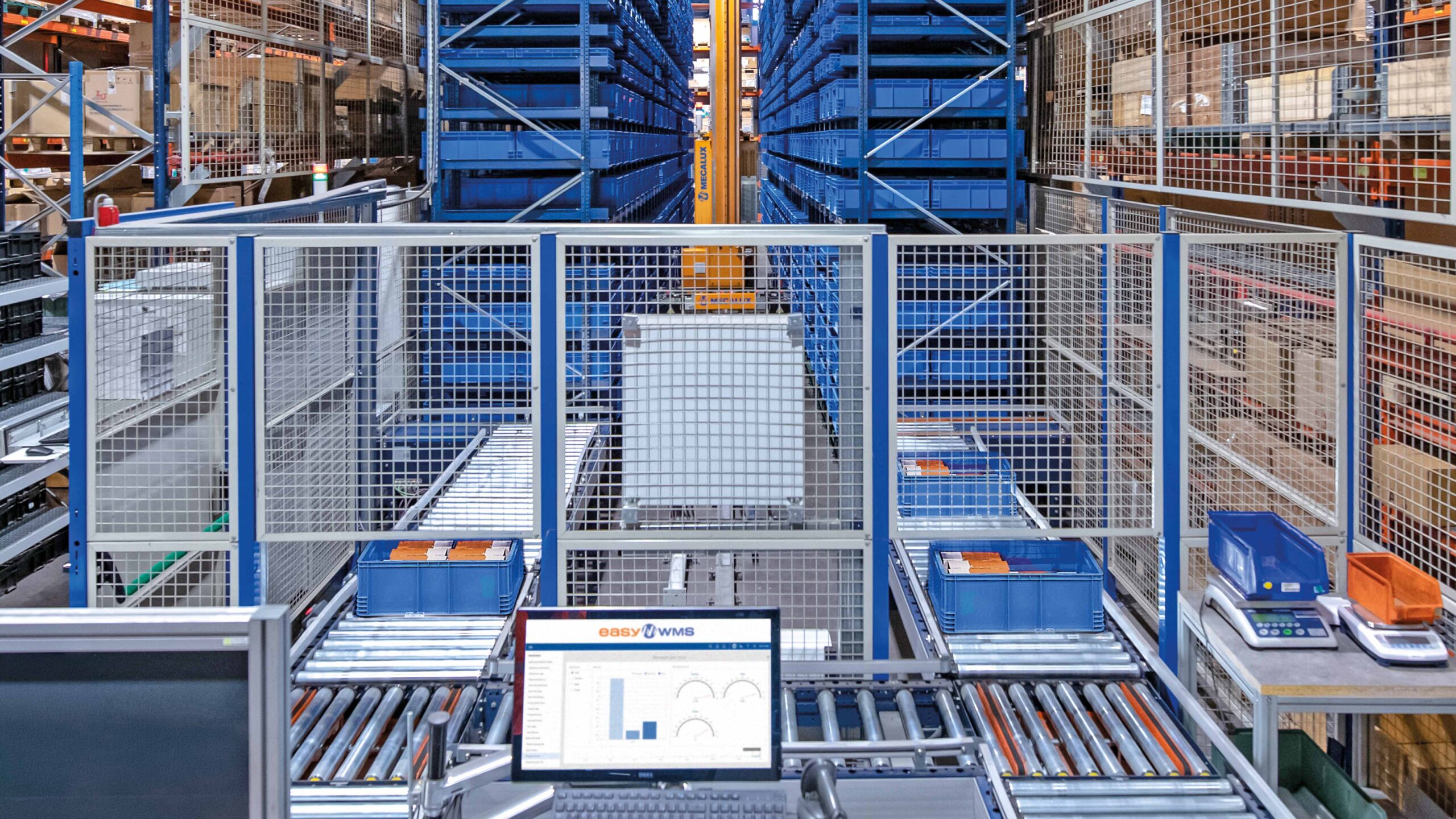
Clavo Food Factory has enhanced its operational efficiency by increasing storage capacity and reducing operating times through the implementation of an automated logistics solution from Mecalux. This upgrade took place at the company's production facility in Tordesillas, Spain. Specializing in ready-to-eat chilled and frozen foods, Clavo Food Factory produces 14,000 tonnes annually, catering to over 42,000 restaurants globally. The automation initiative aims to streamline processes and improve overall productivity, reflecting the company's commitment to innovation in the food production industry.
LogisticsBusiness By David Priestman 3 hours ago AMR and AGV Automation Systems and Shuttles Cold Chain Logistics Magazine Features Materials Handling Storage & Racking
Serve Robotics has entered into a partnership with NoScrubs, an emerging on-demand laundry service, to expand its delivery offerings beyond prepared food. This collaboration, which marks Serve's inaugural venture into urban delivery for laundry, will kick off this week in select neighborhoods across Los Angeles. Utilizing Serve's fleet of autonomous sidewalk robots, the pilot program aims to deliver laundry orders directly to customers' doorsteps, enhancing convenience and efficiency in urban logistics.
RoboticsAndAutomationNews.com By Sam Francis Jun 04, 2026 Logistics News ai robotics automation news autonomous commerce autonomous delivery
Appetronix, a developer specializing in robotic kitchen systems, has acquired Cibotica, a company focused on food robotics, to enhance its automation platform by incorporating a wider range of food categories beyond pizza. The financial details of the acquisition remain undisclosed. This strategic move allows Appetronix to integrate Cibotica’s advanced automated ingredient dispensing and portioning technology into its existing offerings, including the Remy robotic system. The acquisition is part of Appetronix's ongoing efforts to innovate and expand its capabilities in the food service industry.
RoboticsAndAutomationNews.com By Sam Francis Jun 04, 2026 Engineering AI in foodservice appetronix automation news autonomous kitchens Cibotica
Meituan, the Chinese food-delivery giant, is poised to benefit significantly from its investments in emerging technologies, particularly in the rapidly growing artificial intelligence sector, including a stake in Zhipu AI. This development comes at a crucial time for the company, which reported an adjusted net loss of 4.97 billion yuan (approximately US$735 million) for the first quarter of 2023, marking its third consecutive quarter of losses. The strategic investments are seen as a potential lifeline for Meituan, aiming to enhance its financial performance and stabilize its market position. The company’s focus on frontier tech reflects a broader trend in the industry, as firms seek to leverage innovative solutions to drive growth and profitability amidst challenging economic conditions.
SCMPTech By Ben Jiang Jun 02, 2026
AtomBite.AI, a company specializing in embodied intelligence, has secured a multi-million dollar seed funding round led by InnoTech Venture Capital, with participation from the Tsinghua Alumni Seed Fund and notable individual investors. This funding will primarily support the development of embodied world models for the restaurant industry and the implementation of core products. The company's founding team, which includes Dr. Wang Dong, a former technical lead at Meituan's food delivery division, aims to address inefficiencies in restaurant kitchens, particularly in the packaging and delivery processes that still heavily rely on manual labor. As global food delivery orders continue to rise, AtomBite.AI identifies the kitchen as a promising application area for embodied intelligence, given its universal demand and clear return on investment for businesses. The team plans to create a "World Action Model" tailored for the restaurant sector, emphasizing the integration of visual and tactile feedback to enhance robotic operations. Their approach focuses on developing a system that learns from real-world interactions rather than relying solely on generalized models. Currently, AtomBite.AI is targeting the packaging and transfer stages of food delivery, which are prone to errors and have quantifiable value. The company anticipates deploying its packaging model in commercial kitchens by 2026, with plans to expand into more complex kitchen operations and broader service industry applications in the future.
36kr.com Jun 02, 2026
The Journal of Field Robotics has recently published an early view article highlighting advancements in robotic technology. This publication, which emerged in October 2023, focuses on the innovative applications of robotics in various fields, including agriculture, search and rescue, and environmental monitoring. Researchers and engineers from leading institutions contributed to the study, aiming to address pressing challenges faced in these sectors. The article emphasizes the importance of integrating advanced algorithms and machine learning techniques to enhance the efficiency and effectiveness of robotic systems. By showcasing real-world applications, the authors illustrate how these technologies can improve productivity and safety, particularly in hazardous environments. The motivation behind this research stems from the increasing demand for automation and precision in industries that require high levels of accuracy and reliability. As global challenges such as climate change and food security become more pronounced, the role of robotics is becoming increasingly vital. Through a combination of theoretical analysis and practical experimentation, the study presents a comprehensive overview of the current state of robotic technology and its potential future developments. This early view article serves as a significant contribution to the ongoing discourse in the field of robotics, paving the way for further innovations that could transform multiple industries.
JournalofFieldRobotics By Can Xu, Zefeng Xu, Huiling Li, Yitong Zhou Jun 02, 2026 RESEARCH ARTICLE
ZTO Express has established a new logistics company, Guangzhou Zhongjing Logistics Co., Ltd., in Guangzhou with a registered capital of 500 million RMB. The company, wholly owned by ZTO Express, will engage in domestic freight transportation, equipment leasing, and computer system services. OpenAI has announced its entry into the robotics sector, focusing on developing assistive robots. CEO Sam Altman stated the company is looking for engineers to create robots that can aid in building future infrastructure. The initiative, which has evolved from a world simulation research project, aims to integrate hardware and machine learning for practical applications. Nan Er, Vice President of Zhejiang Chint Electric, has been recognized as a "2026 Zhejiang Youth Technology Entrepreneur" as part of a program to support technology entrepreneurs in the region. Foxconn and French company Bull will collaborate to manufacture AI and cloud infrastructure, with an initial investment of over 120 million euros. The project will utilize facilities in both France and the Czech Republic. On June 1, new regulations for online food delivery were implemented, with Taobao Flash collaborating with various local regulatory bodies to label the first batch of "no dine-in" merchants, enhancing compliance among 60,000 restaurants this year. Muyu Group has partnered with Alibaba Cloud to develop an AI model for the livestock industry, significantly improving the efficiency of health checks for pigs. In investment news, a new venture capital fund, Guoxin Qianjiang, has been established in Hangzhou with a capital of 1 billion RMB, while Zhi Mi has opened a financing window with a pre-IPO valuation of approximately 70 billion RMB. In product developments, a new automotive brand resulting from a collaboration between Sairus and ByteDance is set to launch a hybrid vehicle this year, while Sharpa has introduced a humanoid robot equipped with advanced tactile capabilities in partnership with NVIDIA. Lastly, the Tianjin AI Sensor Industrial Park has officially opened, with ten companies signing contracts, and Shanghai is focusing on advancing core software technologies as part of its development plan. Zhejiang Province is also seeking to implement the "Spark Plan" to accelerate the application of quantum technology products.
36kr.com Jun 01, 2026
A recent study published in the Journal of Field Robotics highlights advancements in robotic technology aimed at improving agricultural efficiency. Researchers from a leading university conducted experiments to develop autonomous robots capable of performing tasks such as planting, weeding, and harvesting crops. The study, which took place over the summer of 2023, was conducted on various farms in California, showcasing the robots' adaptability to different agricultural environments. The motivation behind this research stems from the increasing demand for sustainable farming practices and the need to address labor shortages in the agricultural sector. By integrating advanced sensors and artificial intelligence, the robots are designed to optimize crop yields while minimizing resource use. The research team employed a series of field trials to test the robots' performance, collecting data on their effectiveness and efficiency compared to traditional farming methods. Preliminary results indicate that these autonomous systems can significantly reduce labor costs and increase productivity, offering a promising solution for modern agriculture. As the agricultural industry faces challenges such as climate change and population growth, this innovative approach could play a crucial role in ensuring food security and sustainability in the coming years. The findings from this study are expected to pave the way for further developments in agricultural robotics, potentially transforming the way food is produced globally.
JournalofFieldRobotics By Jiangdong Wu, Tengfei Zhang, Qun Chao, Chengliang Liu Jun 01, 2026 SURVEY ARTICLE
SoftGripping has developed an innovative gripping solution designed for integration into bakery operations. This new technology aims to enhance efficiency and precision in the handling of baked goods, addressing the specific needs of the baking industry. The solution is expected to streamline processes and improve productivity within bakeries, making it a valuable addition to modern food production techniques. The announcement comes as the industry increasingly seeks automation solutions to meet growing consumer demands and maintain competitive advantages.
ROBOTICSandPRODUCTION By xmlrpc Jun 01, 2026 Allgemein Greifer & Werkzeuge Lebensmittel & Verpackung Robotik
Richtech Robotics Inc. (NASDAQ: RR), currently valued at $3.02 per share, has announced a potential partnership with SoundHound AI (SOUN) as of May 7, 2026. This collaboration aims to integrate SoundHound’s advanced voice AI technology into Richtech’s robotic systems, enhancing human-robot interactions in hospitality and service sectors. The partnership will kick off with a demonstration of Richtech’s Scorpion robot utilizing SoundHound’s voice capabilities in an interactive beverage service setting. Earlier, on April 8, Richtech secured a distribution agreement with NewConsultancy, a Netherlands-based firm, to distribute its robotic solutions across the Netherlands and the European Union. This agreement is expected to bolster Richtech’s international presence and customer support capabilities. Founded in 2016 and headquartered in Las Vegas, Richtech Robotics specializes in developing AI-powered robots designed to automate labor-intensive tasks across various industries. Its product lineup includes robotic food runners, autonomous cleaning systems, and robotic bartenders, all aimed at improving operational efficiency and addressing labor shortages. While Richtech shows promise as an investment, analysts suggest that other AI stocks may present greater potential for growth with less risk.
YahooFinance May 31, 2026
Pudu Robotics has announced that it now operates 130,000 Pudu robots across more than 80 countries and regions as of October 2023. This significant milestone highlights the company's growth and the increasing global demand for robotic solutions in various sectors, particularly in hospitality and healthcare. The widespread adoption of these robots is driven by their ability to enhance efficiency and service quality, addressing labor shortages and improving operational workflows. Pudu's robots are designed to assist with tasks such as food delivery and sanitation, showcasing their versatility and adaptability in different environments. The expansion into diverse markets demonstrates the company's commitment to innovation and its role in shaping the future of service automation.
RoboticsTomorrow.com May 28, 2026
In June 2026, the Journal of Field Robotics published a significant study highlighting advancements in robotic technology aimed at enhancing agricultural efficiency. Researchers from various institutions collaborated to develop innovative robotic systems capable of performing tasks such as planting, monitoring crop health, and harvesting. This initiative responds to the growing demand for sustainable farming practices and the need to address labor shortages in the agricultural sector. The study, which spans pages 2848 to 2866 in the journal’s fourth issue, showcases how these robots utilize artificial intelligence and machine learning to adapt to diverse farming environments. By integrating advanced sensors and data analytics, the robotic systems can make real-time decisions, optimizing resource use and minimizing environmental impact. The research team conducted extensive field trials across multiple agricultural settings, demonstrating the robots' effectiveness in improving yield and reducing operational costs. The findings are expected to influence future agricultural policies and practices, promoting the adoption of technology in farming to ensure food security in an increasingly challenging climate. This groundbreaking work not only illustrates the potential of robotics in agriculture but also underscores the importance of interdisciplinary collaboration in addressing global challenges.
JournalofFieldRobotics By Alessio De Luca, Luca Muratore, Nikos G. Tsagarakis, Martin Azkarate May 27, 2026 FIELD REPORT
A recent study published in the Journal of Field Robotics highlights advancements in robotic technology aimed at enhancing agricultural efficiency. Conducted by a team of researchers from various universities, the study was released in June 2026 and focuses on innovative robotic systems designed to optimize crop management and reduce labor costs. The research team utilized a combination of machine learning algorithms and autonomous navigation systems to develop robots capable of performing tasks such as planting, monitoring, and harvesting crops. This initiative was motivated by the increasing demand for sustainable farming practices and the need to address labor shortages in the agricultural sector. Field tests were conducted in diverse agricultural environments, demonstrating the robots' ability to adapt to varying conditions and improve overall productivity. The findings suggest that integrating robotics into farming not only enhances efficiency but also contributes to more sustainable practices by minimizing resource waste. As the agricultural industry faces challenges related to climate change and population growth, the implementation of these robotic systems could play a crucial role in ensuring food security and promoting environmentally friendly farming methods. The research underscores the potential of robotics to transform traditional agricultural practices, paving the way for a more automated and sustainable future in farming.
JournalofFieldRobotics By Mingxuan Quan, Xiaohua Wang, Jiayu Zhang, Wenjie Wang May 27, 2026 RESEARCH ARTICLE
A recent study published in the Journal of Field Robotics highlights advancements in robotic technology, focusing on the development of autonomous systems for agricultural applications. Conducted by a team of researchers from leading universities, the study was released in June 2026 and emphasizes the growing need for efficient farming solutions amid increasing global food demand. The research showcases innovative robotic designs capable of performing tasks such as planting, harvesting, and monitoring crop health with minimal human intervention. By integrating artificial intelligence and machine learning algorithms, these robots can adapt to varying environmental conditions and optimize their performance over time. The motivation behind this initiative stems from the challenges faced by the agricultural sector, including labor shortages and the need for sustainable practices. The researchers aim to address these issues by providing farmers with tools that enhance productivity while reducing the environmental impact of farming activities. Through extensive field trials, the team demonstrated the effectiveness of these autonomous systems in real-world agricultural settings, illustrating their potential to revolutionize farming practices. The findings suggest that widespread adoption of such technologies could significantly improve crop yields and resource management, ultimately contributing to food security in the face of a growing global population.
JournalofFieldRobotics By Lu Qianhai, Kong Lingfei, Dong Hongbo, Wu Shan, Dai Chenyu, Wang Jia, Jia Jingchao May 27, 2026 RESEARCH ARTICLE
A recent study published in the Journal of Field Robotics highlights advancements in robotic technology, specifically focusing on the development of autonomous systems designed for agricultural applications. Conducted by a team of researchers from various universities, the study was released in June 2026 and aims to address the increasing demand for efficient farming practices in response to global food shortages. The research team explored innovative robotic solutions that can enhance crop monitoring and management, ultimately improving yield and reducing labor costs. By integrating advanced sensors and machine learning algorithms, these autonomous robots can navigate complex agricultural environments, collect data, and perform tasks such as planting and harvesting with minimal human intervention. This initiative is driven by the need for sustainable agricultural practices, as traditional farming methods struggle to keep pace with population growth and climate change. The findings suggest that implementing such robotic systems could significantly transform the agricultural landscape, making it more efficient and resilient. The study's implications extend beyond immediate agricultural benefits, as it also addresses broader environmental concerns by promoting precision farming techniques that minimize resource waste. As the agricultural sector continues to evolve, the integration of robotics may play a crucial role in ensuring food security for future generations.
JournalofFieldRobotics By Meng Hongjun, Ren Yuke, Wei Jingtao, Zhang Shupeng, Zhang Wei May 27, 2026 RESEARCH ARTICLE
On May 19, a new AI-based whale detection system was launched in San Francisco Bay, developed by WhaleSpotter, a company based in Somerville, Massachusetts. This initiative, a collaboration among government agencies and scientists, aims to enhance the safety of marine traffic by identifying gray whales in real-time using thermal cameras mounted on Angel Island. The system operates continuously, even at night and in foggy conditions, and alerts nearby vessels to potential whale encounters, allowing them to slow down or change course. The urgency for such technology arises from alarming mortality rates among gray whales, with seven reported deaths in the bay this year alone, and a record 21 fatalities in 2025, primarily due to ship strikes. Scientists attribute the whales' recent detours into the bay to climate change, which has led to record-low sea ice levels and impacted their food sources. As a result, over 100 gray whales have been observed stopping in the bay since 2018, likely seeking nourishment during their long migration from Alaska to Mexico. The WhaleSpotter system has already logged 6,600 whale detections within its first week and a half of operation. While the technology significantly reduces the risk of ship strikes, human verification remains essential to confirm detections and minimize false alarms. Future enhancements aim to further automate the process, ultimately relying more on AI for monitoring marine life.
IEEESpectrumAI By Katherine Bourzac May 26, 2026 Cameras Whales Thermal-cameras Artificial-intelligence
Researchers at UC Davis have developed an innovative AI-powered chip capable of analyzing light and chemicals with remarkable precision. This compact device, small enough to fit into various environments, integrates advanced silicon sensors with machine learning technology, enabling it to perform lab-quality spectral analysis without the need for traditional, bulky equipment. The breakthrough aims to enhance accessibility and efficiency in chemical analysis, potentially transforming fields such as environmental monitoring, healthcare, and food safety. By streamlining the analytical process, this new chip could facilitate quicker and more accurate assessments in diverse applications.
ScienceDaily.com May 26, 2026
A recent study published in the Journal of Field Robotics highlights advancements in autonomous robotic systems designed for agricultural applications. Researchers from various institutions conducted the study to address the growing need for efficient farming solutions amid increasing global food demands. The findings, released in early October 2023, showcase innovative technologies that enhance crop monitoring and management through the use of drones and ground-based robots. The research, conducted in diverse agricultural settings, demonstrates how these autonomous systems can optimize resource usage, reduce labor costs, and improve yield quality. By integrating artificial intelligence and machine learning, the robots are capable of analyzing vast amounts of data in real-time, allowing farmers to make informed decisions quickly. This initiative is particularly significant as it responds to the challenges posed by climate change and labor shortages in the agricultural sector. The study emphasizes the potential of robotics to transform traditional farming practices, making them more sustainable and efficient. As the global population continues to rise, the implementation of such technologies could play a crucial role in ensuring food security for the future.
JournalofFieldRobotics By Yueming Li, Enrui Sui, Jian Cao, Ye Li, Yanqing Jiang, Bo Wang, Teng Ma May 25, 2026 RESEARCH ARTICLE
A recent study published in the Journal of Field Robotics highlights advancements in autonomous robotic systems designed for agricultural applications. Researchers from various institutions collaborated to develop innovative algorithms that enhance the efficiency and precision of robotic farming equipment. The findings, released in early October 2023, emphasize the growing importance of automation in agriculture, particularly in response to labor shortages and the need for sustainable farming practices. The research was conducted in multiple agricultural settings, showcasing how these robotic systems can adapt to different crop types and environmental conditions. By integrating machine learning and sensor technology, the robots are capable of performing tasks such as planting, weeding, and harvesting with minimal human intervention. This development aims to address the challenges faced by farmers, including the rising costs of labor and the increasing demand for food production. The study underscores the potential for these autonomous systems to revolutionize the agricultural sector, making it more efficient and environmentally friendly. As the agricultural industry continues to evolve, the implementation of such technologies could lead to significant improvements in productivity and sustainability.
JournalofFieldRobotics By Thomas Hickling, Maxwell Hogan, Abdulla Tammam, Nabil Aouf May 25, 2026 RESEARCH ARTICLE
Closer Robotics has announced the installation of two units of its compact palletizing robot, "Palletizy," at MK Cheese, a company within the Morinaga Milk Industry Group that specializes in cheese production. This deployment aims to enhance operational efficiency in the cheese manufacturing process. The introduction of these robots is part of a broader trend towards automation in the food industry, driven by the need for increased productivity and reduced labor costs. The integration of Palletizy is expected to streamline the palletizing process, allowing MK Cheese to better meet growing consumer demand while maintaining high standards of quality and safety.
RobotStart.info May 21, 2026
Flytrex, a drone food delivery company, is expanding its operations in Texas by establishing a new drone manufacturing and maintenance facility near Dallas. This strategic move underscores the company’s commitment to enhancing aerial food delivery services throughout the Dallas-Fort Worth metro area. The facility aims to support the growing demand for drone deliveries, reflecting Flytrex's ambition to scale its innovative logistics solutions in a rapidly evolving market.
Dronedj.com By Ishveena Singh May 21, 2026 News
The decision to incorporate a robot vacuum-mop into one’s home is increasingly common, as these autonomous cleaning devices promise to simplify household chores. While their ability to navigate and clean floors can be seen as a significant advantage, users often face challenges, including potential damage to personal items such as rugs and electronics. Instances of these machines running over delicate objects or leaving behind messes, like smearing food on carpets, have raised concerns about their reliability and effectiveness. Despite these drawbacks, many homeowners find that the convenience of automated cleaning may outweigh the occasional mishaps, leading to a growing acceptance of these technologies in daily life. As the market for smart home devices expands, consumers are weighing the pros and cons of integrating such innovations into their routines.
TheVerge.com By Jennifer Pattison Tuohy May 19, 2026 Buying Guides Gadgets Robot Smart Home Tech Verge Shopping
Chef Robotics has announced the development of a bi-manual physical AI system aimed at enhancing food assembly tasks on prep tables, such as burger and burrito preparation. This innovative system, which is set to launch on May 19, 2026, will cater to various sectors including ghost kitchens, fast-casual restaurants, and catering services, focusing on lower-volume yet more complex meal assembly compared to traditional food manufacturing processes. The new AI system utilizes two robotic arms for coordinated and dexterous manipulation, mimicking human-like capabilities to handle a variety of food items and utensils. It is powered by Chef's Food Foundation Model (FFM), which employs imitation learning to adapt quickly to diverse tasks and environments, overcoming the limitations of existing robotic systems that struggle with the variability of food materials. Chef Robotics aims to automate manual prep table assembly, a critical area in the food industry that has remained largely reliant on human labor. By leveraging the FFM, the system is designed to learn from demonstrations, allowing it to generalize across different tasks and robotic platforms. This advancement is expected to improve operational efficiency, yield, and consistency in food preparation, ultimately transforming how food assembly is approached in various culinary settings.
RoboticsTomorrow.com May 19, 2026
Taco Bueno, a fast-food chain based in Texas, is set to enhance its service offerings by partnering with Zipline to introduce drone delivery for its Tex-Mex meals. This initiative marks Taco Bueno's entry into the expanding drone delivery sector, aiming to provide customers with a quicker and more efficient way to enjoy their favorite dishes. The collaboration is expected to streamline the delivery process, allowing for faster access to fresh meals. As the demand for innovative delivery solutions grows, Taco Bueno's move reflects a strategic effort to stay competitive in the fast-food industry while catering to evolving consumer preferences.
Dronedj.com By Ishveena Singh May 18, 2026 News
In the realm of high-speed manufacturing, optimizing robotic efficiency is crucial, particularly with the integration of vision systems in 6-axis robotic arms. JAKA, a leader in automation technology, has developed the JAKA Zu series to enhance the performance of pick-and-place operations, particularly in fast-paced sectors like electronics and food packaging. To improve throughput, manufacturers are advised to optimize lighting and contrast, ensuring that parts are easily identifiable to reduce image processing lag. Implementing "on-the-fly" image processing allows the robotic arm to capture images while in motion, potentially cutting cycle times by 20% to 30%. Additionally, utilizing multi-tasking and path smoothing techniques enables the robot to maintain momentum and efficiency during operations. By narrowing the search windows for the vision system to specific areas on conveyor belts, manufacturers can significantly speed up part identification. Furthermore, calibrating for latency between the camera and the robotic arm is essential for precise part handling, allowing the robot to predict part locations accurately. The JAKA Zu7 model, with a payload capacity of 7kg and a reach of 819mm, exemplifies this advanced integration of vision and motion. Its high-speed joint actuators and exceptional repeatability of ±0.02mm ensure that operations are both fast and accurate. JAKA's commitment to "Embodied Intelligence" is reflected in its user-friendly software ecosystem, which facilitates easy calibration and setup for complex routines, ultimately driving productivity in modern manufacturing environments.
jaka.com By JAKA May 18, 2026
A recent study published in the Journal of Field Robotics highlights advancements in autonomous robotic systems designed for agricultural applications. Researchers from various institutions collaborated to develop innovative algorithms that enhance the efficiency of robots in crop monitoring and management. The findings, released in early October 2023, indicate that these robotic systems can significantly improve yield predictions and reduce labor costs for farmers. Conducted in diverse agricultural settings, the research aimed to address the growing need for sustainable farming practices amid increasing global food demands. By employing cutting-edge technology, the team demonstrated how autonomous robots can collect and analyze data more accurately than traditional methods, enabling farmers to make informed decisions about resource allocation and crop health. The study underscores the potential of robotics to transform the agricultural landscape, offering solutions that not only optimize productivity but also promote environmental sustainability. As the agricultural sector faces challenges such as labor shortages and climate change, these advancements in robotic technology could play a crucial role in ensuring food security for future generations.
JournalofFieldRobotics By Zijian Zhu, Peizhou Du, Guocheng Zhang, Ye Li May 18, 2026 RESEARCH ARTICLE
A3 has reported that its first-quarter data highlights a significant trend in the robotics industry, indicating that the adoption of robotics is increasingly moving beyond the confines of traditional automotive manufacturing. This shift suggests a broader application of robotic technology across various sectors. However, despite this growth in adoption, North American robot orders have remained stagnant at the beginning of 2026, reflecting a complex landscape for the robotics market. The findings underscore the evolving nature of robotics integration in industries outside of automotive, while also pointing to potential challenges in order growth within the region.
RoboticsBusinessReview.com By The Robot Report Staff May 15, 2026 Academia / Research Automation Automotive Cobot Arms Collaborative Robots Food / Beverage
Japan is currently experiencing a significant increase in encounters between humans and bears, prompting concerns over public safety and wildlife management. This surge in interactions has been attributed to a decline in natural food sources for bears, which has driven them closer to urban areas in search of sustenance. The situation has escalated in recent months, particularly in rural regions where bear sightings have become more frequent. Local authorities are responding by implementing measures to mitigate these encounters, including public awareness campaigns to educate residents about bear behavior and safety protocols. Additionally, wildlife management teams are working to monitor bear populations and assess their movements to prevent potential conflicts. The rise in human-bear encounters has not only raised safety concerns but has also led to a shortage of bear-related products, such as bear meat, which is traditionally consumed in some areas. As the situation develops, communities are urged to remain vigilant and report any bear sightings to local wildlife officials to ensure both human and bear safety.
InterestingEngineering.com By Mrigakshi Dixit May 15, 2026
A technology company has developed a system utilizing physical artificial intelligence to automate various tasks. This innovative approach relies on models that have been trained using real-world production data, allowing for enhanced efficiency and accuracy in operations. The initiative aims to streamline processes across different sectors, addressing the growing demand for automation in the workforce. By leveraging data collected up to October 2023, the company is positioned to implement cutting-edge solutions that respond effectively to industry needs. This advancement not only promises to reduce manual labor but also to improve productivity, making it a significant development in the realm of AI-driven automation.
AutomationWorld.com By (undefined) May 14, 2026 Process / Analytics
The palletizing process at the end of production lines is undergoing a significant transformation as manufacturers evaluate the shift from traditional palletizers to collaborative robot (cobot) systems. This change is driven by the need for greater flexibility and efficiency in supply chain operations. Traditional palletizers, known for their high-speed capabilities and suitability for single-SKU production, dominate high-output environments like food and beverage processing. However, cobots, equipped with 6-axis robotic arms, offer a more adaptable solution, particularly for facilities handling diverse product mixes. The transition is taking place as manufacturers seek to optimize space and reduce costs. Traditional systems require extensive floor space and safety barriers, often leading to operational bottlenecks. In contrast, cobots can operate safely alongside human workers, fitting into tighter spaces and allowing for more efficient warehouse layouts. Cost considerations also play a crucial role in this shift. While traditional palletizers may have similar initial costs, their total cost of ownership is significantly higher due to installation and maintenance expenses. Cobots, like those developed by JAKA, provide a more economical option, with easier installation and lower energy consumption. JAKA's Zu series exemplifies this innovation, offering advanced palletizing solutions that enhance productivity while minimizing product damage. As the industry adapts to these technological advancements, the choice between traditional and cobot palletizing systems will ultimately hinge on manufacturers' specific needs for speed, space, and cost efficiency.
jaka.com By JAKA May 13, 2026
Bikaji Foods has successfully implemented a structured, low-cost maintenance framework that has significantly improved reliability without necessitating major capital investments. This initiative, aimed at enhancing operational efficiency, has yielded measurable gains in the company's reliability metrics. The strategic focus on cost-effective maintenance solutions reflects Bikaji Foods' commitment to optimizing performance while managing expenses effectively. By prioritizing this approach, the company has demonstrated that substantial improvements can be achieved through innovative practices rather than extensive financial outlays.
AutomationWorld.com By (Tigran Hovhannisyan) May 13, 2026 Process / Plant Maintenance
In the evolving field of automation, selecting the right type of robotic arm is crucial for optimizing production strategies. Different robotic configurations, including 6-axis, SCARA, and Delta robots, offer unique mechanical strengths and capabilities tailored to specific manufacturing tasks. The 6-axis articulated robot, commonly found in factories, mimics human arm movements and excels in complex processes like welding and assembly due to its six degrees of freedom and flexible work envelope. In contrast, SCARA robots, known for their rigidity in the vertical axis and compliance in horizontal movements, are ideal for high-speed tasks such as pick-and-place and electronics assembly, achieving remarkable precision and faster cycle times. Delta robots, characterized by their lightweight, spider-like design, are engineered for high-speed sorting and packaging in industries like food and pharmaceuticals, making them suitable for handling lightweight items quickly. JAKA Robotics has focused on enhancing 6-axis collaborative industrial robots, offering models like the JAKA Zu and Pro series that combine power and agility for various applications, from precision assembly to heavy-duty palletizing. JAKA emphasizes "Embodied Intelligence," ensuring their robots provide precise repeatability and user-friendly operation through wireless control and intuitive programming, catering to the needs of modern smart factories.
jaka.com By JAKA May 13, 2026
MVTec Software GmbH will showcase its advanced AI technologies and flexible machine vision software at the Automate trade show, taking place from June 22 to 25, 2026, in Munich. With a strong presence in the North American market, the company aims to demonstrate how its hardware-independent software can enhance efficiency across various industries, including semiconductor manufacturing and food and beverage. Dr. Olaf Munkelt, Managing Director and co-founder, emphasized the significance of the event, stating that their products facilitate sustainable digital transformation through cutting-edge AI. Attendees can experience live demonstrations of MVTec's software, including HALCON and MERLIC, which feature innovations like Deep 3D Matching for robust object detection and Global Context Anomaly Detection for comprehensive inspection tasks. MVTec's commitment to hardware independence allows users to select any compatible camera or sensor, ensuring optimal performance in demanding applications. Heiko Eisele, President of MVTec LLC, highlighted the flexibility this offers to companies seeking to optimize production lines. Additionally, MVTec experts will participate in the conference program, with Agnes Weiershaeuser presenting on practical deep learning for industrial vision on June 22. This event underscores MVTec's ongoing dedication to advancing industrial automation through innovative machine vision solutions.
RoboticsTomorrow.com May 13, 2026
Comau and OMRON Robotics have announced a strategic partnership aimed at enhancing flexible automation solutions for a diverse range of global industries. By integrating their expertise in robotics, control systems, and software, the two companies plan to deliver innovative automation technologies that cater to the evolving needs of their customers. This collaboration seeks to address the increasing demand for adaptable and efficient automation solutions, enabling businesses to optimize their operations and improve productivity. The initiative reflects a growing trend in the robotics sector, where companies are joining forces to leverage their strengths and provide comprehensive solutions to meet market challenges.
RoboticsBusinessReview.com By The Robot Report Staff May 12, 2026 Automotive Autonomous Mobile Robots (AMRs) Collaborative Robots Controllers Energy / Solar / Renewables Food / Beverage
Recent data from A3 indicates significant growth in sectors such as life sciences, electronics, food, and collaborative robots, even as the automotive original equipment manufacturer (OEM) market experiences a cyclical downturn. This trend highlights the resilience and adaptability of these industries amid challenges faced by the automotive sector. The report, released in October 2023, underscores the ongoing demand for innovation and automation in various fields, suggesting that companies are increasingly investing in technology to enhance productivity and efficiency. The findings reflect a broader shift in market dynamics, where certain sectors continue to thrive despite fluctuations in others, pointing to a diversified economic landscape.
RoboticsTomorrow.com May 12, 2026
Chef Robotics has announced an expansion into component assembly for consumer packaged goods (CPG) manufacturing, enabling automation of secondary packaging and kitting processes. This development, revealed on May 11, 2026, allows Chef robots to efficiently handle a variety of items, including sauce sachets, seasoning packets, and even non-food inserts like cutlery kits and instruction cards. Historically, CPG assembly lines have relied heavily on manual labor due to the challenges posed by lightweight and deformable items. Chef Robotics aims to address this issue by utilizing AI-powered computer vision, which enables robots to assess and manipulate items in real time, ensuring precise placement without damage. The technology adapts to the variability of items in unstructured bins, eliminating the need for pre-sorting. The new assembly application features three key capabilities: detecting and reorienting items mid-pick for accurate placement, picking and placing multiple components simultaneously, and ensuring correct item allocation in multi-compartment products. This innovation promises higher throughput, reduced labor dependency, and consistent item placement across production shifts. Chef's CPG assembly application is available in the US, Canada, the UK, and Germany, and operates on existing robotic hardware and software, allowing for seamless integration into current manufacturing setups. The service is offered under Chef's robotics-as-a-service (RaaS) pricing model, further solidifying the company's position as a leader in AI-driven food robotics solutions.
RoboticsTomorrow.com May 11, 2026
The ongoing debate between collaborative robots (cobots) and traditional industrial automation is reshaping manufacturing strategies as companies assess their specific production needs. While traditional robots excel in high-speed, heavy-duty tasks, they require safety barriers and specialized programming, leading to higher integration costs and a larger factory footprint. In contrast, cobots are designed for flexibility and safety, allowing them to work alongside human operators without the need for fencing. They operate at lower speeds but offer a significantly lower Total Cost of Ownership (TCO) and can be easily reprogrammed and relocated, making them ideal for dynamic production environments. JAKA Robotics is at the forefront of this evolution, promoting the integration of human creativity with robotic precision through their JAKA Zu and Pro series. These systems provide high repeatability comparable to traditional robots while maintaining a safe, fence-free workspace. With an open software ecosystem and user-friendly programming interfaces, JAKA's cobots enable existing staff to manage automation without needing external consultants, thereby accelerating return on investment. Their solutions cater to various industries, including automotive, electronics, and food service, emphasizing safety and efficiency in modern manufacturing.
jaka.com By JAKA May 11, 2026
A recent study published in the Journal of Field Robotics highlights advancements in autonomous robotic systems designed for agricultural applications. Researchers from various institutions collaborated to develop innovative technologies aimed at improving efficiency in farming practices. The study, released in early October 2023, emphasizes the growing need for sustainable agricultural solutions in response to increasing global food demands and environmental challenges. The team conducted extensive field tests to evaluate the performance of these robotic systems in real-world farming environments. By integrating advanced sensors and artificial intelligence, the robots are capable of performing tasks such as planting, harvesting, and monitoring crop health with minimal human intervention. This approach not only aims to enhance productivity but also seeks to reduce the environmental impact of traditional farming methods. The motivation behind this research stems from the urgent need to address food security while minimizing resource usage. As climate change and population growth continue to strain agricultural resources, the development of autonomous robots presents a promising solution to meet future demands. Overall, the findings underscore the potential of robotics in transforming the agricultural sector, paving the way for more sustainable and efficient farming practices in the years to come.
JournalofFieldRobotics By Sarah Swinton, Daniel Mitchell, Jamie Blanche, Euan McGookin, David Flynn May 10, 2026 SURVEY ARTICLE
A recent study published in the Journal of Field Robotics explores advancements in robotic technology aimed at enhancing agricultural efficiency. Researchers from various institutions conducted the study to address the growing need for sustainable farming practices amid increasing global food demand. The findings, released in early October 2023, highlight innovative robotic systems designed to automate tasks such as planting, monitoring crop health, and harvesting. The research was carried out in various agricultural settings, demonstrating the robots' capabilities in real-world environments. By integrating artificial intelligence and machine learning, these robots can adapt to different crop conditions and improve productivity while minimizing resource use. The motivation behind this development stems from the urgent need to reduce labor costs and environmental impact in agriculture. The study outlines the process of designing and implementing these robotic systems, showcasing their potential to revolutionize traditional farming methods. As the agricultural sector faces challenges related to labor shortages and climate change, the introduction of such technology could play a crucial role in ensuring food security for the future. The research underscores the importance of innovation in addressing the complexities of modern agriculture and highlights the collaborative efforts of scientists and engineers in this field.
JournalofFieldRobotics By Ning Wang, Haiyan Zhao, Tao Zheng May 10, 2026 RESEARCH ARTICLE
The global industrial sector is experiencing a significant transformation as companies increasingly adopt flexible automation, particularly in China, which has emerged as the largest market for industrial robots. This shift is driven by a growing demand for sophisticated robotic arms that not only offer cost-effectiveness but also advanced adaptability and intelligence to seamlessly integrate into existing production lines. Historically associated with mass production, Chinese manufacturing is now recognized for its technical innovation and research and development in robotics. Local manufacturers are enhancing their technologies to meet stringent international standards, resulting in systems that excel in precision, payload capacity, and software integration. International buyers are attracted to these modern Chinese robotic solutions due to their rapid deployment capabilities and versatility, which are designed to simplify complex automation tasks for small and medium-sized enterprises. By focusing on user-friendly interfaces and modular designs, these robots lower the barriers to automation across various industries, including electronics, automotive, and food processing. Leading this collaborative revolution is JAKA, a global frontrunner in intelligent robotics. The company emphasizes a mission to enhance productivity through its innovative solutions, such as the JAKA Zu Series and S Series. These products boast impressive specifications, including high payload capacities and precise positioning accuracy, making them ideal for delicate tasks. JAKA's "plug-and-play" approach allows its collaborative robots to operate safely alongside human workers without traditional safety barriers, further enhancing their appeal. With a global service network and advanced training programs, JAKA positions itself as a comprehensive partner in automation, ensuring that its technology remains at the forefront of the industry.
jaka.com By JAKA May 09, 2026
Flytrex has partnered with Little Caesars to launch a groundbreaking pizza delivery service via drone in the Dallas/Fort Worth (DFW) area. This innovative initiative aims to expand the range of food options available for drone delivery, which has primarily included smaller items in the past. The service is set to begin shortly, catering to the growing demand for convenient food delivery solutions in the region. By leveraging drone technology, Flytrex seeks to enhance the efficiency and speed of pizza delivery, providing customers with a unique dining experience. This collaboration marks a significant step forward in the integration of drones into everyday services, addressing a previously unmet need for hot, freshly delivered pizza.
Dronelife.com By Miriam McNabb May 08, 2026 Applications Delivery Drone News Drone News Feeds News autonomous delivery
The global manufacturing sector is witnessing a significant transformation as it shifts from traditional high-speed automation to flexible collaborative systems. This change, driven by the emergence of "Industry 5.0," prioritizes human-machine synergy, allowing robots to operate safely alongside human workers. By 2026, the industrial robotics market has diversified, with companies adapting to the specific needs of production lines, moving beyond the dominance of the "Big Four" in heavy-duty manufacturing. Innovators in the field are now focusing on creating robots that are "Smart, Simple, Small," featuring intuitive graphical interfaces and wireless connectivity. This shift has enabled smaller enterprises to adopt automation technologies previously reserved for larger factories, resulting in increased productivity across various sectors, including electronics, food and beverage, and logistics. JAKA Robotics, a leader in this industrial revolution since 2014, emphasizes the concept of "embodied intelligence" in its robots. Their JAKA Zu series supports payloads up to 20kg with high precision, while the JAKA A series caters to delicate assembly lines with even greater accuracy. JAKA distinguishes itself with user-friendly innovations, such as mobile terminal APP control, which simplifies the automation process. The company’s commitment to providing safe and reliable robotic solutions positions it at the forefront of the evolving landscape of industrial innovation, paving the way for a new era in manufacturing.
jaka.com By JAKA May 08, 2026
Wonder, a company specializing in robotic kitchens, is set to transform its operations by launching AI-powered “restaurant factories.” This innovative initiative aims to enable individuals to create virtual food brands simply by providing a prompt. The announcement comes as part of Wonder's strategy to leverage artificial intelligence in the culinary space, enhancing accessibility and creativity in food entrepreneurship. By utilizing advanced technology, the company seeks to streamline the food production process, making it easier for aspiring restaurateurs to enter the market. The rollout of these virtual brands is expected to begin in the coming months, with Wonder's facilities serving as the backbone for this new model. This move not only reflects the growing trend of automation in the food industry but also addresses the increasing demand for diverse dining options in a rapidly evolving market.
TechCrunch By Sarah Perez May 06, 2026 AI Commerce Startups TC Cooking food
Tutor Intelligence has initiated the operation of 100 Sonny semi-humanoid robots at its headquarters, a move aimed at enhancing the training of artificial intelligence in real-world scenarios. This initiative is part of the company's broader strategy to develop a Data Factory that will facilitate the sharing of technology and data with its Cassie mobile manipulator. By leveraging these advanced robotic systems, Tutor Intelligence seeks to improve the efficiency and effectiveness of AI training, ultimately advancing its capabilities in various applications. The deployment of these robots marks a significant step in the company's commitment to innovation in robotics and AI technology.
RoboticsBusinessReview.com By Eugene Demaitre May 05, 2026 Arms / Manipulators Artificial Intelligence Artificial Intelligence / Cognition Cobot Arms Consumer Robotics Food / Beverage
ABB Robotics has introduced PickMaster® Lite, a simplified version of its robotic picking software, aimed at packaging OEMs and system integrators. Launched on May 5, 2026, this new software is designed to accelerate the development of high-speed, vision-guided robotic picking solutions. By offering essential features for common picking tasks, PickMaster Lite reduces engineering efforts by 30% and commissioning time by 25%, while ensuring reliable performance. The motivation behind this launch stems from the increasing demand for automation in manufacturing, driven by labor shortages and consumer expectations for personalized products. Craig McDonnell, Business Line Managing Director at ABB Robotics, emphasized the need for quick and reliable automation solutions to enhance production flexibility. PickMaster Lite employs an intuitive, task-based interface with pre-configured templates, eliminating the need for specialized programming skills. It integrates seamlessly with existing machine control architectures, allowing for easy communication with PLC and HMI systems. This capability enables machine builders to manage key functions directly through their preferred control systems, thus minimizing development risks. The software is particularly suited for high-volume, cost-sensitive applications in sectors such as consumer goods, food and beverage, pharmaceuticals, electronics, and e-commerce. As part of the broader PickMaster family, it offers a scalable solution that can evolve alongside production needs, with options for more advanced functionalities through PickMaster and PickMaster Twin. For additional details, interested parties can visit ABB's robotics website.
RoboticsTomorrow.com May 05, 2026
SoftBank Robotics is set to introduce its autonomous cooking robots, the “STEAMA” and “FLAMA” systems, to the U.S. market. This announcement comes as the company aims to expand its food automation business beyond Japan. The robots will make their debut at the National Restaurant Association Show 2026, scheduled to take place in Chicago later this month. The introduction of these innovative cooking systems reflects SoftBank's commitment to enhancing efficiency in the food industry and meeting the growing demand for automation in restaurant operations.
AIInsider By Greg Bock May 04, 2026 AI AI Use Cases Robotics autonomous cooking robots FLAMA Japan
Food manufacturers are increasingly turning to advanced Model Predictive Control (MPC) systems to enhance their operational efficiency. These sophisticated systems enable companies to optimize complex production processes, significantly reduce waste, and ensure consistent product quality. As the industry faces growing pressure to improve sustainability and meet consumer demands for high-quality products, the adoption of MPC technology has become a strategic priority. By leveraging real-time data and predictive analytics, manufacturers can make informed decisions that streamline operations and minimize resource consumption. This trend is expected to continue as companies seek innovative solutions to remain competitive in a rapidly evolving market.
AutomationWorld.com By (John Parraga) May 04, 2026 Process / Control
A new application has been developed to streamline the packaging process for various baked goods, including burger buns, chocolate chip cookies, biscotti, butter cookies, biscuits, fortune cookies, granola bars, rusks, and shortbreads. This innovative technology automates the placement of these products into trays and packaging containers, followed by sealing to ensure freshness and quality. The application aims to enhance efficiency in production lines, reducing manual labor and minimizing the risk of contamination. By implementing this system, bakeries and food manufacturers can improve their operational workflow and meet increasing consumer demand for packaged baked items. The rollout of this application is expected to take place in the coming months, with trials already underway in select facilities.
RoboticsTomorrow.com Apr 29, 2026
A new application has been developed to streamline the packaging process for various baked goods, including burger buns, chocolate chip cookies, biscotti, butter cookies, biscuits, fortune cookies, granola bars, rusks, and shortbreads. This innovative technology automates the placement of these products into trays and packaging containers, followed by sealing to ensure freshness and quality. The application aims to enhance efficiency in production lines, reducing manual labor and minimizing the risk of contamination. By implementing this system, manufacturers can improve their output and maintain high standards in food safety. The rollout of this application is expected to significantly benefit the baking industry, particularly as demand for packaged baked goods continues to rise.
RoboticsTomorrow.com Apr 29, 2026Excepteur sint occaecat cupidatat non proident