Industry Briefing
A single destination for timely, editor-curated robotics news from around the world.

Harriet having it all
Harriet Latham Robinson, a distinguished molecular biologist and alumna of Boston University, has made significant contributions to her field while also nurturing personal relationships and pursuing adventurous experiences. Throughout her career, which spans several decades, Robinson has engaged in groundbreaking research that has influenced the understanding of molecular biology, earning her recognition both in the United States and internationally, including in Moscow. Her journey reflects a unique blend of professional dedication and a commitment to maintaining a rich personal life, showcasing how one can thrive in a demanding scientific career while also valuing family and friendships. Robinson's story serves as an inspiration to many in the scientific community, illustrating the balance between work and personal fulfillment.
Profile Alumni/ae Biology Cancer Vaccines History of science
New HySIL lens design makes high-resolution 3D brain and cancer imaging widely accessible
A team from Columbia University has unveiled a groundbreaking microscopy technology that promises to significantly enhance three-dimensional imaging capabilities. This innovative approach, announced in October 2023, aims to improve the visualization of biological structures at unprecedented resolutions. The development is driven by the need for more detailed imaging techniques in various scientific fields, including biology and materials science. By utilizing advanced optical methods, the researchers have created a system that allows for clearer and more accurate representations of complex samples. This advancement could lead to major breakthroughs in understanding cellular processes and developing new materials, ultimately transforming research methodologies across multiple disciplines.

Robotic arm inspired by octopus uses tactile sensors in suction cups for autonomous underwater grasping
A research team led by Barbara Mazzolai at the Istituto Italiano di Tecnologia (IIT) has unveiled an innovative octopus-inspired soft robotic arm. This development, which emerged from the Bioinspired Soft Robotics unit, showcases advanced technology that allows the robotic arm to autonomously grasp objects in challenging environments, including underwater. The arm's artificial suction cups are equipped with sensors that can detect contact and assess the intensity and direction of applied forces. This breakthrough, announced recently, highlights the potential of oceanic biology to inspire future robotics solutions, emphasizing the importance of nature as a model for technological advancements.
Robotics
Jumping spider’s layered retina drives design of low-power 3D camera for AR and robotics
A team of engineers has conducted an in-depth study of the vision capabilities of jumping spiders, leveraging this unique biological model to inspire innovative technological advancements. This research, which took place over several months, aims to enhance the design of visual systems in robotics and artificial intelligence. By examining the spiders' exceptional ability to perceive depth and motion, the engineers have developed new algorithms that could significantly improve the performance of machines in complex environments. The findings were presented at a recent conference focused on biomimicry and robotics, highlighting the potential for nature-inspired solutions to address modern technological challenges. This interdisciplinary approach not only showcases the intricate relationship between biology and engineering but also opens new avenues for creating smarter, more adaptive robotic systems.

Cambridge’s new robot could help solve millions of years old evolution mystery
A team of scientists from Cambridge University has unveiled a groundbreaking robot designed to assist in unraveling complex biological processes. This innovative technology, introduced on October 15, 2023, aims to enhance research in the field of genetics and molecular biology. The robot operates by automating intricate laboratory tasks, which traditionally required significant human intervention, thereby increasing efficiency and accuracy in experiments. The motivation behind this development stems from the growing need for advanced tools that can accelerate scientific discovery and improve the understanding of genetic disorders. By streamlining repetitive tasks, the robot allows researchers to focus on more critical aspects of their studies, potentially leading to faster breakthroughs in medical research. The team utilized cutting-edge artificial intelligence and machine learning algorithms to program the robot, enabling it to adapt and learn from its environment. This adaptability is expected to make the robot a valuable asset in various research settings, paving the way for more innovative approaches to tackling biological challenges. As the scientific community continues to seek solutions to pressing health issues, this robot represents a significant step forward in leveraging technology to enhance research capabilities and outcomes.

Stanford’s new iISM microscope images living cells at 120-nanometer resolution
Researchers at Stanford University have developed an innovative microscope that can image nanostructures within living cells, marking a significant advancement in cellular imaging technology. This breakthrough was announced in October 2023 and aims to enhance our understanding of cellular processes at the nanoscale. By enabling scientists to observe these structures in real-time, the new microscope offers insights into cellular functions and interactions that were previously difficult to study. The motivation behind this development is to provide a more detailed view of cellular mechanisms, which could lead to advancements in medical research and treatments. The microscope employs advanced imaging techniques that allow for high-resolution visualization of nanostructures, paving the way for new discoveries in biology and medicine.
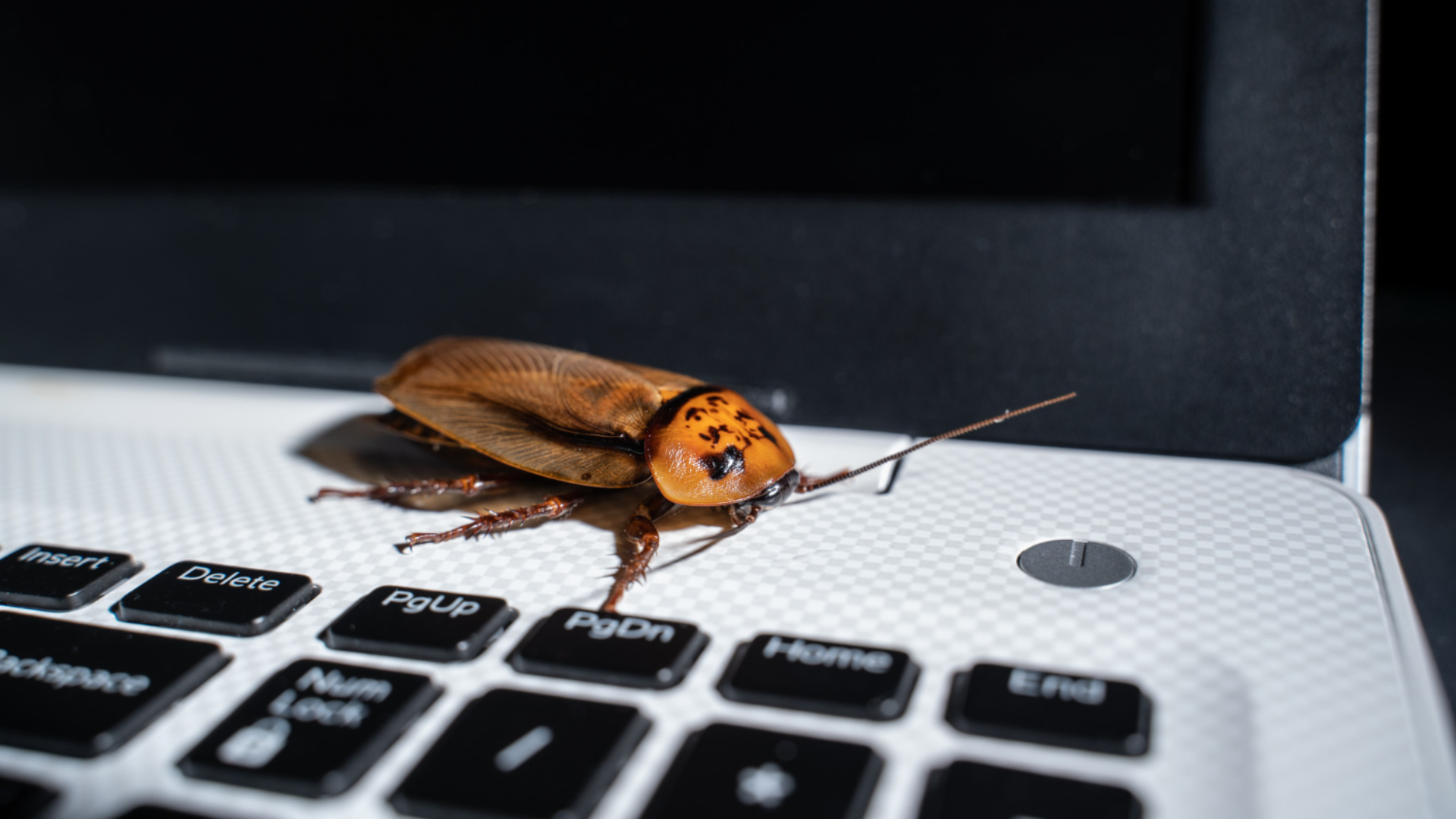
Bio-hybrid robotics system ‘listens’ to cyborg insects for collaborative control
Japanese researchers have unveiled an innovative method for controlling cyborg insects, aiming to enhance the understanding of their behavior and capabilities. This groundbreaking development was announced during a recent conference held in Tokyo, where scientists discussed advancements in bioengineering and robotics. The motivation behind this research stems from the potential applications in environmental monitoring and disaster response, where these engineered insects could play a crucial role in collecting data from hard-to-reach areas. The researchers have integrated electronic components into the insects, allowing for remote control and manipulation of their movements. This process involves sophisticated techniques that blend biology with technology, enabling the insects to be guided through various environments. The team believes that by mastering this control, they can create a new class of biohybrid systems that could revolutionize how we interact with the natural world. As the project progresses, the researchers are optimistic about the implications of their work, which could lead to significant advancements in both ecological research and practical applications in urban planning and emergency management. The findings from this study are expected to be published in a leading scientific journal, further contributing to the growing field of cyborg biology.

A tiny underwater antenna is changing how robots talk in dark, murky seas
University of Florida researchers are advancing underwater communication technology by deploying robots in various aquatic environments, from the shallow shores of Lake Wahlberg to the depths of the ocean. This initiative aims to enhance the robots' ability to communicate effectively in challenging, murky conditions. The project, which began recently, leverages innovative techniques to improve data transmission and interaction among robots operating in diverse water conditions. By refining these communication methods, the researchers hope to facilitate more efficient underwater exploration and data collection, potentially benefiting fields such as marine biology, environmental monitoring, and search and rescue operations.
Robotics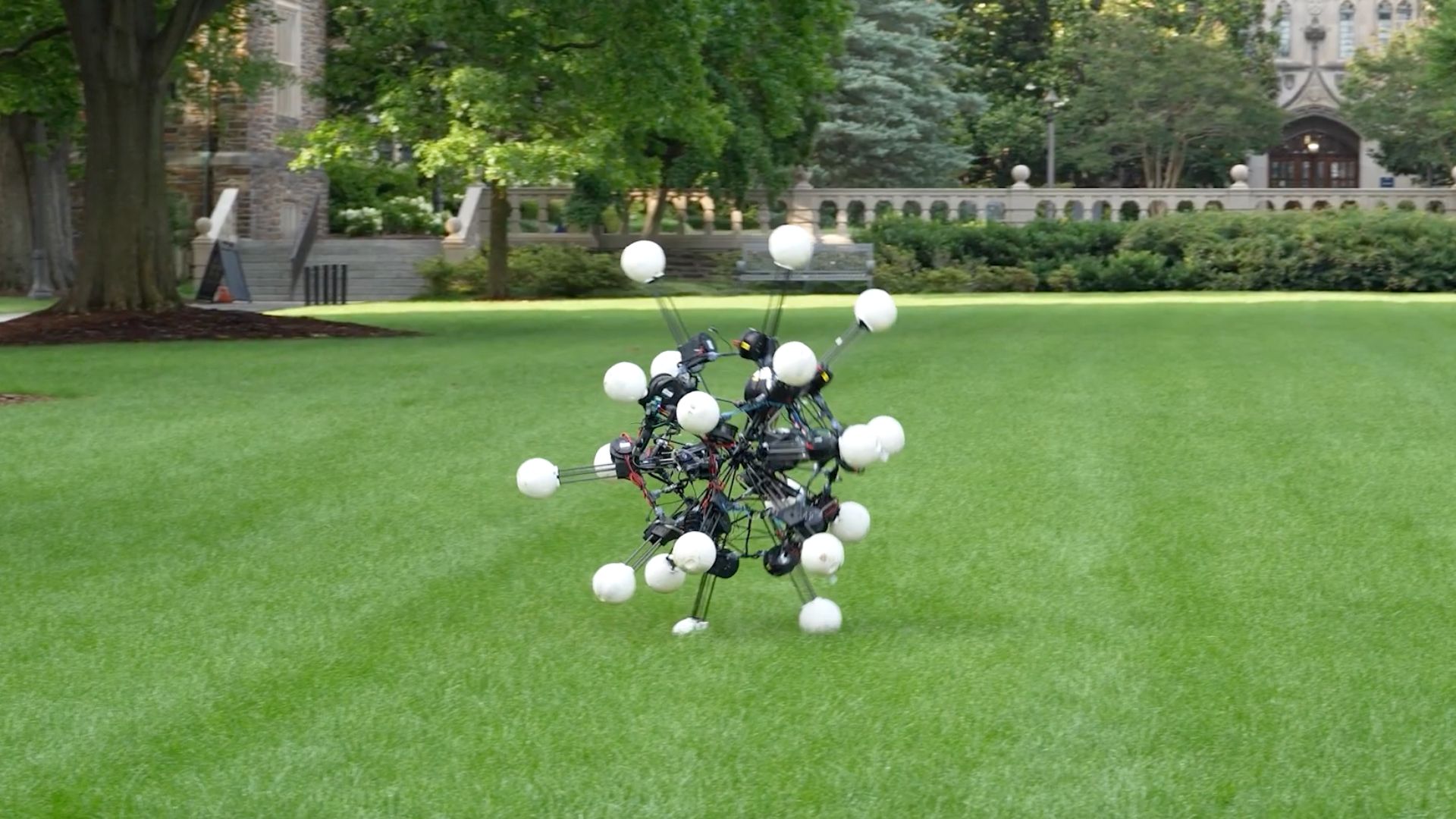
New 20-legged Argus robot redefines robotics with directionless movement design
Researchers at Duke University have unveiled an innovative robotic system that redefines conventional design principles in robotics. This groundbreaking development, announced on October 15, 2023, aims to enhance the adaptability and functionality of robots in various environments. Located in Durham, North Carolina, the team’s work is driven by the need for more versatile robots capable of performing complex tasks in unpredictable settings. The new system employs advanced algorithms and flexible materials, allowing robots to adjust their shapes and movements in real-time based on their surroundings. This adaptability is crucial for applications ranging from search and rescue missions to automated manufacturing processes, where conditions can change rapidly and unpredictably. By integrating insights from biology and engineering, the researchers have created a platform that not only improves the robots' operational efficiency but also reduces the need for extensive reprogramming when faced with new challenges. The implications of this technology extend beyond robotics, potentially influencing fields such as artificial intelligence and materials science. This innovative approach represents a significant step forward in robotic design, promising to enhance the capabilities of machines in both industrial and everyday applications. As the research progresses, the team at Duke University aims to collaborate with industry partners to bring these advancements to practical use, ultimately transforming how robots interact with the world around them.
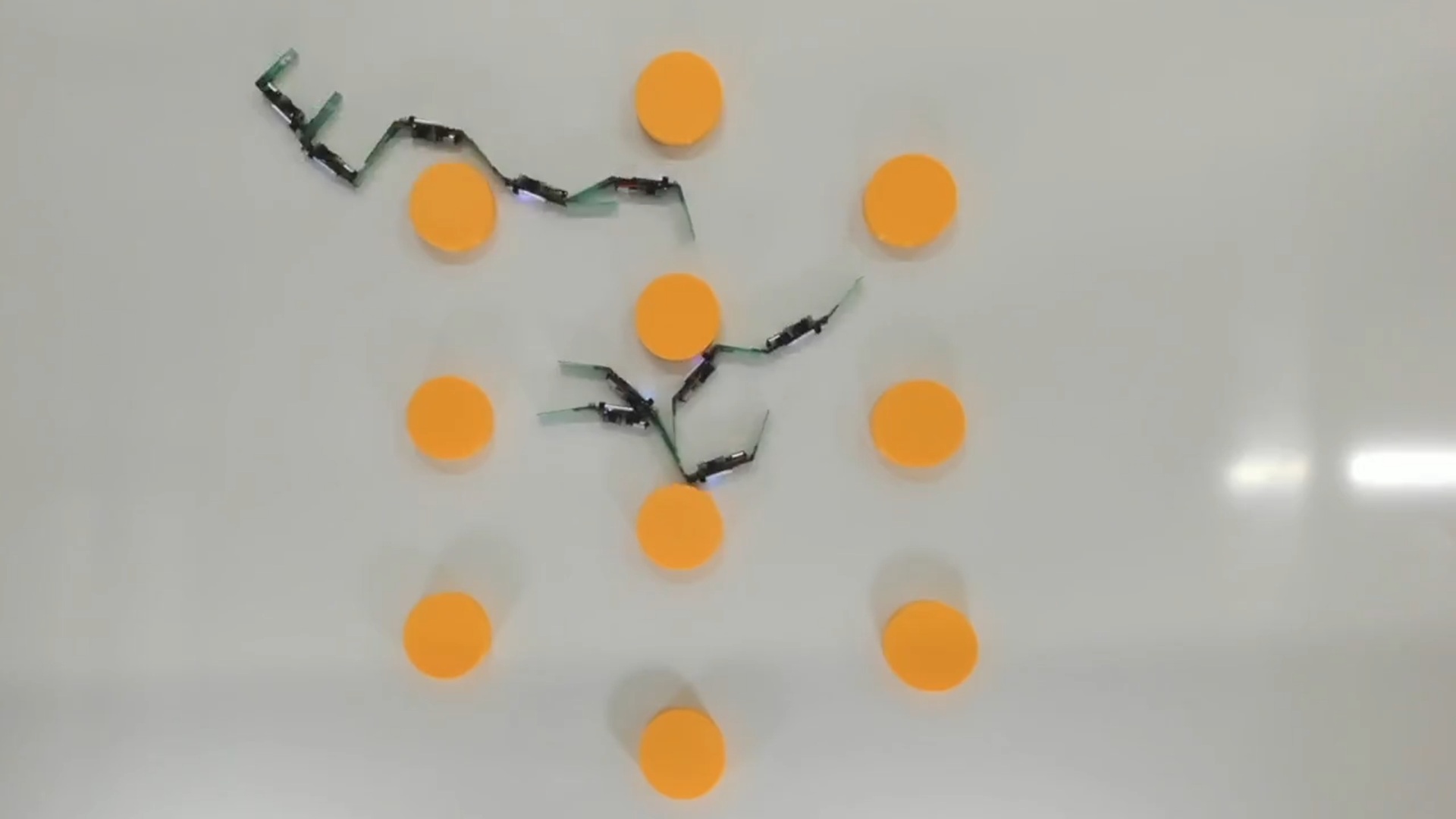
‘Like a flowing material’: Robot swarm uses physics, not commands to self-organize
Engineers at Cornell University have unveiled an innovative robotic system that mimics the behavior of flowing liquids. This groundbreaking development, announced in October 2023, aims to enhance the versatility and adaptability of robots in various applications. By incorporating principles of fluid dynamics, the team has created a robot capable of navigating complex environments with unprecedented ease. The motivation behind this project stems from the desire to improve robotic mobility and functionality, particularly in scenarios where traditional rigid robots struggle. The researchers utilized advanced algorithms and soft materials to enable the robot to change shape and move fluidly, allowing it to overcome obstacles and traverse challenging terrains. This new robotic system has the potential to revolutionize fields such as search and rescue, environmental monitoring, and even medical applications, where flexibility and adaptability are crucial. The team's findings highlight the importance of interdisciplinary approaches in robotics, merging concepts from engineering, biology, and physics to create more efficient and capable machines.

Four from MIT named 2026 Searle Scholars
Computational neuroscientist Sven Dorkenwald and cell biologist Whitney Henry, alongside two alumni from the Massachusetts Institute of Technology (MIT), have been honored for their outstanding contributions to early-career research. This recognition highlights their innovative work in their respective fields, showcasing the impact of their research on advancing scientific understanding. The awards were announced recently, celebrating the achievements of these emerging scholars and their potential to shape future developments in neuroscience and cell biology. Their recognition serves to inspire other young researchers and underscores the importance of fostering talent in the scientific community.
Awards, honors and fellowships Faculty Alumni/ae Research Neuroscience Biology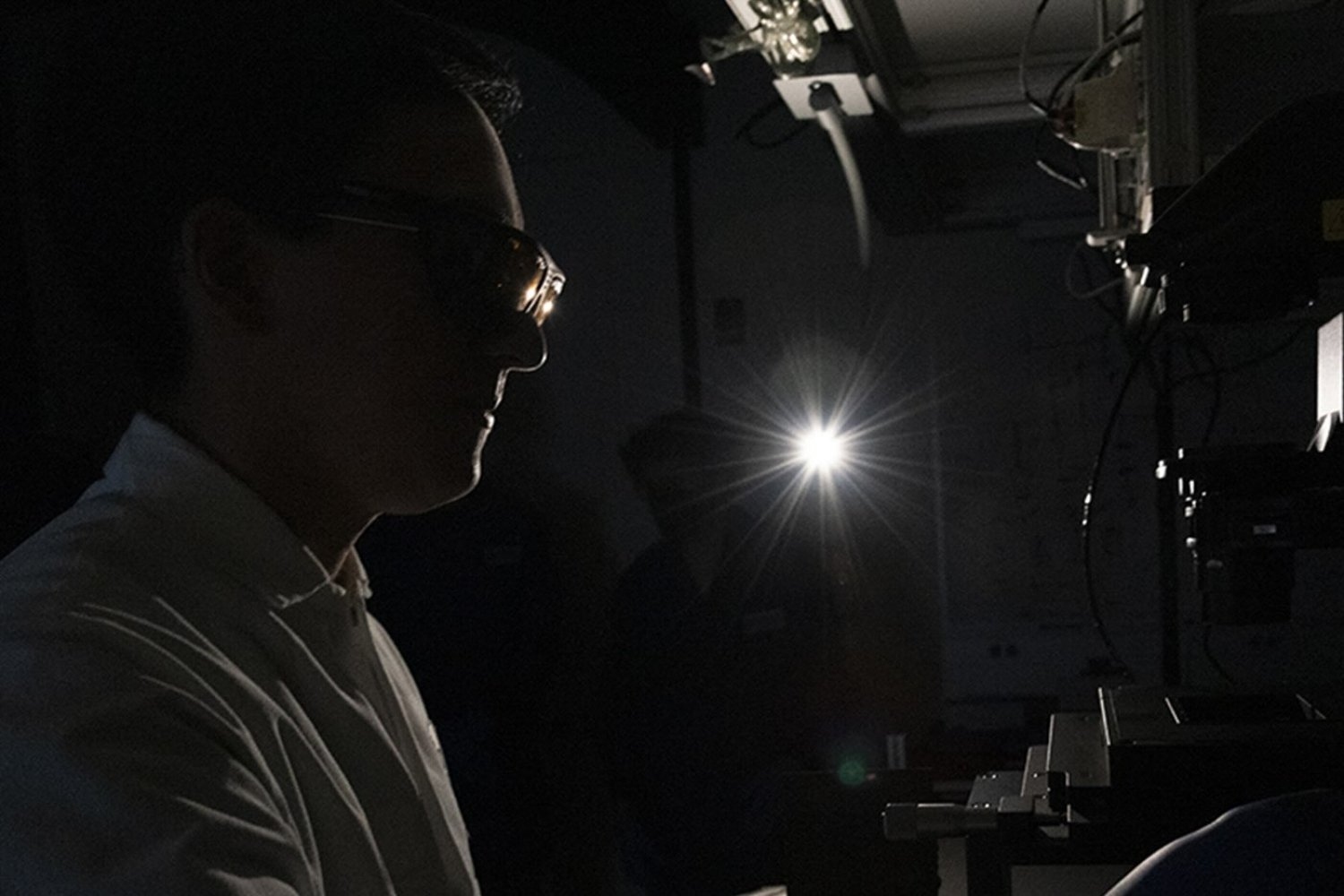
Single-molecule tracker illuminates workings of cancer-related proteins
A team of researchers has developed advanced microscopy and nanotechnology techniques to monitor the activity of individual proteins in real-time. This innovative approach allows scientists to gain unprecedented insights into protein dynamics, which are crucial for understanding various biological processes and diseases. The research, conducted in a state-of-the-art laboratory, aims to enhance the understanding of cellular mechanisms and potentially lead to breakthroughs in medical treatments. By tagging proteins with custom-built nanotechnology, the team can visualize and track their movements and interactions, providing valuable data that could inform future studies in biochemistry and molecular biology. This work represents a significant advancement in the field, promising to deepen our comprehension of life at the molecular level.
Research Proteins Cells Chemistry Imaging Cancer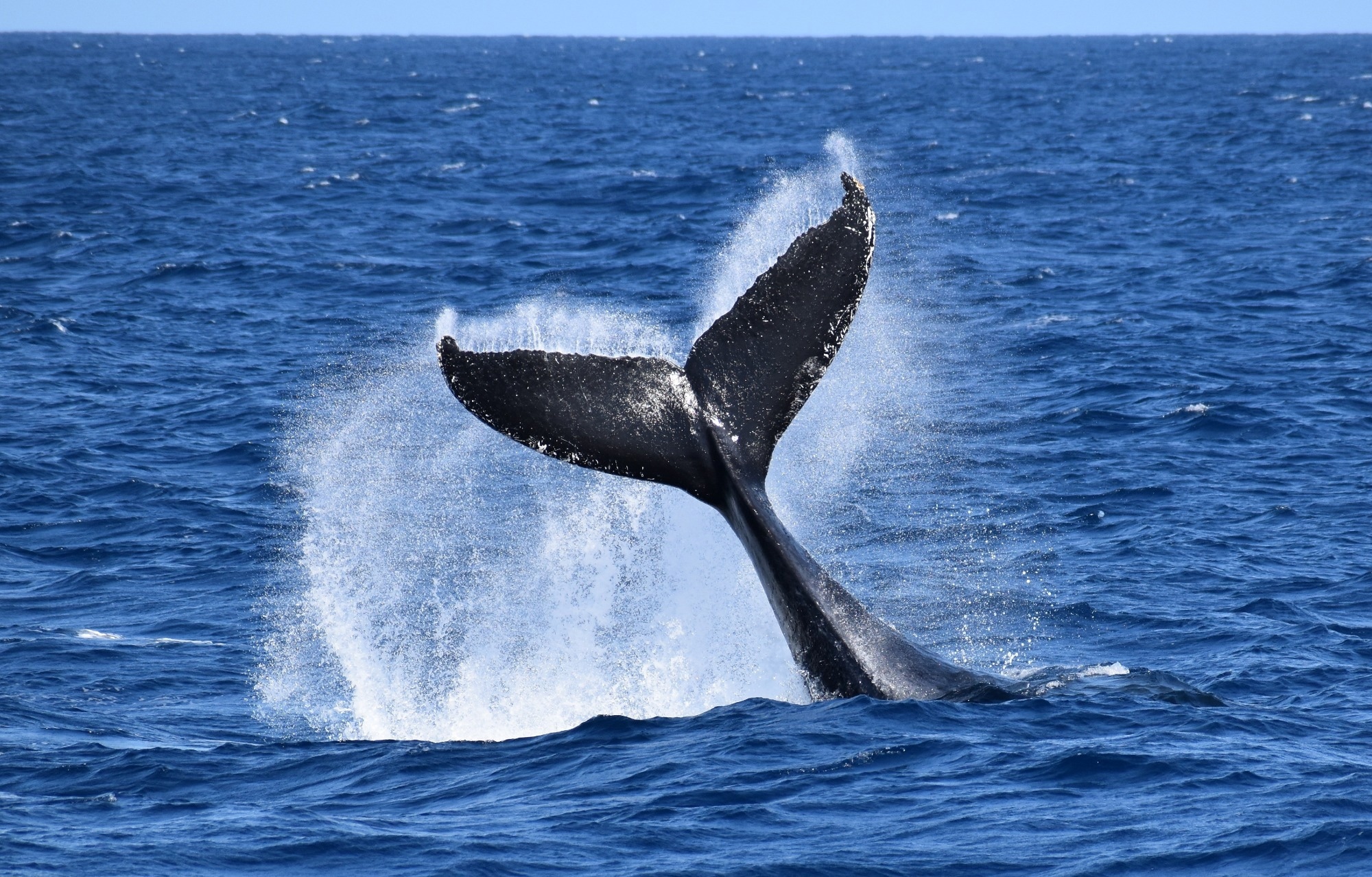
Autonomous Gliders Track Whales Using Acoustic Signals
Researchers have developed a PAM-controlled glider system designed to track sperm whales, enhancing the ability to monitor these marine mammals over extended periods. This innovative system employs real-time acoustic processing, allowing for effective data collection and analysis. The study, which showcases the technology's capabilities, aims to improve understanding of sperm whale behavior and distribution in their natural habitats. By utilizing this advanced monitoring technique, scientists hope to contribute valuable insights into the conservation efforts for these endangered species. The research underscores the importance of integrating technology in marine biology to address challenges in wildlife monitoring and protection.
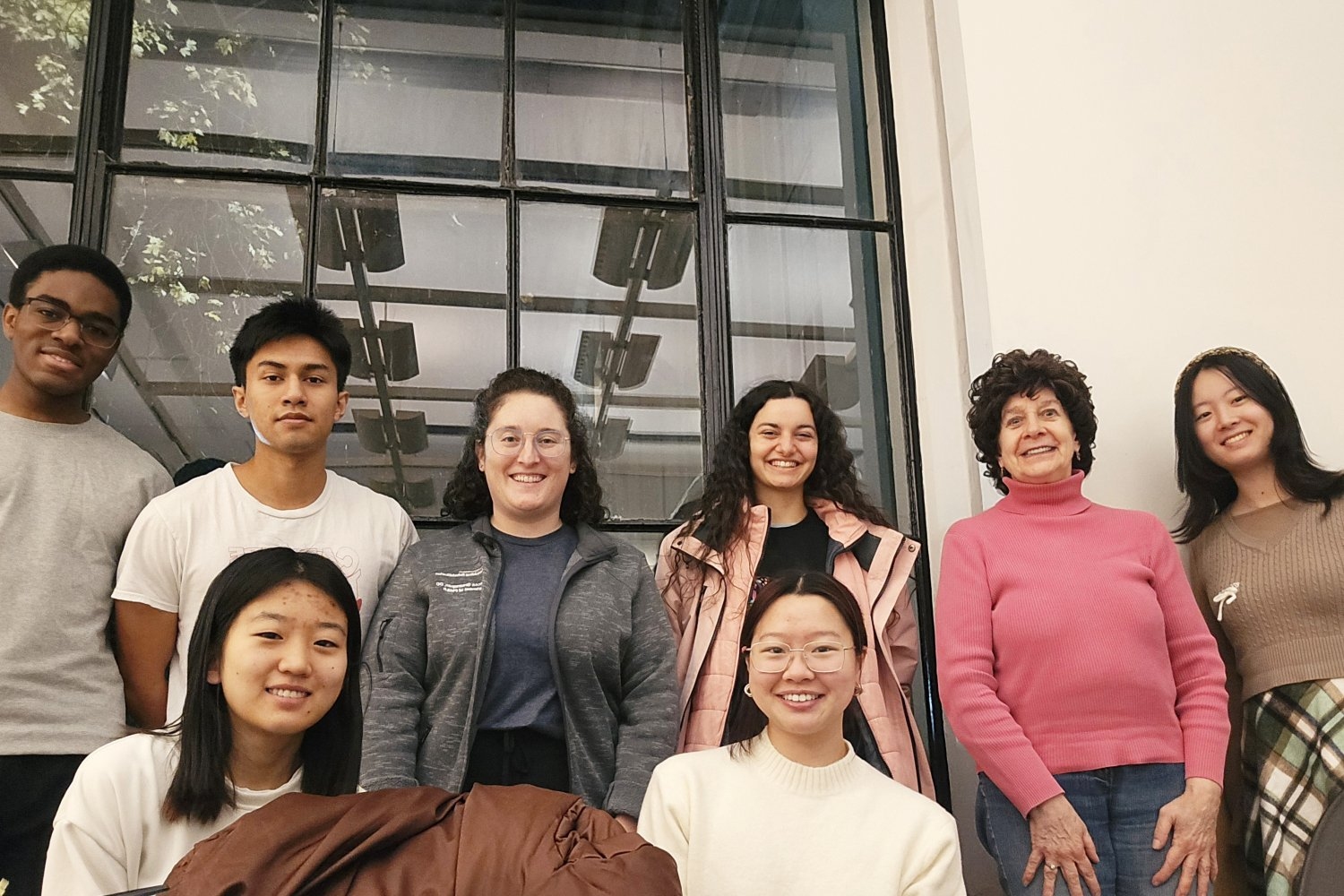
MIT BrainTrust supports neighbors living with brain injuries
Nearly 100 students from the Massachusetts Institute of Technology (MIT) are actively engaged in a buddy program designed to support residents in the Boston area. This initiative, which fosters community connections, aims to provide assistance and companionship to local individuals in need. The program has gained traction as students seek to make a positive impact on their surrounding community while also gaining valuable experiences. Through this collaborative effort, participants are not only helping others but also enhancing their own understanding of the diverse challenges faced by residents in the area. The program reflects MIT's commitment to community service and social responsibility, encouraging students to apply their skills and knowledge in real-world settings.
Clubs and activities Students Alumni/ae Biology Community Student life
Robot Swarm Models Reveal Principles of Cell Organization
MorphoSystem, a pioneering research organization, has developed programmable robot swarms to simulate cell adhesion, a critical process in biological self-organization. This innovative technology provides a controlled environment that allows scientists to study the mechanisms underlying how cells adhere to one another and organize themselves. By utilizing these robotic swarms, researchers aim to gain deeper insights into cellular behaviors that are fundamental to various biological processes. The initiative underscores the intersection of robotics and biology, showcasing how advanced technology can enhance our understanding of complex life systems. This groundbreaking work is expected to contribute significantly to fields such as tissue engineering and regenerative medicine, potentially leading to new therapeutic approaches.

Six from MIT awarded 2026 Paul and Daisy Soros Fellowships for New Americans
A new fellowship has been established to recognize and support the contributions of immigrants to American society by providing $90,000 in funding for graduate studies. This initiative aims to highlight the vital role that immigrants play in various sectors and to encourage further academic pursuits among this demographic. The fellowship will be available to eligible candidates starting in the upcoming academic year, with applications opening next month. By investing in the education of immigrant students, the program seeks to foster a more inclusive and diverse academic environment, ultimately benefiting the broader community. The funding will assist recipients in covering tuition and related expenses, enabling them to focus on their studies and future contributions to society.
Awards, honors and fellowships Students Graduate, postdoctoral Alumni/ae Immigration Biology
Robot Talk Episode 147 – Miniature living robots, with Maria Guix
In a recent discussion, Claire spoke with Maria Guix, a chemist and nanotechnology researcher at the University of Barcelona, about the innovative field of biohybrid robots. This conversation highlighted Guix's work in the ChemInFlow lab, where she focuses on merging electronics with biological components to develop miniaturized living robots. These biohybrid robots possess emergent properties that could enhance their functionality and adaptability. Guix is also integrating flexible sensors into microfluidic platforms, a process aimed at advancing the understanding of these robotic systems. The research is significant as it explores the intersection of biology and technology, potentially leading to breakthroughs in robotics and bioengineering.
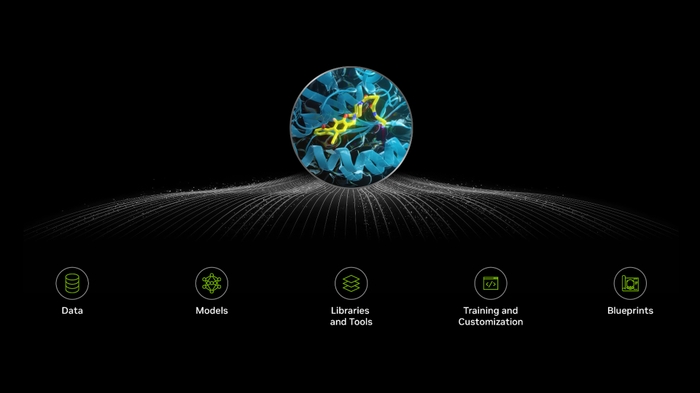
NVIDIA BioNeMo Platform Adopted by Life Sciences Leaders to Accelerate AI-Driven Drug Discovery
NVIDIA has unveiled a significant expansion of its BioNeMo™ platform, an open development system designed to facilitate lab-in-the-loop workflows aimed at advancing AI-driven biology and drug discovery. This announcement was made today, reflecting NVIDIA's commitment to enhancing research capabilities in the life sciences sector. By integrating AI technologies with biological research, the platform aims to streamline the drug discovery process, allowing scientists to leverage advanced computational tools to accelerate their findings. The expansion is expected to foster collaboration among researchers and institutions, ultimately driving innovation in the field of biotechnology.
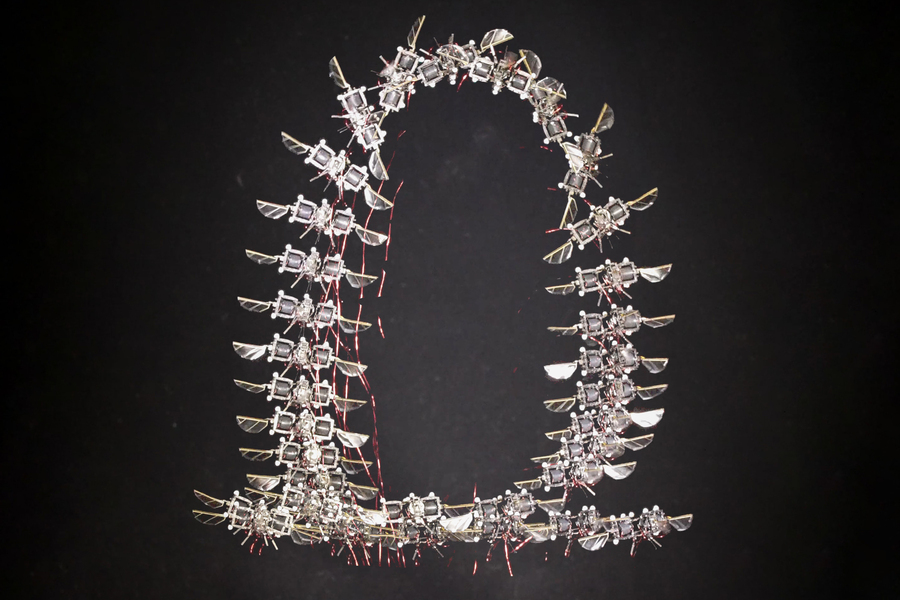
MIT engineers design an aerial microrobot that can fly as fast as a bumblebee
Researchers have developed a tiny robot that mimics the speed and agility of insects, with the potential to assist in search-and-rescue missions. This innovative technology, unveiled in October 2023, aims to enhance emergency response efforts by navigating through challenging environments where traditional rescue methods may falter. The robot's design incorporates advanced mechanics and sensors, enabling it to maneuver quickly and efficiently in tight spaces, such as collapsed buildings or disaster-stricken areas. By leveraging the natural movement patterns of insects, the team hopes to create a reliable tool that can locate survivors and deliver essential supplies in critical situations. This breakthrough represents a significant advancement in robotics, combining engineering and biology to address urgent humanitarian needs.

This AI finds simple rules where humans see only chaos
Researchers at Duke University have developed a groundbreaking artificial intelligence system capable of distilling complex systems into simple, readable rules. This innovative AI analyzes the evolution of various systems over time, effectively condensing thousands of variables into concise equations that accurately reflect real-world behavior. The technology has broad applications across multiple fields, including physics, engineering, climate science, and biology. By providing a clearer understanding of systems where traditional equations are either absent or overly complicated, this new method aims to enhance scientific comprehension and facilitate advancements in these disciplines.
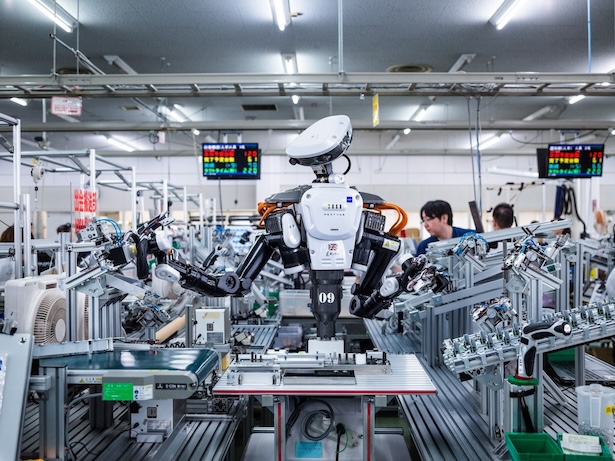
While Musk Dreams of a Cyborg Future, BrainCo Delivers Today
In a recent video that gained traction in the tech community, Elon Musk outlined an ambitious vision for 2025, showcasing a future where Neuralink's advanced technology integrates with Optimus humanoid robots to restore lost limbs. This concept, which blurs the lines between science fiction and reality, captivated viewers, including Cicy Zhang, who watched the presentation from her office in China. Musk's proposal highlights the potential of merging artificial intelligence with human biology, aiming to revolutionize medical treatments and enhance the quality of life for individuals with disabilities. The initiative reflects Musk's ongoing commitment to pushing the boundaries of technology and innovation.
On the Cusp Features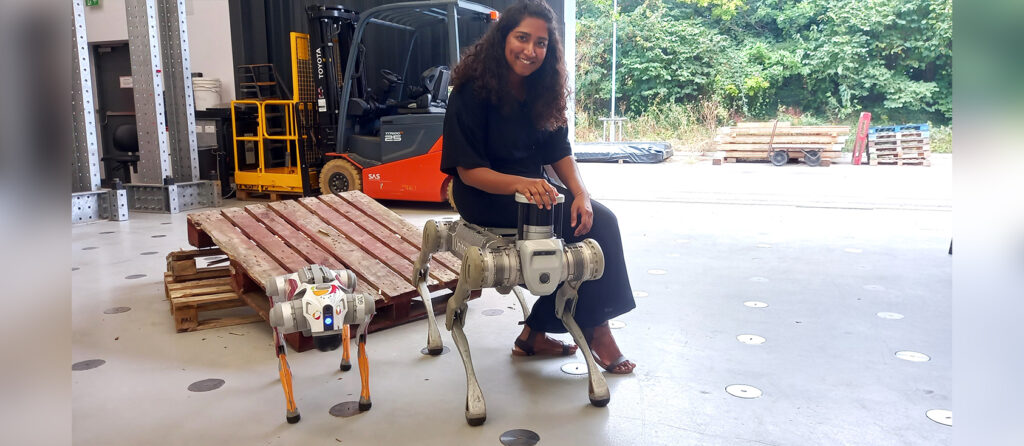
Robot Talk Episode 135 – Robot anatomy and design, with Chapa Sirithunge
Claire recently engaged in a conversation with Chapa Sirithunge, a Marie Sklodowska-Curie fellow in robotics at the University of Cambridge, to explore the insights that robotics can provide regarding human anatomy. Sirithunge, who holds both an undergraduate degree and a PhD in Electrical Engineering from the University of Moratuwa, discussed the reciprocal relationship between robotics and human biology. This dialogue highlights the potential for advancements in robotics to enhance our understanding of anatomical structures and functions, while also emphasizing how knowledge of human anatomy can inform the design and functionality of robotic systems. The discussion underscores the importance of interdisciplinary collaboration in advancing both fields, particularly in the context of ongoing research and innovation at the University of Cambridge.

Robot Talk Episode 129 – Automating museum experiments, with Yuen Ting Chan
Claire recently engaged in a discussion with Yuen Ting Chan, a seasoned expert from the Natural History Museum, regarding the innovative use of robots in automating molecular biology experiments. With nearly two decades of experience in translating and optimizing laboratory protocols across various fields, including DNA forensics and biomedicine, Chan has been at the forefront of integrating automation into molecular laboratories for over 12 years. This advancement aims to enhance efficiency and accuracy in laboratory processes, ultimately transforming the way scientific research is conducted. Chan's insights shed light on the significant impact of robotics in streamlining complex experiments, thereby facilitating more rapid and reliable results in the ever-evolving landscape of molecular biology.
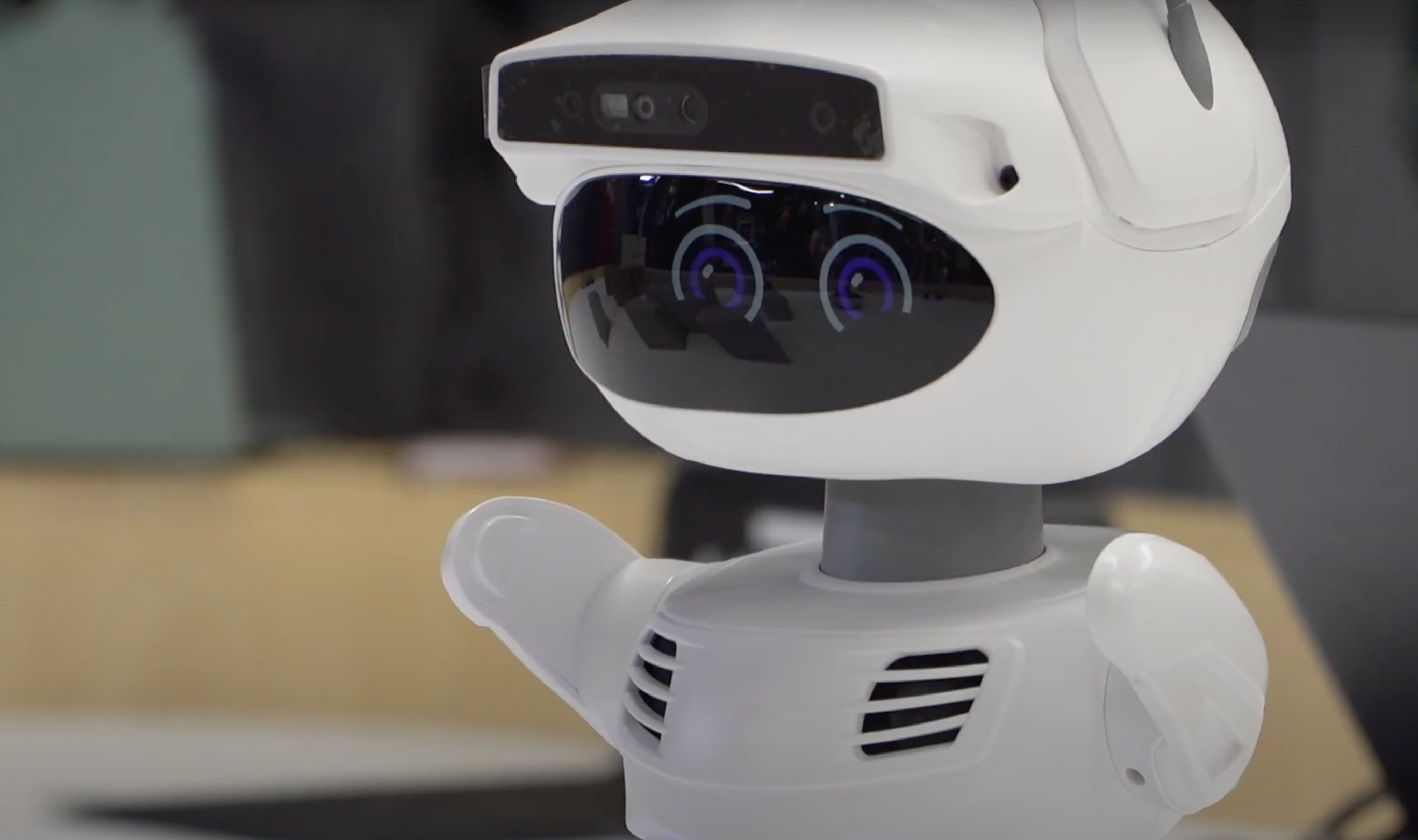
Interdisciplinary Collaboration: A Look Into the AI Maker Space
At Carnegie Mellon University, the AI Maker Space is fostering interdisciplinary collaboration among students from various fields. Manager Greg Armstrong and student worker Leonardo Mouta are actively engaged in calibrating robots, exemplifying the hands-on learning environment that encourages creativity and innovation. Within this dynamic space, students from biology, computer science, business, and the arts come together to share ideas and work on projects, driven by a shared curiosity. This collaborative atmosphere not only enhances learning but also promotes the integration of diverse perspectives in problem-solving. The AI Maker Space serves as a hub for students to explore and develop their skills in a supportive and interactive setting.
Research RI Life