Industry Briefing
A single destination for timely, editor-curated robotics news from around the world.

Advanced Battery Technology Enhances Performance for Autonomous Vehicles and Robotics
Recent advancements in battery technology are enabling intelligent machines to operate continuously, enhancing performance and efficiency. This technology is specifically designed for applications in autonomous vehicles, robotics, satellites, and drones, allowing for longer life and improved operational capabilities under high-demand conditions. The significance of these developments lies in their potential to transform various industries by supporting the growing demand for reliable and efficient power sources. As intelligent machines become more prevalent, the ability to sustain high-performance operations is crucial for sectors such as transportation, logistics, and aerospace. Looking ahead, stakeholders should monitor the integration of these advanced battery systems into existing platforms and the emergence of new applications. No further timeline was disclosed at the time of publication.

Tesla (TSLA): Top 10 Battery Technology Stock To Buy
A recent incident involving a major technology firm has raised concerns about data security and privacy. On October 15, 2023, a cybersecurity breach was reported by TechCorp, a leading player in the software industry, affecting millions of users worldwide. The breach, which occurred due to a vulnerability in their system, has prompted an urgent response from the company to mitigate potential risks. In the wake of the incident, TechCorp has initiated a comprehensive investigation to determine the extent of the breach and to safeguard user data. The company is working closely with cybersecurity experts and law enforcement agencies to address the situation and prevent future occurrences. This breach has sparked a broader discussion about the importance of robust cybersecurity measures in the tech industry, as consumers increasingly rely on digital services. TechCorp's leadership has emphasized their commitment to transparency and accountability, assuring users that they are taking all necessary steps to rectify the situation and enhance their security protocols moving forward. As the investigation unfolds, users are advised to monitor their accounts for any suspicious activity and to change their passwords as a precautionary measure. The incident serves as a reminder of the ongoing challenges faced by companies in protecting sensitive information in an increasingly digital world.
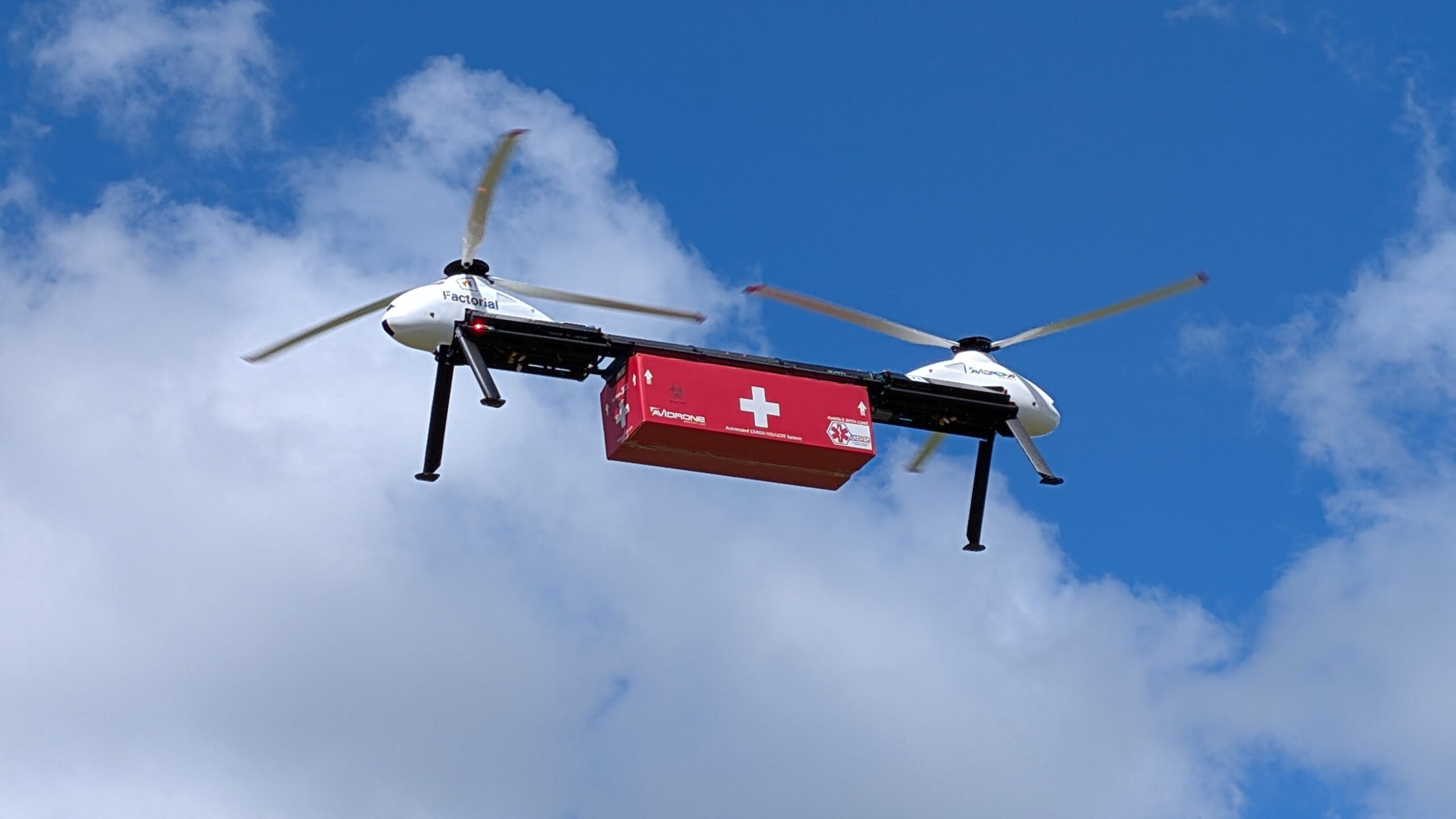
The Drone Industry’s Battery Problem Has a New Challenger
Factorial Energy, a battery technology company, has announced new partnerships aimed at enhancing drone performance through the integration of next-generation solid-state batteries. These collaborations span across the United States, Europe, and the Asia-Pacific region, focusing on improving drone endurance, power, and cold-weather capabilities for both commercial and defense applications. By leveraging advanced battery technology, Factorial seeks to address the ongoing challenges faced by the drone industry, particularly in terms of battery efficiency and reliability. The initiative reflects a growing recognition of the importance of innovative battery solutions in advancing drone technology and expanding its potential uses in various sectors.
Applications battery technology Defense Drone News Drone News Feeds News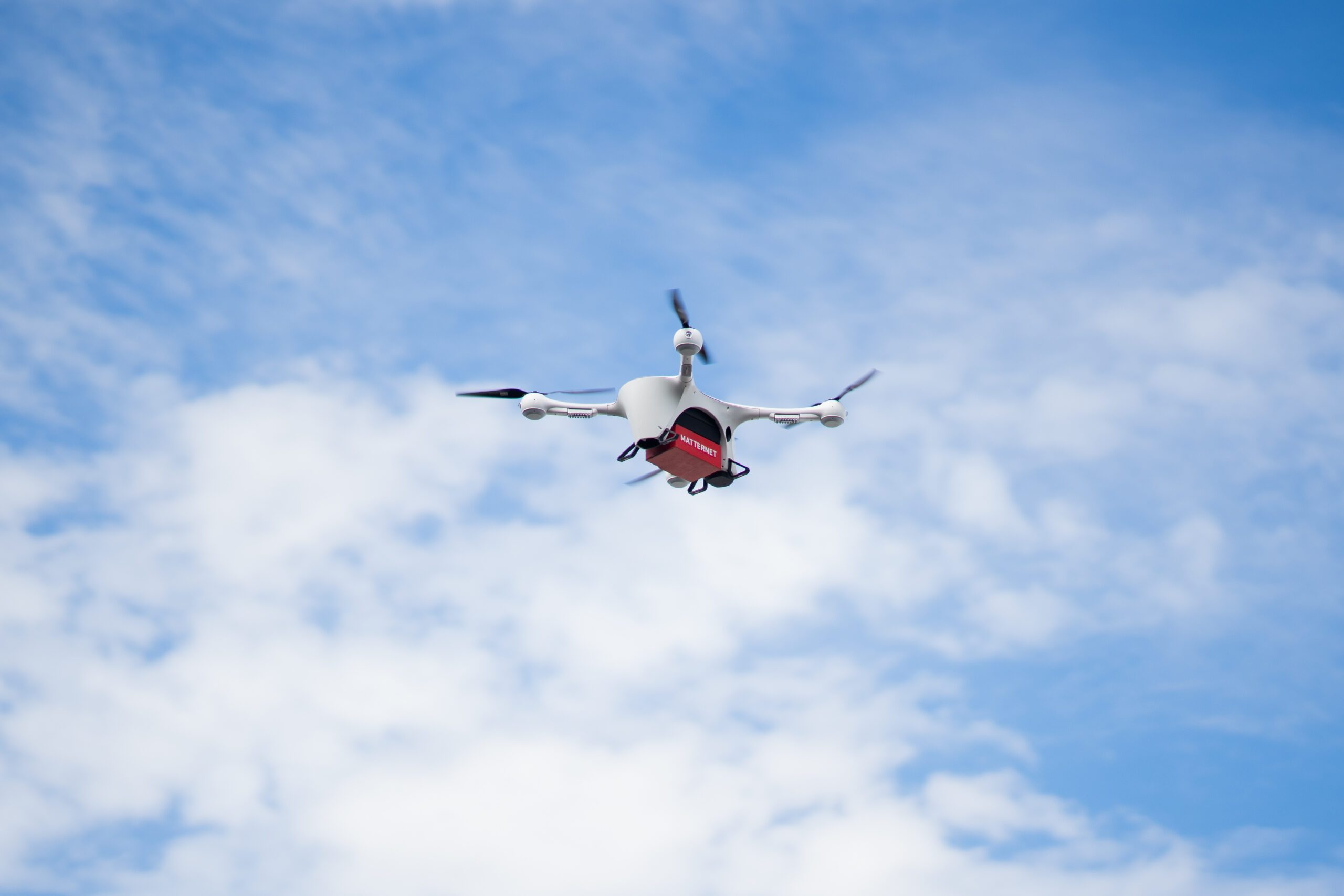
Amprius and Matternet Expand Drone Delivery Battery Partnership
Amprius Technologies, a battery manufacturer, has partnered with drone delivery company Matternet to enhance the performance of commercial drone operations. This collaboration focuses on utilizing Amprius's advanced silicon anode lithium-ion cells, which are designed to improve the range, charging time, and overall delivery efficiency of drones. The partnership aims to address the growing demand for more efficient and reliable drone delivery systems, reflecting the increasing significance of drone technology in logistics and transportation. The announcement was made recently, highlighting the companies' commitment to advancing battery technology for the future of commercial drone services.
Applications Delivery News Amprius autonomous delivery battery energy density
New ceramic solid-state battery for military, aerospace tech survives 302°F heat
A research team from Tsinghua University in China has successfully developed a compact, all-ceramic solid-state lithium-ion battery. This innovative battery design aims to enhance safety and efficiency in energy storage solutions. The announcement was made recently, highlighting the potential of this technology to address common issues associated with traditional lithium-ion batteries, such as flammability and limited lifespan. By utilizing an all-ceramic structure, the researchers believe they can significantly improve the performance and stability of batteries, making them more suitable for various applications, including electric vehicles and portable electronics. The team's work represents a significant advancement in battery technology, driven by the growing demand for safer and more efficient energy storage options in an increasingly electrified world.
Energy
Six battery storage projects bring 23 MW capacity and $90M savings to Massachusetts
Lightshift Energy has announced plans to expand its operations in Massachusetts by adding six new battery energy storage projects. This initiative aims to enhance the state's energy infrastructure and support the growing demand for renewable energy solutions. The projects are set to be developed over the coming months, with specific locations yet to be disclosed. The expansion is part of Lightshift Energy's broader strategy to contribute to the transition towards cleaner energy sources and to help stabilize the power grid. By incorporating advanced battery technology, the company seeks to improve energy storage capacity, allowing for better management of energy supply and demand. This move aligns with Massachusetts' commitment to increasing renewable energy usage and reducing carbon emissions.
Energy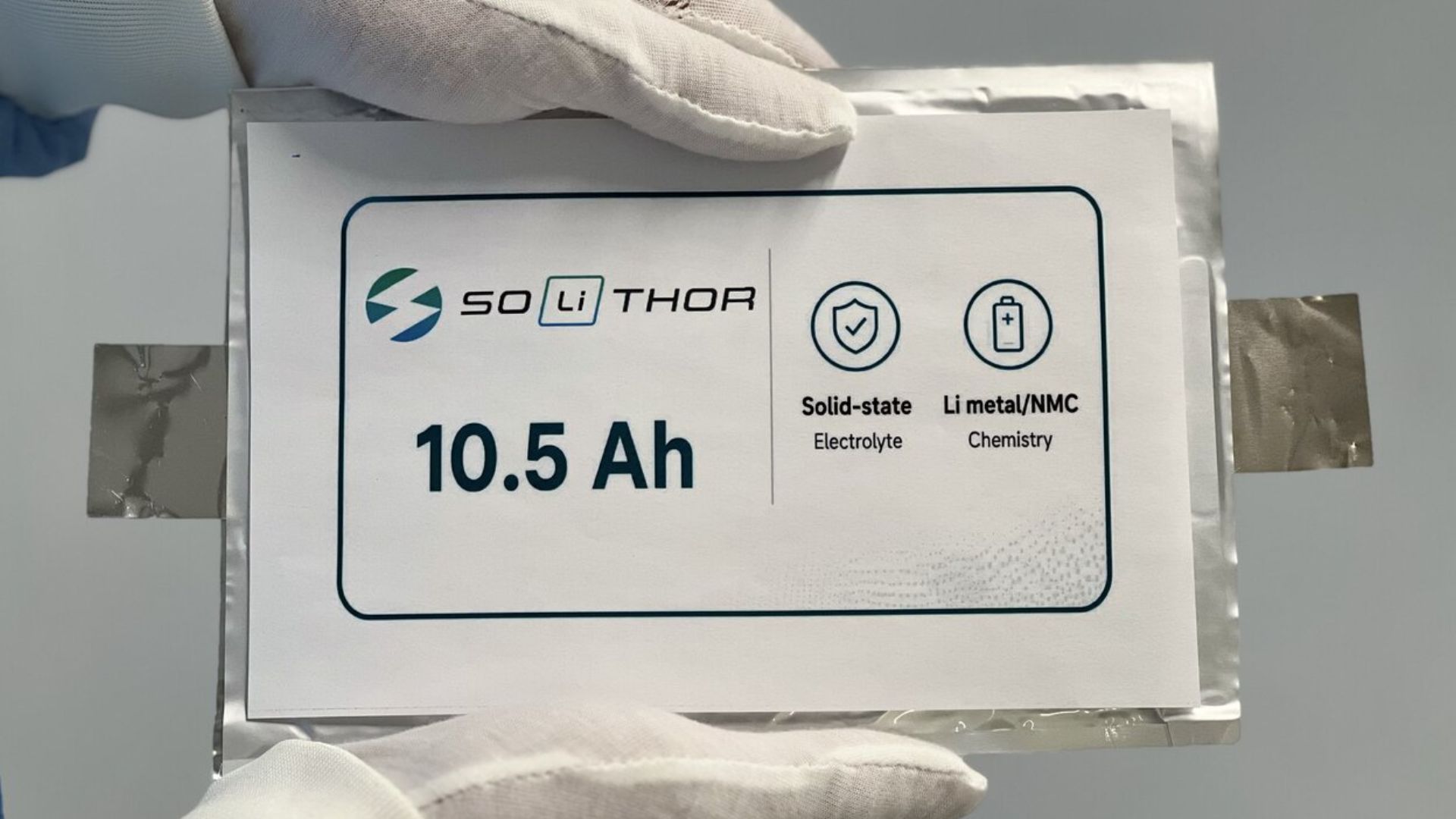
Solid-state battery cell hits 465 Wh/kg density, targets aerospace and defense applications
European battery startup SOLiTHOR has successfully produced its first 10 Ah demonstration cell, showcasing a significant advancement in battery technology. This milestone was achieved recently at their facility in Europe, where the company aims to enhance energy storage solutions. The development of this demonstration cell is part of SOLiTHOR's broader mission to address the growing demand for efficient and sustainable battery systems, particularly in the context of the electric vehicle market and renewable energy storage. By utilizing innovative manufacturing processes and cutting-edge materials, SOLiTHOR is positioning itself as a key player in the competitive battery industry, striving to contribute to a greener future.
Energy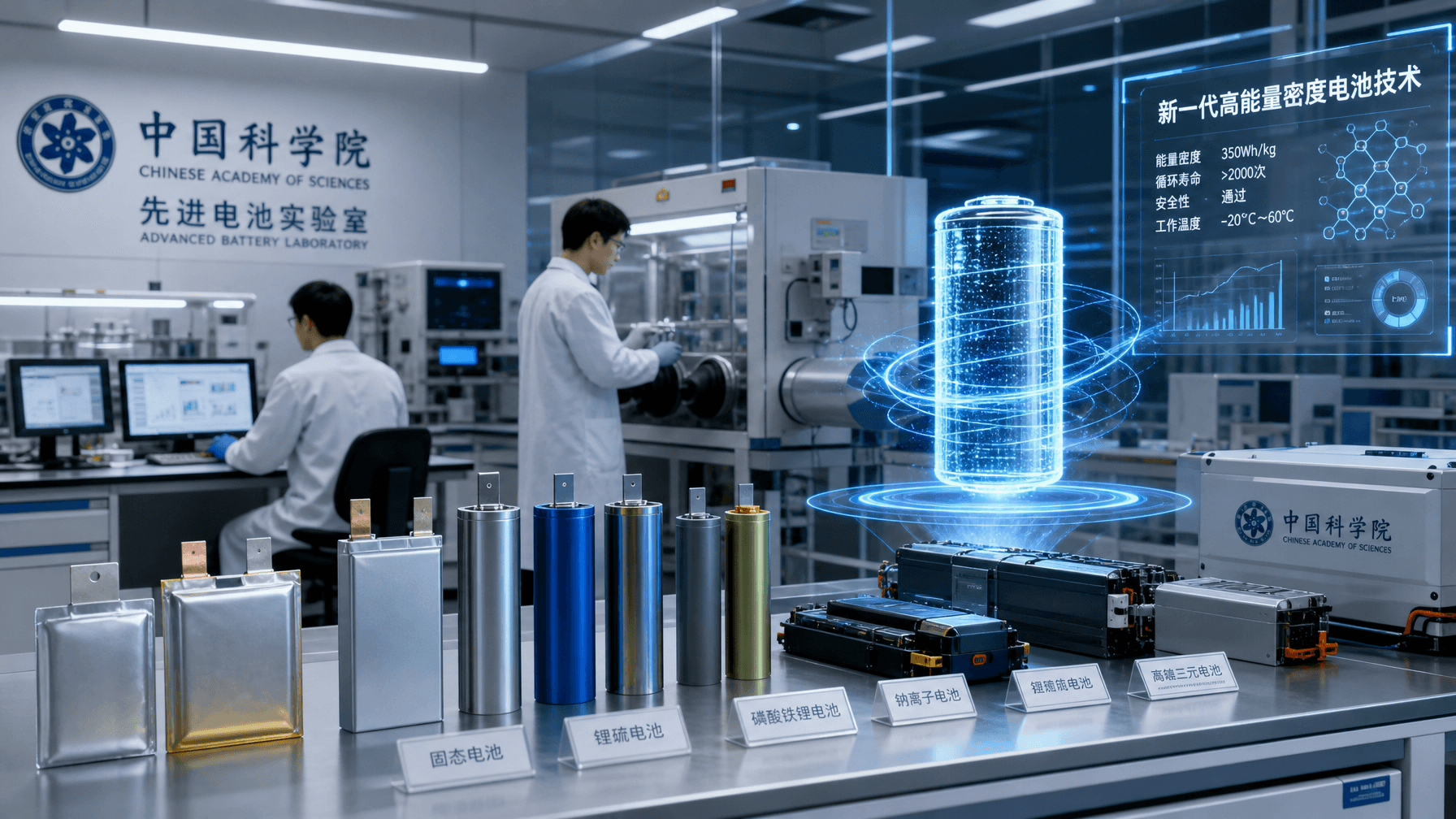
Beyond the Solid-State Battery Myth: CAS Breaks Through on Multiple Fronts in 2026
In spring 2026, the Chinese Academy of Sciences announced significant advancements in battery technology, showcasing breakthroughs in several areas including black phosphorus fast-charging, safe sodium-ion batteries, solid-state batteries, and hydrogen storage systems. These innovations aim to enhance energy storage solutions, addressing the growing demand for efficient and safe battery technologies in various applications. The developments reflect ongoing research efforts to improve energy efficiency and sustainability, positioning China at the forefront of battery technology advancements. The academy's work is expected to have a substantial impact on industries reliant on advanced energy storage, potentially transforming the landscape of electric vehicles and renewable energy systems.
Technology
Chamsen Debuts at CIBF 2026 with All-Pole Tech for High-Performance Battery Track
Chamsen, a lithium battery startup established in 2024 in Changzhou, is making its debut at the China International Battery Fair (CIBF) 2026. The company aims to address the structural supply-demand mismatch in all-pole lithium batteries, which are essential for applications in drones, humanoid robots, and data center battery backup units (BBUs). By showcasing its innovative solutions at this prominent industry event, Chamsen seeks to position itself as a key player in the rapidly evolving battery technology market.
Technology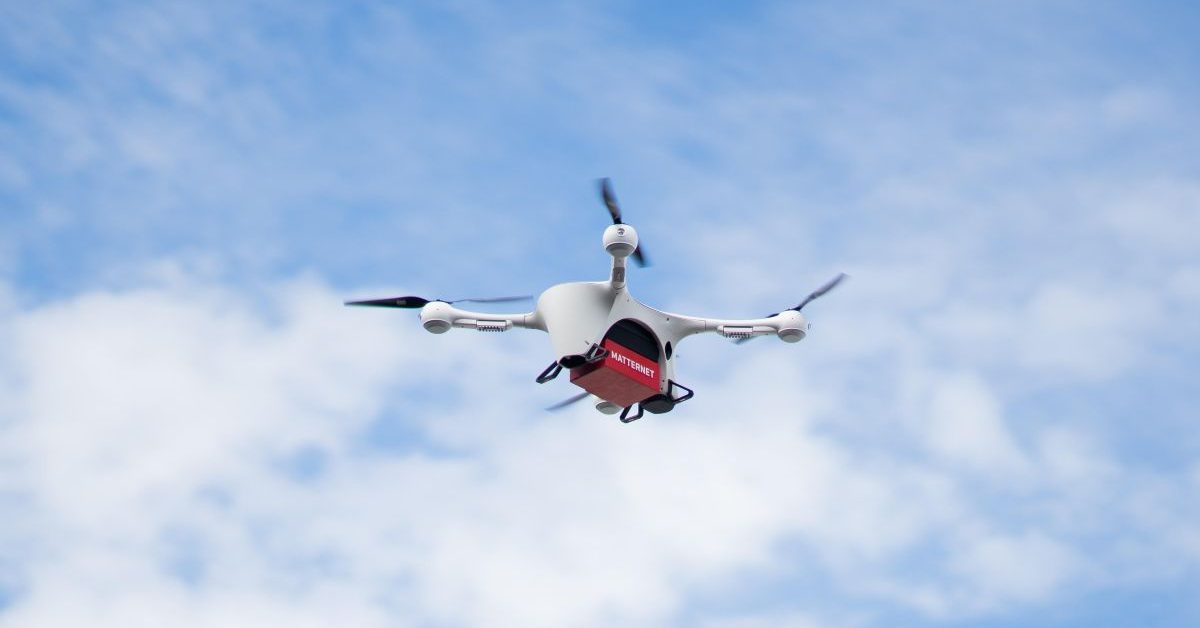
Matternet expands drone delivery range with Amprius battery tech
As drone delivery companies strive to broaden their reach in American cities, the importance of battery technology has come to the forefront. Matternet, a prominent player in the drone delivery sector, has announced a partnership with Amprius Technologies to enhance the capabilities of autonomous aerial delivery systems. The collaboration focuses on developing advanced silicon-anode battery cells, which are expected to significantly improve the range, efficiency, and cost-effectiveness of drone operations. This initiative highlights the critical role that battery advancements play in the future of drone logistics, as companies seek to meet growing consumer demands for faster and more reliable delivery services.
News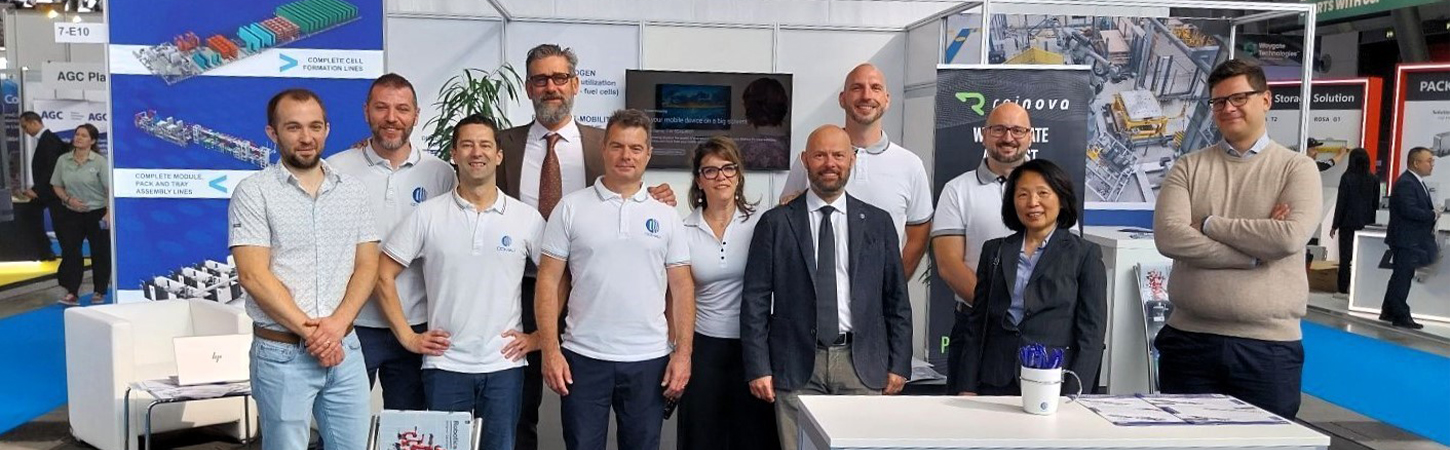
Comau to display its cell formation and new e-mobility solutions at the Battery Show Stuttgart
Comau showcased its innovative cell formation and e-mobility solutions at the Battery Show held in Stuttgart, Germany. The event took place recently, attracting industry leaders and stakeholders interested in advancements in battery technology and electric mobility. Comau's participation highlights the company's commitment to enhancing production processes and supporting the growing demand for sustainable energy solutions. By presenting its latest technologies, Comau aims to demonstrate how its automation and robotics expertise can streamline battery manufacturing, ultimately contributing to the transition towards greener transportation options. The exhibition provided a platform for networking and collaboration among key players in the battery and automotive sectors, emphasizing the importance of innovation in meeting future energy needs.

Factorial Energy and Tulip Tech Achieve 30% Flight Range Increase with Solid-State Batteries
Factorial Energy, based in Boston, and Tulip Tech from the Netherlands have transitioned from flight testing to the commercialization of lithium-metal UAV battery packs. Announced on July 13, 2026, their strategic partnership aims to expedite the deployment of solid-state and lithium-metal batteries for advanced drones, with initial tests showing over a 30% increase in flight range without engineering optimizations. This collaboration is significant as it addresses the growing demand for high-endurance UAVs across commercial, industrial, and defense sectors, with the global UAV market projected to exceed $160 billion by 2034. Factorial emphasizes that energy storage is a critical bottleneck affecting mission radius, payload, and fleet economics, making their advancements crucial for future drone capabilities. Looking ahead, the partnership establishes a framework for joint customer engagement and a roadmap for volume production. No further timeline was disclosed at the time of publication, but the companies are moving swiftly from testing to commercialization, indicating a strong potential for future developments in UAV battery technology.
battery technology Drone News Drone News Feeds drone parts News $160 billion UAV market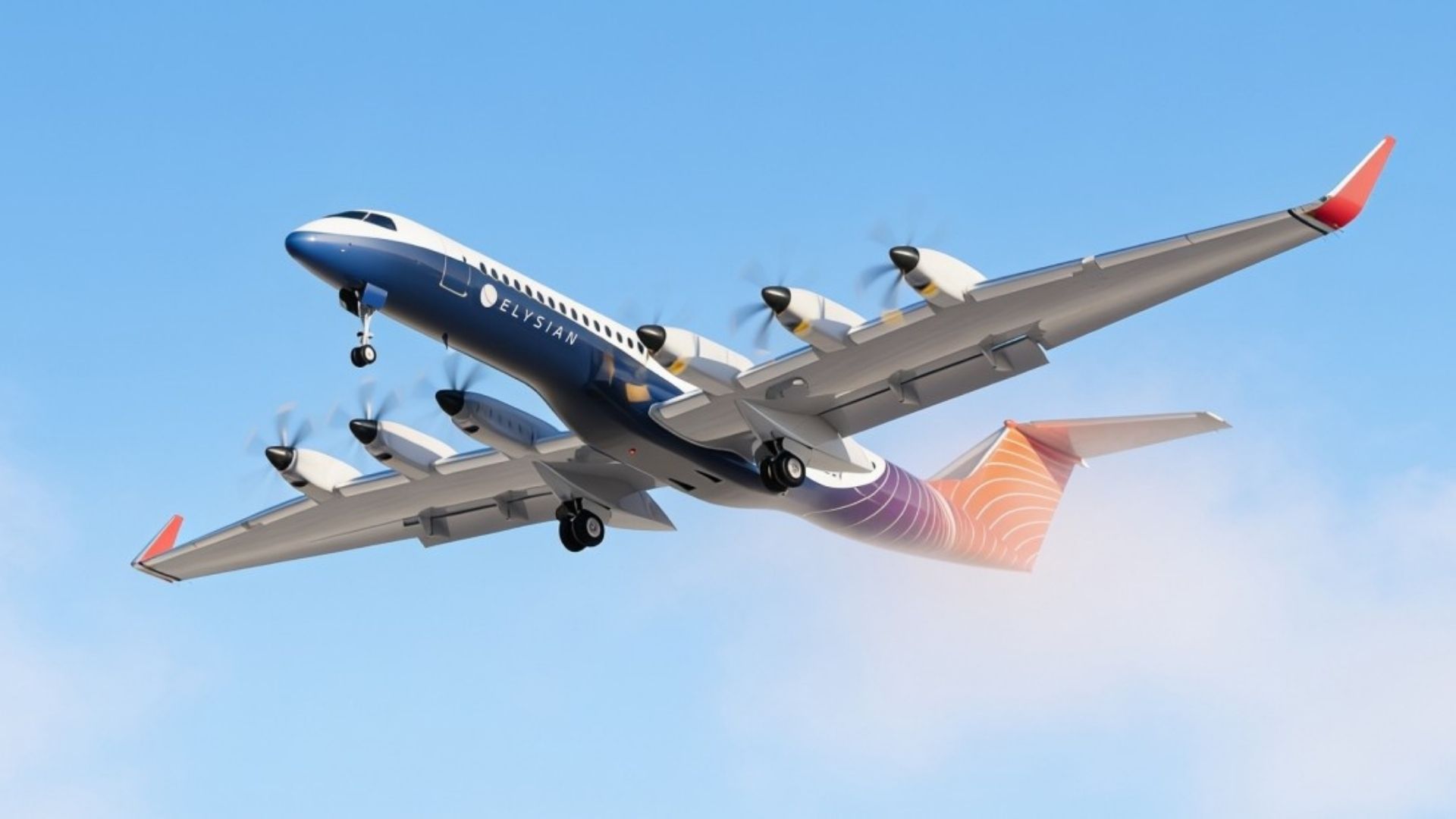
Next-gen ceramic aircraft batteries could enable 621-mile electric flights
Taiwanese battery manufacturer ProLogium has partnered with Dutch aerospace firm Elysian Aircraft by signing a Memorandum of Understanding aimed at developing advanced battery technology for electric aircraft. The agreement, finalized recently, marks a significant step towards enhancing the sustainability and efficiency of air travel. By combining ProLogium's expertise in solid-state battery technology with Elysian's innovative aircraft designs, the collaboration seeks to address the growing demand for eco-friendly aviation solutions. This initiative is part of a broader effort to reduce carbon emissions in the aerospace industry, aligning with global sustainability goals. The partnership is expected to leverage both companies' strengths to create safer, lighter, and more efficient battery systems that could revolutionize the electric aviation sector.
Energy
Is Tesla, Inc. (TSLA) A Good Stock To Buy Now?
Tesla, Inc. is currently a focal point for investors, with a recent bullish analysis by Gannon Capital highlighting its potential as more than just an electric vehicle manufacturer. As of June 12, 2026, Tesla's shares were trading at $406.43, with trailing and forward price-to-earnings ratios of 372.87 and 196.08, respectively. The company, which designs and sells electric vehicles and energy systems globally, is positioning itself as a leader in artificial intelligence, robotics, and autonomous transportation. Tesla's automotive division not only generates significant revenue but also serves as a data-collection network that supports its ambitions in Full Self-Driving technology and other innovations. The company has established competitive advantages through vertical integration, proprietary battery technology, and a global Supercharger network. With over five million connected vehicles, Tesla continuously collects real-world driving data, which is crucial for its autonomous driving initiatives. Financially, Tesla reported nearly $95 billion in revenue for 2025 and holds over $44 billion in cash, enabling substantial investments in AI and robotics. The bullish thesis suggests that successful commercialization of autonomous technology and the scaling of its Optimus robot could transform Tesla into a high-margin platform business, significantly enhancing profitability and market valuation. Despite potential risks from competition and regulatory challenges, proponents believe the market underestimates Tesla's capacity to evolve into a dominant AI-powered industrial platform. The stock remains popular among hedge funds, with 123 portfolios holding TSLA at the end of the first quarter of 2026.

Krypton Evening News: Token prices drop to a few dollars; OpenAI may significantly reduce product prices; discounted train tickets for
Christian Stein has been appointed as the new CEO of Renault Group Spain, effective July 1, succeeding Josep María Recasens, who is leaving the company for new career opportunities. Stein will also continue in his role as Chief Communications Officer and report to Renault Group CEO François Provost. In a significant shift, General Motors is considering abandoning the use of lithium iron phosphate (LFP) batteries for electric vehicles, despite plans to produce them by the end of 2027 at a joint factory in Tennessee. This decision comes as the company reassesses its battery technology strategy amidst a competitive market. Global prediction markets Polymarket and Kalshi have reported that contracts for the upcoming World Cup champion have surpassed $2 billion, potentially setting a new record for single-event prediction market transactions. In the tech sector, OpenAI is contemplating substantial price reductions for its products to compete with rival Anthropic, as rising costs for AI services have become a concern for executives. Meanwhile, J&T Express has responded to an investigation by China's State Post Bureau, emphasizing its commitment to cooperate fully and improve safety management practices in light of the inquiry. AliExpress, Alibaba's cross-border e-commerce platform, has launched official local delivery services in five countries, including the U.S. and Spain, aiming to enhance logistics efficiency for merchants. In product news, Insta360 has unveiled the Luna Ultra, the world's first 8K dual-camera gimbal, which sold out shortly after its launch on June 10. Lastly, Neura Robotics, a German robotics firm, has secured $1.4 billion in funding to accelerate its development of a leading physical AI platform, with backing from major investors like Amazon and NVIDIA.
Waymo’s spent robotaxi batteries will be used as grid storage
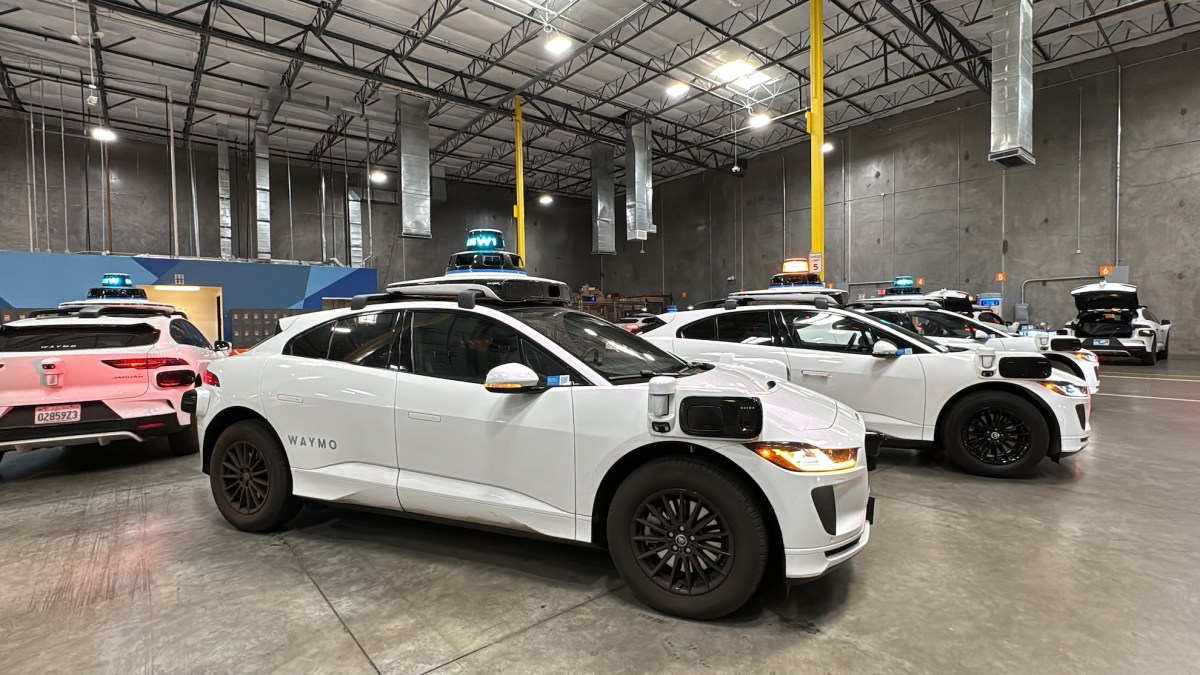
Waymo has entered into a partnership with B2U Storage Solutions to repurpose battery packs that are being removed from its autonomous vehicles. This initiative reflects Waymo's commitment to sustainability and innovation in the face of evolving technology demands. The deal aims to ensure that the decommissioned battery packs are utilized effectively, contributing to a circular economy and reducing waste. By collaborating with B2U Storage Solutions, Waymo seeks to enhance the lifecycle of its battery technology while addressing environmental concerns associated with battery disposal. The announcement comes as the company continues to refine its fleet and adapt to changing operational needs, signaling a proactive approach to resource management in the rapidly advancing field of autonomous transportation.
Transportation electric vehicles EVs Waymo
2 Undervalued Growth Stocks That I'm Aggressively Buying
A recent report highlights the growing trend of electric vehicle (EV) adoption across the United States, driven by increasing environmental concerns and government incentives. As of October 2023, sales of EVs have surged, with major automakers like Tesla, Ford, and General Motors leading the charge. This shift is particularly evident in urban areas, where consumers are more inclined to embrace sustainable transportation options. The report indicates that federal and state governments have implemented various tax credits and rebates to encourage EV purchases, making them more accessible to a broader audience. Additionally, advancements in battery technology and charging infrastructure have alleviated previous concerns regarding range and convenience, further boosting consumer confidence. Experts predict that the trend will continue to accelerate, with projections suggesting that EVs could make up a significant portion of new car sales by 2030. This shift not only reflects changing consumer preferences but also aligns with broader efforts to reduce carbon emissions and combat climate change. As the market evolves, automakers are investing heavily in research and development to enhance their EV offerings, ensuring they remain competitive in a rapidly changing landscape. The combination of consumer demand, supportive policies, and technological innovations is reshaping the automotive industry, signaling a pivotal moment in the transition to cleaner transportation solutions.
MELI META Amrita Roy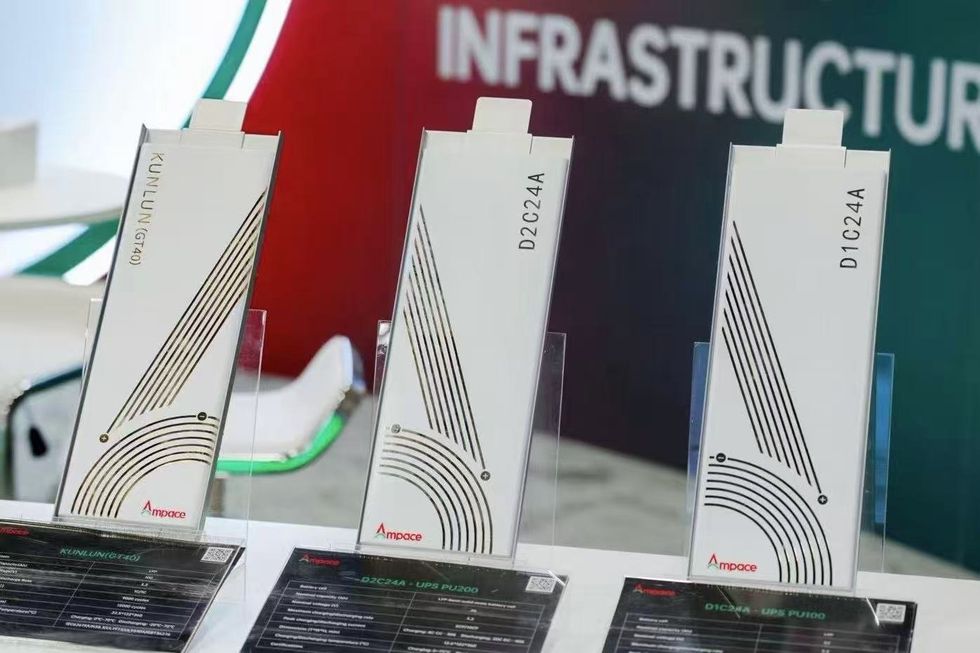
Neutralizing the Gigascale Problem: How to Solve the Physical Power Paradox of Extreme AI Training Loads
As the demand for AI workloads escalates, the data center industry is confronting significant challenges related to power stability. At Data Center World 2026 in Washington, D.C., Ampace and Eaton highlighted these issues during their session titled "Powering Giga-scale AI." They discussed how modern AI computing clusters, which rely on extensive GPU setups, create abrupt and high-frequency power fluctuations that can destabilize local grids. Traditional backup systems, such as diesel generators, struggle to respond to these rapid changes, leading to costly infrastructure oversizing. To address this "power paradox," Ampace is introducing its semi-solid-state battery technology, which acts as a high-speed stabilizer for power spikes, thereby enhancing the reliability of AI infrastructure. This innovation is designed to work in tandem with Eaton's advanced UPS systems, which prioritize rapid load responsiveness. By transforming energy storage from a passive backup into an active component, the collaboration aims to ensure continuous AI operations while minimizing the risk of grid stress. Ampace's approach not only enhances safety by reducing the risk of thermal runaway but also optimizes the total cost of ownership for AI data centers by allowing operators to right-size their infrastructure. As AI technology continues to evolve, Ampace is committed to developing solutions that align with future grid requirements and ensure the resilience of AI systems.
Batteries Power-electronics Data-centers Energy-storage Ai-infrastructure
Tesla's Invisible Moat: The Most Elegant Physical AI Training Program Ever Built
A recent report highlights the growing trend of electric vehicle (EV) adoption across the globe, driven by increasing environmental concerns and government incentives. As of October 2023, major automotive manufacturers are ramping up production of EVs in response to consumer demand for sustainable transportation options. This shift is particularly evident in regions such as Europe and North America, where stricter emissions regulations are prompting both consumers and companies to transition away from traditional gasoline-powered vehicles. The surge in EV sales is also fueled by advancements in battery technology, which have significantly improved the range and affordability of electric cars. Industry experts predict that by 2025, EVs could account for a substantial portion of new vehicle sales, as more consumers become aware of the long-term cost savings and environmental benefits associated with electric vehicles. In addition, governments are implementing various policies to encourage EV adoption, including tax incentives, rebates, and investments in charging infrastructure. These initiatives aim to reduce carbon emissions and combat climate change, aligning with global sustainability goals. As the automotive landscape evolves, manufacturers are increasingly collaborating with tech companies to enhance the integration of smart technologies in EVs, further appealing to tech-savvy consumers. This multifaceted approach not only addresses environmental issues but also positions the automotive industry for a future that prioritizes innovation and sustainability.
TSLA TSLA:CA ZTSL:CA GOOGL META GM
AgiBot’s Expedition A2 Completes 106km Trek, Setting New Bar for Humanoid Endurance
AgiBot, a Shanghai-based robotics company, has achieved a remarkable milestone by completing a continuous 106-kilometer walk from Suzhou to Shanghai using its Expedition A2 humanoid robot. This accomplishment, which has been officially recognized by Guinness World Records, showcases the company’s innovative "hot-swap" battery technology. The successful journey underscores AgiBot's commitment to advancing its technology and enhancing the commercial viability of humanoid robots.
AGIBOT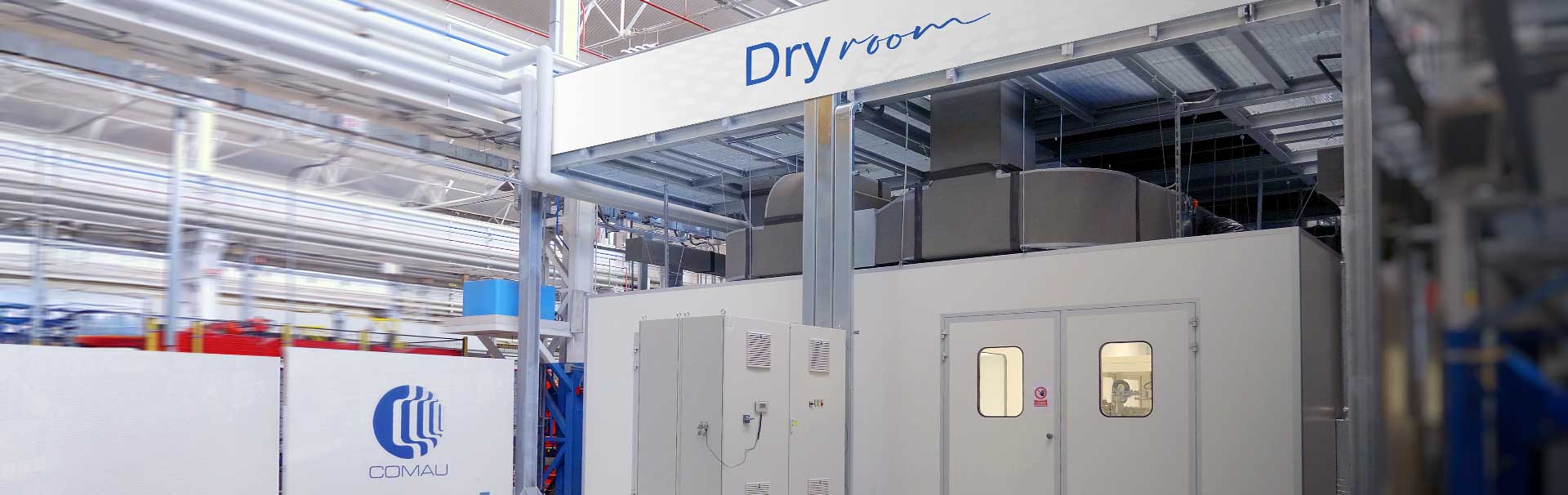
Comau has built an in-house dry room to develop cell manufacturing solutions at an international level
Comau has unveiled a new 500-square-meter dry room designed specifically for the development and validation of production processes for lithium-ion and solid-state batteries. This facility, which aims to enhance the efficiency and effectiveness of battery manufacturing, is part of the company's ongoing commitment to advancing battery technology. The dry room will enable researchers and engineers to conduct critical tests and refine production methods in a controlled environment, ensuring higher quality and performance of the batteries. This initiative is particularly timely as the demand for advanced battery solutions continues to rise, driven by the growing electric vehicle market and the need for sustainable energy storage options. The facility is located at Comau's headquarters, where it will play a crucial role in supporting the company's innovation efforts in the rapidly evolving energy sector.

China’s CATL partners with Alibaba’s Ant to make robotaxis, in challenge Waymo and Tesla
Chinese battery manufacturer CATL has announced a collaboration with Ant Group, Alibaba’s fintech subsidiary, and bike-sharing service Hellobike to develop autonomous ride-hailing vehicles. This partnership, revealed on Monday, positions CATL in direct competition with established players in the sector, including Waymo and Baidu. Hellobike, which is primarily owned by Ant Group with a 36% stake, will play a crucial role in this venture. The collaboration aims to leverage advancements in battery technology and fintech solutions to enhance the efficiency and accessibility of autonomous transportation services.
News Feed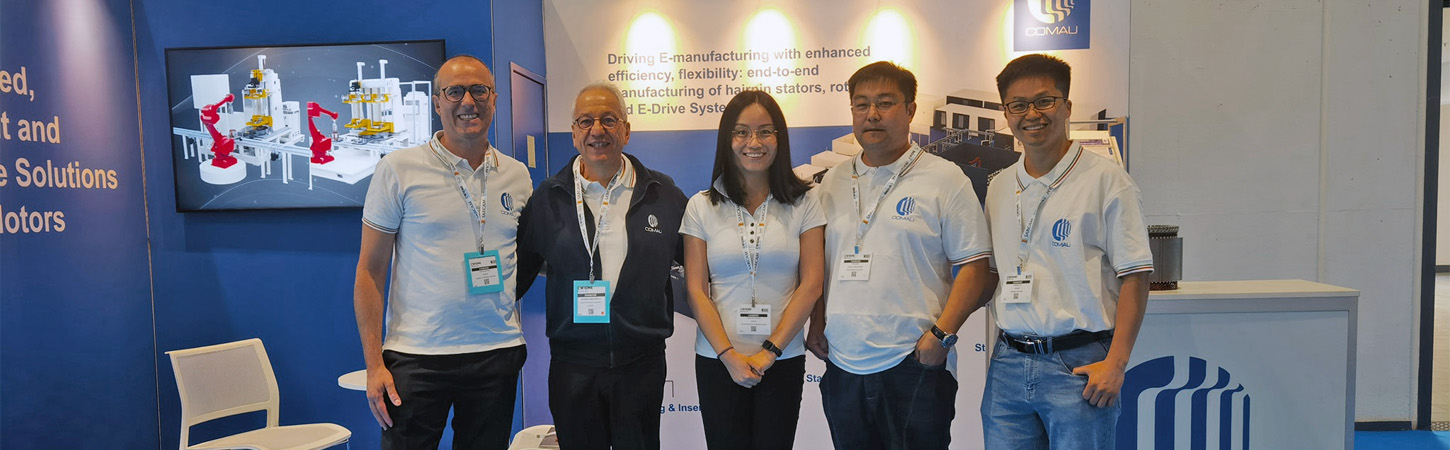
Comau to participate in CWIEME 2025 with advanced solutions for the production of hairpin/minipin stators and innovations for electric drive systems
Comau showcased its innovative cell formation and e-mobility solutions at the Battery Show held in Stuttgart, Germany. The event took place recently, bringing together industry leaders and experts to explore advancements in battery technology. Comau's participation highlights its commitment to enhancing manufacturing processes in the rapidly evolving electric vehicle sector. By presenting their latest technologies, the company aims to address the growing demand for efficient and sustainable energy solutions in the automotive industry. The display included demonstrations of cutting-edge automation and robotics designed to optimize battery production, reflecting Comau's strategic focus on supporting the transition to electric mobility.
Chinese startup releases solid-state lithium-metal batteries for flying cars
Chinese battery startup Inx has unveiled a groundbreaking solid-state lithium-metal battery that boasts an impressive energy density of 480 watt-hours per kilogram (Wh/kg). This innovative battery technology is being positioned for potential use in electric aircraft. Inx has also secured a supply agreement with EHang, a prominent Chinese drone manufacturer, to integrate this advanced battery into their products. The collaboration aims to enhance the performance and efficiency of electric flying vehicles, signaling a significant advancement in the aviation and drone sectors. This development comes at a time when the demand for sustainable and efficient energy solutions in transportation is rapidly increasing, driven by the need for greener alternatives in the face of climate change.
News Feed
Can America Build a Fully Domestic Drone? Lithium Discovery Moves the Needle
A recent study by the U.S. Geological Survey has revealed that lithium deposits located in the eastern United States have the potential to satisfy domestic demand for generations, particularly in the energy and electric vehicle sectors. This finding underscores the importance of developing a robust domestic lithium supply chain, which is crucial for advancing technologies such as electric vehicles and drones. However, despite this promising discovery, significant gaps remain in the overall battery supply chain, raising concerns about the ability to fully capitalize on these resources. The implications of this study could influence future policies and investments aimed at bolstering the U.S. lithium industry and enhancing energy independence.
Drone Manufacturing Drone News Drone News Feeds News Battery Technology defense drones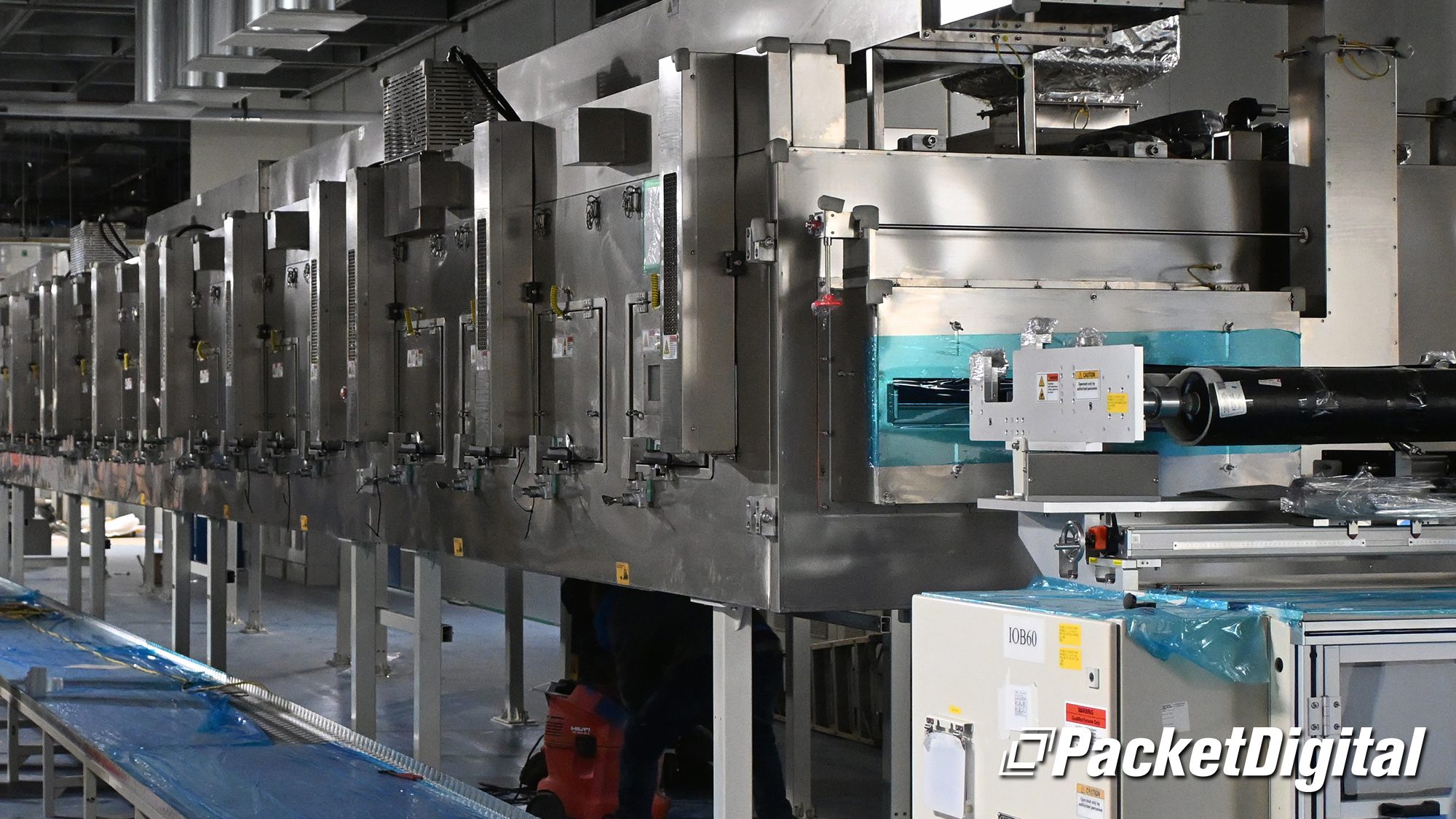
U.S. Navy Awards Packet Digital $9.8 Million to Scale Drone Battery Production in North Dakota
Packet Digital and its subsidiary, Badland Batteries, have secured $9.8 million from the U.S. Navy as part of Phase 3 of a contract aimed at developing advanced battery cells compliant with the National Defense Authorization Act (NDAA). This funding will facilitate the manufacturing of these battery cells in North Dakota, specifically designed for logistics drones and unmanned systems. The initiative reflects the Navy's commitment to enhancing the capabilities of its drone technology and defense systems. The investment is expected to boost production capacity and support the growing demand for reliable energy sources in military applications.
battery technology Drone News Drone News Feeds drone technology Dual Use News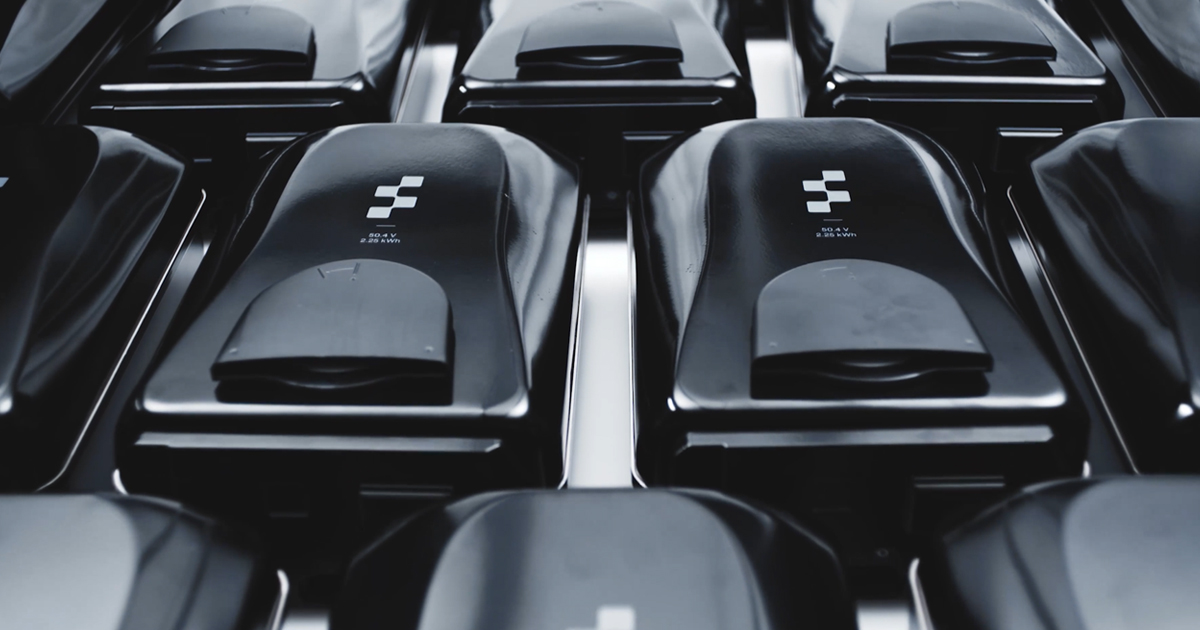
F.03 Battery Development
A significant breakthrough in humanoid robot technology has been achieved with the introduction of the F.03 battery. This innovative battery boasts a remarkable 94% increase in energy density, enhancing the operational capabilities of robots. Alongside its advanced performance features, the F.03 battery incorporates integrated safety systems, ensuring both reliability and safety during use. Additionally, the development of this battery has led to a substantial reduction in costs, making it a more accessible option for manufacturers. This advancement promises to extend the operational duration of robots, allowing them to perform tasks more efficiently and effectively.
robotics battery technology safety innovation humanoid robots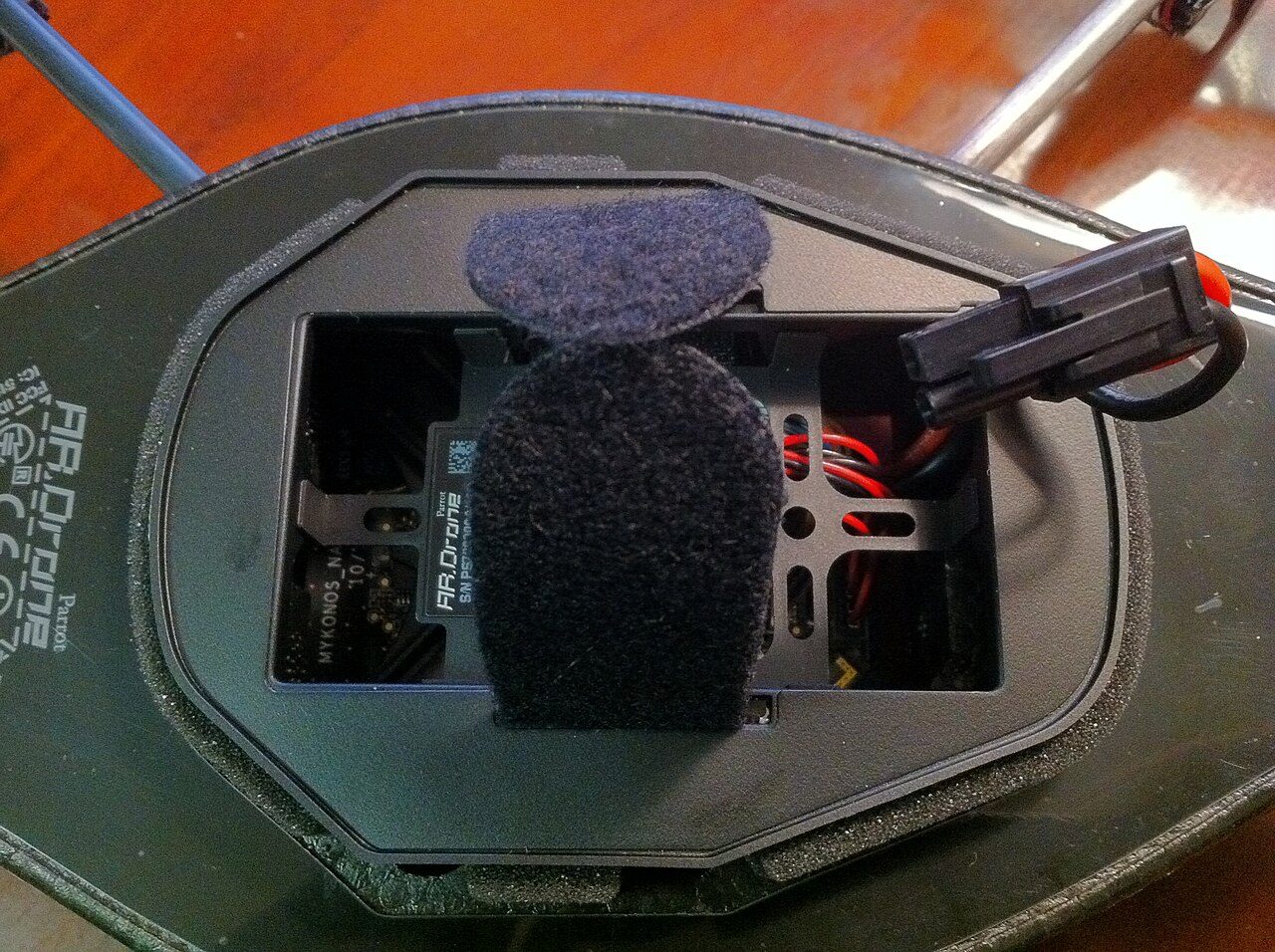
Guest Post: America’s Drone Future Depends on Battery Independence
In this guest post, Micantis co-founder and CEO Howard Alt argues that batteries, not aircraft, may be the defining factor in the future of the U.S. drone industry. As demand for drones grows across commercial, public safety, and defense applications, he contends that battery manufacturing and supply chain resilience have become strategic issues for both […] The post Guest Post: America’s Drone Future Depends on Battery Independence appeared first on DRONELIFE.
battery technology Drone Manufacturing Drone News Drone News Feeds Drones in the News News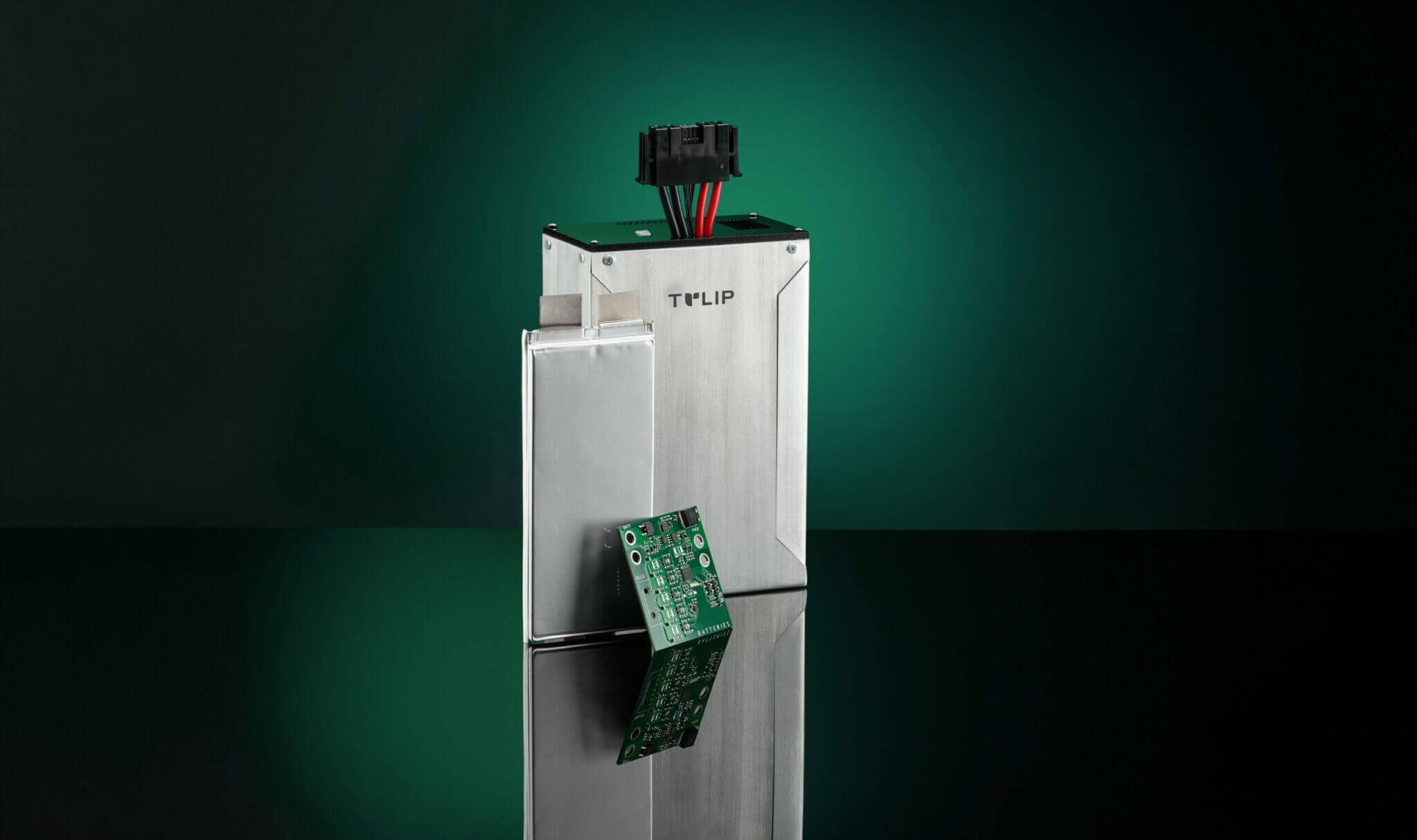
Tulip Tech Expands European UAV Battery Production with New Investment
Tulip Tech, a Dutch battery manufacturer, has announced a strategic investment aimed at enhancing the supply chains for drones and increasing their operational endurance. This announcement comes amid a rising demand for non-Chinese drone components and the need for more robust regional supply chains. The investment is backed by Parcom and Keen Venture Partners, reflecting a growing interest in strengthening European production capabilities for unmanned aerial vehicles (UAVs). Tulip Tech intends to utilize these funds to expand its battery production, positioning itself to meet the increasing market demands effectively.
battery technology Drone Manufacturing Drone News Drone News Feeds News battery manufacturing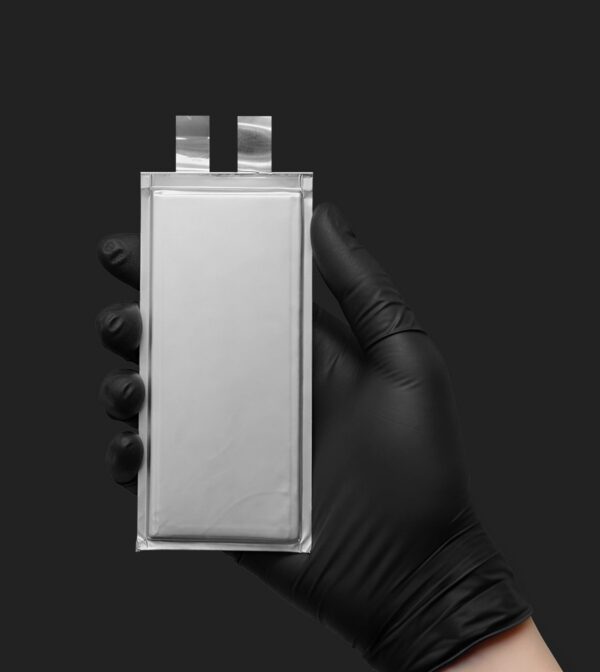
Buffalo’s Natrion Rolls Out NDAA-Compliant Drone Battery Cells
Natrion, a battery materials company based in Buffalo, New York, has introduced a new line of NDAA-compliant pouch cells that offer up to 80% more energy density than conventional lithium-ion batteries. Announced on May 14, 2026, these defense-optimized battery cells are designed for use in uncrewed systems, including drones, surface and underwater vessels, ground vehicles, and humanoid robots. The launch aims to enhance the performance and efficiency of military and defense applications, addressing the growing demand for advanced energy solutions in various unmanned technologies.
battery technology Defense Drone News Drone News Feeds Military NDAA Compliant
Amprius Taps Intralink for South Korea Drone Battery Push
Amprius Technologies, a Silicon Valley-based battery manufacturer, has appointed the Seoul-based consultancy Intralink to enhance its business development efforts in South Korea. Announced on May 11, 2026, this strategic move aims to secure partnerships with original equipment manufacturers (OEMs) and battery pack makers in the rapidly growing sectors of drones, robotics, and mobility. By leveraging Intralink's local expertise, Amprius seeks to strengthen its market presence and capitalize on the increasing demand for advanced battery solutions in these innovative industries.
battery technology Drone News Drone News Feeds drone technology News advanced mobility
Titan Batteries Opens European Drone Battery Plant in Tilburg
Titan Batteries, a drone battery manufacturer based in Pocatello, Idaho, has made a significant move in the industry by launching its first full-scale production facility in Europe. The new plant, located in Tilburg, Netherlands, was officially opened on May 2, 2026, coinciding with International Drone Day. This expansion marks Titan Batteries as the first major drone battery maker to operate production on two continents, reflecting the company’s commitment to meeting the growing demand for UAV power solutions. The Tilburg facility is situated on the Energy Conversion Campus, positioning Titan to leverage advanced technologies and resources in the region.
battery technology Drone News Drone News Feeds European Union News Bosch
Tesla Optimus Battery Life & Runtime (2026): kWh, Hours & Power Source
Tesla's Optimus robot, powered by a 2.3 kWh battery, is designed to operate for approximately eight hours on a single charge. This innovative technology, which is set to be fully detailed in specifications for 2026, showcases advancements in runtime and power efficiency. The robot's self-charging capabilities further enhance its functionality, making it a significant development in the field of robotics. As Tesla continues to push the boundaries of automation, the Optimus robot represents a key step in the company's vision for integrating artificial intelligence into everyday tasks. The information regarding its performance and specifications is expected to be released in the coming years, reflecting Tesla's commitment to innovation and sustainability in technology.

NatPower and Tesla Strike 25 GWh European Battery Storage Deal
NatPower has entered into a multi-year agreement with Tesla to supply and deploy over 25 gigawatt-hours of battery energy storage systems in European markets, with initial projects set for Italy and the United Kingdom. Announced on June 23, 2026, the partnership will see Tesla provide its Megapack technology, along with engineering, procurement, construction services, and energy trading optimization via its Autobidder platform. The projects, which will be owned and operated by NatPower, aim to streamline project development, financing, construction, and energy trading, facilitating large-scale battery deployment. The first phase includes five projects and is part of a larger initiative targeting over 100 GWh of storage capacity. NatPower anticipates that the full program could yield between $4 billion and $5 billion in construction value and generate over $15 billion in revenue over two decades. This agreement underscores the increasing significance of large-scale energy storage in Europe, driven by rising electricity demand, renewable energy integration, and the growth of data centers. As Europe seeks to enhance grid reliability and meet decarbonization goals, substantial storage additions will be necessary in the coming years. Tesla has established itself as a leading supplier of utility-scale battery systems, while NatPower continues to expand its role in energy infrastructure development. The storage assets from this agreement will provide essential grid balancing services and support electricity-intensive customers, including industrial facilities and data centers. NatPower CEO Fabrizio Zago emphasized the shift towards large-scale execution, while Tesla Energy Vice President Mike Snyder highlighted the integration of Tesla's capabilities to expedite battery deployments across Europe.

Scania Launches Battery-Electric CrewCab for Rescue Vehicles
Scania has introduced its inaugural battery-electric CrewCab, designed specifically for fire, airport, and civil rescue operations. This innovative vehicle was unveiled in October 2023, marking a significant step towards sustainable emergency response solutions. The CrewCab aims to enhance operational efficiency while reducing environmental impact, aligning with the growing demand for greener technologies in the emergency services sector. By integrating advanced electric powertrain technology, Scania is addressing the challenges faced by rescue operations in urban environments, where emissions and noise pollution are critical concerns. The launch reflects Scania's commitment to providing cutting-edge solutions that meet the needs of modern emergency services while promoting sustainability.
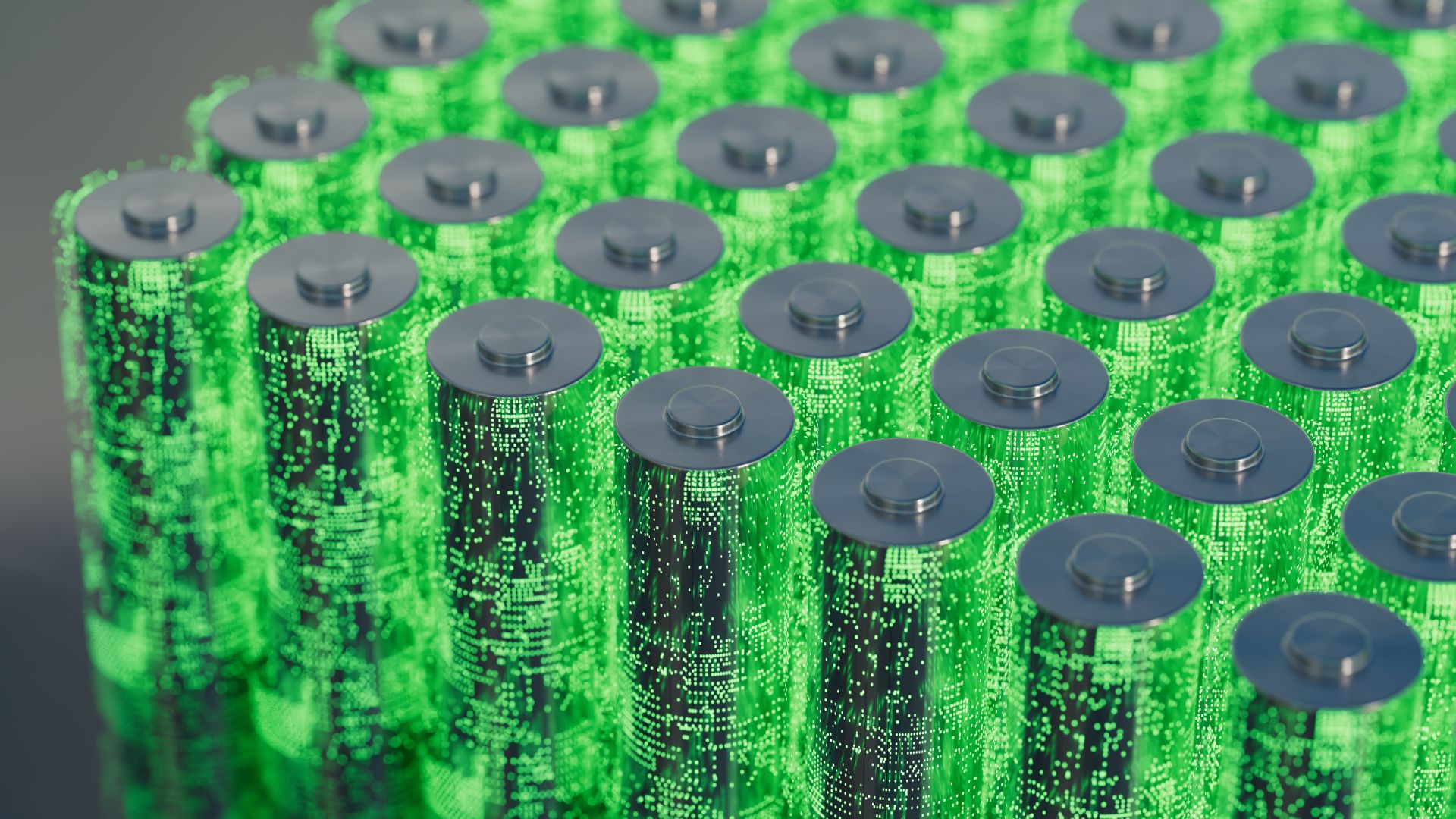
China’s new 800-cycle lithium-sulfur battery could nearly double drone flight time
Chinese researchers have unveiled a groundbreaking lithium-sulfur battery design that has the potential to dramatically enhance drone flight durations. This innovative development, announced in October 2023, aims to address the limitations of current battery technologies, which often restrict the operational time of drones. By utilizing lithium-sulfur chemistry, the researchers believe they can achieve higher energy densities compared to traditional lithium-ion batteries, making it possible for drones to fly longer distances without the need for frequent recharging. The research was conducted at a leading university in China, where scientists focused on optimizing the battery's performance and stability. This advancement not only promises to improve commercial drone applications but could also have significant implications for various industries, including logistics, agriculture, and surveillance, where extended flight times are crucial. The researchers are now looking to further refine the technology and explore its practical applications in real-world scenarios.

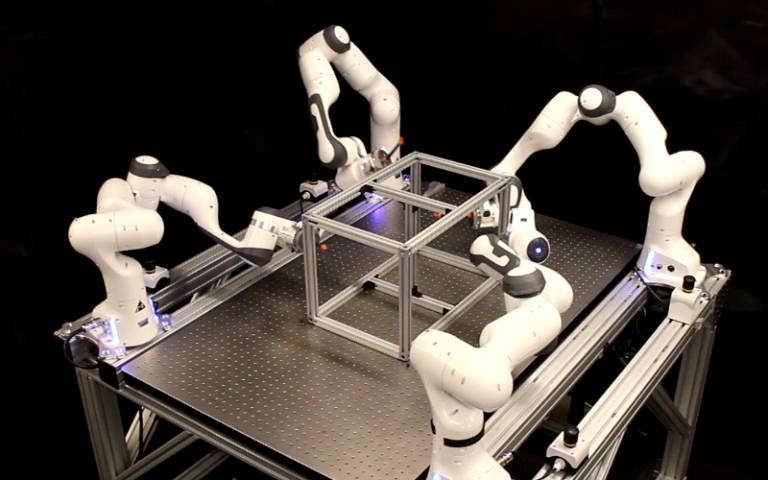
Germany develops new robotic system to recover and repurpose EV battery cells
German researchers are advancing the development of a robot-assisted system aimed at repurposing old electric vehicle (EV) batteries. This innovative project, which is currently underway, seeks to address the growing challenge of battery waste as the demand for electric vehicles continues to rise. By creating a more efficient method for recycling and reusing these batteries, the researchers hope to contribute to sustainability efforts and reduce environmental impact. The system utilizes robotic technology to streamline the disassembly and refurbishment processes, ensuring that valuable materials can be extracted and reused effectively. This initiative not only aims to extend the life cycle of EV batteries but also to promote a circular economy within the automotive industry. The project is part of a broader effort in Germany to lead in green technology and sustainable practices, reflecting the country’s commitment to environmental innovation.

UBTECH Walker S2 Claims Design Award, Spotlighting 24/7 Battery Swapping
The Walker S2 humanoid robot has been honored with a Platinum MUSE Design Award, recognizing its innovative design and functionality. UBTECH, the company behind the robot, highlighted its advanced autonomous battery-swapping capability and swarm intelligence features, which are specifically tailored for industrial applications. This accolade reflects the growing importance of robotics in enhancing efficiency and productivity in various sectors. The award was announced recently, showcasing the Walker S2 as a leading example of cutting-edge technology in the field of robotics.
UBTECH Robotics
Comau teams with Intecells to develop a new paradigm in battery electrode manufacturing
Comau and Intecells have announced a collaboration aimed at enhancing the efficiency of battery electrode production through the innovative use of cold plasma technology. This partnership seeks to streamline the manufacturing process by eliminating the need for solvents and binders, which are traditionally used in battery production. The new approach not only promises to handle a diverse range of battery types and sizes but is also expected to significantly improve overall production efficiency. This initiative reflects a growing trend in the industry to adopt more sustainable and effective manufacturing techniques, aligning with the increasing demand for advanced battery solutions.
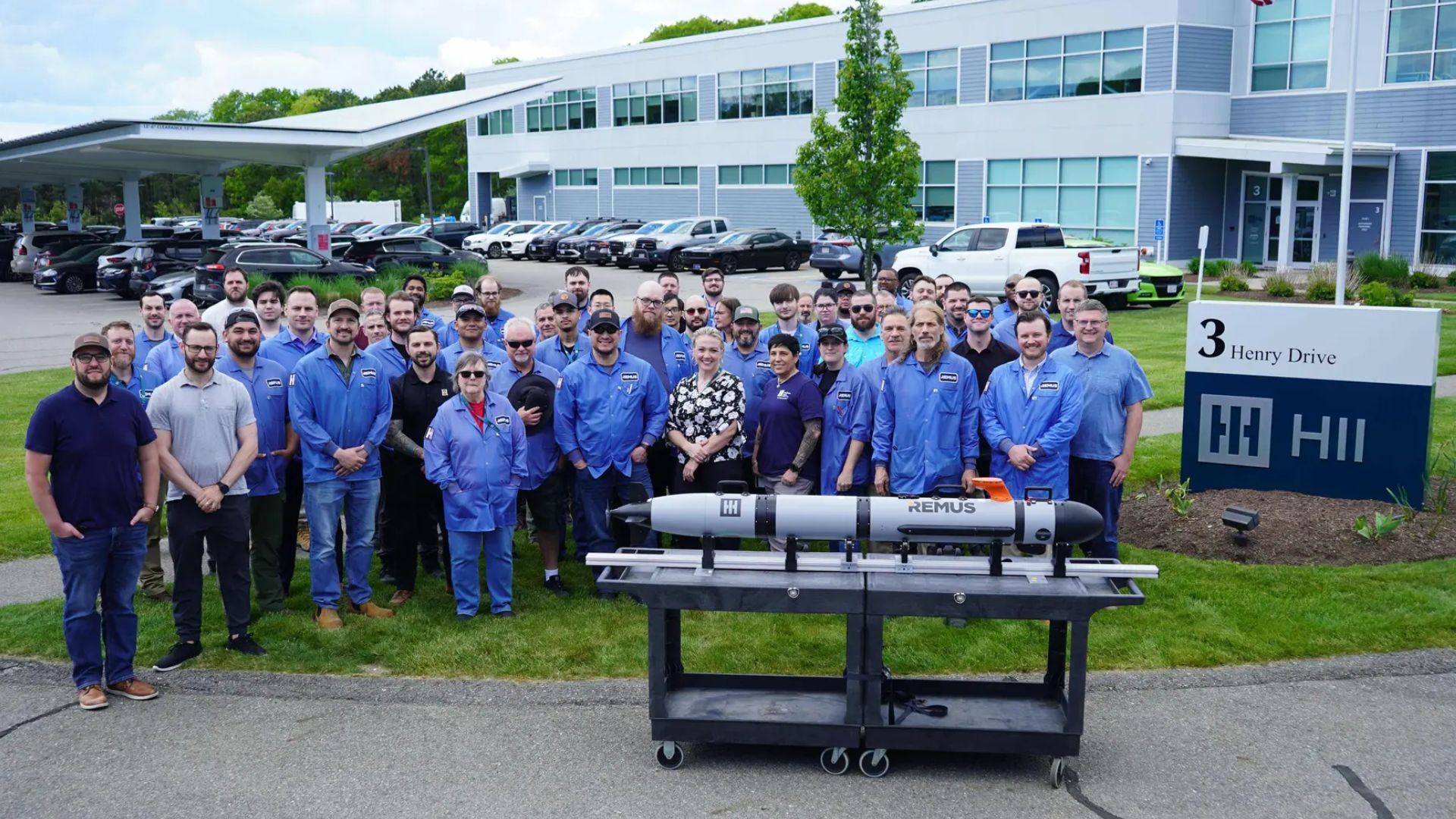
New mini submarine-like drone from HII can dive 328 feet deep with 10 hour battery life
Huntington Ingalls Industries (HII), a prominent U.S. military shipbuilder, has successfully delivered the first REMUS 130 unmanned underwater vehicle. This significant milestone was achieved as part of HII's commitment to advancing maritime technology. The delivery took place in October 2023, showcasing the company's ongoing efforts to enhance the capabilities of the U.S. Navy and other defense partners. The REMUS 130 is designed for various underwater missions, including reconnaissance and surveillance, addressing the growing need for advanced unmanned systems in naval operations. This development reflects HII's strategic focus on innovation and its role in supporting national security objectives through cutting-edge maritime solutions.
Military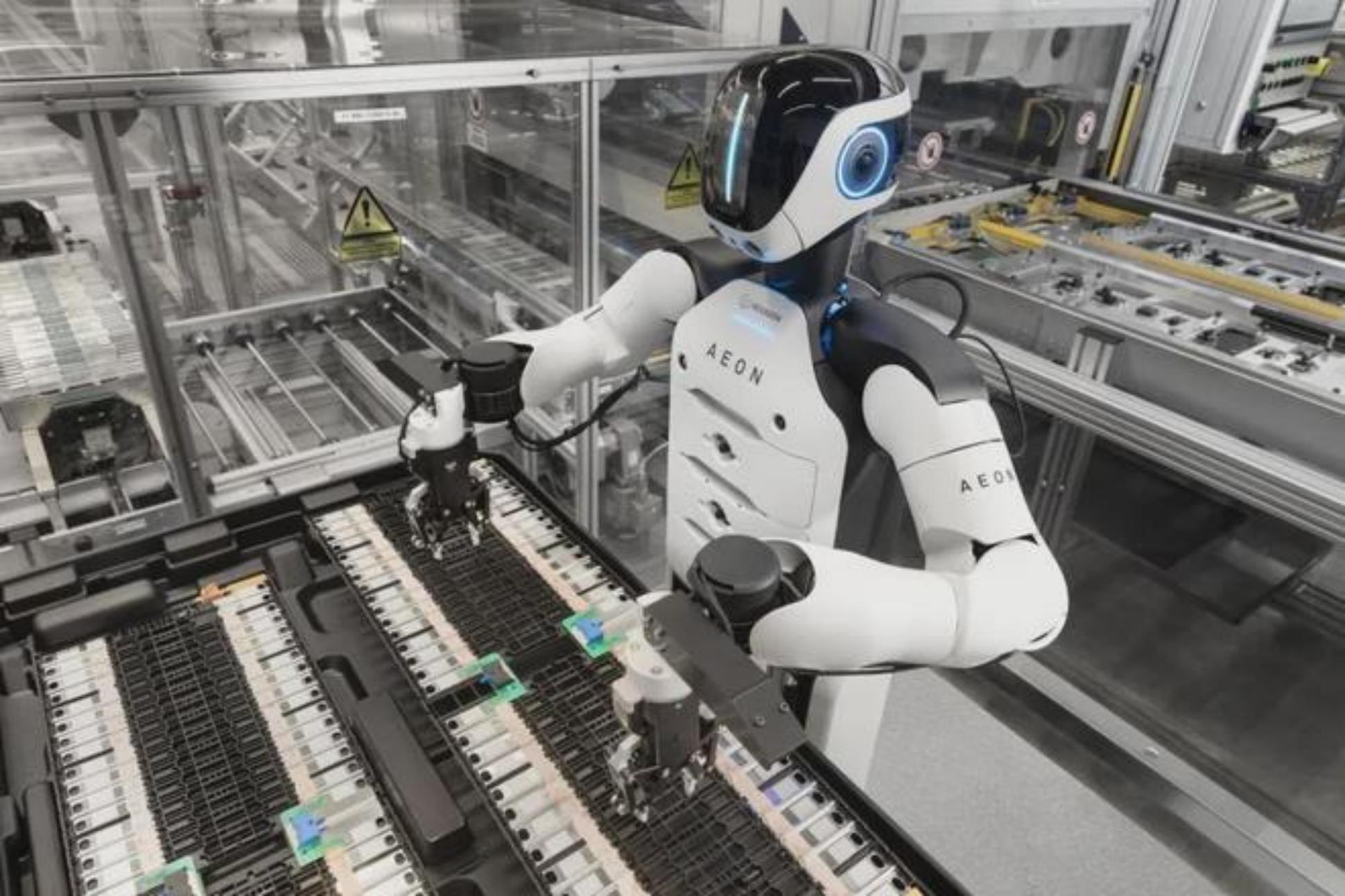
World's First! BMW Introduces Humanoid Robots on Production Line, Powered by Chinese Technology!
BMW has made a significant leap in industrial automation by integrating humanoid robots into its production line at the Leipzig plant, becoming the first German automaker to do so. The AEON robot, developed by Hexagon, will be responsible for high-pressure battery assembly and the production of precision components. This innovative move, which underscores BMW's commitment to enhancing efficiency and precision in manufacturing, was officially announced recently. The implementation of the AEON robot is expected to streamline operations and improve the overall quality of the production process, reflecting the growing trend of automation in the automotive industry.
Humanoid Robots Automotive Manufacturing Industrial Automation AI Technology
Unitree G1 humanoid robot triggers first-of-its-kind flight delay over battery specs
A recent incident on a commercial flight attracted significant attention when a humanoid robot was discovered traveling as a passenger. The event occurred mid-flight, prompting confusion and concern among both crew members and passengers. The robot, designed for human interaction, raised questions about safety protocols and regulations regarding non-human passengers on aircraft. The airline, which has not been named, is currently investigating the circumstances that allowed the robot to board the flight. Reports suggest that the robot was part of a demonstration for advanced robotics technology, intended to showcase its capabilities in real-world scenarios. However, the lack of prior communication with the airline about its presence led to a chaotic situation, with some passengers expressing unease about the implications of having a robot on board. In response to the incident, the airline has reiterated its commitment to passenger safety and is reviewing its boarding procedures to prevent similar occurrences in the future. The situation has sparked a broader conversation about the integration of robotics in everyday life and the need for updated regulations to address emerging technologies in public spaces. As the investigation continues, the airline aims to clarify its policies and ensure that all future flights adhere to established safety standards.
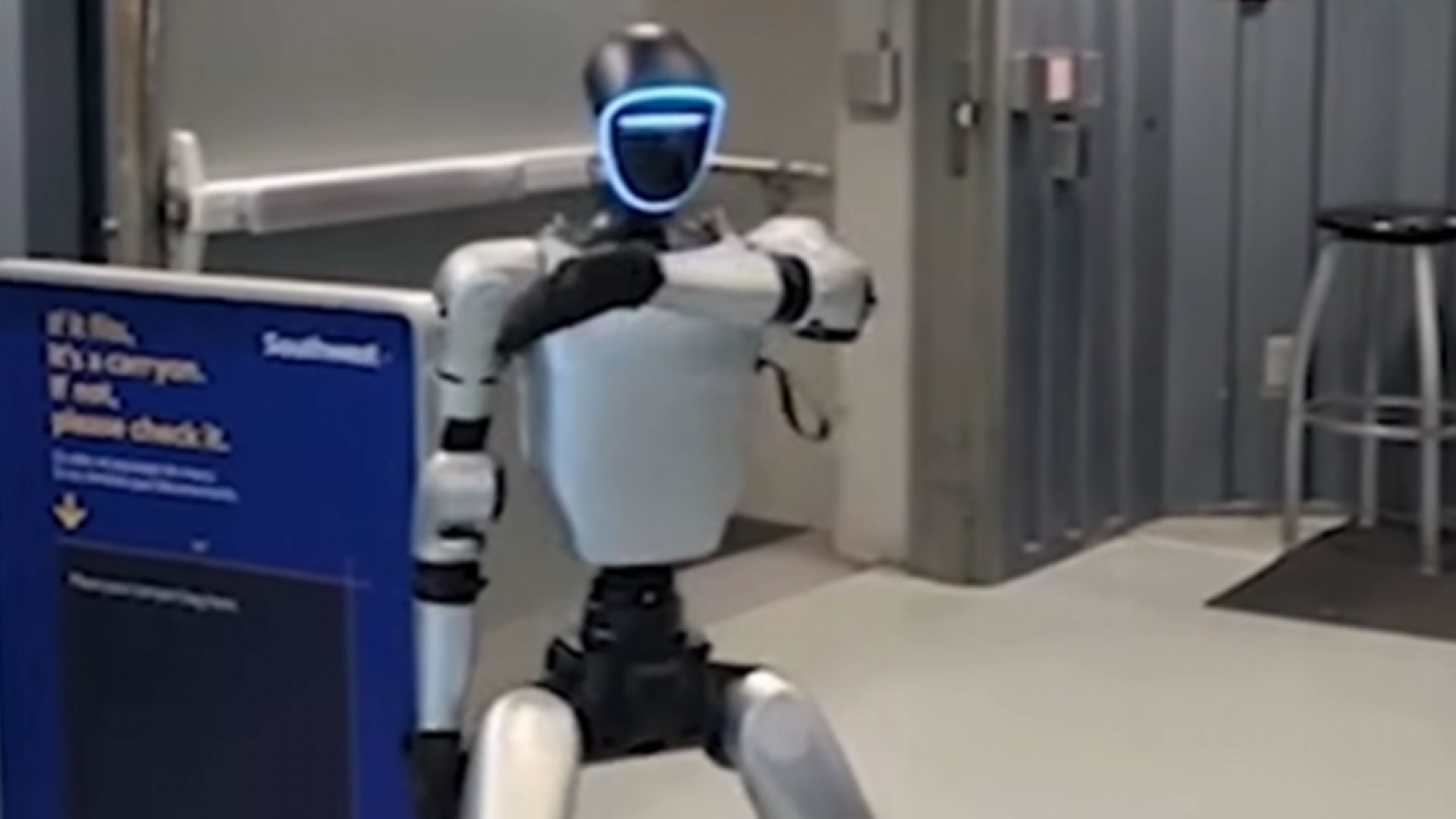
US humanoid robot passenger causes safety concern with banned battery size, flight delay
A humanoid robot named “Bebop” caused a flight delay at a California airport, disrupting travel plans for numerous passengers. The incident occurred on a recent afternoon when the robot, designed for entertainment and interaction, malfunctioned during a demonstration intended to showcase its capabilities. As airport staff attempted to resolve the issue, the flight, scheduled to depart for a major city, was held back to ensure the safety and comfort of travelers. The demonstration aimed to highlight advancements in robotics and engage the public, but the unexpected technical difficulties led to a temporary halt in operations. Passengers were informed of the delay and provided updates as the situation unfolded. Airport officials emphasized the importance of safety and the need to address any potential hazards, even those stemming from innovative technology. While the delay was frustrating for many, it underscored the challenges that come with integrating cutting-edge technology into everyday environments. The airport has since resumed normal operations, and the incident has sparked discussions about the reliability of robotic systems in public spaces.
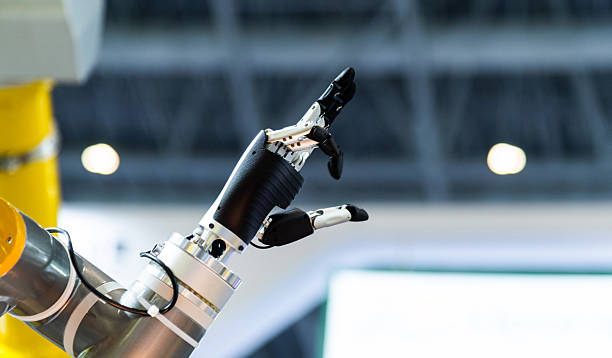
XPeng unveils new IRON humanoid robot with full-solid-state battery and AI brain
At the 2025 XPeng Tech Day, Chinese electric vehicle manufacturer XPeng introduced its latest innovation, the IRON humanoid robot, which it claims to be the most human-like robot to date. The IRON robot is designed with an advanced bionic structure that mimics human anatomy, featuring a flexible spine, synthetic muscles, and soft full-body skin. Its hands boast 22 degrees of freedom, allowing for intricate movements. This unveiling marks a significant step in robotics, showcasing XPeng's commitment to integrating advanced technology into everyday life. The event highlights the company's vision to enhance human-robot interaction and push the boundaries of artificial intelligence and robotics.
News Feed
Comau strengthens its cooperation with Intecells to accelerate development and commercialization of next generation battery electrode manufacturing
Comau has announced the renewal of its collaboration with Intecells to enhance the application of cold plasma technology in industrial cell manufacturing processes. This partnership aims to improve efficiency and innovation within the sector, reflecting a growing interest in advanced manufacturing techniques. The renewed agreement underscores both companies' commitment to leveraging cutting-edge technology to optimize production methods. The collaboration is expected to yield significant advancements in the way cells are produced, contributing to the overall evolution of the industry.

Sion Power Launches Two High Energy Density Batteries for Military Drones
Sion Power has unveiled two advanced lithium-metal battery cells, the Licerion Strike and Licerion Echo, designed specifically for military drones. These new cells boast an impressive energy density of over 500 Wh/kg, significantly enhancing the operational capabilities of unmanned defense systems. With this technology, combat drones can achieve flight durations two to three times longer than those powered by traditional lithium-ion batteries. The launch of these high energy density batteries marks a significant advancement in drone technology, aimed at improving the effectiveness and endurance of military operations.
battery technology Defense defense Drone News Drone News Feeds Military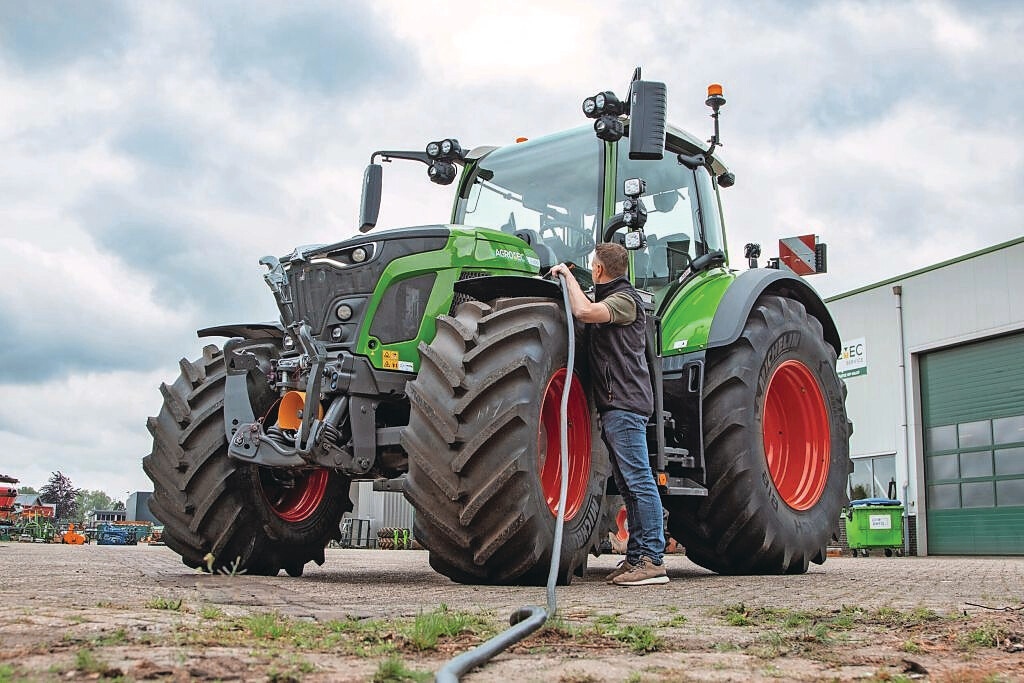
Test drive with new Agromec E600 based on Fendt 620
Agromec has unveiled its latest agricultural innovation, the Agromec E600, which serves as the successor to the 700 Vario Electric introduced five years ago. This new model is built on the foundation of the Fendt Vario 620, showcasing advancements in electric farming technology. Future Farming had the opportunity to conduct a brief test drive of the E600, examining its features and capabilities, particularly focusing on its battery system. The gross guide price for the Agromec E600 is set at €515,000, reflecting the company's commitment to enhancing efficiency and sustainability in modern agriculture.
Tech in focus battery charging stations electric tractors fendt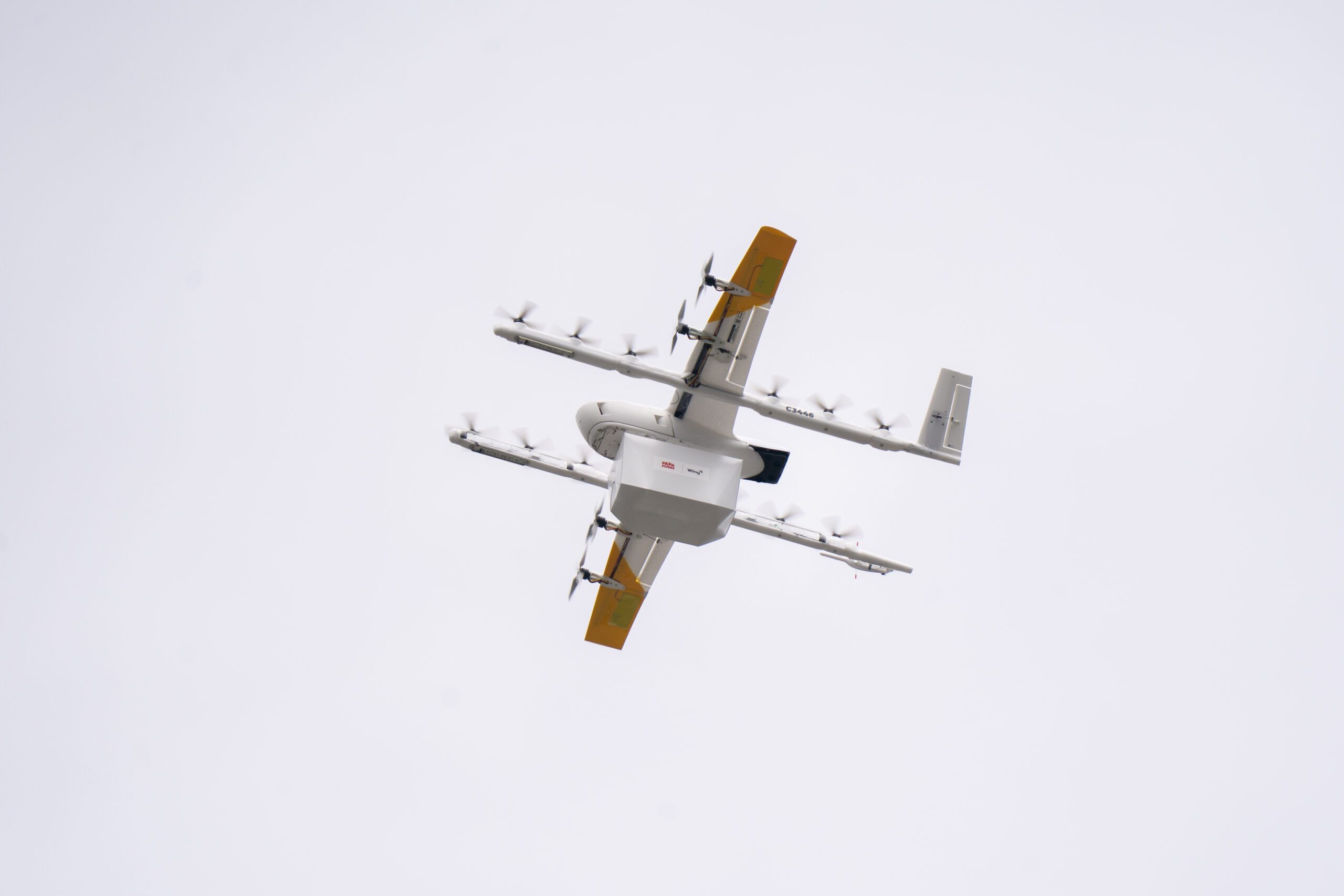
Beyond Pizza Delivery: How AI Agents and Drones Are Building the Next Commerce Infrastructure
Papa Johns and Wing, in collaboration with Google Cloud, are pioneering a future where artificial intelligence, autonomous logistics, and drone delivery converge into a unified ecosystem. This partnership marks a significant step for the commercial drone industry, moving beyond traditional narratives that emphasize the technical aspects of drones, such as payload capacity, battery life, and regulatory challenges. By integrating AI systems with drone technology, the collaboration aims to enhance the efficiency and effectiveness of delivery services, potentially transforming the landscape of commerce. This innovative approach not only promises to streamline operations but also to redefine consumer experiences in delivery logistics.
Applications Delivery DL Exclusive Drone News Drone News Feeds Feature 1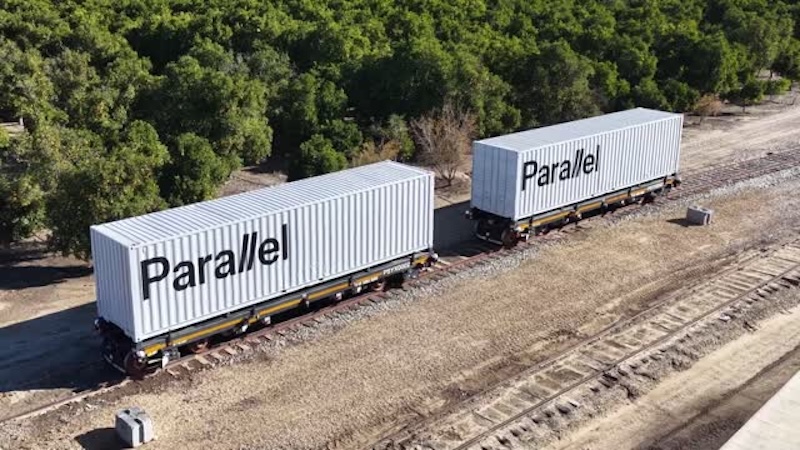
Interview: Parallel Systems CEO Matt Soule on building ‘the world’s first autonomous freight rail system’
In recent years, autonomous trucks have captured significant attention and investment in the freight transportation sector. However, freight rail is also experiencing a transformative shift, as highlighted by Matt Soule, founder and CEO of Parallel Systems. He asserts that autonomous rail technology could revolutionize the industry, offering a promising alternative to traditional freight methods. This development comes at a time when the logistics sector is increasingly seeking innovative solutions to enhance efficiency and reduce costs. As the demand for sustainable and automated transport solutions grows, the freight rail industry is positioning itself to leverage advancements in technology, potentially reshaping the future of cargo movement across the country.
Engineering Features Logistics Transportation ai logistics automation news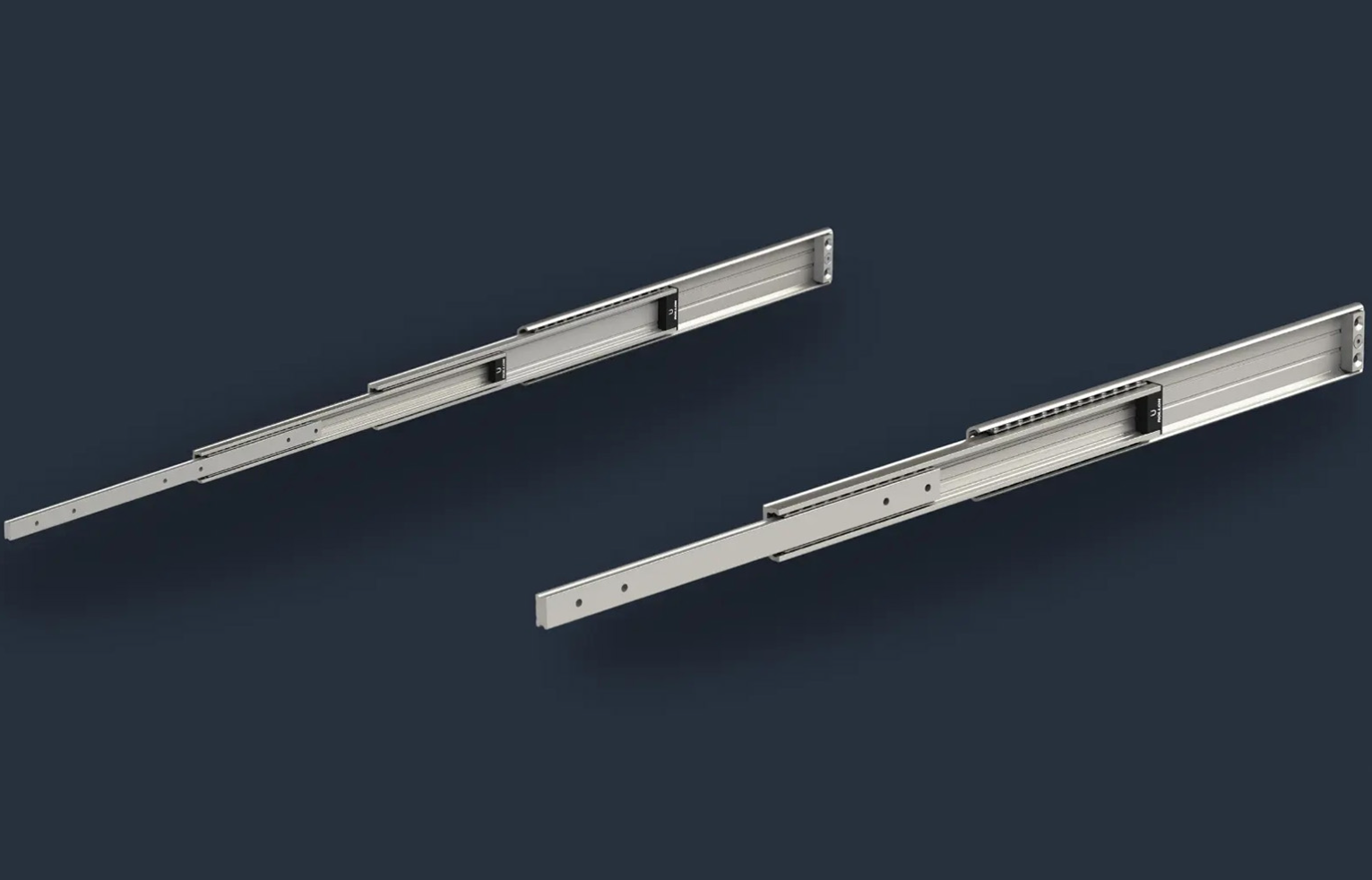
Rollon Launches Magnetic Telescopic Rails to Enhance Railway Maintenance Efficiency
Rollon, a leader in linear motion systems, has introduced the HVC-MG and H1C-MG integrated magnetic telescopic rails. These rails, designed for high-load applications, incorporate magnets into the rail structure to improve control and reduce effort during maintenance tasks. The new technology was unveiled this week and aims to enhance the efficiency and safety of railway maintenance operations by allowing engineers to easily pull out heavy battery compartments weighing hundreds of kilograms. The significance of this innovation lies in its ability to provide a seamless operation under heavy loads, addressing the challenges faced by maintenance personnel in the railway sector. The integrated magnets facilitate a sequential opening of the rail components, which minimizes simultaneous stress and enhances load distribution. This results in smoother operation, reduced manual effort, and extended rail lifespan, making it particularly suitable for the demanding environments of high-speed rail and subway systems. Looking ahead, Rollon plans to expand its magnetic control sequential motion technology across more product lines. The HVC and H1C series rails offer full extension and super extension options, maximizing accessibility while minimizing space usage. No further timeline was disclosed at the time of publication for additional product releases or enhancements.
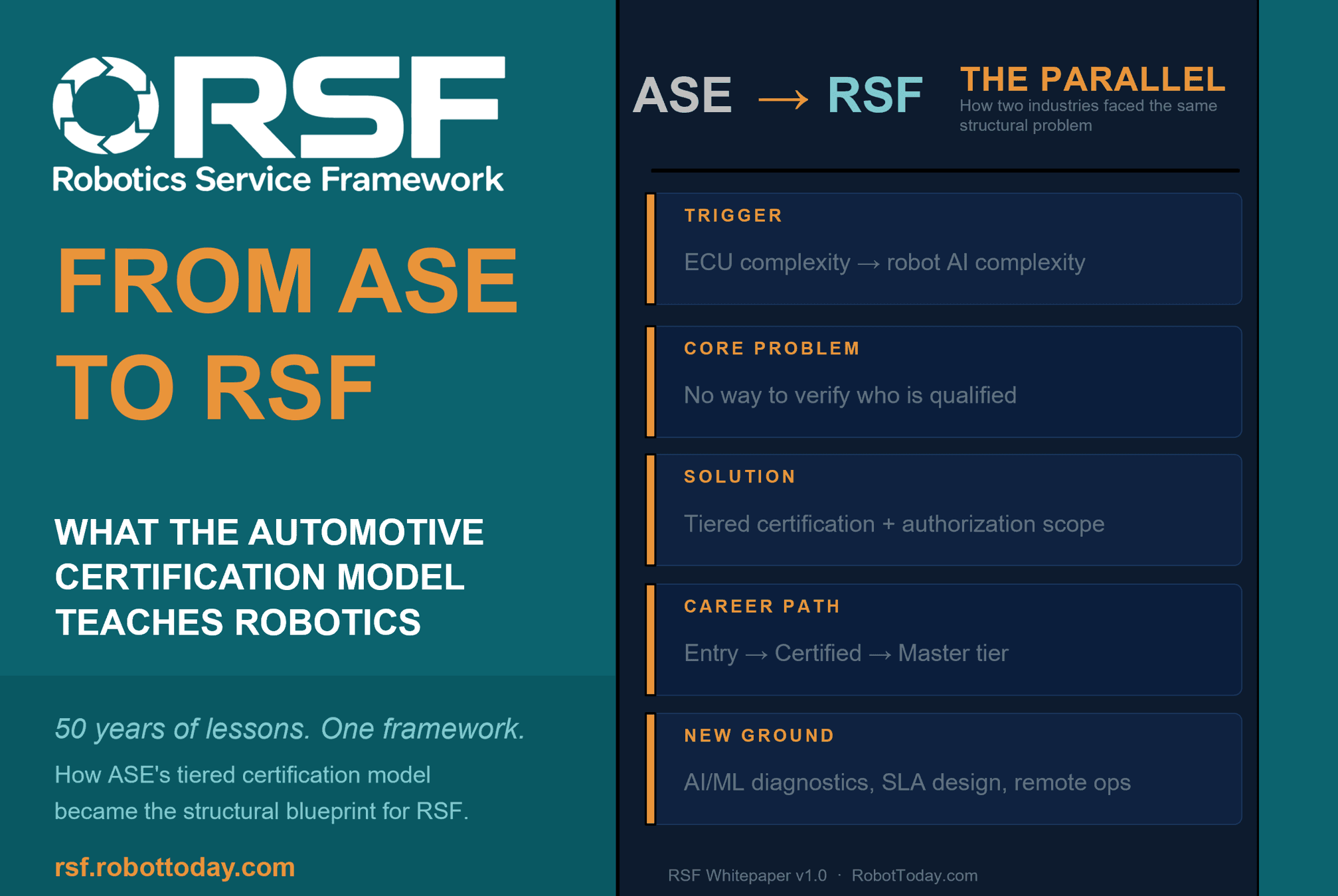
Railway Maintenance Linear Motion Systems Heavy Equipment Automation TechnologyRobotics needs a service framework.
RSF defines a common language for robot service capability, lifecycle operations, certification pathways, and service-provider networks.