Industry Briefing
A single destination for timely, editor-curated robotics news from around the world.

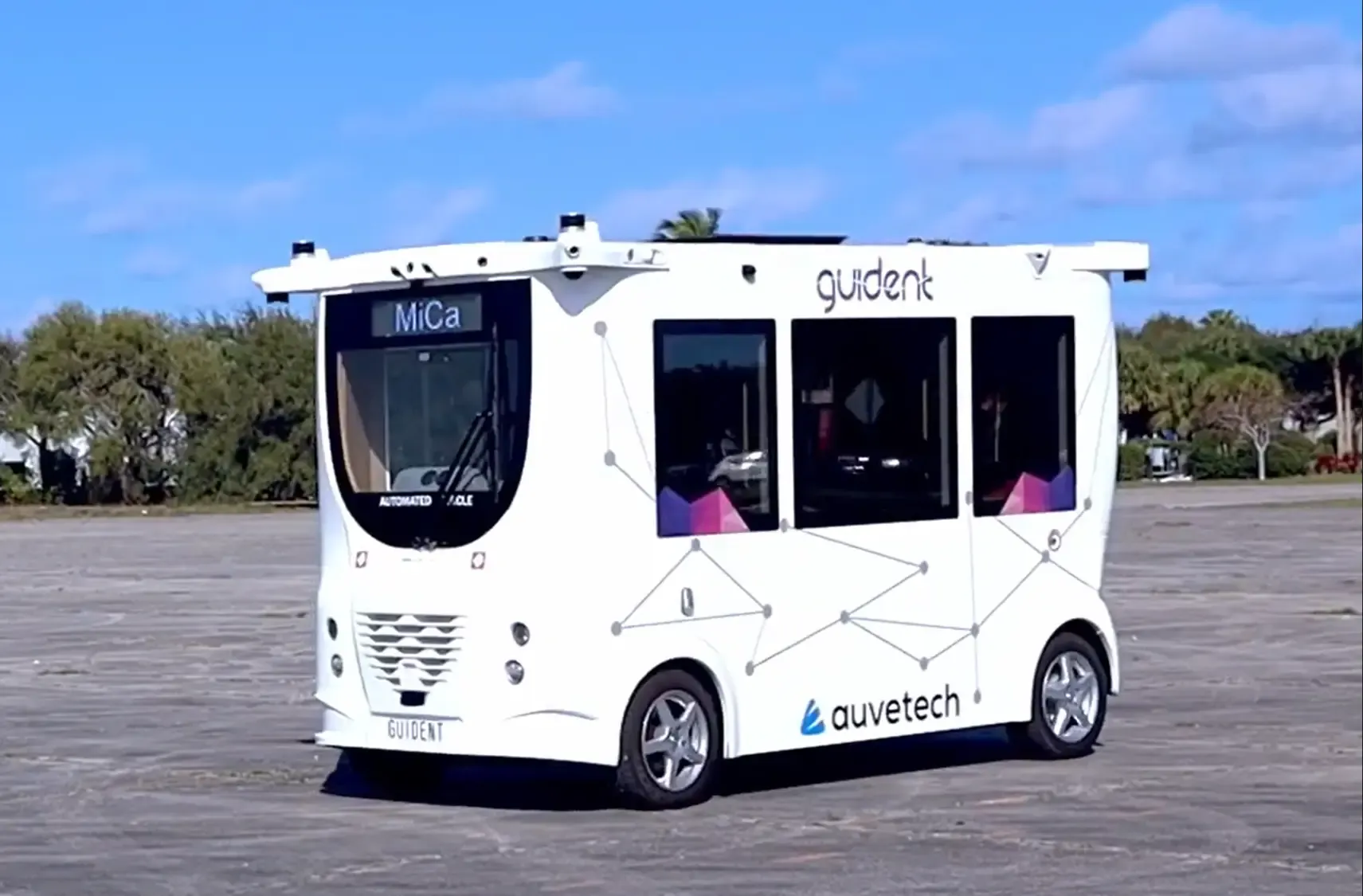
Elbit Systems acquires Bluewhite: a new chapter for autonomous farming
Israeli defense and technology firm Elbit Systems has finalized its acquisition of Blue White Robotics, commonly referred to as Bluewhite, through its subsidiary FUSE. This strategic move, completed recently, positions Elbit to enhance its capabilities in the rapidly growing field of autonomous vehicle technology, particularly for agricultural applications. Founded in 2017 and based in Tel Aviv, Bluewhite has garnered recognition as a leading innovator in this sector, making the acquisition a significant step for Elbit in expanding its technological portfolio and market reach.
Autonomous/semi-autosteering systems autonomous technology autonomous tractors digitalization iot precision agriculture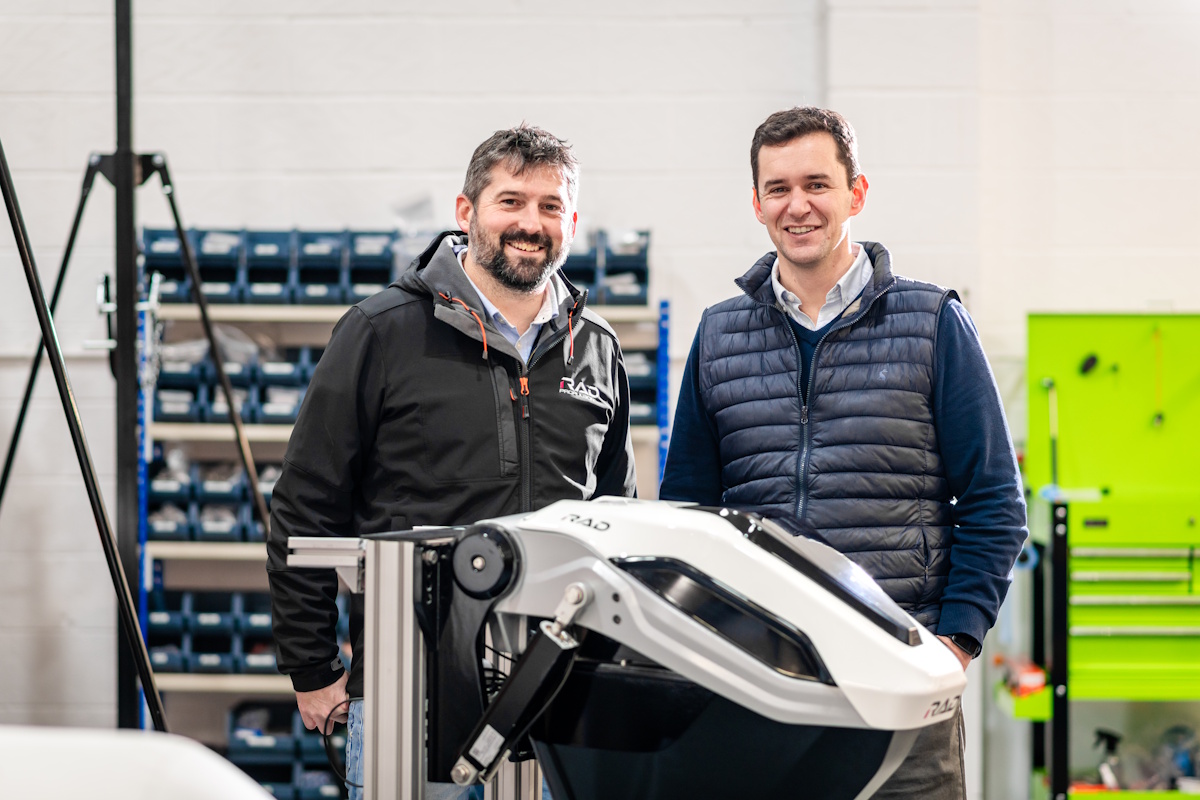
RAD Secures £4.4 Million Funding to Enhance Autonomous Marine Technology and Electric Propulsion Systems
RAD, a marine technology firm, has successfully raised £4.4 million in funding to accelerate the commercialization of its autonomous vessel technologies and expand its electric propulsion systems. This funding round, led by Mercia Ventures, comes after a year of significant product development and customer engagement, including the launch of the Axon open systems architecture for uncrewed vessels at the Combined Naval Event in May 2026. The funding is crucial as RAD aims to capitalize on the growing demand for flexible and scalable marine solutions in both defense and commercial sectors. The Axon architecture allows for rapid development and integration of uncrewed vessel capabilities, which is expected to enhance operational efficiency and reduce vendor lock-in for operators. With this investment, RAD is positioned to lead the electrification shift in marine technology, similar to trends seen in road transport. Looking ahead, RAD plans to utilize the funds for international expansion, including establishing a presence in the U.S. market, and further developing its electric propulsion systems and energy management technologies. The company is also focused on enhancing its engineering capabilities to meet the increasing demand from its diverse customer base. No further timeline was disclosed at the time of publication.
rad raise investment commercialisation autonomous marine technology propulsion systems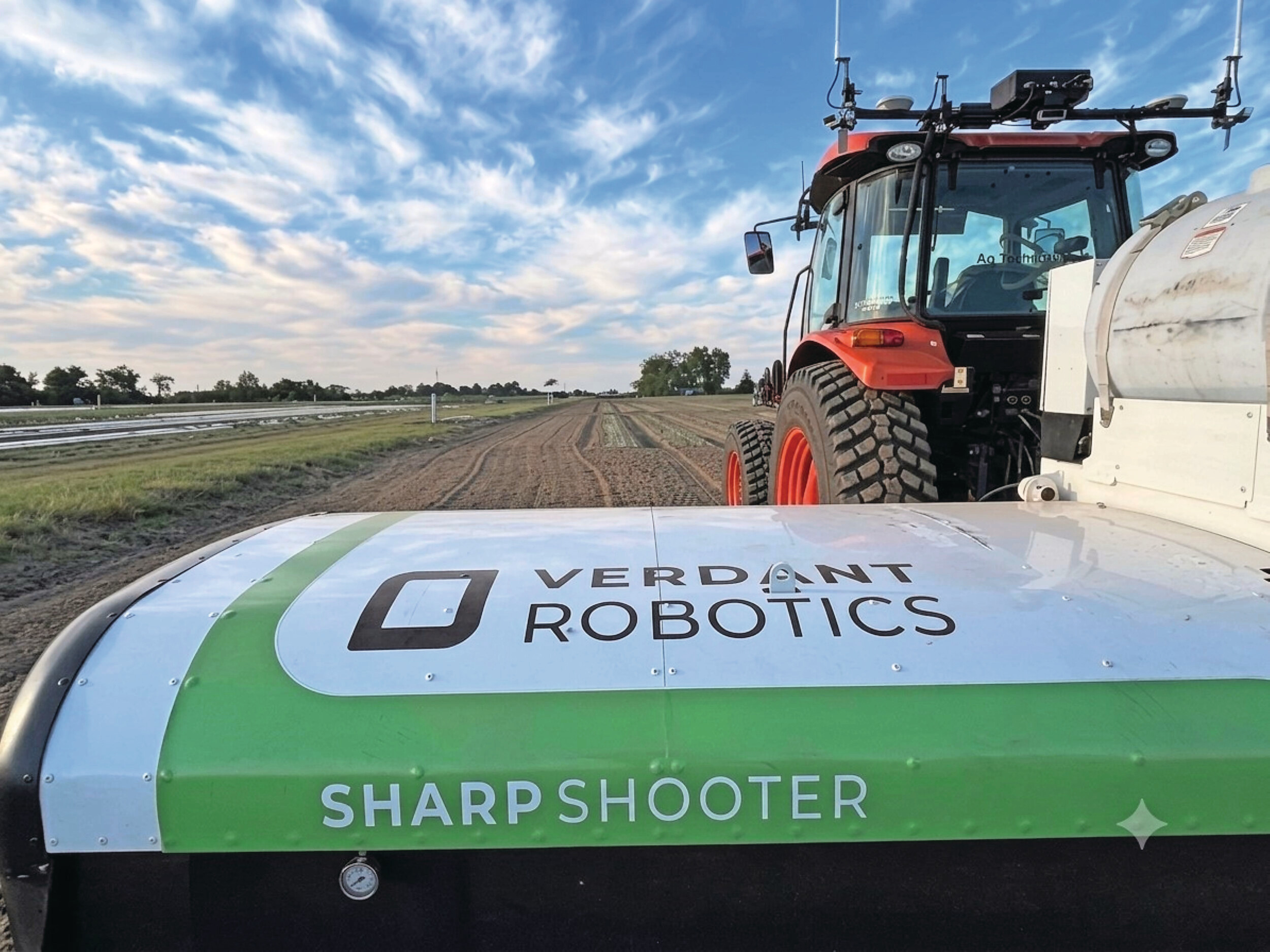
Sabanto and Verdant Robotics integrate autonomy and precision application systems
U.S. companies Sabanto Inc. and Verdant Robotics have announced a groundbreaking integration of their systems, marking a significant advancement in agricultural automation. This collaboration allows producers to automate various fieldwork tasks, including navigation and plant-level input application, without the need for an operator present in the cab. The integration aims to enhance efficiency and productivity in farming operations, responding to the growing demand for innovative agricultural solutions. By leveraging advanced technology, both companies are paving the way for a new era of autonomous farming, which could transform traditional practices and address labor shortages in the industry.
Autonomous/semi-autosteering systems autonomous farm equipment autonomous tractors crop management systems retrofit kits
Agreenculture acquires Chouette to add agronomic intelligence to autonomous machines
French autonomous-machinery specialist Agreenculture has announced its acquisition of Chouette, a company known for its AI-driven agronomic analysis tailored for viticulture. This strategic move, revealed recently, aims to integrate Agreenculture’s advanced autonomy technology with Chouette’s sophisticated crop-monitoring algorithms. The collaboration is set to enhance the development of machines capable of operating independently while also interpreting field observations. This initiative reflects a growing trend in the agricultural sector to leverage artificial intelligence for improved efficiency and precision in farming practices.
Autonomous/semi-autosteering systems agricultural robots agronomists autonomous technology crop monitoring vineyard robots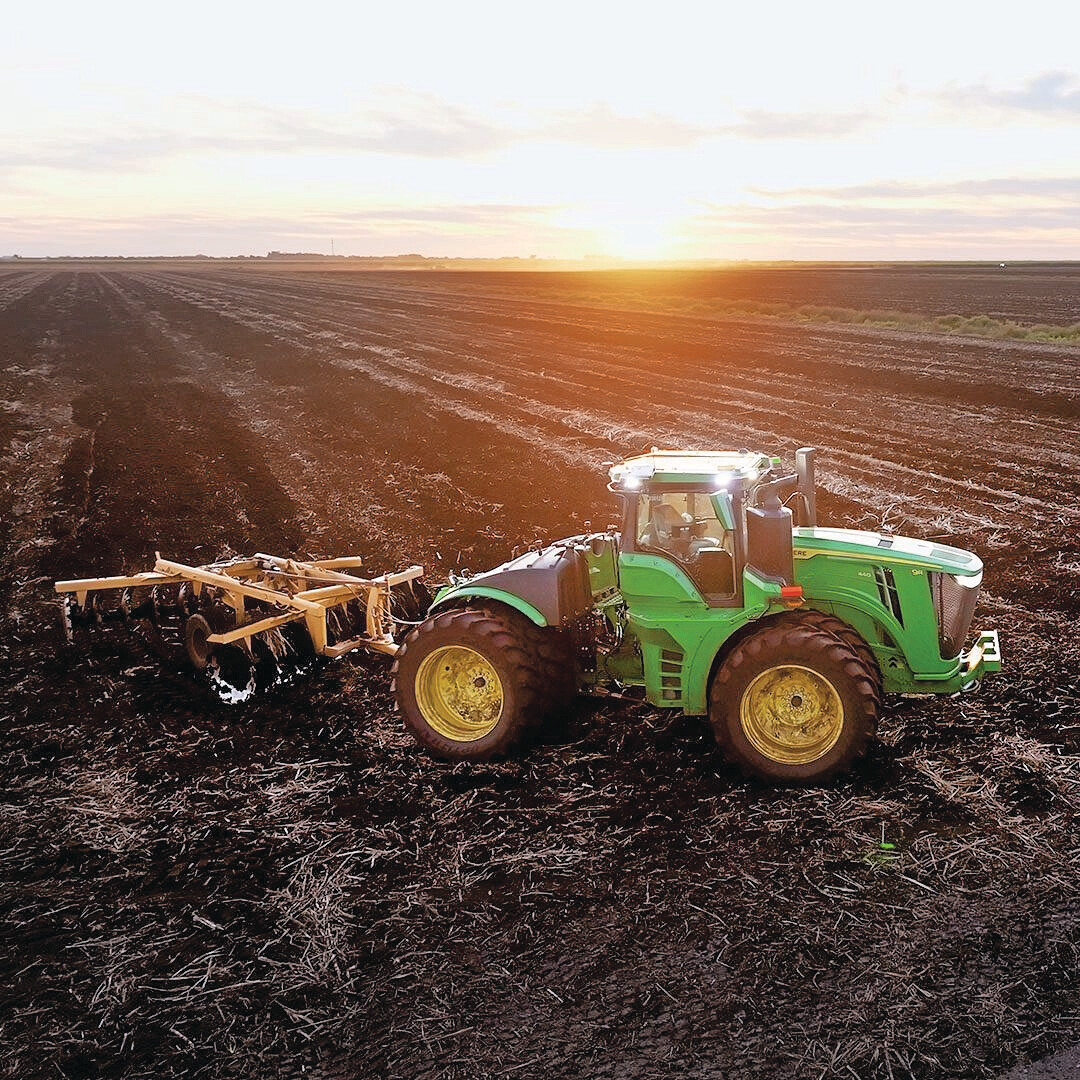
U.S. Sugar deploys autonomous John Deere tractor fleet across 255,000 acres
U.S. Sugar has initiated the largest commercial deployment of autonomous tractors in the American sugar industry, marking a significant advancement in agricultural technology. This initiative involves the use of unmanned John Deere tractors that operate continuously in the sugarcane fields of Florida. The deployment aims to enhance efficiency and productivity in sugarcane farming, reflecting the company's commitment to innovation in agriculture. By utilizing these autonomous machines, U.S. Sugar seeks to streamline operations and reduce labor costs, ultimately improving the overall sustainability of its farming practices. The move comes as the industry increasingly embraces automation to meet growing demands while addressing labor shortages.
Autonomous/semi-autosteering systems autonomous farm equipment autonomous tractors fleet management precision agriculture sugarcane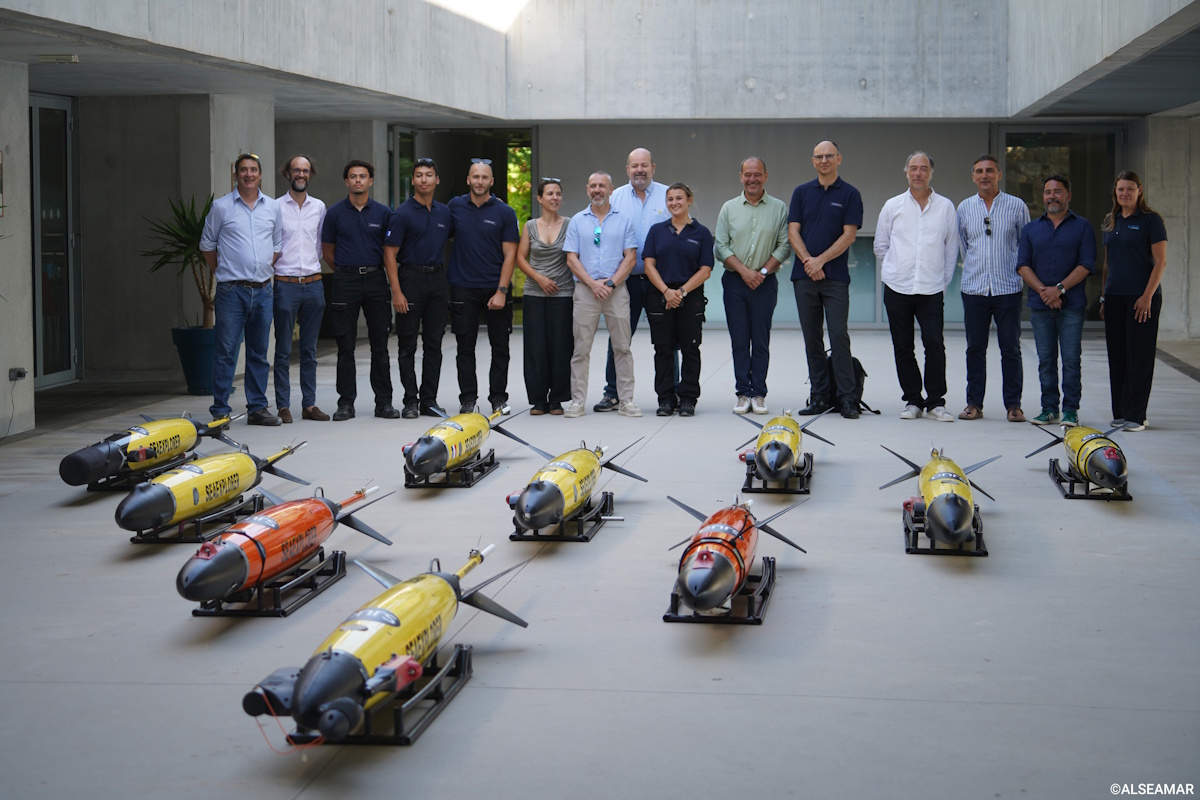
CNRS Deploys Ten SEAEXPLORER Autonomous Gliders for Mediterranean Ecosystem Research
In mid-June 2026, the CNRS deployed ten SEAEXPLORER autonomous underwater gliders in the Ligurian Sea as part of Mission 6 under France's 2030 funding plan. This initiative aims to create a comprehensive environmental data atlas for the northwestern Mediterranean, focusing on the impacts of human activities on marine ecosystems. The gliders will operate for one month, diving to depths of 1,000 meters and equipped with sensors to monitor underwater noise and ocean currents. The deployment is significant as it represents a strategic effort by the French government to enhance industrial competitiveness and develop next-generation technologies for deep-sea exploration. By utilizing coordinated fleets of autonomous gliders and advanced sensing technologies, researchers aim to better understand the dynamics of marine ecosystems and the effects of climate change, maritime traffic, and ocean acidification. This innovative approach will facilitate the study of plankton distribution and biodiversity through methods such as environmental DNA monitoring. Looking ahead, the next phases of Mission 6 will involve additional deployments in the Gulf of Lion in 2028 to test new sensors, followed by operations in French Polynesia between 2028 and 2029. These efforts will further expand the capabilities of autonomous underwater vehicles in marine research, with no further timeline disclosed at the time of publication.
autonomous gliders cnrs exploration mediterranean marine ecosystems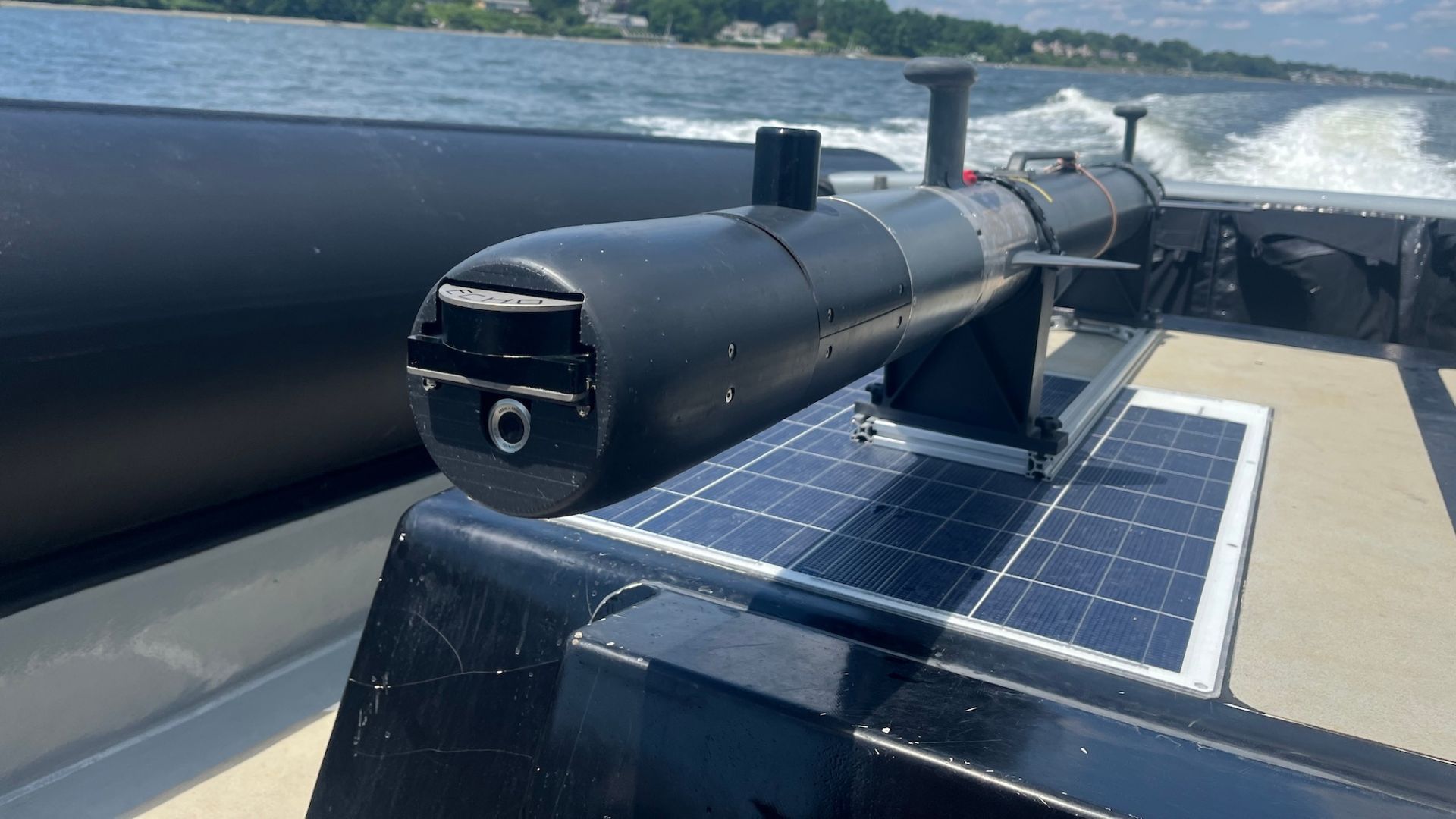
Vatn Systems Launches SIGURD Autonomous System for Naval Mine Detection and Neutralization
U.S. defense startup Vatn Systems has unveiled SIGURD, a compact autonomous system designed to detect and neutralize naval mines. This innovative platform allows military operators to locate underwater mines without the need for large mine warfare vessels, addressing a critical challenge in naval operations. SIGURD is currently being tested by government customers, with deployment expected later this year. The introduction of SIGURD is significant as naval mines remain a cost-effective threat in maritime conflict, capable of disrupting shipping and delaying naval operations. Traditional mine countermeasure missions are resource-intensive, often requiring specialized ships and trained personnel. Vatn's autonomous underwater vehicle aims to streamline this process, enabling quicker responses to mine threats in contested waters. Looking ahead, Vatn Systems is preparing to support U.S. military and allied nations in expanding their autonomous mine warfare capabilities. The demand for such systems is rising, particularly in light of increasing tensions in strategic maritime regions. The successful testing of SIGURD against inert naval mines suggests a promising future for autonomous solutions in mine countermeasures.
Military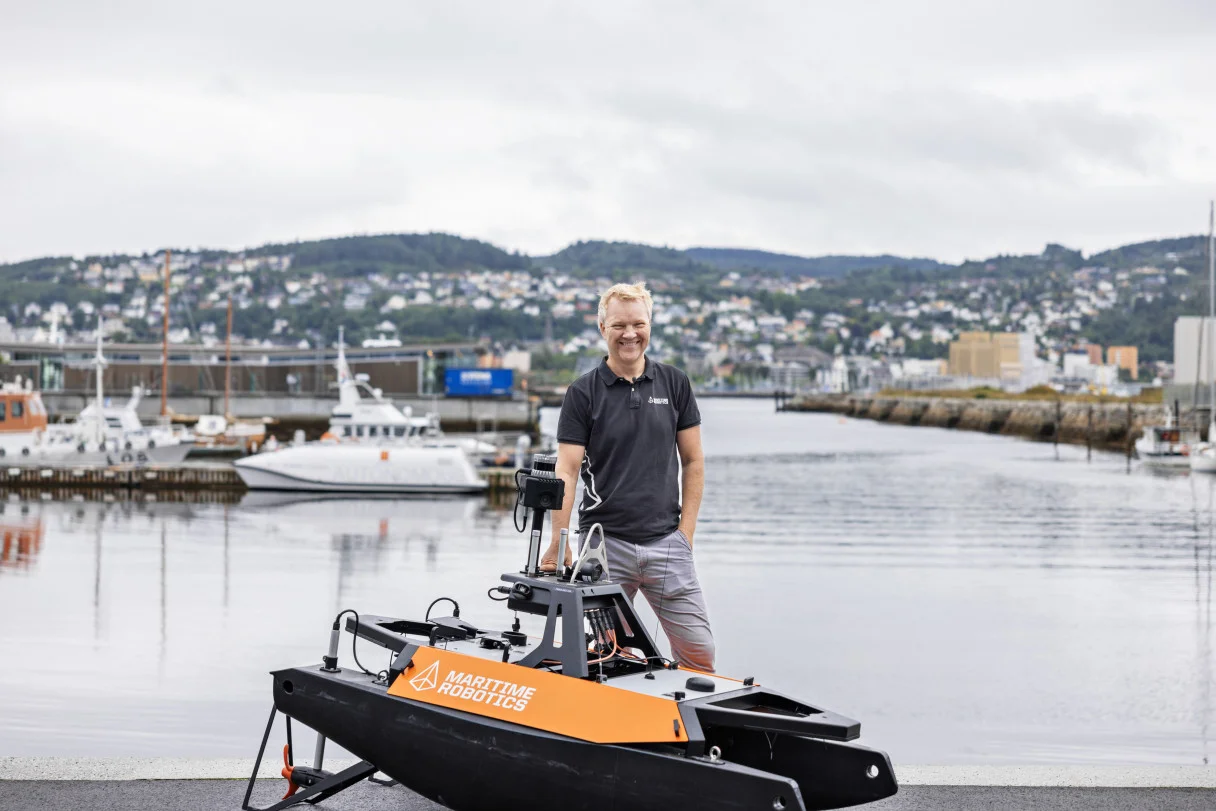
Maritime Robotics Raises €28M in Funding to Expand its Autonomous Sea Drone Systems
Norwegian company Maritime Robotics has secured €28 million in growth funding to enhance its autonomous maritime systems. The funding round, which was led by Mustard Seed + Partners, also saw contributions from existing investors including EnvisionTech, Nysnø Climate Investment, and Umoe, along with participation from the company's founders, employees, and early backers. This financial boost aims to support the company's expansion efforts in the rapidly evolving maritime technology sector.
AI AI Funding & Investment Robotics autonomous maritime systems funding maritime robotics
NautiGEN Launches Hydrogen Power Solutions for Maritime Operations, Autonomous Systems and Subsea Applications
On World Oceans Day, NautiGEN, Inc. officially launched as a new player in the maritime hydrogen power sector. The company, a collaboration between Cellula Robotics and Infinity Fuel Cell and Hydrogen, Inc., aims to revolutionize maritime operations, autonomous systems, and subsea applications by providing high-density fuel cell power solutions. This initiative is driven by the need for sustainable energy alternatives in the maritime industry, addressing both environmental concerns and the demand for efficient power sources. NautiGEN's innovative approach is expected to enhance the performance and sustainability of various maritime technologies, marking a significant step forward in the transition to cleaner energy solutions at sea.
cellula robotics nautigen hydrogen power maritime operations autonomous systems subsea applications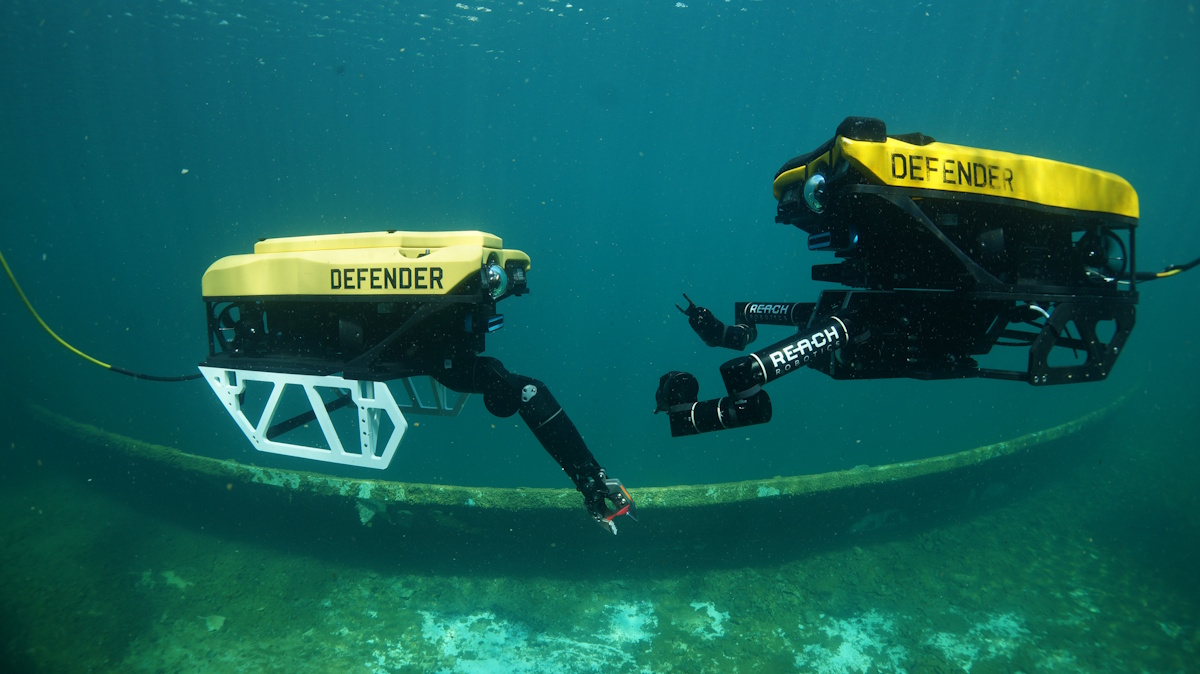
Coast Guard to Invest $350m in Robotics and Autonomous Systems
The Coast Guard revealed on Wednesday its plans to allocate nearly $350 million towards the enhancement of robotics and autonomous systems, aimed at bolstering its mission execution and operational capabilities. This significant investment is part of the One Big Beautiful Bill Act (OBBBA) and includes an immediate allocation of $11 million for fiscal year 2025, designated for urgent upgrades to essential autonomous systems. The initiative reflects the Coast Guard's commitment to modernizing its technology to improve efficiency and effectiveness in its operations.
coast guard investment robotics and autonomous systems videoray
Saab Awarded ASIMOV Contract by DARPA to Develop Responsible AI Benchmarks for Autonomous Systems
The Defense Advanced Research Projects Agency (DARPA) has contracted a team led by Saab, Inc.’s newly established accelerator, Skapa by Saab, in collaboration with the Massachusetts Institute of Technology (MIT). This partnership is part of DARPA's Autonomy Standards and Ideals with Military Operational Values (ASIMOV) program, which seeks to create benchmarks for objectively and quantitatively assessing the ethical complexities of future autonomous systems and their readiness for military applications. The initiative underscores the growing importance of integrating ethical considerations into the development of autonomous technologies in defense.
saab contract award asimov darpa ai autonomous systems
Yamaha Agriculture adds herbicide spraying to Prospr robot
Yamaha Agriculture has unveiled a new herbicide spraying attachment designed for its Prospr autonomous hybrid vehicle platform, enhancing the machine's functionality to facilitate automated weed control in orchards and vineyards. This innovation aims to improve agricultural efficiency and reduce labor costs, addressing the growing need for effective weed management in the farming sector. By integrating this attachment, farmers can leverage advanced technology to streamline their operations and promote sustainable practices in crop production. The introduction of this feature marks a significant step forward in the application of automation within agriculture, reflecting Yamaha's commitment to supporting modern farming techniques.
Autonomous/semi-autosteering systems autonomous technology herbicides hybrid drivetrains robotic harvesting weed control
SYNDÉO Introduces SmartVault Drone Base for Underground Autonomous Flight Solutions
SYNDÉO, a Verona, Wisconsin-based infrastructure company, is advocating for underground drone bases, specifically its SmartVault Drone Base, designed for critical missions like infrastructure inspection and border security. This innovative subsurface station features a load-bearing hatch for drone charging, secure storage, and advanced AI capabilities, distinguishing it from conventional above-ground systems. The significance of SYNDÉO's approach lies in its focus on mission-critical applications, providing a secure and efficient environment for drones. Founder Gary Henshue emphasizes that while other drone docks exist, the SmartVault integrates essential features such as thermal management and backup power, catering to the unique demands of autonomous flight operations. Looking ahead, SYNDÉO aims to expand its market presence after a decade in the infrastructure sector. The company previously engaged in smart city initiatives, including a notable project in Austin, Texas. As interest in smart city solutions fluctuates, the future adoption of SmartVault technology will be pivotal for enhancing urban infrastructure and drone operations. No further timeline was disclosed at the time of publication.
Drone News Dual Use News Smart Cities autonomous drones autonomous flight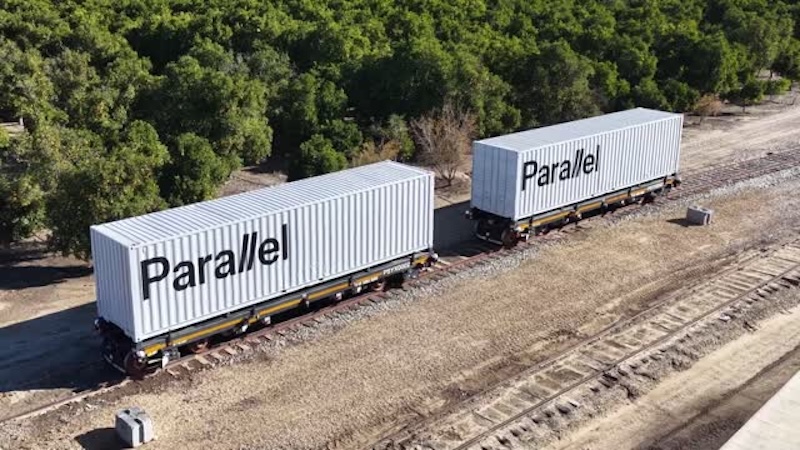
Interview: Parallel Systems CEO Matt Soule on building ‘the world’s first autonomous freight rail system’
In recent years, autonomous trucks have captured significant attention and investment in the freight transportation sector. However, freight rail is also experiencing a transformative shift, as highlighted by Matt Soule, founder and CEO of Parallel Systems. He asserts that autonomous rail technology could revolutionize the industry, offering a promising alternative to traditional freight methods. This development comes at a time when the logistics sector is increasingly seeking innovative solutions to enhance efficiency and reduce costs. As the demand for sustainable and automated transport solutions grows, the freight rail industry is positioning itself to leverage advancements in technology, potentially reshaping the future of cargo movement across the country.
Engineering Features Logistics Transportation ai logistics automation news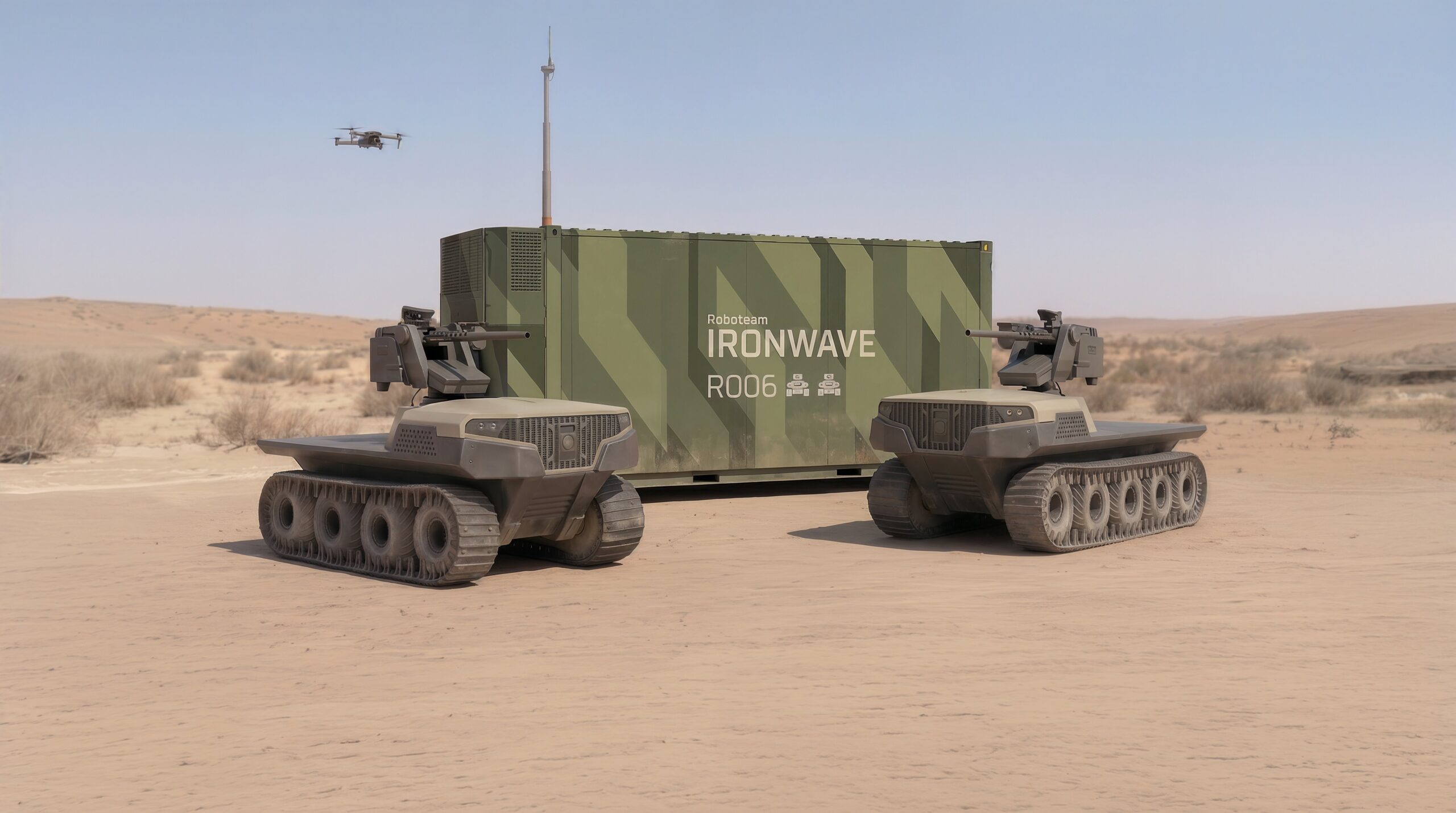
Ondas Unveils New Autonomous Counter-Drone and Robotic Combat Systems
Ondas Holdings has introduced two innovative autonomous defense systems, MODUS and IRON WAVE, aimed at assisting military forces in countering the escalating threats posed by drones and enhancing the deployment of robotic systems. This announcement highlights the company's commitment to addressing critical challenges faced by modern military operations. The unveiling of these systems comes at a time when the proliferation of drone technology and robotic warfare is reshaping the battlefield landscape. By providing advanced solutions, Ondas Holdings seeks to empower frontline troops with enhanced capabilities to effectively neutralize aerial threats and integrate robotic support into their operations.
Anti-drone technology Applications C-UAS defense Defense Drone News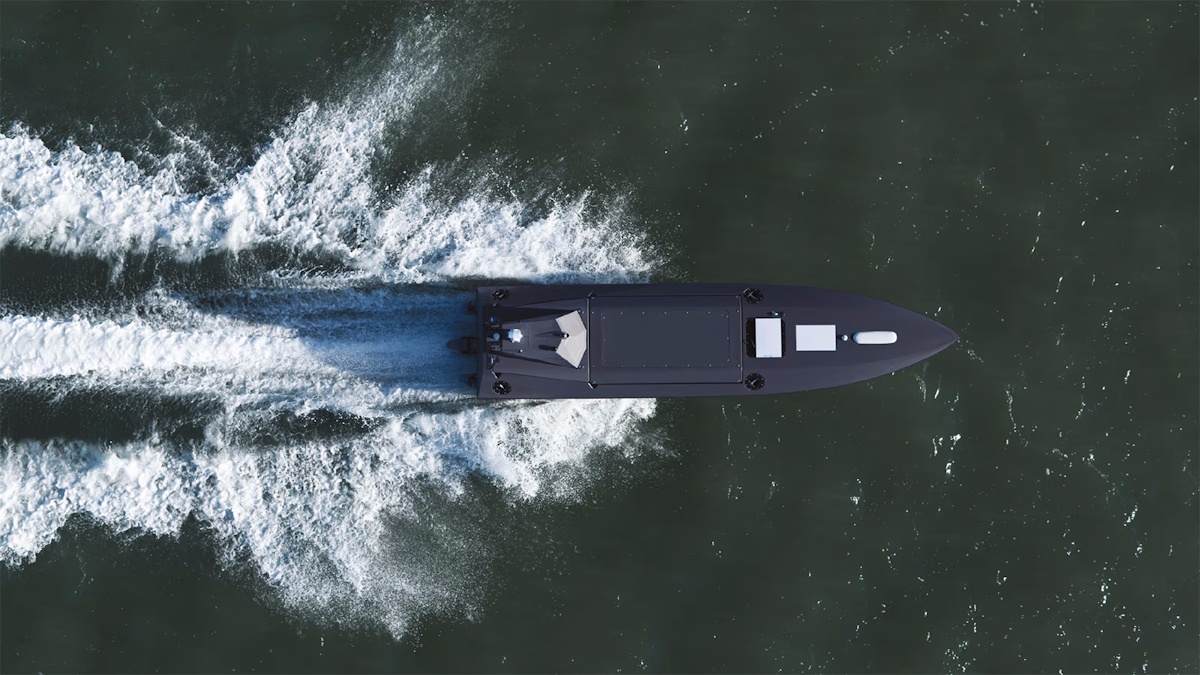
Davie and Kraken set to Join Forces on the Production of Autonomous Vessels and Systems in Canada
Québec-based Davie and the UK’s Kraken Technology Group have entered into a strategic collaboration aimed at enhancing the production, integration, and development of Kraken's advanced autonomous solutions in Canada. This partnership, announced today, seeks to leverage Davie’s expertise in shipbuilding and marine technology to bolster the capabilities of Kraken’s innovative offerings. By establishing a Canadian base for these operations, the collaboration aims to strengthen local industry and support the growing demand for autonomous technologies in maritime applications. The initiative reflects a commitment to advancing technological development in the region while fostering international cooperation in the field of autonomous systems.
davie kraken technology group production autonomous vessels
FAULHABER designs DualGear for autonomous logistics systems
FAULHABER has unveiled its latest innovation, the DualGear, specifically engineered to enhance performance in space-constrained autonomous logistics applications. This development aims to address the growing demand for efficient and compact solutions in the logistics sector, where maximizing space and performance is crucial. The introduction of DualGear reflects FAULHABER's commitment to advancing technology in the field of automation, particularly in environments where traditional systems may fall short. By integrating this new gear system, the company seeks to improve operational efficiency and reliability in autonomous logistics operations.
Actuators / Motors / Servos AGVs Autonomous Mobile Robots (AMRs) drive Logistics Motion Control
GoZTASP: A Zero-Trust Platform for Governing Autonomous Systems at Mission Scale
ZTASP, a cutting-edge assurance and governance platform for autonomous systems, has made significant advancements in ensuring the safety and integrity of operations in real-world environments. This platform integrates various technologies, including drones, robots, sensors, and human operators, into a cohesive zero-trust architecture. Utilizing Secure Runtime Assurance (SRTA) and Secure Spatio-Temporal Reasoning (SSTR), ZTASP continuously monitors system integrity and enforces safety protocols, allowing for resilient operations even in challenging conditions. Recently, ZTASP has achieved operational validation at Technology Readiness Level (TRL) 7, demonstrating its effectiveness in mission-critical scenarios. Key components, such as the Saluki secure flight controllers, have reached TRL 8 and are now actively deployed in customer systems. Originally designed for high-stakes missions, the platform's assurance capabilities are increasingly applicable across various sectors, including healthcare, transportation, and critical infrastructure. This evolution reflects a growing recognition of the need for robust safety measures in diverse operational domains.
Autonomous-systems Drones Sensors Transportation Type-whitepaper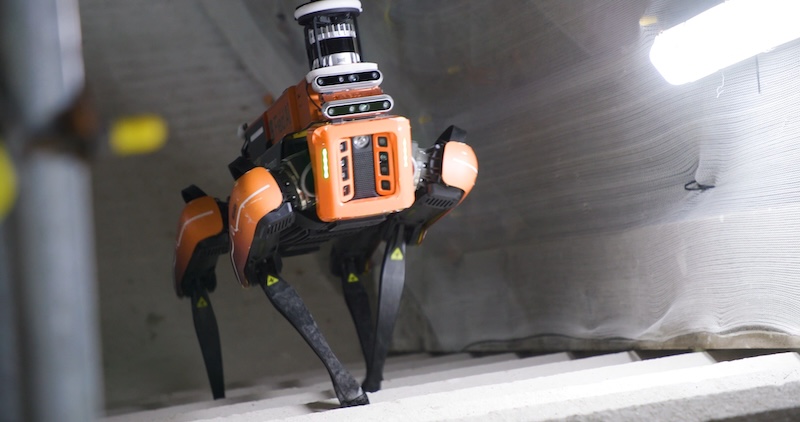
McLaren Construction Partners with FieldAI to Deploy Autonomous Robots Across UK Sites
McLaren Construction has formed a partnership with FieldAI to implement autonomous quadruped robots at its construction sites in the UK. These robots will initially be used for capturing 360° site imagery, generating point cloud data, and assisting with progress verification, safety compliance, and quality assurance. The capabilities of these robots will expand over time, enhancing their utility on-site. This partnership is significant as it marks FieldAI's entry into the UK market and builds upon its existing deployments across Europe, Asia, and North America. The use of AI-enabled deviation analysis will facilitate quicker identification of quality issues, ensuring better installation practices and reducing rework. McLaren aims to enhance project monitoring and compliance through this innovative technology. Looking ahead, McLaren Construction anticipates that the collaboration will yield valuable insights for broader robotic applications within the company. The deployment of FieldAI's Field Foundation Models will enable robots to adapt to complex environments without relying on pre-existing maps, thus enhancing operational efficiency. No further timeline was disclosed at the time of publication.
Construction News artificial intelligence Autonomous robots autonomous systems construction automation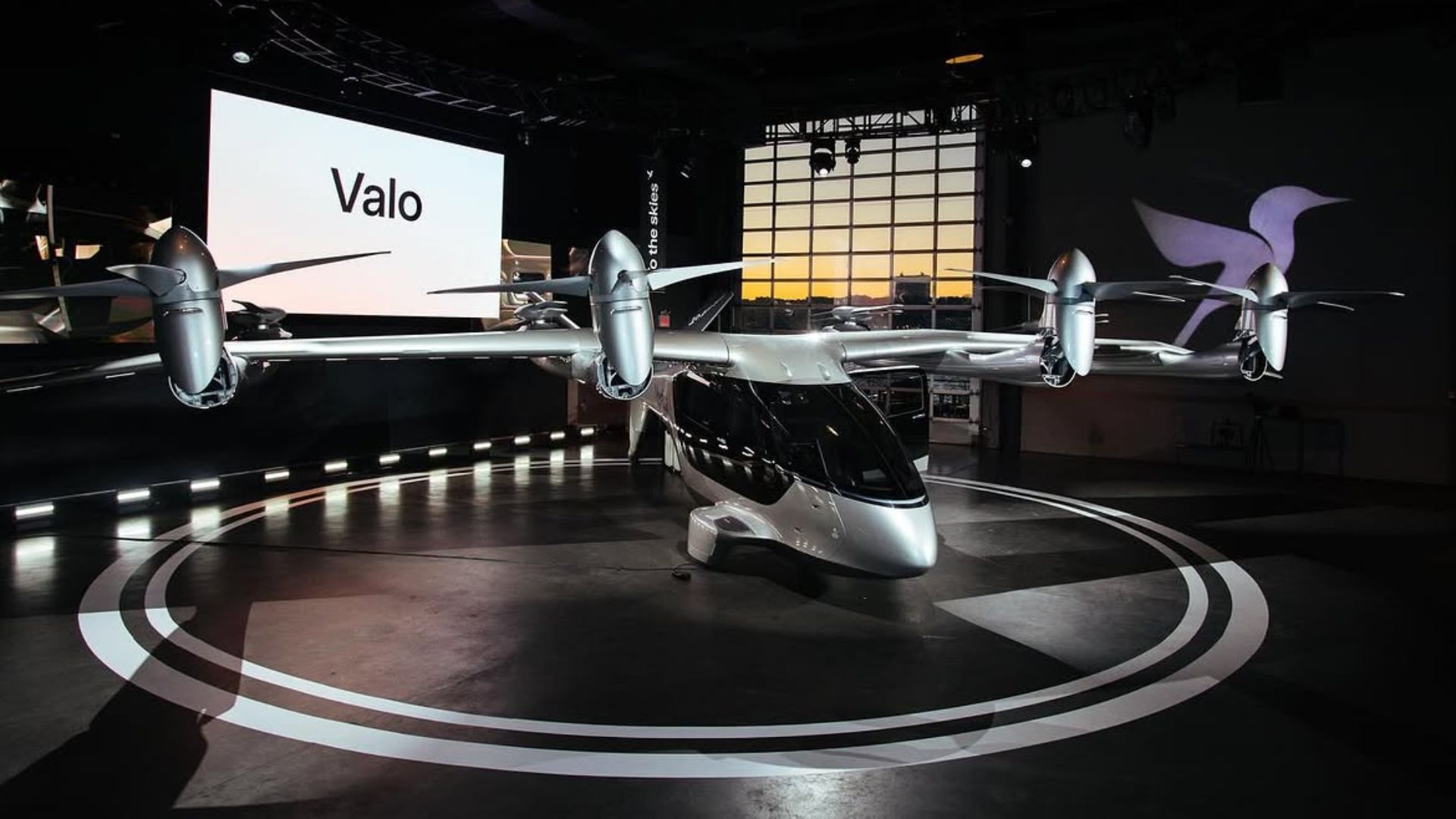
Vertical Aerospace Partners with Near Earth Autonomy for Valo Aircraft's Autonomous Flight Capabilities
Vertical Aerospace has partnered with Near Earth Autonomy to enhance its Valo aircraft with advanced autonomous flight capabilities. This collaboration aims to integrate Near Earth's autonomy software with Honeywell Aerospace's Anthem digital cockpit, facilitating the development of self-flying technology for defense and commercial aviation. The partnership is significant as it allows Vertical to leverage Near Earth's extensive experience in autonomous aviation, which includes systems developed for military applications. By utilizing a shared technology stack, the companies aim to reduce technical risks associated with expanding autonomous features in the Valo aircraft, which is designed for both defense and commercial markets. Looking ahead, Vertical plans to pursue defense programs while also preparing for automated commercial operations. The Valo aircraft, featuring hybrid-electric propulsion, is capable of flying up to 1,000 miles and carrying payloads of up to 2,400 pounds, making it a versatile option for various operational roles. No further timeline was disclosed at the time of publication.
Transportation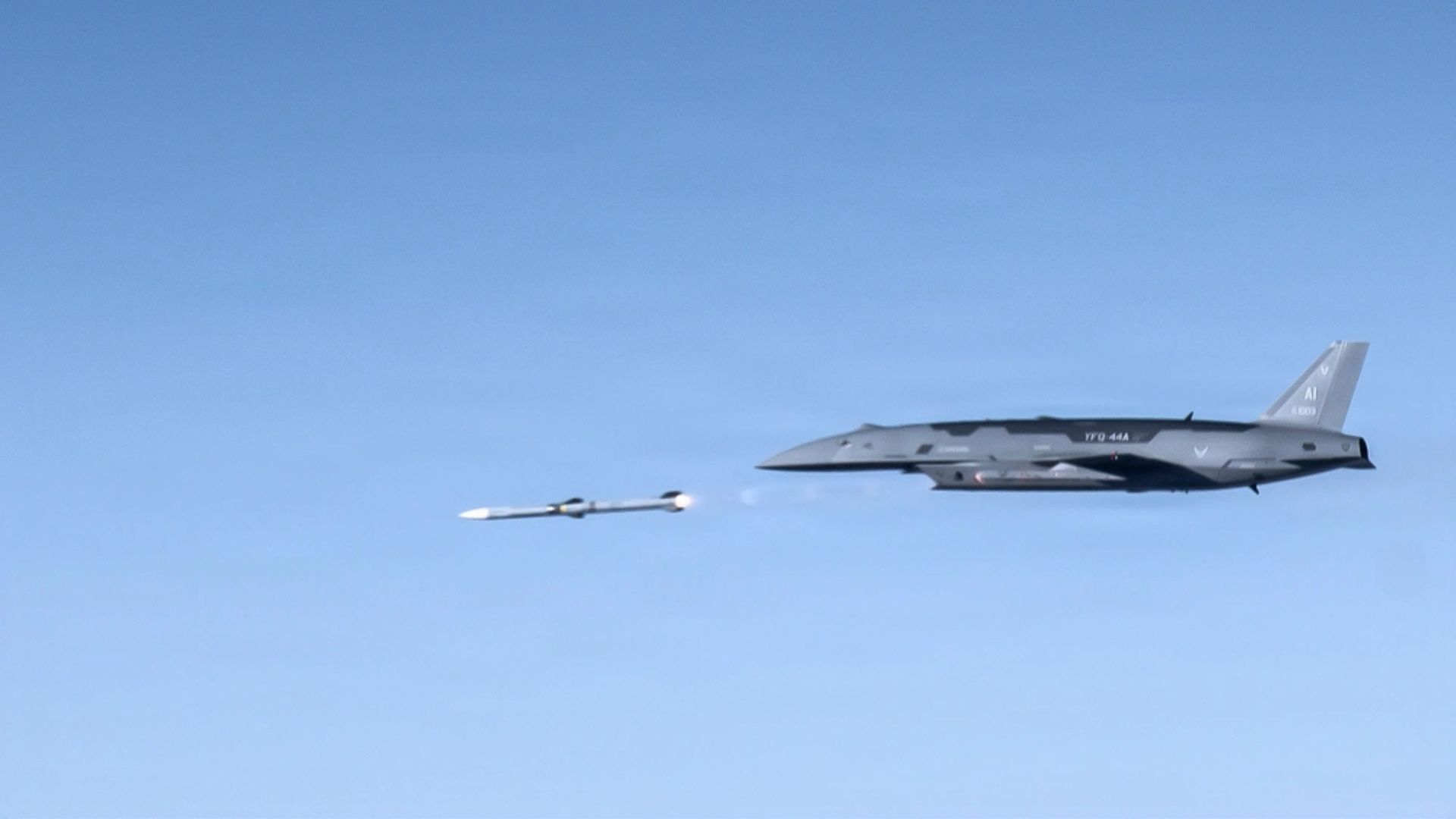
U.S. Air Force Conducts First Missile Launch from Anduril's YFQ-44A Drone
The U.S. Air Force successfully executed its inaugural missile launch from a Collaborative Combat Aircraft (CCA) on June 15, 2026. The Anduril-developed YFQ-44A drone fired an AIM-120 medium-range air-to-air missile at a digital target in California’s Mojave Desert, marking a significant advancement in the development of semi-autonomous drones capable of operating alongside piloted fighter jets. This milestone is crucial as it demonstrates the Air Force's commitment to enhancing its combat capabilities through the use of Collaborative Combat Aircraft. The YFQ-44A autonomously managed most mission steps, with a human operator providing the final launch approval, adhering to U.S. policy on lethal weapon control. This test signifies a shift from previous trials, where operators controlled the drone's flight, showcasing the aircraft's ability to execute complex tasks independently. Looking ahead, the Air Force aims to further develop and test these semi-autonomous aircraft, ultimately enhancing U.S. airpower. The CCA program seeks to deliver combat-ready drones that can operate effectively in challenging environments, with the potential for real mission deployment on the horizon. No further timeline was disclosed at the time of publication.
Military
Current Disturbances Impacting Online Localization for Autonomous Underwater Vehicles
The Journal of Field Robotics has published an early view article discussing the challenges of online localization for autonomous underwater vehicles (AUVs) in the presence of current disturbances. This research highlights the difficulties faced by AUVs when global references are not available, which is crucial for their navigation and operational efficiency. Understanding how current disturbances affect AUV localization is significant as it directly impacts the effectiveness of underwater missions. Accurate localization is essential for various applications, including environmental monitoring, underwater exploration, and military operations. The findings from this study could lead to improved algorithms and technologies that enhance the reliability of AUVs in challenging underwater environments. Future research should focus on developing advanced localization techniques that can mitigate the effects of current disturbances on AUVs. As underwater exploration continues to grow, the demand for reliable AUV navigation systems will increase. No further timeline was disclosed at the time of publication.
RESEARCH ARTICLE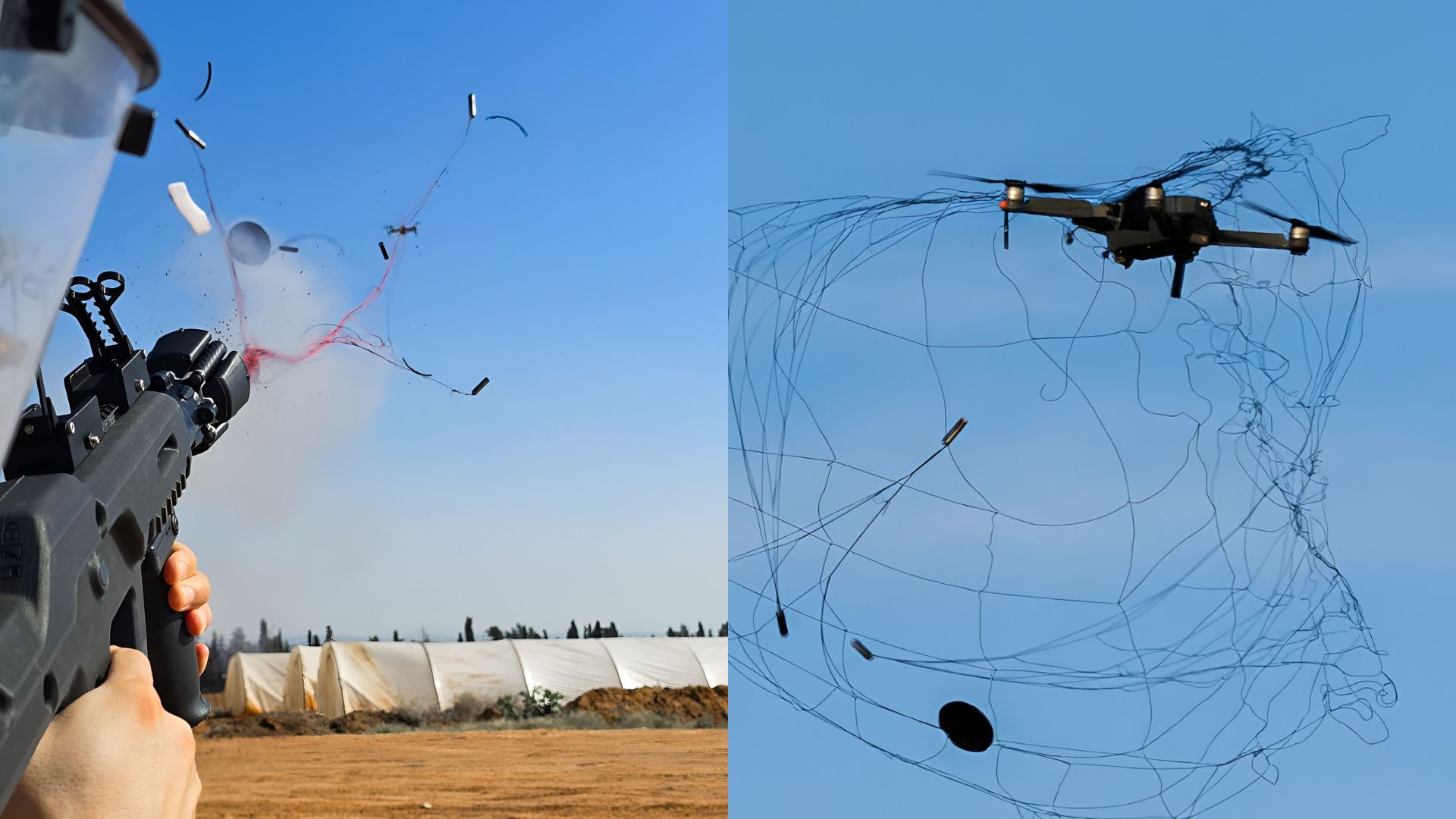
ParaZero Technologies Launches DefendAir for Autonomous Drone Interception in Military Applications
ParaZero Technologies has introduced its DefendAir platform, designed to intercept first-person view (FPV) drones autonomously before they can strike military vehicles. This system utilizes a non-explosive net-based interception method, creating a 360-degree defensive envelope around assets. The platform aims to enhance protection for both moving and stationary high-value military targets without the weight penalties of traditional armor. The rise of low-cost FPV drones has prompted militaries to seek effective countermeasures, as these drones have proven capable of damaging expensive military equipment. ParaZero's DefendAir addresses the limitations of conventional protective measures, such as steel cages, by offering a more agile and responsive solution. The system's ability to detect and neutralize threats rapidly is crucial for modern battlefield scenarios, where speed and precision are paramount. ParaZero is currently collaborating with Tier-1 defense companies to refine the DefendAir technology for operational requirements. While the company has not disclosed specific partners or a timeline for deployment, the focus on active counter-drone systems reflects a broader trend in military strategy, emphasizing the need for innovative solutions to counter evolving aerial threats. No further timeline was disclosed at the time of publication.
Military
Massimo Group Launches AI Intelligent Patrol Platform Initiative Integrating Autonomous Patrol Vehicles, Spherical Security Robots and Drone Systems
Massimo Group has officially launched the prototype development of autonomous patrol electric vehicles, aiming to penetrate the $50.4 billion U.S. security services industry. This initiative, which began in October 2023, focuses on integrating artificial intelligence into patrol and intelligent security mobility systems. By leveraging advanced technology, the company seeks to enhance security operations and improve efficiency in monitoring and response capabilities. The move is part of Massimo Group's broader strategy to innovate within the security sector, addressing growing demands for smarter and more effective security solutions.
Will robots replace contractors?
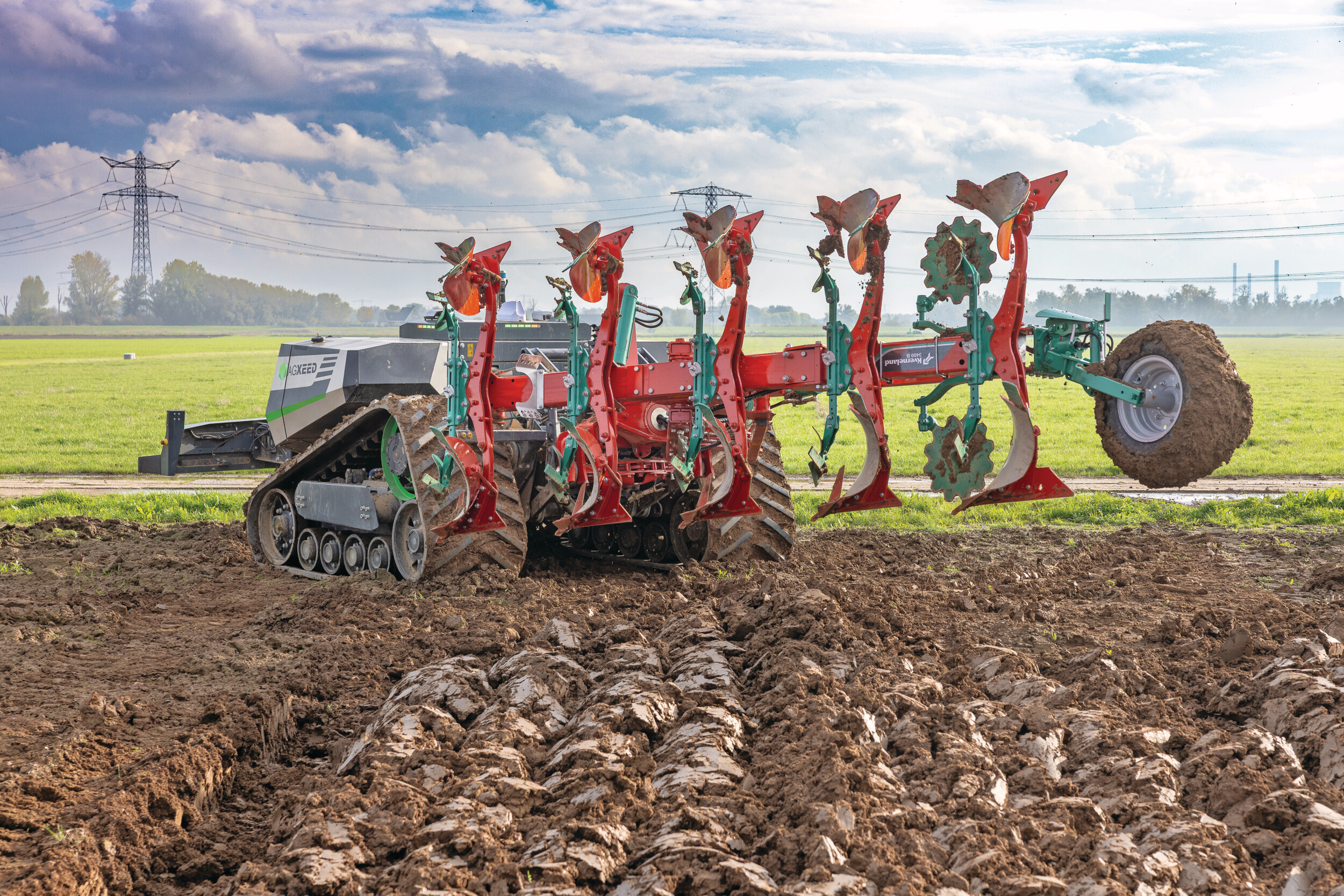
As the construction industry evolves, a significant debate has emerged regarding the role of robots in the sector. Experts are exploring whether robots will ultimately replace human contractors or if contractors will begin to integrate robotic technology into their operations. This discussion is gaining traction as advancements in robotics and automation continue to reshape the landscape of construction work. With the potential for increased efficiency and reduced labor costs, many contractors are considering how to adapt to these technological changes. The conversation is particularly relevant as companies seek to enhance productivity and address labor shortages exacerbated by the ongoing challenges in the workforce. As of October 2023, the industry is at a crossroads, with various stakeholders weighing the benefits and drawbacks of robotic integration. The outcome of this debate could significantly impact the future of construction, influencing job roles and operational strategies across the sector. Whether robots will serve as replacements or partners in construction remains to be seen, but the dialogue is crucial as the industry navigates this transformative period.
Autonomous/semi-autosteering systems automation autonomous tractors farm management robotic harvesting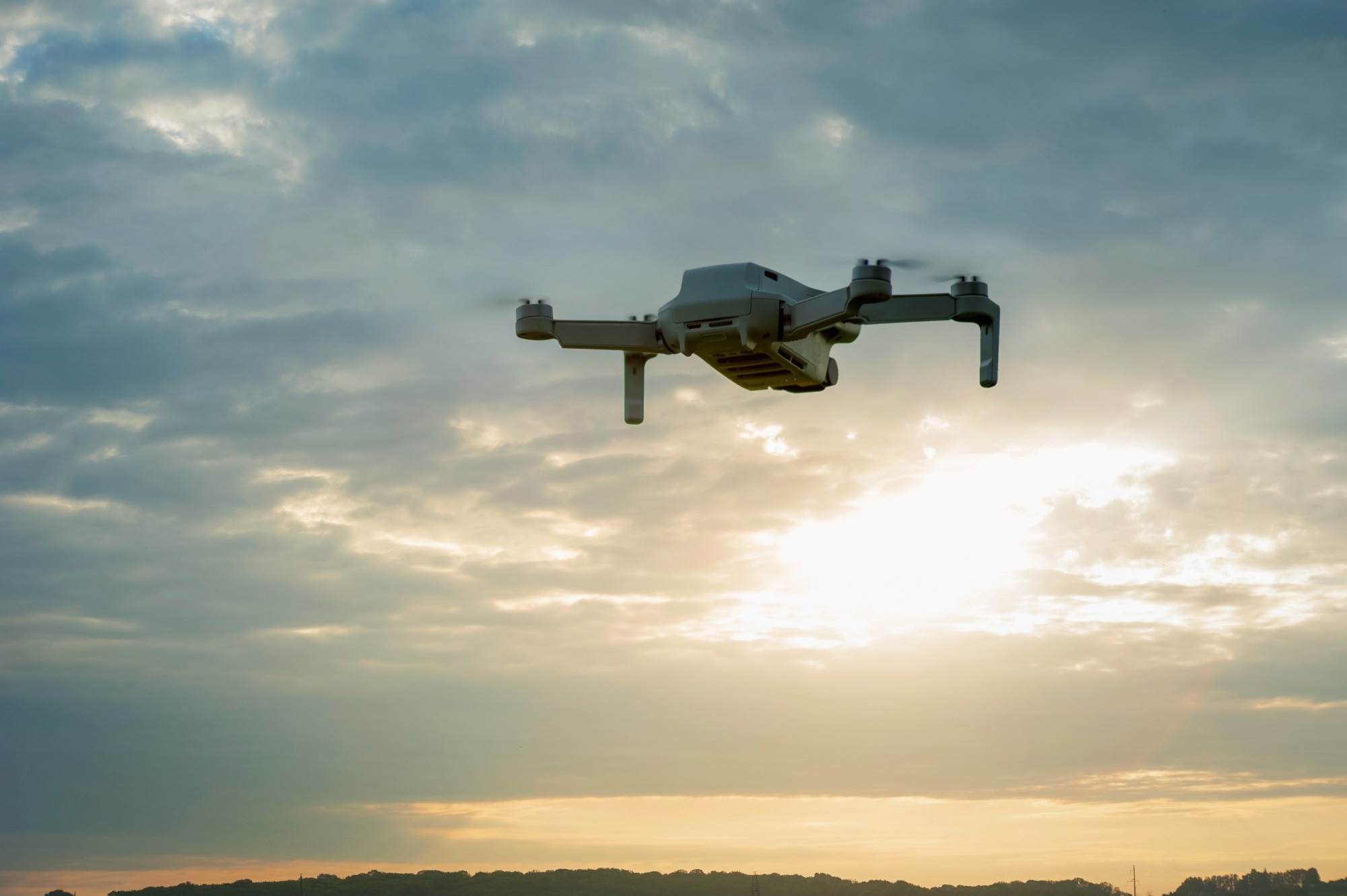
Bayesian Framework Enables Ethical Evaluation of Autonomous Systems
A new initiative, SEED-SET, has been introduced to improve the ethical evaluation of autonomous systems. This framework employs a hierarchical Bayesian approach to ensure that these systems align more closely with the values and metrics important to stakeholders. By optimizing the evaluation process, SEED-SET aims to address growing concerns about the ethical implications of autonomous technologies. The development of this framework comes in response to increasing scrutiny from various sectors regarding the impact of such systems on society. The initiative is expected to foster greater trust and accountability in the deployment of autonomous technologies, enhancing their acceptance and integration into everyday life.
The Future of Cobot Palletizing: Autonomous Mobile Robots and Modular Systems
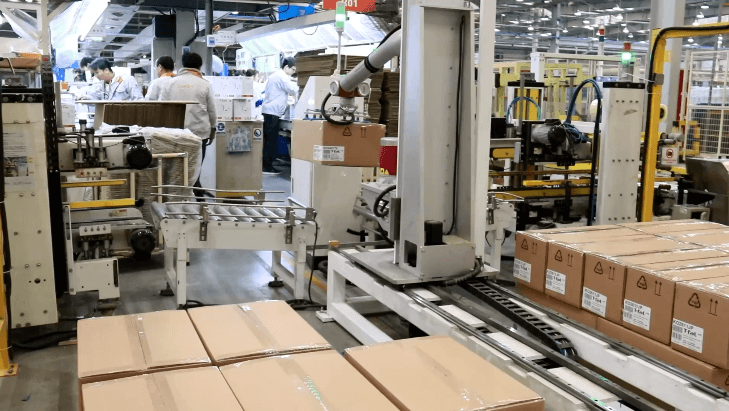
As the manufacturing and logistics sectors evolve, JAKA is pioneering advancements in cobot palletizing, emphasizing flexibility and autonomy. Customers are increasingly demanding systems that can adapt to varying layouts, product types, and throughput requirements without extensive reconfiguration. The integration of six-axis robot arms is central to this shift, enabling dynamic handling of mixed loads and pallet patterns. A key trend in this field is the combination of autonomous mobile robots with collaborative manipulators. This integration allows for palletizing tasks to occur beyond fixed stations, enabling cobots to move between production lines and adjust to seasonal shifts or temporary capacity needs. The use of modular mechanical interfaces and standardized communication protocols facilitates scalable system development, transforming cobot palletizing into a shared resource that enhances operational efficiency and investment planning. Advanced control capabilities are also crucial for the future of cobot palletizing. Features such as precise path planning, responsive motion control, and adaptable force management enable collaborative robots to handle various packaging formats consistently. For instance, the JAKA Zu7 robot can seamlessly transition between palletizing and secondary tasks like automated screwdriving, adjusting torque settings as needed. Looking forward, JAKA envisions a future where cobot palletizing is characterized by autonomous mobility, modular design, and intelligent control. This approach aims to ensure that palletizing solutions evolve alongside production demands, rather than limiting them. By aligning collaborative robots with mobile platforms and adaptable end-effectors, JAKA is committed to developing systems that integrate into broader automation strategies, supporting reliable operations and sustainable growth in modern automated facilities.
Understanding Robotics and Autonomous Systems in Next-Gen Smart Factories
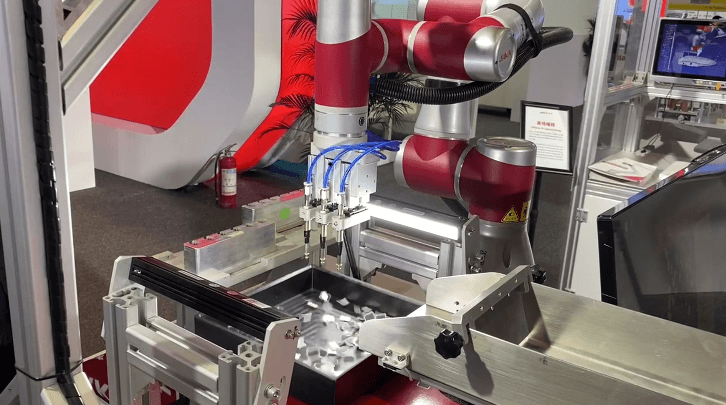
Factories are experiencing a significant transformation as they shift from traditional linear automation to interconnected, intelligent production ecosystems. This change is driven by the integration of robotics and autonomous systems, with JAKA positioning its industrial cobots as essential components within this advanced network. The industrial cobot serves as a flexible link between manual workstations and fully automated lines, enabling manufacturers to adapt quickly to varying tasks such as assembly and inspection. This adaptability is crucial for high-mix production environments, allowing workflows to respond in near real-time to digital directives from a central Manufacturing Execution System (MES). The evolution of true autonomy is facilitated by the connectivity of individual machines within a coordinated network. JAKA's robotic arms can communicate seamlessly with autonomous mobile robots and vision systems, creating a responsive operational loop. For example, an autonomous robot can deliver components to a JAKA cobot, which then executes tasks based on cloud-based analytics. JAKA emphasizes the importance of reliable, connected hardware to support these systems, focusing on high-precision control technology that ensures accurate task execution. This reliability is essential for advancing towards lights-out production in certain processes. As the next-generation smart factory emerges, the industrial cobot is positioned as a versatile agent within a complex architecture of robotics and autonomous systems. JAKA aims to provide manufacturers with the necessary hardware to build increasingly responsive and autonomous production environments, enhancing efficiency and complexity management in the manufacturing landscape.
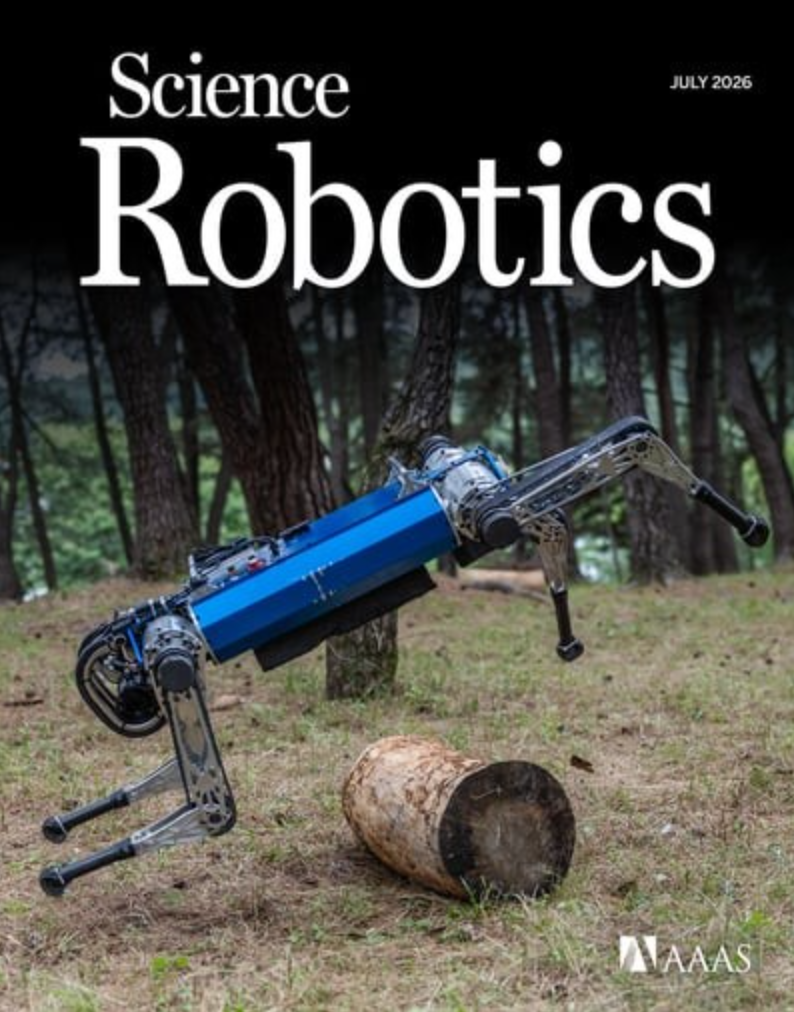
KAIST Unveils Advanced Four-Legged Robot with Autonomous Navigation Technology
KAIST's mechanical engineering team, led by Professor Park Hai-won, announced a breakthrough in robotic technology on July 16. They developed a four-legged robot capable of autonomously selecting and switching between various gaits in real-time, enabling it to navigate complex outdoor environments with speed and stability. This innovation is significant as it integrates a new control architecture called APT-RL (Action Pre-training Reinforcement Learning based on Transformers), which allows the robot to learn movement through computer simulations rather than traditional motion capture. The robot, named KAIST HOUND, demonstrated its capabilities by traversing diverse terrains, achieving peak speeds of 6 meters per second, faster than an average cyclist. Future developments to watch include the potential applications of this technology in disaster response, defense tasks, and industrial inspections. The research was published in the July issue of the journal Science Robotics, highlighting its importance in advancing the field of robotic control and physical AI.
Four-Legged Robots Robotics Technology AI Autonomous Navigation
Klein Marine Systems Introduces MANTIS UUV with SmartArray Technology™ for Autonomous Underwater Missions
Klein Marine Systems, recognized as a global leader in advanced side scan sonar and underwater imaging technology, has unveiled its latest innovation, the MANTIS UUV. This integrated multi-channel side scan sonar system is specifically designed to enhance unmanned underwater vehicles by providing high-quality imaging and onboard processing capabilities. The announcement was made today, highlighting the company’s commitment to improving underwater exploration and data collection. The MANTIS UUV aims to streamline integration processes, making it a valuable tool for various applications in marine research and industry.
klein marine systems mantis uuv smartarray technology™ uuv auv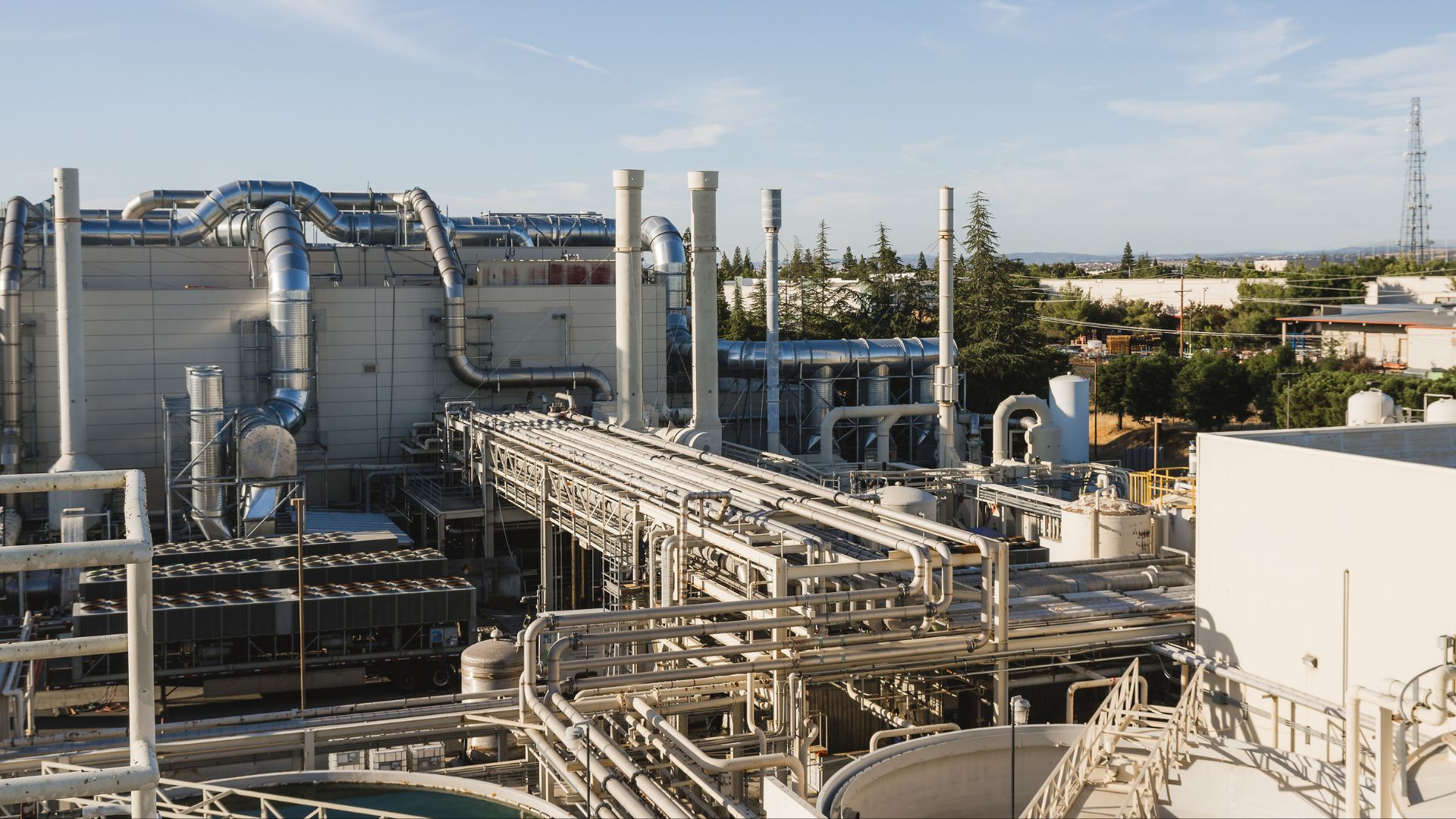
Bosch Initiates 200 mm Silicon Carbide Chip Production at California Semiconductor Plant
Bosch has commenced sample production of silicon carbide (SiC) semiconductor chips at its facility in Roseville, California. This marks a significant advancement in the effort to revitalize power chip manufacturing within the United States. The company has also secured up to $225 million in funding from the U.S. Department of Commerce’s CHIPS Program Office to support its investment of up to $2 billion at the site. The Roseville plant is set to begin commercial production in 2026, making it Bosch's first semiconductor manufacturing site in the U.S. The facility will produce third-generation SiC chips on 200-millimeter wafers, aligning with the U.S. government's initiative to bolster domestic semiconductor manufacturing. Silicon carbide chips are increasingly vital for applications in electric vehicles, industrial equipment, and energy systems. Looking ahead, Bosch plans to invest up to $7.5 billion across its U.S. operations by 2031, enhancing manufacturing capacity and expanding its North American business. The Roseville site currently employs over 300 individuals and is committed to workforce development through local education partnerships, with plans to contribute more than $100,000 annually to community STEM programs starting in 2026.
Innovation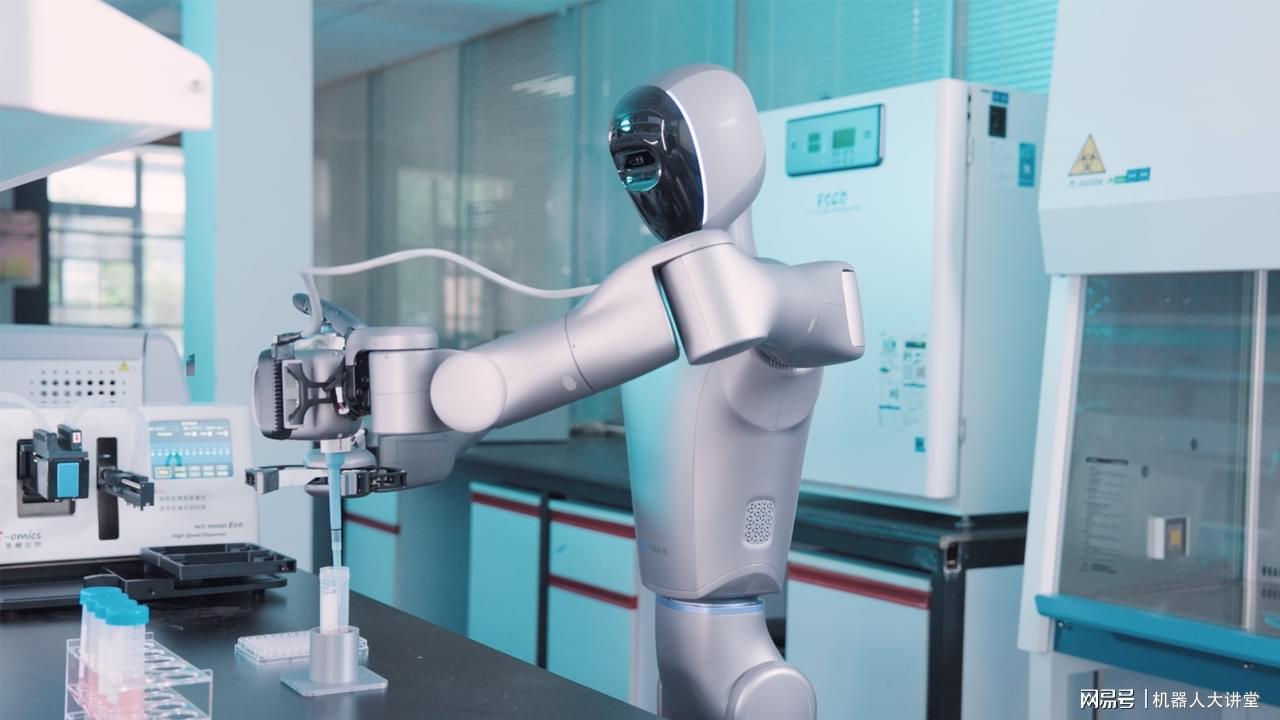
Yuanluo Technology Unveils First Autonomous Laboratory Utilizing Object-Centric Physics Model
Yuanluo Technology has successfully launched the world's first autonomous laboratory on a national research platform, marking a significant advancement in embodied intelligence. The laboratory's robotic system can autonomously perform over 40 operations, including nucleic acid extraction and cytotoxicity testing, with a precision of less than one millimeter. This achievement demonstrates the robot's capability to execute complex, multi-step tasks continuously for over three hours, addressing challenges in throughput and consistency in biochemical research. This development is crucial as it signifies a shift from demonstration to practical application of embodied intelligence in the biochemical and material science sectors. The Object-centric Physics Native Model (OPN), developed by Yuanluo, enables the robot to understand and adapt to the dynamic conditions of a real laboratory environment. By integrating visual, tactile, and force feedback, the robot can make real-time adjustments, ensuring stable execution of intricate experimental workflows across multiple devices. Looking ahead, the successful implementation of this autonomous laboratory sets the stage for further advancements in research and development processes across various industries, including public health and advanced manufacturing. The next milestones will involve expanding the capabilities of the OPN model and integrating it into more complex industrial systems. No further timeline was disclosed at the time of publication.
Autonomous Laboratories Embodied Intelligence Biochemical Research Robotics AI
From overlap to precision: How a retrofit autosteer system changed life on the farm
Frans van den Borne, an operator at the Dutch agricultural company Van den Borne Voerman based in Hooge Mierde, made a significant investment in agricultural technology three years ago by purchasing a CHCNAV NX510 retrofit autosteer system. Van den Borne had been considering the adoption of such technology for some time but was deterred by the high costs associated with other brands, specifically Trimble. The discovery of the more affordable CHCNAV system ultimately led to his decision to enhance the efficiency of his farming operations.
Autonomous/semi-autosteering systems automated steering systems autosteer farm management fuel retrofit kits
The Evolution of Autonomous Systems for Planetary Cave Exploration: A Review
A recent study published in the Journal of Field Robotics highlights advancements in autonomous robotic systems designed for agricultural applications. Researchers from various institutions collaborated to develop innovative technologies aimed at improving efficiency in farming practices. The study, released in early October 2023, emphasizes the growing need for sustainable agricultural solutions in response to increasing global food demands and environmental challenges. The team conducted extensive field tests to evaluate the performance of these robotic systems in real-world farming environments. By integrating advanced sensors and artificial intelligence, the robots are capable of performing tasks such as planting, harvesting, and monitoring crop health with minimal human intervention. This approach not only aims to enhance productivity but also seeks to reduce the environmental impact of traditional farming methods. The motivation behind this research stems from the urgent need to address food security while minimizing resource usage. As climate change and population growth continue to strain agricultural resources, the development of autonomous robots presents a promising solution to meet future demands. Overall, the findings underscore the potential of robotics in transforming the agricultural sector, paving the way for more sustainable and efficient farming practices in the years to come.
SURVEY ARTICLE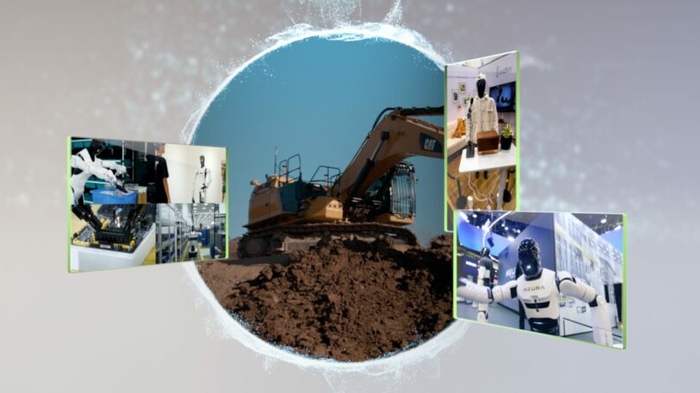
Into the Omniverse: Physical AI Open Models and Frameworks Advance Robots and Autonomous Systems
NVIDIA is playing a pivotal role in advancing innovation in robotics and autonomy through open-source initiatives. By offering access to vital infrastructure, including simulation frameworks and artificial intelligence models, the company is fostering collaborative development among researchers and developers. This approach aims to expedite advancements in the field, ultimately enhancing the capabilities of robotic systems and autonomous technologies. The emphasis on open-source resources is designed to break down barriers to entry, allowing a wider range of contributors to participate in the evolution of these cutting-edge technologies. As a result, NVIDIA is not only positioning itself as a leader in the industry but also promoting a more inclusive and accelerated development environment for robotics and autonomy.

Free Online Seminar: Why the Autonomous Delivery Robot "Kachakapro" is Successful - Design Philosophy and Development Strategy Behind Its Market
In a recent online seminar hosted by Robosta, Takashi Isobe, CEO of Preferred Robotics, shared insights into the development of practical robots that are making a significant impact in society. The seminar highlighted the company's success in capturing the top market share in Japan with its flagship product, the "Kachaka Pro." Isobe discussed the design philosophy behind creating products that are not only functional but also widely adopted, emphasizing the importance of mass production and distribution in the robotics industry. The event provided a platform for exploring the realities of bringing useful robotic solutions to the market, reflecting the growing role of technology in everyday life.

Q&A with Uncrewed & Autonomous Systems 2025
A series of sessions will take place to explore the operational integration of uncrewed systems, specifically focusing on the deployment of Unmanned Aerial Systems (UAS) and Unmanned Ground Vehicles (UGVs) in real-world missions. These discussions will also delve into the roles of artificial intelligence, autonomy, and the digital infrastructure that supports these technologies. The agenda aims to address critical themes relevant to the evolving landscape of uncrewed systems, highlighting their practical applications and the technological advancements driving their integration. This initiative underscores the growing importance of these systems in various operational contexts, reflecting a broader trend toward automation and enhanced efficiency in mission execution.

Pudu Robotics unveils next-gen semi-humanoid "PUDU D7," featuring embodied AI for autonomous evolution through tasks.
Pudu Robotics, a leading Chinese robotics company, has announced the launch of its next-generation semi-humanoid robot, the PUDU D7, designed specifically for manufacturing and industrial environments. This innovative robot aims to enhance operational efficiency and productivity within various sectors by automating tasks that traditionally require human intervention. The announcement was made recently, highlighting the company's commitment to advancing robotic technology in industrial applications. The PUDU D7 is expected to streamline workflows, reduce labor costs, and improve safety in workplaces, reflecting the growing trend of automation in the industry.

Aptiv and Comau to Co-Develop Next-Generation Solutions for Robotics, Autonomous Systems, and Industrial Logistics
In a significant move towards enhancing industrial automation, leading technology firms have announced a collaborative initiative aimed at delivering safer, smarter, and more cost-effective solutions for the sector. This partnership, which includes major players in automation technology, was unveiled during a recent industry conference held in San Francisco on October 15, 2023. The collaboration seeks to address the growing demand for advanced automation systems that not only improve operational efficiency but also prioritize safety and sustainability. By pooling resources and expertise, the companies aim to develop innovative technologies that leverage artificial intelligence and machine learning, ultimately transforming the landscape of industrial operations. Industry experts emphasize that this initiative is crucial in responding to the challenges posed by increasing production demands and the need for more resilient supply chains. The collaborative effort will focus on integrating cutting-edge technologies into existing systems, thereby enhancing productivity while reducing costs. Through a series of joint research projects and pilot programs, the partners plan to test and implement new automation solutions across various sectors, including manufacturing, logistics, and energy. This strategic alliance represents a proactive approach to fostering innovation and ensuring that industrial automation keeps pace with the evolving needs of the market.

Aptiv and Comau to Co-Develop Next-Generation Solutions for Robotics, Autonomous Systems, and Industrial Logistics
Comau and Aptiv have announced their collaboration to co-develop next-generation intelligent automation solutions aimed at enhancing efficiency for industrial customers. This partnership, which seeks to leverage both companies' expertise in automation and advanced technologies, is expected to pave the way for innovative solutions that address the evolving needs of the manufacturing sector. The initiative comes at a time when industries are increasingly focusing on automation to improve productivity and reduce operational costs. By combining Comau's extensive experience in industrial automation with Aptiv's cutting-edge technology capabilities, the two companies aim to create systems that not only streamline processes but also integrate advanced data analytics and artificial intelligence. The collaboration is set to take place in various locations where both firms operate, with the goal of delivering impactful solutions to clients in the near future.

Ouster Releases Family of ‘Native Color Lidar’ Sensors for Robotics, Autonomous Vehicles
Ouster has launched a groundbreaking series of digital lidar sensors, the Rev8 family, which the company claims to be the world's first native color lidar platform. This innovative technology is designed for applications in robotics, autonomous vehicles, and industrial AI systems. The announcement was made recently, showcasing the sensors' capabilities powered by Ouster's advanced L4 Silicon architecture, which enhances their range and performance. This development marks a significant advancement in lidar technology, aiming to meet the growing demand for high-quality sensing solutions in various industries.
AI AI Use Cases Robotics autonomous driving industrial AI LiDAR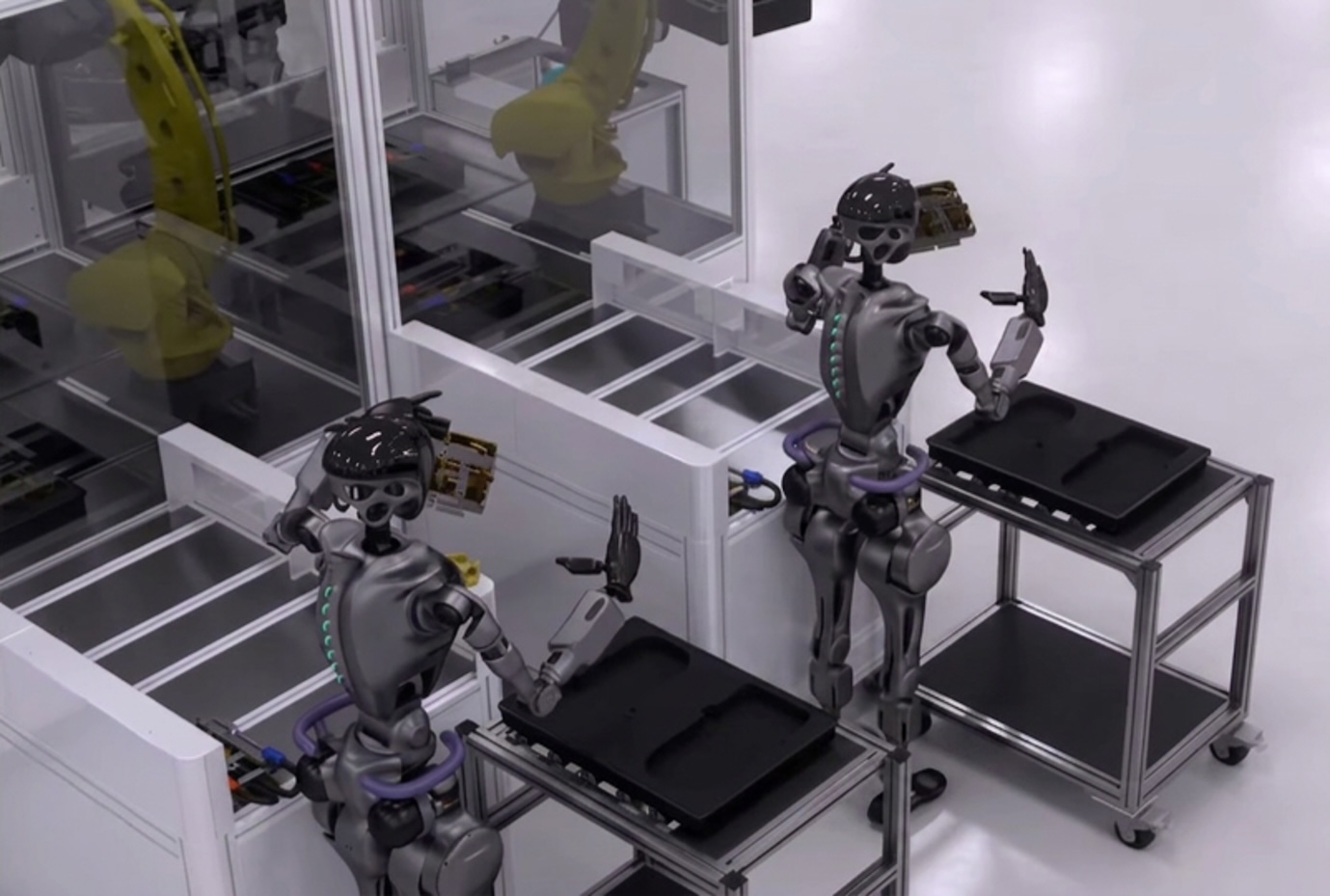
SpaceX Proposes 1 Million AI Satellites to Address Ground Data Center Constraints
On January 30, 2026, SpaceX filed with the FCC to launch up to 1 million AI compute satellites, positioning orbital data centers as a solution to the increasing demand for AI computing power. Ground data centers are facing significant challenges, with energy consumption projected to reach approximately 1,050 TWh in 2026, making them the fifth-largest electricity consumer globally. The demand for new data center capacity is outpacing the growth of power generation infrastructure, leading to a critical bottleneck in the grid system. The significance of this initiative lies in the structural constraints faced by ground data centers, including power delivery limitations, high water consumption, and local opposition to new projects. The Uptime Institute's 2026 outlook identifies power as the primary constraint on data center growth, with capacity clearing prices in the PJM grid skyrocketing to $329.17/MW, driven by data center expansion. Additionally, cooling requirements are becoming increasingly unsustainable, with facilities consuming vast amounts of water, further complicating their operational viability. Looking ahead, SpaceX's orbital AI compute initiative aims to circumvent these challenges by leveraging the advantages of space, such as continuous solar power and minimal local opposition. The first AI prototypes are expected to launch in early 2027, with operational deployments planned for 2028. No further timeline was disclosed at the time of publication.
Department of War Creates Central Office to Oversee U.S. Military Unmanned Systems
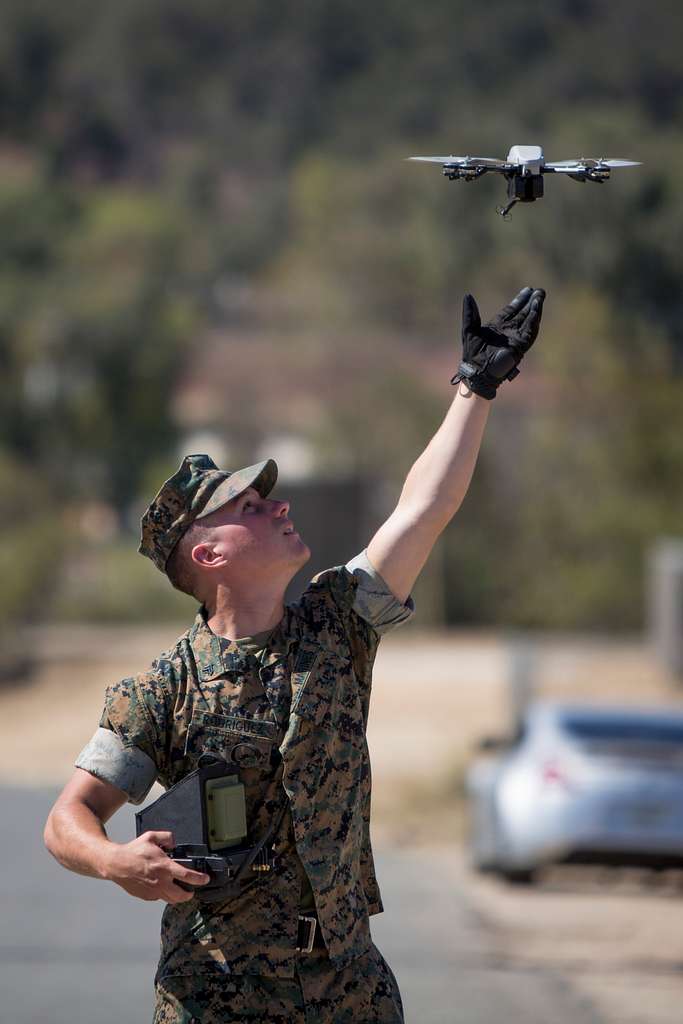
On July 1, the U.S. Department of War announced a significant reorganization of its unmanned systems enterprise by establishing a new Direct Reporting Portfolio Manager for Unmanned Systems (DRPM-UxS). This central office will be responsible for consolidating the acquisition, standards, budgeting, and industry engagement related to the military's drone and autonomous programs. The move aims to enhance oversight and streamline operations within the Department’s unmanned systems, reflecting a commitment to improving efficiency and effectiveness in military technology.
Applications Defense defense Drone News Drone News Feeds Dual Use
Unmanned Maritime Systems Technology USA 2026: Save $200 with Early Bird Registration – Book by July 2
SAE Media Group has announced that the Unmanned Maritime Systems Technology USA (UMST USA) 2026 conference will take place in Arlington, Virginia, from September 14 to 16, 2026. This event is recognized as North America’s leading gathering focused on maritime robotics and autonomous systems. It aims to bring together senior naval leaders, government officials, and industry innovators to foster the advancement and operational integration of robotics and autonomous systems (RAS) within the maritime sector. The conference seeks to address the growing need for innovation in maritime technology, highlighting its importance for national security and economic development.
unmanned maritime systems technology usa 2026 early bird registration events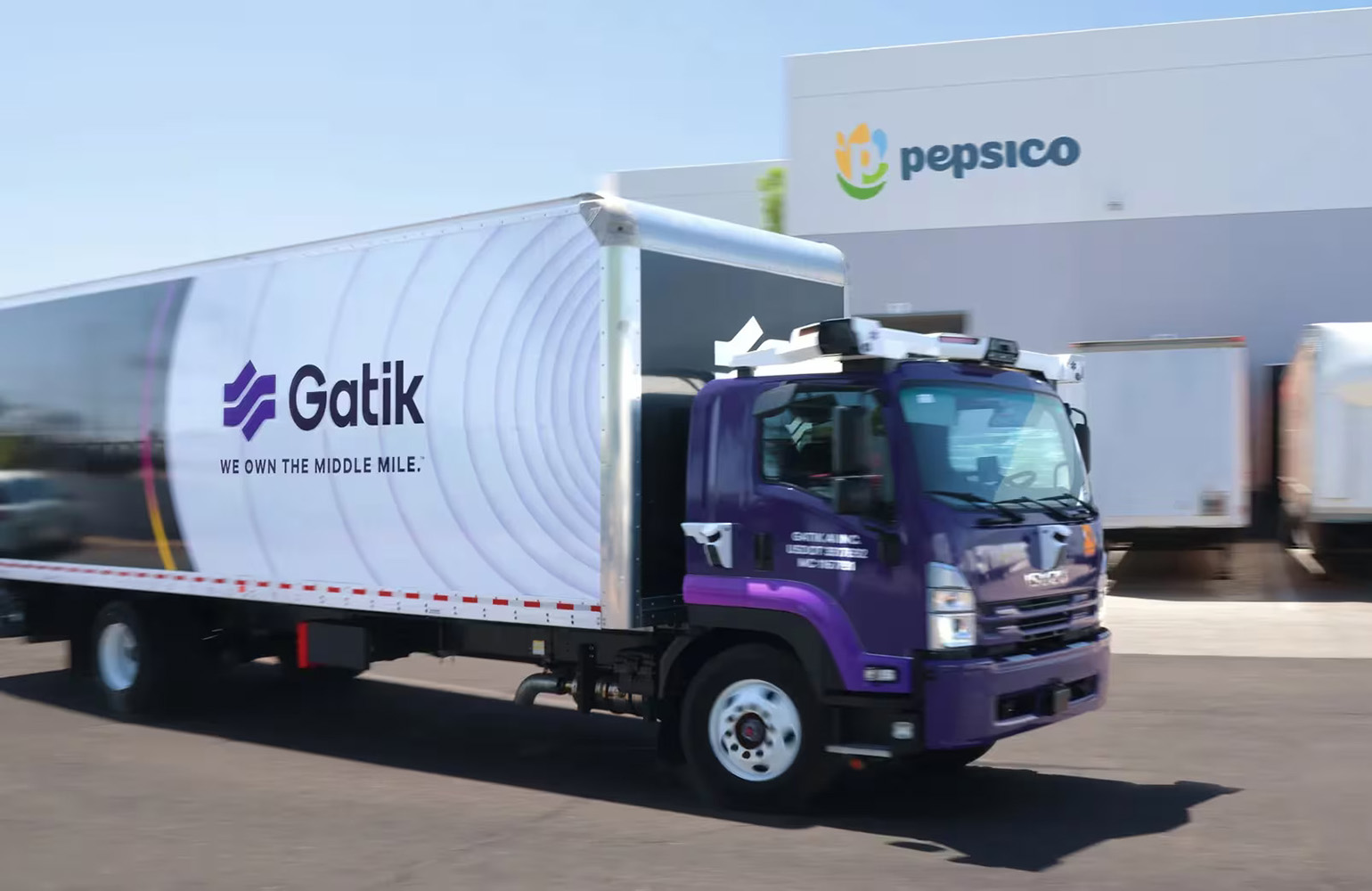
Gatik to bring autonomous freight to PepsiCo’s North American supply chain
PepsiCo has announced a partnership with Gatik to enhance its North American supply chain by integrating autonomous freight solutions. This collaboration aims to optimize PepsiCo's regional transportation networks, which facilitate the daily movement of products between various sites. By leveraging Gatik's technology, the beverage and snack giant seeks to improve efficiency and reduce operational costs in its logistics operations. The initiative reflects a growing trend in the industry to adopt automation in supply chain management, driven by the need for faster and more reliable delivery systems.
Artificial Intelligence Artificial Intelligence / Cognition Automotive Design / Development Food / Beverage Logistics
ACS Raises $200M in Series B Funding to Expand ‘Bullfrog’ Autonomous Counter-Drone System
Allen Control Systems has successfully secured $200 million in a Series B funding round aimed at enhancing the production of its autonomous counter-drone weapons systems, which are intended for the U.S. military and its allied nations. The funding round was spearheaded by Smash Capital, with contributions from existing investors such as Craft Ventures, Rally Ventures, and Inspired Capital. This financial boost will enable the company to scale its operations and meet the growing demand for advanced defense technologies in response to increasing drone threats.
AI AI Funding & Investment Robotics ACS Allen Control Systems autonomous
EVENT: Unmanned Maritime Systems Technology USA - Arlington, VA - Sept 14-16, 2026
The 5th Annual Unmanned Maritime Systems Technology (UMST) USA Conference is set to take place, positioning itself as North America’s premier event focused on the development of unmanned and autonomous maritime technologies. Scheduled for later this year, the conference will gather industry leaders, researchers, and technology developers to discuss innovations and advancements in maritime capabilities. The event aims to foster collaboration and knowledge sharing among participants, highlighting the growing importance of unmanned systems in enhancing maritime operations and safety. Attendees will have the opportunity to engage in discussions, attend workshops, and network with experts in the field, all contributing to the ongoing evolution of maritime technology.
events unmanned maritime systems technology usa
Enabling Autonomous Machines: Advancing 3D Sensor Fusion With Au-Zone
A new technological advancement in autonomous systems has been announced, emphasizing the integration of radar and vision with edge AI processing into a single unit. This innovative approach aims to enhance the speed, reliability, and robustness of next-generation autonomous solutions. The development is crucial for meeting the increasing demands for advanced autonomy in various applications. The system is designed to operate efficiently, leveraging cutting-edge technology to ensure optimal performance in real-time scenarios. This breakthrough is expected to significantly impact industries reliant on autonomous technologies, paving the way for more sophisticated and dependable systems in the near future.
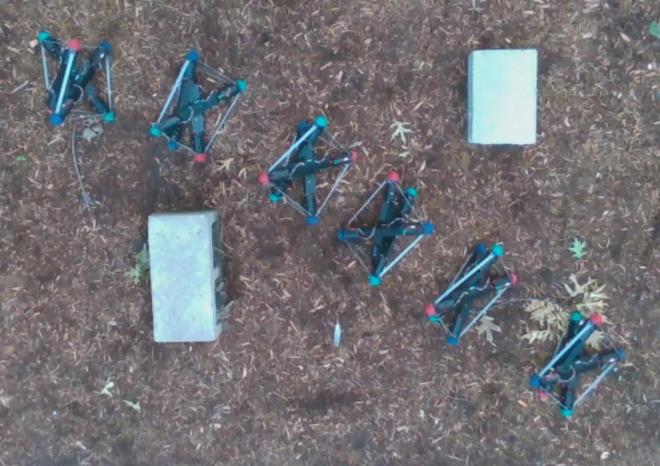
Yale University Unveils Fully Open-Source Tensegrity Robot: Durable, Impact-Resistant, and Autonomous!
Yale University and Rutgers University have collaborated to create a groundbreaking open-source tensegrity robot, which is both lightweight and impact-resistant. This innovative robot is designed to autonomously navigate diverse terrains, showcasing its versatility and resilience. The project, which emphasizes modular components and advanced control systems, aims to enhance the robot's adaptability in various environments. This development represents a significant advancement in robotics, potentially paving the way for future applications in fields such as search and rescue, exploration, and environmental monitoring.
Tensegrity Robots Robotics Research Autonomous Navigation Modular Robotics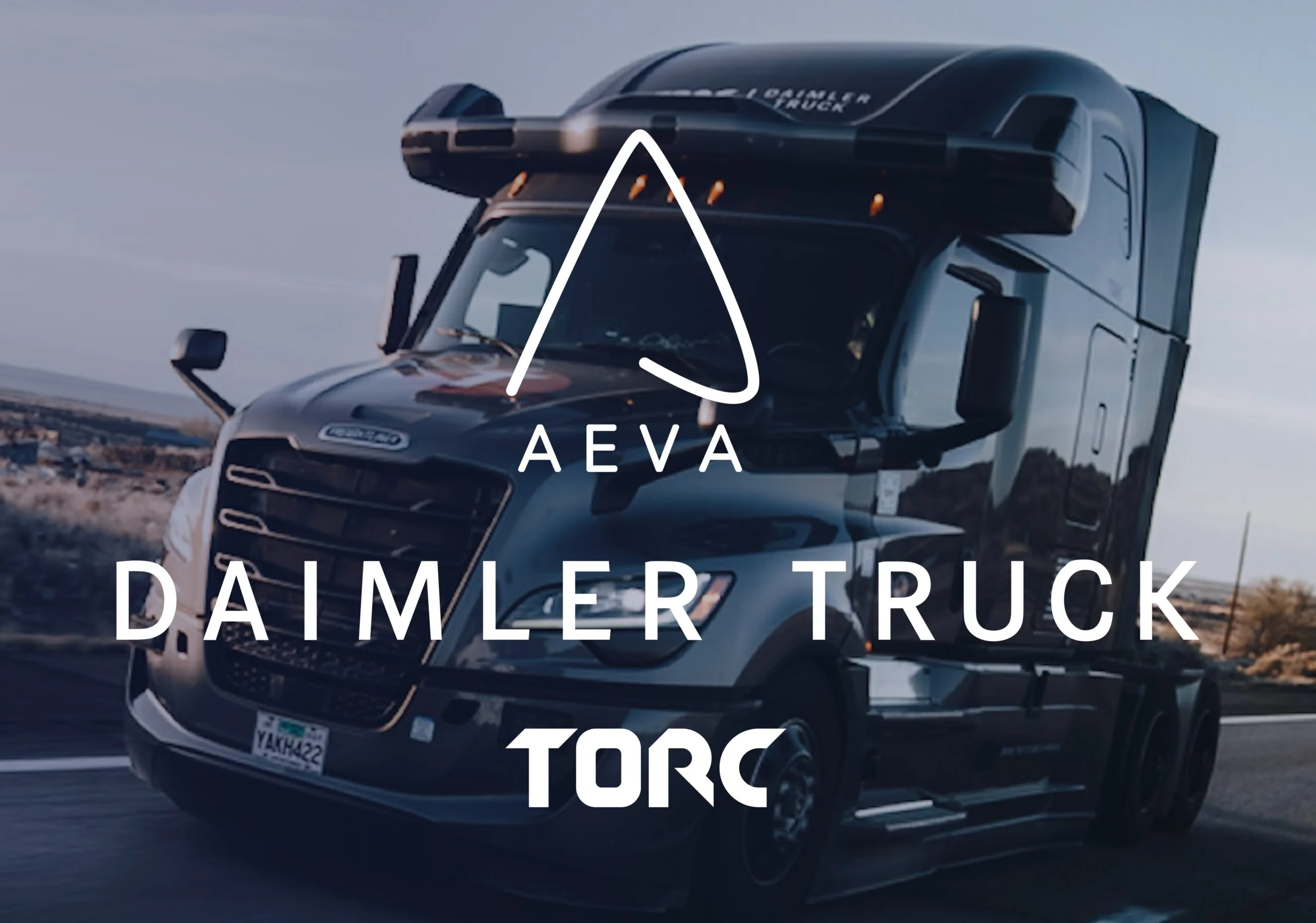
Aeva Delivers Atlas C-Samples to Daimler Truck for Autonomous Truck Production Program
Aeva, a prominent company specializing in advanced sensing and perception systems, has successfully delivered the initial C-sample units of its Aeva Atlas™ 4D LiDAR sensors to Daimler Truck North America and Torc Robotics. This delivery represents a significant milestone in the ongoing collaboration between the companies, aimed at advancing the series production of SAE Level 4 autonomous Class 8 trucks. The partnership underscores Aeva's commitment to enhancing autonomous vehicle technology, which is crucial for the future of transportation. The delivery of these sensors is a pivotal step in the development process, facilitating further testing and refinement of the technology necessary for achieving higher levels of automation in trucking.
AI AI Use Cases Robotics Autonomous Trucking collaboration Daimler Truck North AmericaRobotics needs a service framework.
RSF defines a common language for robot service capability, lifecycle operations, certification pathways, and service-provider networks.