Industry Briefing
A single destination for timely, editor-curated robotics news from around the world.
The USC Professor Who Pioneered Socially Assistive Robotics
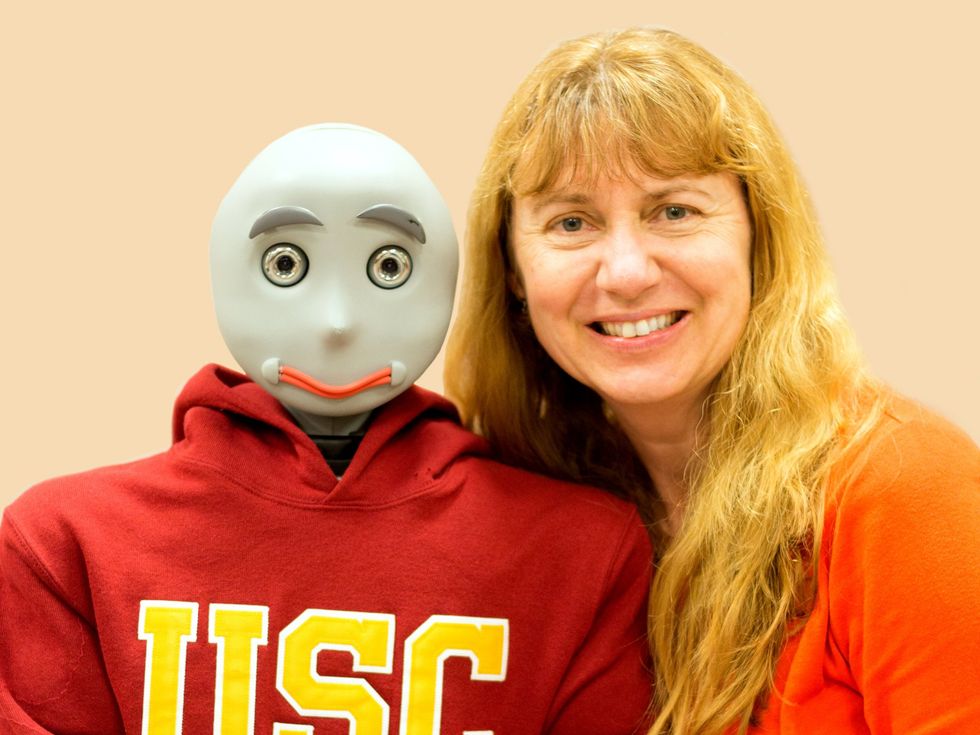
Maja Matarić, a professor at the University of Southern California, has been a pioneering force in the field of socially assistive robotics since co-defining the area in 2005. Her work focuses on developing robots that provide personalized therapy and support through social interactions, particularly for individuals with anxiety, depression, and autism spectrum disorder. Matarić's research has led to the creation of robots like Bandit, which helps children with autism improve communication skills, and Blossom, designed to assist students in practicing cognitive behavioral therapy (CBT). Recently, Matarić was honored with the 2025 Robotics Medal from MassRobotics, recognizing her contributions to advancing robotics. The award ceremony took place in Boston, where she expressed her joy and gratitude for the support of her peers. Matarić's journey began in Belgrade, Serbia, and she credits her family for inspiring her interest in engineering and computer science. Her current research includes a clinical trial funded by the U.S. National Institute of Mental Health, exploring the effectiveness of Blossom in delivering CBT to students. The trial involves 120 participants and aims to assess the robot's ability to adapt to individual user preferences while measuring their mental health outcomes. Matarić emphasizes the importance of combining engineering with psychology in her work and encourages her students to engage with professional communities like IEEE, which she joined as a graduate student in 1992.
Ieee-member-news Robots Socially-assistive-robotics Mental-health Ieee-robotics-and-automation-soc Type-ti
Amap debuts quadruped robot Tutu at Beijing humanoid half-marathon
Amap, the mapping platform under Alibaba, introduced its innovative quadruped robot named Tutu during the 2026 Beijing E-Town Humanoid Robot Half-Marathon. This event showcased Tutu's capabilities in assisting visually impaired individuals by navigating complex environments autonomously, without the need for preset routes or remote control. Demonstrations at the marathon highlighted the robot's ability to maneuver through crowds and avoid obstacles effectively. Amap aims to enhance mobility and independence for visually impaired users with this advanced technology, marking a significant step forward in assistive robotics.
News Feed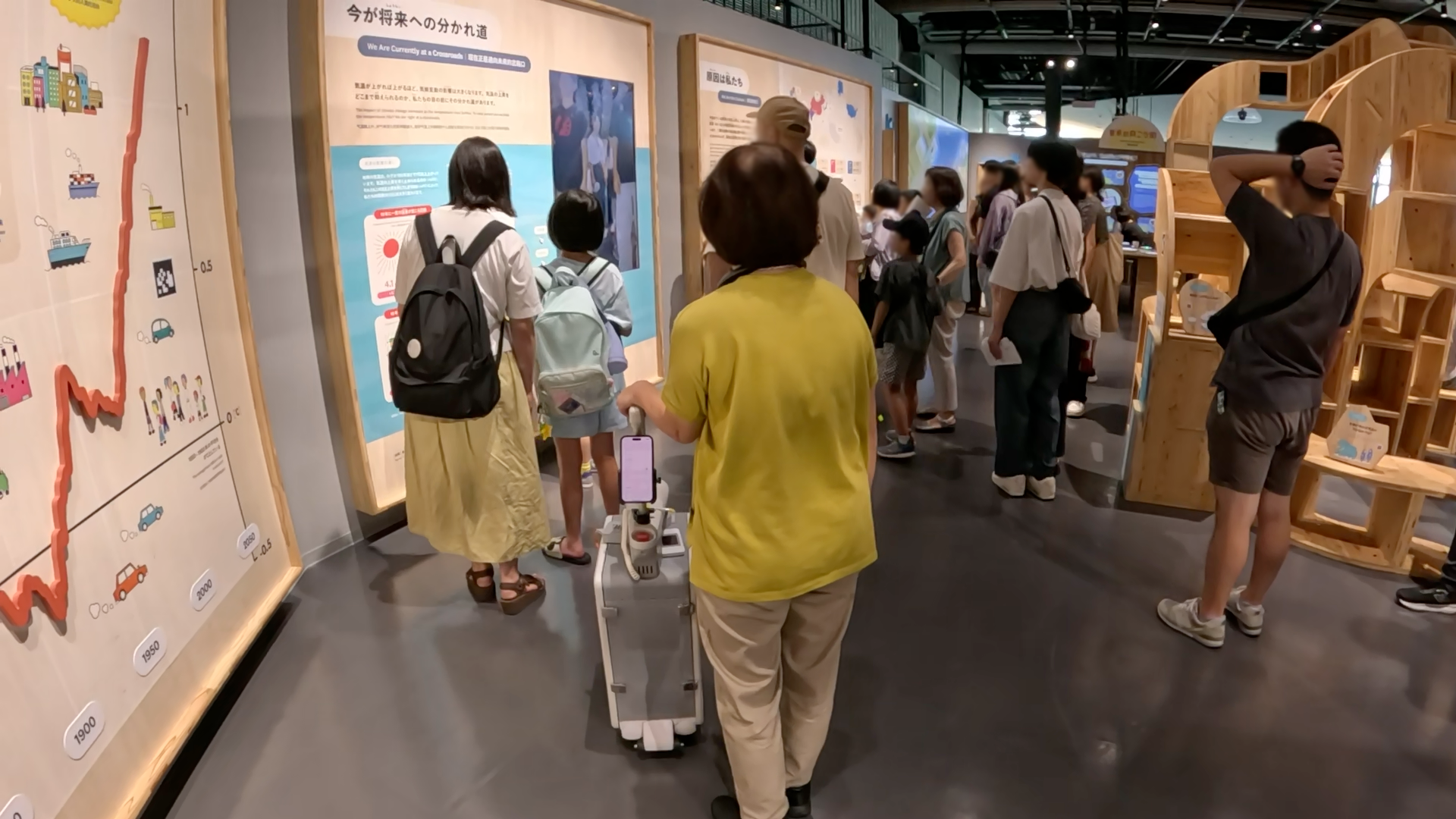
More Automation Isn’t Always Better
A recent study conducted by researchers at Carnegie Mellon University examined how blind participants utilized a robotic guide while navigating a museum. The study found that participants frequently altered their navigation strategies in response to the unpredictable environment around them. These findings underscore the importance of developing assistive technologies that can adapt to users' evolving decisions in real time. The research suggests that simply increasing automation may not always enhance the effectiveness of navigation aids, highlighting the need for more responsive and flexible design in assistive robotics.
Research
OpenAI announces entry into robotics, focusing on developing assistive robots in the short term.
OpenAI CEO Sam Altman announced via social media that the company is seeking talented full-stack hardware, operations, systems, and machine learning engineers to collaborate on developing socially beneficial robots. He emphasized that artificial intelligence should assist humans in the real world. In the short term, OpenAI aims to create robots that can help technical workers build future infrastructure, while in the long term, the company envisions a future where everyone has a personal robot capable of fulfilling various needs. Altman revealed that OpenAI's world simulation research project has rapidly evolved over the past year into OpenAI Robotics, led by Aditya Ramesh. The project is making significant strides, grounded in the deep integration and collaborative design of robotics hardware and machine learning research.
Top Journal IJRR | Scientists Create a Spoon That 'Embraces' Food to Assist Eating Robots
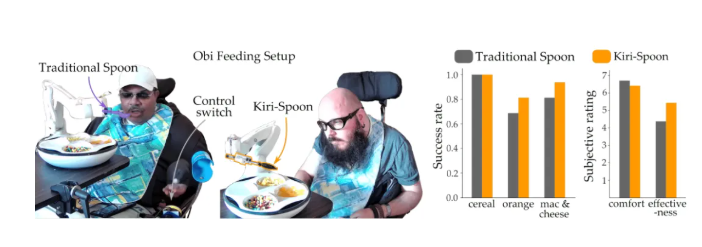
Researchers from Virginia Tech and Cornell University have unveiled the Kiri-Spoon, a groundbreaking eating utensil tailored for assistive robots. This innovative spoon, inspired by the intricate art of Kirigami, features a unique design that allows it to change shape, enabling it to securely grasp various types of food. The development aims to enhance the feeding experience for individuals with mobility challenges, making mealtime more accessible and manageable. The Kiri-Spoon represents a significant advancement in assistive technology, addressing the needs of those who require support during meals.
Assistive Robotics Eating Assistance Robotic Utensils Healthcare Technology
Fourier Rehab’s GReAT Summit 2026 Highlights Rehabilitation Robotics, ExoMotus M4 Updates, and New Global Partnerships
Fourier Rehab hosted the Global Rehabilitation & Assistive Technology Network (GReAT) Summit 2026 from May 13 to 15 at its headquarters in Shanghai. The event convened a diverse group of clinicians, researchers, and industry leaders to discuss advancements in rehabilitation technology. Key topics included the latest developments in rehabilitation robotics and updates on the ExoMotus M4 device. The summit also facilitated the establishment of new global partnerships aimed at enhancing rehabilitation practices and technologies. This gathering underscores the growing importance of collaboration in the field of rehabilitation and assistive technology.
Meet Eggie: Tangible Robotics Joins the Wheeled-Humanoid Race, Betting on Dexterous Hands
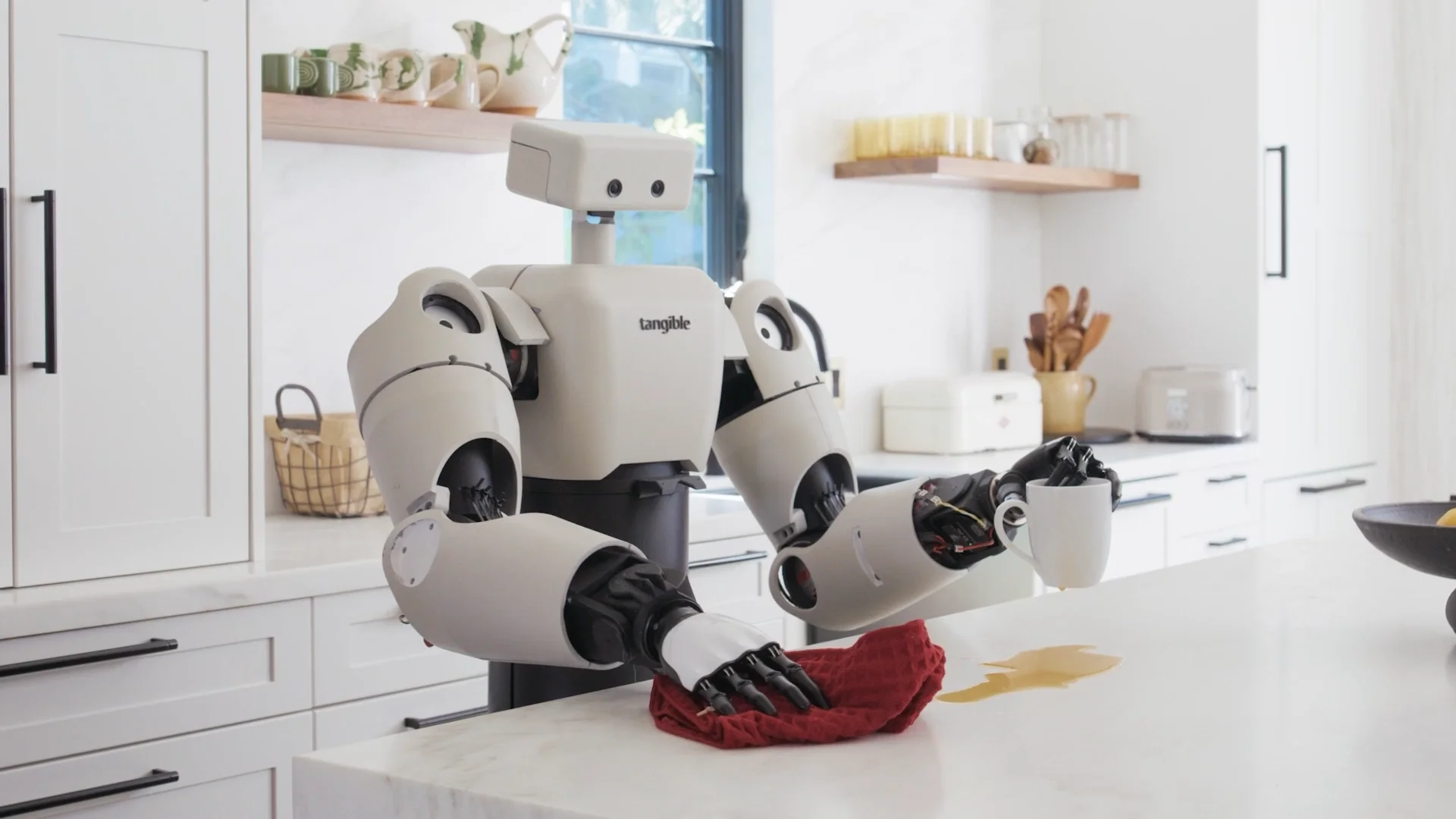
Tangible Robotics has officially launched its new home robot, "Eggie," shortly after the unveiling of a similar product by Sunday Robotics. This innovative robot features fully dexterous, human-like hands, setting it apart from competitors by emphasizing advanced hardware capabilities. The announcement marks Tangible Robotics' emergence from stealth mode, showcasing its commitment to a "full stack" approach in robotics. The introduction of Eggie aims to enhance home automation and assistive technology, reflecting the growing demand for sophisticated robotic solutions in everyday life.
Tangible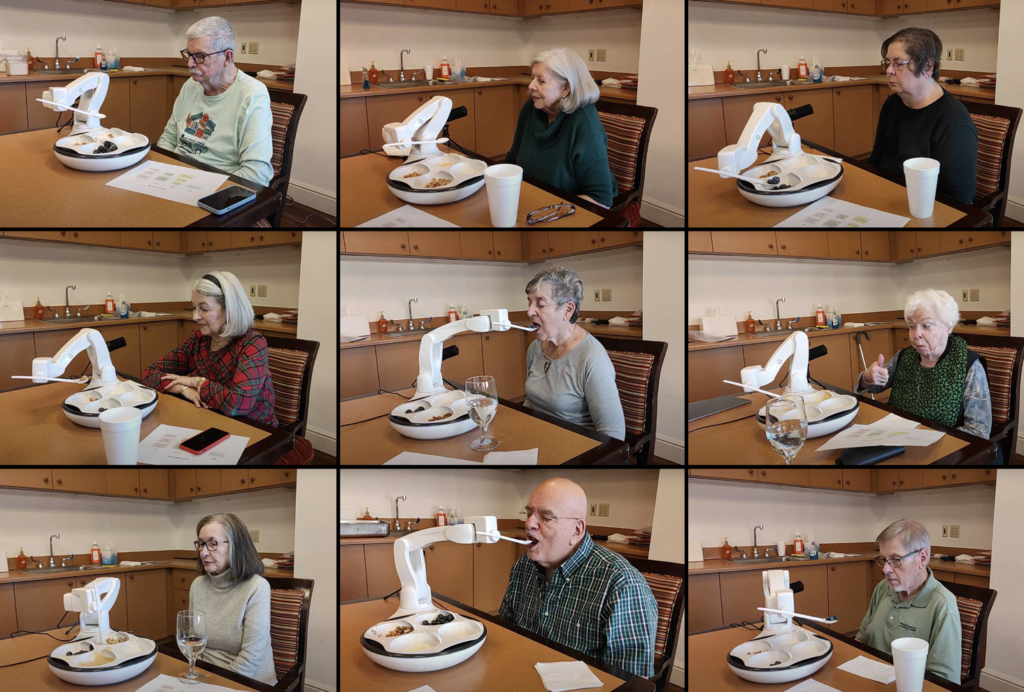
VoicePilot Framework Enhances Communication Between Humans and Physically Assistive Robots
Approximately 5 million people in the United States are affected by motor impairments, which significantly impact their daily lives. In response to this challenge, researchers at Carnegie Mellon University's Robotics Institute have developed the VoicePilot Framework, designed to enhance communication between humans and physically assistive robots. This innovative framework leverages Large Language Models (LLMs) capable of understanding and generating human language and code, thereby improving the interaction between users and robotic assistants. The initiative aims to empower individuals with motor impairments by facilitating greater independence, enhancing their well-being, and ultimately improving their quality of life. The advancements in this technology represent a significant step forward in the integration of robotics into everyday assistance for those in need.
Uncategorized
Coco Robotics and BlindSquare Partner to Make City Sidewalks Safer and More Accessible for All
Coco's delivery robots are now providing live data to enhance BlindSquare alerts, a navigation tool designed for individuals who are blind, visually impaired, or have mobility limitations. This integration aims to improve safety by helping users identify and avoid hazards on sidewalks. The collaboration between Coco and BlindSquare represents a significant advancement in assistive technology, enabling a more accessible urban environment. By utilizing real-time data from the delivery robots, the system enhances situational awareness for users, allowing them to navigate more confidently and independently. This initiative reflects a growing commitment to inclusivity and the use of innovative technology to address the challenges faced by those with disabilities.
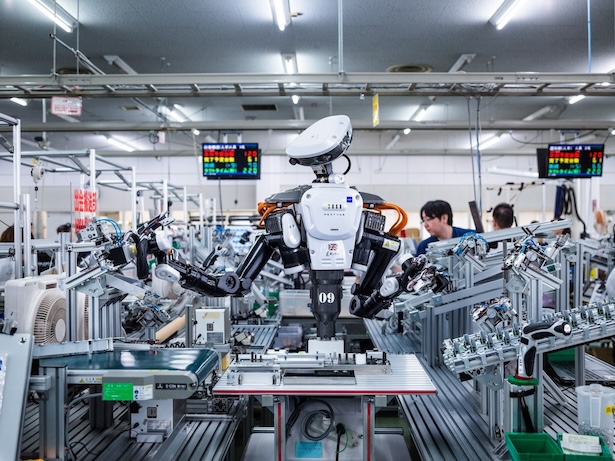
Ergonomically Designed Assistive Robots: Where and How to Bring Comfort, Safety, and Independence to Elderly Care
A recent study published in the Journal of Field Robotics highlights advancements in robotic technology aimed at enhancing agricultural efficiency. Researchers from various universities collaborated on this project, focusing on the development of autonomous robots designed to assist in crop monitoring and management. The study, released in early October 2023, emphasizes the increasing need for innovative solutions in agriculture due to rising global food demands and labor shortages. The research was conducted across multiple agricultural sites, showcasing the robots' capabilities in real-time data collection and analysis. By utilizing advanced sensors and machine learning algorithms, these robots can identify crop health issues and optimize resource usage, ultimately aiming to improve yield and reduce waste. The findings suggest that integrating robotics into farming practices could significantly alleviate some of the pressures faced by the agricultural sector. This initiative not only addresses the immediate challenges of food production but also aligns with broader sustainability goals. The researchers advocate for further investment in robotic technologies, as they believe that such innovations could play a crucial role in transforming traditional farming methods into more efficient and sustainable practices.
SURVEY ARTICLE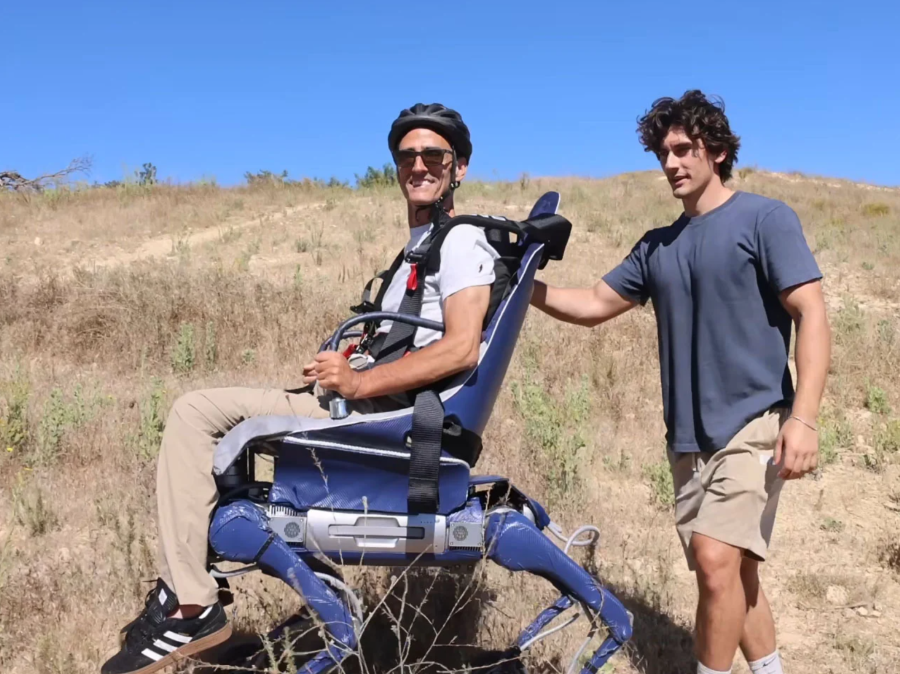
Jake Laser Transforms Unitree Robot Dog into Wheelchair for Father’s Mobility
Jake Laser has ingeniously modified a Unitree industrial robot dog into a wheelchair for his father, who has been affected by multiple sclerosis for over 20 years. This innovative device features a hybrid wheeled and walking design, allowing it to navigate various terrains, including stairs and rocky paths, providing newfound mobility for Jake's father. The significance of this transformation lies in its technical ingenuity and emotional impact. By integrating a racing-style seat and recalibrating the robot's software to accommodate his father's weight, Jake ensured that the robot could maintain balance and stability. The project not only enhances mobility but also restores a sense of independence and pride for his father, who can now control the robot using a wireless joystick. Looking ahead, Jake's creation marks a notable advancement in assistive technology, blending robotics with personal mobility solutions. No further timeline was disclosed at the time of publication, but the successful testing of the robot on challenging terrains indicates potential for broader applications in mobility aids for individuals with disabilities.
Assistive Technology Robotics Mobility Solutions Innovation
Robotic rabbit learns users' voices on first greeting, enabling personalized elder care
Researchers from the Social Robotics Group at the Universidad Carlos III de Madrid (UC3M) have created an innovative AI-based methodology that enables a pet-type assistive robot, named Mía, to recognize individuals during interactions. Currently, this prototype is undergoing testing at day centers operated by the Madrid City Council, where it aims to provide personalized emotional support to elderly individuals experiencing cognitive decline. The initiative seeks to enhance the quality of life for these seniors by fostering meaningful connections through advanced robotic technology.
Robotics
China establishes a venture capital fund in Hangzhou with 1 billion yuan; Tianjin opens AI sensor industrial park; Zhejiang plans
ZTO Express has established a new logistics company, Guangzhou Zhongjing Logistics Co., Ltd., in Guangzhou with a registered capital of 500 million RMB. The company, wholly owned by ZTO Express, will engage in domestic freight transportation, equipment leasing, and computer system services. OpenAI has announced its entry into the robotics sector, focusing on developing assistive robots. CEO Sam Altman stated the company is looking for engineers to create robots that can aid in building future infrastructure. The initiative, which has evolved from a world simulation research project, aims to integrate hardware and machine learning for practical applications. Nan Er, Vice President of Zhejiang Chint Electric, has been recognized as a "2026 Zhejiang Youth Technology Entrepreneur" as part of a program to support technology entrepreneurs in the region. Foxconn and French company Bull will collaborate to manufacture AI and cloud infrastructure, with an initial investment of over 120 million euros. The project will utilize facilities in both France and the Czech Republic. On June 1, new regulations for online food delivery were implemented, with Taobao Flash collaborating with various local regulatory bodies to label the first batch of "no dine-in" merchants, enhancing compliance among 60,000 restaurants this year. Muyu Group has partnered with Alibaba Cloud to develop an AI model for the livestock industry, significantly improving the efficiency of health checks for pigs. In investment news, a new venture capital fund, Guoxin Qianjiang, has been established in Hangzhou with a capital of 1 billion RMB, while Zhi Mi has opened a financing window with a pre-IPO valuation of approximately 70 billion RMB. In product developments, a new automotive brand resulting from a collaboration between Sairus and ByteDance is set to launch a hybrid vehicle this year, while Sharpa has introduced a humanoid robot equipped with advanced tactile capabilities in partnership with NVIDIA. Lastly, the Tianjin AI Sensor Industrial Park has officially opened, with ten companies signing contracts, and Shanghai is focusing on advancing core software technologies as part of its development plan. Zhejiang Province is also seeking to implement the "Spark Plan" to accelerate the application of quantum technology products.
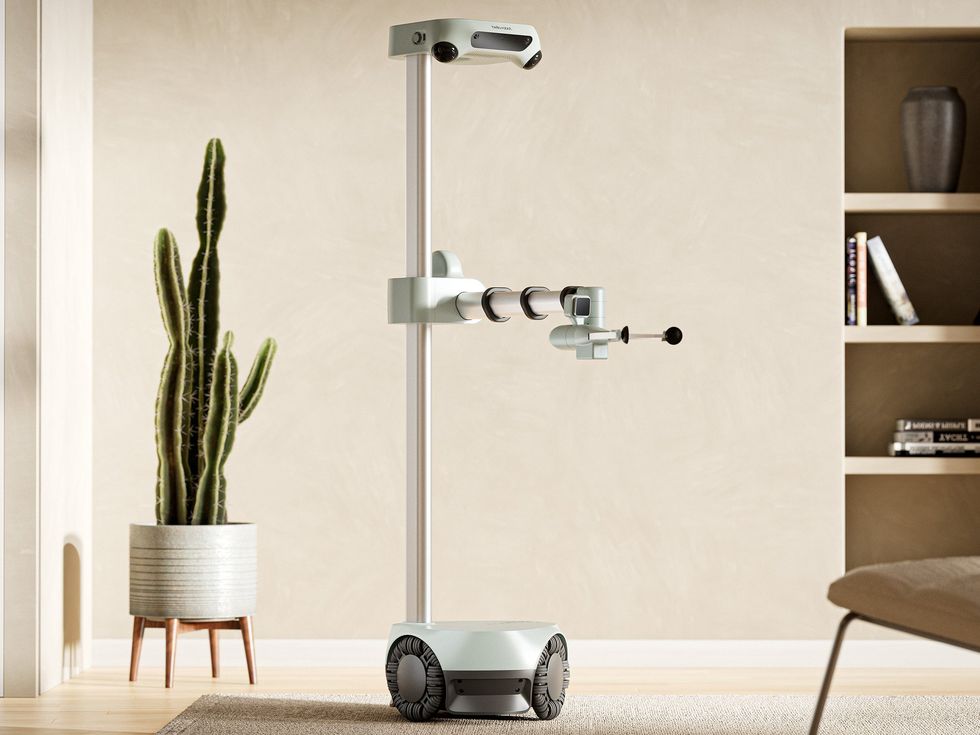
Hello Robot Sets the Standard for Practical, Safe Home Robots
Hello Robot has announced the launch of Stretch 4, a new version of its mobile robot designed for practical household tasks. This announcement comes as the company aims to transition from research-focused robotics to a deployable solution for home use, particularly for individuals with severe mobility impairments. The unveiling took place today, with the robot's design emphasizing mobility and manipulation over humanoid features. Stretch 4 features an advanced omnidirectional base allowing it to move in any direction, enhancing user control. The robot is equipped with a sophisticated sensor suite for improved navigation and autonomy, including cameras and lidar technology. Co-founders Aaron Edsinger and Charlie Kemp highlighted the challenges faced during the design process, aiming to avoid overcomplicating the robot while ensuring it meets real-world needs. The robot is intended for pilot deployments in homes, with the goal of gathering data to refine its capabilities for everyday use. Unlike humanoid robots, which may not effectively serve individuals with disabilities, Stretch 4's wheeled design is seen as more practical and safer for home environments. Priced at $29,950, Stretch 4 is positioned as an affordable option in the mobile manipulation market, with plans for further development leading to a commercially viable assistive robot in the near future.
Hello-robot Home-robots Humanoid-robots Mobile-manipulator Mobility-impaired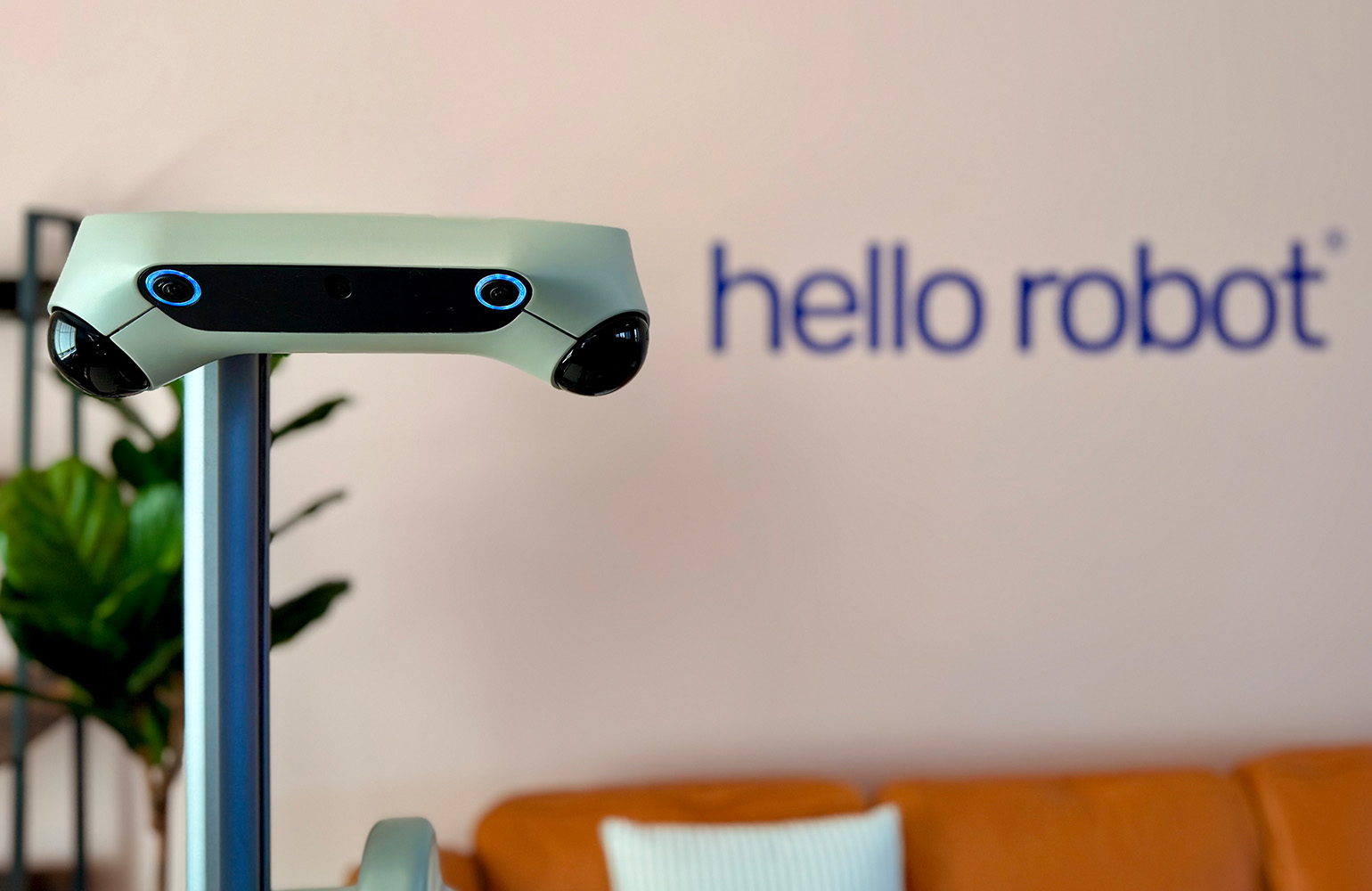
Hello Robot’s latest Stretch 4 is bigger, faster, and stronger than previous versions
Hello Robot has unveiled its latest model, the Stretch 4, which boasts enhanced capabilities compared to its predecessors. This new assistive robot is designed to be bigger, faster, and stronger, while still prioritizing flexibility and safety in its operations. The announcement highlights the company's commitment to advancing robotic technology to better serve various applications. The Stretch 4 aims to improve efficiency and effectiveness in tasks that require assistance, marking a significant step forward in the field of robotics.
Artificial Intelligence Artificial Intelligence / Cognition Cameras / Imaging / Vision Design / Development Development Tools / SDKs / Libraries Grippers
Betting on human augmentation, will lightweight exoskeletons go mainstream?
Hypershell, a Chinese startup, is pioneering a new category that merges wearables with robotics by developing lightweight exoskeletons designed for both outdoor activities and everyday use. The company’s innovative lower-limb assistance system incorporates motors and onboard sensors that provide additional power during walking or climbing, thereby reducing strain and enhancing efficiency for users. This approach aims to improve mobility and support individuals in various environments, signaling a significant advancement in assistive technology.
On the Cusp Content and entertainment E-commerce and New Retail Highlight News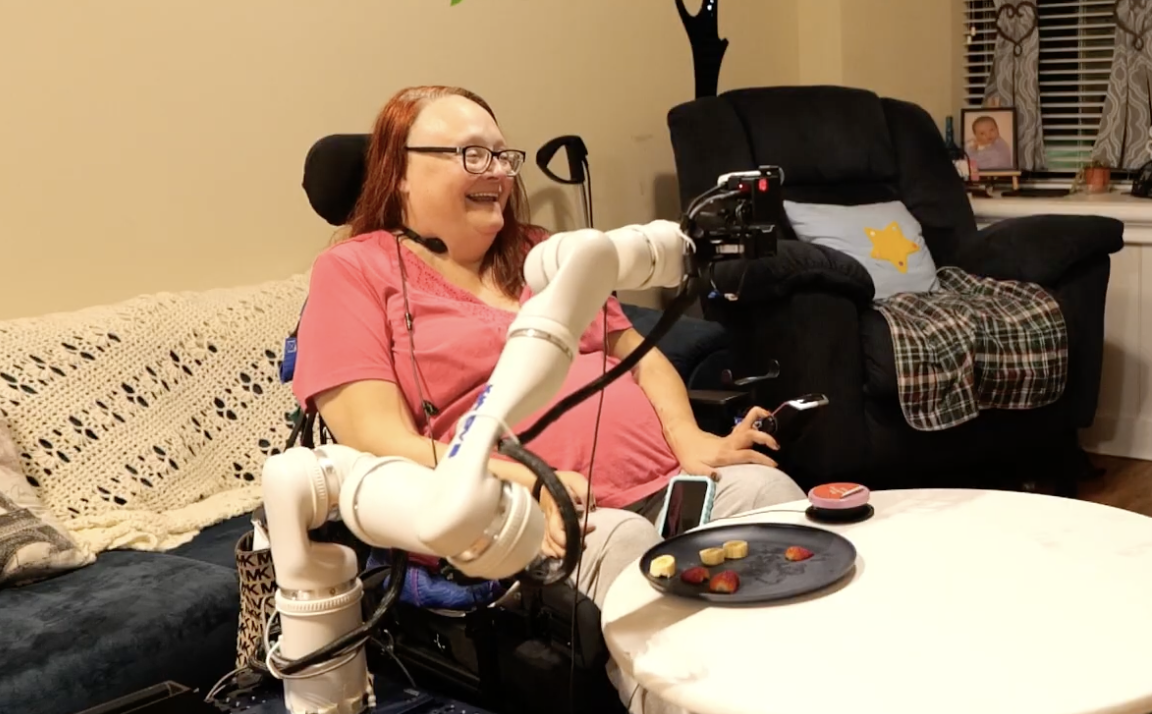
Predicting the Next Bite
Researchers at Carnegie Mellon University have developed an innovative algorithm that enhances assistive feeding technologies by predicting when individuals are ready for their next bite. This advancement, driven by wearable sensors, allows robots to better adapt to the complexities of real-world dining experiences, including managing conversations and pauses during meals. The system features adjustable settings that enable users to control the pace of feeding, thereby reducing the physical workload associated with mealtime assistance. This breakthrough aims to improve the quality of life for individuals requiring feeding support, showcasing the potential of robotics in personal care.
Uncategorized
Exoskeleton News, March 21, 2026 – More than fourteen major developments in just one week!
In the 12th week of 2026, the Exoskeleton Report highlighted over fourteen significant advancements in the field of exoskeletons and wearable robotics. This surge of innovation reflects the ongoing commitment of researchers and companies to enhance mobility and support for individuals with physical disabilities. The developments, reported on March 21, 2026, showcase a variety of new technologies and applications aimed at improving the functionality and accessibility of wearable robotic devices. These advancements are expected to play a crucial role in rehabilitation and assistive technologies, demonstrating the rapid progress being made in this dynamic sector.
Video Friday: Bipedal Robot Stops Itself From Falling
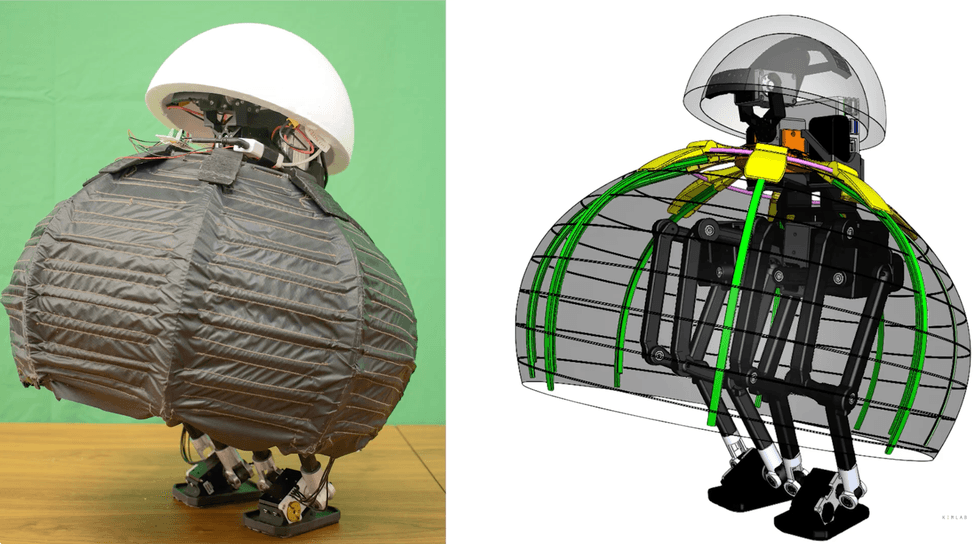
IEEE Spectrum robotics has released its latest edition of Video Friday, showcasing a variety of innovative robotics videos and announcing upcoming events in the field. Among the highlights is the Robotic Autonomy in Complex Environments with Resiliency (RACER) program, which is nearing completion after extensive collaboration with the U.S. Army and Marine Corps. This program is expected to leave a lasting impact on military operations and stimulate private-sector investment in autonomous technologies. Notable advancements include the introduction of COSA, a cognitive operating system that enhances humanoid robots' capabilities for high-level cognition and motion control. Meanwhile, the 1X World Model has made significant strides in robot learning, allowing its NEO model to perform tasks autonomously based on voice or text prompts, even for unfamiliar objects. In assistive technology, the GuideData Dataset has been launched to improve interactions between guide dog trainers and visually impaired individuals, aiming to enhance mobility and safety. Additionally, Fourier's Care-Bot prototype is gaining attention for its interactive features at CES 2026. In environmental monitoring, ETH Zurich has developed an autonomous quadruped robot for volcanic gas measurements, successfully tested on Mount Etna. Humanoid robots have also made progress in industrial logistics, completing proof-of-concept testing at Siemens's factory in Erlangen. Columbia Engineers have created a robot capable of learning facial lip motions for speech and singing through observational learning, marking a significant milestone in robotics. Lastly, DEEP Robotics showcased its quadruped robots' capabilities in complex firefighting scenarios, while Synapticon introduced its POSITRON platform to enhance safety in humanoid robots for real-world applications.
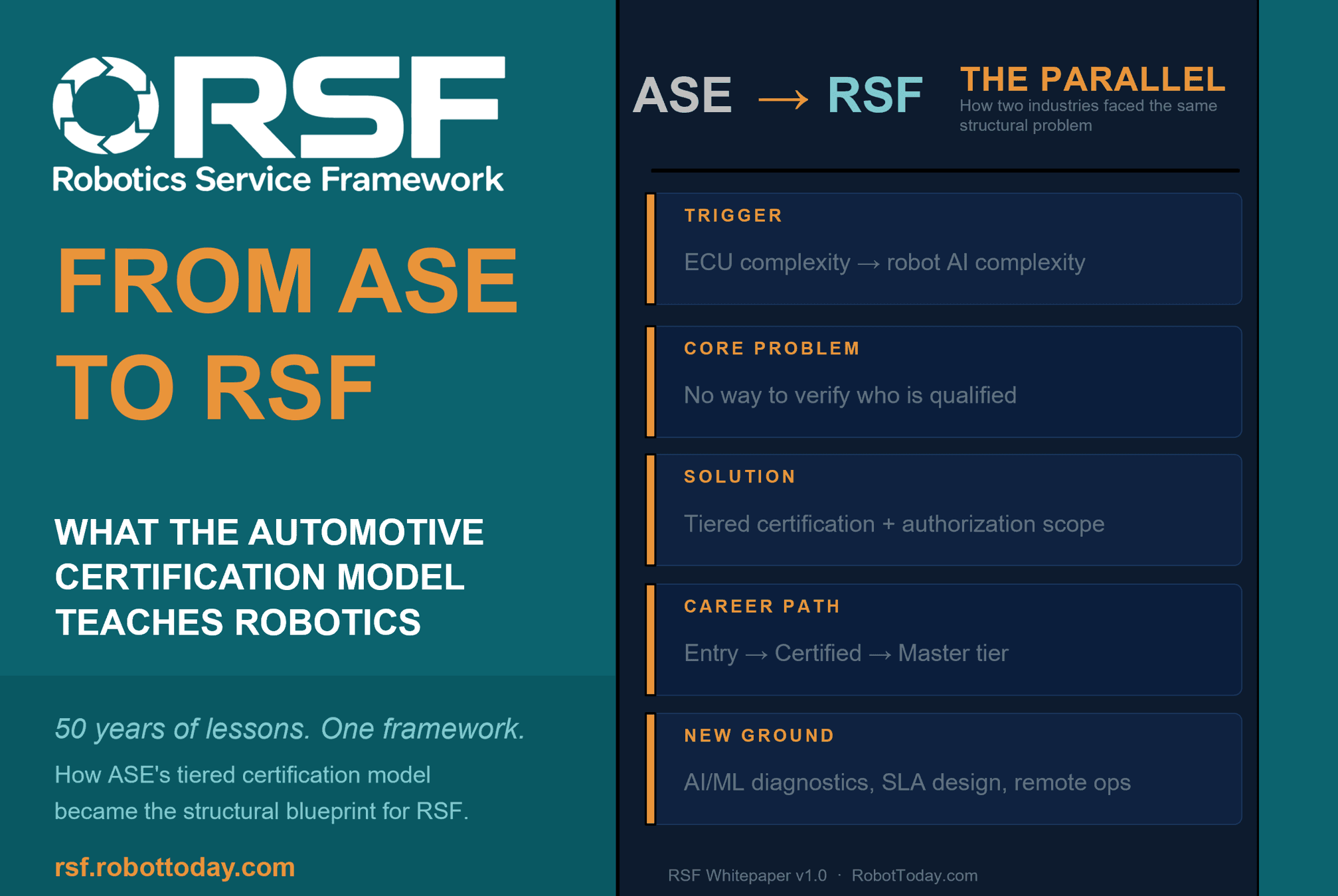
Robotics Video-friday Bipedal-robots Humanoid-robots Quadruped-robots Industrial-robotsRobotics needs a service framework.
RSF defines a common language for robot service capability, lifecycle operations, certification pathways, and service-provider networks.