

Industry Briefing
A single destination for timely, editor-curated robotics news from around the world.
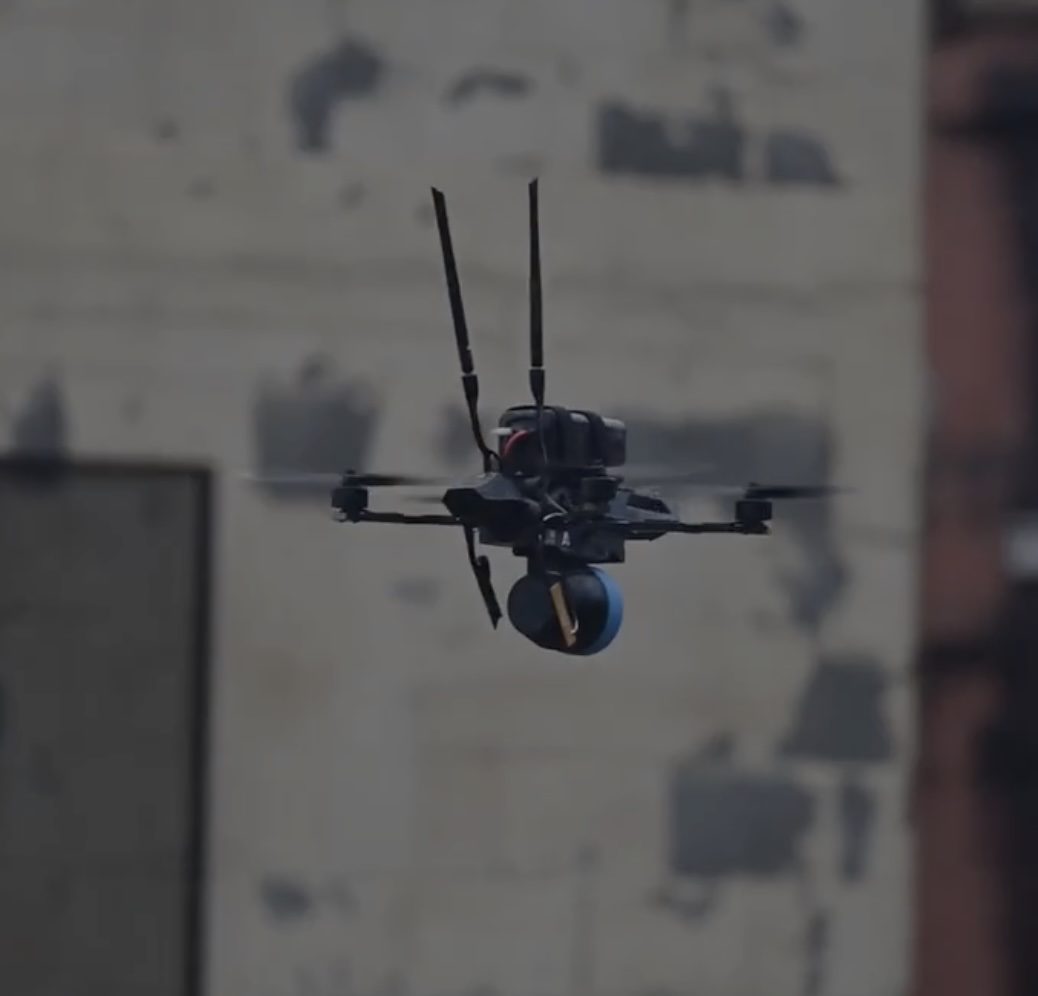
White House Hosts Drone Industry Event to Discuss Supply Chain Dominance
The White House convened drone manufacturers, component suppliers, and government officials for its inaugural Drone Dominance industry event, highlighting the administration's commitment to enhancing U.S. drone production. Nearly 100 representatives attended, with about 40 companies participating, including those that supply critical components like batteries and sensors. This initiative underscores the necessity of developing a comprehensive domestic drone ecosystem that encompasses not only aircraft assembly but also the supply of essential technologies and materials. A recent Executive Order mandates that contractors trace their supply chains from raw materials to end products, revealing the complexities involved in establishing a self-sufficient drone industry. Looking ahead, the administration has identified significant dependencies on foreign sources for various drone components, indicating a pressing need for domestic capacity expansion. The overlap between military and commercial drone production suggests that efforts to strengthen the supply chain will benefit both sectors, although no further timeline was disclosed at the time of publication.
Drone News Drone News Feeds Dual Use News Policy US Government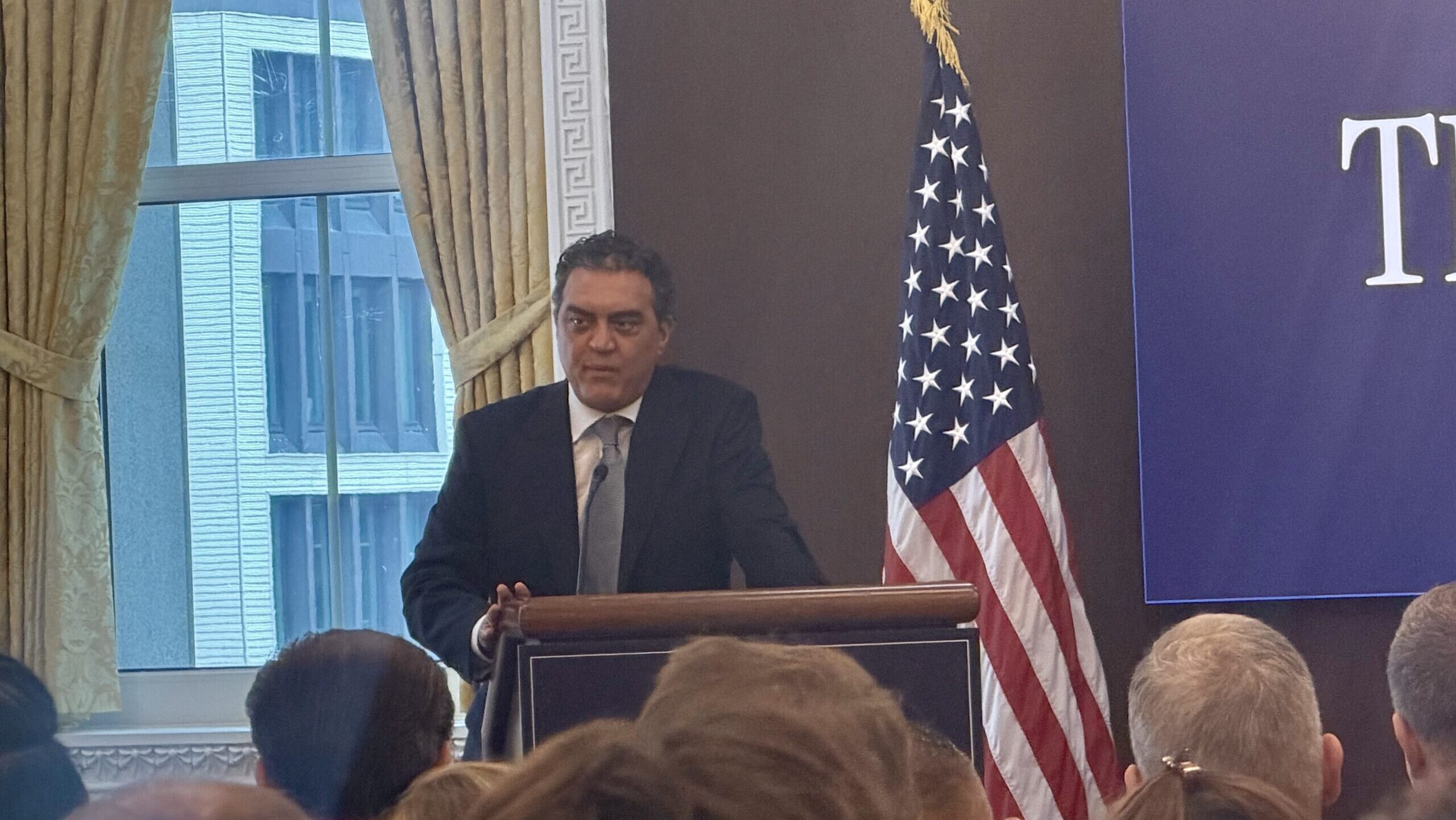
First White House Drone Dominance Meeting Unites Nearly 100 Companies and Officials
The Trump administration hosted its inaugural Drone Dominance event at the Eisenhower Executive Office Building, gathering nearly 100 representatives from around 40 companies. Key government officials, including Sebastian Gorka and Emil Michael, emphasized the need for the U.S. to achieve drone dominance rather than mere sufficiency in production. This meeting is part of a broader government initiative to bolster domestic drone manufacturing, especially in light of compliance with Department of Defense requirements and new executive orders aimed at reducing reliance on critical materials from adversarial nations. Emil Michael announced forthcoming investments to enhance the U.S. supply chain for drone production. Looking ahead, the Pentagon's Drone Dominance program plans to allocate $1 billion over two years for small attack drones, with ongoing competitions for vendors to supply aerial weapons. The next phase, Gauntlet 2, will see 19 companies demonstrating their drones, with the potential for significant orders based on performance.
Air Warfare Land Warfare Air Force Army Defense Autonomous Working Group - DAWG Drone Dominance Program
Pennsylvania National Guard Designated as Key Site for Pentagon's Drone Dominance Initiative
The Pennsylvania National Guard's UAS Training and Innovation Facility at Fort Indiantown Gap has been chosen as the primary training site for the Pentagon's Drone Dominance program. This selection follows the recent Drone Gauntlet competition, where the top 11 drone systems were identified for military use based on performance and supply chain capabilities. This initiative is significant as it underscores the Pennsylvania National Guard's expertise in military drone development and training. Chief Warrant Officer 2 Nathan Shea emphasized the unique position of the Guard in advancing drone technology, highlighted by their recent win in the Army's Best Drone Warfighter Competition for innovative drone designs. Looking ahead, the TIF team is actively testing various UAV systems, including the Neuros Archer and HALO Perses, focusing on attritable drones for one-way attack missions and ISR operations. No further timeline was disclosed at the time of publication.
Applications Defense defense Drone News Drone News Feeds News
Robinson Unmanned Progresses in Drone Dominance Program as Pentagon Emphasizes Scalable Production
Robinson Unmanned has progressed to the next stage of the U.S. Department of Defense’s Drone Dominance Program, marking a significant shift in defense procurement practices. The program now assesses not only drone performance but also the ability of manufacturers to produce reliable and cost-effective systems at scale using secure U.S. supply chains. This advancement is crucial as the Pentagon's challenge-based acquisition process seeks to identify companies capable of rapidly delivering thousands of mission-ready drones while ensuring resilient supply chains. Robinson Unmanned is competing with its SPIRIT-FPV system, built on the Blue UAS Cleared SPIRIT platform, and must meet stringent production requirements to qualify for the next phase. Looking ahead, the emphasis on manufacturing readiness in the Drone Dominance Program indicates a changing landscape in military procurement. Companies must demonstrate their ability to manufacture complete systems under tight timelines, with military operators evaluating the systems in realistic scenarios. No further timeline was disclosed at the time of publication.
Applications Defense defense Drone News Drone News Feeds Drones in the News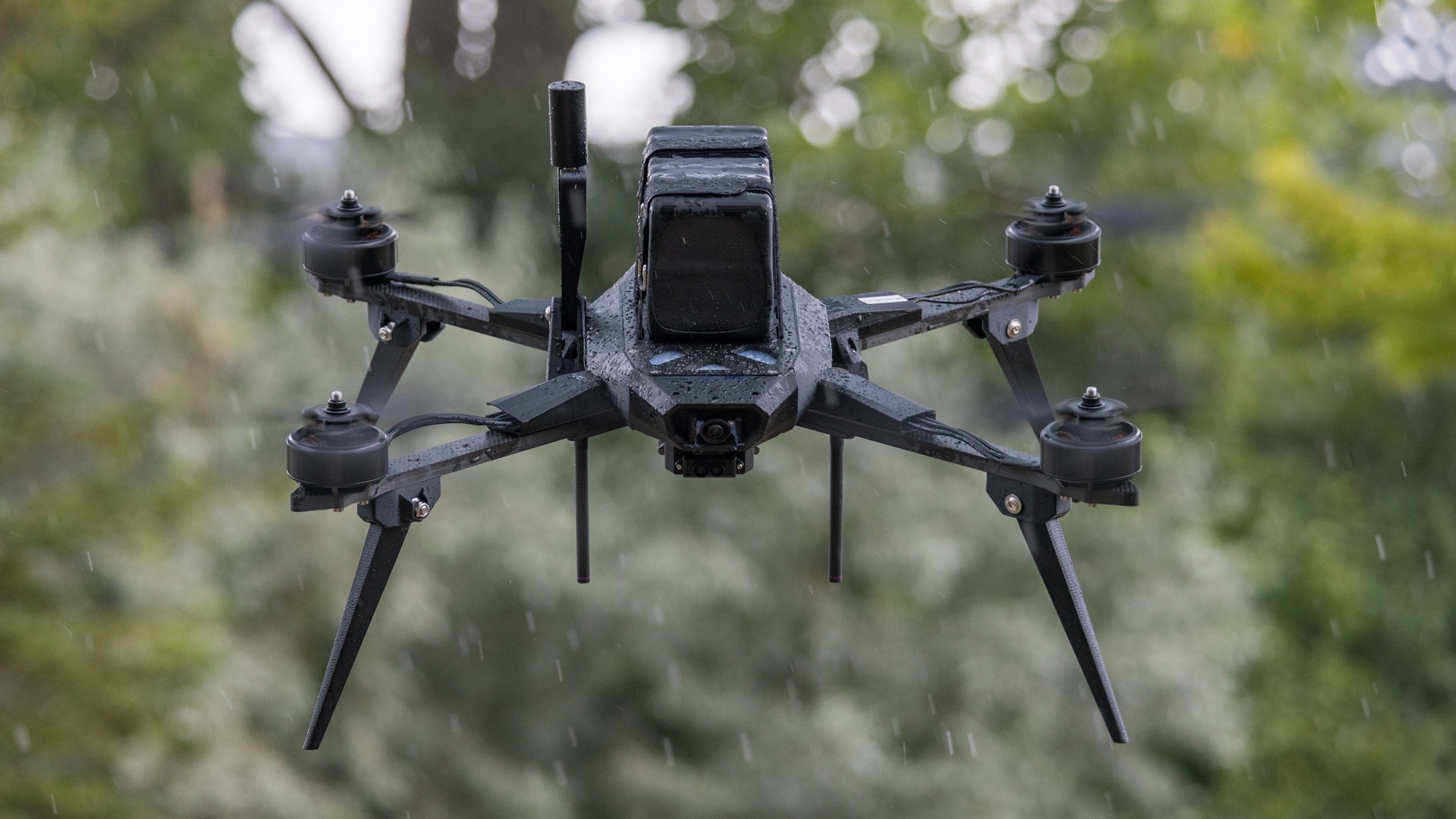
US Department of War Orders 4,000 Kiwi UAVs for Drone Dominance Program
Swarm Defense Technologies has secured a contract from the US Department of War for 4,000 Kiwi one-way attack drones, valued at a minimum of $25 million. This order is part of the Drone Dominance Program, which evaluates small uncrewed aircraft through military testing before prototype orders are placed. The Kiwi drones will be manufactured in Auburn Hills, Michigan. This order is significant as it highlights the increasing reliance on drone technology in military operations. The Kiwi quadcopter is designed for one-way attack missions and can be controlled by a single operator managing multiple drones simultaneously. Adam Wright, President of Swarm Defense Technologies, emphasized that swarming technology allows a single pilot to achieve the effectiveness of multiple pilots in combat scenarios. Looking ahead, Swarm Defense is exploring the adaptability of the Kiwi platform for various missions, including intelligence, surveillance, and reconnaissance. The company is also developing a containerized deployment system for rapid drone launch. No further timeline was disclosed at the time of publication.
Military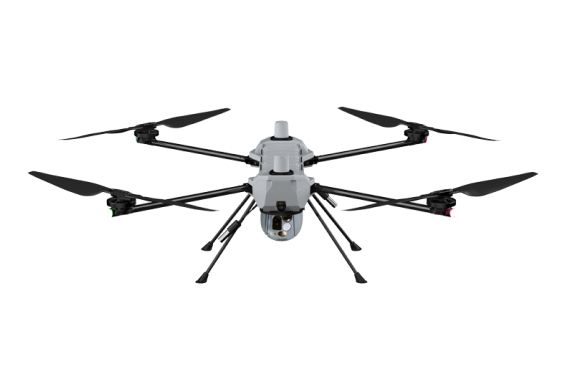
PDW CEO Emphasizes Domestic Drone Production and Component Manufacturing for U.S. Military
James Slider, CEO of PDW Holdings, highlighted the necessity of establishing domestic production for drones and their critical components to support the U.S. military. He emphasized that while America excels in innovation, the real challenge lies in scaling production effectively. PDW has secured a conditional loan of up to $820 million from the Department of War to enhance domestic manufacturing capabilities. The urgency for U.S. drone production is underscored by the ongoing conflict in Ukraine, which has shown the importance of rapid drone deployment and the need for resilient supply chains. Slider pointed out that the U.S. must learn from Ukraine's strategy, as innovation alone does not equate to capability without production. The reliance on foreign supply chains for essential drone components poses significant risks to U.S. defense readiness. Looking ahead, the focus will be on increasing domestic manufacturing to reduce dependence on foreign sources, particularly for critical components like rare-earth magnets. Slider's comments reflect a broader industry concern about maintaining a robust supply chain to ensure the U.S. military can effectively respond to emerging threats. No further timeline was disclosed at the time of publication.
DL Exclusive Drone News Drone News Feeds Dual Use Feature 1 News
U.S. Tightens Restrictions on Drones and Robots Amid China's Manufacturing Dominance
In July and August, the U.S. government implemented stricter regulations on foreign-made advanced robotic systems and imposed significant tariffs on imported drones and their components, citing national security concerns. These tariffs, effective from September, are part of a broader initiative to limit foreign technology in critical industries, following the FCC’s Covered List expansion to include drones and advanced robotic devices. The implications of these restrictions are significant for the global robotics industry, particularly as Chinese manufacturers have established strong positions in both drones and humanoid robots, often offering competitive pricing that U.S. and European companies find challenging to match. While the U.S. aims to protect its market, the measures may inadvertently lead to a more fragmented global market, with Chinese firms expanding their reach while U.S. manufacturers focus on markets with stringent security requirements. As the competition evolves, it is essential to monitor how these restrictions affect the dynamics between U.S. and Chinese robotics industries. China currently dominates humanoid robot manufacturing, with 22,000 units shipped in the first half of this year, primarily from Chinese companies. The disparity in scale and cost advantages suggests that while the U.S. excels in AI and semiconductor innovation, China leads in manufacturing capabilities and supply chain efficiency.
AI Robotics China drones Federal Communications Commission geopolitics
Uber and Zipline Collaborate for Nationwide Drone Delivery Expansion by 2029
Uber and Zipline have announced a strategic partnership aimed at achieving one million drone deliveries daily by the end of 2029. The initiative will see the launch of drone delivery services on Uber Eats, starting in existing Zipline markets and expanding into numerous cities across the United States later this year. This partnership is significant as it represents a major step forward in the integration of drone technology into everyday delivery services. By combining Uber's extensive logistics network with Zipline's expertise in drone delivery, the collaboration aims to enhance accessibility and efficiency in food delivery, potentially transforming consumer habits. Looking ahead, the first deliveries are expected to commence later this year, with a focus on scaling operations to meet the ambitious target of one million daily deliveries by 2029. No further timeline was disclosed at the time of publication.
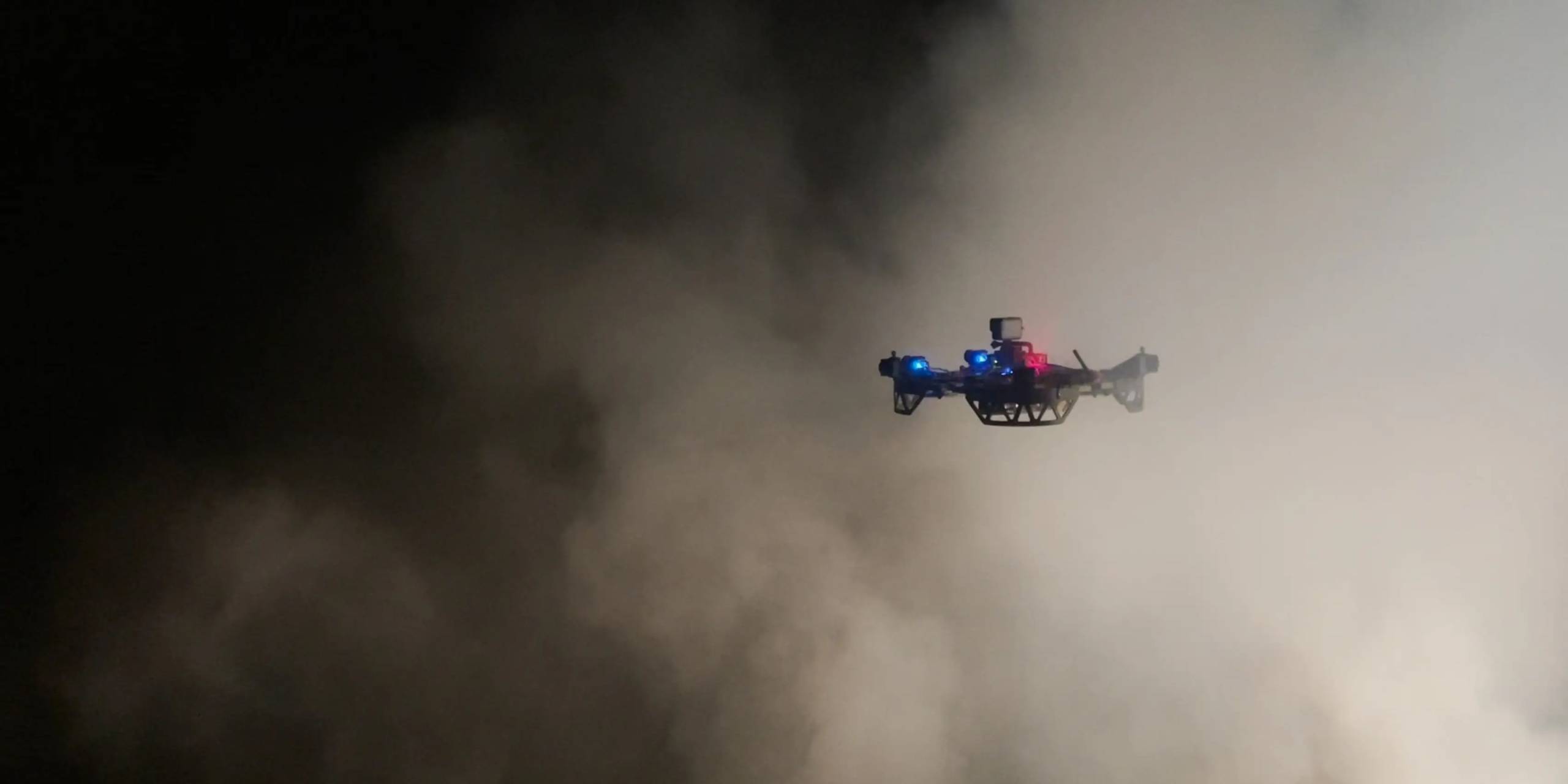
Carnegie Foundry and CMU Collaborate with U.S. Drone Makers to Enhance Drone Manufacturing
Carnegie Foundry, in collaboration with Carnegie Mellon University (CMU) and several prominent U.S. drone manufacturers, has launched a new initiative aimed at bolstering America's drone manufacturing capabilities. This initiative leverages over $50 million in CMU investments focused on robotics, advanced manufacturing, and commercialization infrastructure to establish an Autonomous Systems Manufacturing Platform (ASMP). The significance of this initiative lies in its potential to strengthen the U.S. drone manufacturing sector, which is crucial for various applications including logistics, surveillance, and agriculture. By uniting CMU’s National Robotics Engineering Center (NREC) with leading drone manufacturers, the initiative aims to foster innovation and enhance the competitiveness of American-made drones in the global market. Looking ahead, stakeholders will be monitoring the development of the Autonomous Systems Manufacturing Platform and its impact on the drone industry. No further timeline was disclosed at the time of publication.
Announcements
The American rare earths company seeking to topple China's dominance | 60 Minutes
The Trump administration is collaborating with a U.S. company to confront China's significant control over rare earth elements, which are crucial for manufacturing various high-tech products, including smartphones, robotics, fighter jets, and drones. This initiative aims to reduce dependency on Chinese supplies and enhance national security by securing a more stable and independent source of these vital materials. The effort comes amid rising tensions between the U.S. and China, highlighting the strategic importance of rare earth elements in modern technology and defense. The administration's actions reflect a broader strategy to bolster domestic production capabilities and ensure that the U.S. remains competitive in critical industries.
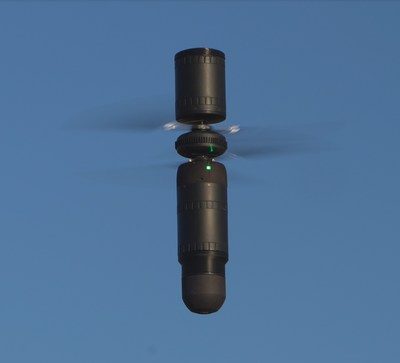
Beyond the Primes: Drone Dominance’s First Order Highlights a New Generation of Defense Drone Manufacturers
The Pentagon's Drone Dominance Program has transitioned from competition to procurement, with the Department of War announcing its first order this week. This milestone coincides with the launch of Gauntlet II, a significant step in the initiative aimed at quickly deploying low-cost military drones. The program is designed to enhance the capabilities of emerging drone manufacturers, highlighting a shift towards a new generation of defense technology. As the military seeks to modernize its drone fleet, these developments underscore the growing importance of innovative companies in the defense sector.
Applications Blue UAS Defense defense Drone Manufacturing Drone News
Under ‘Drone Dominance’ push, Pentagon begins receiving small drones
The Department of Defense has placed an order for 20,000 small FPV-style drones from ten different vendors. This significant procurement aims to enhance the military's operational capabilities and improve surveillance and reconnaissance efforts. The decision reflects an ongoing commitment to modernizing defense technology and adapting to evolving battlefield requirements. The drones are expected to be deployed in various military operations, providing troops with advanced tools for intelligence gathering and tactical advantages. The initiative underscores the importance of integrating innovative technologies into defense strategies to maintain national security.
Air Warfare Land Warfare Pentagon Air Force Army Drone Dominance Program
Five companies win DoD’s Drone Dominance small drone ‘Lethality Prize Challenge’
Drone manufacturer Bravo has announced that its selection for the Lethality Challenge will significantly enhance its business prospects, potentially leading to thousands of unit orders. Kevin Landtroop, a representative from Bravo, emphasized that this development has transformed the conversations the company is having with investors, suppliers, and partners. The announcement, made to Breaking Defense, highlights the strategic importance of the Lethality Challenge in securing future contracts and fostering growth within the defense sector. This selection marks a pivotal moment for Bravo, as it positions the company to capitalize on increased demand for advanced drone technology in military applications.
Air Warfare Land Warfare Pentagon Air Force Army Bravo Ordnance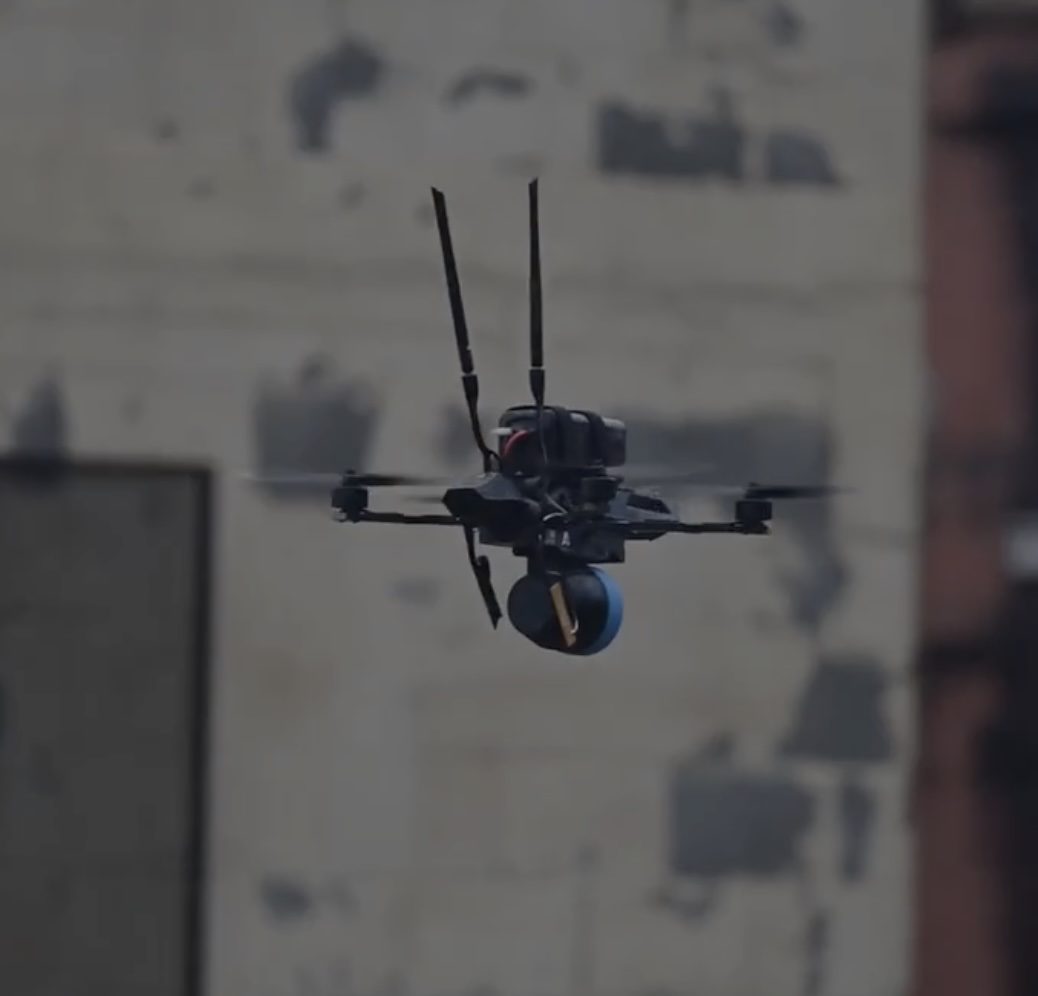
Drone Dominance: The Defense Department’s Push to Build a Scalable U.S. Drone Supply Chain
During the keynote roundtable at XPONENTIAL 2026 this morning, leaders from government and industry convened to discuss a pivotal shift in the U.S. drone sector. The focus of the panel, moderated by Michael Robbins of AUVSI, was on advancing from initial innovation and prototype development to establishing robust industrial production and scrutinizing the supply chain. This transition aims to facilitate rapid military acquisition of drone technology, reflecting the Department of Defense's commitment to enhancing the nation's drone capabilities. The discussions highlighted the urgency of creating a scalable supply chain to support the growing demands of both commercial and military applications in the drone industry.
Defense DL Exclusive Drone Manufacturing Drone News Drone News Feeds Dual Use
Skydio Commits $3.5 Billion to Expand U.S. Manufacturing and Secure American Drone Leadership
Skydio has announced a significant investment aimed at bolstering American leadership in the drone industry, responding to the surging demand for autonomous flying robots across key sectors. This initiative comes as industries in the United States increasingly rely on advanced drone technology for various applications, highlighting the importance of maintaining a competitive edge in this rapidly evolving market. The investment reflects Skydio's strategic focus on innovation and development, positioning the company to meet the needs of critical industries while reinforcing its role in the national landscape of drone manufacturing and technology.

HYFIX Announces $15M Seed Round to Build American-Made Chips Powering the Next Generation of Drones and Robots
A new integrated chip developed in the United States is set to revolutionize drone technology by replacing the previously fragmented electronics systems with a single, secure platform. This advancement aims to enhance the reliability and efficiency of drone operations, addressing growing concerns over security vulnerabilities in existing systems. The integrated chip is expected to streamline the manufacturing process and reduce costs, making advanced drone technology more accessible. The initiative reflects a broader trend in the tech industry towards consolidation and improved security measures, particularly in the defense sector. As drone usage continues to expand across various applications, from military operations to commercial deliveries, the implementation of this innovative chip could significantly impact the future of aerial technology.
Robotics needs a service framework.
RSF defines a common language for robot service capability, lifecycle operations, certification pathways, and service-provider networks.
Join the RobotToday community on LinkedIn
Daily robotics news, in-depth analysis, conference highlights, and discussions with professionals worldwide.







