Industry Briefing
A single destination for timely, editor-curated robotics news from around the world.
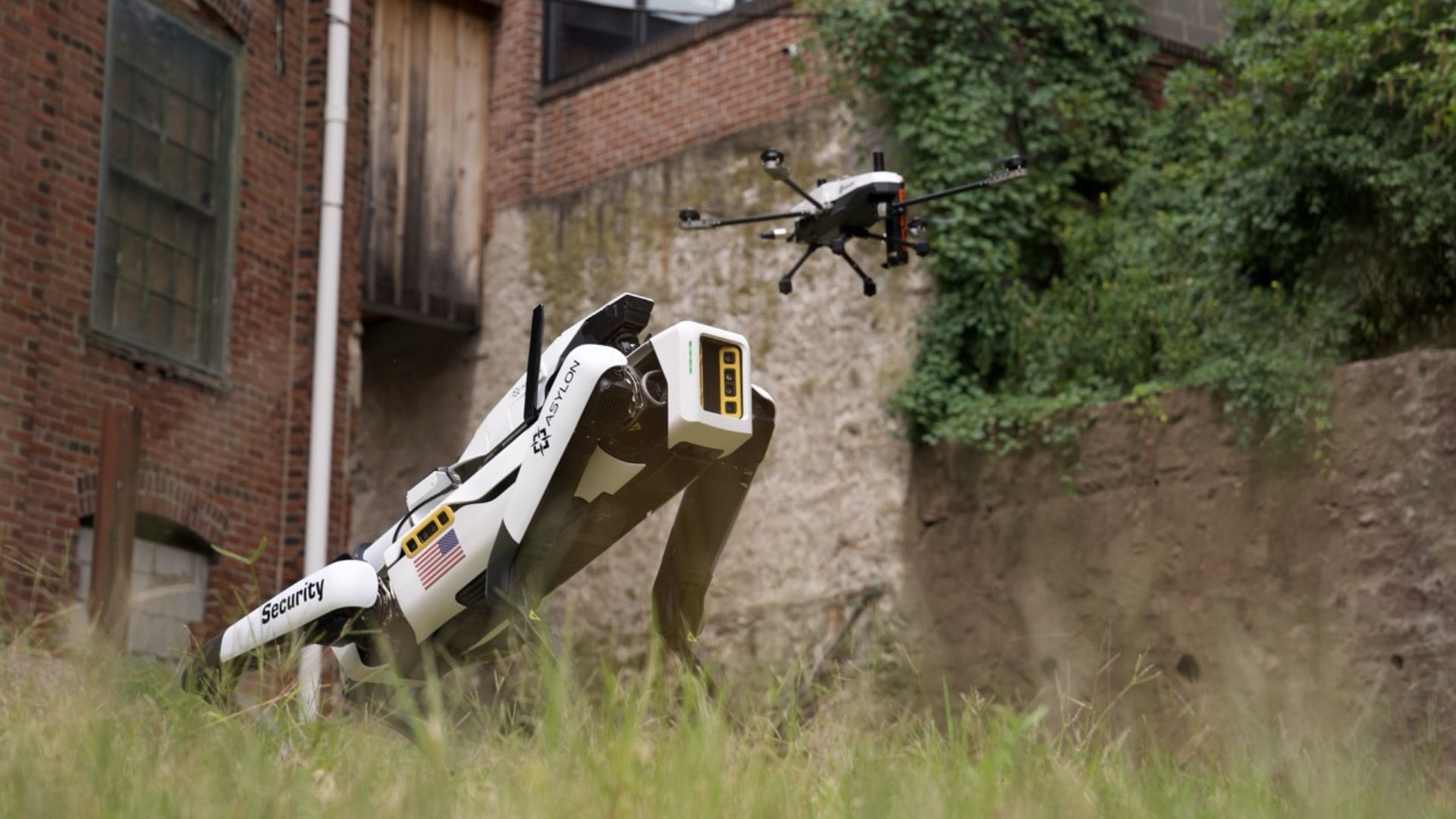
Asylon's MARIA System Enhances Aircraft Inspections for U.S. Air Force
Asylon has secured a Phase Three contract with the U.S. Air Force's Warner Robins Air Logistics Complex to deploy its Multi-modal Autonomous Robotics for Inspection of Aircraft (MARIA) system. This initiative aims to streamline aircraft inspections by integrating air and ground robotic platforms, significantly reducing the time for general visual inspections while enhancing consistency in maintenance tasks. The MARIA system combines Asylon's Guardian unmanned aircraft with the DroneDog Q-UGV, utilizing the Range autonomy software and DroneIQ command-and-control system for efficient inspection management. The significance of this deployment lies in its potential to transform aircraft maintenance operations. By automating inspections, the MARIA system not only improves inspection quality but also mitigates the risks associated with labor-intensive tasks. The integration of imagery, LiDAR data, and telemetry into a single platform allows maintenance personnel to make informed decisions quickly, thereby enhancing aircraft readiness without increasing manpower demands. This project marks a pivotal shift in how the Air Force approaches maintenance, leveraging autonomous technologies to optimize operational efficiency. Looking ahead, the success of the MARIA deployment at Warner Robins could lead to broader adoption of these technologies across military maintenance organizations. No further timeline was disclosed at the time of publication, but the ongoing collaboration between Asylon and the Air Force may pave the way for future advancements in defense sustainment operations, particularly in the realm of autonomous inspections and maintenance support.
Military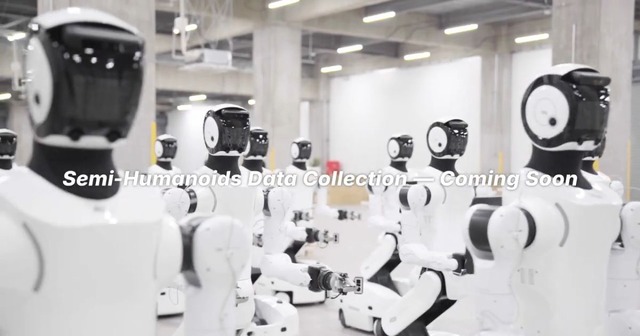
AIRoA collects 80,000 hours of robot operation data through industry-academia collaboration for physical AI infrastructure.
The AI Robot Association (AIRoA) released a YouTube video on May 29, 2026, showcasing a groundbreaking initiative titled "A Massive Collaborative Physical AI Data Initiative." The video highlights the ongoing operations of robots across various universities and research institutions, illustrating the accumulation of a global data infrastructure. This initiative aims to enhance the development of artificial intelligence by creating a comprehensive database that supports collaborative research and innovation in robotics. Through this project, AIRoA seeks to foster advancements in AI technology and improve its applications in real-world scenarios.
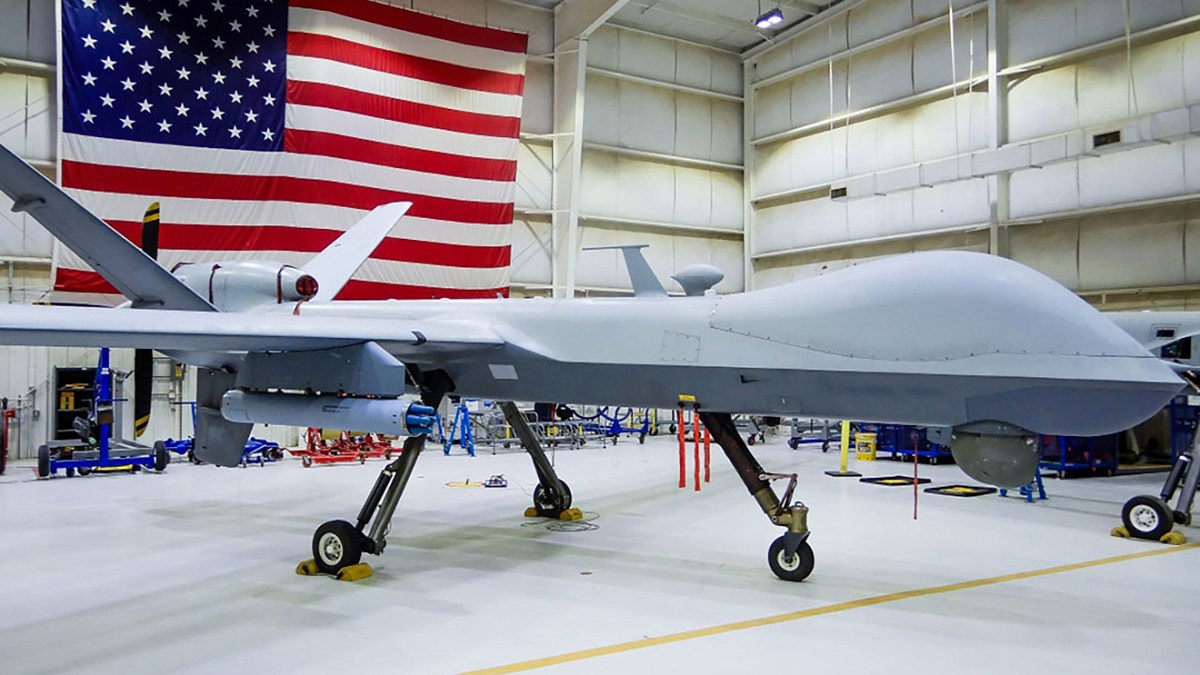
MQ-9 Reaper Fires Laser-Guided Rockets In Tests
The MQ-9 Reaper drone has successfully conducted tests firing Advanced Precision Kill Weapon System (APKWS) rockets at both air and ground targets. This development comes amid a growing demand for cost-effective solutions to counter drone threats. The tests highlight the increasing versatility of the MQ-9 in modern warfare, showcasing its capability to engage various targets with precision. The successful demonstration of these laser-guided rockets marks a significant step in enhancing the drone's operational effectiveness and meeting the evolving needs of military operations.
Air Air Force Munitions Air-To-Ground Drones Laser Guided Rockets News & Features
Tesla's Optimus Robots to Support Starmind Satellite Production, Not Maintenance
Tesla's Optimus robots will not be used to repair Starmind satellites in orbit, as confirmed by recent statements from Elon Musk. Instead, these robots are intended to assist in the construction and operation of the Terafab chip manufacturing facility in Texas. The AI1 satellites, designed to disintegrate upon reentry, highlight the company's swap-and-replace strategy rather than traditional maintenance practices. This approach is significant as it reflects a broader trend in satellite management, where mass-produced satellites are replaced rather than repaired. The economics of servicing missions are prohibitive, with the cost of launching a replacement satellite being significantly lower than conducting a repair mission. This model aligns with SpaceX's operational history, where rapid replacement of satellites is more efficient than attempting to maintain them in orbit. Looking ahead, the focus will remain on the production capabilities of the Gigasat factory, which is expected to support the continuous replacement of satellites. No further timeline was disclosed at the time of publication, but the demand for rapid satellite turnover suggests a robust future for Optimus robots in terrestrial manufacturing rather than in-space servicing.
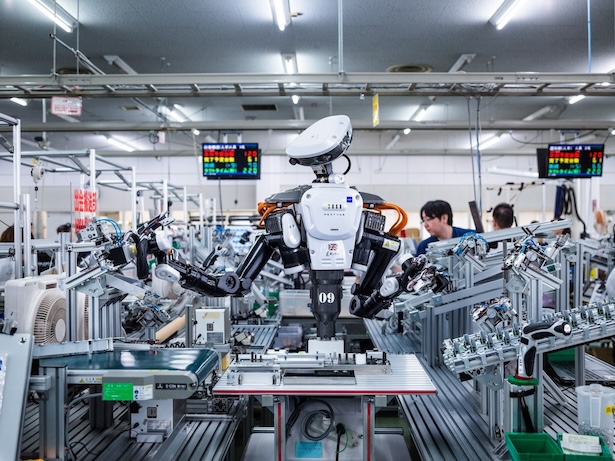
SpaceX's Starship V3 Plans for 1 Million Starmind Satellites by 2030
SpaceX's Starship V3 is set to revolutionize satellite deployment, aiming to launch 1 million Starmind satellites by 2030. The spacecraft can carry over 100 tonnes to low Earth orbit (LEO), significantly more than the Falcon 9's capacity. As of May 2026, Starship has completed 12 flights, with the next mission scheduled for late July 2026, focusing on operational payloads including AI1 prototypes in early 2027. This ambitious plan is crucial for expanding orbital compute capacity, targeting an annual addition of 100 GW through a million tonnes of satellite hardware. SpaceX's strategy hinges on achieving a launch cadence of approximately 12,000 flights, equating to about three launches per day. The company has invested over $15 billion in the Starship program, with expectations to begin payload deliveries in the second half of 2026, starting with Starlink V3 satellites. Looking ahead, the successful deployment of the Starmind constellation will depend on Starship's ability to meet its cost targets of $10–20 million per flight. If achieved, this would make launching satellites more economical than building ground data centers. The next significant milestone will be the launch of AI1 prototypes in early 2027, with full-scale deployments commencing in 2028 from the new Gigasat factory in Texas.

SpaceX Unveils AI1 Satellite Specs for Starmind Constellation with Key Thermal Challenges
SpaceX has introduced the AI1 satellite, the inaugural component of its Starmind constellation, which stands 20 meters tall and has a wingspan of 70 meters. This orbital compute node is designed to deliver computing power equivalent to one NVIDIA GB300 server rack, utilizing a unique cooling system with deployable liquid radiators. The satellite's specifications were revealed during a presentation on June 8, 2026, ahead of SpaceX's IPO. The significance of the AI1 satellite lies in its role as a compute platform rather than a traditional satellite, focusing on running AI inference workloads. The satellite's cooling system, which is critical for its operation in the vacuum of space, is designed to reject heat through infrared radiation. However, independent engineers have raised concerns about the feasibility of the thermal and mass claims made by SpaceX, suggesting that the cooling requirements may exceed practical limits. Looking ahead, SpaceX plans to launch two AI1 prototypes in early 2027, with full-scale production expected to commence later that year at its Gigasat facility in Bastrop, Texas. The ongoing debate regarding the satellite's thermal management capabilities will be crucial to monitor as the project progresses, with no further timeline disclosed at the time of publication.
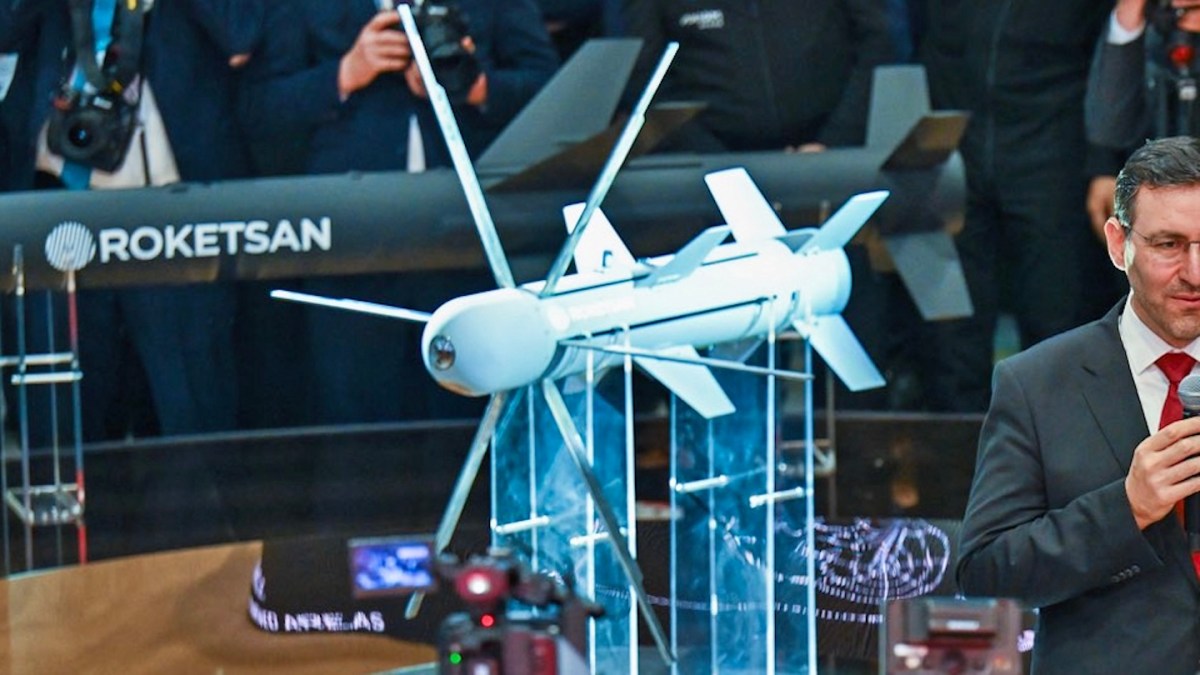
Turkey Developing Its Own Bladed ‘Ginsu’ Precision Guided Munition
Turkey is advancing its defense capabilities by developing a new variant of its MAM-L lightweight munition, which features pop-out, sword-like blades similar to those found on the AGM-114R9X Hellfire missile. This innovative precision-guided munition aims to enhance Turkey's military effectiveness and operational flexibility. The initiative reflects the country's ongoing efforts to bolster its indigenous defense production and reduce reliance on foreign military technology. As the development progresses, it underscores Turkey's commitment to modernizing its armed forces and maintaining a competitive edge in the region.
Air AGM-114 Hellfire Air Force Munitions Air-To-Ground Around The Globe Drones
Teledyne FLIR Defense Grows Third-Party Payload Integration Program, Adds Emesent Hovermap LiDAR for Unmanned Air, Ground, and Detection Platforms
A newly certified payload is set to enhance the capabilities of drones, robots, and radiation detection systems, facilitating faster deployment of mapping in environments where GPS signals are unavailable. This innovative technology aims to improve the efficiency of fused Chemical, Biological, Radiological, and Nuclear (CBRN) visualizations, which are critical for various applications, including emergency response and environmental monitoring. The certification, achieved in October 2023, underscores the growing importance of advanced technological solutions in navigating complex and hazardous situations. By integrating these systems, operators can obtain real-time data and insights, significantly improving situational awareness and decision-making in challenging scenarios.

Palladyne AI Executes $4.2 Million U.S. Air Force Contract to Advance Swarming Capabilities for Integrated Cross-Domain Operations
Palladyne AI Executes $4.2 Million U.S. Air Force Contract to Advance Swarming Capabilities for Integrated Cross-Domain Operations Visit http://www.palladyneai.com for further information Palladyne AI’s SwarmOS™ platform to support satellite integration, marking a major expansion of its multi-domain autonomy and ISR capabilities across space, air, maritime, and land 07/07/26, 06:15 AM | Mobile Robots, Other Topics | Palladyne AI Corp. Palladyne AI Corp. (NASDAQ: PDYN and PDYNW) ("Palladyne AI"), a developer of artificial intelligence software for robotic platforms in the defense and commercial sectors, today announced that it has executed the previously announced contract awarded by the Air Force Research Laboratory (AFRL) to solve one of the most persistent challenges in modern defense operations—how to make different autonomous systems work together as one coordinated team. The "Hierarchical Adaptive Networked Game-Theoretic Integration of Multiple Echelons (HANGTIME)" contract will address this need. More Headlines A3's Automate 2026 Breaks Records as Demand for Robotics, AI and Automation Grows NVIDIA and Hugging Face Bring New Models and Frameworks to LeRobot for the Open Robotics Community ABB Robotics completes its AI-powered Visual SLAM AMR portfolio with new autonomous forklift UMA Unveils Its Vision for the Next Generation of Humanoid Robots Robbyant Unveils LingBot-Depth 2.0 and LingBot-Vision to Redefine Robotic Spatial Perception Articles Unleash AI Innovation: The Power of NVIDIA RTX PRO 6000 Blackwell Workstation Edition Fueled by PNY-Supplied GPUs Automate 2026 Q&A with DESTACO Automate 2026 Q&A with Roboteon Advances in Robots to See & Interpret within Warehouse Environments Building Resilient Fulfillment Networks with Robotics and Real-Time Logistics Data Today, drones, ships, and satellites often operate largely independently, limiting how quickly warfighters can see and respond to threats. HANGTIME will utilize Palladyne AI's patented SwarmOS™ software platform—the defense variant of the Palladyne™ Pilot embodied AI software—as the baseline technology to bridge that gap, connecting disparate systems so they can share intelligence, adapt to changing conditions, and act in sync across domains, including space, air, maritime, and land. By integrating satellites for the first time, this project also extends Palladyne AI's technology from the ground to orbit, enabling faster, more informed decision-making and coordinated mission execution, turning tactical commanders into strategic commanders by giving them more cross-domain intelligence, surveillance, and reconnaissance (ISR) capabilities than ever before. "Our collaboration with AFRL showcases what's next for autonomous operations," said Ben Wolff, President and CEO, Palladyne AI. "This isn't about replacing humans—it's about giving them sharper, faster insight. By connecting satellite, aerial, and ground systems using the patented SwarmOS embodied AI platform as a foundational technology, we're helping the warfighter make better decisions in real time and stay one step ahead on the battlefield." "The HANGTIME project is a breakthrough that unites high-altitude assets and situational unmanned systems into one coordinated sensor network—delivering a major advantage for the defense industry," said Dr. Denis Garagic, Chief Technology Officer, Palladyne AI. "For the first time, a single AI framework can coordinate assets across multiple domains, including satellites. That means these systems can now think and act together as a team, sharing what they see and learning as conditions change." "The HANGTIME effort represents a critical step in multi-domain autonomy for coordinated execution in challenging environments," said Caleb Williams, Program Manager, AFRL/RIEA. For more information on Palladyne AI and its patented collaborative autonomy software, including SwarmOS, please visit www.palladyneai.com. For more information about AFRL, please visit www.afrl.af.mil. About Palladyne AI Palladyne AI is a U.S.-based technology company developing patented embodied artificial intelligence, collaborative autonomy solutions, advanced avionics, autonomous systems, advanced UAV engineering services, and precision-manufactured components for defense and industrial markets. Palladyne AI delivers secure, American-developed and operated platforms designed to meet the stringent requirements of U.S. government and public-sector customers, including data sovereignty, security, and compliance. Palladyne AI's embodied AI is designed to operate in complex, contested, and high-risk environments, enabling distributed tasking, human-on-the-loop decision-making, degraded-communications resilience, and multi-domain coordination. Its platform-agnostic autonomy stack combines real-time sensor fusion, adaptive AI models, and edge-native orchestration—without vendor lock-in—to support autonomous and collaborative systems across air, ground, maritime, and industrial domains w
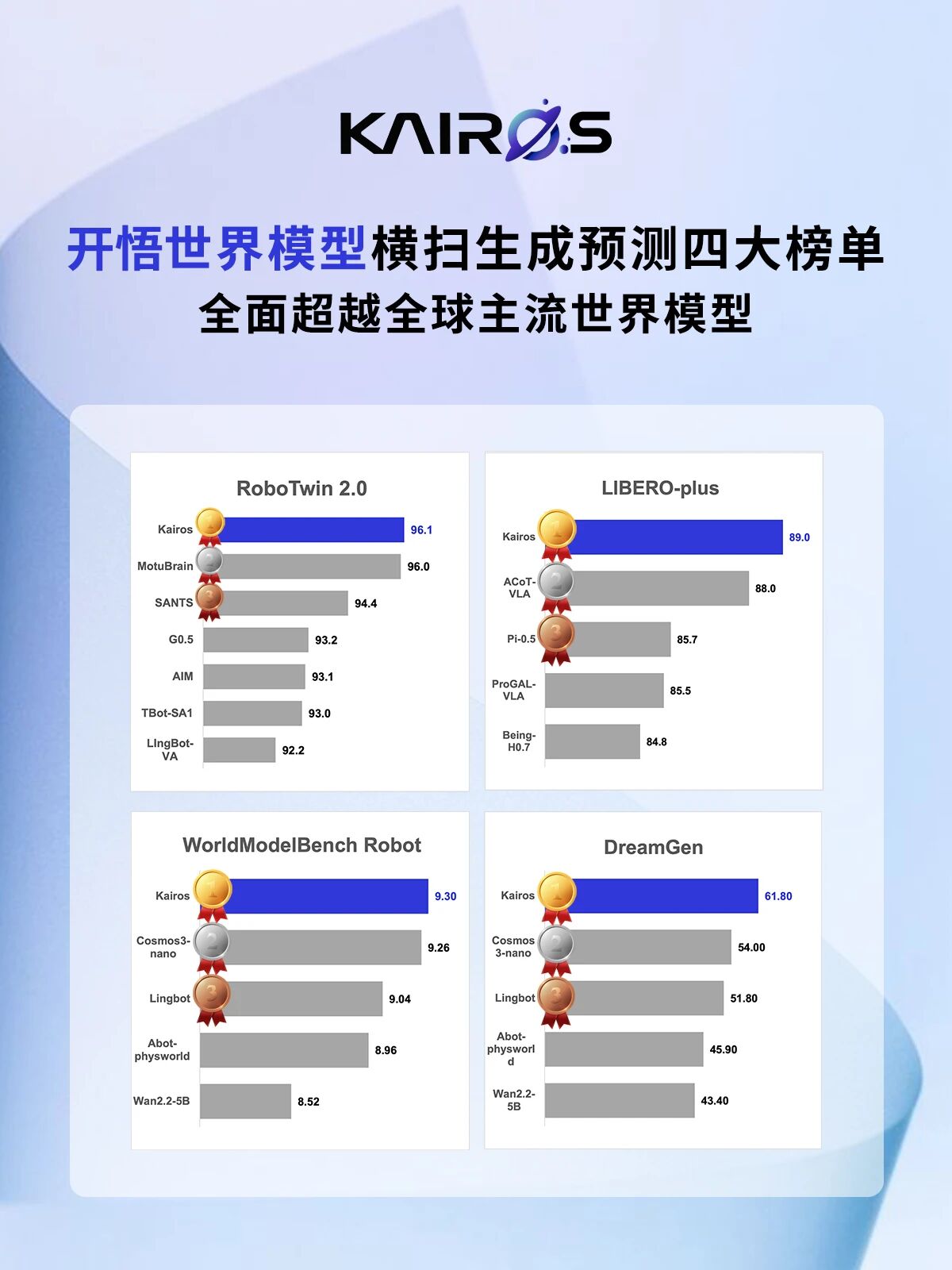
Kairos Model Achieves Top Rankings in Global Embodied Intelligence Evaluations
ACE Robotics' Kairos model has achieved first place in multiple esteemed global assessments for embodied intelligence, outpacing significant competitors in the field. This advanced model features a groundbreaking unified architecture that combines multimodal understanding, generation, and prediction, establishing a new benchmark for performance. The innovation not only improves real-time responsiveness but also enhances operational accuracy, facilitating the path toward the commercialization of embodied intelligence technologies.
Embodied Intelligence World Models Robotics AI Machine Learning
This DIY Bipedal Robot Used Pneumatic “Air-Muscles” Instead of Motors
In 1987, British photographer Richard Greenhill, driven by a passion for robotics, initiated a weekly gathering in his attic to develop a life-size humanoid robot, the Shadow Walker, capable of performing practical tasks like carrying luggage. Unable to secure support from his startup, Intergalactic Robots, Greenhill enlisted the help of a group of DIY enthusiasts, known as the Shadow Group, who met every Wednesday to work on the project, fueled by homemade spaghetti dinners. With contributions from robotics expert David Buckley, the team designed the robot using a simplified skeletal structure and pneumatic "air-muscles" for movement, aiming to achieve balance and mobility. Despite their efforts, the Shadow Walker struggled to walk, ultimately failing to compete effectively at the 1st International Robot Olympics held in Glasgow in September 1990, where it was outperformed by other entries. The Olympics showcased over 50 robots from various countries, highlighting both the advancements and limitations in robotics at the time. While the Shadow Walker did not succeed in its primary goal, it laid the groundwork for future developments in robotics. In 1997, the Shadow Group transitioned into a registered company, Shadow Robot, which now focuses on creating advanced robotic hands, reflecting a shift from walking robots to specialized dexterity in robotic technology. Despite significant progress in robotics, the journey toward creating truly functional humanoid robots continues.
Past-forward Type-departments Humanoid-robots Shadow-robot Walking-robots Pneumatic-robots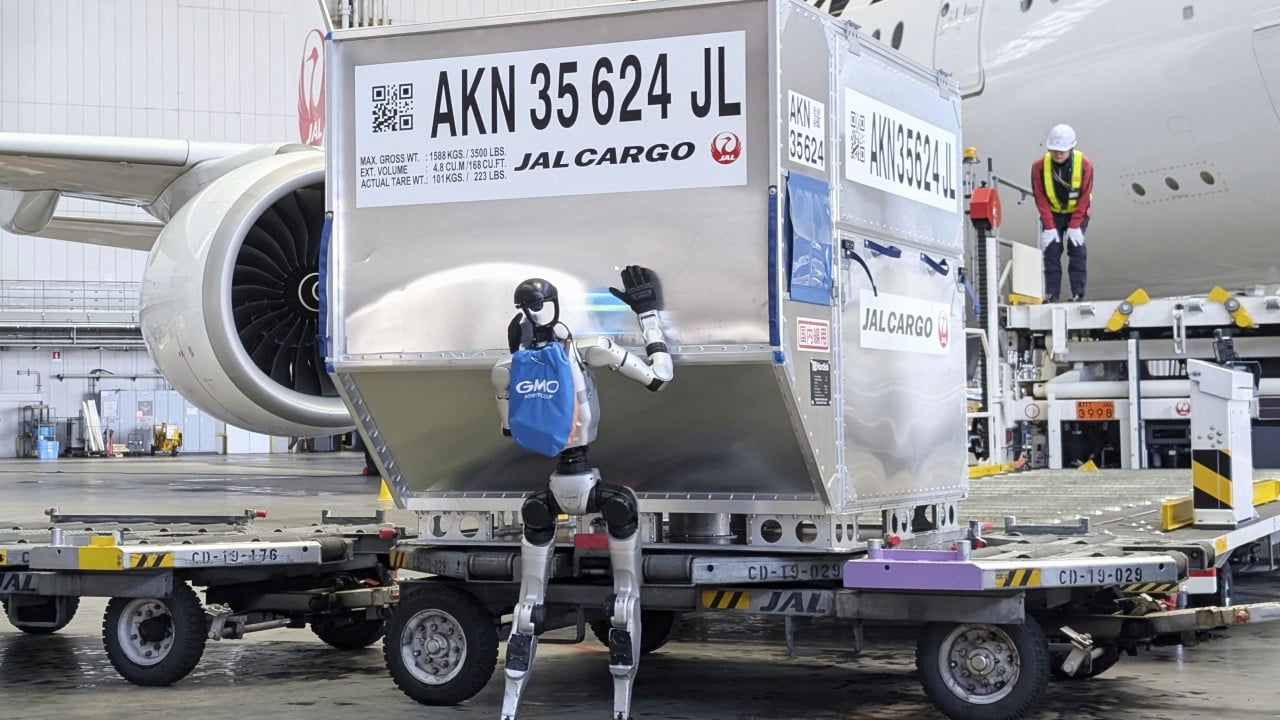
Baggage bots: Chinese humanoid robots roll into Japan’s airports amid labour shortage
China-made humanoid robots are making significant inroads in Japan, as Japan Airlines has announced a two-year trial for their deployment in ground-handling operations at Tokyo’s Haneda Airport. This initiative, which began last week, is part of a collaboration with GMO AI & Robotics and aims to address the acute labor shortages currently faced by the airline industry in Japan. The trial will see robots from Chinese manufacturers Unitree and UBTech being utilized for tasks such as baggage and cargo handling, reflecting a broader trend of increasing reliance on robotics technology to enhance operational efficiency.
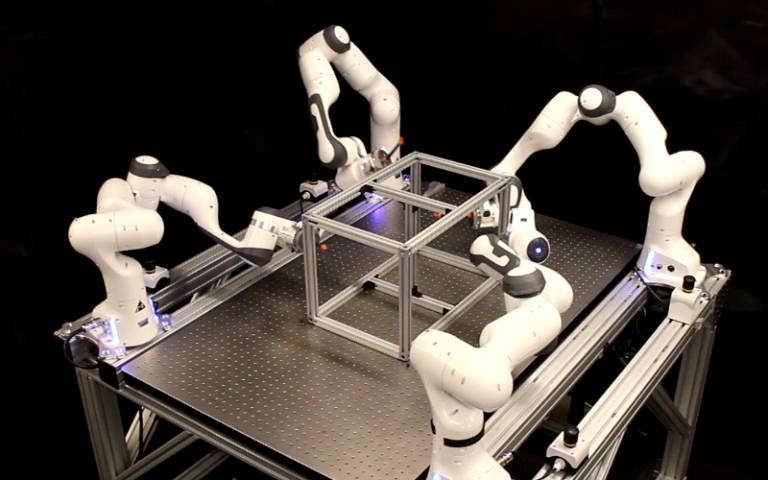
Japan Airlines begins humanoid robot trials at Tokyo's Haneda airport as labor shortages bite
Tokyo's Haneda Airport is set to trial humanoid robots in its ground services as a response to ongoing labor shortages and the challenges posed by an aging workforce. This initiative aims to enhance operational efficiency and address the increasing demand for airport services. The trial is expected to commence soon, although specific dates have not yet been disclosed. By integrating advanced robotics into its operations, Haneda Airport seeks to mitigate the impact of labor constraints while maintaining high standards of service for travelers. The deployment of these robots represents a significant step towards modernization in the aviation industry, showcasing how technology can be leveraged to solve pressing workforce issues.
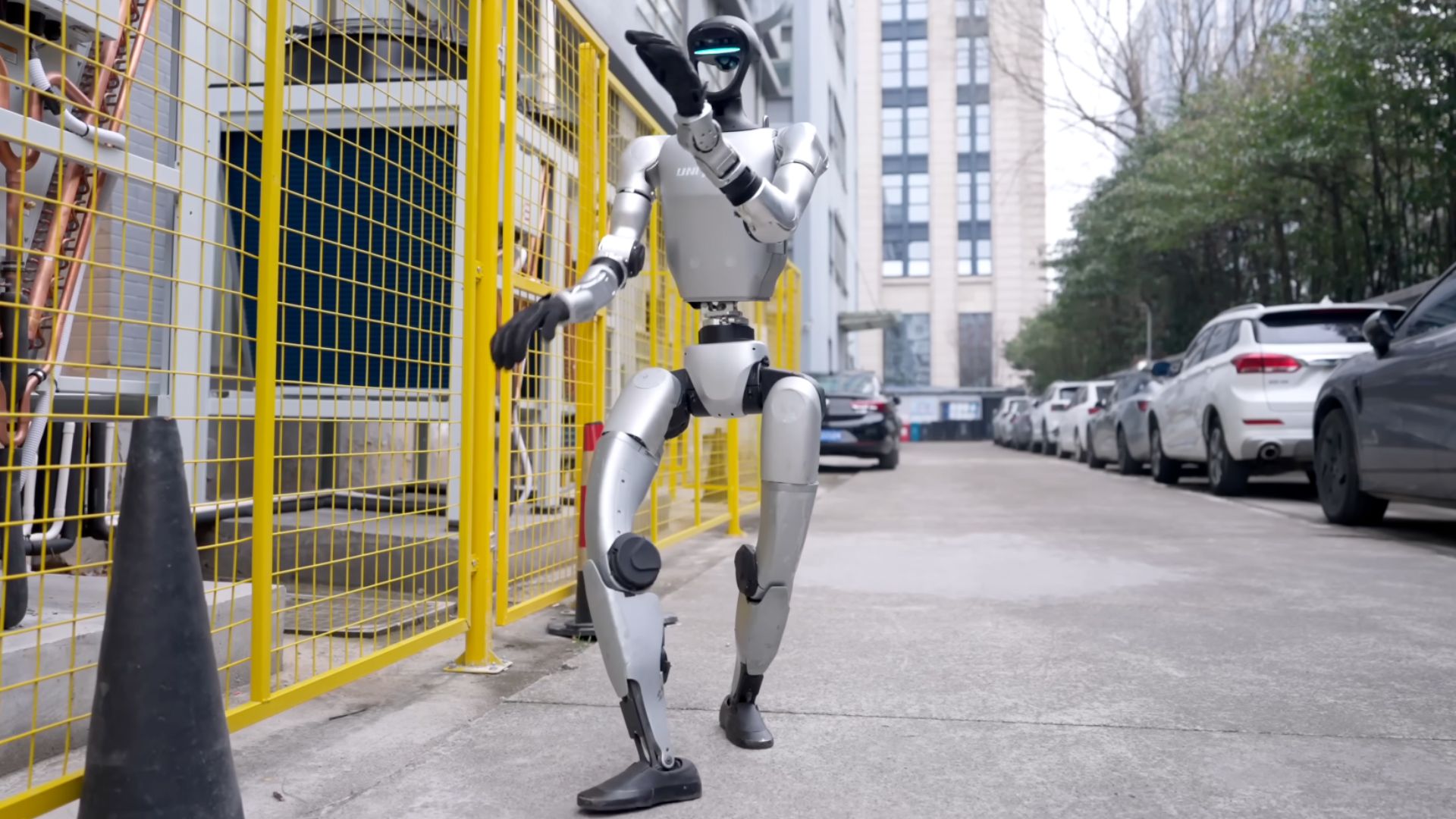
Japan’s Haneda airport deploys Unitree’s G1 humanoid robot to work alongside humans
Japan Airlines is set to begin a trial involving humanoid robots to assist ground crews at Tokyo's airports. This initiative aims to enhance operational efficiency and improve service quality in response to increasing demands in the aviation industry. The trial is expected to start in the coming weeks, with the robots programmed to perform various tasks, including baggage handling and customer service support. By integrating advanced robotics into their operations, Japan Airlines hopes to address labor shortages and streamline processes, ultimately leading to a more efficient airport experience for travelers. The deployment of these robots represents a significant step forward in the airline's commitment to innovation and technology in the face of evolving industry challenges.
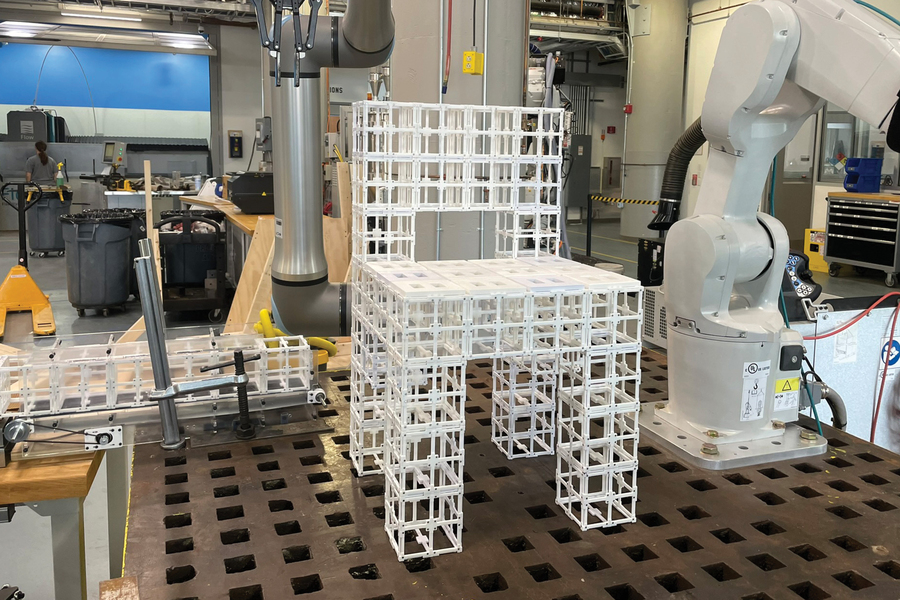
“Robot, make me a chair”
In a groundbreaking demonstration of advanced robotics, researchers have developed a robot capable of constructing furniture based on user prompts. The innovation was showcased when a user requested, “Make me a chair,” and provided specific feedback, stating, “I want panels on the seat.” In response, the robot efficiently assembled a chair, incorporating the requested panel components into its design. This development highlights the potential of integrating artificial intelligence with computer-aided design (CAD) systems, which have long been essential in the creation of physical objects. The research aims to enhance automation in manufacturing and design processes, making it easier for users to create customized products. The demonstration marks a significant step forward in the field of robotics and design technology, showcasing how machines can interpret and execute complex tasks based on human input.
CES 2026: world’s first wheel-legged robot vacuum designed to tackle stairs and multi-level homes
At CES 2026, Roborock introduced the G-Rover, a groundbreaking concept device that is being hailed as the world's first wheel-legged robot vacuum capable of navigating stairs and multi-level homes. This innovative prototype features a unique dual wheel-leg architecture, allowing each leg to lift independently and adjust its height for optimal maneuverability. Enhanced by advanced AI algorithms and 3D spatial perception technology, the G-Rover is designed to efficiently clean various surfaces and adapt to complex environments. The unveiling of this device highlights Roborock's commitment to pushing the boundaries of home automation and robotics, aiming to provide consumers with a versatile cleaning solution for modern living spaces.
News Feed CES 2026
DOF Invests in First of Its Kind Modular Cable Repair Spread to Accelerate Offshore Wind Uptime
DOF has unveiled a groundbreaking modular cable repair spread aimed at revolutionizing the response of offshore wind operators to cable faults. This innovative system, designed for compatibility across DOF's fleet, stands out for its unique combination of flexibility, road transportability, and rapid deployment capabilities. The investment reflects DOF's commitment to enhancing operational efficiency in the offshore wind sector, addressing the critical need for swift and effective cable repairs in the face of increasing demand for renewable energy solutions.
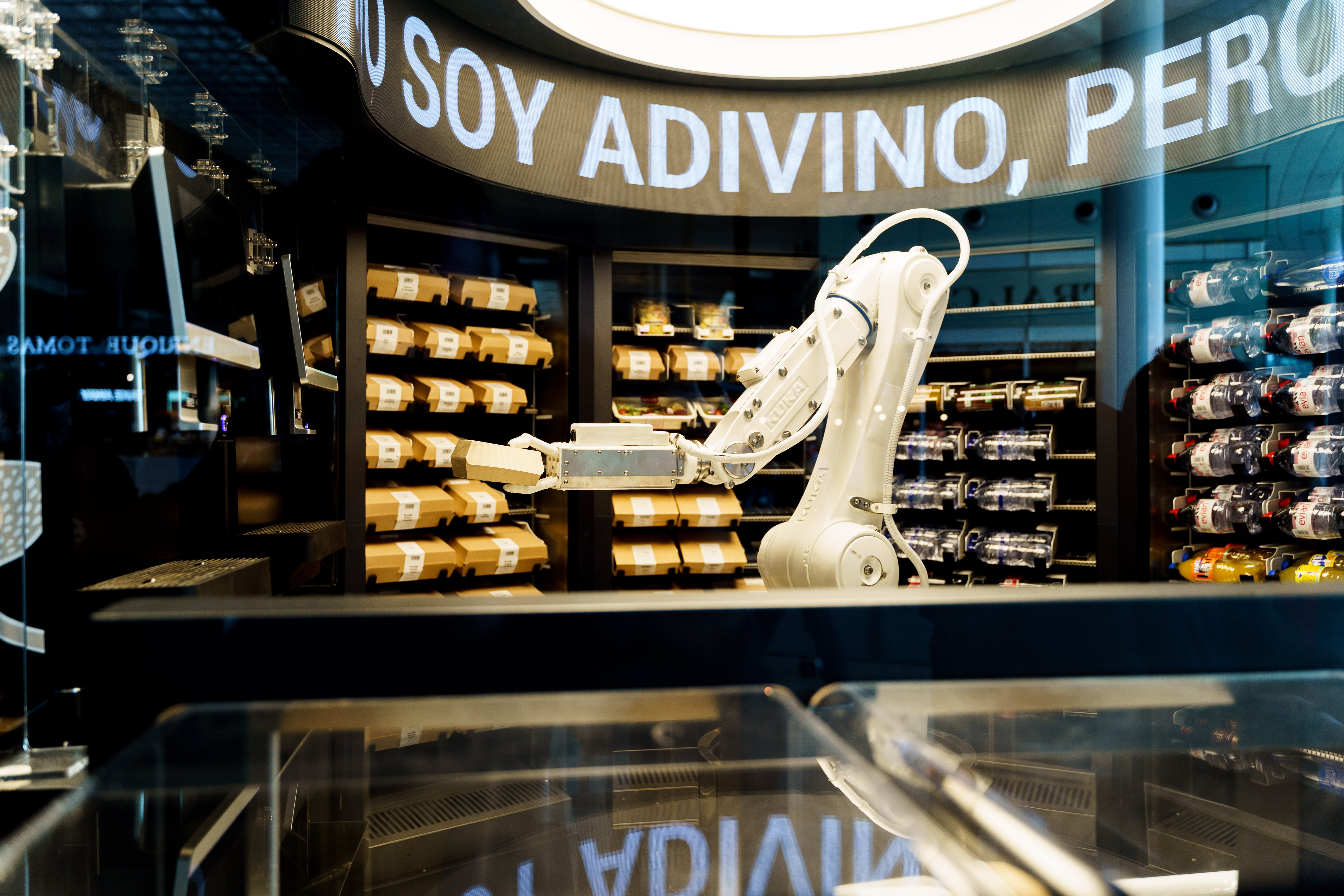
KUKA and Areas drive the catering revolution with Artificial Intelligence at Josep Tarradellas Barcelona-El Prat airport
KUKA has launched the world's first robot restaurant powered by artificial intelligence at Josep Tarradellas Barcelona-El Prat Airport. This groundbreaking establishment, part of the innovative SELF project, represents a significant advancement in the fusion of AI and robotics within the food industry. The opening of the restaurant not only showcases technological progress but also aims to enhance customer experience by streamlining food service operations. With this initiative, KUKA is setting a new standard for the future of dining, demonstrating how automation can transform traditional restaurant environments.
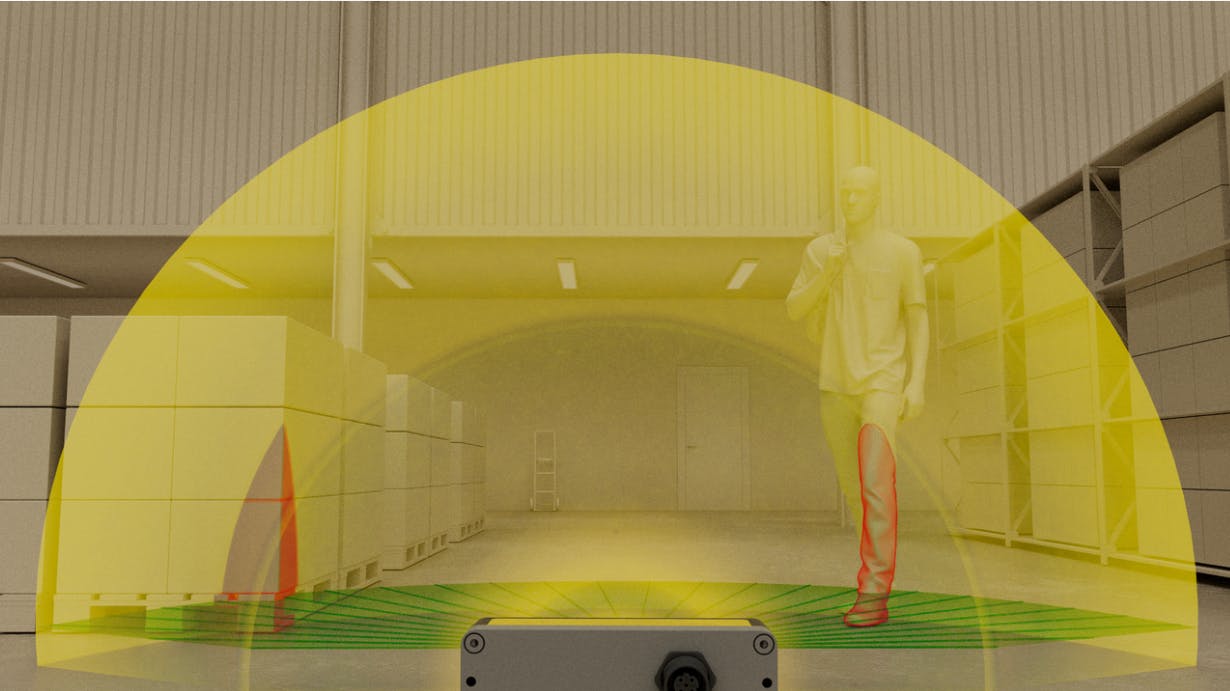
Sonair Launches Safety-Certified Sensor for Robots and Industrial Automation
A leading technology company has announced the launch of a groundbreaking sensor, touted as the first of its kind, specifically designed for autonomous mobile robots (AMRs) and industrial automation. This innovative product aims to enhance operational efficiency and precision in various industrial applications. The announcement was made earlier this week, highlighting the company's commitment to advancing automation technology. By integrating this sensor into AMRs, businesses can expect improved navigation and obstacle detection, ultimately streamlining their processes. The development of this sensor reflects the growing demand for advanced automation solutions in the industry, driven by the need for increased productivity and reduced labor costs.
Factory / Sensors
UCF engineers tackle water-to-air flight instability for amphibious drones
Researchers at the University of Central Florida (UCF) are developing an innovative approach to enhance the efficiency of solar energy conversion. This groundbreaking work, which began in early 2023, aims to address the growing demand for sustainable energy solutions amid rising global energy consumption and climate change concerns. The team is focusing on improving the performance of solar cells by utilizing advanced materials and techniques that could significantly increase their energy output. By integrating nanotechnology and novel chemical processes, the researchers hope to create more effective solar panels that can capture and convert sunlight into electricity with greater efficiency than current models. This initiative is part of a broader effort to make renewable energy more accessible and affordable, ultimately contributing to a reduction in reliance on fossil fuels. The findings from this research could have far-reaching implications for the renewable energy sector, potentially leading to more widespread adoption of solar technology in both residential and commercial applications. As the project progresses, the researchers plan to collaborate with industry partners to bring their innovations to market, aiming for practical applications within the next few years. This work not only highlights UCF's commitment to advancing sustainable technologies but also positions the university as a leader in the quest for cleaner energy solutions.
Innovation Science
Kazakhstan is designing a city around drone deliveries and air taxis
Kazakhstan is embarking on an ambitious project to construct a new smart city that will integrate drones and flying transportation systems from its inception. This initiative aims to position the country as a leader in innovative urban development within Central Asia. The project reflects Kazakhstan's commitment to modernizing its infrastructure and embracing advanced technologies to enhance urban living. By focusing on aerial transportation, the city is expected to alleviate ground traffic congestion and improve overall mobility for residents. The development is part of a broader strategy to diversify the economy and attract investment in cutting-edge technologies. As construction progresses, the city is set to become a model for future urban planning, showcasing how advanced transport solutions can be seamlessly integrated into everyday life.
News
Redefining Flexible Assembly: Fairplus Reveals YIMU Technology's Tactile Innovations
YIMU Technology is revolutionizing the industrial automation sector with its groundbreaking visuotactile sensing technology, which empowers robots to handle flexible assembly tasks more effectively. This innovative approach mimics human tactile feedback, enabling robots to adapt to varying production needs rather than relying solely on absolute precision. By enhancing the adaptability and efficiency of manufacturing processes, YIMU Technology is paving the way for a new era in automation, where flexibility becomes as crucial as accuracy. The development is poised to significantly impact production lines, allowing for a more dynamic response to changing assembly requirements.
Tactile Sensors Flexible Manufacturing Robotics Industrial Automation
Vision‐Based Runway Detection and Localization for Aircraft Landing in Global Navigation Satellite System‐Denied Environments
In the May 2026 issue of the Journal of Field Robotics, researchers have published a groundbreaking study that explores advancements in autonomous robotic systems. The study, conducted by a team of engineers and scientists, focuses on enhancing the navigation capabilities of robots in complex environments. This research aims to address the growing demand for efficient and reliable robotic solutions in various industries, including agriculture, logistics, and disaster response. The findings reveal innovative algorithms that enable robots to better interpret their surroundings and make real-time decisions, significantly improving their operational efficiency. The team conducted extensive field tests to validate their models, demonstrating the robots' ability to navigate challenging terrains while avoiding obstacles and adapting to dynamic conditions. This research is particularly timely as industries increasingly rely on automation to boost productivity and safety. By advancing the technology behind autonomous navigation, the study contributes to the broader goal of integrating robots into everyday tasks, ultimately transforming how businesses operate and respond to emergencies. The implications of this work could lead to more widespread adoption of robotic systems, paving the way for a future where robots play a crucial role in enhancing human capabilities.
RESEARCH ARTICLE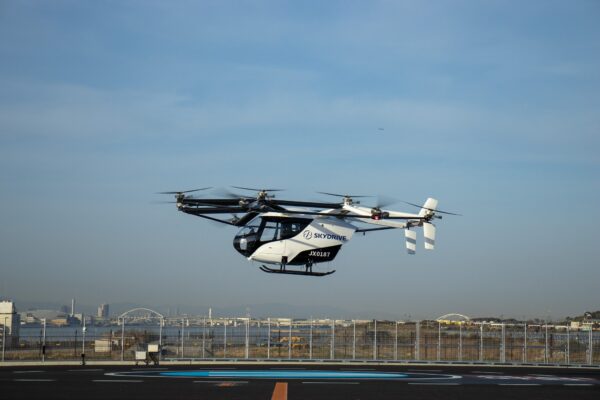
SkyDrive Conducts Successful SD-05 Flights in Yamaguchi for 2028 Tourism Initiative
SkyDrive Inc. successfully conducted two demonstration flights of its SD-05 eVTOL aircraft in Yamaguchi Prefecture on July 13, 2026. These flights were part of a test aimed at showcasing the aircraft's potential for tourism, with a commercial launch planned for 2028. The flights simulated a scenic tour over the Seto Inland Sea, highlighting the seamless transition from ground transport to air travel. The significance of these flights lies in their demonstration of SkyDrive's commitment to urban air mobility and tourism integration. Witnessed by notable figures including Yamaguchi Prefecture's governor and the president of Suzuki Motor Corporation, the flights operated autonomously, emphasizing safety and efficiency. The successful execution of these flights marks a critical step toward the company's goal of launching commercial eVTOL services by 2028. Looking ahead, SkyDrive aims to enhance its eVTOL infrastructure further, with plans to collaborate with rail partners for integrated travel solutions. While tourism is a primary focus, the company envisions broader applications of eVTOL technology, including disaster relief and emergency medical services. No further timeline was disclosed at the time of publication.
Advanced Air Mobility Drone News Drone News Feeds Japan Drone Industry Japan Drone News News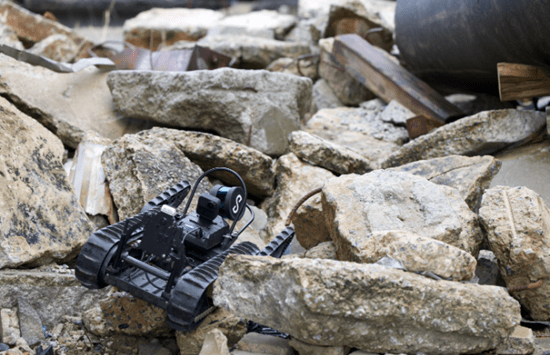
Teledyne FLIR Defense Expands Payload Program with Emesent Hovermap for GPS-Denied Operations
Teledyne FLIR Defense has announced an expansion of its Third-Party Payload Integration Program by incorporating Emesent’s Hovermap LiDAR payload, a development unveiled at the Modern Day Marine 2026 event. This integration enables the Hovermap system to function seamlessly across Teledyne FLIR’s unmanned aerial systems (UAS) and ground robots, enhancing capabilities in GPS-denied environments. The collaboration aims to improve operational efficiency and data accuracy in various defense applications, allowing for advanced mapping and radiation detection across both air and ground platforms.
Applications Defense Drone News Drone News Feeds Dual Use LiDAR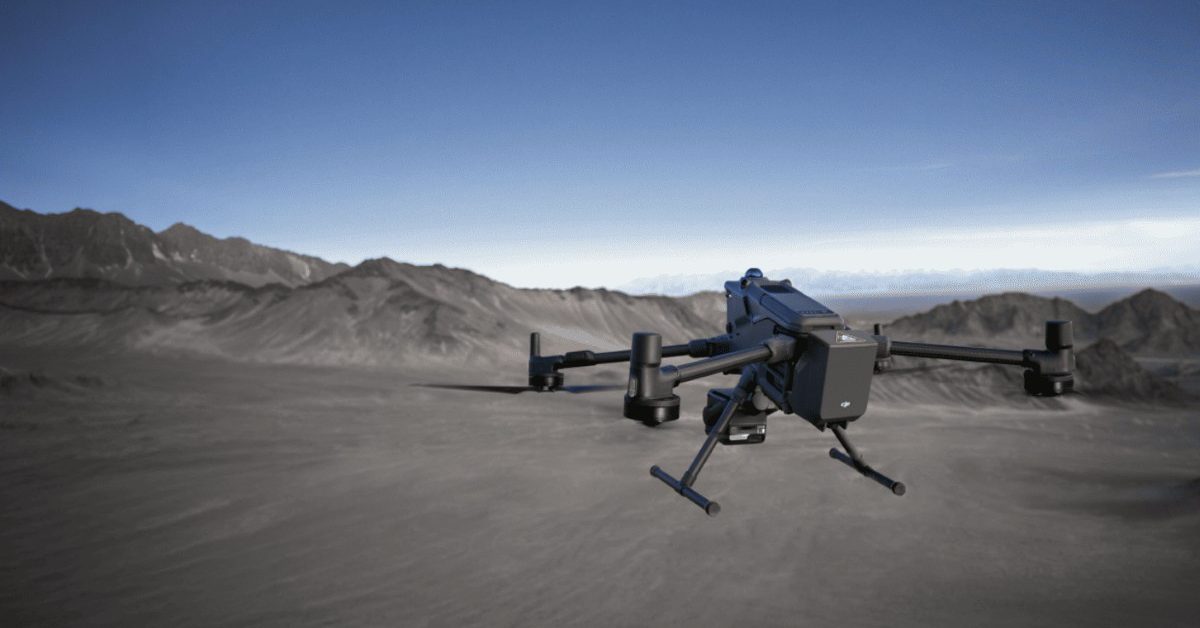
DJI Launches AP100 Parachute for Enhanced Safety of Matrice 400 Drone
DJI has unveiled the AP100 Parachute, a new safety accessory for its Matrice 400 enterprise drone, aimed at protecting the aircraft during emergencies. This parachute system, weighing approximately 935 grams, helps mitigate the impact of in-flight failures by safely lowering the drone to the ground, thus safeguarding valuable payloads and minimizing risks to people and property below. The introduction of the AP100 is significant as it allows the Matrice 400 to comply with safety regulations set by the European Union Aviation Safety Agency and the UK Civil Aviation Authority. This feature is particularly beneficial for organizations operating internationally, as it enhances operational safety and meets specific classification requirements for various missions, including beyond visual line of sight operations. Looking ahead, operators interested in C6 or UK6 certification for STS-02 missions will need to acquire the DJI Matrice 400 (C6) Worry-Free Plus Combo, which includes the AP100. No further timeline was disclosed at the time of publication.
News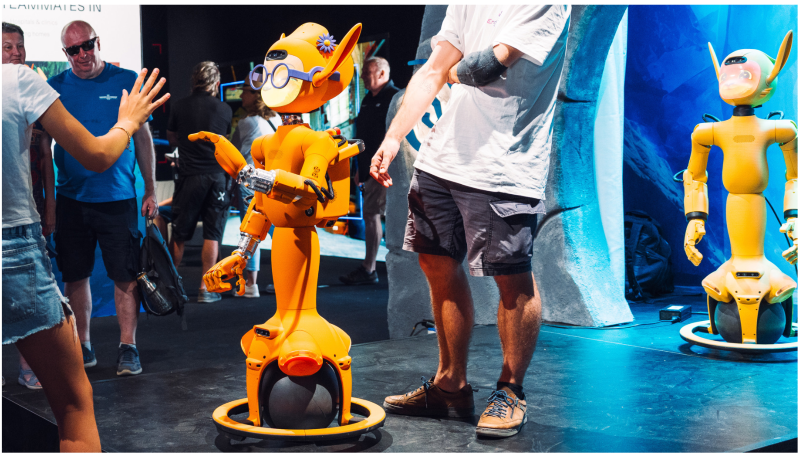
At Goodwood, Robots Explore Their Role in Enhancing Human Experience
At the Goodwood Cricket Ground, a fox-eared robot on roller skates greeted visitors without imitating humans or threatening to replace them, showcasing its unique identity. This event, part of the FOS Future Lab's Intelligent Systems Zone, featured three exhibitors presenting diverse answers to the question of what intelligent machines should do for humanity. One Sheffield startup, led by Raspberry Pi co-founder Liz Upton, demonstrated a method for programming robots using simple English. A robotic arm responded to natural language commands, with COO Eleanor Tang-Smith emphasizing the goal of making robots perform tasks that humans find tedious. Meanwhile, a large screen displayed a real-time reconstruction of Goodwood's famous Taylor Garage, merging digital and physical worlds seamlessly. The fox-eared robotic dogs, designed in Paris, avoided the 'uncanny valley' by engaging with humans through expressive features. They are already in use in hospitals and airports for tasks like transporting and assisting, allowing humans to focus on more urgent matters. The event highlighted three approaches to human-robot interaction, emphasizing the importance of language, vision, and gestures in redefining the interface between humans and machines.
Robotics AI Spatial Computing Human-Robot Interaction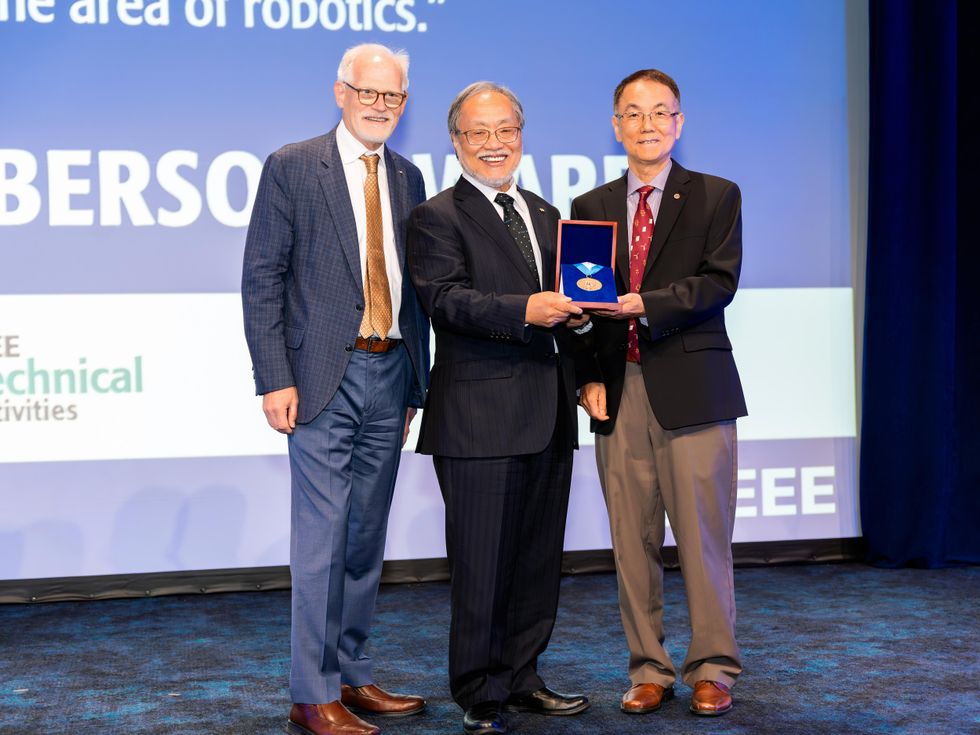
IEEE Honors Robotics Pioneer Toshio Fukuda
Toshio Fukuda has been blazing trails for most of his career. He is considered to be one of the most prolific scholars in robotics, writing more than 2,000 research papers and authoring several books on the field. He’s an influential figure thanks to his pioneering work developing biomedical robotic systems, industrial robots, micro-nano robotics, mechatronics, and AI-driven automation.Fukuda launched one of the first robotics conferences, the IEEE/RSJ International Conference on Intelligent Robots and Systems (IROS). It is still popular almost 40 years later.Toshio FukudaEmployerEgypt-Japan University of Science and Technology, in Alexandria TitleProfessor and vice president of research Member gradeLife Fellow Alma matersWaseda University, in Tokyo; University of Tokyo An IEEE Life Fellow, he is a professor emeritus in the department of micro-nano systems engineering and a visiting professor at Nagoya University, in Japan, where he taught for nearly 25 years. Currently, he is a vice president of research at the Egypt-Japan University of Science and Technology, in Alexandria, Egypt.Within IEEE, Fukuda has held top volunteer positions including the organization’s highest office: He served as IEEE president in 2020, becoming the first person of Asian descent to hold the role.He’s a former program director of Japan’s Moonshot program, which by 2050 intends to develop advanced AI robots.Born in Japan, Fukuda has been recognized by the country for his contributions to science with two of its highest awards: the Medal of Honor with a purple ribbon in 2015 and the Order of the Sacred Treasure in 2022.IEEE honored him with this year’s Richard M. Emberson Award for “distinguished service advancing the technical objectives of IEEE, especially in the area of robotics.” The IEEE Board-level award is sponsored by the IEEE Technical Activities Board. Fukuda received the award on 24 April at a ceremony in New York City.As a former IEEE president who has served as a master of ceremonies at several of the organization’s major award events, Fukuda noted that he is more accustomed to bestowing awards than receiving them.“It’s very interesting to be on the receiving end,” he says.The journey into robotics researchAs a teenager, Fukuda spent his summer breaks teaching himself how to build things including transistor radios and steam engines.“It was very nice to have a hands-on hobby and make these kinds of things myself,” he says. His experimentation led him to study engineering.He earned a bachelor’s degree in engineering in 1971 from Waseda University, in Tokyo. He says one of his professors there—Ichiro Kato, regarded as the father of Japanese robotics research—was a good mentor who made a positive impact.Fukuda’s research interests were robotics and mechatronics, a field that combines robotics, electronics, computer science, and control systems.He went on to earn a master’s degree and a doctorate in science from the University of Tokyo, in 1971 and 1977. During those years, he also attended Yale, where he conducted research on advanced control theory in 1973.He reflects fondly on his time at Yale: “It was a very nice environment and a kind of free-thinking atmosphere. It motivated me to study more.”“IEEE doesn’t care who you are, what you do, what country you are from, or whether you are male or female. IEEE accepts people who have energy and passion.”While at Yale, Fukuda served as an assistant to his advisor—which led him to consider a career in academia, he says, because he enjoyed the freedom that research work afforded him.But he realized that such freedom comes with a price. University researchers are expected to raise the money that funds their work. He compares researchers to small-business owners who have to bring in money to keep their enterprise afloat.That realization led him to select robotics as his field because he intended to develop technologies useful to industry, he says.After earning his doctorate, he returned to Japan in 1977 to work as a research scientist at the government’s Mechanical Engineering Laboratory, later renamed the National Institute of Advanced Industrial Science and Technology, in Tsukuba.“There was a lot of research going on at the lab, including practical robotics and theory,” he says.He left Japan in 1979 to become a visiting research fellow at the University of Stuttgart, in Germany. During his year there, he studied systems, software problems, and related topics.He returned to Japan and was hired as an associate professor of mechanical engineering at the Tokyo University of Science. He conducted research into practical uses for robots by visiting industrial plants. He decided to develop robots that inspect industrial equipment such as those used in assembly plants, oil refineries, and power stations—places that “can be hostile environments for humans,” he says.His work drew interest from chemical, oil, and utility companies.“I got a lot of money from them for this very practical application, which funded my research,” he says, laughing.Developing popular robotic systemsFukuda grew tired of making those robots, he says, so he switched to creating ones for scientific applications. He developed many techniques, but he probably is best known for his modular, cellular robotic systems (CEBOTs), which he introduced in 1985.He has described how CEBOTs work in numerous papers published in the IEEE Xplore Digital Library.The CEBOT system is composed of a number of autonomous robotic cells that stick together like interlocking Lego plastic bricks, he says.Each cell is a fundamental modular unit that has a function. When a simple task is given, the system can analyze it and generate the structure of the cellular manipulator. The cells connect to and detach from each other through connection mechanisms and cooperate mutually, creating complex structures and configurations.“You start developing from the component-wise to the cell-wise to a small functional unit—and then you come up with clusters that make bigger systems. We can make a society of robot beings like that,” he explained in his oral history published on the Engineering and Technology History Wiki. “It’s a distributed robotic system, a self-organized robotic system, and also an evolutionary robotic system.“It’s also a fault-tolerant robot system because if something is wrong, you just remove those things and make a new one. You keep the system working. That’s a great thing.”Today CEBOTs are used for a variety of tasks such as delivering medication in hospitals, assisting with planting crops, and transporting products in distribution centers. Check out IEEE Spectrum’s Robots Guide for news from the world of robotics.In 1989 Fukuda joined Nagoya University as a professor of mechanical engineering and micro-nano systems engineering. During his 24-year career there, he was director of the university’s Center for Micro-Nano Mechatronics. He developed a long list of technologies at the university, including many for medical applications. He also conducted groundbreaking research into intelligent robotic systems and micro- and nano-robotics.Another technology he is known for is brachiation robots, which he helped develop in 1988. He calls them monkey robots because they’re based on the pendulum-like movement of monkeys swinging from tree to tree. The gravity-based locomotion enables continuous movement.Brachiation robots now are inspecting high-voltage transmission towers and bridges, searching damaged buildings for survivors, and performing maintenance on pipelines and cables.Fukuda retired from the university in 2013 and was named professor emeritus.He didn’t stay retired for long, though. He next held a teaching appointment at Meijo University, in Nagoya, until he left in 2022 to join the Egypt-Japan University.A prominent volunteerHe joined IEEE in 1980 at the encouragement of one of his research advisors, Professor Fumio Harashima, now an IEEE Life Fellow. After attending conferences and reading the organization’s publications, Fukuda says, he looked forward to becoming more involved.“I wanted to know how to organize a conference and how to edit a paper for one of its Transactions,” he says. “I wanted to know what was going on from inside the organization, not just the outside.”In 1988 he was the founding chair and organizer of IROS, in Tokyo. The conference had 330 attendees that year, and was supported by Harashima. Today it is one of the largest and most prestigious conferences on the topic, attracting more than 9,000 people annually. Out of 120,000 conferences, it was the only conference in the Nature Index database for this year, Fukuda says.In 1996 he and other members launched IEEE Transactions on Mechatronics.He was the founding president of the IEEE Nanotechnology Council, which was established in 2002. He is considered a pioneer in nanotechnology research, particularly regarding how it relates to robotics.Over the years, he has held numerous volunteer positions on IEEE editorial boards and committees.He was the 1998–1999 president of the IEEE Robotics and Automation Society, becoming the first non-U.S. member to hold the title.He was director of IEEE Division X (2001–2002 and 2017–2018), which covers intelligent systems, biological engineering, robotics, control systems, and photonic technologies. He served as the 2013–2014 director of IEEE Region 10 (Asia-Pacific).As the 2020 IEEE president, Fukuda saw the organization through the early part of the COVID-19 pandemic. Because of travel restrictions, he realized IEEE should change how it offered its in-person services, specifically educational programs. He encouraged IEEE Educational Activities to develop an online learning platform. The IEEE Learning Network started with just three courses and now offers nearly 2,000 courses, webinars, and learning materials.An award-winning memberThe Emberson Award joins a slew of other recognitions Fukuda has received from IEEE. They include several from the IEEE Robotics and Automation Society: a 2004 Pioneer Award, a 2009 Saridis Leadership Award, and the 2011 Harashima Award for Innovative Technologies. He is also a recipient of the Board-level 2010 IEEE Robotics and Automation Technical Field Award.He says he feels strongly that IEEE should be a diverse organization that is welcoming to all. As IEEE president, he led efforts to devise a diversity, equity, and inclusion program. Several policies, procedures, and bylaws were revised to give members a safe, inclusive place for discourse.“It’s important for IEEE to make everyone feel comfortable,” he says. “DEI programs are important. All people should be equal. IEEE doesn’t care who you are, what you do, what country you are from, or whether you are male or female. IEEE accepts people who have energy and passion.“It accepted me, from the Far East. That’s why I like it.”You can learn more about Fukuda and his career from the oral history conducted by the IEEE History Center.
Robotics Robots Ieee-member-news Type-ti Ieee-awards Toshio-fukuda
Japan Pioneered Humanoid Robots—Can It Now Catch China?
“In the future, the relationship between humans and robots will deepen, and the distinction between them will probably disappear.” This prediction, from one of the attendees at the recent Humanoids Summit in Tokyo, might have been unremarkable had it not come directly from an android that was first introduced to the world 20 years ago. Geminoid HI-6 is the sixth-generation of a robot originally designed in 2006. The mechanical twin of Osaka University professor Hiroshi Ishiguro, Geminoid HI-6 is now equipped with a large language model trained on Ishiguro’s own writings and interviews. It has advanced conversational skills and can even have a chat with its creator, an eerie spectacle. But at the Humanoids Summit, Geminoid was one of the few humanoid robots from Japan, the country that pioneered the form factor.While the event in Tokyo only had about 40 robots on display, Chinese systems outnumbered Japanese by roughly three to one. Some Japanese robotics firms were even using Chinese robots in their own technology demonstrations, something that would have been unthinkable in the recent past—one Japanese engineer described the situation as “sad.” The conference was a stark reminder of how Japan has ceded its early lead in humanoid robot development to overseas competitors, and the challenge it now faces to secure a place in an ecosystem increasingly dominated by general-purpose robots powered by AI. Twenty-five years ago, Japan was turning out groundbreaking humanoids that were showstopping in their abilities, but they were not commercialized as practical machines in any meaningful way. Heavily influenced by science fiction and lacking practical applications, they were mostly expensive technology demonstrations that were eventually mothballed. What Japan retains, however, is robotics design and know-how, which it must leverage to be a key player in the rapidly evolving humanoid ecosystem. Learning to Walk—Then Standing StillTo anyone who has seen recent videos of Chinese humanoids doing kung-fu and synchronized acrobatics, as well as half-marathon races, China’s remarkable progress in the field is nothing new. At the Humanoids Summit, Toyota showed a video of its latest basketball-playing robot, and Honda exhibited its latest robot hand, but the full-scale humanoids on the floor were mostly Chinese–the kid-size K1 machines from Booster Robotics of Beijing were dancing to Michael Jackson tunes. The full-scale G1 humanoid from Unitree Robotics of Hangzhou was also doing demos. “You cannot sell these bipedal systems in Japan for safety and compliance reasons,” says Shuichi Nagao, a frequent visitor to China as CTO of Omakase Robotics, a division of Zeals, a Japanese humanoid robot developer. Omakase was exhibiting a G1 modified with an external PC controller, a dextrous hand, a suction-cup manipulator and a sensor “hat” with an extra speaker, mic and camera. “In China, the government is pushing humanoid development. They didn’t have an industry 20 years ago. The people pushing it are young, in their 20s and 30s. It’s a really different mentality out there,” says Nagao. “Big players in Japan are still looking for use cases for humanoids. In China, they’re already doing mass production and reducing the cost, so other countries can’t compete with them anymore.”Another Japanese company showing off G1 bots was summit sponsor GMO AI & Robotics, a subsidiary of Japanese internet company GMO. It’s using the robots in partnership with Japan Airlines to load and unload cargo containers at Tokyo’s Haneda airport. The cargo project is a trial—like many other humanoid experiments—but the fact that Chinese machines have penetrated so far into Japan’s ecosystem upends a long history. In 1973, scientists at Waseda University in Tokyo built WABOT-1, considered the first full-scale humanoid robot and capable of slow bipedal locomotion, grasping objects and simple communication. It inspired Honda’s groundbreaking Asimo humanoid, but it was never commercialized. Asimo was eventually retired in 2022, the year ChatGPT was released. Two years later, Unitree’s G1 went on sale for US $16,000. China’s High Torque Technology Co. showed off its Mini Pi biped, customized with an anime-inspired head, at Humanoids Summit in Tokyo. The regular version is priced at $3,500. Tim HornyakSupply and DemandJapan’s development of humanoids happened before practical applications or widespread demand were in place, but bad timing is only part of the story—Japan also has a history of developing technologies that might appeal to domestic consumers but not necessarily those overseas. For example, decades after they first appeared, its highly engineered, multifunction toilets have only recently found a following abroad. Japan’s humanoid prowess was partly built on the back of its legendary industrial automation, yet even that stronghold has eroded. Ani Kelkar, a partner from McKinsey & Company in Boston who produces analytical reports about the robotics industry, told the summit audience that while Japan occupied the top spot in the world in manufacturing robot density (the number of multipurpose industrial robots in operation per 10,000 employees) from at least 1994 to 2009, it then slipped to second in 2014, third in 2019 and fifth in 2024. In that year, South Korea was at the top of the leaderboard with a robot density of 1,220 compared to Japan’s 446. The International Federation of Robotics estimates China now has the most operational industrial robots in the world, with around 2 million total units, approximately 4.5 times more than Japan. “The annual installation numbers are impressive too: 54 percent of all robots installed worldwide in 2024 were deployed in China,” the IFR said in a release in April 2026. “I think the loss of Japanese leadership is more to do with the rise of China as a manufacturing powerhouse including for sectors that Japan had high export levels,” Kelkar said in an email interview. “The recovery has not yet happened as Japan ‘missed’ the rapid acceleration in AI for robotics and is now playing catchup.”How Japan Can Adapt Kelkar believes Japan has a US $100 billion opportunity in general-purpose robotics, which are machines that can perform a wide variety of tasks, and it cannot rely on the slower-growing industrial robot market, which is centered on factory machines that do one simple and predictable task like welding car parts. He points to a McKinsey white paper suggesting that while Japan has much of the hardware and technology experience needed to support general purpose robot development, it must change its strategy to capture more share in AI, software, data collection and robotics platforms.Tetsuya Ogata is a professor of engineering and director of the Institute for AI and Robotics at Waseda University, the birthplace of humanoids in Japan. He briefed the summit on how a nonprofit he chairs, the AI Robot Association (AIRoA), is working with Toyota and other members to develop foundational technologies for collaborative use. For instance, AIRoA has collected some 80,000 hours of data on remote operation of mobile manipulators, and Ogata believes it’s the largest dataset of its kind. Using the data, it built and verified Vision-Language-Action (VLA) models, and it has also started data collection for dual-arm mobile manipulation. In an interview, Ogata acknowledged Japan’s struggle to find its place in the changing landscape. “The world of AI is inherently a game of scale,” says Ogata. “Therefore, Japan’s absolute prerequisite is to secure a competitive baseline of scale—in data, computing resources, and talent. Beyond that, what I consider most critical is a mindset shift: rather than trying to hoard scale within a single nation or company, we must grow stronger by collaborating with a diverse ecosystem of domestic and international players.” Specifically, this means creating a ‘collaborative domain’ to address data—the single biggest bottleneck—through industry-wide cooperation rather than data-siloing. By collectively nurturing a pre-competitive, shared data infrastructure and foundation model, individual companies can then compete on top of it with their own applications. “By offering this open ‘data ecosystem’ to the world, we can engage global players and establish a ‘third pole’ alongside the US and China,” says Ogata. “I believe this is how Japan can reclaim its global presence.”In 1999, Japan introduced the world’s first mobile internet services platform. But being first didn’t turn Japan into a smartphone manufacturing or design center—it’s now merely a supplier of parts to other countries who are leading the smartphone industry. If Japan can avoid a repeat of that experience and successfully deregulate, diversity, and commercialize its original humanoid dreams, it stands a better chance of influencing the direction of the industry and reaping billions in value. As automobiles and electronics were pillars of Japan’s industrial strategy in the last century, Japan could make humanoid robots one of its key value generators in the 21st century, an approach that would not only deliver economic benefits but give Japan greater clout in how the industry will evolve. Just like Japanese cars, electronics, and even toilets, Japanese humanoids could stand for craftsmanship and reliability. It’s a legacy that Japan can’t afford to give up.
Japan Robotics Humanoids Humanoid-robots
New drone imaging system finds hidden underwater bombs with remarkable accuracy
Researchers at the University of Miami Rosenstiel School have developed an innovative airborne imaging technique that enhances the ability to monitor and study marine ecosystems. This groundbreaking method, unveiled recently, utilizes advanced aerial technology to capture high-resolution images of oceanic environments, enabling scientists to assess the health of coral reefs and other vital habitats more effectively. The technique aims to address the growing concerns over climate change and its impact on marine biodiversity. By providing detailed visual data from the sky, researchers can identify changes in ecosystems and track the effects of environmental stressors over time. This advancement is expected to play a crucial role in conservation efforts and inform policy decisions aimed at protecting marine life.
Science
Industrial Flooring Upgrades: When Retrofitting Makes More Sense Than Full Replacement
In a recent industry analysis, experts highlighted the challenges associated with full replacement of mezzanine systems and ground-floor concrete slabs. This process often leads to extended downtime, resulting in lost productivity and increased labor costs for businesses. The findings, based on data collected until October 2023, underscore the need for companies to consider alternative solutions that could mitigate these disruptions. By exploring options such as repairs or upgrades rather than complete replacements, businesses may be able to maintain operational efficiency while managing costs more effectively. The report serves as a crucial reminder for stakeholders to weigh the implications of extensive renovations on their overall productivity and financial health.

EXCLUSIVE: Hegseth creates autonomy czar to manage almost all drone efforts
An internal memo acquired by Breaking Defense reveals that a newly established role within the Department of Defense will oversee all ground vehicles, small air vehicles, and nearly all sea vehicles. This position will report directly to Deputy Defense Secretary Stephen Feinberg. The creation of this role aims to streamline oversight and enhance coordination among various military vehicle operations, reflecting a strategic shift in the Department's approach to managing its diverse fleet. The memo underscores the importance of integrating these vehicle categories to improve efficiency and effectiveness in military logistics and operations.
Pentagon AI & Autonomy Defense Autonomous Working Group - DAWG Director for Major Weapons Program Drones DRPM UxS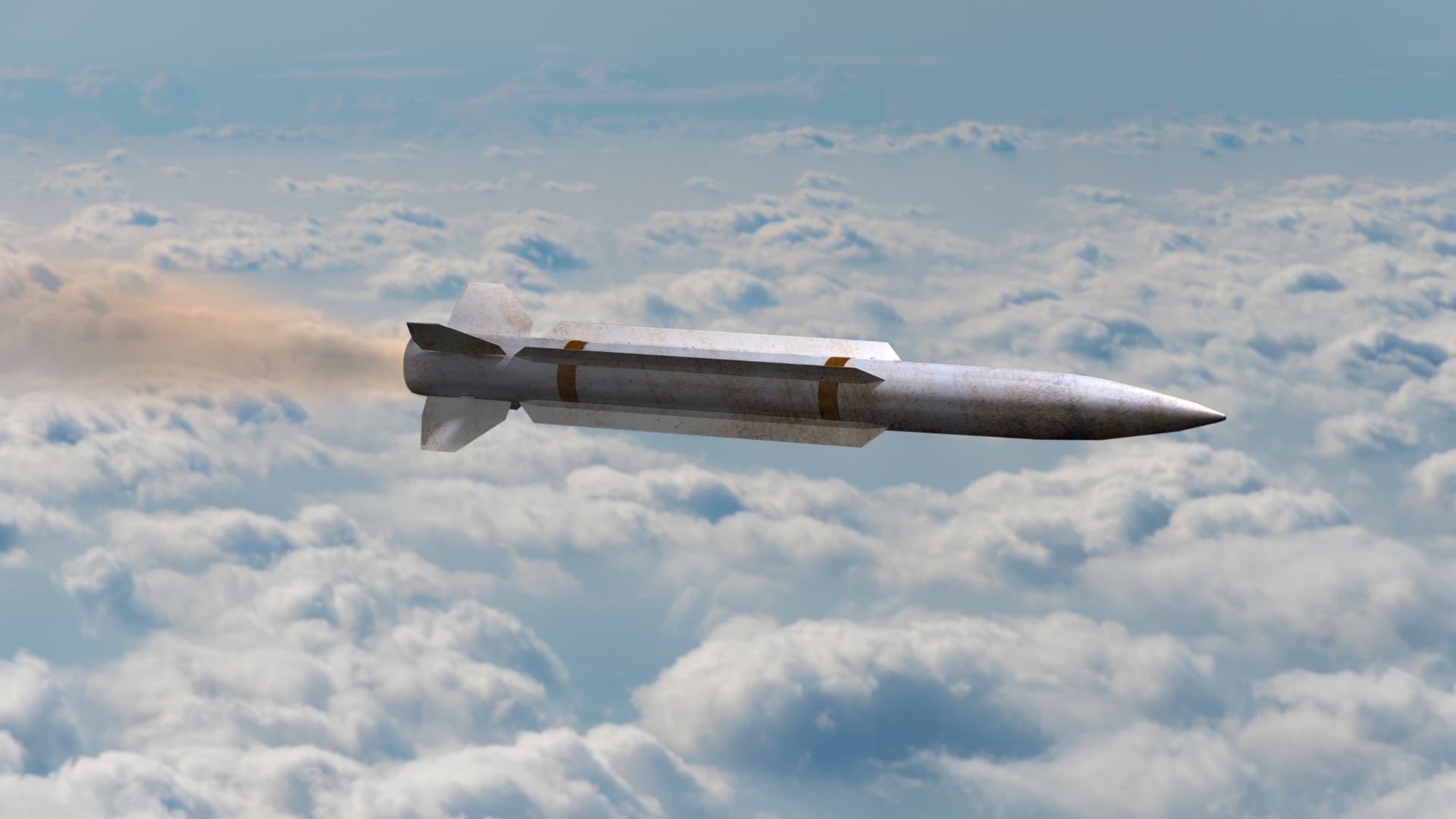
US eyes 1,150-mile missile as China expands military reach across Pacific
The US Air Force is preparing to develop a new class of missiles aimed at enhancing its strategic capabilities. This initiative comes in response to evolving global threats and aims to ensure the military remains competitive in modern warfare. The groundwork for this missile program is being established as part of broader defense strategies to address advancements in missile technology by potential adversaries. The Air Force is focusing on integrating advanced technologies and innovative designs to improve the effectiveness and reliability of these new weapons. While specific details about the missile systems remain classified, the effort underscores the military’s commitment to maintaining a robust deterrent posture. The initiative is expected to unfold over the coming years, with testing and deployment phases anticipated to begin in the near future.
Military
Smart Hand valued at $1 billion after 5 months, achieves profit in first quarter; DeepSeek plans to double all departments.
On June 26, 2026, Wuliangye announced the removal of Zeng Zongqin from his position as chairman due to his inability to fulfill his duties. The decision was made during the company's annual shareholder meeting, where a proposal to appoint Deng Min as the new chairman was approved. Zeng's departure, effective immediately, will not affect the company's operations, as he held no shares and had no outstanding commitments. In Yantai, JD Pharmacy has established a new company, JD Pharmacy (Yantai) Co., Ltd., with a registered capital of 100,000 RMB. The company, fully owned by JD Pharmacy (Qingdao) Chain Co., Ltd., will engage in retailing pharmaceuticals and providing medical device services. SpaceX, led by Elon Musk, plans to launch a new Starlink mobile service in the U.S. and develop its own ground mobile network, aiming to compete with major carriers like Verizon, AT&T, and T-Mobile. He Xiaopeng announced on June 25 that XPeng Motors is set to expand globally, with the second-generation VLA model expected to enter international markets by 2027, coinciding with new EU regulations on autonomous driving. Meanwhile, Lingqiao Shou, a company spun off from Zhiyuan Robotics, has achieved a valuation of $1 billion within just five months of its establishment, following significant funding rounds. Beijing Tongrentang Medical and Health Investment Co. plans to raise up to HKD 671.6 million through an IPO in Hong Kong, with shares priced between HKD 5.48 and HKD 6.21, expected to begin trading on July 7. Lastly, DeepSeek announced plans to double its workforce across all departments, while Apple reported a surge in memory demand due to the rapid expansion of AI data centers, presenting challenges for the electronics industry.

Robot Talk Episode 160 – Robotic blacksmiths, with Edward Mehr
Claire recently spoke with Edward Mehr, Co-Founder and CEO of Machina Labs, regarding the company's innovative RoboCraftsman technology. This advanced system is designed to shape complex metal components specifically for the aerospace, defense, and automotive sectors. With a background in advanced manufacturing, robotics, and artificial intelligence, Mehr is at the forefront of integrating AI-driven robotics into flexible manufacturing processes. The conversation highlighted how RoboCraftsman is revolutionizing the production of intricate metal parts, addressing the growing demand for precision and efficiency in these critical industries.
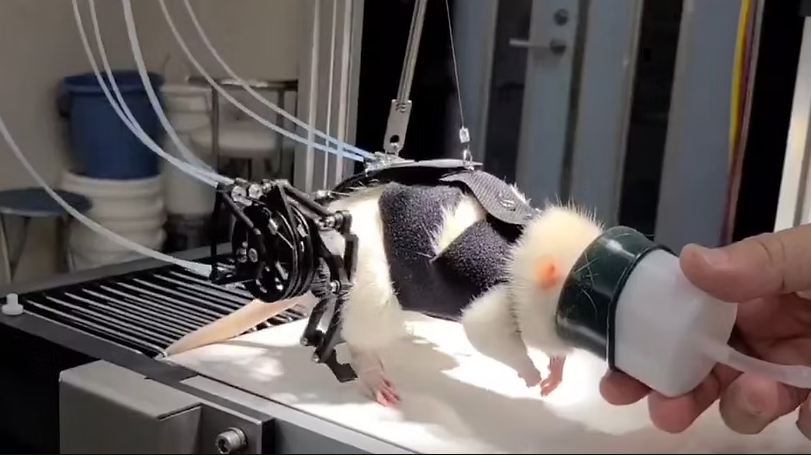
Innovative Rat Exoskeleton Aids Neural Rehabilitation Research
A research team at Tsukuba University has unveiled a groundbreaking lightweight exoskeleton designed for rats, which weighs just 80 grams and effectively mimics natural walking by synchronously activating the hip, knee, and ankle joints. This innovative device represents a significant advancement in rehabilitation robotics, with the potential to help paralyzed patients regain mobility. The development is rooted in insights gained from animal studies, addressing ethical concerns that often arise in human trials. By leveraging these findings, the team aims to pave the way for future applications that could enhance the quality of life for individuals with mobility impairments.
Rehabilitation Robotics Exoskeleton Technology Neural Rehabilitation Biomechanics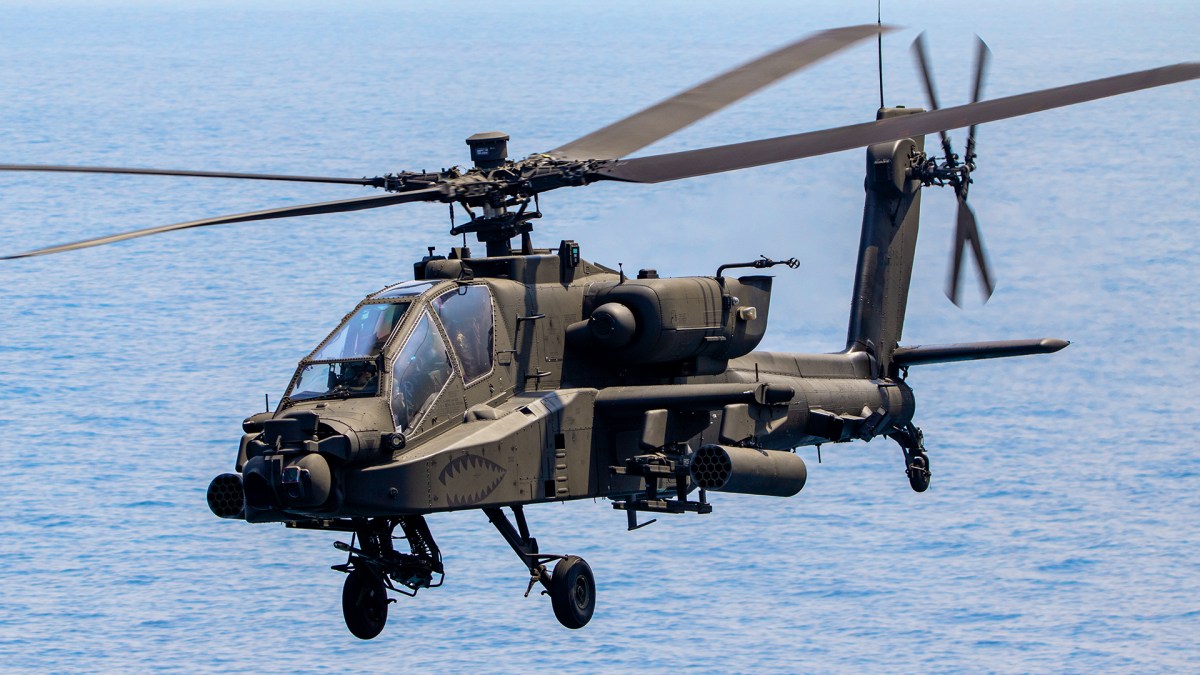
AH-64 Apache Crew Rescued By Drone Boat After Going Down Near Strait Of Hormuz
In a groundbreaking development, an uncrewed surface vessel successfully recovered the crew of an AH-64 Apache helicopter that had gone down near the Strait of Hormuz. This incident marks the first known instance of such a drone boat being utilized for aircrew recovery, signaling a significant advancement in military rescue operations. The event underscores the evolving role of autonomous technology in enhancing operational capabilities and safety for aircrews in challenging environments. As military forces increasingly integrate unmanned systems into their strategies, this successful recovery operation may pave the way for future applications of drone technology in various rescue and support missions.
News & Features AH-64 Air Around The Globe Helicopters Iran
UMass Amherst Researchers Developing AI Architecture That Uses a Fraction of the Energy Required by Today’s AI Systems
Researchers at the University of Massachusetts Amherst have unveiled a groundbreaking artificial intelligence architecture aimed at significantly lowering the energy consumption of advanced AI systems while maintaining their learning capabilities. This innovative approach, inspired by brain function, was developed with funding from the U.S. National Science Foundation and the Air Force Office of Scientific Research. By mimicking the efficiency of the human brain, the new architecture seeks to address the growing energy demands associated with AI technologies, which have raised concerns regarding sustainability and environmental impact. The research, which highlights the potential for more eco-friendly AI solutions, could pave the way for advancements in various fields reliant on artificial intelligence, ultimately promoting a more sustainable future for technology.
AI AI Research & Advances Robotics architecture energy consumption Research
UK military deploys low-cost laser-guided rockets to destroy drones with precision defense
The Royal Air Force (RAF) has initiated the deployment of a cost-effective laser-guided counter-drone weapon system on its Eurofighter Typhoon aircraft. This move comes as part of the RAF's ongoing efforts to enhance its capabilities in addressing the growing threat posed by unmanned aerial vehicles (UAVs). The deployment began in October 2023, as the military seeks to bolster its defense strategies amid increasing concerns over drone-related security risks. By integrating this advanced technology into its fleet, the RAF aims to improve its operational effectiveness in neutralizing potential drone threats, ensuring the safety of airspace and ground operations. The laser-guided system is designed to provide precision targeting, allowing for effective engagement of hostile drones while minimizing collateral damage.
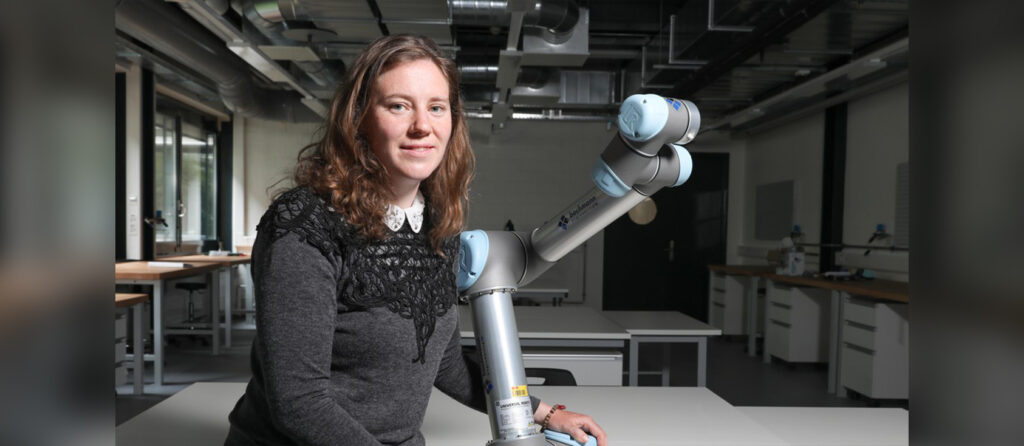
Robot Talk Episode 157 – Generating new robot designs, with Josie Hughes
Claire recently engaged in a discussion with Josie Hughes, an Assistant Professor at École Polytechnique Fédérale de Lausanne (EPFL), regarding the innovative application of artificial intelligence in the design of robotic manipulators. Hughes, who founded the CREATE Lab at EPFL in 2021, shared insights from her extensive academic background, including her PhD work at the University of Cambridge, where she focused on bio-inspired robotics. The conversation highlighted the potential of AI to revolutionize the field by enhancing the functionality and efficiency of robotic systems, reflecting a growing trend in integrating advanced technologies into robotics research.
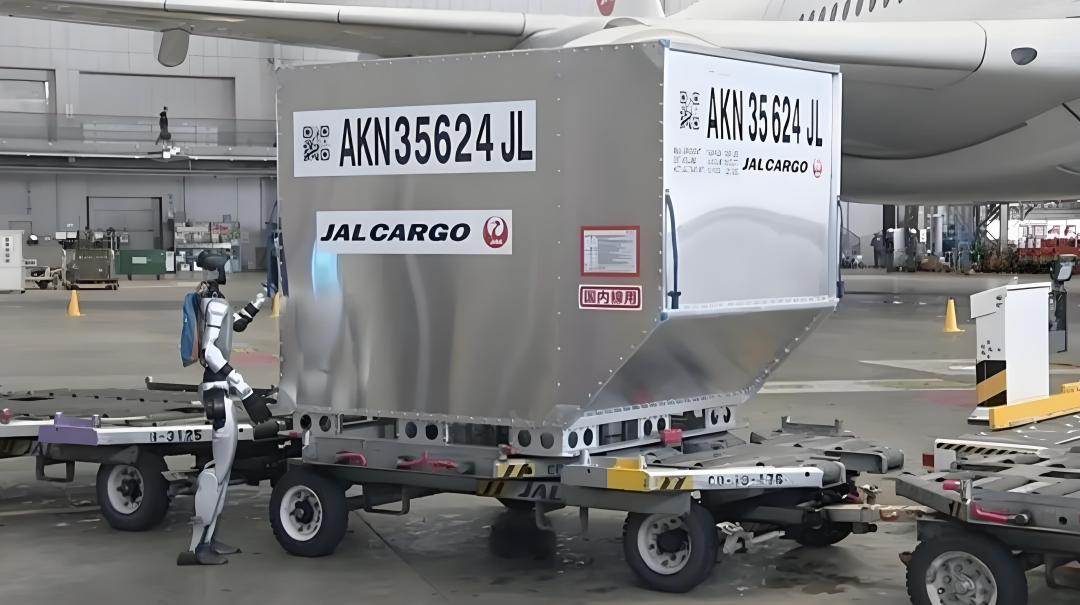
Japan Hands Over the 'Robot Kingdom' Title to China
Japan is embarking on a new chapter in its robotics landscape by partnering with Chinese companies to implement humanoid robots in practical settings. A pilot project is set to launch at Tokyo's Haneda Airport, where these robots will take on various ground handling tasks. This initiative marks a significant shift for Japan, which has long been recognized as a leader in robotics, as it increasingly turns to Chinese technology to enhance its operational efficiency. The collaboration aims to streamline airport operations and improve service delivery, showcasing a growing trend of international cooperation in the robotics sector.
Humanoid Robots Robotics Collaboration AI Technology Automation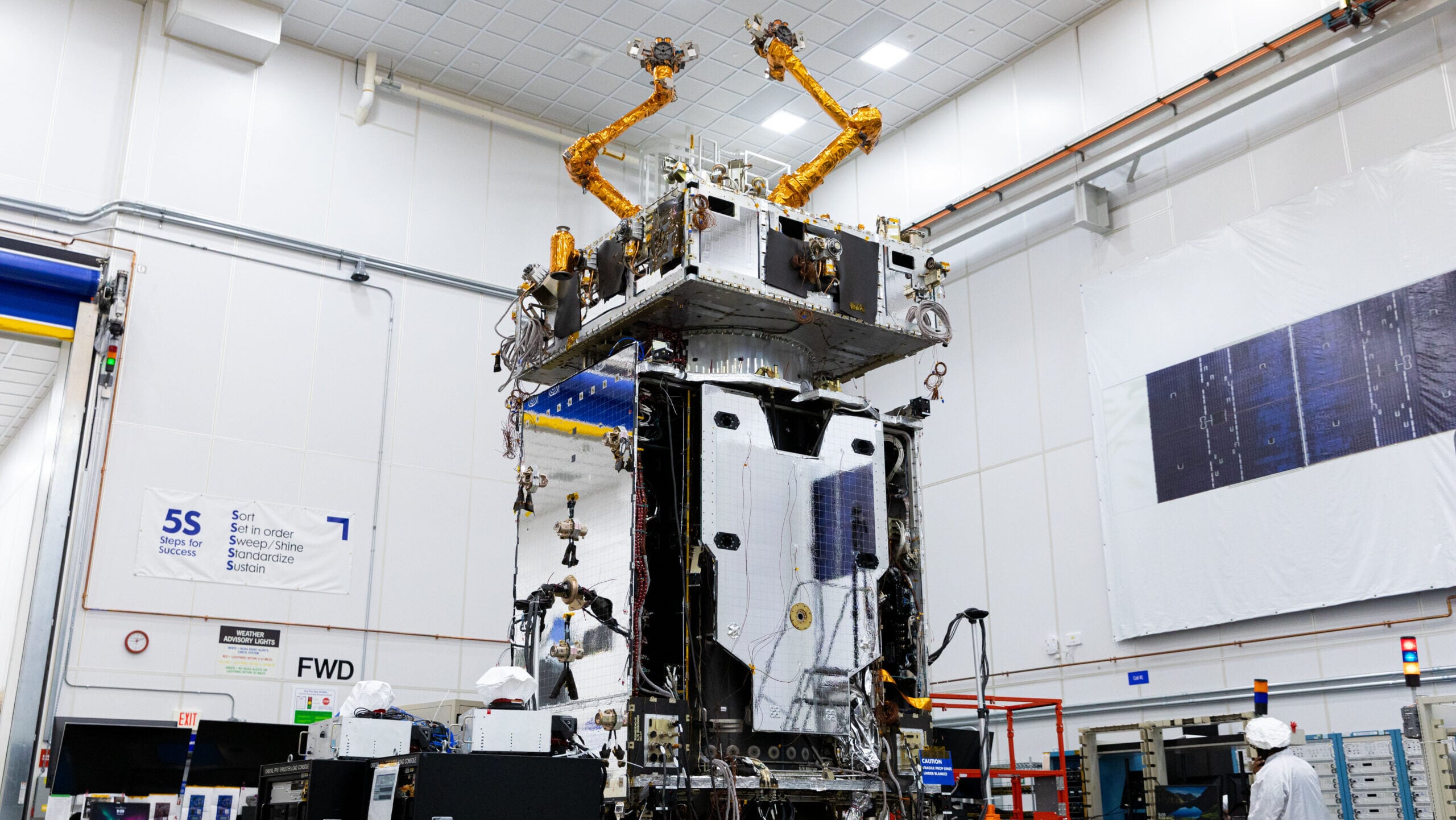
DARPA’s robotic servicing spacecraft to finally fly this summer
The Robotic Servicing of Geosynchronous Satellites mission, a collaboration between DARPA and Northrop Grumman, is set to establish the United States' first on-orbit servicing capability for satellites. This groundbreaking initiative aims to enhance satellite maintenance and repair, extending the operational lifespan of critical space assets. Company officials announced the mission's significance, highlighting its potential to revolutionize satellite operations and reduce costs associated with launching new satellites. The project is expected to take place in the coming months, marking a pivotal advancement in space technology and satellite management.
Space darpa Defense Advanced Research Projects Agency Naval Research Laboratory Northrop Grumman on-orbit refueling
New understanding of insect flight points way to stable flapping-wing robots
Researchers at Cornell University have developed a groundbreaking computational model that analyzes how the physical characteristics of insects influence their flight stability. This innovative study sheds light on the intricate dynamics that allow both bugs and birds to soar gracefully through the air, a phenomenon that has long been challenging to quantify. Conducted recently, the research aims to deepen our understanding of the evolution of animal flight. Additionally, the findings could serve as a valuable framework for the design of advanced flapping-wing robots, potentially revolutionizing the field of robotics.
Robotics
Tiny, knotted robots jump, fly and plant seeds
Researchers at the University of Pennsylvania have developed an innovative soft robot inspired by the mechanics of knots. Rather than viewing knots solely as tools for holding tension, the engineering team explored the potential of designing a knot that can release itself. This groundbreaking approach has resulted in a tiny robot that can perform impressive aerial maneuvers, including leaping several meters into the air, flipping mid-flight, spinning like a propeller, and even gliding back to its original position. The project, which showcases the intersection of engineering and robotics, aims to expand the capabilities of soft robotics and could have significant implications for various applications in fields such as search and rescue, exploration, and medical devices. The research highlights the potential of rethinking traditional concepts to unlock new technological advancements.
Robotics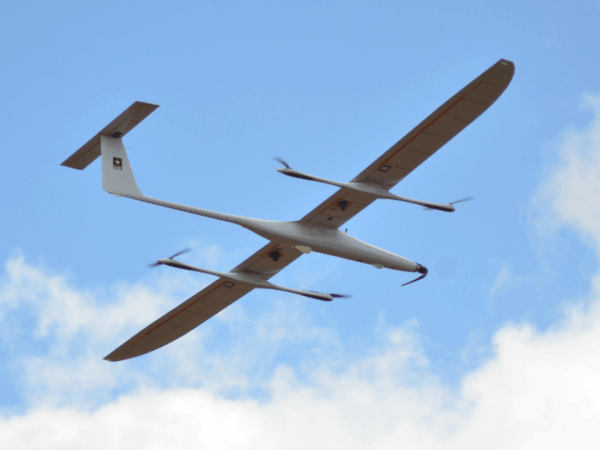
Kraus Hamdani Aerospace Demonstrates Wireless Power Beaming to K1000ULE at Shaw AFB
Kraus Hamdani Aerospace (KHA) and PowerLight Technologies successfully demonstrated their innovative wireless power beaming technology for the K1000ULE drone at Shaw Air Force Base. This event, hosted by the AFCENT Battle Lab, showcased the capability to sustain continuous intelligence, surveillance, and reconnaissance (ISR) operations without the need for ground recovery. The demonstration highlights the potential of laser-based power transmission to enhance operational efficiency for military applications, aligning with CENTCOM's focus on advancing operational energy innovation.
Defense Drone News Drone News Feeds Long Range News aerial surveillance
Proposed Chinese Robot Ban Is Latest U.S. Tech Sovereignty Move
A bipartisan initiative led by Senators Tom Cotton and Chuck Schumer, along with Representative Elise Stefanik, seeks to restrict the U.S. government's use of Chinese-made ground robots, including humanoids and drones. Introduced in March, the American Security Robotics Act aligns with recent actions by the Federal Communications Commission (FCC) to tighten regulations on foreign-made routers, marking a significant step in the ongoing decoupling of sensitive U.S. technology from China. This legislative push comes amid rising concerns over national security related to Chinese technology, as highlighted by sociologist Kyle Chan during his testimony before Congress. The proposed restrictions could benefit U.S. firms like Ghost Robotics, which are positioned to meet government demand for domestic ground robots. However, if the legislation extends to prohibit American manufacturers from sourcing Chinese components, it could hinder their ability to fulfill orders. The U.S. robotics industry currently faces challenges due to its nascent stage and reliance on foreign supply chains, particularly from countries like South Korea and Japan. The FCC's recent actions, including the addition of uncrewed aircraft systems to its import ban list, reflect a broader trend of bipartisan scrutiny of Chinese technology. While some industry experts welcome these security measures, they express concerns over the abrupt nature of policy changes, which lack comprehensive strategies and stakeholder engagement. As the U.S. navigates its techno-economic competition with China, the future of its robotics industry remains uncertain amid evolving regulatory landscapes.
Robots Robot-policy China Us-congress Trump-administration American-security-robotics-act
Robot Talk Episode 152 – Dexterous robot hands, with Rich Walker
Claire recently spoke with Rich Walker, a key figure at Shadow Robot Company, regarding their innovative robotic hands designed for both research and industrial applications. Walker, who has been with the company since its inception, transitioned from a background in software and systems engineering to a management role, where he has played a pivotal part in the company's research and development initiatives. The discussion highlighted the advancements in robotic technology and the potential impact these developments could have across various sectors. Shadow Robot Company aims to enhance automation and precision in tasks traditionally performed by humans, showcasing the growing intersection of robotics and industry.

Robot Talk Episode 151 – Robots to study the ocean, with Simona Aracri
Claire recently engaged in a conversation with Simona Aracri, a researcher at the National Research Council of Italy, to discuss groundbreaking robot designs aimed at enhancing oceanography and environmental monitoring. Aracri, who is affiliated with the Institute of Marine Engineering, shared insights from her extensive background, including her previous role as a Post Doctoral Research Associate at the University of Edinburgh. The dialogue highlighted the importance of innovative technology in addressing environmental challenges and improving data collection methods in marine research. This exchange underscores the growing collaboration between researchers and institutions in the pursuit of sustainable solutions for oceanic studies.

These AI-powered guide dogs don't just lead, they talk
Researchers at Binghamton University, State University of New York, have developed an innovative talking robot guide dog system designed to assist visually impaired individuals. This groundbreaking technology utilizes large language models to not only determine the safest routes but also to provide real-time feedback to users as they navigate their surroundings. The system aims to enhance the independence and safety of those who rely on guide dogs, addressing the communication gap that exists between traditional guide dogs and their owners. By integrating advanced artificial intelligence, the researchers hope to revolutionize the way visually impaired individuals interact with their environment, making travel more accessible and secure.
Robotics
Scientists Build Living Robots With Nervous Systems
Researchers at Tufts University have developed a groundbreaking type of biological machine known as a "neurobot," which combines living cells with neural networks to create self-directed systems. This innovative advancement was reported in the journal Advanced Science last month. The neurobots, which are constructed from frog cells, are capable of swimming and responding to their environment through integrated neurons that allow for electrochemical signaling. The development of neurobots marks a significant evolution from earlier biological machines, known as xenobots, which were limited to mechanical movements. These new creations exhibit more complex behaviors, such as exploring their surroundings and adapting to stimuli, thanks to their ability to process information internally. The research aims to deepen understanding of how neural networks can lead to sophisticated behaviors, potentially paving the way for applications in tissue repair and environmental monitoring. The team, led by biologist Michael Levin, plans to extend this technology by incorporating human neural cells into their designs, creating "anthrobots." These living machines could be trained to perform specific tasks, such as detecting environmental pollutants. The commercial startup Fauna Systems, co-founded by Levin, is focusing on deploying xenobots for environmental sensing, aiming to provide real-time indicators of ecosystem health. Despite the promising potential of neurobots, researchers acknowledge significant technical challenges ahead. However, the initial focus remains on simpler xenobots, which are already demonstrating valuable capabilities in monitoring environmental conditions.
Bioengineering Frog Living-cells Biomimetics Bioinspired-robotsRobotics needs a service framework.
RSF defines a common language for robot service capability, lifecycle operations, certification pathways, and service-provider networks.