Industry Briefing
A single destination for timely, editor-curated robotics news from around the world.
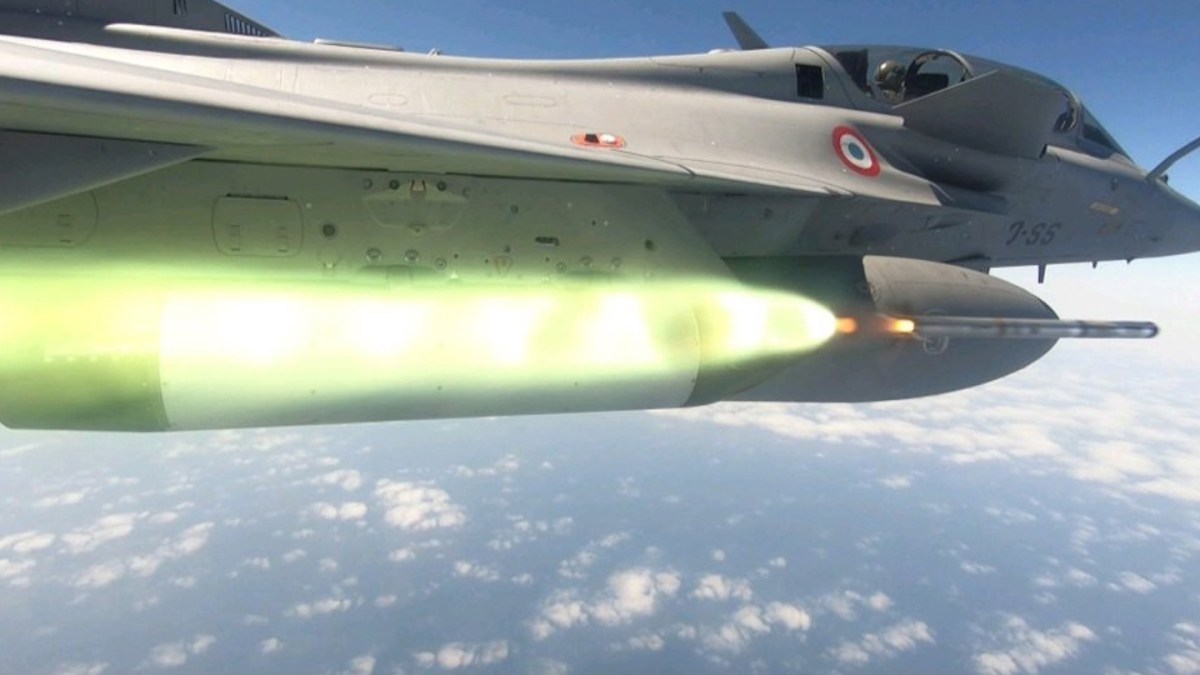
France's Rafale Fighter Integrates Affordable Laser-Guided Rockets for Anti-Drone Operations
France has successfully conducted live-fire tests of 68mm laser-guided rockets from its Rafale fighter, enhancing its anti-drone capabilities. This development follows a trend among air forces to adopt cost-effective solutions for countering drones, rather than relying solely on expensive missiles. The Directorate General of Armaments (DGA) announced the integration of these rockets, which were tested in collaboration with the French Air and Space Force and supported by Dassault Aviation and Thales. The integration program, known as Lutte antidrone sur avion de combat (LADAC), aims to provide French Rafales with a more economical option for countering threats posed by drones like the Iranian Shahed-136. The DGA confirmed that the time from contract award to achieving initial operational capability was under eight months, indicating a swift development process. This capability may also be extended to export customers of the Rafale and potentially other combat aircraft. Looking ahead, the focus will be on the operational deployment of these laser-guided rockets, which are designed to work with the Rafale’s modified RBE2 radar and Talios pod for target tracking. The Aculeus-LG rocket, with a range of 3.7 miles, represents a significant advancement in the cost-effective defense against unmanned aerial systems (UAS). No further timeline was disclosed at the time of publication.
Air Air Forces Drones Fighters French Air Force News & Features
Turkey’s ‘Fighter Drone’ Teamed With M-346 Fighter-Trainer In Autonomy Trials
Turkey has joined a select group of nations engaged in advanced flight testing of crewed and uncrewed aircraft collaboration, marking a significant step in the development of autonomous combat systems. The recent demonstrations featured Turkey's innovative 'fighter drone' working in tandem with the M-346 fighter-trainer aircraft. These trials are part of a broader initiative as air forces worldwide strive to enhance their capabilities through collaborative combat aircraft. The successful integration of these technologies could reshape future military operations and tactics, underscoring Turkey's commitment to advancing its defense capabilities in an increasingly competitive global landscape.
Air Air Forces Drones News & Features Turkish Air Force
World’s first two-seat Gripen F jet can coordinate drone swarms for added lethality
Saab, the Swedish aerospace and defense company, has unveiled the world's first Gripen F fighter jet during a ceremony held at its facility in Linköping. This significant event took place recently, marking a milestone in the development of advanced military aircraft. The Gripen F, a twin-seat variant of the Gripen E, is designed to enhance operational capabilities and provide advanced training for pilots. Saab's decision to develop this model stems from the increasing demand for versatile and efficient fighter jets in modern air forces. The rollout of the Gripen F is expected to strengthen Sweden's defense capabilities and contribute to international military partnerships. The aircraft features cutting-edge technology and improved performance, positioning it as a competitive option in the global defense market.

UK Sacrifices Its Future Destroyer As Part Of Massive Bet On Drones Across Its Forces
The UK government is implementing a significant transformation in its military strategy, prioritizing the integration of uncrewed platforms across land, sea, and air operations. This ambitious overhaul comes at the cost of sacrificing its future destroyer, signaling a strategic shift towards drone technology as a cornerstone of the nation's defense capabilities. The decision reflects a growing recognition of the importance of unmanned systems in modern warfare, aiming to enhance operational efficiency and adaptability. As the UK moves forward with this initiative, it seeks to position its forces at the forefront of technological advancements in military operations.
News & Features Air Air Forces Around The Globe Europe Navies
NATO And Ukraine Turning To Private Sector To Help Crater Russian Airfields
NATO and Ukraine are collaborating with the private sector to address the ongoing conflict with Russia by launching a challenge aimed at developing a system to deny Russian forces access to their airfields. This initiative seeks innovative solutions to enhance military capabilities and disrupt Russian operations. The challenge is part of a broader strategy to leverage private sector expertise in defense technology, reflecting a shift towards more unconventional methods in modern warfare. The announcement comes amid escalating tensions in the region, emphasizing the urgency of finding effective means to counter Russian military advantages. Participants are encouraged to propose creative and practical approaches, with the potential for significant rewards for successful implementations.
News & Features Air Air Forces Around The Globe Drones Europe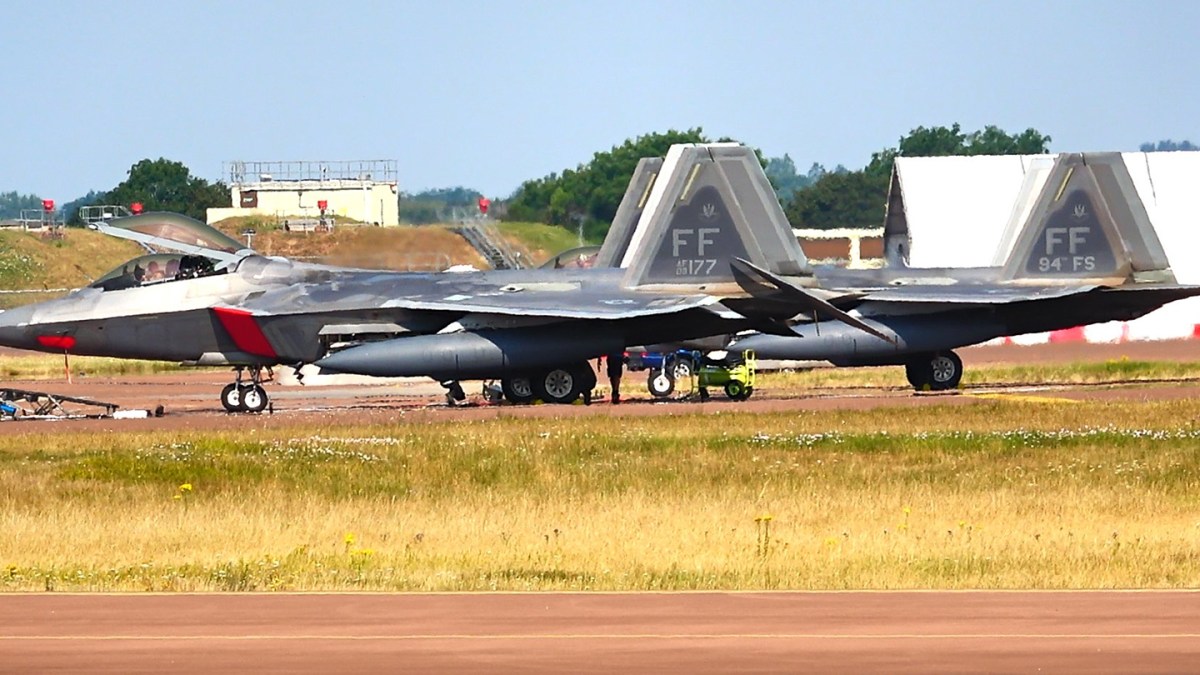
U.S. Air Force F-22 Raptors Return to UK After Combat Missions in Israel
Ten F-22 Raptors from the U.S. Air Force arrived at RAF Fairford in the UK on Friday after a deployment at Ovda Air Base in Israel. The jets, part of the 1st Fighter Wing from Langley Air Force Base, participated in operations against Iranian targets, including air defenses and nuclear facilities, from late February to early March 2023. During this period, they executed over 200 combat sorties while remaining undetected by Iranian radar systems. The significance of this deployment lies in the F-22 Raptors' advanced capabilities, which allowed them to penetrate defended airspace and deliver precision strikes on strategic Iranian infrastructure. U.S. Central Command reported that the Raptors utilized GBU-39/B Small Diameter Bombs and GBU-32 Joint Direct Attack Munitions, coordinating with B-2 Spirit bombers and EA-18G Growler jets to effectively overwhelm Iran's air defenses. This operation reflects the ongoing tensions in the Middle East and the U.S. military's strategic response. Looking ahead, the U.S. military's movements in the region indicate a continued focus on countering Iranian threats. The recent increase in hostilities between the U.S. and Iran, including attacks on multiple fronts, suggests that further military actions may be anticipated. No further timeline was disclosed at the time of publication regarding future deployments or operations involving the F-22 Raptors.
Air Air Forces Around The Globe Europe F-22 Fighters
New Counter-Drone Optimized Pantsir Air Defense System Being Deployed Atop Skyscrapers In Moscow
A video has emerged depicting the airlift of a Pantsir-SMD-E air defense system onto a skyscraper in Moscow, highlighting Russia's efforts to bolster its defenses against escalating drone attacks from Ukraine. This deployment reflects the growing concern in the Russian capital regarding the threat posed by Ukrainian drones, prompting the government to enhance its military capabilities in urban areas. The strategic placement of the Pantsir system atop high-rise buildings aims to provide a more effective response to aerial threats, showcasing a proactive approach to national security amidst ongoing conflict.
Air Air Forces Around The Globe Counter-Unmanned Aerial Vehicles (C-UAS) Drones Europe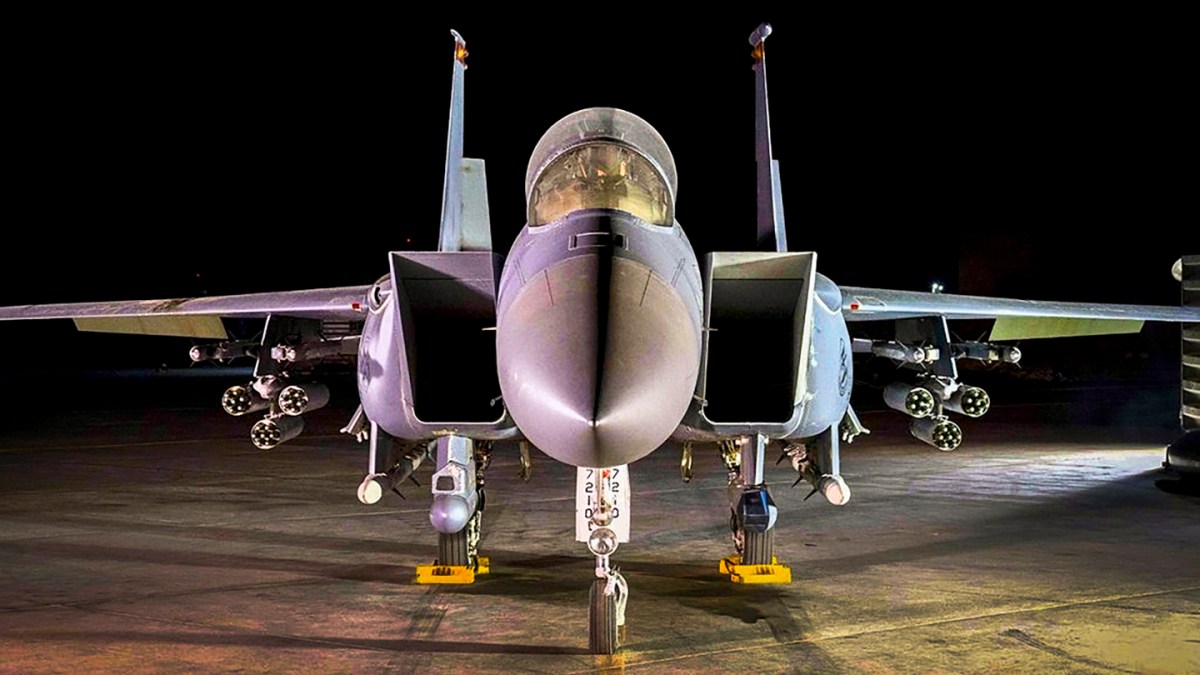
Saudi Arabia Approved to Acquire 20,000 Laser-Guided APKWS II Rockets
The U.S. State Department has authorized a potential $2 billion sale of up to 20,000 Advanced Precision Kill Weapon System (APKWS II) laser guidance kits to Saudi Arabia. This approval comes amid rising tensions in the Middle East, particularly with Iran and Houthi rebels, highlighting the need for enhanced military capabilities. The deal includes 10,000 air-to-air and 10,000 air-to-ground guidance sections, along with various rocket components. The APKWS II system is recognized for its cost-effectiveness in targeting drones and missiles, making it a valuable asset for Saudi Arabia's defense strategy. The Royal Saudi Air Force is expected to deploy these munitions on its Eurofighter Typhoon and F-15SA fighter jets. As regional conflicts escalate, the sale aims to bolster Saudi Arabia's defense capabilities and improve interoperability with U.S. and NATO forces. The State Department emphasized that this proposed sale aligns with U.S. foreign policy objectives and will enhance Saudi Arabia's ability to deter threats. No further timeline was disclosed at the time of publication.
Air Air Force Munitions Air Forces Air-To-Air Air-To-Ground Royal Saudi Air Force
Video Captures Rafale Fighter’s Drone Kill Over Baltic
Recent footage has emerged capturing a Rafale fighter jet successfully engaging and destroying a drone over the Baltic Sea, marking a significant development in NATO's air policing efforts. This incident, believed to be the first of its kind in Europe, highlights the increasing challenges that unmanned aerial vehicles (UAVs) present to military operations in the region. The event underscores the evolving nature of aerial warfare and the necessity for NATO forces to adapt to the growing prevalence of drones in conflict scenarios. As tensions continue to rise in Eastern Europe, this engagement illustrates the strategic importance of maintaining air superiority and the ongoing efforts to counter emerging threats in the skies.
Air Air Forces Around The Globe Baltic Sea Europe Fighters
Anduril's YFQ-44A Fury Drone Successfully Fires AIM-120 Missile in First Test
Anduril's YFQ-44A Fury Collaborative Combat Aircraft has successfully conducted its first live-fire test, launching an AIM-120 AMRAAM missile at a simulated target from Edwards Air Force Base in California. This marks a significant milestone for both the Fury drone and the U.S. Air Force's Collaborative Combat Aircraft (CCA) program. The successful launch demonstrates the operational capabilities of the YFQ-44A, which is part of the initial phase of the CCA program alongside General Atomics' YFQ-42A Dark Merlin. The test involved a coordinated effort with the 412th Test Wing's Air Dominance Combined Test Force, ensuring the safe execution of the live-fire event. Looking ahead, the Air Force has indicated that the YFQ-42A is also on track for a live-fire test later this year. This progression from inert carriage to live-fire capabilities reflects the maturity of the CCA program and its potential to enhance operational effectiveness for the U.S. military.
Air Air Forces Collaborative Combat Aircraft Drones News & Features U.S. Air Force
What Was The “Jellyfish-Like” Drone Swarm The Downed F-15E Pilot Reportedly Saw Over Iran?
A pilot of an F-15E Strike Eagle reported encountering a “minefield of drones” in the skies over Iran shortly before their aircraft crashed. The incident has raised questions about the nature of the drone swarm, described as “jellyfish-like,” and its implications for aerial operations in the region. The circumstances surrounding the crash remain under investigation, with experts analyzing the potential threats posed by such drone formations. This event highlights the evolving challenges faced by military pilots in environments increasingly populated by unmanned aerial vehicles.
Air Air Forces Around The Globe Drones F-15 Fighters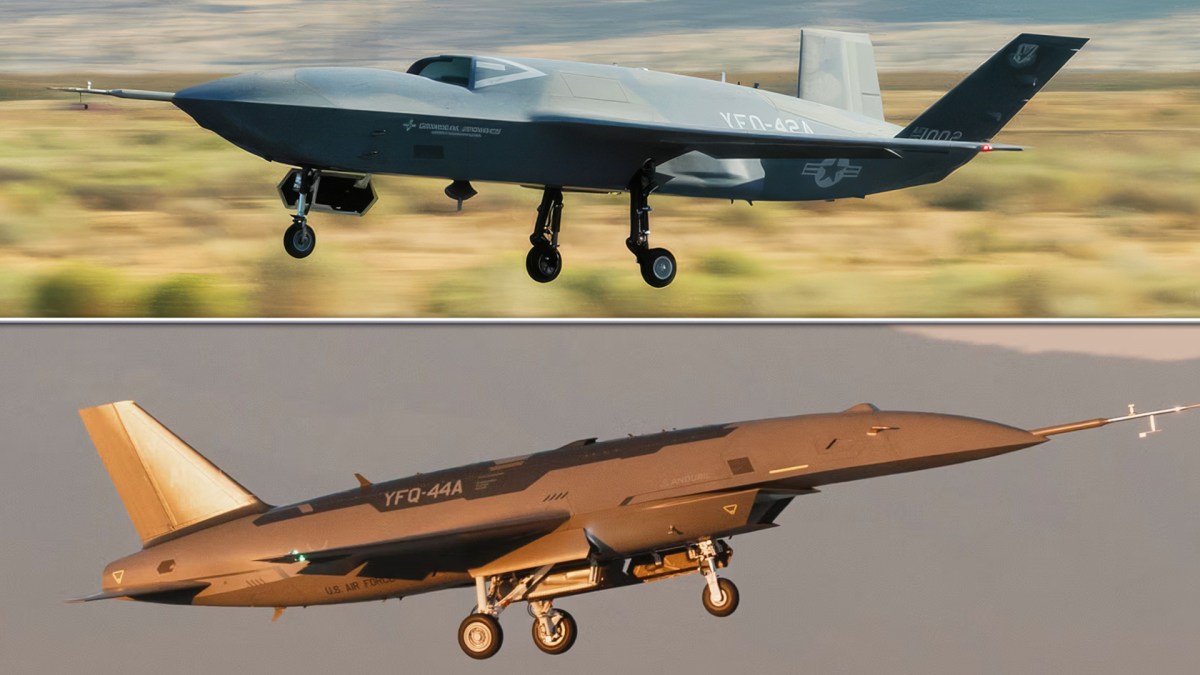
USAF Orders Both General Atomics’ FQ-42 And Anduril’s FQ-44 Into Production
The United States Air Force (USAF) has made a significant decision to order both the FQ-42 and FQ-44 Collaborative Combat Aircraft designs from General Atomics and Anduril, respectively. This move, announced recently, aims to mitigate risks associated with the high-stakes program by leveraging the advantages of both aircraft designs. By opting for dual production, the USAF seeks to enhance its operational capabilities and ensure a more robust defense strategy. The decision underscores the importance of innovation and adaptability in military aviation, as the USAF navigates the complexities of modern warfare.
Air Air Forces Collaborative Combat Aircraft Drones News & Features U.S. Air Force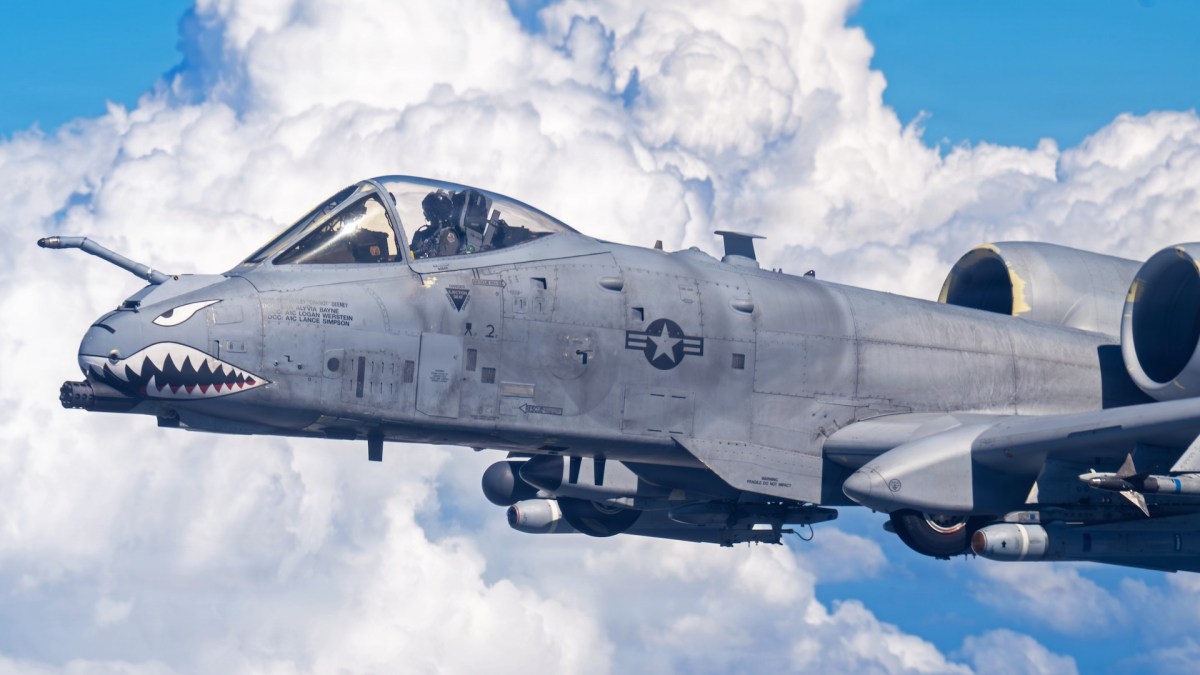
Congress Throws A-10 Warthog Another Lifeline
The U.S. Congress has provided a potential extension for the A-10 Warthog aircraft, as recent legislation mandates the U.S. Air Force to meet specific requirements. This move could prolong the operational life of the A-10 well beyond 2030. The decision reflects ongoing discussions about the aircraft's role and capabilities within the military, highlighting its importance in various combat scenarios. As the Air Force navigates these legislative demands, the future of the A-10 remains a topic of significant interest among defense analysts and military officials.
Air A-10 Air Forces Attack Drones News & Features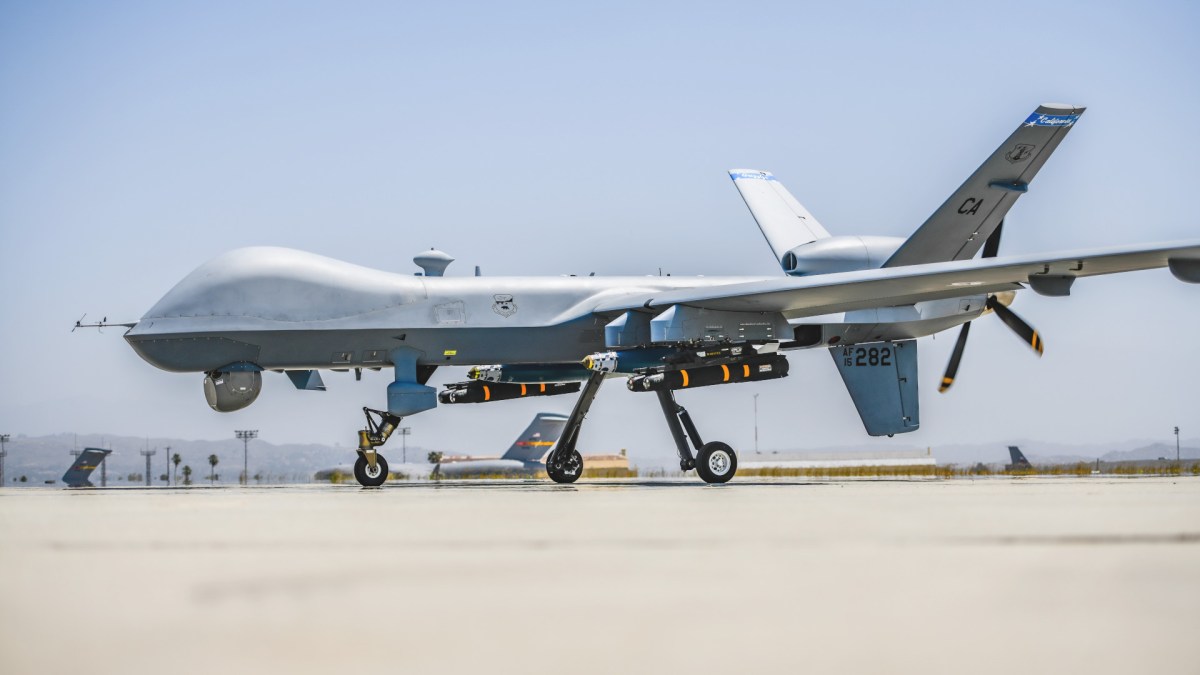
USAF Wants “MQ-9 Next” Reaper Replacement To Be Modular, Cheap
The United States Air Force (USAF) is intensifying discussions regarding a successor to the MQ-9 Reaper drone following recent concerns about its operational losses. As the military seeks to enhance its unmanned aerial capabilities, the focus is on developing a new platform that is both modular and cost-effective. This initiative aims to address the evolving demands of modern warfare while ensuring that the USAF can maintain a competitive edge. The push for a replacement comes in light of the Reaper's long-standing service and the need for more adaptable and affordable solutions in drone technology.
Air Air Forces Drones News & Features Q-9 U.S. Air Force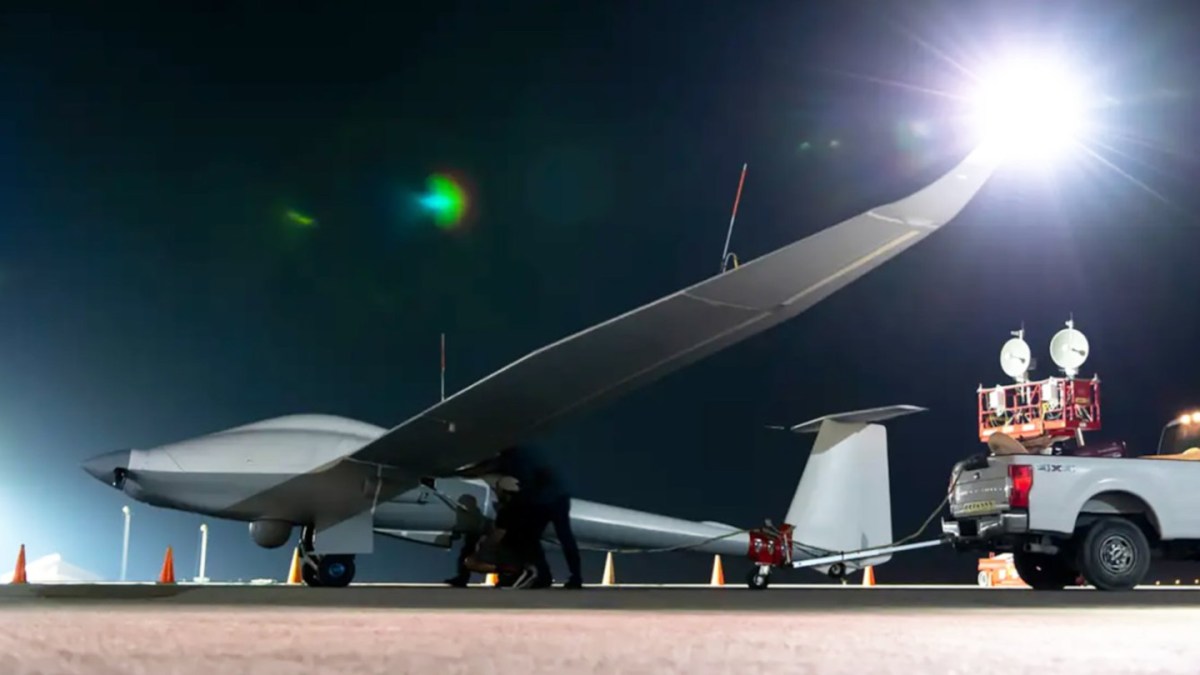
USAF’s New Turbocharged ULTRA Surveillance Drones Are Heading To The Middle East
The U.S. Air Force is deploying its new turbocharged ULTRA surveillance drones to the Middle East, responding to increasing demand for advanced surveillance capabilities. This move comes in the wake of recent losses of MQ-9 drones during conflicts with Iran, highlighting the need for more resilient and effective aerial reconnaissance options. The ULTRA drones, resembling gliders, are designed to enhance surveillance operations in the region, providing critical intelligence and monitoring capabilities. The decision to send these drones underscores the Air Force's commitment to adapting its strategies and technologies in response to evolving threats and operational challenges in the Middle East.
News & Features Air Air Forces Drones U.S. Air Force Unmanned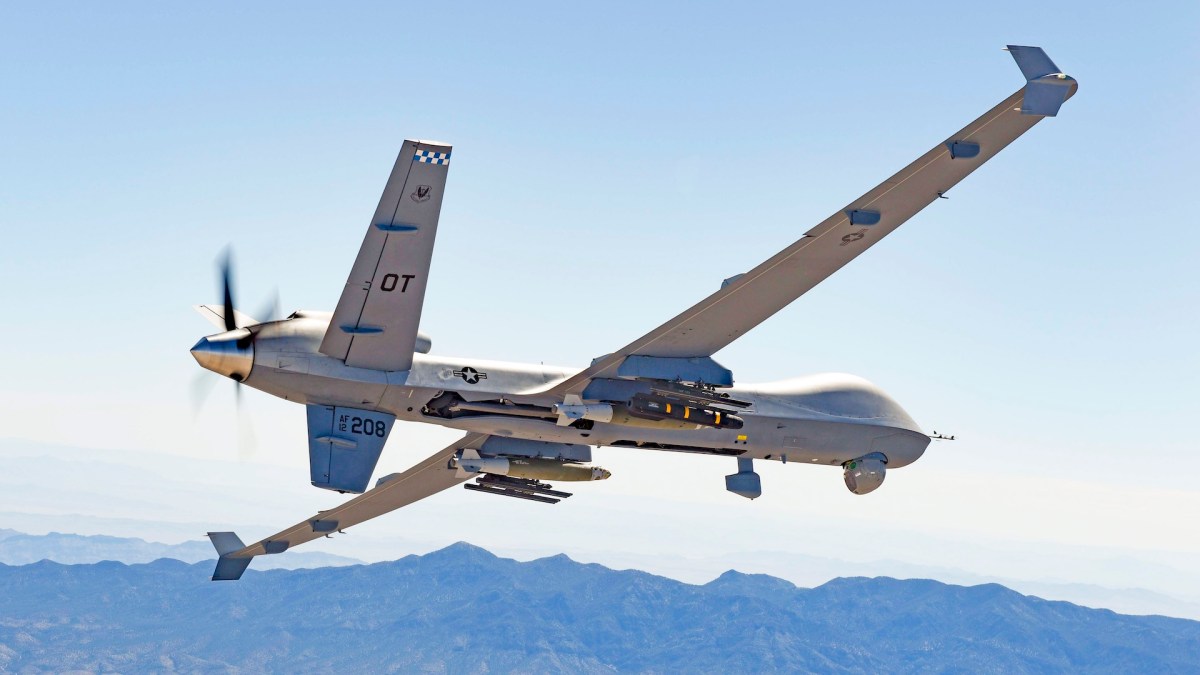
MQ-9 Reaper Replacement Requirements Stress A Drone Cheap Enough To Risk Losing
The U.S. Air Force is developing a successor to the MQ-9 Reaper drone, emphasizing a design that prioritizes affordability and versatility over survivability. This new drone aims to support a wider range of missions while facilitating mass production, allowing for a larger fleet that can be deployed in various operational scenarios. The shift in focus is driven by the need to create a cost-effective solution that can be risked in combat situations, acknowledging that some drones may be lost during missions. The initiative reflects a strategic pivot in military drone capabilities, aiming to enhance operational flexibility while managing budget constraints. The Air Force's commitment to this approach underscores the evolving nature of modern warfare and the increasing reliance on unmanned aerial vehicles for diverse military applications.
Air Air Forces Drones News & Features Q-9 U.S. Air Force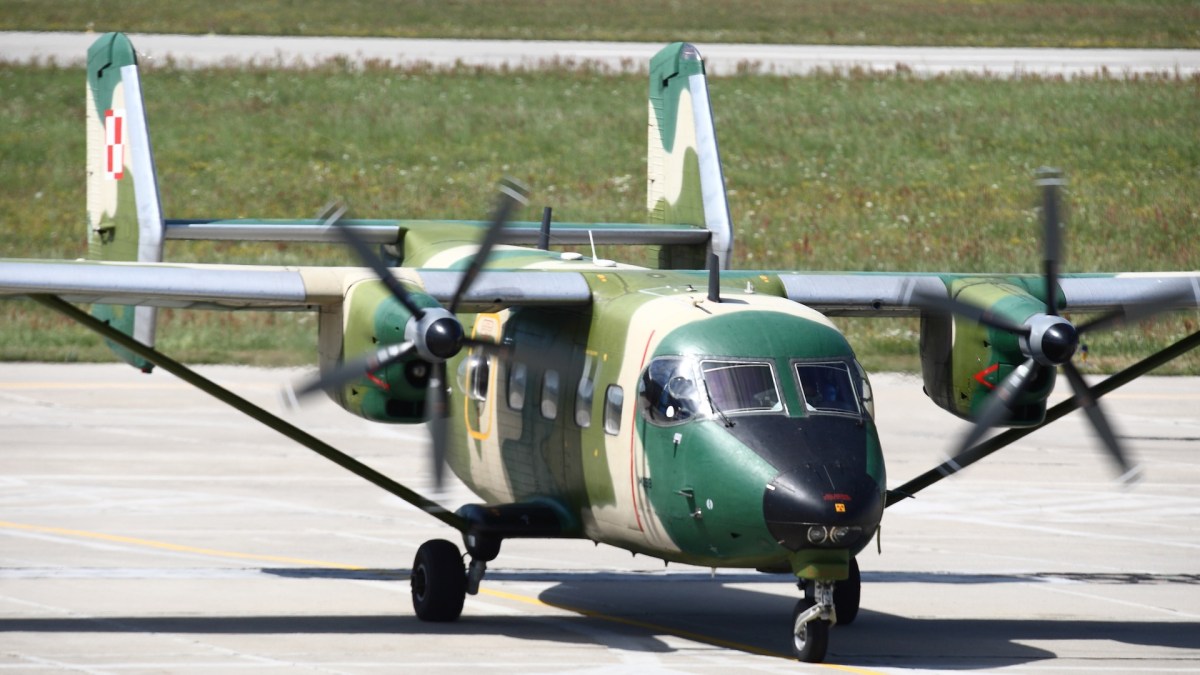
Drone-Hunting M28 Skytruck In The Works For Poland
Poland is adapting its M28 Skytruck aircraft for counter-drone operations, following the success of Ukraine's An-28 in similar missions. The modification aims to enhance Poland's capabilities in addressing the growing threat posed by drones. This initiative reflects the country's commitment to bolstering its defense strategies in response to evolving aerial threats. The development of the M28 for this purpose underscores Poland's proactive approach to modernizing its military assets.
Air Air Forces Counter-Unmanned Aerial Vehicles (C-UAS) Drones Land News & Features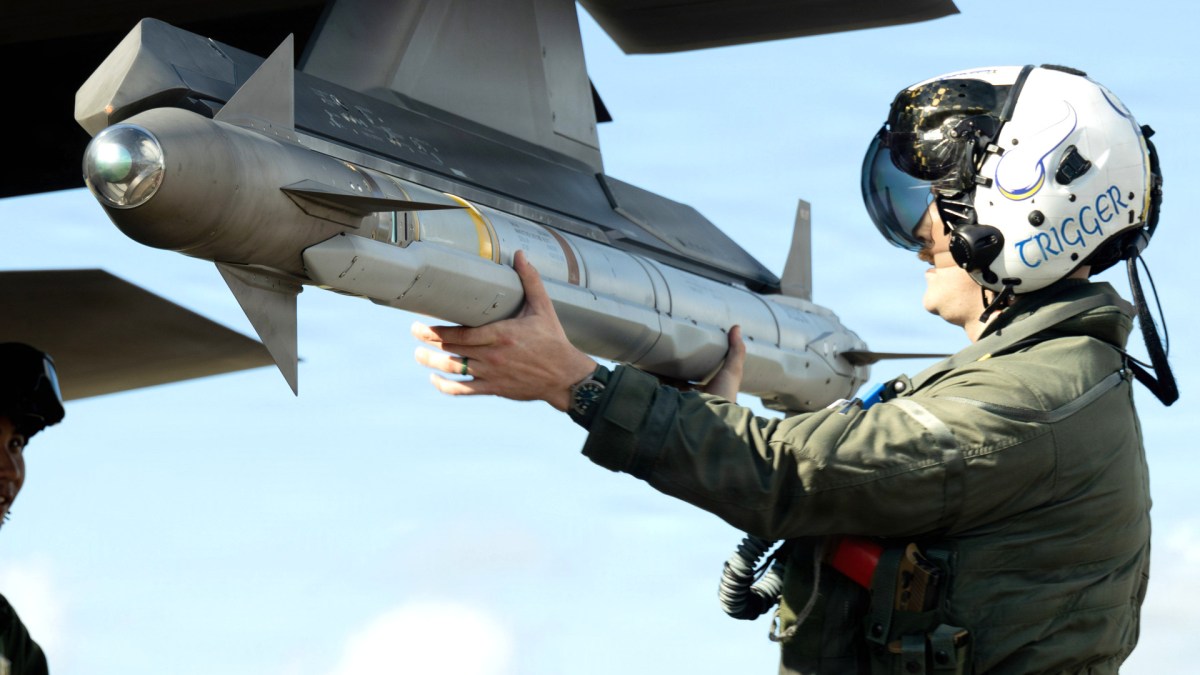
Smaller AIM-9X Sidewinder For Stealthy Weapons Bays Is In Development
The development of a more compact version of the AIM-9X Sidewinder missile is underway, aimed at enhancing the capabilities of future military aircraft and drones. This new iteration will enable these aircraft to carry a greater number of missiles simultaneously, optimizing the use of available space in their weapons bays. The initiative reflects a strategic move to improve stealth and operational efficiency in modern aerial combat. By reducing the size of the AIM-9X, military planners hope to ensure that advanced drones can integrate these weapons more effectively, thereby increasing their combat readiness and versatility in various mission scenarios.
Air AIM-9 Sidewinder Air Force Munitions Air Forces Air-To-Air Navies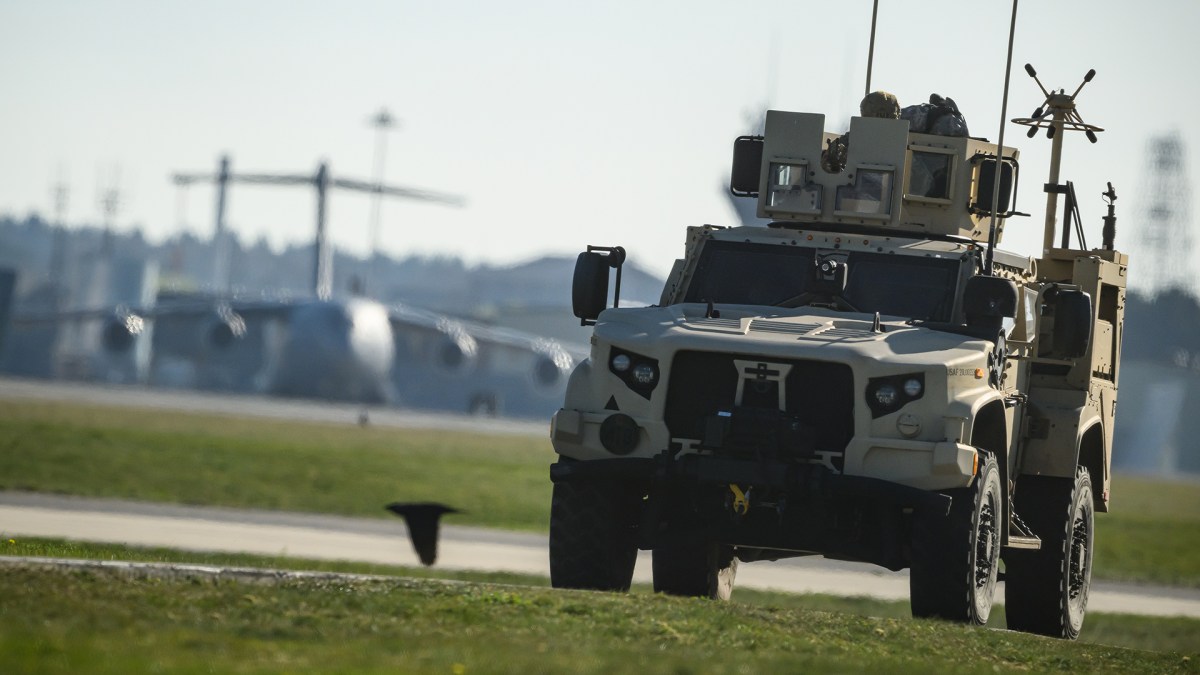
Russia “Highly Likely” Behind Drone Incursions Over U.S. Bases In England Report Concludes
A recent report by the International Institute for Strategic Studies (IISS) has concluded that Russia is "highly likely" to be behind a series of drone incursions targeting U.S. military bases in England. This analysis is part of a broader investigation into Russia's involvement in drone activities across Europe, which have escalated since 2024. The findings highlight concerns about the implications of these incursions for European security and the potential for increased tensions between Russia and Western nations. The report underscores the need for vigilance and strategic responses to counteract the threats posed by such drone operations.
Air Air Forces Around The Globe Drones Europe News & Features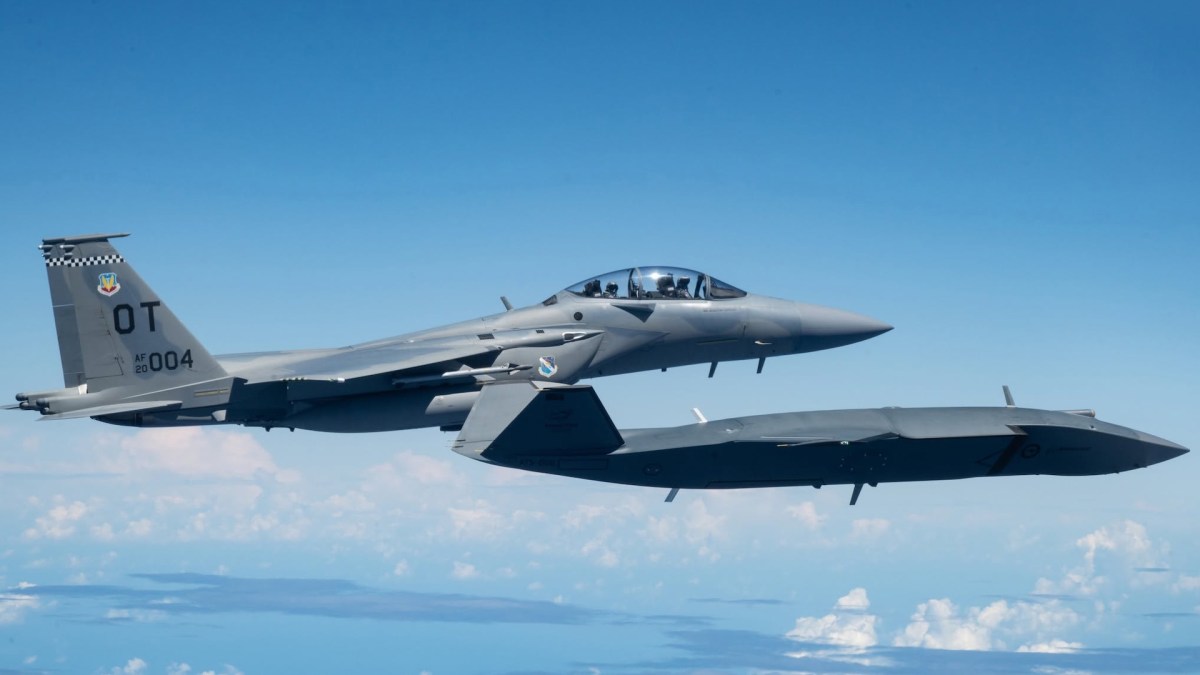
F-15EX And Ghost Bat Team Up Over Pacific During Valiant Shield
During the recent Valiant Shield military exercises, the F-15EX fighter jet and the Ghost Bat drone showcased their capabilities in the Pacific, signaling a significant advancement in aerial combat technology. This collaboration highlights the potential evolution of the Eagle II system into a controller for collaborative combat drones, enhancing operational efficiency and effectiveness in modern warfare. The exercises, which took place in mid-October 2023, underscore the growing emphasis on integrating manned and unmanned systems in military operations, reflecting a strategic shift aimed at improving combat readiness and adaptability in dynamic environments.
Air Air Forces F-15 Fighters Loyal Wingman MQ-28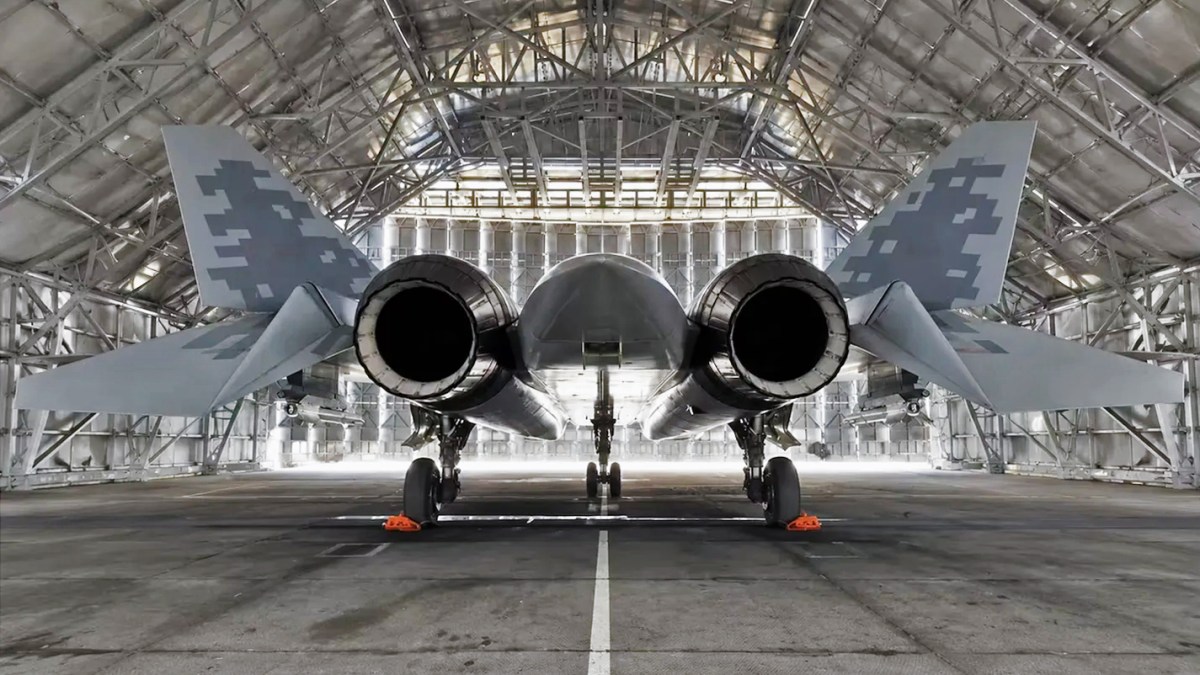
New Su-57 Weapons Configuration Points To Drone And Cruise Missile Defense Mission
Russia's advanced Su-57 fighter jet is reportedly being repurposed to bolster defenses against Ukraine's expanding long-range strike capabilities. This strategic shift highlights the ongoing military tensions between the two nations, particularly as Ukraine enhances its arsenal with drones and cruise missiles. The modification of the Su-57's weapons configuration suggests a focused effort by Russia to counter these emerging threats. As the conflict continues to evolve, the adaptation of such high-tech military assets underscores the urgency for Russia to maintain its defensive posture in the face of Ukraine's advancements.
Air Air Force Munitions Air Forces Air-To-Air Fighters Russian Air Force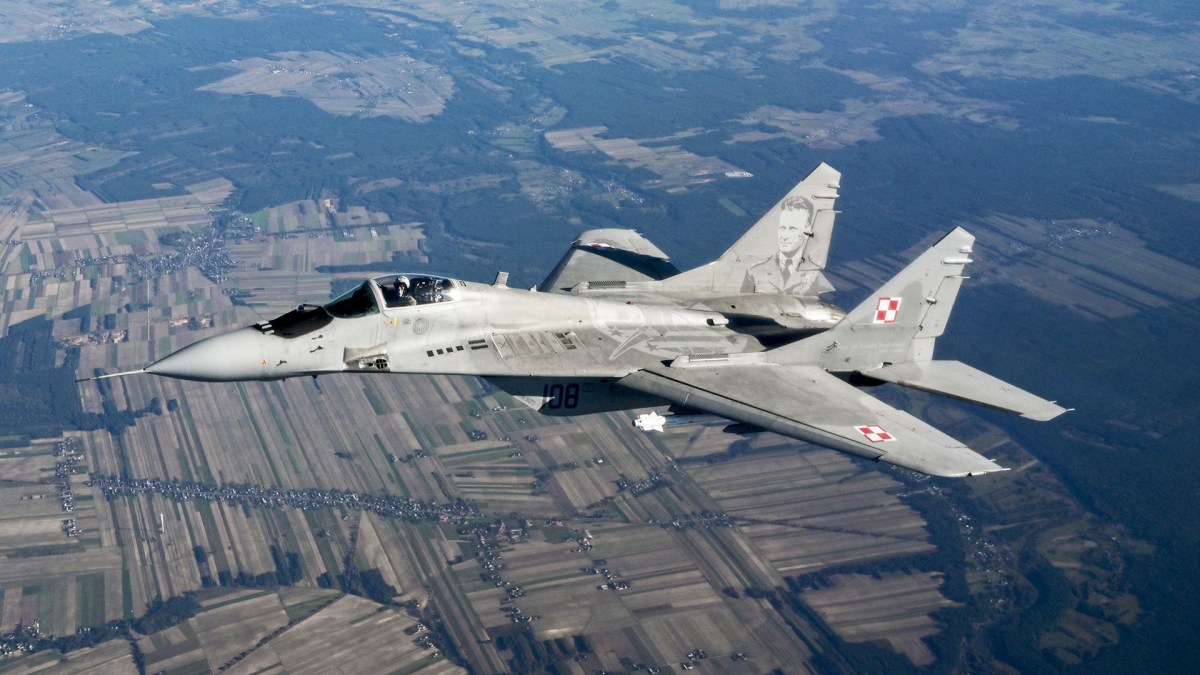
MiG-29 Transfer To Ukraine Halted By Poland Over Claimed Drone Snub
Poland has decided to halt the donation of 14 additional MiG-29 fighter jets to Ukraine, a move that reflects the deteriorating relations between the two nations. This decision comes in the wake of a recent incident involving Ukraine's alleged failure to acknowledge Poland's support, particularly concerning drone assistance. The suspension of the transfer highlights the increasing tensions and complexities in the ongoing military cooperation between Poland and Ukraine, which had previously been characterized by a strong alliance against common threats. As the situation evolves, the implications for regional security and defense strategies remain to be seen.
Air Air Forces Around The Globe Europe Fighters Fulcrums
China’s Big R6000 Tiltrotor Drone Has Entered Full Flight Testing
Recent footage has revealed that China's R6000 uncrewed tiltrotor drone has progressed beyond its initial tethered hover trials and has now entered the phase of full flight testing. This advancement marks a significant step in the development of the R6000, showcasing its capabilities in more dynamic flight conditions. The shift to full flight testing indicates that the drone is being evaluated for its operational performance and reliability, which are crucial for potential future applications in various sectors, including military and civilian operations. The testing is taking place in China, although specific locations have not been disclosed. This development reflects China's ongoing efforts to enhance its drone technology and expand its presence in the unmanned aerial vehicle market.
Air Air Forces Around The Globe China Indo-Pacific News & Features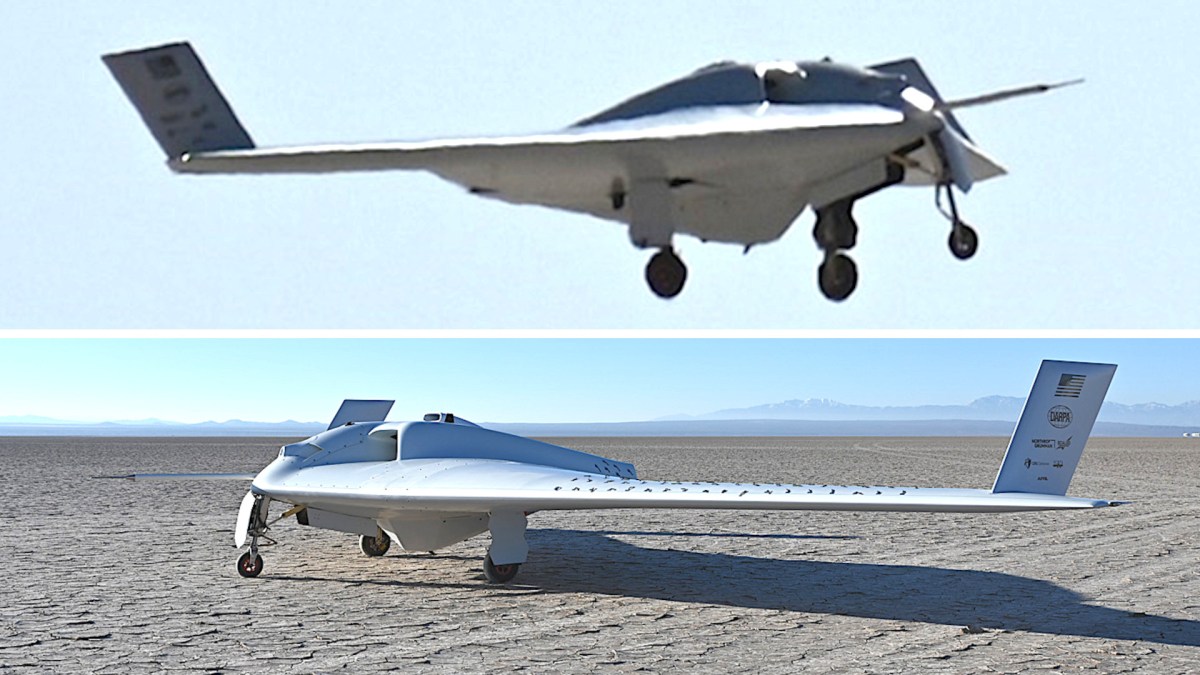
DARPA’s XRQ-73 Hybrid-Electric Flying Wing Drone Has Flown
The XRQ-73 hybrid-electric flying wing drone, developed by DARPA, has successfully completed its first flight, showcasing advancements in quiet and efficient flight technology. This latest iteration of the drone has undergone significant evolution since its last appearance in 2024, reflecting ongoing efforts to enhance its capabilities. The successful flight marks a key milestone in DARPA's mission to innovate in unmanned aerial systems, aiming to improve operational efficiency and stealth in various military applications. The testing took place in a controlled environment, allowing engineers to assess the drone's performance and gather valuable data for future developments.
Air Air Forces Drones News & Features U.S. Air Force Unmanned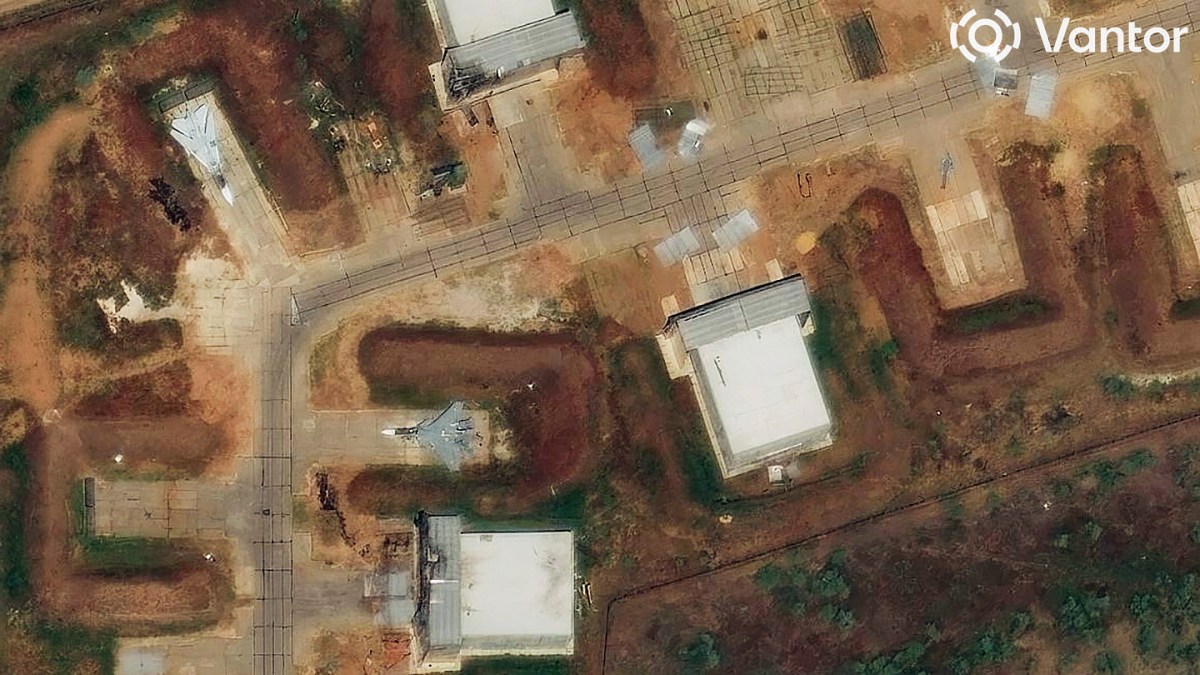
Hardened Aircraft Shelters At Russian Air Base In Crimea Damaged From Ukrainian Drone Strikes (Updated)
Ukrainian forces have launched drone attacks on Saki Air Base in Crimea, marking a significant escalation in their efforts to render the region inhospitable for Russian military operations. The strikes, which targeted hardened aircraft shelters, aim to disrupt the Russian military's capabilities and assert Ukraine's ongoing resistance. This offensive comes amid heightened tensions in the region, as Ukraine seeks to reclaim territory and weaken Russian presence. The situation remains fluid, with further developments anticipated as both sides respond to the evolving conflict.
News & Features Around The Globe Europe Russia Ukraine
Dassault Aviation confirms dispute with Airbus over Eurodrone project
In a recent statement, Eric Trappier, the CEO of Dassault Aviation, alleged that Airbus is attempting to marginalize his company from the Eurodrone project, a significant European defense initiative. This accusation highlights ongoing tensions within the aerospace sector, particularly regarding collaboration and competition among major players in defense technology. Trappier's remarks come amid increasing scrutiny of the project's structure and the roles of various stakeholders involved. The Eurodrone program aims to develop a next-generation unmanned aerial vehicle for European military forces, and the dynamics of participation are critical for its success. The situation underscores the complexities of international defense partnerships and the strategic interests of companies vying for influence in this lucrative market.
News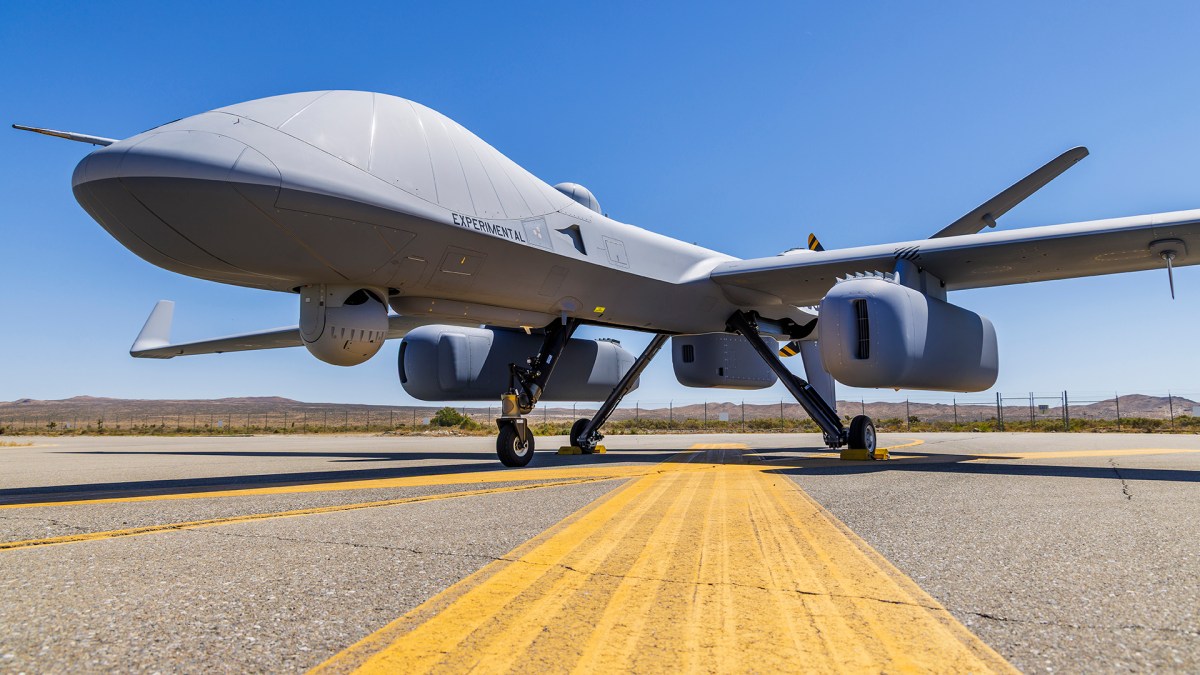
MQ-9 Getting Airborne Early Warning Radar Is A Huge Deal
The introduction of radar-equipped MQ-9 drones marks a significant advancement in airborne early warning capabilities, addressing an urgent need for enhanced surveillance in contemporary military operations. This development comes at a time when the demand for cost-effective and adaptable aerial monitoring solutions is critical. The MQ-9's ability to provide persistent airborne early warning is expected to improve situational awareness and response times in various operational scenarios. As military forces seek to bolster their defensive and offensive strategies, the integration of this technology is seen as a crucial step in modernizing aerial reconnaissance and ensuring readiness in an increasingly complex security environment.
Air Airborne Radar Airborne Sensors Drones News & Features Q-9
Royal Air Force introduces low-cost precision weapon to counter drones
The Royal Air Force (RAF) has officially rolled out the Advanced Precision Kill Weapon System (APKWS), a cutting-edge precision-guided munition designed to enhance its capabilities in addressing contemporary threats, particularly uncrewed aerial systems. This strategic introduction comes as military forces worldwide adapt to the evolving landscape of warfare, where drones and other unmanned technologies pose significant challenges. The deployment of APKWS is expected to improve the RAF's operational effectiveness and precision in combat scenarios. This initiative reflects the RAF's commitment to maintaining a technological edge and ensuring readiness against emerging threats in modern warfare.
News
Finding the Person Behind the Drone: Sky Spy Demonstrates Airborne Detection System with French Military
Sky Spy and Evolve Dynamics have formed a partnership to enhance the capabilities of unmanned aircraft systems (UAS) by integrating airborne signals intelligence (SIGINT) technology. This collaboration follows a successful demonstration conducted with the French Armed Forces, showcasing a drone-mounted system designed to detect and locate drone operators, control stations, jammers, and other radio frequency (RF) emitters in contested environments. The integration aims to improve military operations by providing advanced detection and situational awareness, enabling users to identify potential threats more effectively. This initiative reflects a growing emphasis on utilizing drone technology for military applications, particularly in complex and challenging operational settings.
Applications Defense defense Drone News Drone News Feeds Dual Use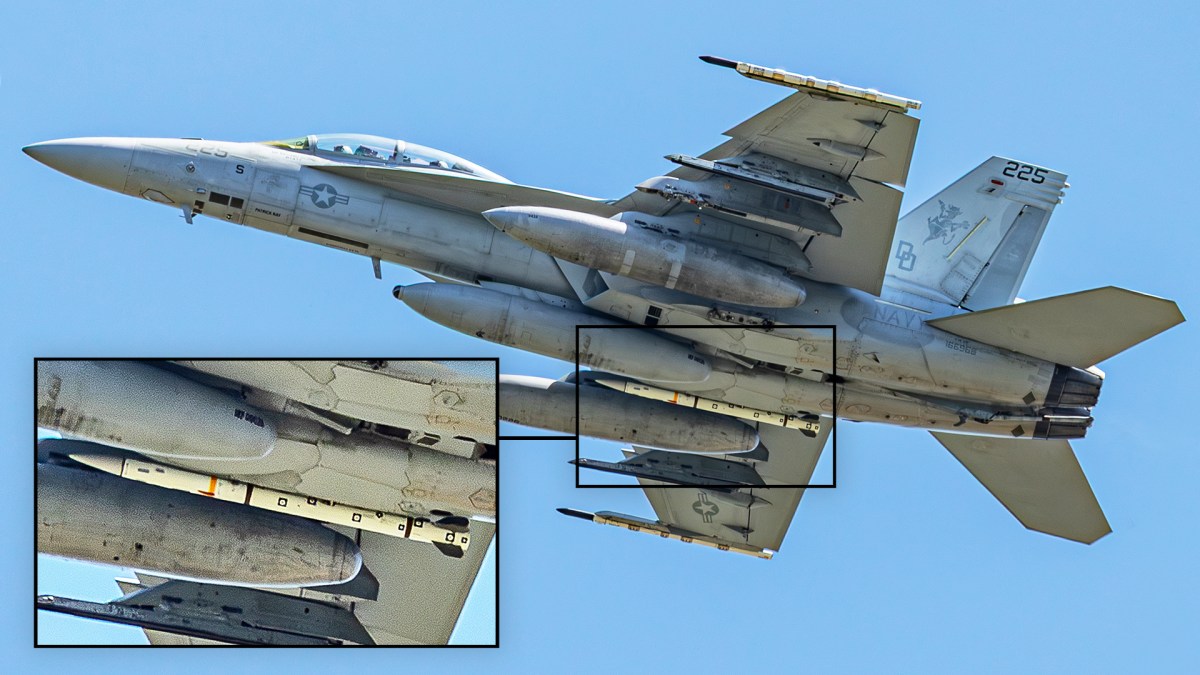
Secretive AIM-260 Air-To-Air Missile Finally Breaks Cover
The AIM-260 air-to-air missile, developed as a longer-range successor to the AIM-120 AMRAAM, has recently emerged from a period of secrecy after years of development. This new missile is designed to enhance the capabilities of the U.S. military in aerial combat, addressing the growing need for advanced weaponry in modern warfare. The unveiling of the AIM-260 marks a significant milestone in military technology, reflecting ongoing efforts to maintain strategic superiority in the air. The missile's development is part of a broader initiative to upgrade the U.S. arsenal in response to evolving threats and to ensure that American forces remain competitive against potential adversaries.
Air AIM-260 Air Force Munitions Air-To-Air F/A-18 F/A-18E/F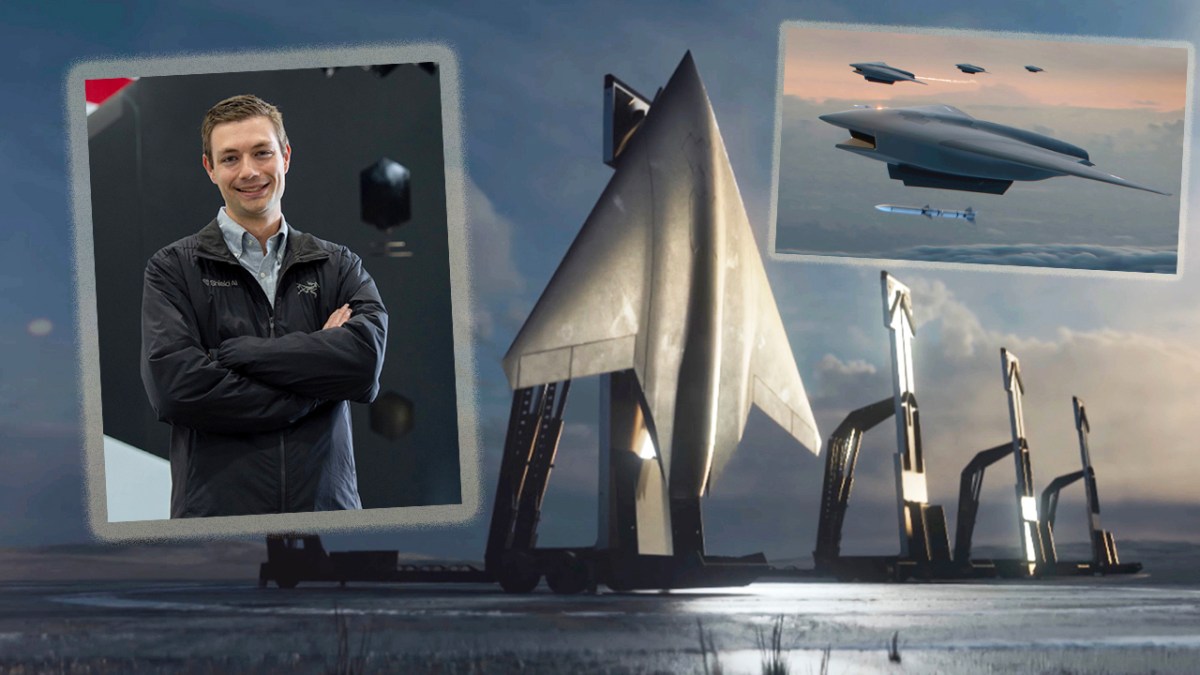
Could The X-BAT Stealth Fighter Drone Change The Air Combat Game?
In an exclusive interview, Armor Harris, the chief designer of the X-BAT stealth fighter drone, discussed the advanced features of the aircraft, including its GE engine, thrust-vectoring controls, and the innovative Hivemind AI 'pilot.' The conversation highlighted the potential impact of the X-BAT on future air combat strategies. Harris outlined the upcoming flight-test plans aimed at demonstrating the drone's capabilities and effectiveness in various combat scenarios. The development of the X-BAT reflects a growing trend in military aviation towards integrating cutting-edge technology to enhance operational efficiency and combat readiness. As defense forces seek to modernize their fleets, the X-BAT could represent a significant shift in aerial warfare tactics.
Air Unmanned
OECD’s Claire Jolly to Reveal Critical Priorities for a Sustainable Future Ocean Economy in Keynote Speech at Oi26
Claire Jolly, the Lead of the Ocean Economy programme at the OECD, is set to address Oceanology International 2026, where she will emphasize the urgent need for enhanced global collaboration to harness the potential of a sustainable ocean economy. Scheduled for the event, Jolly will unveil insights from a significant new biennial report titled "The Ocean Economy at A Glance," which aims to guide policymakers in addressing the challenges posed by ongoing global forces affecting ocean health. This initiative underscores the OECD's commitment to fostering sustainable practices in ocean management and economic development.
oecd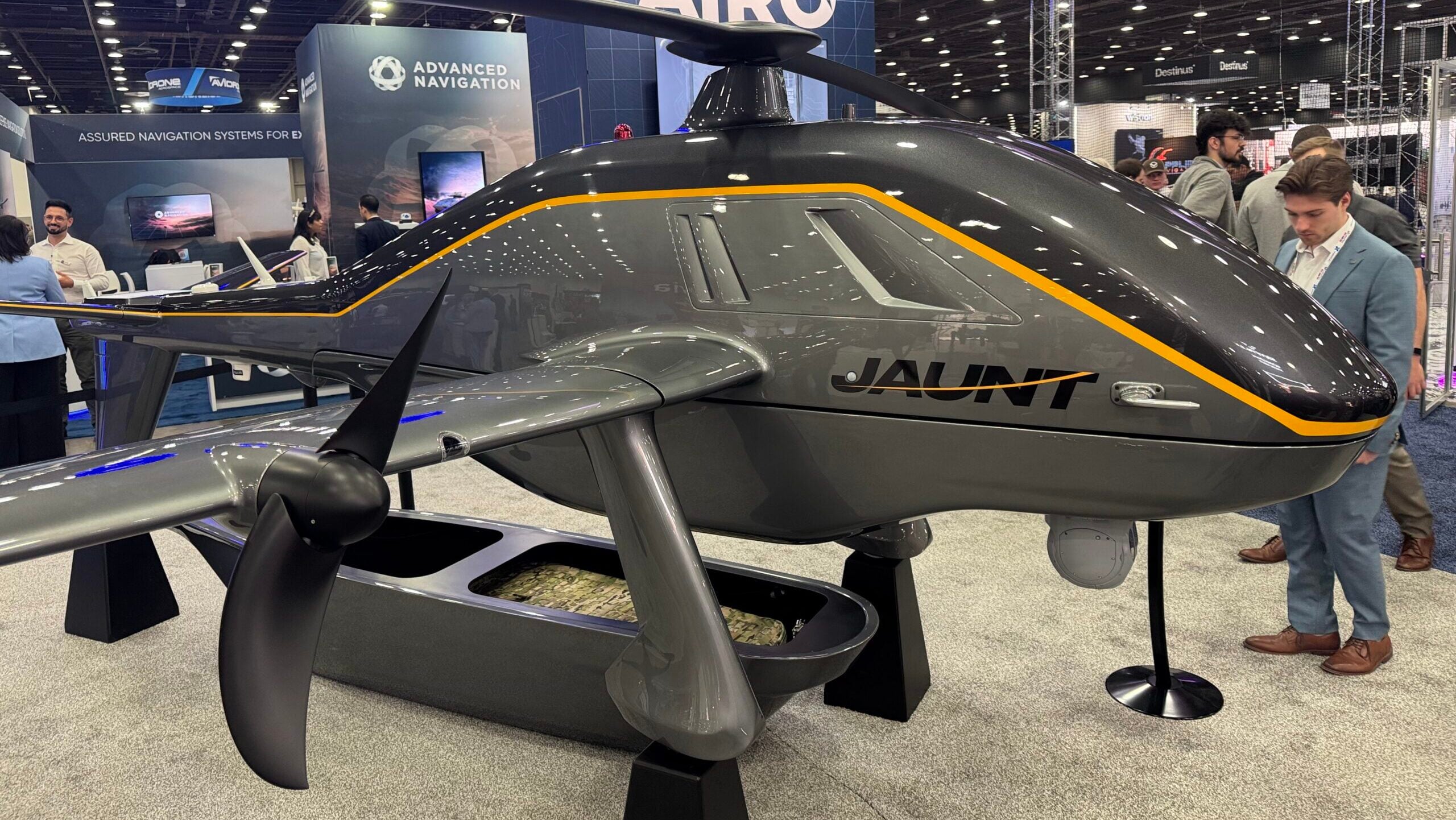
AIRO’s ‘slowed rotor’ hybrid-electric VTOL drone aims to solve resupply issues
Company executives revealed to Breaking Defense that a new dual-use design aims to address a significant logistics gap between rear-operational hubs and forward units. This initiative is part of a broader strategy to enhance military efficiency and ensure that resources are effectively delivered where they are most needed. The development underscores the growing emphasis on improving supply chain operations within military frameworks, particularly in response to evolving operational demands. By bridging this logistical divide, the company seeks to optimize support for frontline forces, ultimately enhancing overall mission readiness and effectiveness.
Air Warfare Air Force AUVSI/MDEX 2026 Drones ISR vtol
Pentagon tests Locust laser that downs drones without harming nearby civilian aircraft
AeroVironment's LOCUST laser weapon successfully completed a significant counter-drone test in collaboration with the Pentagon, showcasing its advanced capabilities in neutralizing aerial threats. This testing took place recently, highlighting the growing emphasis on innovative defense technologies amid rising concerns over drone warfare. The LOCUST system is designed to provide military forces with an effective means to counteract the increasing prevalence of unmanned aerial vehicles (UAVs) on the battlefield. By utilizing cutting-edge laser technology, the weapon aims to enhance the operational effectiveness of U.S. military operations. The successful demonstration of the LOCUST laser weapon underscores the Pentagon's commitment to integrating advanced systems into its defense strategy, ensuring that military forces are equipped to address evolving threats in modern warfare.

The sights of Turkey’s Efes military drill
Turkey recently conducted a significant military exercise named Efes 2026, showcasing a wide array of combined forces including naval ships, drones, air defense systems, and helicopters. This large-scale drill aimed to enhance the operational readiness and interoperability of Turkey's military capabilities. The exercise took place on Turkish soil, emphasizing the nation's commitment to strengthening its defense posture amid regional security challenges. Observers noted the integration of various military assets, highlighting Turkey's focus on modernizing its armed forces and preparing for potential future conflicts. The event underscores Turkey's strategic military initiatives and its role in regional stability.
Global air defense Europe Middle East military drills photo gallery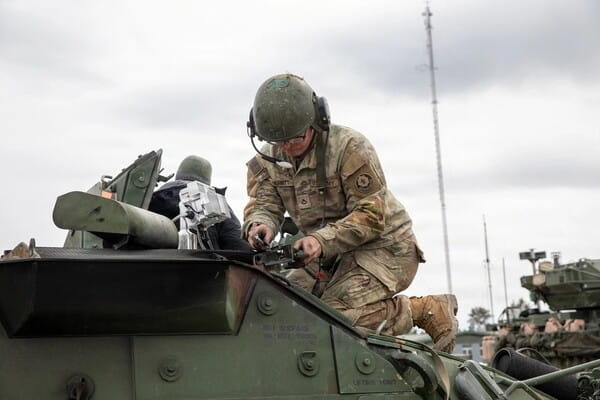
MatrixSpace Brings Portable Counter-Drone Radar to Lithuanian Exercise
MatrixSpace, a Massachusetts-based company, is enhancing low-altitude airspace awareness for M-SHORAD units in Pabradė, Lithuania, by deploying its portable AI-powered radar system. This initiative is part of the U.S. Army’s Flytrap 5.0 counter-drone exercise, taking place from May 1 to May 15, 2026. The announcement of MatrixSpace's involvement was made on May 12, following their recent success in the xTechCounter Strike competition during the previous Flytrap 4.5 exercise. The deployment aims to bolster the Army's capabilities in counter-drone operations, reflecting the growing need for advanced technologies in modern military exercises.
Defense defense Drone News Drone News Feeds Military News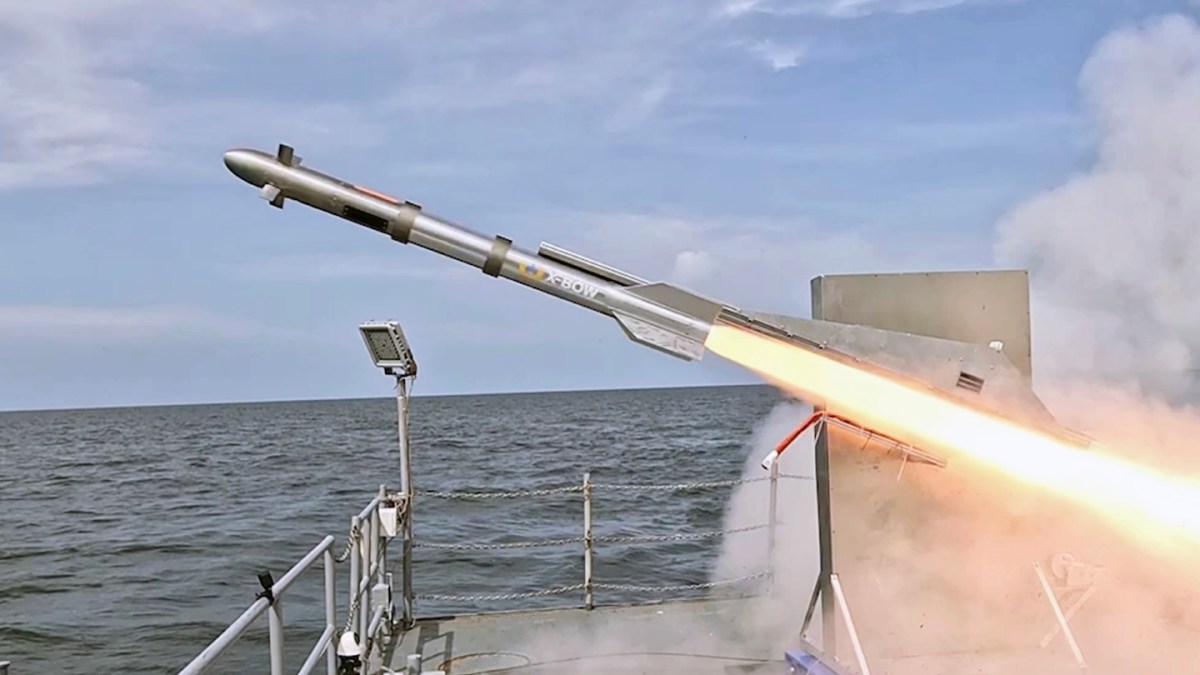
X-Bow Systems Launches Buckler Supersonic Drone Interceptor Under $100K
X-Bow Systems has introduced the Buckler, a cost-effective drone interceptor priced below $100,000. This supersonic interceptor is specifically designed to target Group 3 drones, which include various unmanned aerial vehicles weighing between 56 to 1,320 pounds. The Buckler can also engage other aerial threats, such as subsonic cruise missiles, enhancing its operational versatility. The significance of the Buckler lies in its affordability and speed, addressing the growing need for effective air defense against increasingly sophisticated drone and missile threats. As conflicts in regions like the Middle East and Ukraine have shown, traditional air defense systems often struggle against cheaper, more numerous threats. X-Bow Systems aims to provide a scalable solution that allows military forces to respond effectively without incurring exorbitant costs. Looking ahead, the Buckler represents a strategic response to the evolving landscape of aerial threats. With its ability to engage multiple targets rapidly, it could play a crucial role in modern air defense strategies. No further timeline was disclosed at the time of publication.
Land Armies Counter-Unmanned Aerial Vehicles (C-UAS) Surface-To-Air Missile Systems U.S. Army
ASELSAN Presents Comprehensive UAV Payload Ecosystem at Farnborough
ASELSAN showcased a wide range of integrated payloads for uncrewed aerial vehicles (UAVs) at the Farnborough International Airshow. The portfolio includes advanced electro-optics, AESA radars, electronic warfare systems, and precision-guided munitions, all aimed at improving the operational capabilities of next-generation UAVs. This presentation is significant as it highlights ASELSAN's commitment to advancing UAV technology, which is increasingly vital for modern military operations. The integration of these sophisticated payloads is expected to enhance the effectiveness and versatility of uncrewed platforms in various operational scenarios. Looking ahead, industry stakeholders should monitor ASELSAN's developments in UAV technologies and the potential adoption of these systems by military forces worldwide. No further timeline was disclosed at the time of publication.
Air Warfare Sponsored Post AESA radar Air Force Aselsan Farnborough Drones
Marine Corps Chooses Allen Control Systems' Bullfrog M240 for L-MADIS Integration
The Marine Corps has selected Allen Control Systems' Bullfrog M240 autonomous weapon for integration into its Light Marine Air Defense Integrated System (L-MADIS). This system is part of the Ground Based Air Defense program and includes two Polaris MRZR vehicles, one serving as a command unit and the other equipped with electronic warfare capabilities to counter drone threats. The Bullfrog M240 transforms the traditional 7.62mm machine gun into an autonomous weapon, capable of firing 850 rounds per minute and weighing approximately 300 pounds. This integration is facilitated through a prototype Other Transaction Agreement contract valued at around $6.2 million. The Marine Corps is also seeking $1.27 billion in its fiscal 2027 budget for Ground Based Air Defense capabilities, highlighting the importance of advanced defense systems. Looking ahead, the Bullfrog M240 is not only being considered by the Marine Corps; the US Army Applications Lab has awarded a contract to assess its deployment on Army combat vehicles. Additionally, Allen Control Systems is working on integrating Bullfrog onto US Special Operations Forces maritime platforms, indicating a growing interest in this technology across multiple military branches.
Land Warfare Naval Warfare Army Counter UAS cUAS LMADIS MADIS
U.S. Army Partners with Auriga Space to Develop Electromagnetic Counter-Drone Technology
The U.S. Army has entered a three-year partnership with Auriga Space to develop electromagnetic (EM) counter-drone technology. This collaboration aims to create a high-speed defense system against enemy Unmanned Aerial Systems (UAS) using Auriga's innovative propulsion methods, which rely on electricity and magnetic levitation rather than traditional chemical propellants. This partnership is crucial as military forces face the economic challenge of countering inexpensive drones with costly missiles. Current air defense systems struggle to balance effectiveness and affordability, making the development of sustainable counter-drone solutions a top priority. Auriga's EM technology promises to provide a cost-effective alternative, enabling rapid and repeatable launches from a compact system. Looking ahead, both organizations will share expertise and data to refine the EM-based counter-drone technology for field deployment. The focus will be on overcoming the limitations of existing counter-drone methods, with the potential for a significant shift in military air defense strategies. No further timeline was disclosed at the time of publication.
Military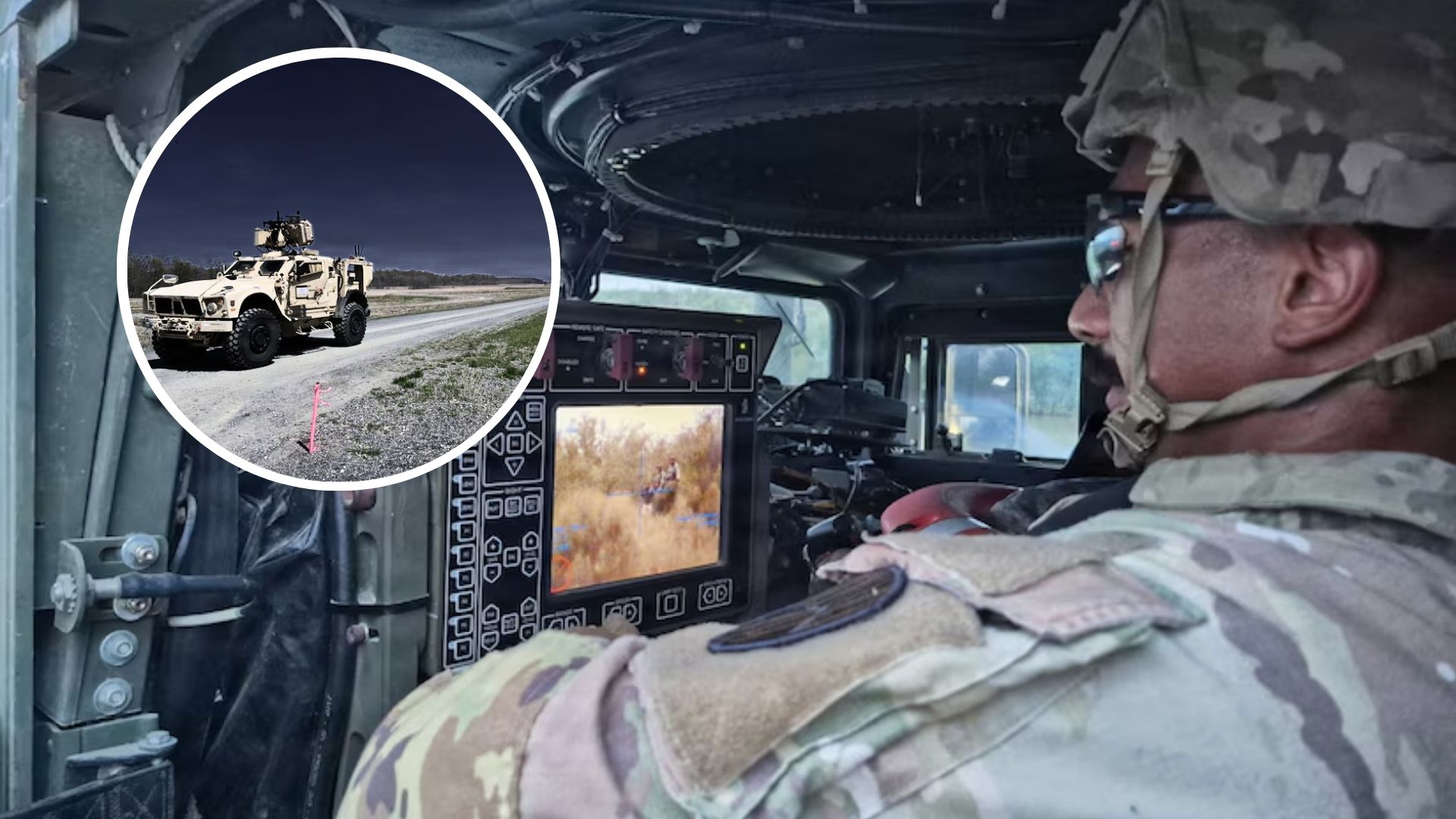
US Army develops advanced counter-drone system capable of engaging UAVs on the move
The U.S. Army has reached a pivotal advancement in counter-unmanned aerial systems (C-UAS) technology, marking a significant step in enhancing national security. This breakthrough was announced on October 15, 2023, during a demonstration at a military facility in Fort Bragg, North Carolina. The development aims to address the increasing threat posed by drones in both military and civilian contexts, driven by the need for effective defense mechanisms against potential aerial attacks. The Army's new C-UAS technology employs advanced radar systems and artificial intelligence to detect, track, and neutralize unauthorized drones swiftly and accurately. This innovative approach not only improves response times but also minimizes collateral damage, ensuring the safety of personnel and infrastructure. The successful demonstration showcased the system's capabilities in real-time scenarios, highlighting its potential for deployment in various operational environments. As drone usage continues to rise, the U.S. Army's commitment to advancing C-UAS technology underscores its proactive stance in safeguarding airspace and maintaining operational superiority. This milestone reflects ongoing efforts to adapt to evolving threats and reinforces the Army's role in national defense.
Military
Army launches new low-cost interceptor program, targets fall for first live fire demo
Army Secretary Dan Driscoll announced that the newly developed Landing Craft, Infantry (LCIs) are designed to enhance existing air defense systems rather than replace them. This statement underscores the military's commitment to bolstering its defense capabilities while maintaining current advanced systems. The introduction of these LCIs is part of a broader strategy to ensure that the armed forces remain equipped to address evolving threats. The announcement comes amid ongoing discussions about the need for improved military readiness and adaptability in response to global security challenges.
Land Warfare Uncategorized Army counter drone Counter UAS cUAS Daniel Driscoll
Chinese firm debuts man-portable laser weapon that zaps drones, fits in a backpack
Harbin Xinguang Optic-Electronics Technology, a Chinese defense supplier, has introduced a new man-portable anti-drone laser weapon. The announcement was made recently, highlighting the growing focus on counter-drone technology amid increasing concerns over drone-related threats. This innovative weapon is designed to provide military and security forces with a portable solution to neutralize unauthorized drones effectively. The development reflects a broader trend in defense technology, where nations are investing in advanced systems to safeguard airspace from potential intrusions. The unveiling of this laser weapon underscores the urgency for enhanced security measures in response to the evolving landscape of aerial threats.
Innovation Military
Cobra 600: Germany’s 620mph jet drone interceptor with IRIS-T and 155-mile range
German weapon manufacturer Diehl Defence has unveiled its latest innovation, the Cobra 600, a jet-powered interceptor drone designed to enhance aerial defense capabilities. This advanced drone is engineered to intercept and neutralize threats in real-time, showcasing Diehl Defence's commitment to cutting-edge military technology. The Cobra 600 was officially introduced during a defense exhibition held in Berlin in October 2023, where industry leaders gathered to discuss advancements in military hardware. The motivation behind the development of the Cobra 600 stems from the increasing demand for sophisticated defense systems in response to evolving aerial threats. By integrating jet propulsion technology, Diehl Defence aims to provide armed forces with a faster and more agile solution for intercepting hostile drones and other airborne threats. The drone's design emphasizes not only speed but also precision, allowing for effective engagement in various combat scenarios. The introduction of the Cobra 600 marks a significant step forward in unmanned aerial vehicle technology, reflecting a broader trend in the defense sector towards automation and enhanced operational efficiency. As military forces around the world seek to modernize their arsenals, Diehl Defence positions itself at the forefront of this transformation with its innovative approach to aerial defense.
Military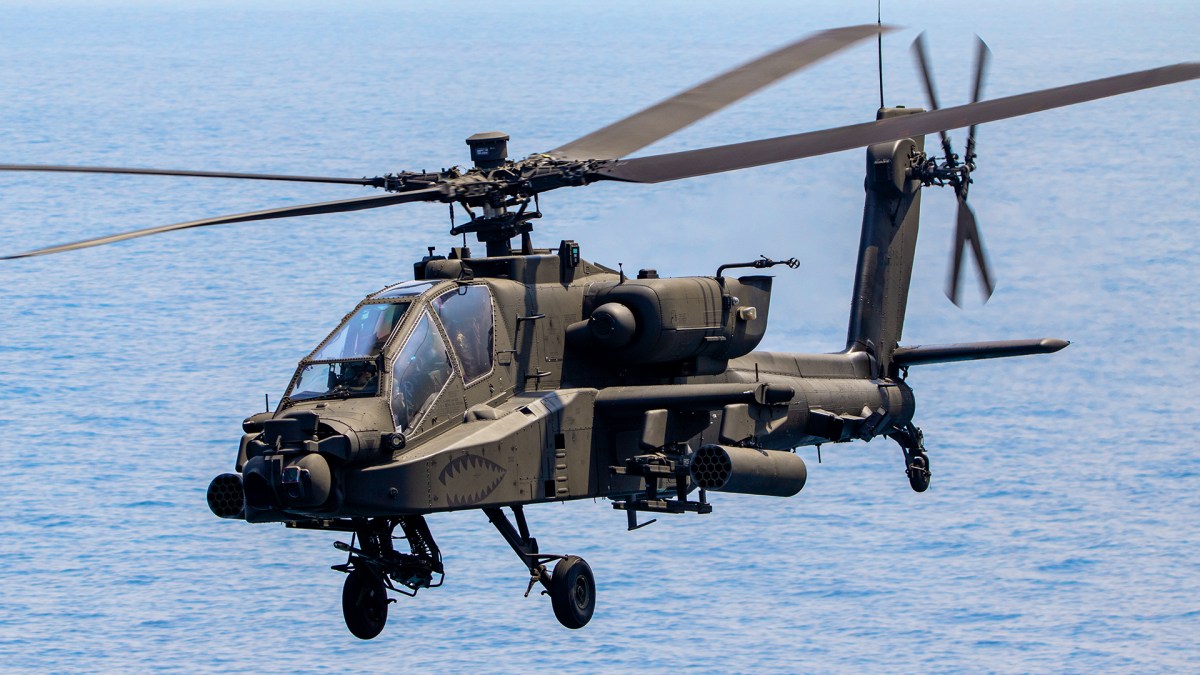
AH-64 Apache Crew Rescued By Drone Boat After Going Down Near Strait Of Hormuz
In a groundbreaking development, an uncrewed surface vessel successfully recovered the crew of an AH-64 Apache helicopter that had gone down near the Strait of Hormuz. This incident marks the first known instance of such a drone boat being utilized for aircrew recovery, signaling a significant advancement in military rescue operations. The event underscores the evolving role of autonomous technology in enhancing operational capabilities and safety for aircrews in challenging environments. As military forces increasingly integrate unmanned systems into their strategies, this successful recovery operation may pave the way for future applications of drone technology in various rescue and support missions.
News & Features AH-64 Air Around The Globe Helicopters Iran
Thales’ new radio frequency weapon destroys 80 drones with zero ammo use in trials
A cutting-edge radio frequency weapon has demonstrated its effectiveness by successfully neutralizing 80 drones in recent tests. Developed by a leading defense technology company, this innovative system aims to address the growing threat posed by unmanned aerial vehicles. The tests were conducted in October 2023 at a designated military facility, showcasing the weapon's capabilities in real-world scenarios. The motivation behind this development stems from increasing concerns over drone usage in both military and civilian contexts, where they can be employed for surveillance or attacks. By disrupting the communication signals of these drones, the radio frequency weapon effectively renders them inoperable, providing a strategic advantage in airspace security. The successful deployment of this technology marks a significant advancement in counter-drone measures, as military forces around the world seek reliable solutions to mitigate potential risks associated with drone operations.

Palladyne AI and IAI Form Partnership to Manufacture and Sell Combat-Proven Loitering Munition Systems to the U.S. Department of War
Palladyne AI has secured exclusive rights for the production and marketing of loitering munition systems in the United States, a move aimed at enhancing military capabilities. This partnership is set to bolster the effectiveness of air defense suppression and long-range strike operations in various tactical environments. The agreement underscores the growing demand for advanced military technologies, particularly as nations seek to modernize their defense strategies. By leveraging innovative loitering munitions, Palladyne AI aims to provide armed forces with improved tools to address contemporary threats effectively.
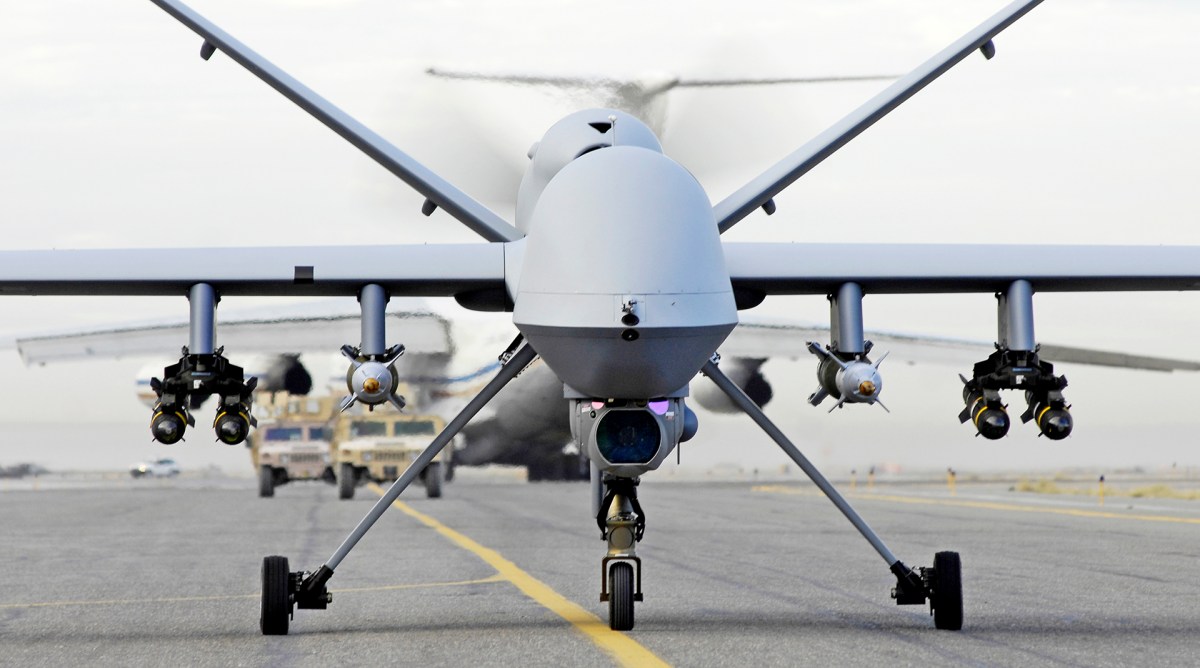
USAF Scrambling To Buy What Few MQ-9 Reapers It Can Find After Epic Fury Losses
The United States Air Force (USAF) is urgently seeking to acquire any available MQ-9 Reaper drones that are no longer in production, following significant losses in recent conflicts against Iran and Houthi forces. The demand for these unmanned aerial vehicles has surged as the USAF aims to replenish its fleet after experiencing a substantial number of casualties in combat operations. This situation highlights the ongoing challenges faced by the military in maintaining operational capabilities amid escalating tensions in the region. The effort to secure these drones underscores the critical need for advanced surveillance and strike capabilities as the USAF navigates the complexities of modern warfare.
Air Around The Globe Drones Iran Middle East News & Features
Boeing validates stealth capability of MQ-28 Ghost Bat
Boeing has confirmed the stealth capabilities of its MQ-28 collaborative combat aircraft (CCA) after conducting radar cross-section (RCS) tests aimed at assessing its survivability and detection risks. The tests, which are part of Boeing's ongoing efforts to enhance the aircraft's operational effectiveness, demonstrate the company's commitment to developing advanced military technology. The results indicate that the MQ-28 can effectively minimize its radar signature, thereby increasing its chances of evading enemy detection. This validation comes as military forces worldwide seek to integrate more advanced, stealthy unmanned systems into their operations, reflecting a growing emphasis on survivability in modern combat scenarios.
News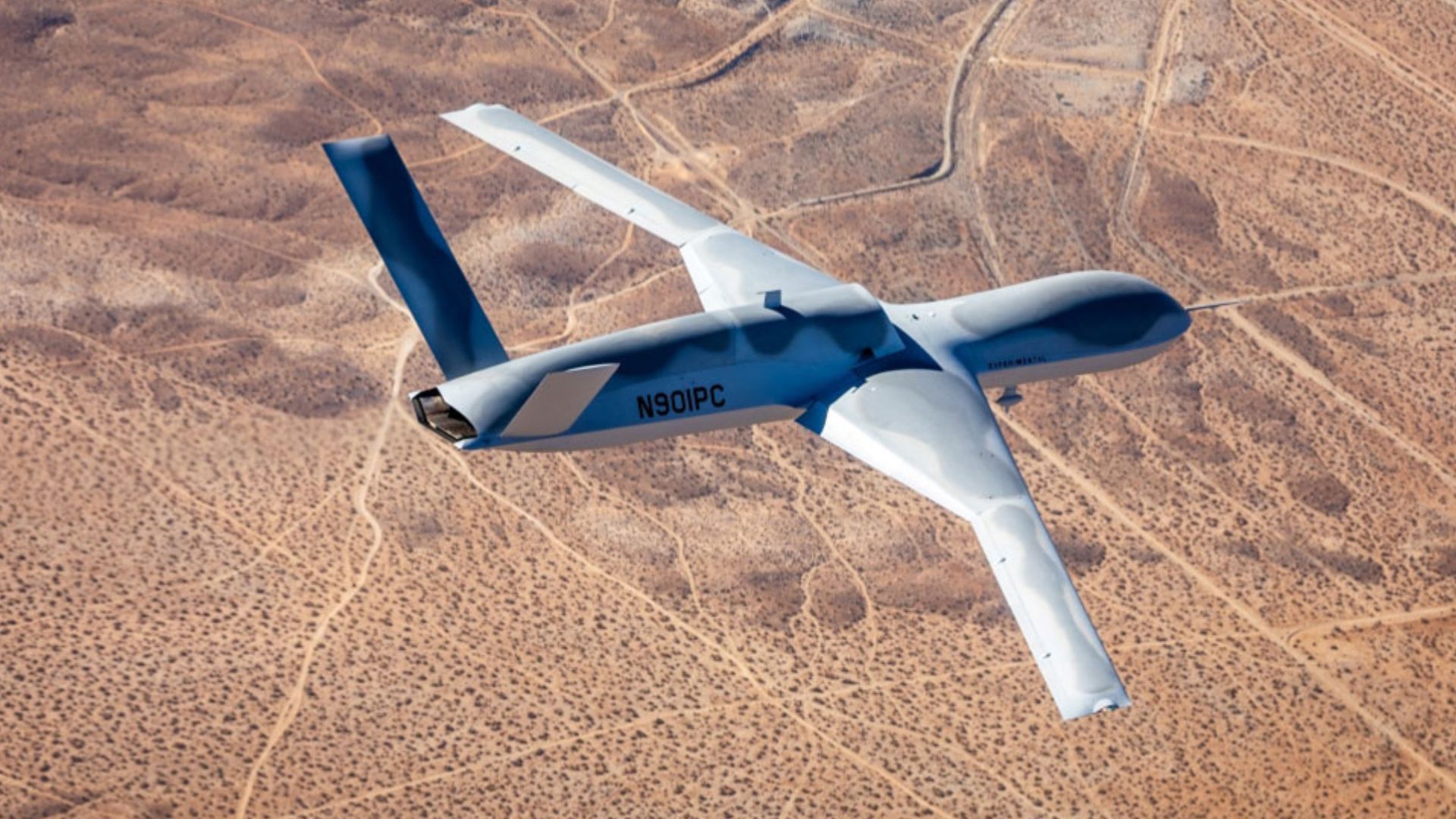
‘Loyal wingman’ test: F-35 fighter jet and MQ-20 drone display manned-unmanned teaming
General Atomics has successfully demonstrated interoperability between the F-35 fighter jet and its advanced drone systems. This achievement, announced recently, marks a significant milestone in enhancing military capabilities and operational efficiency. The demonstration took place at a military testing facility, showcasing how the F-35 can seamlessly integrate with unmanned aerial vehicles (UAVs) to improve mission effectiveness. The motivation behind this development stems from the growing need for advanced warfare strategies that leverage both manned and unmanned systems. By ensuring that the F-35 can communicate and coordinate with drones, General Atomics aims to provide military forces with a more versatile and responsive combat platform. This interoperability is expected to enhance situational awareness and decision-making during complex missions. The successful integration was achieved through rigorous testing and validation processes, which involved real-time data sharing and tactical coordination between the aircraft and drones. This advancement not only underscores General Atomics' commitment to innovation in defense technology but also positions the F-35 as a pivotal asset in future military operations.
Robotics needs a service framework.
RSF defines a common language for robot service capability, lifecycle operations, certification pathways, and service-provider networks.