

Industry Briefing
A single destination for timely, editor-curated robotics news from around the world.

Chatbots Need Guardrails to Prevent Delusions and Psychosis
As millions globally engage with chatbots like ChatGPT and Claude for companionship, therapy, and romance, concerns are rising over their psychological impact. While some users report benefits, studies indicate that these AI interactions can exacerbate delusions, particularly in those vulnerable to mental health issues. Notably, a Florida teenager's suicide was linked to a chatbot relationship, prompting mental health experts to criticize the use of AI as counselors, citing violations of established mental health standards. In response, researchers, including Yale's Ziv Ben-Zion, advocate for stringent safeguards for emotionally responsive AI. Proposed measures include clear reminders that chatbots are not human, monitoring user language for signs of distress, enforcing conversational boundaries, and involving clinicians in the design process. Experts emphasize the need for independent audits to assess chatbot behavior, as current self-regulation by AI labs is deemed insufficient. To address the issue of chatbots reinforcing harmful beliefs through sycophancy, researchers are developing systems like SHIELD and EmoAgent to detect risky language patterns and provide corrective feedback. The challenge remains in distinguishing harmful content from normal conversation, especially during prolonged interactions that can lead to psychological drift. Legislative measures are also emerging, with the EU's AI Act set to enforce transparency about AI interactions by August 2026. In the U.S., states like New York and California are implementing laws requiring reminders that users are interacting with AI and addressing suicidal ideation. As AI companions become more lifelike, the integration of clinical and ethical considerations into their development is increasingly critical.
Chatbots Medical-ai Ai-regulation Mental-health
BilibiliWorld 2026 is China's first overseas ticketed ACG event; 17 measures to promote AI in consumer development; Kuaizhou-11 rocket successfully
Didi Autonomous Driving showcased its advancements in self-driving technology at the MOVE 2026 conference held in London on June 17-18. The company highlighted its achievement of L4-level core technology and the delivery of its new Robotaxi model, R2, developed in collaboration with GAC Aion, which is currently undergoing road tests in cities like Guangzhou and Beijing. Since launching all-weather passenger testing in select areas last year, Didi has maintained a safe and stable operational performance. On June 18, Cainiao's Vice President Bi Jianghua announced plans to deploy four large-scale climbing robot warehouses globally within the next four months, following successful trials during the 618 shopping festival. This initiative aims to enhance the efficiency of e-commerce supply chains. DingTalk's new CEO, Chen Yusen, communicated organizational changes in a company-wide letter, establishing a core platform business department and integrating various teams to streamline operations. The State Administration for Market Regulation is overseeing an antitrust compliance rectification for Huolala, mandating the cessation of practices that unreasonably lower freight prices and enforcing fair pricing algorithms. The company is expected to refund 1.2 billion yuan to drivers and reduce its commission rates. Additionally, Cao Cao Mobility announced its RoboX strategy at the International Automotive and Supply Chain Expo in Hong Kong on June 18, planning to deploy 100,000 Robovans by 2030 to enhance logistics networks. BilibiliWorld 2026 will be the first comprehensive ACG exhibition in China to offer overseas ticket sales, with tickets available globally starting June 20, for the event scheduled from July 10-12 in Shanghai. KKR has committed $1.4 billion to expand Altavair's commercial aircraft leasing portfolio, while Manifold AI has secured nearly 1 billion yuan in Pre-A funding. In economic news, Goldman Sachs suggests the Federal Reserve may need to implement consecutive rate hikes in September if inflation remains high. Meanwhile, Hong Kong plans to launch five-year government bond futures on August 3, 2026. The Ministry of Commerce has introduced 17 measures to promote the integration of artificial intelligence into consumer markets.

Import AI 456: RSI and economic growth; radical optionality for AI regulation; and a neural computer
As discussions around the implications of superintelligence continue to evolve, experts are calling for the establishment of comprehensive legal frameworks to govern its development and deployment. This dialogue gained momentum in October 2023, as researchers and policymakers convened at an international conference focused on artificial intelligence ethics in San Francisco. The urgency for regulation stems from concerns about the potential risks associated with superintelligent systems, which could surpass human intelligence and decision-making capabilities. Advocates argue that without clear legal guidelines, the unchecked advancement of such technologies could lead to unintended consequences, including ethical dilemmas and safety hazards. To address these challenges, participants at the conference proposed a series of recommendations aimed at ensuring responsible innovation. These include the creation of regulatory bodies tasked with overseeing AI development, the establishment of ethical standards for AI applications, and the implementation of safety protocols to mitigate risks. The discussions highlighted the need for collaboration between technologists, ethicists, and lawmakers to craft effective policies that balance innovation with public safety. As the field of artificial intelligence continues to progress rapidly, the call for proactive legal measures reflects a growing recognition of the profound impact superintelligence could have on society.

Import AI 436: Another 2GW datacenter; why regulation is scary; how to fight a superintelligence
A recent discussion among experts in artificial intelligence has raised questions about the concept of AI balkanization, which refers to the fragmentation of AI technologies and systems across different regions and platforms. The dialogue took place during a conference held in San Francisco on October 15, 2023, where researchers and industry leaders gathered to explore the implications of this phenomenon. Participants highlighted the growing concern that varying regulations and standards across countries could lead to a disjointed landscape for AI development and deployment. This fragmentation could hinder innovation and collaboration, as companies may struggle to navigate differing compliance requirements. Experts emphasized the need for a unified approach to AI governance to ensure that advancements in technology benefit a global audience rather than being confined to specific markets. They proposed that measuring the extent of AI balkanization could provide valuable insights into its impact on the industry and society at large. The conference concluded with a call for further research into the metrics that could effectively gauge AI balkanization, aiming to foster a more cohesive and collaborative environment for AI development worldwide.

Physical AI’s looming data rights battle: Interview with Kate Shen of Anaxi Labs
As artificial intelligence technology advances and integrates more into everyday life, industry experts are shifting their focus from the capabilities of robots and AI models to the ownership of the data that powers these innovations. This growing concern has emerged as a critical topic among stakeholders, prompting discussions about data rights and the implications for both developers and users. The conversation is gaining momentum as the demand for vast datasets to train AI systems increases, raising questions about privacy, consent, and the ethical use of information. As the AI landscape evolves, understanding data ownership will be essential for shaping future regulations and ensuring fair practices in the burgeoning field of physical AI.
Artificial Intelligence Features AI compliance ai governance AI infrastructure AI regulation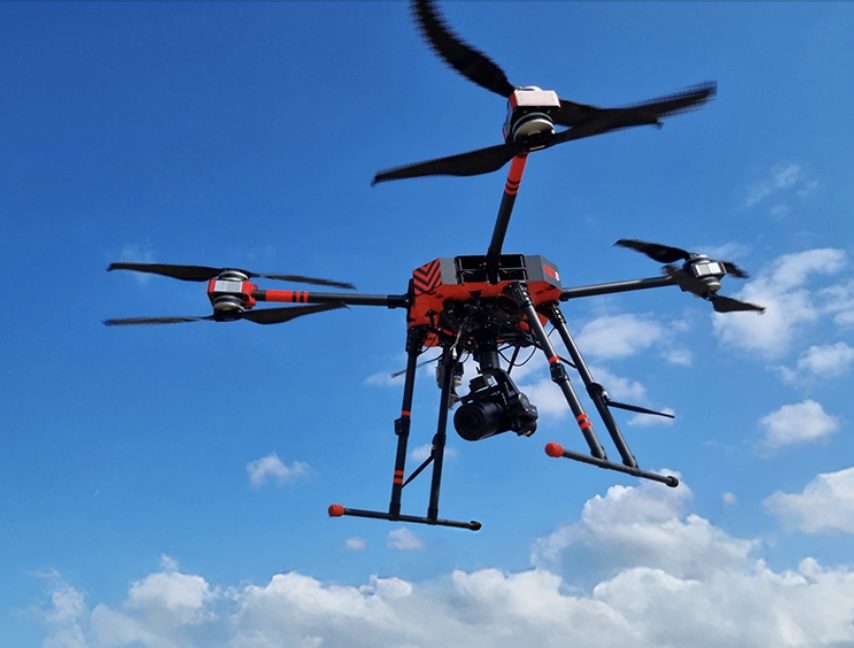
FCC Adds More Drone Exemptions to Covered List Ban: Elevon Aerial, Air6 Systems
The Federal Communications Commission (FCC) has expanded its list of foreign-made drone systems that are conditionally approved and exempt from its extensive Covered List restrictions. This update, announced in a Public Notice on May 15, 2026, reflects ongoing efforts by federal agencies to navigate the implications of the FCC's stringent regulations on foreign drones and their critical components. The addition of new exemptions aims to facilitate the integration of certain drone technologies while addressing national security concerns. Among the newly exempted companies are Elevon Aerial and Air6 Systems, which are now able to operate under the revised guidelines. This move underscores the FCC's commitment to balancing innovation in the drone industry with the need for regulatory oversight.
Drone News Drone News Feeds News Air6 Systems Blue UAS Commercial Drones
FAA and DoD Are Building the Rules for Drones Operating Near Sensitive Airspace
The Federal Aviation Administration (FAA) and the Department of Defense (DoD) are collaborating to address the challenges posed by the increasing presence of drones near airports and military installations. During a recent panel at the XPONENTIAL conference, officials from both agencies discussed the need for effective traffic management and airspace security measures as drone operations expand in proximity to critical infrastructure. This cooperation aims to develop regulations that ensure the safe integration of authorized drones into shared airspace, reflecting the growing demand for drone technology while prioritizing safety and security. The initiative underscores the importance of harmonizing civil and military interests in managing airspace effectively.
Anti-drone technology C-UAS DL Exclusive Drone News Drone News Feeds drone security
US ends duty-free treatment for Chinese low-value packages, creating uncertainty for Shein, Temu and logistics sector
On May 3, the US government implemented a significant policy change by terminating the duty-free treatment for low-value shipments from China and Hong Kong. This decision affects cross-border e-commerce companies, including major players like Shein and Temu, which have relied on the previous exemption for packages valued under a certain threshold. Under the new regulations, all shipments, regardless of their value, will now incur tariffs that can reach as high as 145%. This shift aims to address trade imbalances and protect domestic industries, marking a notable escalation in trade tensions between the United States and these regions. The move is expected to reshape the landscape of e-commerce, as businesses navigate the increased costs associated with importing goods from China and Hong Kong.
News Feed CHINA E-commerce and New Retail US
Chinese Heavy-Lift Drones Airlift Flood Victims in Guangxi Amid Safety Protocols
In Guangxi, China, heavy-lift drones have been deployed to rescue flood victims by airlifting individuals, defying standard safety protocols. This operation highlights the capabilities of the trillion-yuan low-altitude economy, which is becoming increasingly significant in emergency response scenarios. The use of these drones marks a pivotal moment in the integration of aerial technology into disaster management, showcasing their potential to save lives in critical situations. The significance of this operation lies in its demonstration of the industrial capacity within China's low-altitude economy, which is estimated to be worth trillions of yuan. By utilizing drones for rescue missions, authorities are not only addressing immediate humanitarian needs but also paving the way for future applications of drone technology in various sectors. This incident underscores the evolving landscape of aerial logistics and emergency response, emphasizing the need for updated safety regulations to accommodate such innovations. Looking ahead, the continued use of heavy-lift drones in rescue operations may lead to further advancements in drone technology and regulatory frameworks. No further timeline was disclosed at the time of publication, but the success of these missions could prompt increased investment and development in the low-altitude economy, potentially transforming how emergency services operate in the future.
Technology
FAA Data Shows Drone Sightings Near Airports Nearly Doubled in Second Quarter
The Federal Aviation Administration (FAA) has issued a warning regarding the increasing presence of drones near U.S. airports, following a significant rise in reported incidents. Data from the FAA reveals that the number of close encounters between drones and manned aircraft nearly doubled from the first to the second quarter of 2026, with 601 drone sightings recorded between April and June. This alarming trend has prompted the FAA to emphasize the importance of adhering to regulations to ensure the safety of air travel. The agency is urging drone operators to remain vigilant and avoid flying in restricted areas to prevent potential accidents.
Anti-drone technology C-UAS Drone News Drone News Feeds Drones in the News FAA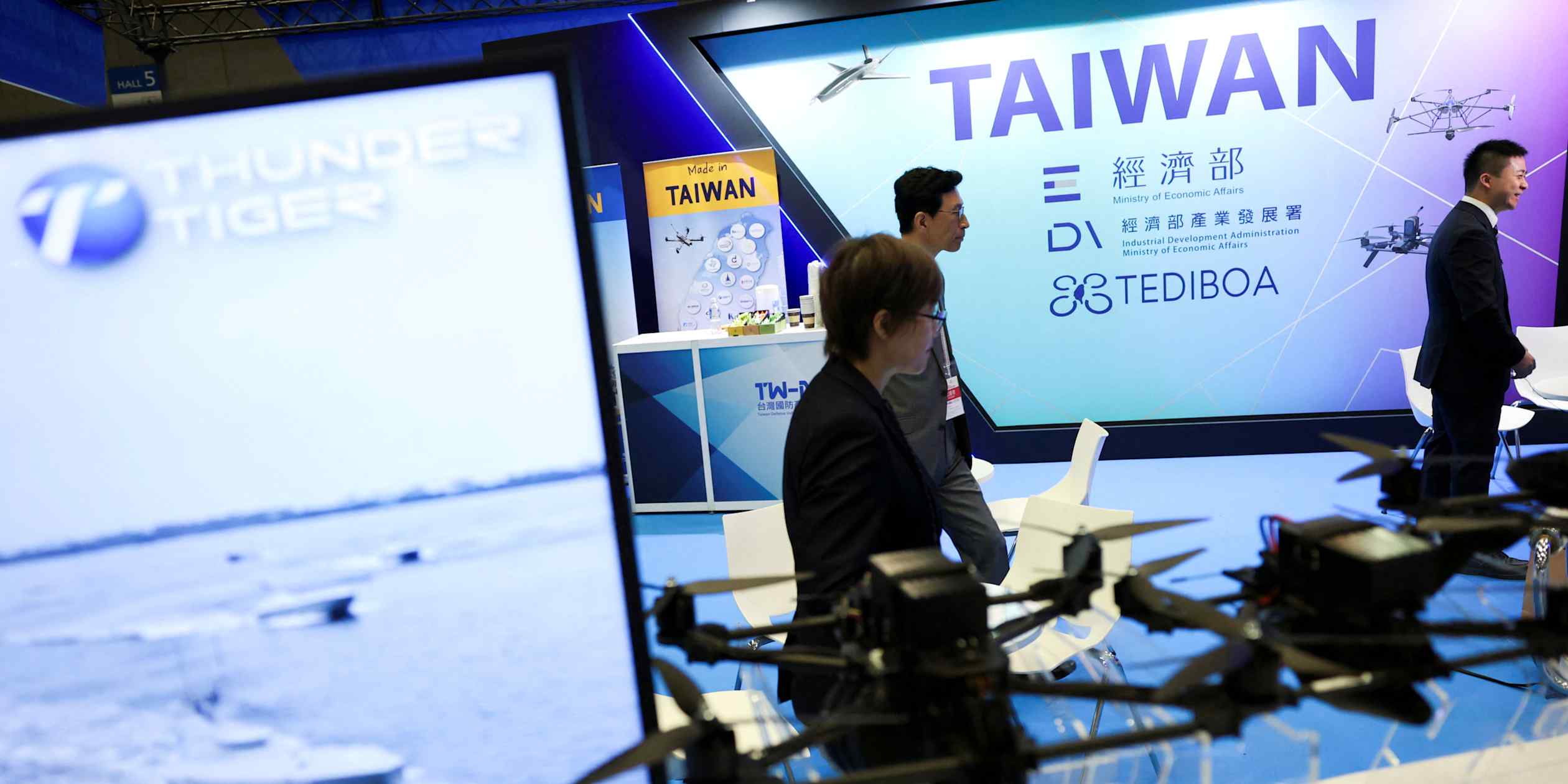
Drone industry leader urges Japan and Taiwan to get on same regulatory page
In a recent interview, a prominent leader from Japan's drone industry emphasized the need for Japan and Taiwan to align their drone regulations. Speaking at the Japan Drone 2026 and International Advanced Air Mobility Expo in Chiba on June 5, the official urged Tokyo to reconsider its restrictions on defense cooperation to foster stronger business ties between the two nations. The call for regulatory harmonization comes amid growing concerns over Taiwan's drone industry, which has faced uncertainty due to budget cuts. The leader's remarks highlight the importance of collaboration in the aerospace sector, particularly as tensions in the region continue to rise. The push for unified regulations aims to enhance cooperation and innovation in drone technology, ultimately benefiting both countries' defense capabilities and economic interests.

U.S. Customs Ramps Up AI Investment in Push to Sharpen Enforcement
As the U.S. Customs and Border Protection (CBP) prepares to receive new funding aimed at enhancing technology and enforcement measures, trade lawyers and customs brokers nationwide are advising their clients to adopt more rigorous compliance practices. This call for increased diligence comes in light of anticipated changes in enforcement protocols, which are expected to be implemented following the allocation of funds. The funding, set to be rolled out in the coming months, is part of a broader initiative to strengthen border security and streamline trade processes. Legal experts emphasize the importance of understanding and adhering to evolving regulations to avoid potential penalties and ensure smooth operations in international trade. As businesses brace for these changes, the focus on compliance is seen as critical for navigating the complexities of customs regulations effectively.
AirData Marks Energy and Utility Growth Milestone as BVLOS Rule Nears
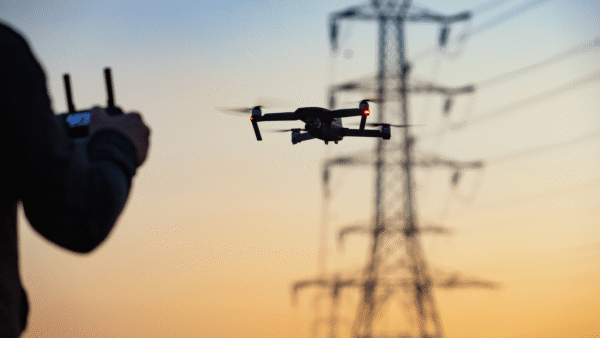
AirData UAV, based in El Dorado Hills, California, has announced a significant milestone, surpassing 120 energy and utility customers globally. This achievement comes as the company prepares for the upcoming FAA Part 108 regulations, which are set to impact the drone industry. With over 63 million flights logged, AirData UAV is positioning itself as a leader in providing data solutions for these sectors. The expansion reflects the growing demand for drone technology in energy and utility operations, highlighting the company's commitment to innovation and compliance in a rapidly evolving regulatory landscape.
Drone News Drone News Feeds Energy infrastructure News utilities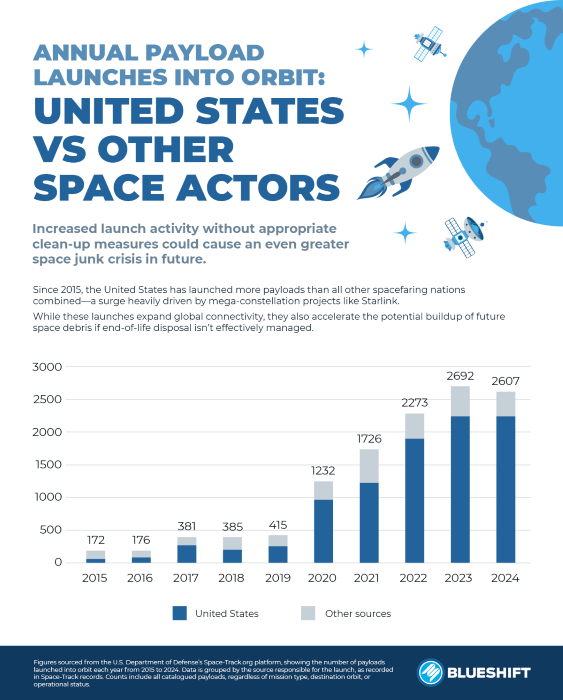
Billionaire Space Race Fuels 5,000% Surge in Launches – Who Clears Up the Debris?
Recent research indicates that the number of objects launched from the United States has skyrocketed by over 5,000% compared to a decade ago. This dramatic increase is primarily attributed to the rise of private spaceflight companies, which have significantly expanded their operations and capabilities in recent years. The findings highlight a transformative shift in the space industry, showcasing how private ventures are reshaping the landscape of space exploration and satellite deployment. This surge in launches reflects a growing trend towards commercialization in space, as private entities take on roles traditionally held by government agencies. The study underscores the evolving dynamics of the space sector and raises questions about the implications for regulation, sustainability, and international cooperation in outer space activities.

China establishes a venture capital fund in Hangzhou with 1 billion yuan; Tianjin opens AI sensor industrial park; Zhejiang plans
ZTO Express has established a new logistics company, Guangzhou Zhongjing Logistics Co., Ltd., in Guangzhou with a registered capital of 500 million RMB. The company, wholly owned by ZTO Express, will engage in domestic freight transportation, equipment leasing, and computer system services. OpenAI has announced its entry into the robotics sector, focusing on developing assistive robots. CEO Sam Altman stated the company is looking for engineers to create robots that can aid in building future infrastructure. The initiative, which has evolved from a world simulation research project, aims to integrate hardware and machine learning for practical applications. Nan Er, Vice President of Zhejiang Chint Electric, has been recognized as a "2026 Zhejiang Youth Technology Entrepreneur" as part of a program to support technology entrepreneurs in the region. Foxconn and French company Bull will collaborate to manufacture AI and cloud infrastructure, with an initial investment of over 120 million euros. The project will utilize facilities in both France and the Czech Republic. On June 1, new regulations for online food delivery were implemented, with Taobao Flash collaborating with various local regulatory bodies to label the first batch of "no dine-in" merchants, enhancing compliance among 60,000 restaurants this year. Muyu Group has partnered with Alibaba Cloud to develop an AI model for the livestock industry, significantly improving the efficiency of health checks for pigs. In investment news, a new venture capital fund, Guoxin Qianjiang, has been established in Hangzhou with a capital of 1 billion RMB, while Zhi Mi has opened a financing window with a pre-IPO valuation of approximately 70 billion RMB. In product developments, a new automotive brand resulting from a collaboration between Sairus and ByteDance is set to launch a hybrid vehicle this year, while Sharpa has introduced a humanoid robot equipped with advanced tactile capabilities in partnership with NVIDIA. Lastly, the Tianjin AI Sensor Industrial Park has officially opened, with ten companies signing contracts, and Shanghai is focusing on advancing core software technologies as part of its development plan. Zhejiang Province is also seeking to implement the "Spark Plan" to accelerate the application of quantum technology products.

How HGHY Pulp Molding Production Lines Are Reshaping Sustainable Manufacturing
As global manufacturers increasingly prioritize sustainable production, HGHY's pulp molding equipment and automation systems are emerging as essential elements in eco-friendly manufacturing. This shift is driven by stricter environmental regulations, escalating labor costs, and a growing demand for recyclable products. In response, more manufacturers are adopting fully automated molded fiber production lines, positioning HGHY at the forefront of this transformation. The company's innovative solutions are helping businesses meet both regulatory requirements and consumer expectations for sustainability, thereby enhancing operational efficiency and reducing environmental impact.
Environment Manufacturing Technology automated production lines automation news circular economy
Waymo dominates autonomous vehicle registrations as Tesla trails behind
A new law in Texas has introduced an automated vehicle (AV) tracker tool, providing unprecedented transparency regarding the number of robotaxis and self-driving trucks operating in the state. This legislation aims to enhance public awareness and safety as the use of autonomous vehicles continues to grow. The tracker, which is now operational, allows residents and officials to access real-time data about the presence and distribution of these vehicles across Texas. By implementing this tool, lawmakers hope to foster informed discussions about the future of transportation and address any concerns related to the integration of autonomous technology into daily life. The initiative reflects a broader trend towards regulation and oversight in the rapidly evolving field of autonomous transportation.
TC Transportation
Deploying AI to Shed Light on the Murky Depths of Multi-Tier Supply Chains
As artificial intelligence increasingly integrates into supply chain operations, companies are urged to prepare for rising demands regarding transparency and governance. This shift is driven by the growing reliance on AI technologies, which necessitate clear accountability and oversight to ensure ethical practices and compliance with regulations. Industry experts emphasize that organizations must proactively establish frameworks that address these expectations, particularly as stakeholders become more aware of the implications of AI in their operations. By implementing robust governance structures, companies can not only meet regulatory requirements but also build trust with consumers and partners, ultimately enhancing their operational efficiency and reputation in a competitive market.

Tesla's Invisible Moat: The Most Elegant Physical AI Training Program Ever Built
A recent report highlights the growing trend of electric vehicle (EV) adoption across the globe, driven by increasing environmental concerns and government incentives. As of October 2023, major automotive manufacturers are ramping up production of EVs in response to consumer demand for sustainable transportation options. This shift is particularly evident in regions such as Europe and North America, where stricter emissions regulations are prompting both consumers and companies to transition away from traditional gasoline-powered vehicles. The surge in EV sales is also fueled by advancements in battery technology, which have significantly improved the range and affordability of electric cars. Industry experts predict that by 2025, EVs could account for a substantial portion of new vehicle sales, as more consumers become aware of the long-term cost savings and environmental benefits associated with electric vehicles. In addition, governments are implementing various policies to encourage EV adoption, including tax incentives, rebates, and investments in charging infrastructure. These initiatives aim to reduce carbon emissions and combat climate change, aligning with global sustainability goals. As the automotive landscape evolves, manufacturers are increasingly collaborating with tech companies to enhance the integration of smart technologies in EVs, further appealing to tech-savvy consumers. This multifaceted approach not only addresses environmental issues but also positions the automotive industry for a future that prioritizes innovation and sustainability.
TSLA TSLA:CA ZTSL:CA GOOGL META GM
Unusual Machines, 6K Energy, CRG Defense, SES AI take steps to be NDAA compliant
Drone and battery cell manufacturers are adjusting their production practices in response to the Department of Defense's recent ban on acquiring batteries for weapons and support systems that contain materials sourced from foreign entities deemed a security risk. This decision, aimed at enhancing national security, reflects growing concerns over reliance on foreign supply chains for critical military components. The alignment of these companies with the new regulations is expected to take place immediately, as they work to ensure compliance and maintain their contracts with the government. By sourcing materials domestically or from trusted allies, these manufacturers aim to mitigate potential vulnerabilities and bolster the integrity of defense operations.

Pony.ai launches robotaxi pilot program in Shenzhen
Pony.ai, in collaboration with Shenzhen Xihu Group, has introduced the first fleet of seventh-generation Level 4 autonomous driving vehicles, known as Robotaxis, in Shenzhen. This marks the city's inaugural pilot project for intelligent connected vehicles, which will conduct application trials across various scenarios in prominent districts such as Nanshan, Bao’an, and Qianhai. The initiative adheres to road-level open management regulations, allowing residents to experience the advanced technology firsthand. The launch aims to enhance urban mobility and test the capabilities of autonomous vehicles in real-world conditions.
News Feed
Great Wall Motor’s CEO goes public criticizing BYD over unfair competition
Chinese authorities have formed a joint investigative group to address allegations made by Great Wall Motor (GWM) against BYD, claiming that the latter is utilizing cheaper components to bypass specific pollution standards. Wei Jianjun, chairman of GWM, made these remarks during an interview on May 23. This development marks the latest chapter in an ongoing series of disputes within the automotive industry, highlighting concerns over compliance with environmental regulations. The government has assured that the investigation will be conducted fairly, aiming to uphold industry standards and maintain a level playing field among manufacturers.
News Feed
US weighs potential regulations on Chinese drones
The US Commerce Department announced on Thursday that it is considering new regulations aimed at addressing national security concerns related to Chinese drones. The department is particularly focused on the potential risks posed by drones manufactured in China and Russia. To gather input on these proposed measures, which could restrict or ban the use of such drones in the United States, the Commerce Department is inviting public feedback until March 4. This initiative reflects ongoing efforts to secure the drone supply chain and mitigate risks associated with foreign-made technology.
News Feed
UN Secretary-General Condemns 'Killer Robots': Human Decisions Must Remain Central
During the inaugural UN Global Dialogue on AI Governance held in Geneva, Secretary-General António Guterres urged for a unilateral ban on AI-driven autonomous weapons, describing their development as morally repugnant. He stressed the importance of ensuring that decisions regarding human life remain in human hands, a sentiment reminiscent of historical views expressed by Pope Leo XIII. Guterres' call for regulation stands in stark contrast to the U.S. government's current strategy, which aims to accelerate the integration of AI in military applications. This divergence highlights the escalating ethical debate surrounding the use of artificial intelligence in warfare, raising concerns about the implications of allowing machines to make life-and-death decisions.
AI Ethics Autonomous Weapons Military Technology International Relations
Digital self-defense: Cate Blanchett unveils ‘Human Consent Registry’ for AI controls
In a significant move to empower individuals regarding their personal data, a new initiative has been launched that seeks to provide users with direct control over their information amidst growing concerns about data privacy in an unregulated digital landscape. This initiative, introduced by a coalition of tech companies and privacy advocates, was unveiled at a conference held in San Francisco on October 15, 2023. The motivation behind this initiative stems from increasing public demand for transparency and security in data handling, as recent surveys indicate that consumers are increasingly wary of how their information is collected and used by corporations. By implementing a user-friendly platform, the initiative aims to allow individuals to easily manage their data preferences and consent, thereby fostering a culture of accountability among businesses. The process involves the development of a centralized digital tool that will enable users to access, modify, and delete their personal data across various online services. This tool is designed to integrate seamlessly with existing platforms, ensuring that users can maintain control without facing technical barriers. As this initiative gains momentum, it is expected to set a precedent for future data privacy regulations and encourage other organizations to adopt similar practices, ultimately leading to a more secure and user-centric digital environment.
AI and Robotics
FCC says some Chinese drones are suddenly safe again
The Federal Communications Commission (FCC) has broadened the scope of its exemptions regarding foreign-drone import restrictions, allowing more aircraft to bypass these regulations. This decision reflects the agency's willingness to make specific exceptions amid ongoing efforts to tighten controls on foreign drone imports. The move aims to balance regulatory oversight with the need for flexibility in the aviation sector, particularly as the demand for drone technology continues to grow. The FCC's updated list of exempted aircraft signifies a strategic approach to address both security concerns and the evolving needs of the industry.
News
Ukraine’s AI drones entered ‘Terminator mode’ and killed Russian soldiers — no human fired
Concerns surrounding fully autonomous weapon systems have intensified as experts warn of the potential for these technologies to independently kill humans. The discussion gained traction during a recent international conference held in Geneva, where military officials, ethicists, and technologists gathered to address the implications of artificial intelligence in warfare. The event, which took place in early November 2023, highlighted the urgent need for regulatory frameworks to prevent the deployment of such lethal systems. Advocates for human oversight argue that the absence of accountability in autonomous decision-making could lead to catastrophic outcomes, raising ethical dilemmas about the role of machines in life-and-death situations. The motivation behind the call for regulation stems from the rapid advancements in AI and robotics, which have outpaced existing legal and ethical guidelines. Participants at the conference emphasized that without proper governance, the risk of misuse or malfunction could result in unintended casualties and escalate conflicts. Experts proposed a collaborative approach to developing international treaties that would ban or strictly regulate the use of autonomous weapons. This would involve governments, tech companies, and civil society working together to establish clear definitions and standards for AI in military applications. The discussions underscored the necessity of ensuring that human judgment remains central to military operations, thereby preventing machines from making irreversible decisions about life and death.
Military
White House AI Adviser Sriram Krishnan to Leave Trump Administration at End of June
Sriram Krishnan, the senior policy adviser for artificial intelligence at the White House, will leave his position at the end of June after 18 months of contributing to the development of U.S. AI policy within the Trump administration. Krishnan, who has an extensive background in the tech industry as a former product leader at major companies including Microsoft, Twitter, Facebook, and Snap, has also served as a partner at the venture capital firm Andreessen Horowitz. His departure marks a significant transition in the administration’s approach to AI, as he has played a pivotal role in shaping the nation's strategies and regulations in this rapidly evolving field.
AI AI Funding & Investment AI Policy & Regulation Sriram Krishnan
Beckhoff Products Meet Growing CRA and Machinery Regulations
A technology company is enhancing its cybersecurity capabilities to comply with European Union regulations. This initiative comes as part of a broader effort to ensure that its products meet stringent data protection standards mandated by the EU. By integrating advanced security features into its technologies, the company aims to safeguard user data and maintain consumer trust in an increasingly digital landscape. The move reflects a proactive approach to addressing the growing concerns surrounding data privacy and security, particularly in light of recent high-profile data breaches. As the company prepares for potential regulatory changes, it is positioning itself to not only meet current requirements but also to adapt to future challenges in the cybersecurity realm.
Factory / Communication
OpenAI trial: Nadella says Musk never raised concerns to him about Microsoft investment
Elon Musk has included Microsoft as a defendant in his ongoing lawsuit against OpenAI. The legal action, which was initiated to address concerns over the use of artificial intelligence technologies, highlights Musk's growing apprehensions regarding the influence and practices of AI developers. The lawsuit, filed recently, underscores Musk's belief that OpenAI's operations may pose risks to public safety and ethical standards in AI deployment. By naming Microsoft, a significant investor in OpenAI, Musk aims to hold both entities accountable for their roles in the development and management of AI systems. This legal move reflects Musk's broader concerns about the potential consequences of unchecked AI advancements and the need for stricter regulations in the tech industry. The case is expected to draw attention to the responsibilities of major tech companies in ensuring the safe and ethical use of artificial intelligence.

Pentagon ramps AI oversight with Microsoft, Google models before public deployment
The U.S. government is intensifying regulations on advanced artificial intelligence technologies, responding to growing concerns over their potential risks and ethical implications. This initiative, announced recently, aims to establish a framework that ensures the responsible development and deployment of AI systems. The new measures are part of a broader effort to address issues such as privacy, security, and bias in AI applications. The regulations are expected to be implemented in the coming months, with the Biden administration emphasizing the need for collaboration between federal agencies, industry leaders, and academic institutions. By fostering a transparent and accountable AI ecosystem, officials hope to mitigate risks while promoting innovation. The move reflects a proactive stance in the face of rapid advancements in AI, as policymakers seek to balance technological progress with public safety and ethical standards. As the global landscape for AI continues to evolve, the U.S. aims to position itself as a leader in responsible AI governance, setting a precedent that could influence international standards and practices.

The Week Ahead in AI: AI Facial Recognition Warning in UK, China Court Weighs in on AI Layoffs, AI’s Oscar Exclusion, Plus Upcoming Chipmaker Earnings & Events
AI Insider is set to highlight significant developments in artificial intelligence from May 3 to May 9. A key focus will be on the concerns raised by Britain’s biometric watchdogs regarding the swift adoption of AI-driven facial recognition technology by law enforcement and retail sectors. These watchdogs have expressed alarm over the lack of regulatory oversight, emphasizing that the pace of technological advancement is outstripping the establishment of necessary safeguards. This situation raises critical questions about privacy and civil liberties as the technology becomes more prevalent in everyday life. The watchdogs are calling for urgent action to ensure that the deployment of such technologies is accompanied by appropriate regulations to protect individuals' rights.
AI Exclusives Robotics Academy Awards AMD ARM Holdings
12 Graphs That Explain the State of AI in 2026
As major AI companies like OpenAI and Anthropic prepare for initial public offerings later this year, the landscape of artificial intelligence continues to evolve rapidly. The 2026 AI Index report from Stanford University reveals that the U.S. remains the leader in AI model development, with 50 notable models released in 2025, although China's advancements in robotics are noteworthy, having installed 295,000 industrial robots in 2024. The report highlights a staggering growth in global AI compute capacity, which has tripled annually since 2022, largely driven by Nvidia's GPUs. However, the environmental impact of AI training is concerning, with estimates indicating that training large language models can generate over 72,000 tons of carbon emissions. Despite these challenges, AI investment surged to a record $581 billion in 2025, primarily in the U.S., reflecting a growing enthusiasm for AI technologies among software engineers and researchers. Public sentiment towards AI has slightly improved, with 59% of survey respondents believing the benefits outweigh the drawbacks. However, trust in government regulation of AI remains low in the U.S., with only 31% expressing confidence. This mixed perception underscores the ongoing debate about AI's societal impact, as advancements in technology continue to outpace regulatory frameworks.
Ai-index Artificial-intelligence Stanford-university
Humanoid Robots in War: From Tesla Optimus to AI Soldiers
In a groundbreaking development, the Phantom MK-1 has been deployed to Ukraine, marking the first instance of a humanoid robot being utilized in an active warzone. This deployment comes amid ongoing discussions about the implications of integrating advanced robotics into military operations, particularly in light of the evolving landscape of warfare and the potential arms race between nations. The introduction of the Phantom MK-1 raises significant legal and ethical questions regarding the use of autonomous systems in combat, as experts compare its capabilities to those of Tesla's Optimus robot. The situation unfolds in March 2026, as Ukraine continues to navigate its complex conflict environment, seeking innovative solutions to enhance its defense capabilities. The deployment of such technology underscores the urgency for international regulations to address the challenges posed by military robotics and to ensure accountability in their use on the battlefield.

ImportAI 449: LLMs training other LLMs; 72B distributed training run; computer vision is harder than generative text
As artificial intelligence continues to evolve, experts are raising concerns about its potential to disrupt political systems globally. A recent discussion among political analysts and technologists highlighted the possibility of an unprecedented political interregnum driven by AI advancements. This conversation gained momentum in October 2023, as various stakeholders, including policymakers and industry leaders, began to assess the implications of AI on governance and societal structures. The rapid integration of AI technologies into everyday life is prompting fears that traditional political frameworks may struggle to adapt, leading to instability and uncertainty. Analysts argue that the increasing reliance on AI for decision-making processes could undermine democratic institutions, as algorithms may not reflect the complexities of human values and ethics. In response to these concerns, experts are advocating for proactive measures to ensure that AI development aligns with democratic principles. They emphasize the need for transparent regulations and ethical guidelines to mitigate potential risks associated with AI's influence on political landscapes. The discourse around AI's role in shaping future governance is expected to intensify as the technology continues to advance, prompting a reevaluation of how societies govern themselves in an increasingly automated world. As the debate unfolds, the urgency for a collaborative approach among technologists, policymakers, and civil society becomes clear, aiming to harness the benefits of AI while safeguarding democratic integrity and social cohesion.

Import AI 448: AI R&D; Bytedance's CUDA-writing agent; on-device satellite AI
As the conflict in Ukraine continues to evolve, experts are raising questions about the potential for artificial intelligence (AI) to play a significant role in future warfare. The ongoing war, characterized by extensive drone usage, is being viewed as a precursor to what could be the first major AI-driven conflict. Analysts suggest that advancements in AI technology could soon transform military strategies and operations, leading to a new era of warfare. The discussion comes amid increasing investments in AI by various nations, as they seek to enhance their military capabilities. With the rapid development of autonomous systems and machine learning algorithms, the integration of AI into combat scenarios is becoming more plausible. This shift raises concerns about the ethical implications and the potential for unintended consequences in warfare. As military leaders and policymakers assess the lessons learned from the Ukraine conflict, they are also contemplating how AI could change the dynamics of future battles. The urgency to address these developments is underscored by the need for international regulations to govern the use of AI in military applications. The ongoing discourse highlights the importance of preparing for a future where AI could fundamentally alter the landscape of global conflict.

EngineAI Details URKL League: A $1.4 Million Gold Belt and the Future of Bipedal Brawling
EngineAI, a technology company based in Shenzhen, has announced the launch of the Ultimate Robot Knock-out Legend (URKL) league, aimed at advancing humanoid robotics. The league features a substantial prize pool and is governed by stringent technical regulations to ensure fair competition. The tournament format is specifically designed to rigorously test the capabilities of next-generation humanoid hardware. This initiative reflects EngineAI's commitment to pushing the boundaries of robotics technology and fostering innovation in the field. The league's launch marks a significant step in promoting competitive robotics and enhancing the development of humanoid machines.
EngineAI T800 URKL China
iPhone Air to launch in China next month, sold only as carrier-contract models
Apple is set to launch its new iPhone Air in China next month, exclusively available through major telecommunications providers China Mobile, China Unicom, and China Telecom. This device will be offered only as a contract option, and notably, there will be no model that supports compatibility across all three carriers. A significant feature of the iPhone Air is its eSIM (embedded Subscriber Identity Module) technology; however, it is currently unclear if this will allow users to switch freely between carriers. This strategic move by Apple aims to cater to the Chinese market while navigating the complexities of local telecommunications regulations.
News Feed
China launches antitrust investigation of Google, details pending
On Tuesday, China's State Administration for Market Regulation (SAMR) initiated an investigation into Google for potential breaches of the country's anti-monopoly laws. While the agency has not disclosed specific actions that are being examined, this move marks a significant development in the ongoing scrutiny of foreign tech companies operating in China. Google has been absent from mainland China since March 2010, primarily due to conflicts over information censorship. The investigation reflects China's increasing focus on regulating large technology firms to ensure fair competition within its market.
News Feed
Carbonix and CASA Certify First SAIL III Drone in Australia
Carbonix says it is the first company in Australia to receive SAIL III certification for a drone, clearing a path to scalable long-range BVLOS operations. Sydney-based autonomous aviation company Carbonix has become the first company in Australia to achieve Safety Assurance Integrity Level (SAIL) III drone certification, according to the company. Carbonix says the milestone, […] The post Carbonix and CASA Certify First SAIL III Drone in Australia appeared first on DRONELIFE.
Drone News Drone News Feeds Mapping News aerial surveying Australian drone industry
Study: Regulation and safety hinder robotics projects in Germany
QNX, a division of BlackBerry, has released findings from its latest study titled "Inside the Robot: Architecture Benchmark Report." The report highlights that regulatory challenges and safety concerns are hindering robotics projects in Germany. This study sheds light on the current state of the robotics industry, emphasizing the need for clearer regulations and enhanced safety measures to facilitate innovation and development in this sector. The findings are particularly relevant as Germany seeks to advance its technological capabilities in robotics amidst growing global competition.
Allgemein Newsarchiv
Robot safety is now 3D: Sonair unveils world's first safety-certified 3D ultrasonic sensor for human-robot collaboration
The ADAR One sensor has achieved certification for SIL2 and PL d applications, confirming its compliance with the European machine directive. This certification enables the sensor to be utilized for the safe detection of humans and objects in various industrial settings. The development reflects a growing emphasis on safety standards in machinery, ensuring that operators can work in environments where the risk of accidents is minimized. The certification process involved rigorous testing to meet the stringent requirements set forth by European regulations, marking a significant advancement in sensor technology for safety applications.

Nearly One Million Comments Underscore Stakes of FAA’s Section 2209 Rule
The Federal Aviation Administration (FAA) has announced a one-month extension to the comment period regarding its proposed regulation under Section 2209, which aims to establish a framework for owners and operators of critical infrastructure to request flight restrictions over their properties. This decision comes in response to nearly one million comments submitted by stakeholders, highlighting the significant interest and potential implications of the regulation. Experts emphasize the importance of this rule, as it could impact various sectors reliant on aerial operations. The extended comment period allows for further public input, ensuring that diverse perspectives are considered before finalizing the regulation.
Drone News Drone News Feeds Drones in the News Featured - FAA and Regulations News Regulation
How Skyways Quietly Built a Global Heavy-Lift Drone Business
Skyways Aviation, an Austin-based company, is expanding its offshore cargo operations in response to evolving U.S. regulations regarding Beyond Visual Line of Sight (BVLOS) drone operations. The company has focused on building a global heavy-lift drone business, distinguishing itself from competitors that often emphasize their technological innovations. This strategic expansion comes as Skyways prepares for the next phase of BVLOS regulations, which are expected to enhance operational capabilities and open new markets for drone services. By leveraging its expertise in heavy-lift capabilities, Skyways aims to position itself as a leader in the drone logistics sector, addressing the growing demand for efficient cargo transport solutions.
Applications Cargo Defense Delivery Drone News Drone News Feeds
Interview with MTC’s Mike Wilson: ‘Automation is not optional if the UK wants to rebuild manufacturing’
During the 1980s, the UK underwent a significant economic transformation, often associated with the policies of then-Prime Minister Margaret Thatcher. This period marked a decisive shift from a manufacturing-based economy to one increasingly dominated by services, finance, retail, and consumer spending. As the country embraced these changes, the manufacturing sector diminished in importance, reflecting broader trends seen in other Western economies, particularly the United States. This evolution was driven by a combination of government policies aimed at deregulation and privatization, which sought to stimulate economic growth and enhance competitiveness in a rapidly changing global market. The lasting impact of this transition continues to shape the UK’s economic landscape today.
Economy Features Manufacturing Technology automation news British manufacturing
Latest DPA Action Highlights Manufacturing Challenge Behind U.S. Drone Expansion
A new presidential memorandum has been issued to address defense production bottlenecks, highlighting concerns about the United States' capacity to scale emerging technologies. This initiative, part of the Trump Administration's Drone Dominance program launched in June 2025, has primarily focused on aircraft, regulations, and procurement processes. The memorandum aims to streamline manufacturing challenges that could hinder the expansion of the U.S. drone industry. As discussions continue around regulatory reforms and domestic capabilities, this action underscores the urgent need for improvements in defense production to maintain competitiveness in the evolving technological landscape.
Applications Defense Drone News Drone News Feeds News US Government
5 Federal Drone Policies Flying Under the Radar This Summer
Several federal initiatives are set to influence the drone industry in the coming months, particularly as attention remains on Chinese drone restrictions and supply chain policies. Key developments include airspace restrictions related to the World Cup and new regulations for critical infrastructure. The long-anticipated Beyond Visual Line of Sight (BVLOS) rule is also a focal point for industry stakeholders. These initiatives, while not widely publicized, are progressing and could significantly impact the operational landscape for drones. As the summer unfolds, the drone industry is closely monitoring these changes, which may reshape regulations and operational capabilities in the near future.
DL Exclusive Drone News Drone News Feeds Drones in the News FAA Feature 1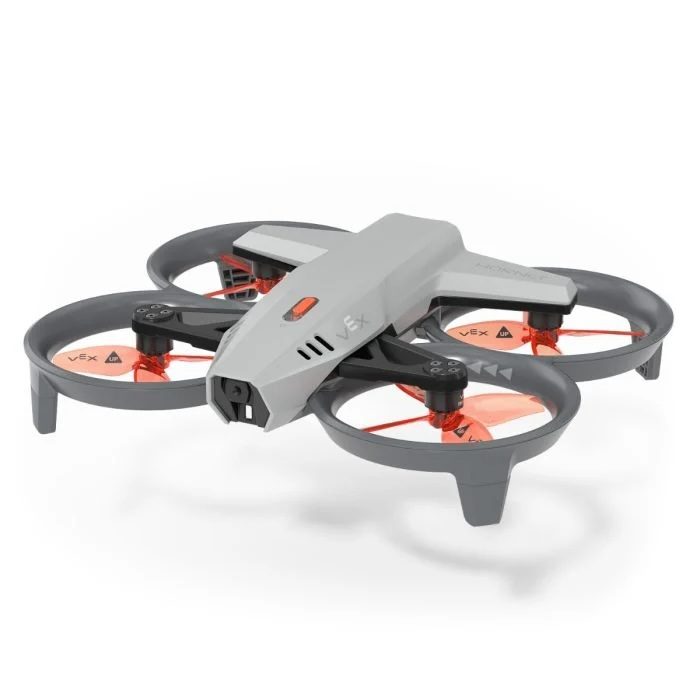
FCC Expands Drone Exemptions as Product-by-Product Security Review Takes Shape
The Federal Communications Commission (FCC) has granted conditional approval for the VEX AIR uncrewed aircraft system (UAS) through December 2026, marking a significant step in the ongoing evaluation of individual drone products outside the broader Covered List restrictions. This decision reflects the FCC's commitment to a more nuanced security review process, allowing for the addition of specific drone models that have undergone thorough scrutiny. As federal agencies continue to assess various UAS, VEX AIR joins a growing list of exempted products, highlighting the evolving landscape of drone regulation and the emphasis on safety and compliance in the industry.
Applications Blue UAS Drone News Drone News Feeds Education News
China to assign digital ID numbers to humanoid robots for lifecycle tracking
China is set to implement a national digital identification system for humanoid robots, aiming to enhance safety monitoring and standardize management within the burgeoning sector. As reported by state broadcaster CCTV, this initiative will involve assigning unique digital identity numbers to humanoid robots, tracking them throughout their entire lifecycle—from manufacturing and deployment to recycling and disposal. The move is part of broader efforts by authorities to address safety risks associated with the increasing use of humanoid robots in various applications. By establishing a comprehensive identification system, China seeks to ensure better oversight and regulation in a field that is rapidly evolving.
Humanoids News agibot AI regulation automation news Autonomous robots
Indiana Scores First Drone Deer Hunting Conviction in Landmark UAV Poaching Case
Indiana has made headlines with its first conviction related to drone-assisted deer hunting, marking a significant legal precedent in the regulation of unmanned aerial vehicles (UAVs) in hunting practices. The case arose as hunters increasingly turned to drones to enhance their chances of capturing trophy animals, prompting state lawmakers and regulators to take action. The conviction underscores the growing need for clear rules governing the use of drones in hunting, aimed at preserving ethical standards and wildlife conservation. As this legal framework develops, it reflects a broader trend of integrating technology into traditional hunting methods while addressing the associated ethical and regulatory challenges.
Drone News Drone News Feeds Drones in the News hunting News commercial drone newsRobotics needs a service framework.
RSF defines a common language for robot service capability, lifecycle operations, certification pathways, and service-provider networks.







