Industry Briefing
A single destination for timely, editor-curated robotics news from around the world.
MIT and EPFL Unveil 250g Flapping Robot for Dual Aerial and Aquatic Navigation
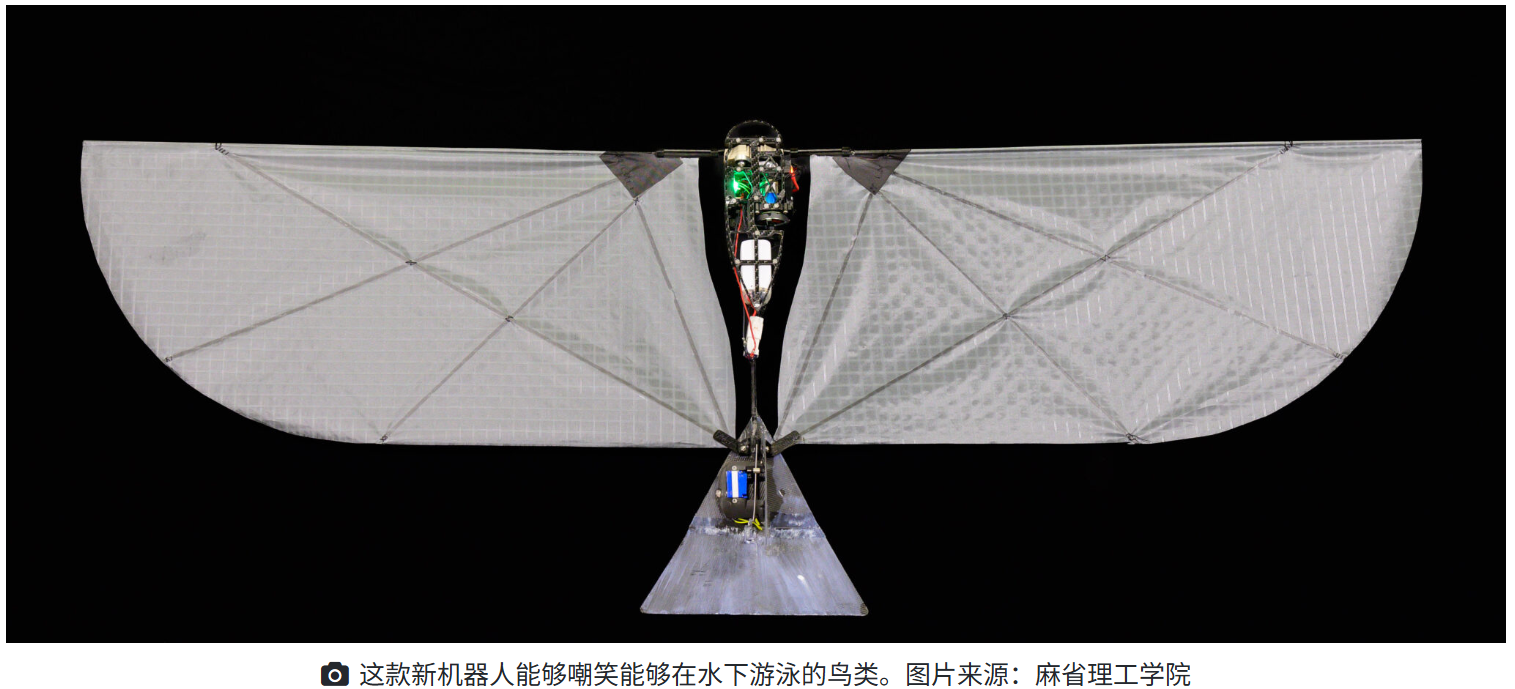
MIT and EPFL have developed the Flapping-wing Aerial-Aquatic Vehicle (FAAV), weighing just 250 grams. This innovative robot can navigate both air and water, achieving a cruising speed of 6.3 meters per second in the air and 1 meter per second underwater. Remarkably, it can take off from water using only its wings, without any additional propulsion systems. The significance of the FAAV lies in its ability to overcome the challenges of transitioning between air and water, which have historically hindered the development of amphibious robots. The wings of the FAAV passively deform underwater, allowing for efficient movement and reduced motor load. This design enables the robot to exploit the surface tension of water for takeoff, a feat that has been difficult for previous models reliant on complex propulsion mechanisms. Looking ahead, the research team aims to complete the full flight-dive-flight cycle, which is yet to be validated. The FAAV has already demonstrated its capability to breach the water's surface, marking a significant milestone in the evolution of cross-medium robotic systems. No further timeline was disclosed at the time of publication.
Flapping Robots Aerial-Aquatic Vehicles Robotics Marine Technology
Transition Strategy for Unmanned Aerial‐Aquatic Vehicles (UAAVS): A Survey
In the May 2026 issue of the Journal of Field Robotics, researchers present groundbreaking advancements in robotic technology, focusing on the development of autonomous systems designed for complex field operations. This comprehensive study highlights innovations that enhance the efficiency and safety of robots deployed in various environments, including agriculture, disaster response, and exploration. The research team, comprised of leading experts in robotics and artificial intelligence, conducted extensive field tests to evaluate the performance and adaptability of these autonomous systems. Their findings reveal significant improvements in navigation, obstacle avoidance, and decision-making capabilities, which are crucial for real-world applications. The motivation behind this research stems from the increasing demand for reliable robotic solutions that can operate in unpredictable and hazardous conditions. By addressing these challenges, the team aims to pave the way for more widespread adoption of robotics in critical sectors, ultimately improving operational outcomes and reducing human risk. The study's implications are far-reaching, suggesting that these advanced robotic systems could revolutionize industries by providing enhanced support in tasks that are currently labor-intensive or dangerous. As the field of robotics continues to evolve, this research marks a significant step forward in harnessing technology to meet the needs of society.
SURVEY ARTICLE
MIT and EPFL Develop Flapping Robot for Aerial and Aquatic Exploration
Engineers from MIT and EPFL have created a flapping-wing aerial-aquatic vehicle (FAAV) that weighs under 300 grams. This robot can swim underwater and transition to flight, mimicking the behavior of diving birds. The research, published in Science, showcases the robot's ability to adapt its mechanics for both mediums, which differ significantly in density and resistance. The significance of this development lies in its potential applications in oceanography and environmental monitoring. The FAAV can access areas that are typically hazardous for traditional vessels, allowing scientists to collect data from locations such as icebergs or marine habitats. This innovation could reduce operational costs and enhance data collection efficiency in marine research. Looking ahead, the research team aims to refine the FAAV's design and functionality. Future experiments will likely focus on optimizing the robot's performance in various aquatic environments. No further timeline was disclosed at the time of publication.
Bioinspiration Drones Mechanical engineering Oceanography and ocean engineering Research Robotics
RGPB‐Planner: A Real‐Time Gaussian Potential B‐Spline Trajectory Planner for Unmanned Aerial Vehicles in Complex Environments
A recent study published in the Journal of Field Robotics explores advancements in autonomous robotic systems designed for agricultural applications. Researchers from various institutions conducted the study to address the growing need for efficient farming solutions amid increasing global food demands. The findings, released in early October 2023, highlight innovative technologies that enhance the capabilities of robots in tasks such as planting, harvesting, and monitoring crops. The research was conducted in diverse agricultural settings, showcasing how these robotic systems can adapt to different environments and crop types. By integrating artificial intelligence and machine learning, the robots are able to optimize their performance, reducing labor costs and increasing productivity for farmers. This initiative stems from the urgent necessity to improve agricultural efficiency and sustainability in response to climate change and population growth. The study emphasizes that the implementation of these robotic systems could significantly transform traditional farming practices, making them more resilient and resource-efficient. The research team utilized a combination of field tests and simulations to demonstrate the effectiveness of the robotic technologies, providing a comprehensive analysis of their potential impact on the agricultural sector. As the industry continues to evolve, the insights from this study may pave the way for broader adoption of robotics in farming, ultimately contributing to food security and environmental sustainability.
RESEARCH ARTICLE
Deep Reinforcement Learning Based Autonomous Decision‐Making for Cooperative Uncrewed Aerial Vehicles: A Search and Rescue Real World Application
A recent study published in the Journal of Field Robotics highlights advancements in autonomous robotic systems designed for agricultural applications. Researchers from various institutions collaborated to develop innovative algorithms that enhance the efficiency and precision of robotic farming equipment. The findings, released in early October 2023, emphasize the growing importance of automation in agriculture, particularly in response to labor shortages and the need for sustainable farming practices. The research was conducted in multiple agricultural settings, showcasing how these robotic systems can adapt to different crop types and environmental conditions. By integrating machine learning and sensor technology, the robots are capable of performing tasks such as planting, weeding, and harvesting with minimal human intervention. This development aims to address the challenges faced by farmers, including the rising costs of labor and the increasing demand for food production. The study underscores the potential for these autonomous systems to revolutionize the agricultural sector, making it more efficient and environmentally friendly. As the agricultural industry continues to evolve, the implementation of such technologies could lead to significant improvements in productivity and sustainability.
RESEARCH ARTICLE
Improved Target Detection in Unmanned Aerial Vehicles Search and Rescue via V‐Circular Trajectory Optimization
The Journal of Field Robotics has recently published an early view article highlighting significant advancements in robotic technology. Researchers from various institutions collaborated to explore innovative applications of robotics in field environments, aiming to enhance efficiency and safety in agricultural practices. This study, released in October 2023, emphasizes the growing importance of automation in addressing labor shortages and improving productivity in the agricultural sector. By integrating advanced sensors and artificial intelligence, the team demonstrated how robots can autonomously navigate complex terrains and perform tasks such as planting, harvesting, and monitoring crop health. The findings suggest that these technological advancements could revolutionize traditional farming methods, ultimately leading to more sustainable agricultural practices.
RESEARCH ARTICLE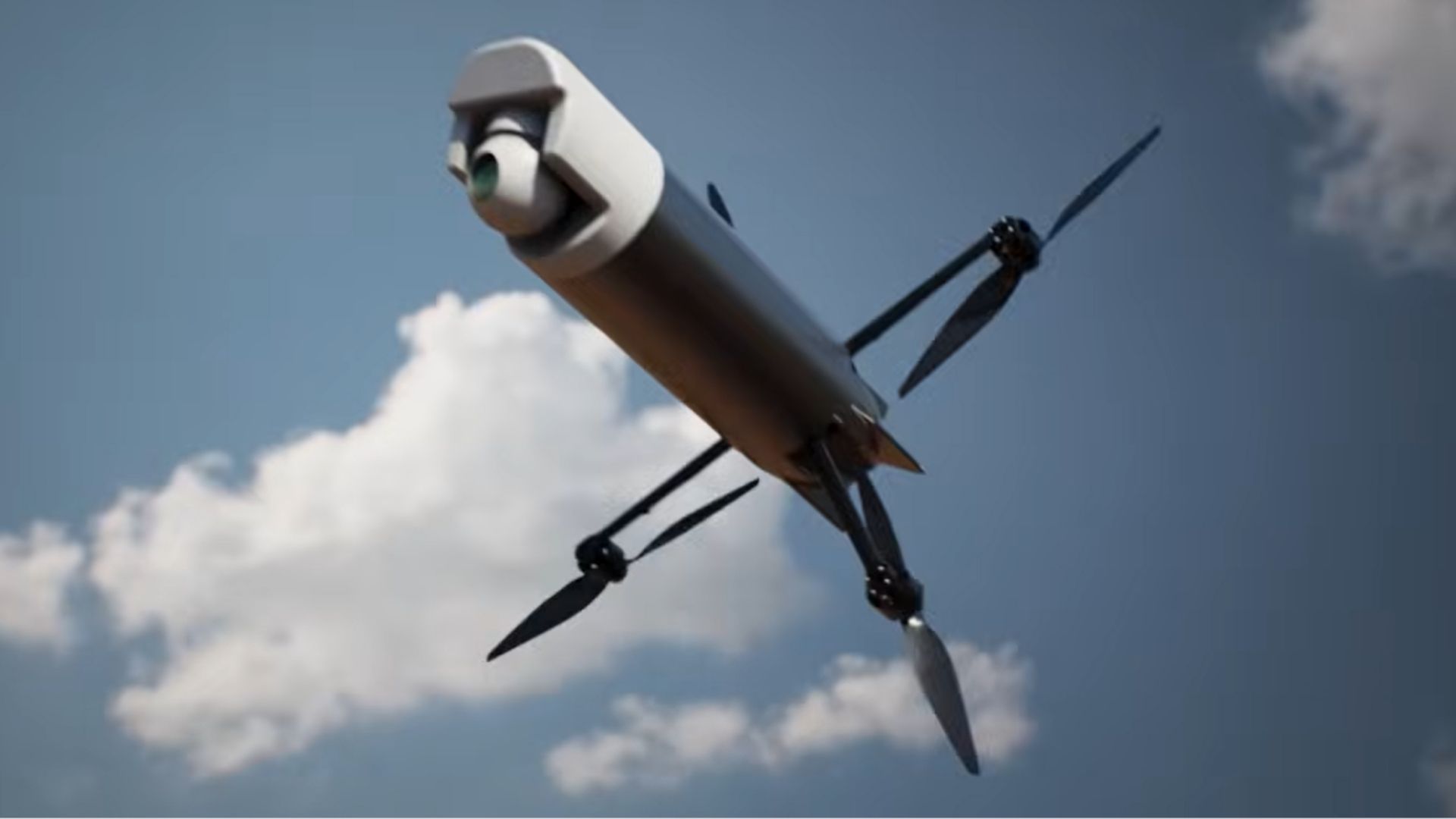
Israeli firms’ tube-launched interceptor drone can offer aerial protection for ground platforms
Israeli defense contractor Rafael Advanced Defense Systems has partnered with drone specialist SpearUAV to unveil their latest innovation, the Iron Drone. This advanced drone system is designed to enhance military capabilities by providing a versatile platform for various defense applications. The announcement was made during a press conference held in Tel Aviv on October 15, 2023. The collaboration aims to address the increasing demand for advanced aerial surveillance and precision strike capabilities in modern warfare. By integrating Rafael's defense technologies with SpearUAV's expertise in drone systems, the Iron Drone is expected to offer enhanced operational efficiency and effectiveness for military forces. The Iron Drone features cutting-edge technology that allows for real-time data collection and analysis, enabling commanders to make informed decisions on the battlefield. This development reflects a broader trend in the defense industry, where unmanned aerial vehicles are becoming essential tools for military operations. As global security challenges evolve, the introduction of the Iron Drone signifies a strategic move by both companies to strengthen their positions in the competitive defense market and meet the needs of armed forces worldwide.
Military
Rafael introduces miniature EW system for uncrewed aerial platforms
Israeli defense technology company Rafael has unveiled its latest innovation, the Storm Shield, a compact electronic warfare system tailored for uncrewed aerial vehicles (UAVs). This announcement highlights Rafael's commitment to advancing military technology and enhancing the capabilities of UAVs in modern warfare. The Storm Shield is designed to provide robust electronic countermeasures, ensuring that UAVs can operate effectively in contested environments. The launch took place in October 2023, reflecting the growing demand for sophisticated defense solutions amid increasing geopolitical tensions. By integrating advanced electronic warfare capabilities into UAVs, Rafael aims to bolster the operational effectiveness of military forces, allowing them to counter threats more efficiently and maintain dominance in the air.
News
Hydromea Unveils D-FIN™: A Cutting-Edge ESC Motor Controller for Robotic Vehicles
Hydromea, a leader in underwater robotics and wireless communication, has unveiled its latest innovation, the D-FIN™ Electronic Speed Controller (ESC) Motor Controller. This advanced device is designed to enhance the performance of brushless permanent magnet DC (BLDC) motors and thrusters, offering exceptional efficiency, compact design, and precision. The launch reflects Hydromea's commitment to advancing underwater technology, catering to the growing demand for high-performance solutions in marine applications. The D-FIN™ ESC is expected to significantly improve operational capabilities for various underwater robotics, paving the way for more effective exploration and research in aquatic environments.
hydromea d-fin™ esc motor controller robotic vehicles
Ukraine's war robots are carrying a new type of payload: the elderly
A drone operated by the Kraken company successfully completed a 20-mile round-trip mission to rescue four elderly civilians from a combat zone, according to statements made by the drone's commander to Business Insider. This operation highlights the innovative use of drone technology in humanitarian efforts, particularly in areas affected by conflict. The mission underscores the growing importance of unmanned aerial vehicles in providing assistance and ensuring the safety of vulnerable populations in dangerous environments. The successful rescue demonstrates the potential for drones to play a critical role in emergency response scenarios, showcasing advancements in both technology and operational strategies in crisis situations.
Military & Defense warfare-big-bet uncrewed-ground-vehicles ukraine-war drone-warfare
MIT and EPFL Develop Flapping-Wing Robot for Air and Water Navigation
Engineers from MIT and EPFL have created a flapping-wing aerial-aquatic vehicle (FAAV) inspired by puffins. Weighing under 300 grams, the robot features a central fuselage, flexible wings, and a steerable tail. Field tests in Lake Geneva demonstrated its ability to swim and then take flight, showcasing its dual-medium capabilities. This innovation is significant for oceanography and marine biology, as it allows for cost-effective data collection from both air and water. The FAAV can fly at speeds of 6 meters per second and swim at 1 meter per second, providing a versatile tool for researchers. The design mimics the natural mechanics of birds, which maintain similar physical dynamics in both environments by adjusting their speed. Looking ahead, the team aims to refine the robot's ability to breach the water's surface, a challenging transition requiring a precise 70-degree pitch. No further timeline was disclosed at the time of publication, but the potential applications for environmental monitoring and research are substantial.
AI and Robotics
New Birdlike Robot Mimics Diving Birds with Swimming and Flying Capabilities
A new birdlike robot has been developed that can swim underwater and transition into flight without the need for paddling. This innovative design mimics the natural behaviors of various diving birds, such as loons and gulls, which are known for their dual capabilities. The robot's ability to seamlessly switch between swimming and flying represents a significant advancement in biomimetic robotics. This technology is significant as it opens up new possibilities for aerial and aquatic exploration, potentially enhancing search and rescue operations, environmental monitoring, and wildlife observation. By emulating the mechanics of birds that can both swim and fly, the robot could improve efficiency in navigating diverse terrains and conditions. The integration of these functionalities could lead to more versatile robotic applications in various industries. Future developments to watch include enhancements in the robot's propulsion systems and control mechanisms to improve its performance in both environments. No further timeline was disclosed at the time of publication, but ongoing research in biomimetic designs may yield additional breakthroughs in the near future.
Robotics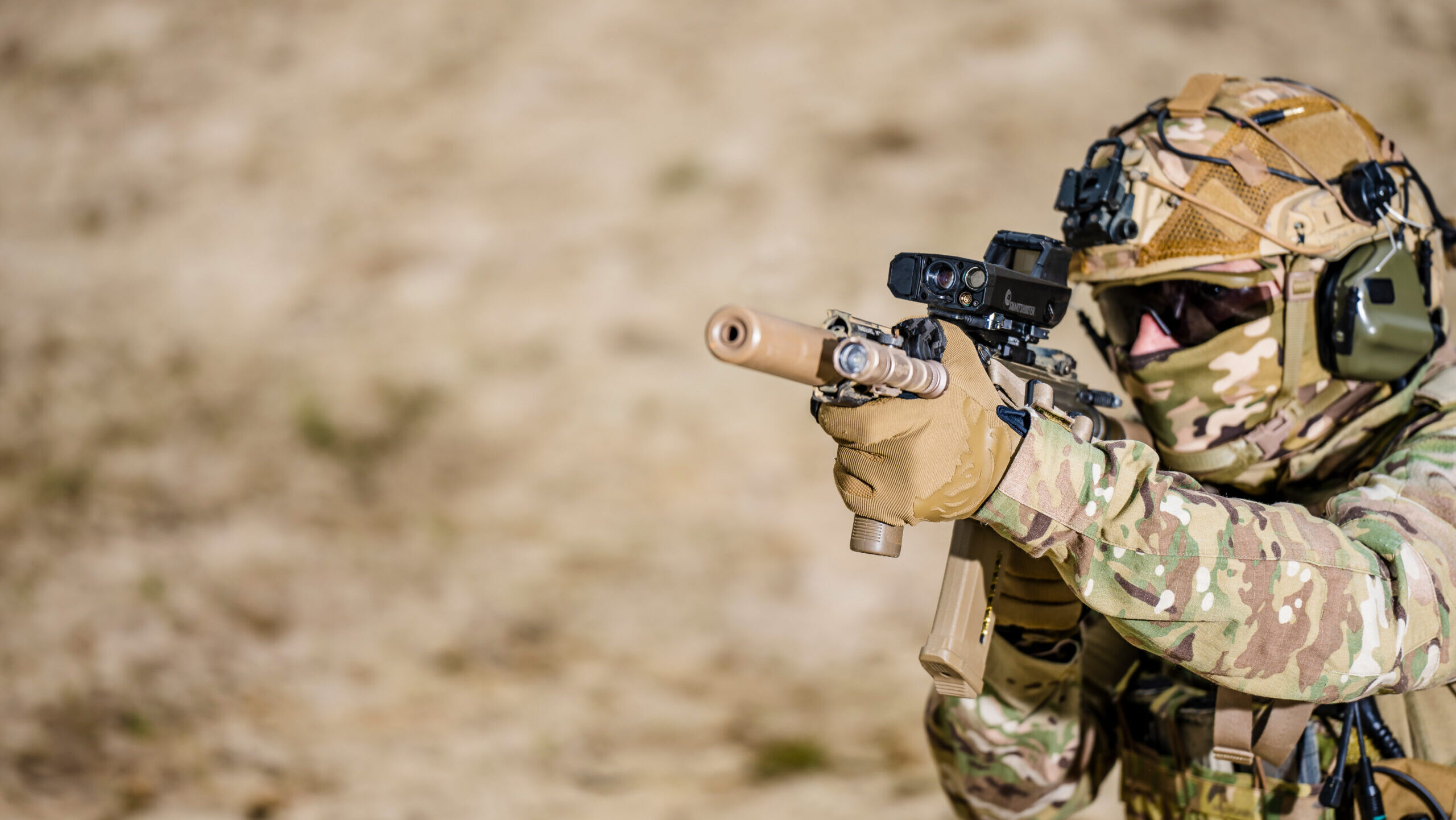
Israel’s Smart Shooter sees c-UAS demand grow across US military: Exec
Scott Thompson, Vice President of Smart Shooter, recently discussed the increasing demand for kinetic solutions in response to the growing threat posed by small drones. In an interview with Breaking Defense, Thompson highlighted how the rise of these unmanned aerial vehicles has prompted military and defense sectors to seek effective countermeasures. The conversation underscores a significant shift in focus within the industry, as stakeholders recognize the urgent need to address the challenges presented by the proliferation of small drones. This trend reflects broader concerns about security and the evolving landscape of aerial threats.
Global Land Warfare Army Business & Industry Drones Israel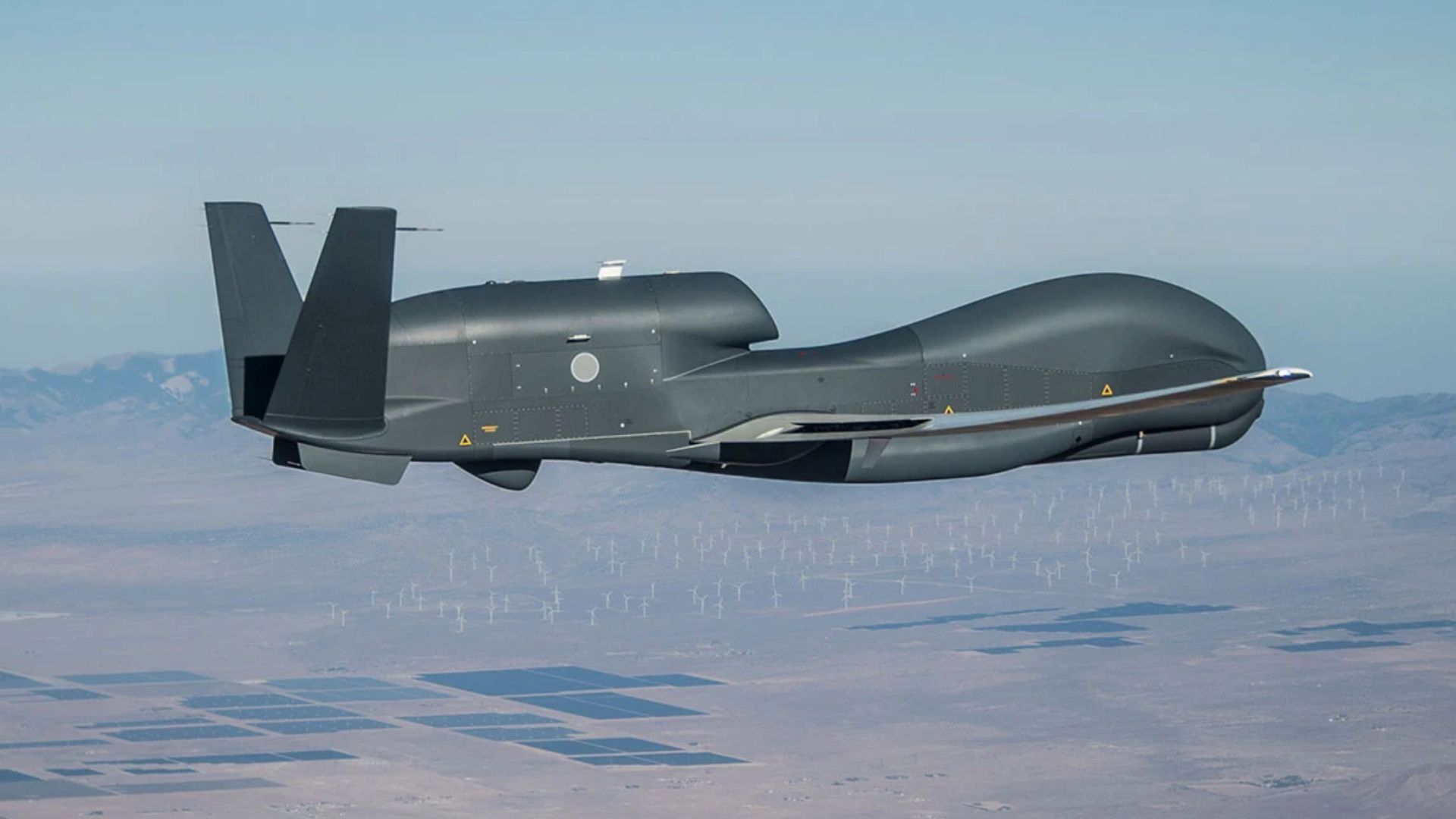
US moves RQ-4B Global Hawk advanced drones to Japan in Indo-Pacific surveillance boost
The U.S. Air Force has announced the permanent relocation of three Northrop Grumman RQ-4B Global Hawk Block 40 unmanned aerial vehicles to a base in the Indo-Pacific region. This strategic move, confirmed on October 15, 2023, aims to enhance surveillance capabilities and bolster regional security amid rising tensions in the area. The decision reflects the military's commitment to adapting its resources to meet evolving threats and support allies in the region. The Global Hawk drones, known for their high-altitude, long-endurance missions, will play a crucial role in intelligence gathering and reconnaissance operations. The relocation is part of a broader initiative to strengthen U.S. military presence and readiness in response to geopolitical challenges.
Military
Finland launches counter-drone patrol boats and vehicle project
The Finnish Border Guard has initiated a new project aimed at enhancing its capabilities to counter drone threats through the development of specialized patrol vehicles and boats. This initiative reflects the growing concern over the use of drones in various security contexts, prompting the Border Guard to bolster its operational readiness. The project, which commenced recently, is part of a broader strategy to ensure national security and protect Finland's borders from potential aerial intrusions. By integrating advanced technology into their patrol units, the Border Guard aims to effectively monitor and respond to drone activities, thereby safeguarding the integrity of the nation's airspace.
News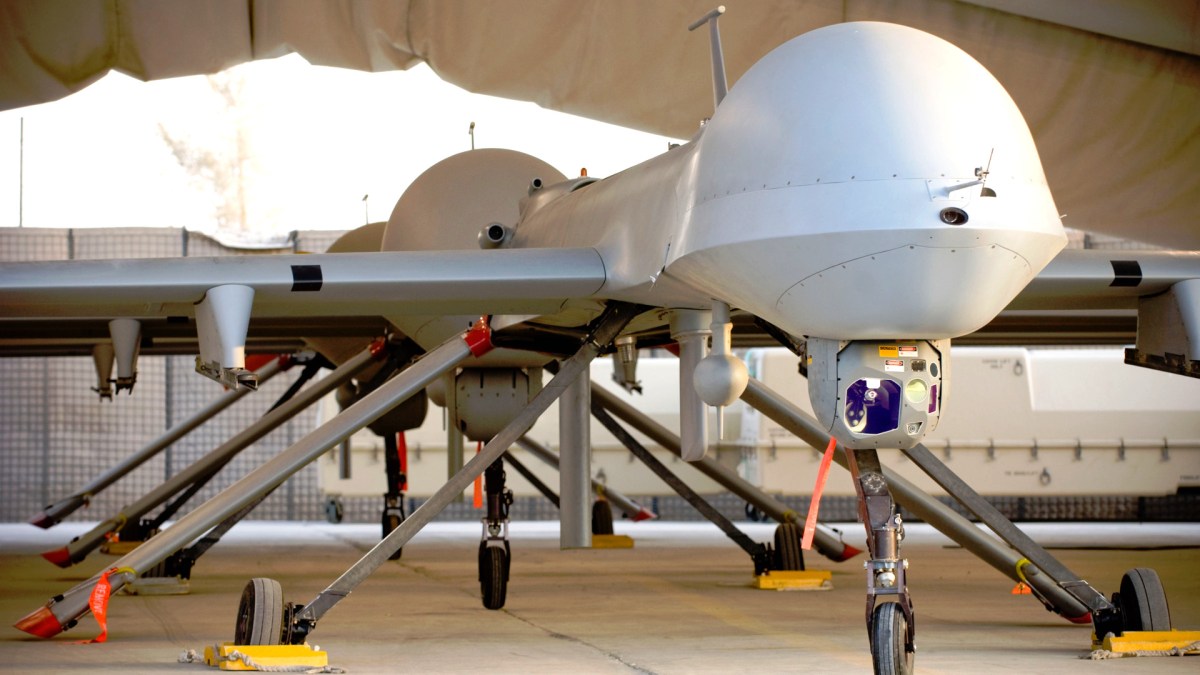
Pocket Fleet Of Unseen MQ-1 Predators Still Flying In Specialized Role
Formerly retired MQ-1 Predator drones, once a staple of the U.S. Air Force, are now being repurposed for specialized missions, showcasing their continued relevance in modern military operations. These drones, which had been phased out of active service, are being utilized in roles that require their unique capabilities, allowing them to contribute to missions that demand surveillance and reconnaissance. This resurgence of the MQ-1s comes as military strategists seek cost-effective solutions to meet evolving operational needs. The drones are primarily being deployed in less conventional environments, where their stealth and adaptability provide a tactical advantage. While the exact locations and details of their current missions remain classified, the ongoing use of these drones highlights the military's commitment to maximizing existing resources. The decision to keep the MQ-1s operational reflects a broader trend within the defense sector to extend the lifespan of proven technologies amidst budget constraints and the need for versatile aerial platforms. As of October 2023, these unmanned aerial vehicles continue to play a crucial role in enhancing situational awareness and intelligence gathering, proving that even retired military assets can find new life in the ever-evolving landscape of defense operations.
Air Drones Navies News & Features Q-1 Sea
Poland buys V-Bat UAVs from Shield AI for naval forces
In Ukraine, V-Bat drones have demonstrated resilience against electronic warfare attacks that have successfully incapacitated other unmanned aerial vehicles (UAVs). This development highlights the increasing sophistication of drone technology amid ongoing conflicts, where electronic warfare tactics are commonly employed to disrupt enemy operations. The ability of V-Bat drones to withstand such attacks is significant, as it enhances their operational effectiveness and provides a strategic advantage in the battlefield. The situation underscores the evolving nature of warfare and the critical role that advanced drone systems play in modern military engagements.
Uncategorized Drones Europe Global Navy Poland
What Was The “Jellyfish-Like” Drone Swarm The Downed F-15E Pilot Reportedly Saw Over Iran?
A pilot of an F-15E Strike Eagle reported encountering a “minefield of drones” in the skies over Iran shortly before their aircraft crashed. The incident has raised questions about the nature of the drone swarm, described as “jellyfish-like,” and its implications for aerial operations in the region. The circumstances surrounding the crash remain under investigation, with experts analyzing the potential threats posed by such drone formations. This event highlights the evolving challenges faced by military pilots in environments increasingly populated by unmanned aerial vehicles.
Air Air Forces Around The Globe Drones F-15 Fighters
Leonardo and Baykar complete test flights for manned-unmanned teaming
A collaborative initiative has been launched by several aerospace companies to enhance interoperability between crewed and uncrewed aircraft. This program aims to design and develop systems that will allow for seamless communication and operation between manned and unmanned aerial vehicles. The effort reflects a growing recognition of the need for integrated airspace management as the use of drones and other uncrewed aircraft becomes increasingly prevalent. By fostering cooperation between these two types of aircraft, the initiative seeks to improve safety, efficiency, and operational capabilities in aviation. The timeline for the program's development has not been specified, but it underscores the industry's commitment to advancing technology in response to evolving air traffic demands.
Global Drones Europe Kizilelma M346 Manned Unmanned Teaming
Ultraefficient chip could help tiny robots traverse complex environments
Researchers at MIT have developed an innovative chip designed to enhance the navigation capabilities of small, low-power unmanned aerial vehicles (UAVs) as they maneuver through confined spaces, such as industrial HVAC systems, to detect gas leaks. This breakthrough, announced recently, enables these autonomous robots and other battery-operated devices to create detailed three-dimensional maps of their surroundings in real time while consuming minimal energy—approximately the same amount as a single LED light. By utilizing these maps, the robots can effectively plan collision-free routes to their objectives, significantly improving their operational efficiency and safety in complex environments.
Hardware
Ribri’s 14lb Heimdall uses 48-cell MEMS array to detect Shaheds at 3 miles passively
At Eurosatory 2026, a prominent defense and security exhibition, a Chinese manufacturer introduced an innovative man-portable drone detection system. This cutting-edge technology is designed to identify and track unmanned aerial vehicles, addressing growing concerns over drone-related security threats. The unveiling of this system comes at a time when the proliferation of drones poses significant challenges for military and civilian sectors alike. By enhancing situational awareness and providing real-time data, the system aims to bolster protective measures against potential drone incursions. The manufacturer emphasized the system's portability and ease of use, making it suitable for various applications, including military operations and public safety initiatives.
Military
Robot 'Floaty' rides the wind like a bird, staying stable without propellers
Current aerial vehicles, such as drones and airplanes, exhibit distinct advantages and disadvantages in their design and functionality. Drones, equipped with propellers, offer remarkable agility and the ability to hover, making them ideal for tasks requiring precise maneuverability. However, this agility comes at a cost, as drones consume significant amounts of energy during operation. In contrast, airplanes utilize fixed wings that enable them to achieve high levels of efficiency in flight, allowing for longer distances and reduced fuel consumption. The trade-off, however, is their inability to remain suspended in the air, unlike birds such as kestrels that can effortlessly hover while scanning for prey. This divergence in capabilities highlights the ongoing challenges in the development of flying objects, as engineers and designers strive to balance efficiency with versatility in aerial technology.
Robotics
Automation vs autonomy: What will shape the future of battlefield drones?
Recent advancements in drone technology are enabling these unmanned aerial vehicles to operate autonomously, significantly enhancing their effectiveness in various operations. This shift towards autonomy is seen as a crucial development, particularly in military applications, where drones can act as force multipliers on the battlefield. The integration of autonomous capabilities allows drones to make real-time decisions without direct human intervention, although human oversight remains essential for critical kinetic decisions. This balance aims to improve operational efficiency while ensuring safety and accountability. The ongoing evolution of drone technology is expected to reshape strategies in both defense and civilian sectors, with implications for how aerial missions are conducted in the future.
Networks & Digital Warfare Sponsored Post AI cyber security Drones networks
DroneShield, Defenture team up on mobile counter-UAS capabilities
Australia’s DroneShield has partnered with Dutch tactical mobility firm Defenture to enhance their capabilities in mobile counter-uncrewed aerial system (UAS) solutions. The two companies have formalized their collaboration through a memorandum of understanding (MoU), aiming to explore and develop commercial opportunities in this growing sector. This strategic alliance reflects a shared commitment to advancing technology that addresses the increasing challenges posed by uncrewed aerial vehicles. The partnership is expected to leverage each company's expertise, combining DroneShield's innovative drone detection and mitigation technologies with Defenture's tactical mobility solutions. The collaboration marks a significant step forward in enhancing security measures against potential threats from UAS, as both firms look to capitalize on the rising demand for effective countermeasures in various operational environments.
News
Drones learn to squeeze through narrow gaps using onboard AI control
Drones, or unmanned aerial vehicles (UAVs), have become integral tools across diverse sectors, including filmmaking, aerial photography, industrial inspections, precision agriculture, and emergency response. Despite their growing popularity and capabilities, many drones face challenges when navigating cluttered environments. They often struggle to maneuver through tight spaces or access hard-to-reach areas, limiting their effectiveness in certain situations. As the demand for more versatile and agile drones increases, advancements in technology are necessary to enhance their navigation and operational capabilities in complex surroundings.
Robotics
Australia tests backpack-sized counter-drone system deployable in under two minutes
Australia is intensifying its initiatives to safeguard frontline troops against the increasing risks posed by small drones. This move comes in response to the rising use of unmanned aerial vehicles in modern warfare, which have become a significant concern for military operations. The Australian Defence Force (ADF) is prioritizing the development and deployment of advanced counter-drone technologies to enhance the safety and effectiveness of its personnel in the field. In recent months, military officials have conducted assessments and trials to identify the most effective strategies for neutralizing drone threats. These efforts are part of a broader strategy to adapt to evolving combat scenarios, ensuring that Australian forces remain well-equipped to handle emerging challenges. The urgency of this initiative is underscored by the increasing frequency of drone-related incidents in conflict zones worldwide, prompting a reevaluation of existing defense protocols. As part of this initiative, the ADF is collaborating with technology firms and defense experts to innovate solutions that can detect, track, and neutralize hostile drones. The aim is to implement these technologies in various operational settings, thereby reinforcing the protection of troops during missions. This proactive approach reflects Australia’s commitment to maintaining a robust defense posture in the face of evolving threats in the global security landscape.
Military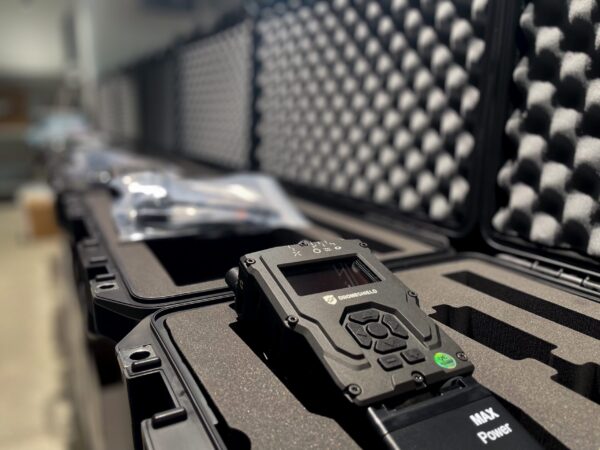
First DroneShield Products Roll Off Production Line in Europe
Western European nations are responding to increasing threats from drones operated by malicious actors by enhancing their domestic production of unmanned aerial vehicles (UAVs) and counter-drone technology. This initiative aims to streamline supply chains and bolster regional manufacturing capabilities. In a significant development, the first products from DroneShield’s production line in Europe have recently been completed, marking a step forward in the region's efforts to address these challenges. The move is part of a broader strategy to ensure that UAS manufacturing is localized, thereby improving security and reducing reliance on external suppliers.
Anti-drone technology Defense Drone News Drone News Feeds Europe Drone Industry European Union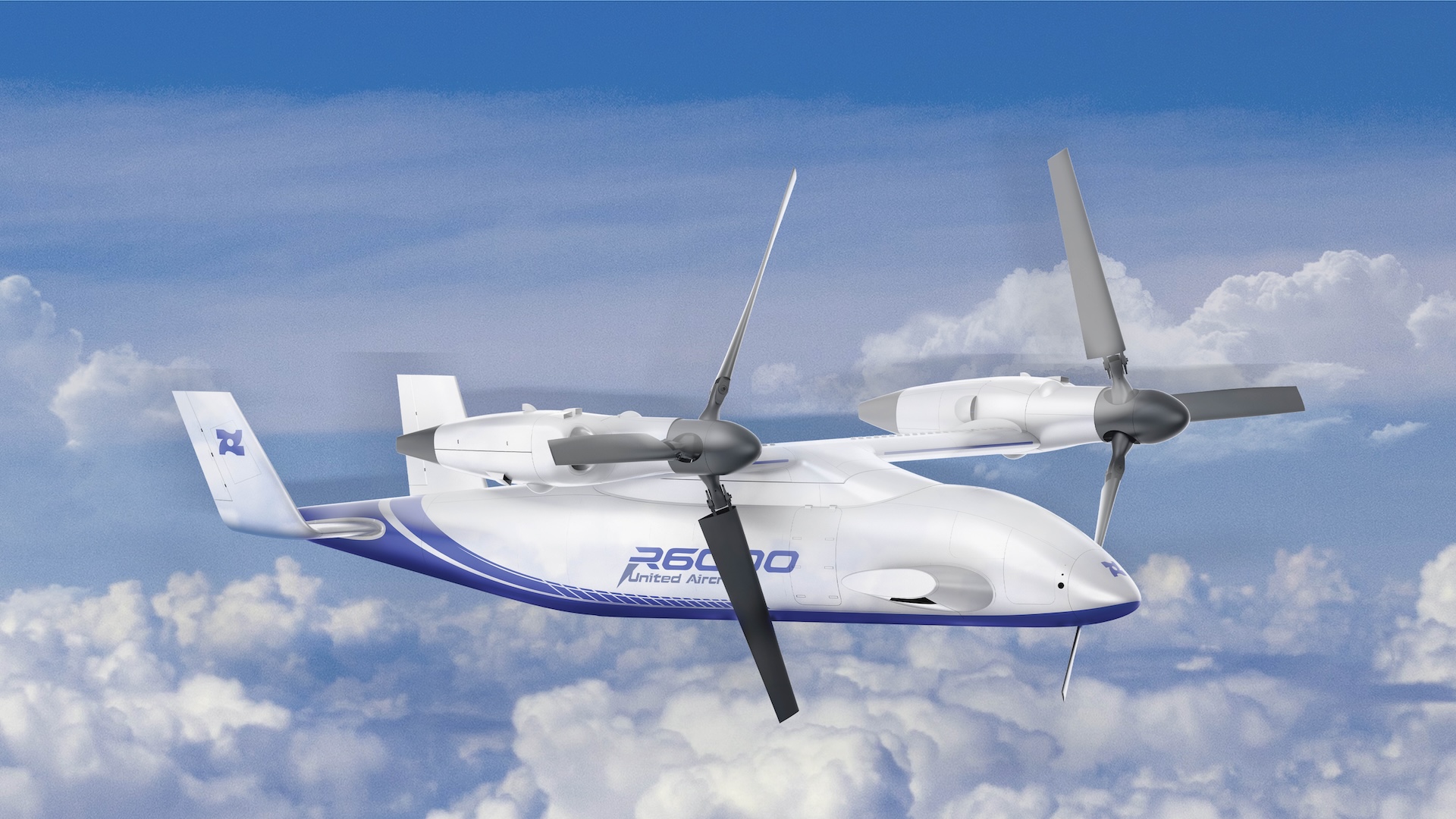
China’s giant 6-ton autonomous tiltrotor drone enters full free-flight testing
China’s R6000, recognized as one of the largest uncrewed tiltrotor aircraft globally, has commenced full free-flight testing. This significant development took place recently, marking a crucial step in advancing the country's aerospace capabilities. The testing is being conducted in various locations, showcasing the aircraft's versatility and potential applications in both military and civilian sectors. The motivation behind this initiative is to enhance China's technological prowess in aviation and to explore new operational possibilities for unmanned aerial vehicles. The R6000's design allows it to take off and land vertically while also achieving high-speed horizontal flight, which could revolutionize transport and logistics in challenging environments. As the testing progresses, engineers and researchers are closely monitoring the aircraft's performance to ensure safety and efficiency, paving the way for future innovations in unmanned flight technology.
Military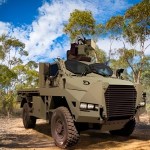
New RapidStriker system uses 360-degree vision and automated fire to neutralize drones
Thales has introduced a new line of advanced battlefield drones as military forces worldwide strive to keep pace with the increasing use of unmanned aerial vehicles in combat. This announcement comes amid growing concerns over the evolving nature of warfare, where drones are becoming a pivotal element on the front lines. The unveiling took place during a defense technology exhibition in Paris, highlighting the company's commitment to enhancing military capabilities in response to modern threats. Thales aims to provide innovative solutions that not only improve operational efficiency but also ensure the safety of personnel in high-risk environments. The new drones are designed to integrate seamlessly with existing military systems, offering enhanced surveillance and combat support. As nations invest heavily in drone technology, Thales's latest offerings reflect the urgent need for armed forces to adapt to these advancements and maintain strategic advantages on the battlefield.
Military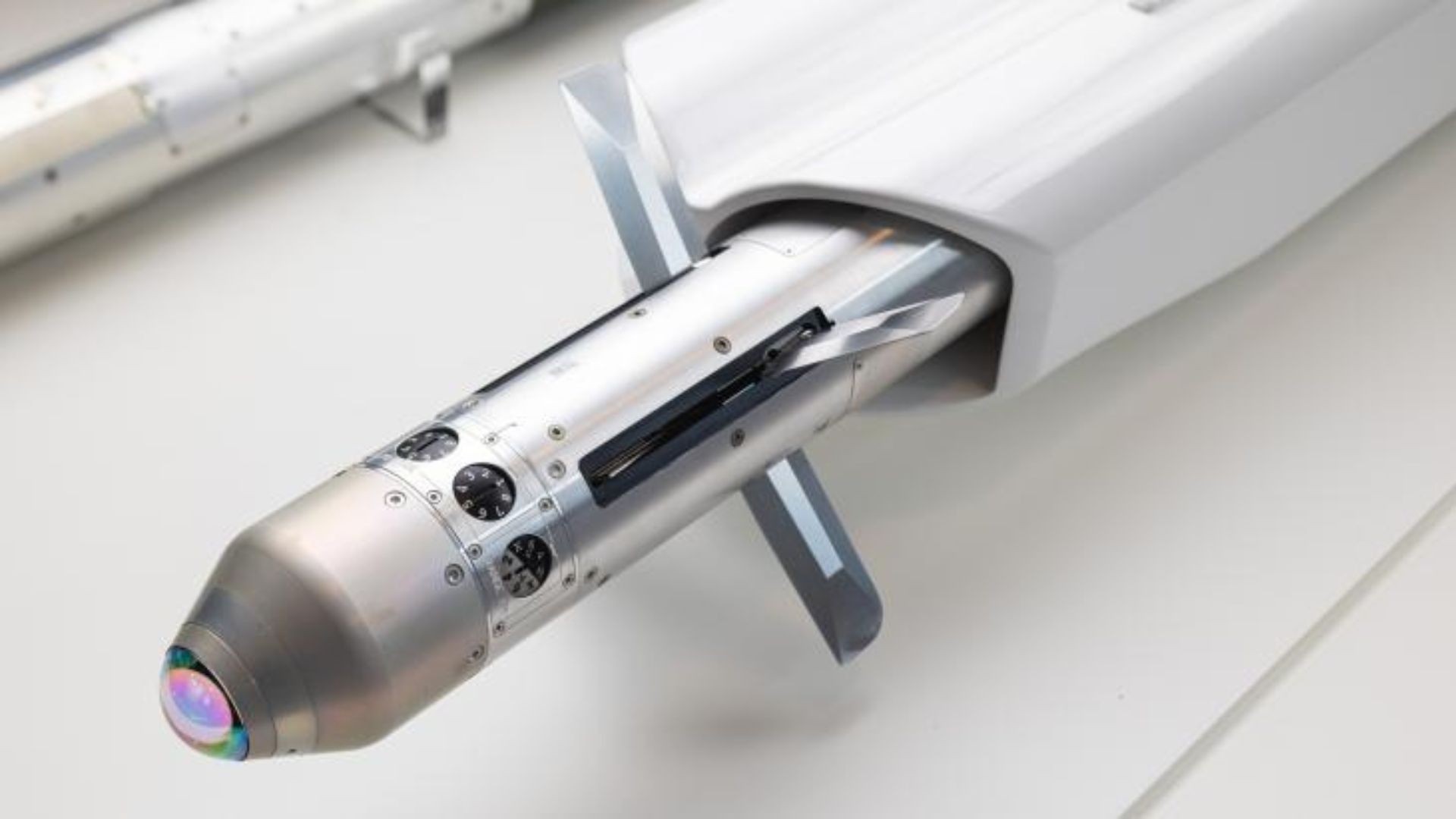
Belgium unveils low-cost laser-guided rocket with proximity sensor for drone hunts
The increasing prevalence of small drones has emerged as a significant challenge for military forces, presenting both operational and financial hurdles. As nations grapple with the threat posed by these unmanned aerial vehicles, the need for effective countermeasures has intensified. This shift in focus comes amid rising concerns about the potential for drones to be used in surveillance, reconnaissance, and even combat scenarios. In response, military organizations are exploring a range of solutions, from advanced technology to innovative tactics, to neutralize the threat posed by small drones. The urgency of this issue has prompted governments to allocate substantial resources towards research and development, aiming to enhance their defensive capabilities. The situation has evolved rapidly, with various countries investing in new systems and strategies to address the growing drone menace. As the landscape of modern warfare continues to change, the ability to effectively counter small drones will be crucial for maintaining national security and operational effectiveness.
Military
Drones of the Berlin Air Show, plus a window into Europe’s space ambitions
This week, ILA Berlin 2026 featured a comprehensive overview of small unmanned systems and various space-launch options. The event highlighted advancements in technology and innovation within the aerospace sector, attracting industry professionals and enthusiasts alike. Attendees had the opportunity to explore cutting-edge developments that could shape the future of unmanned aerial vehicles and space exploration. The showcase aimed to foster collaboration and knowledge sharing among experts, emphasizing the growing importance of these technologies in both commercial and defense applications. As the aerospace industry continues to evolve, events like ILA Berlin serve as crucial platforms for unveiling new capabilities and discussing the implications of these advancements.
Air Warfare Space Air Force Berlin Air Show Break Out Video Drones
L3Harris, Turkish firm Skydagger to establish US co-production of FPV interceptors
L3Harris has announced a significant advancement in its counter-unmanned aerial systems (c-UAS) capabilities by integrating a small interceptor drone into its Vampire platform. This development marks the first time the Vampire system will feature this technology, enhancing its operational effectiveness against potential aerial threats. The integration aims to bolster defense measures in various environments, reflecting L3Harris's commitment to innovation in military and security applications. The deal underscores the growing need for advanced solutions in countering drone threats, as the use of unmanned aerial vehicles continues to rise globally.
Air Warfare Global Land Warfare Air Force Army Business & Industry
Wing-shape tests could unlock smoother water-to-air drone launches
Researchers are making significant strides in developing unmanned aerial vehicles (UAVs), or drones, capable of executing the challenging maneuver of transitioning from water to air. This complex task, often performed effortlessly by birds and marine animals like mobula rays, has proven to be a formidable challenge for drone technology. As of October 2023, advancements in engineering and design are being explored to enhance the capabilities of these aerial vehicles, aiming to improve their performance in various applications, including search and rescue missions, environmental monitoring, and recreational use. The ongoing research highlights the potential for drones to operate in diverse environments, ultimately expanding their utility and effectiveness in real-world scenarios.
Robotics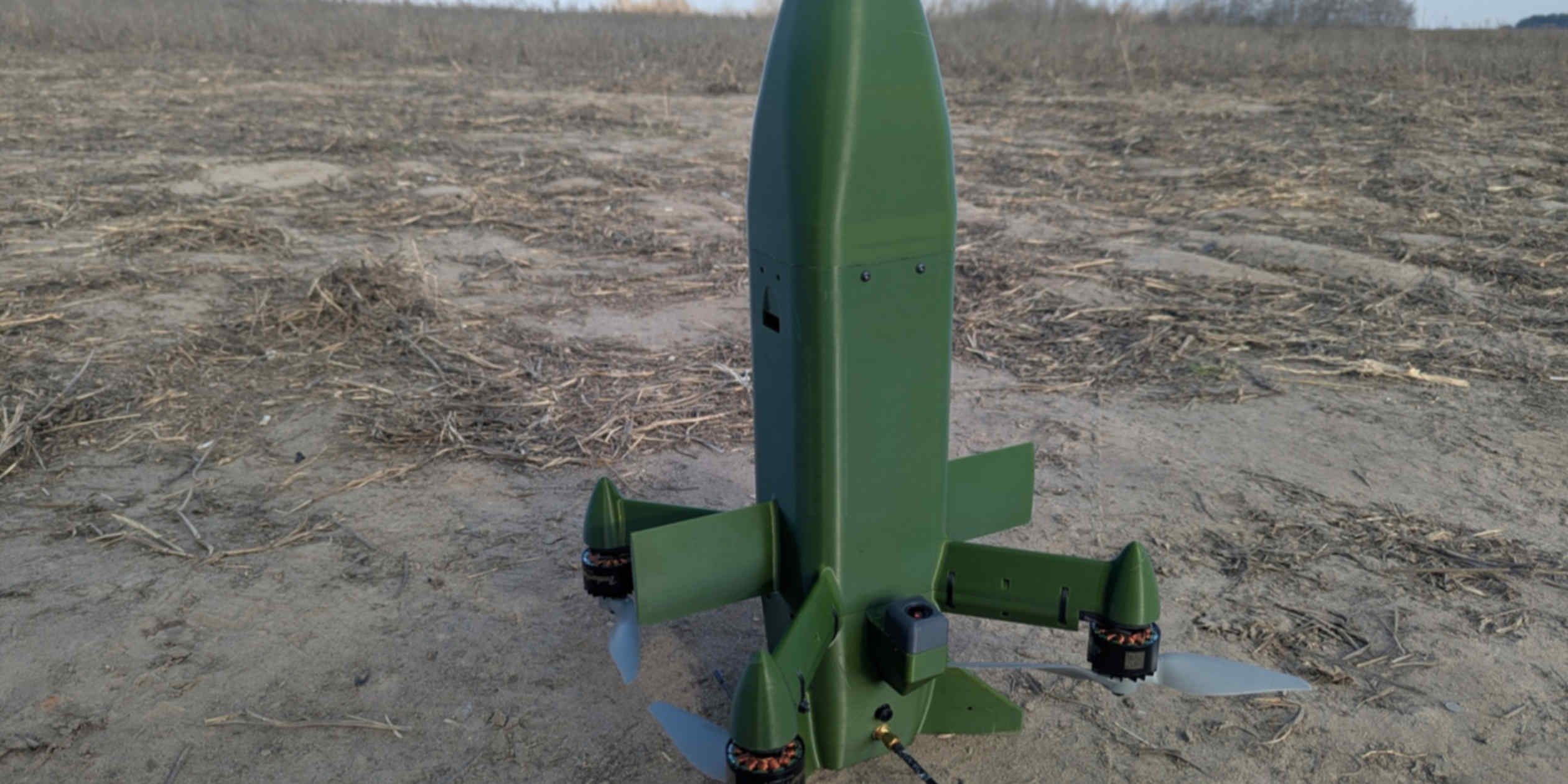
Japan's Terra Drone to buy 2 Ukrainian drone makers in global push
Terra Drone, a Tokyo-based company, has announced plans to acquire two Ukrainian military drone startups, WinnyLab and Amazing Drones, as part of its strategy to expand its market for unmanned aerial vehicles. This acquisition, revealed on June 16, 2026, aims to leverage the battle-tested technology developed by these companies, which have created interceptor drones reportedly utilized in the ongoing conflict against Russia. The move is part of Terra Drone's broader initiative to sell these advanced drones in various regions, including Japan, Europe, and the Middle East. By integrating proven military technology into its offerings, Terra Drone seeks to enhance its competitive edge in the global aerospace and defense market.
MBDA showcases hybrid high-energy laser, interceptor counter-drone system
The European missile manufacturer has announced plans for a new hybrid defense platform aimed at countering the increasing threat posed by small, fast, and low-cost unmanned aerial vehicles (UAVs). This innovative system is expected to be operational in Germany by the end of the decade. The initiative reflects a strategic response to evolving aerial threats, highlighting the need for advanced defense solutions in modern warfare. The development of this platform underscores the commitment to enhancing national security and adapting to the changing landscape of military challenges in Europe.
Air Warfare Global Air Force Drones Europe ILA Berlin 2026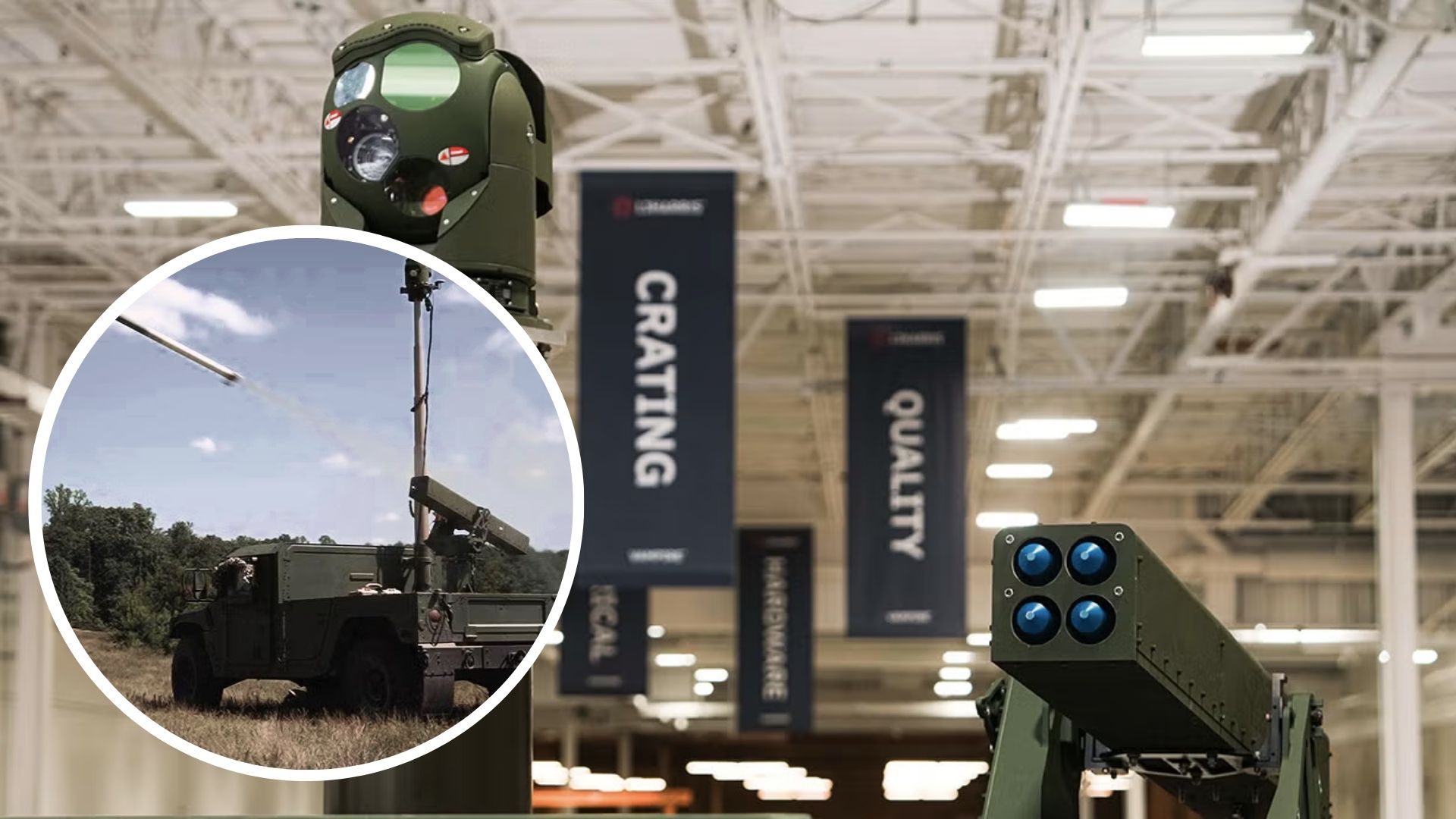
US Army to deploy VAMPIRE drone hunter with proven 350,000 hours of battlefield use
A new counter-drone system is being developed to bolster the defense capabilities of the United States against increasing drone threats. This initiative comes in response to the growing concerns over the use of unmanned aerial vehicles by adversaries, which have been employed in various conflicts and security breaches. The system is expected to be deployed in military bases and critical infrastructure locations across the country, enhancing the protection of both personnel and assets. The U.S. Department of Defense is spearheading this project, collaborating with leading technology firms to integrate advanced detection and neutralization technologies. The system aims to identify and intercept hostile drones before they can cause harm. Testing of the new technology is scheduled to begin in early 2024, with full operational capability anticipated by the end of the year. This proactive measure reflects the U.S. military's commitment to adapting to modern warfare challenges and ensuring national security. As drone technology continues to evolve, the implementation of this counter-drone system is seen as a crucial step in maintaining strategic advantages and safeguarding against potential threats.
Military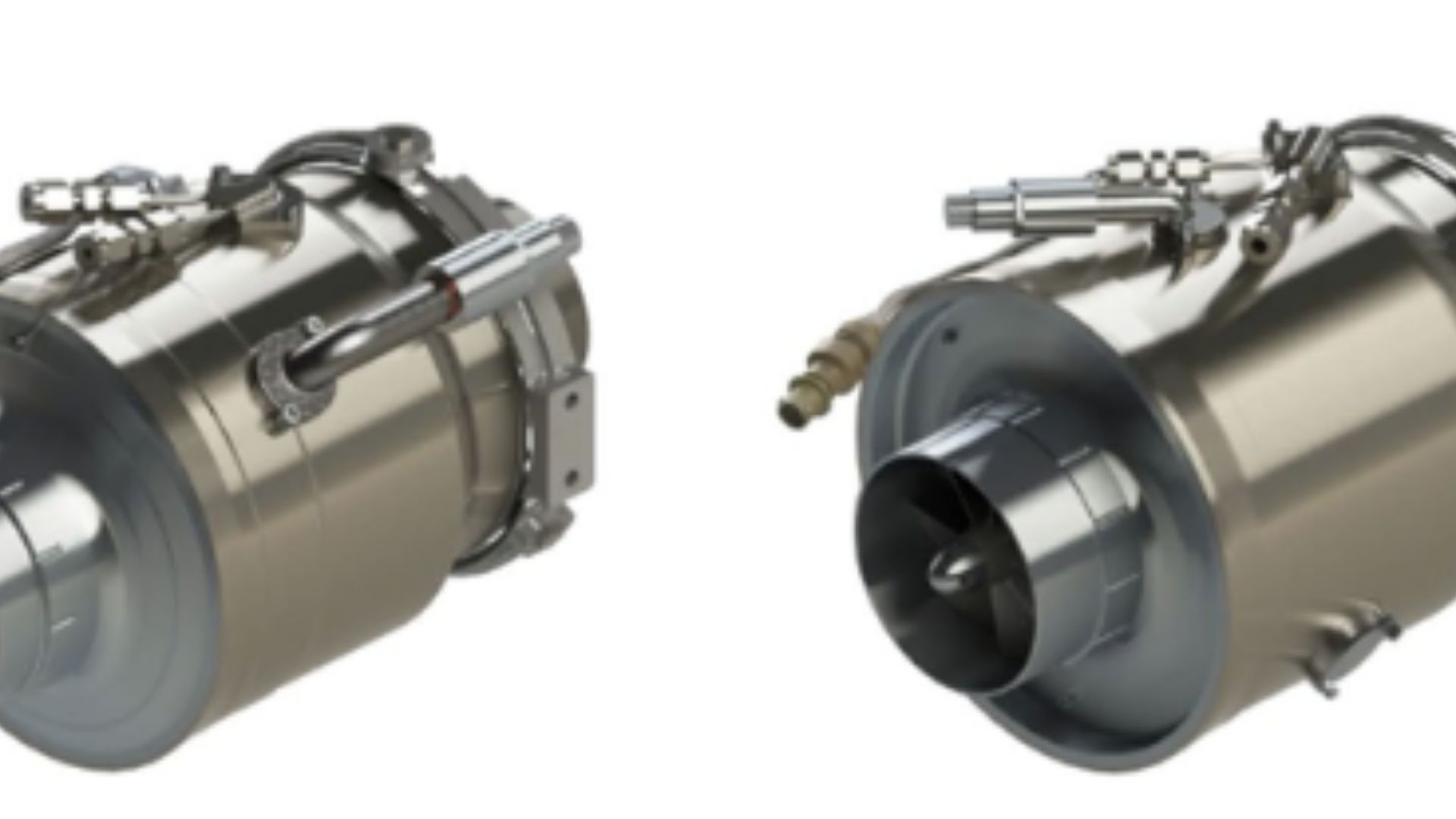
Kratos to upscale engine production to 3000 units for powering one way attack drones
Kratos Defense & Security Solutions is significantly increasing its manufacturing capacity for the Spartan family of unmanned aerial vehicles (UAVs) to meet growing demand. This strategic move comes as the company aims to enhance its production capabilities in response to heightened interest from both military and commercial sectors. The expansion is set to take place at Kratos' facilities in California, with plans to streamline operations and implement advanced technologies to boost efficiency. The decision to ramp up production is driven by the rising need for advanced drone systems, which are increasingly being utilized for surveillance, reconnaissance, and various defense applications. By enhancing its manufacturing capabilities, Kratos seeks to solidify its position as a leader in the UAV market and ensure timely delivery of its products to clients.
News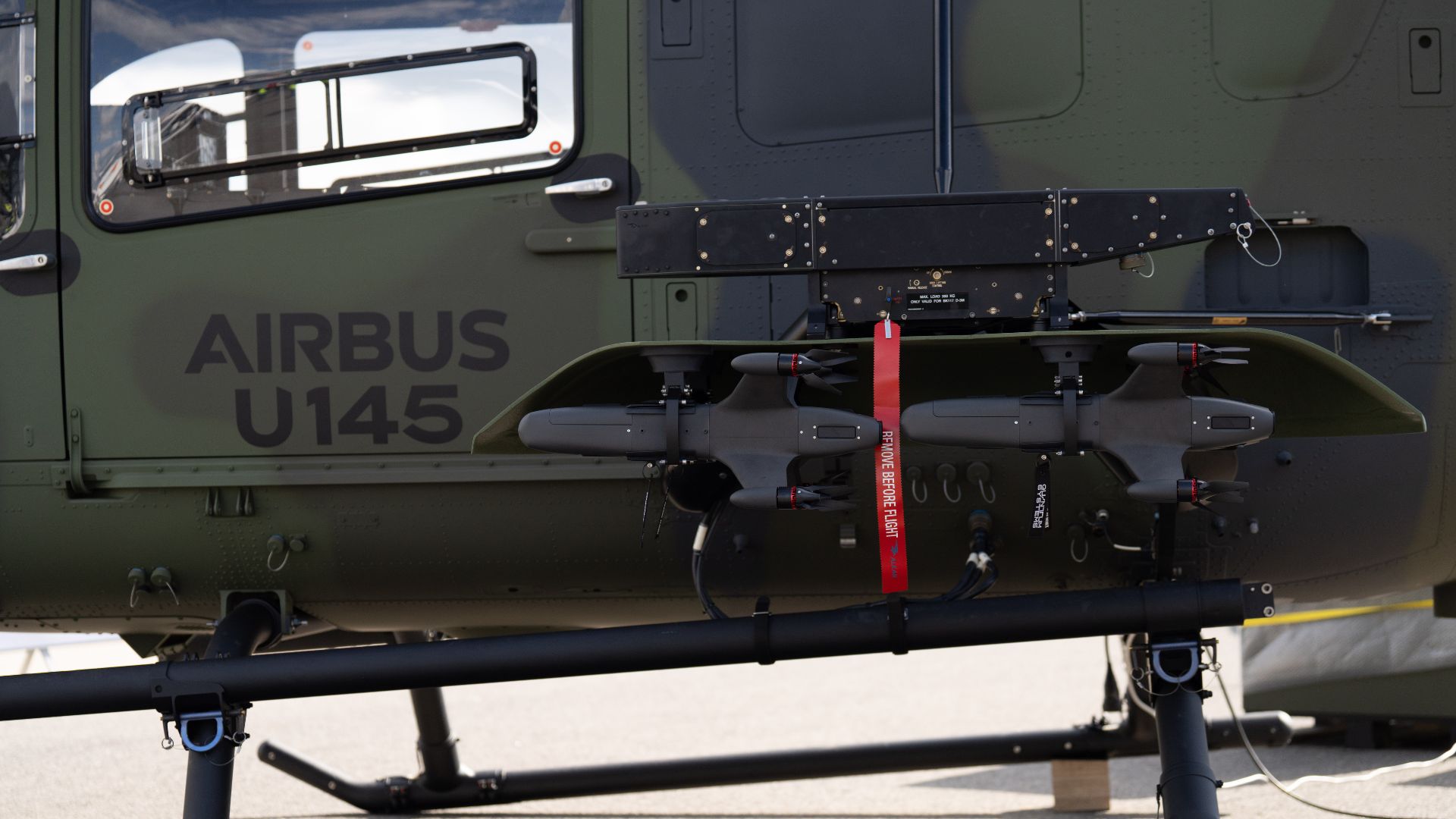
Airbus modifies H145M helicopter to deploy interceptors against tactical drone swarms
Airbus Helicopters, in collaboration with German defense officials, is responding to the increasing threats posed by small attack drones to military helicopters. This initiative comes amid heightened concerns regarding the vulnerability of aerial vehicles in modern combat scenarios. The partnership aims to enhance the defensive capabilities of helicopters, ensuring they can effectively counteract the risks associated with drone warfare. By integrating advanced technologies and innovative strategies, the companies seek to bolster the safety and operational effectiveness of military aviation. This development is particularly timely given the evolving landscape of aerial threats, which has prompted defense sectors worldwide to reassess their strategies and equipment. The collaboration highlights a proactive approach to addressing emerging challenges in military operations.
Military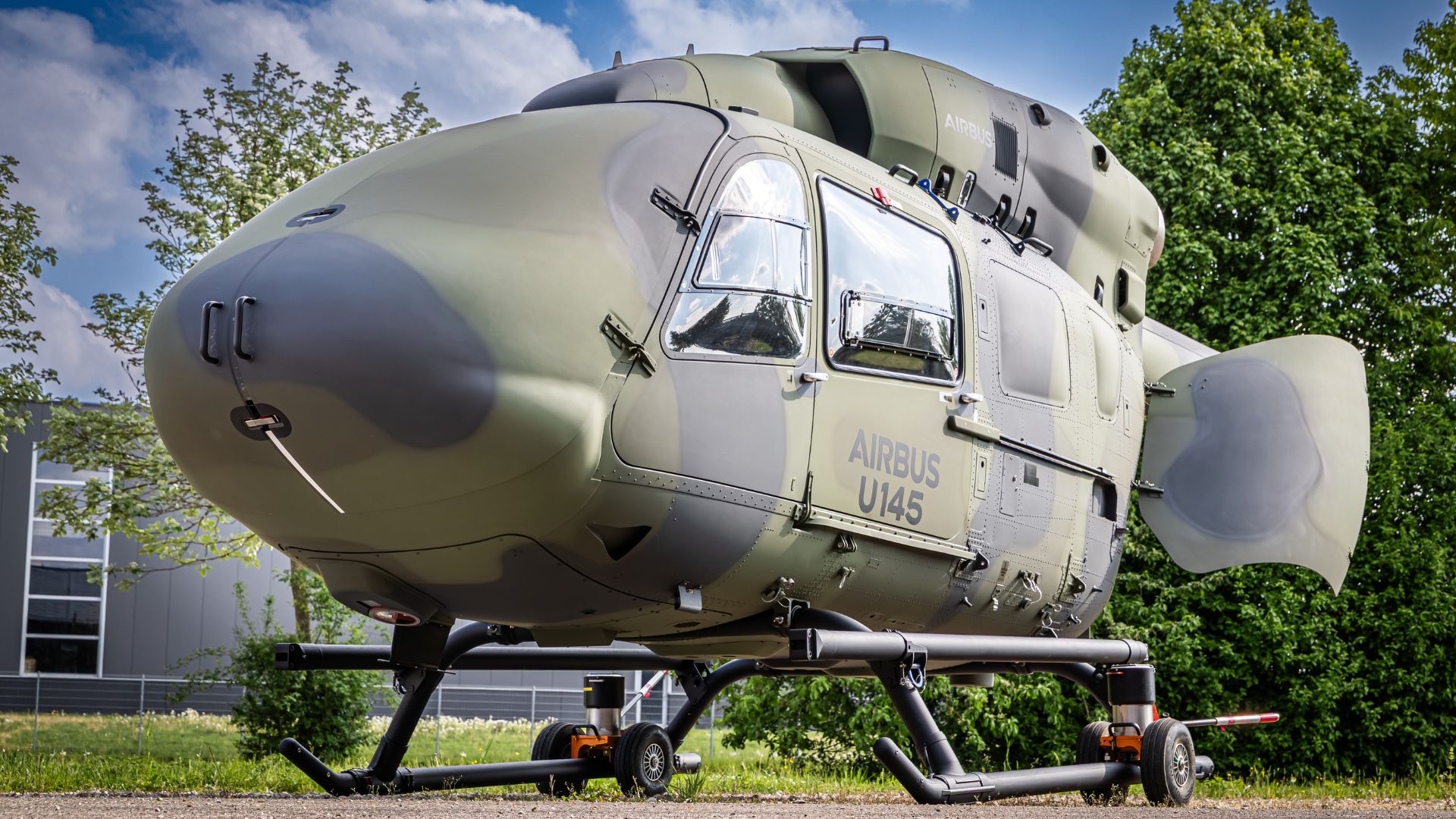
Airbus debuts U145 autonomous helicopter drone with no cockpit for military missions
Airbus Helicopters has unveiled a new autonomous aircraft derived from its widely-used H145 platform, marking a significant advancement in aviation technology. The announcement was made during the International Paris Air Show, which took place from June 19 to June 25, 2023. This innovative aircraft aims to enhance operational efficiency and safety in various sectors, including medical transport, search and rescue, and logistics. The motivation behind this development stems from the growing demand for unmanned aerial vehicles that can perform complex missions with minimal human intervention. By leveraging advanced automation and artificial intelligence, Airbus Helicopters seeks to address challenges in urban air mobility and improve response times in critical situations. The aircraft is designed to operate in diverse environments, showcasing its versatility and potential for integration into existing air traffic systems. Through rigorous testing and collaboration with regulatory bodies, Airbus aims to ensure that the new autonomous H145 meets safety standards and can be deployed effectively in real-world scenarios. This initiative reflects Airbus Helicopters' commitment to innovation and its vision for the future of aviation, where autonomous systems play a crucial role in enhancing air transport capabilities.
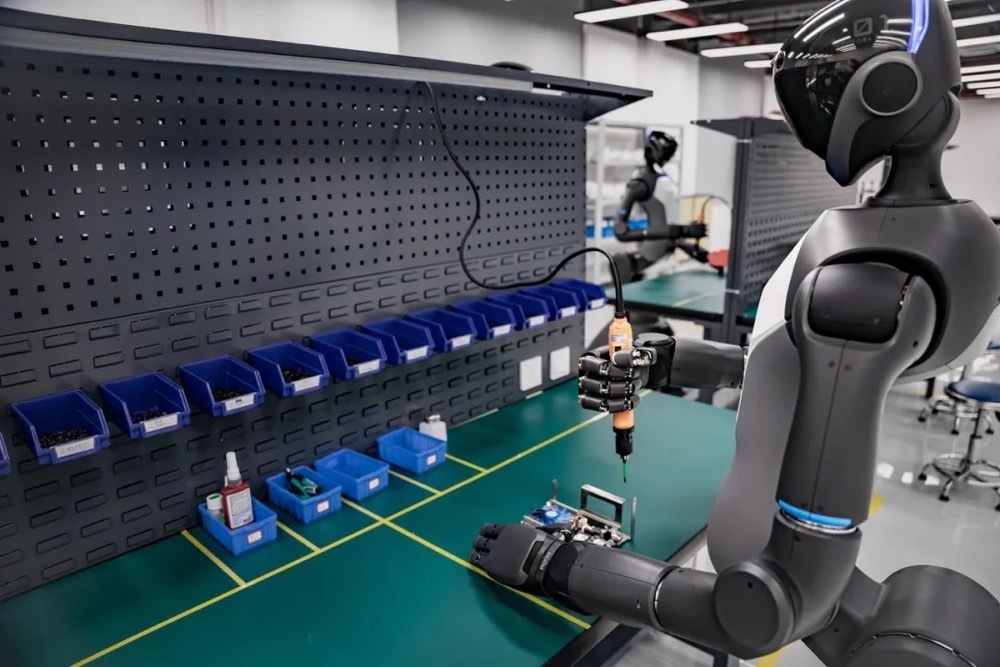
Airbus unveils U145 autonomous helicopter drone for cargo supply ops
A European defense official has outlined the expanding roles of military drones, emphasizing their capabilities in armed scouting, surveillance, and crewed-uncrewed teaming. These advanced unmanned aerial vehicles are also expected to function as "motherships" for launching additional air effects. This development highlights the increasing reliance on drone technology in modern military operations, reflecting a strategic shift towards more versatile and integrated aerial combat systems. The official's comments come amid ongoing discussions about enhancing military capabilities in response to evolving global security challenges.
Air Warfare Global Air Force Airbus Drones Europe
Video Captures Rafale Fighter’s Drone Kill Over Baltic
Recent footage has emerged capturing a Rafale fighter jet successfully engaging and destroying a drone over the Baltic Sea, marking a significant development in NATO's air policing efforts. This incident, believed to be the first of its kind in Europe, highlights the increasing challenges that unmanned aerial vehicles (UAVs) present to military operations in the region. The event underscores the evolving nature of aerial warfare and the necessity for NATO forces to adapt to the growing prevalence of drones in conflict scenarios. As tensions continue to rise in Eastern Europe, this engagement illustrates the strategic importance of maintaining air superiority and the ongoing efforts to counter emerging threats in the skies.
Air Air Forces Around The Globe Baltic Sea Europe Fighters
Thales’ new radio frequency weapon destroys 80 drones with zero ammo use in trials
A cutting-edge radio frequency weapon has demonstrated its effectiveness by successfully neutralizing 80 drones in recent tests. Developed by a leading defense technology company, this innovative system aims to address the growing threat posed by unmanned aerial vehicles. The tests were conducted in October 2023 at a designated military facility, showcasing the weapon's capabilities in real-world scenarios. The motivation behind this development stems from increasing concerns over drone usage in both military and civilian contexts, where they can be employed for surveillance or attacks. By disrupting the communication signals of these drones, the radio frequency weapon effectively renders them inoperable, providing a strategic advantage in airspace security. The successful deployment of this technology marks a significant advancement in counter-drone measures, as military forces around the world seek reliable solutions to mitigate potential risks associated with drone operations.
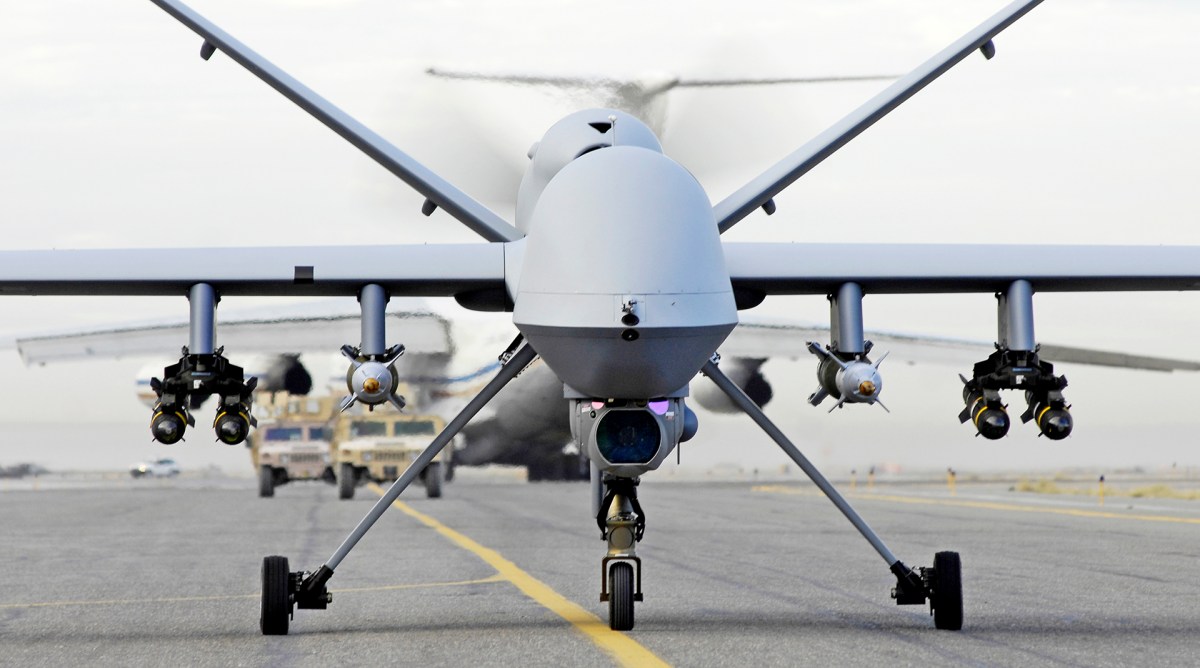
USAF Scrambling To Buy What Few MQ-9 Reapers It Can Find After Epic Fury Losses
The United States Air Force (USAF) is urgently seeking to acquire any available MQ-9 Reaper drones that are no longer in production, following significant losses in recent conflicts against Iran and Houthi forces. The demand for these unmanned aerial vehicles has surged as the USAF aims to replenish its fleet after experiencing a substantial number of casualties in combat operations. This situation highlights the ongoing challenges faced by the military in maintaining operational capabilities amid escalating tensions in the region. The effort to secure these drones underscores the critical need for advanced surveillance and strike capabilities as the USAF navigates the complexities of modern warfare.
Air Around The Globe Drones Iran Middle East News & Features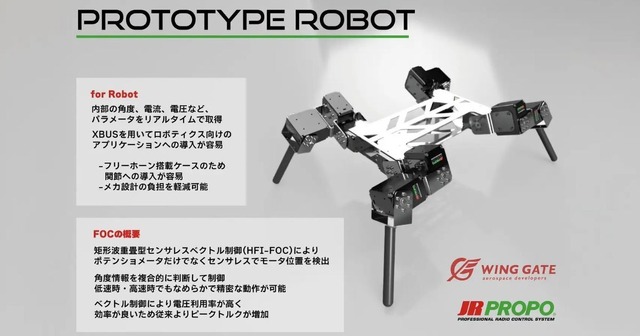
WINGGATE and Konishi Model launch joint project for domestic drone control development.
WINGGATE Co., Ltd. and Konishi Model Co., Ltd. have entered into a joint development agreement to create control systems for unmanned aerial vehicles (UAVs) and robots. The collaboration marks the beginning of a new development project aimed at advancing technology in the UAV and robotics sectors. This partnership is expected to leverage the expertise of both companies to enhance the capabilities and efficiency of their respective products, responding to the growing demand for innovative solutions in these fields.
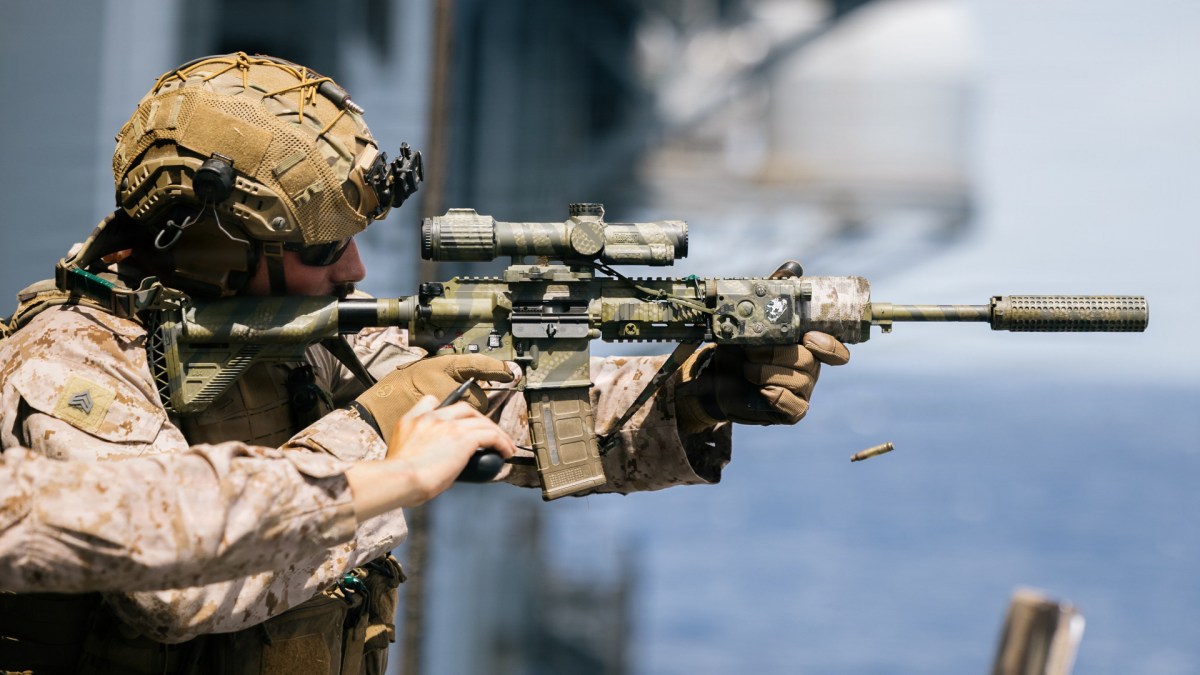
Anti-Drone 5.56mm Rifle Rounds That Break Into Multiple Projectiles Sought By Marines
Marines are seeking specialized 5.56mm rifle rounds designed to enhance their capability to neutralize small unmanned aerial vehicles (UAVs). This initiative aims to equip Marines with ammunition that breaks into multiple projectiles upon firing, thereby increasing the likelihood of successfully targeting and disabling these uncrewed attackers. The development of these anti-drone rounds reflects a growing recognition of the evolving threats posed by drone technology on the battlefield. By improving their firepower against such aerial threats, the Marines hope to bolster their operational effectiveness in various combat scenarios.
Land Assault Rifles Drones M16/AR15/M4 Pattern News & Features Sea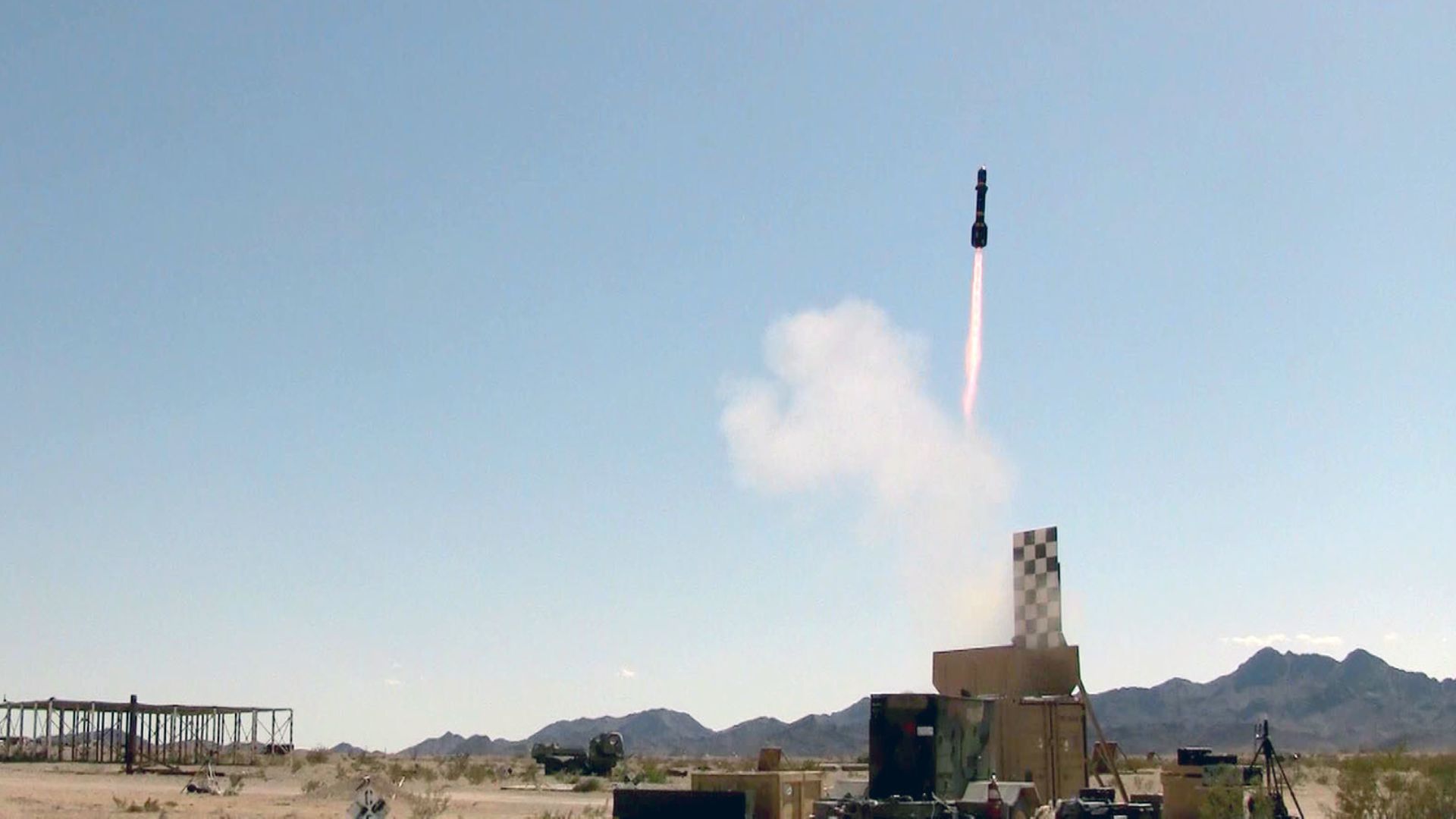
Lockheed’s 10-foot containerized launcher shoots down 1,320-pound attack drone
Lockheed Martin has achieved a significant milestone by successfully intercepting a Group 3 one-way attack drone using its advanced Joint All-Domain Command and Control (JADC2) system. This event took place during a recent test, showcasing the effectiveness of the technology in enhancing defense capabilities. The demonstration was conducted to validate the system's ability to detect, track, and neutralize aerial threats, reflecting the growing importance of counter-drone measures in modern warfare. The successful interception underscores Lockheed Martin's commitment to advancing military technology and improving national security. This achievement not only highlights the company's innovative approach but also addresses the increasing challenges posed by unmanned aerial vehicles in conflict scenarios.
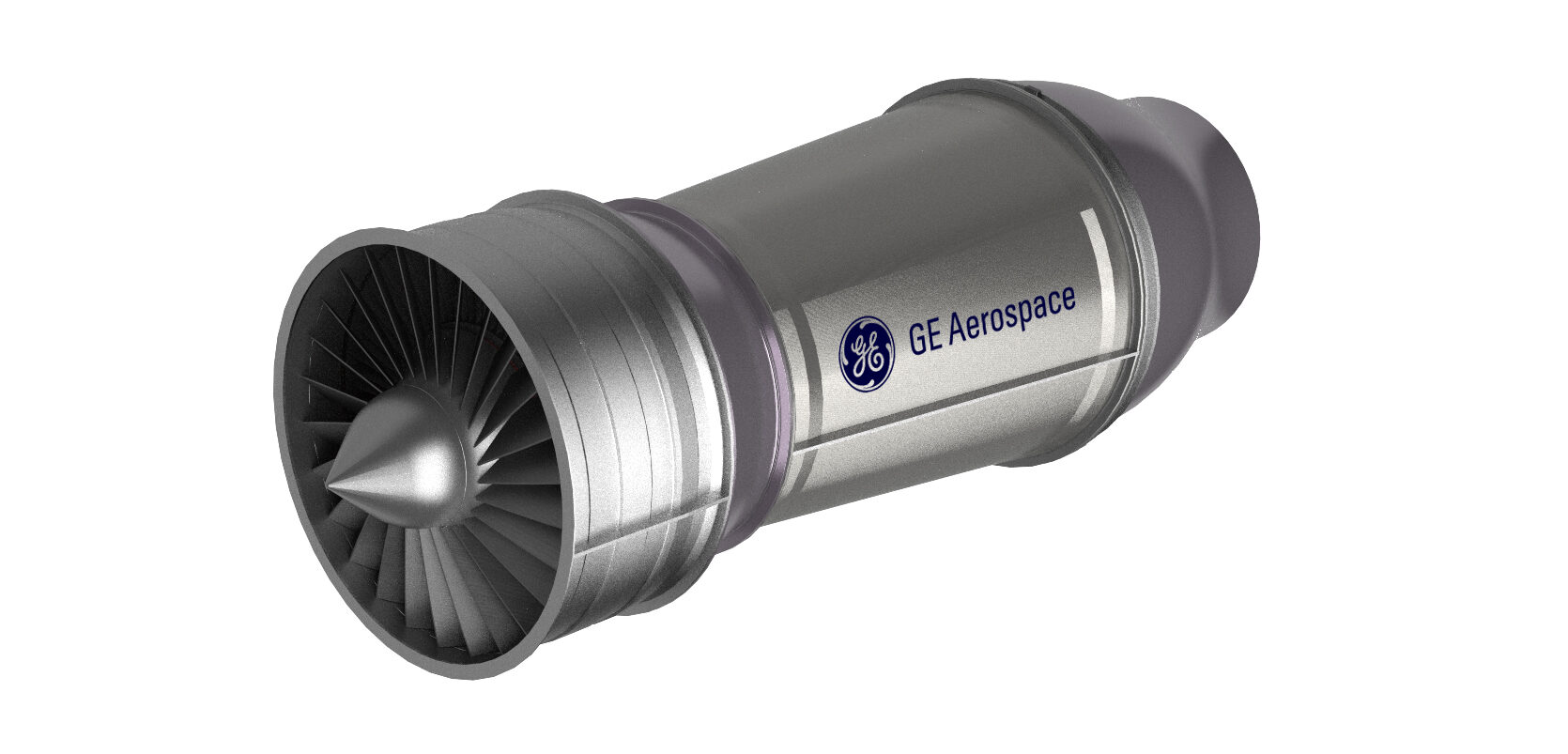
Air Force awards GE, Rolls-Royce for ‘medium thrust’ drone engines
Two prominent engine manufacturers are set to collaborate on developing advanced designs for medium thrust class drones, as confirmed by a spokesperson from the Air Force in a statement to Breaking Defense. This initiative aims to enhance the capabilities of unmanned aerial vehicles, reflecting a growing interest in drone technology within military operations. The partnership underscores the military's commitment to integrating innovative solutions to meet evolving defense needs. Further details regarding the timeline and specific locations for the development efforts have yet to be disclosed.
Air Warfare Air Force collaborative combat aircraft Drones GE Aerospace MQ-25 Stingray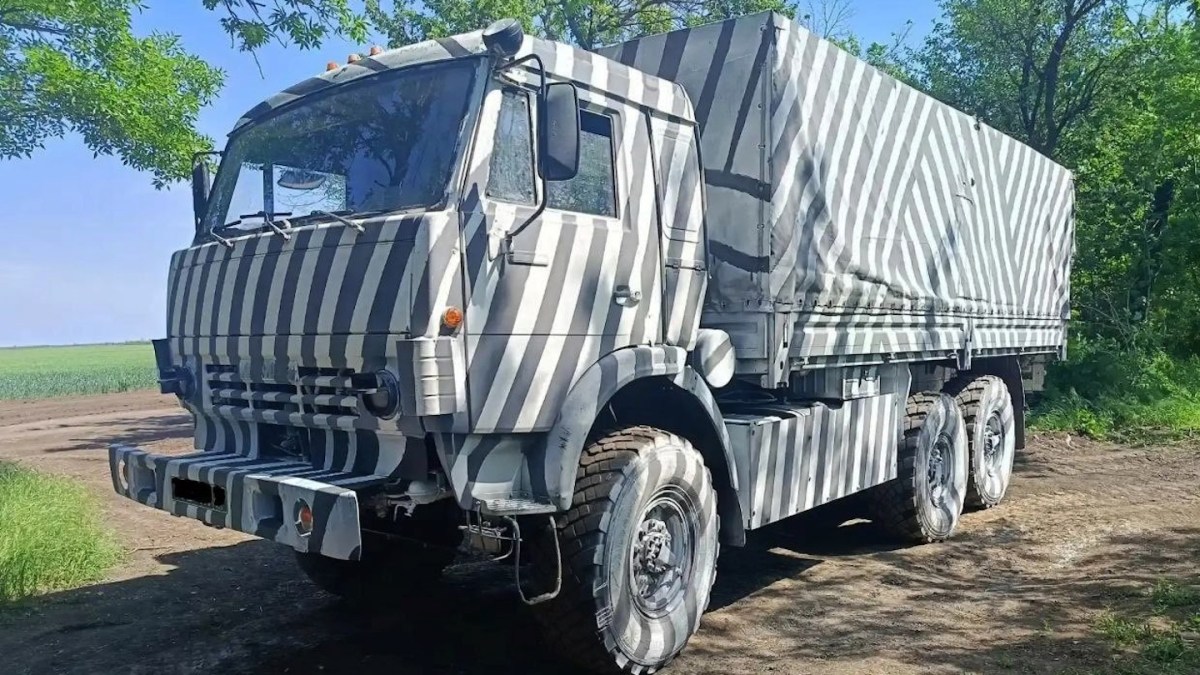
Russian Trucks Get ‘Dazzle’ Paint To Throw Off AI-Enabled Drones
Russian military trucks have been equipped with a new type of disruptive paint aimed at confusing machine-vision targeting systems. This development comes in response to the increasing threat posed by autonomous drones on the battlefield. The innovative paint, often referred to as "dazzle" paint, is designed to obscure the vehicles' outlines and hinder the ability of AI-enabled drones to accurately identify and target them. As the use of drone technology continues to evolve in modern warfare, this strategic move reflects Russia's efforts to enhance the survivability of its military assets against sophisticated aerial threats.
News & Features Around The Globe Drones Europe Russia Ukraine
Is The U.S. Flying MQ-1 Predator Drones Again?
Recent developments regarding the loss of an MQ-1 Predator drone to Iran have sparked discussions about the implications of reintroducing these unmanned aerial vehicles into active service. Analysts are examining the potential risks and benefits associated with deploying the Predator in current military operations, particularly in light of its previous encounters and vulnerabilities. The incident has raised questions about the effectiveness of the drone in modern warfare and the strategic considerations that come into play when utilizing such technology. As the U.S. military contemplates the future of the MQ-1, the debate underscores the complexities of aerial surveillance and combat in volatile regions.
Air Around The Globe Iran Middle East News & Features Q-1
Russian Drone Impacts Apartment Building In NATO State Romania, Injuring Civilians
A recent incident in Romania, a NATO member state, has sparked renewed concerns regarding the alliance's capacity to respond to threats posed by Russian drones. The event involved a Russian drone striking an apartment building, resulting in injuries to several civilians. This attack not only highlights the vulnerability of NATO's defenses against unmanned aerial vehicles but also raises questions about the effectiveness of the alliance's strategic measures in the face of such provocations. The incident underscores the ongoing tensions in the region and the potential implications for NATO's collective security framework.
News & Features Around The Globe Counter-Unmanned Aerial Vehicles (C-UAS) Drones Europe LandRobotics needs a service framework.
RSF defines a common language for robot service capability, lifecycle operations, certification pathways, and service-provider networks.