Industry Briefing
A single destination for timely, editor-curated robotics news from around the world.

E/V Nautilus Embarks on Two Expeditions to Explore Mariana Deep-Sea Regions
The Ocean Exploration Trust's Exploration Vessel (E/V) Nautilus has set sail for two expeditions to explore the deep sea around the Mariana Islands. These expeditions, taking place from June to August 2026, will utilize the vessel's remotely operated vehicle (ROV) and telepresence systems, alongside Woods Hole Oceanographic Institution's autonomous underwater vehicle (AUV) Sentry, to investigate previously unsurveyed areas. These missions are significant as they aim to enhance understanding of abyssal plain habitats and ancient seamounts east of the Mariana Trench, a region known for its tectonic activity and unique geological features. The expeditions are supported by NOAA Ocean Exploration and the Bureau of Ocean Energy Management, highlighting the collaborative effort to advance oceanographic research and fill knowledge gaps in this critical area. Looking ahead, the E/V Nautilus will focus on characterizing deep ocean habitats and biodiversity, as well as geological formations, including marine critical minerals. The outcomes of these expeditions are expected to contribute to both US and international scientific priorities, addressing the need for comprehensive data on the largely unexplored deep-sea environments around the Mariana Islands.
e/v nautilus marianas deep-sea exploration ocean exploration trust
Allocentric Teleoperation Enhances Multirobot Coordination from Variable Perspectives
In the July 2026 issue of Science Robotics, researchers introduced allocentric teleoperation as a novel approach to enhance multirobot coordination. This method allows operators to control multiple robots from various perspectives, improving situational awareness and operational efficiency. The significance of this development lies in its potential to transform how operators interact with robotic systems. By enabling a variable perspective, allocentric teleoperation can facilitate more intuitive control and better decision-making in complex environments, which is crucial for applications in fields such as search and rescue, exploration, and industrial automation. Looking ahead, the implications of allocentric teleoperation could lead to advancements in robotic teamwork and autonomy. Future research may focus on refining this technology and exploring its integration into existing robotic systems. No further timeline was disclosed at the time of publication.
Research Article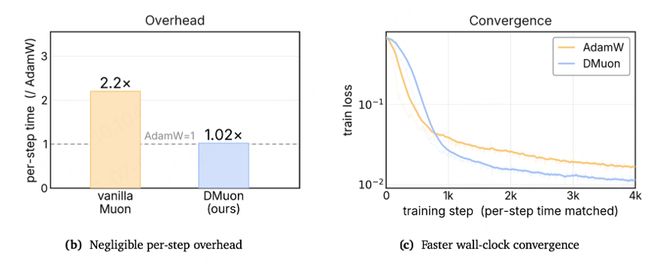
Variable Launches DMuon Optimizer to Improve Distributed Muon Model Infrastructure Efficiency by 30%
Variable Robotics has introduced the DMuon optimizer, enhancing the distributed Muon model infrastructure's efficiency by approximately 30%. This new optimizer addresses the additional computational and communication costs associated with using Muon in distributed training, which previously resulted in an end-to-end step time 2.2 times longer than AdamW. The significance of DMuon lies in its ability to maintain the faster convergence benefits of the Muon optimizer while reducing the end-to-end step time to just 1.02 times that of AdamW. This improvement is achieved through fine-grained communication optimization, computation-aware load balancing, and a high-performance kernel system, making DMuon a viable option for embodied model training without requiring changes to parameter update rules or training frameworks. Looking ahead, DMuon is expected to become a new default choice for embodied model training, as it effectively mitigates the redundant computations and communication overhead that previously hindered Muon's performance in distributed environments. No further timeline was disclosed at the time of publication.
Neural Network Optimization Distributed Training Machine Learning Infrastructure AI Models
Asylon secures Phase Three contract for MARIA aircraft inspection system development
Asylon has been awarded a Phase Three contract by the Warner Robins Air Logistics Complex (WR-ALC) to advance its Multi-modal Autonomous Robotics for Inspection of Aircraft (MARIA) system. This contract focuses on further development, integration, and demonstration of the MARIA technology at the WR-ALC facility, enhancing aircraft inspection processes. The significance of this contract lies in the increasing demand for automation in aircraft maintenance and inspection. Asylon's MARIA system aims to improve efficiency and accuracy in inspections, which is crucial for maintaining operational readiness in military and commercial aviation sectors. The integration of autonomous robotics is expected to streamline workflows and reduce human error. Looking ahead, stakeholders will be monitoring the progress of the MARIA system's development and its subsequent demonstration at WR-ALC. No further timeline was disclosed at the time of publication, but successful implementation could set a precedent for similar technologies in the aerospace industry.
News
Mapping the Mariana Islands: Saildrone Partners with Woolpert to Survey Critical Maritime Region for NOAA
The Mariana Trench, home to Challenger Deep, the deepest point in the world's oceans at 10,935 meters (35,876 feet), remains one of the least explored and most geologically significant areas on Earth. This underwater marvel, located in the western Pacific Ocean, continues to intrigue scientists and researchers due to its profound depths and unique geological features. Efforts to map and study this region are crucial for understanding oceanic processes and biodiversity, as well as the effects of climate change on deep-sea ecosystems. As exploration technologies advance, researchers aim to uncover the mysteries of the trench and its surrounding islands, shedding light on the fundamental workings of our planet’s oceans.
mapping mariana islands saildrone woolpert survey noaa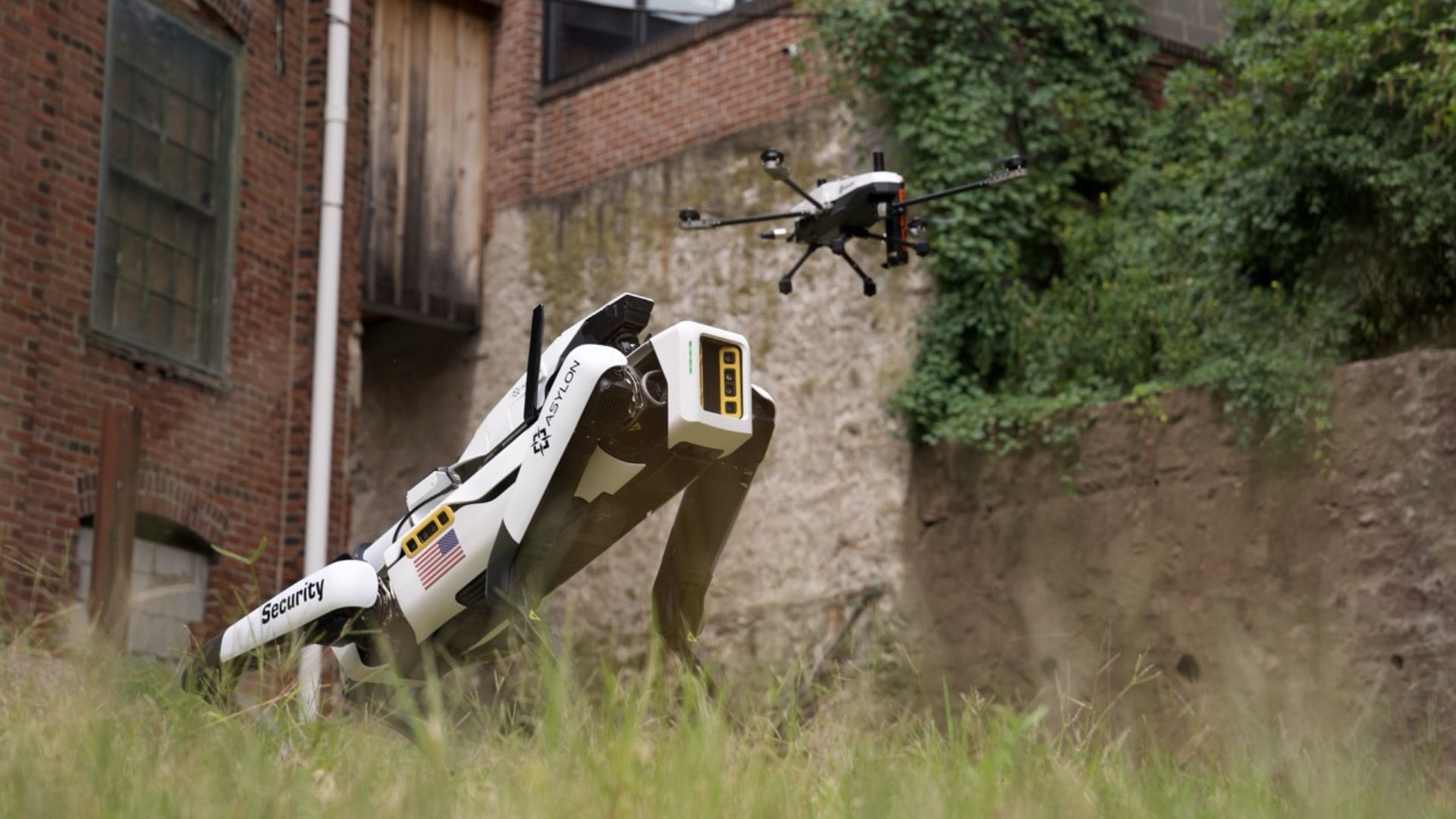
Asylon's MARIA System Enhances Aircraft Inspections for U.S. Air Force
Asylon has secured a Phase Three contract with the U.S. Air Force's Warner Robins Air Logistics Complex to deploy its Multi-modal Autonomous Robotics for Inspection of Aircraft (MARIA) system. This initiative aims to streamline aircraft inspections by integrating air and ground robotic platforms, significantly reducing the time for general visual inspections while enhancing consistency in maintenance tasks. The MARIA system combines Asylon's Guardian unmanned aircraft with the DroneDog Q-UGV, utilizing the Range autonomy software and DroneIQ command-and-control system for efficient inspection management. The significance of this deployment lies in its potential to transform aircraft maintenance operations. By automating inspections, the MARIA system not only improves inspection quality but also mitigates the risks associated with labor-intensive tasks. The integration of imagery, LiDAR data, and telemetry into a single platform allows maintenance personnel to make informed decisions quickly, thereby enhancing aircraft readiness without increasing manpower demands. This project marks a pivotal shift in how the Air Force approaches maintenance, leveraging autonomous technologies to optimize operational efficiency. Looking ahead, the success of the MARIA deployment at Warner Robins could lead to broader adoption of these technologies across military maintenance organizations. No further timeline was disclosed at the time of publication, but the ongoing collaboration between Asylon and the Air Force may pave the way for future advancements in defense sustainment operations, particularly in the realm of autonomous inspections and maintenance support.
Military
Zivariable Launches QUANXTA Zero Series for Data Collection Without Ontology
Zivariable has launched the QUANXTA Zero series, a new line of products aimed at improving data collection processes. Unveiled recently, these devices are designed to facilitate efficient data gathering for model training without the need for ontology. The QUANXTA Zero series promises to enhance data quality through automated labeling and seamless integration into an extensive data service pipeline. This innovation not only boosts the efficiency of data collection but also significantly reduces associated costs, making it a valuable tool for organizations seeking to optimize their data management strategies.
Data Collection AI Models Robotics Automation
"Breaking Through the 'Data Wall'! Independent Variable Releases QUANXTA Zero Series, Full-Stack Players Redefine Embodied Intelligent Data Collection..."
Independent Variable has announced the launch of its QUANXTA Zero Series, a groundbreaking advancement in embodied intelligent data collection. This release aims to address the challenges posed by the so-called "data wall," which has hindered effective data utilization in various sectors. The unveiling took place in October 2023, showcasing the innovative capabilities of the new series designed to enhance data gathering and analysis processes. The QUANXTA Zero Series is positioned to redefine how full-stack players in technology and data management approach the collection and interpretation of data. By integrating advanced technologies, Independent Variable seeks to empower organizations to overcome existing barriers and harness the full potential of their data assets. This initiative reflects a growing demand for more efficient and intelligent data solutions, driven by the need for businesses to make informed decisions based on comprehensive data insights. The launch is expected to attract significant interest from industries looking to enhance their data strategies and improve operational efficiencies.
Robotics Automation AI
Transforming Smart Models into Productive Robots: The Journey of Self-Variables
Self-Variables has made significant strides in robotics by evolving from advanced models to practical applications, showcasing their self-developed technologies and engineering expertise. This transition, achieved through overcoming challenges in training, hardware development, and real-world implementation, has enabled the company to demonstrate its capabilities across various sectors, including home cleaning and logistics. The successful application of their robots has garnered substantial investment from industry leaders, highlighting the growing interest in their innovative solutions.
Robotics AI Automation Machine Learning
Embraer and OGMA complete first Hungarian C-390 maintenance in Portugal
Embraer, in collaboration with the Portuguese aerospace company OGMA, has successfully completed the first scheduled 24-month maintenance for a C-390 Millennium aircraft belonging to the Hungarian Air Force. This significant milestone was achieved as part of ongoing efforts to ensure the operational readiness and reliability of the aircraft, which plays a crucial role in Hungary's military capabilities. The maintenance work was carried out in Portugal, showcasing the partnership between the two companies and their commitment to supporting the Hungarian military's aviation needs. This maintenance cycle not only enhances the aircraft's performance but also extends its service life, reflecting the growing importance of the C-390 Millennium in modern air force operations.
News
Robot Talk Episode 159 – Robot sensing and manipulation, with Maria Koskinopoulou
Claire recently engaged in a conversation with Maria Koskinopoulou, an Assistant Professor in Robotics and Computer Vision at Heriot-Watt University, regarding the advancements in autonomous robotic manipulators. The discussion highlighted the applications of these technologies in various fields, including surgery and industry. Koskinopoulou, who co-leads the ARM²Lab—focused on Autonomous Robotic Manipulation and Multi-Agent Systems—alongside Ignacio Carlucho, shared insights into her research interests and the potential impact of robotics on future innovations. The dialogue underscores the growing significance of robotics in enhancing efficiency and precision across multiple sectors.

Revolutionizing Robotics: Self-Variable Launches the World's First 'World Unified Model'
Self-Variable Robotics has introduced WALL-B, a revolutionary World Unified Model (WUM) that transforms the concept of embodied intelligence in robotics. This innovative robot distinguishes itself from conventional models by not only mimicking actions but also by integrating various modalities to achieve genuine understanding and interaction with its surroundings. This advancement represents a significant progression in the capabilities of robotic technology, showcasing the potential for more sophisticated and responsive machines. The unveiling of WALL-B marks a pivotal moment in the field of robotics, promising to enhance how robots engage with the world around them.
Embodied Intelligence Robotics AI Machine Learning Automation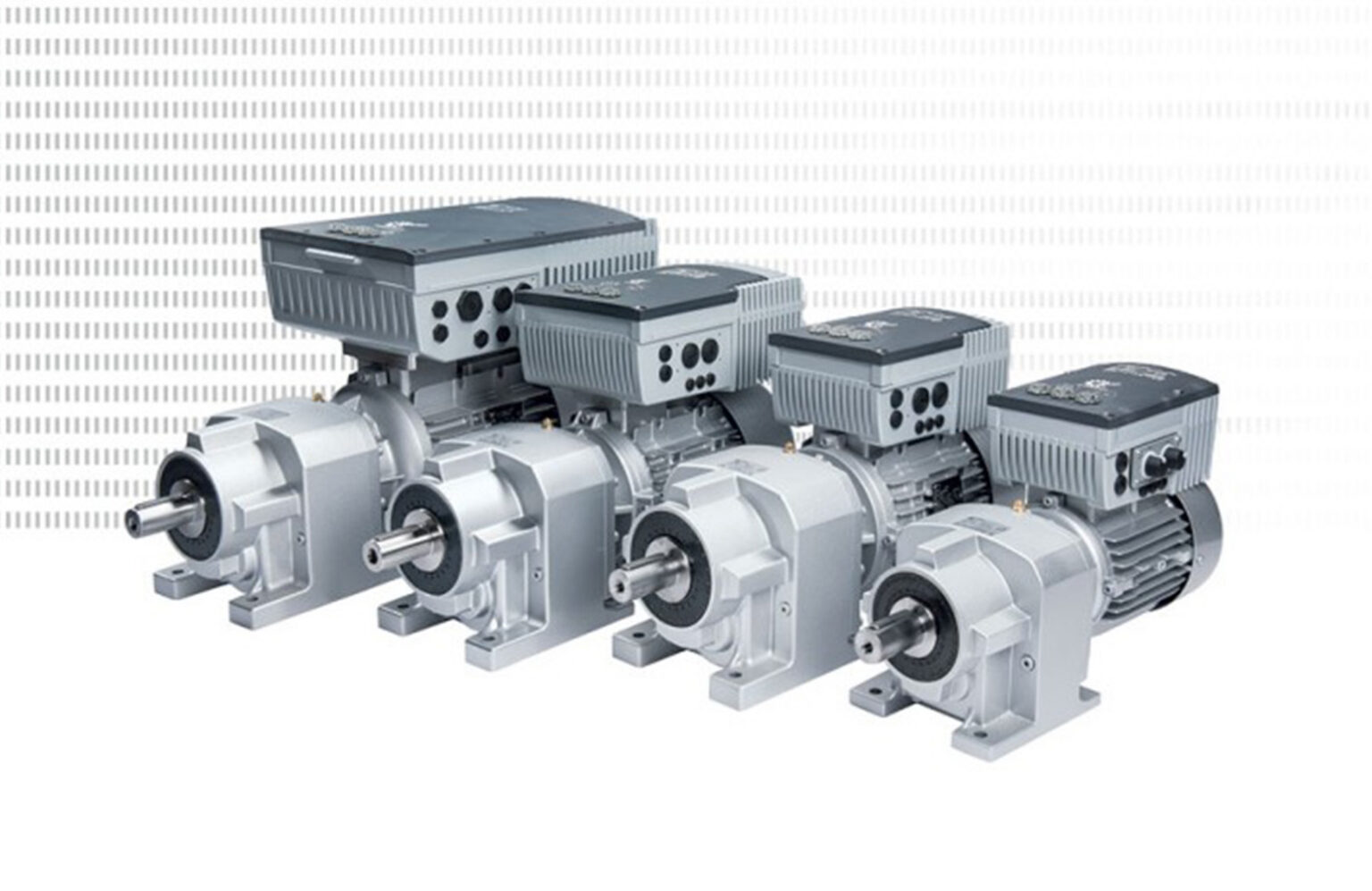
NORD Drivesystems releases motor starters, variable frequency drives
NORD Drivesystems has announced the launch of its latest motor starters and variable-frequency drives, designed to facilitate seamless integration and scalability for various applications. This new product line aims to enhance operational efficiency and adaptability in industrial settings. The release underscores NORD's commitment to providing innovative solutions that meet the evolving needs of the market. The announcement was made recently, highlighting the company's ongoing efforts to advance technology in drive systems.
Actuators / Motors / Servos Controllers Motion Control Networking / Connectivity News NORD Drivesystems
Robot Talk Episode 147 – Miniature living robots, with Maria Guix
In a recent discussion, Claire spoke with Maria Guix, a chemist and nanotechnology researcher at the University of Barcelona, about the innovative field of biohybrid robots. This conversation highlighted Guix's work in the ChemInFlow lab, where she focuses on merging electronics with biological components to develop miniaturized living robots. These biohybrid robots possess emergent properties that could enhance their functionality and adaptability. Guix is also integrating flexible sensors into microfluidic platforms, a process aimed at advancing the understanding of these robotic systems. The research is significant as it explores the intersection of biology and technology, potentially leading to breakthroughs in robotics and bioengineering.

HII Delivers First of the Newest REMUS Variant: 130
HII, the largest military shipbuilder in the United States and a leader in autonomous maritime systems, has successfully delivered the first REMUS 130 unmanned underwater vehicle (UUV) to a U.S. ally. This significant achievement represents a milestone in the advancement of the next generation of the REMUS series, which is recognized as the most widely deployed autonomous underwater vehicle globally. The delivery underscores HII's commitment to enhancing maritime capabilities for allied nations and reflects the growing importance of autonomous systems in modern naval operations.
hii remus variant: 130
Study Reveals Electric Fields Influence Neural Activity Variability in the Brain
A recent study published in Cerebral Cortex highlights how local electric fields affect neural activity, explaining fluctuations during repetitive tasks. Researchers Earl K. Miller and Dimitris Pinotsis found that these electric fields, through a process known as ephaptic coupling, play a crucial role in organizing neural spiking and processing information. This discovery is significant as it challenges the traditional view of brain function, which primarily focuses on individual neuron connections. The findings suggest that manipulating electric fields could lead to therapeutic interventions for neurological diseases, potentially allowing for the reorganization of faulty neural circuits. Looking ahead, the researchers emphasize the importance of understanding the moment-to-moment influence of electric fields on brain function. They propose that further exploration of these fields could unlock new strategies for enhancing cognitive functions in patients with neurological impairments. No further timeline was disclosed at the time of publication.
Research Neuroscience Memory Brain and cognitive sciences Picower Institute School of Science
European manufacturers unveil new main battle tank variants at Eurosatory
On Monday, KNDS unveiled its latest innovation, the CaPINT MBT, during a presentation aimed at modernizing France's armored vehicle capabilities. This new main battle tank is designed to serve as a replacement for the aging Leclerc fleet, which is anticipated to be phased out by 2037. The introduction of the CaPINT MBT comes in response to the need for advanced military technology that can meet contemporary defense challenges and enhance France's operational readiness. The event marks a significant step in the ongoing evolution of military equipment, as KNDS seeks to address the future demands of armored warfare.
Global Land Warfare Army Europe EUROSATORY 2026 france
ALAN Takes Nominations for Humanitarian Logistics Awards
The Association for Logistics and Supply Chain Management (ALAN) annually recognizes excellence in the logistics field by presenting awards to professionals, academics, organizations, and departments. This year, the awards ceremony will take place in December 2023, celebrating outstanding contributions across four distinct categories. The initiative aims to highlight the importance of logistics in driving efficiency and innovation within the industry. By honoring those who have made significant impacts, ALAN seeks to inspire continued growth and development in logistics practices. The awards process involves a thorough evaluation of nominees based on their achievements and contributions to the field, ensuring that recognition is given to those who exemplify excellence in logistics.
Containerized Variant Of Navy’s Drone-Swatting HELIOS Laser Being Pushed By Congress
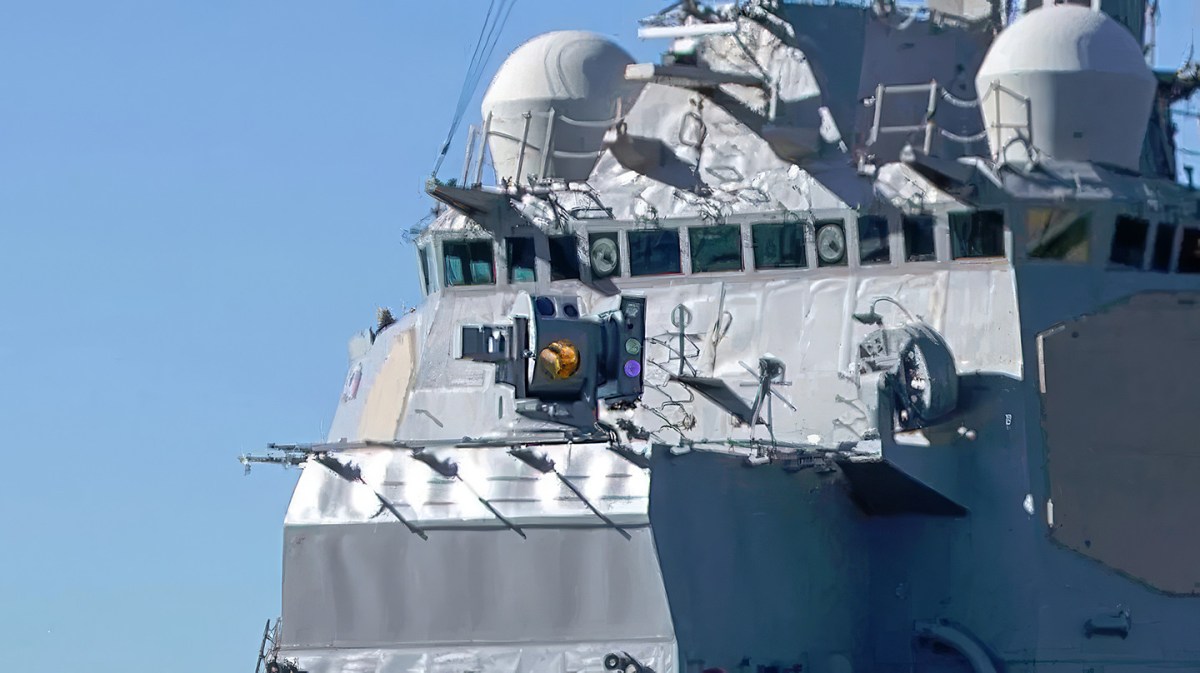
Congress is advocating for the development of a containerized version of HELIOS, the Navy's advanced laser system capable of disabling drones from an active warship. This initiative aims to enhance the deployment flexibility of the HELIOS laser, which is currently the only system of its kind in operation. By placing the laser in a container, the Navy could potentially expand its use across various platforms and locations, improving operational readiness and response capabilities. The push for this innovation reflects a growing emphasis on modernizing military technology to address evolving aerial threats.
News & Features Directed Energy Lasers Navies Sea U.S. Navy
Stop Losing Money to Process Variability with These Proven Multi-Variable Process Control Strategies
Food manufacturers are increasingly turning to advanced Model Predictive Control (MPC) systems to enhance their operational efficiency. These sophisticated systems enable companies to optimize complex production processes, significantly reduce waste, and ensure consistent product quality. As the industry faces growing pressure to improve sustainability and meet consumer demands for high-quality products, the adoption of MPC technology has become a strategic priority. By leveraging real-time data and predictive analytics, manufacturers can make informed decisions that streamline operations and minimize resource consumption. This trend is expected to continue as companies seek innovative solutions to remain competitive in a rapidly evolving market.
Process / Control
REQDGAN‐TUA: A Reflection Equivariant Quantum Graph Attention Framework With Tactical Unit Optimization for Intelligent Fault Diagnosis in Industrial Robotics
A recent study published in the Journal of Field Robotics highlights advancements in robotic technology, focusing on the development of autonomous systems capable of navigating complex environments. Conducted by a team of researchers from various institutions, the study was released in May 2026 and aims to enhance the efficiency and safety of robotic operations in fields such as agriculture, search and rescue, and environmental monitoring. The researchers utilized cutting-edge algorithms and machine learning techniques to enable robots to interpret and respond to dynamic surroundings. This innovation is particularly significant as it addresses the growing demand for automation in sectors where human intervention can be hazardous or inefficient. By testing these autonomous systems in real-world scenarios, the team demonstrated their potential to operate effectively in unpredictable conditions, which could revolutionize how tasks are performed in challenging environments. The findings underscore the importance of continued investment in robotics research to improve safety, productivity, and operational capabilities across various industries. This study not only contributes to the academic field but also has practical implications for industries looking to integrate advanced robotics into their operations, paving the way for a future where robots can work alongside humans more seamlessly.
RESEARCH ARTICLE
Real‐Time Detection and Robotic Picking of Stropharia Rugoso‐Annulata Using Enhanced YOLOv11s
In a recent study published in the Journal of Field Robotics, researchers explored advancements in robotic navigation systems, focusing on their application in complex environments. The findings, released in May 2026, highlight innovative algorithms that enhance the ability of robots to navigate through challenging terrains, such as urban landscapes and disaster-stricken areas. The research team, composed of experts in robotics and artificial intelligence, conducted extensive field tests to assess the performance of these new navigation systems. By integrating machine learning techniques, the robots demonstrated improved decision-making capabilities, allowing them to adapt to unforeseen obstacles and dynamic surroundings. This study is significant as it addresses the growing need for efficient robotic solutions in various sectors, including search and rescue operations, urban planning, and environmental monitoring. The enhanced navigation systems could lead to more effective deployment of robots in critical situations, ultimately saving lives and resources. The researchers emphasized that the successful implementation of these technologies relies on ongoing collaboration between academia and industry, ensuring that advancements in robotics can be effectively translated into real-world applications. As the demand for autonomous systems continues to rise, this research represents a crucial step toward more intelligent and adaptable robotic solutions.
RESEARCH ARTICLE
Optimized Object Detection in Road‐Vehicle Images Using Approximate Tree Multiplier‐Based Daubechies Wavelet Transform and YOLO Variant
The Journal of Field Robotics has recently published an early view article highlighting advancements in robotic technology. This publication, released in October 2023, focuses on innovative applications of robotics in various fields, including agriculture, healthcare, and disaster response. Researchers and engineers are exploring these technologies to enhance efficiency and safety in operations that are often hazardous or labor-intensive. The article emphasizes the growing importance of autonomous systems in addressing complex challenges faced by industries today. By integrating artificial intelligence and machine learning, these robots are designed to perform tasks with increased precision and adaptability. The research underscores the potential for robotics to revolutionize traditional practices, ultimately leading to improved outcomes and reduced costs. As the demand for automation continues to rise, the findings presented in this publication aim to inform stakeholders about the latest developments and encourage further investment in robotic solutions. The collaborative efforts of scientists and industry leaders are crucial for advancing this technology, which promises to reshape the future of work across multiple sectors.
RESEARCH ARTICLE
Variable Structure Adaptive Soft Robot for Complex Pipeline Environments
In a recent publication by the Journal of Field Robotics, researchers have unveiled groundbreaking advancements in autonomous robotic systems designed for agricultural applications. This study, released in early October 2023, highlights the innovative use of robotics to enhance efficiency and productivity in farming practices. Conducted by a team of engineers and agricultural scientists, the research focuses on the integration of machine learning algorithms and sensor technology to enable robots to perform complex tasks such as planting, harvesting, and monitoring crop health. The motivation behind this initiative stems from the increasing demand for sustainable farming solutions and the need to address labor shortages in the agricultural sector. The experiments were carried out in various agricultural settings, showcasing the robots' ability to adapt to different environments and crop types. By employing advanced data analysis techniques, the researchers demonstrated how these autonomous systems can optimize resource use while minimizing environmental impact. This pioneering work not only aims to revolutionize farming methods but also seeks to provide a viable solution to the challenges posed by climate change and food security. The findings are expected to pave the way for further developments in agricultural robotics, ultimately contributing to a more sustainable and efficient food production system.
RESEARCH ARTICLE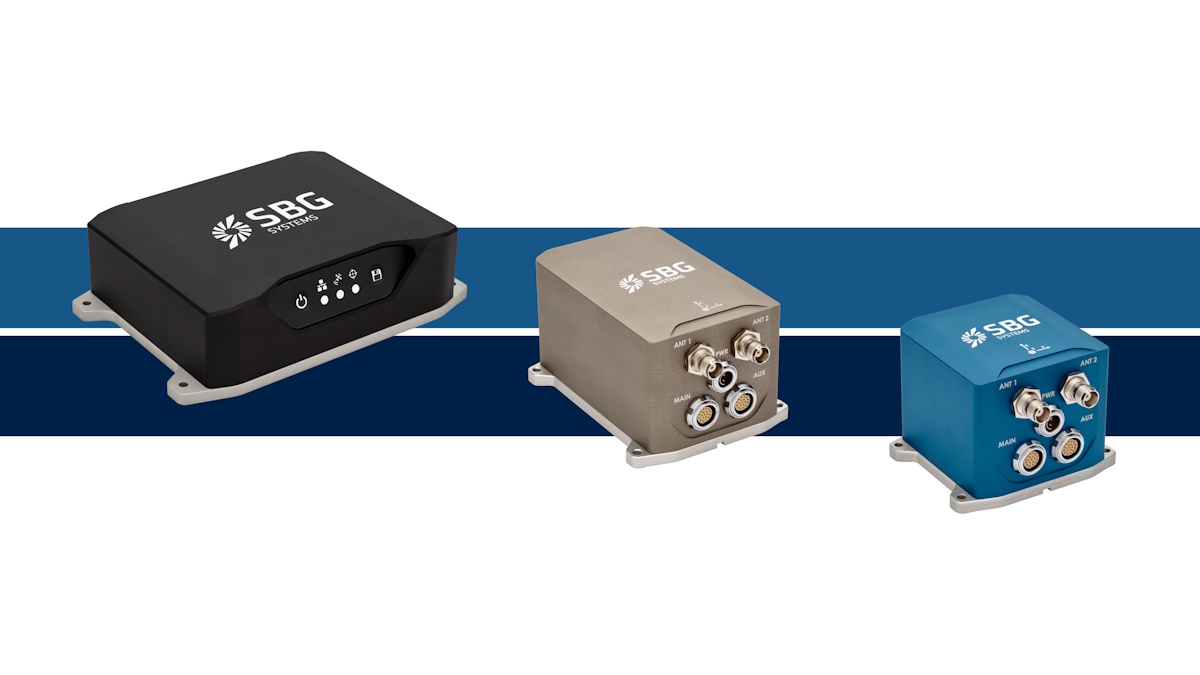
SBG Systems Introduces New GNSS Receiver Variants for Navsight, Apogee and Ekinox
SBG Systems has announced an expansion of its high-performance inertial navigation systems, including Ekinox, Apogee, and Navsight, by introducing new GNSS receiver options. This enhancement aims to provide users with increased flexibility while ensuring the precision and reliability that the company is recognized for. The update reflects SBG Systems' commitment to advancing navigation technology and meeting the evolving needs of its clients.
sbg systems gnss receiver navsight apogee ekinox
UK Team Secures £5M to Advance Human-Like Robot Dexterity with AI Co-Design
A research team from the University of Bristol and Imperial College London has been awarded a £5 million grant from the Advanced Research and Invention Agency (ARIA) to advance the development of AI-driven techniques for designing highly dexterous robotic hands and their control systems. This initiative, which aims to address existing challenges in robotic manipulation, seeks to democratize the creation of specialized robotic solutions for various tasks. The project underscores the growing importance of artificial intelligence in enhancing robotic capabilities and making advanced technology more accessible.
ARIA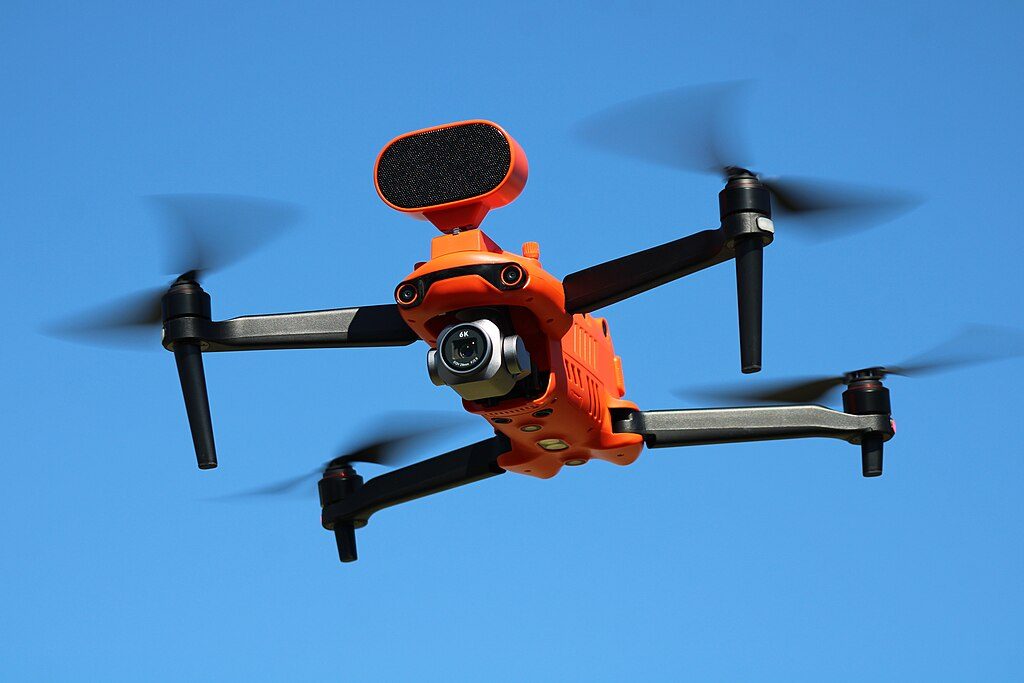
Proposed Patent Bill Could Have Major Implications for Drone Industry Intellectual Property
A newly introduced bill in Congress, the Prohibiting Adversarial Patents Act of 2026 (PAPA), aims to address concerns over certain foreign technology companies by making specific patents unenforceable while retaining ownership rights. Sponsored by Rep. Scott Fitzgerald (R-WI), the legislation seeks to expand U.S. scrutiny into the realm of intellectual property rights, particularly impacting the drone industry. The bill reflects growing apprehension regarding the influence of foreign entities on American innovation and aims to safeguard domestic technological advancements. If passed, PAPA could significantly alter the landscape of patent enforcement, particularly for companies operating within the drone sector.
Drone Manufacturing Drone News Drone News Feeds Drones in the News News US Government
Voice AI Systems Are Vulnerable to Hidden Audio Attacks
Researchers are set to unveil alarming findings regarding AI-powered voice and audio tools at the IEEE Symposium on Security and Privacy in San Francisco next week. The study reveals that modified audio clips, imperceptible to human ears, can manipulate large audio-language models (LALMs) to execute unauthorized commands with a success rate between 79 and 96 percent. This vulnerability allows attackers to control devices, conduct sensitive web searches, and even send emails containing user data without the user's knowledge. The research, led by Meng Chen, a Ph.D. student at Zhejiang University in China, demonstrates that these attacks can be executed in real-time and do not require the attacker to have full control over the user's instructions. Instead, adversarial audio can be embedded in various media, such as online videos or voice notes, making it a pervasive threat. The technique, dubbed AudioHijack, exploits a critical flaw in LALM design, allowing malicious instructions to be hidden within manipulated audio clips. The researchers tested their method on 13 leading open models, including those from Microsoft and Mistral, and found that their attacks could be adapted to commercial models as well. While Microsoft acknowledged the importance of the research in enhancing model resilience, Mistral did not respond to inquiries. The study highlights the challenges in defending against such attacks, as common defenses have proven largely ineffective, underscoring the urgent need for improved security measures in AI audio technologies.
Hacking Digital-audio Adversarial-attacks Open-source-software Cybersecurity
Report: Amazon Building Team to Develop Humanoid Robots for Warehouses and Beyond
Amazon is reportedly assembling a team to develop humanoid robots for various applications, including warehouse operations, home assistance, and healthcare. This initiative, which may involve collaboration with members from Covariant, aims to explore both wheeled and bipedal robot designs through simulation. The project underscores Amazon's commitment to advancing automation and robotics technology in response to growing demands for efficiency in logistics and service sectors.
Covariant Amazon
RealBOT Robot Excels in Culinary Tasks as a 'Xinjiang Chef
On July 15, 2026, the World Humanoid Robot Sports Championship's domestic third stop launched simultaneously in Yining, Xinjiang, and Sai Lake, Bozhou. RealBOT, a wheeled humanoid robot by Ruierman, previously provided logistical support at the 2026 Chinese Dragon Boat Race in Bazhong, Sichuan. In this event, the robot transitioned from a service role to that of a 'Xinjiang chef' in a real kitchen environment, successfully completing intricate tasks such as noodle pulling, meat skewering, grilling, and vegetable cutting. This demonstration is significant as it showcases the robot's ability to adapt to unpredictable physical variables in real-world scenarios, aligning with Ruierman's philosophy that robots must be deployed in authentic environments to truly understand and perform tasks. The challenges faced by the robot, including precise force control and real-time tactile feedback, highlight the advanced capabilities of Ruierman's technology, including a mechanical arm with ±0.05mm repeatability and millisecond-level force feedback. Looking ahead, the successful execution of these culinary tasks emphasizes the importance of robust hardware and data capabilities in robotics. No further timeline was disclosed at the time of publication, but the ongoing development of integrated joint modules and high operational reliability positions Ruierman to address industry challenges related to traditional robots' limitations in various environments.
Humanoid Robots Culinary Robotics AI Automation Technology
U.S. Navy Awards Ursa Major $10 Million for Mk 104 Rocket Motor Development
The U.S. Navy has awarded a $10 million contract to Ursa Major to enhance the Mk 104 solid rocket motor through critical design review and static-fire testing. This initiative is part of the Navy's ongoing efforts to expand U.S. missile propulsion manufacturing capabilities. This contract builds on Ursa Major's previous collaboration with the Navy, which included a $25 million investment in solid rocket motor prototyping. The Mk 104 is integral to the Navy's Standard Missile family, powering variants like the SM-2, SM-3, and SM-6, essential for both offensive and defensive operations. Looking ahead, Ursa Major's innovative Lynx manufacturing approach aims to produce solid rocket motors efficiently, addressing production bottlenecks. The Navy's investment signifies a commitment to diversifying the supply chain for solid rocket motors, enhancing production capacity as demand for advanced missile systems continues to rise. No further timeline was disclosed at the time of publication.
Military
Ranger Autonomous Vessel Successfully Completes Sea Trials from Submarine Torpedo Tube
An innovative autonomous surface vessel, the Ranger, has successfully completed its Sea Acceptance Test (SAT) in Germany, demonstrating its ability to be launched from a submarine's torpedo tube. Developed by Gabler and Flanq, the Ranger is designed for intelligence, surveillance, and reconnaissance missions with minimal human intervention. The successful completion of the SAT marks a significant milestone for the program, confirming the vessel's seaworthiness and the integration of its core technologies. The Ranger, measuring approximately 15 feet long, features a folding keel and collapsible sensor mast, allowing it to fit within a standard 21-inch torpedo tube. Looking ahead, Gabler will manage the commercialization and integration of the Ranger with submarines, while Flanq will provide advanced maritime technologies and mission software. The companies are also developing a one-way attack variant called Strike, expanding the platform's capabilities for future naval operations.
Military
International Research Team Embarks on Greenland Expedition to Study Melting Glaciers
An international team of researchers is set to begin a six-week expedition in Greenland on July 16, 2026, to investigate the rapid melting of fjord glaciers and its implications for the Atlantic Ocean. The study aims to assess how this melting contributes to potential climate tipping points, particularly affecting ocean currents. The research is part of a five-year project called GIANT, led by the British Antarctic Survey (BAS) and funded by the Advanced Research + Invention Agency (ARIA). The team will utilize advanced technologies, including drones, marine robots, and sensors, to gather data that will enhance predictions regarding the future of Greenland's glaciers and their environmental impact. As the expedition unfolds, attention will be focused on the effects of Greenland's melting ice on the North Atlantic Subpolar Gyre and the Atlantic Meridional Overturning Circulation (AMOC). Dr. Kelly Hogan from BAS emphasizes the significance of modern tools in exploring glacier-ocean interactions, highlighting the urgency of understanding these changes as they may occur within decades.
rrs sir david attenborough glaciers melting fjord glaciers climate change giant (greenland ice sheet to atlantic tipping points british antarctic survey (bas)
Chinese Heavy-Lift Drones Airlift Flood Victims in Guangxi Amid Safety Protocols
In Guangxi, China, heavy-lift drones have been deployed to rescue flood victims by airlifting individuals, defying standard safety protocols. This operation highlights the capabilities of the trillion-yuan low-altitude economy, which is becoming increasingly significant in emergency response scenarios. The use of these drones marks a pivotal moment in the integration of aerial technology into disaster management, showcasing their potential to save lives in critical situations. The significance of this operation lies in its demonstration of the industrial capacity within China's low-altitude economy, which is estimated to be worth trillions of yuan. By utilizing drones for rescue missions, authorities are not only addressing immediate humanitarian needs but also paving the way for future applications of drone technology in various sectors. This incident underscores the evolving landscape of aerial logistics and emergency response, emphasizing the need for updated safety regulations to accommodate such innovations. Looking ahead, the continued use of heavy-lift drones in rescue operations may lead to further advancements in drone technology and regulatory frameworks. No further timeline was disclosed at the time of publication, but the success of these missions could prompt increased investment and development in the low-altitude economy, potentially transforming how emergency services operate in the future.
Technology
Wanxun Technology Launches Universal Charging Service Engine with 0.000s Tolerance
On July 9, Wanxun Technology unveiled its 'Flexible Charging' universal charging service engine in Beijing, marking the industry's first comprehensive solution for public, dedicated, and home charging applications. This engine features a unique 0.000s tolerance technology, which addresses the core challenges of automatic charging in chaotic environments, enabling reliable and scalable commercial applications across various scenarios. The significance of this launch lies in its potential to overcome the limitations of existing automatic charging solutions, which often struggle with unpredictable variables such as diverse vehicle models, environmental conditions, and user behaviors. Wanxun's technology promises to enhance safety, reliability, and adaptability, making it suitable for a wide range of charging situations, from public stations to private homes. Looking ahead, Wanxun Technology aims to expand its automatic charging solutions across various sectors, including unmanned logistics and public transportation. The company has already initiated collaborations with manufacturers, operators, and government entities to accelerate the deployment of its solutions. No further timeline was disclosed at the time of publication.

OpenAI introduces GPT-5.6 models with enhanced efficiency and cybersecurity features
OpenAI has launched its latest family of models, GPT-5.6, featuring three variants: Sol, Terra, and Luna. Announced on Thursday, these models promise significant advancements in enterprise applications, coding, and scientific research. Notably, Sol is reported to be 54% more token efficient for coding tasks, positioning it as a leading option in the AI landscape. The introduction of GPT-5.6 is significant as it aims to enhance cybersecurity capabilities, with OpenAI claiming it is their strongest model yet in this area. The model supports various defensive activities such as threat modeling and code review, addressing concerns raised by previous regulatory scrutiny. This launch is strategically timed to compete with offerings from rivals like Anthropic, with OpenAI asserting that its models outperform competitors in key metrics. Looking ahead, OpenAI's new models are now available across platforms including ChatGPT and Codex, with pricing structured per million tokens. The company has not disclosed specific timelines for future updates or enhancements, but the competitive landscape suggests ongoing developments in AI model capabilities and market positioning.
AI ChatGPT gpt-5.6 OpenAI sam altman
ForSight Robotics advances JASPER Platform for enhanced cataract surgery assistance
ForSight Robotics has developed the JASPER Platform, designed to assist surgeons during cataract surgeries. This platform maintains surgeon control while integrating robotic assistance, marking a significant step in surgical technology. The platform aims to improve precision and efficiency in procedures, although specific metrics on its performance have not been disclosed. The introduction of the JASPER Platform is significant as it represents a shift towards greater automation in ophthalmic surgeries. By providing robotic assistance, ForSight Robotics aims to enhance surgical outcomes and reduce the variability associated with manual techniques. This development could potentially lead to broader adoption of robotic systems in various surgical fields, as the demand for precision in medical procedures continues to grow. Looking ahead, ForSight Robotics is expected to further refine the JASPER Platform and explore its full robotic capabilities. No further timeline was disclosed at the time of publication, but industry watchers will be keen to see how this technology evolves and its impact on surgical practices in the near future.
Artificial Intelligence Artificial Intelligence / Cognition Design / Development Healthcare Robotics Markets / Industries News
RBC Capital Increases Tesla Price Target to $500 Amid Robotaxi Potential
On July 7, 2026, RBC Capital raised its price target for Tesla, Inc. (NASDAQ:TSLA) from $475 to $500, maintaining an Outperform rating. This adjustment reflects a 25% to 30% premium to current trading levels, considering a potential acquisition scenario involving SpaceX. The firm highlighted the robotaxi market as Tesla's most significant opportunity, with a total addressable market of $4.2 trillion. The significance of this price target increase lies in Tesla's recent introduction of the Long Wheelbase variant of the Model Y, which features a 6-seat layout, enhanced interior space, and impressive specifications such as 0-60 mph acceleration in 4.4 seconds and an estimated range of 325 miles. Additionally, the vehicle boasts advanced features like a 19-speaker audio system and support for Full Self-Driving (FSD) Supervised with integrated Grok AI, further solidifying Tesla's competitive edge in the electric vehicle market. Looking ahead, Tesla's Q2 deliveries reached approximately 480,100 vehicles, surpassing expectations by 18% and marking the highest growth rate since Q3 2023. No further timeline was disclosed at the time of publication regarding future product launches or market strategies, but the focus on robotaxis and new vehicle variants suggests continued innovation and market engagement from Tesla.

Pakistan gives foreign banks an edge in shift to Islamic finance
FinancePakistan gives foreign banks an edge in shift to Islamic financeDomestic lenders required to convert to sharia-compliant model from 2028One currency, two banking systems. Pakistan's banks must all offer sharia-compliant services from 2028, but foreign banks will be able to continue offering non-Islamic services alongside -- giving them a possible advantage. © ReutersADNAN AAMIRJuly 7, 2026 14:31 JSTISLAMABAD -- In the run-up to its banking reform toward Islamic banking, the Pakistani government has decided to require domestically owned banks to operate under a fully sharia-compliant model from 2028 to eliminate interest-based finance.Read NextEnergyPakistan approves final link in 1,600-km national oil pipelineFinanceBangladesh bets $3.2bn to avert a banking crisis but reforms elusiveBusiness trendsPakistani gig workers' exports to hit record high but AI threats loomCommoditiesIndian families scale back on gold for weddings as prices hover near highsEnergyBangladesh power cuts deepen as government struggles to pay billsFood & BeverageIndia's sugar industry likely to exit exports and exist for ethanolDefensePakistan unfazed by Afghan-Russian military pact, say officialsTradeChinese firms brace for new EU rules as trade deficit tops $1bn a dayInternational relationsBangladesh courts China to drive infrastructure and trade pushBusiness dealsPakistan offers up 3 state-owned power distributors in privatization pushLatest on FinanceFinanceSingapore's Temasek to raise AI exposure 2.5-fold over 5 yearsFinanceJapan brokerages set sights on US mega-IPOs after strong SpaceX debutFinanceJapan's blockchain-based security tokens to open to foreign investorsSponsored ContentAbout Sponsored ContentThis content was commissioned by Nikkei's Global Business Bureau.

What Makes AI Art Worth Collecting?
In May, an anonymous artist who goes by SHL0MS on X posted that he had used AI to generate an image inspired by Claude Monet and asked people to weigh in on how it missed the mark. More than 600 responses called out issues, saying the colors were off, the depth was all wrong, and that AI didn’t understand how light worked.SHL0MS then revealed that the image was of a real Monet, one of around 250 variations of water lilies the artist had painted in his lifetime. He had simply downloaded a high-resolution image from Wikimedia and cropped out the signature. He minted the exchange as an NFT (a unique digital collectible recording ownership of the work), titled it “Inferior Image,” and sold it for just over US $40,000 after 28 bids.The stunt exposed how charged the conversation around AI art has become, and how quick people are to dismiss anything AI-generated as slop—even when it’s not. Yet even as those arguments continue, a market for AI-generated art has begun to form anyway. It’s fragmented and contested, but bigger than most people realize.Jediwolf, an anonymous collector who says he has spent more than 20 years acquiring digital and AI art, was watching the experiment unfold in real time on X. He had never interacted with SHL0MS before, but when the NFT went up for auction he made a bid and won. “I was buying a unique moment in time,” he says, “captured by an artist and preserved as a token.”The Monet was not AI art, but most of what Jediwolf buys is. One of Jediwolf’s digital collections, which he calls UnderTheGAN—a play on GANs, or generative adversarial networks, the AI technology that preceded today’s diffusion models—comprises roughly 100 works valued at around $72,000, focused on early AI art from 2015 to 2020, before the medium went mainstream. He describes his role as part collector, part researcher, part curator, trying to document a fast-moving field.“A decade ago, digital art was often treated as peripheral to the ‘serious’ art world,” he says. “Today, it is increasingly difficult to separate contemporary culture from the internet.”AI Art Moves Into MuseumsThe market for AI art extends beyond NFTs: AI-generated pieces are also finding their way into physical installations. Last month saw the opening of Dataland, the world’s first generative AI museum, in downtown Los Angeles. It was spearheaded by Refik Anadol, a digital artist who has built a career out of transforming data into large-scale immersive experiences. The opening exhibition has pieces that use data that Anadol collected from rainforests around the world, with real-time weather information from 16 rainforests feeding into all five galleries. In three of the rooms, the imagery also shifts in response to visitors’ own biometric data, tracked by bracelets they wear. Like any museum it sells tickets, ranging from $49 to $79, and has a gift shop. This shop, however, uses visitors’ biometric data collected during their visit to generate a unique design printed on a T-shirt. For $15,000, a robotic painting system called Qualia creates a one-of-a-kind canvas from that same data, painted once a day, with a waiting list already forming. A founding collection of 1,000 AI data sculptures that evolve based on environmental data from global rainforests sold out in 34 minutes at $5,000 each.The system running it all, which Anadol calls the Large Nature Model, was trained on more than 500 million nature images representing 2.2 million species, gathered through field expeditions to 16 rainforests and partnerships with institutions including the Smithsonian and the Cornell Lab of Ornithology.For Anadol, AI art requires a different kind of transparency than any medium that came before it. Because commercial AI tools have shaped how most people understand the technology, artists working with it seriously have to be more open about their process than painters or photographers ever did.“For AI art, we have to know where the data comes from, we have to know which model is trained and how it’s trained,” he says. “We can’t just think about authenticity and uniqueness if a service and product is the fundamental layer of the artwork.”The reviews for Dataland have mostly been positive, with one critic calling it the Citizen Kane of immersive experiences. But Anadol is used to a more divided reception. His 2022 installation at MoMA—a 7-by-7-meter screen of AI-generated fluid forms with shifting colors and sounds—drew 3 million visitors and entered the permanent collection, even as New York Magazine called it “a massive techno lava lamp.” Anadol sees the skepticism as nothing new, just the latest version of a resistance that has greeted all new media. “Every art form has gone through similar cycles of denial,” he says. “We are living in a renaissance that started 10 years ago, and I just don’t think everyone is aware of it yet.”Who Is Buying AI Art?The broader market data points in multiple directions at once. According to the Art Basel and UBS Art Market Report 2026, digital art’s share of sales nearly tripled between 2024 and 2025, and just over half of all fine art collectors surveyed had purchased a digital artwork in 2025, making it the third most popular category after painting and sculpture (the report does not break out AI art specifically).Meanwhile, Christie’s shuttered its pioneering digital art department in September, folding digital works back into its broader contemporary sales after none of its dedicated auctions broke $400,000.The most data-rich window into buyer behavior comes from a less glamorous corner of the market. After one major stock image platform allowed AI-generated images, monthly sales jumped 80 percent, according to Samuel Goldberg, an economist at Stanford Graduate School of Business who published a research paper about the shift. Traditional contributors began leaving the platform as generative images flooded in, and creators using AI tools rushed to fill the gap. “It looks like consumers like generative AI,” Goldberg says, “and it seems like nongenerative artists could be getting crowded out of the market.” Stock images are essentially a commodity version of art, according to Goldberg, and because image-generating models are already very good at producing them, what’s happening there may be a preview of what’s coming for other creative goods markets—including fine arts—as the technology improves.Artists are typically among the first to test the limits of a new technology; early adopters have created AI art since the 1970s. What’s new now is the ability for anyone to generate an image in seconds with a text prompt. That, according to Christiane Paul, curator of digital art at the Whitney Museum of American Art, is not the same thing at all. What fills those stock-image platforms, and what most people encounter when they think of AI art, does not qualify as art.True AI art, Paul says, is a subcategory of digital art that uses artificial intelligence as both a tool and a medium, engaging with it practically and conceptually, doing things like training custom models, building extensions, and layering control systems. “A visual created by a prompt is not art,” she says. What serious AI artists are actually doing is much more than typing a few words into DALL-E.Far from the shortcut most people assume, working seriously with AI as an artistic medium is, by her account, brutally hard. Every artist she talks to says the same thing. “It is much, much harder than a paintbrush to handle,” she says. “You are literally communicating with a system with a completely different logic.”Thanks to bubblemaps.io for its research assistance on the NFT market.
Ai-art Generative-ai Digital-art Blockchain
Palladyne AI Executes $4.2 Million U.S. Air Force Contract to Advance Swarming Capabilities for Integrated Cross-Domain Operations
Palladyne AI Executes $4.2 Million U.S. Air Force Contract to Advance Swarming Capabilities for Integrated Cross-Domain Operations Visit http://www.palladyneai.com for further information Palladyne AI’s SwarmOS™ platform to support satellite integration, marking a major expansion of its multi-domain autonomy and ISR capabilities across space, air, maritime, and land 07/07/26, 06:15 AM | Mobile Robots, Other Topics | Palladyne AI Corp. Palladyne AI Corp. (NASDAQ: PDYN and PDYNW) ("Palladyne AI"), a developer of artificial intelligence software for robotic platforms in the defense and commercial sectors, today announced that it has executed the previously announced contract awarded by the Air Force Research Laboratory (AFRL) to solve one of the most persistent challenges in modern defense operations—how to make different autonomous systems work together as one coordinated team. The "Hierarchical Adaptive Networked Game-Theoretic Integration of Multiple Echelons (HANGTIME)" contract will address this need. More Headlines A3's Automate 2026 Breaks Records as Demand for Robotics, AI and Automation Grows NVIDIA and Hugging Face Bring New Models and Frameworks to LeRobot for the Open Robotics Community ABB Robotics completes its AI-powered Visual SLAM AMR portfolio with new autonomous forklift UMA Unveils Its Vision for the Next Generation of Humanoid Robots Robbyant Unveils LingBot-Depth 2.0 and LingBot-Vision to Redefine Robotic Spatial Perception Articles Unleash AI Innovation: The Power of NVIDIA RTX PRO 6000 Blackwell Workstation Edition Fueled by PNY-Supplied GPUs Automate 2026 Q&A with DESTACO Automate 2026 Q&A with Roboteon Advances in Robots to See & Interpret within Warehouse Environments Building Resilient Fulfillment Networks with Robotics and Real-Time Logistics Data Today, drones, ships, and satellites often operate largely independently, limiting how quickly warfighters can see and respond to threats. HANGTIME will utilize Palladyne AI's patented SwarmOS™ software platform—the defense variant of the Palladyne™ Pilot embodied AI software—as the baseline technology to bridge that gap, connecting disparate systems so they can share intelligence, adapt to changing conditions, and act in sync across domains, including space, air, maritime, and land. By integrating satellites for the first time, this project also extends Palladyne AI's technology from the ground to orbit, enabling faster, more informed decision-making and coordinated mission execution, turning tactical commanders into strategic commanders by giving them more cross-domain intelligence, surveillance, and reconnaissance (ISR) capabilities than ever before. "Our collaboration with AFRL showcases what's next for autonomous operations," said Ben Wolff, President and CEO, Palladyne AI. "This isn't about replacing humans—it's about giving them sharper, faster insight. By connecting satellite, aerial, and ground systems using the patented SwarmOS embodied AI platform as a foundational technology, we're helping the warfighter make better decisions in real time and stay one step ahead on the battlefield." "The HANGTIME project is a breakthrough that unites high-altitude assets and situational unmanned systems into one coordinated sensor network—delivering a major advantage for the defense industry," said Dr. Denis Garagic, Chief Technology Officer, Palladyne AI. "For the first time, a single AI framework can coordinate assets across multiple domains, including satellites. That means these systems can now think and act together as a team, sharing what they see and learning as conditions change." "The HANGTIME effort represents a critical step in multi-domain autonomy for coordinated execution in challenging environments," said Caleb Williams, Program Manager, AFRL/RIEA. For more information on Palladyne AI and its patented collaborative autonomy software, including SwarmOS, please visit www.palladyneai.com. For more information about AFRL, please visit www.afrl.af.mil. About Palladyne AI Palladyne AI is a U.S.-based technology company developing patented embodied artificial intelligence, collaborative autonomy solutions, advanced avionics, autonomous systems, advanced UAV engineering services, and precision-manufactured components for defense and industrial markets. Palladyne AI delivers secure, American-developed and operated platforms designed to meet the stringent requirements of U.S. government and public-sector customers, including data sovereignty, security, and compliance. Palladyne AI's embodied AI is designed to operate in complex, contested, and high-risk environments, enabling distributed tasking, human-on-the-loop decision-making, degraded-communications resilience, and multi-domain coordination. Its platform-agnostic autonomy stack combines real-time sensor fusion, adaptive AI models, and edge-native orchestration—without vendor lock-in—to support autonomous and collaborative systems across air, ground, maritime, and industrial domains w
Small-AI Models Gain Traction Around the World
One morning in 2019, Adebayo Alonge was in a Cape Town hotel room, preparing to demonstrate his startup’s AI answer to a serious problem in African health care: counterfeit medication, which kills thousands of people across the continent every year.The RxScanner is a handheld spectrometer that scans a pill with infrared light, then sends the item’s molecular profile to an AI model equipped with a pharmaceutical database. In seconds, the AI identifies the medication from its molecular profile—or reports that it’s phony.Pharmacies were using the system in more than a dozen countries, including Ghana, Kenya, Myanmar, and Alonge’s native Nigeria. But that morning in South Africa, it didn’t work. “I was shocked,” Alonge says.The spectrometer connected to the AI model—but the data center was 14,000 kilometers away and bandwidth was limited. “Our server was in the United States, and just to get the result of a single scan was taking me over 5 minutes.”So Alonge immediately asked his engineers to shrink the AI model down to a smaller, low-power, unconnected version that could run entirely on his Android phone. They produced it 2 hours later, and that saved the demo.More importantly, the work birthed a new version of his device, which can authenticate a pill in places without broadband, computers, or even reliable electricity. It also turned Alonge into an advocate for this kind of “small AI.”Small AI for Global Health Care AccessSmall AI is a far cry from wealthy nations’ colossal large language models (LLMs), hyperscale data centers, multibillion-dollar investments, and debates about AI consciousness. But for millions of people around the world, the only AI that matters, and often the only kind available, is small. (According to a World Bank Report issued in November, only 0.7 percent of internet users in the world’s poorest countries have used ChatGPT, compared to a quarter of all internet users in the most developed nations.)“Most people are discussing AI from the LLM/generative side. But that needs a lot of computing power, electricity, massive data, and skilled people to manage it,” Ajay Banga, president of the World Bank, said last January at the World Economic Forum, in Davos. “Outside the developed world, other than maybe India and China, very few countries have that combination.”By contrast, small AI can deliver useful, even life-saving services to people in areas that have none of those things, Banga said. In India, where the government’s AI plans call for more development of small AI, many such systems are working for farmers.For example, a drone-based system developed by Bala Murugan and colleagues at the Vellore Institute of Technology, in India, takes photos of cashew plants and quickly identifies those with splotches that indicate disease. All the processing takes place on the drone itself, so there’s no need for a computer on-site, nor for a connection to a central server.Using small language models trained for a specific problem, and sometimes running on cheap, low-power devices, other small-AI implementations have been developed to identify ant infestations in a Uruguayan vineyard, detect the presence of malaria-carrying mosquitoes in a number of nations, and run electrocardiograms from an Arduino device in parts of Brazil that lack access to more complex equipment.“This is the most important area in AI nowadays,” says Marcelo José Rovai, a professor at the Institute of Engineering and Information Systems at the Federal University of Itajubá, in Brazil, who was involved in all three projects. “It’s growing very fast.”Low-Power, Small-AI Models on Devices Small AI models can run on a variety of low-power devices, including [from left to right] an Arduino Nano 33 BLE Sense, a Seeed Wio Terminal, and an Arduino Portenta.Moez AltayebFor Alonge, Rovai, and other advocates, small AI is not just “a promising trend,” as that November World Bank report calls it. It may be, in the long term, the form of AI that will touch the most lives and remain sustainable after some of the giant models become too costly for most users.“I think the future of AI is not like one giant model, at a center. I think it’s millions of small, precise models deployed at the edge, each one solving like a specific problem, a specific context,” Alonge says. This is partly because much of humanity—including people in parts of rich countries as well as the developing world—lives without access to cutting-edge frontier models. But, he says, it’s also because those models are not sustainable.“If someone is not subsidizing it, most people will not be able to afford those models. So those of us who are said to be small-AI developers are the ones who will have to build for the majority of the world,” Alonge says.There is no strict definition of “small AI,” but people often use the term for language models with at most a few billion parameters. (Compare that to cutting-edge models, which can include more than a trillion.) That’s small enough to run directly on a phone or a Raspberry Pi. That’s what allows these applications to run on devices without a connection to a data center and use only a few watts of power, often supplied by a battery or a solar panel.Despite their small footprint, these models aren’t fundamentally different technology from that of gigantic AI models, Rovai says. Many instances of small language models were created the same way the phone-based version of Alonge’s pharmaceuticals scanner was—by “pruning” large models, or removing the parameters that weren’t involved in the task. The result is a system that’s less capable generally but still very good at the specific job it was pruned for, Rovai says. A lighter version of RxAll’s RxScanner spectrometer sends its results to an AI model run locally on a phone to check that a drug’s molecular signature is genuine.RxAllOther small models are created by “distillation.” They are trained to mimic a large model, until their performance approaches that of their “teacher,” Rovai says. In other cases, a larger model’s precision is reduced, for example, so that a model run on 32-bit architecture can run on 8-bit designs. In situations where the machine learning application is being used to classify data or predict patterns (like an ant infestation), it’s trained from the beginning on a small device, not derived from a larger model at all. Running all these small, specialized systems is becoming easier, Rovai says, for two reasons.The first reason is that hardware is getting better and more capable while using less power, he says. This means more and more phones can run small AI—especially those equipped with neural processing units, which are specialized chips that handle AI tasks like facial recognition and changing the brightness, shadows, or contrast in a photo.In 2025, slightly more than a third of all smartphones shipped worldwide were capable of running generative AI, and that figure will reach 45 percent by the end of this year, according to the technology research firm Counterpoint. By the end of next year, slightly more than half of all smartphones will be able to run a small AI model.The second reason Rovai cites is the shrinking footprint of language models. Both Google DeepMind’s Gemma 4 (released in April) and Alibaba’s Qwen 3.5 are “fantastic” for small AI, Rovai says. Both models are “open weight,” meaning users can adjust the connections between parameters to suit their needs. This makes it easy, for example, “to take a lot of data from, say, the milk industry and retrain the model specifically on that,” Rovai says.Rovai illustrated these reasons on a Zoom call, using one of his most recent experiments. Holding up a device, he says, “This is the new Arduino UNO Q—a US $50 device with a Qualcomm chipset. I’m running a language model here, which collects data from sensors and analyzes that data to detect tiny pools of water where mosquitoes might be breeding. It takes 3 watts to run it.”Support for Small-AI DevelopmentConvinced that millions of people are already benefiting from these kinds of applications, the World Bank now actively promotes small AI with grants, mentorship programs, financing, technical advice, and models of government policies that are friendly for small-AI development. For example, in Rwanda, the World Bank is backing a government program to help low-income households get devices that can run AI.All that said, no one claims that large language models are going away entirely. To create a generative AI that can run on a phone or other small device requires the architectural insights, data processing, and results of a larger model, Rovai says. “We need the big models to create these smaller models.” And for all that small AI can benefit people without access to big AI, the technology can’t solve the larger problems of development and digital inequality, Alonge says. Implementing small AI won’t allow nations to escape the challenge of creating an ecosystem to support AI: reliable power, a supply chain that works, and an educational system that develops the talents needed to create AI tools.Though his drug-scanning system can run for days on a phone with no connection, “you still want to be able to enable periodic syncing for updates with new signatures for the medications and analytics,” Alonge says. “And even when you are using batteries, reliable power is important. That phone battery is not going to last forever.”In many parts of the world, the future of small AI isn’t assured, he says. “It works, and many places will eventually need to use it. The question is whether or not the political actors are wise enough to invest in infrastructure to support it long term.”
Small-language-models Artificial-intelligence Llms
New tech keeps power grids stable as data centers put more strain on electricity
Researchers at Sandia National Laboratories have unveiled a groundbreaking software platform designed to enhance the management of distributed energy resources. This innovative tool aims to optimize the integration of renewable energy sources into existing power grids, addressing the growing demand for sustainable energy solutions. The announcement was made on October 10, 2023, during a technology showcase at the laboratory's facilities in Albuquerque, New Mexico. The motivation behind this development stems from the increasing need for efficient energy management systems that can accommodate the variable nature of renewable energy sources, such as solar and wind. By utilizing advanced algorithms and real-time data analytics, the platform enables utilities and energy providers to better predict energy supply and demand, ultimately leading to a more reliable and resilient power infrastructure. The software operates by aggregating data from various energy sources and employing machine learning techniques to enhance decision-making processes. This allows for improved coordination among energy producers, consumers, and grid operators, facilitating a smoother transition to a more sustainable energy landscape. As the world moves towards cleaner energy solutions, this platform represents a significant step forward in harnessing the potential of distributed energy resources.
AI and Robotics
UBTECH says full-size humanoid robots typically run for only two to four hours amid U1 battery criticism
UBTECH has recently launched its full-size humanoid robot, the U1, which has garnered significant interest, especially the male variant known as the U1 Ultra, priced at RMB 990,000 (approximately $146,000). Despite the excitement surrounding its release, the robot's battery life, reportedly lasting only two to four hours, has raised concerns among potential buyers and critics alike. Many argue that this limited duration is insufficient for overnight use, prompting discussions about the robot's practicality for everyday applications. In light of this feedback, UBTECH is expected to address these battery life concerns as it seeks to enhance the U1's appeal in the competitive robotics market.
News Feed
First $20 Billion Embodied Intelligence Unicorn Emerges in Greater Bay Area
Shenzhen-based Zivariable Robotics has reached a significant milestone by securing over $20 billion in valuation through four rounds of funding completed within two months. The company attracted investments from prominent industry leaders, including Meituan, Alibaba, and Xiaomi. Zivariable Robotics is at the forefront of developing embodied intelligence technology, which is already being integrated into homes and factories. This advancement represents a notable leap forward in the robotics sector, showcasing the growing interest and potential in intelligent automation solutions.
Embodied Intelligence Robotics Artificial Intelligence Investment Automation
Microsoft study shows AI won't replace IT engineers, highlighting opportunities for delegation and career growth.
A recent study by Microsoft has revealed key survival strategies for IT engineers in the age of artificial intelligence. The research indicates that there is a significant variance in the reliability of AI tasks, with 59% of respondents prioritizing the design of systems that keep humans in the loop. This approach suggests a shift in focus for IT professionals, encouraging them to delegate monotonous tasks to AI while redirecting their efforts towards more complex activities such as reasoning and design. The findings highlight a transformative opportunity for engineers to evolve their careers in response to the growing integration of AI technologies.

7/5/2026: Elemental Crisis; The Knowledge; Banana Ball
A recent report highlights the operations of the only active rare earth mine in the United States, emphasizing its significance in the global supply chain for critical minerals. This mine plays a crucial role in supporting various industries, including technology and renewable energy, as demand for rare earth elements continues to rise. In London, taxi drivers express skepticism regarding the introduction of robotaxis, raising concerns about safety and job security. The city's iconic cabbies are wary of the potential impact of autonomous vehicles on their livelihoods and the reliability of such services for passengers. Additionally, an exploration into the emerging sport of Banana Ball reveals its unique rules and growing popularity. This fast-paced variation of baseball, characterized by its emphasis on entertainment and fan engagement, is capturing the interest of sports enthusiasts and could reshape the landscape of traditional baseball games. These stories collectively illustrate the intersection of technology, industry, and culture, reflecting ongoing changes and challenges in various sectors.

Valuation Exceeds 20 Billion Yuan: Major Investments in Leading Robotics Company
In the first quarter of 2026, Zivariable, a prominent player in the domestic embodied intelligence sector, experienced a remarkable influx of funding, successfully completing four financing rounds within a span of just over two months. This rapid financial growth propelled the company's valuation to exceed 20 billion yuan, making it the sole embodied intelligence firm in the Greater Bay Area to achieve such a milestone. The funding attracted interest from over 30 leading investors, including major internet companies and state-backed funds, underscoring a robust industry consensus regarding Zivariable's technological prowess and potential for future growth.
Embodied Intelligence Robotics Investment AI Technology
New drone technology uses nature-inspired signals to predict failures before crashes
Researchers from Delft University of Technology and Wageningen University & Research have unveiled a groundbreaking method aimed at enhancing sustainable agriculture. This innovative approach, introduced on October 15, 2023, focuses on optimizing crop yields while minimizing environmental impact. The study, conducted in the Netherlands, seeks to address the pressing challenges of food security and climate change. By integrating advanced data analytics and machine learning techniques, the researchers have created a system that analyzes soil health, weather patterns, and crop performance. This method allows farmers to make informed decisions regarding planting schedules, irrigation, and fertilization, ultimately leading to more efficient resource use and reduced waste. The motivation behind this research stems from the urgent need to adapt agricultural practices to meet the demands of a growing global population while preserving natural ecosystems. The team believes that their findings could significantly contribute to the development of resilient farming systems that can withstand the effects of climate variability. As the agricultural sector faces increasing scrutiny over its environmental footprint, this innovative method represents a promising step toward achieving a balance between productivity and sustainability. The researchers are hopeful that their work will inspire further advancements in agricultural technology and practices, paving the way for a more sustainable future in food production.
Innovation
UBTech’s lifelike humanoid robots built for companionship arriving in homes across China
UBTech Robotics, recognized as the world's first publicly traded humanoid robot manufacturer, has introduced a new consumer humanoid robot aimed at personal companionship. The U1 model, unveiled on Tuesday in Shenzhen, features lifelike silicone skin and advanced emotional artificial intelligence, reflecting a growing trend among Chinese tech companies to shift robotic applications from industrial settings to domestic environments. Available in both male and female versions, the U1 stands at 183 cm and 168 cm tall, respectively, and comes in three variants: Lite, Pro, and Ultra. This launch signifies a notable advancement in the integration of robotics into everyday life, as UBTech seeks to enhance human-robot interaction in personal spaces.
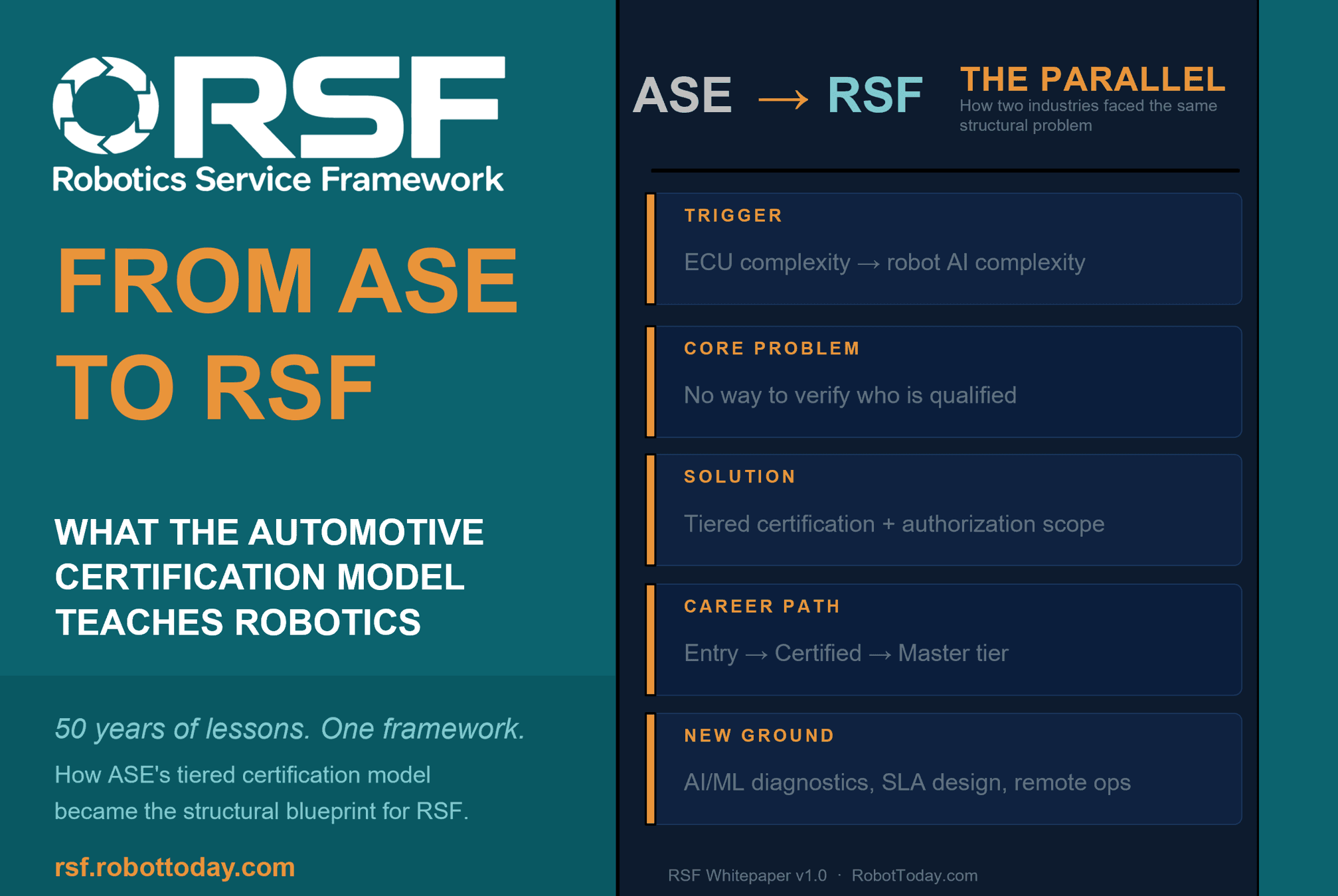
Robotics needs a service framework.
RSF defines a common language for robot service capability, lifecycle operations, certification pathways, and service-provider networks.