Industry Briefing
A single destination for timely, editor-curated robotics news from around the world.
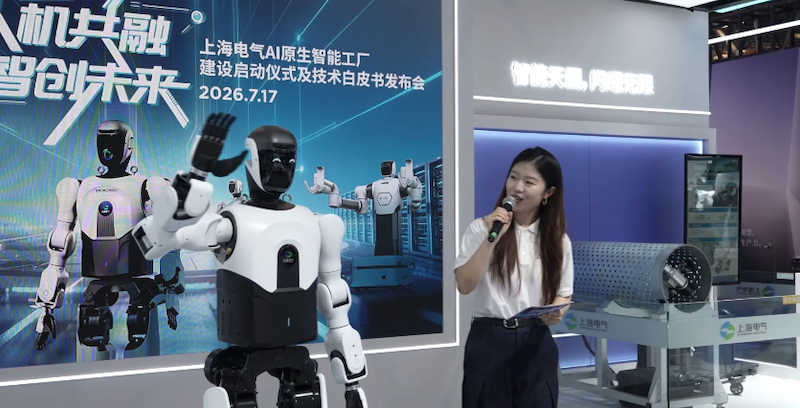
Shanghai Electric Showcases Humanoids, Industrial Robots, and AI Smart Factory Innovations
At the 2026 World Artificial Intelligence Conference, Shanghai Electric presented its advanced embodied intelligence solutions for industrial applications. The company emphasized its capabilities in embodied AI robots, core components, and AI-native smart factory technologies, showcasing a comprehensive portfolio designed for various industrial scenarios. This development is significant as it highlights the integration of machine precision with human expertise, aiming to enhance collaboration in manufacturing processes. Shanghai Electric's robotics solutions address critical tasks such as connector insertion, intelligent assembly, and flexible sorting, showcasing innovations like the planetary roller screw and DexHand dexterous hand. Looking ahead, Shanghai Electric's launch of 51 AI models under the “StarCloud Intelligent Manufacturing” series marks a shift towards data-driven operations in manufacturing. The release of the “AI-Native Smart Factory Technology White Paper” outlines a new architecture for real-time production optimization, indicating a transformative approach to industrial automation. No further timeline was disclosed at the time of publication.
Artificial Intelligence Robotics AI-native smart factory embodied ai humanoid robots industrial ai
Robbyant Launches LingBot-VA 2.0, the First Embodied-Native AI Model for Robotics
Robbyant, a company under China's Ant Group, has introduced LingBot-VA 2.0, touted as the first embodied-native video-action world model specifically designed for robotics. Unlike traditional models adapted from digital content, LingBot-VA 2.0 is built from the ground up for physical-world tasks, enhancing physical accuracy and execution efficiency through its autoregressive architecture. This innovation is significant as it marks a departure from conventional robotics models that often compromise real-world performance by relying on video generation systems. Robbyant's approach allows for better prediction of how robot actions affect their environment, thus improving generalization and operational effectiveness in real-world applications. Looking ahead, Robbyant's LingBot-VA 2.0 is expected to advance the capabilities of robots in various tasks, demonstrated through its performance in complex scenarios such as preparing breakfast and unpacking deliveries. No further timeline was disclosed at the time of publication.
AI and Robotics
Nubia Launches First Native AI Agent Smartphone at WAIC 2026, Transforming User Interaction
Nubia has introduced the world's first smartphone featuring a native AI agent at the WAIC 2026. This innovation marks a significant shift from traditional AI features to autonomous systems capable of understanding, executing, and remembering user tasks across various applications. The introduction of this native AI agent smartphone is crucial as it represents a new era in mobile technology, where devices can function more intelligently and interactively. This advancement could redefine user experiences and expectations in the smartphone market, setting a new standard for future devices. Looking ahead, it will be important to monitor how Nubia's native AI agent smartphone performs in the market and whether other companies, such as ByteDance, will follow suit with similar innovations. No further timeline was disclosed at the time of publication.
Technology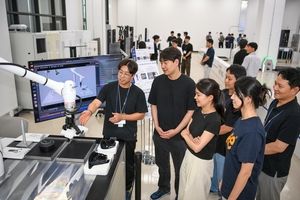
Hyundai Mobis Unveils 40 Advanced Smart Manufacturing Technologies at M-Sphere 2026
Hyundai Mobis showcased approximately 40 smart manufacturing technologies at the M-Sphere 2026 exhibition, highlighting the integration of artificial intelligence, robotics, and digital twins in automotive parts production. The event, held at the Quantum Center in Uiwang, Gyeonggi Province, attracted around 1,000 industry officials, including partners, under the theme 'Beyond Challenge, Into Reality.' The significance of this exhibition lies in Hyundai Mobis's commitment to enhancing manufacturing efficiency and safety through innovative technologies. Among the featured technologies was an autonomous transport robot currently being tested at the Ulsan chassis module plant, capable of independently locating and transporting components weighing up to 20 kilograms. This advancement aims to improve parts delivery accuracy while minimizing safety risks for workers. Looking ahead, Hyundai Mobis plans to further implement AI and digital twin technologies in production environments to bolster its manufacturing competitiveness. No further timeline was disclosed at the time of publication.
All News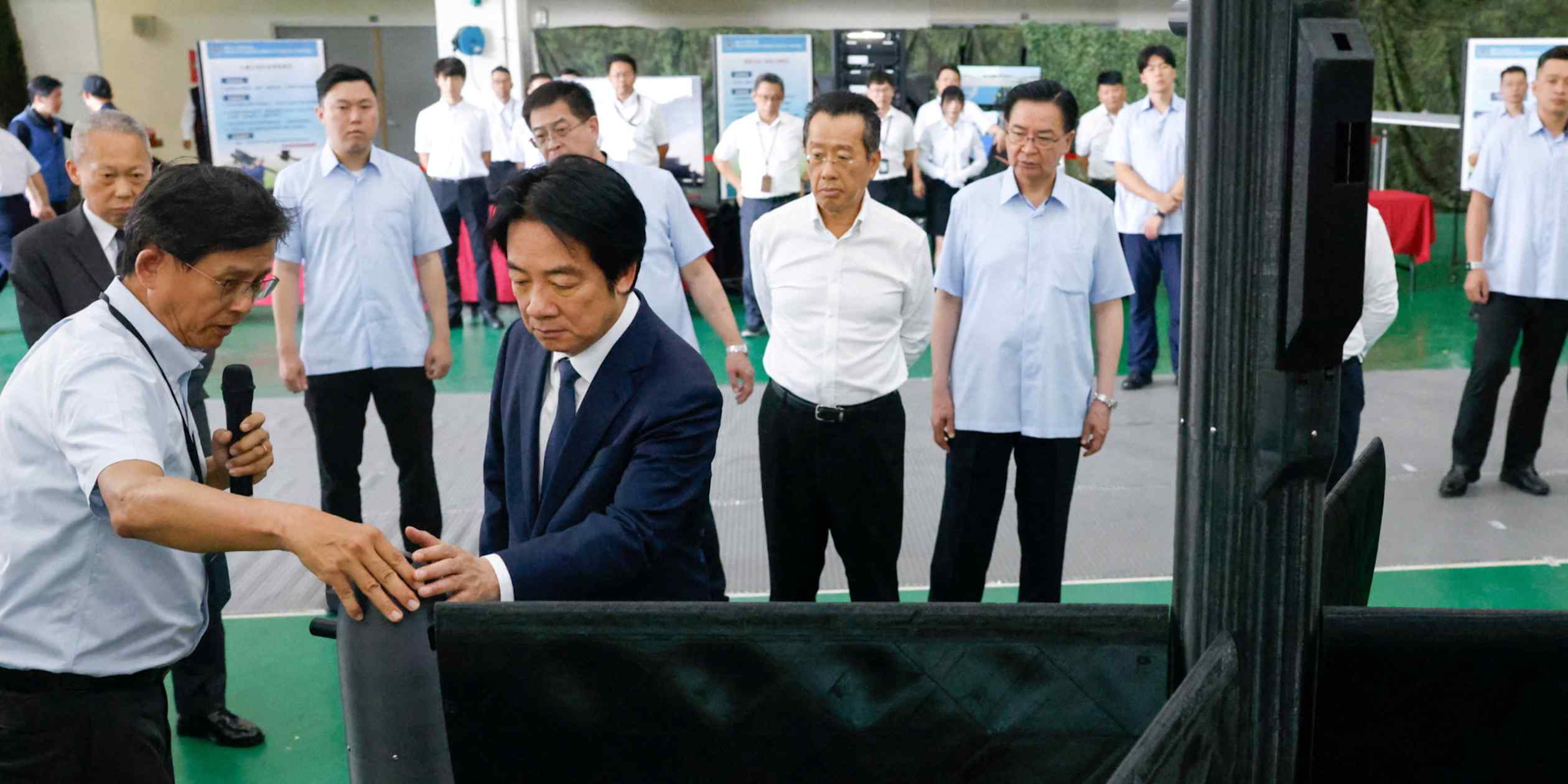
Taiwan Opposition Rejects Lai's Drone Budget, Approves Alternative Proposal
In a significant legislative move, Taiwan's opposition lawmakers blocked President Lai Ching-te's proposed special budget for drones, opting instead for their own alternative plan. This decision comes amid ongoing tensions in the region and highlights the contentious nature of Taiwan's defense strategy. The rejection of the drone budget is crucial as the administration has positioned drones as a vital component of its asymmetric defense strategy against potential threats. The inability to secure funding for these unmanned aerial vehicles could impact Taiwan's defense capabilities and its response to regional security challenges. Looking ahead, it will be important to monitor how this legislative decision affects Taiwan's defense initiatives and whether the alternative proposal can effectively address the nation's security needs. No further timeline was disclosed at the time of publication.
NVIDIA's NVLink Fusion Enhances AI Factory Performance with Custom XPUs
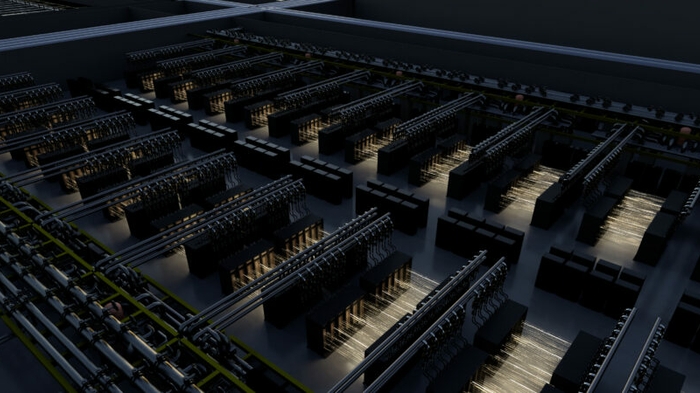
NVIDIA's NVLink Fusion is designed to optimize AI factories by integrating custom XPUs with advanced infrastructure. This approach addresses the complexities of AI platform development, enabling faster market entry and improved performance metrics such as tokens per second and cost per token. The significance of this innovation lies in its ability to streamline the deployment of AI technologies at scale. By combining custom XPUs with NVIDIA's established AI infrastructure, companies can focus on innovation while leveraging proven technologies, thus overcoming the challenges of high costs and complexity in AI factory setups. Looking ahead, the future of AI factories will likely see further advancements in NVLink technology, including configurations supporting up to 1,152 accelerators. As the demand for high-performance AI solutions grows, the integration of efficient networking solutions like NVLink Fusion will be crucial for maintaining competitive advantages in the AI landscape.
Xiaomi Unveils New-Generation Humanoid Robot After Four Months of Auto-Factory Training
On August 19, 2026, Xiaomi introduced its new-generation humanoid robot at the World Robot Conference, following four months of training in an auto-factory environment. This robot, named CyberOne 'Tieda', stands 1.70 meters tall and weighs 66 kilograms, featuring 66 degrees of freedom. The significance of this development lies in the robot's ability to perform florist interactions autonomously, without relying on preset scripts. This capability is driven by advanced model-based autonomous decision-making, showcasing Xiaomi's commitment to innovation in robotics. Looking ahead, industry observers will be keen to see how Xiaomi's humanoid robot integrates into various applications and the potential impact on the robotics market. No further timeline was disclosed at the time of publication.

KAIST's New President Bae Choong-sik Envisions an AI-Native University
Bae Choong-sik was inaugurated as the 18th president of the Korea Advanced Institute of Science and Technology (KAIST) and outlined a vision to transform the university into an 'AI-native' institution. His plans include integrating artificial intelligence across all disciplines, enhancing education, and fostering innovation in AI technologies. This initiative is significant as it aims to redefine how students learn and researchers work, positioning KAIST as a leader in AI innovation rather than just a user of the technology. Bae emphasized the importance of a curriculum that incorporates AI as a common tool, alongside a focus on basic sciences and humanities. Looking ahead, KAIST plans to expand its research in physical AI and develop an AI-native campus with interactive learning and autonomous laboratories. No further timeline was disclosed at the time of publication.
All News
Firebird Unveils Largest AI Factory in CIS Region, Boosting Armenia's AI Infrastructure
Firebird has launched the largest AI factory in the CIS region in Armenia, marking a significant milestone in AI infrastructure development. This facility, powered by NVIDIA and Dell Technologies, aims to provide the necessary computing capacity for training and deploying AI models tailored to local needs. The establishment of this AI factory is crucial as it enables Armenia to develop and run AI solutions that cater to its unique languages and industries. With plans to deploy over 70,000 NVIDIA GPUs and 300 megawatts of AI infrastructure by 2027, Firebird is positioning Armenia as a key player in AI research and innovation. Looking ahead, Firebird's ambitions extend beyond Armenia, with a roadmap for a 2-gigawatt AI infrastructure across multiple markets. The rapid deployment of this facility, supported by Schneider Electric and Vertiv, showcases Firebird's capability to deliver advanced AI computing solutions efficiently. No further timeline was disclosed at the time of publication.

NAVER, NVIDIA, and Brookfield Plan Major Expansion of Korea's AI Factory Infrastructure
NAVER, NVIDIA, and Brookfield have announced a significant expansion of Korea's AI factory infrastructure, aiming to increase the NVIDIA DSX AI factory deployment to 200 megawatts, more than tripling the previously announced 55 megawatts. This expansion, revealed during President Jae Myung Lee's AI Summit visit to San Francisco, underscores Korea's commitment to enhancing its national AI capabilities. The collaboration will see NAVER expand its NVIDIA AI infrastructure deployment to 1 gigawatt, with NVIDIA investing $1 billion and Brookfield potentially funding up to $9 billion. This initiative aims to provide AI innovators in Korea and the U.S. with access to advanced production-scale AI compute resources, fostering a robust AI ecosystem and enhancing South Korea's competitiveness in the global AI landscape. Looking ahead, the 200-megawatt AI factory will utilize advanced NVIDIA platforms, including Vera Rubin and Blackwell, to support the development of competitive AI models. No further timeline was disclosed at the time of publication.
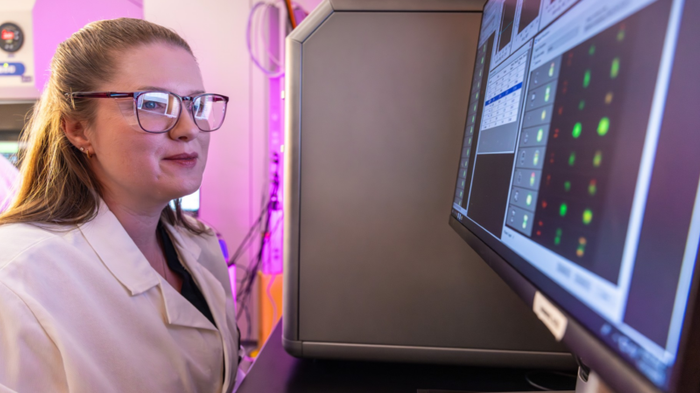
Bristol Myers Squibb Launches Advanced AI Factory with NVIDIA Vera Rubin Technology
Bristol Myers Squibb (BMS) has announced the deployment of its second NVIDIA DGX SuperPOD, featuring eight DGX Vera Rubin NVL72 systems. This new AI cluster is touted as the most powerful and energy-efficient in the life sciences sector, significantly enhancing researchers' access to AI capabilities. BMS aims to democratize AI access among its scientists, allowing for faster drug discovery processes without the constraints of resource limitations. The introduction of this advanced AI infrastructure is crucial for BMS as it seeks to translate AI capabilities into measurable impacts in drug discovery. The new system will facilitate a unified AI platform, including the NVIDIA BioNeMo Agent Toolkit, which will streamline predictions and model training across the drug discovery pipeline. BMS has already seen substantial benefits from its existing DGX SuperPOD, including significant time savings in target identification and the expansion of its library of CELMoD compounds. Looking ahead, BMS is focused on leveraging AI to optimize lead discovery and enhance the efficiency of laboratory experiments. The new system is expected to alleviate current computational bottlenecks and support large-scale predictions. As BMS continues to innovate in the AI space, it emphasizes the importance of making advanced technology accessible to scientists to drive impactful research outcomes. No further timeline was disclosed at the time of publication.

AI Agents Revolutionize Service Layer Automation Beyond Traditional Factory Settings
Industrial automation has significantly changed physical production, yet the service layer remains largely manual. Maintenance requests still require human coordination, consuming valuable operational time. AI agents are now emerging to automate this service layer, handling unstructured requests and integrating with various systems to streamline operations. This shift is crucial as it allows organizations to redirect skilled labor from administrative tasks to more strategic work. By automating the intake, triage, and coordination processes, AI agents enhance efficiency and reduce the burden on human operators. The ability to manage requests end-to-end marks a significant advancement in operational capabilities. Looking ahead, the continued development of AI agents in the service layer will be essential for organizations aiming to improve productivity and responsiveness. As these technologies evolve, they promise to further integrate with existing systems and transform how service operations are managed. No further timeline was disclosed at the time of publication.
Automation Computing ai agents artificial intelligence automation chatbots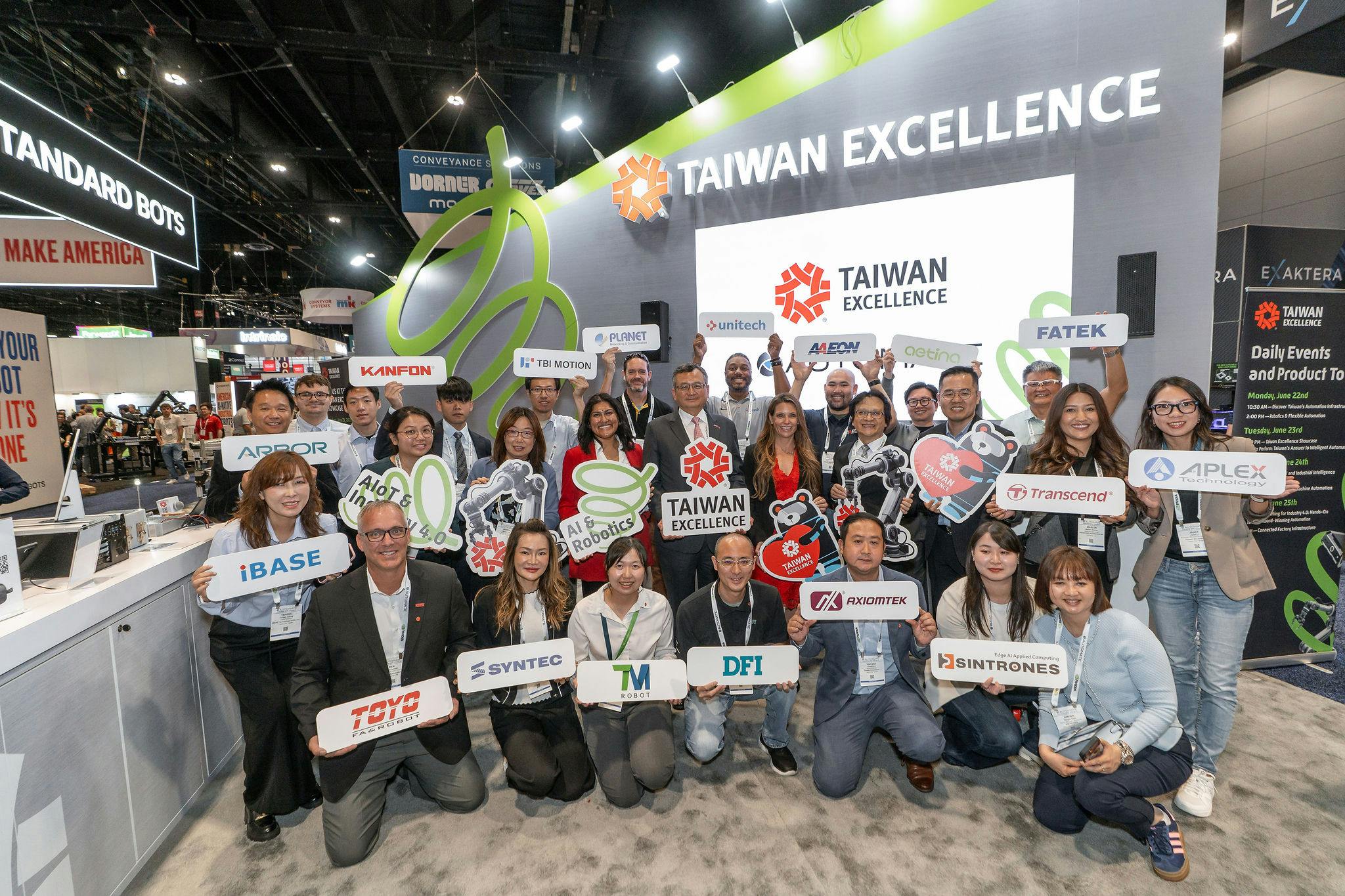
Taiwan's Ecosystem Fuels Next-Gen Manufacturing with Smarter Automation Solutions
The Taiwan Excellence Pavilion showcased 23 exhibitors presenting advanced solutions in edge AI, robotics, and smart manufacturing infrastructure. As manufacturers seek enhanced flexibility and intelligent operations, the integration of technologies across the factory floor is becoming crucial, driving demand for motion control, industrial computing, and machine vision. Taiwan's role as a global contributor in automation technologies is bolstered by its concentrated ecosystem focused on precision engineering and innovation. The Taiwan Excellence Award highlights exceptional Taiwanese products based on research, design, quality, and marketing, reflecting the nation's capability to support intelligent industrial systems. At Automate 2026, the pavilion demonstrated how foundational technologies assist OEMs and manufacturers in creating intelligent production environments. The emphasis on data-driven and AI-enabled automation solutions indicates a shift towards responsive manufacturing, where edge computing plays a vital role in real-time decision-making and advanced applications like predictive maintenance.
Factory / Digital Transformation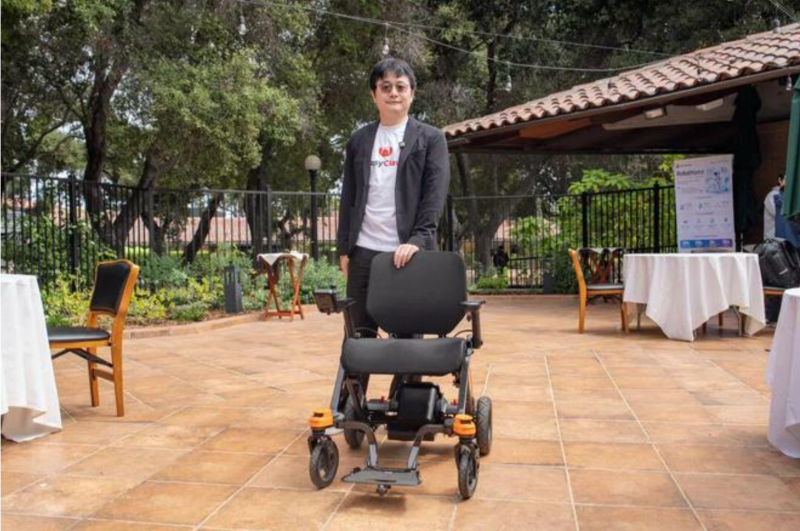
Smart Wheelchair Captivates Attention at Stanford AI Summit Over Humanoid Robots
At the Humanity & AGI Summit held at Stanford University, a smart wheelchair presented by Fu Sheng, Chairman of Cheetah Mobile, garnered significant attention, overshadowing humanoid robots. Attendees were drawn to the wheelchair's autonomous obstacle avoidance and user-friendly features, prompting many to experience it firsthand. The interest in the smart wheelchair highlights a critical shift in the robotics landscape, as Fu Sheng noted that humanoid robots are unlikely to achieve commercial scalability in the next five to ten years. He emphasized that the current limitations in software and hardware development hinder the practical application of humanoid robots, with most sales directed towards research institutions rather than commercial markets. Looking ahead, the focus on practical solutions like the smart wheelchair suggests a growing recognition that functionality is more important than form in robotics. As the industry continues to evolve, the demand for effective, user-centric products will likely shape future innovations, steering attention away from humanoid designs towards more practical applications.
Smart Wheelchairs Humanoid Robots AI Technology Robotics Assistive Devices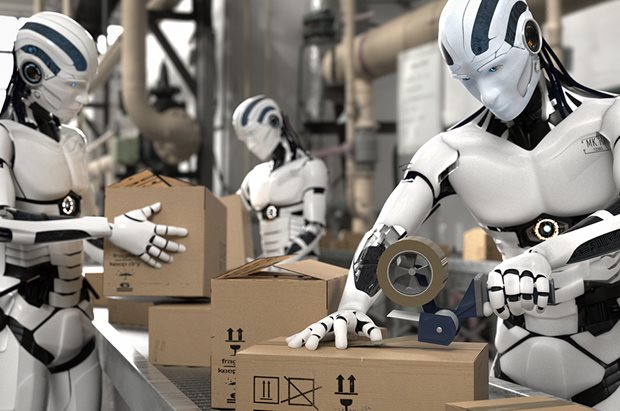
Reframe Systems Secures $40 Million to Expand Microfactory Network for Homebuilding
Reframe Systems has successfully raised $40 million in venture-backed equity financing aimed at scaling its microfactory network throughout North America. This funding will enable the company to enhance its capacity to deliver homes to customers more efficiently. The significance of this financing lies in Reframe Systems' mission to industrialize home construction, leveraging physical AI technology to streamline the building process. The investment, led by Energy Impact Partners, with contributions from various venture firms, underscores the growing interest in innovative solutions for the housing sector. Looking ahead, Reframe Systems is poised to make substantial advancements in homebuilding efficiency and accessibility. No further timeline was disclosed at the time of publication.
Construction News automated construction construction robotics construction technology energy impact partners
Lumos Robotics Unveils MOS2 as an AI Worker for Industrial Applications
Lumos Robotics has officially launched the Lumos MOS2, a next-generation heavy-duty mobile manipulator aimed at industrial applications. This innovative device is already deployed at Mitsubishi Electric's PLC production lines, where it performs inspection, material handling, and assembly tasks. The introduction of the Lumos MOS2 signifies a significant advancement in embodied intelligence within the robotics sector. By integrating AI capabilities into a mobile manipulator, Lumos Robotics enhances operational efficiency and productivity on the factory floor, addressing the growing demand for intelligent automation solutions. Looking ahead, the performance and adaptability of the Lumos MOS2 in real-world industrial settings will be crucial to its success. As companies increasingly seek to optimize their manufacturing processes, the effectiveness of this new technology will be closely monitored. No further timeline was disclosed at the time of publication.
Spirit AI's CEO Predicts Rapid Evolution of Robot Intelligence for Global Expansion
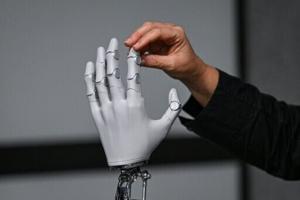
Spirit AI's CEO, Han Fengtao, announced that robots are now capable of performing office tasks that were unimaginable just six months ago, including delivering paper and shredding documents. This significant advancement highlights the rapid evolution of robotic capabilities in the workplace. The CEO emphasized that the development of smarter robot brains is accelerating, forecasting a transformative 'ChatGPT moment' within the next three years. This prediction underscores the potential for robotics to revolutionize various industries through enhanced intelligence and functionality. Currently, Spirit AI has deployed several hundred robots across China, aiming for large-scale adoption and eventual global expansion. Industry watchers should keep an eye on the company's progress and the broader implications of advanced robotic intelligence in the coming years. No further timeline was disclosed at the time of publication.
Perceptron Launches Isaac 0.5 to Enhance Visual AI for Industrial Automation
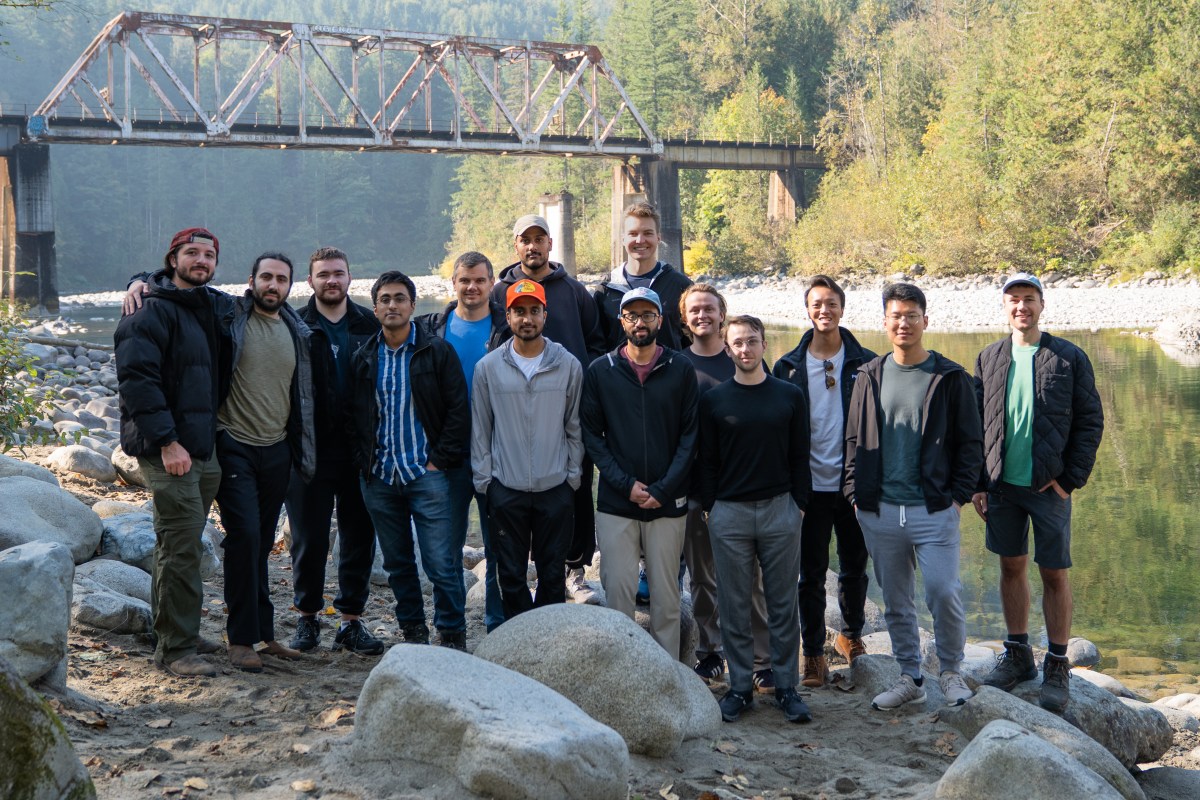
Perceptron, a startup founded by former Meta scientists, has launched Isaac 0.5, a new model designed to enhance machine interaction in industrial environments. This software enables vision-guided robots to navigate complex settings like warehouses and factory floors, extracting visual intelligence from recorded videos. The significance of Isaac 0.5 lies in its general-purpose design, allowing flexibility in various tasks rather than being limited to repetitive functions. Co-founders Armen Aghajanyan and Akshat Shrivastava emphasize that their model addresses the limitations of existing AI solutions, which often require dedicated resources or are too narrow in scope. Looking ahead, Perceptron aims to revolutionize industrial automation with its innovative approach to visual AI. The model has been trained on a million hours of diverse video data, including ego and UMI video, to enhance its operational capabilities. No further timeline was disclosed at the time of publication.
AI Robotics Meta perceptron Startups
SpaceX and Tesla Launch $16.8 Billion Terafab Chip Factory to Secure Supply Chains
SpaceX and Tesla are embarking on the construction of Terafab, a semiconductor manufacturing facility, as part of a joint venture with Intel. This $16.8 billion investment in a 100-million-square-foot plant in Grimes County, Texas, is crucial for both companies to enhance their supply chain resilience and support growth in electric vehicles and AI technologies. The Terafab initiative aims to produce 1 terawatt of compute, significantly exceeding the current global supply. By vertically integrating chip production, SpaceX and Tesla seek to mitigate geopolitical risks associated with reliance on external suppliers like TSMC and Samsung, while also reducing operating costs associated with chip manufacturing. As the project progresses, stakeholders should monitor the complexities of semiconductor manufacturing and the necessary commercial agreements between Tesla and SpaceX. The successful implementation of Terafab could substantially derisk both companies' operations and positively influence their stock performance in the long term.

Mafix Secures $5.4 Million to Enhance Silicate Rock Weathering for Sustainable Fertilizer
Mafix has successfully raised $5.4 million in pre-seed funding to advance its innovative approach to enhanced rock weathering, which accelerates the weathering of silicate minerals. This technology not only aids in carbon removal but also enhances crop yields and reduces fertilizer costs. The funding round was led by Azolla Ventures, with contributions from several other investors. The significance of this funding lies in its potential to revolutionize agricultural practices by utilizing crushed silicate rocks, such as basalt and olivine, to bind atmospheric carbon dioxide and improve soil quality. By producing 1,000 tons of product for trials across the U.S., Mafix aims to demonstrate the effectiveness of its technology, which could simplify measurement, reporting, and verification (MRV) processes in carbon removal. Looking ahead, the company plans to conduct larger-scale trials to validate its claims regarding improved crop yields and nutrient release from its silicates. No further timeline was disclosed at the time of publication.
Agtech Climate & sustainability Startups & funding US & Canada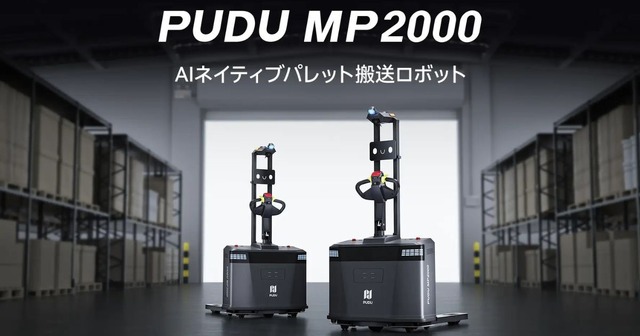
Pudu Robotics Unveils AI-Native PUDU MP2000 Pallet Transport Robot with 2000kg Capacity
On August 18, 2026, Pudu Robotics, a global leader in service robots, announced the launch of the AI-native pallet transport robot, PUDU MP2000. Designed for autonomous cargo transport between floors in warehouses, logistics facilities, and manufacturing sites, it boasts a maximum load capacity of 2,000kg. The significance of the PUDU MP2000 lies in its ability to simplify the automation of pallet transport, addressing challenges in large-scale autonomous pallet transport implementation. Traditional solutions often require extensive on-site adjustments and complex system integrations, limiting flexibility due to varying pallet standards and work environments. Looking ahead, the PUDU MP2000 is expected to enhance operational efficiency with its multi-sensor navigation and AI-native intelligence, allowing for rapid deployment without the need for extensive infrastructure changes. No further timeline was disclosed at the time of publication.
Pudu Robotics Unveils AI-Native PUDU MP2000 Pallet Transport Robot with 2,000kg Capacity
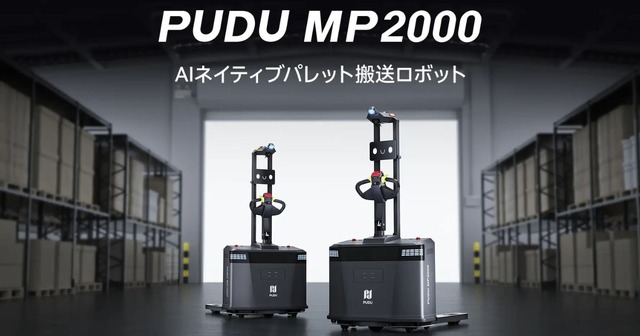
On August 18, 2026, Pudu Robotics, a global leader in service robots, announced the launch of the AI-native pallet transport robot, PUDU MP2000. Designed for autonomous cargo transport between floors in warehouses, logistics facilities, and manufacturing sites, it boasts a maximum load capacity of 2,000kg. The introduction of the PUDU MP2000 addresses challenges in large-scale autonomous pallet transport, which has faced obstacles due to the need for extensive on-site adjustments and complex system integrations. By utilizing multi-sensor navigation and edge intelligence, the robot can map work environments and set workflows without requiring specialized infrastructure or complex platform integrations, allowing for rapid deployment. The PUDU MP2000 is adaptable to various pallet types, including standard and customized non-standard loads. With real-time recognition of storage locations and cargo positioning, it can navigate tight spaces with high precision. Pudu Robotics aims to expand its portfolio to cover core workflows across loading areas, warehouses, and production workshops, reinforcing its position as a leader in the commercial service robot market.

Pudu Robotics Introduces PUDU ET1, an AI-Driven Compact Scrubber-Dryer for Small Businesses
Pudu Robotics has launched the PUDU ET1, a compact scrubber-dryer robot designed for small commercial spaces. This innovative robot features a commercial-grade cleaning performance and full-process automation, making it suitable for high-frequency cleaning tasks in environments where space is limited. The introduction of the ET1 signifies a significant advancement in AI-native cleaning technology, specifically tailored for small businesses that require efficient and effective cleaning solutions. Its compact design allows it to navigate tight spaces while delivering superior cleaning results, addressing the needs of modern commercial environments. Looking ahead, the impact of the PUDU ET1 on the market will be noteworthy as businesses increasingly seek automation solutions to enhance operational efficiency. No further timeline was disclosed at the time of publication.

Tianjin Aims for Over 20 Billion Yuan in Smart Robot Industry by 2028
On August 10, Tianjin's Bureau of Industry and Information Technology, Development and Reform Commission, and Science and Technology Bureau jointly released the 'Tianjin Smart Robot Industry Innovation Development Action Plan (2026-2028).' This three-year plan sets a robust target: by the end of 2028, the core output value of the smart robot industry in Tianjin is expected to exceed 20 billion yuan, with an annual growth rate of over 15%. The plan aims to enhance the regional supply rate in the Beijing-Tianjin-Hebei area to over 60%. This initiative is significant as it outlines a comprehensive industrial ecosystem encompassing all stages from research and development to manufacturing, application, and service. Key actions include tackling core technologies, optimizing product lines, strengthening enterprises, and implementing demonstration applications. Tianjin plans to focus on improving the performance of critical components and developing at least 200 specialized industrial models, alongside creating high-quality datasets. Looking ahead, Tianjin aims to cultivate over three enterprises with output values exceeding 1 billion yuan and establish a smart robot innovation center. The city is also set to enhance collaboration with Beijing's tech resources and promote the humanoid robot industry chain. As of the first half of this year, Tianjin's smart robot industry achieved an industrial output value of 6.849 billion yuan, marking a 15.2% year-on-year increase, indicating that the ambitious target is within reach.
Smart Robotics Industrial Automation Technology Development Regional Collaboration
NVIDIA Partners with Major Firms to Mobilize $500 Billion for AI Infrastructure
NVIDIA has announced partnerships with major financial firms including Apollo, BlackRock, and Goldman Sachs to create independent financing platforms aimed at mobilizing over $500 billion in third-party capital for AI infrastructure development. This marks a significant shift in the AI industry, transitioning from individual chip purchases to financing AI factories as productive infrastructure. The establishment of these financing platforms is crucial as AI moves from research to production, creating tangible value and transforming compute into a revenue-generating asset. NVIDIA's AI factory platform encompasses accelerated computing, networking, and a global developer ecosystem, allowing it to support a wide range of AI models and applications across various sectors. Looking ahead, the demand for AI infrastructure is expected to grow, but access to capital remains inconsistent. NVIDIA's AI factories, which improve over time through software innovations like CUDA, are positioned as a viable investment asset class, capable of generating revenue and adapting to changing customer needs. No further timeline was disclosed at the time of publication.

NVIDIA Expands Nemotron Family with 3.5 Lightning for Enhanced Agentic AI Performance
NVIDIA has introduced the Nemotron 3.5 Lightning, the most efficient model in its Nemotron series, designed for long-running agentic AI workloads. This 30-billion-parameter mixture-of-experts model enhances the performance of specialized tasks within multi-agent systems, reflecting NVIDIA's ongoing commitment to improving open models for better accuracy and speed. The significance of this release lies in its ability to provide enterprises with greater control over AI deployment and efficiency. With the introduction of NeMo Switchyard, an open-source library for smart routing, organizations can tailor their AI systems to direct requests to the most suitable models without needing to rewrite applications. This flexibility is crucial as modern agentic systems evolve into ensembles of specialized models. Looking ahead, NVIDIA's Nemotron 3.5 Lightning is already being customized by industry leaders for various applications, including cybersecurity and legal services. The model's ability to run on local systems and its open nature for post-training with domain-specific data further enhance its appeal. No further timeline was disclosed at the time of publication.
Elon Musk's Terafab: A Semiconductor Megafactory for AI Compute Production
Terafab, a semiconductor megafactory, is being developed collaboratively by Tesla, SpaceX, and Intel, aiming to produce over one terawatt of AI compute annually. Announced by Elon Musk on March 21, 2026, the facility will be located in Grimes County, Texas, with an initial investment exceeding $16.8 billion. The significance of Terafab lies in Musk's vision to control the silicon supply chain, as he believes current global chip production is insufficient for the needs of Tesla, SpaceX, and xAI. Unlike traditional fabs, Terafab will integrate all stages of chip production in one location, allowing for rapid design iterations and testing without the delays of shipping wafers internationally. Looking ahead, Musk's long-term objective for Terafab includes achieving one million wafer starts per month and producing between 100 and 200 billion custom AI and memory chips annually. However, it is important to note that Terafab is not a single legal entity for investment, and the partnership details between Tesla and SpaceX remain to be finalized.

DOBOT Unveils LUMO, the First All-Terrain Humanoid Robot for Everyday Use
DOBOT has introduced LUMO, touted as the world's first embodied all-terrain humanoid robot, designed to function in various environments including homes and schools. This innovative robot can adapt its behavior based on user interactions, showcasing capabilities such as vision, voice, and motion to perceive and respond to its surroundings without relying solely on commands. The significance of LUMO lies in its potential to serve as a long-term companion for everyday life, education, and interactive applications. By continuously learning from user interactions, LUMO aims to provide personalized assistance, making it suitable for diverse roles such as a household companion, educational assistant, and sports playmate. Looking ahead, the robotics industry is witnessing a shift from factory automation to versatile humanoid robots like LUMO, which can operate safely alongside humans in everyday settings. No further timeline was disclosed at the time of publication.
AI and Robotics
Firmus Secures $2 Billion Commitments to Expand AI Factory in Australia and Asia-Pacific
Firmus has announced that it has secured $2 billion in funding commitments aimed at accelerating the expansion of its AI factory operations across Australia and the Asia-Pacific region. This significant investment underscores the growing interest and demand for AI technologies in these regions, highlighting Firmus's strategic position in the market. The funding will enable the company to enhance its capabilities and infrastructure to meet the increasing needs of its clients. Looking ahead, stakeholders will be keen to observe how Firmus utilizes this funding to scale its operations and the potential impact on the AI landscape in Australia and Asia-Pacific. No further timeline was disclosed at the time of publication.
Artificial Intelligence Investments News AI infrastructure Australia Firmus
Crusoe and Aalo Atomics Collaborate to Build Nuclear-Powered AI Data Center
Crusoe, a Colorado-based company, has partnered with Aalo Atomics to develop the first nuclear-powered AI factory data center. This initiative aims to validate the effectiveness of nuclear power for AI workloads, with plans to power a Crusoe Spark modular data center at Idaho National Laboratory in 2027. The collaboration is significant as it addresses the growing demand for reliable, clean, and scalable energy sources for AI infrastructure. Cully Cavness, co-founder of Crusoe, emphasized the importance of sustainable energy solutions, while Aalo Atomics aims to position itself as a leading power provider for modern data centers with its modular nuclear reactors. Looking ahead, Aalo and Crusoe plan to deploy Aalo Pods and 50 MWe XMR power plants at Crusoe data centers by the end of 2029. This partnership not only highlights the potential of nuclear energy in powering AI but also reflects a broader trend of integrating advanced energy technologies with digital infrastructure, paving the way for future AI factories worldwide.
AI and Robotics Energy
Microsoft Considers Open-Weight AI Models Amid Rising Popularity of Chinese Alternatives
Microsoft is evaluating the possibility of releasing some of its internally developed AI models with open weights, as reported by AI CEO Mustafa Suleyman. This consideration comes in response to the increasing popularity of Chinese AI models among users in the U.S., highlighting a competitive landscape in the AI sector. The move to potentially offer open-weight models is significant as it reflects Microsoft's strategy to remain competitive against emerging Chinese AI technologies. By providing trusted alternatives to models like DeepSeek, Microsoft aims to cater to the growing demand for accessible AI solutions, particularly in a market where Chinese models are gaining traction. Looking ahead, industry watchers should monitor how Microsoft's decision will impact its market position and the broader AI landscape. No further timeline was disclosed at the time of publication.
Amazon's Alexa Plus Receives AI Update for Enhanced Smart Home Integration
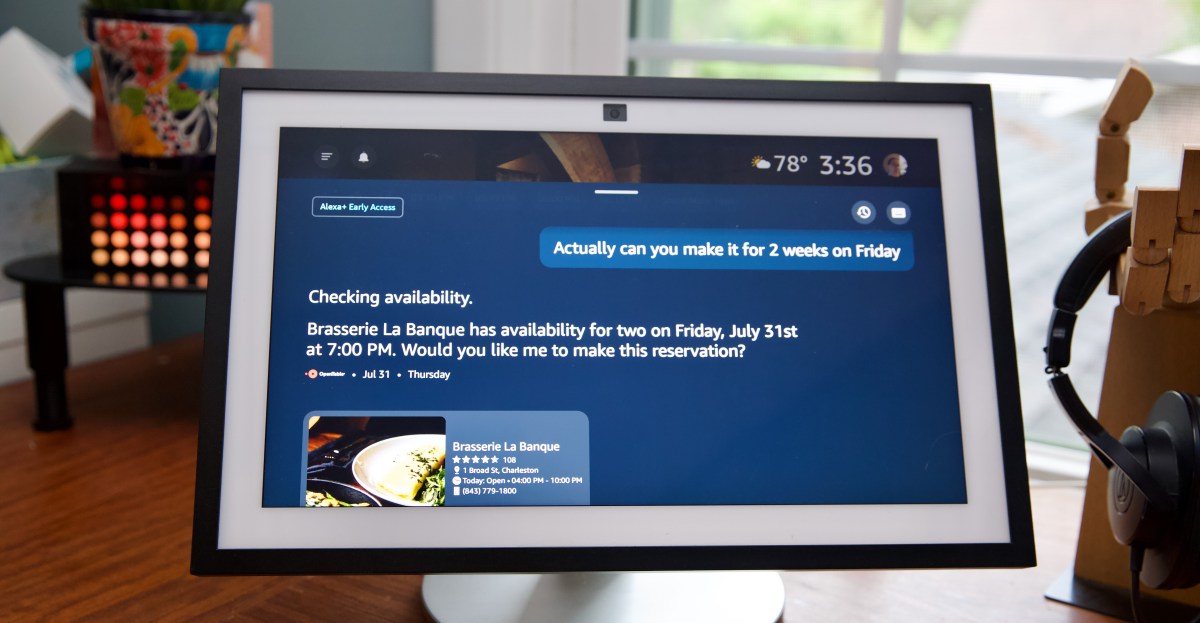
Amazon has announced an update to its Alexa Plus AI assistant, enhancing its capabilities to connect with a broader range of smart home devices. This update, currently in preview, allows Alexa Plus to integrate with brands like Bosch, Delta, Ecovacs, iRobot, and more, enabling it to automatically route requests to the appropriate device. For instance, users can instruct Alexa to select the correct washing machine cycle based on specific garment care instructions. This development is significant as it expands Alexa Plus's functionality, allowing it to handle more complex multi-step requests and routines. The integration is facilitated by Amazon's new AI developer toolkit, which simplifies the connection process for device manufacturers. Additionally, the adoption of the Model Context Protocol (MCP) will enable more brands to interact with Alexa Plus, enhancing user experience and device compatibility. Looking ahead, Amazon plans to introduce further integrations with companies like Canva, Headspace, and Priceline, allowing users to perform tasks such as booking hotels directly through Alexa Plus. This expansion of capabilities reflects Amazon's commitment to improving its AI assistant's versatility and user engagement. No further timeline was disclosed at the time of publication.
AI Amazon Amazon Alexa News Smart Home Tech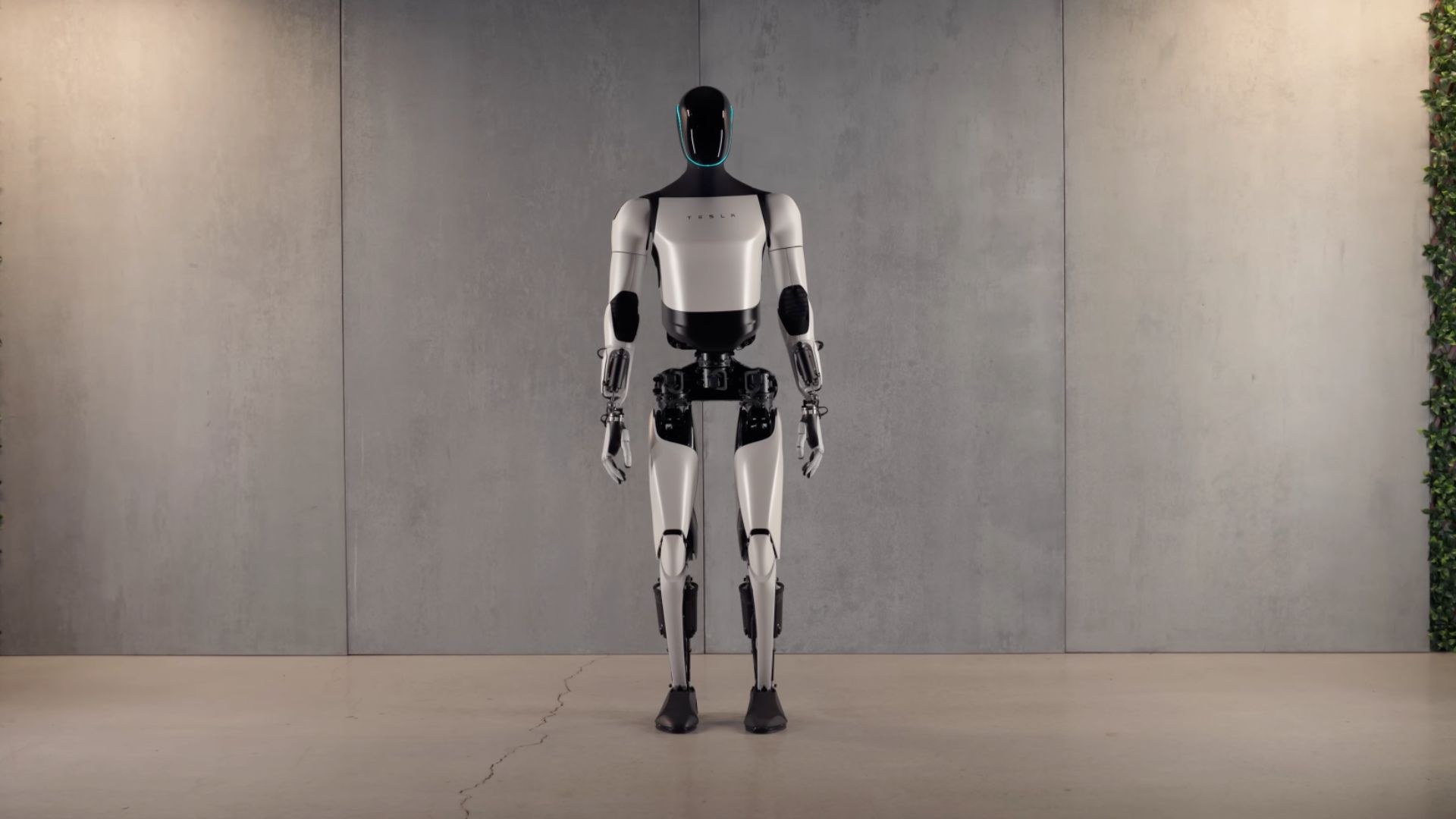
Tesla to Train Optimus Humanoid Robot Using Employee Movements at Gigafactory
Tesla plans to utilize its employees at the Gigafactory in Grünheide, Germany, to train the Optimus humanoid robot by capturing their movements during vehicle assembly. Selected workers will wear backpack-mounted cameras to record their actions, which will help teach Optimus to replicate these tasks autonomously. This initiative is significant as it mirrors Tesla's existing training program in the United States and aims to accelerate the development and production of the humanoid robot. However, the specific role of Optimus at the Grünheide factory and the management of employee participation in data collection remain unclear, especially considering German labor laws regarding monitoring employee behavior. Looking ahead, Tesla is also expanding its robotics operations in Reutlingen, Germany, where it is developing components for Optimus manufacturing. CEO Elon Musk has indicated that scaling production of the humanoid robot will be a major challenge, as it requires building nearly every component from scratch, unlike electric vehicles that benefit from established supply chains. No further timeline was disclosed at the time of publication.
AI and Robotics
AI's Final Mile: Transitioning from Demonstration to Real-World Application
At the WAIC 2026, while humanoid robots showcased impressive feats, a closed-door discussion titled 'Chain π Roundtable' addressed the gap between AI technology demonstrations and real-world applications. Wu Liming, Chairman of Huamao Technology, highlighted that Moore's Law has failed beyond 5nm, with chip performance now limited by physical constraints. Advanced packaging and optical interconnects are crucial, with advanced packaging sales expected to surpass traditional packaging by 2025. The conversation also introduced the concept of 'native AI in factories' by Wei Jie, Chairman of Shanghai Jingzhi. He noted that many industrial AI projects excel in labs but struggle in factories due to issues like data fragmentation and insufficient validation scenarios. He emphasized that AI must grow from real manufacturing data to ensure operational stability. The roundtable concluded with three key insights: the bubble in computing infrastructure will not burst before fall 2028, the speed of AI adoption depends on data loop iterations, and the focus should be on profitability rather than trends. The overarching theme was the need for AI to operate sustainably and profitably in real environments, underscoring the importance of stable revenue for technology development.
Industrial AI Data Integration Advanced Packaging Healthcare AI Robotics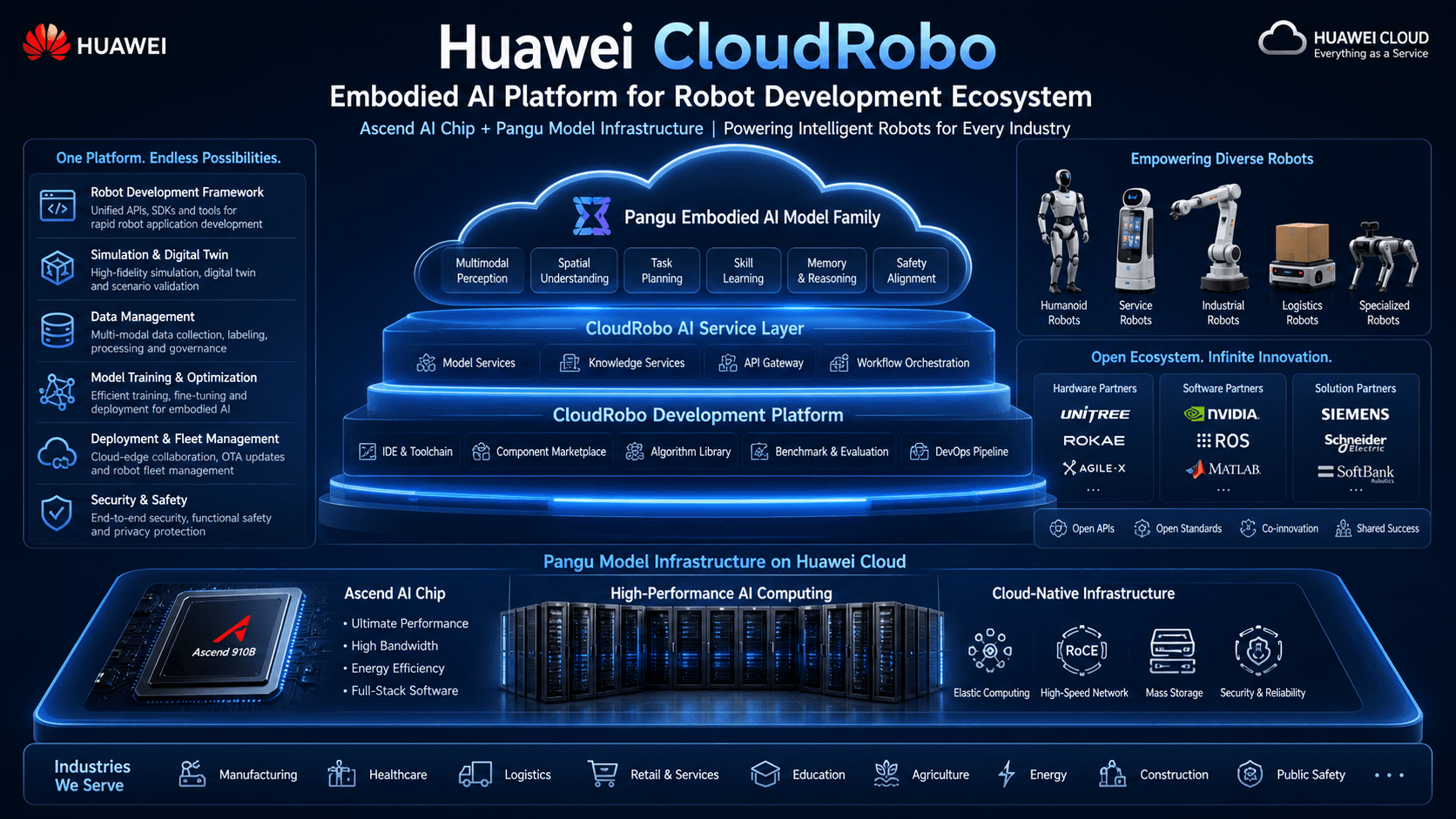
Huawei Launches CloudRobo, a Comprehensive Embodied AI Development Platform
Huawei Cloud has introduced CloudRobo, a comprehensive platform for embodied AI development that encompasses data production, model development, simulation, and robot deployment. This initiative is supported by partnerships with over 20 companies, including Youibot. The launch of CloudRobo is significant as it marks Huawei's entry into the embodied AI sector, potentially replicating the success seen with its SERES smart car initiative. By providing a full-stack solution, Huawei aims to streamline the development process for companies venturing into AI-driven robotics. Looking ahead, industry observers will be keen to see how CloudRobo evolves and whether it can achieve similar milestones as Huawei's previous ventures. No further timeline was disclosed at the time of publication.
Technology
Seven AI Technologies Enhancing Military Drone Swarms' Intelligence and Effectiveness
Military drone swarms are becoming a pivotal advancement in autonomous warfare, enabling multiple unmanned systems to operate collectively rather than individually. This capability is heavily reliant on artificial intelligence, which aids drones in interpreting sensor data, navigating complex environments, and communicating effectively, thereby reducing the burden on human operators. The significance of these advancements lies in their ability to enhance operational resilience. Swarm intelligence allows drones to function as a coordinated unit, utilizing decentralized algorithms to manage interactions, maintain formations, and adapt to challenges, inspired by natural collective behaviors. Programs like DARPA’s OFFSET have explored these concepts, demonstrating how autonomous systems can collaborate in intricate missions, particularly in urban settings. Looking ahead, the integration of edge AI technology is crucial for military drone swarms. This innovation enables drones to process data onboard, ensuring functionality even when connectivity to command centers is compromised. As these technologies evolve, their impact on military operations and strategies will be significant, with ongoing developments to watch closely.
AI and Robotics
Panasonic Connect's Scott Zerkle Discusses AI's Role in Smart Manufacturing Transformation
Panasonic Connect is at the forefront of transforming manufacturing systems as electronics become smaller and more complex. The company offers smart manufacturing solutions that integrate surface-mount technology (SMT), robotics, AI analytics, and connected factory platforms. Through its Gemba Process Innovation strategy, Panasonic Connect aims to enhance productivity and operational resilience in factories. The increasing complexity of electronics, particularly in vehicles and industrial systems, is reshaping production line design and operations. Scott Zerkle, associate director of technical operations at Panasonic Connect North America, emphasizes that AI's primary value lies in supporting factory workers through predictive maintenance and defect detection, rather than replacing them. He highlights the need for manufacturers to connect data across various production elements to foster continuous improvement. Looking ahead, Zerkle predicts that the next significant advancement in smart manufacturing will involve integrating AI tools with data from machines and materials. This integration will enable factories to learn from their production history, ultimately enhancing efficiency and adaptability in high-mix production environments. No further timeline was disclosed at the time of publication.
Communications Computing Digital Automation Features Manufacturing ai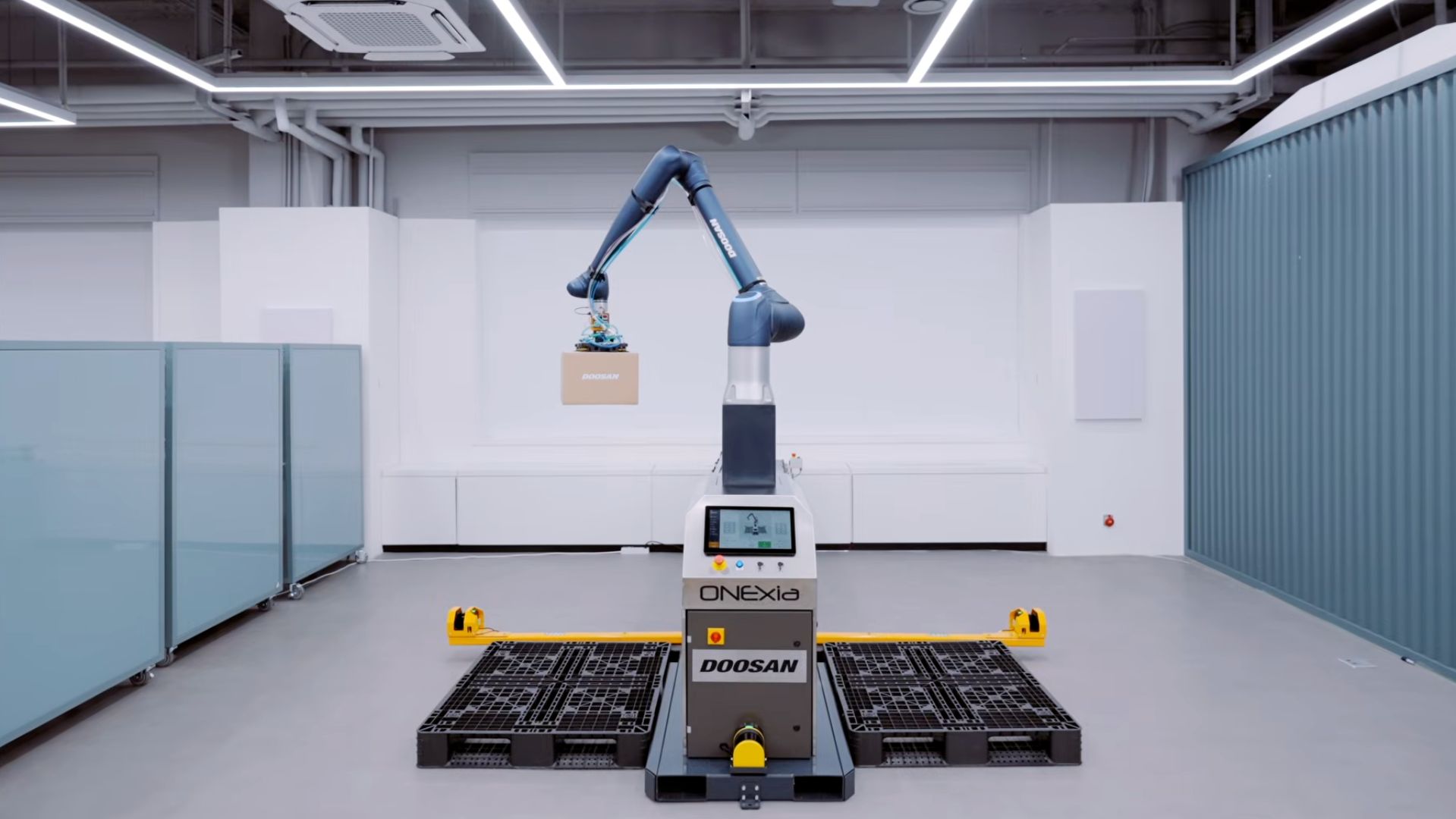
Grid Dynamics Partners with Doosan Robotics to Enhance Physical AI in Manufacturing
A US technology company, Grid Dynamics, has formed a strategic partnership with South Korea's Doosan Robotics to promote the use of Physical AI in manufacturing and logistics. This collaboration will provide Doosan's industrial collaborative robot customers with a comprehensive software stack and integration services, facilitating advanced automation tasks such as complex object inspection and variable component assembly. The significance of this partnership lies in its potential to expedite the deployment of AI-powered robotic systems, thereby broadening the applications of Physical AI within industrial operations. Doosan Robotics, a leading manufacturer of collaborative robots, offers a range of models designed for various tasks, including the lightweight A Series and heavy-duty H Series, which can handle payloads up to 55 pounds. Looking ahead, the integration of Grid Dynamics' GAIN Platform with Doosan's cobots is expected to enhance automation capabilities, particularly for complex tasks that traditional robotics struggle with. No further timeline was disclosed at the time of publication.
AI and Robotics Innovation
Walden Robotics Launches AI-Driven Factory Robots for Real-World Automation
Walden Robotics, a US-based startup, has unveiled a general-purpose robotics platform that enables Physical AI robots to learn and adapt while performing real work. Unlike traditional robots that follow pre-programmed workflows, Walden's robots continuously improve through real-world operations, making them suitable for complex tasks alongside human workers from the outset. The significance of Walden Robotics lies in its full-stack approach, which integrates hardware, AI, and deployment software to create robots that evolve in capability over time. With $300 million in funding and a valuation of $1.1 billion, the company is addressing the growing demand for flexible automation in sectors like automotive, aerospace, and logistics, driven by labor shortages and increasing product complexity. Looking ahead, Walden Robotics has already begun deploying its robots in production environments, including a Toyota manufacturing plant in North America. The company aims to enhance its robots' skills through real-world experience, utilizing advanced AI techniques such as Large Behavior Models and Diffusion Policy. No further timeline was disclosed at the time of publication.
AI and Robotics Innovation
OpenAI Introduces Codex Micro Keyboard for Enhanced AI Coding Workflows
OpenAI has launched its first hardware product, the Codex Micro, a specialized keyboard designed for software developers. This compact device, developed in collaboration with Work Louder, features dedicated controls that facilitate the management of multiple coding tasks and AI agents, enhancing coding efficiency. The Codex Micro is significant as it represents OpenAI's commitment to AI-assisted software development, an area where the company has made substantial investments. With features like illuminated keys for task status and customizable controls, the keyboard aims to streamline the coding process, allowing developers to focus on their work without excessive reliance on software menus. Looking ahead, the Codex Micro is priced at $230 and will be available through Supply Co. While the exact number of units has not been disclosed, the device's design and functionality suggest a growing trend towards specialized hardware in the AI development space. No further timeline was disclosed at the time of publication.
AI and Robotics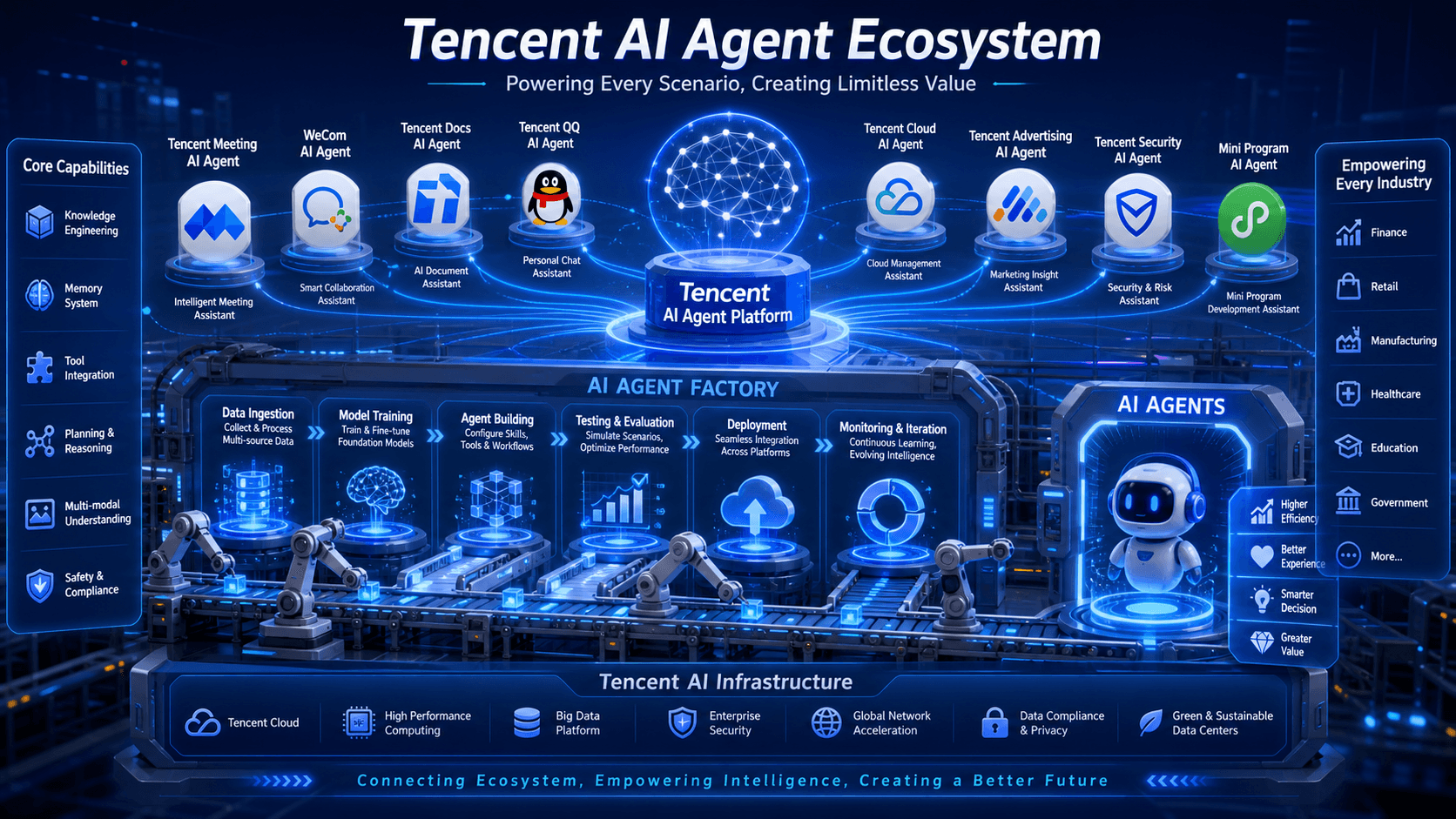
Tencent Emerges as a Leading Agent Production Hub with WorkBuddy and New AI Offerings
Tencent has established itself as a significant player in the agent production sector, launching WorkBuddy, which has garnered 8.85 million monthly visits. This initiative is part of a broader strategy that includes the introduction of several AI agents such as Zaohua Gongfang, Ardot, Miora, WorkRally, DataBuddy, and LearnBuddy. The rise of Tencent as an agent factory is noteworthy as it reflects the growing demand for AI-driven solutions across various industries. With WorkBuddy's impressive user engagement, Tencent is positioning itself to capitalize on the increasing reliance on intelligent agents in both personal and professional environments. Looking ahead, industry observers should monitor Tencent's continued expansion in the AI agent space and its impact on the competitive landscape. No further timeline was disclosed at the time of publication.
Industry
Red Sift CEO Discusses AI's Role in Evolving Cyber Threats and Defense Strategies
In a recent episode of Lexicon, Rahul Powar, CEO of Red Sift, highlighted the transformative impact of artificial intelligence (AI) on cyberattacks. He referenced a recent AI-assisted cyber campaign targeting a Mexican water utility, emphasizing that AI is lowering the barrier for launching sophisticated attacks. This trend is expected to escalate over the next 18 months, posing significant challenges for organizations globally. Powar explained that AI democratizes advanced cyber capabilities, allowing less experienced attackers to leverage tools like large language models for reconnaissance and exploit development. This shift is making it easier for attackers to find vulnerabilities in systems, as they can automate processes that previously required extensive expertise. The imbalance in cybersecurity is growing, as defenders must protect numerous devices and applications while attackers only need to exploit one weakness. Despite the challenges, Powar noted that AI can also empower defenders by helping them identify vulnerabilities before they are exploited. The conversation underscored the dual-edged nature of AI in cybersecurity, with both attackers and defenders adapting to the evolving landscape. No further timeline was disclosed at the time of publication.
AI and Robotics Innovation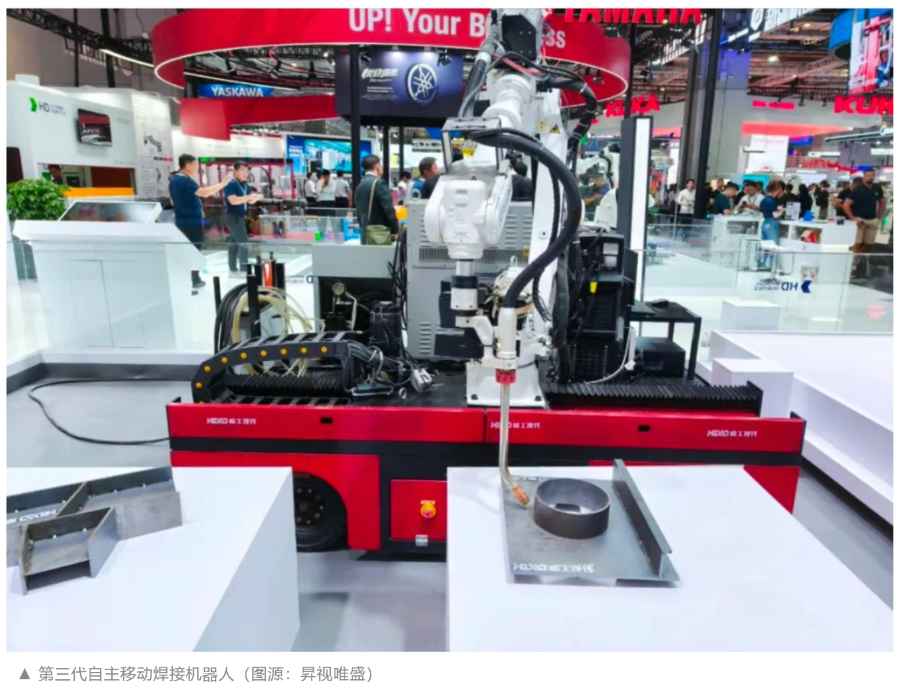
3Srobotics Secures Hundreds of Millions in Series B Funding for Smart Welding Solutions
3Srobotics, a company specializing in embodied intelligent robotics for industrial manufacturing, announced the completion of a Series B funding round on July 9, raising hundreds of millions. The round was led by Shanghai Semiconductor Investment and Jinqiao Fund, with participation from several venture capital firms. The funding aims to enhance their smart welding robotics capabilities and expand production capacity. The significance of this investment lies in addressing the critical shortage of skilled welders in China, where the average age of registered welders exceeds 45. With an estimated shortfall of millions of welding engineers by 2025, 3Srobotics' technology aims to improve welding quality, efficiency, and stability. The smart welding robot market is projected to reach hundreds of billions in the next decade, highlighting the urgent need for automation in this sector. Looking ahead, 3Srobotics plans to leverage its smart welding robots to introduce a range of industrial automation products, including grinding, cutting, assembly, and handling robots. The company aims to penetrate the entire manufacturing process, with a revenue target of several hundred million by 2026. No further timeline was disclosed at the time of publication.
Smart Welding Robots Industrial Automation AI Robotics Manufacturing Technology
AI Adoption in Mid-Market Manufacturing Faces Significant Challenges
A recent report by Kaufman Rossin highlights the struggles of mid-market manufacturers in adopting AI technologies. While these companies are experimenting with AI, widespread deployment remains uncommon due to inadequate data infrastructure and legacy systems. Only 27% of manufacturing firms have a data warehouse, and 45% still rely on siloed data, making it difficult to leverage AI effectively. The urgency for digital transformation is increasing as manufacturers face pressure from customers to digitize and automate operations. However, many industrial companies lack the foundational data capabilities necessary for successful AI integration. The report reveals that 73% of manufacturing firms are still in the testing phase of AI implementation, with none operating AI as a core business function. Looking ahead, the challenge for mid-market manufacturers will be to overcome these barriers and build the necessary data infrastructure to support AI initiatives. As the demand for digital solutions continues to grow, companies must prioritize data governance and integration to fully realize the potential of AI technologies. No further timeline was disclosed at the time of publication.
Factory / Digital Transformation
SpaceX's Starmind Targets AI Labs with $6.3 Billion Compute Contracts
SpaceX's Starmind is designed to provide wholesale AI compute services to businesses, particularly AI labs and cloud customers, rather than individual consumers. The service operates similarly to AWS, where users benefit from applications running on Starmind without direct subscriptions. The compute capacity of a single AI1 satellite is comparable to one NVIDIA GB300 rack, emphasizing its enterprise-grade capabilities. The significance of Starmind lies in its positioning as a potential fourth hyperscaler, joining the ranks of AWS, Microsoft Azure, and Google Cloud. The Reflection AI contract, valued at $150 million per month, exemplifies the enterprise-focused model, with total payments potentially reaching $6.3 billion through 2029. This contract highlights the growing demand for AI compute resources, particularly from AI-native startups and labs. Looking ahead, the focus will remain on securing additional enterprise contracts as Starmind expands its offerings. No consumer-facing products or subscriptions have been announced, and the current strategy is to cater to businesses with substantial AI workloads. No further timeline was disclosed at the time of publication.

Tesla's Optimus Robots to Support Starmind Satellite Production, Not Maintenance
Tesla's Optimus robots will not be used to repair Starmind satellites in orbit, as confirmed by recent statements from Elon Musk. Instead, these robots are intended to assist in the construction and operation of the Terafab chip manufacturing facility in Texas. The AI1 satellites, designed to disintegrate upon reentry, highlight the company's swap-and-replace strategy rather than traditional maintenance practices. This approach is significant as it reflects a broader trend in satellite management, where mass-produced satellites are replaced rather than repaired. The economics of servicing missions are prohibitive, with the cost of launching a replacement satellite being significantly lower than conducting a repair mission. This model aligns with SpaceX's operational history, where rapid replacement of satellites is more efficient than attempting to maintain them in orbit. Looking ahead, the focus will remain on the production capabilities of the Gigasat factory, which is expected to support the continuous replacement of satellites. No further timeline was disclosed at the time of publication, but the demand for rapid satellite turnover suggests a robust future for Optimus robots in terrestrial manufacturing rather than in-space servicing.
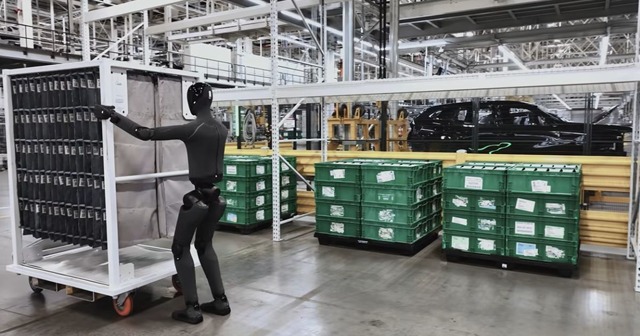
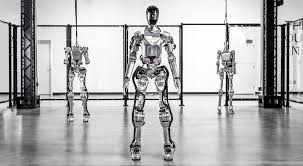
BMW introduces humanoid "Figure 03" at factory for physical AI coordination and sequencing tasks.
Figure AI has introduced its humanoid robot, Figure 03, at BMW Group's Spartanburg plant, showcasing its capability to perform parts sorting tasks. This demonstration highlights the integration of advanced robotics in manufacturing processes, aimed at enhancing efficiency and productivity in the automotive industry. The event marks a significant step in the collaboration between technology and manufacturing, reflecting the ongoing trend of automation in production environments.

AI Requires Not Only Smart Software but Also the Right Hardware for Success
Artificial intelligence (AI) is increasingly being adopted across various sectors, from robotics to industrial automation. Edge AI, which processes data directly on devices rather than in data centers, is seen as a significant development by over half of Dutch companies. However, many industrial SMEs face challenges transitioning from experimentation to large-scale implementation due to inadequate IT infrastructure and outdated machinery. The focus on AI is shifting from software and algorithms to the underlying hardware, as AI applications demand powerful processors and systems capable of processing large amounts of data locally and in real-time. Interest in specialized AI boards is growing, as these compact computing platforms are designed for edge AI applications, combining high computing power with low energy consumption. As new generations of AI boards deliver higher performance at lower costs, more organizations can implement AI in production environments. Starter kits and pre-configured platforms facilitate faster experimentation and integration of AI into existing systems, reducing the gap between pilot projects and practical applications. The importance of energy efficiency in modern AI hardware is also rising, underscoring the need for organizations to consider their hardware strategy early on to ensure successful AI projects.
Nieuws algemeen
Chasing rumors: Car CEO's departure untrue; WeChat tests native AI assistant; Apple, Tesla supplier data leaked.
On June 23, the ChiNext Index experienced its largest decline of the year, falling over 4% during trading and closing down 3.84%, dipping below the critical 4200-point mark. This downturn followed a record high set just a day prior. The trading volume for the day reached approximately 901.65 billion yuan, a decrease of 118.9 billion yuan from the previous day. All ten of the index's top-weighted stocks saw declines, particularly those in the AI computing sector. In a separate development, Tata Electronics confirmed a significant data breach, with over 630GB of sensitive information leaked, including design and specification documents for key clients like Apple and Tesla. The company stated that it had initiated a response plan and that operations remained unaffected. Apple is reportedly conducting a thorough investigation into the incident. Meanwhile, SpaceX has entered a multi-billion dollar agreement with AI startup Reflection AI to provide computing resources, with payments set to begin in July and continue through 2029. In the robotics sector, Nvidia unveiled its "Halos for Robotics" safety system aimed at enhancing the security of physical AI applications, while Faraday Future introduced its industrial-grade robotic arm series at a robotics expo in Chicago. Additionally, Meta has paused an internal AI training program that tracked employee mouse movements due to data security concerns, and Oracle announced a workforce reduction of approximately 21,000 employees, marking a 13% decrease in its total workforce as part of a business restructuring.

Denso Wave to Showcase Factory Robots and 3D Vision AI at ROBOT TECHNOLOGY JAPAN 2026
Denso Wave will participate in the upcoming "ROBOT TECHNOLOGY JAPAN 2026," scheduled to take place from June 11 to June 13, 2026, at the Aichi Sky Expo in Aichi Prefecture. This event aims to showcase advancements in robotics technology, reflecting the growing interest and innovation in the field. Denso Wave's involvement highlights its commitment to contributing to the development and promotion of robotics solutions.
Robotics needs a service framework.
RSF defines a common language for robot service capability, lifecycle operations, certification pathways, and service-provider networks.
Join the RobotToday community on LinkedIn
Daily robotics news, in-depth analysis, conference highlights, and discussions with professionals worldwide.