Industry Briefing
A single destination for timely, editor-curated robotics news from around the world.
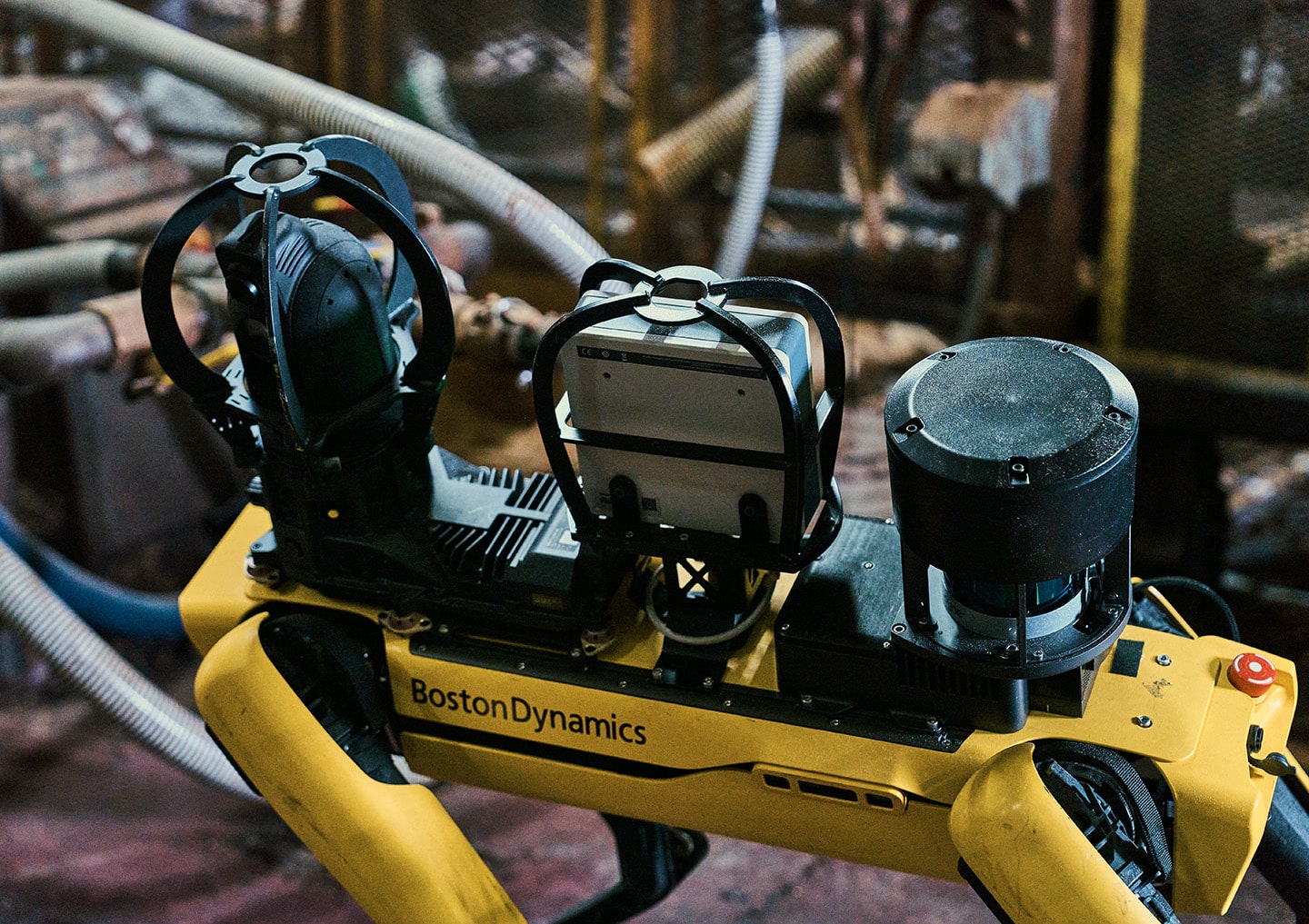
A New Approach to Predictive Maintenance Challenges | Boston Dynamics
A recent report highlights the critical role of AI-based predictive maintenance in enhancing operational efficiency across various industries. This innovative approach relies on timely and accurate data to monitor the condition of assets automatically. By implementing automated asset condition monitoring systems, organizations can anticipate equipment failures before they occur, thus minimizing downtime and reducing maintenance costs. The increasing adoption of these technologies is driven by the need for businesses to optimize their operations and extend the lifespan of their assets. As industries continue to evolve, the integration of AI in maintenance strategies is becoming essential for staying competitive.
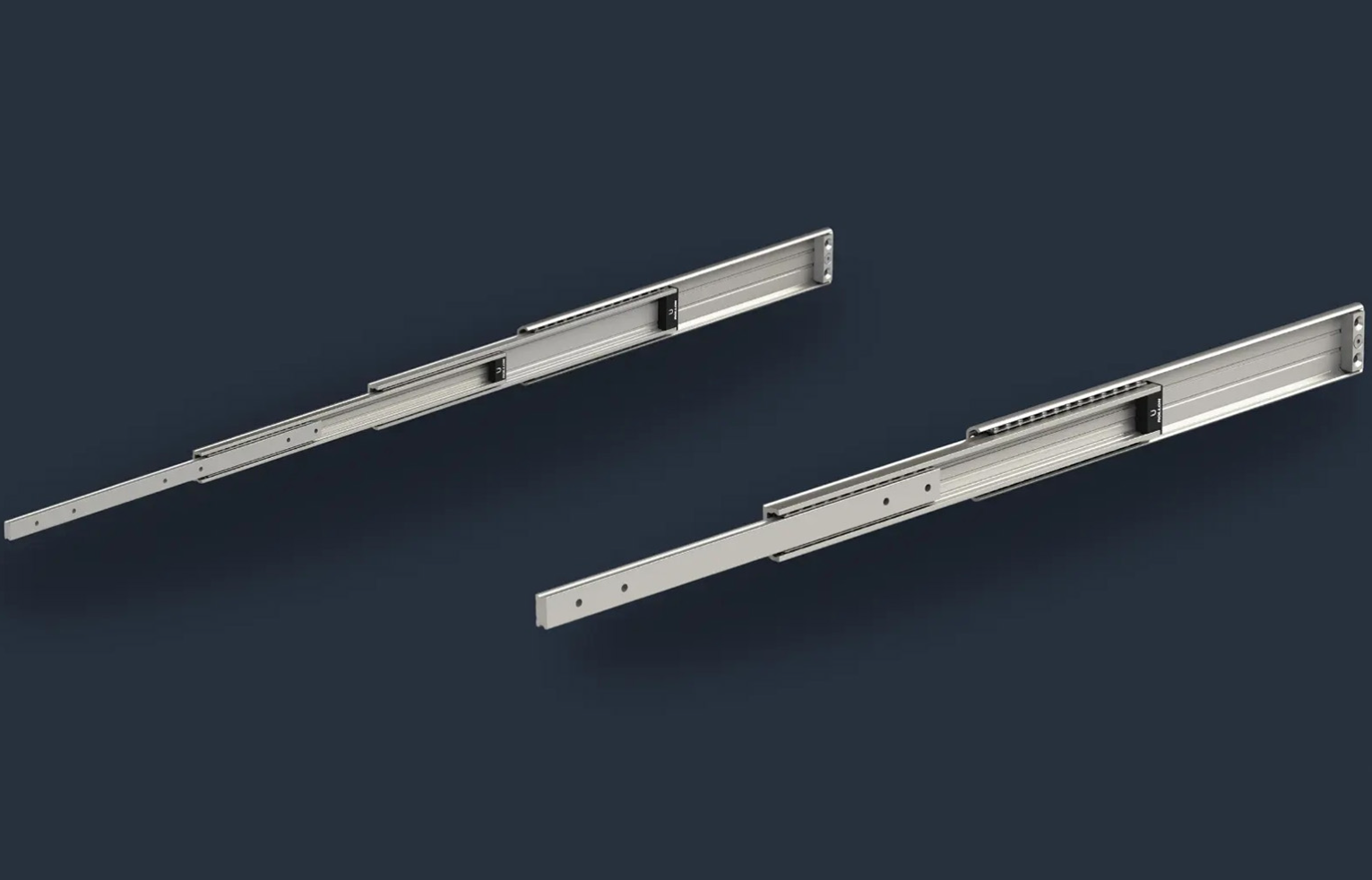
Rollon Launches Magnetic Telescopic Rails to Enhance Railway Maintenance Efficiency
Rollon, a leader in linear motion systems, has introduced the HVC-MG and H1C-MG integrated magnetic telescopic rails. These rails, designed for high-load applications, incorporate magnets into the rail structure to improve control and reduce effort during maintenance tasks. The new technology was unveiled this week and aims to enhance the efficiency and safety of railway maintenance operations by allowing engineers to easily pull out heavy battery compartments weighing hundreds of kilograms. The significance of this innovation lies in its ability to provide a seamless operation under heavy loads, addressing the challenges faced by maintenance personnel in the railway sector. The integrated magnets facilitate a sequential opening of the rail components, which minimizes simultaneous stress and enhances load distribution. This results in smoother operation, reduced manual effort, and extended rail lifespan, making it particularly suitable for the demanding environments of high-speed rail and subway systems. Looking ahead, Rollon plans to expand its magnetic control sequential motion technology across more product lines. The HVC and H1C series rails offer full extension and super extension options, maximizing accessibility while minimizing space usage. No further timeline was disclosed at the time of publication for additional product releases or enhancements.
Railway Maintenance Linear Motion Systems Heavy Equipment Automation Technology
Reviewing Intelligent Operation and Maintenance Robots for Urban Water Supply Networks
The Journal of Field Robotics published a review focusing on intelligent operation and maintenance robots designed for urban water supply networks. This review highlights the current advancements in robotic technologies that enhance the efficiency and reliability of water supply systems. The significance of this review lies in its potential to improve urban infrastructure management. By integrating intelligent robotic solutions, cities can address challenges such as aging infrastructure, maintenance costs, and service interruptions, ultimately leading to more sustainable water supply systems. Looking ahead, stakeholders should monitor the ongoing development of these robotic technologies and their implementation in urban settings. No further timeline was disclosed at the time of publication.
SURVEY ARTICLE
Tesla's Optimus Robots to Support Starmind Satellite Production, Not Maintenance
Tesla's Optimus robots will not be used to repair Starmind satellites in orbit, as confirmed by recent statements from Elon Musk. Instead, these robots are intended to assist in the construction and operation of the Terafab chip manufacturing facility in Texas. The AI1 satellites, designed to disintegrate upon reentry, highlight the company's swap-and-replace strategy rather than traditional maintenance practices. This approach is significant as it reflects a broader trend in satellite management, where mass-produced satellites are replaced rather than repaired. The economics of servicing missions are prohibitive, with the cost of launching a replacement satellite being significantly lower than conducting a repair mission. This model aligns with SpaceX's operational history, where rapid replacement of satellites is more efficient than attempting to maintain them in orbit. Looking ahead, the focus will remain on the production capabilities of the Gigasat factory, which is expected to support the continuous replacement of satellites. No further timeline was disclosed at the time of publication, but the demand for rapid satellite turnover suggests a robust future for Optimus robots in terrestrial manufacturing rather than in-space servicing.

Specialized Robots Enhance Efficiency in Solar Farm Construction and Maintenance
A rising number of robotics companies are developing specialized machines aimed at alleviating labor bottlenecks in solar farm construction and maintenance. These innovations are crucial as they address the unique challenges posed by solar farm terrains, optimizing both construction timelines and operational efficiency. The significance of these advancements lies in their potential to streamline processes and reduce reliance on manual labor, which can be both costly and time-consuming. By integrating specialized robots, companies can enhance productivity and improve safety standards on solar farms, making the sector more sustainable and economically viable. Looking ahead, the continued evolution of robotics in this field will be essential to meet the growing demand for renewable energy solutions. Stakeholders should monitor developments in robot capabilities and their impact on solar farm operations. No further timeline was disclosed at the time of publication.
Panasonic Connect's Scott Zerkle Discusses AI's Role in Smart Manufacturing Transformation
Panasonic Connect is at the forefront of transforming manufacturing systems as electronics become smaller and more complex. The company offers smart manufacturing solutions that integrate surface-mount technology (SMT), robotics, AI analytics, and connected factory platforms. Through its Gemba Process Innovation strategy, Panasonic Connect aims to enhance productivity and operational resilience in factories. The increasing complexity of electronics, particularly in vehicles and industrial systems, is reshaping production line design and operations. Scott Zerkle, associate director of technical operations at Panasonic Connect North America, emphasizes that AI's primary value lies in supporting factory workers through predictive maintenance and defect detection, rather than replacing them. He highlights the need for manufacturers to connect data across various production elements to foster continuous improvement. Looking ahead, Zerkle predicts that the next significant advancement in smart manufacturing will involve integrating AI tools with data from machines and materials. This integration will enable factories to learn from their production history, ultimately enhancing efficiency and adaptability in high-mix production environments. No further timeline was disclosed at the time of publication.
Communications Computing Digital Automation Features Manufacturing ai
AI Agents Revolutionize Service Layer Automation Beyond Traditional Factory Settings
Industrial automation has significantly changed physical production, yet the service layer remains largely manual. Maintenance requests still require human coordination, consuming valuable operational time. AI agents are now emerging to automate this service layer, handling unstructured requests and integrating with various systems to streamline operations. This shift is crucial as it allows organizations to redirect skilled labor from administrative tasks to more strategic work. By automating the intake, triage, and coordination processes, AI agents enhance efficiency and reduce the burden on human operators. The ability to manage requests end-to-end marks a significant advancement in operational capabilities. Looking ahead, the continued development of AI agents in the service layer will be essential for organizations aiming to improve productivity and responsiveness. As these technologies evolve, they promise to further integrate with existing systems and transform how service operations are managed. No further timeline was disclosed at the time of publication.
Automation Computing ai agents artificial intelligence automation chatbots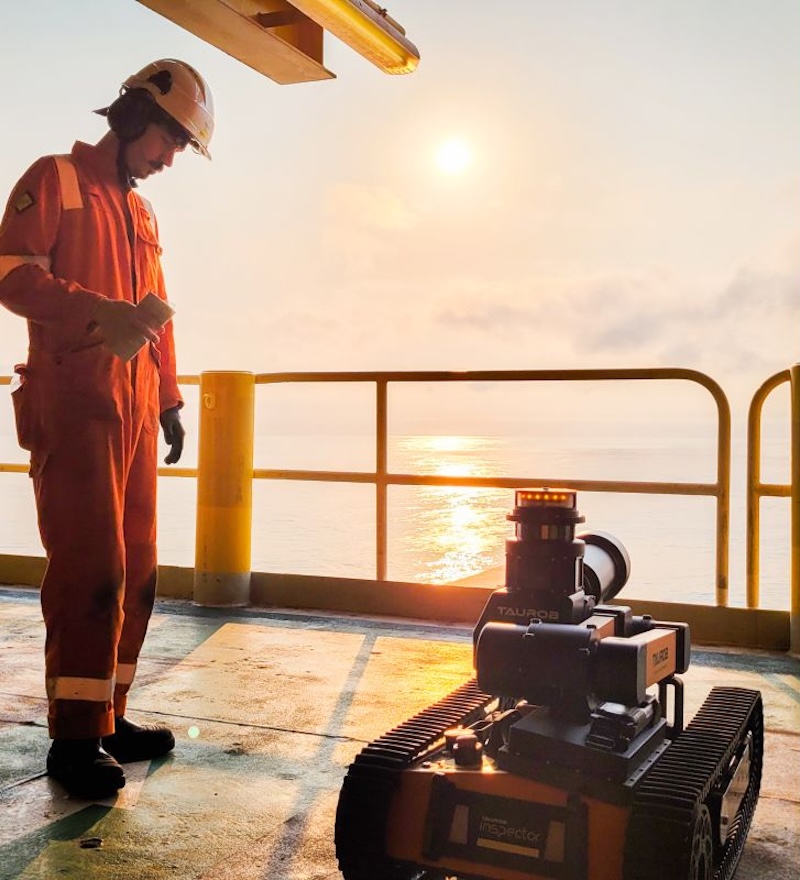
From oil platforms to power plants: Dietsmann showcases robotics-driven maintenance in Africa
Dietsmann, a leading independent provider of operation and maintenance services for energy production facilities, has announced its participation as a Bronze Sponsor at the upcoming African Energy Week (AEW) 2026. This significant event is scheduled to take place from October 12 to 16 in Cape Town, South Africa. The sponsorship underscores Dietsmann's longstanding commitment to the African energy sector, which has been a focus for the company for decades. By engaging in this prominent industry gathering, Dietsmann aims to enhance its visibility and influence within the region, reflecting its evolving role in supporting energy production and sustainability initiatives across Africa.
Events Features AEW 2026 African Energy Week AI analytics automation news
BETA Technologies Advocates for Practical Applications of Advanced Air Mobility
BETA Technologies is advocating for a broader approach to advanced air mobility, emphasizing practical transportation solutions over futuristic passenger services. At the Korea Drone and UAM Expo, Patrick Buckles, Regional Head of Aircraft Sales, highlighted the company's strategy that integrates electric aircraft, charging infrastructure, and pilot training for various missions. Founded in 2017, BETA has developed its operations around electric aircraft, multimodal charging systems, and enabling technologies such as electric propulsion and battery technology. The company has successfully flown over 300,000 kilometers and is targeting applications in cargo, defense, medical transport, and passenger services with its two aircraft platforms: the ALIA CTOL and ALIA VTOL, which share design commonality for enhanced safety and simplicity. Looking ahead, BETA's focus on operational advantages, such as lower energy and maintenance costs, positions electric aviation as a viable alternative to conventional aircraft. The potential for zero emissions and reduced noise levels could facilitate community acceptance and support critical missions like medical transport in remote areas. No further timeline was disclosed at the time of publication.
Advanced Air Mobility DL Exclusive Drone News Drone News Feeds eVTOL News
Why Website Maintenance Starts With Hosting
The recent launch of a new website marked a moment of accomplishment for the development team, as all pages were operational and content was properly organized. However, shortly after going live, the team shifted focus to essential maintenance tasks. This included updating software, verifying SSL certificates, restoring pages affected by errors, and setting up new mailboxes. These ongoing efforts are crucial to ensure the website remains functional and secure for users. The team’s proactive approach highlights the importance of continuous support in maintaining an effective online presence.
Business Internet automation news backup and recovery cloud hosting domain management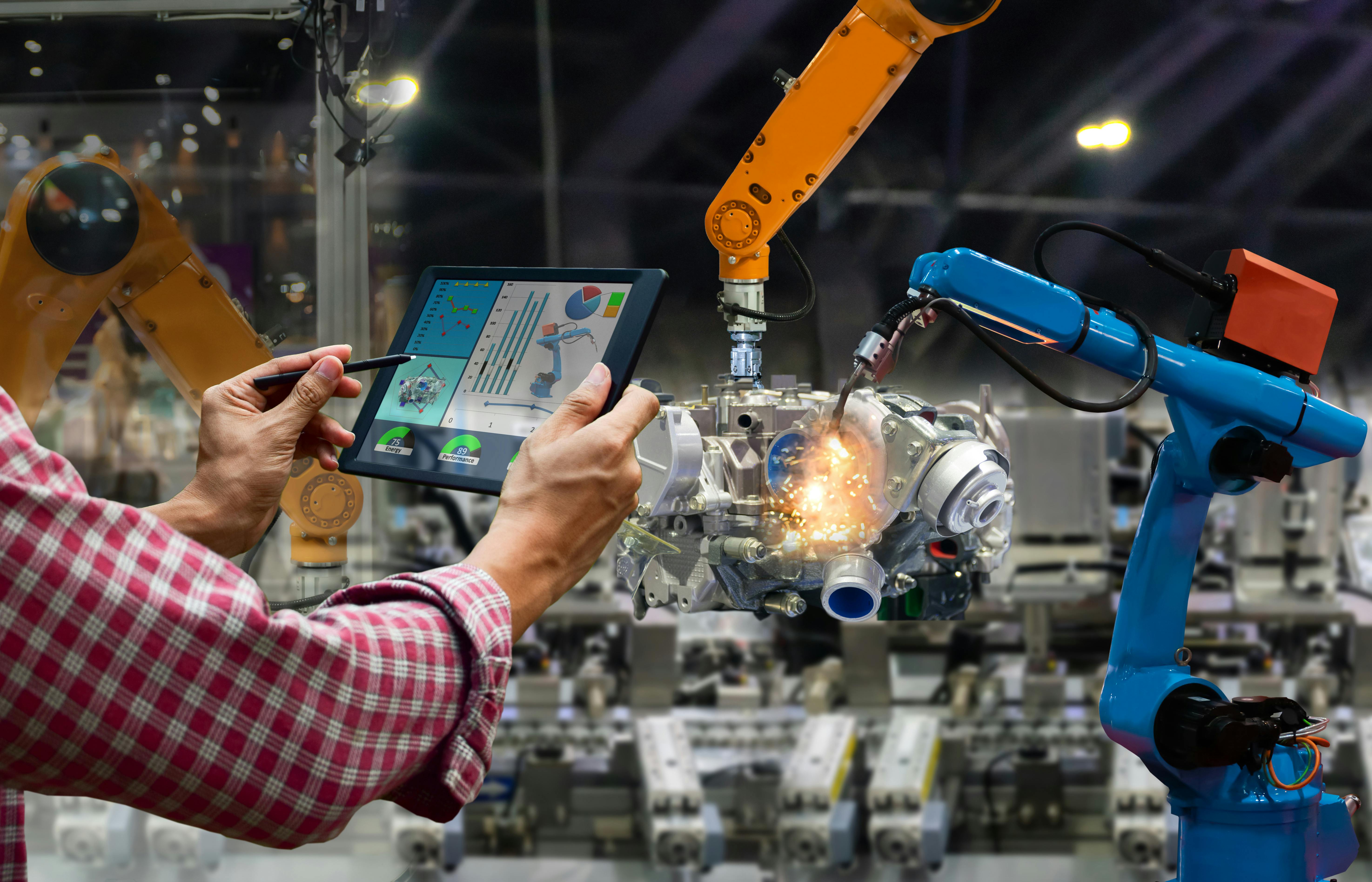
How to Get Predictive Maintenance Off the Ground
Matt Bernhard from TwinThread and Michael Cooper from Rockwell Automation recently discussed the transformative potential of predictive maintenance in a session aimed at industry professionals. The event, held in October 2023, focused on practical strategies for organizations looking to implement predictive maintenance solutions effectively. Both experts emphasized the importance of leveraging data analytics to enhance operational efficiency and reduce downtime. They provided actionable insights on how companies can initiate their predictive maintenance journey, highlighting the need for a structured approach to data collection and analysis. The discussion underscored the growing significance of predictive maintenance in optimizing asset management and driving innovation across various sectors.
Factory / Plant Maintenance
Closing the Insight-to-Action Gap: An Integration Architecture for Automated Predictive Maintenance
Recent research highlights that the primary challenge in industrial predictive maintenance is not the inaccuracy of models, but rather the ineffective transition from anomaly detection to actionable response. The study proposes a new integration architecture designed to link machine learning-based anomaly detection systems directly with maintenance execution systems within plants. This innovative approach aims to transform traditional monitoring dashboards into dynamic systems that not only identify issues but also facilitate immediate corrective actions. By addressing the critical gap between detection and response, this integration seeks to enhance operational efficiency and reduce downtime in industrial settings.
Factory / Plant Maintenance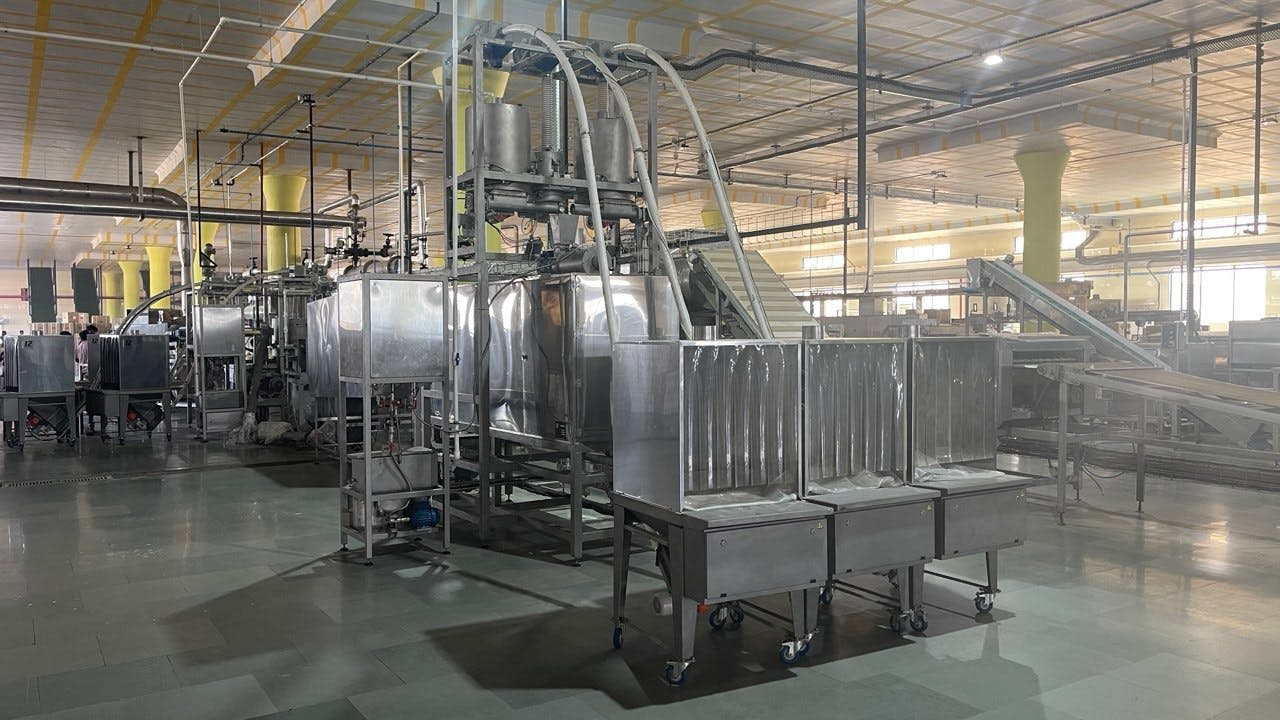
How a Two-Week Maintenance Overhaul Cut Downtime by 10% at a Major Snack Food Manufacturer
Bikaji Foods has successfully implemented a structured, low-cost maintenance framework that has significantly improved reliability without necessitating major capital investments. This initiative, aimed at enhancing operational efficiency, has yielded measurable gains in the company's reliability metrics. The strategic focus on cost-effective maintenance solutions reflects Bikaji Foods' commitment to optimizing performance while managing expenses effectively. By prioritizing this approach, the company has demonstrated that substantial improvements can be achieved through innovative practices rather than extensive financial outlays.
Process / Plant Maintenance
Greensea IQ and Ocean Power Technologies Announce Strategic Collaboration to Advance Autonomous Hull Maintenance
Greensea IQ and Ocean Power Technologies (OPT) have announced a strategic partnership to combine Greensea IQ’s EverClean robotic hull grooming system with OPT’s WAM-V® Unmanned Surface Vehicle (USV) platform. This collaboration, unveiled recently, aims to create a fully autonomous launch and recovery system designed to enhance the efficiency and environmental sustainability of hull maintenance operations. By integrating these advanced technologies, the companies seek to revolutionize the maritime maintenance sector, addressing the growing need for eco-friendly solutions in marine operations.
greensea iq ocean power technologies strategic collaboration autonomous hull maintenance
ByteDance Explores Physical AI, Indicating a Shift Beyond Traditional Models
ByteDance has clarified its position regarding autonomous driving, stating it will not pursue smart driving. However, this clarification signals a significant shift as the company explores Physical AI. Unlike traditional AI, which learns from vast text data, Physical AI understands physical laws and causality, enabling it to predict physical states rather than merely generating text. The emergence of Physical AI is expected to peak around 2026 due to three key turning points: the spillover effects of large model technologies, breakthroughs in simulation technology that overcome data limitations, and a significant decrease in hardware costs. These advancements are paving the way for applications in autonomous driving, which has already seen large-scale commercialization in various sectors, outpacing humanoid robots still in demonstration phases. Industrial Physical AI is poised to revolutionize productivity through applications like predictive maintenance and quality inspection. While specialized robots are being deployed in logistics and inspection, the widespread implementation of general-purpose humanoid robots may take another 5 to 10 years. The competition in Physical AI has begun, marking a transformative shift as AI evolves from merely processing information to reshaping the world.
Physical AI Autonomous Driving Industrial Automation Simulation Technology
Tombot's AI-Driven Robotic Dog Receives Over 23,000 Preorders for Senior Emotional Support
Tombot, a robotics company based in Los Angeles, has announced the completion of a $7 million Series A3 funding round led by Caduceus Capital Partners and Wavemaker 360. This brings the company's total funding to over $13 million, with more than 23,000 preorders for Jennie, an AI-driven robotic Labrador puppy, already secured before product delivery. The significance of Jennie lies in its potential to address the growing issue of loneliness among seniors, particularly those suffering from dementia and mild cognitive impairment. With over 300 million individuals globally affected by these conditions, Tombot aims to provide a medical-grade emotional support device that requires no feeding, walking, or maintenance, thus offering a viable companionship option for the elderly. Looking ahead, Tombot's focus will be on continuous updates to Jennie's behavior and voice commands through an accompanying mobile app. The response from investors and the market indicates a serious consideration of robotic companions as a solution to the pressing challenges of aging populations and caregiver shortages. No further timeline was disclosed at the time of publication.
Emotional Support Robots Elderly Care Technology AI Companions Robotics
Manufacturers Must Prioritize Industrial Data Governance Before AI and Analytics
Manufacturers are generating unprecedented amounts of data through automation systems, capturing everything from process values to production metrics. However, many plants face challenges in quickly answering fundamental operational questions, such as equipment status during issues or alarm sequences. The root cause often lies in a lack of structured, contextualized data governance rather than insufficient data itself. As manufacturers increasingly invest in analytics and AI, the importance of a solid data foundation becomes critical. Structured data not only aids in generating meaningful reports but also enhances AI insights. Poorly designed automation systems can lead to disorganized data, resulting in confusion and inefficiencies that erode trust among operators and complicate reporting for engineers and maintenance teams. To address these challenges, manufacturers must focus on establishing effective data governance from the outset of automation system design. Collecting more data does not inherently create value; instead, organizing data around relevant categories is essential for it to be actionable. No further timeline was disclosed at the time of publication.
Factory / Analytics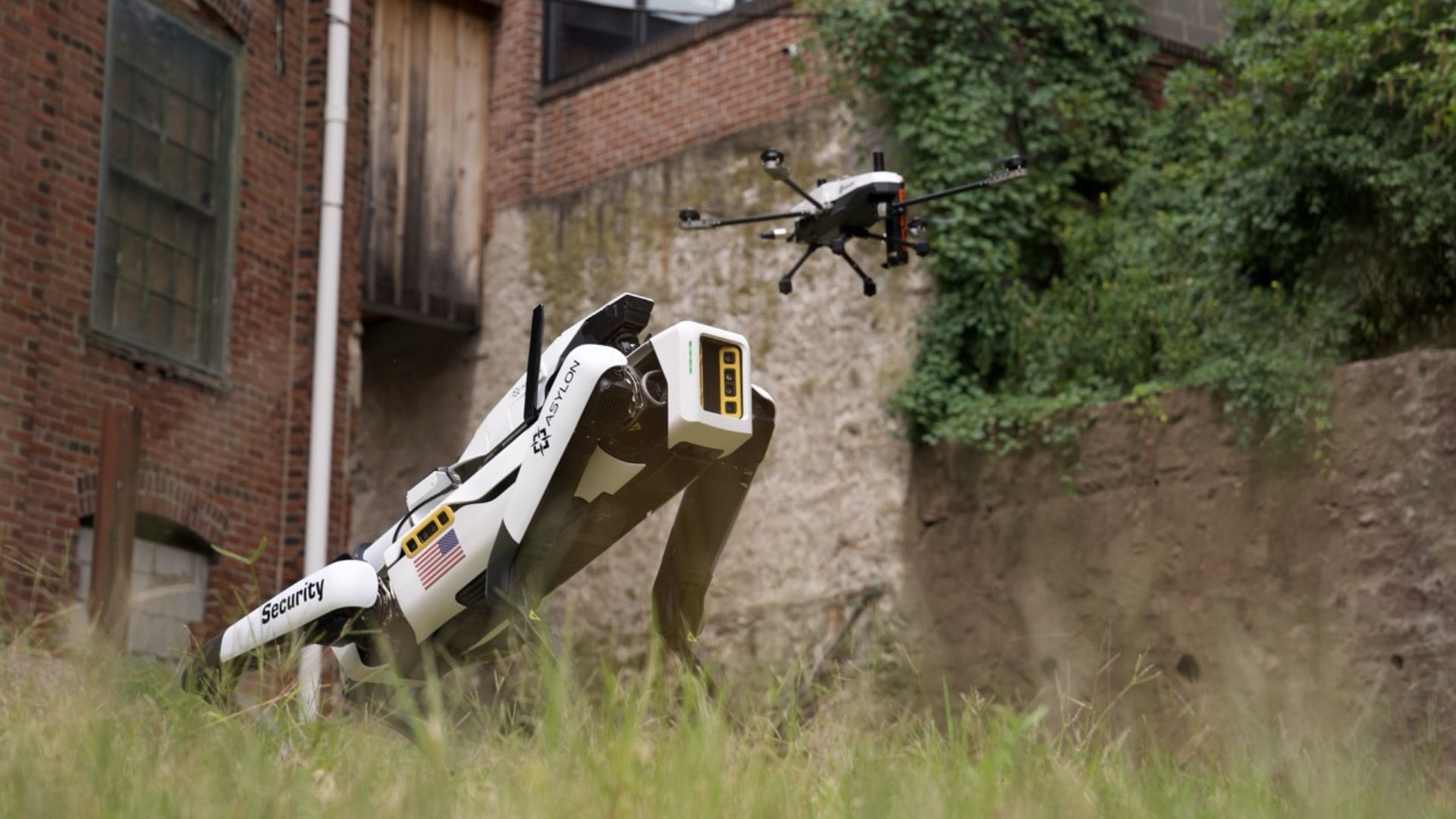
Asylon's MARIA System Enhances Aircraft Inspections for U.S. Air Force
Asylon has secured a Phase Three contract with the U.S. Air Force's Warner Robins Air Logistics Complex to deploy its Multi-modal Autonomous Robotics for Inspection of Aircraft (MARIA) system. This initiative aims to streamline aircraft inspections by integrating air and ground robotic platforms, significantly reducing the time for general visual inspections while enhancing consistency in maintenance tasks. The MARIA system combines Asylon's Guardian unmanned aircraft with the DroneDog Q-UGV, utilizing the Range autonomy software and DroneIQ command-and-control system for efficient inspection management. The significance of this deployment lies in its potential to transform aircraft maintenance operations. By automating inspections, the MARIA system not only improves inspection quality but also mitigates the risks associated with labor-intensive tasks. The integration of imagery, LiDAR data, and telemetry into a single platform allows maintenance personnel to make informed decisions quickly, thereby enhancing aircraft readiness without increasing manpower demands. This project marks a pivotal shift in how the Air Force approaches maintenance, leveraging autonomous technologies to optimize operational efficiency. Looking ahead, the success of the MARIA deployment at Warner Robins could lead to broader adoption of these technologies across military maintenance organizations. No further timeline was disclosed at the time of publication, but the ongoing collaboration between Asylon and the Air Force may pave the way for future advancements in defense sustainment operations, particularly in the realm of autonomous inspections and maintenance support.
Military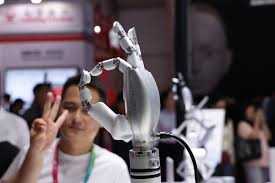
Asylon secures Phase Three contract for MARIA aircraft inspection system development
Asylon has been awarded a Phase Three contract by the Warner Robins Air Logistics Complex (WR-ALC) to advance its Multi-modal Autonomous Robotics for Inspection of Aircraft (MARIA) system. This contract focuses on further development, integration, and demonstration of the MARIA technology at the WR-ALC facility, enhancing aircraft inspection processes. The significance of this contract lies in the increasing demand for automation in aircraft maintenance and inspection. Asylon's MARIA system aims to improve efficiency and accuracy in inspections, which is crucial for maintaining operational readiness in military and commercial aviation sectors. The integration of autonomous robotics is expected to streamline workflows and reduce human error. Looking ahead, stakeholders will be monitoring the progress of the MARIA system's development and its subsequent demonstration at WR-ALC. No further timeline was disclosed at the time of publication, but successful implementation could set a precedent for similar technologies in the aerospace industry.
News
Embraer and OGMA complete first Hungarian C-390 maintenance in Portugal
Embraer, in collaboration with the Portuguese aerospace company OGMA, has successfully completed the first scheduled 24-month maintenance for a C-390 Millennium aircraft belonging to the Hungarian Air Force. This significant milestone was achieved as part of ongoing efforts to ensure the operational readiness and reliability of the aircraft, which plays a crucial role in Hungary's military capabilities. The maintenance work was carried out in Portugal, showcasing the partnership between the two companies and their commitment to supporting the Hungarian military's aviation needs. This maintenance cycle not only enhances the aircraft's performance but also extends its service life, reflecting the growing importance of the C-390 Millennium in modern air force operations.
News
Siemens collaborates with Databricks and FFT to enhance production data with AI insights.
Siemens has unveiled a new edge-to-cloud integration in collaboration with Databricks, a leading Data and AI company, and its long-time automation partner, FFT Produktionssysteme. This innovative partnership aims to streamline the connection of production data directly to enterprise AI, eliminating the need for complex IoT middleware. By facilitating this direct integration, Siemens and its partners intend to empower industrial customers to transform their production data into actionable insights, thereby enhancing the scalability of industrial AI solutions on a global scale. This initiative underscores the growing importance of data-driven decision-making in the manufacturing sector, enabling companies to leverage advanced analytics for improved operational efficiency and competitiveness.
Artificial Intelligence Automation Industry News artificial intelligence cloud computing
Europe’s most important industrial lubrication conference celebrates its 10th anniversary in Bilbao
The Euskalduna Convention Centre in Bilbao is set to host the 10th anniversary of LUBMAT, Europe’s premier conference on industrial lubricants, this Wednesday and Thursday. The event will bring together 200 professionals from Europe, Asia, and America, highlighting its significance as a leading international biennial gathering focused on lubricants, tribology, and production equipment monitoring. This milestone edition aims to foster collaboration and knowledge sharing among industry experts, reflecting the growing importance of innovation and sustainability in the lubricants sector.
Events advanced lubricants advanced manufacturing aerospace engineering AI in maintenance asset management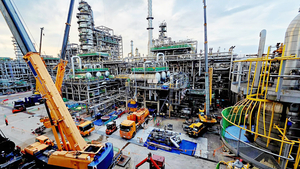
GS Caltex Completes $135 Million Overhaul at Yeosu Refinery Using Robots and AI
GS Caltex announced the completion of a 200 billion won ($135 million) turnaround at its Yeosu refinery, utilizing robots, artificial intelligence, and digital tools to enhance safety and operational efficiency. This large-scale maintenance operation involved halting production for intensive inspections and replacing aged components, laying the groundwork for safer and more efficient plant operations. The significance of this turnaround lies in GS Caltex's integration of digital and AI solutions, which are part of the company's broader digital transformation strategy. By digitalizing core operational systems, the refinery aims to improve workplace practices and boost overall competitiveness. The deployment of technologies like MOVision and tube-cleaning robots addresses specific operational challenges, such as locating electric motor-operated valves and enhancing thermal efficiency. Looking ahead, GS Caltex plans to continue innovating within the manufacturing sector by leveraging its DAX strategies. The company's commitment to integrating on-site expertise with advanced technologies is expected to further enhance efficiency and safety in future operations. No further timeline was disclosed at the time of publication.
All News
Study on Offshore Wind Turbine Blade Repair Using Particle Swarm Optimization and Advanced Control Techniques
A recent study published in the Journal of Field Robotics explores innovative methods for repairing offshore wind turbine blades. The research focuses on utilizing a Particle Swarm Optimization-Backpropagation Neural Network combined with Improved Active Disturbance Rejection Control to enhance repair efficiency. This research is significant as it addresses the growing need for effective maintenance strategies in offshore wind energy, which is crucial for maximizing energy output and minimizing downtime. The integration of advanced algorithms aims to improve the precision and reliability of repair processes, ultimately contributing to the sustainability of wind energy. Looking ahead, the implications of this study could influence future developments in wind turbine maintenance technologies. No further timeline was disclosed at the time of publication.
RESEARCH ARTICLE
Hershey Company Leverages AI to Enhance Workforce Efficiency in Candy Manufacturing
The Hershey Company is implementing AI-driven digital transformation in its candy factories through a connected-worker platform developed by Augmentir. This initiative aims to enhance workforce efficiency by providing intelligent guidance and support to workers, addressing challenges such as labor shortages and skills gaps. The integration of Augmentir’s AI-powered platform, known as 'Augie,' allows Hershey to tailor technology to its specific needs, capturing valuable data on worker performance. This data-driven approach helps identify areas for improvement, such as machine maintenance and worker training, ultimately leading to better operational outcomes. As manufacturers increasingly adopt AI technologies, the focus will be on how effectively they can integrate these solutions into their workforce processes. No further timeline was disclosed at the time of publication.
Factory / Digital Transformation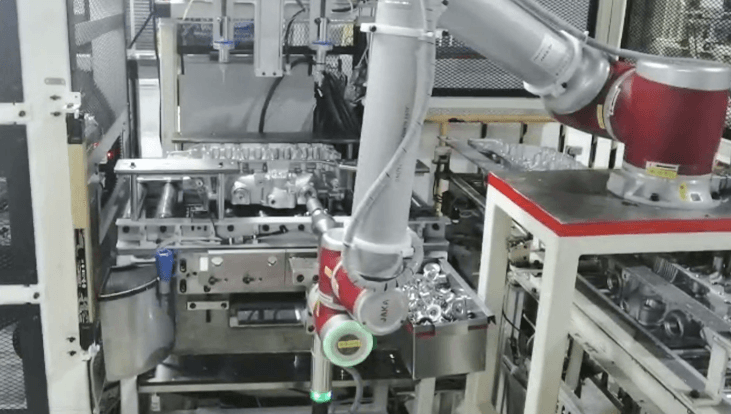
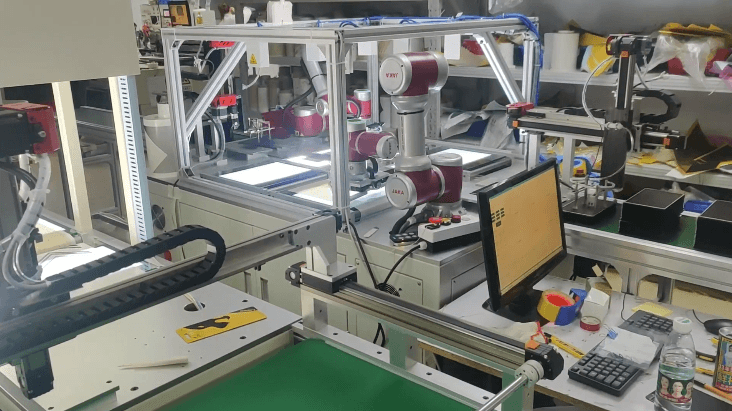
Screwdriving Robot Maintenance: N Critical Checks for Uptime
JAKA, a leader in industrial automation, emphasizes the importance of regular maintenance for screwdriving robot systems to ensure consistent uptime and production efficiency. The company advocates for systematic inspections to identify potential issues before they lead to unexpected downtime, driven by the increasing demand for reliable automation solutions. To maintain mechanical integrity, JAKA recommends routine checks of all joints, screws, and drive mechanisms, as well as adhering to lubrication schedules to prevent friction-related inefficiencies. Their JAKA S5 robots, designed to handle payloads between 3 to 18 kg, are equipped with force control sensors to avoid mechanical stress during operations. In addition to mechanical assessments, JAKA highlights the significance of monitoring electrical connections and control systems. Stable communication between the screwdriving robot and its control interface is crucial for maintaining productivity, as faulty cabling can disrupt precision tasks. The JAKA S5 features user-friendly configuration and debugging modes that facilitate verification without interrupting operations. Operational settings, including torque limits and cycle sequences, are also routinely reviewed to ensure optimal performance of both polishing and screwdriving robots. The app-based process package loading in the JAKA S5 allows teams to simulate operations before full deployment, minimizing the risk of production interruptions. By integrating mechanical inspections, electrical verification, and operational oversight into their maintenance routines, JAKA aims to extend the lifespan of their robots while enhancing safety and efficiency in industrial operations. Regular maintenance practices are essential for supporting high-quality automation processes.
Tesla Optimus Maintenance Checklist (2026)
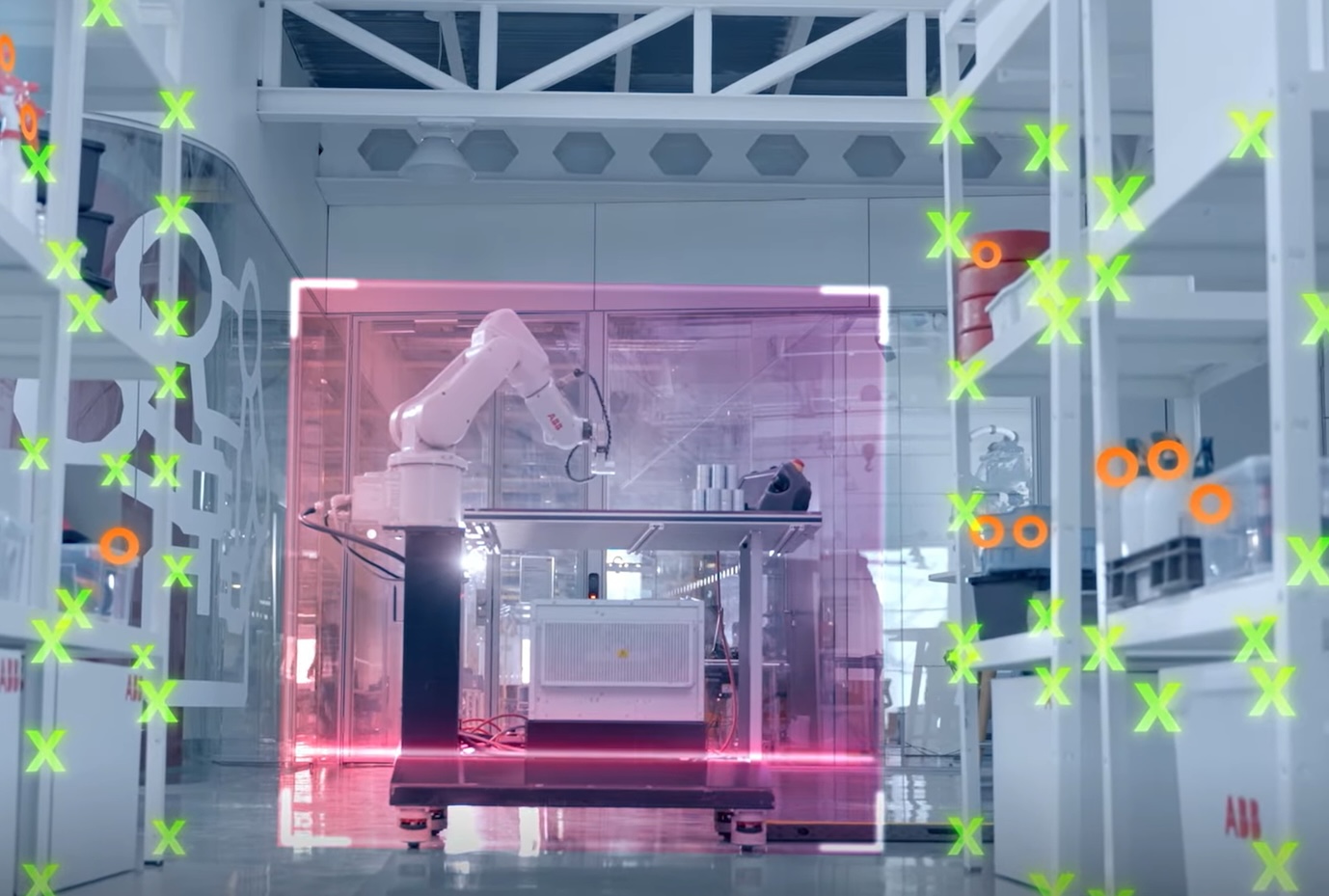
A comprehensive maintenance guide has been released, detailing essential tasks for operators to ensure optimal performance of equipment. This guide outlines daily, weekly, and monthly maintenance responsibilities, including actuator care, battery cycle management, and sensor calibration. Designed to be user-friendly, it aims to equip operators with the knowledge needed for effective upkeep. The guide is based on data available up to October 2023, reflecting the latest industry standards and practices. By following these maintenance protocols, operators can enhance equipment longevity and efficiency, ultimately reducing operational costs.
Key Maintenance Tips for Maximizing the Lifespan of Your Painting Robot Arm
Regular maintenance is crucial for extending the lifespan of painting robot arms in industrial settings, where precision and consistency are paramount. JAKA emphasizes a proactive approach to maintenance, integrating it into long-term production planning rather than treating it as a reactive measure. By implementing systematic inspection routines and understanding the interplay of mechanical, electrical, and control components, users can maintain painting quality and protect their investments. Key maintenance practices include routine mechanical inspections to monitor joint movement, cable routing, and tool mounting, which help prevent wear that could compromise coating accuracy. JAKA’s systems facilitate scheduled inspections with accessible joint structures and diagnostic feedback, enabling maintenance teams to identify issues early and ensure consistent performance. Additionally, effective management of control functions is vital for maximizing the durability of painting robot arms. JAKA’s intuitive configuration interfaces allow for smooth handling of payloads and reduce mechanical stress during operations. Features such as load-and-go process packages and manual control modes help minimize wear from repeated trials. Environmental factors and operator habits also play significant roles in the reliability of painting robot arms. JAKA advises users to monitor conditions like temperature and humidity, particularly in mixed environments. Safety interlocks and alarm systems are designed to prevent abnormal operations, while manual control functions allow operators to intervene safely when necessary. In conclusion, JAKA advocates for a comprehensive maintenance strategy that combines regular inspections, thoughtful process configurations, and environmental management to enhance the performance and longevity of painting robot arms, ultimately supporting sustained manufacturing efficiency.

Motion Control and Experimental Verification of a Continuum Aerial Manipulator for Power Grid Maintenance Operations
A recent study published in the Journal of Field Robotics highlights advancements in robotic technology aimed at improving agricultural efficiency. Researchers from various institutions collaborated to develop a new robotic system designed to automate the process of crop monitoring and management. This innovative system was tested in fields across California during the summer of 2023, demonstrating its potential to enhance productivity and reduce labor costs for farmers. The motivation behind this research stems from the increasing demand for sustainable agricultural practices and the need to address labor shortages in the farming sector. By integrating advanced sensors and artificial intelligence, the robotic system can analyze crop health, soil conditions, and environmental factors in real-time, providing farmers with actionable insights. The study outlines the methodology used in the field trials, including the deployment of multiple robotic units equipped with cutting-edge technology. These robots were programmed to navigate autonomously, collect data, and deliver precise recommendations for crop management. The findings indicate that the implementation of such robotic systems could lead to significant improvements in yield and resource efficiency. As the agricultural industry faces mounting challenges, this research underscores the importance of innovation in fostering sustainable practices and meeting the needs of a growing population. The successful trials pave the way for further development and potential commercialization of robotic solutions in agriculture, promising a transformative impact on the sector.
RESEARCH ARTICLE
Facility Maintenance: Lavo Bot AI and NVIDIA Bring Autonomy to Exterior Surface Cleaning
A new advanced navigation system has been introduced, designed to enhance operational efficiency on job sites. This innovative technology utilizes sophisticated mapping, multi-sensor vision, and zone-based safety features to confidently navigate areas of up to 6,000 square feet per hour. It is capable of supporting pressure-wash rigs that operate at a rate of up to 12 gallons per minute and can handle pressures of 4,500 PSI. This development aims to streamline processes in various industries, ensuring safety and effectiveness in demanding environments. The system is expected to significantly improve productivity and safety standards for workers on-site.

DJI refreshes Osmo Pocket 4 with maintenance update
DJI has released a new firmware update for the Osmo Pocket 4, designated version 01.02.07.06, just weeks after a significant update that introduced numerous features. This latest release, which focuses on addressing known issues rather than adding new functionalities, is aimed at enhancing the performance and reliability of the popular pocket-sized camera. Users are encouraged to install the update to ensure optimal operation of their device.
News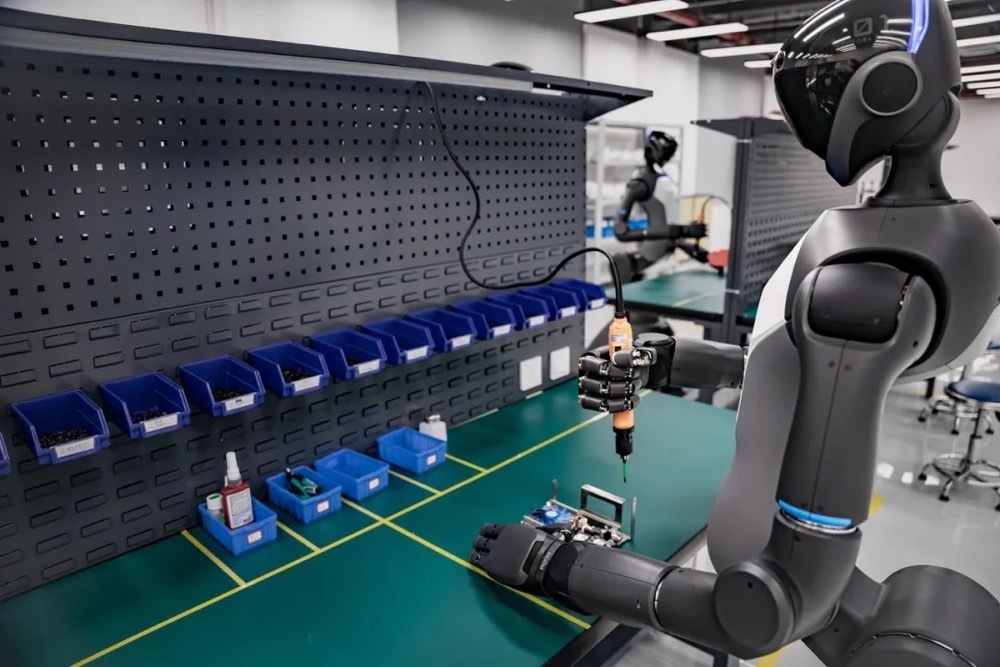
Automated Lawn Maintenance: An Agronomic and Operational Review of Turf Health, Biodiversity, and Field Performance
A recent study published in the Journal of Field Robotics highlights advancements in autonomous robotic systems designed for agricultural applications. Researchers from a leading university conducted the study to explore how these robots can enhance efficiency in farming practices. The research was carried out over the summer of 2023 at various agricultural sites across the Midwest. The motivation behind this initiative stems from the increasing demand for sustainable farming solutions that can address labor shortages and improve crop yields. By integrating advanced sensors and machine learning algorithms, the robots are capable of performing tasks such as planting, monitoring crop health, and harvesting with minimal human intervention. The study involved extensive field tests, where the robots demonstrated their ability to navigate complex terrains and adapt to changing environmental conditions. Results showed a significant increase in productivity compared to traditional farming methods, suggesting that the implementation of these technologies could revolutionize the agricultural sector. As the agricultural industry faces challenges related to climate change and population growth, this research underscores the potential of robotics to provide innovative solutions that promote sustainability and efficiency in food production. The findings are expected to pave the way for further developments in agricultural robotics, ultimately benefiting farmers and consumers alike.
SURVEY ARTICLE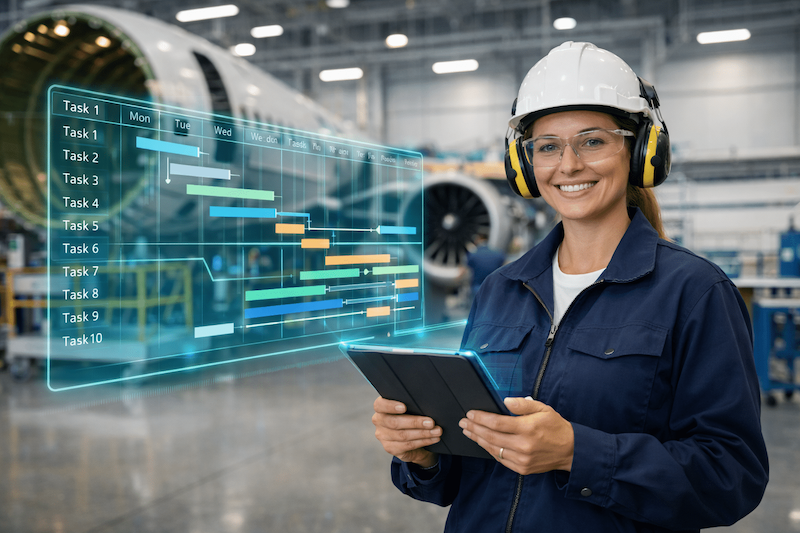
Top 7 AI Agent Platforms for Industrial Manufacturing in 2026
The manufacturing sector is undergoing a significant digital transformation, marked by substantial investments in Internet of Things (IoT) sensors, Manufacturing Execution Systems (MES), industrial analytics, and predictive maintenance solutions over the past decade. This shift has provided manufacturers with unparalleled operational visibility, enabling real-time monitoring of equipment, production lines, quality metrics, and material flows. Despite these advancements, production managers continue to face challenges in optimizing processes and improving efficiency. The integration of these technologies aims to enhance productivity and streamline operations, ultimately driving the industry towards a more data-driven future.
AI agents Manufacturing ai agents autonomous manufacturing digital manufacturing ERP integration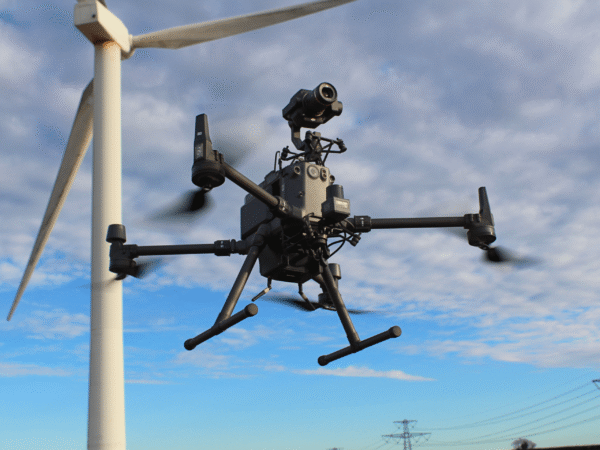
Perceptual Robotics Raises Funding to Automate Wind Turbine Inspection Drones
Perceptual Robotics, a Thessaloniki-based company, has successfully secured new funding to enhance its autonomous wind turbine inspection platform. The investment round, announced on May 5, 2026, was led by Loggerhead Ventures, with additional support from One Planet Capital. This financial backing aims to advance the development of AI-powered drones designed for wind farm maintenance, reflecting the growing demand for innovative solutions in renewable energy infrastructure. The funding will enable Perceptual Robotics to scale its operations and improve the efficiency of wind turbine inspections, ultimately contributing to the sustainability of wind energy production.
Drone News Drone News Feeds Europe Drone Industry European Union infrastructure Inspection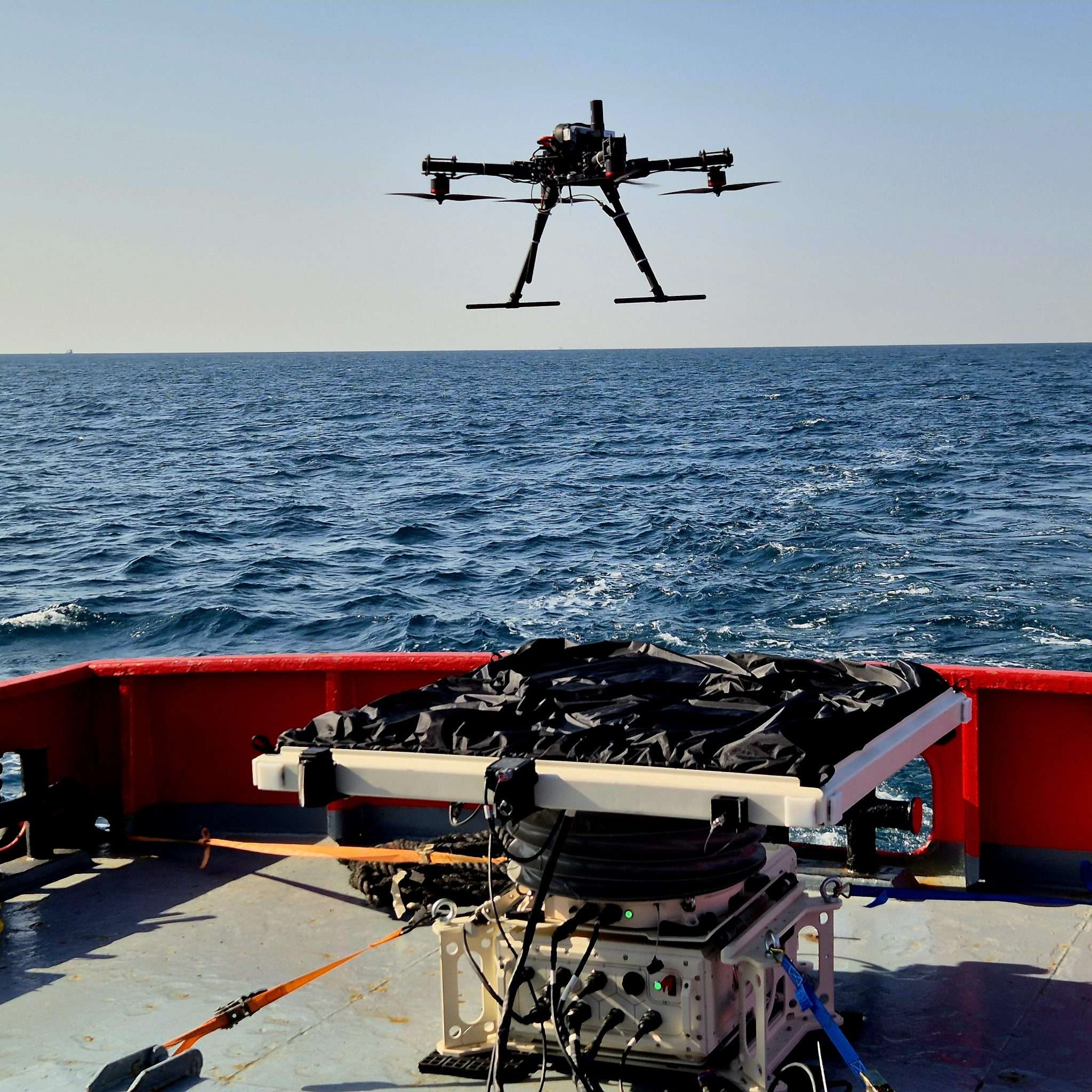
WaiV Robotics Brings Autonomous Drone Recovery at Sea to U.S. Offshore Operators
WaiV Robotics, a London-based maritime autonomous infrastructure developer, has officially launched its services in the U.S. market this week. The company aims to address the increasing challenges faced by offshore energy operators in inspection, maintenance, and emergency response as assets are positioned further from shore. By introducing its innovative autonomous drone launch and recovery technology, WaiV Robotics seeks to enhance operational efficiency for offshore operators across the country. The platform is designed to streamline processes and improve safety in the demanding offshore environment.
Applications Drone News Drone News Feeds Drones in the News News ocean
Saildrone Supports Coast Guard Missions in the Great Lakes and Northeast
The U.S. Coast Guard is enhancing its efforts to monitor the extensive northern maritime approaches, which encompass thousands of miles of coastline, busy waterways, and vital fishing grounds from the Great Lakes to the North Atlantic. This initiative, aimed at detecting suspicious vessel activity and securing the U.S. border, is critical for maintaining economic prosperity and protecting domestic fisheries. The Coast Guard faces challenges in ensuring consistent visibility due to unpredictable weather, seasonal variations, and the vastness of the region. Traditional patrols struggle with issues such as crew endurance, maintenance needs, and the distances involved. As a result, the Coast Guard is exploring innovative strategies to improve surveillance and response capabilities in these challenging maritime environments.
saildrone contract award us coast guard maritime domain awareness (mda)
Exail and JFD Partner to Increase Resilience in Future UK Mine Countermeasure Capability
Exail and JFD Global have entered into a Pre-bid agreement aimed at fostering a future collaboration focused on enhancing maintenance, training, and support services in the UK. This partnership seeks to establish a long-term industrial relationship that will bolster the development and sustainability of modern mine countermeasure (MCM) capabilities within the country. The agreement reflects both companies' commitment to advancing defense technologies and ensuring the UK remains at the forefront of maritime security.
exail jfd partnership mine countermeasure capability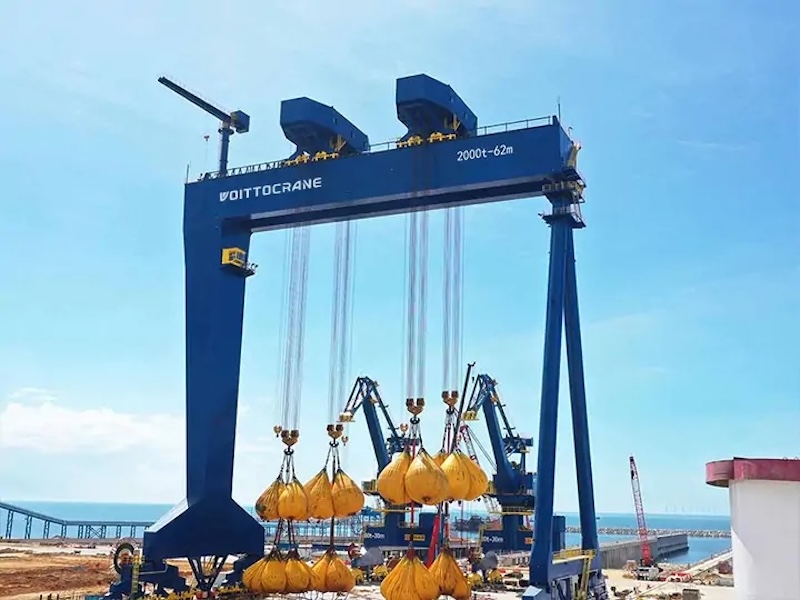
How Automated Container Gantry Cranes Are Reshaping Port Operations in 2026
In 2026, container gantry cranes, essential to global port logistics, are set to undergo significant transformation. This evolution is driven by advancements in automation and artificial intelligence, alongside increasing demands for reduced emissions in the shipping industry. As a result, these towering machines are transitioning from traditional mechanical roles to becoming intelligent, interconnected systems. This shift aims to enhance operational efficiency and sustainability in port operations, fundamentally redefining logistics practices worldwide. The integration of smart technologies is expected to improve the speed and accuracy of cargo handling, ultimately benefiting global trade.
Logistics Material handling ai automation automated container cranes automation news cargo handling
AirData UAV and LeoSight Bring Live Drone Data for DFR Programs
LeoSight has announced a new integration with AirData UAV that enables real-time streaming of flight data, telemetry, and operational insights directly into its command software, LeoCommand. This integration aims to enhance collaboration between dispatchers and field teams by providing shared visibility across drone and DFR (Drone First Response) operations. The partnership leverages AirData's status as one of the most widely used platforms in commercial drone operations, allowing public safety agencies to improve their operational efficiency. The integration is expected to streamline communication and data sharing, ultimately enhancing response capabilities in critical situations.
Disaster Response drone fleets Drone News Drone News Feeds emergency response Fire and Police
Interview with Pony.ai's Peng Jun: A "Dissenting Consensus" Autonomous Driving Company
In 2016, Peng Jun founded Pony.ai with the foresight that the widespread implementation of Robotaxi services would require at least a decade of effort, considering technological advancements, legal frameworks, and societal acceptance. Today, companies like Waymo in San Francisco and Pony.ai in Shenzhen have successfully integrated autonomous vehicles into commercial operations. However, Peng noted that the absence of human drivers has created challenges in operational logistics, such as vehicle maintenance and customer assistance, which were previously managed by drivers. In a recent interview, Peng discussed Pony.ai's strategies for supporting its autonomous fleet, including the establishment of an operations team to create logistics standards that encompass remote safety personnel and ground support staff. He emphasized that even as the fleet expands, the ratio of personnel to vehicles will not significantly increase, a factor often overlooked by traditional ride-hailing companies entering the Robotaxi market. Despite the challenges, Pony.ai's seventh-generation vehicles have achieved profitability in cities like Guangzhou and Shenzhen, with plans to scale the fleet to 3,500 vehicles this year. Peng expressed skepticism about the ability of traditional automakers and ride-hailing platforms to transition into the Robotaxi space, highlighting the complexities involved in achieving Level 4 autonomy. While competitors are rapidly announcing their own Robotaxi initiatives, Peng cautioned that execution is far more challenging than mere declarations. He believes that operational efficiency, rather than manufacturing capability, will be the key determinant of success in the Robotaxi sector. As the industry evolves, Pony.ai remains focused on refining its business model while navigating the complexities of autonomous vehicle operations.
Vertex Aerospace secures $500m Air Force C-12 support contract
Vertex Aerospace has secured a significant contract with the US Air Force, valued at up to $500 million, to provide contractor logistic support services for the C-12 fleet. This firm-fixed-price, indefinite-delivery/indefinite-quantity contract underscores the company's commitment to supporting military aviation operations. The agreement aims to enhance the operational readiness and maintenance of the C-12 aircraft, which are essential for various missions within the Air Force. The contract reflects the ongoing collaboration between Vertex Aerospace and the military, ensuring that the C-12 fleet remains efficient and reliable.
News
South Korea’s Hanwha joins with Emirati firm, aiming to build K9 Howitzer in the UAE
Hanwha Aerospace has announced a strategic agreement aimed at enhancing its presence in the Middle East. This initiative is part of the company's broader strategy to establish local production, maintenance, and technology partnerships in the region. By pursuing these collaborations, Hanwha aims to better serve regional customers and solidify its market position. The move reflects the company's commitment to expanding its operations and adapting to the specific needs of the Middle Eastern aerospace sector.
Global Land Warfare Army Asia Business & Industry Hanwha Aerospace
Delivering Flawless Field Service with Predictive Insights and AI
In a recent session, industry leaders discussed the integration of artificial intelligence and predictive technologies in asset maintenance and field service operations. The event highlighted how organizations are leveraging real-time asset insights to enhance their maintenance and service strategies. By utilizing intelligent recommendations, companies are optimizing their operations and improving technician guidance. This approach not only streamlines maintenance processes but also facilitates the orchestration of end-to-end workflows across supply chain management, service execution, and financial operations. The session underscored the growing importance of technology in driving efficiency and effectiveness in asset management.

Anthropic has acquired the dev tools startup used by OpenAI, Google, and Cloudflare
Stainless, a startup based in New York and established in 2022, has gained recognition in the burgeoning artificial intelligence sector for its innovative approach to automating the creation and maintenance of software development kits (SDKs). These SDKs serve as essential libraries that enable developers to effectively interact with application programming interfaces (APIs). By streamlining this process, Stainless aims to enhance efficiency and reduce the complexity involved in software development, positioning itself as a key player in the tech landscape.
AI Anthropic Stainless
BANNER ENGINEERING - Available now at Mouser: vibration monitoring sensors
Banner Engineering has introduced its Q45x sensors, designed to enhance predictive maintenance for industrial equipment by providing high-resolution, three-axis vibration data. These innovative sensors, which are battery-powered and capable of operating for several years without the need for wiring, facilitate easy installation and scalability across various assets. The Q45x sensors utilize integrated high-frequency enveloping (HFE) technology to detect early-stage faults, such as bearing wear and lubrication issues, thereby improving diagnostic accuracy even in noisy environments. With IP67-rated enclosures and wireless connectivity through Sure Cross networks, these sensors ensure reliable condition monitoring in challenging industrial settings while minimizing downtime and simplifying maintenance processes.

China plans 8,500 AI robots for power grid operations with massive $1 billion push
China is significantly increasing the integration of robotics within its power grid infrastructure. This initiative, announced recently, aims to enhance efficiency and reliability in energy distribution across the nation. The move comes as part of China's broader strategy to modernize its energy sector and address growing demands for sustainable and smart energy solutions. The implementation of robotic technology is expected to streamline operations, reduce human error, and improve safety for workers in the field. By deploying advanced robotics, China seeks to optimize maintenance and monitoring processes, ensuring a more resilient power supply. This development is particularly crucial as the country strives to meet its ambitious energy goals while transitioning towards greener alternatives. The initiative is set to unfold over the coming years, with pilot projects already underway in various regions. These projects will serve as a testing ground for the effectiveness of robotics in real-world applications, ultimately shaping the future of energy management in China. As the nation invests heavily in innovation, the integration of robotics into the power grid represents a significant step towards a more automated and efficient energy landscape.

Brain Corp Achieves SOC 2 Compliance, Reinforcing Trusted Enterprise-Grade Deployment of AI Systems at Scale
Brain Corp has achieved a significant security milestone with its autonomous robots, which are increasingly being deployed in commercial spaces. This development comes as businesses seek innovative solutions to enhance operational efficiency and safety. The milestone was reached in October 2023, reflecting the company's commitment to advancing robotic technology in various environments, including retail and logistics. The growing adoption of these robots is driven by the need for improved cleaning and maintenance processes, particularly in high-traffic areas. By utilizing advanced sensors and AI, Brain Corp's robots can navigate complex spaces while ensuring a high level of security and reliability. This progress not only streamlines operations but also addresses the rising demand for contactless services in the wake of the pandemic. As more companies integrate these autonomous solutions, Brain Corp is positioned to lead the market, demonstrating how technology can transform traditional practices in commercial settings. The successful implementation of these robots marks a pivotal moment in the evolution of automated services, paving the way for broader applications in the future.

Import AI 452: Scaling laws for cyberwar; rising tides of AI automation; and a puzzle over gDP forecasting
A recent analysis highlights the potential of artificial intelligence (AI) to significantly transform the global economy. Experts predict that by 2030, AI could contribute an additional $15.7 trillion to the world’s GDP, driven by advancements in productivity and innovation across various sectors. This economic shift is expected to occur as businesses increasingly adopt AI technologies to streamline operations and enhance decision-making processes. The report, released in October 2023, emphasizes that industries such as healthcare, finance, and manufacturing stand to benefit the most from AI integration. In healthcare, for instance, AI can improve diagnostics and patient care, while in finance, it can optimize trading strategies and risk management. The manufacturing sector may see increased efficiency through automation and predictive maintenance. The motivation behind this economic revolution stems from the need for companies to remain competitive in an evolving market. As organizations face rising operational costs and the demand for faster service, AI offers solutions that can lead to substantial cost savings and improved customer experiences. To capitalize on these opportunities, businesses are encouraged to invest in AI research and development, as well as workforce training to ensure employees are equipped to work alongside advanced technologies. The transition to an AI-driven economy is expected to require collaboration between governments, private sectors, and educational institutions to create a supportive environment for innovation and growth. As the world approaches this pivotal shift, the implications of AI on job markets, economic inequality, and ethical considerations will also need to be addressed to ensure a balanced and inclusive economic future.

JD.com files trademark for ‘Joyrobotaxi,’ signaling interest in autonomous ride-hailing
JD.com, the prominent Chinese e-commerce company, has taken steps to enter the autonomous taxi market by filing for the trademark “Joyrobotaxi.” A subsidiary of JD.com submitted multiple applications to the China National Intellectual Property Administration on April 1 and April 9. These filings encompass a range of services, including advertising, scientific instruments, and vehicle maintenance, indicating the company's strategic move to diversify its business portfolio and explore new technological avenues in the rapidly evolving transportation sector. This initiative aligns with JD.com's broader ambitions to leverage its technological expertise and expand its presence in the autonomous vehicle industry.
News Feed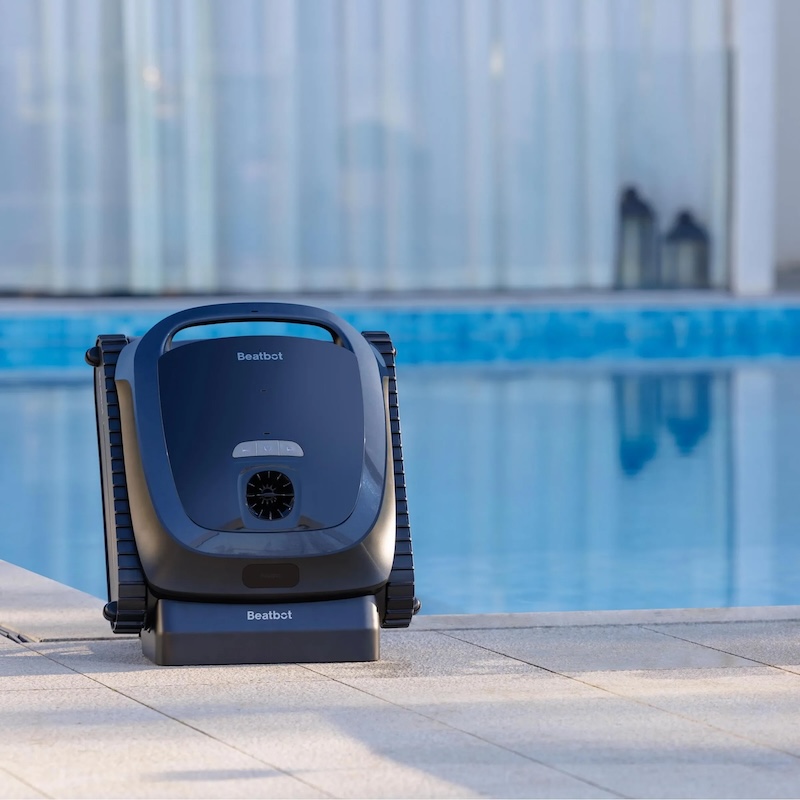
How AI Navigation is Improving the Performance of Robotic Pool Cleaners
Robotic pool cleaners have evolved beyond traditional metrics such as suction power and debris collection, with a significant emphasis now placed on navigation capabilities. Previously, these devices were primarily evaluated based on their ability to pick up dirt and debris, but advancements in technology have shifted the focus to how effectively they can navigate a pool's surface. A robot that operates randomly may clean certain areas thoroughly while neglecting others, leading to inconsistent cleaning results. This change in evaluation criteria reflects a growing understanding that efficient navigation is crucial for maximizing the overall performance of pool cleaning robots. As manufacturers continue to innovate, the integration of sophisticated navigation systems is becoming a key factor in the design and functionality of these devices, ensuring a more comprehensive cleaning experience for pool owners.
Artificial Intelligence Environment Technology AI navigation ai robotics AquaSense 2 UltraRobotics needs a service framework.
RSF defines a common language for robot service capability, lifecycle operations, certification pathways, and service-provider networks.