Industry Briefing
A single destination for timely, editor-curated robotics news from around the world.

Arm to Address Scaling Trusted Physical AI at RoboBusiness 2023
Arm has launched Total Design, a new initiative aimed at simplifying integration and accelerating the development of autonomous systems. This initiative is crucial as advancements in foundation models and edge AI enhance the capabilities of robots, enabling them to perform complex tasks in real-world scenarios, such as intelligent prosthetics and safe human-robot collaboration. The significance of this development lies in the need for reliable autonomous systems that can operate safely and efficiently. Dermot O’Driscoll, VP of go-to-market for physical AI at Arm, will present at RoboBusiness on October 20-21 in Santa Clara, California. His talk, titled 'Building Physical AI that Scales,' will focus on the principles necessary for creating trusted physical AI systems that meet the demands of safety and efficiency in various applications. Looking ahead, attendees of RoboBusiness can expect to gain valuable insights into the engineering priorities that will shape the future of robotics. O’Driscoll's extensive experience at Arm positions him to provide a framework for developing physical AI systems that enhance human capabilities while addressing real-world challenges. No further timeline was disclosed at the time of publication.
Artificial Intelligence / Cognition Design / Development Events News ARM robobusiness
Andon Labs Experiments with AI Agents in Real-World Business Operations
Andon Labs, an AI safety company based in San Francisco, is conducting experiments by placing AI agents in charge of real-world operations. These experiments aim to explore the extent of responsibility that AI agents can handle, as highlighted by cofounder Lukas Petersson's goal to measure autonomy and provide accurate data points. The significance of these experiments lies in their potential to uncover unexpected behaviors of AI agents in uncontrolled environments. While the experiments are not scientifically rigorous, they offer insights into how AI can manage tasks such as inventory and vendor communication, as well as the social acceptance of AI-run businesses. Early results indicate challenges in customer acceptance of AI management. Looking ahead, Andon Labs plans to continue its exploration of AI capabilities in real-world settings. The findings from these experiments could inform future developments in AI technology and its integration into various industries. No further timeline was disclosed at the time of publication.
Agentic-ai Artificial-intelligence Anthropic Google Openai
Inbolt CEO to Address Physical AI Deployment Challenges at RoboBusiness 2023
Inbolt's CEO Rudy Cohen will present at RoboBusiness on October 20-21, discussing the deployment challenges of physical AI in robotics. He argues that the real bottleneck lies in the integration between perception and motion, rather than data availability. Cohen's insights are based on experiences from over 100 factories and extensive production data from major automotive companies. The significance of this discussion is underscored by Inbolt's innovative approach to robotics, which combines vision and AI to enhance manufacturing processes. By addressing the integration tax and improving real-time control, Inbolt aims to streamline deployments that currently incur high costs and lengthy timelines. Cohen's presentation will challenge prevailing assumptions about the limitations of physical AI. Looking ahead, attendees of RoboBusiness can expect to gain valuable insights into the practical applications of physical AI in manufacturing. Cohen's talk will highlight how existing production data can demonstrate the commercial viability of physical AI, potentially reshaping industry perspectives on its deployment. No further timeline was disclosed at the time of publication.
Artificial Intelligence Artificial Intelligence / Cognition Design / Development Events News Inbold
Chef Robotics Discusses Food as a Challenge for Physical AI at RoboBusiness 2026
Chef Robotics has developed a robotic system aimed at high-mix food preparation, highlighting the complexities of manipulating food. The company noted that food presents unique challenges due to its deformable nature, varying weights, and sensitivity to temperature, which complicates automation efforts. This complexity is significant as Chef Robotics has created the largest dataset for deformable material manipulation, completing over 118 million servings across food manufacturing facilities in North America and Europe. Their Food Foundation Model (FFM) allows robots to adapt to new ingredients with minimal retraining, showcasing the potential for advancements in physical AI beyond the food industry. At RoboBusiness 2026, Rajat Bhageria, CEO of Chef Robotics, will present on the challenges of food in physical AI and its broader implications. Attendees can expect insights into adaptive grasping and tactile feedback, which may benefit various sectors, including healthcare and agriculture. No further timeline was disclosed at the time of publication.
Artificial Intelligence Artificial Intelligence / Cognition Design / Development End Effectors / Grippers Events Food / Beverage
Exploring Real-World Applications of Physical AI at RoboBusiness 2026
At RoboBusiness 2026, scheduled for October 20-21 in Santa Clara, California, industry leaders will explore the practical applications of physical AI in robotics. The keynote panel, titled 'Beyond the Demo: AI in Production Robots,' will feature experts from Amazon Robotics, Teradyne Robotics, and Cobot discussing the integration of AI in real customer environments. This event is significant as it highlights the growing importance of physical AI, which has attracted tens of millions in funding. The discussions will cover various aspects of AI implementation, including perception, autonomy, fleet optimization, and maintenance, showcasing how these technologies can deliver measurable business value in sectors like manufacturing and logistics. Attendees can expect to gain insights into cutting-edge research and industry trends, as well as networking opportunities with other professionals. The event promises to be a pivotal moment for commercial robotics developers, with no further timeline disclosed at the time of publication.
Artificial Intelligence Artificial Intelligence / Cognition Design / Development Events News Amazon
Deloitte's 2026 Tech Trends: Physical AI and Intelligent Agents Transforming Business Dynamics
Deloitte's latest report highlights a significant shift in the role of artificial intelligence (AI) in businesses, moving from experimentation to impactful implementation. Leading generative AI tools have reached user scales in just two months that took traditional technologies 50 years to achieve. The report emphasizes the rapid growth of AI startups, which are generating revenue at five times the rate of traditional SaaS companies. The introduction of physical AI is enabling machines to perceive, reason, and adapt in real-time, with applications extending beyond robotics to include autonomous vehicles and drones. The report cites that Amazon has deployed its one millionth robot, showcasing the maturity of AI in warehousing and supply chains. By 2035, it is estimated that humanoid robots in workplaces could reach two million, with a market size projected to grow significantly by 2050. Deloitte identifies a gap in enterprise readiness, with only 11% of companies deploying intelligent agents in production. The report advocates for a shift towards 'Agent-native' thinking, where businesses redesign processes to leverage agents effectively. As AI workloads evolve, traditional data centers are being redefined as 'AI factories,' necessitating new infrastructure strategies. No further timeline was disclosed at the time of publication.
Artificial Intelligence Robotics Business Strategy AI Infrastructure
UK Businesses Vulnerable to Cyber Threats in Supply Chains, RSM UK Reports
Recent research by RSM UK reveals that only 55% of UK businesses actively monitor cyber risks in their supply chains. Alarmingly, just 39% feel very confident in their ability to withstand a cyber-attack, despite 22% having experienced such incidents in the past year. The findings highlight a significant gap in awareness and preparedness, particularly among operations staff compared to senior leaders. The implications of these findings are critical, especially in light of recent AI-related cyber breaches involving companies like Open AI. With only 37% of businesses considering the impact of a major cyber-attack on critical suppliers, the potential for widespread disruption is evident. RSM UK's Sheila Pancholi emphasizes the necessity for businesses to adopt a proactive approach to cyber resilience across their entire supply chain. Looking ahead, companies must prioritize building robust cyber resilience strategies to mitigate risks. RSM UK recommends documenting key third-party suppliers, identifying potential cyber threats, and ensuring comprehensive incident response plans are in place. No further timeline was disclosed at the time of publication.
Computing and Scanners IT in Logistics Cyber threat physhing research risk
Real IT Solutions Enhances AI Integration for Small and Midsize Businesses
Real IT Solutions is assisting small and midsize businesses in identifying effective AI applications and integrating them into their existing systems. This approach aims to enhance operational efficiency while minimizing risks associated with new technology adoption. The significance of this initiative lies in its focus on practical AI deployment, ensuring that businesses can leverage advanced technologies without compromising their current workflows. By building internal capabilities, Real IT Solutions empowers organizations to utilize AI safely and effectively. Looking ahead, the collaboration between Robotics Tomorrow and Alumni Ventures offers readers insights into high-growth startup opportunities in AI and related fields. No further timeline was disclosed at the time of publication.

Purolator's Survey Reveals How North American Businesses Navigate Trade Uncertainty
In 2026, Purolator commissioned a survey by HelloInfo involving 348 shipping and logistics decision-makers from Canada and the United States. This survey aimed to explore how businesses in various sectors, including industrial, retail, healthcare, and technology, are responding to the challenges posed by an unpredictable trade environment. The findings are significant as they shed light on the strategies that Canadian and American companies are employing to mitigate the impacts of tariffs and trade volatility. Understanding these responses is crucial for stakeholders aiming to adapt to the evolving landscape of international trade. Looking ahead, it will be important to monitor how these businesses continue to adjust their strategies in response to ongoing trade uncertainties. No further timeline was disclosed at the time of publication.

UK Businesses Face Cyber Threats in Supply Chains, RSM UK Reports
Recent research by RSM UK reveals that UK businesses are inadequately monitoring cyber risks within their supply chains. Only 55% of companies actively track these threats, and just 39% feel confident in their ability to withstand a cyber-attack. Alarmingly, 22% of respondents reported experiencing a cyber-attack or data breach in the past year. The findings underscore the growing urgency for businesses to enhance their cyber resilience, especially in light of recent AI-related breaches involving companies like OpenAI. Sheila Pancholi from RSM UK emphasized that organizations must extend their risk assessments beyond their own systems to include third-party suppliers, as vulnerabilities in any part of the supply chain can jeopardize the entire operation. Looking ahead, businesses are encouraged to adopt a proactive approach to cyber threats, as the landscape continues to evolve. RSM UK recommends maintaining a comprehensive inventory of key suppliers and regularly stress-testing cyber resilience measures to mitigate potential risks. No further timeline was disclosed at the time of publication.
Industry News
AGIBOT to Discuss Scaling Humanoids from Lab to Real-World at RoboBusiness 2026
AGIBOT will present at RoboBusiness 2026, focusing on the transition of humanoid robots from laboratory settings to real-world applications. Yinghao Song, AGIBOT's North America head, will share insights on overcoming deployment challenges in complex environments during his talk on October 20 at 1:15 p.m. PT. The significance of this presentation lies in addressing the systemic deployment of hardware necessary for executing advanced robotics in various sectors, including automotive and logistics. Song will highlight the importance of bridging the software-hardware gap through modular software stacks and open SDKs, which facilitate the deployment of humanoids and dexterous robotic hands. Attendees can expect to learn about identifying valuable robotics use cases and strategies for scaling in the evolving landscape of embodied AI. No further timeline was disclosed at the time of publication.
Events Humanoids News Robots / Platforms AgiBot
XPeng Secures $900 Million for Robotics Business, Valued at $6.3 Billion
XPeng has successfully raised over $900 million for its robotics division, achieving a post-money valuation exceeding $6.3 billion. This funding marks the largest single-round private capital raise in China's embodied AI sector, with contributions from IDG Capital, Gaorong Ventures, Tencent, and Alibaba. The capital will support the development of robotics hardware and software, training AI models, and expanding production facilities. This financing is crucial as XPeng prepares for the mass production of its IRON humanoid robot, expected to begin by the end of 2026. The IRON robot, designed for various applications, boasts 76 degrees of freedom and is powered by three Turing AI chips, enabling autonomous operation. The initial deployments will occur at XPeng stores and campuses, with a broader commercial launch planned for 2027 in both China and international markets. Looking ahead, XPeng's IRON humanoid robot is positioned as a key player in the global humanoid robotics market. The company's strategy leverages its automotive manufacturing expertise to enhance robotics production, aiming to create a self-reinforcing cycle of data generation and model deployment. No further timeline was disclosed at the time of publication.
Automotive Humanoids News Robotics alibaba china robotics
Saildrone Expands European Operations with New Manufacturing and Headquarters in Copenhagen
Saildrone has announced a significant expansion in Europe, establishing multiple manufacturing sites and its EU headquarters in Copenhagen. This expansion includes contracts for building the 52-meter Saildrone Spectre in the Netherlands, the next-generation Saildrone Surveyor in Norway, and Surveyor wings in Poland. This move is crucial as it enhances Saildrone's capacity to support European customers with unmanned surface vehicles (USVs) that address maritime challenges such as illegal fishing and drug trafficking. The establishment of local operations will enable Saildrone to provide direct support and maintenance for its USVs in the region. Looking ahead, Saildrone's new headquarters will facilitate business development and operational activities across Europe. The company aims to strengthen its presence and capabilities in the European market, responding to the growing demand for advanced maritime technology solutions. No further timeline was disclosed at the time of publication.
saildrone major european expansion production operations usv
Pudu Robotics Introduces PUDU ET1, an AI-Driven Compact Scrubber-Dryer for Small Businesses
Pudu Robotics has launched the PUDU ET1, a compact scrubber-dryer robot designed for small commercial spaces. This innovative robot features a commercial-grade cleaning performance and full-process automation, making it suitable for high-frequency cleaning tasks in environments where space is limited. The introduction of the ET1 signifies a significant advancement in AI-native cleaning technology, specifically tailored for small businesses that require efficient and effective cleaning solutions. Its compact design allows it to navigate tight spaces while delivering superior cleaning results, addressing the needs of modern commercial environments. Looking ahead, the impact of the PUDU ET1 on the market will be noteworthy as businesses increasingly seek automation solutions to enhance operational efficiency. No further timeline was disclosed at the time of publication.

How Blockchain and APIs Are Transforming Digital Infrastructure for Businesses
Blockchain technology is increasingly being integrated into the digital economy, moving from theoretical applications to practical solutions. Companies are now focused on how distributed infrastructure can effectively address operational challenges, particularly in scenarios requiring trusted data sharing and transaction verification among multiple parties. The financial sector led the initial adoption, but now manufacturers, logistics firms, and government agencies are leveraging blockchain for enhanced transparency and efficiency. The maturation of blockchain technology is evident through improved interoperability, stronger cryptographic security, and integration with AI and IoT, expanding its use cases. While not every blockchain initiative will succeed commercially, the technology is proving its value beyond pilot projects. The main challenges often stem from the surrounding infrastructure, which requires significant engineering resources to manage nodes, data indexing, and transaction monitoring across networks. APIs play a crucial role in easing these challenges by allowing teams to integrate blockchain capabilities without building from the ground up. This shift enables businesses to explore new revenue streams through asset tokenization and automated settlements. As blockchain adoption becomes more streamlined, attention will increasingly focus on the tangible business outcomes and innovative applications emerging from this technology.
Computing Infrastructure Technology apis application programming interfaces artificial intelligence
DataRobot CEO Discusses the Future of AI as Colleagues in Business Value Creation
DataRobot's CEO, Debanjan Saha, emphasizes the importance of overcoming challenges in AI implementation to generate business value. As AI agents transition to practical applications, companies face rising costs and governance issues, which hinder ROI. Saha advocates for strong governance and flexibility in AI environments to facilitate smoother transitions from pilot projects to full-scale operations. The significance of AI in enhancing business processes is underscored, particularly in Japan, where the focus is on AI assisting human tasks rather than replacing them. Saha notes that while Japan is slower in adopting AI agents compared to the U.S., the market is maturing, and interest in AI solutions is growing due to labor shortages. The potential for AI to streamline operations and create new value is highlighted as a key driver for future adoption. Looking ahead, Saha envisions a future where AI agents are treated as colleagues, fundamentally transforming workplace dynamics and corporate culture. As organizations adapt to this new relationship, the management of AI's lifecycle will be crucial for maximizing its benefits. No further timeline was disclosed at the time of publication.

Microsoft and Palantir Urge Businesses to Retain AI Sovereignty Amid Rising Costs
Microsoft CEO Satya Nadella recently emphasized the importance of maintaining AI sovereignty in a widely discussed essay that garnered over 66 million views. He warned against relying on external AI models, advocating for companies to develop their own 'token capital' alongside human capital to create proprietary AI capabilities. This call to action comes as businesses face skyrocketing AI usage costs, exemplified by Uber's rapid depletion of its AI budget within four months. The significance of Nadella's message lies in its timing, as companies increasingly utilize AI agents that consume vast amounts of tokens, leading to concerns over escalating expenses without corresponding value. Palantir Technologies echoed this sentiment with a manifesto stressing the need for organizations to retain control over their AI capabilities and data. The manifesto's provocative statements have sparked a debate about the implications of AI model dependency and the potential for industry hollowing out if businesses do not take charge of their AI strategies. Looking ahead, both Microsoft and Palantir are positioning themselves as essential partners in the development of proprietary AI systems. As companies navigate the complexities of AI integration, the focus will likely shift towards establishing robust learning loops that enhance both human and token capital. No further timeline was disclosed at the time of publication for specific initiatives from either company to address these challenges.
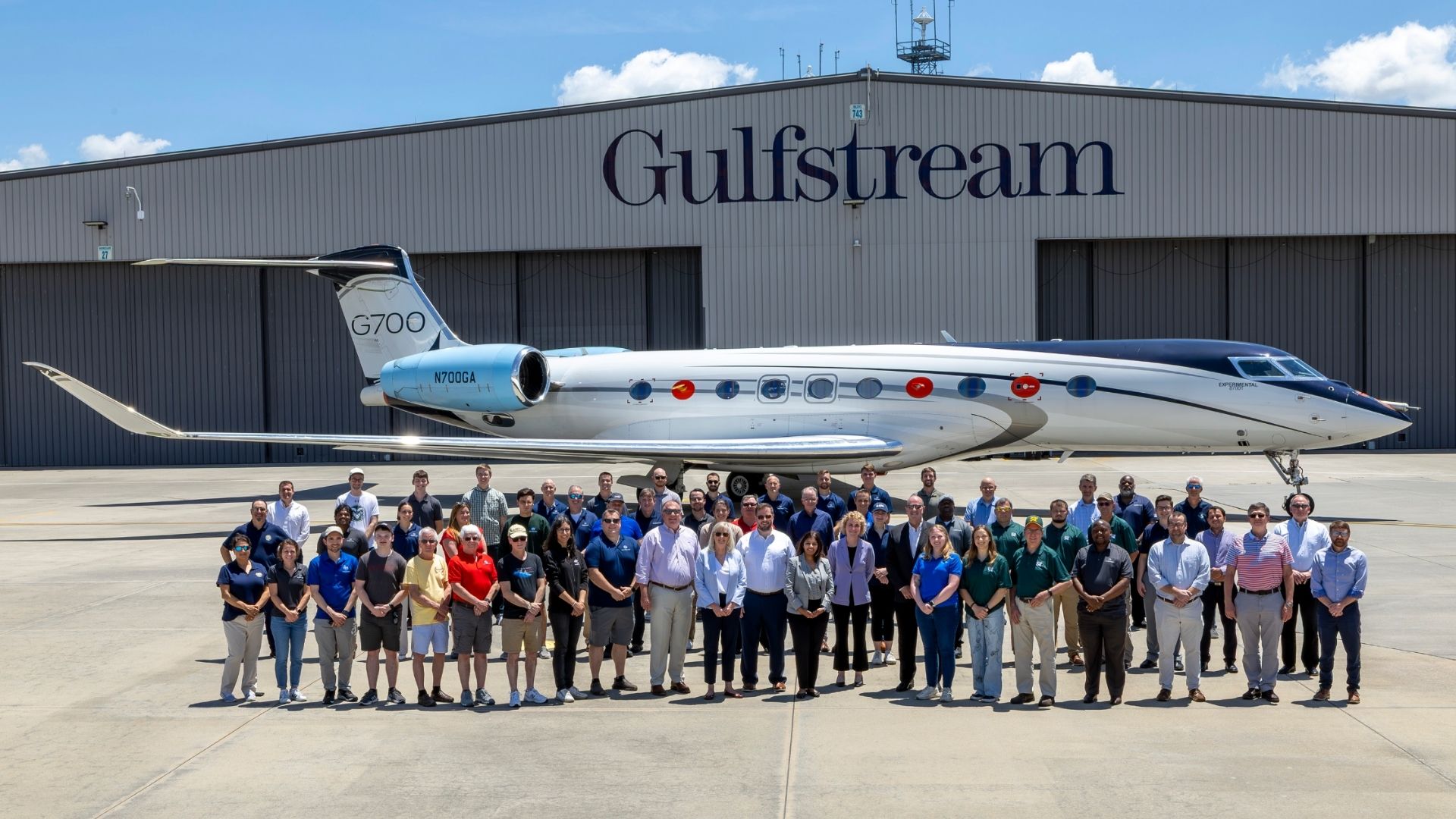
Gulfstream G800 Completes First 100% SAF Flight to Analyze Contrail Emissions
Gulfstream Aerospace has successfully conducted a high-altitude flight test campaign using a G800 business jet powered entirely by neat sustainable aviation fuel (SAF). The tests, which took place at altitudes up to 50,000 feet, marked the first instance of both the G800 and its Rolls-Royce Pearl 700 engine operating on 100% SAF. A modified Gulfstream G700 served as an airborne emissions laboratory, enabling researchers to measure particulate emissions and atmospheric conditions during the flights. This initiative is significant as it aims to assess the potential of 100% SAF in reducing emissions linked to contrail formation, a critical factor in aviation's environmental impact. Preliminary findings suggest a measurable reduction in particulate emissions when using neat HEFA SAF, which contains no sulfur or aromatics, unlike conventional jet fuels. The collaboration involved multiple organizations, including NASA and the FAA’s ASCENT, highlighting the importance of partnerships in advancing sustainable aviation technologies. Looking ahead, Gulfstream's ongoing research will continue to focus on optimizing environmental efficiencies in aviation. The data collected from this campaign is expected to enhance understanding of aviation's broader environmental impact and contribute to future regulatory and technological developments. No further timeline was disclosed at the time of publication.
Innovation
SpaceX's Starmind Targets AI Labs with $6.3 Billion Compute Contracts
SpaceX's Starmind is designed to provide wholesale AI compute services to businesses, particularly AI labs and cloud customers, rather than individual consumers. The service operates similarly to AWS, where users benefit from applications running on Starmind without direct subscriptions. The compute capacity of a single AI1 satellite is comparable to one NVIDIA GB300 rack, emphasizing its enterprise-grade capabilities. The significance of Starmind lies in its positioning as a potential fourth hyperscaler, joining the ranks of AWS, Microsoft Azure, and Google Cloud. The Reflection AI contract, valued at $150 million per month, exemplifies the enterprise-focused model, with total payments potentially reaching $6.3 billion through 2029. This contract highlights the growing demand for AI compute resources, particularly from AI-native startups and labs. Looking ahead, the focus will remain on securing additional enterprise contracts as Starmind expands its offerings. No consumer-facing products or subscriptions have been announced, and the current strategy is to cater to businesses with substantial AI workloads. No further timeline was disclosed at the time of publication.

Tesla's Energy Business May Gain from Trump's Emergency Order on Power Equipment
Tesla, led by Elon Musk, is investing heavily in various technologies, including robotaxis and humanoid robots, which has impacted its profits and cash flow. However, a recent emergency order signed by President Donald Trump could provide a boost to Tesla's energy business by restricting foreign-made power equipment, particularly from China, which dominates battery and solar inverter manufacturing. This policy shift may create opportunities for U.S. companies, including Tesla, as utilities seek alternatives to foreign products. The executive order aims to mitigate cybersecurity risks associated with foreign-made bulk-power system equipment, potentially leading to tighter restrictions on existing installations. Analysts suggest that domestic manufacturers in the energy sector could benefit from this shift, positioning Tesla favorably due to its expanding role in energy storage and the power market. Despite current challenges, including rising costs and negative cash flow, this development could serve as a catalyst for Tesla's stock performance. As Tesla continues to diversify beyond electric vehicles into energy storage and AI technologies, the company's market capitalization remains significant at approximately $1.40 trillion. However, TSLA has struggled in 2026, underperforming compared to the S&P 500 Index. Investors are closely watching how Tesla navigates these challenges and capitalizes on potential opportunities arising from the new regulations.

XPeng Secures Over $900 Million for Humanoid Robot Business Amid Automotive Edge
XPeng has successfully completed a record first funding round for its humanoid robot division, raising over $900 million. This significant investment highlights XPeng's commitment to expanding its capabilities in the robotics sector. The funding is particularly noteworthy as XPeng believes its established automotive supply chain will provide a competitive advantage in the mass production of humanoid robots. This strategic move positions XPeng to leverage its existing resources and expertise in robotics. Looking ahead, XPeng's focus on humanoid robots will be crucial as the company aims to differentiate itself in a rapidly evolving market. No further timeline was disclosed at the time of publication.
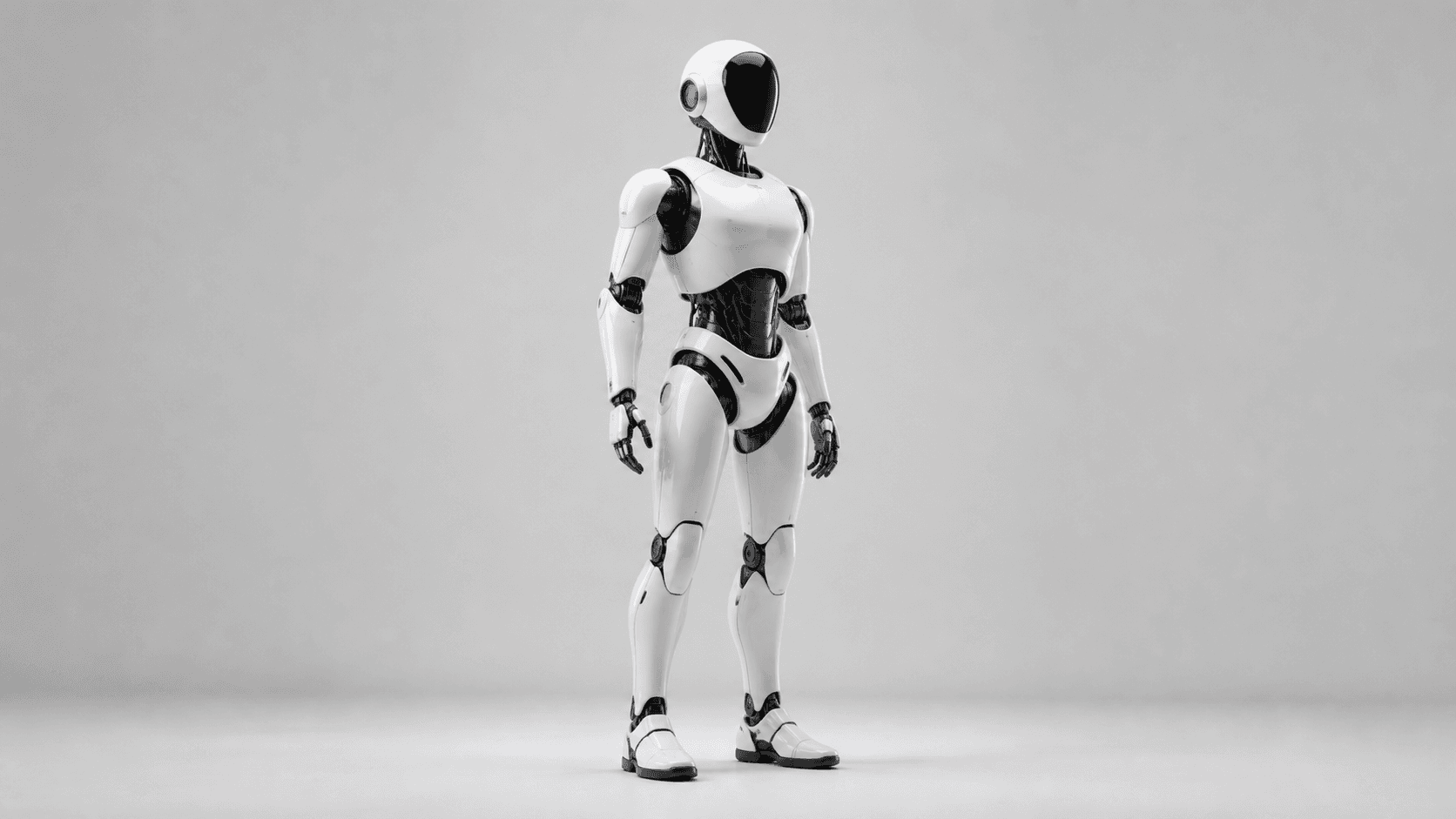
XPeng's Robotics Division Secures $900 Million in Record Funding Round
XPeng's robotics unit has successfully completed a first funding round, raising over $900 million at a valuation of $6.3 billion. This significant investment round has attracted notable strategic investors, including Tencent and Alibaba, highlighting the growing interest in robotics within the automotive sector. The successful funding round is particularly important as it underscores the increasing focus on robotics technology, which is becoming a critical area for automakers like XPeng. The substantial valuation reflects investor confidence in the potential of XPeng's robotics initiatives, which may enhance the company's competitive edge in the evolving automotive landscape. Looking ahead, industry observers will be keen to see how XPeng leverages this funding to advance its robotics technology and what impact it may have on its overall business strategy. No further timeline was disclosed at the time of publication.

XPENG Robotics Secures Over $900 Million to Propel Humanoid Robot Development
XPENG's robotics division has successfully raised over $900 million, achieving a post-money valuation exceeding $6.3 billion. This funding marks a significant milestone as the largest single-round private financing in China's embodied AI sector. The investment round was spearheaded by prominent global investors, including IDG Capital, with contributions from Gaorong Ventures and strategic backing from Tencent and Alibaba. This financial boost is set to enhance XPENG's capabilities in mass-producing humanoid robots and advancing Physical AI model research and development. Looking ahead, the funding will facilitate XPENG's efforts to drive its general-purpose humanoid robots toward a new phase of global commercialization. No further timeline was disclosed at the time of publication.

FORT Robotics Announces Public Listing Through Merger with Newbury Street II Acquisition Corp
FORT Robotics, Inc. has entered into a definitive business combination agreement with Newbury Street II Acquisition Corp, which will lead to its public listing. This merger marks the creation of the first publicly traded company focused on the safe and scalable deployment of physical AI, establishing a universal safety layer across the robotics industry. The significance of this merger lies in FORT Robotics' commitment to enhancing safety in the robotics sector through its innovative safety platform, The Trust layer for Physical AI. This development is expected to attract attention from investors and stakeholders interested in the growing intersection of robotics and artificial intelligence, particularly in safety applications. Looking ahead, industry observers will be keen to see how this public listing impacts FORT Robotics' growth trajectory and its ability to advance safety measures in physical AI. No further timeline was disclosed at the time of publication.

Gravis Robotics Secures $200 Million to Expand Autonomous Heavy Machinery in Construction
Gravis Robotics has successfully raised $200 million in a Series A funding round led by SoftBank to enhance its autonomous heavy machinery technology for construction sites worldwide. This investment comes at a crucial time as the construction industry faces increasing demands for energy networks, housing, and climate-resilient infrastructure, compounded by labor shortages and low automation levels in heavy construction. Looking ahead, Gravis Robotics aims to leverage its AI-driven technology to address the unique challenges of heavy machinery operation in dynamic environments. No further timeline was disclosed at the time of publication.
Construction News artificial intelligence autonomous construction autonomous excavators construction automation
Uber Reports Q2 Earnings; Robotaxi Initiative Remains Key to Future Growth
Uber (UBER) announced its second quarter results, surpassing expectations for bookings and profit, yet its stock fell due to a disappointing bookings guidance. The company forecasts third quarter gross bookings between $58.25 billion and $60.25 billion, falling short of the $59.32 billion consensus among analysts. Despite this, Uber's CEO Dara Khosrowshahi emphasized the ongoing investment in the robotaxi sector as a crucial element for future growth. The robotaxi initiative is becoming increasingly significant for Uber, as the company aims to establish itself as a leading demand-matching platform for autonomous vehicles. Uber is collaborating with partners like Wayve, Lucid, Rivian, and Nissan to expand its robotaxi networks, committing over $10 billion to these partnerships in the coming years. Khosrowshahi noted that Uber is on track to deploy robotaxis in up to 15 cities by year-end, which he believes will enhance the overall growth of the platform. Looking ahead, Uber's strong performance in trips and active users indicates robust business health outside of the robotaxi initiative. The company reported an 18% increase in trips to 3.87 billion and a 16% rise in monthly active consumers to 208 million. No further timeline was disclosed at the time of publication.

Starmind's Orbital Compute vs. Terrestrial Data Centers: Analyzing Resource Advantages
Starmind's orbital compute technology presents a significant advantage over traditional ground-based data centers by eliminating constraints related to land, water, and grid permitting. While terrestrial data centers are currently cheaper and faster to construct, with U.S. data center spending reaching $85.3 billion in 2026, Starmind's approach focuses on addressing the growing resource limitations faced by hyperscale facilities. The significance of Starmind's technology lies in its ability to sidestep the increasing challenges of land and water usage. For instance, a 100 MW data center can consume approximately 530,000 gallons of water daily for cooling, while Starmind's AI1 utilizes deployable liquid radiators that require no water. This structural advantage could resonate with investors as the demand for AI computing continues to escalate, potentially leading to annual water withdrawals of up to 1.7 trillion gallons by 2027. Looking ahead, Starmind's next milestones include the launch of AI1 prototypes scheduled for early 2027. However, the technology's claims regarding cooling efficiency and operational reliability remain unverified until real flight data is available. As the industry evolves, the competition between orbital and terrestrial solutions will become increasingly relevant, particularly in the context of resource management and sustainability.

Zhu Jun and Gao Yang, two major disciples of the embodied path, join forces to start a business, raising hundreds of millions in four rounds of financing in six months to create a "physical world model."
Zhu Jun and Gao Yang, prominent figures in the embodied path movement, have partnered to launch a new business aimed at developing a "physical world model." In a remarkable feat, the duo secured hundreds of millions in funding over four financing rounds within just six months. This rapid financial backing underscores the growing interest and investment in innovative approaches to physical and experiential environments. Their venture is expected to leverage cutting-edge technology and insights from their backgrounds to redefine how individuals interact with the physical world. The initiative reflects a broader trend of seeking immersive experiences that blend physical and digital realms, catering to an increasingly tech-savvy audience.
Robotics Automation AI
When AI Moves into the Physical World: How is Technology Realized, How are Applications Implemented, and How is Business Established?
In a recent exploration of the integration of artificial intelligence into tangible environments, experts gathered to discuss the realization of technology, the implementation of applications, and the establishment of businesses leveraging AI. This event took place in October 2023, highlighting the growing significance of AI in various sectors. Industry leaders emphasized the transformative potential of AI, not only in enhancing operational efficiency but also in creating innovative products and services that cater to evolving consumer demands. The discussions focused on the practical steps necessary for businesses to successfully adopt AI technologies, including the need for robust data infrastructure, skilled personnel, and strategic partnerships. Participants shared insights into successful case studies, illustrating how companies have effectively navigated the challenges of integrating AI into their operations. As the landscape of technology continues to evolve, the importance of understanding the implications of AI in the physical world becomes increasingly critical. This event served as a platform for fostering collaboration among stakeholders, aiming to drive forward the adoption of AI solutions that can address real-world problems and enhance productivity across various industries.
Robotics Automation AI
Great Robots, Failed Companies: The Business Foundations Automation Startups Skip
Building a successful automation company involves challenges that extend beyond technical capabilities, according to industry experts. While teams may excel at designing functional robots or reliable automated systems, the real hurdles often lie in establishing the necessary business infrastructure to support these technologies. This aspect of development is frequently overlooked, yet it is crucial for turning innovative ideas into viable commercial ventures. As the automation sector continues to grow, addressing these foundational business issues will be essential for companies aiming to thrive in a competitive market.
Automation Business Technology automation industry automation news automation startup
How Businesses Are Building Specialized AI They Can Trust
As businesses increasingly seek to integrate artificial intelligence into their operations, many are focusing on developing specialized AI solutions tailored to their specific workflows. This shift comes in the wake of the initial phase of enterprise AI, which primarily centered on gaining access to new technologies and experimenting with various models. Companies have been conducting pilot programs to explore the potential applications of AI, aiming to enhance efficiency and productivity. The current emphasis on customization reflects a growing recognition that AI must align closely with existing processes to deliver meaningful results. As organizations navigate this evolving landscape, the quest for effective AI integration continues to shape their strategic initiatives.

Anthropic Surpasses OpenAI in Business Spending as Government Ban Rattles IPO Prospects
Anthropic has surpassed OpenAI in business market share for the first time, achieving 41% of AI subscriptions compared to OpenAI's 39.5%, as reported by Ramp. This milestone comes at the end of May, coinciding with Anthropic's significant financial developments, including a $65 billion valuation and the confidential filing of its IPO paperwork following its first profitable quarter. The rise in market share reflects growing confidence and demand for Anthropic's AI solutions in a competitive landscape.
AI AI Funding & Investment Business Anthropic business business spending
Blue Dot Touch Closes C++ Round Led by SAIC Motor, Eyes Global Expansion for Force Sensor Business
Blue Dot Touch, a manufacturer of force sensors, has successfully secured hundreds of millions of RMB in a C++ funding round. This investment was backed by prominent entities including SAIC, Sequoia China, and various robotics investors. The funding, announced recently, is aimed at facilitating the company's ambitious plans for global expansion. With this financial boost, Blue Dot Touch is poised to enhance its market presence and further develop its innovative sensor technologies, positioning itself as a key player in the international robotics sector.
Robotics
Challenges in Recruiting High-End Talent for Embodied Intelligence Companies? Industry Conference Job Fair Offers Precise Solutions for Businesses and Talent
As investment in embodied intelligence continues to grow, the demand for skilled professionals has reached a critical level for industry founders. To tackle this talent shortage, a job fair is set to take place during the China Embodied Intelligence and Humanoid Robot Industry Conference. This event, scheduled for next month in Beijing, aims to bridge the gap between companies seeking qualified candidates and individuals looking to enter this multidisciplinary field. By facilitating direct connections between employers and potential hires, organizers hope to address the pressing issue of talent mismatch in an industry that is rapidly evolving.
Embodied Intelligence Humanoid Robots Talent Recruitment AI Robotics
The Birth of iOS/Android for Robotics: Pudu Develops the 'Strongest Brain' in Embodied Intelligence through Global Business Practice
Pudu Robotics has announced the launch of its innovative core technologies, PuduFM 1.0 and PuduAgent, which represent a major leap forward in the field of embodied intelligence. This development comes as the company has successfully deployed over 130,000 robots worldwide, underscoring its commitment to revolutionizing the service robotics industry. The new technologies are designed to enhance the capabilities of service robots, enabling them to evolve from simple, single-task tools into sophisticated, intelligent agents that can effectively navigate and operate in complex environments. This advancement is expected to significantly broaden the applications of service robots, making them more versatile and efficient in various settings.
Embodied Intelligence Service Robots Robotics Technology AI Automation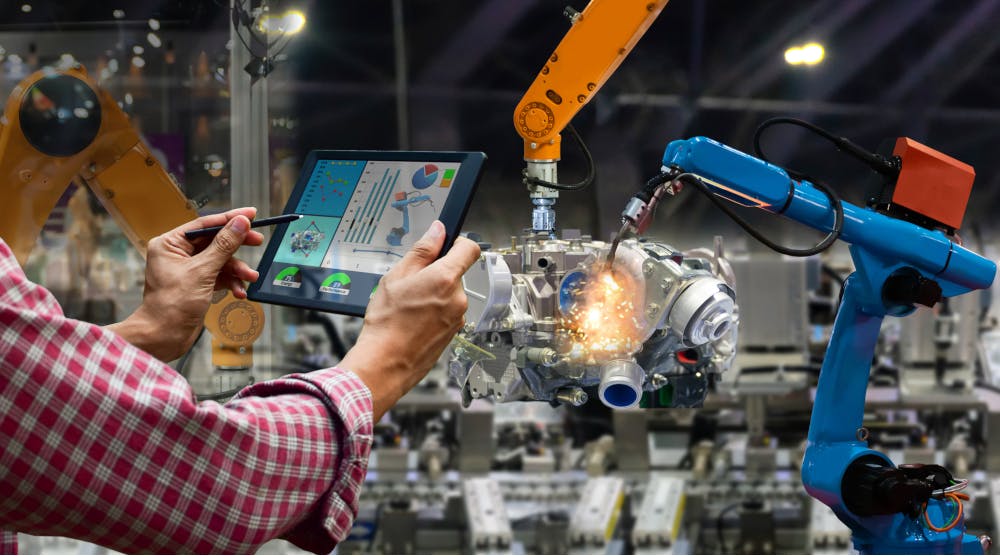
Agentic AI Could Make Robots Affordable for Small Businesses
At the Hannover Messe, Siemens unveiled innovative software designed to enhance automation and integration processes within industrial settings. This new technology aims to accelerate the return on investment (ROI) for businesses by streamlining operations and improving efficiency. The announcement, made during the prominent trade fair, underscores Siemens' commitment to advancing digital solutions in manufacturing. By leveraging this software, companies can expect to optimize their workflows and reduce operational costs, ultimately driving growth and competitiveness in the market.
Technology and IIoT / Digital Tools
Nemotron Labs: How AI Agents Are Turning Documents Into Real-Time Business Intelligence
In today's fast-paced business environment, companies are grappling with the challenge of extracting valuable insights from a diverse array of documents, such as reports, presentations, PDFs, web pages, and spreadsheets. As organizations strive to remain competitive, the ability to analyze and interpret this vast amount of information has become increasingly crucial. The need for effective data management and analysis tools has intensified, prompting businesses to seek innovative solutions that can streamline the process of uncovering actionable insights. This trend highlights the growing importance of data literacy and the integration of advanced technologies in decision-making processes. As companies navigate this complex landscape, the demand for skilled professionals who can harness these insights is also on the rise, shaping the future of business intelligence and analytics.
NEURA Robotics, SAP, and NVIDIA Partner to Bring Business AI to Physical Robots
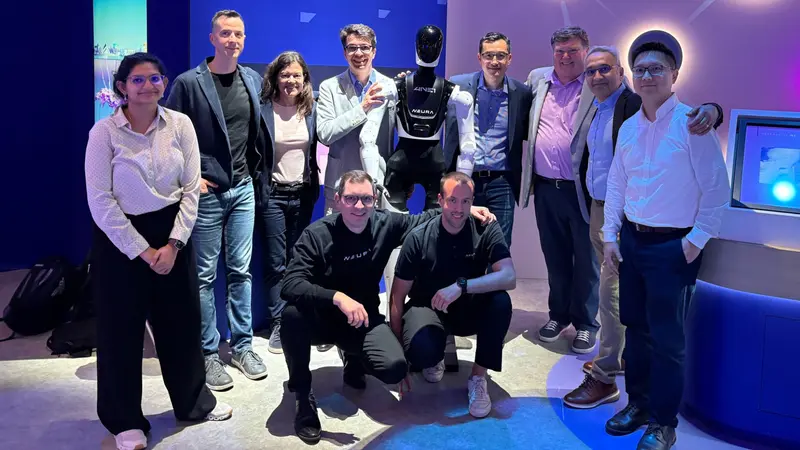
NEURA Robotics, SAP, and NVIDIA have formed a strategic partnership to enhance robotic capabilities through the integration of advanced technologies. This collaboration, announced recently, aims to combine SAP's business AI with NVIDIA's digital twin technology and NEURA's cognitive robots. The initiative seeks to develop what is termed 'physical Business AI,' allowing robots to autonomously execute complex tasks by leveraging real-time enterprise data. This innovative approach will be facilitated through NEURA's Neuraverse platform, marking a significant step forward in the automation and efficiency of business operations.
NVIDIA 4NE-1 Neura Robotics Neuraverse
Alibaba chairman points to AI as core growth engine for e-commerce and cloud businesses
During an internal event on May 10, Alibaba Group Chairman Joe Tsai presented the company's strategic roadmap for the next three to five years, focusing on e-commerce and the integration of "Cloud + AI" as the key drivers of future growth. Tsai underscored his belief that artificial intelligence will play a pivotal role across all business segments, positioning it as a core component of Alibaba's strategy moving forward. This initiative aims to enhance the company's competitive edge and adapt to the evolving digital landscape.
News Feed
Baidu CEO says robotaxi business ‘scale-up’ underway in 2025
Baidu, the Chinese technology giant, is set to accelerate the expansion of its autonomous ride-hailing business, as announced by CEO Robin Li during an earnings call with investors on Tuesday. The company is actively seeking partnerships with various entities, including mobility service providers, local taxi companies, and third-party fleet operators, to significantly increase the size of its driverless fleet. This strategic move aims to enhance Baidu's competitive edge in the rapidly evolving autonomous transportation market.
News FeedRobotics needs a service framework.
RSF defines a common language for robot service capability, lifecycle operations, certification pathways, and service-provider networks.
Join the RobotToday community on LinkedIn
Daily robotics news, in-depth analysis, conference highlights, and discussions with professionals worldwide.