Industry Briefing
A single destination for timely, editor-curated robotics news from around the world.

Accelerating Root Cause Analysis in Semiconductor Manufacturing with Agentic AI
A recent webinar highlighted the challenges of yield excursions in semiconductor manufacturing, emphasizing that critical insights are often dispersed across various systems. Traditional dashboards struggle to provide timely and actionable data due to increasing volumes, complicating the root cause analysis process. The session introduced a semiconductor analytics platform that leverages Agentic AI to facilitate faster investigations by connecting insights across different domains without the need to move data. This approach aims to streamline the analysis of yield issues, enabling engineers to address problems more efficiently, even when dealing with billions of data points. Participants included yield, process, and integration engineers, as well as data and analytics leaders from wafer fabs and foundries. The webinar demonstrated how to conduct multi-domain root cause investigations using Spotfire® Industry Pro. No further timeline was disclosed at the time of publication.
Type-webinar Semiconductor-manufacturing Agentic-ai Root-cause-analysis Yield-analytics Fab-operations
AI Robots Enhance Underwater Safety by Monitoring Divers' Breathing Through Bubble Analysis
A research team from the University of Minnesota Twin Cities has developed an innovative AI model that enables underwater companion robots to monitor divers' breathing rates in real-time by analyzing the bubbles they exhale. This groundbreaking study, published in the International Journal of Robotics Research, marks the first application of computer vision for underwater human respiration tracking, providing a new technological pathway for diving safety. The underwater environment poses significant physiological challenges, such as fatigue, hyperventilation, and pressure fluctuations, which are amplified in deep-sea conditions. Traditional biosensors are ineffective underwater due to the heavy diving suits that obstruct skin contact, and wireless data transmission through water is often unstable. The research team's solution allows robots to 'see' breathing by training autonomous underwater vehicles (AUVs) equipped with cameras to analyze the volume and frequency of exhaled bubbles, categorizing the diver's breathing patterns as 'below normal,' 'normal,' or 'above normal.' This technology has implications beyond academia, benefiting commercial diving, scientific exploration, and military operations. A robot partner capable of interpreting the physiological state of a team in real-time can mitigate potential safety hazards early on. As robots evolve from mere task executors to proactive assessors of partner conditions, the dangers of deep-sea environments are being redefined, all starting from the interpretation of a series of bubbles.
Underwater Robotics AI Technology Diving Safety Computer Vision Marine Research
Hangkai Microelectronics Advances Tactile Sensing with Affordable End-Effector Solutions
Hangkai Microelectronics has developed a range of tactile sensors adhering to aerospace standards, including a 99 yuan three-dimensional tactile sensor and a 1888 yuan high-precision six-dimensional force sensor. Their new HKVR-TG9801 adaptive gripper features native tactile sensing and all-scenario adaptive grasping, eliminating the need for programming and allowing for quick integration. This innovation is significant as it breaks the industry norm that high performance equates to high prices, enabling robots to perceive their environment effectively. The HKVR-TG9801's built-in tactile sensors allow for real-time adjustments in gripping force, ensuring stable handling of various objects, from delicate electronic components to irregular shapes, thus preventing damage and slippage. Looking ahead, Hangkai Microelectronics is also focusing on education and research by offering a low-cost five-finger tactile sensor kit priced at 99 yuan per unit. This initiative aims to support educational institutions and small-scale custom services, fostering the development of robotic perception technologies in academic settings. No further timeline was disclosed at the time of publication.
Tactile Sensors Robotics Automation AI Industrial Applications
Comprehensive Review of Stair-Climbing Wheelchairs: Mechanisms, Design, and Performance
A recent review published in the Journal of Field Robotics examines stair-climbing wheelchairs, focusing on their fundamental mechanisms, design concepts, and performance analysis. These innovative wheelchairs are designed to enhance mobility for users, particularly in environments with stairs and uneven terrain. The significance of this review lies in its potential to inform future developments in assistive technologies. By analyzing various design concepts and performance metrics, the study aims to provide insights that could lead to improved mobility solutions for individuals with mobility impairments. Looking ahead, stakeholders in the robotics and assistive technology sectors should monitor advancements in stair-climbing wheelchair designs and their real-world applications. No further timeline was disclosed at the time of publication.
SURVEY ARTICLE
Tesla's Optimus Robots to Support Starmind Satellite Production, Not Maintenance
Tesla's Optimus robots will not be used to repair Starmind satellites in orbit, as confirmed by recent statements from Elon Musk. Instead, these robots are intended to assist in the construction and operation of the Terafab chip manufacturing facility in Texas. The AI1 satellites, designed to disintegrate upon reentry, highlight the company's swap-and-replace strategy rather than traditional maintenance practices. This approach is significant as it reflects a broader trend in satellite management, where mass-produced satellites are replaced rather than repaired. The economics of servicing missions are prohibitive, with the cost of launching a replacement satellite being significantly lower than conducting a repair mission. This model aligns with SpaceX's operational history, where rapid replacement of satellites is more efficient than attempting to maintain them in orbit. Looking ahead, the focus will remain on the production capabilities of the Gigasat factory, which is expected to support the continuous replacement of satellites. No further timeline was disclosed at the time of publication, but the demand for rapid satellite turnover suggests a robust future for Optimus robots in terrestrial manufacturing rather than in-space servicing.
SpaceX Proposes 1 Million AI Satellites to Address Ground Data Center Constraints
On January 30, 2026, SpaceX filed with the FCC to launch up to 1 million AI compute satellites, positioning orbital data centers as a solution to the increasing demand for AI computing power. Ground data centers are facing significant challenges, with energy consumption projected to reach approximately 1,050 TWh in 2026, making them the fifth-largest electricity consumer globally. The demand for new data center capacity is outpacing the growth of power generation infrastructure, leading to a critical bottleneck in the grid system. The significance of this initiative lies in the structural constraints faced by ground data centers, including power delivery limitations, high water consumption, and local opposition to new projects. The Uptime Institute's 2026 outlook identifies power as the primary constraint on data center growth, with capacity clearing prices in the PJM grid skyrocketing to $329.17/MW, driven by data center expansion. Additionally, cooling requirements are becoming increasingly unsustainable, with facilities consuming vast amounts of water, further complicating their operational viability. Looking ahead, SpaceX's orbital AI compute initiative aims to circumvent these challenges by leveraging the advantages of space, such as continuous solar power and minimal local opposition. The first AI prototypes are expected to launch in early 2027, with operational deployments planned for 2028. No further timeline was disclosed at the time of publication.
SpaceX's Starmind Plans 1 Million AI Satellites Amid Collision Risks
SpaceX has announced its ambitious Starmind project, which aims to deploy 1 million AI satellites in orbits between 500 and 2,000 km. This initiative, confirmed by Elon Musk on June 23, 2026, follows a merger with xAI, valuing the combined entity at $1.25 trillion. The satellites will function as orbital data centers, processing AI workloads powered by solar arrays and linked by optical lasers. The significance of Starmind lies in its potential to add 100 gigawatts of AI compute capacity annually, contingent on the successful operation of the Starship launch system. However, the project raises concerns regarding space debris, as the current orbital environment is already congested, with a 20% increase in collision risk reported since 2024. The European Space Agency has highlighted that the density of debris in low Earth orbit is now comparable to that of active satellites, complicating the operational landscape for new entrants like Starmind. Looking ahead, the first operational orbital AI deployments are targeted for 2028, with test launches expected in early 2027. However, the project faces scrutiny regarding its impact on space debris, as even a 1% failure rate could significantly increase the number of uncontrollable objects in orbit, exacerbating existing risks. No further timeline was disclosed at the time of publication.

Microsoft Launches Early Preview of Windows Performance Analyzer MCP for App Performance Analysis
Microsoft has announced the early preview of the Windows Performance Analyzer MCP (WPA MCP), a tool that utilizes AI to analyze the causes of slow Windows applications. By integrating GitHub Copilot CLI into the existing Windows Performance Analyzer (WPA), users can now issue natural language prompts to investigate performance bottlenecks related to CPU, file processing, or network I/O. This innovative approach allows for a more intuitive analysis of performance issues, enabling users to identify specific bottlenecks such as CPU starvation, disk bottlenecks, and memory pressure. The WPA MCP aims to streamline the troubleshooting process by providing insights based on trace logs, helping users distinguish between system-wide issues and those isolated to individual applications or services. As Microsoft continues to refine this tool, industry professionals should monitor its development and potential impact on application performance diagnostics. No further timeline was disclosed at the time of publication.

Town & Country Living Engages JLL for Logistics Network Analysis and Consolidation
Town & Country Living has partnered with JLL to analyze its logistics network in an effort to reduce inefficiencies within its fragmented distribution system. This comprehensive analysis aims to identify potential opportunities for consolidating operations, which could lead to improved efficiency and cost savings. The collaboration with JLL is significant as it highlights the importance of optimizing supply chain strategies in today's competitive market. By addressing inefficiencies in its logistics network, Town & Country Living can enhance its operational performance and better meet customer demands, ultimately strengthening its market position. Looking ahead, stakeholders will be keen to see the outcomes of this analysis and the specific strategies that will be implemented as a result. No further timeline was disclosed at the time of publication.
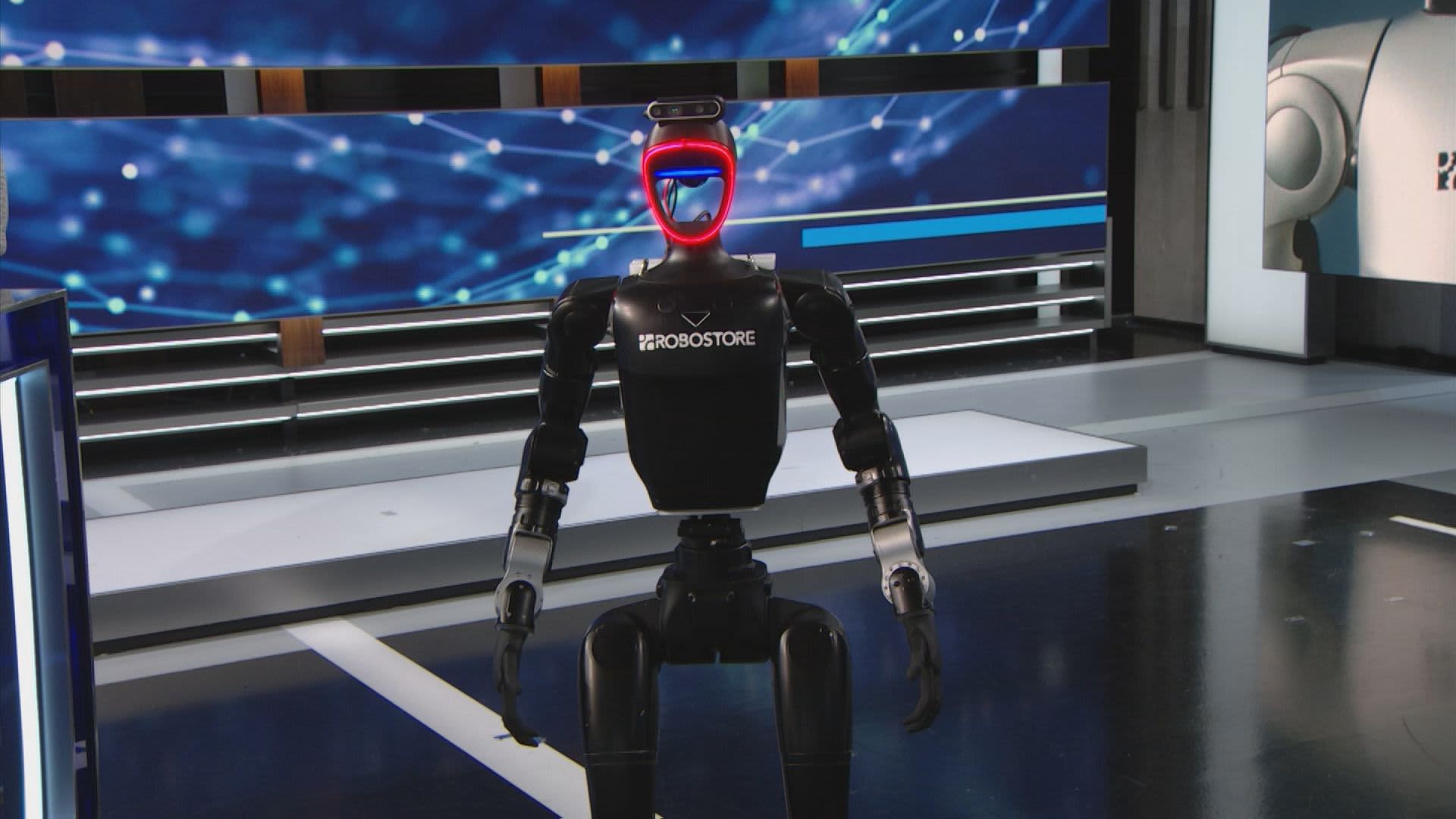
China's Commerce Ministry Threatens Retaliation Over U.S. Humanoid Robot Import Ban
The U.S. Federal Communications Commission (FCC) has imposed restrictions on imports of foreign-made humanoid robots due to cybersecurity concerns. In response, China's commerce ministry has called for the withdrawal of this decision, asserting that it severely damages bilateral relations between the two nations. This action by the FCC is seen as part of a broader trend of escalating restrictions on Chinese goods, which the commerce ministry claims undermines economic and trade stability. The ministry has warned of potential countermeasures if the U.S. does not reverse its decision, which could impact Chinese humanoid producers planning initial public offerings. As tensions rise ahead of a scheduled meeting between U.S. President Donald Trump and Chinese President Xi Jinping, industry experts suggest that China may retaliate by restricting rare earth sales to the U.S. or limiting market access for American companies. No further timeline was disclosed at the time of publication.

Starmind's Satellite Technology Achieves 880 Billion Liters in Annual Water Savings
Starmind has announced that its satellite technology can save approximately 880 billion liters of cooling water annually at full scale. This figure is equivalent to the annual household water use of around 6.5 million Americans. The technology operates by utilizing a closed-loop liquid cooling system that eliminates the need for water during its operational life, contrasting sharply with traditional ground data centers that consume vast amounts of water for cooling. The significance of this achievement lies in the growing water consumption crisis faced by data centers, particularly as AI expansion drives demand. In 2025, U.S. data centers consumed nearly one trillion liters of water, highlighting the urgent need for sustainable solutions. Starmind's approach not only addresses direct water usage but also avoids indirect water consumption associated with electricity generation, marking a substantial shift in how computing can be conducted in a resource-efficient manner. Looking ahead, Starmind's deployment strategy includes a projected buildout of 100 GW of orbital compute per year, which could displace an additional 735 billion liters of ground water demand annually. The first tranche of 10,000 satellites is already operational, offsetting approximately 8.8 billion liters of water per year. No further timeline was disclosed at the time of publication.
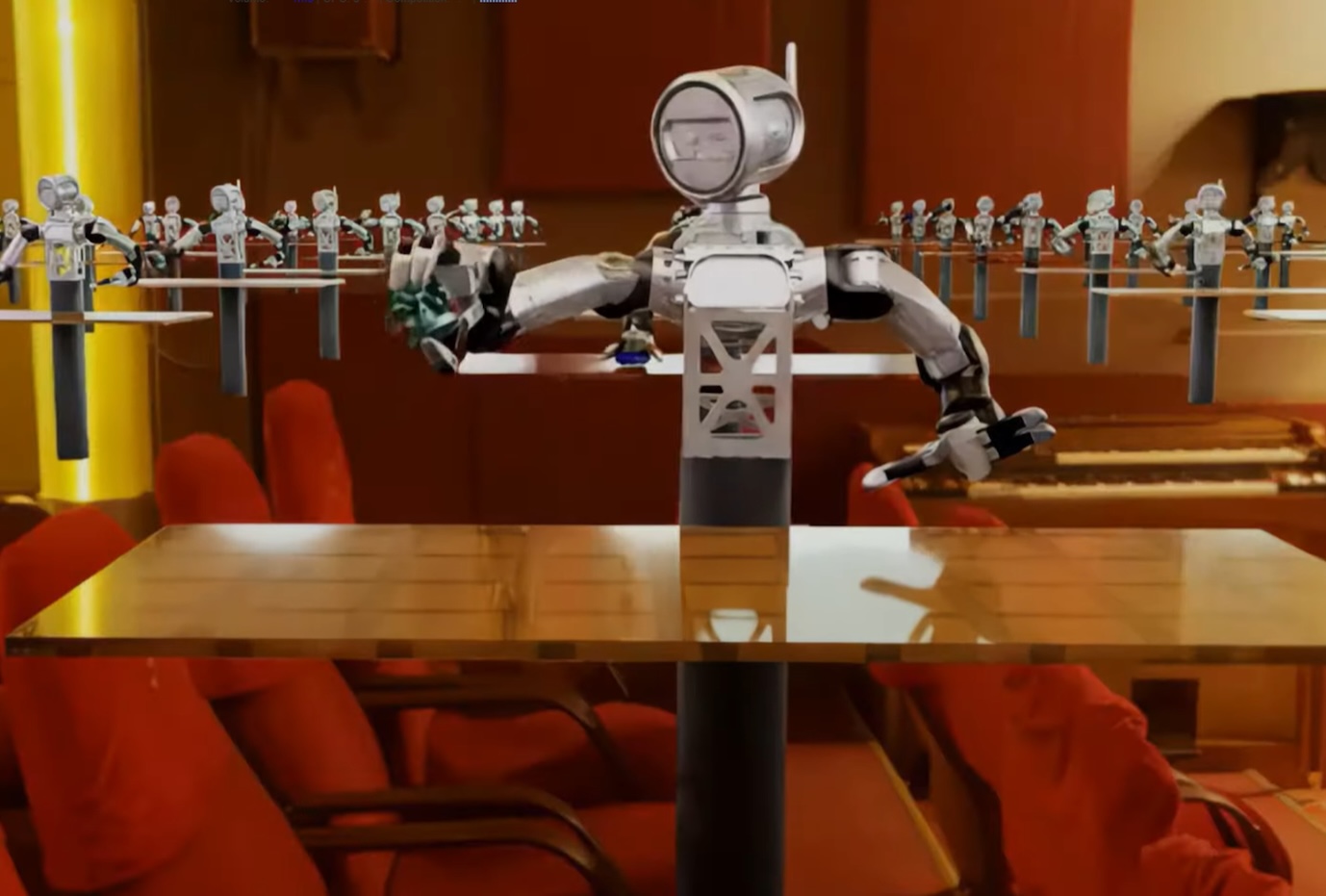
SpaceX's Starmind Faces Feasibility Challenges for 1 Million Satellite Deployment
On January 30, 2026, SpaceX submitted a request to the FCC to launch up to 1 million satellites as part of its Starmind orbital compute constellation. This ambitious plan is unprecedented, as the total number of satellites ever launched globally is in the low tens of thousands. The proposal seeks a waiver from standard deployment milestones, citing reliance on the Starship's full reusability for success. The significance of this request lies in the technical and logistical challenges it presents. Experts warn that low Earth orbit may not support the proposed number of active satellites without risking a debris cascade. SpaceX's own IPO prospectus acknowledges unresolved dependencies related to Starship's launch cadence and reusability, which are critical for the orbital AI compute strategy. Looking ahead, the timeline for achieving the necessary launch cadence and manufacturing capacity remains uncertain. SpaceX's Gigasat facility in Texas aims for volume production by late 2027, but this would require unprecedented output levels. No further timeline was disclosed at the time of publication, leaving the feasibility of the Starmind project in question.
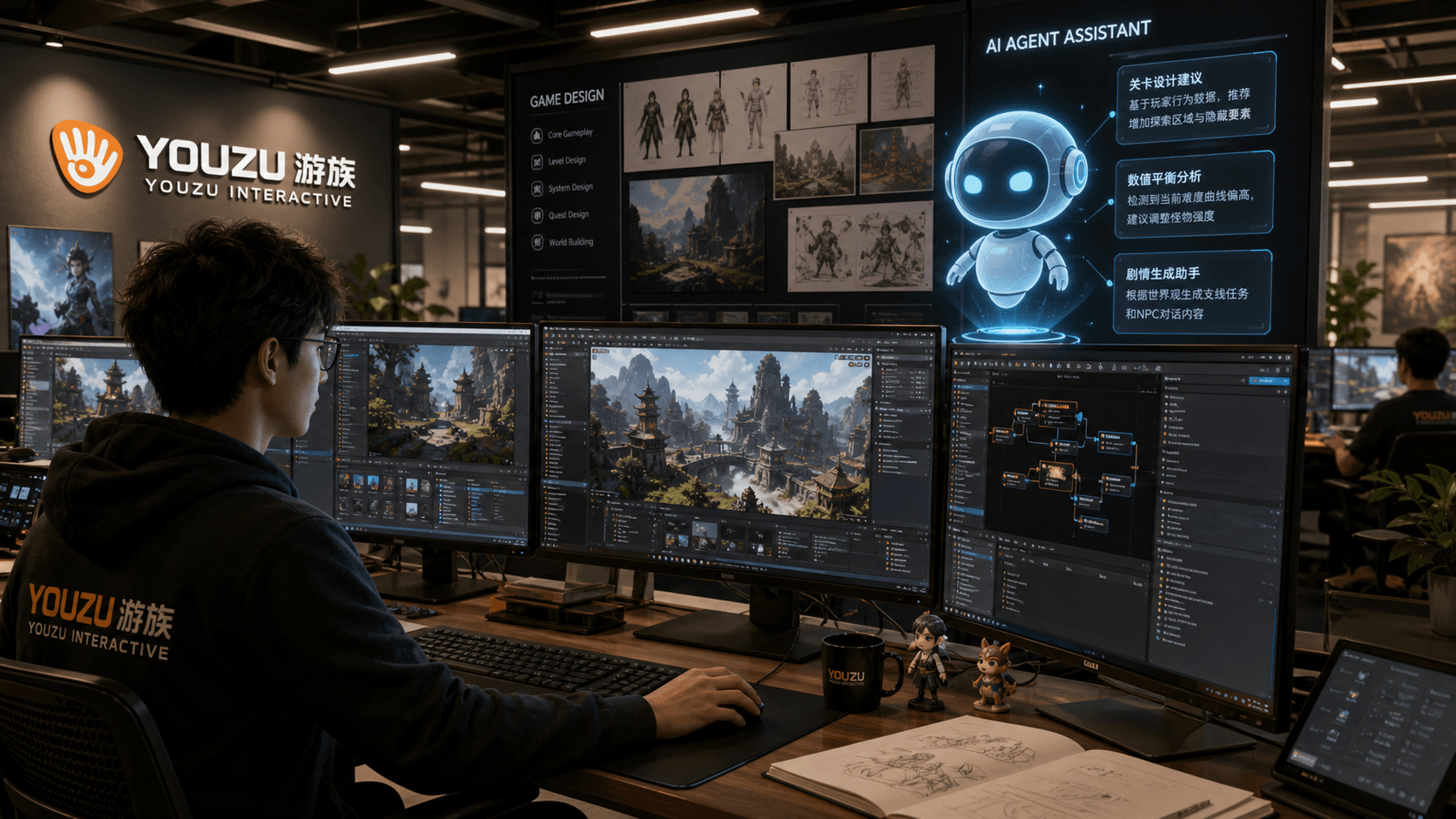
From R&D to Data Analysis, AI Is Rewriting How Game Companies Operate
YOOZOO Interactive deploys AI agents across 75% of its workforce, using Tencent Cloud WorkBuddy to transform game development from coding to global marketing analytics.
Industry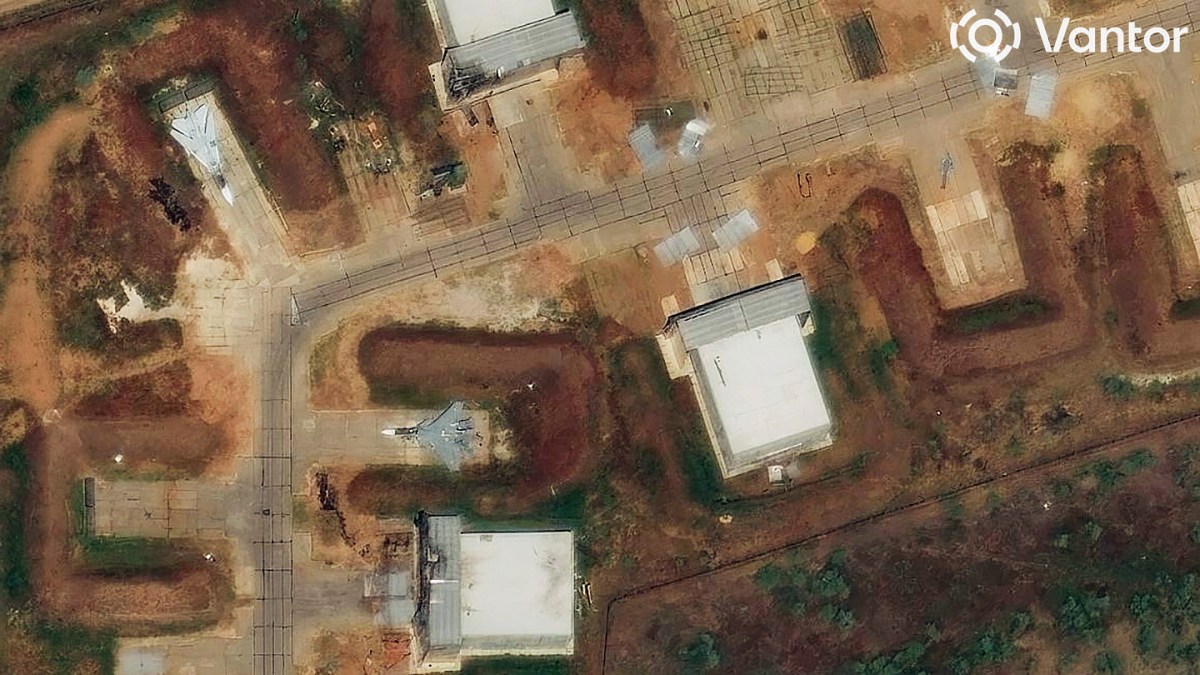
Hardened Aircraft Shelters At Russian Air Base In Crimea Damaged From Ukrainian Drone Strikes (Updated)
Ukrainian forces have launched drone attacks on Saki Air Base in Crimea, marking a significant escalation in their efforts to render the region inhospitable for Russian military operations. The strikes, which targeted hardened aircraft shelters, aim to disrupt the Russian military's capabilities and assert Ukraine's ongoing resistance. This offensive comes amid heightened tensions in the region, as Ukraine seeks to reclaim territory and weaken Russian presence. The situation remains fluid, with further developments anticipated as both sides respond to the evolving conflict.
News & Features Around The Globe Europe Russia Ukraine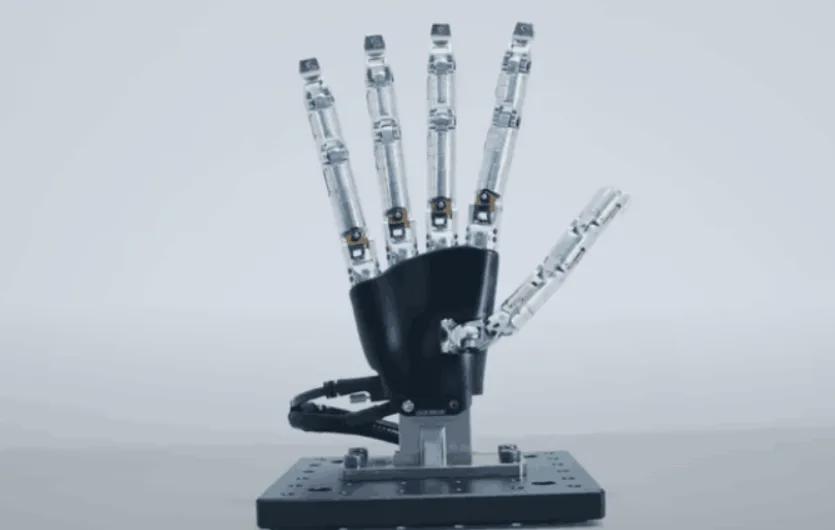
In-Depth Analysis: What Makes Genesis AI Stand Out?
Genesis AI has garnered attention for its cutting-edge robotic brain, GENE-26.5, and a remarkably human-like robotic hand, which together demonstrate the capability to execute intricate tasks with precision. This breakthrough was unveiled recently, highlighting the company's commitment to innovation in the robotics sector. By focusing on advanced data collection techniques and seamless hardware integration, Genesis AI is setting itself apart from competitors and tackling significant challenges within the industry. The advancements not only showcase the potential of robotics but also signal a shift towards more sophisticated and versatile applications in various fields.
Robotics AI Data Collection Automation
Design and Kinematic Analysis of a Six‐Wheeled Robot With a Passive Suspension for Integrated Terrain Adaptability and Vibration Mitigation
A recent study published in the Journal of Field Robotics highlights advancements in autonomous robotic systems designed for agricultural applications. Researchers from a leading university conducted experiments to assess the effectiveness of these robots in improving crop management and yield. The study, released in early October 2023, took place in various agricultural settings across the Midwest, where the robots were deployed to monitor crop health and optimize resource usage. The motivation behind this research stems from the increasing demand for sustainable farming practices and the need to enhance productivity in the face of climate change challenges. By integrating advanced sensors and machine learning algorithms, the robots are capable of analyzing soil conditions and plant health in real-time, allowing farmers to make informed decisions. The study's findings indicate that the implementation of these autonomous systems can significantly reduce labor costs and increase efficiency in farming operations. As the agricultural sector continues to evolve, this research underscores the potential of robotics to transform traditional farming methods, paving the way for a more sustainable and productive future in agriculture.
RESEARCH ARTICLE
Perceptron Mk1 shocks with highly performant video analysis AI model 80-90% cheaper than Anthropic, OpenAI & Google
Perceptron Inc., a Bellevue-based startup founded by former Meta researchers Armen Aghajanyan and Akshat Shrivastava, has launched its flagship video analysis model, Mk1, aimed at revolutionizing how enterprises utilize AI in real-time video processing. Announced today, this innovative model is priced significantly lower than competitors, at $0.15 per million input tokens and $1.50 per million output tokens, making it accessible for large-scale industrial applications. The Mk1 model, developed over 16 months, excels in understanding complex physical interactions and temporal reasoning, outperforming established models like OpenAI's GPT-5 and Google's Gemini 3.1 Pro in various benchmarks. Its unique architecture allows it to process video streams continuously, maintaining object identity and providing precise analysis of dynamic scenes, which is particularly beneficial for sectors such as security, robotics, and marketing. Perceptron aims to position Mk1 as a leader in the "Efficiency Frontier," balancing high performance with cost-effectiveness. The model's capabilities extend to auto-clipping highlights from live sports and enhancing quality control in manufacturing. A public demo site is available for potential users to explore its functionalities. This launch signifies a significant step towards integrating advanced AI into real-world applications, as the company seeks to make "physical AI" as prevalent as its digital counterpart.
Technology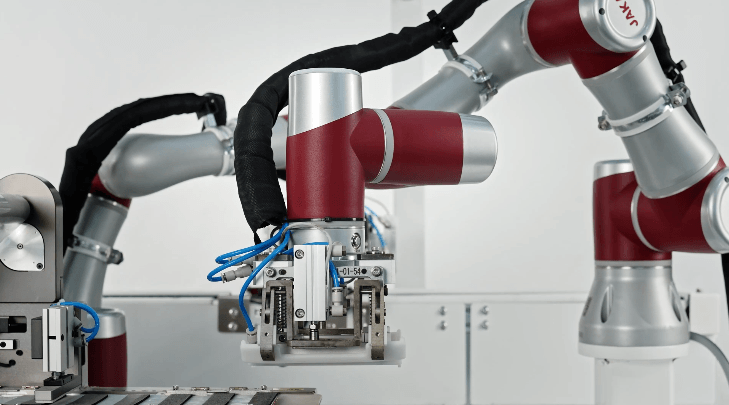
Pick and Place Robots vs. Manual Operations: A Detailed Throughput Analysis
In response to the increasing volatility of global supply chains and labor shortages, companies are increasingly turning to collaborative robots for the essential "pick and place" cycle in logistics and manufacturing. This shift, driven by the need for enhanced operational efficiency, allows businesses to automate sorting and assembly tasks in shared workspaces without extensive safety measures, thereby maintaining consistent throughput. While manual labor offers flexibility, it is hampered by the "fatigue curve," leading to a 15-20% decline in picking rates over an eight-hour shift due to exhaustion. Human error can also create bottlenecks and waste. In contrast, collaborative robots deliver consistent performance with sub-millimeter accuracy, ensuring precise placement of items throughout their operational hours. JAKA, a leader in automation solutions, focuses on "Freeing Your Hands" by replacing repetitive manual tasks with intelligent automation. Their JAKA A series robots excel in high-speed sorting, combining industrial-grade durability with essential safety features for collaborative environments. For heavier payloads, the JAKA Zu series, including the Zu 20 model, can automate heavy-duty tasks while minimizing injury risks to human workers. Equipped with wireless teaching technology, these robots can quickly adapt to different product lines, ensuring high throughput in diverse production settings. Safety is paramount, as JAKA robots are designed to respond instantly to human presence, maintaining a secure workspace. By integrating JAKA collaborative robots, businesses can enhance accuracy and reliability, achieving their production goals around the clock.
Real‐Time Terrain Traversability Analysis and Mapping for Autonomous Robotics in Dynamic Environments: Fusing Appearance‐ and Geometry‐Based Approaches
In a recent study published in the Journal of Field Robotics, researchers explored advancements in robotic technologies aimed at enhancing agricultural efficiency. The study, which appears in the May 2026 issue, highlights innovative approaches to integrating robotics into farming practices to address labor shortages and improve crop yields. Conducted by a team of experts in robotics and agriculture, the research was carried out in various agricultural settings to assess the effectiveness of these technologies in real-world applications. The findings suggest that the implementation of autonomous robots can significantly streamline farming operations, reduce costs, and increase productivity. This research is particularly timely as the agricultural sector faces increasing challenges due to a declining workforce and the need for sustainable practices. The study emphasizes the potential of robotics to transform the industry, paving the way for smarter, more efficient farming solutions.
RESEARCH ARTICLE
Real‐Time Detection of Undesired Human Interventions in Robotic Work Cells Using a Convolutional Neural Network‐Based Novel Architecture and Reliability Analysis With Explainable Artificial Intelligence
A recent study published in the Journal of Field Robotics highlights advancements in autonomous robotic systems designed for agricultural applications. Researchers from various institutions conducted the study to explore how these technologies can enhance efficiency and productivity in farming practices. The findings, released in early October 2023, indicate that the integration of robotics in agriculture not only streamlines operations but also addresses labor shortages faced by the industry. The research was carried out in diverse agricultural settings, showcasing the adaptability of robotic systems to different crops and farming techniques. By employing sensors and artificial intelligence, these robots can perform tasks such as planting, monitoring crop health, and harvesting with precision. The motivation behind this innovation stems from the need to increase food production while minimizing environmental impact and labor costs. As farmers face growing challenges from climate change and a declining workforce, the study emphasizes the potential of robotics to transform traditional farming methods. The researchers advocate for further investment in robotic technologies to ensure sustainable agricultural practices and improve overall food security. This study marks a significant step towards the future of farming, where automation plays a crucial role in meeting the demands of a growing global population.
RESEARCH ARTICLERobotics needs a service framework.
RSF defines a common language for robot service capability, lifecycle operations, certification pathways, and service-provider networks.
Join the RobotToday community on LinkedIn
Daily robotics news, in-depth analysis, conference highlights, and discussions with professionals worldwide.