Industry Briefing
A single destination for timely, editor-curated robotics news from around the world.

Key AI Scale-Ups from CEE and the Baltics to Watch in 2026
Central and Eastern Europe is home to several notable AI scale-ups, with the Czech Republic contributing three companies focused on fraud detection, embedded lending, and behavioral biometrics. Poland leads in funding for warehouse robotics and customer intelligence, while Romania, Hungary, Lithuania, and Estonia emphasize cybersecurity and fraud prevention. These companies are addressing pressing challenges, such as cancer target discovery and assistive technologies for the visually impaired, showcasing the region's technical ambition and responsiveness to digital threats. The significance of these scale-ups lies in their innovative approaches to AI applications, particularly in sectors like cybersecurity and finance. With a total funding of $62.6 million, BlackWall is enhancing web security solutions, while Druid AI, with $81.6 million, is automating enterprise workflows through AI agents. Flowpay is addressing financing challenges for small businesses, raising $35.8 million to expand its embedded lending infrastructure, demonstrating the region's focus on practical AI solutions. Looking ahead, the growth trajectory of these companies indicates a vibrant ecosystem for AI development in Central and Eastern Europe. As they continue to secure funding and expand their technologies, stakeholders should monitor their progress and the potential impact on various industries. No further timeline was disclosed at the time of publication.
AI AI Funding & Investment AI Startups Insights AI Scale-Ups CEE & Baltics
Explore 10 Notable AI Scale-Ups in the Benelux Region for 2026
The Benelux region showcases a diverse array of AI scale-ups, with the Netherlands leading with seven companies. These firms are innovating in various sectors, including medical imaging, energy optimization, and defense software, highlighting the region's significant contributions to high-stakes AI applications in Europe. This diversity is crucial as it demonstrates the potential of AI to address complex challenges across industries. From autonomous driving to AI-driven revenue management, these companies are not only advancing technology but also enhancing operational efficiencies and sustainability in their respective fields. Looking ahead, the continued evolution of these AI scale-ups will be pivotal. With substantial funding rounds completed, such as Aidoptation's $28.6 million and Dexter Energy Services' $41 million, stakeholders should monitor their developments closely as they expand their technologies and market reach. No further timeline was disclosed at the time of publication.
AI AI Funding & Investment AI Startups Exclusives Benelux business
Datavault AI Expands Edge AI Deployment to Compete with Hyperscalers in Neocloud Market
Datavault AI is expanding its edge AI deployment onto SanQtum, now operational in New York City, Philadelphia, and Washington, DC. The company plans to launch in three additional cities by the end of the year. This expansion is significant as it positions Datavault AI to compete in the burgeoning $400 billion neocloud market, challenging established hyperscalers. The deployment of edge AI technology is crucial for enhancing data processing capabilities closer to the source, which is increasingly important in today's data-driven landscape. Looking ahead, Datavault AI's continued expansion into new cities will be critical to watch, as it seeks to establish a stronger foothold in the competitive neocloud sector. No further timeline was disclosed at the time of publication.

Gartner Survey Reveals Only 22% of Organizations Have Scaled AI Across Business Units
A recent survey conducted by Gartner, Inc. indicates that only 22% of organizations have effectively scaled artificial intelligence across various business units or embraced an AI-first strategy. This statistic highlights the challenges many companies face in integrating AI into their operations. The findings are significant as they underscore the slow adoption of AI technologies in the corporate landscape. With only a small fraction of organizations successfully implementing AI at scale, it raises questions about the barriers to adoption and the readiness of businesses to leverage AI for competitive advantage. Looking ahead, it will be important to monitor how organizations address these challenges and whether they can increase their AI adoption rates. No further timeline was disclosed at the time of publication.

Dexory Implements SimScale’s Engineering AI to Enhance Autonomous Robot Design
Dexory, a robotics and warehouse data intelligence company, has implemented SimScale’s Engineering AI to improve the engineering workflows for designing and testing autonomous warehouse robots. This deployment builds on Dexory's existing use of SimScale’s AI-native cloud simulation platform, enabling engineers to quickly identify structural component failures and explore various design options through simulation. The significance of this development lies in the growing demand for faster product development cycles in warehouse robotics, projected to reach a market value of $117 billion by 2034. As engineering teams face pressure to maintain performance and reliability, the integration of AI into engineering processes is becoming increasingly vital. Dexory's use of Engineering AI aims to streamline investigations into structural failures and enhance simulation reporting, making it easier for teams to analyze and share results. Looking ahead, Dexory's program will allow engineers to conduct parameter sweeps and capture simulation knowledge, creating a searchable engineering memory. This initiative not only focuses on productivity but also aims to identify where AI can provide the most value in engineering, establishing best practices for future AI adoption. No further timeline was disclosed at the time of publication.
Automation & Robotics
Transforming Backend Testing for AI: Ensuring Reliability at Scale
As artificial intelligence transitions from niche applications to widespread infrastructure, backend testing is experiencing significant changes. Customers are increasingly focused on the reliability and scalability of AI systems, prompting a reevaluation of testing methodologies to meet these new demands. This shift is crucial as organizations seek to integrate AI into their operations, ensuring that systems perform reliably under various conditions. The evolving landscape of AI requires that testing not only validates functionality but also assesses performance and resilience at scale, addressing the complexities introduced by AI technologies. Looking ahead, it will be important to monitor how testing frameworks adapt to these challenges. The industry must prioritize the development of robust testing strategies that can keep pace with the rapid advancements in AI, ensuring that systems are both reliable and efficient. No further timeline was disclosed at the time of publication.
SpaceXAI Implements NVIDIA Vera CPUs for Enhanced Agentic AI Applications at Scale
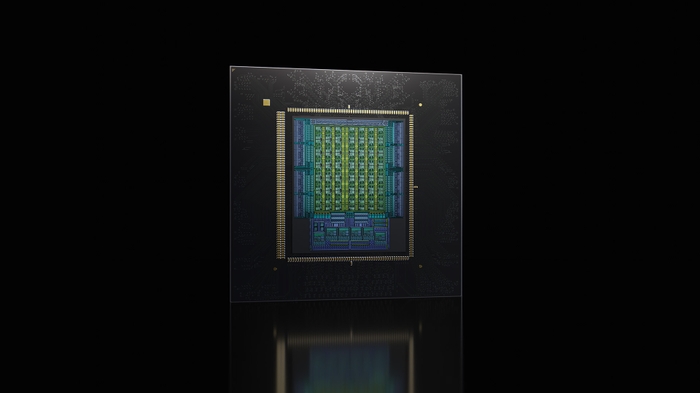
NVIDIA has announced that SpaceXAI will utilize NVIDIA Vera CPUs to enhance its next generation of agentic AI applications. This deployment marks a significant step as it introduces the first CPU specifically designed for AI agents, which will help in orchestrating tools, executing code, processing data, and running simulations effectively. The integration of NVIDIA Vera CPUs is crucial for SpaceXAI as it aims to improve the performance of AI agents while ensuring that GPUs remain fully utilized. With plans to expand its AI infrastructure, SpaceXAI is set to leverage the capabilities of Vera Rubin and the optimized Vera Rubin NVL72 in its first-generation Starmind satellite, highlighting the importance of advanced computing in AI development. Looking ahead, SpaceXAI's collaboration with NVIDIA is poised to revolutionize AI computing not only on Earth but also in orbit. The unique challenges of space computing necessitate innovative solutions, and the deployment of NVIDIA Vera CPUs is a key component in addressing these challenges. No further timeline was disclosed at the time of publication.
DefendEye to Scale Production of First Autonomous AI Drone for First Responders
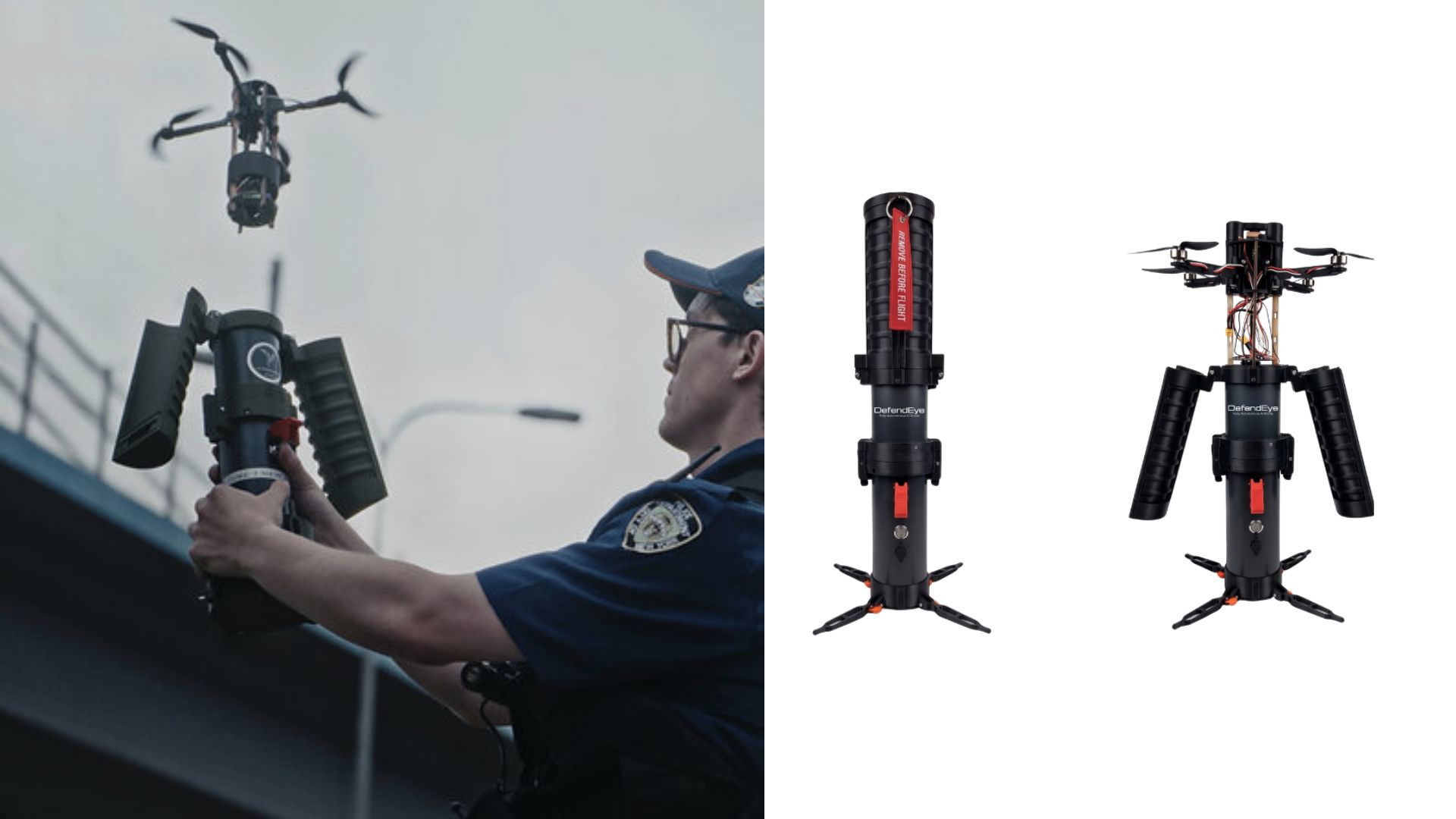
DefendEye has announced plans to scale up production of the Overwatch Drone, the world's first autonomous AI drone designed for first responders, following a significant investment round led by NovaCapital. This funding will enable the company to enhance its operations and manufacturing capabilities at its facilities in Hallandale Beach, Florida, and Krakow, Poland. The Overwatch Drone is engineered to provide emergency personnel with immediate situational awareness, deploying in seconds without the need for trained pilots. This innovative system utilizes onboard AI to detect and identify individuals from the air, making it a vital tool for police, firefighters, and search-and-rescue teams in high-stakes environments. Looking ahead, DefendEye aims to redefine crisis management through its autonomous aerial capabilities, ensuring that first responders have rapid access to live video feeds and critical information. No further timeline was disclosed at the time of publication.
AI and Robotics
Emerson Unveils DeltaV Automation Platform for AI-Scale Data Center Management
Emerson has introduced its DeltaV Automation Platform for Data Centers, which features an automation portfolio tailored for AI-scale data centers. This platform integrates thermal, mechanical, and electrical subsystems within a scalable architecture, enhancing the monitoring and control of data center infrastructure. The significance of this development lies in its ability to reduce engineering efforts, simplify integration, and improve consistency across commissioning, operations, and maintenance. Nathan Pettus, president of Emerson’s process systems and solutions business, emphasized that data center performance is increasingly reliant on the collaboration of critical systems rather than individual components. Looking ahead, the DeltaV Automation Platform aims to provide operators with unified visibility and coordinated control, enabling predictable project commissioning and reliable large-scale operations. Emerson's platform includes the DeltaV distributed control system and DeltaV programmable logic controllers, both of which leverage AI technologies for enhanced integration of optimization models.
Factory / Analytics
Bezos, Arnault, and Premji Invest in AI Humanoid Robot Startups
Prominent investors including Jeff Bezos, Bernard Arnault, and Azim Premji are directing funds into AI humanoid robot startups. This trend highlights the growing interest in robotics and artificial intelligence, particularly in the humanoid sector, which is gaining traction among family offices. The involvement of these high-profile investors underscores the potential of AI humanoid robots to transform various industries. Family offices, with their unique investment strategies, are well-suited to support innovative technologies that may reshape the future of work and automation. As the market for humanoid robots expands, it will be essential to monitor the developments from these investments. The focus on AI-driven solutions in robotics could lead to significant advancements and opportunities in the coming years. No further timeline was disclosed at the time of publication.

Nscale Acquires Anyscale for $1.65 Billion to Enhance AI Compute Capabilities
Nscale, a British AI neocloud, is acquiring software startup Anyscale for $1.65 billion to expand its AI compute offerings. Anyscale specializes in scaling AI workloads across data centers and servers, having pivoted to support large language models and other AI tasks following the rise of GPT-3 in 2022. This acquisition aligns with Nscale's strategy to build vertically integrated solutions for compute needs, enhancing its capabilities in workload management and scaling. The acquisition is significant as it allows Nscale to deepen its involvement in the AI sector, particularly in managing and optimizing AI workloads. Anyscale's platform, built on the Ray framework, provides essential tools for developers, and its integration with Nscale's existing services will create a more robust infrastructure for AI applications. The deal also reflects the growing trend of consolidation in the AI industry as companies seek to capture a larger share of AI-related spending. Looking ahead, Nscale plans to leverage Anyscale's expertise while maintaining its branding and customer base. The startup's 200 employees will join Nscale, contributing to its ongoing projects and partnerships with major players like Microsoft and British Telecom. No further timeline was disclosed at the time of publication.
AI anyscale data center infrastructure nscale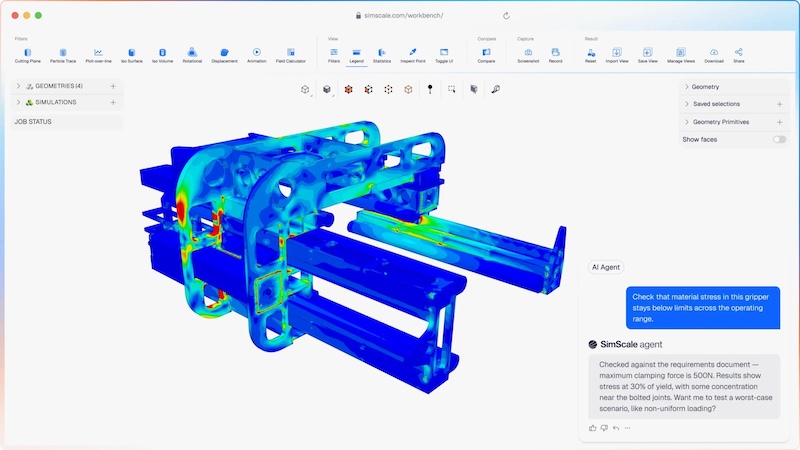
Dexory Implements SimScale’s Engineering AI to Enhance Warehouse Robotics Development
Dexory, a robotics and warehouse data intelligence company, has integrated SimScale’s Engineering AI to streamline the design and testing processes for autonomous warehouse robots. This deployment aims to expedite engineering workflows by enabling quicker identification of structural component failures and facilitating multiple design variations through simulation. The significance of this initiative lies in the growing demand for efficient product development cycles in the warehouse robotics sector, projected to reach $117 billion by 2034. As manufacturers strive to enhance performance and reliability, Dexory's use of Engineering AI reflects a broader trend of embedding AI into engineering processes, which is crucial for maintaining quality while accelerating development. Looking ahead, Dexory's Engineering AI program will automate simulation reporting and enable engineers to conduct parameter sweeps, enhancing the efficiency of design iterations. The initiative not only aims to improve productivity but also seeks to understand AI's potential impact on engineering practices. No further timeline was disclosed at the time of publication.
Engineering News Warehouse robots ai simulation autonomous warehouse robots cloud simulation
Japanese University Startups Innovate AI Robot Arms for Handling Delicate Foods
Japanese university startups are developing artificial intelligence-driven robot arms capable of delicately handling fragile items like sushi and cake. These advancements in physical AI technology are attracting interest from major companies, including Toyota Motor, due to their potential to reduce labor costs in various industries. The significance of these innovations lies in their ability to replicate human-like flexibility in grasping objects, which is crucial for tasks involving delicate foods. As the demand for automation in food handling grows, these technologies could play a vital role in enhancing efficiency and precision in food preparation and service. Looking ahead, the collaboration between startups and established companies like Toyota may lead to further advancements in physical AI applications. No further timeline was disclosed at the time of publication.

NVIDIA Spectrum-6 Launches in Gigascale AI Factories to Enhance Performance
NVIDIA has introduced the Spectrum-6, a 102.4-terabit-per-second Ethernet switch system, to the world's gigascale AI factories. This new system, part of the NVIDIA Vera Rubin platform, offers double the capacity of its predecessors, enhancing the networking capabilities essential for training advanced AI models and generating intelligence at scale. The deployment of Spectrum-6 is significant as it allows leading AI infrastructure builders like CoreWeave, Microsoft, Nebius, SpaceXAI, and Tesla to optimize their AI factories. This technology enables a unified, high-performance resource for cloud providers, facilitating faster model training and inference service deployment, which is crucial for meeting the demands of complex AI workloads. Looking ahead, the integration of Spectrum-6 is expected to improve GPU coordination and resilience in AI operations, leading to quicker results and better economic outcomes. CoreWeave, Microsoft, and Nebius are among the first to implement this technology, which will benefit a wide range of developers and enterprises in the AI sector. No further timeline was disclosed at the time of publication.

Hyperscale Data Initiates Installation of OPR-R2 Robots at Michigan AI Facility
Hyperscale Data, Inc. has commenced the installation of OPR-R2 robots at its Michigan AI data center. This marks a significant step in the company's efforts to enhance its visual data collection and physical AI training capabilities. The installation of 143 OPR-R2 robots is crucial for Hyperscale Data as it aims to bolster its artificial intelligence initiatives. The first unit was assembled on July 16, 2026, indicating the start of a comprehensive program designed to improve AI training processes. Looking ahead, the deployment of these robots will be pivotal in advancing Hyperscale Data's operational efficiency and data processing capabilities. No further timeline was disclosed at the time of publication.

Japanese Enterprises and Startups Develop Industry-Specific AI Using NVIDIA Nemotron Models
NVIDIA has announced that prominent Japanese enterprises, startups, and research institutions are leveraging NVIDIA Nemotron™ open models to create industry-specific AI applications. This initiative aims to accelerate the development of AI solutions tailored to Japan's unique language, industries, and workforce needs. The significance of this development lies in its potential to address Japan's aging population and workforce transition, which has heightened the demand for localized AI solutions. Jensen Huang, founder and CEO of NVIDIA, emphasized the importance of open models in enabling nations and organizations to control their AI infrastructure, thereby fostering innovation and productivity. Looking ahead, various Japanese developers are customizing NVIDIA Nemotron models for specialized applications, such as financial-document translation and telecom network operations. No further timeline was disclosed at the time of publication.

SpaceX's Starmind Targets AI Labs with $6.3 Billion Compute Contracts
SpaceX's Starmind is designed to provide wholesale AI compute services to businesses, particularly AI labs and cloud customers, rather than individual consumers. The service operates similarly to AWS, where users benefit from applications running on Starmind without direct subscriptions. The compute capacity of a single AI1 satellite is comparable to one NVIDIA GB300 rack, emphasizing its enterprise-grade capabilities. The significance of Starmind lies in its positioning as a potential fourth hyperscaler, joining the ranks of AWS, Microsoft Azure, and Google Cloud. The Reflection AI contract, valued at $150 million per month, exemplifies the enterprise-focused model, with total payments potentially reaching $6.3 billion through 2029. This contract highlights the growing demand for AI compute resources, particularly from AI-native startups and labs. Looking ahead, the focus will remain on securing additional enterprise contracts as Starmind expands its offerings. No consumer-facing products or subscriptions have been announced, and the current strategy is to cater to businesses with substantial AI workloads. No further timeline was disclosed at the time of publication.
Generalist AI Secures $400 Million to Enhance Robot Learning and Scale Operations
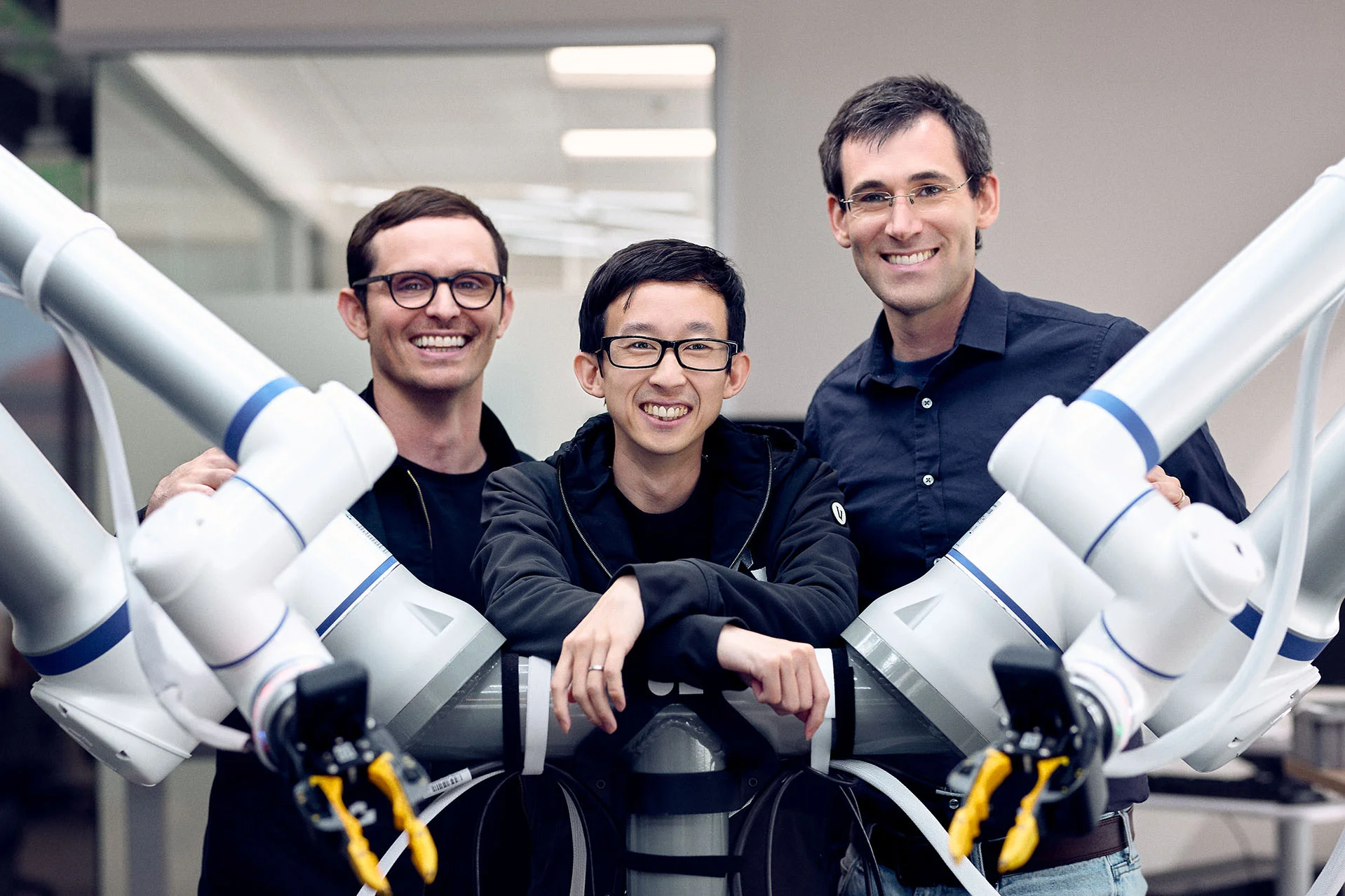
Generalist AI has announced it has secured $400 million in new funding, pushing its total capitalization past $500 million. This funding round, led by Radical Ventures, includes participation from notable investors such as NVIDIA’s NVentures and angel investors like Zoom CEO Eric Yuan. The capital will be used to scale Generalist's compute infrastructure and expand its physical data engine. This funding is crucial for Generalist AI as it recently launched GEN-1, a foundation model that reportedly achieved a 99% success rate on unstructured tasks and executed movements three times faster than previous systems. The company aims to create a data flywheel that enhances robot learning, allowing for the development of more competent models that can perform practical work in various industries. Looking ahead, Generalist AI's aggressive scaling roadmap and focus on proprietary datasets will be key to its success. The company has expanded its real-world interaction data from 270,000 hours to over 500,000 hours for GEN-1, utilizing innovative data collection methods. No further timeline was disclosed at the time of publication.
US GEN-1 Market Generalist AI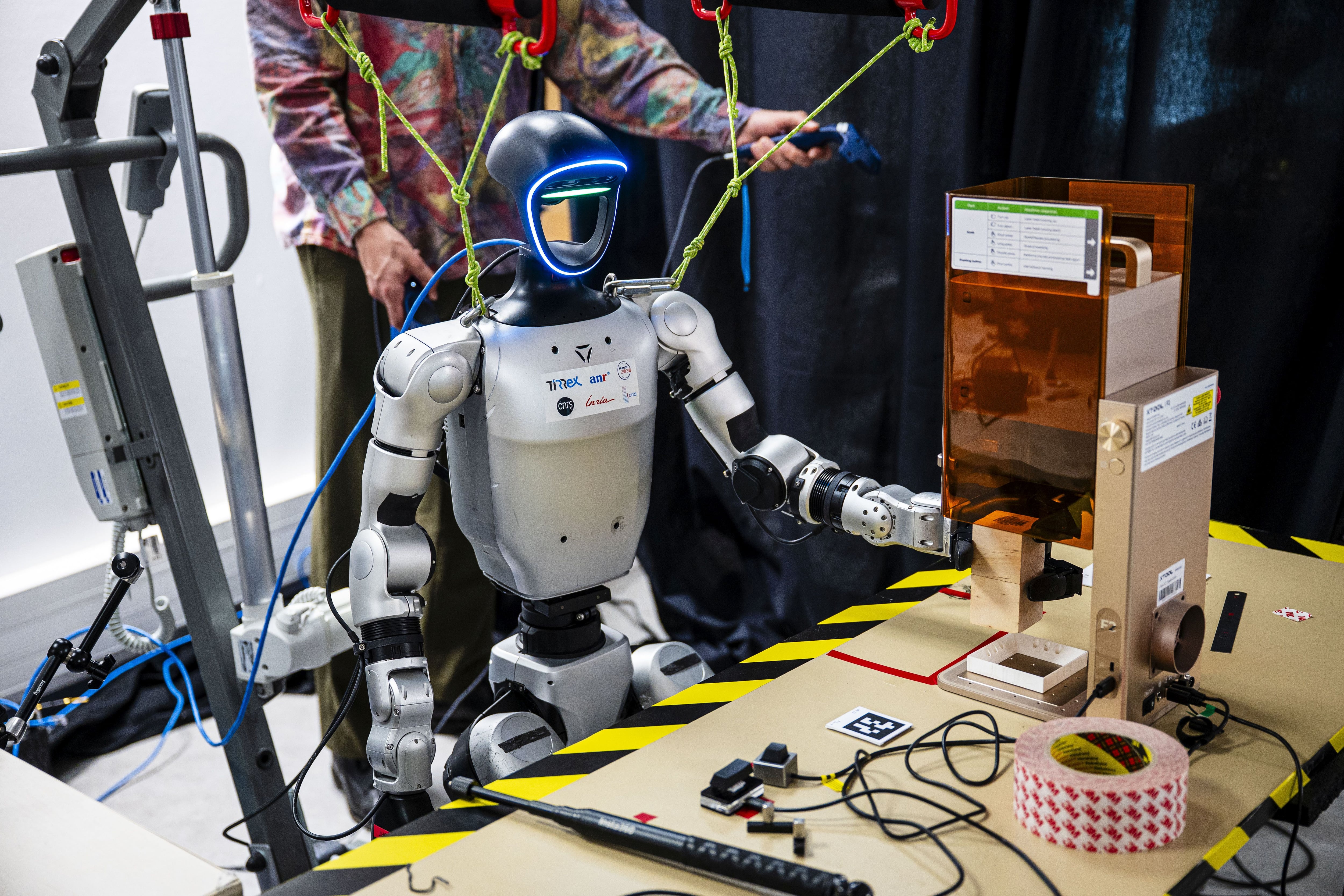
French Startups Mistral, Gobano Robotics, and Ami Labs Aim to Innovate Future Robotics
Mistral, Gobano Robotics, and Ami Labs are among the French startups striving to tackle the next challenges in robotics. These companies are leveraging artificial intelligence to develop advanced robotic solutions that could redefine various industries. The significance of these efforts lies in France's growing reputation as a hub for innovation in robotics and AI. By focusing on cutting-edge technologies, these startups aim to contribute to the global robotics landscape and enhance operational efficiencies across multiple sectors. Looking ahead, it will be important to monitor the progress of these startups as they work towards their ambitious goals. The developments from Mistral, Gobano Robotics, and Ami Labs could potentially lead to breakthroughs that shape the future of robotics. No further timeline was disclosed at the time of publication.
Robotique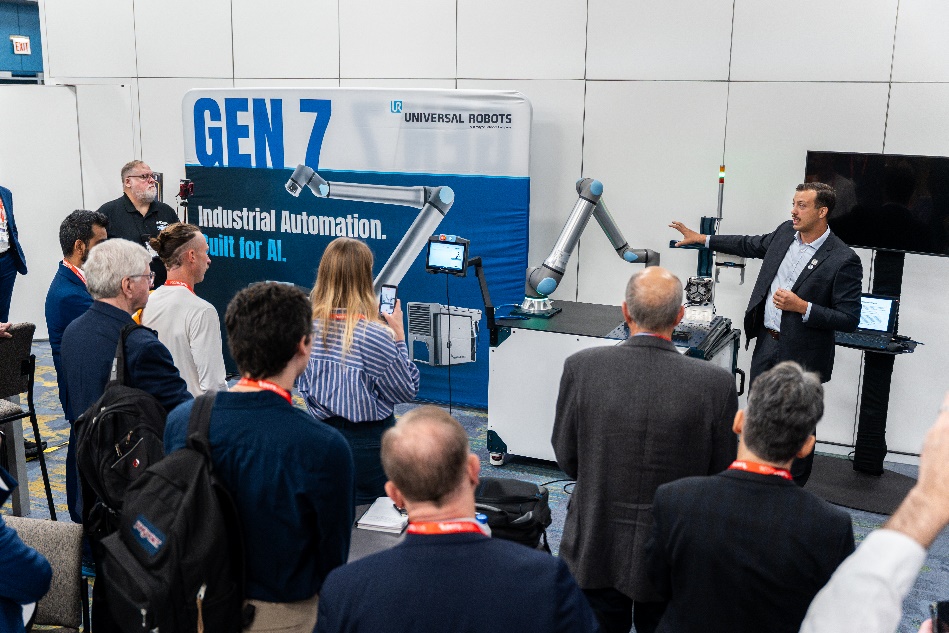
YouRobot Launches Gen 7 Platform for Enhanced Industrial Automation and Physical AI Deployment
YouRobot has introduced its new Gen 7 platform aimed at facilitating large-scale deployment of industrial automation and physical AI. This innovative platform is designed to enhance operational efficiency and adaptability in various industrial settings. The significance of the Gen 7 platform lies in its potential to transform how industries implement automation solutions. By leveraging advanced AI capabilities, YouRobot aims to address the growing demand for intelligent systems that can operate autonomously and improve productivity. Looking ahead, industry stakeholders should monitor the adoption rates of the Gen 7 platform and its impact on operational workflows. The response from the market will be crucial in determining the platform's success and its role in shaping the future of industrial automation.
Robotics Automation AI
Xiaomi Releases Open-Source Robotics-U0 Model and Training Tools with Significant Speedups
Xiaomi has open-sourced the Xiaomi-Robotics-U0, an autoregressive embodied world foundation model featuring approximately 4 billion parameters and full-scale weight lines of around 38 billion. This release includes training and inference tools designed to enhance robotic applications. The significance of this development lies in Xiaomi's claim of achieving FlashAR+ speedups nearing 83 times, which positions the Robotics-U0 model at the forefront of robot-centric scene, transfer, and video synthesis tasks, as evidenced by its top ranking in WorldArena. Looking ahead, the impact of Xiaomi-Robotics-U0 on the robotics landscape will be noteworthy, particularly in applications requiring advanced scene understanding and video synthesis capabilities. No further timeline was disclosed at the time of publication.

The Rise and Fall of AI Projects: Notable Shutdowns and Lessons Learned
Relay, an AI-driven workflow automation tool, ceased operations on Monday after struggling to compete with larger platforms like OpenAI and Google. Launched five years ago, Relay aimed to automate email and task workflows but ultimately could not justify its existence as a standalone product. This shutdown exemplifies a broader trend, with approximately 42% of AI initiatives abandoned by their parent companies, according to S&P Global Market Intelligence. The challenges faced by AI startups often stem from insufficient funding, technical hurdles, and fierce competition. This has led to a growing 'AI graveyard' of projects that failed to meet expectations. Even industry giants like OpenAI have experienced setbacks, including a failed redesign of ChatGPT and the discontinuation of standalone applications like ChatGPT Atlas and Operator, which were integrated back into the main platform. Looking ahead, the industry must learn from these failures to foster more sustainable AI innovations. As companies like Apple and Microsoft continue to develop AI features, the focus will be on overcoming engineering challenges and user retention issues. No further timeline was disclosed at the time of publication.
AI evergreens Microsoft OpenAI siri ai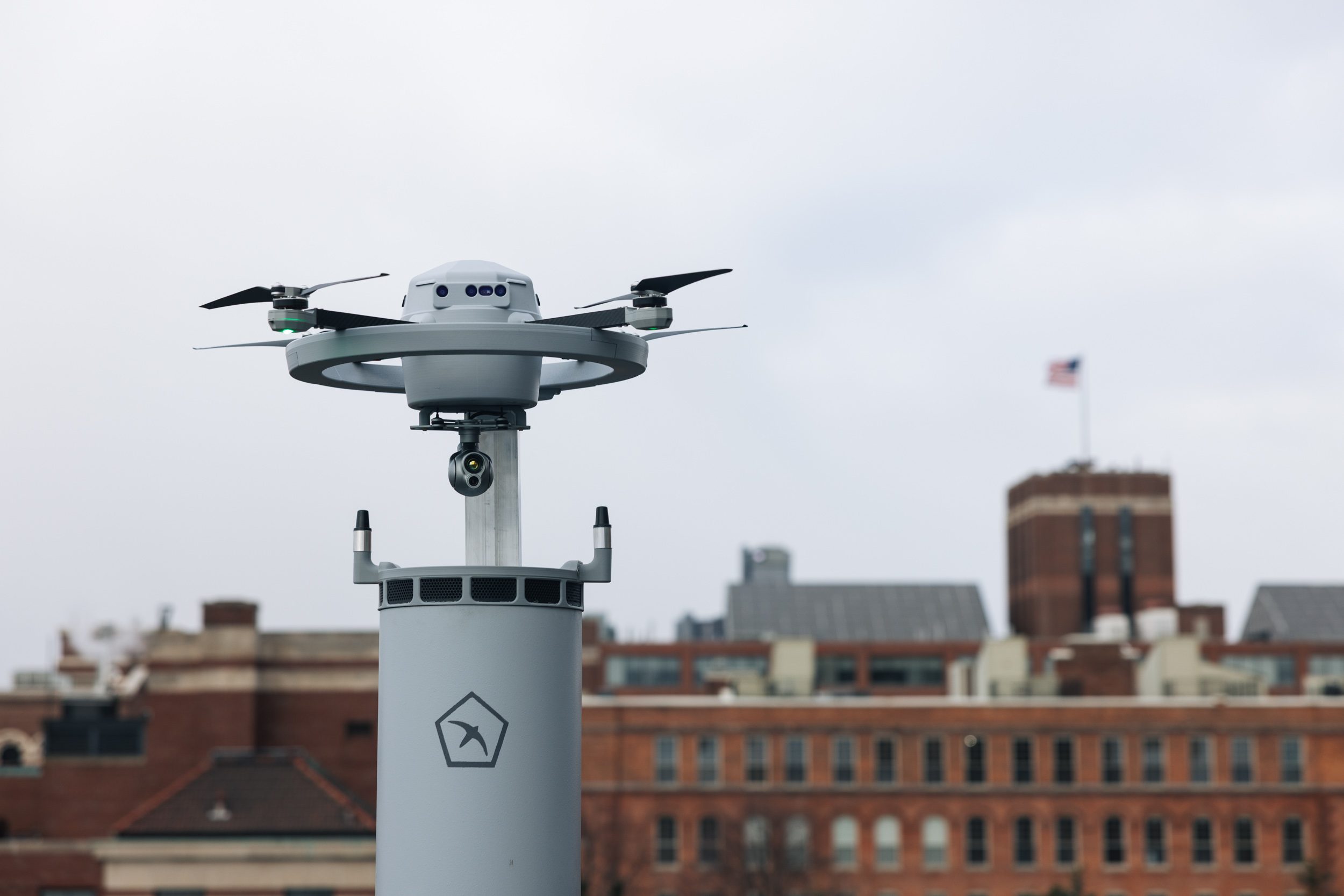
Birdstop Leverages Detroit's Auto Supply Chain to Enhance U.S. Drone Manufacturing
Birdstop, an autonomous security drone manufacturer, has relocated from Silicon Valley to Detroit to capitalize on the city's automotive supply chain. CEO Keith Miao emphasized that Detroit offers significant opportunities for scaling drone production, particularly due to the region's robust electronics manufacturing capabilities tied to the auto industry. The move is significant as it highlights the potential for cross-industry collaboration, where components used in automotive manufacturing can also be applied to drone technology. Miao noted that the overlap in specifications and testing requirements between automotive parts and drone components allows Birdstop to leverage existing resources effectively. Looking ahead, Birdstop has introduced its new flagship product, the Fealty system, which began deployment in May for monitoring truck parking sites in Detroit. This innovative drone system is designed for persistent coverage and features advanced AI capabilities, setting a new standard in the drone industry. No further timeline was disclosed at the time of publication.
DL Exclusive Drone Manufacturing Drone News Drone News Feeds Drones in the News Feature 1
Inspiren Secures $70 Million in Series C Funding to Enhance Physical AI for Senior Living
Inspiren has successfully raised $70 million in Series C funding, achieving a valuation exceeding $500 million. This funding round, led by NewView Capital, brings Inspiren's total funding to $225 million, marking it as the highest for a technology company focused on senior living. The platform utilizes AI-powered ambient awareness to assist caregivers in preventing emergencies, resulting in significant reductions in falls and hospitalizations across various communities. The importance of this funding lies in the growing demand for advanced technology in senior living, particularly as the 85-and-older population continues to expand in North America. Inspiren's innovative approach allows care teams to monitor residents more effectively, addressing the challenges posed by a clinically complex demographic and a strained workforce. The platform's success is evidenced by reported improvements in resident outcomes, including a 48% reduction in falls at Solera Senior Living and a 63% decline in injury-related falls at Clearwater Living. Looking ahead, Inspiren plans to utilize the new funding to scale its market presence and enhance its AI platform capabilities. The recent launch of Two-Way Voice and Alert Claiming features demonstrates Inspiren's commitment to providing real-time insights for care teams. No further timeline was disclosed at the time of publication.
AI Funding & Investment AI AI-driven platform capital markets funding Inspiren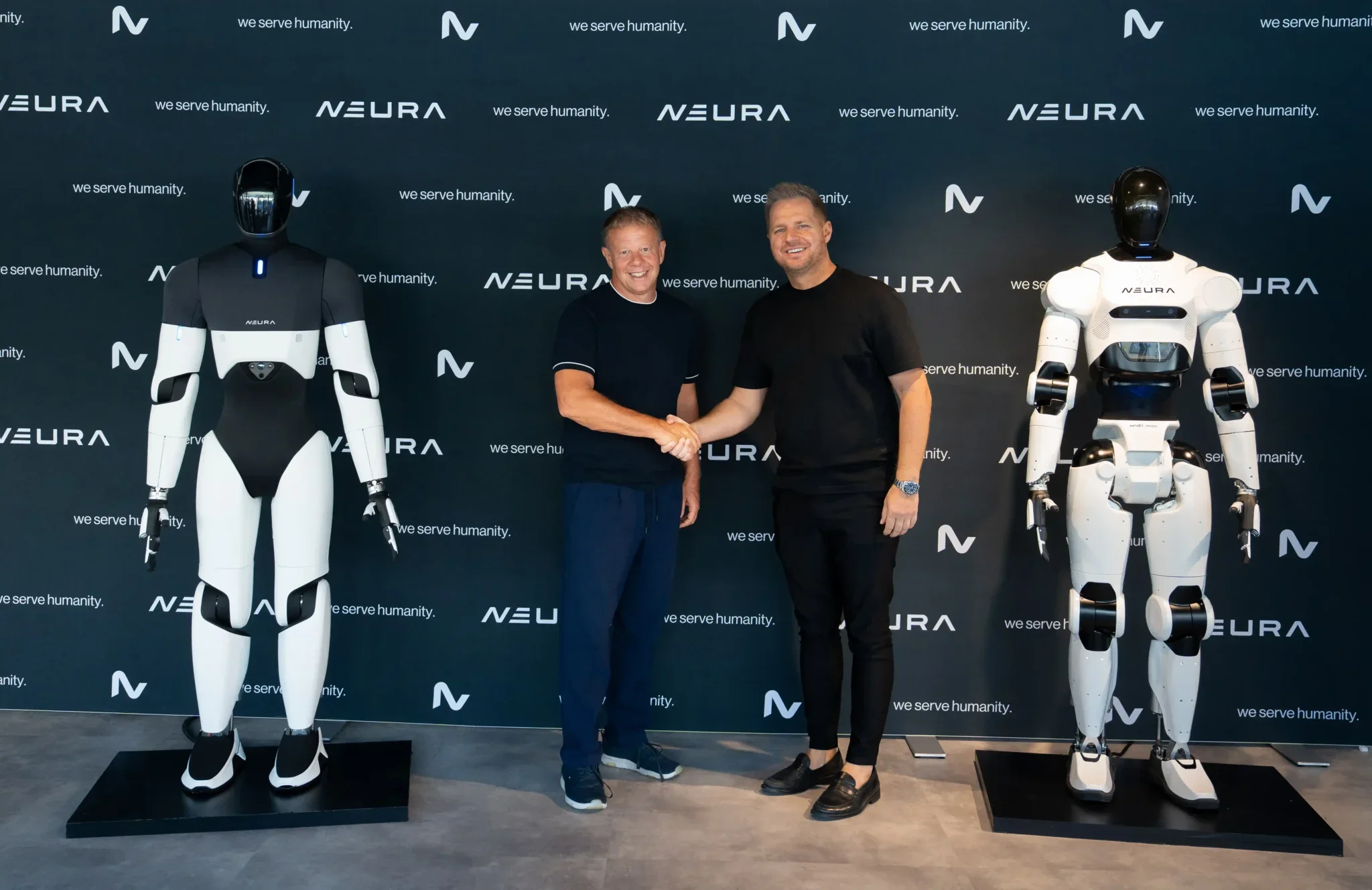
NEURA Robotics and SECO Collaborate to Advance European Physical AI Hardware Production
On September 7, 2026, NEURA Robotics, based in Metzingen, announced a strategic partnership with SECO S.p.A. to industrialize the compute infrastructure for NEURA's cognitive robots. SECO will design and produce industrial-grade electronic compute modules for NEURA’s humanoid platform, the 4NE-1, utilizing Qualcomm Dragonwing processors to support a decentralized compute strategy. This collaboration is significant as it aims to transition from centralized computing to localized, real-time edge processing, enhancing the robots' responsiveness in unpredictable industrial environments. NEURA's architecture, described as a 'Brain + Nervous System,' integrates sensing and compute hardware across the robot's limbs, allowing for ultra-low-latency interactions crucial for human-robot collaboration. Looking ahead, NEURA and SECO plan to establish a 'NEURA Gym' in Italy, focusing on real-world data collection to improve physical AI models. This initiative aims to address challenges in robotic autonomy during the transition from simulation to real-world applications, particularly in semiconductor manufacturing. No further timeline was disclosed at the time of publication.
Neura Robotics Europe Market
NEURA Robotics and SECO Partner to Enhance Physical AI Production in Europe
NEURA Robotics and SECO S.p.A. have announced a strategic partnership aimed at industrializing and scaling Physical AI in Europe. This collaboration will focus on the design, engineering, and manufacturing of electronic compute modules for NEURA's cognitive robots, including the humanoid 4NE1. The partnership is significant as it combines NEURA's expertise in Physical AI and robotics with SECO's embedded engineering and manufacturing capabilities. The electronic compute modules will utilize Qualcomm Dragonwing™ processors, which are integral to NEURA's distributed compute architecture, enhancing the performance of their robots. Looking ahead, the collaboration is expected to facilitate scalable series production of cognitive robots in Europe. No further timeline was disclosed at the time of publication.

Figure Partners with Nscale to Deploy 100,000 GPUs for Humanoid Robot AI Training
U.S. robotics company Figure has entered a strategic partnership with UK-based Nscale to secure up to 100,000 GPUs for training its next generation of humanoid robots. This collaboration aims to meet the increasing data and computational demands of developing advanced AI models for general-purpose robotics, utilizing NVIDIA’s Vera Rubin platform. The partnership is significant as it represents an initial commitment of $3.5 billion, with plans to expand to over $6 billion. The deployment of this large-scale computing infrastructure is expected to begin in the second half of 2027 in Barstow, Texas. This investment will support Figure's Helix AI system, enhancing the capabilities of its humanoid robots by processing vast amounts of real-world data. Looking ahead, Figure is also scaling its Index dataset, which has gained over 264,000 downloads globally. This dataset is crucial for training AI models by capturing diverse human activities. The collaboration with Nscale is designed to create a comprehensive infrastructure for physical AI, facilitating the transition from model training to real-world deployment of humanoid robots. No further timeline was disclosed at the time of publication.
AI and Robotics
Nscale Partners with Figure to Provide $3.5 Billion in AI Cloud Computing Capacity
Nscale has entered into a significant agreement to provide a minimum of $3.5 billion in AI cloud computing resources to the robotics startup Figure. This partnership not only enhances Figure's technological capabilities but also signifies Nscale's commitment to supporting innovative robotics solutions. The collaboration is crucial as it allows Figure to leverage Nscale's extensive cloud infrastructure, which is essential for developing advanced robotic technologies. This investment underscores the growing importance of AI and cloud computing in the robotics sector, enabling startups like Figure to scale their operations and enhance their product offerings. Looking ahead, industry observers will be keen to see how this partnership evolves and the impact it has on Figure's growth trajectory. No further timeline was disclosed at the time of publication.
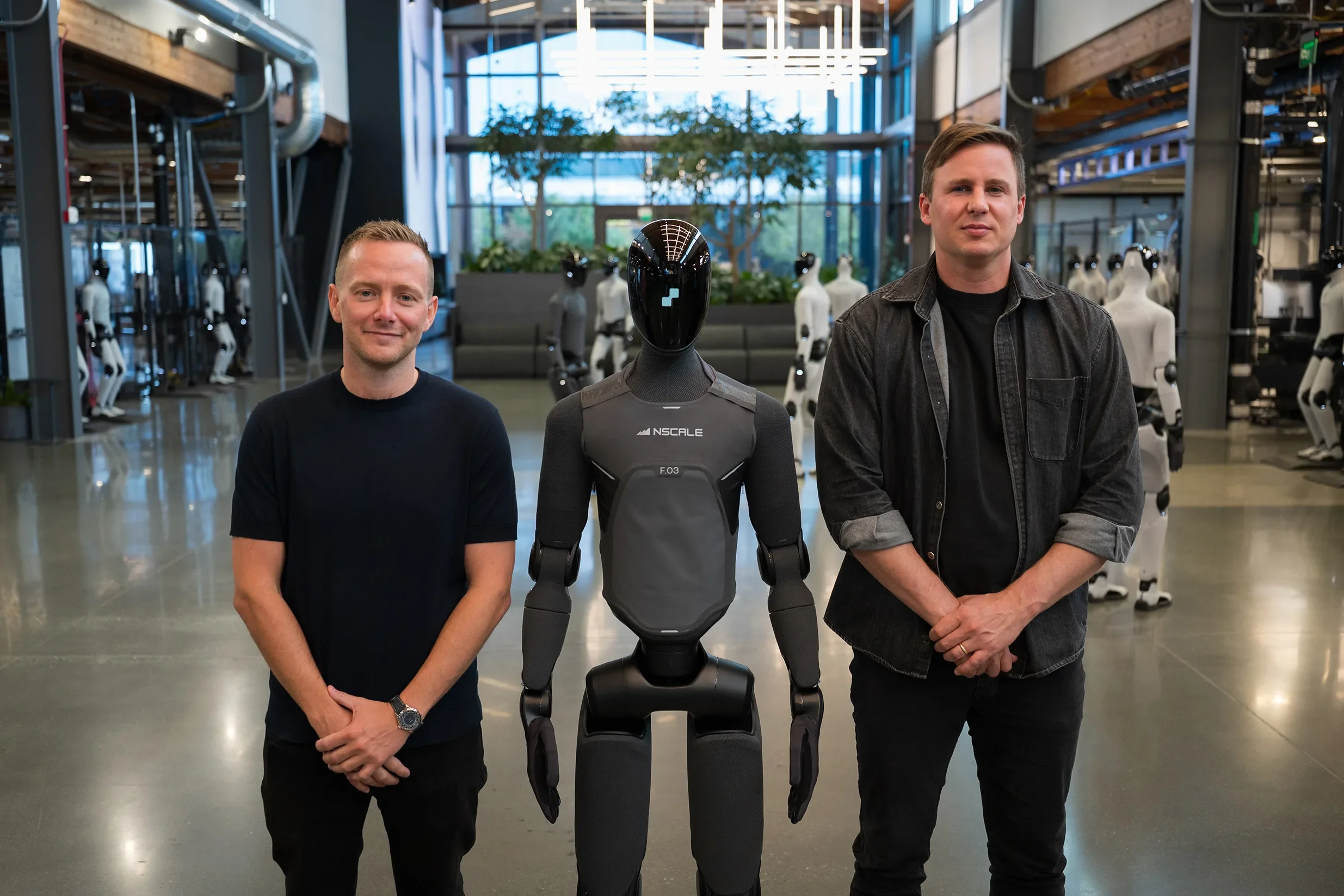
Figure AI Partners with Nscale for $3.5 Billion GPU Deployment to Enhance Humanoid Robotics
Figure AI, a California-based startup, has announced a strategic partnership with Nscale to deploy up to 100,000 NVIDIA GPUs under a multi-year agreement. This partnership includes an initial financial commitment of $3.5 billion, with potential scaling beyond $6 billion, aimed at enhancing the computational capabilities necessary for humanoid robotics. This collaboration is significant as it marks a shift in the robotics industry, where the focus is moving from mechanical engineering to computational power. Figure's leadership emphasizes that the future of autonomous physical labor relies heavily on onboard intelligence and data processing capabilities, particularly for their AI architecture, Helix. Looking ahead, the hardware rollout is set to commence in the second half of 2027 at Nscale's facility in Barstow, Texas. The partnership also involves an undisclosed investment from Nscale into Figure, indicating a deeper integration of Figure's humanoid robots within Nscale's infrastructure supply chains. No further timeline was disclosed at the time of publication.
US Nscale Figure
Adelaide University's CSER Group Launches Program to Upskill Educators in AI
Adelaide University's Computer Science Education Research (CSER) Group has initiated a new program aimed at enhancing teachers' understanding of Artificial Intelligence (AI). This initiative is designed to equip educators with the necessary skills to effectively integrate AI into their teaching practices. The importance of this program lies in its potential to empower teachers with knowledge about AI, which is increasingly becoming a critical component of modern education. By providing educators with the tools to understand and utilize AI, the CSER Group aims to foster a more informed and technologically adept teaching workforce. Looking ahead, it will be essential to monitor the program's impact on educators and their ability to incorporate AI into their curricula. No further timeline was disclosed at the time of publication.

Researchers Develop Scalable Robot Fish Ranging from 2 to 10 Feet with Tail Adjustment
Researchers have successfully created a robot fish that can scale in size from 2 feet to 10 feet by simply adjusting its tail. This innovative design allows for versatile applications in various aquatic environments, showcasing the potential for adaptive robotics in real-world scenarios. The ability to modify the size of the robot fish is significant as it opens up new possibilities for underwater exploration and research. This advancement highlights the ongoing efforts in robotics to create adaptable machines that can operate effectively in diverse conditions, enhancing our understanding of aquatic ecosystems. Looking ahead, the implications of this technology could extend beyond research, potentially influencing industries such as marine biology, environmental monitoring, and even entertainment. No further timeline was disclosed at the time of publication.
AI and Robotics
Analog Devices Reaffirms Strategic Sponsorship to Support MassRobotics Startups
Analog Devices Inc. has renewed its strategic sponsorship of MassRobotics, enhancing support for robotics startups. Joyce Sidopoulos, co-founder of MassRobotics, emphasized the importance of ADI's technical expertise and mentorship in accelerating the development of commercial-ready robotics systems. This partnership is crucial as developing advanced robotics is capital- and engineering-intensive. ADI's resources, including its Analog Garage venture group, provide startups with access to advanced technologies that address complex hardware challenges. ADI's commitment aligns with its mission to bridge the physical and digital worlds, driving innovation in automation and robotics. Looking ahead, Analog Devices plans to engage in several robotics ecosystem events, including the 9th Annual Robot Block Party and the MassRobotics Startup PitchFest. These initiatives will facilitate collaboration between startups and corporations, furthering the development of innovative solutions in the robotics sector. No further timeline was disclosed at the time of publication.
Business Resources Events Microprocessors / SoC Microprocessors / SoCs News Startups
Analog Devices Strengthens Partnership with MassRobotics to Aid Robotics Startups
Analog Devices has renewed its strategic sponsorship of MassRobotics, a robotics accelerator based in Boston. This partnership emphasizes the role of Analog Garage, ADI’s internal venture group, which provides seed funding and engineering resources to help startups transform innovative ideas into market-ready products. Startups within MassRobotics will benefit from access to ADI’s advanced technologies in sensor, signal processing, and power management, addressing critical hardware challenges. This collaboration is significant as it supports the development of hardware and advanced robotics, which often require substantial capital and engineering resources. Joyce Sidopoulos, co-founder of MassRobotics, highlighted the importance of having ADI’s technical expertise available to their startup community, which can accelerate the creation of commercially viable systems. The partnership aims to foster innovation and expedite the growth of the robotics sector. Looking ahead, ADI will actively engage in various robotics events this fall, including the MassRobotics 9th Annual Robot Block Party and the Startup PitchFest at IROS 2026. The Analog Garage will also conduct information sessions at the RoboBusiness conference, providing opportunities for founders to learn about engineering support. No further timeline was disclosed at the time of publication.
Business News Robotics adi Analog Devices analog garage
UK Civil Aviation Authority's New Vision for BVLOS Drone Operations in Airspace
The UK Civil Aviation Authority has unveiled its Airspace Architecture Concept of Operations, aiming to transition Beyond Visual Line of Sight (BVLOS) drone operations from isolated trials to widespread commercial use across UK airspace. Published on July 30, 2026, the document outlines how drones and other airspace users can operate routinely at scale, emphasizing the need for integrated commercial operations rather than bespoke approvals. This initiative is part of the CAA’s Airspace Modernisation Strategy and Future of Flight programme, which recognizes the current limitations of BVLOS flights that rely on dedicated airspace arrangements. The Concept of Operations builds on the UK BVLOS Roadmap and introduces five key technology and process pillars, including electronic detection systems, conflict-avoidance systems, reliable communication links, digital traffic management services, and information sharing among operators and air traffic services. The CAA envisions a future where drone technology can deliver significant economic and societal benefits, with target use cases including faster inspections of critical infrastructure and support for emergency services. As technology evolves, the CAA expects the document to adapt, paving the way for a more integrated airspace system that maintains safety standards while fostering innovation. No further timeline was disclosed at the time of publication.
Drone News Drone News Feeds News aerial infrastructure inspection Airspace Architecture Concept of Operations Airspace Modernisation Strategy
Hellbender Relocates Headquarters and Expands Manufacturing in Pittsburgh to Boost Physical AI Production
Hellbender, a physical AI infrastructure company, has relocated its global headquarters to the Roundhouse at Hazelwood Green and expanded its manufacturing operations at Mill 19. This strategic move is anticipated to create over 500 jobs in the Pittsburgh area over the next five years, addressing the rising demand for essential hardware and software in physical AI. The expansion is significant as it positions Hellbender to become the only fully US-owned and domestically manufactured Tier 1 supplier for physical AI. This development not only enhances Hellbender's operational capacity but also reinforces Pittsburgh's status as a national leader in robotics and artificial intelligence. Looking ahead, Hellbender aims to leverage its new facilities to attract top talent and foster collaborations with early-stage companies. No further timeline was disclosed at the time of publication.
Factories Infrastructure News ai hardware ai manufacturing edge ai
China's World Model Startups Lead Without US Counterparts, Says WAIC 2026 Panel
At the WAIC 2026 event, Muka Robotics, Shengshu Technology, EvoPhys.ai, and Chengwei Capital highlighted a significant shift in the global tech landscape. They noted that Chinese world model startups are now operating independently, without American counterparts to benchmark against, which challenges the traditional narrative of technological catch-up. This development is crucial as it signifies China's emergence as a leader in the world model field, indicating a shift in innovation dynamics. The absence of US analogs allows Chinese companies to set their own standards and drive advancements in technology, potentially reshaping global competition. Looking ahead, industry observers should monitor how this shift influences global tech strategies and the competitive landscape. The ongoing evolution of Chinese startups in the world model sector may lead to new innovations and market dynamics that could redefine international technology collaboration and competition. No further timeline was disclosed at the time of publication.
Technology
Hai Robotics Implements HaiPick System 3 for LPP Logistics' E-Commerce Fulfilment in Romania
LPP Logistics, the logistics division of LPP Group, has successfully deployed Hai Robotics' HaiPick System 3 at its new fulfilment centre near Bucharest, Romania. This initiative aims to enhance the retailer's e-commerce operations across Southeastern Europe, including Romania, Bulgaria, Serbia, Greece, and Hungary, in response to increasing online demand. The deployment of the HaiPick System 3, which integrates 278 automated case-handling robots and 670 autonomous mobile robots, addresses LPP Logistics' need for improved storage density and increased order processing capabilities. The system can handle over 9,400 totes per hour and is designed to process more than 80,000 customer orders daily, significantly boosting operational efficiency while maintaining continuity. Looking ahead, the fulfilment centre's design allows for scalability, enabling the addition of more robots and workstations as demand grows. This flexibility is crucial for LPP Group, which operates five fashion brands and requires a logistics network that can adapt to a diverse and expanding product range. No further timeline was disclosed at the time of publication.
Features Warehouse robots ACR robots automated case-handling robots autonomous mobile robots e-commerce fulfilment
UNIT AI Secures $12 Million to Enhance AI-Driven Ecommerce Fulfillment and Returns
UNIT AI has announced a successful funding round of $12 million aimed at scaling its AI-powered platform for ecommerce fulfillment and returns. This funding will support the company's efforts to enhance commercial deployments across North America, addressing the growing demand from retailers and third-party logistics providers. The significance of this funding lies in UNIT AI's commitment to making enterprise-grade automation more accessible, which is crucial as ecommerce continues to expand. The investment will enable UNIT AI to improve its modular platform, thereby streamlining operations for businesses in the ecommerce sector and enhancing customer satisfaction through efficient returns management. Looking ahead, UNIT AI's focus will be on accelerating the deployment of its platform in response to increasing customer demand. No further timeline was disclosed at the time of publication.

The Evolving Role of Human Oversight in AI-Powered Warehouse Automation
AI technology is enhancing the speed of operations in warehouse environments, allowing teams to work more efficiently. However, the integration of AI necessitates human oversight to ensure that automation is applied appropriately, balancing advisory roles and independent actions within set parameters. As AI continues to scale in warehouse automation, the relationship between human judgment and machine efficiency will be crucial to monitor and adapt. This evolution is significant as it highlights the need for a collaborative approach between AI systems and human operators. The ability of AI to act independently in certain scenarios can lead to increased productivity, but it also raises questions about the limits of automation and the necessity for human intervention in complex decision-making processes. Understanding these dynamics will be essential for organizations looking to optimize their warehouse operations. Looking ahead, it will be important to observe how companies implement AI in their warehouse systems and the extent to which human oversight is integrated into these processes. No further timeline was disclosed at the time of publication.

NVIDIA Announces Release of Next-Gen AI Upscaling Technology DLSS 5 This Fall
NVIDIA revealed on July 20 that it will launch its next-generation AI upscaling technology, DLSS 5, in the fall of 2026 during the SIGGRAPH 2026 conference. This new technology will utilize a neural network to generate entire screen patches, enhancing the realism of rendered images through a one-step pixel space diffusion transformer model. The introduction of DLSS 5 marks a significant shift from previous versions, which relied on reconstruction methods. According to Edward Liu, Director of Applied Deep Learning Research, DLSS 5 will add a new category of 'generation' to its capabilities, positioning AI as an enhancer of graphics rather than a replacement. This advancement is expected to provide developers with more control over the rendering process, including automatic character recognition and targeted enhancements. In related news, Microsoft and French startup Mistral announced a strategic partnership on July 21 to expand AI computing capabilities in Europe. This partnership aims to enable European companies to utilize frontier AI while retaining data management rights. Mistral plans to deploy thousands of NVIDIA's Vera Rubin Superchips to enhance GPU capacity, supporting Microsoft's cloud and AI services. No further timeline was disclosed at the time of publication.

NueroDance Introduces ND1000 and ND8 EEG Devices Alongside NeuroAI Data Platform
NueroDance has launched its ND1000 and ND8 series EEG devices, along with the NeuroAI group cross-modal data platform, during an event in Beijing. This initiative aims to establish a neural data infrastructure that extends the capabilities of AI beyond traditional text and image processing. The introduction of these EEG devices and the NeuroAI platform signifies a strategic move by NueroDance to position itself at the forefront of the evolving AI landscape. By focusing on cross-modal data, the company seeks to unlock new applications and insights from neural data, potentially transforming how AI systems interact with human cognitive processes. As the demand for advanced AI solutions grows, the development of a robust neural data infrastructure will be crucial. Observers should watch for how NueroDance's offerings will influence the AI sector and whether they can successfully integrate brain-computer hardware with multi-scene neural data applications. No further timeline was disclosed at the time of publication.
Technology
Databricks Extends Partnership with Microsoft to Scale Enterprise AI Through 2030s
On July 23, Databricks announced an extension of its strategic partnership with Microsoft through the 2030s, focusing on scaling enterprise AI. Databricks plans to increase its investment in Azure, utilizing Azure Databricks for its core business operations and analytics. This collaboration is significant as it aims to enhance the integration of Microsoft’s technology stack, including the integration of Databricks Genie with Microsoft 365. Additionally, Databricks will increase its use of Microsoft Azure Cobalt to improve performance and efficiency. Looking ahead, industry stakeholders should monitor the developments in this partnership, particularly how the enhanced integration and increased investment will impact enterprise AI capabilities. No further timeline was disclosed at the time of publication.
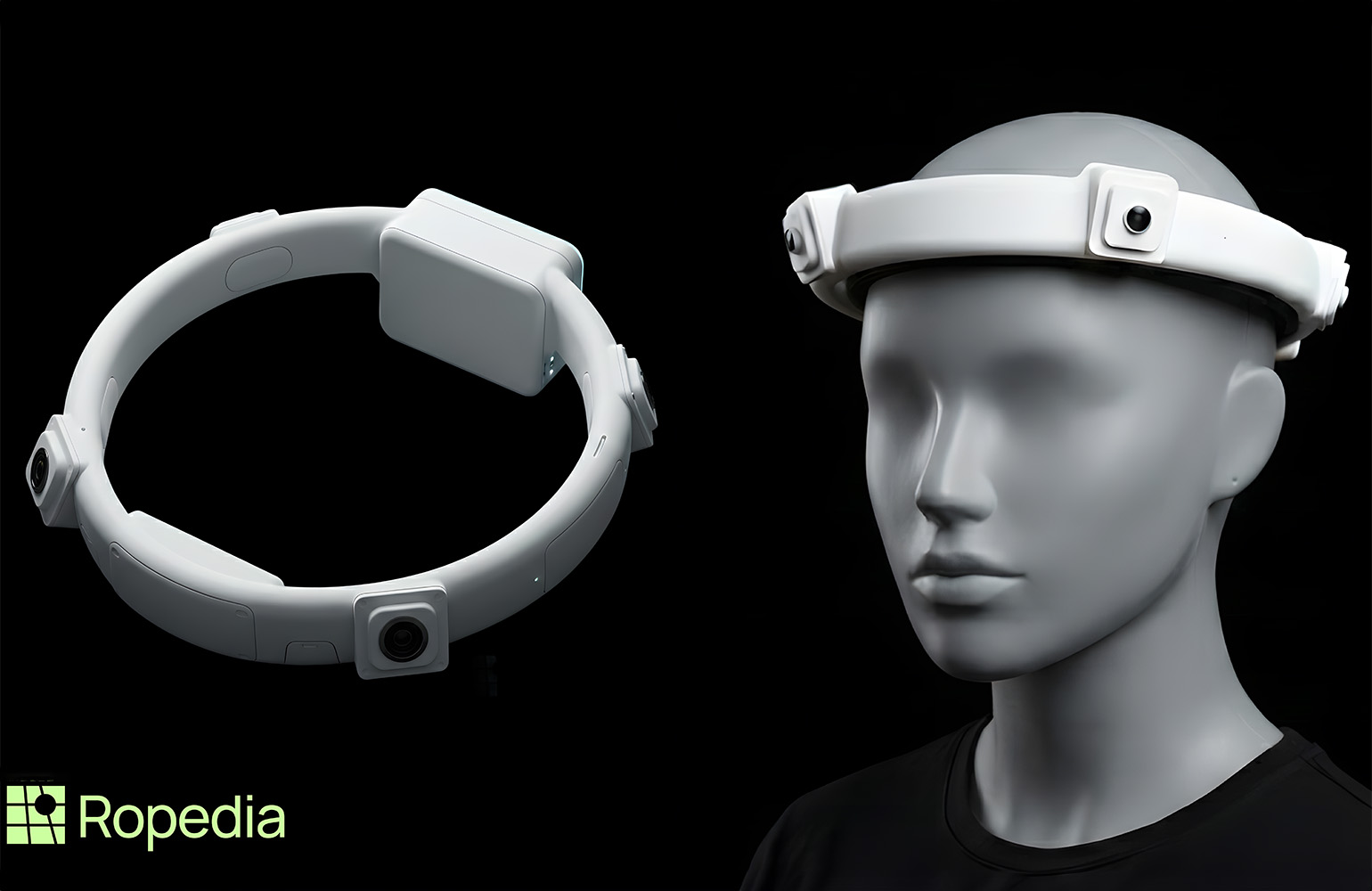
Ropedia Secures $22 Million to Enhance Data Collection for Robotics Training
Ropedia has announced the successful completion of a $22 million pre-Series A funding round, bringing its total funding to $30 million. The investment will be utilized to scale HOMIE, a lightweight, head-mounted device designed to capture first-person human movement and spatial context, which is essential for training robots. This funding is significant as it allows Ropedia to expand its business and technical teams, particularly in hardware, software, and data infrastructure. The company aims to enhance its presence in North America, especially the United States, where most of its clients are located. Ropedia's approach to data collection, which involves generating and structuring data internally, distinguishes it from traditional data-labeling providers. Looking ahead, Ropedia plans to further develop its data platform, incorporating annotation tools and quality analytics. The company is committed to building the necessary data infrastructure for the robotics industry to scale effectively. No further timeline was disclosed at the time of publication.
Artificial Intelligence Artificial Intelligence / Cognition Design / Development Financial Investments News
AMD and Microsoft Expand Strategic Partnership with Large-Scale Deployment of AI Rack Scale 'Helios' on Azure
On July 20, 2026, AMD announced an expansion of its strategic partnership with Microsoft, focusing on the large-scale deployment of the AMD Helios rack-scale AI product on Azure. This collaboration encompasses GPUs, CPUs, networking, and software, with Helios being utilized for inference processing of frontier AI models by Microsoft and its AI customers. The significance of this partnership lies in the integration of AMD's Helios, which combines the AMD Instinct MI455X GPU, the sixth-generation EPYC CPU, and Pensando's networking technology into a cohesive AI system designed for extensive AI learning and inference. Microsoft plans to deploy Helios across three new Azure virtual machine series, enhancing its infrastructure offerings for next-generation AI applications. Looking ahead, AMD is set to begin shipping Helios to customers, including Microsoft, in late 2026. The collaboration is expected to broaden the scope of AMD's AI solutions, with potential implications for other major companies already adopting AMD's Instinct series, such as Meta and OpenAI. No further timeline was disclosed at the time of publication.
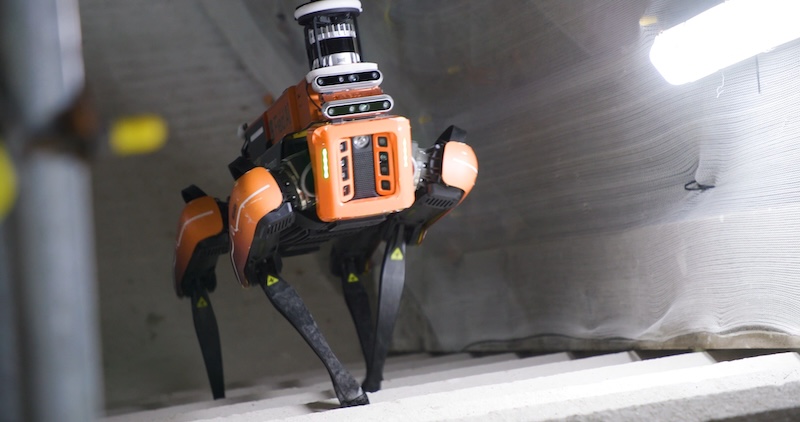
McLaren Construction Partners with FieldAI to Deploy Autonomous Robots Across UK Sites
McLaren Construction has formed a partnership with FieldAI to implement autonomous quadruped robots at its construction sites in the UK. These robots will initially be used for capturing 360° site imagery, generating point cloud data, and assisting with progress verification, safety compliance, and quality assurance. The capabilities of these robots will expand over time, enhancing their utility on-site. This partnership is significant as it marks FieldAI's entry into the UK market and builds upon its existing deployments across Europe, Asia, and North America. The use of AI-enabled deviation analysis will facilitate quicker identification of quality issues, ensuring better installation practices and reducing rework. McLaren aims to enhance project monitoring and compliance through this innovative technology. Looking ahead, McLaren Construction anticipates that the collaboration will yield valuable insights for broader robotic applications within the company. The deployment of FieldAI's Field Foundation Models will enable robots to adapt to complex environments without relying on pre-existing maps, thus enhancing operational efficiency. No further timeline was disclosed at the time of publication.
Construction News artificial intelligence Autonomous robots autonomous systems construction automation
SpaceX Launches Starmind Project for 1 Million AI Satellites by 2028
SpaceX has officially named its orbital AI infrastructure project 'Starmind,' which aims to deploy a constellation of up to 1 million satellites. This initiative, confirmed by Elon Musk on June 22, 2026, will enable AI inference directly in space, utilizing solar energy rather than terrestrial power sources. The first satellite, designated AI1, was unveiled on June 8, 2026, and is designed to operate in sun-synchronous orbits. The significance of Starmind lies in its potential to overcome the limitations faced by ground-based data centers, such as land, power, and water constraints. By running AI computations in orbit, Starmind can provide a more efficient solution to the growing demand for AI computing power. The project leverages the existing Starlink infrastructure for data transmission, distinguishing its function from Starlink's internet relay capabilities. Looking ahead, SpaceX plans to begin hardware deployment with the AI1 satellite, while full-scale production and deployment of the satellite constellation are targeted for 2028. As of now, no Starmind satellites have been launched, and further engineering challenges remain to be addressed, particularly regarding the scalability of the satellite design.
SpaceX's Starmind Plans 1 Million AI Satellites Amid Collision Risks
SpaceX has announced its ambitious Starmind project, which aims to deploy 1 million AI satellites in orbits between 500 and 2,000 km. This initiative, confirmed by Elon Musk on June 23, 2026, follows a merger with xAI, valuing the combined entity at $1.25 trillion. The satellites will function as orbital data centers, processing AI workloads powered by solar arrays and linked by optical lasers. The significance of Starmind lies in its potential to add 100 gigawatts of AI compute capacity annually, contingent on the successful operation of the Starship launch system. However, the project raises concerns regarding space debris, as the current orbital environment is already congested, with a 20% increase in collision risk reported since 2024. The European Space Agency has highlighted that the density of debris in low Earth orbit is now comparable to that of active satellites, complicating the operational landscape for new entrants like Starmind. Looking ahead, the first operational orbital AI deployments are targeted for 2028, with test launches expected in early 2027. However, the project faces scrutiny regarding its impact on space debris, as even a 1% failure rate could significantly increase the number of uncontrollable objects in orbit, exacerbating existing risks. No further timeline was disclosed at the time of publication.

SpaceX Unveils AI1 Satellite Specs for Starmind Constellation with Key Thermal Challenges
SpaceX has introduced the AI1 satellite, the inaugural component of its Starmind constellation, which stands 20 meters tall and has a wingspan of 70 meters. This orbital compute node is designed to deliver computing power equivalent to one NVIDIA GB300 server rack, utilizing a unique cooling system with deployable liquid radiators. The satellite's specifications were revealed during a presentation on June 8, 2026, ahead of SpaceX's IPO. The significance of the AI1 satellite lies in its role as a compute platform rather than a traditional satellite, focusing on running AI inference workloads. The satellite's cooling system, which is critical for its operation in the vacuum of space, is designed to reject heat through infrared radiation. However, independent engineers have raised concerns about the feasibility of the thermal and mass claims made by SpaceX, suggesting that the cooling requirements may exceed practical limits. Looking ahead, SpaceX plans to launch two AI1 prototypes in early 2027, with full-scale production expected to commence later that year at its Gigasat facility in Bastrop, Texas. The ongoing debate regarding the satellite's thermal management capabilities will be crucial to monitor as the project progresses, with no further timeline disclosed at the time of publication.

Reservoir acquires Contain to scale agtech startups
Reservoir has announced its acquisition of the agriculture finance platform Contain, with the aim of enhancing the growth of AI-driven startups in the agtech sector. As part of this strategic move, Nicola Kerslake, the founder of Contain, has been appointed as a general partner. This acquisition, which underscores Reservoir's commitment to advancing agricultural technology, is expected to leverage Contain's expertise in financing to support the scaling of innovative agricultural solutions. The deal was finalized recently, reflecting a growing interest in the intersection of technology and agriculture, particularly in the wake of increasing demands for sustainable farming practices.
Agriculture Investments Mergers & Acquisitions News Startups Reservoir
MISUMI Americas Unveils $50 Million MISUMI Ventures Fund for Hardware and Robotics Startups
MISUMI Americas has launched MISUMI Ventures, a $50 million venture fund aimed at supporting early-stage companies in hardware, robotics, and related sectors. This initiative aligns with MISUMI Group's broader $1 billion global investment vision, providing startups with access to a robust global manufacturing supply chain from day one. The establishment of MISUMI Ventures is significant as it focuses on sectors such as aerospace, medtech, clean energy, and industrial AI, which are critical for technological advancement and innovation. By investing in these areas, MISUMI aims to foster growth and development in industries that are pivotal to the future of manufacturing and automation. Looking ahead, MISUMI Ventures plans to make its first investment by the end of 2026. Stakeholders should monitor the fund's activities closely, as it may influence trends in venture capital investment within the hardware and robotics sectors, potentially shaping the landscape for emerging technologies.
Robotics needs a service framework.
RSF defines a common language for robot service capability, lifecycle operations, certification pathways, and service-provider networks.
Join the RobotToday community on LinkedIn
Daily robotics news, in-depth analysis, conference highlights, and discussions with professionals worldwide.