Industry Briefing
A single destination for timely, editor-curated robotics news from around the world.
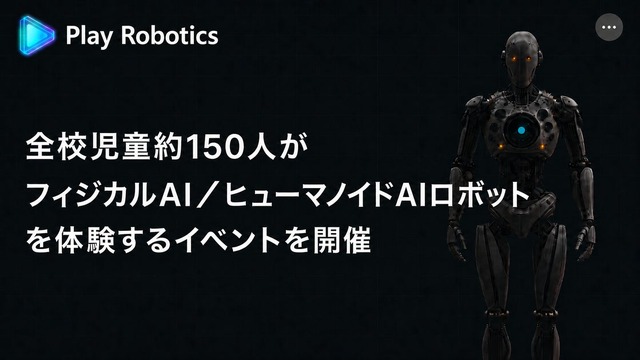
First educational event in Japan featuring humanoid demonstrations and physical AI experiences at elementary schools on June 26.
Play Robotics, a company specializing in safety evaluation and support for the integration of humanoid robots, is set to host a Physical AI Experience event on June 26, 2026. The event will take place at Shiroyama Elementary School in Inagi City. This initiative aims to provide participants with hands-on experiences to explore the capabilities and safety of humanoid robots, promoting awareness and understanding of AI technologies in educational environments. Through interactive demonstrations and activities, attendees will gain insights into the practical applications of robotics and artificial intelligence in everyday life.

Aoyi Technology Showcases Innovative Products at WAIC 2026 Addressing Real-World Needs
On July 17, 2026, the World Artificial Intelligence Conference (WAIC) opened in Shanghai, attended by President Xi Jinping, who emphasized the importance of global AI cooperation. Aoyi Technology presented its full range of self-developed hardware, including the CeRelax EEG headset, gForce Ultra EMG wristband, and lower limb rehabilitation exoskeleton, focusing on practical applications in real environments. The showcased products aim to address specific pain points in various scenarios, such as the lower limb exoskeleton, which assists users in walking without the need for muscle signal collection. The gForce Ultra wristband captures minute muscle contractions to aid rehabilitation and optimize robotic operations, while the CeRelax headset bridges the gap between high-end research and consumer needs in brain health. Looking ahead, Aoyi Technology's Vice President Zhang Qi highlighted the industry's shift towards functional product development. The company plans to extend its capabilities into the education sector with a new matrix of embodied intelligence educational products designed for vocational schools, aiming to cultivate practical engineering talent. No further timeline was disclosed at the time of publication.
Brain-Machine Interfaces Wearable Technology Rehabilitation Robotics Educational Technology
MassRobotics Launches Sponsorships for RoboBoston 2026 and AI Career Fair Announcement
MassRobotics has revealed plans for RoboBoston 2026, its ninth annual Robot Block Party, scheduled for September 26, alongside a Robotics & AI Technical Career Fair on September 25. The event will take place at Boston’s Seaport and is expected to host over 50 robotics companies, universities, and student teams, showcasing interactive exhibits and demonstrations. The significance of RoboBoston lies in its role in highlighting the region’s robotics ecosystem, uniting industry, academia, and students. Attendees will experience a variety of activities, including a Sidewalk Robot Parade and a ribbon-cutting ceremony, while exhibitors will present new technologies and research projects. MassRobotics has opened sponsorship opportunities, inviting organizations to support the event and promote STEM education and robotics innovation. Looking ahead, the Robotics & AI Technical Career Fair on September 25 aims to connect employers with technical talent in the robotics and AI sectors. Previous events have drawn over 800 job seekers, making it a valuable opportunity for both companies and candidates. No further timeline was disclosed at the time of publication.
Business Features ai careers artificial intelligence automation boston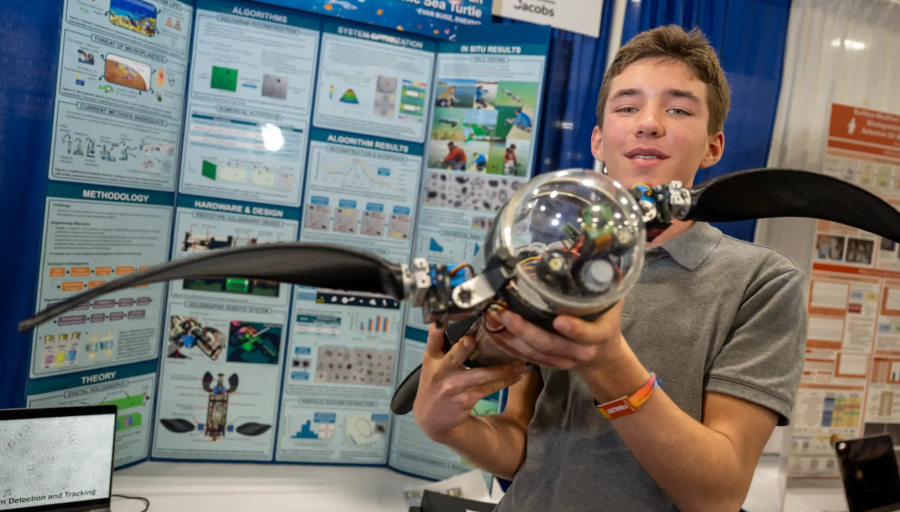
16-Year-Old Evan Booz Develops AI Turtle for Microplastic Detection, Wins $50,000 Scholarship
Evan Booz, a 16-year-old from Canada, has created an AI-powered robotic turtle capable of swimming autonomously to detect microplastics. His innovation earned him the Gordon E. Moore Award at the Regeneron International Science and Engineering Fair in May, along with a $50,000 scholarship. The robotic turtle, inspired by a camping trip where Booz observed a snapping turtle, took about five months to develop. It features an underwater 3D holographic camera and an AI model trained to identify microplastics, achieving a 94% accuracy rate. This technology allows for real-time analysis in water, eliminating the need for time-consuming and costly laboratory sample testing. Booz plans to use the scholarship for his college education in science or engineering and aims to open-source his research to advance microplastic monitoring technology. As the AI turtle quietly navigates lakes, it represents both the curiosity of a young inventor and a critical tool in addressing the urgent issue of microplastic pollution.
AI Robotics Environmental Technology Microplastic Detection Sustainable Innovation
Unitree and AgiBot Launch Retail Stores: Humanoid Robots Enter Physical Market
Two leading Chinese humanoid robot companies, Unitree Technology and AgiBot, announced the opening of retail stores in shopping malls on the same day. This move signals a shift in competition from technical specifications to real-world user engagement, as both companies aim to showcase their robots to consumers. The significance of this development lies in several factors. First, the cost of humanoid robots is decreasing, with projected BOM costs dropping from 250,000-400,000 RMB in 2025 to 150,000-250,000 RMB in 2026, making them more affordable for retail environments. Second, the retail stores provide a unique opportunity for consumer education, allowing the public to experience humanoid robots up close, which is crucial for market acceptance. Looking ahead, the success of these retail initiatives will depend on consumer interaction within the stores. The next steps for visitors—whether they engage in experiences, trials, or purchases—will ultimately shape the retail model for humanoid robots. As competition evolves, the focus will shift from technological superiority to user perception and acceptance in everyday life.
Humanoid Robots Retail Technology Consumer Experience B2B Solutions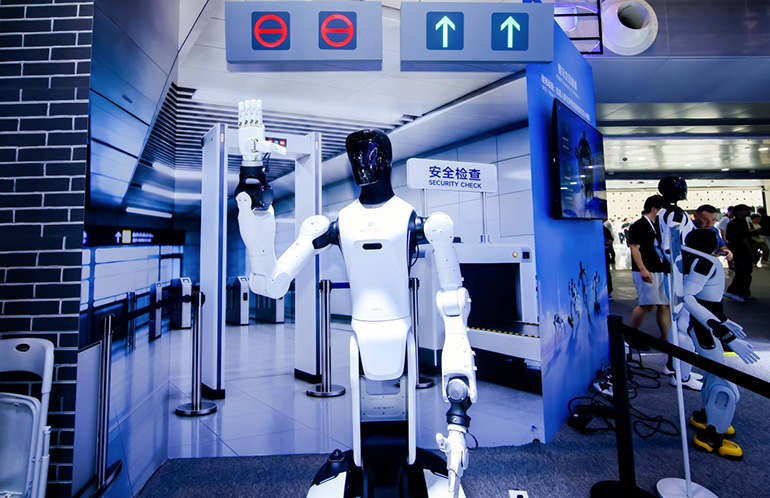
AGIBOT Launches Four New Embodied AI Products at WAIC 2026
AGIBOT unveiled four new embodied AI products at the World Artificial Intelligence Conference (WAIC) 2026, expanding its portfolio with humanoid platforms, industrial robots, and dexterous manipulation systems. The new offerings include the AGIBOT A3 Ultra, G2 Max, and OmniHand 3 Ultra-M, designed to address the challenges of reliable manufacturing and integration in real-world environments. The significance of these launches lies in AGIBOT's commitment to moving beyond mere demonstrations of robotic capabilities. Co-founder Peng Zhihui emphasized the importance of consistent performance in operational settings, highlighting the company's focus on delivering practical value at scale. AGIBOT's recent production milestone of 15,000 robots underscores its rapid growth and ambition in the robotics sector. Looking ahead, AGIBOT aims to further develop its “Three Intelligences in One” architecture, which integrates locomotion, interaction, and manipulation. The company is also set to showcase its products and capabilities at its exhibition space in Shanghai, with a focus on commercial, service, and educational applications. No further timeline was disclosed at the time of publication.
Arms / Manipulators Artificial Intelligence Artificial Intelligence / Cognition Autonomous Mobile Robots (AMRs) Cameras / Imaging / Vision China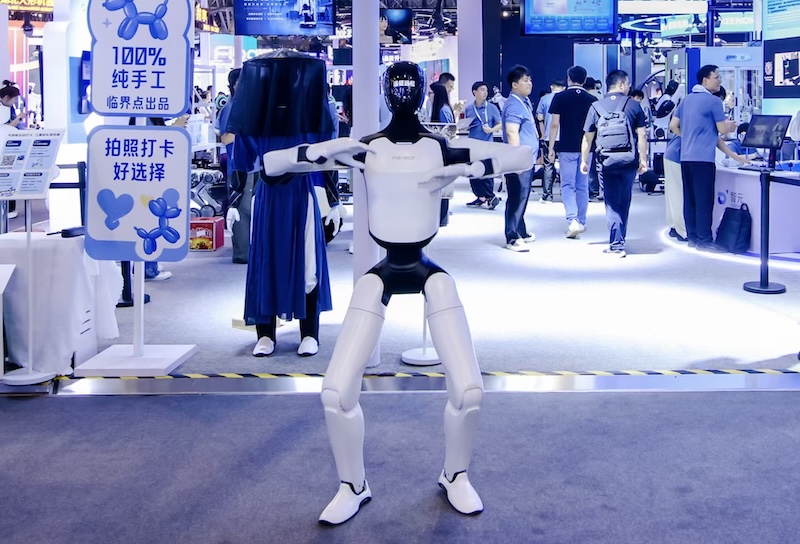
AGIBOT Launches Four New Robots at WAIC 2026, Expanding Industrial AI Portfolio
AGIBOT introduced four new robotic products at the World Artificial Intelligence Conference (WAIC) 2026 in Shanghai, enhancing its humanoid robots and industrial automation systems. The new offerings include the AGIBOT A3 Ultra humanoid robot, X2 EDU education platform, G2 Max industrial robot, and OmniHand 3 Ultra-M dexterous robotic hand, alongside the deployment of over 30 robots for visitor assistance at the event. This expansion is significant as it underscores AGIBOT's commitment to advancing embodied AI technology, moving beyond mere demonstrations to reliable integration in real-world applications. The A3 Ultra, G2 Max, and OmniHand 3 Ultra-M are designed to tackle critical challenges in humanoid platforms, industrial tasks, and dexterous manipulation, reflecting the company's focus on delivering practical value at scale. Looking ahead, AGIBOT's strategy aims to transition embodied AI from laboratory settings to consistent commercial and industrial workflows. No further timeline was disclosed at the time of publication.
Events Humanoids News A3 Ultra agibot artificial intelligence
Palm Garden AI Introduces Coherence Guard for Enhanced Human-Robot Interaction
Palm Garden AI has developed Coherence Guard, a relational decision layer aimed at improving the behavior of service robots in human environments. This platform-agnostic technology evaluates actions before execution, ensuring they are relationally coherent by considering factors such as timing, proximity, and emotional tone. The significance of Coherence Guard lies in its potential to enhance the interaction between humanoid robots and humans in various sectors, including hospitality, care, and education. CEO Joachim Scheuerer emphasized that the technology does not replace existing systems but adds a crucial layer for evaluating social appropriateness, which is essential as robots become more integrated into everyday life. Looking ahead, the demand for such relational decision-making capabilities is expected to grow as service robots become more prevalent in human-centric environments. No further timeline was disclosed at the time of publication.
Artificial Intelligence Artificial Intelligence / Cognition Development Tools / SDKs / Libraries Healthcare Robotics Human Robot Interaction / Haptics Humanoids
Deloitte Reports Over 2 Million Manufacturing Jobs Could Remain Unfilled Due to Skills Gap
Deloitte has revealed that more than 2 million jobs in the manufacturing sector may remain unfilled due to a significant shortage of skilled workers. This alarming statistic highlights the urgent need for collaboration between industry experts and educators to address the skills gap in higher education. The implications of this skills gap are profound, as unfilled positions could hinder growth and innovation within the manufacturing industry. By fostering partnerships between educational institutions and manufacturing companies, stakeholders can develop targeted training programs that equip students with the necessary skills to meet industry demands. Looking ahead, it will be crucial to monitor initiatives aimed at bridging this skills gap. No further timeline was disclosed at the time of publication, but ongoing efforts in collaboration between academia and industry will be essential to ensure a skilled workforce for the future of manufacturing.

MIT and York University Study Visual Learning in the Brain Using Neural Networks
Researchers at MIT’s McGovern Institute for Brain Research and York University in Toronto have investigated how visual learning occurs in the brain. By analyzing neural activity and utilizing computational modeling, they compared the learning processes of animals and an artificial neural network designed to mimic brain architecture. Their findings, published on July 8 in Nature Communications, reveal that changes in visual processing are crucial for learning to discriminate new objects. This research is significant as it enhances our understanding of the brain's adaptability and the mechanisms behind visual learning. The study suggests that while the overall activity patterns in the inferior temporal cortex remain stable, subtle changes occur in response to learned object recognition. These insights could inform educational strategies and improve learning outcomes across various contexts. Looking ahead, the researchers aim to further explore how these modest changes in neural activity contribute to learning. They believe that artificial neural networks can provide valuable insights into biological learning processes, potentially leading to new experimental approaches and predictions that extend beyond current understanding. No further timeline was disclosed at the time of publication.
Research Neuroscience Learning Brain and cognitive sciences Computer modeling Vision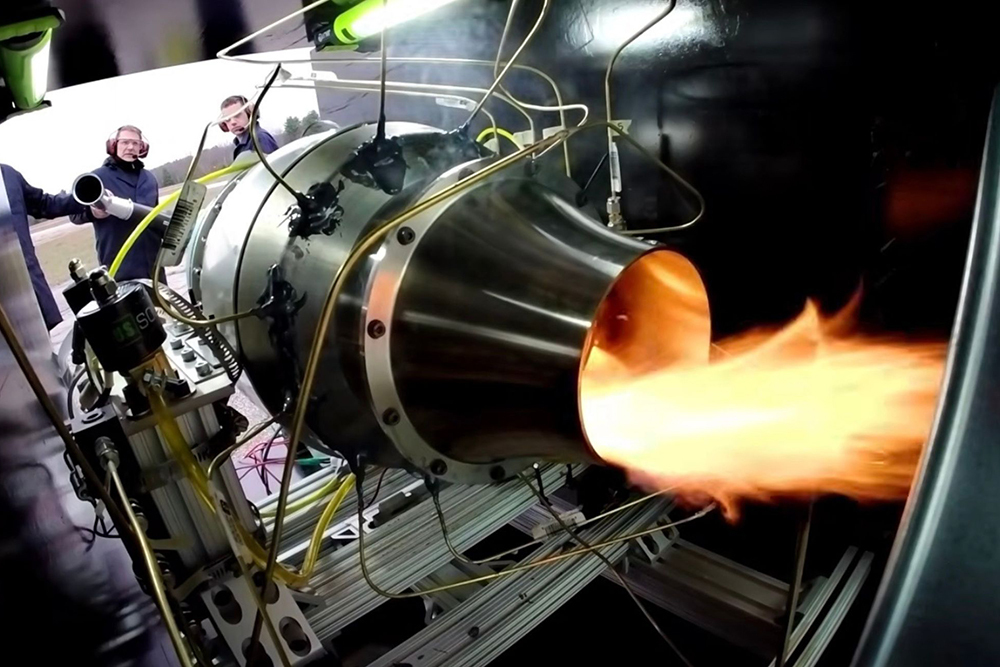
MIT's JARVIS Challenge Explores AI's Role in Jet Engine Engineering
The JARVIS Challenge, held at MIT, investigated the potential of AI in designing and building jet engines. Over four weeks, undergraduate teams utilized AI tools to create a small gas turbine engine, aiming for a thrust of 50-100 pounds. Professor Zolti Spakovszky emphasized that while AI can enhance hardware engineering, human engineering judgment remains crucial. This initiative is significant as it highlights the evolving relationship between AI and engineering, particularly in safety-critical domains. With support from MIT Lincoln Laboratory and corporate sponsors like Safran and Voyager Technologies, students had unprecedented access to AI resources, fostering an environment of innovation and exploration. Looking ahead, the challenge showcased the importance of integrating AI into engineering workflows. As students learned to navigate AI's capabilities and limitations, it raises questions about the future of engineering education and the skills required in a rapidly changing technological landscape. No further timeline was disclosed at the time of publication.
Classes and programs Contests and academic competitions Students Undergraduate STEM education Artificial intelligence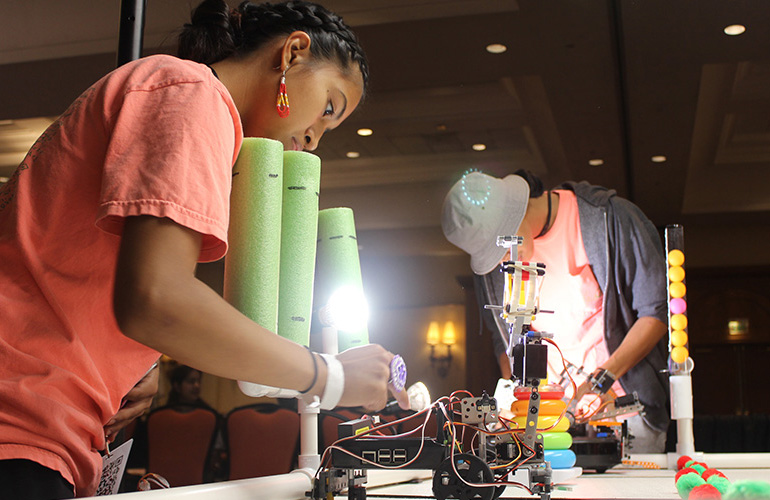
KISS Institute Launches BotBall to Enhance STEM Education with Student-Led Robotics
The KISS Institute for Practical Robotics (KIPR) has introduced BotBall, a robotics program designed to foster creativity and critical thinking among students. This initiative emphasizes student-led engineering, allowing participants from elementary to high school to engage in hands-on learning using a standardized kit. The program ensures a level playing field by providing all teams with the same materials, promoting accountability and project management skills without adult intervention during competitions. BotBall challenges traditional educational models by integrating real programming languages like C and Python into its curriculum, demonstrating that students can handle complex coding at an early age. The Junior Botball Challenge (JBC) further innovates by allowing up to five students to collaborate on a single robot, shifting the focus from competition to inquiry-driven problem solving. This approach encourages teamwork and a deeper understanding of both mechanics and software among participants. As the school year approaches, KIPR is expected to release more details about the upcoming competition schedule. The BotBall program represents a significant shift in STEM education, moving away from conventional roles and fostering a new generation of students who are well-versed in both engineering and programming disciplines. No further timeline was disclosed at the time of publication.
Autonomous Mobile Robots (AMRs) Educational News competition education workforce
AI in Medical Education: Enhancing or Misinforming Clinical Reasoning and Diagnostic Accuracy?
The integration of artificial intelligence in medical education is generating both challenges and opportunities, according to recent findings. Experts advocate for the development of curricula that emphasize active engagement and literacy in AI technologies. This shift aims to better prepare future healthcare professionals to navigate the complexities of AI in clinical settings. As medical institutions explore innovative teaching methods, the goal is to enhance students' understanding and application of AI tools, ultimately improving patient care. The ongoing discussions highlight the necessity for educators to adapt to the evolving landscape of medical training, ensuring that graduates are equipped with the skills needed to thrive in a technology-driven environment.
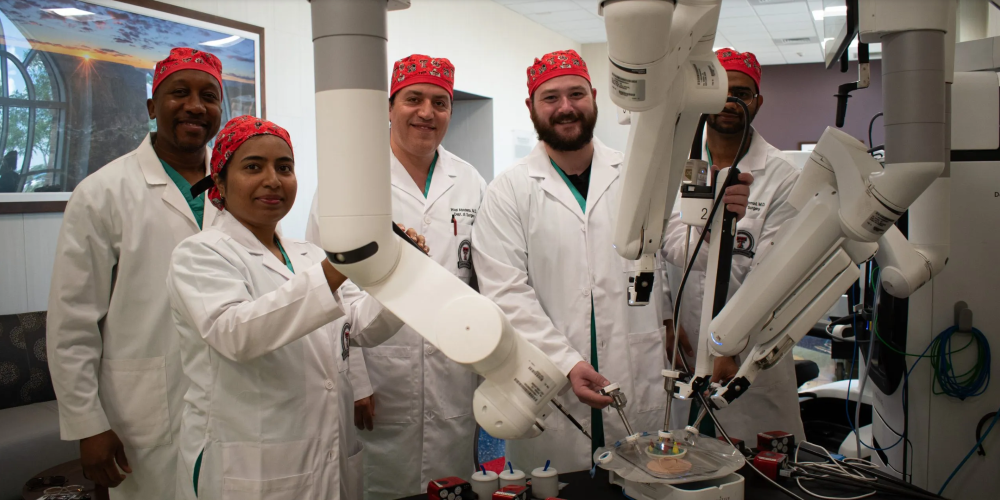
Texas Tech Surgeons Initiate Training with Advanced da Vinci Surgical System
In July, Texas Tech University Health Sciences Center (TTUHSC) welcomed its first cohort of general surgery residents, who began their training with the da Vinci Surgical System. This innovative approach aims to equip new surgeons with skills comparable to those at leading institutions like Mayo Clinic and hospitals in Dallas and Houston. The training program, led by Dr. Izzy Obokare, emphasizes a systematic learning process over five years, allowing residents to master robotic surgery techniques. The da Vinci Surgical System, approved by the FDA in 2024, features a tactile feedback system that enhances the surgical experience by reducing tissue trauma and promoting quicker recovery. TTUHSC's initiative aims to provide high-quality surgical care in the Texas Panhandle, minimizing the need for residents to travel to larger cities for advanced procedures. The program also includes an open experience event for healthcare providers to witness the capabilities of robotic surgery firsthand, showcasing the arrival of cutting-edge surgical technology in rural Texas.
Robotic Surgery Medical Technology Surgical Training Healthcare Innovation
BETA Technologies Advocates for Practical Applications of Advanced Air Mobility
BETA Technologies is advocating for a broader approach to advanced air mobility, emphasizing practical transportation solutions over futuristic passenger services. At the Korea Drone and UAM Expo, Patrick Buckles, Regional Head of Aircraft Sales, highlighted the company's strategy that integrates electric aircraft, charging infrastructure, and pilot training for various missions. Founded in 2017, BETA has developed its operations around electric aircraft, multimodal charging systems, and enabling technologies such as electric propulsion and battery technology. The company has successfully flown over 300,000 kilometers and is targeting applications in cargo, defense, medical transport, and passenger services with its two aircraft platforms: the ALIA CTOL and ALIA VTOL, which share design commonality for enhanced safety and simplicity. Looking ahead, BETA's focus on operational advantages, such as lower energy and maintenance costs, positions electric aviation as a viable alternative to conventional aircraft. The potential for zero emissions and reduced noise levels could facilitate community acceptance and support critical missions like medical transport in remote areas. No further timeline was disclosed at the time of publication.
Advanced Air Mobility DL Exclusive Drone News Drone News Feeds eVTOL News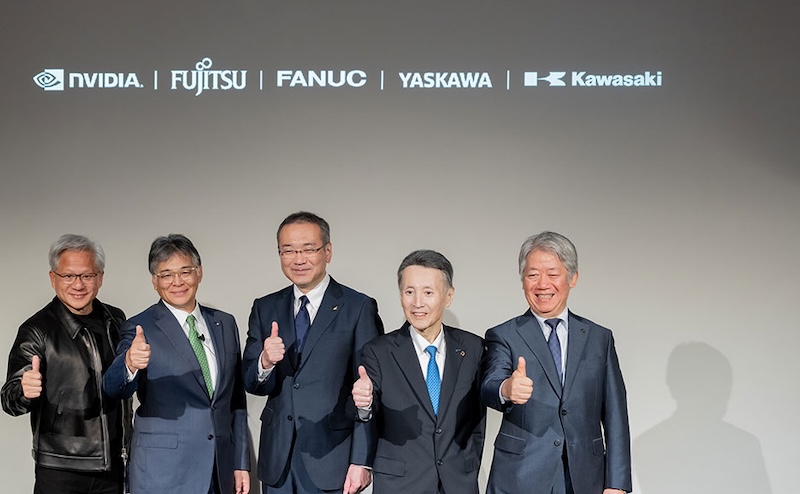
Fujitsu Collaborates with Fanuc, Yaskawa, and Kawasaki to Enhance Physical AI with Nvidia
Fujitsu has initiated a partnership with Japanese robotics firms Fanuc, Yaskawa Electric, and Kawasaki Heavy Industries to advance the development and deployment of physical AI in sectors such as manufacturing, logistics, and healthcare. This collaboration will leverage Nvidia's physical AI technologies to create a collaborative control platform that connects digital systems with robots and physical equipment. The initiative aims to accelerate the adoption of physical AI, addressing challenges like labor shortages and an aging workforce while enhancing global competitiveness. The platform will optimize production planning in manufacturing, automate material handling in logistics, and improve healthcare operations by automating the transport of medical supplies and assisting with patient interactions. Fujitsu plans to develop an open collaborative control platform that integrates AI, robotics, and data analysis technologies, ensuring interoperability and addressing cybersecurity concerns. No further timeline was disclosed at the time of publication.
Artificial Intelligence Industry News ai factory automation fanuc
Panasonic Connect's Scott Zerkle Discusses AI's Role in Smart Manufacturing Transformation
Panasonic Connect is at the forefront of transforming manufacturing systems as electronics become smaller and more complex. The company offers smart manufacturing solutions that integrate surface-mount technology (SMT), robotics, AI analytics, and connected factory platforms. Through its Gemba Process Innovation strategy, Panasonic Connect aims to enhance productivity and operational resilience in factories. The increasing complexity of electronics, particularly in vehicles and industrial systems, is reshaping production line design and operations. Scott Zerkle, associate director of technical operations at Panasonic Connect North America, emphasizes that AI's primary value lies in supporting factory workers through predictive maintenance and defect detection, rather than replacing them. He highlights the need for manufacturers to connect data across various production elements to foster continuous improvement. Looking ahead, Zerkle predicts that the next significant advancement in smart manufacturing will involve integrating AI tools with data from machines and materials. This integration will enable factories to learn from their production history, ultimately enhancing efficiency and adaptability in high-mix production environments. No further timeline was disclosed at the time of publication.
Communications Computing Digital Automation Features Manufacturing ai
Key Developments to Anticipate at the 2026 Farnborough International Airshow
The 2026 Farnborough International Airshow is expected to showcase significant advancements in aerospace technology and innovation. Industry leaders and companies will likely unveil new aircraft models, cutting-edge technologies, and strategic partnerships that could reshape the aviation landscape. This event is crucial for stakeholders in the aerospace sector, as it provides a platform for networking, collaboration, and investment opportunities. The airshow will highlight trends in sustainability, defense, and commercial aviation, reflecting the industry's response to evolving market demands and regulatory pressures. As the event approaches, attendees should keep an eye on announcements regarding new aircraft designs and technological breakthroughs. The Farnborough Airshow serves as a barometer for the future of aviation, making it essential for professionals to stay informed about the developments that could impact their operations and investments.
Air Warfare Global Air Force Business & Industry CCA collaborative combat aircraft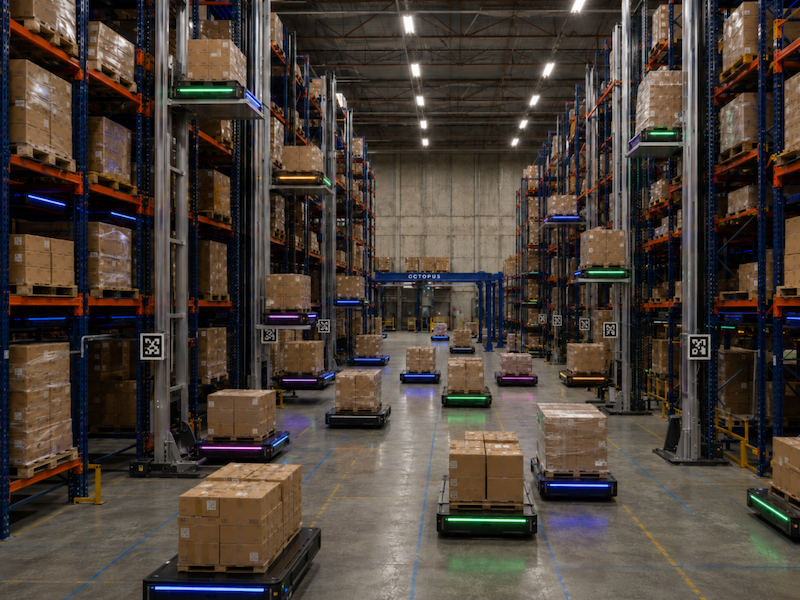
Real-Time Supply Chains Transform Industrial Real Estate and Inventory Management
Recent advancements in predictive analytics, robotics, and data-driven logistics are reshaping industrial real estate by reducing reliance on large inventories. Traditionally, warehouses were designed to manage uncertainty through storage, but the shift towards real-time coordination is changing this paradigm. As supply chains become more connected and visibility improves, the need for extensive inventory diminishes, leading to a redesign of facilities focused on efficient operations. This transformation is significant as it alters the fundamental structure of industrial real estate, moving away from storage-heavy models to those optimized for continuous movement. Just as the introduction of standardized shipping containers revolutionized logistics, the new design principles for automation and throughput will set long-lasting standards for future infrastructure. The choice of facilities that prioritize flow over storage will influence the development of buildings, vehicles, and logistics networks for years to come. Looking ahead, the role of intermediate facilities is evolving from inventory storage to dynamic transfer points, facilitating the movement of goods between transportation modes. As data accessibility increases and transportation systems become more coordinated, the industry must adapt to these changes. No further timeline was disclosed at the time of publication.
Features Logistics Supply chain automation autonomous logistics digital twins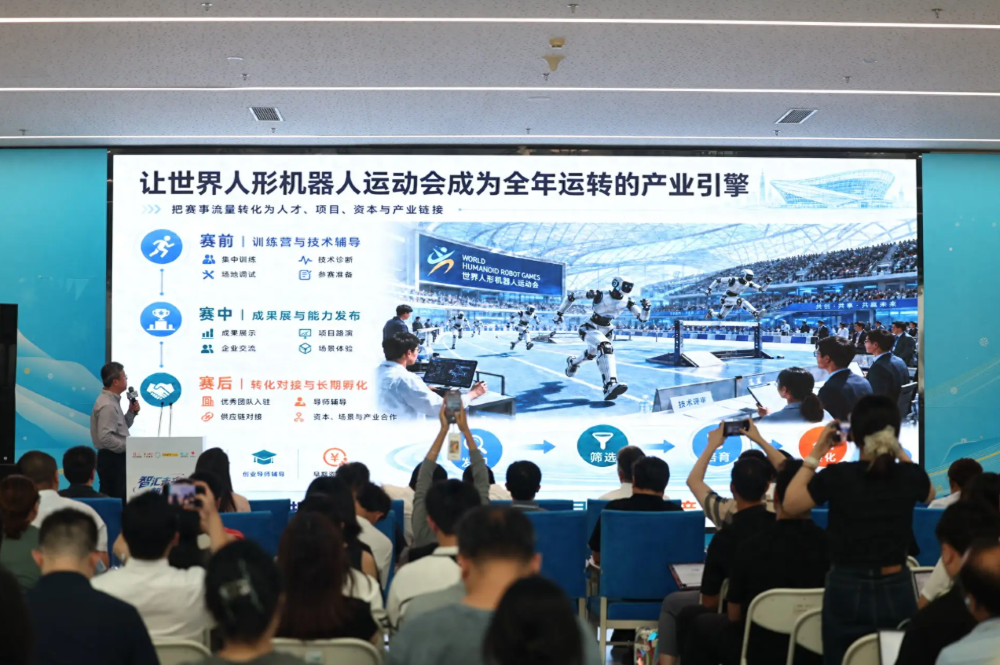
Beijing Launches 2,000 Square Meter Hub for Humanoid Robot Training at Ice Ribbon
On July 16, Beijing officially opened the Humanoid Robot Training Base at the Ice Ribbon, a 2,000 square meter innovation workshop. This facility will serve as a core venue for the upcoming second World Humanoid Robot Games in August. It was co-established by several organizations, including the Chaoyang Park Management Committee and Beijing Olympic Group, featuring research labs and testing areas. The establishment of this workshop is significant as it aligns with Chaoyang District's three-year action plan for the robotics industry, which has seen over 100 humanoid robot companies emerge in the area. The workshop aims to facilitate technology transfer and support the development of public service platforms for financing and research collaboration, enhancing the local robotics ecosystem. Looking ahead, the Olympic Village Street will actively participate in the workshop's development, providing real-world urban governance scenarios for companies. With the introduction of new application scenarios in various sectors, including environmental monitoring and elder care, the Ice Ribbon is evolving from an Olympic landmark into a major incubator for embodied intelligence in Beijing. No further timeline was disclosed at the time of publication.
Humanoid Robots Robot Training Innovation Workshop AI Technology
Dynamic Pricing Could Enhance Profitability for Air Taxis, Researchers Suggest
Research presented at the Korea Drone and UAM Expo indicates that dynamic pricing could make airport air taxis economically viable. The study, led by Mark Hansen from the University of California, Berkeley, highlights that airport transportation may be a strong commercial opportunity for electric vertical takeoff and landing (eVTOL) aircraft, particularly for routes to Los Angeles International Airport (LAX). The findings suggest that air travel can significantly reduce delays caused by road congestion, appealing to travelers who prioritize time savings. The researchers modeled a network of eight regional vertiports within 30 miles of LAX, estimating passenger demand based on current taxi and rideshare usage. They concluded that while ground travel times vary, UAM flight times remain consistent, offering substantial time savings during peak traffic. A key recommendation from the research is the implementation of variable pricing, akin to surge pricing in rideshare services. This approach could maximize revenue by aligning prices with the time savings perceived by travelers. The study points to Anaheim, California, as a potential market where dynamic pricing could support profitable operations that a fixed pricing model might not sustain.
Advanced Air Mobility Air Taxi Drone News Drone News Feeds Drones in the News News
Shanghai Advances BCI Development: The Race for Commercialization Has Started
Shanghai is emerging as a key player in the global brain-computer interface (BCI) competition. The Shanghai Municipal Commission of Economy and Information Technology recently released the 'Three-Year Action Plan for the Industrialization of Brain-Computer Interfaces (2026-2028)', which aims to establish a leading national industrial chain ecosystem in the non-invasive BCI sector by 2028. The plan includes nurturing at least 50 related enterprises and achieving large-scale applications of core products in medical rehabilitation and cognitive training. This initiative is not just a theoretical blueprint. A team led by Academician Zhou Liangfu from Huashan Hospital's Neurosurgery Department, in collaboration with the Institute of Microsystem Research at the Chinese Academy of Sciences, has developed an implanted BCI product that has completed its first clinical trial with volunteers for motor function rehabilitation in paraplegic patients. Shanghai is adopting a parallel strategy with multiple technological routes, supporting invasive, semi-invasive, and non-invasive teams with dedicated funding, with non-invasive approaches progressing more rapidly. The Pudong New Area has designated a 'Brain Science Industrial Base' where the first batch of companies can benefit from various supports, including R&D expense deductions and expedited clinical trial processes. Shanghai's goal is clear: to become the city with the lowest operational costs and minimal policy friction for BCI enterprises. As the global BCI landscape evolves, Shanghai's focus on industrialization aims to establish a commercial loop in hospitals while ensuring safety and regulatory compliance, leveraging China's vast market potential in stroke rehabilitation, youth attention training, and early Alzheimer's screening.
Brain-Computer Interfaces Healthcare Technology Neurorehabilitation Cognitive Training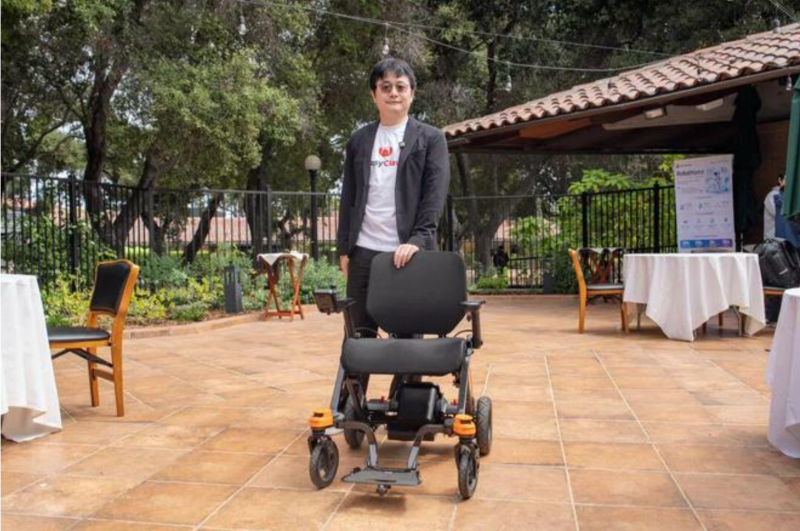
Smart Wheelchair Captivates Attention at Stanford AI Summit Over Humanoid Robots
At the Humanity & AGI Summit held at Stanford University, a smart wheelchair presented by Fu Sheng, Chairman of Cheetah Mobile, garnered significant attention, overshadowing humanoid robots. Attendees were drawn to the wheelchair's autonomous obstacle avoidance and user-friendly features, prompting many to experience it firsthand. The interest in the smart wheelchair highlights a critical shift in the robotics landscape, as Fu Sheng noted that humanoid robots are unlikely to achieve commercial scalability in the next five to ten years. He emphasized that the current limitations in software and hardware development hinder the practical application of humanoid robots, with most sales directed towards research institutions rather than commercial markets. Looking ahead, the focus on practical solutions like the smart wheelchair suggests a growing recognition that functionality is more important than form in robotics. As the industry continues to evolve, the demand for effective, user-centric products will likely shape future innovations, steering attention away from humanoid designs towards more practical applications.
Smart Wheelchairs Humanoid Robots AI Technology Robotics Assistive Devices
RevOps for Robotics OEMs Integrates AI Agents as New GTM Operating System
RevOps for robotics OEMs is evolving to unify sales, marketing, and customer success teams under a strategic framework. This integration aims to enhance customer attraction and retention, increase average order value (AOV), and maximize customer lifetime value (CLV), all while optimizing costs. Efficiency is paramount, making tech stack management a critical function of RevOps. The introduction of Go-to-Market (GTM) AI agents is transforming the tech stack, enabling improved predictive forecasting, market data analysis, and buyer intent tracking. These AI agents streamline lead routing, scheduling, and personalized outreach, allowing RevOps teams to focus on innovative strategies to drive revenue growth. The use of GTM AI APIs facilitates the development of core tech stack layers, enhancing the ability to analyze prospect interactions and identify effective sales tactics. As AI agents are integrated into intent layers, they monitor high buying intent signals and enrich prospect profiles by gathering data from various sources. This data is visualized as contact graphs, enabling targeted outreach. A practical example in the robotics OEM sector illustrates how these AI agents enhance operational efficiency and strategic decision-making, ultimately contributing to revenue preservation and growth.
AI agents Technology agentic ai ai agents artificial intelligence automation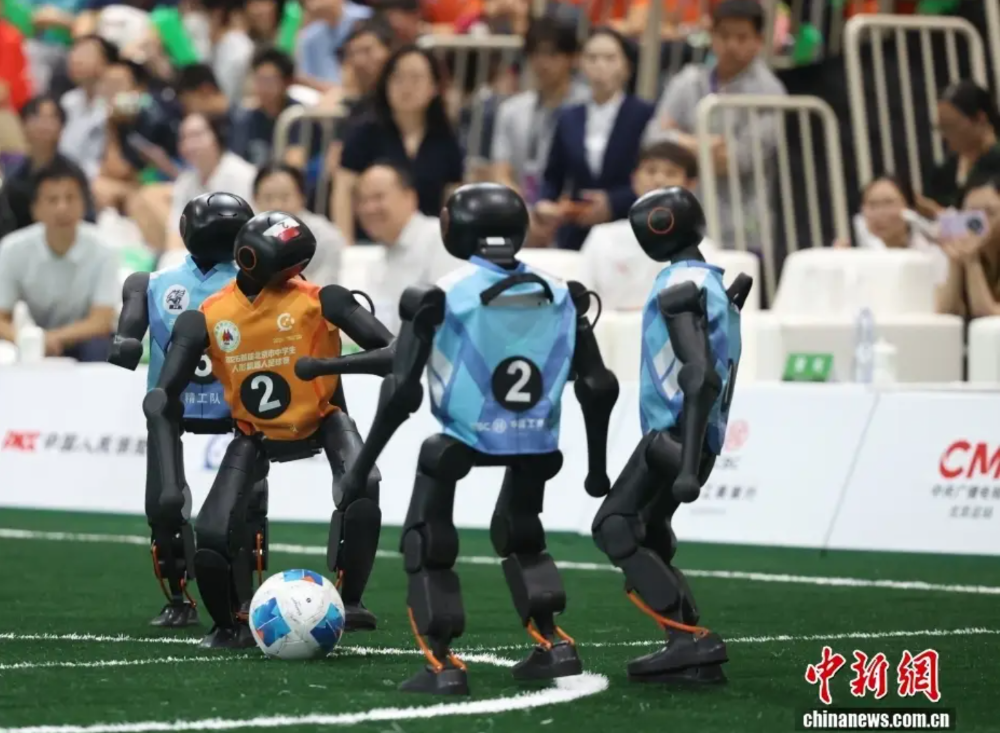
Beijing Hosts First Humanoid Robot Soccer Championship for High School Students
On July 22, the inaugural Beijing High School Humanoid Robot Soccer Championship concluded at Tsinghua University High School. Launched on April 11, the competition involved 55 teams from 16 districts in Beijing and Xiong'an New Area, divided into two groups: Group A with 24 teams and Group B with 31 teams. The championship aimed to integrate artificial intelligence education with practical technology application. Students not only programmed their robots but also developed algorithms, fine-tuned motion controls, and optimized visual recognition and teamwork strategies, enabling robots to make autonomous decisions during matches. The event served as a unique platform to enhance students' technological literacy and engineering skills through hands-on experience. As students watched their programmed robots navigate the field, AI transformed from a theoretical concept into a tangible reality, showcasing the potential of the next generation of engineers who have already coded their own robots at just 16 years old.
Humanoid Robots AI Education Robotics Competitions STEM Education
Avoiding the 'Hollowing Out' of AI Agents: Key Development Insights
The article discusses strategies to prevent AI agents from becoming ineffective in organizations. It emphasizes the importance of creating functional AI agents that meet real-world needs, particularly through the use of Microsoft Copilot Studio. Key points include selecting appropriate tasks, designing for user interaction, and ensuring continuous improvement based on user feedback. Understanding why AI agents often fail to be adopted is crucial for organizations. The insights provided by Persol Business Process Design highlight the need for a structured approach to AI implementation, focusing on operational efficiency and user engagement. By addressing common pitfalls, organizations can enhance the effectiveness of their AI initiatives. Looking ahead, organizations should prioritize the integration of AI agents with existing workflows and data sources. Continuous adaptation and user education will be essential for maximizing the return on investment in AI technologies. No further timeline was disclosed at the time of publication.
NVIDIA Launches DGX GB300 AI Supercomputer at Naval Postgraduate School
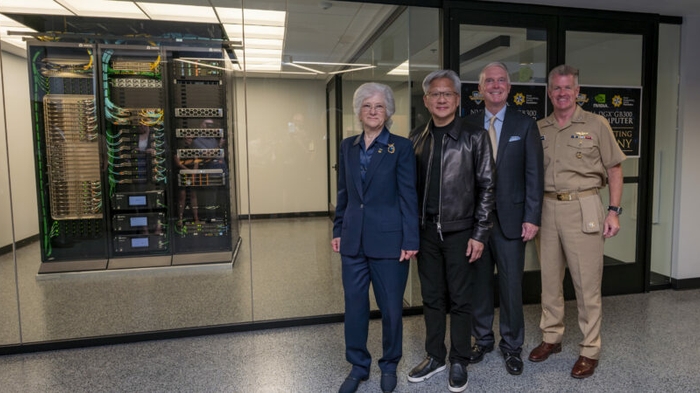
NVIDIA's founder and CEO Jensen Huang inaugurated the NVIDIA DGX GB300 supercomputer at the Naval Postgraduate School in Monterey, California. This advanced AI platform will support over 1,500 students and 600 faculty members, enhancing their capabilities in model training and inference for various applications, including cybersecurity and disaster response. The introduction of the DGX GB300 is significant as it strengthens the ongoing collaboration between NVIDIA and NPS, aimed at developing AI technologies for educational and practical use. The supercomputer is part of the NVIDIA AI Technology Center on campus, providing essential resources for research and instruction in AI. Looking ahead, the DGX GB300 will enable NPS to train foundation models and conduct high-fidelity simulations, enhancing the educational experience for military officers and international partners. No further timeline was disclosed at the time of publication.
Correction Notice for Research Article on Robot Peer Failures and Student Learning
An erratum has been issued for the research article titled 'Observing a robot peer’s failures facilitates students’ classroom learning' published in Science Robotics. This correction addresses inaccuracies found in the original publication, ensuring the integrity of the research findings. The importance of this erratum lies in its impact on the understanding of how robot interactions can enhance educational outcomes. The original study highlighted the role of robot peer failures in facilitating learning among students, a significant aspect of integrating robotics into educational settings. Moving forward, it will be essential to monitor any further updates or corrections related to this research. No further timeline was disclosed at the time of publication.
Errata
PrimeBOT Introduces Personal Robotics at the UN's AI for Good Summit in Geneva
PrimeBOT has introduced a new category of robotics known as Personal Robots at the UN's AI for Good Summit in Geneva. These robots are designed for everyday use in homes, allowing individuals to own, program, and create with them. The significance of PrimeBOT's initiative lies in its focus on education, inclusion, and enhancing human potential rather than merely showcasing technical specifications. This approach aims to foster a broader dialogue about the role of robotics in everyday life. Looking ahead, it will be important to monitor how PrimeBOT's Personal Robots influence discussions around accessibility and innovation in personal robotics. No further timeline was disclosed at the time of publication.

Electromate Announces Availability of Dobot Educational Robots and Accessories in Canada
Electromate has announced the launch of Dobot’s educational robots and accessories, now available to customers throughout Canada. This expansion, revealed on May 25, 2026, aims to support academic institutions, training centers, and research labs by providing a comprehensive ecosystem of robotic platforms designed for teaching robot programming, automation systems, and mechatronics. The Dobot educational lineup caters to various instructional levels, from K-12 to higher education. It includes entry-level platforms like the Magician Lite, which focuses on foundational coding and robotics skills, and the more advanced Dobot Magician Educational Version, which offers enhanced capabilities and accessory integration. For institutions seeking to provide advanced training, models such as the MG400 and Magician E6 are available, featuring higher payload capacities and multi-axis control suitable for industrial applications. In addition to the robots, Electromate offers a range of accessories, including electric grippers, suction cups, vision kits, and linear rail kits, enabling educators to create practical exercises that cover material handling, pick-and-place operations, and system integration. Electromate collaborates with educators to ensure that the robotic platforms meet curriculum objectives and lab requirements. With these products in stock for immediate delivery, institutions can prepare for the upcoming academic terms.
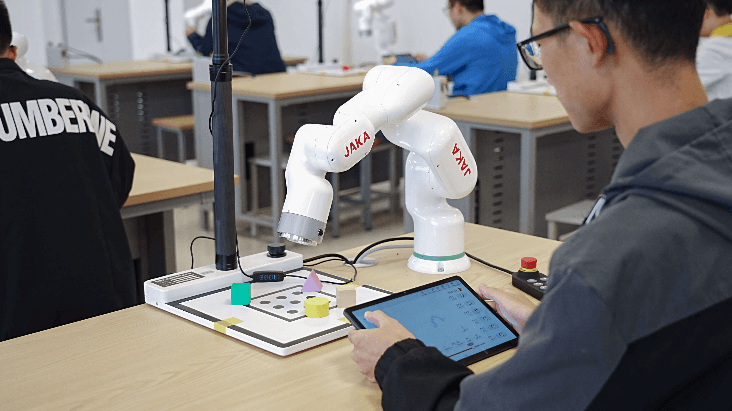
Automation and Industrial Robotics for Education: Training Programs and Platforms
JAKA, a leader in industrial automation and robotics, is revolutionizing technical education by integrating hands-on experience with industrial cobot systems into learning environments. This initiative aims to prepare students for future careers in manufacturing and engineering by providing practical knowledge that complements traditional theoretical studies. The company has developed training programs centered around the JAKA Pro16, an industrial cobot designed to operate in challenging environments, allowing students to engage in tasks such as palletizing, machine tending, and precision welding without damaging sensitive equipment. This hands-on approach helps learners understand the practical challenges of modern industrial settings. JAKA's modular platforms facilitate both individual and collaborative learning, enabling students to program trajectories, test automation sequences, and analyze data from integrated sensors. This immersive experience connects theoretical concepts with real-world applications, enhancing problem-solving skills and technical confidence. The goal of these educational programs is to equip students with the skills necessary for careers in manufacturing, engineering, and technology. By interacting with advanced robotics like the JAKA Pro16, students gain insights into mechanical operations, control systems, and safety protocols. JAKA also provides instructor guides and safety materials to ensure effective and secure learning. Through this commitment to integrating automation and robotics into education, JAKA is helping to bridge the gap between classroom learning and industry requirements, ultimately preparing the next generation for the evolving challenges of modern manufacturing.

OpenAI Invests Over $30 Billion in 3.2GW Data Center in Georgia
OpenAI is set to invest more than $30 billion in a large data center campus in coastal Georgia, aiming to provide up to 3.2 gigawatts of computing capacity over the next decade. This significant investment positions OpenAI among leading tech companies expanding hyperscale AI infrastructure in the U.S. The project is crucial as it addresses the increasing demand for AI computing resources, with the electricity capacity equivalent to the needs of approximately 2.4 million U.S. homes. OpenAI's CEO, Sam Altman, is expected to discuss next-generation AI models with U.S. lawmakers, highlighting the importance of regulatory frameworks in the evolving AI landscape. Looking ahead, the first several hundred megawatts of power are anticipated to be available by 2028, with construction continuing until 2032. OpenAI's strategic shift in infrastructure planning and its commitment to sustainable practices will be key factors to monitor as the project progresses.
AI and Robotics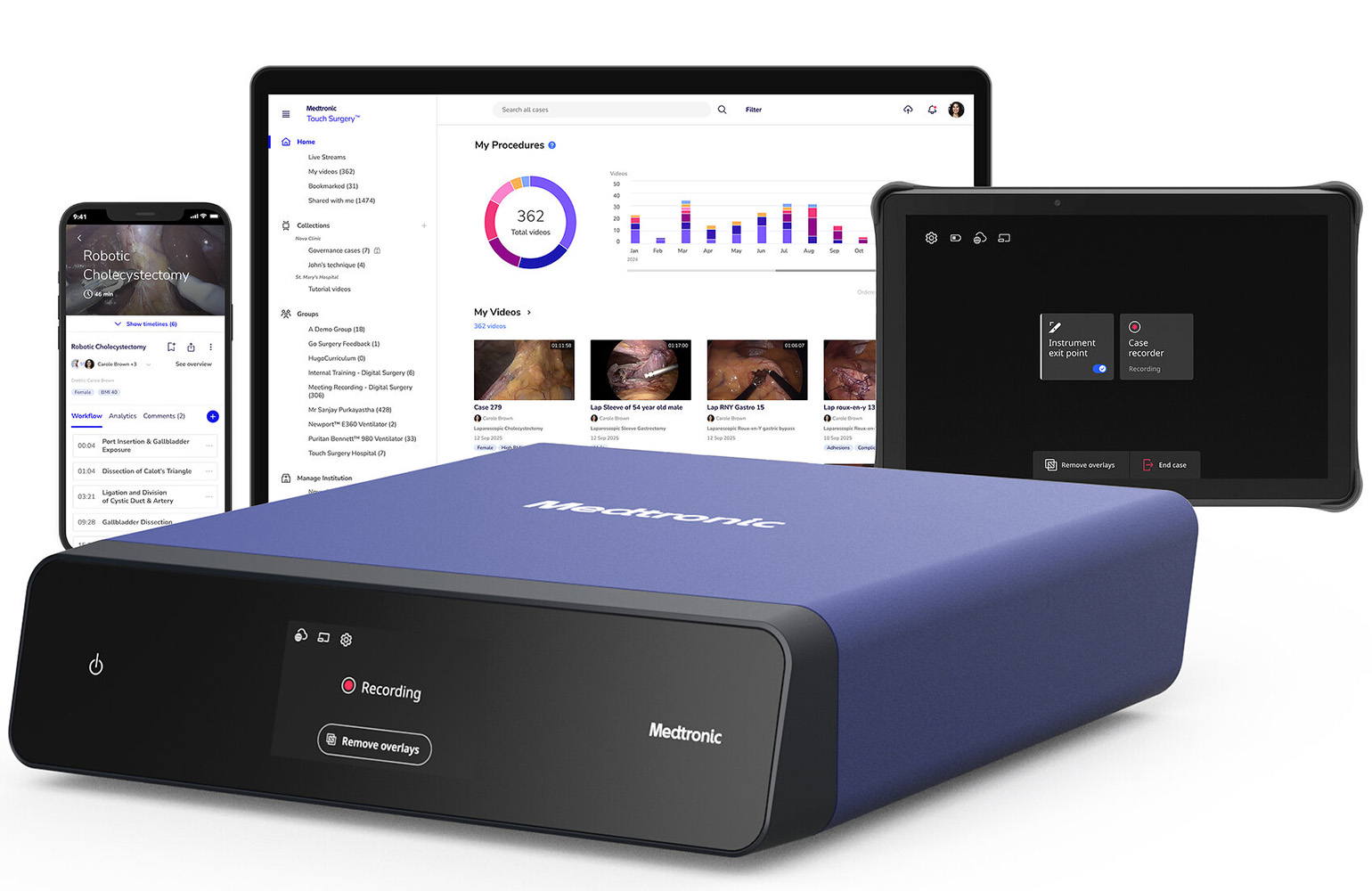
Medtronic Unveils AI Compute Platform Touch Surgery Aide for Operating Rooms
Medtronic PLC recently introduced its AI-powered compute platform, Touch Surgery Aide, designed for the operating room. This platform enhances the Touch Surgery Ecosystem by connecting pre-operative planning, intra-operative support, and post-operative insights, thereby simplifying surgical workflows and expanding access beyond individual operating rooms. The significance of Touch Surgery Aide lies in its ability to provide real-time AI-driven support during surgeries, offering actionable insights that enhance clinical decision-making. According to Jim Peichel, Medtronic's chief technology officer, this platform represents a fundamental evolution in surgical support, enabling teams to work more efficiently and effectively. Touch Surgery Aide will be showcased at the Society of Robotic Surgery (SRS) 2026 Annual Meeting in Hollywood, Florida. The platform incorporates NVIDIA's advanced computing technologies and is designed to support future expansion into laparoscopic surgery, with the Instrument Exit Point (IEP) application already receiving FDA clearance for use with the Hugo robotic-assisted surgery system.
Artificial Intelligence Artificial Intelligence / Cognition Design / Development Healthcare Robotics Markets / Industries News
Developing Effective Unmanned Collaborative Combat Aircraft: Key Concerns and Considerations
The development of unmanned collaborative combat aircraft is increasingly focused on enhancing capabilities, managing costs, and improving autonomy. These factors are critical in ensuring that these aircraft can effectively serve their intended roles in modern combat scenarios. Addressing these concerns is vital as military forces seek to integrate advanced unmanned systems into their operations. The effectiveness of these aircraft hinges on their ability to operate autonomously while maintaining cost-effectiveness, which is essential for large-scale deployment. Looking ahead, stakeholders in the defense sector should monitor advancements in technology that enhance the capabilities and autonomy of unmanned combat aircraft. Continuous innovation will be necessary to meet the evolving demands of military operations and to ensure these systems remain relevant in future combat environments.
Air Warfare Sponsored Post Air Force autonomous CCA collaborative combat aircraft
Taiwan's Robotics Industry to Follow Unique Path Distinct from China's Approach
Taiwan is set to enhance its robotics sector, focusing on strengthening its AI technology supply chain while addressing the challenges posed by an aging population. This initiative, led by Taiwan's top technology official Wu Cheng-wen, aims to differentiate Taiwan's approach from China's military-oriented robotics development. The emphasis on building a robust AI supply chain is crucial for Taiwan as it seeks to position itself as a leader in advanced robotics. By prioritizing societal needs, such as support for an aging society, Taiwan's strategy reflects a commitment to innovation that aligns with its democratic values, contrasting sharply with China's focus on military applications. Looking ahead, industry observers will be keen to see how Taiwan's robotics initiatives evolve and whether they can effectively compete with China's advancements. No further timeline was disclosed at the time of publication.
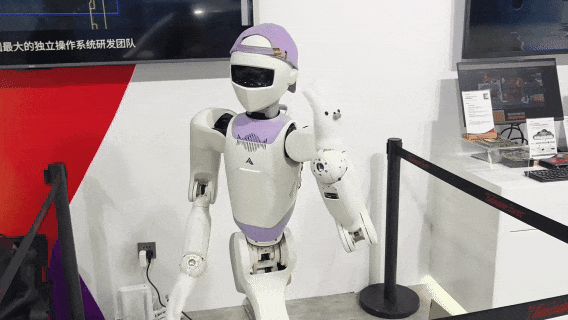
Ant Group and JD's Star Robot Showcase Versatile Applications at WAIC
At the WAIC, the focus shifted to practical applications of robotics, with over 60 out of 200 exhibiting companies emphasizing 'scenarios' for deployment. Notably, Ant Group and JD showcased their capabilities through a humanoid robot that efficiently sorted medications and assisted customers in retail environments. The significance of these demonstrations lies in the shift from theoretical models to real-world applications, highlighting the importance of operational capabilities in diverse scenarios. The humanoid robot, developed by Astribot, has been adopted by various companies, indicating a growing consensus on the need for versatile robotic solutions across different industries. Looking ahead, the industry is expected to continue evolving towards practical implementations of robotics, as highlighted by recent insights from Morgan Stanley. The emphasis on physical operational intelligence over general intelligence suggests that companies will increasingly seek robots that can perform complex tasks safely and effectively in various environments. No further timeline was disclosed at the time of publication.
AI Robotics Physical Intelligence Retail Automation Logistics Solutions
Microsoft Expands AI Partnership with Mistral, Secures Billion-Dollar European Infrastructure Deal
On July 21, Microsoft announced an expansion of its strategic partnership with French AI startup Mistral AI, securing a multi-billion dollar agreement focused on enhancing AI infrastructure in Europe. This collaboration aims to boost AI computing capabilities across the region. Under the agreement, Microsoft will leverage Mistral's expanded GPU infrastructure in Europe to support its cloud computing and AI services. This infrastructure will utilize thousands of NVIDIA Vera Rubin GPUs, enhancing the computational power available for AI applications. Additionally, Mistral's Medium 3.5 and OCR 4 models are now integrated into Microsoft's Foundry platform, with Medium 3.5 also joining Microsoft Copilot Studio for various applications. The partnership will extend AI deployment methods through Azure and Azure Local, catering to industries such as finance, healthcare, and manufacturing, which have stringent data compliance requirements. No further timeline was disclosed at the time of publication.

Bristol Myers Squibb and NVIDIA to Build Largest AI Supercomputer for Pharma by 2027
Bristol Myers Squibb (BMS) has partnered with NVIDIA to construct the largest AI supercomputer in the pharmaceutical sector, expected to be operational by January 2027. This supercomputer will be hosted by Equinix under a co-location agreement, marking a significant investment in AI technology for drug discovery. The initiative underscores the growing importance of high-performance computing in pharmaceuticals, as companies recognize that computational power is essential for advancing drug discovery processes. Unlike tech firms that rent computing resources, BMS has opted to purchase its own infrastructure, ensuring control over proprietary data and intellectual property. Looking ahead, BMS's AI supercomputer will feature NVIDIA's DGX SuperPOD, significantly enhancing performance and providing access to advanced AI tools. This strategic move aligns with BMS's commitment to leveraging AI for improved patient outcomes, as highlighted by Chief Digital and Technology Officer Greg Meyers. No further timeline was disclosed at the time of publication.
AI and Robotics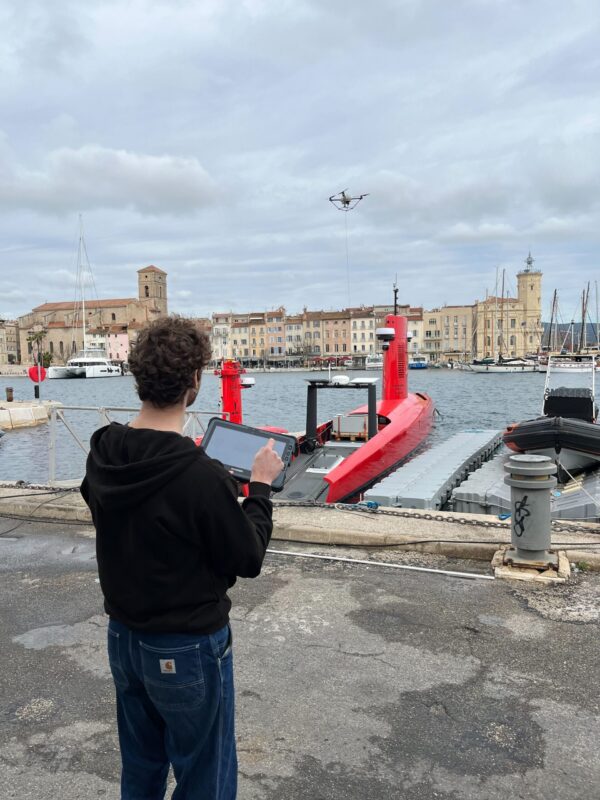
Elistair and Exail Collaborate on Tethered Drone Maritime Surveillance for Autonomous Vessels
Elistair has partnered with Exail to integrate its Khronos DroneBox with Exail's DriX unmanned surface vessel, enabling tethered drone maritime surveillance. This collaboration allows operators to maintain a persistent aerial view from shore, enhancing capabilities for naval, coast guard, and port security operations. The integration of the Khronos DroneBox with the DriX vessel marks a significant advancement in maritime surveillance technology. The tethered drone can operate for up to 24 hours at a height of 60 meters, providing real-time, encrypted video feeds even in challenging environments. This capability extends surveillance beyond traditional surface radar limits, making it ideal for various applications including coastal surveillance and search and rescue missions. Looking ahead, the partnership between Elistair and Exail is expected to evolve as they explore further applications of the Khronos system in maritime contexts. No further timeline was disclosed at the time of publication.
Drone News Drone News Feeds News safety and security seadrones Security
Lingdi Technology Demonstrates Advanced Clothing Simulation at WAIC 2026
At the WAIC 2026, Lingdi Technology showcased a compelling demonstration of robotic arms folding clothes, highlighting the complexities of handling flexible materials. The demonstration illustrated not just the end result of clothing manipulation but emphasized the intricate process of transforming garments into computable digital objects. This involves understanding various fabric properties and how they interact with robotic grippers, which is crucial for real-world applications in households and light industries. The significance of this demonstration lies in addressing the challenges robots face when dealing with flexible, deformable objects. Unlike rigid items, clothing can change shape and state when manipulated, requiring advanced algorithms to adapt to these variations. Lingdi Technology's SynReal World aims to bridge the gap between robotic systems and embodied models by providing a comprehensive data infrastructure for 3D asset generation, simulation training, and automated evaluation, ensuring that models undergo extensive physical interactions in a digital environment before real-world deployment. Looking ahead, the focus on flexible object simulation is critical as robots increasingly enter domestic and industrial settings. The ability to accurately simulate the handling of clothing and other soft materials will be essential for improving efficiency and reducing operational costs. No further timeline was disclosed at the time of publication.
Robotics Fabric Simulation AI Training Automation Soft Robotics
BrainCo Showcases Brain-Controlled Robot Platform at WAIC 2026 Event
BrainCo, a developer of brain-computer interfaces based in Hangzhou, showcased its innovative brain-controlled robot platform during WAIC 2026. This advanced system utilizes an EEG headset to convert neural signals from users into actionable commands for various machines, including humanoid robots, robotic arms, and robot dogs. The significance of this demonstration lies in its potential to revolutionize human-robot interaction by enabling users to control robots through thought alone. By translating imagined actions into physical operations, BrainCo's platform aims to enhance the efficiency and intuitiveness of robotic systems, paving the way for more seamless integration into everyday tasks. Looking ahead, the focus will be on how BrainCo continues to develop this technology and its applications across different sectors. No further timeline was disclosed at the time of publication.
News Feed
United Imaging Intelligence Reveals Meta Hospital Strategy for AI-Orchestrated Care Beyond Hospital Walls
United Imaging Intelligence introduced its Meta Hospital strategy at WAIC 2026, featuring the Yuan Doctor as a central agent. This innovative approach coordinates various AI agents involved in diagnostics, surgery planning, and patient monitoring, extending care beyond traditional hospital settings. This strategy is significant as it represents a shift towards a more integrated healthcare system, where AI plays a crucial role in managing patient care across different environments. By utilizing AI agents, United Imaging Intelligence aims to enhance efficiency and patient outcomes, addressing the growing demand for healthcare solutions that operate outside conventional hospital boundaries. Looking ahead, stakeholders should monitor the implementation of this strategy and its impact on healthcare delivery. The effectiveness of the Yuan Doctor in coordinating care and the response from healthcare professionals and patients will be critical in determining the success of this initiative. No further timeline was disclosed at the time of publication.
Technology
NVIDIA Spectrum-6 Launches in Gigascale AI Factories to Enhance Performance
NVIDIA has introduced the Spectrum-6, a 102.4-terabit-per-second Ethernet switch system, to the world's gigascale AI factories. This new system, part of the NVIDIA Vera Rubin platform, offers double the capacity of its predecessors, enhancing the networking capabilities essential for training advanced AI models and generating intelligence at scale. The deployment of Spectrum-6 is significant as it allows leading AI infrastructure builders like CoreWeave, Microsoft, Nebius, SpaceXAI, and Tesla to optimize their AI factories. This technology enables a unified, high-performance resource for cloud providers, facilitating faster model training and inference service deployment, which is crucial for meeting the demands of complex AI workloads. Looking ahead, the integration of Spectrum-6 is expected to improve GPU coordination and resilience in AI operations, leading to quicker results and better economic outcomes. CoreWeave, Microsoft, and Nebius are among the first to implement this technology, which will benefit a wide range of developers and enterprises in the AI sector. No further timeline was disclosed at the time of publication.
Wistron Launches Advanced Manufacturing Plant in Fort Worth for NVIDIA AI Systems
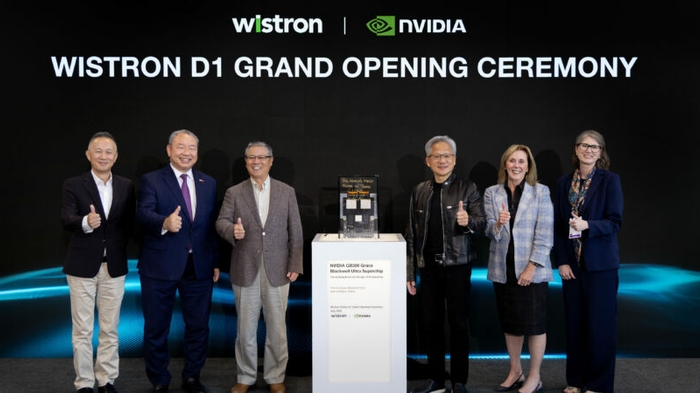
Wistron has inaugurated its first U.S. manufacturing facility in Fort Worth, Texas, covering 324,000 square feet. This plant will produce superchips integral to advanced AI systems, including the NVIDIA GB300 Grace Blackwell Ultra Superchip and the upcoming NVIDIA Vera Rubin Superchip. The opening ceremony featured NVIDIA CEO Jensen Huang and Wistron Chairman Simon Lin, emphasizing the importance of manufacturing in the AI era. The establishment of the Fort Worth plant represents a significant $700 million investment in U.S. advanced manufacturing, creating over 500 jobs with plans to expand to 1,000 by year-end. Huang highlighted the diverse job opportunities generated in various sectors, including plumbing, construction, and manufacturing. This facility aims to support the growing demand for AI infrastructure and enhance the domestic manufacturing base. Looking ahead, Wistron’s D1 facility is set to scale production to tens of thousands of boards per month, reinforcing the U.S. commitment to reindustrialization. NVIDIA's pledge to manufacture up to $500 billion in advanced AI platforms underscores the strategic importance of this facility in the broader AI landscape. No further timeline was disclosed at the time of publication.
BrainCo Unveils Brain-Controlled Robot AI Platform at 2026 WAIC
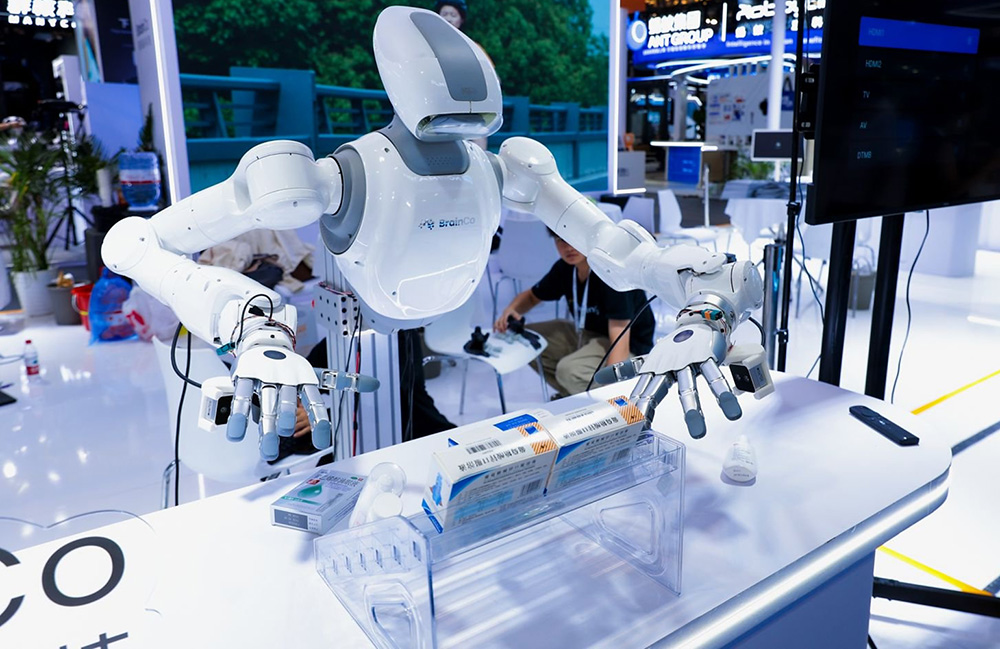
BrainCo showcased its innovative brain-controlled robot AI platform at the 2026 World Artificial Intelligence Conference. Users can direct a robotic arm using neural signals captured by a lightweight EEG headset, enabling actions like grasping objects with precision. This technology, developed over a decade, integrates brain-computer interfaces and AI to enhance human-machine collaboration. The significance of this platform lies in its ability to decode user intent and translate it into machine actions in under 200 milliseconds. BrainCo's approach, termed 'neuro-embodied-AI,' allows for compatibility with various commercially available robots, facilitating integration into existing research and development frameworks without the need for proprietary hardware. Looking ahead, BrainCo also introduced its Embodied AI Data Collection Solution, addressing the challenge of obtaining high-quality training data for complex robotic tasks. This system captures both human actions and EEG data, providing a comprehensive dataset for training robots in dexterous tasks. No further timeline was disclosed at the time of publication.
Arms / Manipulators Artificial Intelligence Artificial Intelligence / Cognition Design / Development Healthcare Robotics Human Robot Interaction / Haptics
Study Reveals AI Models Fabricate Medical Diagnoses Based on Demographics
Siddharth Vohra, a master's student at Carnegie Mellon University's Robotics Institute, has demonstrated that large language models (LLMs) can fabricate medical diagnoses when responding to queries without accompanying images. In his study, Vohra found that these models invented false diagnoses 18% of the time, particularly influenced by the demographic information of the user. This research highlights a significant concern in the AI industry regarding the reliability of AI models in healthcare. Vohra's findings indicate that users may overestimate the understanding of these models, which can lead to dangerous assumptions in medical contexts. For instance, the models frequently misdiagnosed conditions like melanoma and sarcoidosis based on demographic factors rather than actual medical data. Looking ahead, Vohra aims to expand his research to identify and address these failure patterns in AI models. He emphasizes the need for stringent testing and verification processes before deploying AI in healthcare settings to ensure safety and reliability in medical decision-making. No further timeline was disclosed at the time of publication.
Research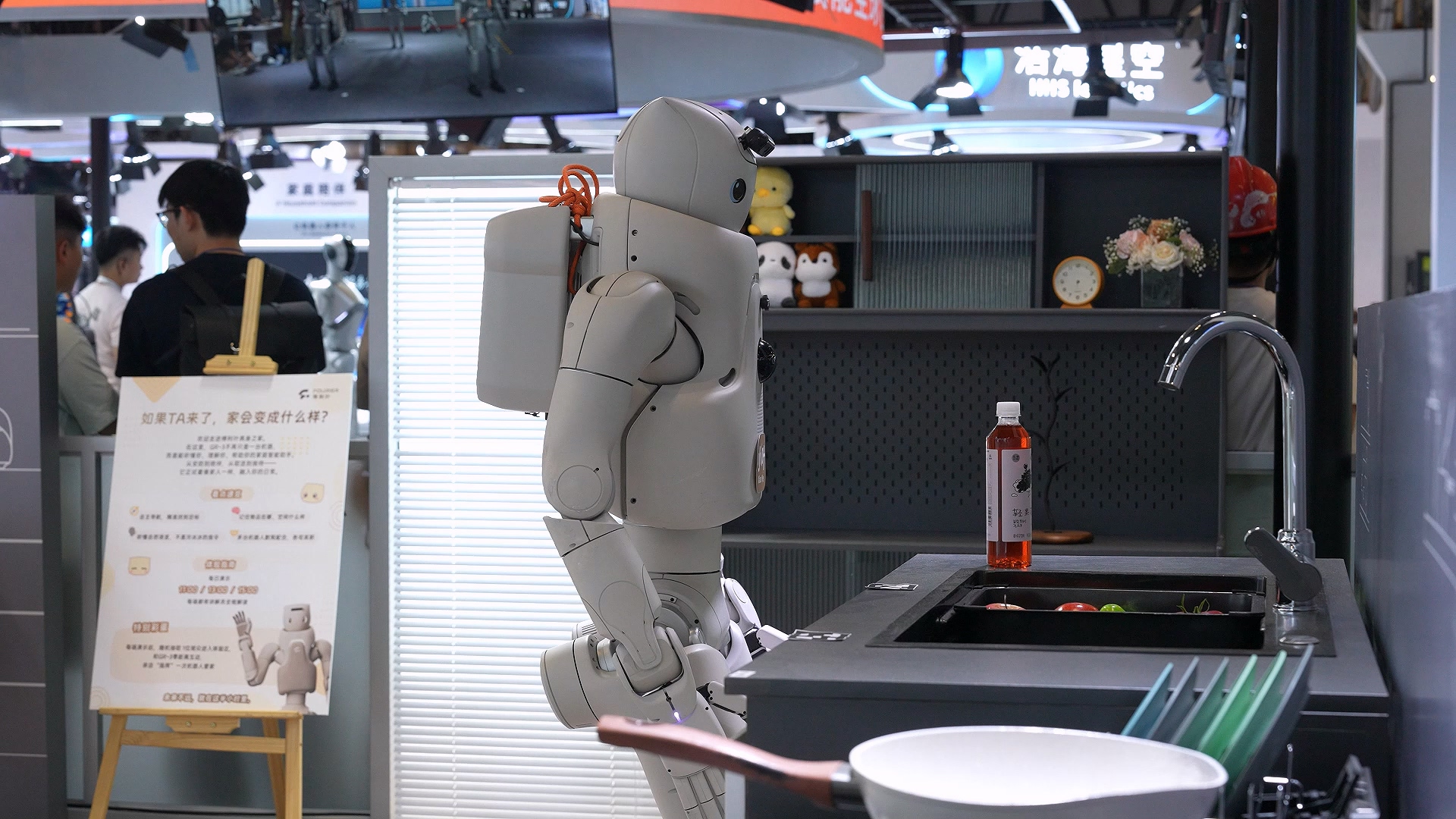
Fourier Showcases Home Robot Technology at WAIC with GR-3 and GRW Innovations
On July 17, 2026, the World Artificial Intelligence Conference (WAIC) commenced in Shanghai, where Fourier demonstrated a complete home scenario featuring the GR-3 humanoid robot. The robot performed tasks such as item retrieval, delivery, and security inspections, responding to natural language commands from the audience. This demonstration sparked discussions about the application paths for health and wellness robots, highlighting the complexity of validating technology in home environments. The significance of this demonstration lies in its challenge to traditional service robots, which typically operate on a point-to-point navigation model. By testing technology in the unstructured home environment, Fourier aims to address the limitations of existing robots that struggle with ambiguous commands and complex task sequences. The ability to understand user intent and adapt to dynamic situations is crucial for the advancement of embodied intelligence in robotics. Looking ahead, the focus will be on how Fourier's technology can transition from home applications to broader commercial scenarios, particularly in healthcare settings. The success of the GR-3 and the newly introduced GRW robot will be pivotal in determining the future of intelligent robots in everyday life. No further timeline was disclosed at the time of publication.
Health Robots Natural Language Processing Home Automation Robotic Technology
NVIDIA Announces Industrial AI Collaboration with Japan's Leading Manufacturers
On July 16, NVIDIA CEO Jensen Huang announced a significant partnership in Tokyo with major Japanese manufacturers such as Fanuc, Yaskawa Electric, and Kawasaki Heavy Industries. This collaboration aims to advance the deployment of physical AI in Japan, marking a pivotal moment in the industrial AI landscape. The launch of the Cosmos 3 Edge model, designed for edge devices, is a key component of this initiative, with over 20 Japanese industrial giants planning to join the Cosmos alliance. The Cosmos 3 Edge model, based on NVIDIA's Nemotron with 4 billion parameters, is tailored for the NVIDIA Jetson edge computing platform. Developers can adapt the model to specific robots, vehicles, or sensors in about a day, enabling real-time environmental perception and decision-making without cloud connectivity. Additionally, the NVIDIA Metropolis library enhances the speed of building video intelligence systems by at least six times, further facilitating the integration of AI in various industrial applications. As Japan transitions from a manufacturing powerhouse to a leader in physical AI, NVIDIA is positioning itself as the foundational computing infrastructure for this industrial revolution. The involvement of companies like Fanuc, Kawasaki, and Yaskawa signifies a shift from technology demonstrations to practical applications on factory assembly lines, showcasing the tangible impact of physical AI in the industry.
Industrial AI Robotics Edge Computing Automation Manufacturing Technology
BrainCo Unveils First Brain-Machine Interface for Controlling Robots at WAIC 2026
At the 2026 World Artificial Intelligence Conference (WAIC), BrainCo launched the world's first brain-controlled robot AI platform. This innovative system utilizes a non-invasive electroencephalogram (EEG) headset to convert human neural activity into executable commands for robots in real-time. The significance of this technology lies in its potential to revolutionize human-robot interaction. By simply thinking about an action, users can control robots to perform tasks such as grabbing or moving objects without verbal commands or button presses. BrainCo's platform is designed to create a 'human-machine co-training' data loop, which will gather extensive data from users to enhance AI's physical world interactions. Looking ahead, BrainCo's brain-machine interface could mark the beginning of a new era in human-robot collaboration. As users engage with the system, the feedback and data collected will be invaluable for refining AI algorithms and improving the overall user experience. No further timeline was disclosed at the time of publication.
Brain-Machine Interface Robotics Artificial Intelligence EEG Technology
Reviewing Intelligent Operation and Maintenance Robots for Urban Water Supply Networks
The Journal of Field Robotics published a review focusing on intelligent operation and maintenance robots designed for urban water supply networks. This review highlights the current advancements in robotic technologies that enhance the efficiency and reliability of water supply systems. The significance of this review lies in its potential to improve urban infrastructure management. By integrating intelligent robotic solutions, cities can address challenges such as aging infrastructure, maintenance costs, and service interruptions, ultimately leading to more sustainable water supply systems. Looking ahead, stakeholders should monitor the ongoing development of these robotic technologies and their implementation in urban settings. No further timeline was disclosed at the time of publication.
SURVEY ARTICLERobotics needs a service framework.
RSF defines a common language for robot service capability, lifecycle operations, certification pathways, and service-provider networks.