Industry Briefing
A single destination for timely, editor-curated robotics news from around the world.

Agility Robotics Launches New Facility in Fremont to Enhance Physical AI Development
Agility Robotics has inaugurated a new facility in Fremont, California, aimed at accelerating advancements in physical AI that enhance customer operations. This 60,000-square-foot site will serve as a hub for software development and AI capabilities, focusing on training and testing technologies that enable the humanoid robot, Digit, to acquire new skills and perform complex tasks in various environments. The establishment of this facility is significant as it positions Agility Robotics in the heart of Silicon Valley, a region known for its AI talent and innovation. The company plans to employ nearly 200 staff members, including experts in hardware engineering and AI/ML software, to drive the development of next-generation AI capabilities that will enhance Digit's safety and productivity in enterprise settings. Looking ahead, Agility Robotics has secured over $300 million in multi-year orders for Digit v5 and has a growing pipeline of more than 30 customers. The Fremont facility is crucial for meeting the increasing demand for humanoid robots in warehouses and manufacturing, as it aims to deliver ongoing safety and productivity improvements in collaboration with human workers. No further timeline was disclosed at the time of publication.
Humanoids Infrastructure News agility robotics ai artificial intelligence
WIRobotics Begins Building a Physical AI Development Ecosystem: The First Technology Release Features the ALLEX Simulation Model
ALLEX Technologies has announced plans to sequentially release additional core technologies aimed at enhancing the development of Physical AI. This initiative is set to expand the Physical AI development ecosystem, facilitating high-fidelity Sim-to-Real validation processes. The company aims to create an open environment that supports researchers and robotics developers in their quest to innovate within the field. By fostering collaboration and providing advanced tools, ALLEX Technologies seeks to drive advancements in Physical AI, making it more accessible and effective for various applications.

Xspark AI Raises Nearly $15 Million to Advance Physical AI Technology Development
Xspark AI has successfully completed its first round of angel financing, securing nearly 100 million yuan (approximately $15 million). This funding round was led by Dinghui VGC, Chuxin Capital, and the SEE Fund, with participation from several financial investment institutions. The capital will primarily be allocated towards core technology research and development, product iteration, and the large-scale implementation of Physical AI. The significance of this funding lies in addressing the challenges faced by Physical AI in real-world applications. Despite advancements in AI capabilities, many models that perform well in laboratory settings struggle to adapt to dynamic real-world environments. Factors such as lighting changes in factories and the arrangement of objects in homes complicate the deployment of these technologies, highlighting the need for reliable safety mechanisms to prevent equipment failures and accidents. Looking ahead, Xspark AI's CEO, Xiong Qi, emphasizes the importance of accumulating real-world data to enhance the stability and safety of Physical AI systems. As the company aims to overcome existing barriers, the development trajectory of Physical AI is expected to mirror that of the autonomous driving industry, where practical application and data-driven iterations are crucial for achieving commercial success.
Physical AI Robotics Funding Technology Development
Agility Launches New Facility in Fremont to Enhance Physical AI for Humanoid Robots
Agility has opened a new facility in Fremont, California, aimed at accelerating the development of Physical AI technologies for its humanoid robot, Digit. This 60,000-square-foot site will serve as a hub for software and capabilities, where engineering teams will enhance Digit's ability to learn new skills and perform complex tasks in commercial settings. The establishment of this facility is significant as it positions Agility within Silicon Valley's robust AI ecosystem, allowing for rapid innovation and deployment of advanced capabilities. With nearly 200 new hires planned, Agility aims to strengthen its market position and meet the increasing demand for humanoid robots in enterprise environments, having already secured over $300 million in multi-year orders for Digit v5. Looking ahead, Agility's Fremont facility is expected to play a crucial role in driving innovation and expanding the use of humanoid robots in various industries. No further timeline was disclosed at the time of publication.

Xspark AI Raises Nearly 100 Million Yuan to Enhance Physical AI Capabilities
Xspark AI, a company focused on reliable physical intelligence, has successfully completed its first angel funding round, securing nearly 100 million yuan. The funding was led by Dinghui VGC, Chuxin Capital, and SEE Fund, with participation from various financial and industrial investors. The capital will primarily support core technology development and the scaling of Physical AI applications. This investment highlights the growing interest in Physical AI, which aims to bridge the gap between advanced AI models and real-world applications. As robots increasingly demonstrate enhanced understanding and planning capabilities, the challenge remains to ensure they can operate reliably and safely in dynamic environments. Xspark AI's approach combines multispectral tactile perception and self-developed data generation models to create a comprehensive framework for deploying Physical AI in practical scenarios. Looking ahead, Xspark AI's founders emphasize the importance of accumulating real-world operational data to drive the commercial viability of Physical AI. No further timeline was disclosed at the time of publication, but the company aims to achieve significant milestones in the integration of embodied intelligence into everyday tasks, positioning itself for future advancements in the field.
Physical AI Robotics Technology Development Investment AI Applications
Japan Allocates $2.4 Billion for AI Development with NVIDIA Chip Acquisition
On July 16, Japan's Ministry of Economy, Trade and Industry announced a significant investment of 387.3 billion yen (approximately $2.4 billion) to support the AI company Noetra. This funding will be used to procure around 27,500 NVIDIA Rubin GPUs for the establishment of a national AI data center, marking one of the largest single-country chip procurements globally. This initiative is crucial as Japan aims to address its declining population and severe labor shortages. The government has set a clear target to capture over 30% of the global 60 trillion yen robotics market by 2040. Noetra, which was established in January 2026 and includes major companies like Sony, SoftBank, NEC, and Honda, aims to develop advanced multimodal AI models capable of understanding Japanese language and recognizing various forms of media. Looking ahead, Noetra plans to release its first general-purpose AI model by March 2027, followed by continuous iterations and specialized models for robotics applications. The deployment of the Rubin chips in a large data center in Sakai, Osaka, is scheduled for June 2028, positioning Japan to lead in the next era of AI and robotics integration.
AI Technology Robotics NVIDIA Chips Data Centers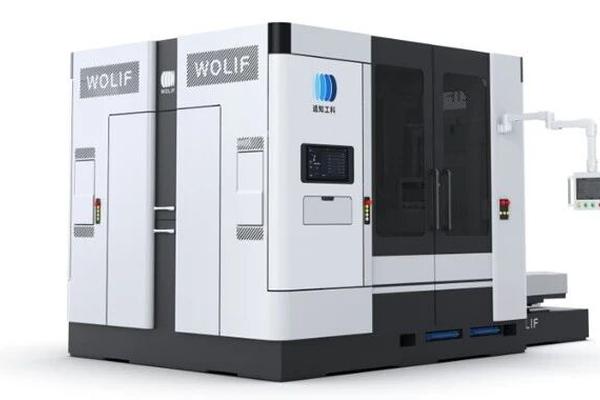
Zhuizhi Engineering Technology Secures Seed Funding for Industrial AI Development
Zhuizhi Engineering Technology Co., Ltd. has successfully completed a seed funding round, raising several million yuan from investors including L2F Light Source Entrepreneur Fund, Shangrong Capital, and Yicun Capital. The funding will primarily support core product development, team building, and market expansion. Founded in February 2024, Zhuizhi focuses on industrial intelligent agents, aiming to enhance automation and intelligence in complex manufacturing processes. The company, which is affiliated with Shanghai Jiao Tong University and the Shanghai Artificial Intelligence Research Institute, seeks to address challenges such as flexible production and skilled labor shortages in the manufacturing sector. The company has introduced the WOLIF Industrial Agentic Robot, which utilizes a proprietary industrial brain for real-time closed-loop control, distinguishing itself from traditional automation methods. Zhuizhi has already secured its first commercial contract with a publicly listed company and received significant orders in the aerospace manufacturing sector, indicating a promising trajectory for its innovative AI solutions.
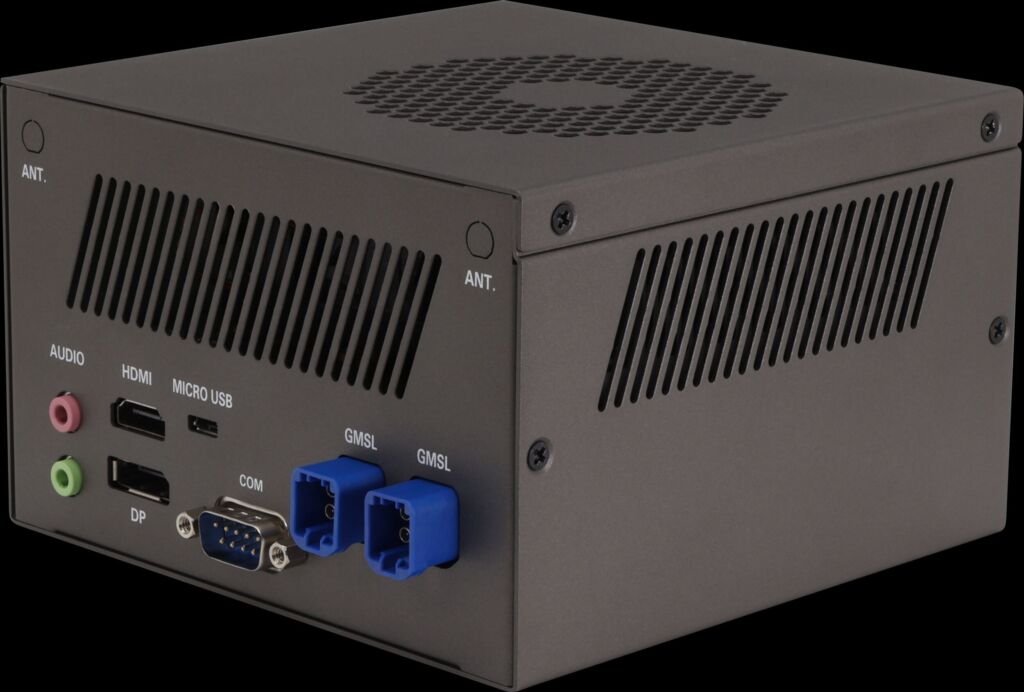
Open AI Development System for Robotics
AAEON has announced the launch of the CEXD-INTRBL, an open robotics development system from its Embedded Computing division. This innovative platform is designed to facilitate advancements in robotics technology, providing developers with the tools needed to create and enhance robotic applications. The introduction of the CEXD-INTRBL marks a significant step in AAEON's commitment to supporting the growing field of artificial intelligence and robotics. The system aims to streamline the development process, making it easier for engineers and researchers to implement AI solutions in various robotic systems.
Allgemein Humanoide Robotik Künstliche Intelligenz & maschinelles Lernen Robotik
Microsoft’s new responsible tech lead on how to humanize high-speed AI development
Jenny Lay-Flurrie, the head of Microsoft's Trusted Technology Group, emphasized the importance of responsible technology during a recent discussion. She outlined the critical questions surrounding the development and maintenance of ethical tech practices, focusing on how to ensure that technology is built correctly and remains trustworthy over time. Lay-Flurrie’s insights come at a pivotal moment as the tech industry faces increasing scrutiny regarding data privacy, security, and ethical standards. Her remarks highlight the ongoing commitment of Microsoft to prioritize responsible innovation in an era where technology plays a central role in daily life. The conversation reflects broader industry trends aimed at fostering accountability and transparency in tech development, ensuring that advancements benefit society while safeguarding users' rights.
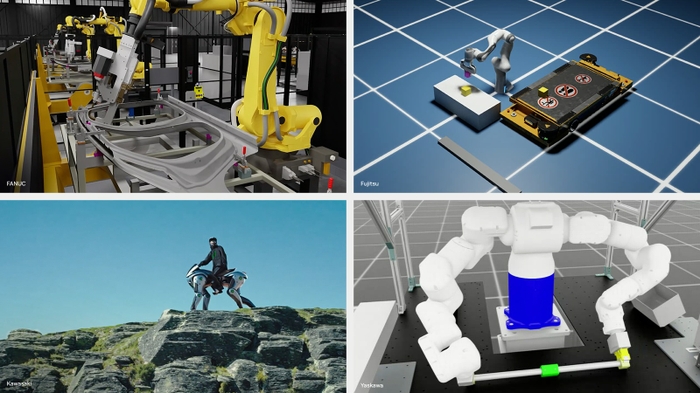
Japan's Leaders in Robotics and Manufacturing Leverage NVIDIA Cosmos for Physical AI Advancements
NVIDIA has announced that Japan's leaders in physical AI are utilizing the NVIDIA Cosmos™, Isaac™, Metropolis, and Jetson™ platforms to enhance the deployment of intelligent machines across various sectors including manufacturing and robotics. The introduction of Cosmos 3 Edge aims to provide advanced capabilities for real-time reasoning and action prediction in robots, marking a significant step in integrating intelligence into physical systems. This initiative is crucial as Japan's established strengths in robotics and manufacturing position it to lead in the next wave of AI development. Jensen Huang, NVIDIA's CEO, emphasized the unique opportunity for Japan to reinvent modern manufacturing through intelligent technologies, combining its heritage in precision engineering with NVIDIA's advanced platforms. Looking ahead, NVIDIA is expanding the Cosmos Coalition to include Japan's physical AI leaders, enabling collaboration on open world models. This coalition will facilitate the testing and optimization of physical AI systems, potentially transforming operations across various industries such as logistics, healthcare, and construction. No further timeline was disclosed at the time of publication.

Roundtable Discussion: Hey? AI! This Month, This Year, and Next Five Years of AI | 36Kr WAVES 2026 New Wave
In 2026, the investment landscape in China is witnessing a significant transformation as artificial intelligence (AI) evolves from a mere technical concept to a driving force in various industries. The WAVES 2026 conference, organized by 36Kr and AnYun, took place in Guangzhou's Panyu district, gathering top investors, industry leaders, and emerging entrepreneurs to explore the implications of AI and hard technology on the future of innovation. Over two days, the event featured 14 in-depth roundtable discussions and numerous independent presentations, focusing on key sectors such as AI, hard technology, international expansion, and healthcare. During the conference, industry experts discussed the rapid pace of AI development, highlighting how companies are now experiencing frequent valuation updates and financing rounds. Investors shared insights on the changing dynamics of funding, with many companies securing multiple rounds of financing within months, a stark contrast to previous trends. The conversation also touched on the implications of regulatory challenges, particularly concerning AI models and their accessibility. Participants emphasized the importance of stability and reliability in AI applications, as well as the need for a deep understanding of specific industries to successfully implement AI solutions. The discussions underscored a growing interest in physical AI applications, with expectations for commercialization in sectors like pharmaceuticals and materials science within the next few years. As the AI landscape continues to evolve, investors are increasingly focused on identifying unique opportunities and fostering innovative solutions that address real-world challenges.

OpenAI Introduces Codex Micro Keyboard for Enhanced AI Coding Workflows
OpenAI has launched its first hardware product, the Codex Micro, a specialized keyboard designed for software developers. This compact device, developed in collaboration with Work Louder, features dedicated controls that facilitate the management of multiple coding tasks and AI agents, enhancing coding efficiency. The Codex Micro is significant as it represents OpenAI's commitment to AI-assisted software development, an area where the company has made substantial investments. With features like illuminated keys for task status and customizable controls, the keyboard aims to streamline the coding process, allowing developers to focus on their work without excessive reliance on software menus. Looking ahead, the Codex Micro is priced at $230 and will be available through Supply Co. While the exact number of units has not been disclosed, the device's design and functionality suggest a growing trend towards specialized hardware in the AI development space. No further timeline was disclosed at the time of publication.
AI and Robotics
Peter J. Denning Challenges Alan Turing's AI Assumptions in New Book
Prominent computer scientist Peter J. Denning argues that Alan Turing's foundational assumptions about artificial intelligence may have misled AI research for 75 years. In his book, 'Turing's Mistake: Escaping the Yoke of Unintelligent Machines,' Denning critiques Turing's belief that intelligence can exist independently of a physical body and that machines can demonstrate intelligence through human-like conversation. Denning emphasizes that these assumptions have shaped AI development, leading to a focus on artificial general intelligence (AGI) that he believes is unlikely to succeed. He warns that the technologies being developed could pose significant new risks, particularly due to the limitations of machine learning in capturing tacit knowledge, which includes common sense, emotions, and practical skills. The book highlights the challenges of encoding tacit knowledge into machines, citing the Cyc project as an example of the difficulties in organizing common sense. Denning's insights suggest that the pursuit of AGI may overlook the complexities of human intelligence, raising questions about the future direction of AI research. No further timeline was disclosed at the time of publication.

University of Illinois Researchers Challenge Traditional Views on Brain Decision Making
Researchers at the University of Illinois Urbana Champaign have revealed new insights into brain decision-making processes, suggesting that these processes begin earlier than previously thought. This research, led by Professor Yurii Vlasov, indicates that early sensory brain regions play a crucial role in decision-making, contradicting the long-held belief that decisions are made only after information passes through a strict hierarchy of brain regions. The implications of this study are significant for both neuroscience and artificial intelligence. By understanding that decision-making involves interconnected feedback loops rather than a linear progression, researchers can design AI systems that mimic this biological architecture. This could lead to the development of AI that is not only more capable but also more energy-efficient, addressing current limitations in AI technology. Moving forward, the research team aims to further explore how biological intelligence, refined through evolution, can inform AI development. No further timeline was disclosed at the time of publication.

Prox Industries accelerates physical AI research with dual-arm UR3e collaborative robots using VLA and reinforcement learning.
Prox Industries has announced its collaboration with Universal Robots (UR) to enhance the development of physical AI through the utilization of UR's "Physical AI Development Support Program." The initiative will focus on accelerating research and development of physical AI by employing a dual-arm robotic configuration using two UR3e collaborative robots. This partnership aims to leverage advanced robotics technology to innovate in the field of AI, reflecting Prox Industries' commitment to advancing automation solutions.
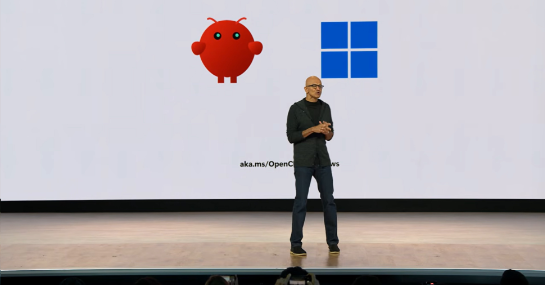
Microsoft announces customizable isolation environment "Microsoft Execution Containers" for AI agents, compatible with OpenClaw.
Microsoft has unveiled a new customizable isolated environment for AI agents, known as Microsoft Execution Containers (MXC). This announcement was made recently as part of the tech giant's ongoing efforts to enhance AI development and deployment capabilities. The MXC aims to provide developers with a secure and flexible platform to create and manage AI applications, ensuring that they can operate independently while maintaining high levels of performance and security. By offering this innovative solution, Microsoft seeks to address the growing demand for robust AI systems that can be tailored to specific needs, thereby facilitating more efficient and effective AI integration across various industries.

Windows 11 response improvements are gradually taking effect with the latest update and a shift in Microsoft's AI strategy.
Microsoft has launched a new update for Windows 11, aimed at enhancing performance, particularly in the responsiveness of the Start menu and application launches. This update comes at a pivotal moment for the company, as it faces significant changes within its AI division. Yusuf Mehdi, who has been instrumental in leading Microsoft's AI and operating systems efforts, has announced his departure. Additionally, the company is revising its internal rules regarding the use of AI development tools. These developments indicate a potential shift in Microsoft's AI strategy as it navigates these transitions.
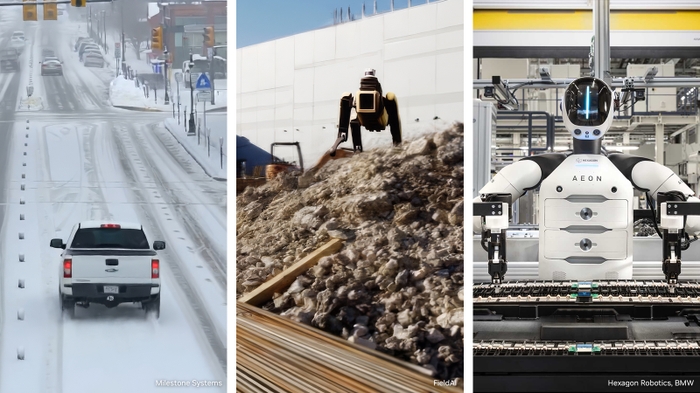
NVIDIA Announces Open Physical AI Data Factory Blueprint to Accelerate Robotics, Vision AI Agents and Autonomous Vehicle Development
NVIDIA has unveiled the NVIDIA Physical AI Data Factory Blueprint, an innovative open reference architecture designed to streamline the generation, augmentation, and evaluation of training data for physical AI applications. Announced today, this blueprint aims to significantly cut costs, time, and complexity associated with training AI models. By providing a unified and automated approach, NVIDIA seeks to enhance the efficiency of AI development processes, making it easier for organizations to implement and scale their AI initiatives. This initiative reflects NVIDIA's commitment to advancing AI technology and supporting developers in overcoming the challenges of data management in AI training.

From audio tapes to AI: Interview with TDK investment director Ankur Saxena
Artificial intelligence has emerged as a leading focus in technology investment, yet some investors caution that the robotics sector may misinterpret the implications of recent advancements in large language models and generative AI. Ankur Saxena, the investment director at TDK Ventures, the corporate venture capital division of TDK, has voiced concerns regarding this trend. He emphasizes the need for a more nuanced understanding of how these AI breakthroughs can be effectively integrated into robotics, suggesting that a simplistic application of AI principles could lead to misguided strategies in the industry. Saxena's insights reflect a broader debate among investors about the future direction of robotics in light of AI developments, highlighting the importance of critical evaluation in investment decisions.
Features Financials & Investments Technology ai hardware ai robotics Ankur Saxena
Nebius and Nvidia launch Physical AI Living Lab for European robotics startups
Nebius, a prominent AI cloud company, has launched the Physical AI Living Lab, a six-month initiative aimed at supporting robotics startups across Britain and Europe. This program provides participants with access to Nvidia’s advanced physical AI development tools alongside Nebius’s robust AI cloud infrastructure. The initiative addresses a significant challenge faced by early-stage robotics companies, which often lack the resources to create large-scale simulations, generate synthetic data, and utilize accelerated computing necessary for their development. By offering these essential tools and support, Nebius aims to foster innovation and growth within the robotics sector, ultimately enhancing the capabilities of emerging technologies in the field.
Artificial Intelligence Computing AI cloud computing AI infrastructure automation news nebius
NEURA Robotics and Amazon Web Services Enter Strategic Collaboration to Accelerate Physical AI at Scale
NEURA Robotics and Amazon Web Services (AWS) have announced a strategic collaboration aimed at advancing Physical AI on a global scale. This partnership, revealed on April 21, 2026, will leverage NEURA's cognitive robotics platform alongside AWS's cloud and AI infrastructure to develop and deploy intelligent robots capable of working alongside humans. The collaboration will focus on three key areas: utilizing AWS's cloud infrastructure to support the Neuraverse for training and data processing, integrating NEURA's training environments with Amazon SageMaker to enhance AI development, and joining the AWS Partner Network to explore the deployment of NEURA's robotic systems in Amazon's fulfillment centers. This initiative aims to address the challenge of acquiring real-world training data, which is essential for the effective deployment of robotics in logistics and warehouse operations. David Reger, CEO of NEURA Robotics, emphasized that the partnership will enable the scaling of their technology in one of the most advanced operational environments, while Jason Bennett, VP at AWS, highlighted NEURA's innovative approach as crucial for unlocking the potential of Physical AI. Together, they aim to create a robust ecosystem that facilitates continuous learning and improvement of robotic intelligence, ultimately bringing the vision of Physical AI into reality.

AI’s endless chip appetite
In a recent discussion on the evolving landscape of artificial intelligence, industry leaders highlighted the intense competition for AI computing resources and the challenges that come with it. Mark Zuckerberg, co-founder of Meta, has returned to coding, signaling a renewed focus on technological innovation within his company. Meanwhile, Yat Siu, CEO of Animoca, offered insights into the future of blockchain technology and its potential to revolutionize digital agents. This exchange of ideas took place during a tech conference held in San Francisco in October 2023, where experts gathered to explore the intersection of AI and blockchain. The motivation behind these discussions stems from the growing demand for advanced computing capabilities to support AI development and the need for innovative solutions in the rapidly changing tech environment. The event featured a series of panels and workshops, allowing participants to share their perspectives and strategies for navigating the complexities of AI and blockchain integration.
Artificial Intelligence Newsletters Allbirds artifical intelligence Claude Google DeepMind
Decentralized Training Can Help Solve AI’s Energy Woes
As the demand for artificial intelligence (AI) continues to surge, concerns over its significant energy consumption and carbon footprint have prompted major tech companies to explore nuclear energy as a sustainable solution. While nuclear-powered data centers remain a future prospect, industry leaders are currently focusing on decentralizing AI model training to address the escalating energy requirements. This approach distributes training tasks across a network of independent nodes, utilizing existing computing resources, such as dormant servers and solar-powered home computers, rather than relying solely on traditional data centers. Companies like Nvidia and Cisco are enhancing their infrastructure to support this decentralized model, allowing for efficient AI training across geographically dispersed data centers. Additionally, platforms like Akash Network are facilitating a "GPU-as-a-Service" model, enabling users with underutilized GPUs to rent out their computing power. On the software side, advancements in federated learning and algorithms like DiLoCo are being implemented to optimize decentralized training while minimizing communication costs and enhancing fault tolerance. These innovations allow for collaborative model training without the need for constant data exchange, thus improving efficiency. Akash Network's Starcluster program aims to convert homes into functional data centers by leveraging solar energy and existing computing devices. This initiative seeks to make participation accessible and is targeting a 2027 launch. By decentralizing AI training, the industry hopes to create a more energy-efficient and environmentally sustainable future for AI development.
Training Ai-energy Data-center Large-language-models
Import AI 441: My agents are working. Are yours?
In a recent development concerning artificial intelligence, researchers have unveiled a method to compromise AI systems through a technique dubbed the "poison fountain." This innovative approach involves introducing misleading data into the training sets of AI models, ultimately leading to corrupted outputs. The findings were presented at an international conference on AI security held in San Francisco last week, where experts gathered to discuss the vulnerabilities of current AI technologies. The motivation behind this research stems from growing concerns about the integrity and reliability of AI systems, particularly as they become increasingly integrated into critical sectors such as healthcare, finance, and national security. By demonstrating how easily these systems can be manipulated, the researchers aim to raise awareness and prompt the development of more robust safeguards against such attacks. The process involves systematically feeding tainted data into the training algorithms, which can significantly alter the AI's decision-making capabilities. This revelation underscores the urgent need for improved security measures and ethical standards in AI development to protect against potential misuse. As AI continues to evolve, ensuring its resilience against such vulnerabilities will be paramount for its safe and effective deployment in society.
SoftBank and NVIDIA Reportedly Near Deal to Value Skild AI at $14 Billion
In a significant development within the robotic software sector, SoftBank and NVIDIA are reportedly engaged in discussions to invest more than $1 billion in Skild AI. This investment could potentially triple the startup's current valuation as it unveils its innovative "omni-bodied" brain technology. The collaboration underscores the growing interest and competition among tech giants to advance artificial intelligence capabilities, particularly in robotics. The outcome of these negotiations could reshape the landscape of AI development and accelerate the integration of advanced robotic solutions across various industries.
skild-ai embodied-ai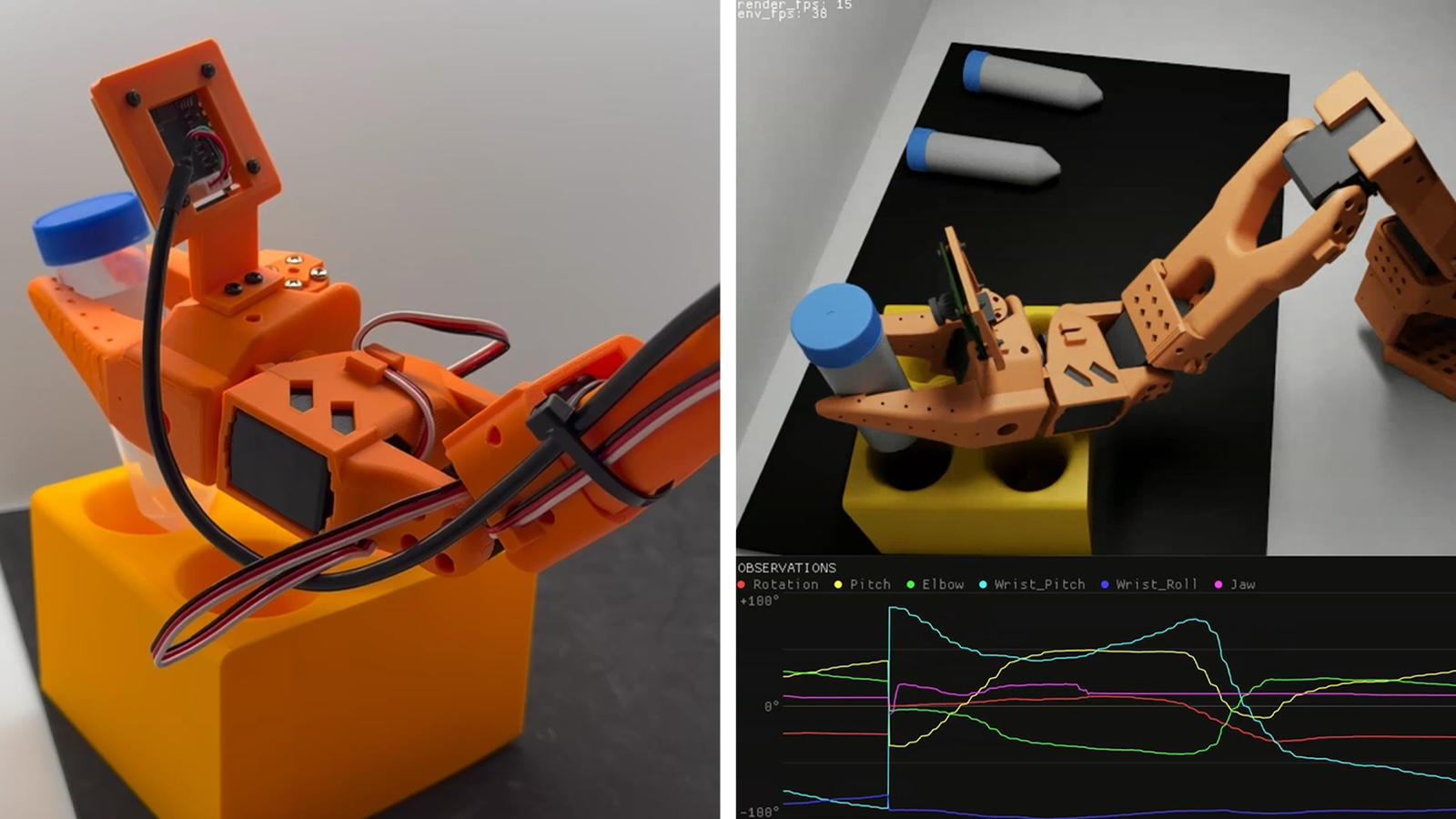
NVIDIA Open Sources Embodied Intelligence Toolchain to Enhance Robotics Development
On July 6, NVIDIA integrated three key components into Hugging Face's open-source robotics library, LeRobot: the GR00T N1.7 model, Isaac Teleop framework, and the upcoming Cosmos 3. This collaboration connects NVIDIA's 3 million robot developers with Hugging Face's 16 million AI builders, facilitating access to pre-trained models and data. This initiative is significant as it shifts NVIDIA's focus from merely creating models to building an ecosystem that addresses data bottlenecks in embodied intelligence development. The Isaac Teleop framework standardizes data collection, allowing for easier sharing and reuse within the community, which is crucial for advancing robotics. Looking ahead, the integration of GR00T N1.7 and Isaac Teleop into the LeRobot workflow marks a pivotal moment for robotics developers. No further timeline was disclosed at the time of publication.
Robotics Open Source AI Development Data Collection Machine Learning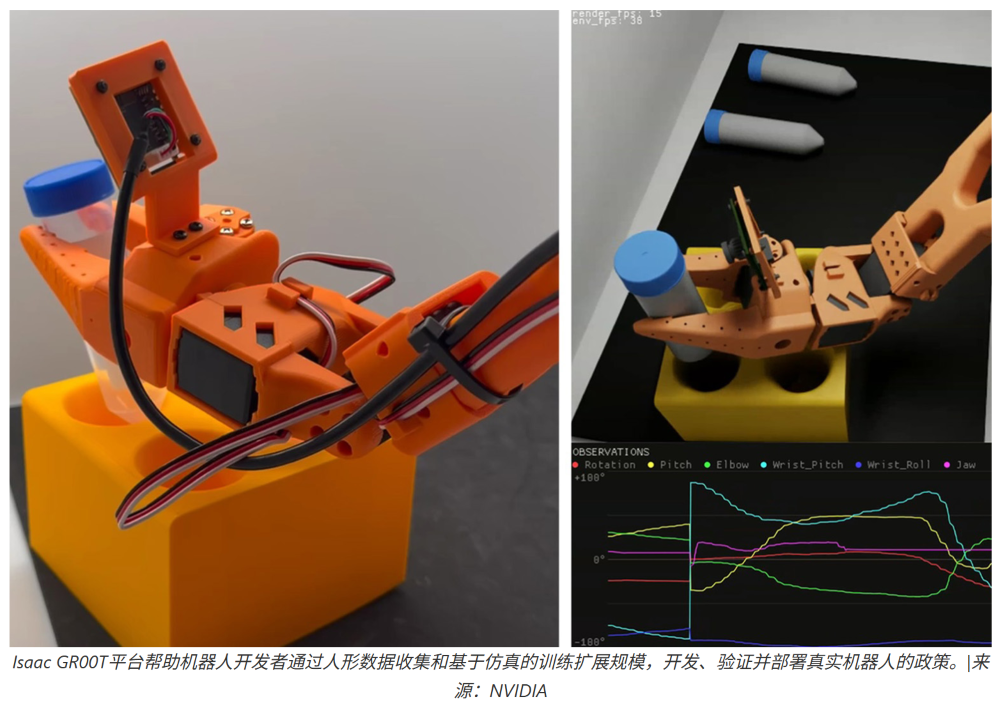
NVIDIA and Hugging Face Collaborate to Enhance LeRobot Open Source Community with Physical AI
NVIDIA and Hugging Face have joined forces to enhance the LeRobot open-source robotics library by integrating NVIDIA's Isaac GR00T 1.7 and Isaac Teleop frameworks. This partnership, announced recently, seeks to streamline the robot development process for developers by offering a comprehensive, standardized open-source pathway that encompasses everything from data collection to deployment. The initiative is designed to significantly reduce the barriers to entry for developers venturing into physical AI development, making it more accessible and efficient.
Robotics Open Source AI Machine Learning Simulation
Small-AI Models Gain Traction Around the World
One morning in 2019, Adebayo Alonge was in a Cape Town hotel room, preparing to demonstrate his startup’s AI answer to a serious problem in African health care: counterfeit medication, which kills thousands of people across the continent every year.The RxScanner is a handheld spectrometer that scans a pill with infrared light, then sends the item’s molecular profile to an AI model equipped with a pharmaceutical database. In seconds, the AI identifies the medication from its molecular profile—or reports that it’s phony.Pharmacies were using the system in more than a dozen countries, including Ghana, Kenya, Myanmar, and Alonge’s native Nigeria. But that morning in South Africa, it didn’t work. “I was shocked,” Alonge says.The spectrometer connected to the AI model—but the data center was 14,000 kilometers away and bandwidth was limited. “Our server was in the United States, and just to get the result of a single scan was taking me over 5 minutes.”So Alonge immediately asked his engineers to shrink the AI model down to a smaller, low-power, unconnected version that could run entirely on his Android phone. They produced it 2 hours later, and that saved the demo.More importantly, the work birthed a new version of his device, which can authenticate a pill in places without broadband, computers, or even reliable electricity. It also turned Alonge into an advocate for this kind of “small AI.”Small AI for Global Health Care AccessSmall AI is a far cry from wealthy nations’ colossal large language models (LLMs), hyperscale data centers, multibillion-dollar investments, and debates about AI consciousness. But for millions of people around the world, the only AI that matters, and often the only kind available, is small. (According to a World Bank Report issued in November, only 0.7 percent of internet users in the world’s poorest countries have used ChatGPT, compared to a quarter of all internet users in the most developed nations.)“Most people are discussing AI from the LLM/generative side. But that needs a lot of computing power, electricity, massive data, and skilled people to manage it,” Ajay Banga, president of the World Bank, said last January at the World Economic Forum, in Davos. “Outside the developed world, other than maybe India and China, very few countries have that combination.”By contrast, small AI can deliver useful, even life-saving services to people in areas that have none of those things, Banga said. In India, where the government’s AI plans call for more development of small AI, many such systems are working for farmers.For example, a drone-based system developed by Bala Murugan and colleagues at the Vellore Institute of Technology, in India, takes photos of cashew plants and quickly identifies those with splotches that indicate disease. All the processing takes place on the drone itself, so there’s no need for a computer on-site, nor for a connection to a central server.Using small language models trained for a specific problem, and sometimes running on cheap, low-power devices, other small-AI implementations have been developed to identify ant infestations in a Uruguayan vineyard, detect the presence of malaria-carrying mosquitoes in a number of nations, and run electrocardiograms from an Arduino device in parts of Brazil that lack access to more complex equipment.“This is the most important area in AI nowadays,” says Marcelo José Rovai, a professor at the Institute of Engineering and Information Systems at the Federal University of Itajubá, in Brazil, who was involved in all three projects. “It’s growing very fast.”Low-Power, Small-AI Models on Devices Small AI models can run on a variety of low-power devices, including [from left to right] an Arduino Nano 33 BLE Sense, a Seeed Wio Terminal, and an Arduino Portenta.Moez AltayebFor Alonge, Rovai, and other advocates, small AI is not just “a promising trend,” as that November World Bank report calls it. It may be, in the long term, the form of AI that will touch the most lives and remain sustainable after some of the giant models become too costly for most users.“I think the future of AI is not like one giant model, at a center. I think it’s millions of small, precise models deployed at the edge, each one solving like a specific problem, a specific context,” Alonge says. This is partly because much of humanity—including people in parts of rich countries as well as the developing world—lives without access to cutting-edge frontier models. But, he says, it’s also because those models are not sustainable.“If someone is not subsidizing it, most people will not be able to afford those models. So those of us who are said to be small-AI developers are the ones who will have to build for the majority of the world,” Alonge says.There is no strict definition of “small AI,” but people often use the term for language models with at most a few billion parameters. (Compare that to cutting-edge models, which can include more than a trillion.) That’s small enough to run directly on a phone or a Raspberry Pi. That’s what allows these applications to run on devices without a connection to a data center and use only a few watts of power, often supplied by a battery or a solar panel.Despite their small footprint, these models aren’t fundamentally different technology from that of gigantic AI models, Rovai says. Many instances of small language models were created the same way the phone-based version of Alonge’s pharmaceuticals scanner was—by “pruning” large models, or removing the parameters that weren’t involved in the task. The result is a system that’s less capable generally but still very good at the specific job it was pruned for, Rovai says. A lighter version of RxAll’s RxScanner spectrometer sends its results to an AI model run locally on a phone to check that a drug’s molecular signature is genuine.RxAllOther small models are created by “distillation.” They are trained to mimic a large model, until their performance approaches that of their “teacher,” Rovai says. In other cases, a larger model’s precision is reduced, for example, so that a model run on 32-bit architecture can run on 8-bit designs. In situations where the machine learning application is being used to classify data or predict patterns (like an ant infestation), it’s trained from the beginning on a small device, not derived from a larger model at all. Running all these small, specialized systems is becoming easier, Rovai says, for two reasons.The first reason is that hardware is getting better and more capable while using less power, he says. This means more and more phones can run small AI—especially those equipped with neural processing units, which are specialized chips that handle AI tasks like facial recognition and changing the brightness, shadows, or contrast in a photo.In 2025, slightly more than a third of all smartphones shipped worldwide were capable of running generative AI, and that figure will reach 45 percent by the end of this year, according to the technology research firm Counterpoint. By the end of next year, slightly more than half of all smartphones will be able to run a small AI model.The second reason Rovai cites is the shrinking footprint of language models. Both Google DeepMind’s Gemma 4 (released in April) and Alibaba’s Qwen 3.5 are “fantastic” for small AI, Rovai says. Both models are “open weight,” meaning users can adjust the connections between parameters to suit their needs. This makes it easy, for example, “to take a lot of data from, say, the milk industry and retrain the model specifically on that,” Rovai says.Rovai illustrated these reasons on a Zoom call, using one of his most recent experiments. Holding up a device, he says, “This is the new Arduino UNO Q—a US $50 device with a Qualcomm chipset. I’m running a language model here, which collects data from sensors and analyzes that data to detect tiny pools of water where mosquitoes might be breeding. It takes 3 watts to run it.”Support for Small-AI DevelopmentConvinced that millions of people are already benefiting from these kinds of applications, the World Bank now actively promotes small AI with grants, mentorship programs, financing, technical advice, and models of government policies that are friendly for small-AI development. For example, in Rwanda, the World Bank is backing a government program to help low-income households get devices that can run AI.All that said, no one claims that large language models are going away entirely. To create a generative AI that can run on a phone or other small device requires the architectural insights, data processing, and results of a larger model, Rovai says. “We need the big models to create these smaller models.” And for all that small AI can benefit people without access to big AI, the technology can’t solve the larger problems of development and digital inequality, Alonge says. Implementing small AI won’t allow nations to escape the challenge of creating an ecosystem to support AI: reliable power, a supply chain that works, and an educational system that develops the talents needed to create AI tools.Though his drug-scanning system can run for days on a phone with no connection, “you still want to be able to enable periodic syncing for updates with new signatures for the medications and analytics,” Alonge says. “And even when you are using batteries, reliable power is important. That phone battery is not going to last forever.”In many parts of the world, the future of small AI isn’t assured, he says. “It works, and many places will eventually need to use it. The question is whether or not the political actors are wise enough to invest in infrastructure to support it long term.”
Small-language-models Artificial-intelligence Llms
NVIDIA and AWS Collaborate to Bring AI to Production at Scale
NVIDIA has announced a collaboration with Amazon Web Services (AWS) aimed at enhancing the development of artificial intelligence systems. This partnership focuses on addressing the challenges of building AI at scale, which necessitates low-latency inference, rapid vector search capabilities, and effective GPU price-performance. The initiative is designed to provide infrastructure solutions that can expand without increasing operational complexity. This announcement comes as the demand for advanced AI technologies continues to rise, with organizations seeking efficient and scalable systems to leverage AI's potential. By combining NVIDIA's expertise in GPU technology with AWS's cloud services, the two companies aim to streamline the AI development process, making it more accessible for businesses looking to implement AI solutions.

Microsoft Makes Big AI Inroads in China by Selling OpenAI Models
Microsoft Corp. has established a significant presence in the Chinese market by selling artificial intelligence models to local companies, even amid escalating tensions between the United States and China regarding AI technology. This strategic move highlights Microsoft's commitment to expanding its business operations in a region that is increasingly competitive in the tech sector. The company's decision to engage with Chinese enterprises comes at a time when both nations are vying for dominance in AI development, raising questions about the implications of such collaborations. By providing advanced AI solutions, Microsoft aims to capitalize on the growing demand for innovative technologies in China, while navigating the complex geopolitical landscape that influences international business relations.
NMS:MSFT
Fastest, Largest, Strongest: NVIDIA Blackwell Sweeps MLPerf Training 6.0
In the rapidly evolving field of artificial intelligence, the initial phase of developing any advanced AI model begins with a crucial training run. The efficiency and effectiveness of this training process are heavily influenced by the underlying infrastructure that supports it. This infrastructure determines the speed at which teams can refine their models, the scale of the models they are capable of constructing, and the reliability of job completions. As AI technology continues to advance, the importance of robust and efficient training environments becomes increasingly clear, impacting the overall progress and capabilities of AI development.

Lovable Surpasses $500M Annualized Revenue as AI Vibe-Coding Platform Targets Enterprise SaaS
Lovable, a European AI development startup founded in late 2023, has achieved a significant milestone by surpassing a $500 million annualized revenue run rate, an increase from $400 million reported in February. This rapid growth highlights the company's innovative platform, which enables non-technical users to create software using natural language prompts. As Lovable approaches its third anniversary, its success reflects the increasing demand for user-friendly AI solutions in the tech industry.
Uncategorized
'All in AI' Gets a Major Upgrade: Shenzhen Longgang, China's No.1 Industrial District, Aims to Become an 'AI Power District'
Shenzhen's Longgang District is intensifying its commitment to artificial intelligence with the announcement of an enhanced "All in AI" strategy during the second AI and Robot Development Conference. This initiative, revealed on [insert date], outlines two primary focuses: "AI-Native" and "AI-Driven" technologies. The district aims to position itself as a leader in the AI sector, responding to the growing demand for innovative solutions and technological advancements. By fostering a robust ecosystem for AI development, Longgang seeks to attract investment and talent, ultimately driving economic growth and enhancing its competitive edge in the global market. The conference served as a platform for industry leaders and experts to discuss the future of AI, emphasizing collaboration and the integration of AI into various sectors.
AI
Tencent’s chief AI scientist dismisses lag concerns, says race a ‘long-term game’
Yao Shunyu, the chief AI scientist at Tencent Holdings and a former researcher at OpenAI, addressed concerns regarding the company's perceived slow progress in artificial intelligence. Speaking recently, Yao emphasized that the AI race is only beginning, highlighting significant untapped potential in areas such as coding agents and embodied intelligence. He likened the current phase of AI development to the early days of personal computers in the 1970s, suggesting that the most crucial advancements are yet to come. Yao's comments reflect Tencent's commitment to advancing its AI capabilities amid a rapidly evolving technological landscape.

NVIDIA Partners With Microsoft on Unified Stack for Agentic AI Deployment, From Windows Devices to Cloud to Local
NVIDIA and Microsoft have announced a significant advancement in artificial intelligence, highlighting the arrival of what they term the "agentic AI moment." This development emphasizes that realizing the full potential of AI technology necessitates not only sophisticated models but also the integration of high-speed hardware, secure operational environments, and a responsive data infrastructure. The companies are focusing on optimizing AI models for extended reasoning capabilities, which are crucial for complex decision-making processes. This collaboration aims to enhance the efficiency and effectiveness of AI applications, paving the way for more intelligent and autonomous systems in various sectors. The initiative underscores the importance of a comprehensive approach to AI development, combining cutting-edge technology with robust security measures to foster innovation.

Thermal Runaway Limits in Embodied AI Batteries: The Electrically Debondable Tape Solution
In the evolving landscape of power battery and Embodied AI development, the industry is witnessing a significant shift from purely data-driven approaches to a hybrid model that combines physical modeling with data optimization. This transition is driven by the limitations encountered in existing Battery AI technologies, which have struggled to deliver optimal performance solely through data analysis. By integrating established electrochemical theories, such as solid electrolyte interphase (SEI) layer growth and lithium plating, researchers and developers are laying a robust foundation for future advancements. This hybrid approach aims to enhance the efficiency and effectiveness of battery technologies, addressing the growing demand for improved energy storage solutions. The move towards this innovative paradigm reflects the industry's commitment to overcoming current challenges and fostering sustainable energy advancements.
Energy Engineering Manufacturing
NVIDIA DGX Station for Windows Puts a Trillion-Parameter AI Supercomputer on Every Enterprise Desk
NVIDIA has unveiled the NVIDIA DGX Station™ for Windows, touted as the most powerful deskside AI supercomputer available. This innovative system is designed to facilitate the development, operation, and integration of always-on AI agents into Windows applications and workflows. The DGX Station™ is capable of running cutting-edge AI models, enhancing productivity and efficiency for users. This announcement was made today, reflecting NVIDIA's commitment to advancing AI technology and its applications in various industries. By providing a robust platform for AI development, NVIDIA aims to empower businesses and developers to harness the full potential of artificial intelligence in their operations.

Import AI 456: RSI and economic growth; radical optionality for AI regulation; and a neural computer
As discussions around the implications of superintelligence continue to evolve, experts are calling for the establishment of comprehensive legal frameworks to govern its development and deployment. This dialogue gained momentum in October 2023, as researchers and policymakers convened at an international conference focused on artificial intelligence ethics in San Francisco. The urgency for regulation stems from concerns about the potential risks associated with superintelligent systems, which could surpass human intelligence and decision-making capabilities. Advocates argue that without clear legal guidelines, the unchecked advancement of such technologies could lead to unintended consequences, including ethical dilemmas and safety hazards. To address these challenges, participants at the conference proposed a series of recommendations aimed at ensuring responsible innovation. These include the creation of regulatory bodies tasked with overseeing AI development, the establishment of ethical standards for AI applications, and the implementation of safety protocols to mitigate risks. The discussions highlighted the need for collaboration between technologists, ethicists, and lawmakers to craft effective policies that balance innovation with public safety. As the field of artificial intelligence continues to progress rapidly, the call for proactive legal measures reflects a growing recognition of the profound impact superintelligence could have on society.

AI Is Starting to Build Better AI
Recent advancements in artificial intelligence (AI) have reignited discussions about recursive self-improvement (RSI), a concept first proposed by mathematician I. J. Good in 1966. As AI systems like large language models (LLMs) and machine-learning algorithms evolve, researchers are exploring how these technologies can autonomously enhance their own capabilities. Notable developments include OpenAI's GPT-5.3-Codex, which reportedly assisted in its own creation, and Google DeepMind's AlphaEvolve, designed to optimize complex problems in scientific discovery. While some researchers view these advancements as steps toward fully autonomous AI, they acknowledge that current systems still depend on human oversight for goal-setting and evaluation. Experts like Jeff Clune from the University of British Columbia believe that the field is on the brink of achieving RSI, which could revolutionize science and technology. However, challenges remain, including the complexity of AI systems and the necessity of human involvement in the development process. Concerns about the potential risks of RSI have also emerged, with some experts advocating for a pause in AI development to prevent unintended consequences. The debate continues over whether AI could lead to an intelligence explosion, with many researchers emphasizing the importance of maintaining human oversight to ensure safe progress. As AI technologies evolve, the future landscape may see a collaborative relationship between humans and machines, reshaping roles in research and innovation.
Ai-safety Singularity Llms Evolutionary-algorithm
Chinese firms face pressure on AI investments as US peers’ spending keeps soaring
Investments in artificial intelligence by major US tech companies are projected to exceed $700 billion this year, significantly outpacing spending by Chinese firms. This surge is fueled by increasing memory costs and a growing demand for AI applications. Analysts suggest that China's tech industry, recognizing the urgent need to enhance its AI capabilities, will also ramp up its investments in the sector throughout the year. On Thursday, both Google and Microsoft highlighted their ongoing commitment to AI development, underscoring the competitive landscape between US and Chinese technology firms. As the global race for AI dominance intensifies, the contrasting investment trends reflect the differing strategic priorities and market conditions in the two countries.

AI breakup: Microsoft and OpenAI drop exclusivity, open door to rival clouds
Microsoft and OpenAI have announced the end of their exclusive partnership, marking a significant shift in the landscape of artificial intelligence collaboration. This decision comes after several years of working closely together to develop advanced AI technologies. The announcement was made on October 10, 2023, during a joint press conference held in San Francisco, where both companies outlined their future plans for AI development. The move allows OpenAI to explore new partnerships and collaborations with other tech companies, broadening its reach and potential for innovation. Microsoft, on the other hand, aims to integrate AI capabilities from various sources into its products and services, enhancing its competitive edge in the tech industry. This change is driven by a desire for greater flexibility and growth opportunities in the rapidly evolving AI sector. By opening up their collaborations, both companies hope to foster a more diverse ecosystem of AI solutions that can benefit a wider range of users and industries. As they transition into this new phase, Microsoft and OpenAI are committed to continuing their respective missions of advancing AI technology while ensuring ethical considerations remain at the forefront of their developments. The implications of this shift could reshape the dynamics of AI research and application, paving the way for new innovations and partnerships in the tech world.
The Week Ahead in AI: Musk vs Altman, Cannes AI Film Festival, Is AI Cheaper than Human Workers, Plus Big Week Ahead for Earnings
Elon Musk's long-standing legal dispute with OpenAI is set to go to trial on Monday in California. The lawsuit, initiated by Musk, accuses OpenAI and its CEO, Sam Altman, of various grievances related to the development and management of artificial intelligence. This trial marks a significant moment in the ongoing tensions between Musk and the organization he co-founded, as it seeks to address the implications of AI technology and its governance. The outcome could have far-reaching consequences for the future of AI development and the responsibilities of its creators.
AI Insights Robotics AI Dev 26 x SF Alphabet Amazon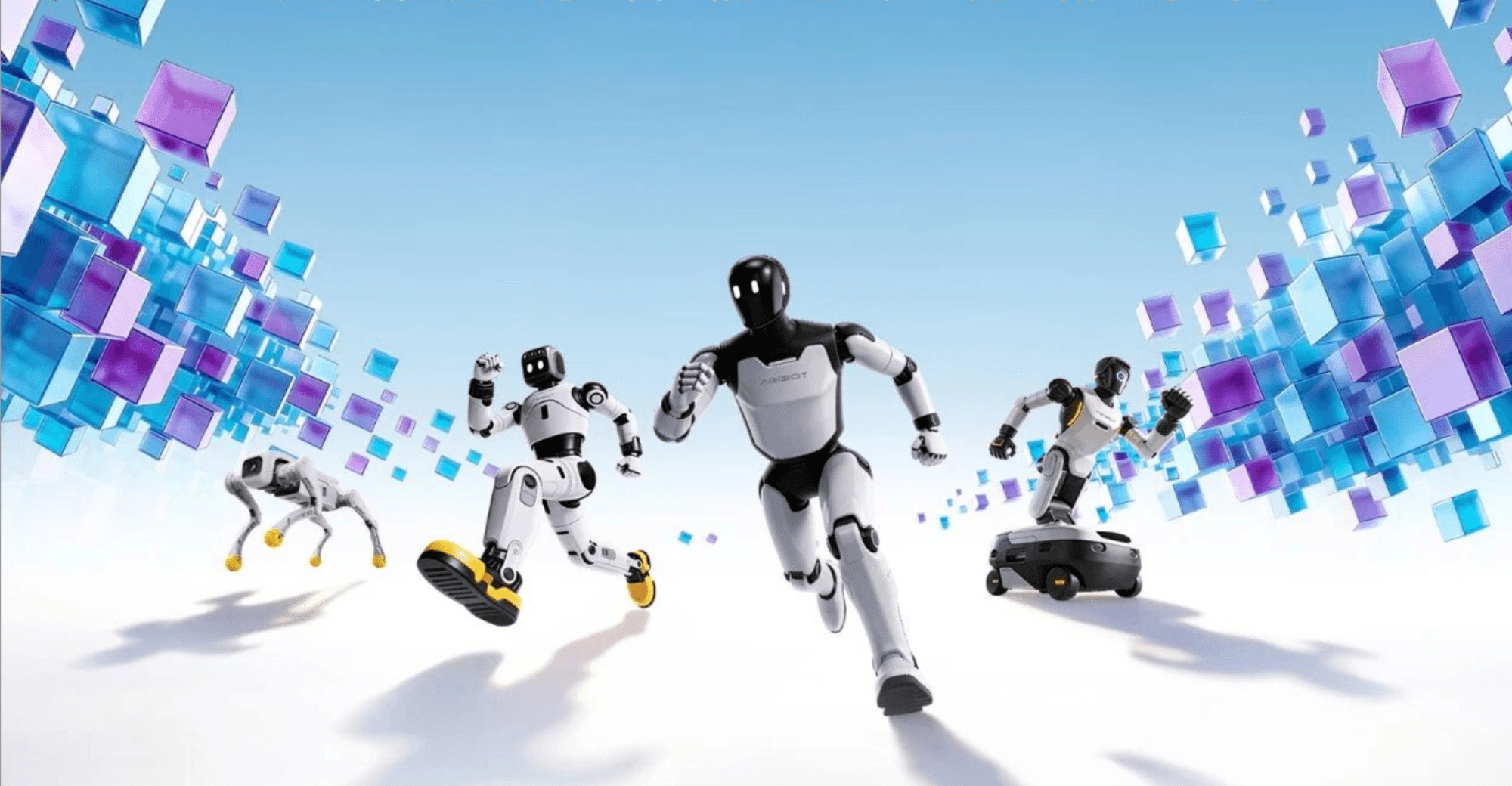
AGIBOT and Macao Trade and Investment Promotion Institute Forge Strategic Partnership to Expand Embodied AI Globally
AGIBOT has announced a partnership with the Macao government to establish a cross-border embodied AI hub aimed at serving global markets. This initiative, unveiled recently, seeks to leverage Macao's strategic location and technological resources to foster innovation and collaboration in the field of artificial intelligence. The hub is expected to attract international businesses and researchers, enhancing Macao's position as a key player in the AI landscape. By combining AGIBOT's expertise in AI development with Macao's supportive regulatory environment, the partnership aims to drive advancements in technology and create new economic opportunities. The project is part of a broader effort to position Macao as a center for technological innovation, responding to the growing demand for AI solutions worldwide.
News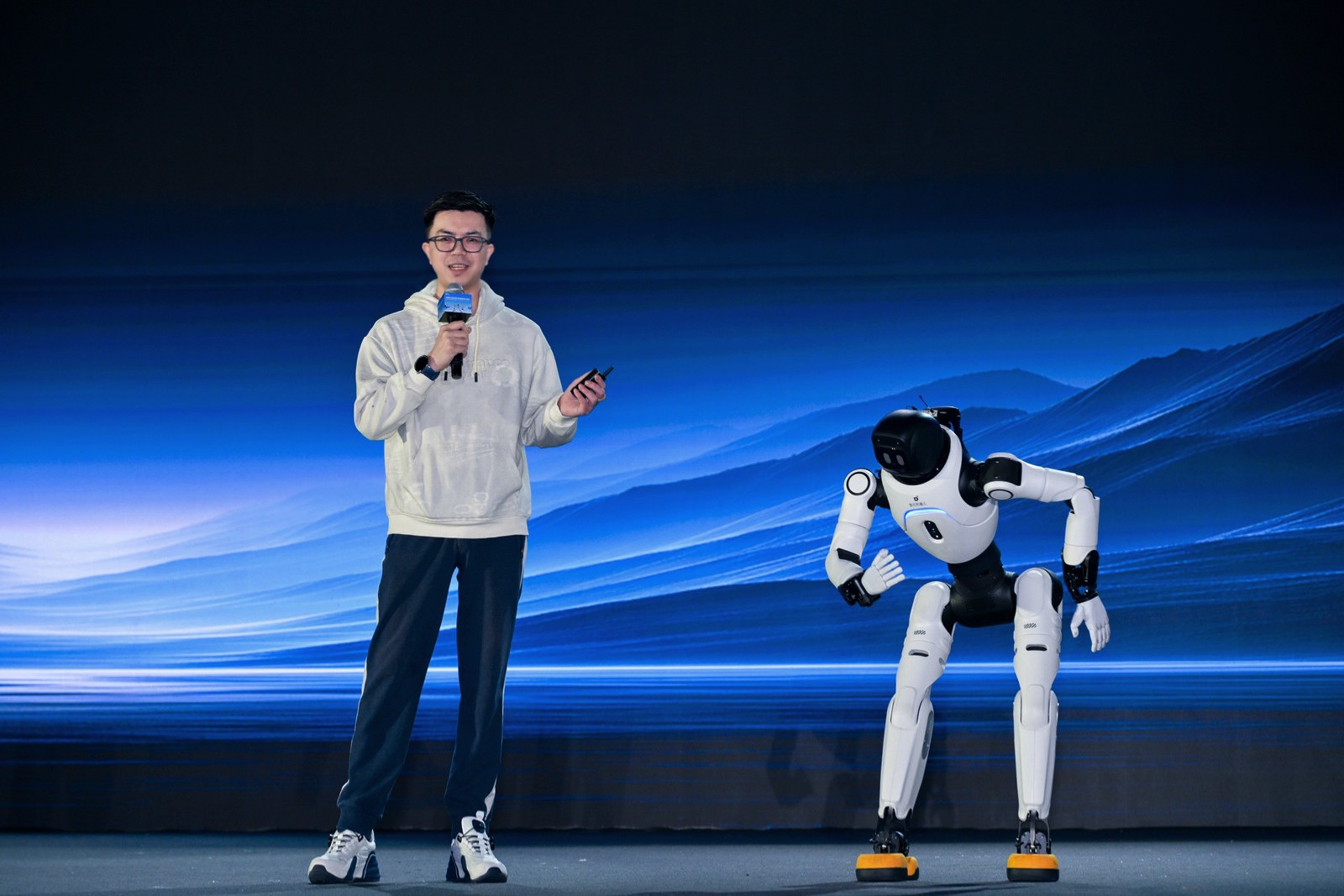
AGIBOT Unveils New Generation of Embodied AI Robots and Models, Accelerating Real
AGIBOT has unveiled a new generation of embodied AI robots and models designed to improve the deployment of physical AI in real-world applications. This launch, which took place recently, features advanced robotic platforms including the AGIBOT A3 humanoid robot, the D2 Max autonomous quadruped, and a body-free data collection system. These innovations are part of a broader ecosystem aimed at facilitating scalable AI development across various industries. The initiative seeks to enhance the integration of AI into human workflows, addressing the growing demand for advanced automation solutions.
Embodied AI Robotics Artificial Intelligence Automation Technology Innovation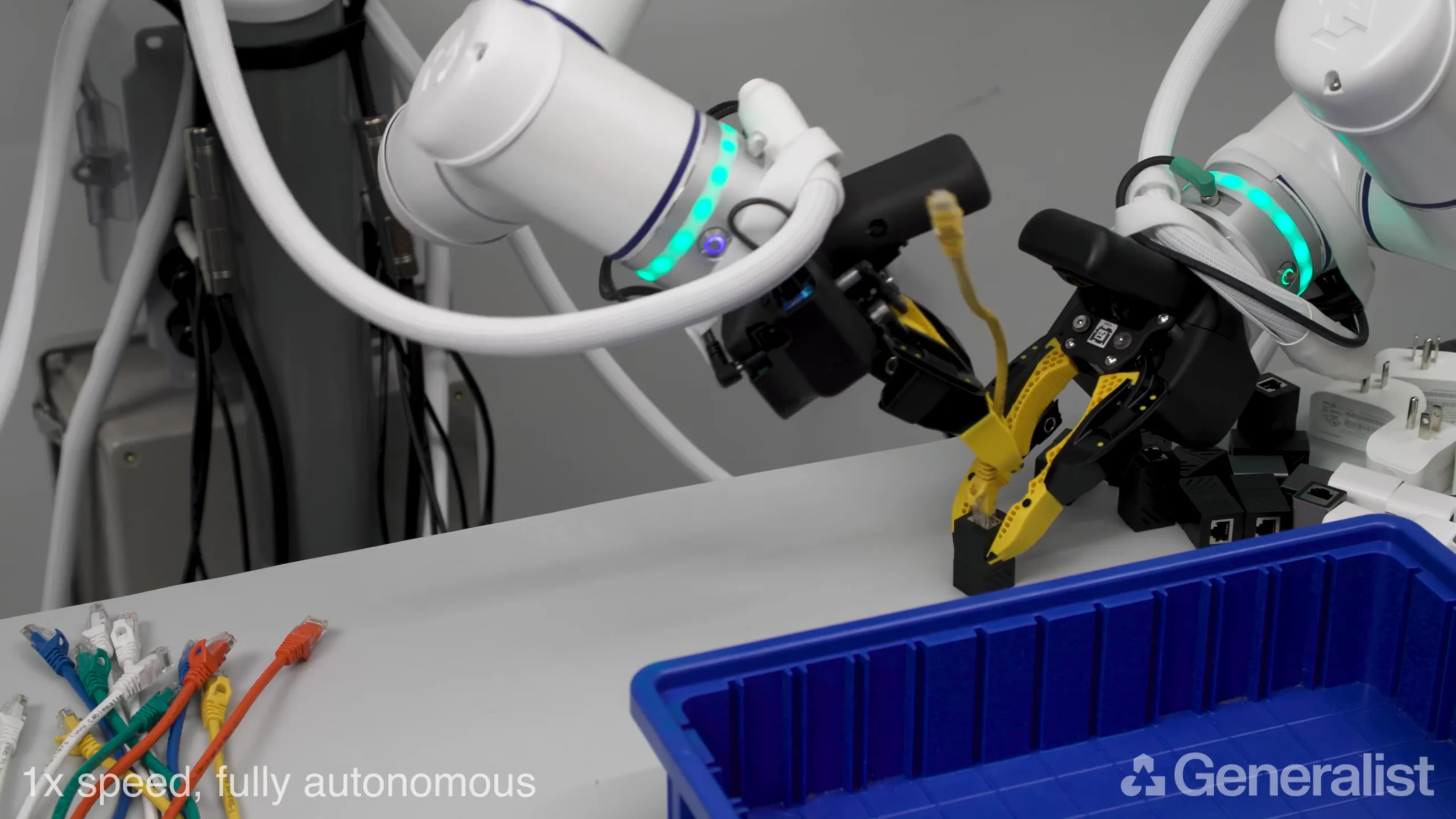
The Death of the Label: Generalist AI Rejects 'World Models' in Favor of First-Class Physical Foundation
Pete Florence, CEO of Generalist AI, has expressed his views on the evolving terminology within the artificial intelligence sector, specifically criticizing terms such as 'VLA' and 'World Model' as mere temporary solutions. During a recent discussion, he emphasized that the architecture of GEN-1, which boasts a 99% scratch-trained framework, represents a strategic investment in the future reliance on purely robotic data. Florence's insights reflect a broader industry trend towards embracing more advanced and foundational approaches to AI development, suggesting a shift away from conventional terminologies as the field matures. This commentary comes as the AI landscape continues to evolve rapidly, with companies seeking to establish more robust and effective models for the future.
US GEN-1 World-Models Generalist AI
ImportAI 449: LLMs training other LLMs; 72B distributed training run; computer vision is harder than generative text
As artificial intelligence continues to evolve, experts are raising concerns about its potential to disrupt political systems globally. A recent discussion among political analysts and technologists highlighted the possibility of an unprecedented political interregnum driven by AI advancements. This conversation gained momentum in October 2023, as various stakeholders, including policymakers and industry leaders, began to assess the implications of AI on governance and societal structures. The rapid integration of AI technologies into everyday life is prompting fears that traditional political frameworks may struggle to adapt, leading to instability and uncertainty. Analysts argue that the increasing reliance on AI for decision-making processes could undermine democratic institutions, as algorithms may not reflect the complexities of human values and ethics. In response to these concerns, experts are advocating for proactive measures to ensure that AI development aligns with democratic principles. They emphasize the need for transparent regulations and ethical guidelines to mitigate potential risks associated with AI's influence on political landscapes. The discourse around AI's role in shaping future governance is expected to intensify as the technology continues to advance, prompting a reevaluation of how societies govern themselves in an increasingly automated world. As the debate unfolds, the urgency for a collaborative approach among technologists, policymakers, and civil society becomes clear, aiming to harness the benefits of AI while safeguarding democratic integrity and social cohesion.

NVIDIA Launches Nemotron Coalition of Leading Global AI Labs to Advance Open Frontier Models
NVIDIA has launched the NVIDIA Nemotron Coalition, a global initiative aimed at fostering collaboration among open model builders and AI developers. Announced today, this coalition seeks to enhance the development of advanced open models by facilitating shared research, expertise, data, and computational resources. The initiative is designed to accelerate innovation within the AI sector, addressing the growing demand for cutting-edge technologies. By bringing together a diverse group of stakeholders, NVIDIA aims to drive progress in AI development and ensure that advancements benefit a wider community.

NVIDIA Ignites the Next Industrial Revolution in Knowledge Work With Open Agent Development Platform
NVIDIA has launched the Agent Toolkit, a new resource designed to assist enterprises in developing and deploying AI agents. This toolkit features the NVIDIA OpenShell, an open-source runtime that enables the creation of self-evolving agents capable of adapting to various tasks and environments. The introduction of this toolkit comes as businesses increasingly seek to leverage artificial intelligence for enhanced operational efficiency and innovation. By providing a robust framework for AI development, NVIDIA aims to empower organizations to harness the potential of autonomous agents, ultimately driving advancements in automation and intelligent systems. The toolkit is expected to facilitate the integration of AI solutions across different sectors, fostering a new era of intelligent enterprise applications.

Import AI 446: Nuclear LLMs; China's big AI benchmark; measurement and AI policy
As artificial intelligence continues to evolve, questions arise about the potential for AIs to experience emotions such as jealousy. Researchers in the field of AI and cognitive science are exploring the implications of advanced machine learning systems, particularly those trained on vast datasets, to understand whether these systems could develop complex emotional responses similar to humans. This inquiry has gained traction in recent months, with discussions intensifying around the ethical and philosophical ramifications of AI emotions. The investigation into AI jealousy is particularly relevant as developers strive to create more sophisticated and autonomous systems. Experts argue that while current AI lacks the capacity for genuine emotions, the rapid advancements in technology could lead to scenarios where AIs exhibit behaviors that mimic jealousy, particularly in competitive environments or when they perceive threats to their operational efficiency. This exploration is taking place in various research institutions and tech companies worldwide, with findings expected to influence future AI design and implementation. The motivation behind this research stems from a desire to ensure that as AI systems become more integrated into daily life, they do not inadvertently develop harmful behaviors or biases. By understanding the potential for emotional responses in AIs, researchers aim to create guidelines that promote ethical AI development and usage. As the conversation around AI emotions evolves, it raises critical questions about the nature of intelligence and the ethical considerations of creating machines that could potentially experience feelings akin to jealousy.

Import AI 442: Winners and losers in the AI economy; math proof automation; and industrialization of cyber espionage
A recent debate among AI researchers has emerged regarding the nature of superintelligence, with experts divided on whether it represents a sudden phase change or a gradual evolution in artificial intelligence capabilities. This discussion gained momentum during a conference held in San Francisco in early October 2023, where leading figures in the field gathered to share insights and predictions about the future of AI. Proponents of the phase change theory argue that superintelligence will manifest abruptly, resulting from a breakthrough in AI development that could dramatically surpass human cognitive abilities. They warn that such a sudden leap could pose significant risks if not properly managed. Conversely, those advocating for the gradual shift perspective believe that advancements in AI will unfold incrementally, allowing society to adapt and implement necessary safeguards over time. The motivation behind this debate stems from the increasing integration of AI technologies into various sectors, raising concerns about ethical implications, safety, and the potential for unintended consequences. As AI systems become more sophisticated, understanding the trajectory of their development is crucial for policymakers, researchers, and the public. This ongoing discourse highlights the need for comprehensive strategies to address the challenges posed by advanced AI, regardless of whether its evolution is abrupt or gradual. As the conversation continues, experts emphasize the importance of collaboration across disciplines to ensure that the benefits of superintelligence can be harnessed while minimizing risks.
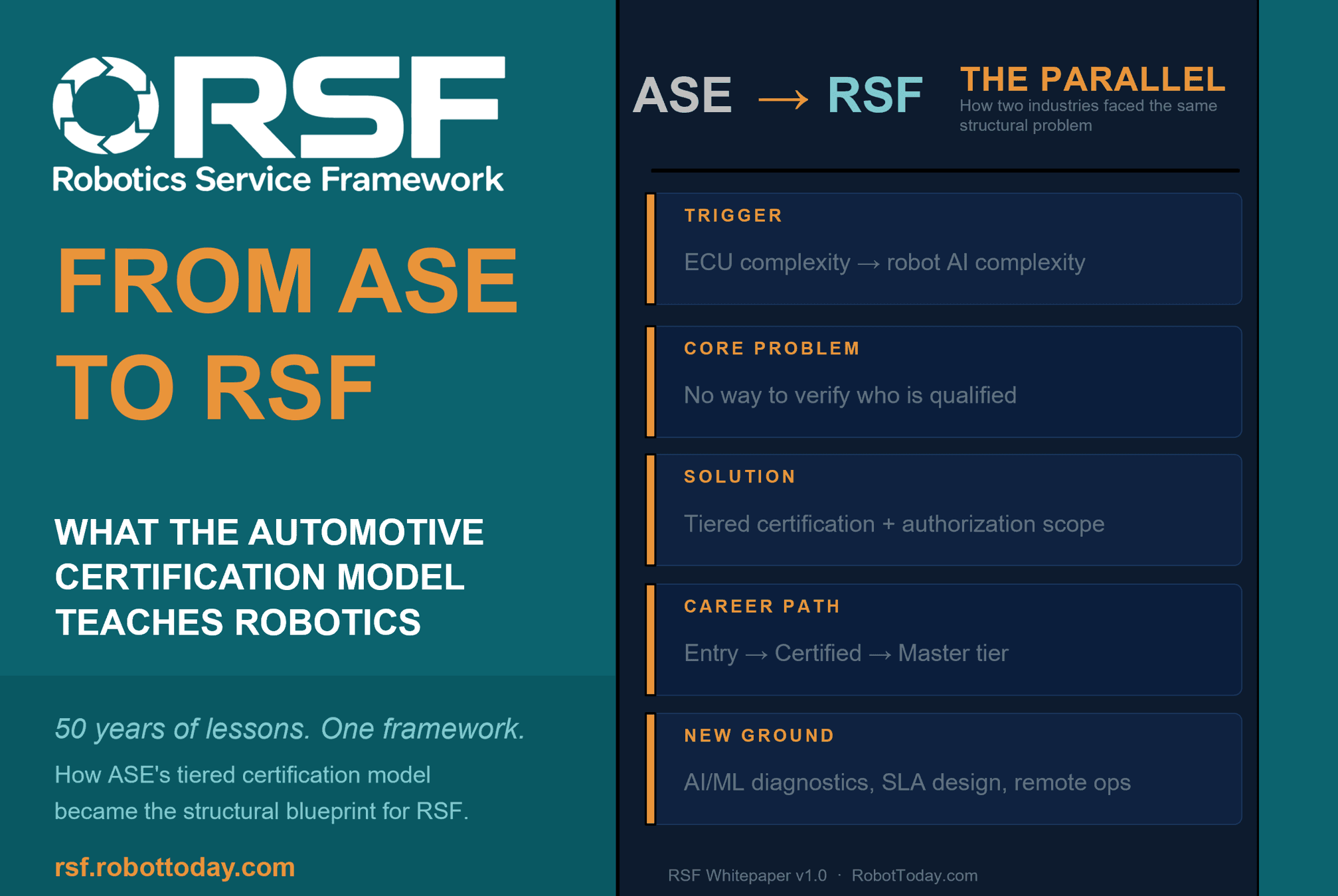
Robotics needs a service framework.
RSF defines a common language for robot service capability, lifecycle operations, certification pathways, and service-provider networks.