Industry Briefing
A single destination for timely, editor-curated robotics news from around the world.

XINMING Unveils R216g 3D Vision AI Module at Shanghai Conference
At the 2026 Zhangjiang Embodied Intelligence Developer Conference, XINMING unveiled its latest innovation, the R216g 3D Vision AI module. This cutting-edge technology is specifically designed for humanoid robots and collaborative arms, boasting advanced spatial perception capabilities that ensure high precision in complex environments. The introduction of the R216g aims to significantly improve the efficiency and reliability of physical AI applications across a range of industries, reflecting XINMING's commitment to advancing robotics and artificial intelligence.
3D Vision AI Humanoid Robots Collaborative Robotics Spatial Intelligence Industrial Automation
Denso Wave to Showcase Factory Robots and 3D Vision AI at ROBOT TECHNOLOGY JAPAN 2026
Denso Wave will participate in the upcoming "ROBOT TECHNOLOGY JAPAN 2026," scheduled to take place from June 11 to June 13, 2026, at the Aichi Sky Expo in Aichi Prefecture. This event aims to showcase advancements in robotics technology, reflecting the growing interest and innovation in the field. Denso Wave's involvement highlights its commitment to contributing to the development and promotion of robotics solutions.

IDS: Digital precision transforms aircraft construction with Ensenso 3D vision
In a significant advancement for aircraft manufacturing, an Ensenso 3D camera has been integrated into an automated process chain to enhance the precision of drilling position detection and alignment during cabin assembly. This innovative technology aims to streamline operations and improve accuracy in the assembly line, ultimately contributing to higher quality standards in aircraft production. The implementation of the 3D camera system is expected to reduce errors and increase efficiency, addressing the industry's ongoing need for precision in complex assembly tasks. This development marks a crucial step forward in the integration of advanced imaging technology within the aerospace sector, reflecting the industry's commitment to leveraging automation for improved manufacturing processes.
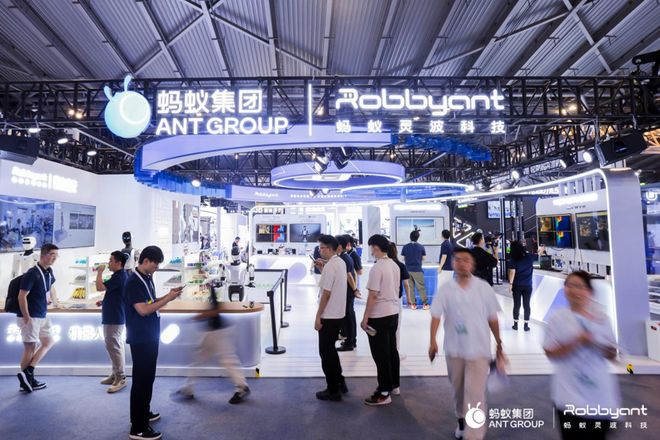
Orbbec and Ant Group Unveil Advanced Data Collection Solutions at WAIC 2026
At the 2026 World Artificial Intelligence Conference (WAIC) in Shanghai, Orbbec showcased its EGO RGB-D data collection platform in collaboration with Ant Group. This partnership aims to enhance data accuracy and stability for robotics applications by integrating self-developed depth chips and 3D vision hardware with spatial perception models. The significance of this collaboration lies in its potential to improve the quality of data used for physical AI model training and robotic perception. As embodied intelligence transitions from training to real-world applications, the focus shifts to data quality, sensor performance, and scalable delivery capabilities, addressing challenges such as occlusion and depth information loss in complex environments. Looking ahead, the EGO RGB-D series, designed for precise desktop operations, is expected to play a crucial role in advancing physical AI and embodied intelligence. No further timeline was disclosed at the time of publication.
Data Collection Robotics 3D Vision AI Sensor Technology
ORBBEC Expands Beyond Robot Vision Into Physical AI and 3D Printing
ORBBEC, a leading company in 3D vision perception, is broadening its horizons beyond its traditional focus on robot vision. The firm is strategically venturing into several high-growth sectors, including healthcare, smart retail, and autonomous driving. This expansion comes as part of ORBBEC's initiative to leverage its advanced technology and expertise to meet the increasing demand for innovative solutions in these emerging markets. The company aims to enhance its product offerings and capture new opportunities, positioning itself as a key player in the rapidly evolving landscape of 3D vision applications. As ORBBEC continues to innovate and diversify, it seeks to establish a strong foothold in these sectors, which are expected to see significant growth in the coming years.
Robotics
Time-of-Flight as a key technology for cost-sensitive 3D applications
Patrick Schick, the Product Manager for 3D Vision at IDS, recently provided insights into the development and technical considerations surrounding Nion, a cutting-edge technology in the field of 3D imaging. In his discussion, Schick contextualized the innovative iToF (indirect Time of Flight) technology, emphasizing its significance in enhancing depth perception and spatial awareness in various applications. He outlined typical use cases for Nion, showcasing its potential across industries such as robotics, automation, and augmented reality. Schick's commentary sheds light on the strategic decisions that guided the creation of Nion, illustrating how advancements in 3D vision technology can drive efficiency and innovation in multiple sectors.
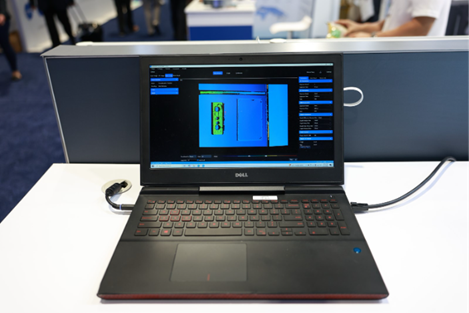
Automate 2026: Orbbec Brings AI-Powered Vision Solutions to Address Industrial Automation Challenges
Orbbec, a prominent player in robotics and 3D vision technology, is presenting its innovative 3D vision products and solutions aimed at enhancing industrial automation during the Automate 2026 event. The exhibition is taking place at Booth 14045 in the North Building. This showcase highlights Orbbec's commitment to advancing automation processes in various industries, reflecting the growing demand for efficient and intelligent manufacturing solutions. By leveraging cutting-edge technology, Orbbec aims to demonstrate how its products can streamline operations and improve productivity in the industrial sector.

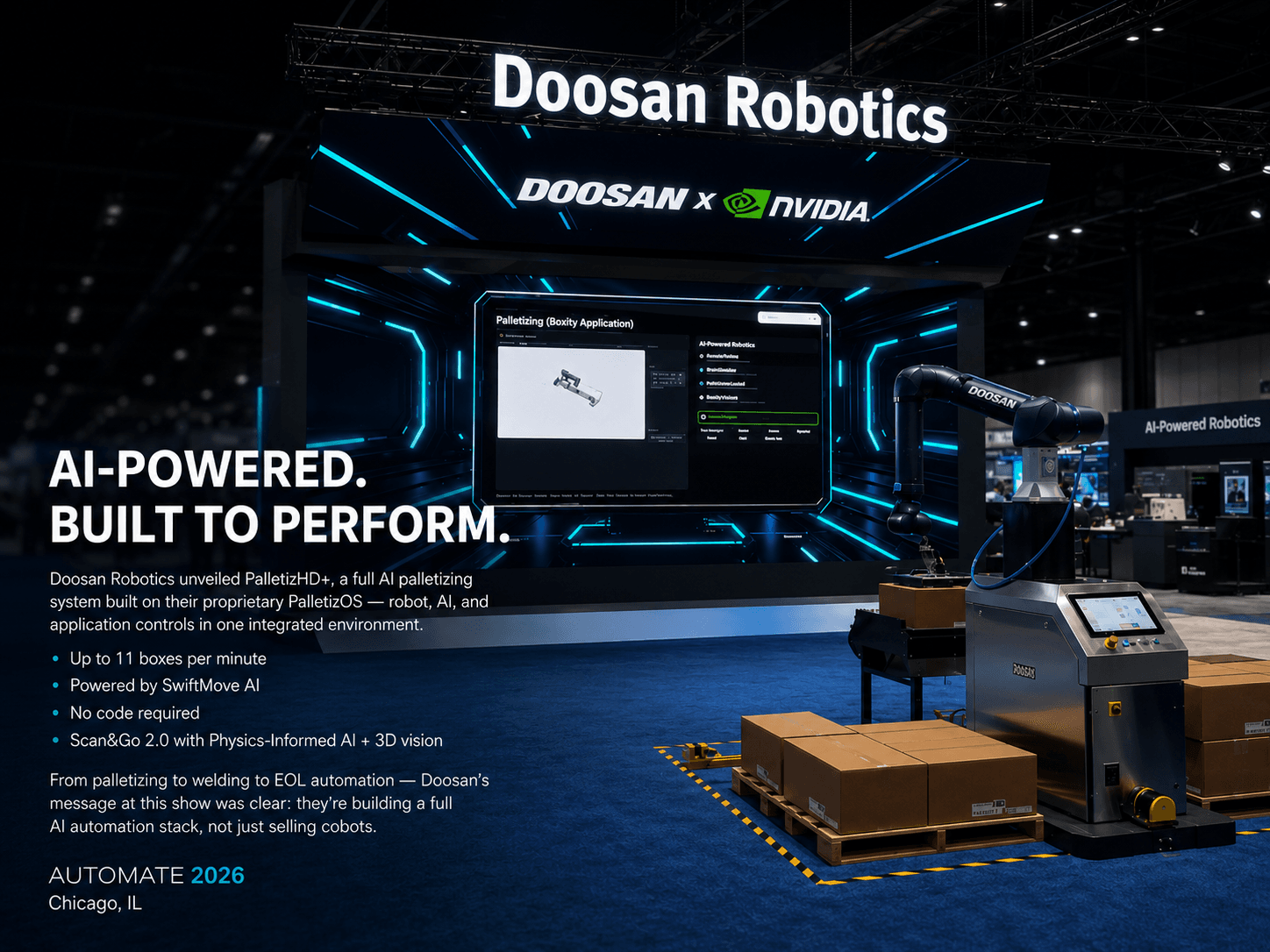
Doosan Robotics Unveils AI Palletizing Solution PalletizHD+ at Automate 2026
A new solution has been introduced that integrates artificial intelligence, robotics, and PalletizOS, aimed at enhancing throughput and streamlining palletizing operations for manufacturers. This innovative technology was showcased at a recent industry event, highlighting its potential to transform production processes. In addition to the palletizing advancements, the exhibition also featured advanced sanding and welding solutions that utilize Physics-Informed AI and 3D vision, demonstrating the growing intersection of AI and manufacturing. The developments reflect a broader trend towards automation and smart manufacturing, driven by the need for increased efficiency and productivity in the industry.
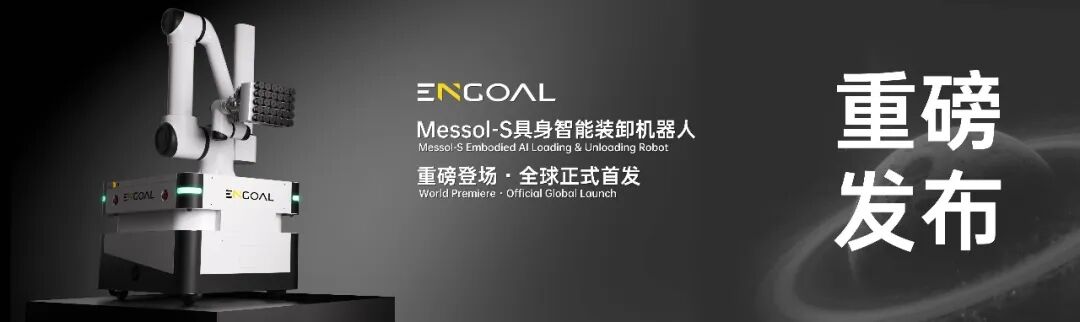
Engoal Launches Messol-S Intelligent Loading Robot to Tackle Mixed Box Challenges
Engoal has unveiled the Messol-S, an advanced intelligent loading robot aimed at simplifying the challenges of mixed box loading in automated logistics. The launch, which took place recently, highlights the robot's capabilities, including dual 3D vision and SLAM navigation technology. These features enable the Messol-S to adapt to different box sizes and stacking techniques, thereby minimizing product damage and improving operational efficiency within warehouse environments. This innovation is expected to transform logistics operations by streamlining the loading process and enhancing overall productivity.
Intelligent Robotics Logistics Automation Warehouse Solutions AI Technology
How the Modular Concept Can Help You Build a Future-Proof and Secure Robotic Computing Platform
An advanced robotic platform has been developed to execute real-time multi-axis motion control while simultaneously processing data from various sensors, including 2D and 3D vision cameras and LIDAR. This innovative technology, unveiled today, aims to enhance automation and precision in various applications. By integrating multiple data streams, the platform can effectively navigate and respond to its environment, showcasing significant advancements in robotics and sensor technology. The development is expected to have wide-ranging implications across industries, from manufacturing to autonomous vehicles, as it demonstrates the potential for improved efficiency and safety in complex tasks.
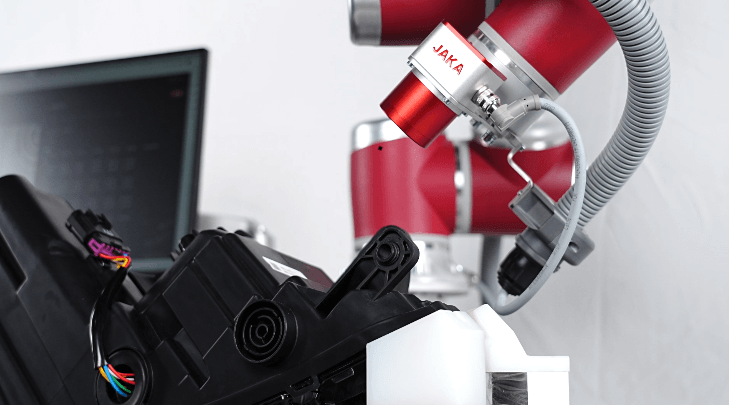
Assembly Robots for Consumer Electronics: Challenges and Solutions
The consumer electronics industry is increasingly adopting specialized assembly robots to address the challenges posed by rapid product life cycles and the need for precision in manufacturing. As smartphones, wearables, and home gadgets evolve, traditional manual assembly methods struggle to keep up with the demand for high-quality production. This shift is driven by the need for accuracy in handling densely packed components, which require sub-millimeter precision and are sensitive to electrostatic discharge. To adapt to frequent design changes and seasonal updates, manufacturers are turning to flexible automation solutions. These advanced robots can be quickly reprogrammed and equipped with modular end-effectors, enabling them to perform various tasks across different product lines. The integration of 2D and 3D vision systems enhances quality control, allowing robots to make real-time adjustments to ensure precise assembly. JAKA, a leader in robotics technology, has developed the JAKA A12L, designed specifically for the electronics sector. This robot offers a long reach and high payload capacity, making it suitable for large-format assembly. With an impressive repeatability of ±0.03mm, JAKA's solutions meet the stringent requirements of consumer electronics manufacturing. The company emphasizes ease of integration and safety, providing an open software ecosystem for seamless communication with vision sensors and factory systems, along with user-friendly wireless control through the JAKA App. This innovation positions manufacturers to turn production challenges into competitive advantages.
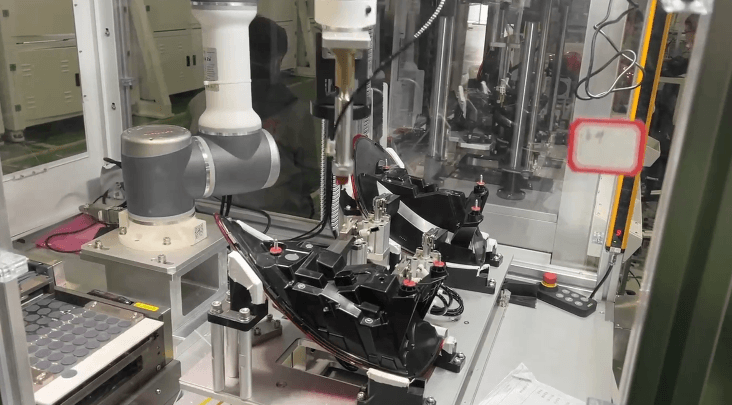
5 Factors to Consider When Selecting Assembly Robots for High-Mix Production
In response to the evolving demands of modern manufacturing, JAKA has introduced advanced assembly robots designed specifically for high-mix, low-volume production environments. This shift, which contrasts sharply with traditional mass production, requires automation systems capable of quickly adapting to various products and tasks. JAKA's S12 robot, featuring a 12kg payload and a 1327mm working radius, exemplifies this adaptability, allowing manufacturers to respond efficiently to changing market needs without incurring excessive operational costs. The S12 robot is engineered for ease of programming, utilizing intuitive graphical interfaces that enable technicians to reprogram it quickly, reducing downtime significantly. Its design incorporates interchangeable end-effectors, allowing it to handle diverse product types, from flat panels to engine components, with precision. Additionally, the robot's advanced safety features, including force-torque sensors, facilitate a collaborative workspace where humans and machines can operate safely in proximity. With a repeatability of ±0.03 mm, the S12 ensures high-quality assembly across various tasks, maintaining accuracy even after multiple re-deployments. Its integration with 2D and 3D vision systems allows it to manage unsorted parts effectively, a crucial capability for high-mix production lines. JAKA's commitment to flexibility is further demonstrated through its wireless software ecosystem, enabling remote management via the JAKA App. By investing in JAKA's technology, manufacturers can enhance their production agility and maintain competitiveness in a rapidly changing market.
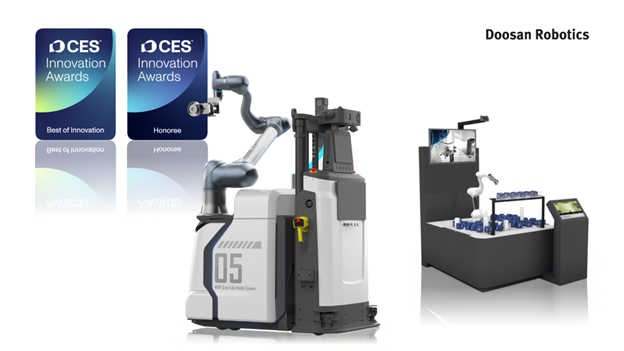
Doosan Robotics Unveils Award-Winning AI Robot Solution, as the Beginning of a New Path at CES 2026
Doosan Robotics Inc., a leader in collaborative robotic solutions, is set to showcase its latest innovations at CES® 2026, taking place from January 6 to 9 at the Las Vegas Convention Center. The company will present the Scan & Go Autonomous Robotic Solution, which has garnered two CES Innovation Awards, including “Best of Innovation” in the AI category. This AI-driven system revolutionizes large-scale composite repair by utilizing cognitive learning and laser-based 3D vision to interpret complex geometries in real time, thereby eliminating the need for traditional CAD modeling. Deployed on an autonomous forklift, Scan & Go is designed to perform intricate tasks such as sanding and grinding on large structures, enhancing production efficiency and workplace safety. In addition, Doosan Robotics will unveil its AI-Powered Depalletizing demonstration, which features real-time motion planning using Nvidia cuMotion technology. This automated solution employs 3D vision for box recognition and obstacle avoidance, significantly improving operational efficiency in logistics environments. Kevin Kim, CEO of Doosan Robotics, emphasized the company's commitment to providing cutting-edge solutions that enhance efficiency and safety across various industries. Earlier this year, Doosan Robotics announced a strategic shift towards becoming an AI robotic solutions company, focusing on future growth and technological competitiveness. The company plans to launch its AI Palletizing Solution in the first half of this year, further solidifying its position in the robotics market.
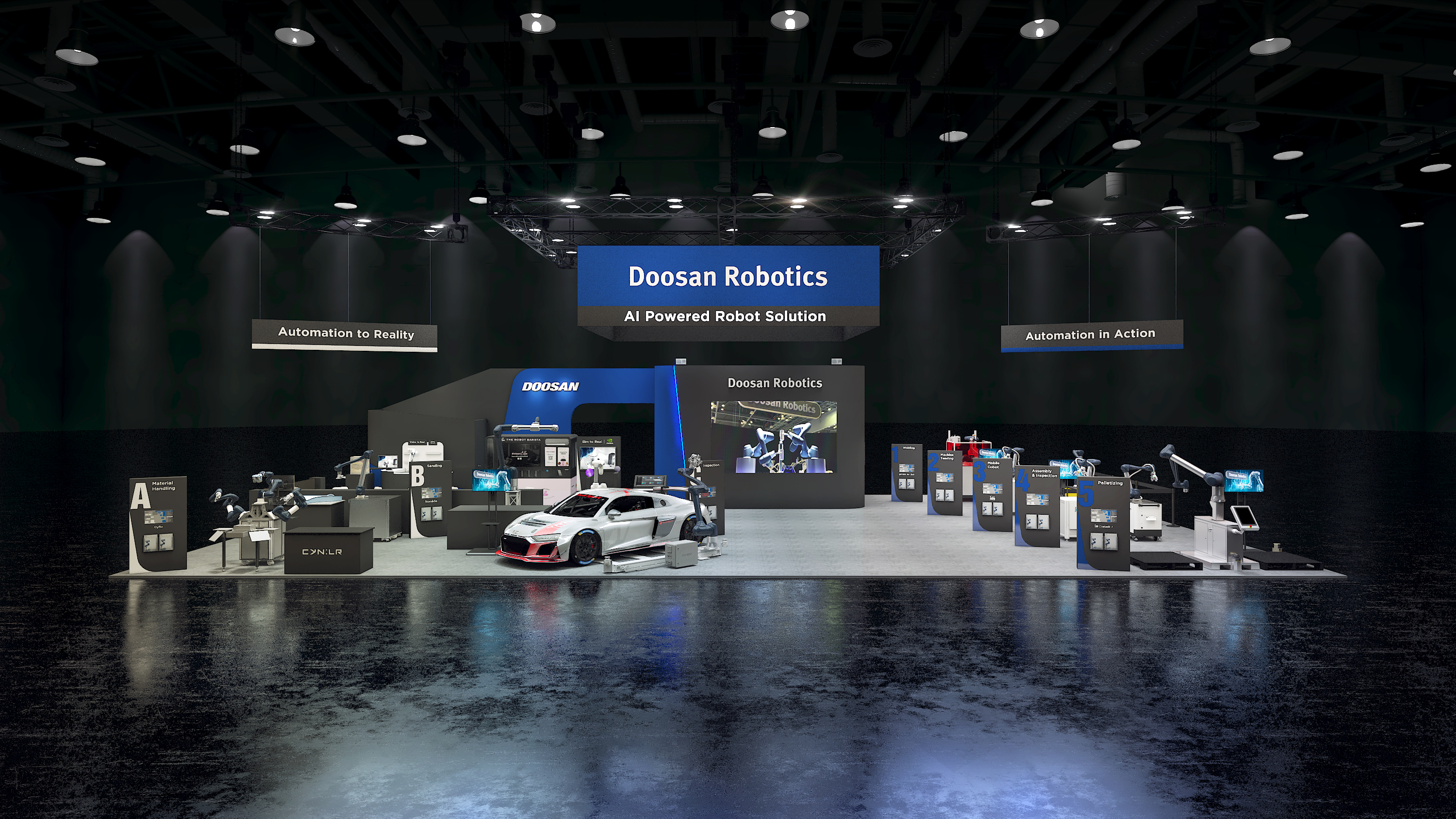
Doosan Robotics to Unveil 'AI Robot Solution' at Automatica 2025
Doosan Robotics has announced its participation in Automatica 2025, Europe’s leading automation exhibition, set to take place in Munich, Germany, starting June 24. The company will showcase its innovative 'AI Robot Solution' across two exhibition zones: 'Automation in Action' and 'Automation to Reality.' In the 'Automation to Reality' area, attendees will have the opportunity to explore a variety of AI-integrated robotic solutions, including technologies developed in collaboration with NVIDIA and AWS. Among the highlights is 'Voice to Real,' a voice-recognition solution co-developed with AWS, and an enhanced version of *Mixmaster Moodie*, which features a 3D vision camera to understand everyday language and execute tasks autonomously. The Material Handling Solution will demonstrate three collaborative robots capable of recognizing and manipulating objects without prior training, utilizing Doosan's Multi-Arm Dynamic Manipulation Engine for complex tasks. Additionally, the Sanding Solution will enable robots to autonomously polish intricate surfaces, while the Inspection Solution will conduct real-time vehicle inspections using a 3D scanning system. Another key feature is "Sim to Real," a motion control solution that leverages NVIDIA Isaac Sim for simulating AI-driven robots, allowing for rapid computation of robot trajectories and seamless transfer to physical robots. The 'Automation in Action' zone will exhibit practical applications of robotics in manufacturing processes such as welding, assembly, and quality inspection. These solutions, co-developed with European partners, are already in use by major companies like General Motors, Danone, Heineken, and Royal Mail, highlighting their commercial viability in the European market.
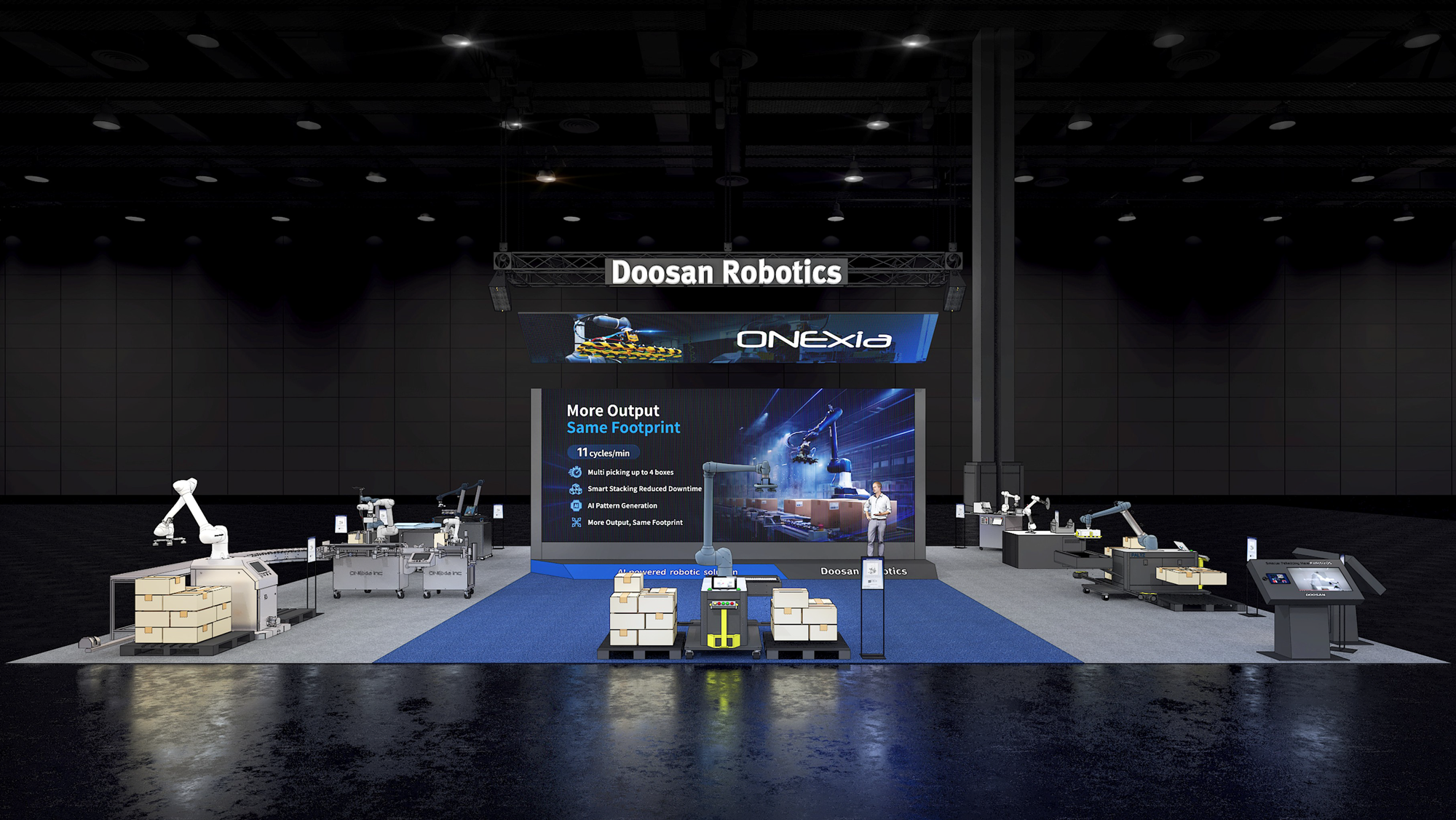
Doosan Robotics Unveils AI Palletizing Solution PalletizHD+ at Automate 2026
Doosan Robotics has unveiled its latest innovation, PalletizHD+, an AI-driven palletizing solution set to debut at Automate 2026, North America's premier automation exhibition, taking place from June 22 to 25 at McCormick Place in Chicago. This new technology aims to simplify the traditionally complex process of palletizing automation by integrating the robot, AI, and application controls into a single platform through Doosan's proprietary PalletizOS. PalletizHD+ boasts impressive capabilities, processing up to 11 boxes per minute and managing multiple boxes simultaneously, thanks to its SwiftMove technology, which optimizes robot motion for enhanced speed and stability. This advancement not only increases throughput but also shortens the payback period for automation investments. The solution features an intuitive interface that allows users to input box dimensions and pallet conditions, enabling the AI to automatically generate optimized stacking patterns, facilitating quicker adjustments for varying product types and packaging formats. Additionally, the system includes remote support features to streamline operational efficiency by allowing users to monitor system status and troubleshoot issues swiftly. At the Automate 2026 event, Doosan Robotics will also showcase Scan&Go 2.0, an upgraded solution that empowers robotic arms to autonomously execute complex tasks using advanced AI and 3D vision technology. CEO Kevin Kim emphasized the company's commitment to expanding its portfolio of AI-powered robotic solutions, aiming to enhance productivity and operational efficiency across various industrial applications.
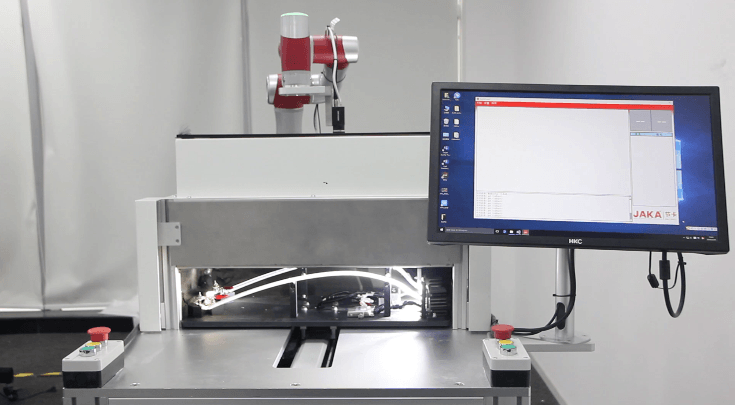
Top 5 Trends of the Industrial Robot Arm Industry in 2026
In 2026, the landscape of industrial automation and robotics is undergoing a transformative shift, moving from rigid machines to intelligent, adaptive systems. This evolution is driven by global manufacturing challenges, including labor shortages and the demand for hyper-personalization. Key advancements in connectivity and artificial intelligence are reshaping productivity and safety on factory floors. A major trend is the emergence of "self-evolving" robots that utilize generative AI to autonomously learn new tasks, minimizing the need for manual programming. Additionally, agentic AI empowers these machines to make informed decisions in complex environments, enhancing their ability to predict equipment failures and optimize operations in real-time. The convergence of Information Technology (IT) and Operational Technology (OT) is facilitating seamless data exchange between digital systems and physical robots. This integration allows for the creation of digital twins, enabling manufacturers to simulate production changes before implementation. Cloud connectivity has become standard, with nearly half of new deployments leveraging IoT technology for predictive maintenance. This capability allows robots to monitor their health and schedule repairs proactively, reducing unplanned downtime and long-term costs. Furthermore, advanced 2D and 3D vision systems are enhancing robots' capabilities, enabling them to perform high-speed quality inspections and adjust their behavior for safety around human workers. The shift towards modular and scalable automation is also notable, as manufacturers adopt flexible robot cells that simplify integration and facilitate quick changeovers. Leading this innovation is JAKA Robotics, whose JAKA A12 model exemplifies the future of flexible automation. With a 12 kg payload and a 1425 mm working radius, the JAKA A12 combines high performance with user-friendly deployment through a wireless software ecosystem, positioning itself as a key player in the evolving industrial landscape.
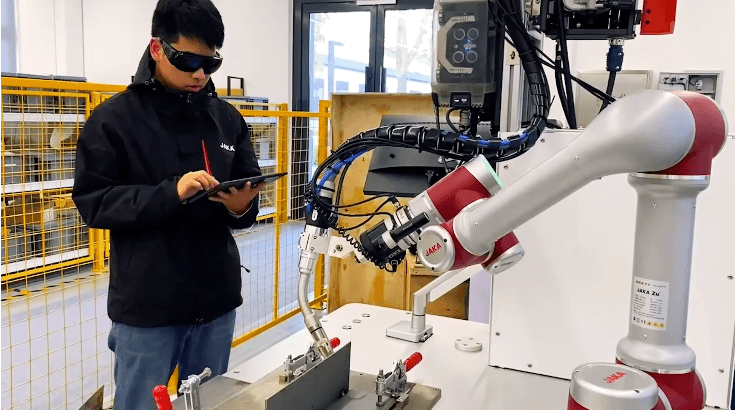
What Do Industrial Robot Arms Do? Functions in Modern Manufacturing
In the evolving landscape of modern manufacturing, industrial robot arms have emerged as essential components, revolutionizing production processes across various sectors, including automotive and pharmaceuticals. These advanced mechanical systems, designed to replicate human dexterity, offer unmatched precision, endurance, and payload capacity, enabling manufacturers to achieve unprecedented efficiency. Equipped with versatile "End-of-Arm Tooling" (EOAT), these robots perform a range of tasks, from picking and placing delicate electronic components to executing precise welding and material removal. Their ability to maintain consistent quality and reduce waste makes them invaluable in heavy industry. Furthermore, advancements in automation have led to the integration of 2D and 3D vision systems, allowing robots to adapt to their environment, detect defects, and handle unsorted parts, transforming them from simple tools into intelligent collaborators. Leading the charge in this industrial revolution is JAKA, a company that has developed the JAKA Zu and Pro series of robot arms. These models exemplify flexibility and ease of deployment, designed for seamless transitions between tasks such as screw driving and inspection. With user-friendly wireless control and graphical programming via the JAKA App, manufacturers can optimize their production lines without requiring extensive coding knowledge. JAKA's innovative solutions provide a compact and efficient alternative to traditional automation, empowering businesses to enhance their operational capabilities and reach their full potential.
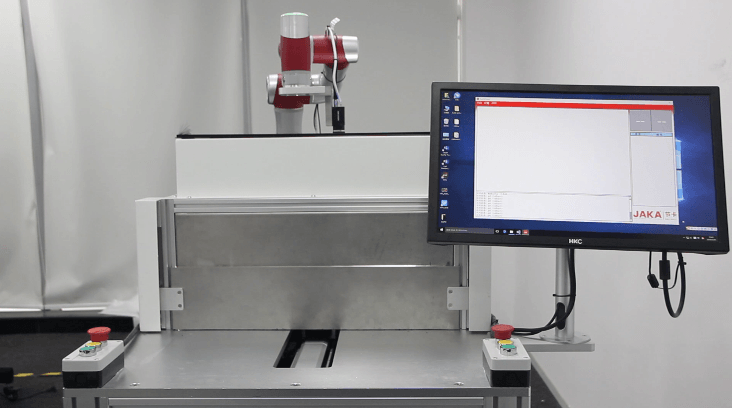
How Collaborative Robots Are Improving Quality Control in Electronics Manufacturing
The electronics industry is undergoing a significant transformation as manufacturers increasingly adopt collaborative robots to enhance quality control and inspection processes. With rapid product lifecycles and the demand for zero-defect production, traditional automation methods often fall short in the high-mix, low-volume production environment typical of modern tech manufacturing. Collaborative robots, or cobots, are now being integrated into precision testing and visual inspection lines, offering the speed and accuracy needed while maintaining the flexibility required for delicate electronic assembly. These robots can perform Automated Optical Inspection (AOI) with sub-millimeter precision, significantly reducing the risk of human error associated with fatigue and perceptual blindness during long shifts. Companies like JAKA are leading this innovation by developing robots equipped with advanced 2D and 3D vision systems. Their JAKA AL series features an integrated vision system that allows the cobot to autonomously identify components and check for assembly errors without the need for external cameras. This capability enables real-time adjustments to the production line, helping to identify quality drifts before they result in defective batches. JAKA’s engineering emphasizes safety and high performance, with models like the JAKA Zu series designed for high-speed testing while ensuring safe human interaction through torque-feedback collision detection. By investing in JAKA collaborative robots, manufacturers can ensure that every device produced meets stringent global standards, thereby maintaining a competitive edge in the electronics market.

Voyis Launches VSLAM 1.3 for Improved 3D Visualization in Subsea Inspections
Voyis, a prominent player in underwater optical systems, has partnered with EIVA to unveil the latest version of Voyis VSLAM powered by EIVA NaviSuite, now at version 1.3. This significant update enhances real-time subsea mapping capabilities, offering users an innovative 3D visualization experience through advanced voxel-based rendering and stereo vision technologies. The release aims to improve the efficiency and accuracy of underwater exploration and mapping, catering to industries reliant on precise subsea data. This development reflects the ongoing commitment of both companies to push the boundaries of underwater technology and provide cutting-edge solutions for their clients.
voyis vslam 1.3 augmented 3d visualization enhanced subsea inspection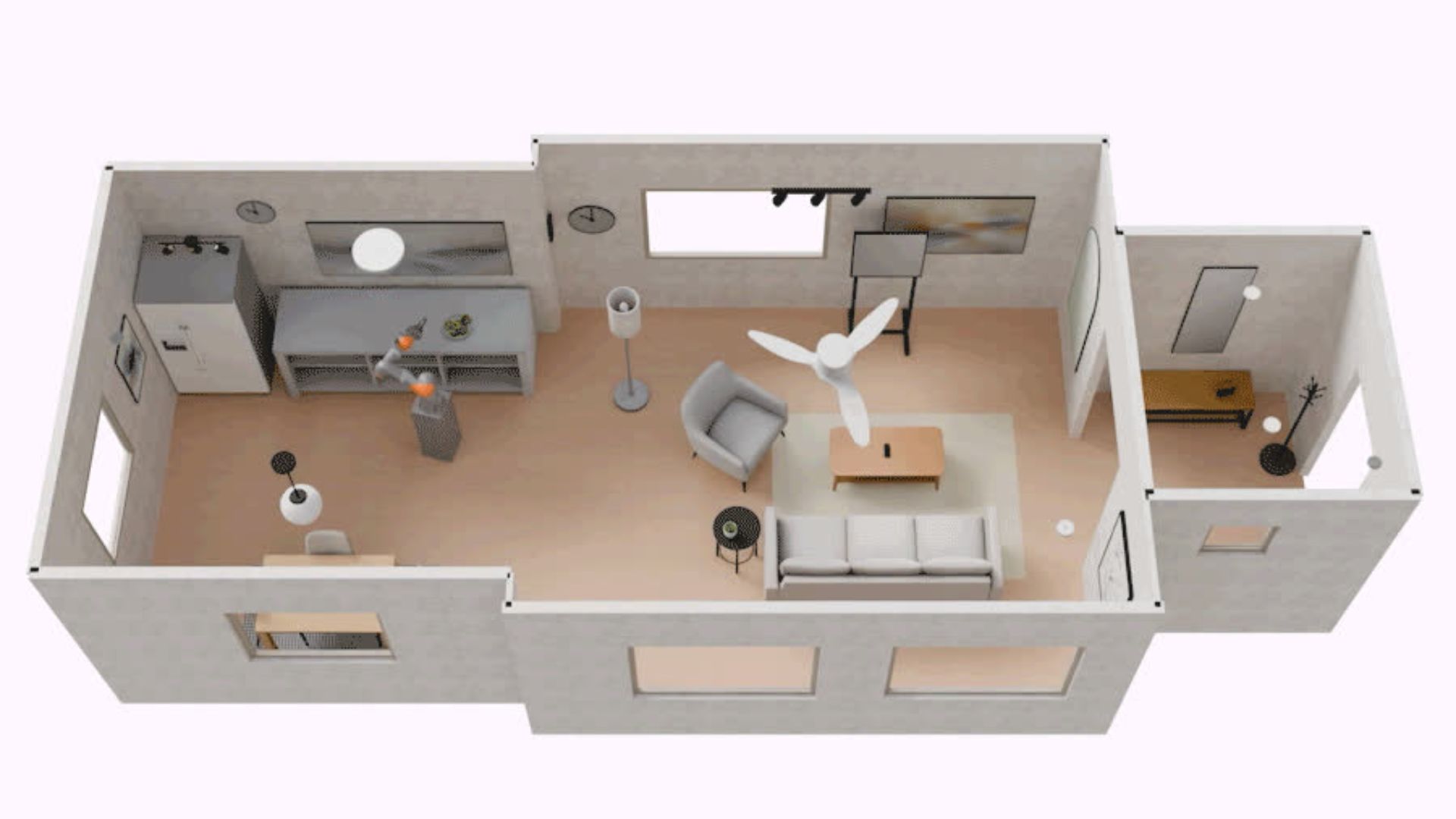
MIT Develops SceneSmith: AI System for Creating Realistic 3D Training Environments for Robots
Researchers at MIT have developed SceneSmith, an AI-powered platform that generates realistic 3D indoor environments for robot training. This innovative system utilizes three collaborative AI agents to create detailed virtual spaces, enabling robots to practice everyday tasks safely and efficiently before real-world deployment. The significance of SceneSmith lies in its ability to reduce the costs and time associated with traditional robot training methods. By providing a virtual setting that mimics real-life environments such as kitchens and offices, robots can learn to interact with various objects without the need for extensive human supervision or physical trials. Looking ahead, SceneSmith has already generated over 1,300 virtual environments, allowing robots to practice tasks like placing fruit on plates and opening cabinets. Researchers have tested robot control programs in 100 different environments, achieving over 99 percent agreement between AI evaluations and human reviewers. No further timeline was disclosed at the time of publication.
AI and Robotics
RS Aqua and UVision Partner to Deliver Underwater 3D Imaging Technology to the Ocean Science Industry of the UK & Ireland
RS Aqua, a specialist in ocean technology, has formed a new partnership with Copenhagen-based technology firm UVision. This collaboration aims to leverage both companies' expertise to advance innovations in marine technology. The announcement was made today, signaling a strategic move to enhance product offerings and expand market reach. By combining RS Aqua's experience in oceanic solutions with UVision's cutting-edge technology, the partnership seeks to address growing demands in the marine sector, particularly in areas such as environmental monitoring and data collection. This alliance is expected to facilitate the development of new technologies that will benefit various stakeholders in the marine industry.
rs aqua uvision partnership underwater 3d imaging technology
Orders Double! Aobo Zhiguang's Humanoid Robot Business Thrives
Aobo Zhiguang, a prominent figure in China's humanoid robot sector, is experiencing an impressive increase in orders, with quarterly growth rates surpassing 60% since the beginning of 2025. This surge is attributed to the company's enhanced supply chain management and manufacturing efficiency, which have allowed it to reduce delivery times to approximately 20 days. As Aobo Zhiguang broadens its global customer base, it is also witnessing significant improvements in its financial performance, transitioning from a focus on investment to achieving profitability in the rapidly expanding robotics market.
Humanoid Robots 3D Vision Technology Robotics Industry Supply Chain Management
CCTV Highlights: Domestic Humanoid Robot Orders Double, Delivery Speed Increases by 50%
CCTV recently highlighted the swift expansion of China's humanoid robot industry, spotlighting Aobo Zhiguang as a pivotal contributor in the sector. The company has experienced a notable surge in orders alongside improved delivery times, attributed to advancements in technology and enhanced supply chain management. As Aobo Zhiguang continues to attract a growing customer base and report strong financial performance, it solidifies its status as a leader in the rapidly evolving humanoid robotics market.
Humanoid Robots 3D Vision Technology Robotics Industry Supply Chain Management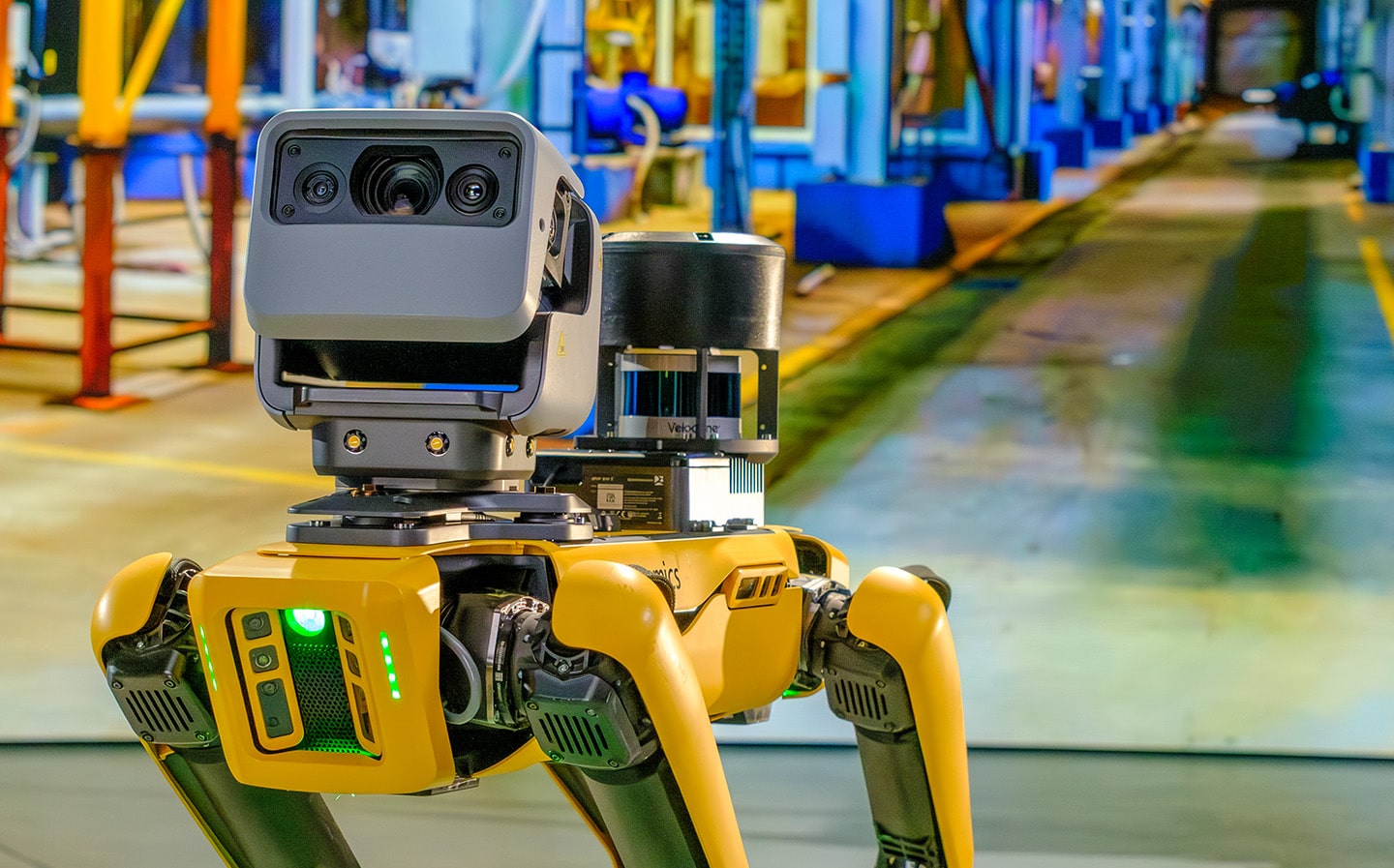
Robot Vision Systems: 3 Ways Robots See the World | Boston Dynamics
Modern robot vision systems are increasingly utilizing advanced technologies such as visual cameras, 3D lidar scans, and various sensors to enhance their ability to interpret, navigate, and interact with their surroundings. These developments are part of a broader trend in robotics aimed at improving automation and efficiency across multiple industries. As of October 2023, the integration of these sophisticated systems is revolutionizing how robots perceive and respond to their environment, enabling them to perform complex tasks with greater accuracy and reliability. This advancement is driven by the need for more intelligent and adaptable robotic solutions in sectors ranging from manufacturing to healthcare, where precise navigation and interaction with dynamic environments are crucial. The ongoing research and implementation of these technologies signify a significant leap forward in the field of robotics, paving the way for more autonomous and capable machines.

oToBrite Showcases Automotive-Grade Vision-AI for North America's Robotics and Unmanned Vehicle Market at XPONENTIAL 2026
oToBrite has unveiled its latest innovation, a long-range 3D stereo vision camera module designed specifically for robotics, during a recent exhibition. This advanced system boasts impressive features, including 120 dB high dynamic range (HDR) imaging and global shutter synchronization. These capabilities allow for stable feature extraction even in difficult conditions, such as bright sunlight, deep shadows, and low-texture environments. The launch aims to enhance the performance of robotic systems, making them more effective in a variety of real-world applications.

Oceaneering Expands Vision™ Platform with Subsea Module for Engineering‑Grade Integrity Visualization
Oceaneering International, Inc. has unveiled Vision™ Subsea, a new module integrated into its cloud-based Vision™ 3D data visualization software platform, developed by its subsidiary GDi. Announced today, this innovative module provides engineers with access to engineering-grade point cloud data collected during remotely operated vehicle (ROV) operations. By offering a measurable and contextual view of subsea asset integrity, Vision™ Subsea enhances the ability to identify anomalies, conduct dimensional checks, and plan interventions effectively. This advancement aims to improve the safety and efficiency of subsea operations, addressing the growing need for precise monitoring and maintenance of underwater infrastructure.
oceaneering gdi vision™ platform subsea module integrity visualization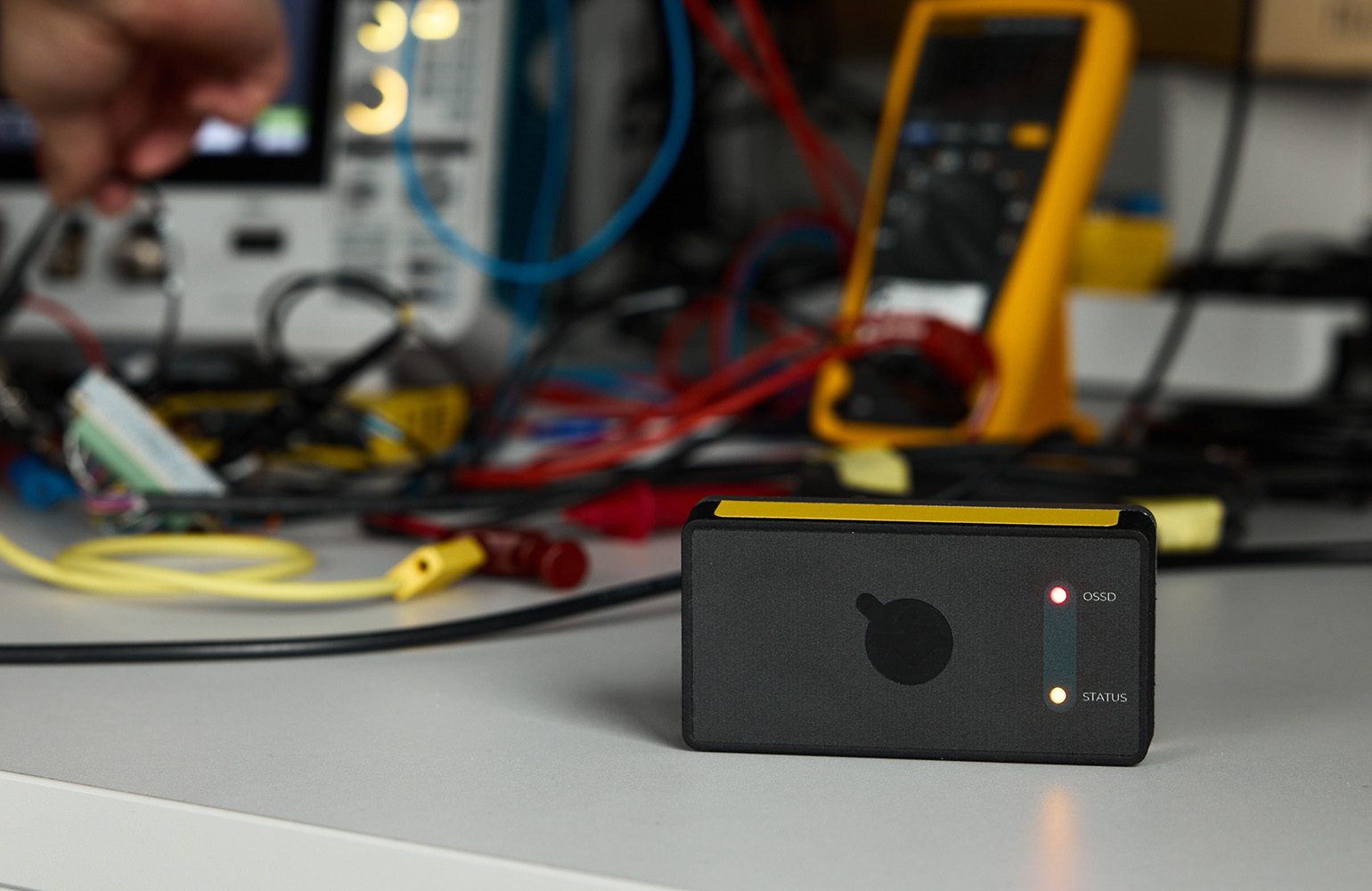
Sonair ADAR One 3D ultrasonic sensor is now safety-certified
Sonair has announced that its ADAR One 3D ultrasonic sensor has received safety certification as a human detection sensor, meeting the IEC 61496 standard for electrosensitive protection devices. This certification underscores the sensor's reliability and effectiveness in ensuring safety in various applications. The assessment reflects Sonair's commitment to adhering to international safety standards, enhancing the credibility of its technology in the market. The announcement marks a significant milestone for the company, as it aims to expand the use of its advanced sensor technology in diverse sectors.
Artificial Intelligence Artificial Intelligence / Cognition Design / Development Logistics Manufacturing Mobility / Navigation
POp-GS: Next best view in 3D-Gaussian splatting with P-Optimality
Researchers have developed a new algorithm aimed at enhancing the capabilities of 3D Gaussian Splatting (3D-GS) by quantifying uncertainty and information gain through a method known as P-Optimality. This advancement addresses a significant limitation of 3D-GS, which, despite its effectiveness in producing high-quality rasterizations, lacks the ability to measure uncertainty and information. This deficiency presents challenges for practical applications, particularly in the field of 3D-GS Simultaneous Localization and Mapping (SLAM). The team’s innovative approach seeks to improve the reliability and applicability of 3D-GS in real-world scenarios by providing a systematic way to assess information gain, thereby enhancing its utility in various technological applications. The findings were detailed in a recent paper, contributing to the ongoing development of more sophisticated modeling techniques in three-dimensional environments.
Computer vision
Into the Omniverse: Three Workflows for Improving Vision AI Agent Accuracy With Synthetic Data and Fine-Tuning
In a recent installment of the "Into the Omniverse" series, developers, 3D practitioners, and enterprises are exploring innovative ways to enhance their workflows through the latest advancements in OpenUSD and NVIDIA Omniverse. This initiative highlights the growing significance of Vision AI agents, which are increasingly being integrated into various industries to streamline processes and improve efficiency. The series aims to educate participants on how these technologies can be leveraged to transform traditional practices, ultimately fostering a more collaborative and productive environment. As organizations seek to adapt to the rapidly evolving digital landscape, the insights shared in this series are crucial for staying competitive and maximizing the potential of emerging technologies.
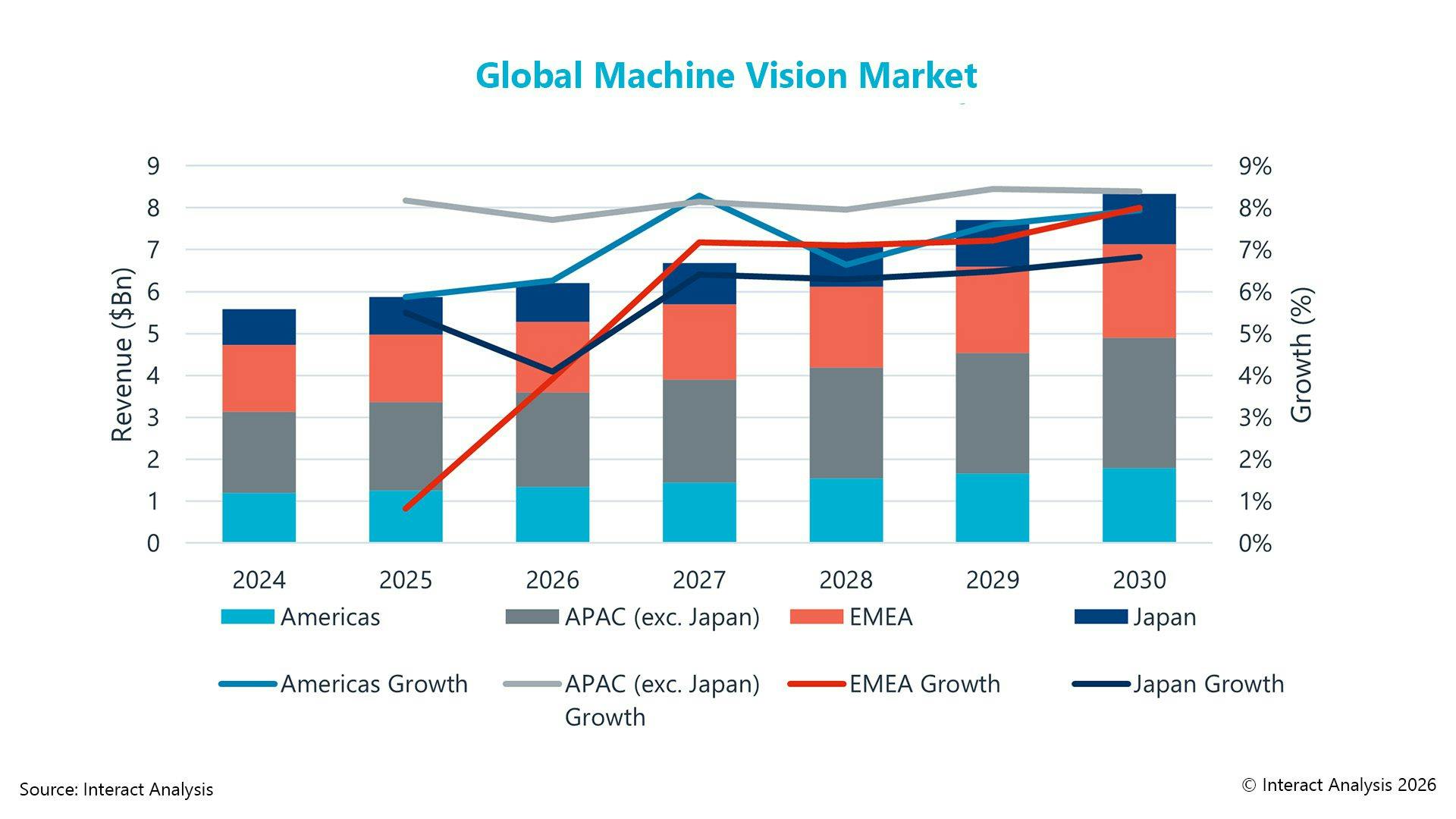
Machine-Vision Industry Expected to Reach $8.3 billion in 2030 Despite Tariff Impacts, Report Finds
A recent report on machine vision highlights significant growth in the industry, driven primarily by advancements in 3D cameras and vision software. This development reflects the increasing demand for enhanced imaging technologies across various sectors, including manufacturing, healthcare, and robotics. The report, which analyzes trends and projections, indicates that the integration of sophisticated vision systems is revolutionizing processes and improving efficiency. As companies continue to invest in these technologies, the machine vision market is expected to expand further, offering innovative solutions that cater to evolving industry needs.
Business Intelligence
MVTec showcases cutting-edge AI technologies and highly flexible machine vision software at Automate 2026
MVTec Software GmbH will showcase its advanced AI technologies and flexible machine vision software at the Automate trade show, taking place from June 22 to 25, 2026, in Munich. With a strong presence in the North American market, the company aims to demonstrate how its hardware-independent software can enhance efficiency across various industries, including semiconductor manufacturing and food and beverage. Dr. Olaf Munkelt, Managing Director and co-founder, emphasized the significance of the event, stating that their products facilitate sustainable digital transformation through cutting-edge AI. Attendees can experience live demonstrations of MVTec's software, including HALCON and MERLIC, which feature innovations like Deep 3D Matching for robust object detection and Global Context Anomaly Detection for comprehensive inspection tasks. MVTec's commitment to hardware independence allows users to select any compatible camera or sensor, ensuring optimal performance in demanding applications. Heiko Eisele, President of MVTec LLC, highlighted the flexibility this offers to companies seeking to optimize production lines. Additionally, MVTec experts will participate in the conference program, with Agnes Weiershaeuser presenting on practical deep learning for industrial vision on June 22. This event underscores MVTec's ongoing dedication to advancing industrial automation through innovative machine vision solutions.
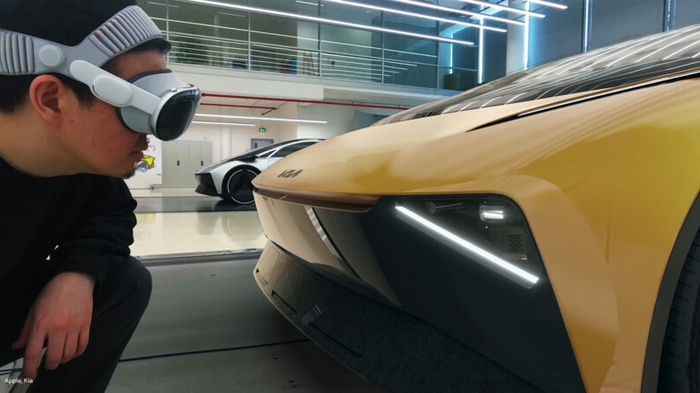
More Than Meets the Eye: NVIDIA RTX-Accelerated Computers Now Connect Directly to Apple Vision Pro
NVIDIA and Apple have announced a collaboration that integrates NVIDIA CloudXR 6.0 natively into visionOS, enhancing the capabilities of augmented and virtual reality applications. This partnership aims to securely deliver high-performance simulations and professional 3D graphics applications, including Immersive for Autodesk VRED, through Innoactive’s XR streaming service. The integration is set to provide users with advanced graphics powered by NVIDIA's RTX technology, significantly improving the experience for developers and users in the XR space. This development comes as both companies seek to leverage their strengths in graphics processing and software innovation to meet the growing demand for immersive experiences in various industries.
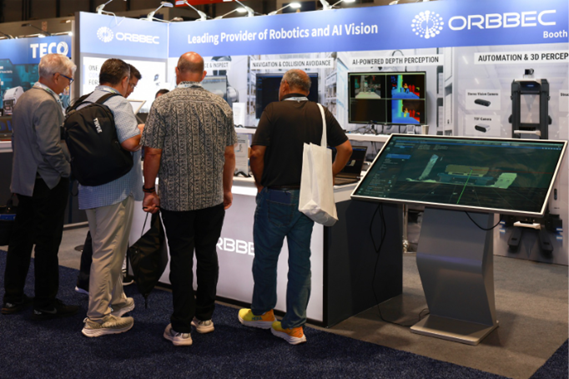
Orbbec shows AI-powered vision systems at Automate 2026
Orbbec showcased its latest industrial-grade 3D cameras designed for demanding automation environments during the Automate 2026 event. The company emphasized the integration of artificial intelligence to improve robotic perception, highlighting advancements that enable more sophisticated automation solutions. This presentation reflects Orbbec's commitment to addressing the complexities of modern industrial applications, aiming to enhance efficiency and accuracy in robotic systems. The event, which gathered industry leaders and innovators, provided a platform for Orbbec to demonstrate how its technology can meet the evolving needs of automation in various sectors.
Artificial Intelligence Artificial Intelligence / Cognition Automation Autonomous Mobile Robots (AMRs) Cameras / Imaging / Vision Collaborative Robots
Jumping spider’s layered retina drives design of low-power 3D camera for AR and robotics
A team of engineers has conducted an in-depth study of the vision capabilities of jumping spiders, leveraging this unique biological model to inspire innovative technological advancements. This research, which took place over several months, aims to enhance the design of visual systems in robotics and artificial intelligence. By examining the spiders' exceptional ability to perceive depth and motion, the engineers have developed new algorithms that could significantly improve the performance of machines in complex environments. The findings were presented at a recent conference focused on biomimicry and robotics, highlighting the potential for nature-inspired solutions to address modern technological challenges. This interdisciplinary approach not only showcases the intricate relationship between biology and engineering but also opens new avenues for creating smarter, more adaptive robotic systems.

Enabling Autonomous Machines: Advancing 3D Sensor Fusion With Au-Zone
A new technological advancement in autonomous systems has been announced, emphasizing the integration of radar and vision with edge AI processing into a single unit. This innovative approach aims to enhance the speed, reliability, and robustness of next-generation autonomous solutions. The development is crucial for meeting the increasing demands for advanced autonomy in various applications. The system is designed to operate efficiently, leveraging cutting-edge technology to ensure optimal performance in real-time scenarios. This breakthrough is expected to significantly impact industries reliant on autonomous technologies, paving the way for more sophisticated and dependable systems in the near future.
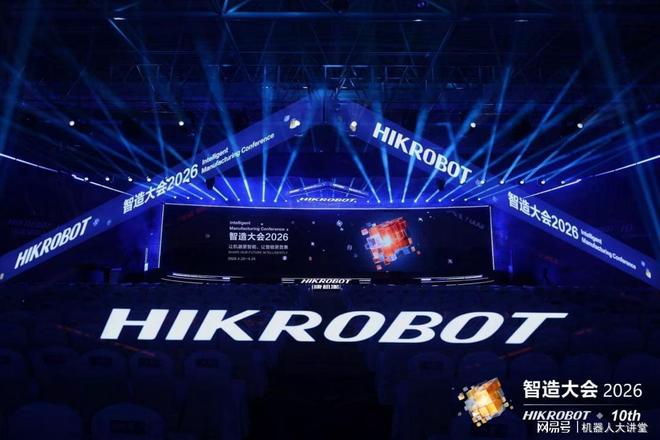
Defining a New Paradigm of 'Embodied Intelligent Manufacturing': Hikvision Robotics Boosts Comprehensive Upgrading of the Manufacturing Industry
At the Hikvision Robotics Intelligent Manufacturing Conference 2026, Hikvision unveiled its groundbreaking concept of 'Embodied Intelligent Manufacturing.' This initiative focuses on improving manufacturing flexibility and efficiency by allowing machines to adapt seamlessly to diverse environments. During the event, the company also launched more than 35 core products and solutions designed to support this innovative approach. The conference, which took place recently, highlights Hikvision's commitment to advancing the manufacturing sector through cutting-edge technology and intelligent systems.
Intelligent Manufacturing Robotics Machine Vision Automation Solutions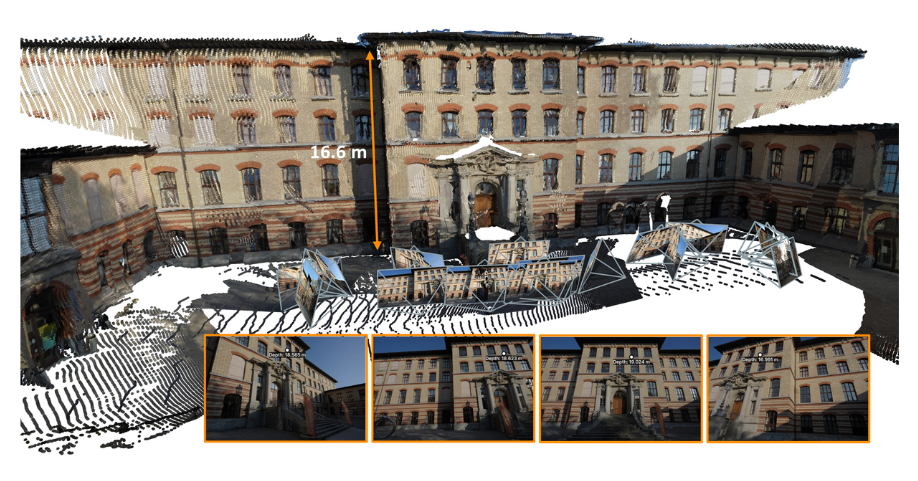
New Model Helps Robots See in 3D
Researchers from Carnegie Mellon University's Robotics Institute and Meta Reality Labs have developed an innovative model that transforms data into highly accurate 3D maps. This groundbreaking research, which utilizes real-world scenes for training, enables the model to capture intricate details and expansive spaces with remarkable precision. By enhancing the spatial reasoning capabilities of robotics, this advancement brings machines closer to mimicking human-like perception. The development marks a significant step forward in the field of robotics, potentially revolutionizing how robots interact with their environments.
Research
Alive or not? Tiny 3D-printed robots that swim and navigate just like animals
Researchers at Leiden University, led by Professor Daniela Kraft and Mengshi Wei, have developed innovative microscopic robots that operate independently of sensors, software, or external control. These tiny robots, measuring just a few tens of micrometers—significantly smaller than a human hair—exhibit remarkable capabilities such as swimming, sensing, navigating, and adapting to their surroundings in a manner reminiscent of living organisms. Their unique behavior is a result of their design and interactions with the environment, rather than any form of centralized control or intelligence. This groundbreaking work, which showcases the potential for autonomous micro-robots, could have significant implications for various fields, including medicine and environmental monitoring.
Robotics
Turning surroundings into a 'virtual screen' could help machines see better in 3D
Researchers have unveiled new insights into how the human brain processes complex visual scenes, particularly in bustling urban environments. This study, conducted by a team of neuroscientists, highlights the brain's remarkable ability to create a three-dimensional representation of dynamic surroundings, such as busy city streets during rush hour. The findings were presented at a conference in October 2023, where experts gathered to discuss advancements in cognitive neuroscience. The motivation behind this research stems from the need to understand how our brains navigate and interpret the myriad of stimuli encountered in everyday life. By examining how the brain calculates distances and identifies objects of various shapes and sizes, the researchers aim to enhance our understanding of visual perception and its implications for fields such as robotics and artificial intelligence. The study utilized advanced imaging techniques to observe brain activity in real-time, revealing the intricate processes that occur as individuals engage with their environments. This groundbreaking work not only sheds light on human cognition but also opens avenues for developing technologies that mimic these processes, potentially improving navigation systems and enhancing user experiences in complex visual settings.
Robotics
FingerEye bridges touch and vision to improve robot handling before and after contact
Researchers are advancing the capabilities of robots to perform a wider range of manual tasks by enhancing their ability to manipulate various objects. While many robotic systems have successfully mastered basic functions like picking up and transporting items, they still face challenges with more complex tasks that require dexterous handling. This development is crucial as it aims to improve the efficiency and versatility of robots in both household and professional environments. The ongoing efforts in robotics research are focused on overcoming these limitations, which could lead to significant improvements in how robots assist in everyday tasks and specialized applications.
Robotics
Robots Face Challenges in Basic Tasks Despite Advances in Embodied Intelligence
Over the past year, the robotics industry has engaged in a competitive race focused on enhancing the computational power, parameters, and algorithms of robotic 'brains.' While advancements in reasoning capabilities are evident, robots still struggle with basic tasks such as grasping objects or performing precise manipulations. This discrepancy raises questions about the effectiveness of current sensory technologies. The core issue lies in the limitations of robotic perception, which relies heavily on either pure vision or multi-sensor fusion approaches. Multi-sensor fusion, favored by many embodied intelligence manufacturers, combines various sensors to improve robustness and accuracy. However, this method introduces challenges related to data synchronization and processing overhead, hindering the scalability of embodied intelligence. Conversely, pure vision systems, exemplified by Tesla's approach, depend on 2D RGB cameras to reconstruct 3D environments. This method lacks depth information and can falter in challenging visual conditions. Both approaches suffer from the loss of information during data transmission and processing, resulting in robots receiving 'second-hand data' rather than real-time, unified information from the physical world. No further timeline was disclosed at the time of publication.
Robotic Vision Embodied Intelligence Sensor Technology AI Automation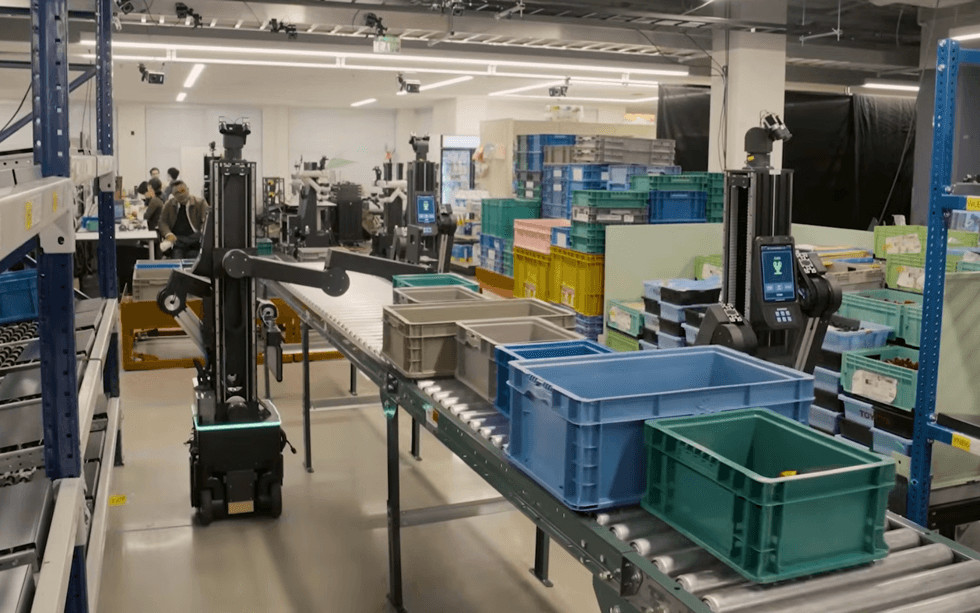
Video Friday: Autonomous Robots Learn By Doing in This Factory
In a recent edition of Video Friday, IEEE Spectrum robotics showcased a variety of innovative robotics projects and developments. Notably, scientists at the Toyota Research Institute are collaborating with Toyota Manufacturing to implement autonomous robots on factory floors, enhancing production efficiency. Zipline shared insights into their drone delivery system, detailing the challenges faced and lessons learned in its development. Humanoid introduced KinetIQ, an AI framework designed for the orchestration of humanoid robot fleets, which integrates task allocation and execution through advanced cognitive layers. Meanwhile, researchers at VISTEC unveiled a decentralized adaptive resilient neural control system (DARCON) that enables legged robots to autonomously adapt to limb loss, ensuring mission success despite mechanical failures. NASA's Jet Propulsion Lab presented an animation of the Perseverance rover's drive along the Jezero Crater, captured on December 10, 2025, showcasing the rover's navigation capabilities. Additionally, Unitree's humanoid robot G1 made its mark on the snowfields of Altay, demonstrating its adaptability in extreme conditions. The Norwegian University of Science & Technology introduced a hierarchical 3D scene graph to enhance autonomous agents' understanding of their environments. Other highlights included the HoLoArm quadrotor, which features compliant arms for improved stability, and SkyDreamer, a pioneering vision-based autonomous-drone racing policy. The event also featured demonstrations of dexterous object manipulation by the AI Worker robot and advancements in swarm robotics for architectural applications.
Video-friday Autonomous-robots Humanoid-robots Industrial-robots Robot-ai Perseverance-rover
First Visual Embodied Intelligence Company Lists on Hong Kong Stock Exchange
Ruiwei Technology, a company known for its facial recognition systems tailored for airports, has made a successful debut on the Hong Kong Stock Exchange, achieving a valuation of around HKD 6.4 billion. This listing marks a significant shift for the company as it moves beyond its initial focus on smart airport solutions. With over ten years of experience in 3D spatial perception and artificial intelligence, Ruiwei aims to expand its operations into a wider array of sectors, thereby diversifying its revenue streams. The transition reflects the company's ambition to embrace a broader vision of embodied intelligence, positioning itself to capitalize on emerging opportunities in various industries.
Facial Recognition AI Technology Embodied Intelligence Smart Airports
Robots that can identify materials and map unknown environments could aid nuclear and defense sectors
Researchers at the University of Surrey are developing advanced robots capable of surpassing human vision, creating live 3D maps of unfamiliar environments, and determining the composition of various objects. This innovative technology, which is currently in development, has the potential to revolutionize several fields, including nuclear inspection, rail and building safety, and search and rescue operations in combat zones. By enhancing robotic capabilities, the team aims to improve safety and efficiency in critical situations where human intervention may be risky or impractical. The project highlights the university's commitment to pioneering research that addresses real-world challenges through cutting-edge technology.
Robotics
Interview with Wang Zhongyuan: VLA will survive, but world models are the future.
In recent months, the concept of "World Model" has gained significant traction within the AI and robotics sectors, driven by underlying industry anxieties. As AI technology has rapidly evolved over the past two years, limitations in embodied intelligence have become apparent, revealing that while robots can recognize objects, they struggle to understand physical interactions and causal relationships. The World Model aims to bridge this gap by enabling robots to learn the laws of the physical world. At the forefront of this exploration is Wang Zhongyuan, the director of the Beijing Academy of Artificial Intelligence, who identifies four distinct paths in the development of World Models. These include language-centered models, pixel-centered models, 3D structure-centered models, and visual representation-centered models. The Beijing Academy is pioneering a fifth approach that integrates language and visual data into a unified latent space representation, allowing for more complex interactions and predictions. Wang emphasizes that the World Model's potential lies in its ability to enhance embodied intelligence, enabling robots to understand and predict physical interactions over time. He envisions a future where World Models serve as the foundational brain for robots, capable of complex reasoning and decision-making in real-world scenarios. However, he cautions that achieving this goal will require significant advancements in data collection and model training, with a timeline of three to five years anticipated for substantial progress. As the field continues to evolve, the competition will focus on the ability to create models that accurately reflect the complexities of the physical world.
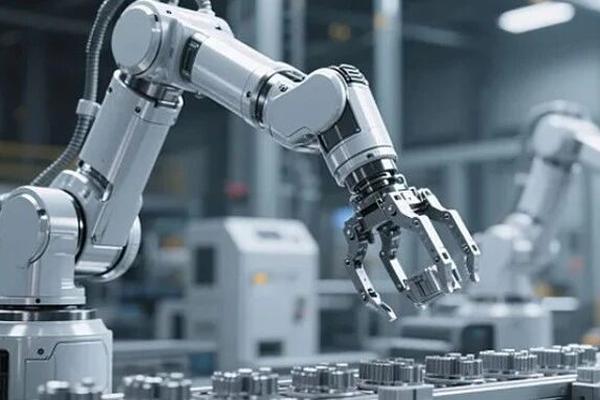
Robot solution provider serving Foxconn raises angel funding after six months of over 20 million revenue.
Shenzhen-based Chengwu Robotics has successfully completed its angel round of financing, backed by Taiwan's leading industrial automation and intelligent robotics firm, Chuan Technology, with Huajun Capital serving as the exclusive financial advisor. Founded in 2025, Chengwu Robotics focuses on the development of embodied intelligence technologies and product solutions for industrial applications, leveraging its integrated capabilities in hardware and software development, data collection, model training, and scene deployment. The company, led by founder Huang Jinlong, who has over a decade of experience in robotics R&D, aims to address the customization needs of non-standard industrial scenarios. Since its inception, Chengwu has delivered over ten industrial projects, generating over 20 million yuan in revenue by 2025 and serving major manufacturers, including Foxconn. Chengwu Robotics is also advancing its model development, with a focus on the Vision-Language-Action (VLA) model, which aims to enhance 3D perception and operational precision in complex environments. To address data collection challenges, the company has developed its own Egocentric-UMI data collection device and Bybot-TeleOp remote operation system, significantly reducing training and deployment times. The company is simultaneously developing a prototype upper-body robot equipped with advanced components to support its model training and industrial applications. Chengwu Robotics emphasizes its comprehensive capabilities and real-world delivery experience, positioning itself to create commercially viable solutions that meet client needs in various industrial contexts.
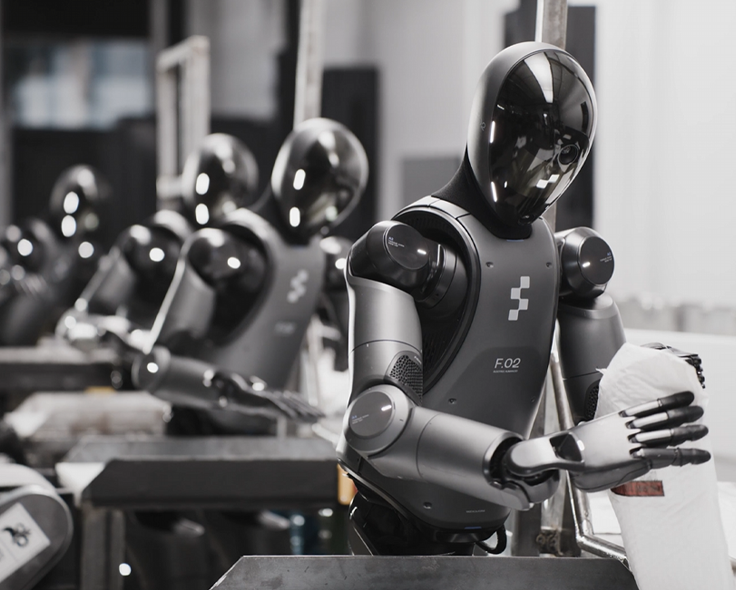
Helix Accelerating Real-World Logistics
Figure has unveiled Helix, an advanced Vision-Language-Action model specifically developed for humanoid robots to improve the manipulation of logistics packages. This innovative technology incorporates enhanced 3D understanding, refined visual representation, and self-calibration capabilities. By optimizing package handling and sorting processes, Helix is set to significantly increase both speed and precision in real-world logistics operations. The introduction of this model marks a notable advancement in the field of robotics, aiming to address the growing demands of efficient package management in various industries.
humanoid robots logistics automation machine learning robotics
Robbyant Launches Upgraded LingBot-VLA 2.0 AI Model for Advanced Robotics
Robbyant, a company specializing in embodied AI under Ant Group, has unveiled the upgraded LingBot-VLA 2.0 model. This next-generation vision-language-action model enhances morphological generalization, degrees of freedom support, and deployment efficiency, addressing a critical gap in the embodied AI industry. The significance of LingBot-VLA 2.0 lies in its extensive pre-training on 60,000 hours of real-world data, which includes interactions from 20 different robot morphologies. This upgrade allows for improved whole-body control and dual-arm manipulation, achieving leading scores on benchmarks, thus demonstrating its effectiveness in industrial-scale deployment. Looking ahead, the introduction of a version optimized for efficient post-training and a threefold increase in inference efficiency positions LingBot-VLA 2.0 as a strong contender for real-time commercial applications. No further timeline was disclosed at the time of publication.
Computing Robot simulation artificial intelligence dual-arm robots embodied ai humanoid robots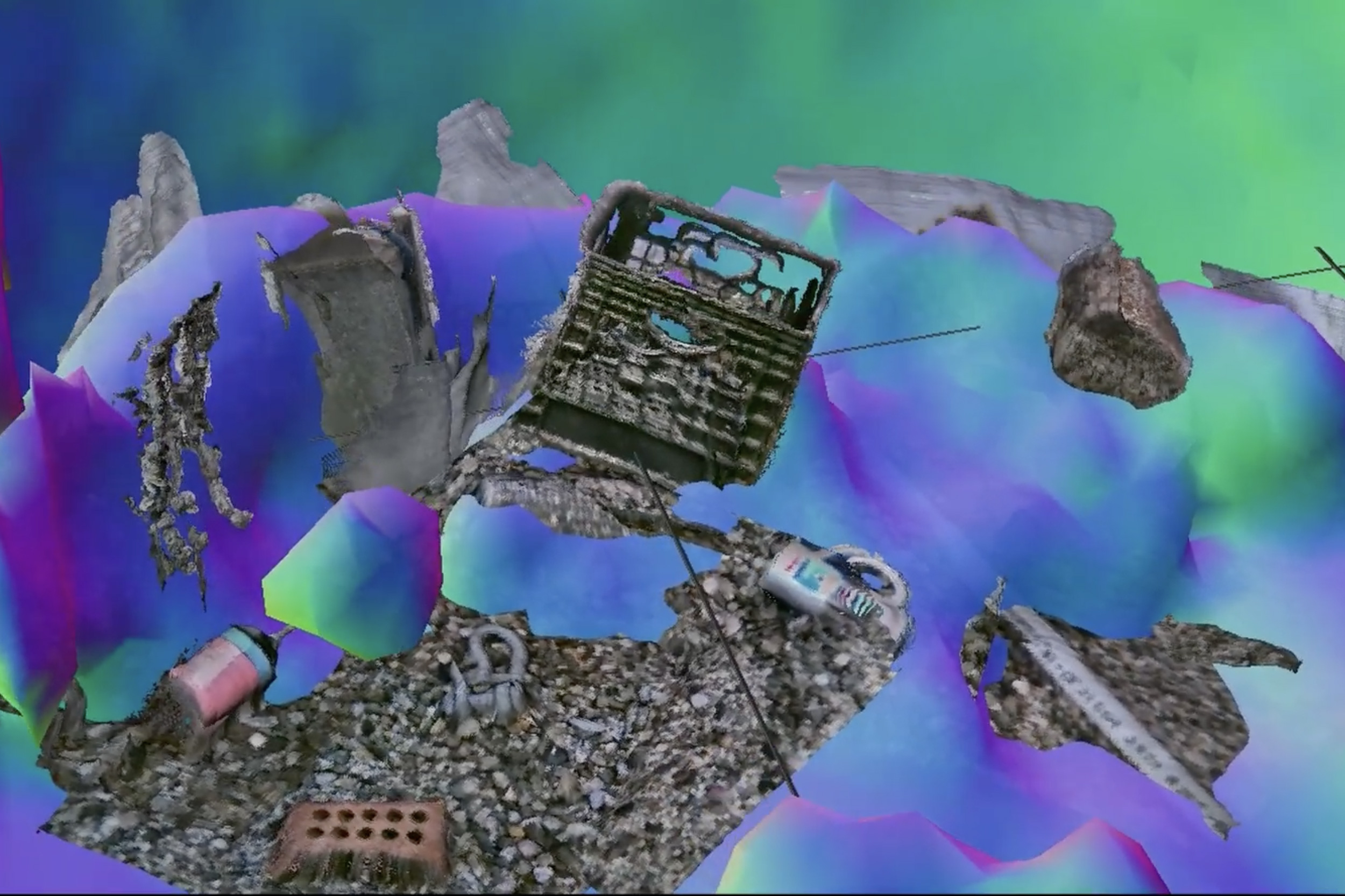
New imaging system sees through murky waters
A groundbreaking technology known as “Sonar-MASt3R” has been developed to enhance underwater mapping capabilities by integrating sonar and visual data. This innovative system is capable of producing real-time 3D maps, significantly improving navigation and exploration in challenging environments, including cloudy water conditions. The technology was unveiled in October 2023, showcasing its potential to revolutionize marine research and underwater operations. By combining different data sources, Sonar-MASt3R addresses the limitations of traditional mapping methods, offering clearer and more accurate representations of underwater landscapes. This advancement is expected to benefit various sectors, including environmental monitoring, maritime safety, and underwater archaeology, by providing researchers and professionals with reliable tools for better decision-making in aquatic environments.
Research Robotics Computer vision Imaging Sensors Oceanography and ocean engineering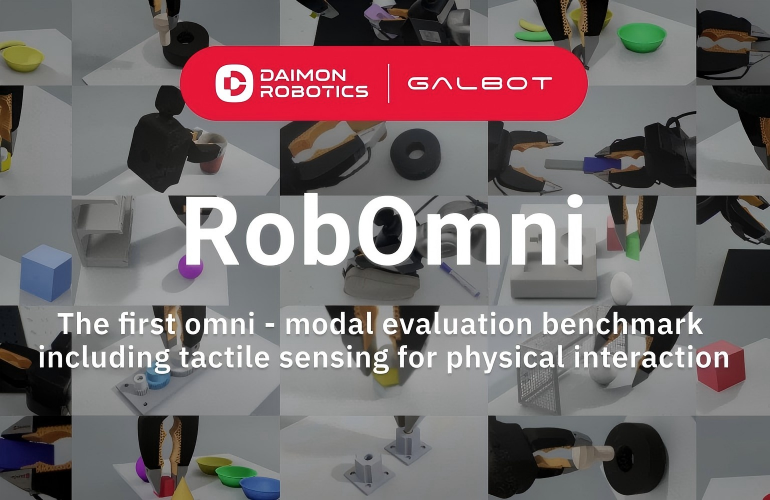
Daimon Robotics and Galbot jointly launches RobOmni for benchmarking tactile perception and dexterous manipulation
Daimon Robotics and Galbot have announced the launch of RobOmni, a new platform designed to benchmark tactile perception and dexterous manipulation in the field of embodied AI. This development marks a significant shift from traditional vision-centric approaches to a more comprehensive understanding of physical interactions. The collaboration aims to enhance the capabilities of robots in performing complex tasks that require fine motor skills and sensitivity to touch. The launch event took place recently, highlighting the growing importance of tactile feedback in robotics and its applications across various industries. By integrating advanced tactile sensing technologies, RobOmni is set to provide researchers and developers with the tools needed to push the boundaries of robotic dexterity and perception.
Sponsored ContentRobotics needs a service framework.
RSF defines a common language for robot service capability, lifecycle operations, certification pathways, and service-provider networks.