Industry Briefing
A single destination for timely, editor-curated robotics news from around the world.
Research on Orchard Navigation Path Planning Based on 3D LiDAR SLAM Considering Terrain Roughness
A recent study published in the Journal of Field Robotics highlights advancements in autonomous robotic systems designed for agricultural applications. Researchers from a consortium of universities and tech companies conducted the study to address the growing need for efficient farming solutions amid rising labor costs and food demand. The research, which began in early 2023, took place across various agricultural sites in California, focusing on the integration of robotics in crop monitoring and harvesting. The team developed a prototype robot equipped with advanced sensors and machine learning algorithms, enabling it to navigate fields and collect data on crop health. This innovation aims to enhance productivity and reduce the reliance on manual labor, which has become increasingly scarce. The researchers conducted extensive field tests to evaluate the robot's performance and adaptability to different farming conditions. The findings suggest that these autonomous systems could significantly improve yield and reduce waste, addressing both economic and environmental challenges in agriculture. The study underscores the potential of robotics to transform traditional farming practices, paving the way for more sustainable and efficient food production methods in the future.
RESEARCH ARTICLE
RoboSense Achieves Global Recognition, Secures Dual Rankings in Morgan Stanley's Humanoid Robotics Report
RoboSense has garnered recognition in a recent report by Morgan Stanley for its outstanding achievements in the global robotics sector. The company has reported the highest sales of 3D LiDAR technology, reflecting its significant growth across various robotics markets. This acknowledgment highlights RoboSense's role as a leading player in the AI and robotics industry, showcasing its commitment to technological innovation and market leadership.
3D LiDAR Humanoid Robotics AI Technology Robotics Market Sensor Technology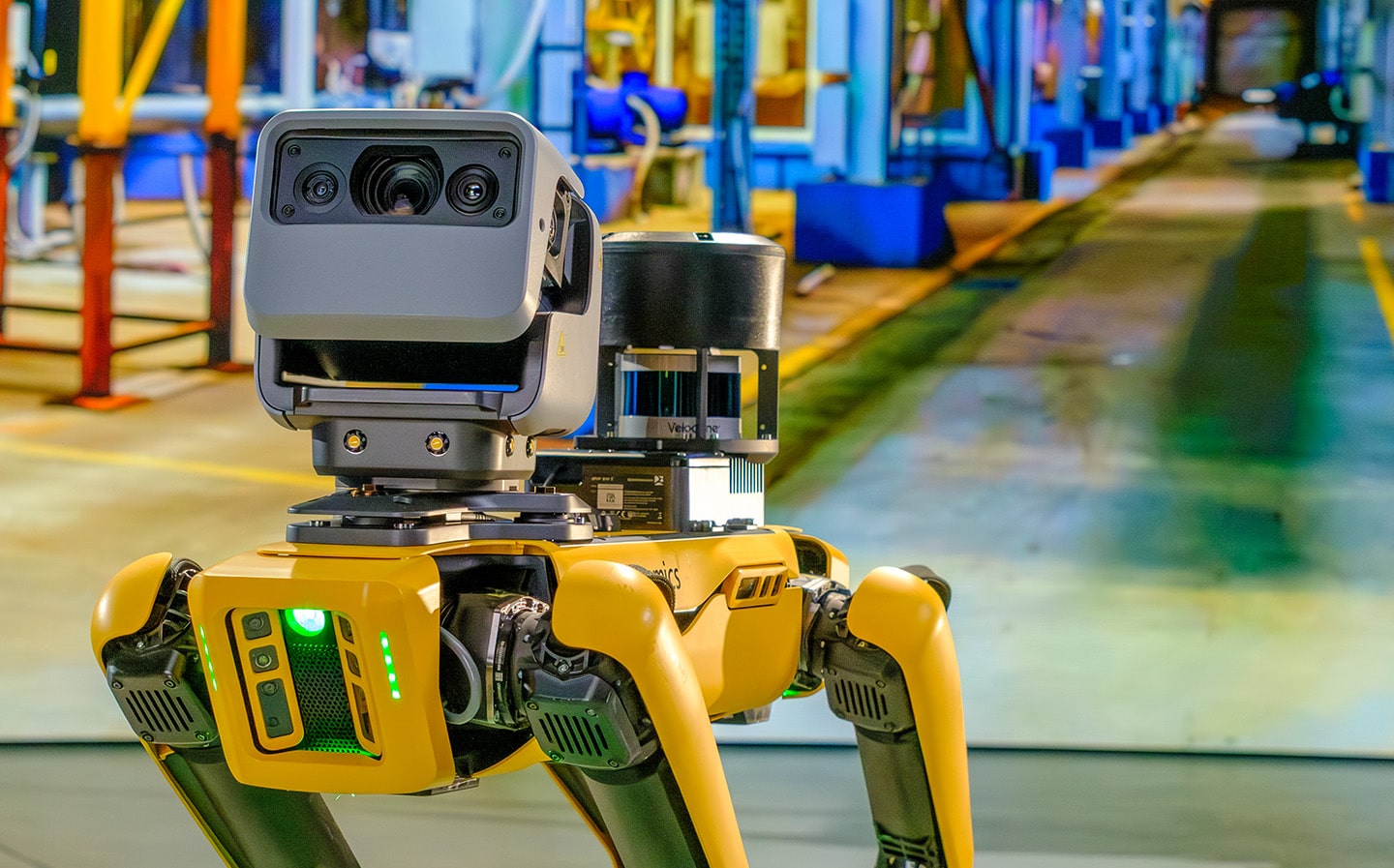
Robot Vision Systems: 3 Ways Robots See the World | Boston Dynamics
Modern robot vision systems are increasingly utilizing advanced technologies such as visual cameras, 3D lidar scans, and various sensors to enhance their ability to interpret, navigate, and interact with their surroundings. These developments are part of a broader trend in robotics aimed at improving automation and efficiency across multiple industries. As of October 2023, the integration of these sophisticated systems is revolutionizing how robots perceive and respond to their environment, enabling them to perform complex tasks with greater accuracy and reliability. This advancement is driven by the need for more intelligent and adaptable robotic solutions in sectors ranging from manufacturing to healthcare, where precise navigation and interaction with dynamic environments are crucial. The ongoing research and implementation of these technologies signify a significant leap forward in the field of robotics, paving the way for more autonomous and capable machines.

Hello Robot Unveils Stretch 4: A Simply Useful Robot that Puts People First
Hello Robot has launched Stretch 4, a new open-source robotics platform aimed at enhancing the integration of robots into everyday life. Announced on May 12, 2026, in Martinez, California, Stretch 4 is priced at $29,950 and is designed for researchers and developers working on Physical AI applications. The robot focuses on safe, intuitive human-robot interaction, making it suitable for assisting individuals with mobility impairments. Co-founder and CEO Aaron Edsinger emphasized that Stretch 4 is built to operate alongside people, featuring a compact and lightweight design that prioritizes user safety. The robot is equipped with advanced sensors, including 3D LiDAR and high-resolution cameras, enabling it to navigate complex environments and perform tasks like fetching drinks or closing blinds through a mobile app. The development of Stretch 4 reflects Hello Robot's commitment to creating robots that enhance the quality of life for various users, including children and older adults. By addressing the challenges of human-robot collaboration, the company aims to pave the way for robots to become a familiar presence in homes and workplaces. Charlie Kemp, CTO and co-founder, highlighted that the redesign of Stretch 4 was informed by customer feedback, resulting in a versatile platform that supports a wide range of applications.
Kraken Robotics Expands U.S. Footprint with Acquisition of 3D at Depth
Kraken Robotics Inc. has announced its plans to acquire 3D at Depth, Inc., a prominent American subsea technology firm known for its expertise in high-resolution LiDAR imaging and measurements. This acquisition, valued at $17 million in cash, will be executed through a subsidiary and includes adjustments for any debt incurred and customary working capital considerations. The agreement is contingent upon standard closing conditions, including obtaining consent from Kraken's primary lender. The transaction is anticipated to finalize around April 1, 2025.
kraken robotics expansion acquisition 3d at depth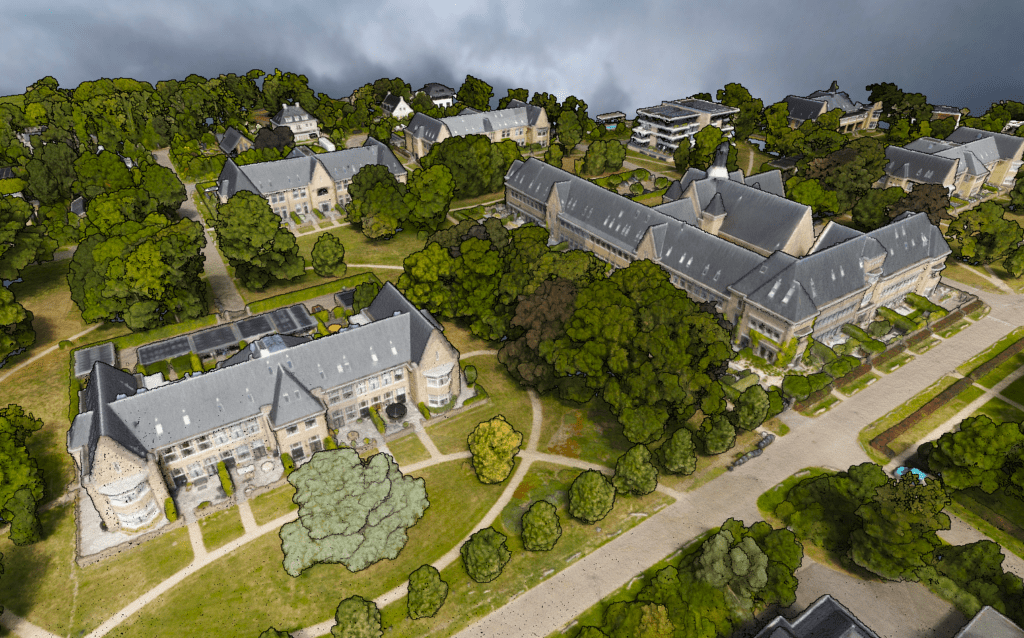
Aerial Triangulation Gets Major Overhaul in SimActive’s Correlator3D Version 11.1
Montreal photogrammetry developer overhauls tie point extraction, bundle adjustment and multi-camera workflows in the latest Correlator3D release. SimActive has released Correlator3D Version 11.1, a photogrammetry update centered on a rebuilt aerial triangulation engine. The company says the release improves tie point extraction, accelerates bundle adjustment and adds tools to validate image connectivity for more accurate […] The post Aerial Triangulation Gets Major Overhaul in SimActive’s Correlator3D Version 11.1 appeared first on DRONELIFE.
Applications Canada Canadian Drone Industry Drone News Drone News Feeds Imaging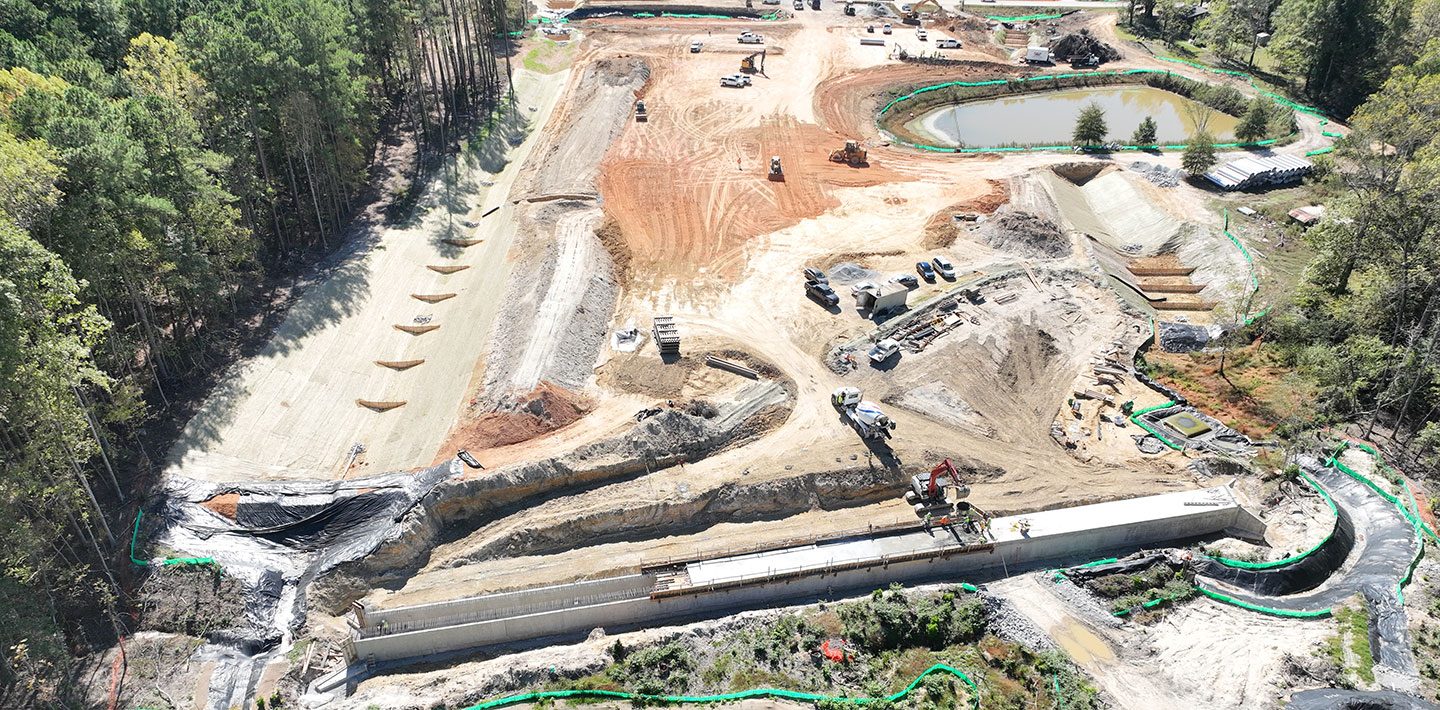
North Carolina Turnpike Authority Uses Drone LiDAR to Improve Oversight on Complete 540 Project
The North Carolina Turnpike Authority (NCTA) is implementing a pilot program that utilizes drone-based LiDAR technology to enhance oversight of the final phase of the Complete 540 project. This initiative aims to provide more accurate tracking of construction progress and improve safety measures on major transportation infrastructure. As construction advances, the use of aerial LiDAR will allow for a detailed assessment of the project, ultimately facilitating better scheduling and oversight. The integration of this technology marks a significant step in modernizing construction management practices in North Carolina.
Applications Construction Drone News Drone News Feeds LiDAR Mapping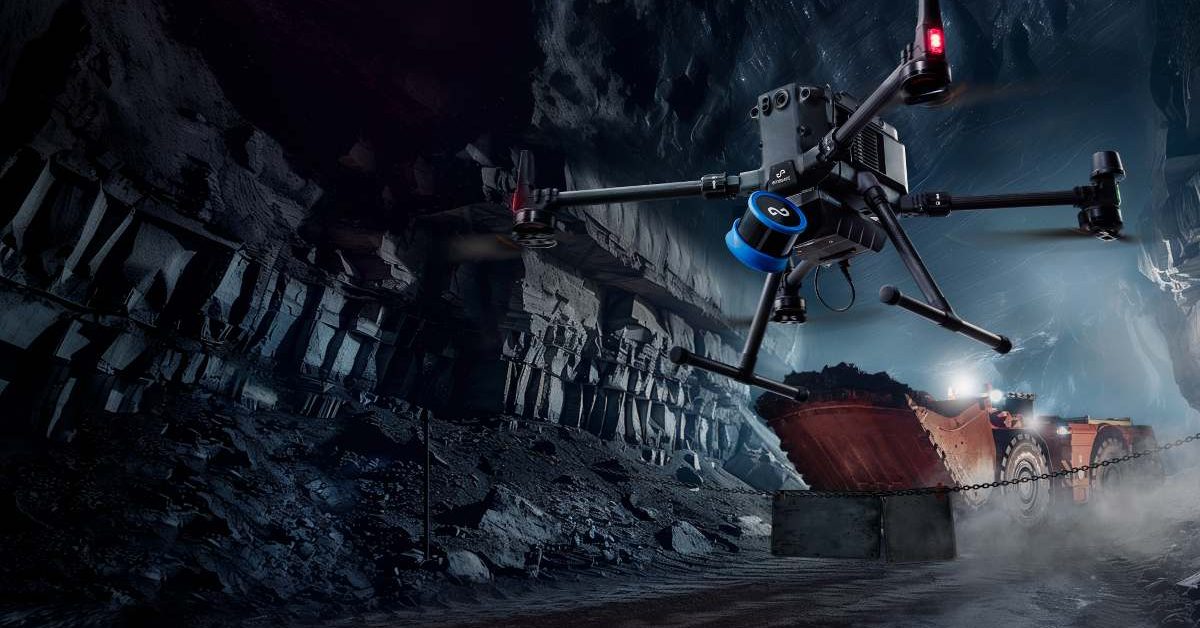
Emesent Secures $17 Million to Enhance AI-Driven Drone Operations and Expand Manufacturing
Emesent, an Australian drone mapping company, has raised $17 million to boost its AI-powered autonomous operations. This funding includes a $7 million venture debt facility from the National Reconstruction Fund Corporation and a $10 million equity round from notable investors such as Main Sequence and QIC Ventures. The investment aims to enhance the capabilities of drones in complex environments with minimal human intervention. The significance of this funding lies in Emesent's strategy to focus on software advancements alongside hardware improvements. The company plans to develop its Cortex AI autonomy software and Aura cloud platform, which will enable drones to operate in GPS-denied areas and process 3D mapping data efficiently. Emesent's existing Hovermap LiDAR payload is already utilized in over 200 mine sites globally, showcasing its established presence in the industrial drone sector. Looking ahead, Emesent intends to expand its manufacturing capabilities in Queensland while pursuing growth in international markets. CEO Charles Miller emphasized the importance of this investment in enhancing AI and autonomy for industries such as mining and defense. No further timeline was disclosed at the time of publication for the anticipated developments from this funding round.
News
How the Modular Concept Can Help You Build a Future-Proof and Secure Robotic Computing Platform
An advanced robotic platform has been developed to execute real-time multi-axis motion control while simultaneously processing data from various sensors, including 2D and 3D vision cameras and LIDAR. This innovative technology, unveiled today, aims to enhance automation and precision in various applications. By integrating multiple data streams, the platform can effectively navigate and respond to its environment, showcasing significant advancements in robotics and sensor technology. The development is expected to have wide-ranging implications across industries, from manufacturing to autonomous vehicles, as it demonstrates the potential for improved efficiency and safety in complex tasks.

GoLabs Launches Custom Robotics Security Initiative Using Unitree Quadrupeds
GoLabs, a newly established U.S.-based robotics company, has unveiled its innovative robotic security solutions featuring Unitree quadrupeds. Announced on May 8, 2026, these advanced four-legged robots are designed to enhance security measures for businesses by providing 24/7 autonomous surveillance without the burden of international shipping costs. Equipped with high-definition cameras, thermal imaging, and infrared sensors, these robots can operate in complete darkness and navigate challenging environments, including those hazardous to human health. GoLabs aims to streamline security operations by integrating these robots into existing systems, offering programming, setup, and troubleshooting support. Utilizing an integrated 4D LiDAR system and SLAM technology, the robots can create detailed 3D maps of facilities, allowing companies to establish automated patrol paths and checkpoints. This capability enables a wide range of applications, from monitoring AI warehouses to securing large events. GoLabs is committed to bridging innovation with practical applications, providing businesses with efficient and reliable robotic security solutions tailored to meet diverse needs. For more information, visit their website.
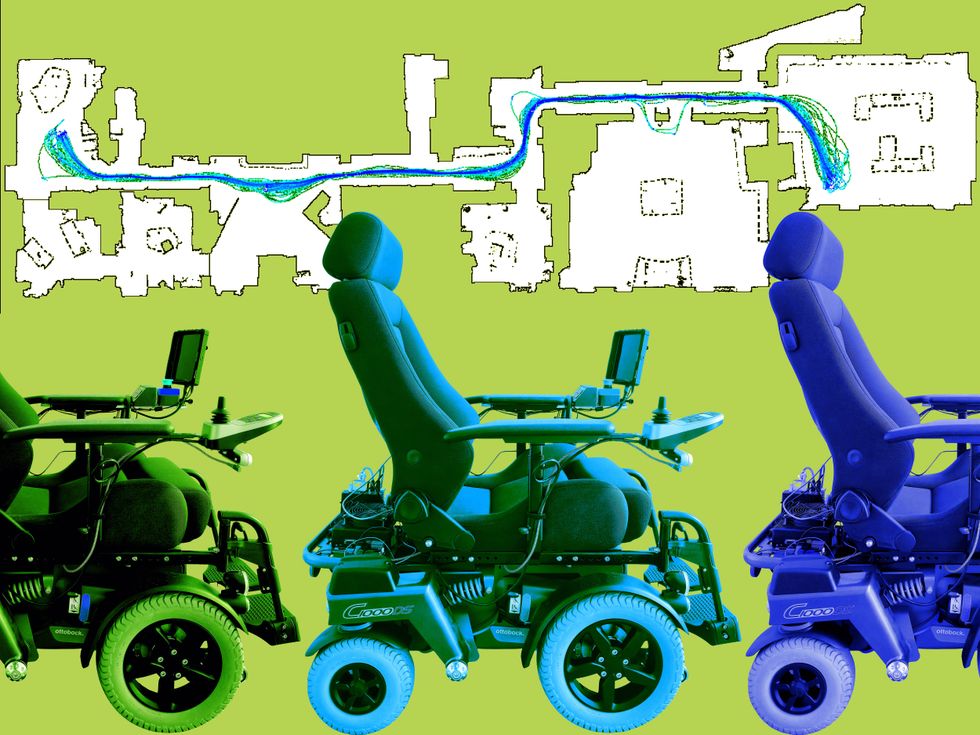
AI Aims for Autonomous Wheelchair Navigation
Researchers from the German Research Center for Artificial Intelligence (DFKI) in Bremen, led by Christian Mandel and Serge Autexier, are exploring the potential of AI-powered smart wheelchairs to navigate complex environments more effectively than traditional systems. Their findings were presented earlier this month at the CSUN Assistive Technology Conference in Anaheim, California. The team developed prototype electric wheelchairs equipped with advanced sensors, including lidar and 3D cameras, to detect and avoid obstacles in real-time. The smart wheelchairs operate in both semiautonomous and fully autonomous modes. In semiautonomous mode, users control the wheelchair via a joystick, while in autonomous mode, they can issue commands using natural language, such as asking the wheelchair to navigate to a specific location. The research is part of a larger initiative called REXASI-PRO, aimed at enhancing mobility for individuals with severe disabilities. Despite the advancements, challenges remain, particularly regarding cost, reliability, and the need for tailored solutions that accommodate diverse user needs. Pooja Viswanathan, CEO of Braze Mobility, emphasized the importance of making these technologies accessible to everyday consumers. The researchers anticipate that smart wheelchairs could be available in the mainstream market within the next decade, with a focus on creating partnerships between users and technology rather than replacing human control. The ongoing work aims to ensure that smart wheelchairs are safe, reliable, and capable of adapting to the complexities of real-world environments.
Wheelchairs Taenzer-fellowship Navigation Artificial-intelligence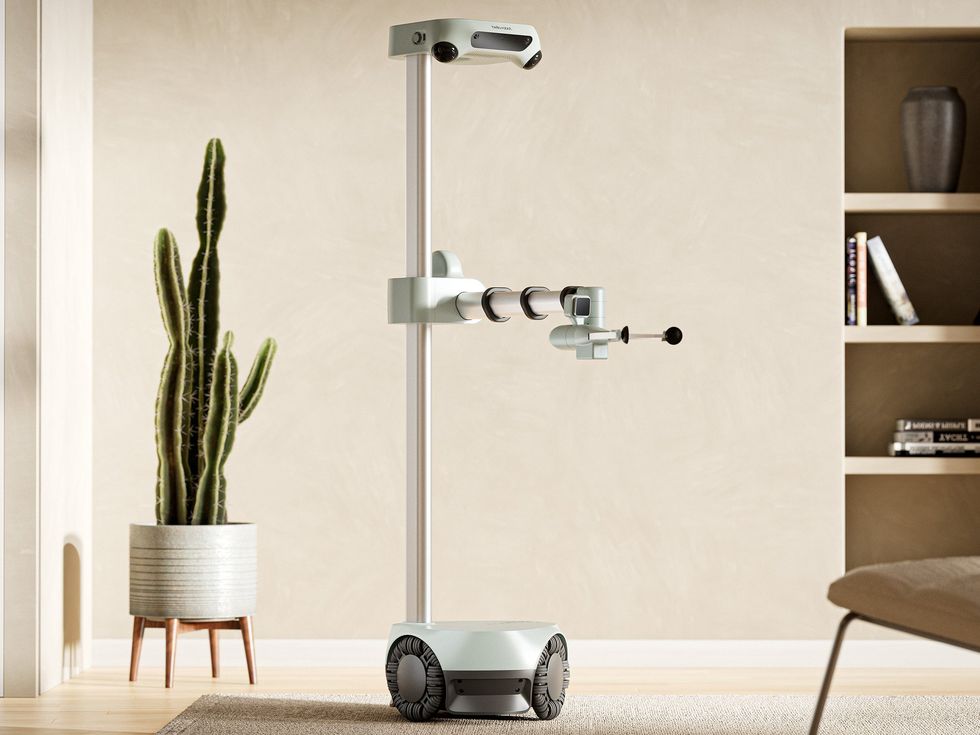
Hello Robot Sets the Standard for Practical, Safe Home Robots
Hello Robot has announced the launch of Stretch 4, a new version of its mobile robot designed for practical household tasks. This announcement comes as the company aims to transition from research-focused robotics to a deployable solution for home use, particularly for individuals with severe mobility impairments. The unveiling took place today, with the robot's design emphasizing mobility and manipulation over humanoid features. Stretch 4 features an advanced omnidirectional base allowing it to move in any direction, enhancing user control. The robot is equipped with a sophisticated sensor suite for improved navigation and autonomy, including cameras and lidar technology. Co-founders Aaron Edsinger and Charlie Kemp highlighted the challenges faced during the design process, aiming to avoid overcomplicating the robot while ensuring it meets real-world needs. The robot is intended for pilot deployments in homes, with the goal of gathering data to refine its capabilities for everyday use. Unlike humanoid robots, which may not effectively serve individuals with disabilities, Stretch 4's wheeled design is seen as more practical and safer for home environments. Priced at $29,950, Stretch 4 is positioned as an affordable option in the mobile manipulation market, with plans for further development leading to a commercially viable assistive robot in the near future.
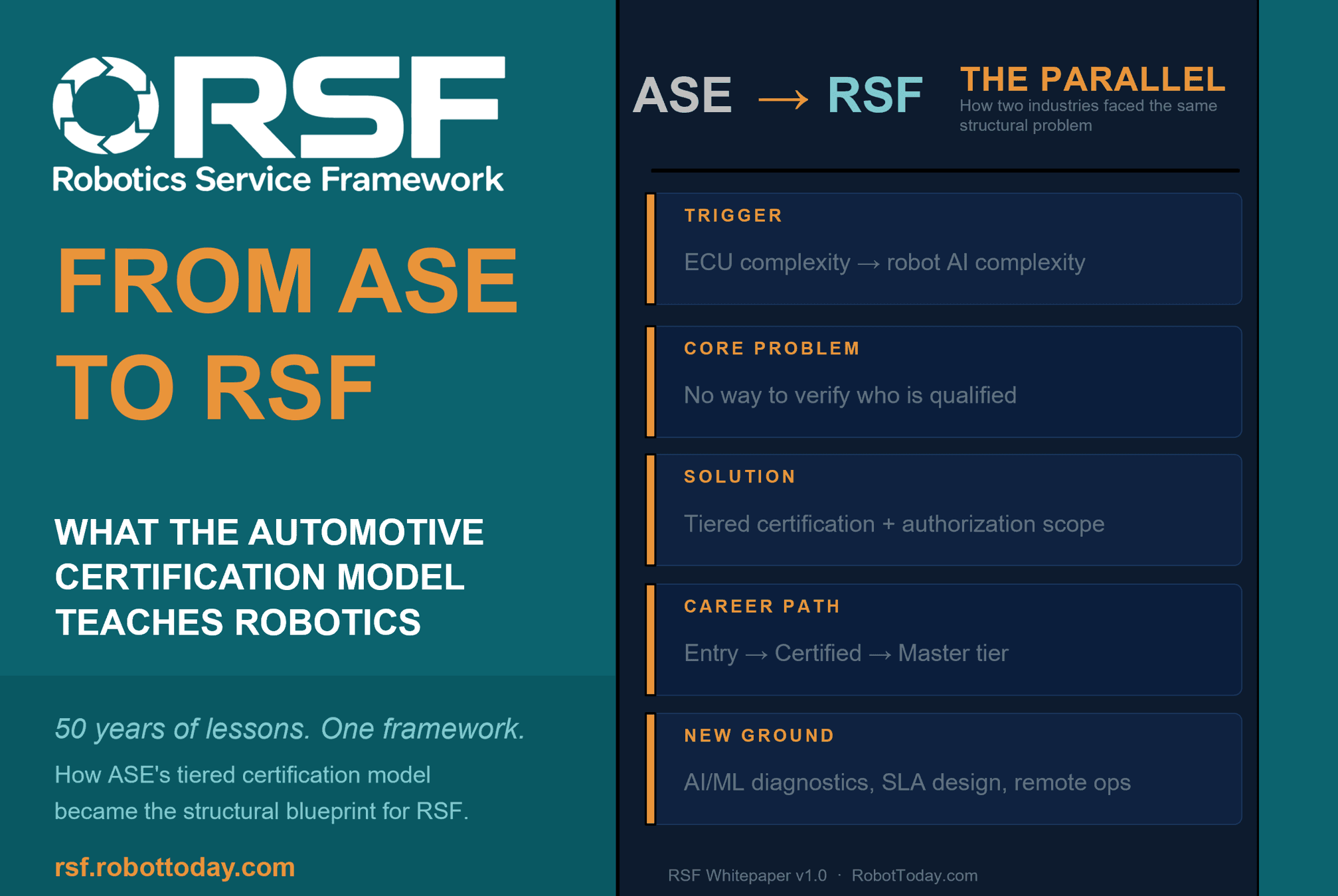
Hello-robot Home-robots Humanoid-robots Mobile-manipulator Mobility-impairedRobotics needs a service framework.
RSF defines a common language for robot service capability, lifecycle operations, certification pathways, and service-provider networks.