Industry Briefing
A single destination for timely, editor-curated robotics news from around the world.
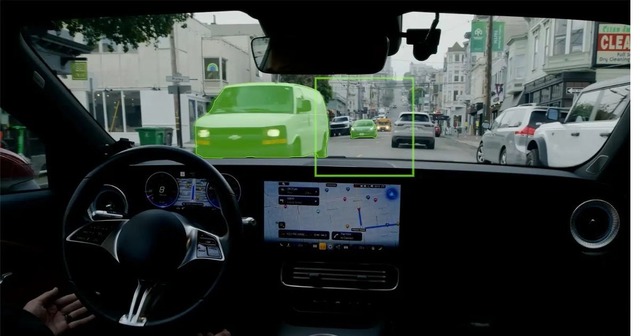
NVIDIA unveils 320 billion-parameter self-driving model "Alpamayo 2 Super" to accelerate Level 4 robo-taxi development.
NVIDIA announced a significant expansion of its open AI model family, "NVIDIA Alpamayo," aimed at developing safe Level 4 robotic taxis. The announcement was made during the NVIDIA GTC Taipei event held on June 1, 2026, in Taipei, Taiwan. This initiative reflects NVIDIA's commitment to advancing autonomous vehicle technology, enhancing safety and efficiency in transportation. The expansion of Alpamayo is expected to play a crucial role in the future of urban mobility, as the company seeks to address the growing demand for innovative transportation solutions.

Chinese Electromagnetic Flowmeter Market Sees Growth Amid Overall Decline in 2025
In 2025, the Chinese electromagnetic flowmeter market generated over 3.5 billion yuan, reflecting a 6.9% decline year-on-year. Despite this downturn, Hangzhou Meiyi emerged as the leading domestic manufacturer, achieving a 37.2% increase in sales revenue and a 46.4% rise in units sold. This growth highlights a shift in demand towards more localized and responsive manufacturers. The market's contraction is attributed to a slowdown in project rhythms and declining prices, particularly affecting traditional sectors like chemicals and municipal services. However, emerging markets such as data centers and power generation are witnessing growth, indicating a shift in demand dynamics. Meiyi's success is attributed to its ability to adapt quickly to market changes and provide localized services, positioning it well for future opportunities. Looking ahead, the market is expected to stabilize with a focus on upgrading existing infrastructure and addressing new applications. The competition will increasingly center on service capabilities and technological advancements, rather than just price. No further timeline was disclosed at the time of publication.
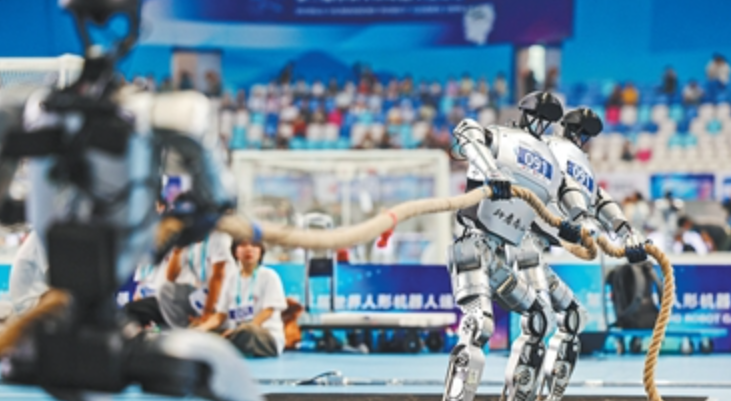
Humanoid Robots Showcase Speed and Agility at WAIC 2026 Event
At the WAIC 2026 event, humanoid robots demonstrated impressive capabilities, completing a 100-meter dash in just 8.64 seconds and clearing a height of 3.4 meters. This performance highlights the advancements in robotics and the potential of humanoid forms in various applications. The significance of these demonstrations lies in their ability to attract attention from investors and industry professionals, indicating a growing interest in humanoid robotics. With a valuation of 20 billion and recent funding of 5 billion, the sector is poised for rapid growth, reflecting the increasing demand for intelligent robotic solutions. Looking ahead, the focus will be on how these advancements in humanoid robotics can be integrated into real-world applications. As the market reaches a critical juncture, stakeholders will be keen to observe the developments in embodied intelligence and the potential for commercialization in the coming years. No further timeline was disclosed at the time of publication.
Robotics Automation AI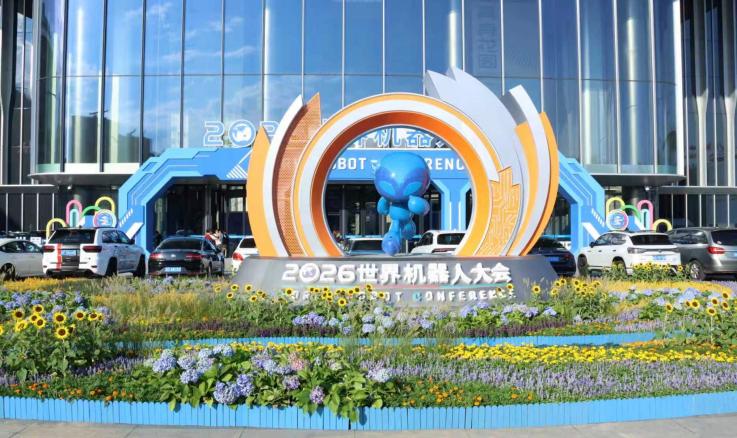
Sainade Unveils iLoabot Solutions to Tackle Last-Mile Logistics Challenges at WRC
At the 2026 World Robot Conference (WRC), Sainade showcased its upgraded iLoabot series solutions, including the iLoabot-M 2.0 autonomous unloading robot and the newly released iLoabot-X autonomous operation robot's de-stacking solution. These innovations address the complex challenges of logistics' last 20 meters, particularly in multi-SKU mixed loading and heavy-load de-stacking scenarios. The significance of these advancements lies in Sainade's ability to redefine the boundaries of embodied technology in logistics unloading. The iLoabot-M 2.0 features critical upgrades in algorithm models and hardware adaptability, allowing for flexible operations without pre-recorded box specifications. This is crucial as traditional methods struggle with the variability and unpredictability of real-world logistics environments. Looking ahead, Sainade's iLoabot-X 2.0 aims to set new industry standards with its heavy-load capabilities, achieving stable loads of up to 46 kilograms. The company emphasizes that its technology is driven by real-world challenges, leveraging extensive field data to enhance robot performance. No further timeline was disclosed at the time of publication.
Logistics Automation Robotic Solutions Warehouse Technology AI Robotics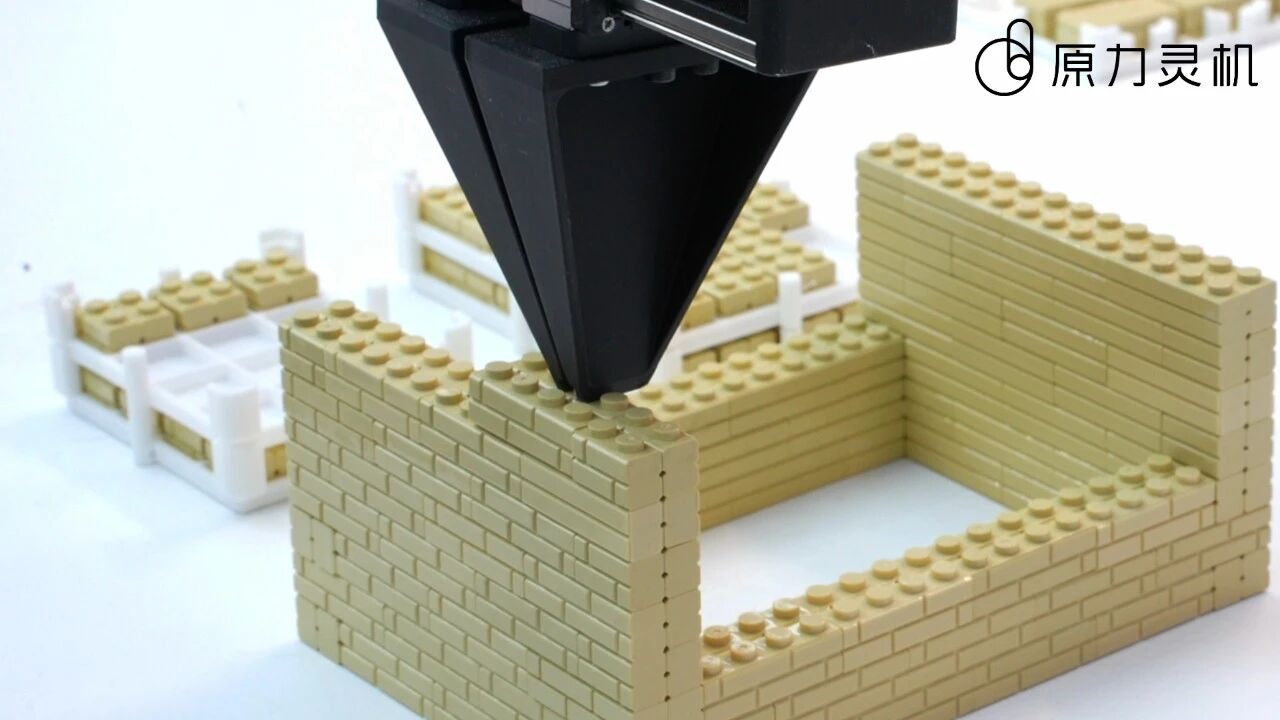
Six Robots Assemble a 3.5-Meter Great Wall Model Using 81,920 Blocks at WAIC
At the World Artificial Intelligence Conference (WAIC), six robots from General Embodied Intelligence Company, Yuanli Lingji, undertook a challenging task to assemble a Great Wall model using 81,920 micro building blocks over 15 hours. Each robot was required to complete approximately 910 assembly actions per hour, achieving a speed comparable to skilled human workers. This demonstration highlights the complexities of robotic assembly, as traditional industrial robots operate under fixed conditions, while block assembly requires real-time perception and adaptability to varying positions and angles. The robots needed to maintain sub-millimeter precision throughout the task, pushing the limits of robotic capabilities and mimicking human dexterity. The execution team consisted of four desktop robots and two humanoid wheeled robots, each equipped with independent perception, decision-making, and execution abilities. The challenge tested multi-agent collaboration in a dynamic environment, emphasizing the need for real-time negotiation and coordination among robots to adapt to unforeseen circumstances during the assembly process. No further timeline was disclosed at the time of publication.
Robotic Assembly AI Technology Collaborative Robotics Precision Engineering
SpaceX Unveils AI1 Satellite Specs for Starmind Constellation with Key Thermal Challenges
SpaceX has introduced the AI1 satellite, the inaugural component of its Starmind constellation, which stands 20 meters tall and has a wingspan of 70 meters. This orbital compute node is designed to deliver computing power equivalent to one NVIDIA GB300 server rack, utilizing a unique cooling system with deployable liquid radiators. The satellite's specifications were revealed during a presentation on June 8, 2026, ahead of SpaceX's IPO. The significance of the AI1 satellite lies in its role as a compute platform rather than a traditional satellite, focusing on running AI inference workloads. The satellite's cooling system, which is critical for its operation in the vacuum of space, is designed to reject heat through infrared radiation. However, independent engineers have raised concerns about the feasibility of the thermal and mass claims made by SpaceX, suggesting that the cooling requirements may exceed practical limits. Looking ahead, SpaceX plans to launch two AI1 prototypes in early 2027, with full-scale production expected to commence later that year at its Gigasat facility in Bastrop, Texas. The ongoing debate regarding the satellite's thermal management capabilities will be crucial to monitor as the project progresses, with no further timeline disclosed at the time of publication.

Stanford’s new iISM microscope images living cells at 120-nanometer resolution
Researchers at Stanford University have developed an innovative microscope that can image nanostructures within living cells, marking a significant advancement in cellular imaging technology. This breakthrough was announced in October 2023 and aims to enhance our understanding of cellular processes at the nanoscale. By enabling scientists to observe these structures in real-time, the new microscope offers insights into cellular functions and interactions that were previously difficult to study. The motivation behind this development is to provide a more detailed view of cellular mechanisms, which could lead to advancements in medical research and treatments. The microscope employs advanced imaging techniques that allow for high-resolution visualization of nanostructures, paving the way for new discoveries in biology and medicine.
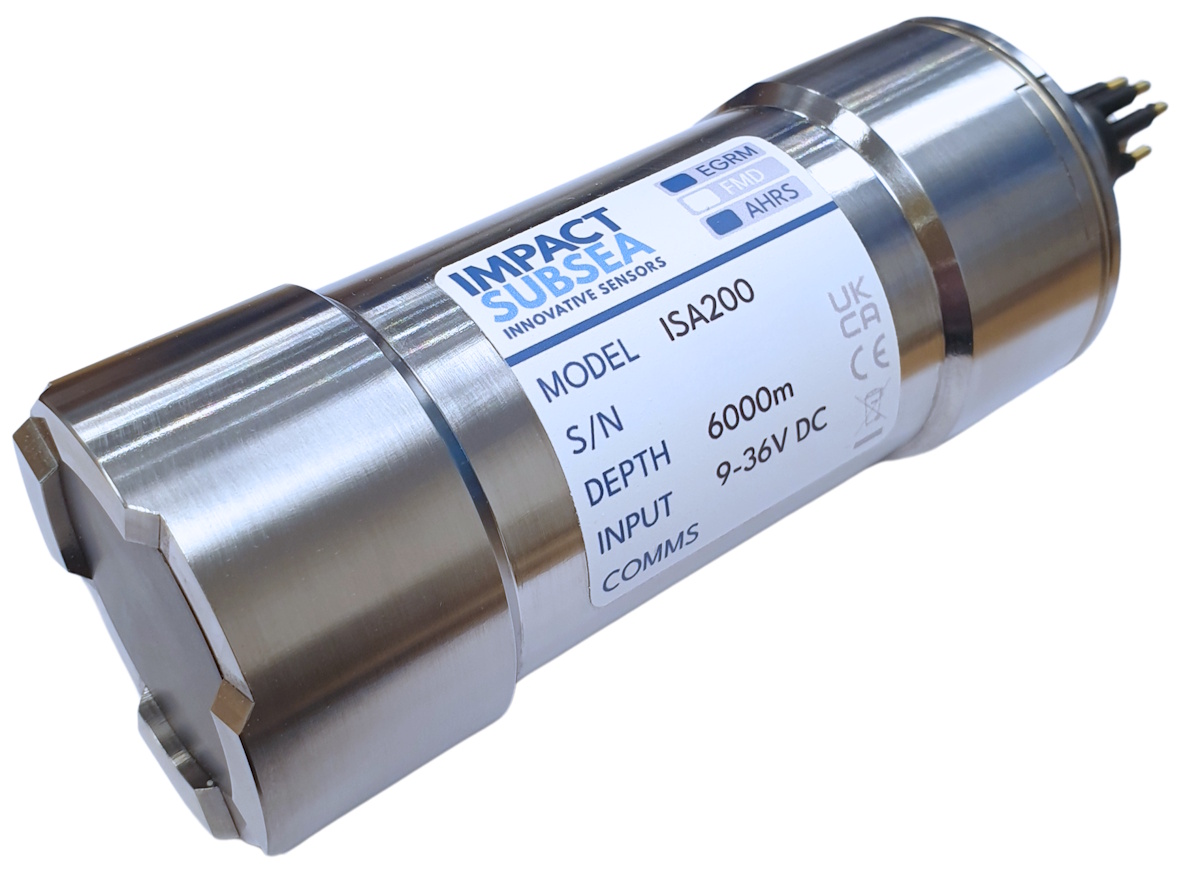
Impact Subsea Launches ISA200: Next-Generation Long Range Altimeter & Echosounder
Impact Subsea has announced the launch of the ISA200, a new underwater altimeter and single beam echosounder, expanding its advanced product line. This latest innovation aims to enhance underwater measurement capabilities, catering to the growing demand for precise data in marine applications. The ISA200 is designed to provide accurate depth measurements and improve operational efficiency for various underwater activities. The launch reflects Impact Subsea's commitment to advancing technology in the field, ensuring that users have access to cutting-edge tools for their underwater exploration and research needs.
impact subsea isa200 long range altimeter & echosounderRobotics needs a service framework.
RSF defines a common language for robot service capability, lifecycle operations, certification pathways, and service-provider networks.
Join the RobotToday community on LinkedIn
Daily robotics news, in-depth analysis, conference highlights, and discussions with professionals worldwide.