Industry Briefing
A single destination for timely, editor-curated robotics news from around the world.
Trump Administration Implements Tariffs Up to 100% on Imported Drones
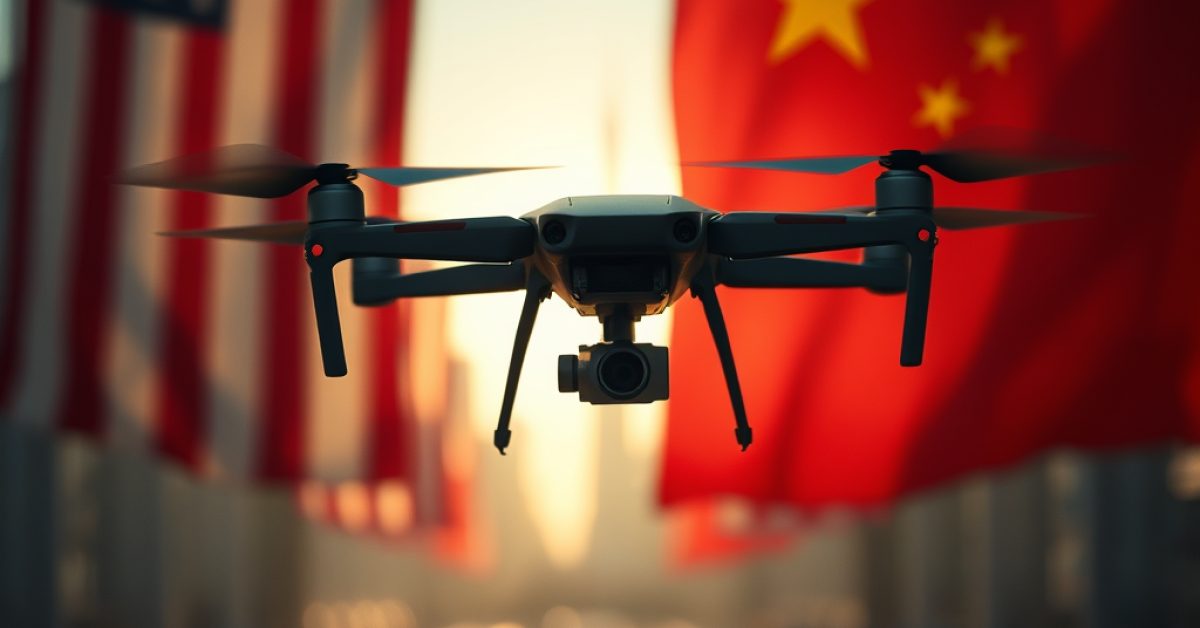
The Trump administration has announced new tariffs on imported drones and components, with rates reaching up to 100% for specific products. This initiative aims to enhance domestic manufacturing and reduce reliance on foreign suppliers, particularly from China, which dominates the global drone market. The tariffs are structured in tiers, with the highest penalties applied to drones over 25 kilograms and those with sensitive capabilities, such as thermal imaging. Smaller drones will face a 25% tariff, with implementation timelines varying by product. The administration is also offering lower tariffs for drones from allied countries, including the EU and Japan, to encourage domestic production. This policy reflects a broader strategy to address national security vulnerabilities linked to foreign-made unmanned aircraft systems. Analysts suggest that the tariffs could significantly impact companies like DJI, which holds a substantial share of the US commercial drone market. No further timeline was disclosed at the time of publication.
News
Trump Implements 100% Tariffs on Select Drones and Components Amid Security Concerns
President Trump has enacted a 100% tariff on certain drones and their components, aiming to bolster domestic manufacturing and reduce reliance on foreign suppliers. This move is part of a broader strategy to strengthen the U.S. supply chain in response to national security risks associated with Chinese drone technology. The tariffs align with Trump's executive order to expedite domestic drone production and limit the Department of Defense's ability to procure critical components from foreign entities, particularly China. This decision comes as the U.S. Army previously banned the use of Chinese-made DJI drones due to security concerns, highlighting the ongoing tension between the U.S. and China in the drone market. Looking ahead, the tariffs are part of a larger initiative under the National Defense Authorization Act for fiscal year 2026, which aims to enhance domestic manufacturing capabilities. No further timeline was disclosed at the time of publication.

Trump Implements 100 Percent Tariffs on Specific Drones and Aircraft Parts
President Donald Trump has announced a 100 percent tariff on imports of drones equipped with thermal cameras and those weighing over 25kg, along with all parts for unmanned aircraft of the same weight. Additionally, a 25 percent tariff will apply to smaller drones under 250 grams. This move follows a previous ban on foreign drones and aims to increase costs for existing imports. The tariffs are part of a broader strategy to encourage domestic production of unmanned aerial systems (UAS) and their components. Companies can avoid these tariffs by committing to manufacture drones or parts in the United States. The tariffs also feature reduced rates for certain countries, including a 15 percent tariff for the EU and others, contingent on local production of technology. Looking ahead, the Secretary of Commerce has been authorized to create a program to incentivize investment in U.S. production facilities for UAS. However, the legality of these tariffs has been challenged in court, raising questions about their long-term viability and impact on consumers and companies alike. No further timeline was disclosed at the time of publication.
News Policy
AeroVironment Enhances Mayhem 10 Drone with Autonomous Swarm Capabilities for Military Use
AeroVironment is enhancing its Mayhem 10 launched effects system by integrating autonomous swarm capabilities through a partnership with Applied Intuition. This new software allows multiple Mayhem 10 drones to coordinate missions under a single operator's supervision, addressing future U.S. Army requirements for autonomous systems that extend battlefield reach and reduce soldier workload. The integration of Applied Intuition’s Acuity ISR/Strike software enables collaborative behaviors among Mayhem 10 aircraft, allowing them to share targeting information and adapt to threats in real-time. A recent demonstration showcased the drones' ability to synchronize actions during various test scenarios, highlighting the importance of autonomous systems in modern military operations. Looking ahead, the flexibility of the Mayhem 10 platform, which can carry payloads of up to 10 pounds and operate in GPS-denied environments, positions it as a versatile tool for intelligence, surveillance, and precision strikes. No further timeline was disclosed at the time of publication.
Military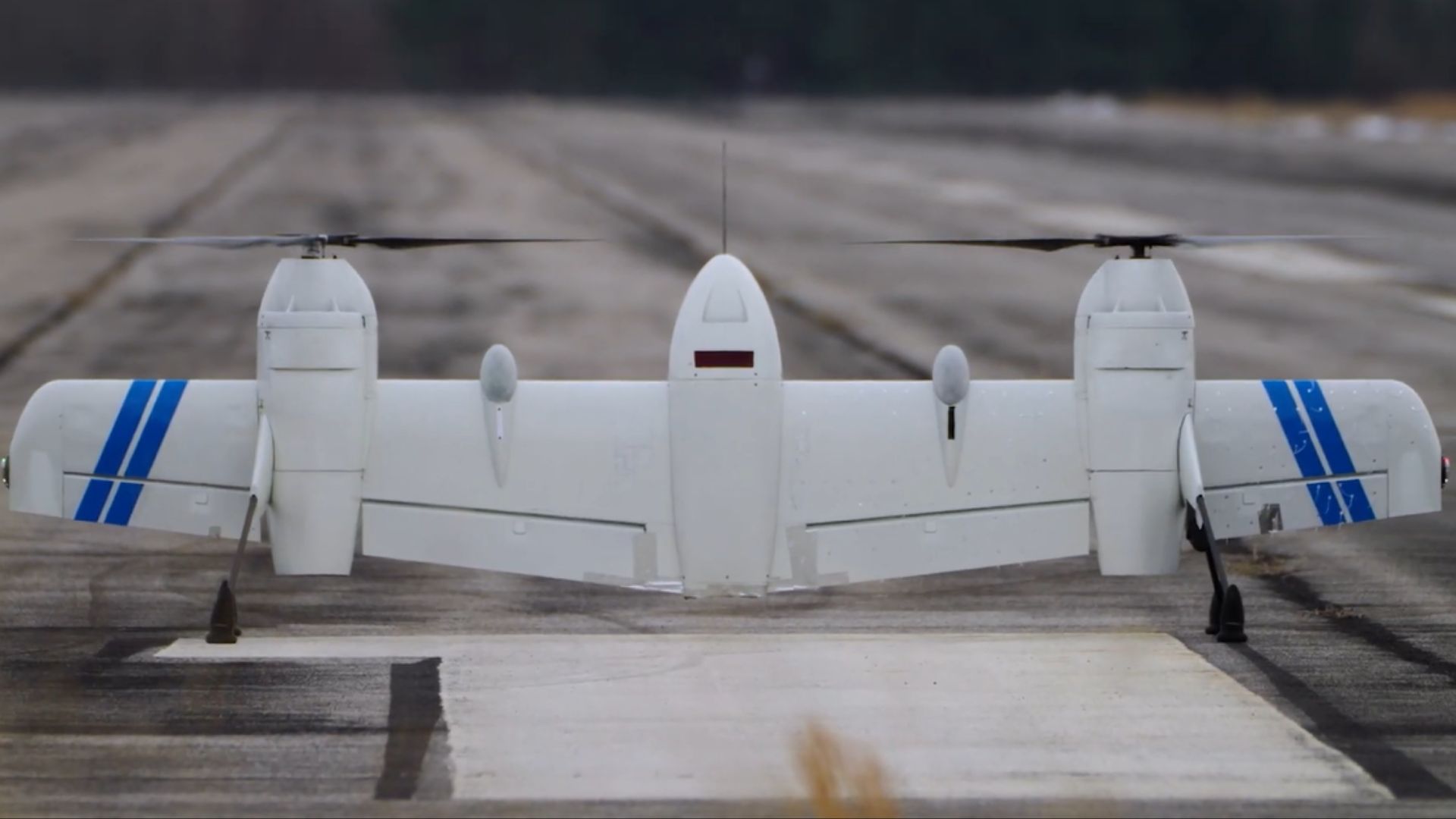
Sikorsky's Nomad 100 Drone Advances with Successful Flight Tests for Military Operations
Sikorsky has initiated flight testing for its Nomad 100 uncrewed aircraft, marking a significant milestone in the DARPA-supported Early VTOL Aircraft Demonstration (EVADE) program. The aircraft is designed for operations without runways, enabling it to launch from remote locations and support various military missions, including logistics and reconnaissance. The Nomad 100's unique rotor-blown wing architecture allows it to combine vertical lift with fixed-wing performance, providing military operators with enhanced flexibility in environments lacking prepared runways. This capability is crucial for missions in contested areas, and the aircraft can operate in adverse weather across land and maritime settings. Looking ahead, Sikorsky plans to conduct more rigorous flight evaluations at a government facility to assess the Nomad 100's performance across diverse mission profiles. The ongoing development of the aircraft aligns with Sikorsky's commitment to advancing autonomous technology for military applications, as emphasized by Rich Benton, the company's vice president and general manager.
Military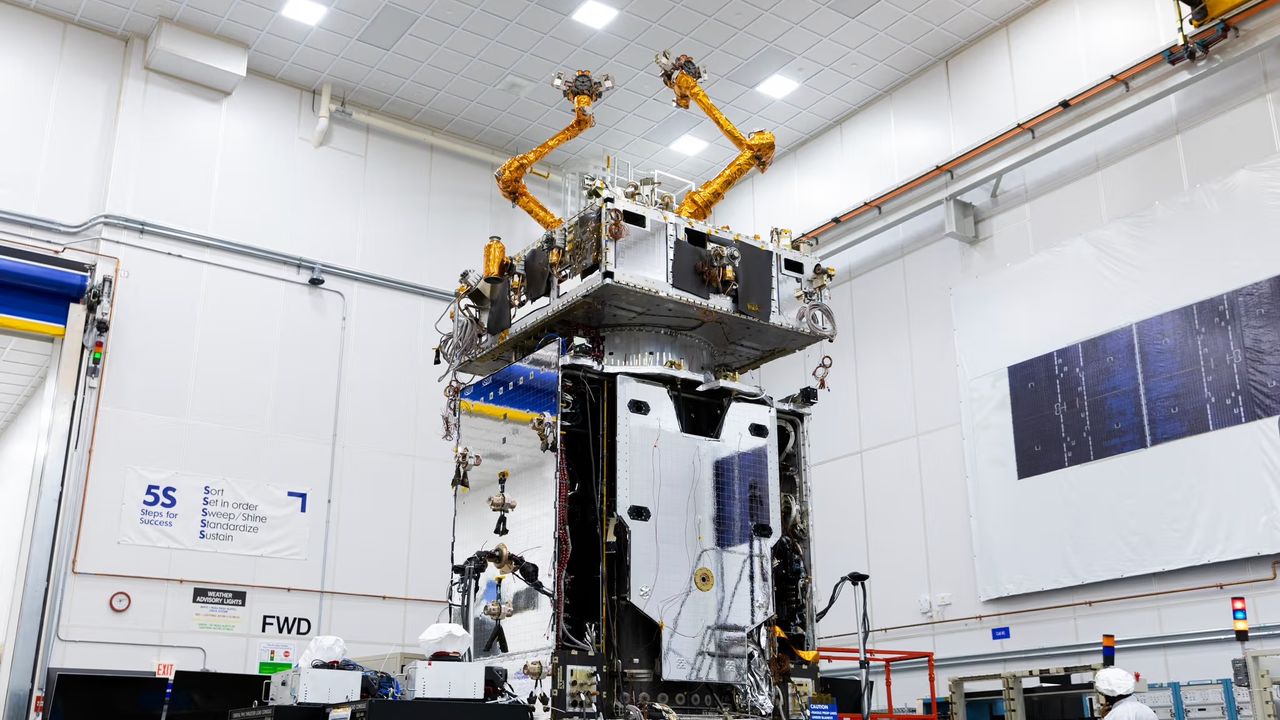
SpaceX Launches Innovative Satellite Repair Drone with Robotic Arms to Earth Orbit Today
SpaceX is set to launch a groundbreaking satellite-servicing mission today, July 21, using a Falcon 9 rocket from Cape Canaveral Space Force Station. The mission, named MRV-MEV, will deploy a Mission Robotic Vehicle (MRV) and three Mission Extension Pods (MEPs) to geostationary orbit (GEO) at an altitude of 22,236 miles (35,786 kilometers). The MRV, equipped with two robotic arms, will attach the MEPs to client satellites, extending their operational lives. This mission is significant as it marks the first launch of MEPs, which are designed to provide up to eight years of life extension for satellites in GEO. The MRV will not only install MEPs but also has capabilities to relocate, inspect, repair, and upgrade satellites in orbit. This advancement in satellite servicing technology is expected to enhance the resilience of space assets, as noted by Northrop Grumman, the parent company of SpaceLogistics, which operates the spacecraft. Looking ahead, the MRV will remain in GEO after installing the MEPs, awaiting future missions. The successful deployment of this technology could pave the way for more complex satellite servicing operations, building on Northrop Grumman's previous experiences with the Mission Extension Vehicle projects. No further timeline was disclosed at the time of publication.
Launches & Spacecraft Space Exploration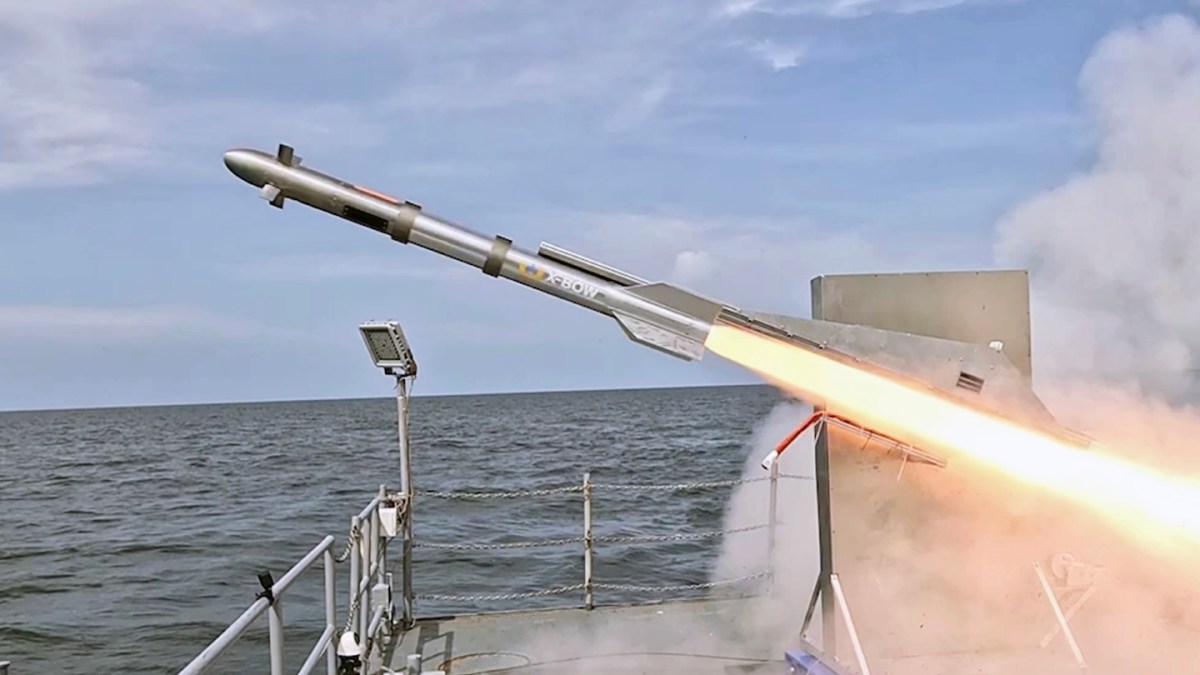
X-Bow Systems Launches Buckler Supersonic Drone Interceptor Under $100K
X-Bow Systems has introduced the Buckler, a cost-effective drone interceptor priced below $100,000. This supersonic interceptor is specifically designed to target Group 3 drones, which include various unmanned aerial vehicles weighing between 56 to 1,320 pounds. The Buckler can also engage other aerial threats, such as subsonic cruise missiles, enhancing its operational versatility. The significance of the Buckler lies in its affordability and speed, addressing the growing need for effective air defense against increasingly sophisticated drone and missile threats. As conflicts in regions like the Middle East and Ukraine have shown, traditional air defense systems often struggle against cheaper, more numerous threats. X-Bow Systems aims to provide a scalable solution that allows military forces to respond effectively without incurring exorbitant costs. Looking ahead, the Buckler represents a strategic response to the evolving landscape of aerial threats. With its ability to engage multiple targets rapidly, it could play a crucial role in modern air defense strategies. No further timeline was disclosed at the time of publication.
Land Armies Counter-Unmanned Aerial Vehicles (C-UAS) Surface-To-Air Missile Systems U.S. Army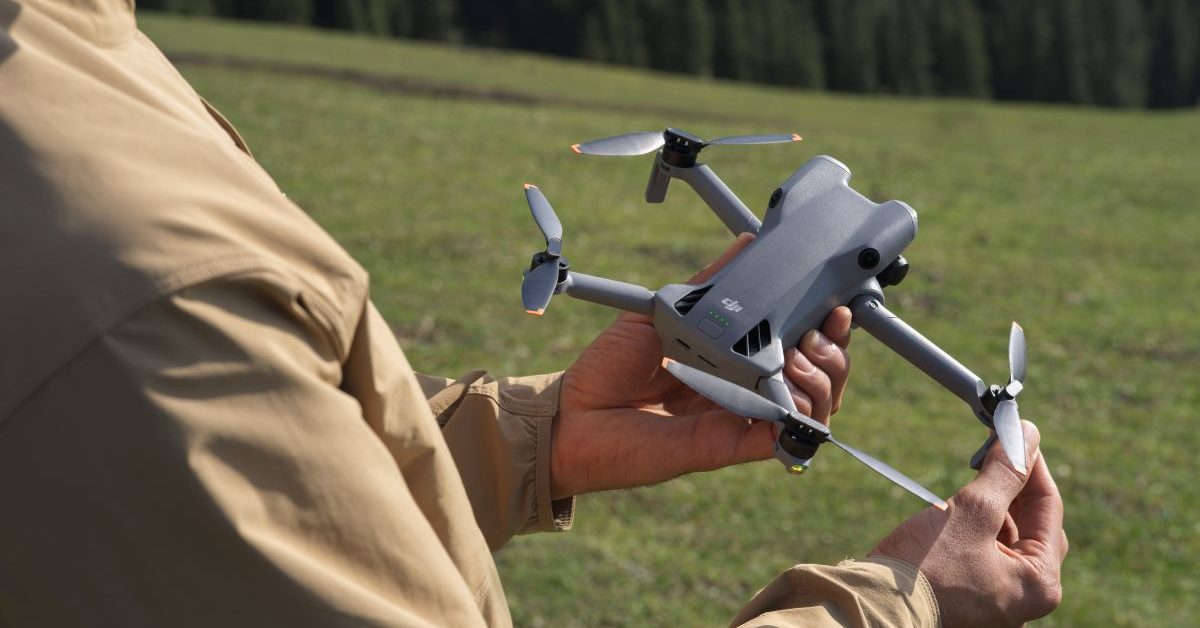
DJI Mini 5 Pro Drone Discounts Offer Up to $110 Savings Today
The DJI Mini 5 Pro drone is now available at a discounted price, with major bundles seeing a 10% reduction. This sale marks the first significant price cut in months, making it an opportune time for potential buyers. The Mini 5 Pro, known for its impressive features despite its lightweight design, includes a 1-inch, 50MP camera sensor that enhances dynamic range and low-light performance. This discount is particularly timely as summer is peak flying season in the US, and DJI's premium drones rarely see such price reductions. The Mini 5 Pro remains a popular choice among consumers due to its advanced capabilities, including a battery life of up to 36 minutes and features like omnidirectional obstacle sensing and improved ActiveTrack. Buyers are encouraged to consider the Fly More Combo with DJI RC 2, which offers additional batteries and accessories for extended flight time. However, the longevity of these discounts is uncertain, as DJI often runs limited promotions on its premium products. Interested customers should act quickly to take advantage of this opportunity.
News
NVIDIA and LG Set Ambitious Goal of 100,000 Hours of Robot Training Data by Year-End
NVIDIA and LG Electronics have set a new benchmark in robot training data, aiming for 100,000 hours by year-end. This initiative was announced during a visit by NVIDIA's Senior Director of Omniverse and Robotics Marketing, Min-San Huang, to LG's Yangjae R&D Center in Seoul, following a strategic partnership agreement signed just days earlier. This ambitious target is significant as it surpasses the training data of other companies, such as Ant Group's LingBot-VLA 2.0 model, which has 60,000 hours. The training data will be sourced from a mix of real and synthetic data, leveraging decades of LG's operational data in manufacturing and logistics, enhanced through NVIDIA's Omniverse and Isaac robotics development platform. Looking ahead, LG plans to deploy hundreds of CLOiD robots at the Yangjae data factory, which features various training environments. The company aims to launch a next-generation bipedal robot based on NVIDIA's Isaac GR00T model by Q1 2027. No further timeline was disclosed at the time of publication.
Robot Training AI Robotics Manufacturing Data Analytics
Elbit Systems Proposes Watchkeeper X for UK's Project Corvus Long-Range Drone
Elbit Systems's U-TacS is set to propose the Watchkeeper X variant for the UK's Project Corvus, which seeks a long-range reconnaissance drone. This initiative is significant as it aims to enhance the UK's surveillance capabilities in various operational environments. Stakeholders should monitor the development of this proposal and its implications for future defense contracts and drone technology advancements.
News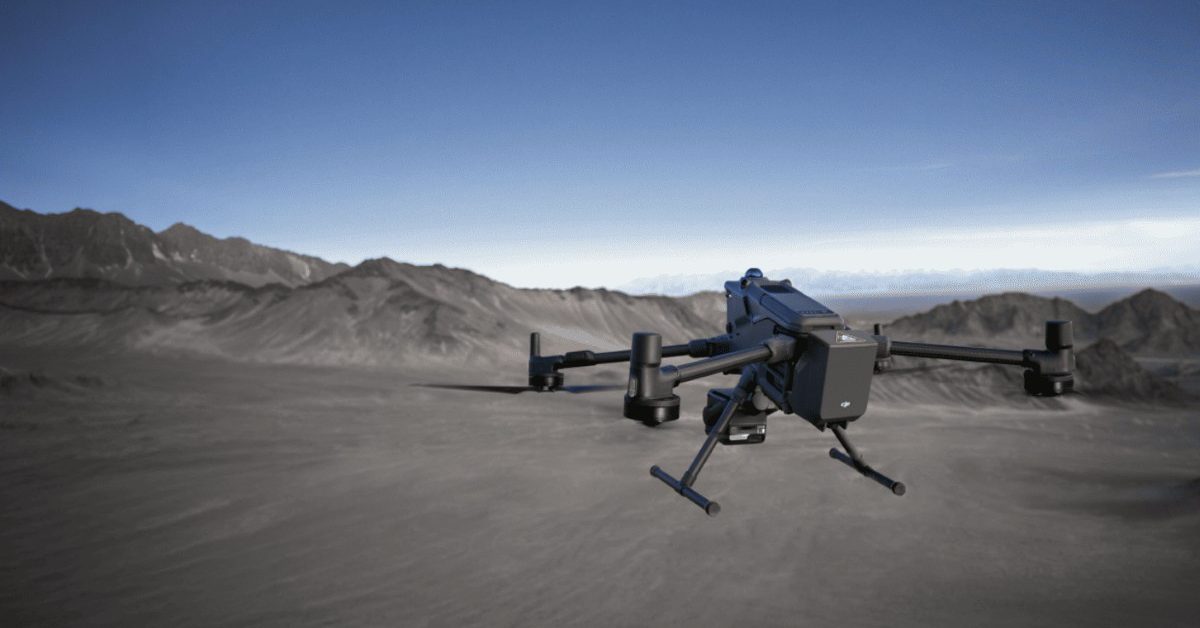
DJI Launches AP100 Parachute for Enhanced Safety of Matrice 400 Drone
DJI has unveiled the AP100 Parachute, a new safety accessory for its Matrice 400 enterprise drone, aimed at protecting the aircraft during emergencies. This parachute system, weighing approximately 935 grams, helps mitigate the impact of in-flight failures by safely lowering the drone to the ground, thus safeguarding valuable payloads and minimizing risks to people and property below. The introduction of the AP100 is significant as it allows the Matrice 400 to comply with safety regulations set by the European Union Aviation Safety Agency and the UK Civil Aviation Authority. This feature is particularly beneficial for organizations operating internationally, as it enhances operational safety and meets specific classification requirements for various missions, including beyond visual line of sight operations. Looking ahead, operators interested in C6 or UK6 certification for STS-02 missions will need to acquire the DJI Matrice 400 (C6) Worry-Free Plus Combo, which includes the AP100. No further timeline was disclosed at the time of publication.
News
Starmind's Orbital Compute vs. Terrestrial Data Centers: Analyzing Resource Advantages
Starmind's orbital compute technology presents a significant advantage over traditional ground-based data centers by eliminating constraints related to land, water, and grid permitting. While terrestrial data centers are currently cheaper and faster to construct, with U.S. data center spending reaching $85.3 billion in 2026, Starmind's approach focuses on addressing the growing resource limitations faced by hyperscale facilities. The significance of Starmind's technology lies in its ability to sidestep the increasing challenges of land and water usage. For instance, a 100 MW data center can consume approximately 530,000 gallons of water daily for cooling, while Starmind's AI1 utilizes deployable liquid radiators that require no water. This structural advantage could resonate with investors as the demand for AI computing continues to escalate, potentially leading to annual water withdrawals of up to 1.7 trillion gallons by 2027. Looking ahead, Starmind's next milestones include the launch of AI1 prototypes scheduled for early 2027. However, the technology's claims regarding cooling efficiency and operational reliability remain unverified until real flight data is available. As the industry evolves, the competition between orbital and terrestrial solutions will become increasingly relevant, particularly in the context of resource management and sustainability.

GMO Internet Group to Exhibit as Platinum Sponsor at Japan Drone 2026, Aiming to Address Airport Labor Shortages with Humanoids.
GMO Internet Group will participate as a Platinum Sponsor at Japan's largest drone and eVTOL international exhibition, "Japan Drone / Next Generation Air Mobility EXPO 2026," scheduled to take place from June 3 to June 5, 2026, at Makuhari Messe. This event aims to showcase advancements in drone technology and air mobility solutions, reflecting the growing interest and investment in the sector. By taking on a leading sponsorship role, GMO Internet Group underscores its commitment to innovation and its strategic focus on the future of transportation.

FAA's Proposed Part 108 Rule Aims to Transform BVLOS Drone Operations
The FAA's proposed Part 108 rule is generating excitement in the commercial drone sector by establishing a standardized regulatory framework for beyond visual line of sight (BVLOS) operations. This change aims to reduce reliance on the current waiver process, making routine BVLOS flights more feasible for various operators. This proposal is significant not only for regulatory reasons but also for how organizations will manage daily drone operations. While it simplifies the path to BVLOS operations, it emphasizes the need for consistent operational compliance and thorough documentation, which AirData highlights as a critical shift for drone operators. As BVLOS operations become more accessible, organizations may expand their fleets and operational scope, leading to new challenges in maintaining compliance records. AirData's CEO, Eran Steiner, notes that preparing for Part 108 involves ensuring operational systems can support the increased demands of routine BVLOS operations. No further timeline was disclosed at the time of publication.
BVLOS Drone News Drone News Feeds FAA News Regulation
DJI Unreleased EV50 VTOL Cargo Drone Flies Above Everest, Unlocking 100km Low-Altitude Logistics
DJI has successfully tested its pre-release EV50 composite-wing drone, achieving an impressive altitude of 8,861 meters above Mount Everest during a polar mission. This milestone showcases the drone's advanced vertical takeoff and landing (VTOL) capabilities, which can transport cargo over a range of 100 kilometers, making it suitable for logistics in extreme environments. The testing, conducted in October 2023, highlights DJI's commitment to enhancing aerial technology for challenging terrains and conditions. The EV50's performance could revolutionize supply chain operations in remote and harsh locations, addressing the growing demand for efficient logistics solutions in difficult-to-reach areas.
Technology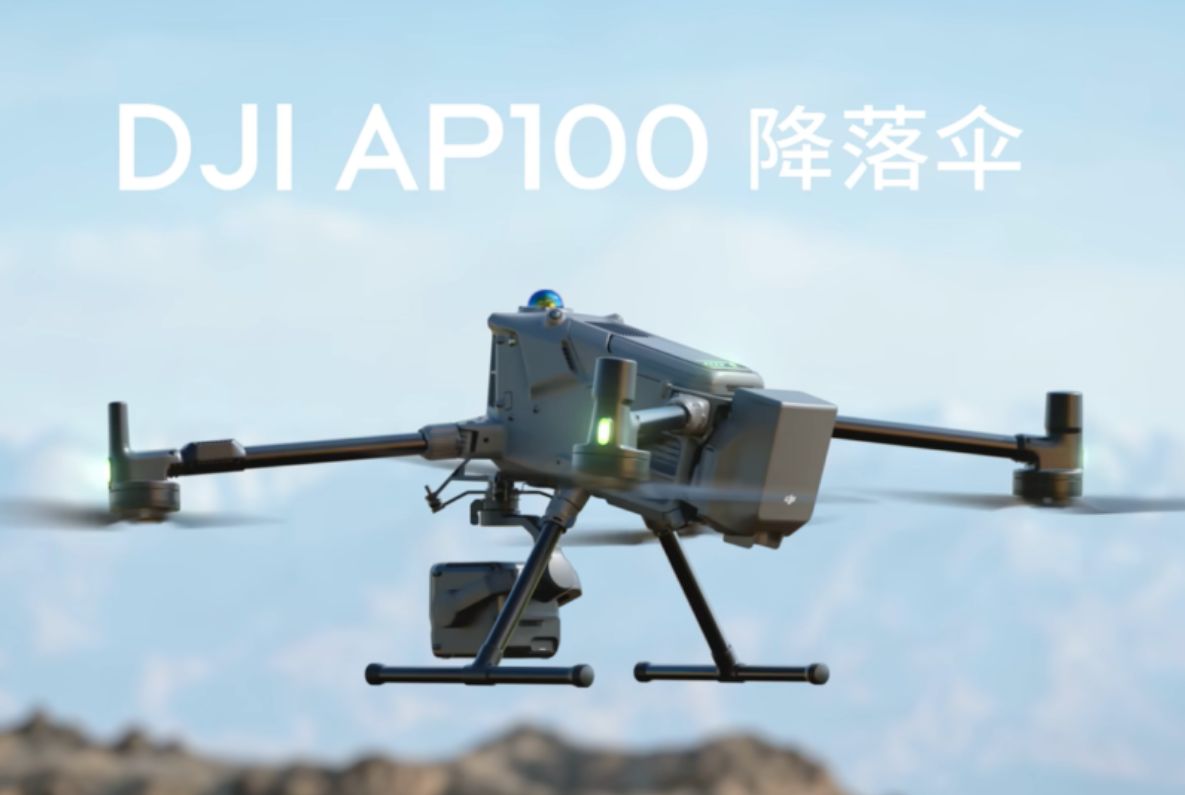
DJI launches AP100 parachute system for Matrice 400 enterprise drone
DJI has introduced the DJI AP100 Parachute, marking its first parachute system tailored for enterprise drone applications. Launched on Wednesday, this new safety feature is specifically designed for the Matrice 400 drone and is priced at 7,488 yuan (approximately $1,100). The AP100, which weighs around 935 grams and boasts an IP55 protection rating, is currently available exclusively through authorized distributors. This development aims to enhance safety measures for drone operations, providing an additional layer of security for users in various industries.
News Feed
Russia fuel crisis spills over to Central Asia as drone strikes bite
As Russia faces a fuel crisis due to drone strikes on its refineries, Central Asia is feeling the repercussions. Kyrgyzstan is experiencing a shortage of premium-grade gasoline, prompting consumers to switch to standard-grade fuel. This situation has arisen as Russia tightens its energy exports, impacting neighboring countries. In Uzbekistan, gasoline prices are climbing, while Kazakhstan is implementing stricter market controls to safeguard its own fuel supply. The crisis highlights the interconnectedness of the region's energy markets and the challenges posed by geopolitical tensions.

SpaceX's Starmind Project: Supplier Strategy and Chip Manufacturing Plans for 2026
SpaceX's Starmind project, aimed at deploying up to 1 million AI satellites, was filed with the FCC on January 30, 2026. The initiative is designed to minimize reliance on external suppliers, with CEO Elon Musk stating that current chip production capabilities only meet 2% of the projected needs. The first satellite, AI1, is set for prototype launches in early 2027, featuring a 70-meter wingspan and a modular payload system that allows for interchangeable chips from various suppliers. The significance of Starmind lies in its ambitious supply chain strategy, which seeks to transition from external hardware suppliers to a fully integrated Musk-owned facility by 2028. The Gigasat manufacturing site in Bastrop, Texas, is expected to be operational by the end of 2027, with plans for high-volume production of the D3 chip, specifically designed for space applications. This approach aims to consolidate chip manufacturing processes under the Terafab joint venture, which has an estimated initial investment of $55 billion. Looking ahead, the next milestone for Starmind is the launch of AI1 prototypes in early 2027, while the full-scale chip production at Terafab is projected to ramp up significantly thereafter. However, analysts express skepticism regarding the feasibility of achieving Musk's ambitious compute goals, which may require substantial investment and time to establish the necessary manufacturing capabilities.

SpaceX's Starmind Targets AI Labs with $6.3 Billion Compute Contracts
SpaceX's Starmind is designed to provide wholesale AI compute services to businesses, particularly AI labs and cloud customers, rather than individual consumers. The service operates similarly to AWS, where users benefit from applications running on Starmind without direct subscriptions. The compute capacity of a single AI1 satellite is comparable to one NVIDIA GB300 rack, emphasizing its enterprise-grade capabilities. The significance of Starmind lies in its positioning as a potential fourth hyperscaler, joining the ranks of AWS, Microsoft Azure, and Google Cloud. The Reflection AI contract, valued at $150 million per month, exemplifies the enterprise-focused model, with total payments potentially reaching $6.3 billion through 2029. This contract highlights the growing demand for AI compute resources, particularly from AI-native startups and labs. Looking ahead, the focus will remain on securing additional enterprise contracts as Starmind expands its offerings. No consumer-facing products or subscriptions have been announced, and the current strategy is to cater to businesses with substantial AI workloads. No further timeline was disclosed at the time of publication.

Tesla's Optimus Robots to Support Starmind Satellite Production, Not Maintenance
Tesla's Optimus robots will not be used to repair Starmind satellites in orbit, as confirmed by recent statements from Elon Musk. Instead, these robots are intended to assist in the construction and operation of the Terafab chip manufacturing facility in Texas. The AI1 satellites, designed to disintegrate upon reentry, highlight the company's swap-and-replace strategy rather than traditional maintenance practices. This approach is significant as it reflects a broader trend in satellite management, where mass-produced satellites are replaced rather than repaired. The economics of servicing missions are prohibitive, with the cost of launching a replacement satellite being significantly lower than conducting a repair mission. This model aligns with SpaceX's operational history, where rapid replacement of satellites is more efficient than attempting to maintain them in orbit. Looking ahead, the focus will remain on the production capabilities of the Gigasat factory, which is expected to support the continuous replacement of satellites. No further timeline was disclosed at the time of publication, but the demand for rapid satellite turnover suggests a robust future for Optimus robots in terrestrial manufacturing rather than in-space servicing.

SpaceX's Starmind Plans 1 Million AI Satellites Amid Collision Risks
SpaceX has announced its ambitious Starmind project, which aims to deploy 1 million AI satellites in orbits between 500 and 2,000 km. This initiative, confirmed by Elon Musk on June 23, 2026, follows a merger with xAI, valuing the combined entity at $1.25 trillion. The satellites will function as orbital data centers, processing AI workloads powered by solar arrays and linked by optical lasers. The significance of Starmind lies in its potential to add 100 gigawatts of AI compute capacity annually, contingent on the successful operation of the Starship launch system. However, the project raises concerns regarding space debris, as the current orbital environment is already congested, with a 20% increase in collision risk reported since 2024. The European Space Agency has highlighted that the density of debris in low Earth orbit is now comparable to that of active satellites, complicating the operational landscape for new entrants like Starmind. Looking ahead, the first operational orbital AI deployments are targeted for 2028, with test launches expected in early 2027. However, the project faces scrutiny regarding its impact on space debris, as even a 1% failure rate could significantly increase the number of uncontrollable objects in orbit, exacerbating existing risks. No further timeline was disclosed at the time of publication.
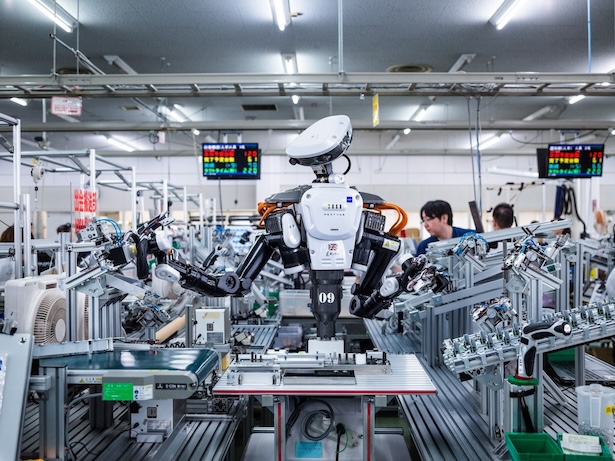
SpaceX's Starship V3 Plans for 1 Million Starmind Satellites by 2030
SpaceX's Starship V3 is set to revolutionize satellite deployment, aiming to launch 1 million Starmind satellites by 2030. The spacecraft can carry over 100 tonnes to low Earth orbit (LEO), significantly more than the Falcon 9's capacity. As of May 2026, Starship has completed 12 flights, with the next mission scheduled for late July 2026, focusing on operational payloads including AI1 prototypes in early 2027. This ambitious plan is crucial for expanding orbital compute capacity, targeting an annual addition of 100 GW through a million tonnes of satellite hardware. SpaceX's strategy hinges on achieving a launch cadence of approximately 12,000 flights, equating to about three launches per day. The company has invested over $15 billion in the Starship program, with expectations to begin payload deliveries in the second half of 2026, starting with Starlink V3 satellites. Looking ahead, the successful deployment of the Starmind constellation will depend on Starship's ability to meet its cost targets of $10–20 million per flight. If achieved, this would make launching satellites more economical than building ground data centers. The next significant milestone will be the launch of AI1 prototypes in early 2027, with full-scale deployments commencing in 2028 from the new Gigasat factory in Texas.
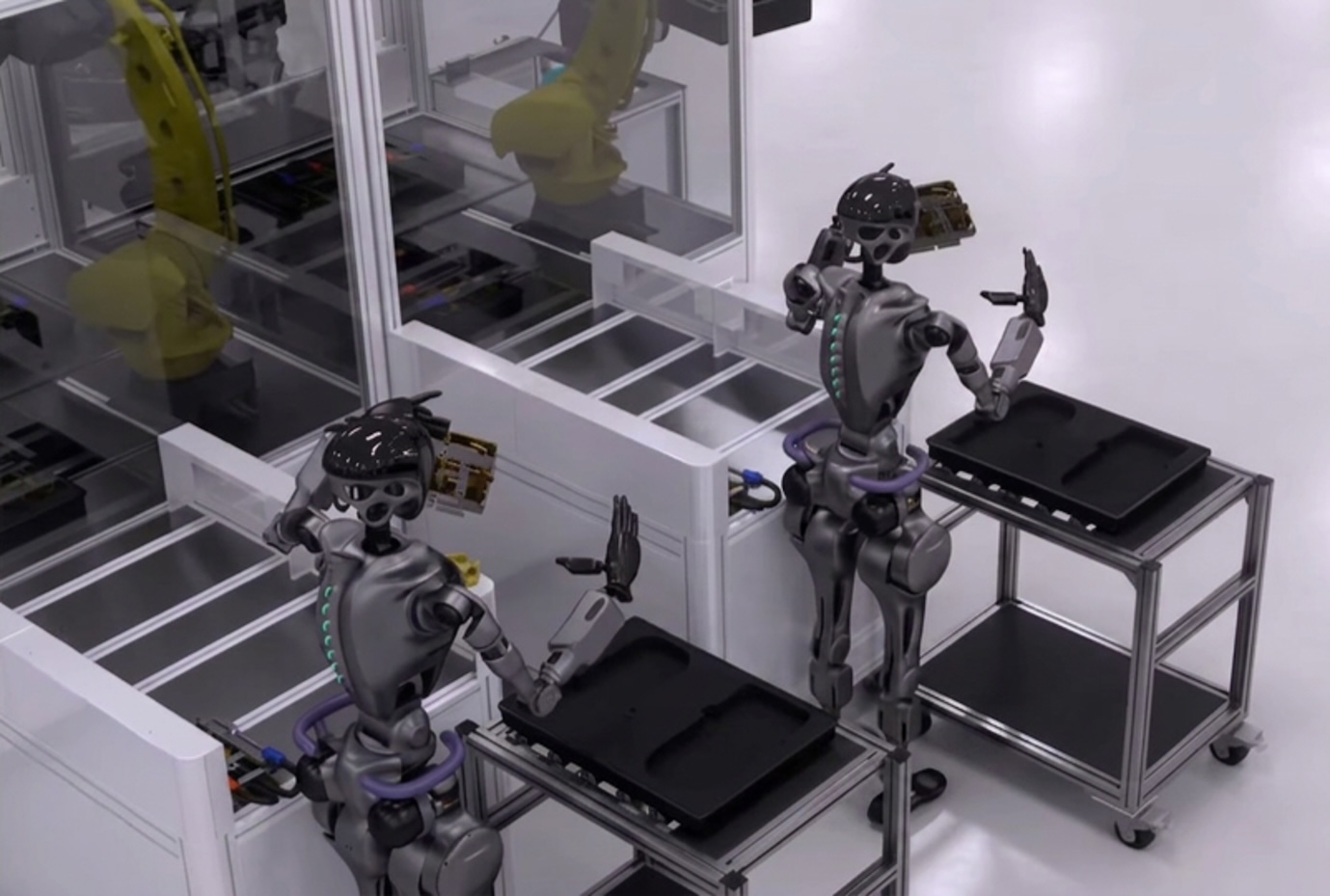
SpaceX Proposes 1 Million AI Satellites to Address Ground Data Center Constraints
On January 30, 2026, SpaceX filed with the FCC to launch up to 1 million AI compute satellites, positioning orbital data centers as a solution to the increasing demand for AI computing power. Ground data centers are facing significant challenges, with energy consumption projected to reach approximately 1,050 TWh in 2026, making them the fifth-largest electricity consumer globally. The demand for new data center capacity is outpacing the growth of power generation infrastructure, leading to a critical bottleneck in the grid system. The significance of this initiative lies in the structural constraints faced by ground data centers, including power delivery limitations, high water consumption, and local opposition to new projects. The Uptime Institute's 2026 outlook identifies power as the primary constraint on data center growth, with capacity clearing prices in the PJM grid skyrocketing to $329.17/MW, driven by data center expansion. Additionally, cooling requirements are becoming increasingly unsustainable, with facilities consuming vast amounts of water, further complicating their operational viability. Looking ahead, SpaceX's orbital AI compute initiative aims to circumvent these challenges by leveraging the advantages of space, such as continuous solar power and minimal local opposition. The first AI prototypes are expected to launch in early 2027, with operational deployments planned for 2028. No further timeline was disclosed at the time of publication.
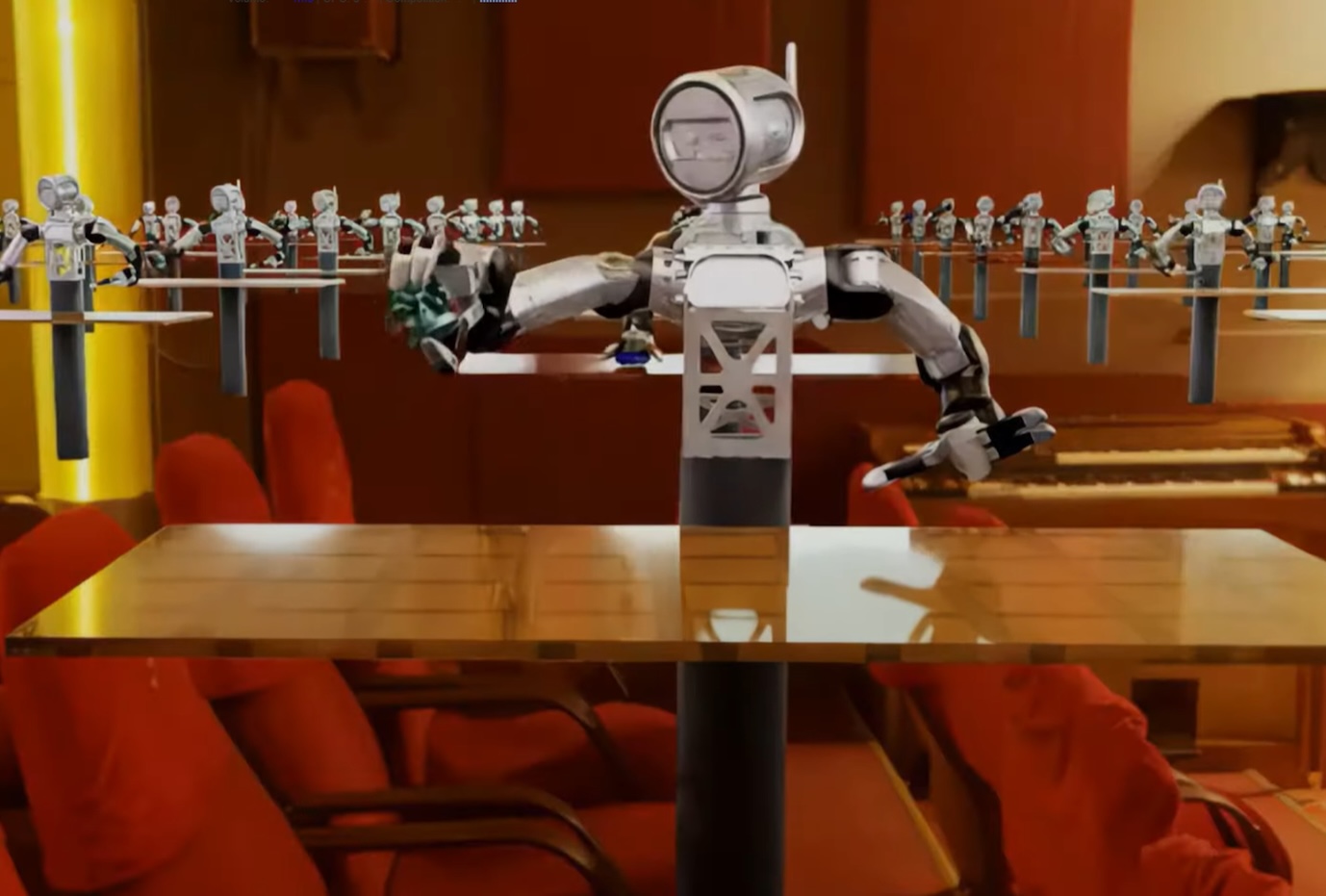
SpaceX's Starmind Faces Feasibility Challenges for 1 Million Satellite Deployment
On January 30, 2026, SpaceX submitted a request to the FCC to launch up to 1 million satellites as part of its Starmind orbital compute constellation. This ambitious plan is unprecedented, as the total number of satellites ever launched globally is in the low tens of thousands. The proposal seeks a waiver from standard deployment milestones, citing reliance on the Starship's full reusability for success. The significance of this request lies in the technical and logistical challenges it presents. Experts warn that low Earth orbit may not support the proposed number of active satellites without risking a debris cascade. SpaceX's own IPO prospectus acknowledges unresolved dependencies related to Starship's launch cadence and reusability, which are critical for the orbital AI compute strategy. Looking ahead, the timeline for achieving the necessary launch cadence and manufacturing capacity remains uncertain. SpaceX's Gigasat facility in Texas aims for volume production by late 2027, but this would require unprecedented output levels. No further timeline was disclosed at the time of publication, leaving the feasibility of the Starmind project in question.

SpaceX Unveils AI1 Satellite Specs for Starmind Constellation with Key Thermal Challenges
SpaceX has introduced the AI1 satellite, the inaugural component of its Starmind constellation, which stands 20 meters tall and has a wingspan of 70 meters. This orbital compute node is designed to deliver computing power equivalent to one NVIDIA GB300 server rack, utilizing a unique cooling system with deployable liquid radiators. The satellite's specifications were revealed during a presentation on June 8, 2026, ahead of SpaceX's IPO. The significance of the AI1 satellite lies in its role as a compute platform rather than a traditional satellite, focusing on running AI inference workloads. The satellite's cooling system, which is critical for its operation in the vacuum of space, is designed to reject heat through infrared radiation. However, independent engineers have raised concerns about the feasibility of the thermal and mass claims made by SpaceX, suggesting that the cooling requirements may exceed practical limits. Looking ahead, SpaceX plans to launch two AI1 prototypes in early 2027, with full-scale production expected to commence later that year at its Gigasat facility in Bastrop, Texas. The ongoing debate regarding the satellite's thermal management capabilities will be crucial to monitor as the project progresses, with no further timeline disclosed at the time of publication.
SpaceX Launches Starmind Project for 1 Million AI Satellites by 2028
SpaceX has officially named its orbital AI infrastructure project 'Starmind,' which aims to deploy a constellation of up to 1 million satellites. This initiative, confirmed by Elon Musk on June 22, 2026, will enable AI inference directly in space, utilizing solar energy rather than terrestrial power sources. The first satellite, designated AI1, was unveiled on June 8, 2026, and is designed to operate in sun-synchronous orbits. The significance of Starmind lies in its potential to overcome the limitations faced by ground-based data centers, such as land, power, and water constraints. By running AI computations in orbit, Starmind can provide a more efficient solution to the growing demand for AI computing power. The project leverages the existing Starlink infrastructure for data transmission, distinguishing its function from Starlink's internet relay capabilities. Looking ahead, SpaceX plans to begin hardware deployment with the AI1 satellite, while full-scale production and deployment of the satellite constellation are targeted for 2028. As of now, no Starmind satellites have been launched, and further engineering challenges remain to be addressed, particularly regarding the scalability of the satellite design.

1,100 drones challenge FIFA World Cup security, 500 already seized
Authorities have reported the detection of 1,139 drones operating near World Cup stadiums and related sites throughout the United States. Of these, over 300 drones have been successfully mitigated without the use of force. Concurrently, the FBI has seized more than 500 drones as part of its ongoing investigations into unauthorized flights in proximity to tournament venues. This heightened surveillance and intervention are part of efforts to ensure safety and security during the high-profile event.
News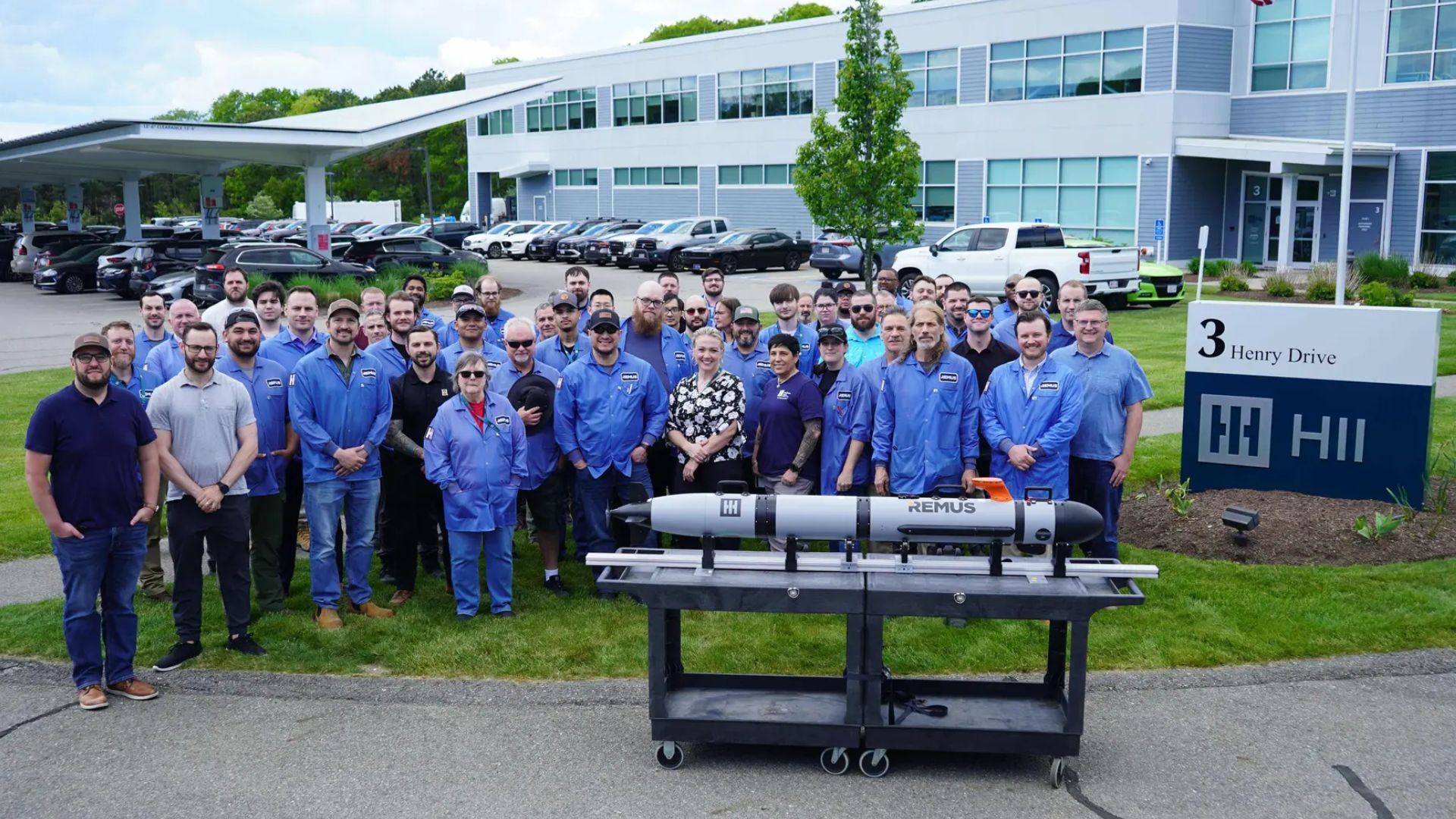
New mini submarine-like drone from HII can dive 328 feet deep with 10 hour battery life
Huntington Ingalls Industries (HII), a prominent U.S. military shipbuilder, has successfully delivered the first REMUS 130 unmanned underwater vehicle. This significant milestone was achieved as part of HII's commitment to advancing maritime technology. The delivery took place in October 2023, showcasing the company's ongoing efforts to enhance the capabilities of the U.S. Navy and other defense partners. The REMUS 130 is designed for various underwater missions, including reconnaissance and surveillance, addressing the growing need for advanced unmanned systems in naval operations. This development reflects HII's strategic focus on innovation and its role in supporting national security objectives through cutting-edge maritime solutions.
Military
Drones of the Berlin Air Show, plus a window into Europe’s space ambitions
This week, ILA Berlin 2026 featured a comprehensive overview of small unmanned systems and various space-launch options. The event highlighted advancements in technology and innovation within the aerospace sector, attracting industry professionals and enthusiasts alike. Attendees had the opportunity to explore cutting-edge developments that could shape the future of unmanned aerial vehicles and space exploration. The showcase aimed to foster collaboration and knowledge sharing among experts, emphasizing the growing importance of these technologies in both commercial and defense applications. As the aerospace industry continues to evolve, events like ILA Berlin serve as crucial platforms for unveiling new capabilities and discussing the implications of these advancements.
Air Warfare Space Air Force Berlin Air Show Break Out Video Drones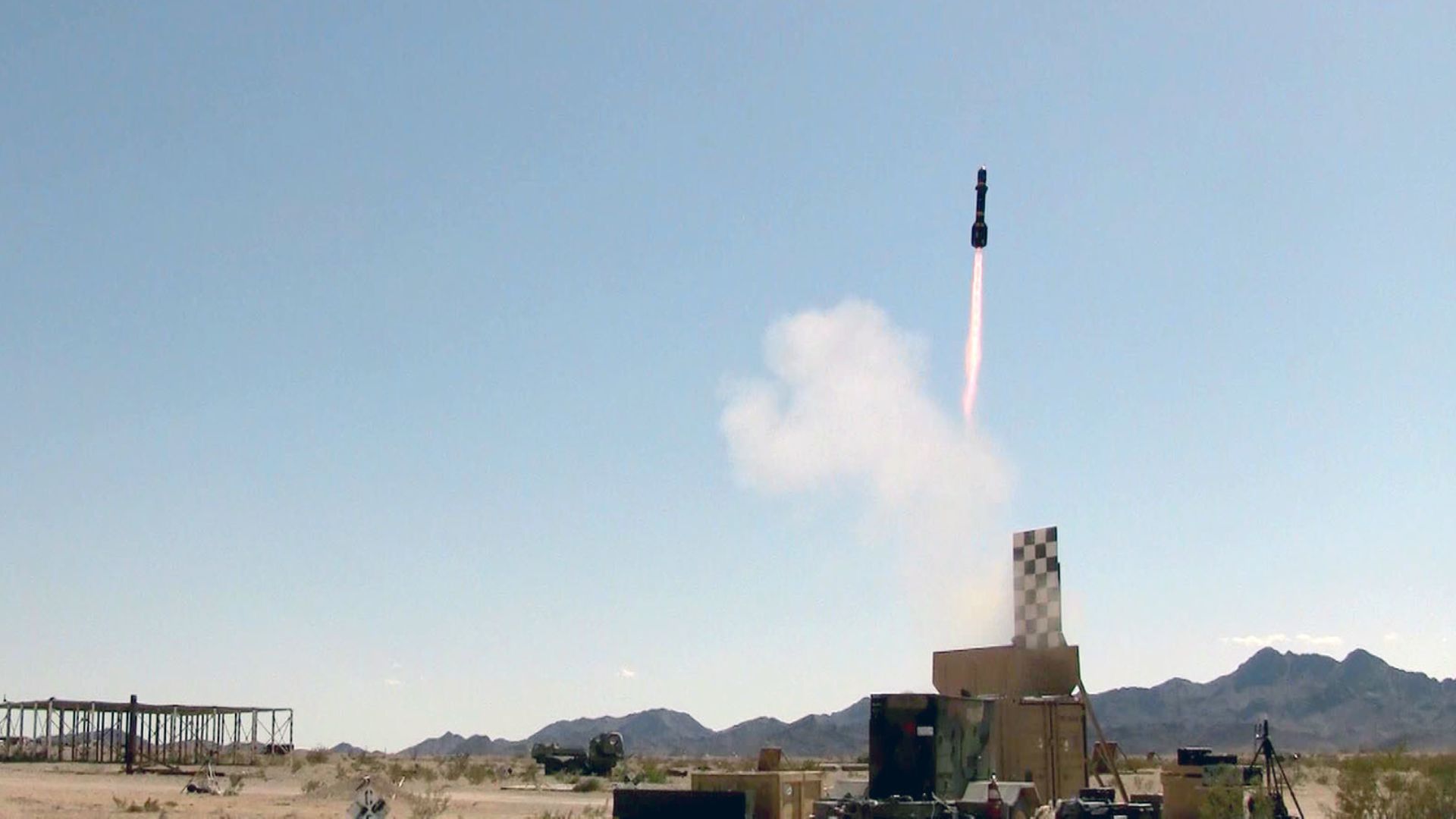
Lockheed’s 10-foot containerized launcher shoots down 1,320-pound attack drone
Lockheed Martin has achieved a significant milestone by successfully intercepting a Group 3 one-way attack drone using its advanced Joint All-Domain Command and Control (JADC2) system. This event took place during a recent test, showcasing the effectiveness of the technology in enhancing defense capabilities. The demonstration was conducted to validate the system's ability to detect, track, and neutralize aerial threats, reflecting the growing importance of counter-drone measures in modern warfare. The successful interception underscores Lockheed Martin's commitment to advancing military technology and improving national security. This achievement not only highlights the company's innovative approach but also addresses the increasing challenges posed by unmanned aerial vehicles in conflict scenarios.

FAA warns World Cup drone flyers: Fines could hit $100,000
As the FIFA World Cup 2026 approaches, the Federal Aviation Administration (FAA) has issued a warning regarding the operation of drones in and around event venues. Unauthorized drone flights in designated areas could result in severe penalties, including fines of up to $100,000 and potential criminal charges. The FAA's announcement serves to ensure the safety and security of the high-profile event, emphasizing the importance of adhering to regulations. Drone operators are urged to familiarize themselves with the restricted zones to avoid costly mistakes during the tournament.
News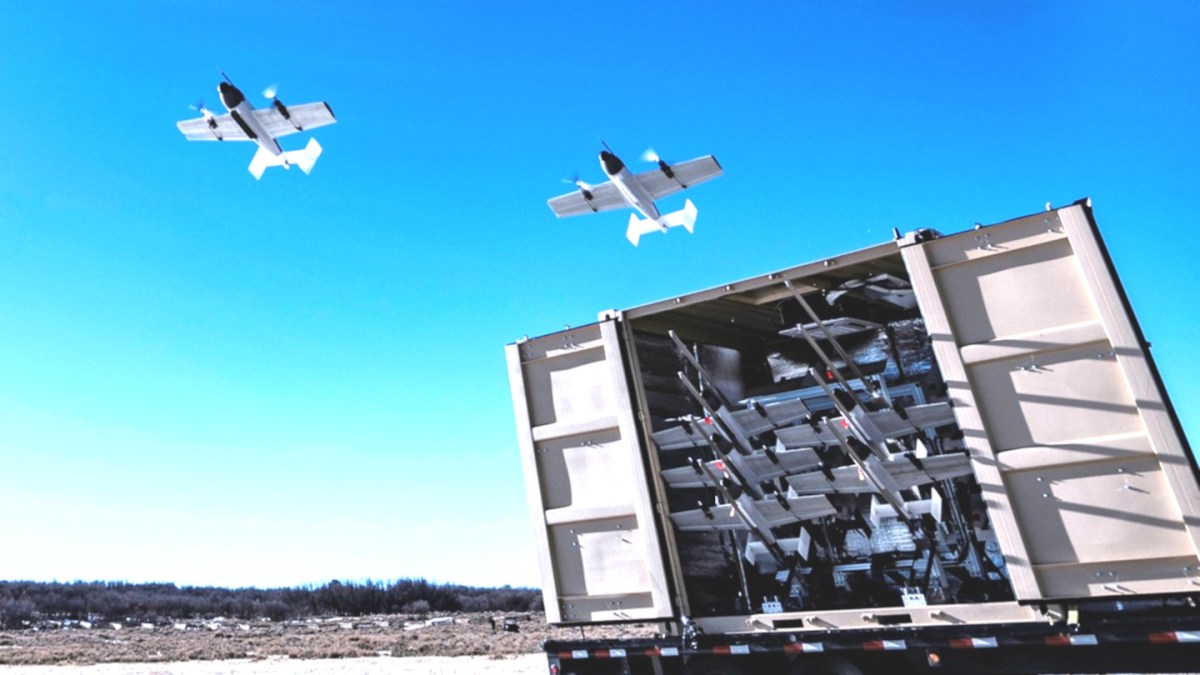
BlitzBox Packs 100 Weaponized Drones Into An Unassuming Container
DZYNE has unveiled its innovative BlitzBox, a containerized drone launcher that aligns with the U.S. military's increasing interest in advanced drone technology. This system is designed to house and deploy up to 100 weaponized drones, offering a discreet and efficient solution for military operations. The introduction of the BlitzBox comes at a time when the U.S. military is actively seeking to enhance its aerial capabilities, particularly in response to evolving battlefield dynamics. By providing a compact and versatile platform for drone deployment, DZYNE aims to meet the growing demand for rapid and effective aerial support in various combat scenarios.
News & Features Air Drones Unmanned
Exhibit at TechCrunch Disrupt 2026: Get in front of 10,000 decision-makers before space runs out
TechCrunch is set to host its Disrupt 2026 event, providing startups with a vital platform to enhance visibility, gain traction, and secure real business opportunities. The event will take place on the exhibit floor, where companies can showcase their innovations and connect with potential investors and partners. Startups are encouraged to reserve their 6-foot exhibit tables promptly to avoid losing out to competitors. This opportunity is particularly critical for emerging companies looking to establish their presence in the tech industry and capitalize on networking possibilities. By participating in this high-profile event, startups can significantly boost their chances of success in a competitive market.
TC Startups Hardware Crypto Climate Fintech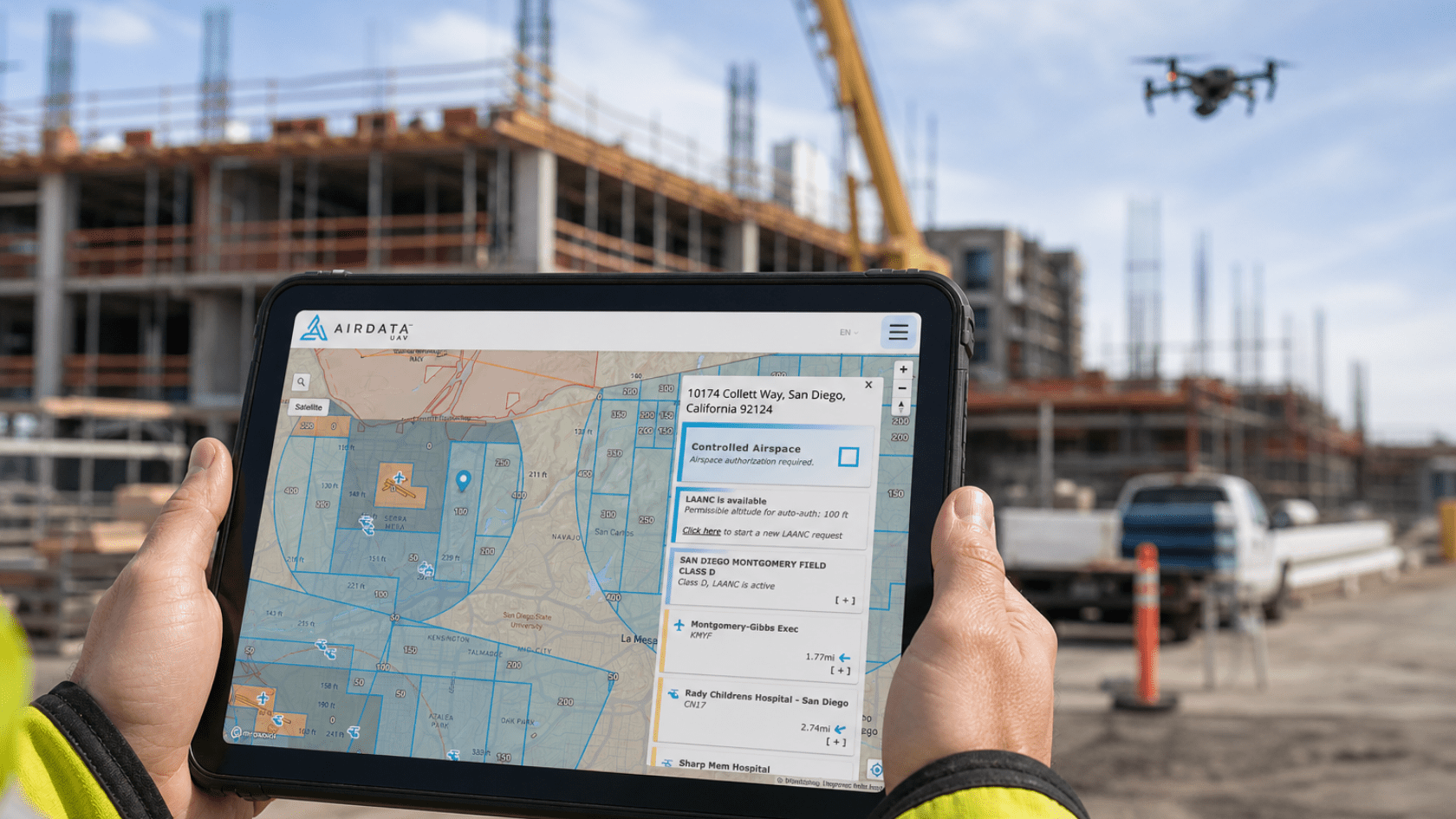
AirData Joins Commercial Drone Alliance as Industry Prepares for Part 108
AirData UAV has announced its membership in the Commercial Drone Alliance (CDA) as the U.S. drone industry gears up for the Federal Aviation Administration's (FAA) forthcoming Part 108 rule, which will regulate Beyond Visual Line of Sight (BVLOS) operations. This strategic partnership aims to enhance compliance and operational oversight for scaled BVLOS drone operations, positioning AirData to better support the evolving landscape of the drone industry. The move comes at a critical time as stakeholders prepare for significant regulatory changes that could impact drone operations nationwide.
BVLOS Drone News Drone News Feeds News AirData BVLOS operations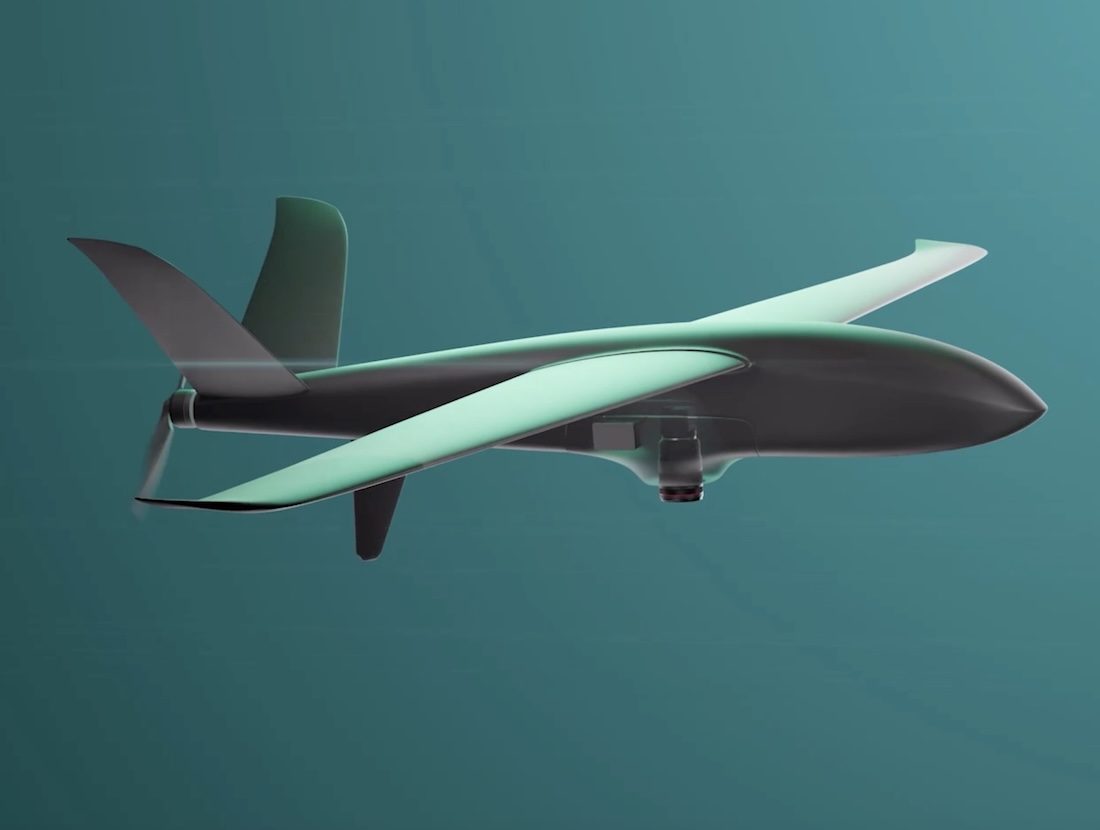
Danish Startup Launches 10K Drone Sensor for Wide-Area Search, Surveillance, and Mine Detection
A Danish start-up has introduced a groundbreaking sensor system designed to enhance marine rescue operations. This innovative technology enables drone-equipped teams to efficiently search vast areas of water for capsized boats and individuals in distress. By utilizing high-resolution imagery transmitted from the drones, rescue teams can pinpoint critical details in challenging conditions. The launch of this advanced 10K drone sensor aims to improve search and surveillance capabilities, as well as facilitate mine detection, thereby addressing urgent needs in maritime safety. The initiative reflects the start-up's commitment to leveraging cutting-edge technology to support emergency responders in their vital work.
Applications DL Exclusive Drone News Drone News Feeds drone technology Europe Drone Industry
DJI Agriculture Reveals Global Adoption of Agricultural Drones Cuts 51Mt in Carbon Emissions and Saves 410Mts of Water for Farmers Globally
At Brazil's AgriShow, a new report has been unveiled showcasing the rapid growth of the agricultural drone industry, revealing that over 600,000 DJI agricultural drones are now operational across more than 100 countries and regions. This significant milestone underscores the increasing adoption of drone technology in agriculture, driven by the need for enhanced efficiency and precision in farming practices. The report highlights how these drones are transforming traditional agricultural methods, enabling farmers to monitor crops, optimize resource use, and improve yields. As the industry matures, stakeholders are optimistic about the potential for further advancements and increased integration of drone technology in agricultural operations worldwide.
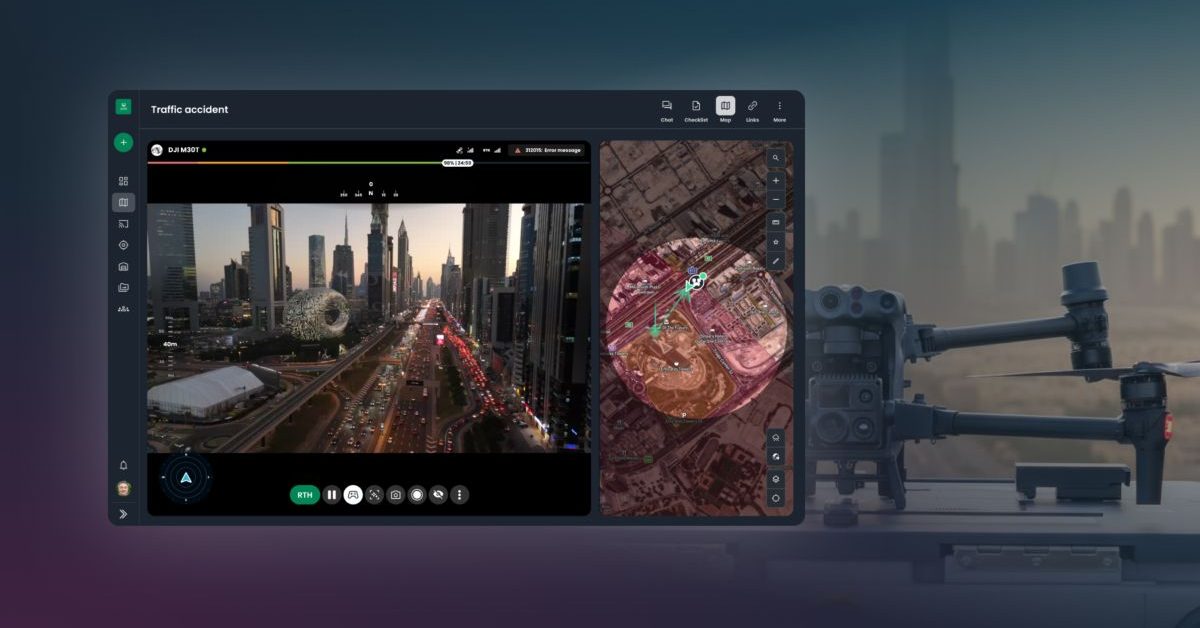
New funding fuels AirHub’s defense drone ambitions
AirHub, a European company, is intensifying its efforts to integrate drones into the core operations of security, defense, and critical infrastructure. With new funding secured, the company aims to position itself as a leader in this transformative shift towards utilizing drones beyond mere tools. This strategic move reflects a growing recognition of the potential for drones to enhance operational efficiency and effectiveness in critical sectors.
News
DJI launches FC100 delivery drone with 80kg payload, starting at $12,500
Chinese drone manufacturer DJI introduced its latest flagship civilian delivery drone, the FC100, on Monday. Priced starting at RMB 89,999 (approximately $12,500), the FC100 is designed to enhance delivery capabilities with a maximum payload capacity of 80 kilograms. The drone boasts an impressive flight range, capable of traveling up to 6 kilometers on a single battery and extending to 12 kilometers when equipped with dual batteries. Incorporating advanced technology, the FC100 is equipped with LiDAR (Light Detection and Ranging) and millimeter-wave radar, which enhance its navigation and obstacle avoidance capabilities. This launch reflects DJI's commitment to advancing drone technology and meeting the growing demand for efficient delivery solutions in various sectors. The introduction of the FC100 is expected to significantly impact the logistics and delivery industry, providing businesses with a reliable tool for transporting goods quickly and efficiently.
News Feed
Saipem's All-electric Underwater Drone at the OMC Exhibition in Ravenna
Saipem showcased its all-electric underwater drone, Hydrone-W, at the OMC - MED Energy Conference & Exhibition in Ravenna, a premier energy event in the Mediterranean region. The event took place from April 8 to 10, 2025, attracting numerous visitors. Hydrone-W, measuring approximately 3 meters in length, nearly 2 meters in width, and 1.9 meters in height, weighs 4.2 tons and was prominently displayed on a raised platform at the main entrance of the outdoor exhibition area. This strategic positioning allowed attendees to view the innovative technology throughout the duration of the conference, highlighting Saipem's commitment to advancing sustainable energy solutions.
saipem all-electric underwater drone omc exhibitionRobotics needs a service framework.
RSF defines a common language for robot service capability, lifecycle operations, certification pathways, and service-provider networks.
Join the RobotToday community on LinkedIn
Daily robotics news, in-depth analysis, conference highlights, and discussions with professionals worldwide.