Industry Briefing
A single destination for timely, editor-curated robotics news from around the world.
Understanding Technological Singularity and Its Impact on Robotics and AI
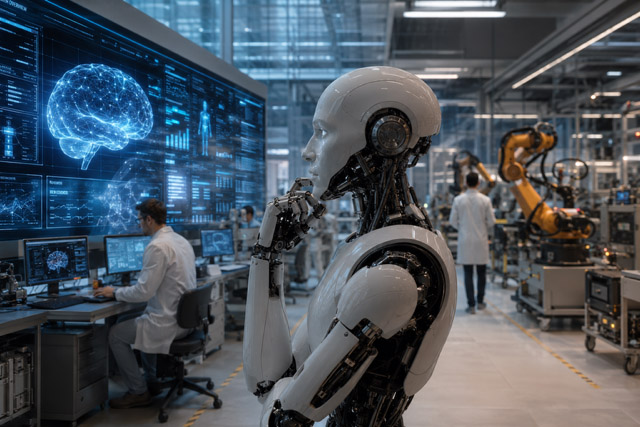
For decades, technological singularity was more a concept of science fiction than engineering reality. Today, it is a topic of discussion among AI laboratories, industrial giants, investment funds, and robotics companies worldwide. The rapid advancement of generative AI, autonomous robots, foundation models, and AI agents raises a fundamental question: what will happen when machines can enhance their own intelligence faster than humans? The origins of the technological singularity date back to 1965 when British mathematician I.J. Good proposed that an 'ultra-intelligent machine' could trigger an intelligence explosion. In the 1990s, mathematician Vernor Vinge expanded on this idea, suggesting that once a certain level of AI is reached, technological evolution would become unpredictable for humans. Ray Kurzweil later popularized the concept, predicting that artificial general intelligence (AGI) could emerge in the coming decades, leading to continuous self-improvement of systems. Currently, the landscape is shifting rapidly, with large language models, vision-language-action models, and autonomous agents enabling robots to understand natural language instructions, interpret their environment, and learn new tasks without specific programming. Companies like NVIDIA, Google DeepMind, and Tesla are investing billions in developing this new generation of intelligent robots.
À la une IA Industrie Robotique agents autonomes agents IA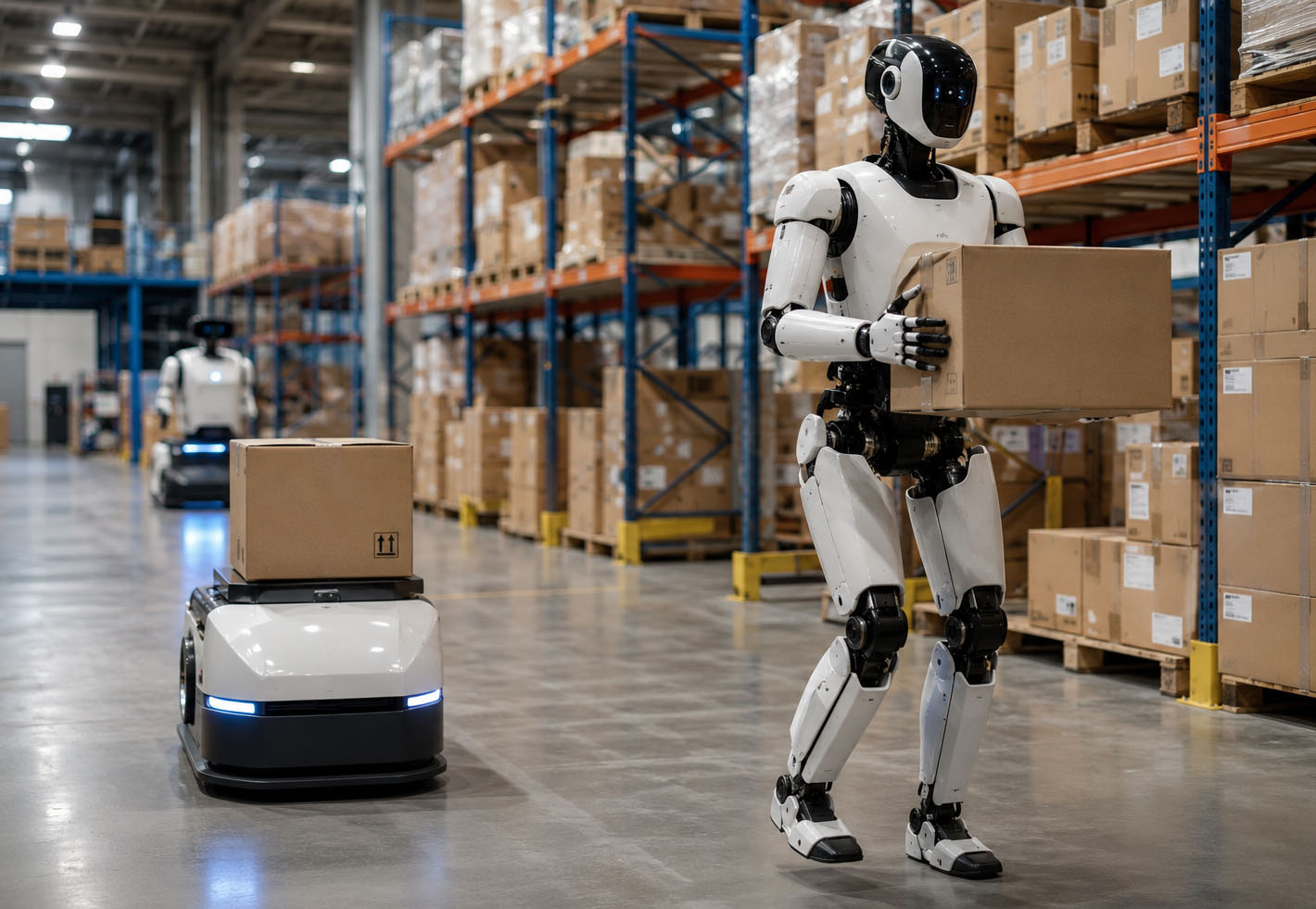
NVIDIA Halos for Robotics: A New Era for Industrial Robot Safety
Recent advancements in industrial robotics have marked a significant milestone in the integration of physical artificial intelligence. Over the past few years, the field has experienced unprecedented growth, evolving beyond mere data analysis and text generation. Now, AI technology is enabling machines to perceive their surroundings, make real-time decisions, and interact directly with their environment. This evolution is exemplified by NVIDIA's latest innovations, which are set to enhance the safety and functionality of industrial robots. As these developments unfold, the landscape of robotics is transforming, paving the way for smarter and more autonomous machines in various industries.
À la une IA Industrie Robotique automatisation industrielle. cobot industriel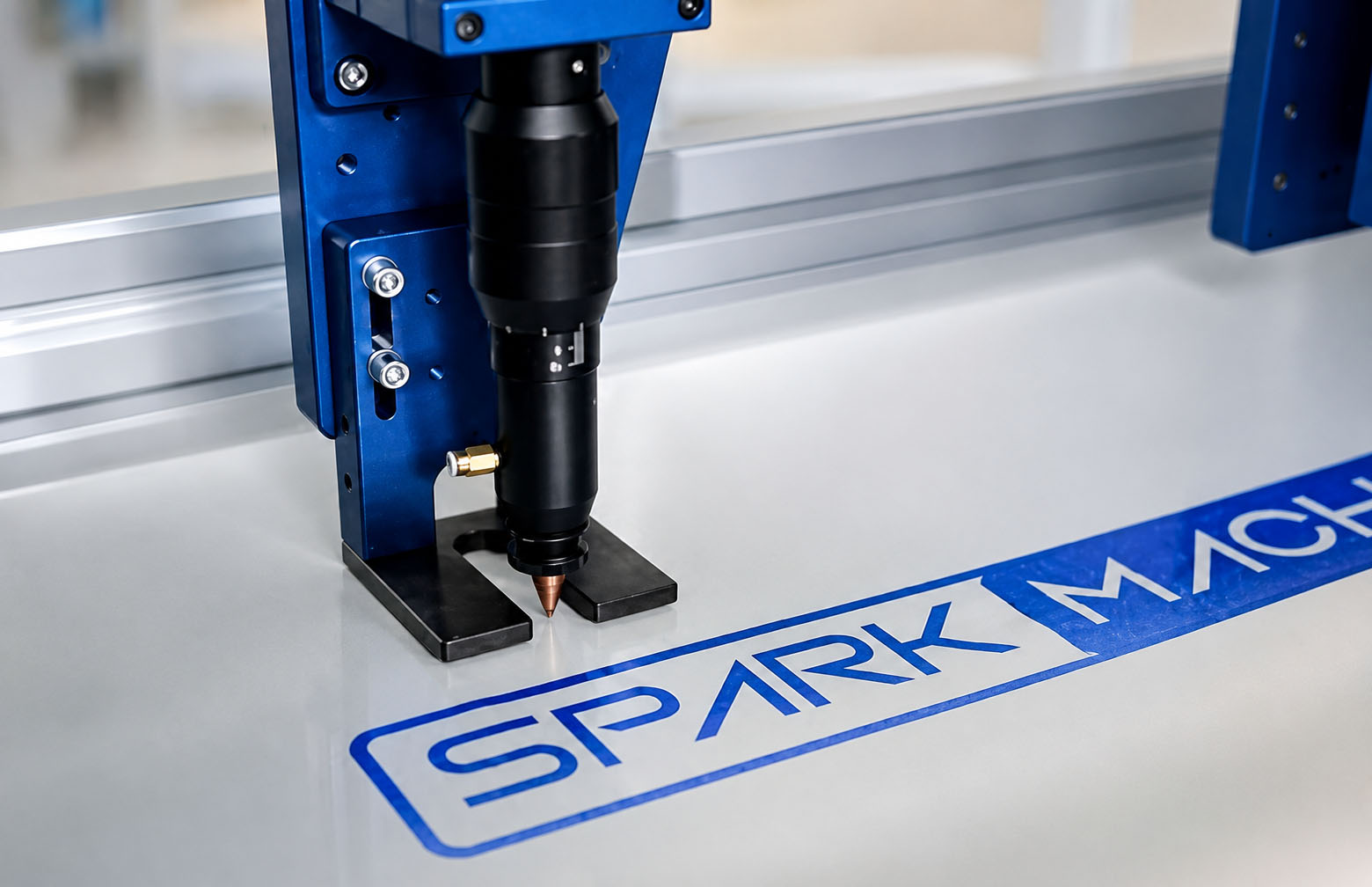
Laser micro-perforation with camera: enhancing reliability in packaging films through industrial vision.
In the contemporary flexible packaging industry, achieving excellence extends beyond aesthetics to become a critical functional requirement. The optimization of permeability has emerged as a fundamental pillar in preserving the freshness of products, where every technical detail plays a vital role in extending shelf life and minimizing food waste. Recent advancements in laser micro-perforation technology, combined with industrial vision systems, are enhancing the reliability of packaging films. This innovative approach not only improves product preservation but also addresses the growing demand for sustainable packaging solutions. The integration of these technologies is transforming how the industry approaches packaging efficiency and effectiveness.
À la une IA Industrie Robotique conservation des aliments contrôle qualité automatisé
Industry 4.0 Conference to Take Place in Paris on June 23-24
On June 23 and 24, Paris Expo – Porte de Versailles will host the Tech For Industry Show, a new professional event focused on Industry 4.0 technologies. This gathering aims to highlight advancements in industrial technology and is expected to be a significant highlight on the industrial agenda. Robot-Magazine.fr is serving as an official partner for the event, which promises to attract industry professionals and showcase innovative solutions.
À la une IA Industrie Robotique AMR robots mobiles autonomes automatisation industrielle.
NVIDIA's Halos for Robotics: A New Era for Industrial Robot Safety
Recent advancements in industrial robotics have marked a significant milestone in the integration of physical artificial intelligence. Over the past few years, the field has experienced unprecedented growth, with AI evolving beyond mere data analysis and text generation. Now, machines equipped with this technology can perceive their surroundings, make real-time decisions, and interact directly with their environment. This transformation is highlighted in a recent article discussing NVIDIA's Halos for Robotics, which emphasizes the new era of safety in industrial robots. The developments signal a shift in how robots operate, enhancing their capabilities and effectiveness in various industrial applications.
À la une IA Industrie Robotique automatisation industrielle. cobot industriel
The startup aiming to place a humanoid in every factory and possibly every home.
In just three years, Figure AI has skyrocketed to a valuation of $39 billion, surpassing many publicly traded automotive manufacturers and becoming the leading humanoid robot producer globally. This remarkable achievement was confirmed in September 2025 during a Series C funding round. The startup aims to integrate humanoid robots into factories and potentially households, reflecting a growing interest in automation and robotics. Figure AI's rapid rise highlights the increasing demand for innovative technologies in various sectors.
À la une IA Industrie Robotique automatisation industrielle IA avenir de la robotique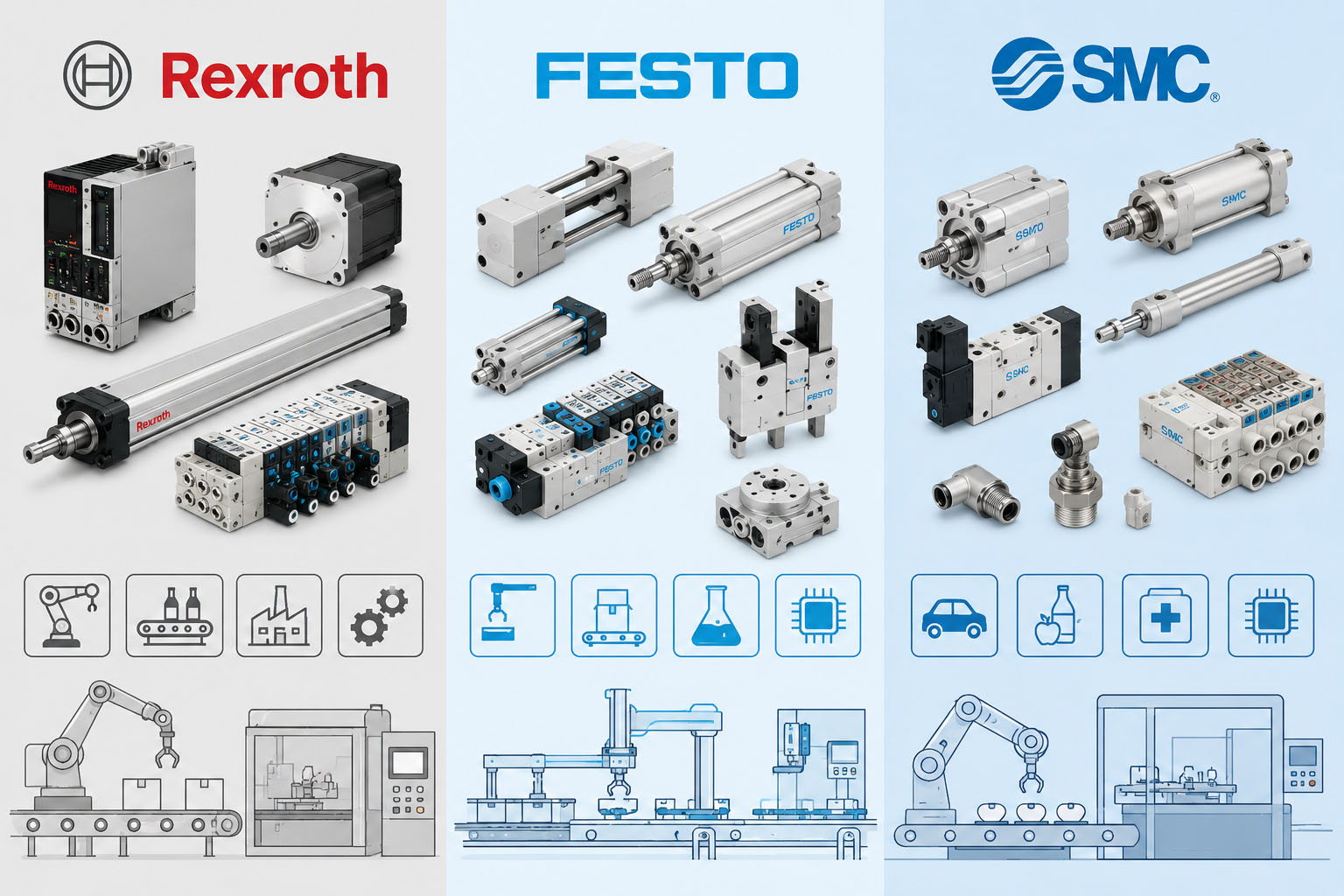
Bosch Rexroth vs Festo vs SMC : Les leaders de l’automatisation et de la pneumatique
In the modern industrial landscape, while robotics often garners significant attention, a crucial technological realm supporting automation lines, collaborative robots, and smart factories is industrial automation and pneumatics. Key components such as actuators, valves, motion systems, fluid control, servo drives, electrical automation, and connected platforms play an essential role in enhancing operational efficiency. The article highlights the competitive landscape among leading companies in this sector, specifically Bosch Rexroth, Festo, and SMC, examining their contributions and innovations in automation and pneumatics. This analysis underscores the importance of these technologies in driving industrial advancements.
À la une IA Industrie Robotique automatisation électrique automatisation industrielle.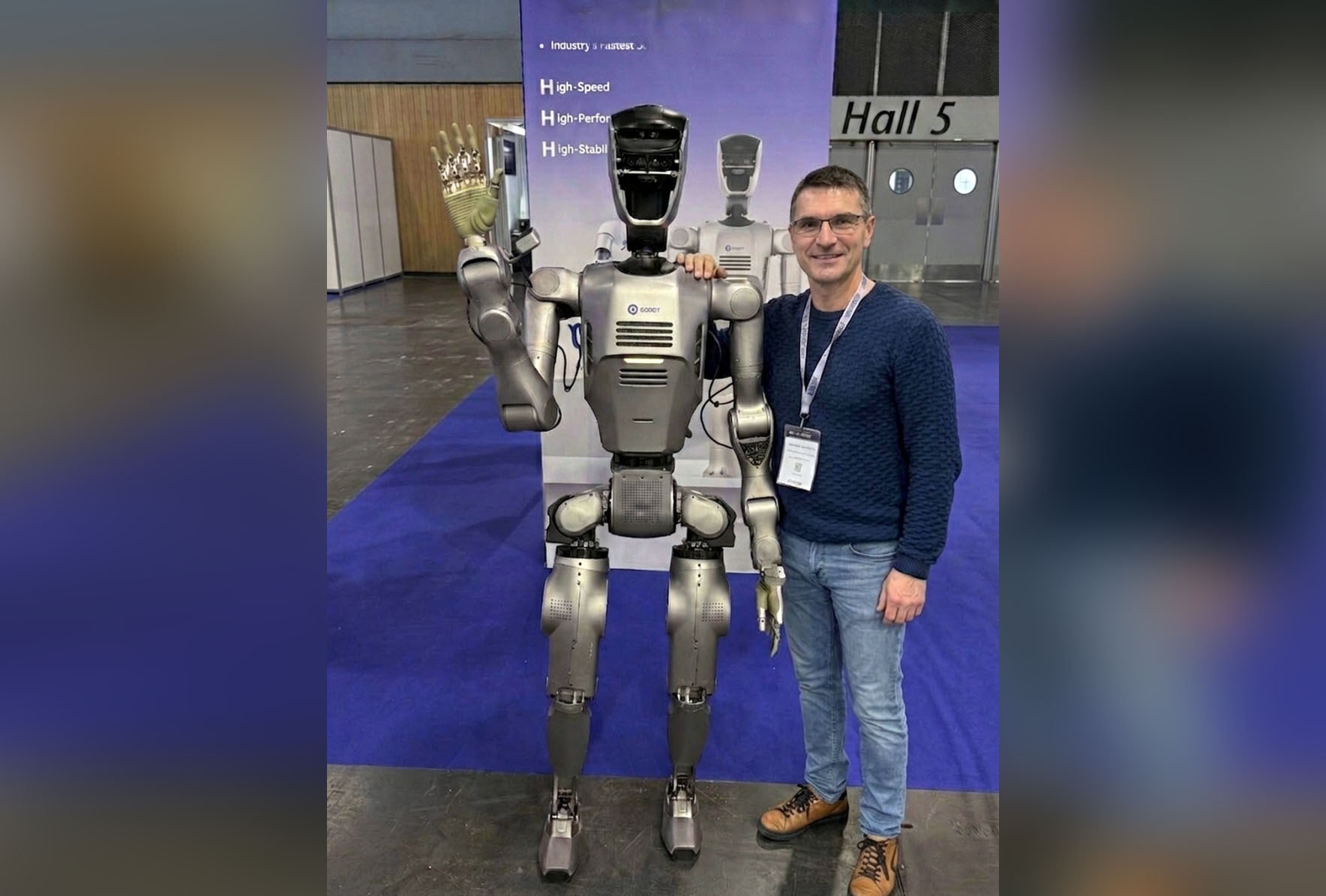
Le vrai défi de la robotique n’est pas technique
On April 16, 2026, Dominique Carricart, a field expert, highlighted the critical challenge facing industries amid the rapid advancement of industrial robotics and the rise of humanoid robots. While companies often prioritize technological performance, Carricart emphasizes that the real issue lies in human acceptance and the integration of teams. His insights suggest that successful implementation of robotics goes beyond technical capabilities, requiring a focus on how workers adapt to and collaborate with these new technologies. This perspective sheds light on the importance of fostering a supportive environment for both employees and robots in the evolving workplace. The article, titled "The Real Challenge of Robotics is Not Technical," was featured in Robot Magazine.
À la une Industriel Robotique Accompagnement au changement cobotique compétences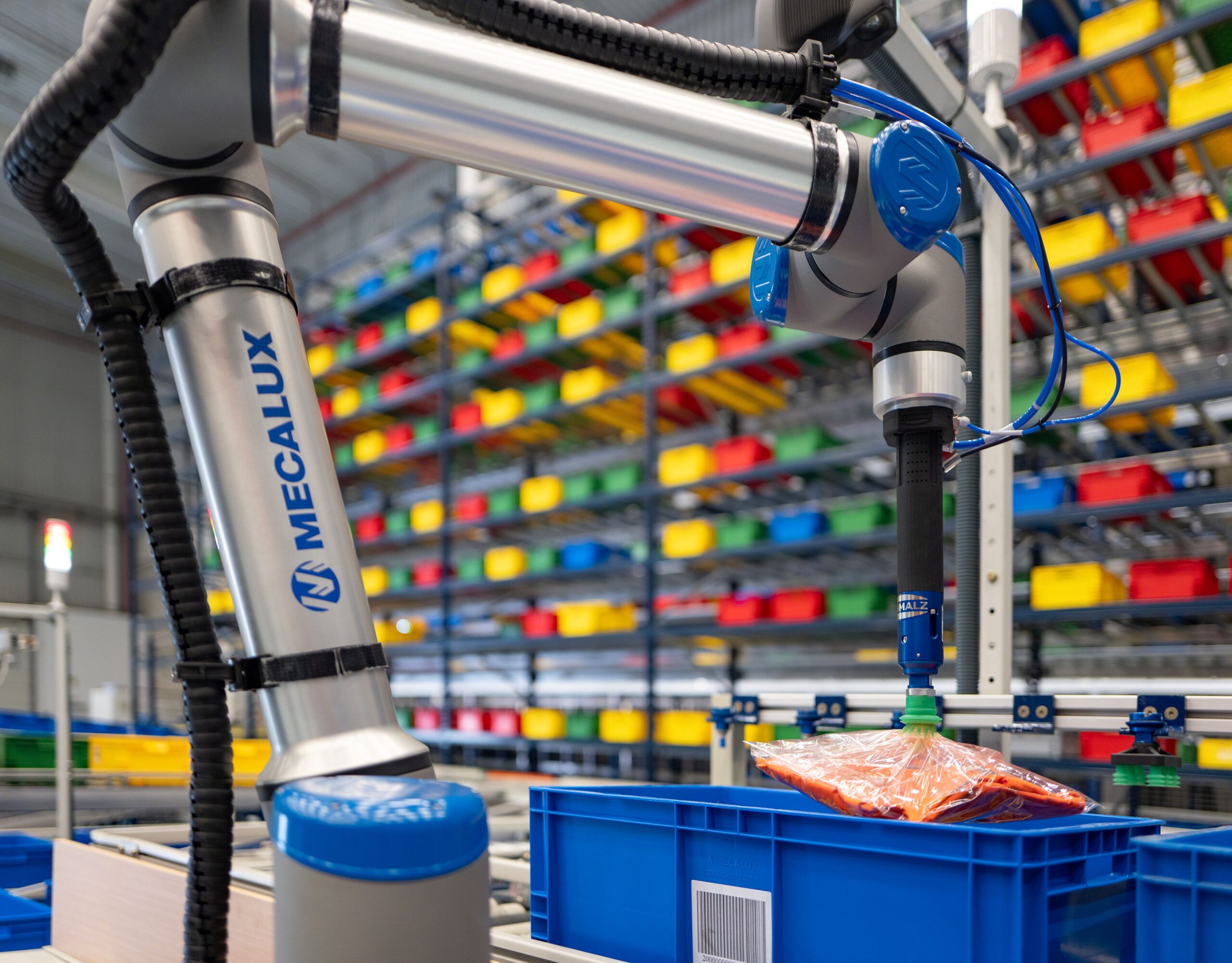
Siemens et la robotique : comment le géant allemand redéfinit l’usine intelligente
Siemens, the German conglomerate established in 1847, is playing a crucial yet often overlooked role in the transformation of industrial factories, particularly in the realm of robotics. While companies like ABB, FANUC, and KUKA are well-known for manufacturing industrial robots, Siemens focuses on redefining smart factories through its innovative technologies. The company does not produce robots directly but contributes significantly to the automation and efficiency of manufacturing processes. This shift towards smarter, more integrated factory systems is reshaping the landscape of industrial robotics, highlighting Siemens' influence in an area typically dominated by traditional robot manufacturers. The insights into Siemens' impact on industrial robotics were discussed in a recent article featured in Robot Magazine.
À la une Actualités IA Industriel Robotique automatisation industrielle.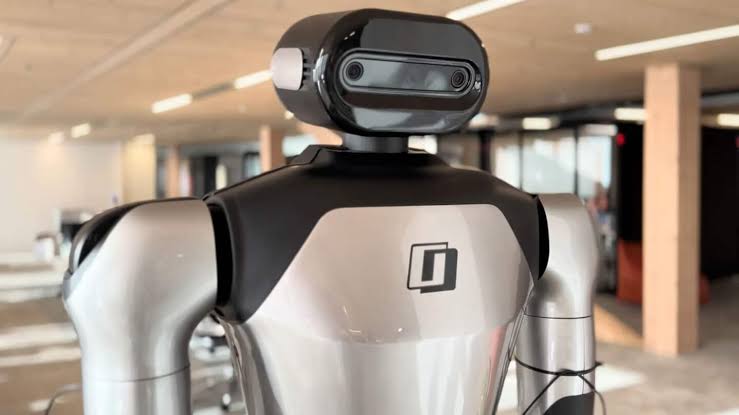
Mistral AI Introduces Robostral Navigate for Autonomous Robotic Navigation
Mistral AI has launched Robostral Navigate, the first AI model specifically designed for robotic navigation. This marks a significant shift for the French company, which has previously focused on large language models, as it ventures into Physical AI. The goal is to enable robots to understand natural language instructions, interpret their surroundings using a standard RGB camera, and plan routes without relying on complex sensor infrastructures. The introduction of Robostral Navigate is important as it simplifies the navigation process, traditionally reliant on multiple technologies like LiDAR and depth cameras, which are costly and complex to integrate. By utilizing only RGB images and natural language commands, Mistral AI's approach could significantly reduce costs for robot manufacturers. An RGB camera is much cheaper than industrial LiDAR sensors, making this technology more accessible. Robostral Navigate operates on a model with 8 billion parameters, balancing computational power and operational efficiency. This size allows for faster execution on embedded platforms with limited resources, crucial for timely navigation decisions. Mistral AI trained the model on nearly 400,000 trajectories across over 6,000 simulated environments, showcasing its potential for real-world applications. No further timeline was disclosed at the time of publication.
À la une IA Industrie Robotique AMR benchmark R2R-CE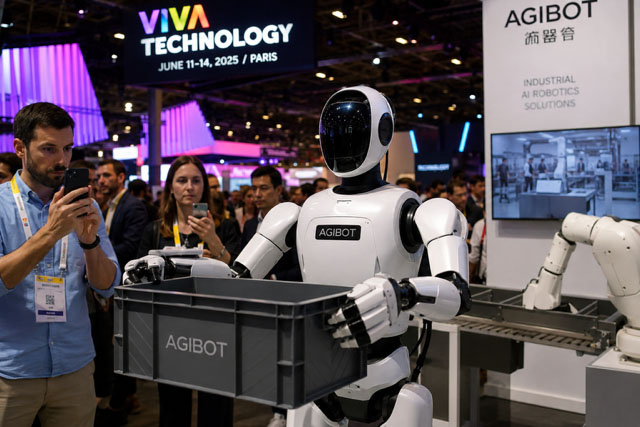
VivaTech 2026: The Year Humanoid Robots Became an Industrial Reality
VivaTech 2026, held at Porte de Versailles in Paris on June 17 and 18, marked its tenth anniversary by highlighting significant advancements in artificial intelligence and the maturation of robotics. The event showcased the growing trend of humanoid robots transitioning into industrial applications, reflecting a global shift in technology. Attendees had the opportunity to witness firsthand the innovations that are shaping the future of robotics, underscoring the industry's evolution and its increasing relevance in various sectors.
À la une IA Industrie Robotique automatisation industrielle. CNRS robotique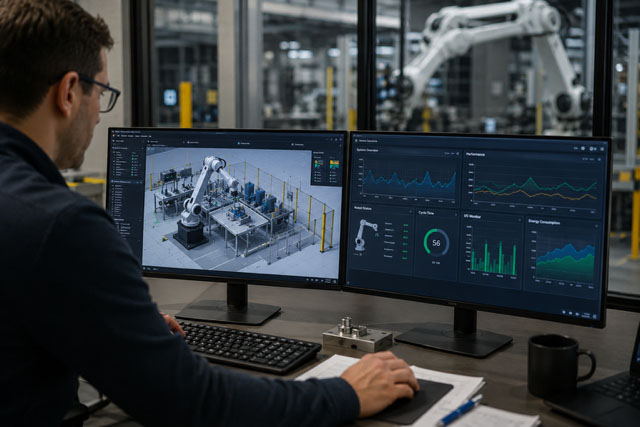
Digital Twins: Transforming the Factories of the Future
As media attention focuses on humanoid robots and generative artificial intelligence, a less flashy yet equally transformative technology is quietly reshaping the global industry: digital twins. This innovative approach is emerging as a crucial element in the ongoing industrial transformation, offering strategic advantages that may rival those of more visible technologies. The concept of digital twins involves creating virtual replicas of physical systems, enabling companies to optimize operations and improve efficiency. This shift is expected to significantly impact the future of manufacturing, positioning digital twins as a foundational component in the evolution of factories worldwide.
À la une IA Industrie Robotique analyse de données industrielles automatisation industrielle.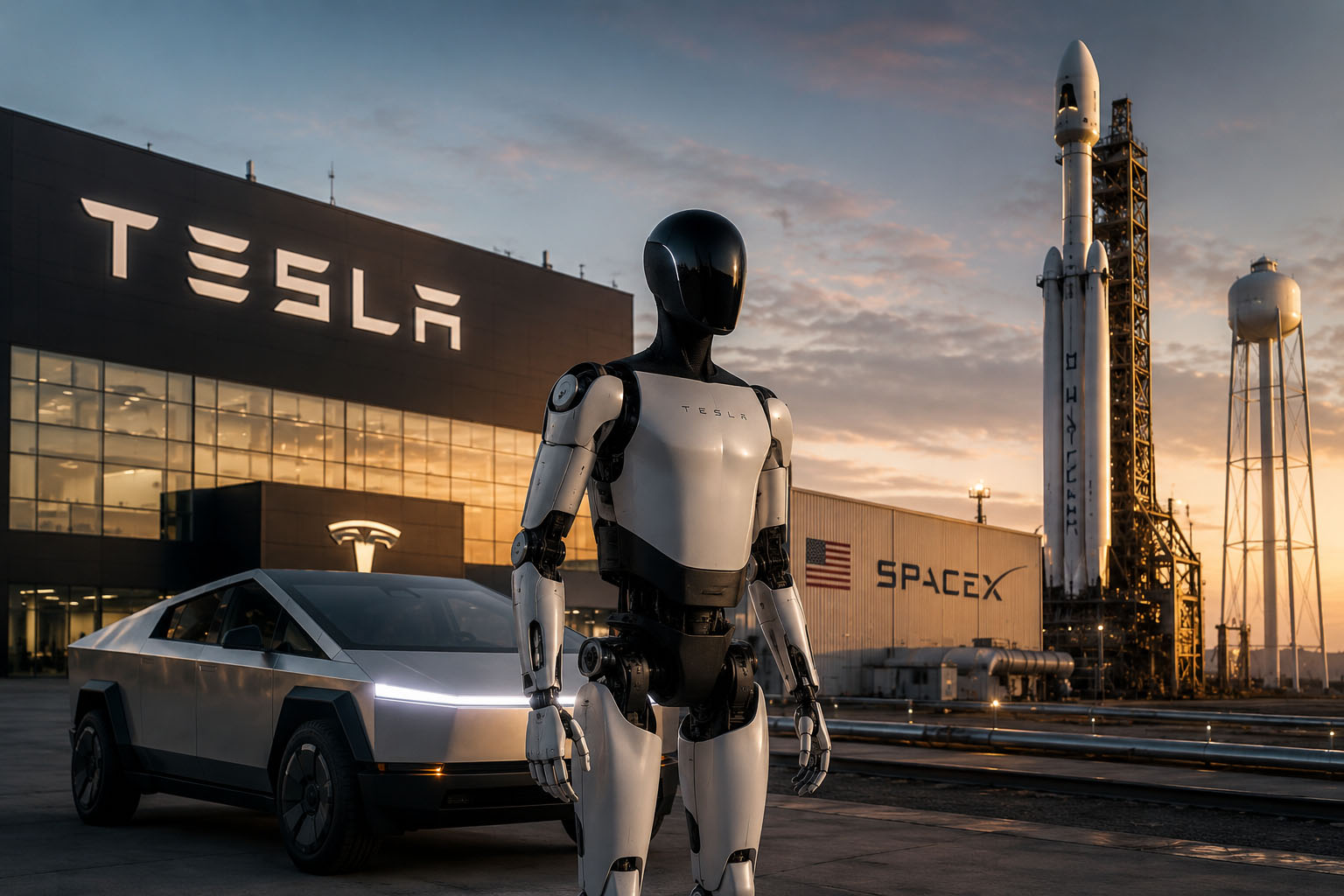
Pourquoi Tesla mise des milliards sur Optimus ?
SpaceX, the aerospace company founded by Elon Musk, is poised to rival Tesla in the stock market as it continues to gain momentum. While Tesla has long been viewed as the leader in revolutionizing the automotive industry through its electric vehicles and innovative technology, recent developments suggest that SpaceX's advancements in space exploration and technology could shift investor focus. This potential shift comes at a time when Tesla is investing billions into its Optimus project, which aims to further enhance its technological capabilities. As both companies push the boundaries of innovation, the competition between them may redefine their respective positions in the market.
À la une IA Industrie Robotique automatisation industrielle. automatisation intelligente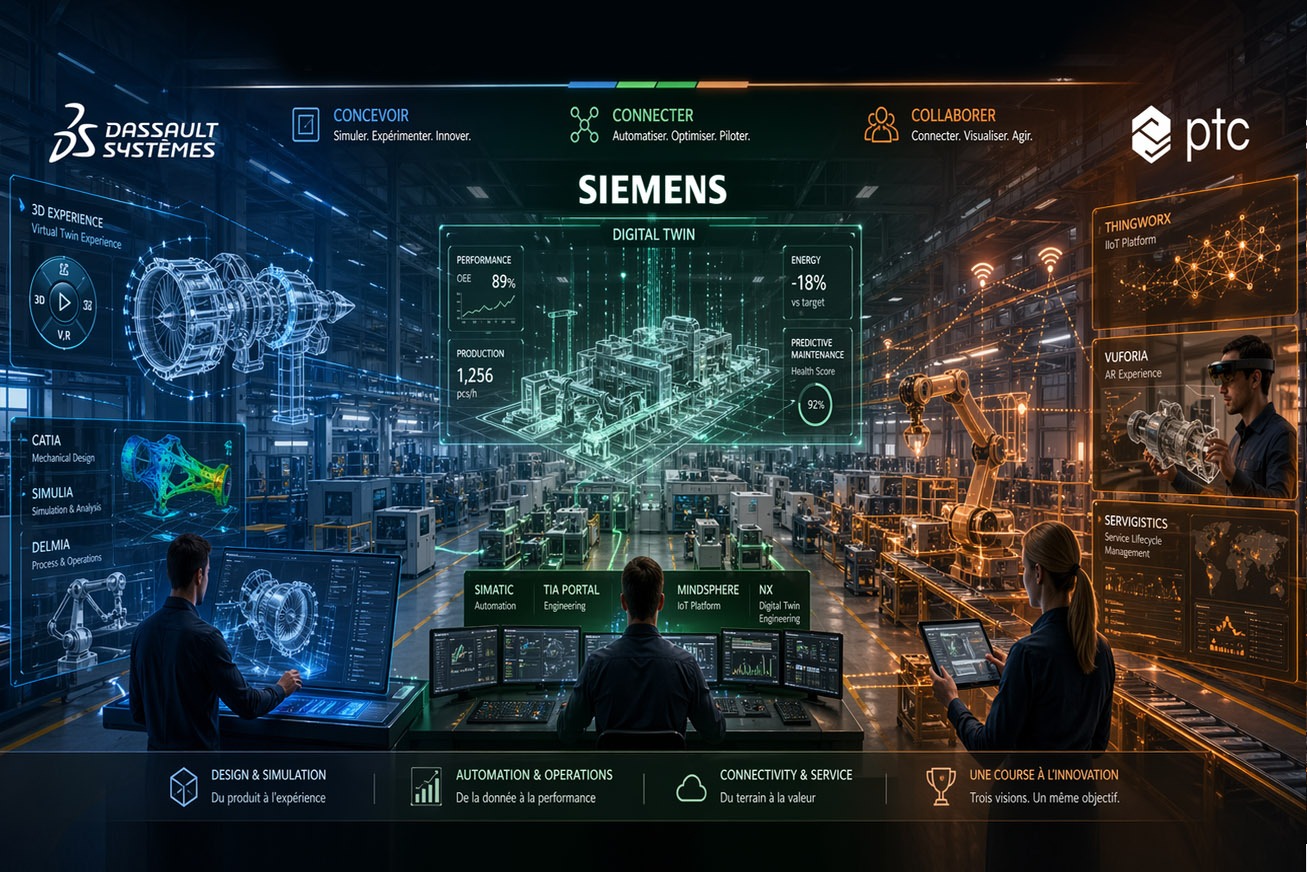
Dassault Systèmes vs Siemens vs PTC : qui gagne la bataille du digital twin ?
The digital twin technology is emerging as a cornerstone of the future industry, aiming to create accurate virtual representations of products, processes, or entire systems. This innovation enables real-time simulation, optimization, and prediction of behaviors. In this competitive landscape, three major players—Dassault Systèmes, Siemens, and PTC—are leading the charge in the battle for dominance in the digital twin market. The ongoing rivalry among these companies highlights the strategic importance of digital twins in enhancing operational efficiency and driving technological advancement. The article originally appeared in Robot Magazine, exploring the competitive dynamics shaping this transformative field.
À la une Actualités IA Industriel Robotique automatisation industrielle.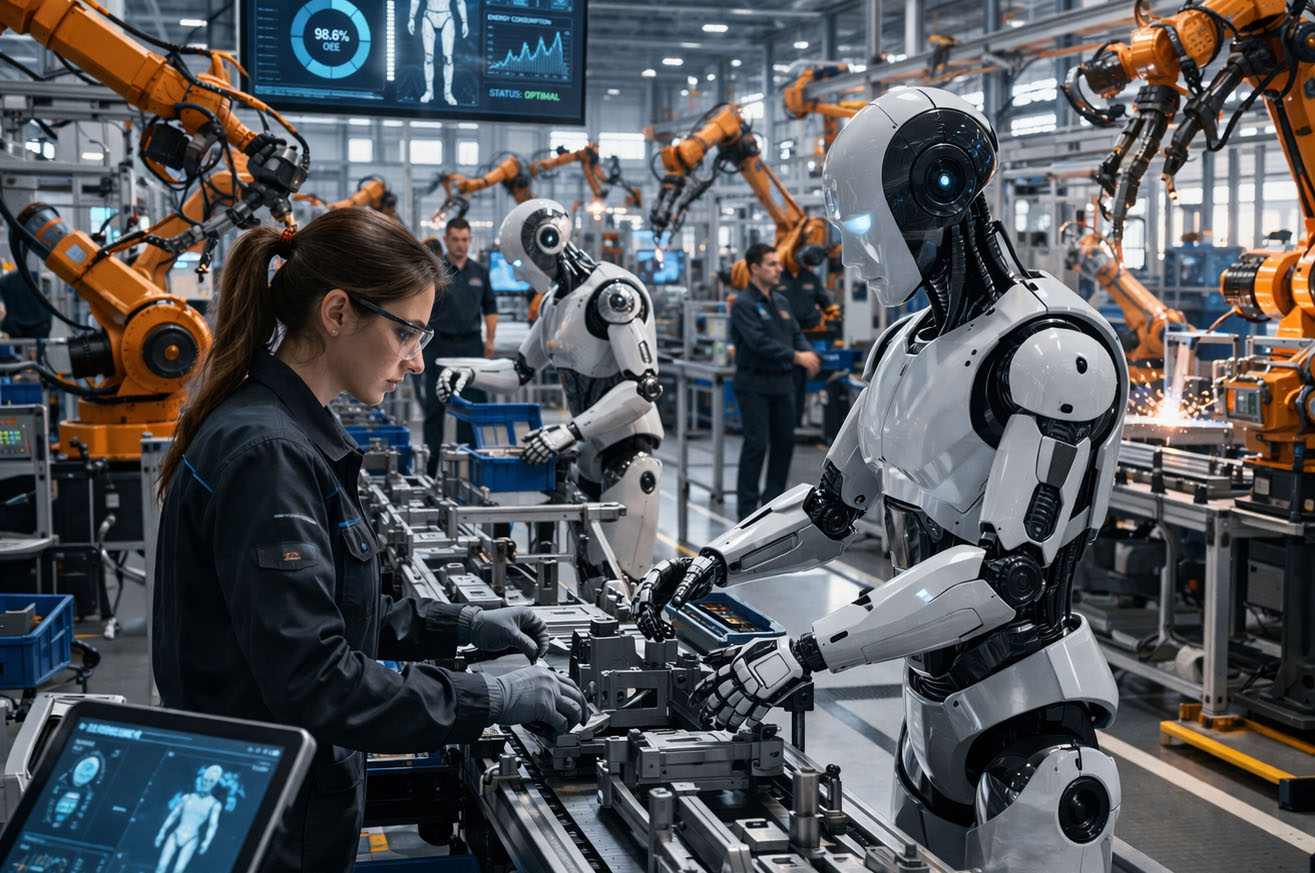
Robotique humanoïde : Le vrai défi n’est plus la technologie, mais le passage à l’échelle
For years, humanoid robotics was viewed primarily as a technological challenge, focusing on the development of machines capable of walking, manipulating objects, and interacting with their surroundings. However, by 2026, this perspective has shifted significantly. The main bottleneck in the market is no longer the mechanical or software capabilities of these robots, but rather the transition to scaling their production and integration into various sectors. This evolution highlights a critical change in the robotics landscape, indicating that the future of humanoid robots will depend more on their widespread adoption and practical application than on further technological advancements. The insights were shared in an article by Robot Magazine, emphasizing the need for the industry to adapt to this new reality.
À la une Alimentation Industriel Robotique automatisation Déploiement Industriel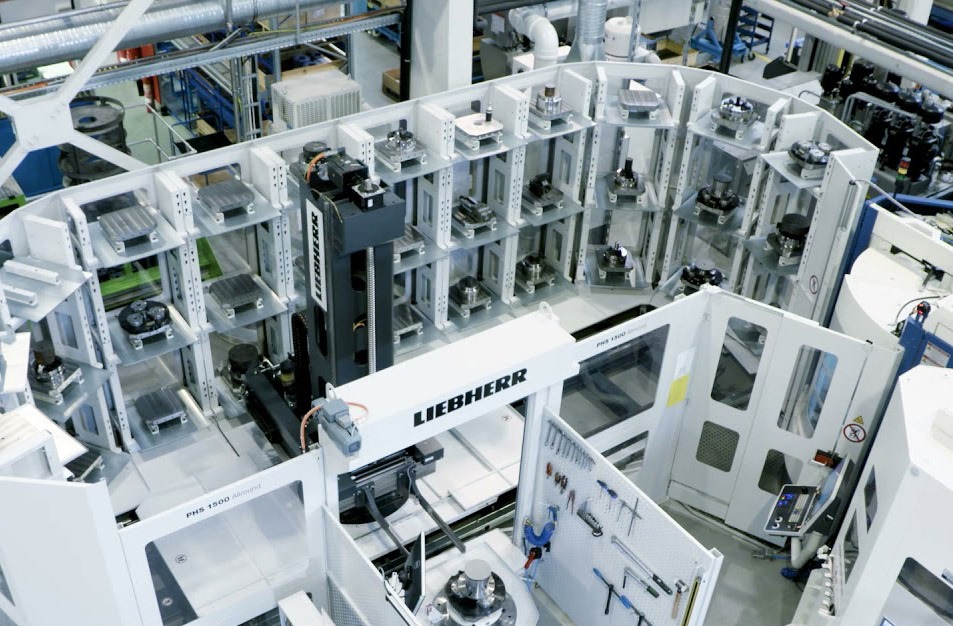
Automatisation de la palettisation : un marché en pleine explosion d’ici 2030
The industrial sector is undergoing a significant transformation in its approach to palletization, which has evolved from a mere logistical step to a central component of automation strategies. This shift is driven by rising labor costs, recruitment challenges, and the pressing need to enhance production speeds. As a result, manufacturers are increasingly adopting advanced automation solutions to streamline their operations. The palletization automation market is projected to experience substantial growth by 2030, reflecting the industry's response to these evolving economic pressures. This trend highlights the critical role of technology in modern manufacturing practices.
À la une Actualités IA Industriel Robotique automatisation industrielle.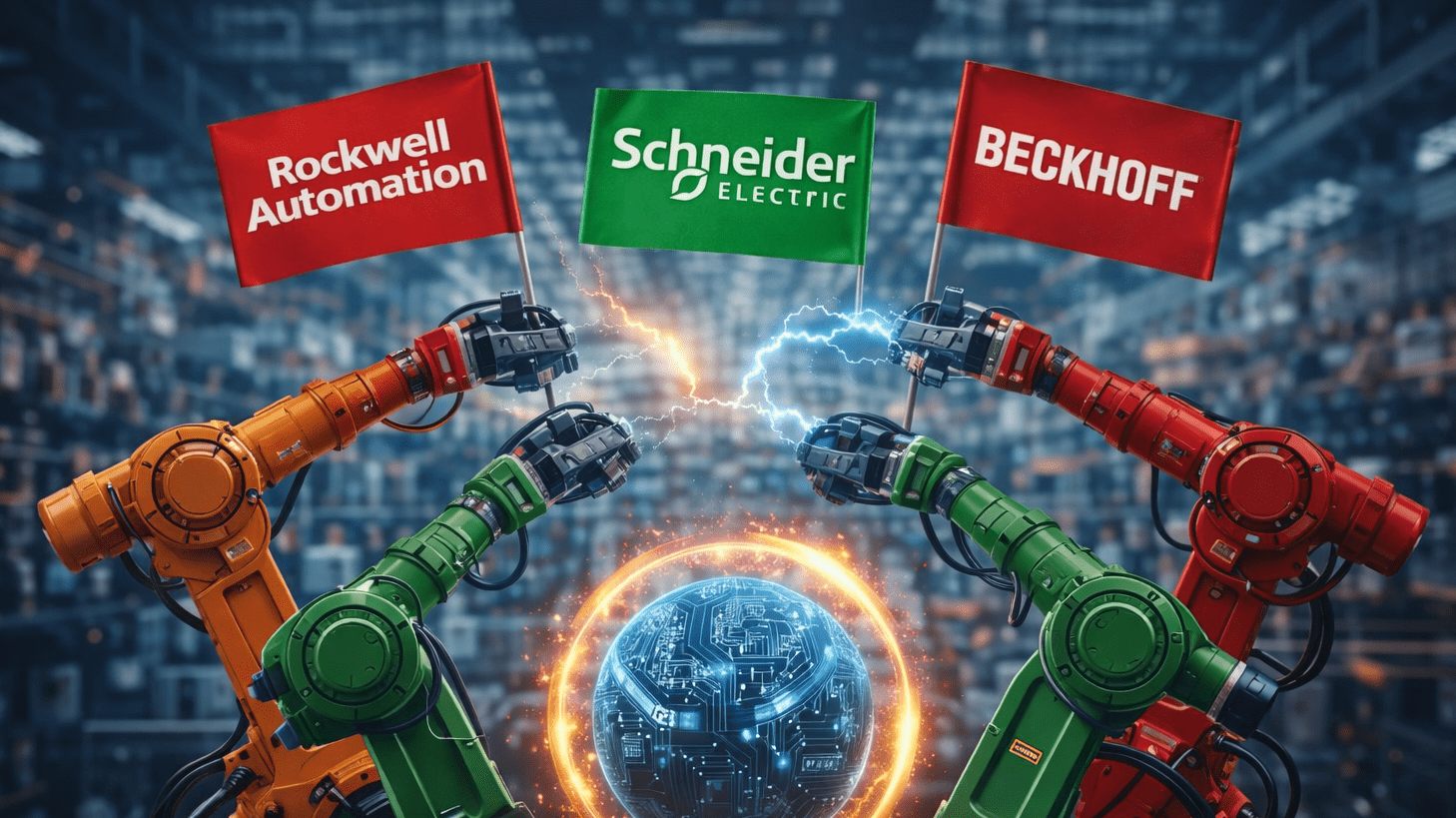
Rockwell, Schneider, Beckhoff : La Guerre des architectures industrielles
In the context of Industry 4.0, the selection of an automation architecture has evolved into a strategic decision that will impact the scalability, cybersecurity, and software agility of manufacturing plants for the next two decades. Rockwell Automation represents the pragmatic strength of the North American approach, while Schneider Electric emphasizes software openness. This shift highlights the growing importance of architecture choices in the industrial sector, as companies navigate the complexities of modern manufacturing environments. The discussion surrounding these architectural strategies underscores the competitive landscape among industry leaders.
À la une Actualités IA Industriel Robotique Architecture Industrielle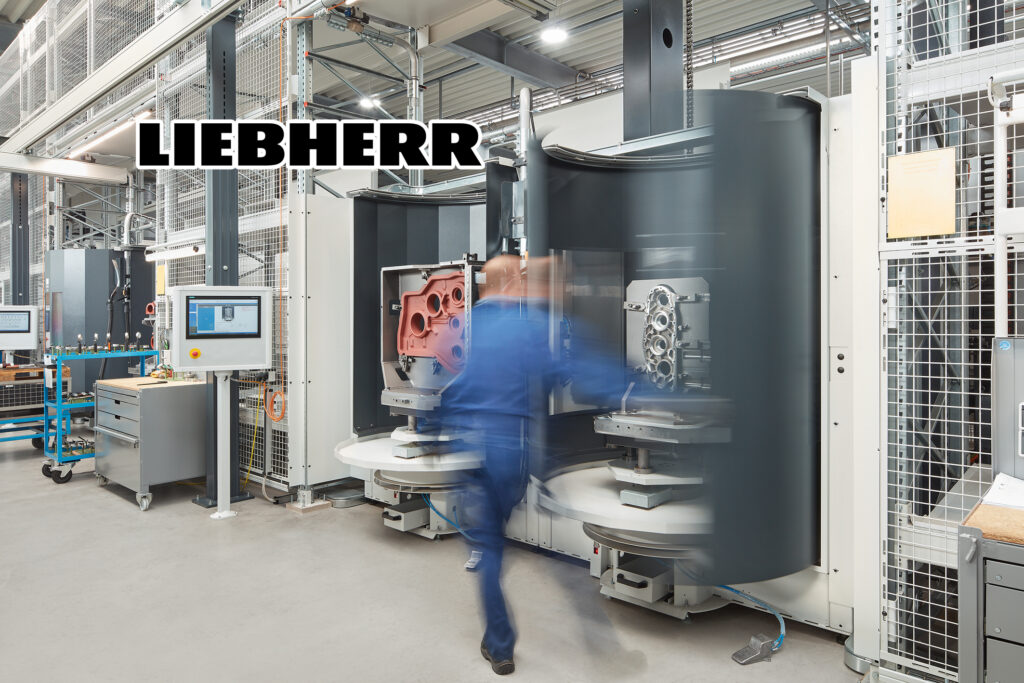
Palettisation automatisée : comment Liebherr booste la productivité
Liebherr-Verzahntechnik GmbH has announced the launch of a new range of modular and scalable palletizing solutions aimed at enhancing industrial productivity. This initiative comes in response to the growing need for optimization in production lines, which has become a strategic priority for manufacturers. The company’s recent communication highlights how these innovative solutions are designed to meet the evolving demands of the industry. By implementing these advanced palletizing systems, Liebherr aims to help businesses streamline their operations and improve efficiency in their manufacturing processes.
À la une Actualités IA Industriel Robotique automatisation industrielle.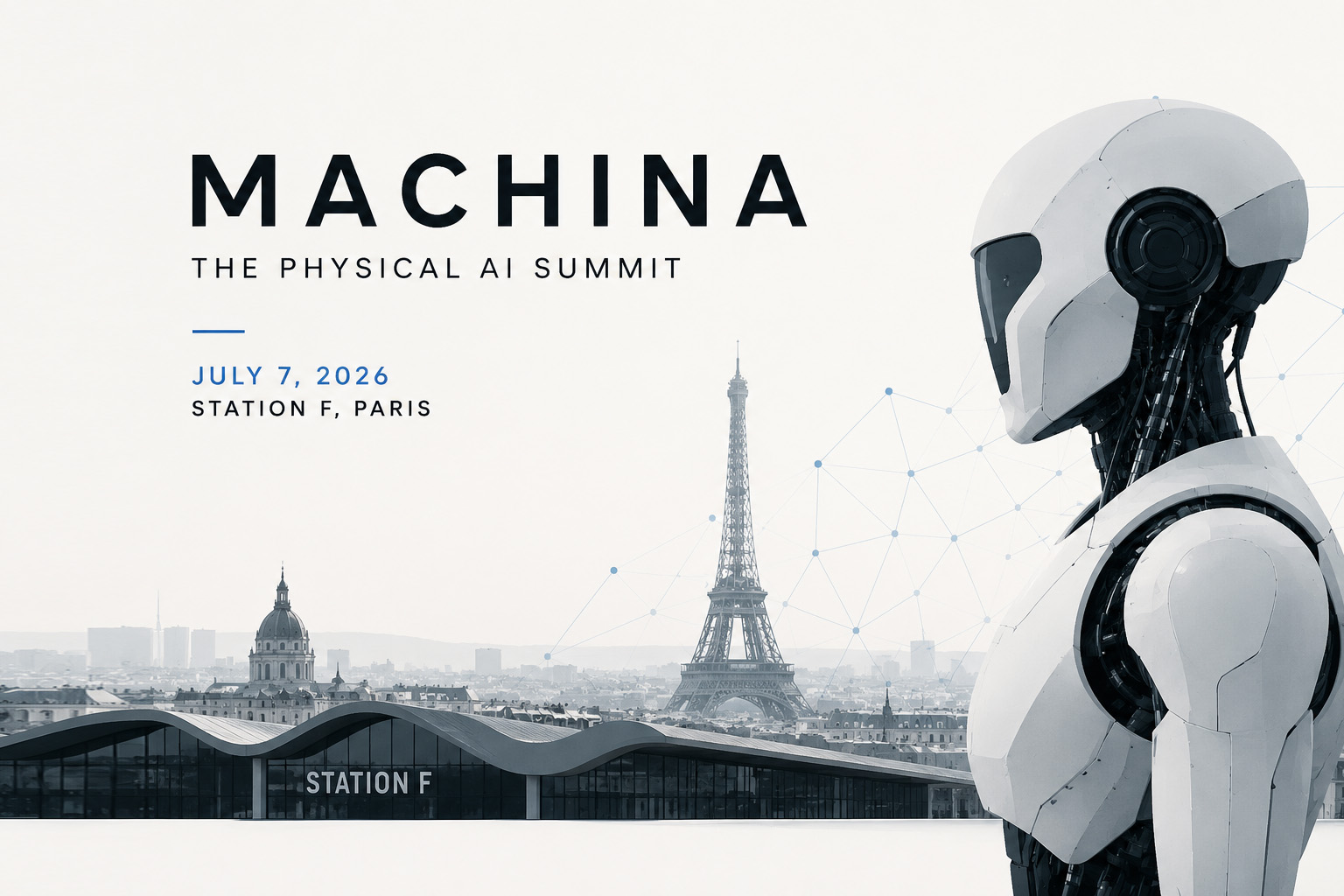
Paris aims to become the European capital of Physical AI by 2026.
A new era of artificial intelligence is emerging, transitioning from the digital realm of generative AI to the physical world with the development of robots that can perceive, reason, and act in real environments. On July 7, Paris will host the inaugural edition of MACHINA 2026, an event aimed at establishing the city as the European capital of Physical AI. This initiative reflects a growing interest in integrating advanced AI technologies into everyday life, highlighting the potential for robots to enhance various sectors by interacting with their surroundings in meaningful ways. The event is expected to showcase innovations and foster discussions on the future of robotics and AI in society.
À la une IA Industrie Robotique 1X Robotics Agility Robotics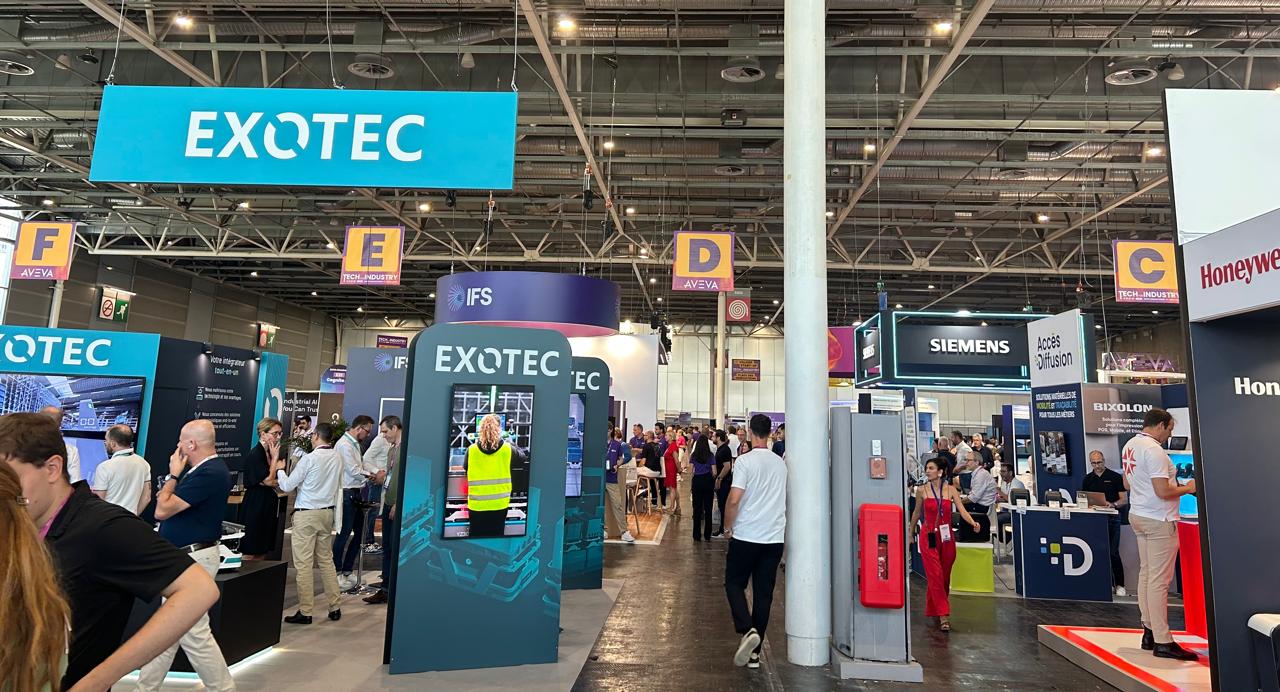
Tech for Industry Show: Technologies Transforming Industry
On June 23 and 24, 2026, the Tech for Industry exhibition took place in Paris, bringing together a rapidly evolving industrial ecosystem. As companies strive to enhance competitiveness, automate operations, and expedite their digital transformation, the event showcased that the concept of the industry of the future is now a tangible reality. This gathering highlighted the latest technologies that are reshaping the industrial landscape, reflecting the urgent need for innovation in a competitive market.
À la une IA Industrie Robotique automatisation industrielle. automatisation logistique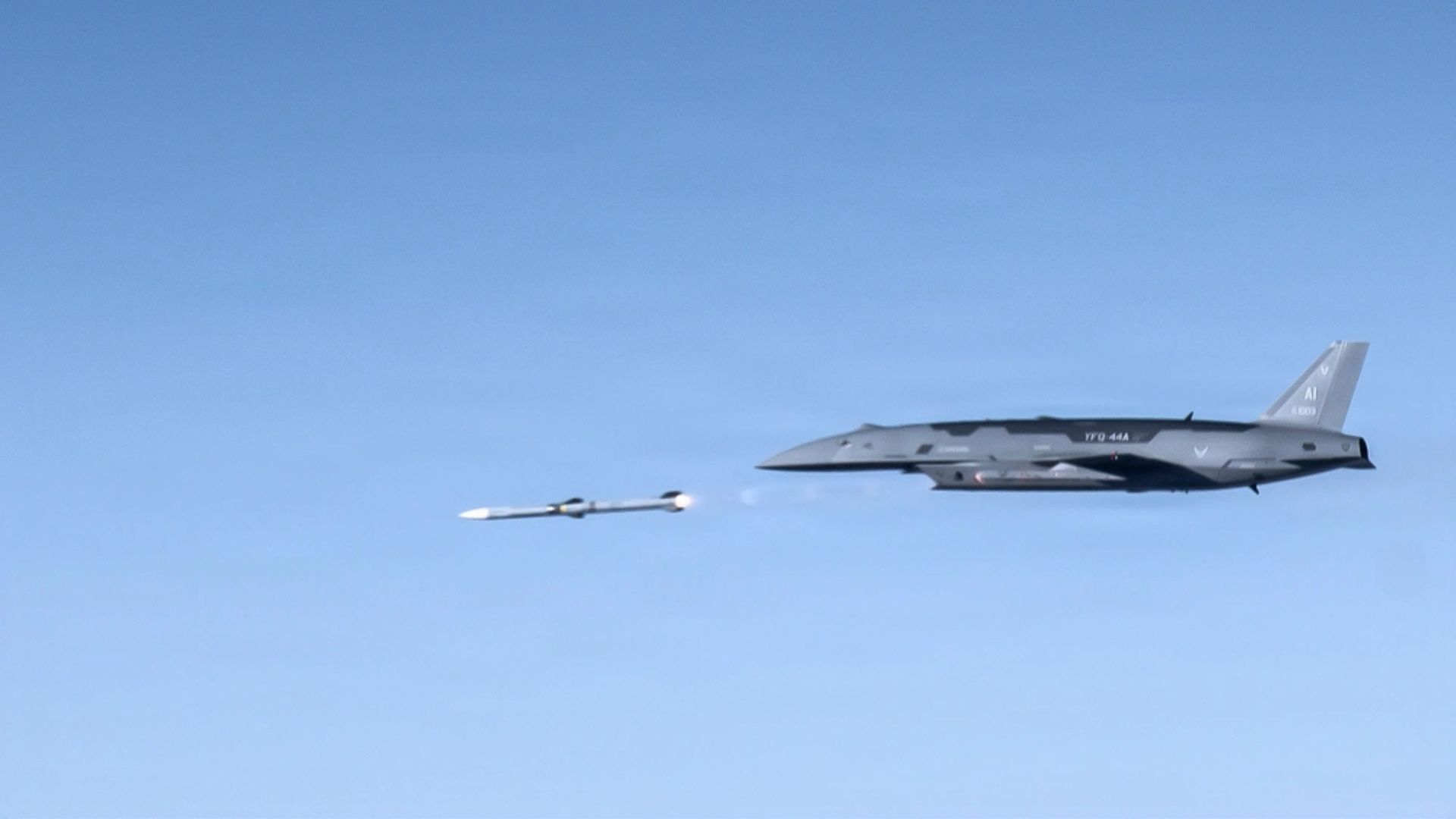
U.S. Air Force Conducts First Missile Launch from Anduril's YFQ-44A Drone
The U.S. Air Force successfully executed its inaugural missile launch from a Collaborative Combat Aircraft (CCA) on June 15, 2026. The Anduril-developed YFQ-44A drone fired an AIM-120 medium-range air-to-air missile at a digital target in California’s Mojave Desert, marking a significant advancement in the development of semi-autonomous drones capable of operating alongside piloted fighter jets. This milestone is crucial as it demonstrates the Air Force's commitment to enhancing its combat capabilities through the use of Collaborative Combat Aircraft. The YFQ-44A autonomously managed most mission steps, with a human operator providing the final launch approval, adhering to U.S. policy on lethal weapon control. This test signifies a shift from previous trials, where operators controlled the drone's flight, showcasing the aircraft's ability to execute complex tasks independently. Looking ahead, the Air Force aims to further develop and test these semi-autonomous aircraft, ultimately enhancing U.S. airpower. The CCA program seeks to deliver combat-ready drones that can operate effectively in challenging environments, with the potential for real mission deployment on the horizon. No further timeline was disclosed at the time of publication.
Military
Top 10 robotics advancements from June 2026
In June 2026, the field of robotics captured significant attention as several companies achieved notable milestones, including going public, deploying new humanoid robots, and reaching key production targets. This surge in activity highlights the growing interest and investment in humanoid robotics, reflecting advancements in technology and increasing demand across various sectors. The developments indicate a pivotal moment for the industry, showcasing the potential for humanoid robots to play a more prominent role in everyday applications. As these innovations unfold, they promise to reshape the landscape of robotics and its integration into society.
Artificial Intelligence Artificial Intelligence / Cognition Autonomous Mobile Robots (AMRs) Collaborative Robots Design / Development Financial
Collaborative robot deliveries expected to more than double by 2030.
According to a report by Interact Analysis, the market for collaborative robots is entering a phase of sustained, albeit uneven, growth. The analysis indicates that deliveries of these robots are expected to more than double by the year 2030. This trend reflects the increasing demand for automation solutions in various industries, driven by the need for enhanced efficiency and productivity. As businesses continue to integrate collaborative robots into their operations, the market is poised for significant expansion, highlighting the evolving landscape of automation technology.
Allgemein Cobots & MRK Newsarchiv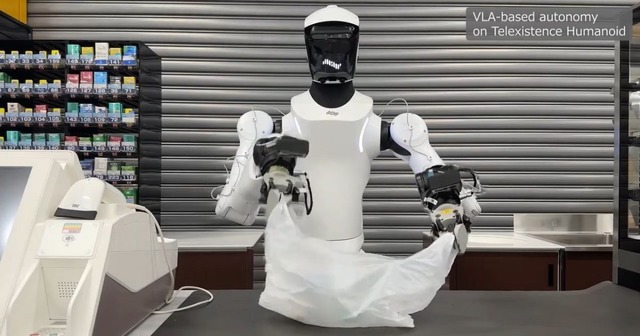
Teleexistence reveals humanoid's success in autonomous convenience store bagging using VLA and NVIDIA's "DreamZero."
On June 10, 2026, Teleexistence showcased a demonstration of autonomous operations using humanoid robots as part of the "Physical AI Fellowship 2026," a collaborative initiative supported by AWS, NVIDIA, and MassRobotics. The event highlighted the integration of NVIDIA's World Model, "DreamZero," showcasing advancements in robotic technology and artificial intelligence. This demonstration aims to illustrate the potential of physical AI in enhancing robotic capabilities and fostering innovation in the field.

EVENT: Aquaculture UK - 16–17 June, 2026 - Glasgow, UK
The UK’s largest aquaculture event is set to take place on June 16-17 at the Scottish Event Campus in Glasgow, offering free admission to attendees. This significant gathering will showcase innovations from over 200 exhibitors, highlighting advancements in areas such as artificial intelligence, robotics, feed production, genetics, and sustainability solutions. The event aims to foster collaboration and knowledge sharing within the aquaculture industry, addressing the growing demand for sustainable practices and technological integration in fish farming. Participants will have the opportunity to engage with industry leaders and explore the latest trends and developments shaping the future of aquaculture.
events aquaculture uk 2026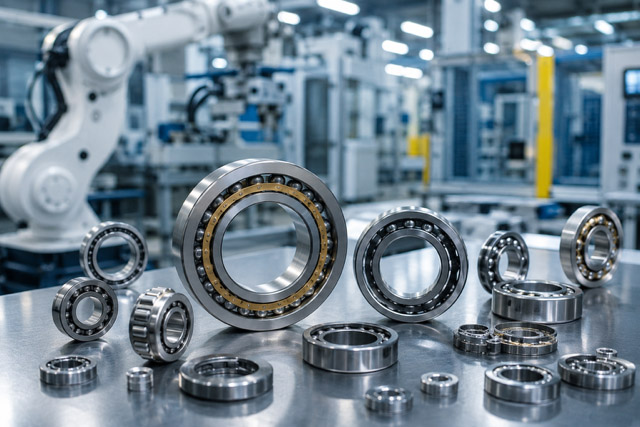
Will Component Suppliers Be the True Winners in Robotics Industry?
As attention focuses on companies like Tesla and Agility Robotics, a crucial battle is unfolding in the robotics sector: the competition for components. This less visible yet significant struggle highlights that the ultimate beneficiaries may not only be the manufacturers of final products but also the suppliers of essential technologies that power robots across various designs and applications. Morgan Stanley emphasizes this perspective, suggesting that the companies providing critical components for robots will play a pivotal role in the industry's future. Historical economic trends indicate that technological revolutions often favor infrastructure suppliers, as seen during the gold rush and the rise of AI, where companies like NVIDIA and TSMC emerged as key players. Among the vital components, precision bearings are particularly important, as they are necessary for every joint, motor, and rotating mechanism in robots. Advanced humanoid robots can incorporate over 70 bearings, which are essential for ensuring precision, durability, and reduced friction in their movements. No further timeline was disclosed at the time of publication.
À la une IA Industrie Robotique actionneurs robotiques caméras industrielles
Advanced Humanoid Forum 2027 to be held in Germany
Germany is pushing to expedite the transition of humanoid robots from laboratory settings to industrial applications. As these robots gain increasing attention in media and announcements from major tech companies, a pressing question arises regarding their large-scale deployment in factories, warehouses, hospitals, and construction sites. This initiative was highlighted at the Advanced Humanoid Forum 2027, which took place in Germany, where industry leaders discussed the future integration of these advanced machines into various sectors. The motivation behind this acceleration is to enhance efficiency and productivity across industries, addressing the growing demand for automation.
À la une IA Industrie Robotique Santé Advanced Humanoid Forum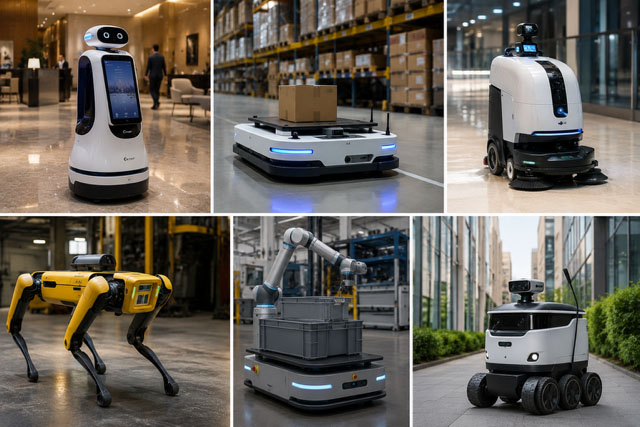
What is the cost of a robot?
As businesses increasingly consider robotic projects, a common inquiry arises: the cost of a robot. However, the answer is not straightforward. Similar to automobiles, the price range for robots varies significantly, with some models costing a few thousand euros while others can reach several hundred thousand euros. This complexity highlights the need for companies to carefully evaluate their specific requirements and budget constraints when investing in robotic technology. The discussion surrounding robot pricing was featured in an article by Robot Magazine, emphasizing the importance of understanding the financial implications of integrating robotics into business operations.
À la une IA Industrie Robotique automatisation industrielle. budget projet robotique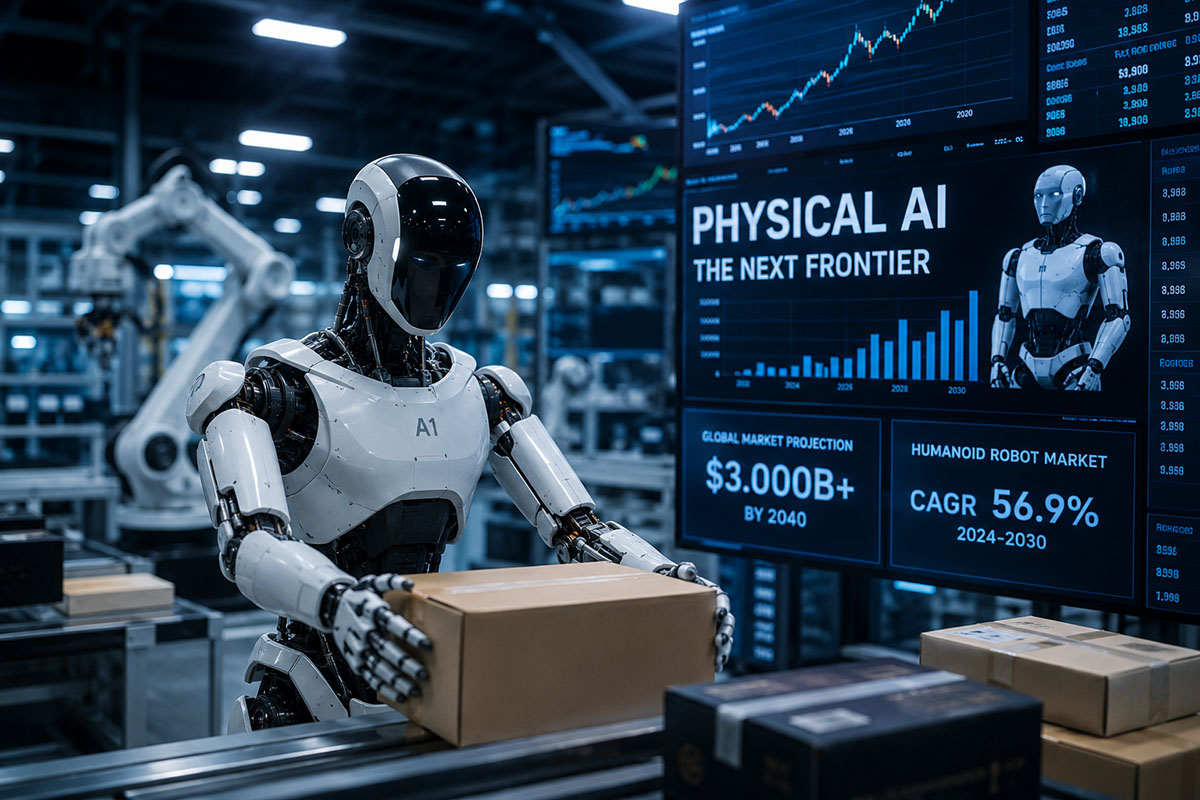
L’IA physique : le prochain marché que surveille déjà Wall Street
As global attention remains captivated by ChatGPT and generative artificial intelligence, a new wave of innovation is quietly emerging within the laboratories of major tech companies, industrial firms, and investment funds. This development, known as "Physical AI," represents a significant evolution in the field of artificial intelligence. Although still relatively unknown, Physical AI is garnering interest from Wall Street investors, who are closely monitoring its potential market impact. The concept aims to integrate AI with physical systems, potentially transforming various industries and applications. As this technology progresses, it may redefine the landscape of AI and its practical uses in everyday life.
À la une IA Industrie Robotique ABB robotique Amazon robots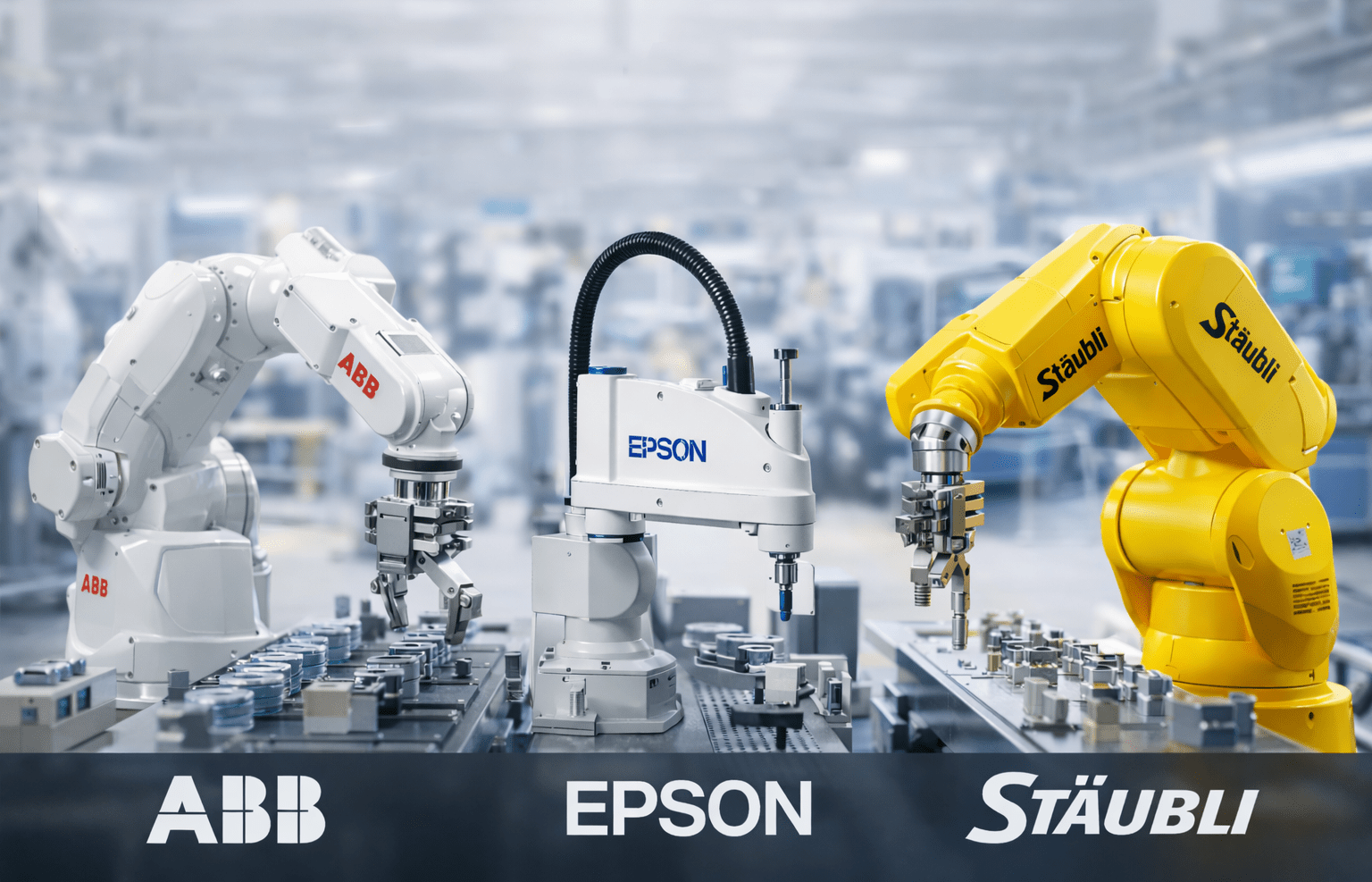
ABB vs Epson vs Stäubli : quel robot industriel choisir selon votre production ?
Choosing an industrial robot involves more than just brand preference or budget considerations; it significantly impacts a company's productivity, quality, flexibility, and competitiveness. In a global market dominated by a few key players, ABB, Epson, and Stäubli frequently emerge as top contenders in automation projects. This analysis highlights the critical factors businesses should consider when selecting the right industrial robot to meet their production needs. The insights are detailed in an article titled "ABB vs Epson vs Stäubli: Which Industrial Robot to Choose Based on Your Production?" published by Robot Magazine.
À la une Actualités IA Industriel Robotique ABB
Global Industrie : les exposants qui redéfinissent l’usine du futur
In less than a week, the Global Industrie 2026 trade show will commence, reaffirming its status as a key event for industrial innovation in Europe. This year's edition is set to highlight not only advanced machinery and impressive demonstrations but also the pivotal role of exhibitors in shaping the future of manufacturing. As industry leaders gather to showcase their latest technologies and solutions, the event aims to drive discussions on the transformation of industrial practices and the evolution of factories. The focus will be on how these innovations can enhance efficiency and sustainability in the manufacturing sector. The trade show, taking place in France, is expected to attract a diverse range of participants, all eager to explore the latest trends and developments in the industry.
À la une Actualités IA Industriel Robotique automatisation usine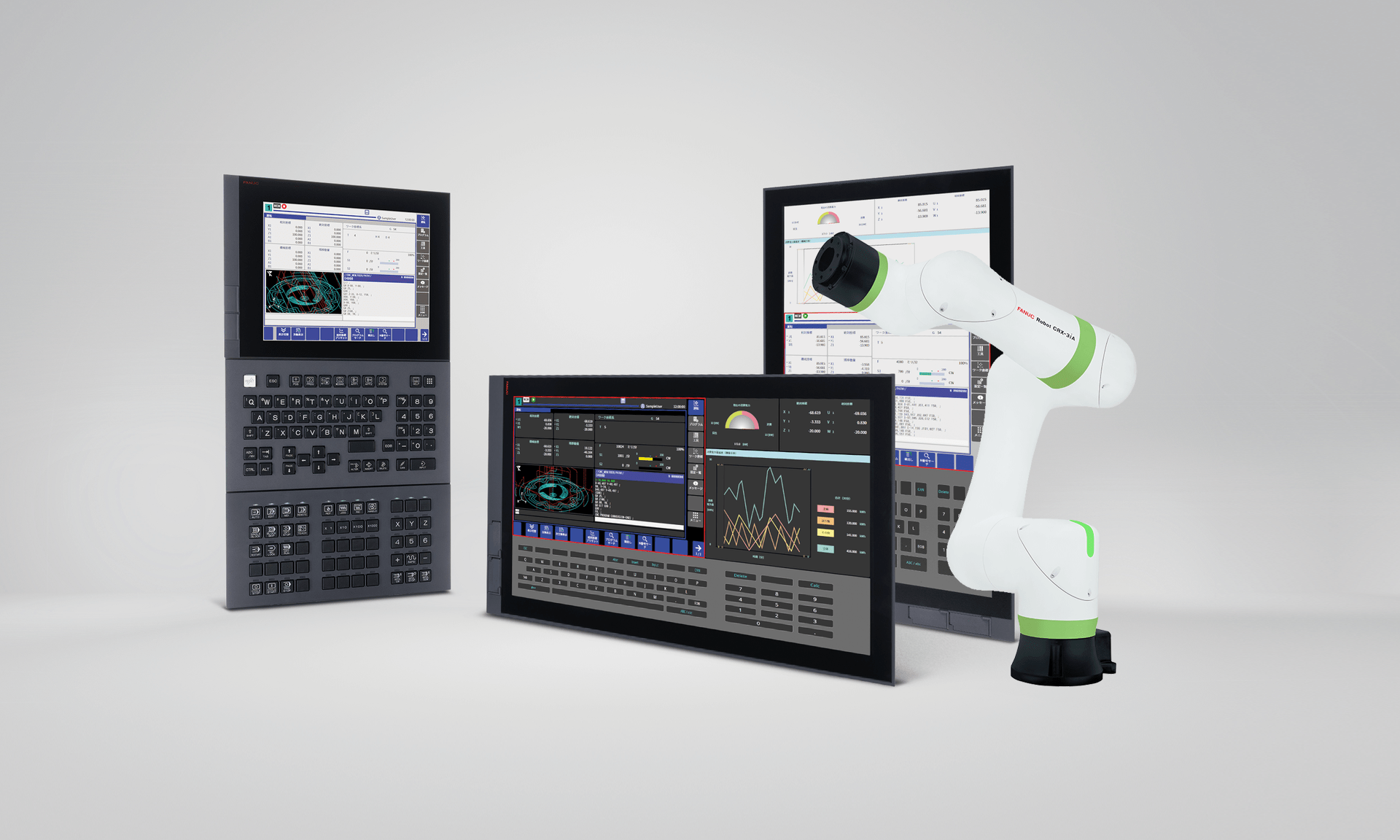
FANUC met l’accent sur l’automatisation flexible et l’IA physique
From March 30 to April 2, 2026, the Global Industrie trade show will return to Paris-Nord Villepinte, bringing together key players in the industrial sector to discuss significant transformations within the industry. During this event, FANUC will showcase several innovations at its booth (Hall 5 – F161), highlighting current advancements in industrial robotics, including equipment flexibility and digitalization. This focus on flexible automation and physical AI underscores the company's commitment to evolving technologies in the manufacturing landscape.
À la une Actualités IA Industriel Robotique automatisation industrielle.
MIT's Susumu Tonegawa, Nobel Laureate in Physiology, Passes Away at 86
Susumu Tonegawa, the Picower Professor of Biology and Neuroscience at MIT, passed away on July 11 at the age of 86. He was a distinguished molecular biologist known for his groundbreaking work in immunology and neuroscience, particularly for discovering how the immune system generates antibody diversity, earning him the Nobel Prize in Physiology or Medicine in 1987. Tonegawa's contributions significantly advanced our understanding of both immunology and neuroscience. His research into the mechanisms of memory storage in the brain, specifically through the concept of 'engrams,' has opened new avenues for exploring cognitive functions. His legacy includes over 40 years at MIT, where he also founded the Picower Institute for Learning and Memory. Looking ahead, the impact of Tonegawa's work on immunological therapies and memory research will continue to influence scientific inquiry. No further timeline was disclosed at the time of publication.
Faculty Obituaries Neuroscience Biology Brain and cognitive sciences Picower Institute
Westlake Robotics Raises Over 100 Million Yuan to Enhance Dual-Pretraining Technology
Westlake Robotics completed a funding round exceeding 100 million yuan in June 2026, backed by Henan Investment Group's Huirong Fund. This marks the company's third financing round in five months, with total disclosed funding reaching several hundred million yuan. The funding is aimed at advancing their unique dual-pretraining technology, which combines a general brain and a humanoid small brain for improved robotic performance. The significance of this funding lies in Westlake Robotics' differentiated technical approach, utilizing a dual-pretraining model that integrates VLA and world model fusion. Their General Action Expert (GAE) model addresses common issues in humanoid robots, such as stiffness and imbalance, by enabling real-time interpretation of human motion intent. This capability allows a single operator to control multiple Westlake o1 robots simultaneously, reducing deployment and labor costs in applications like logistics inspection and data collection. Looking ahead, Westlake Robotics plans to use the latest funding to further develop their unified embodied large model and accelerate deployment with industrial clients. The company, founded by academic researchers from Westlake University, is positioned to leverage its strong academic background to bridge the gap between laboratory demonstrations and real-world applications. No further timeline was disclosed at the time of publication.
Robotics Embodied Intelligence Automation Logistics AI
SpaceX IPO Provides Indirect Investment Opportunity in Starmind Project
Starmind does not have a standalone stock or ticker; investors can gain exposure through SpaceX (ticker: SPCX), which began trading on Nasdaq after its IPO on June 12, 2026. Starmind is integrated within SpaceX, contributing to the company's AI and space initiatives, and its performance directly influences SPCX shares. The significance of Starmind lies in its role as a division of SpaceX, which encompasses other projects like Starlink and Starship. As of early July 2026, SPCX shares are trading between $149 and $150, significantly lower than their 52-week high of $225.64. The project’s milestones, such as AI1 prototype updates, can impact SpaceX's stock performance, making it essential for investors to monitor these developments closely. Looking ahead, the early 2027 launch of AI1 prototype satellites is a critical milestone that could provide verifiable data affecting Starmind's valuation and, consequently, SPCX stock. No further timeline was disclosed at the time of publication, but the upcoming events will be pivotal for investors tracking the relationship between Starmind and SpaceX's stock performance.
SpaceX's Starmind Plans 1 Million AI Satellites Amid Collision Risks
SpaceX has announced its ambitious Starmind project, which aims to deploy 1 million AI satellites in orbits between 500 and 2,000 km. This initiative, confirmed by Elon Musk on June 23, 2026, follows a merger with xAI, valuing the combined entity at $1.25 trillion. The satellites will function as orbital data centers, processing AI workloads powered by solar arrays and linked by optical lasers. The significance of Starmind lies in its potential to add 100 gigawatts of AI compute capacity annually, contingent on the successful operation of the Starship launch system. However, the project raises concerns regarding space debris, as the current orbital environment is already congested, with a 20% increase in collision risk reported since 2024. The European Space Agency has highlighted that the density of debris in low Earth orbit is now comparable to that of active satellites, complicating the operational landscape for new entrants like Starmind. Looking ahead, the first operational orbital AI deployments are targeted for 2028, with test launches expected in early 2027. However, the project faces scrutiny regarding its impact on space debris, as even a 1% failure rate could significantly increase the number of uncontrollable objects in orbit, exacerbating existing risks. No further timeline was disclosed at the time of publication.

SpaceX Unveils AI1 Satellite Specs for Starmind Constellation with Key Thermal Challenges
SpaceX has introduced the AI1 satellite, the inaugural component of its Starmind constellation, which stands 20 meters tall and has a wingspan of 70 meters. This orbital compute node is designed to deliver computing power equivalent to one NVIDIA GB300 server rack, utilizing a unique cooling system with deployable liquid radiators. The satellite's specifications were revealed during a presentation on June 8, 2026, ahead of SpaceX's IPO. The significance of the AI1 satellite lies in its role as a compute platform rather than a traditional satellite, focusing on running AI inference workloads. The satellite's cooling system, which is critical for its operation in the vacuum of space, is designed to reject heat through infrared radiation. However, independent engineers have raised concerns about the feasibility of the thermal and mass claims made by SpaceX, suggesting that the cooling requirements may exceed practical limits. Looking ahead, SpaceX plans to launch two AI1 prototypes in early 2027, with full-scale production expected to commence later that year at its Gigasat facility in Bastrop, Texas. The ongoing debate regarding the satellite's thermal management capabilities will be crucial to monitor as the project progresses, with no further timeline disclosed at the time of publication.
SpaceX Launches Starmind Project for 1 Million AI Satellites by 2028
SpaceX has officially named its orbital AI infrastructure project 'Starmind,' which aims to deploy a constellation of up to 1 million satellites. This initiative, confirmed by Elon Musk on June 22, 2026, will enable AI inference directly in space, utilizing solar energy rather than terrestrial power sources. The first satellite, designated AI1, was unveiled on June 8, 2026, and is designed to operate in sun-synchronous orbits. The significance of Starmind lies in its potential to overcome the limitations faced by ground-based data centers, such as land, power, and water constraints. By running AI computations in orbit, Starmind can provide a more efficient solution to the growing demand for AI computing power. The project leverages the existing Starlink infrastructure for data transmission, distinguishing its function from Starlink's internet relay capabilities. Looking ahead, SpaceX plans to begin hardware deployment with the AI1 satellite, while full-scale production and deployment of the satellite constellation are targeted for 2028. As of now, no Starmind satellites have been launched, and further engineering challenges remain to be addressed, particularly regarding the scalability of the satellite design.
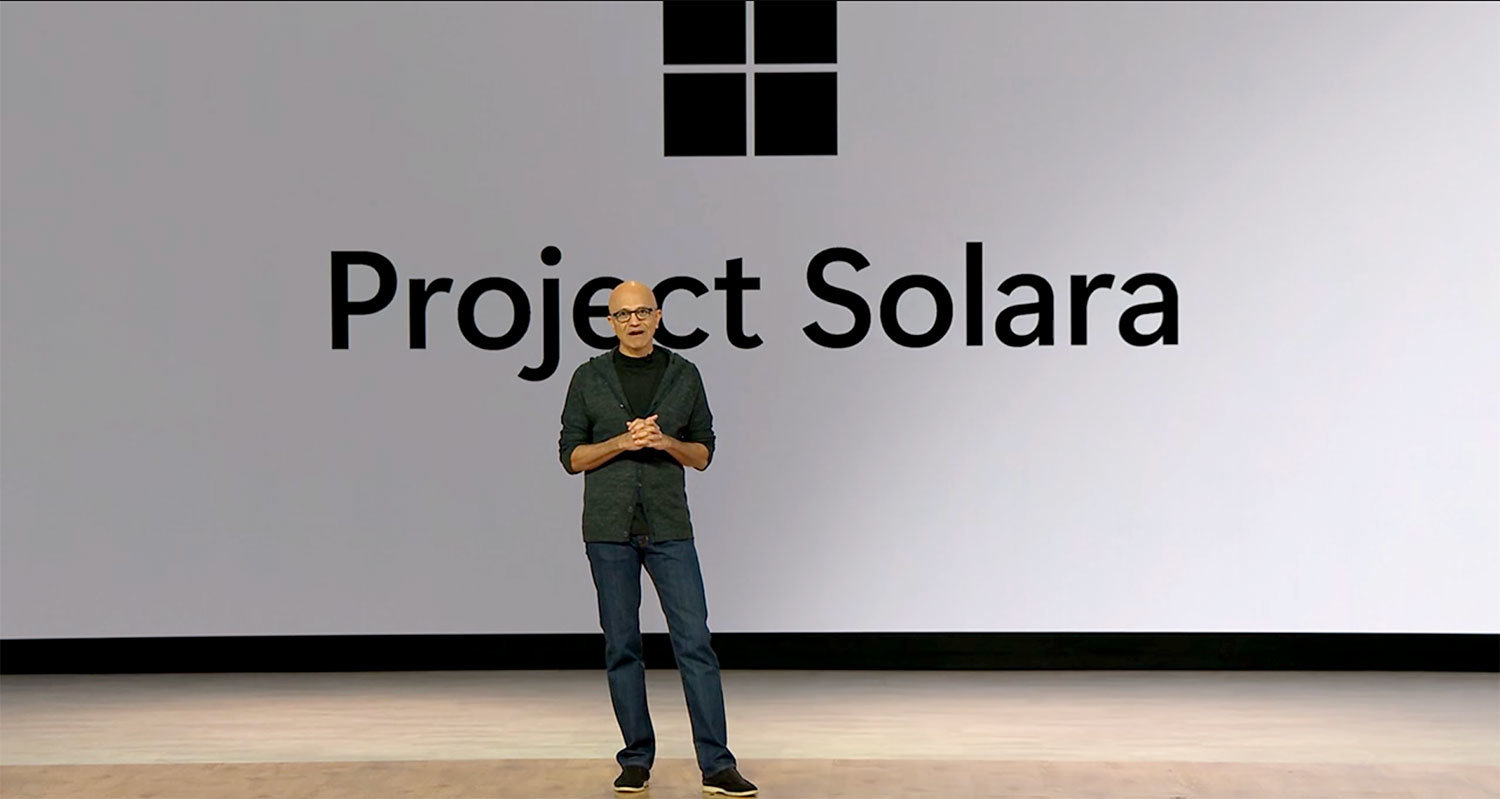
Microsoft unveils next-generation platform "Project Solara," transitioning from GUI to AI agents.
At the Microsoft Build 2026 conference held in June, the tech giant unveiled "Project Solara," a groundbreaking platform designed to prioritize AI agents over traditional graphical user interfaces and mobile applications. This innovative system facilitates collaboration between cloud-based AI agents and edge devices, enabling a seamless user interface that transcends hardware limitations. The announcement included an overview of two conceptual models, illustrating a new vision for computing in the age of artificial intelligence. As Microsoft explores this "AI agent-first" approach, it raises questions about the future of user interaction and the potential transformations in technology.

Anthropic's Claude model officially launched on Microsoft Foundry.
On June 29, Anthropic announced the official availability of its Claude model on Microsoft Foundry, specifically within the Azure AI Foundry platform. This development allows enterprise users to deploy and utilize the Claude model directly in the Azure environment, leveraging existing Azure authentication, billing, and governance systems. Currently, the platform supports Claude Opus 4.8 and Claude Haiku 4.5, which include features such as prompt caching and extended thinking capabilities. These functionalities are designed for applications in programming, intelligent agents, and complex reasoning scenarios. Anthropic also noted that users can choose to run their inference either on Azure or in an Anthropic-hosted environment. Looking ahead, both companies plan to gradually align their features and models for enhanced compatibility.
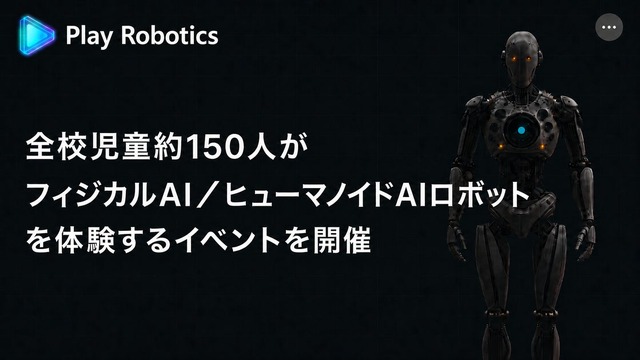
First educational event in Japan featuring humanoid demonstrations and physical AI experiences at elementary schools on June 26.
Play Robotics, a company specializing in safety evaluation and support for the integration of humanoid robots, is set to host a Physical AI Experience event on June 26, 2026. The event will take place at Shiroyama Elementary School in Inagi City. This initiative aims to provide participants with hands-on experiences to explore the capabilities and safety of humanoid robots, promoting awareness and understanding of AI technologies in educational environments. Through interactive demonstrations and activities, attendees will gain insights into the practical applications of robotics and artificial intelligence in everyday life.

Eurosatory 2026: IDV showcases Viking C-UAS and missile launcher
At the recent Eurosatory defense and security exhibition, Army Technology had the opportunity to review IDV's latest updates on the Viking Unmanned Ground Vehicle (UGV), which includes two new versions. This event, held in June 2023 in Paris, showcased advancements in military technology, highlighting IDV's commitment to enhancing operational capabilities through innovative unmanned systems. The review provided insights into the UGV's features and performance enhancements, reflecting the growing demand for versatile and efficient ground vehicles in modern defense operations.
News
2026 Zhangjiang EAI Conference on Embodied Intelligence Supply Chain to Launch in June
The 2026 Zhangjiang EAI Conference is set to occur on June 16-17 in Shanghai, with a central theme of "Embodied Intelligence, Forging the Future." This significant event will gather more than 100 industry experts and representatives from 200 leading companies, creating an opportunity for extensive discussions on advanced topics related to embodied intelligence and supply chain collaboration. Attendees can expect a series of forums aimed at fostering technology exchange and sharing valuable industry insights, highlighting the importance of innovation in shaping the future of technology and business practices.
Embodied Intelligence Supply Chain Industry Conference Technology Innovation
Magic Atom's debut of the VLA K02 model at the conference
On June 13, the 12th China (Shanghai) International Technology Import and Export Fair (CSITF) concluded in Shanghai. During the event, MagicLab showcased its comprehensive technology matrix and publicly unveiled two major technological achievements for the first time in the domestic market: the self-developed Magic-VLA K02 large model and the Magic-Mix world model. This presentation highlights MagicLab's commitment to innovation and its role in advancing technological development in China.

SpaceX's valuation exceeds $2.1 trillion; Musk's wealth is seven times Buffett's; FIFA labubu sales surge 30 times.
On June 12, 2026, SpaceX made headlines by completing its initial public offering (IPO) on the Nasdaq, marking the largest IPO in history with a valuation of $1.77 trillion. The stock opened at $150 and surged by over 30% during trading, closing at $160.99, which pushed the company's market capitalization to $2.1 trillion. This surge significantly increased CEO Elon Musk's net worth to approximately $1.05 trillion, making him the world's first billionaire with a net worth exceeding $1 trillion. The IPO's success reflects investor confidence in SpaceX's growth potential, particularly in light of its ambitious Terafab project. In a separate development, Kimi announced the launch of the world's first AI-native credit card, which allows users to convert their spending into AI computing power. This initiative, revealed on the same day, is a collaboration with a major state-owned bank and aims to innovate the financial landscape by integrating AI services into credit card benefits. Additionally, SK Hynix reported a fire incident at its facility in Cheongju, South Korea, which was the second fire this month. Fortunately, there were no injuries or gas leaks, and the situation was quickly controlled. These events highlight significant advancements in technology and finance while also addressing operational challenges faced by major companies.
Multi‐Robot Collaborative Navigation Framework Based on 3D Voronoi Partitioning in Uneven and Unstructured Environments
A recent study published in the Journal of Field Robotics highlights advancements in autonomous robotic systems designed for agricultural applications. Researchers from various institutions collaborated to develop innovative algorithms that enhance the efficiency and accuracy of these robots in crop monitoring and management. The study, released in early October 2023, emphasizes the growing need for automation in agriculture due to labor shortages and the increasing demand for food production. The research was conducted across multiple farms in the Midwest, where the team tested the robots' capabilities in real-world conditions. By integrating machine learning techniques, the robots can now analyze crop health, detect pests, and optimize resource usage, significantly reducing the environmental impact of farming practices. This initiative aims to address the challenges faced by farmers, particularly in light of climate change and the need for sustainable agriculture. The findings suggest that implementing these robotic systems can lead to improved yields and reduced operational costs, ultimately benefiting both farmers and consumers. As the agricultural sector continues to evolve, the integration of such technologies is seen as a crucial step toward a more sustainable future.
RESEARCH ARTICLE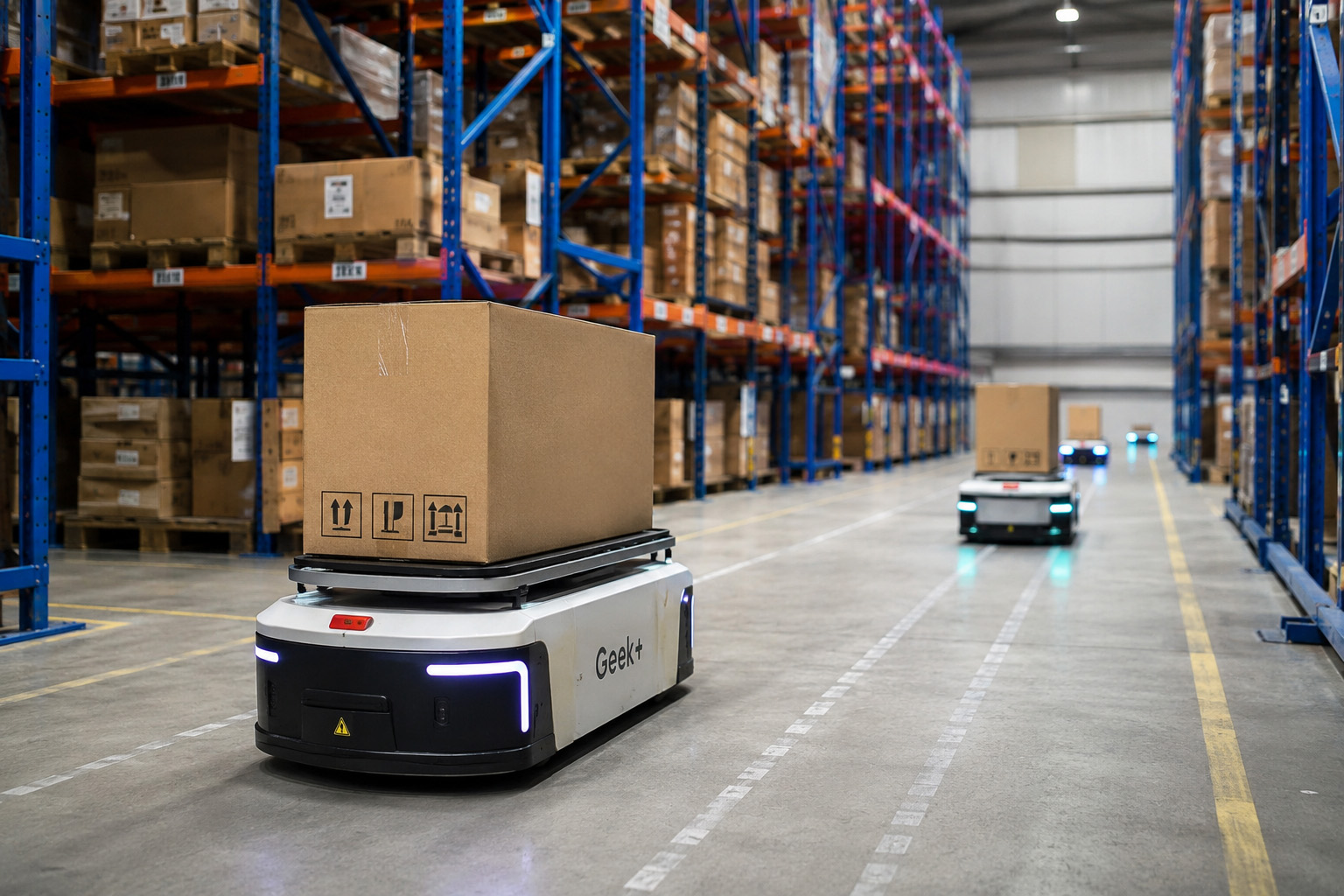
What is an AMR?
In recent years, the industrial sector has witnessed a significant shift with the increasing adoption of Autonomous Mobile Robots (AMRs) in factories and warehouses. Traditionally, industrial robots were confined to specific production cells and operated behind safety barriers. However, AMRs are now gaining prominence due to their ability to navigate autonomously and transport materials efficiently within facilities. This transition reflects a growing interest among manufacturers in leveraging advanced robotics technology to enhance operational efficiency and streamline logistics processes. As industries seek to optimize their workflows, the integration of AMRs is becoming a crucial component in modern manufacturing and warehousing strategies.
À la une IA Industrie Robotique AGV Amazon Proteus
Complete Guide to CNC Pallet Changers in Machining Automation Centers
The manufacturing industry is experiencing increasing pressure to enhance productivity by producing more quickly and with fewer human errors. In response to these challenges, the automation of machining centers is emerging as a documented and effective solution. Central to this transformation are automatic pallet changers and CNC loading systems, which facilitate a seamless transition to more efficient operations. This shift towards automation is detailed in a comprehensive guide featured in Robot Magazine, highlighting the significance of these technologies in modern manufacturing processes.
À la une IA Industrie Robotique automatisation centre d’usinage automatisation CNC
Interview de Lucas GOUMARRE , CEO Korben For People
Service robotics is undergoing a significant transformation, evolving from a mere automation tool to a strategic infrastructure across various sectors, including cleaning, logistics, and retail. This shift is driven by the increasing need for effective software management of robotic fleets, which is becoming a crucial factor in optimizing operations. Lucas Goumarre, CEO of Korben For People, discusses these developments and their implications for the future of service robotics. The insights were shared in an interview featured in Robot Magazine.
À la une Actualités Interview Robotique automatisation nettoyage cybersécurité robotique
SpaceX Proposes 1 Million AI Satellites to Address Ground Data Center Constraints
On January 30, 2026, SpaceX filed with the FCC to launch up to 1 million AI compute satellites, positioning orbital data centers as a solution to the increasing demand for AI computing power. Ground data centers are facing significant challenges, with energy consumption projected to reach approximately 1,050 TWh in 2026, making them the fifth-largest electricity consumer globally. The demand for new data center capacity is outpacing the growth of power generation infrastructure, leading to a critical bottleneck in the grid system. The significance of this initiative lies in the structural constraints faced by ground data centers, including power delivery limitations, high water consumption, and local opposition to new projects. The Uptime Institute's 2026 outlook identifies power as the primary constraint on data center growth, with capacity clearing prices in the PJM grid skyrocketing to $329.17/MW, driven by data center expansion. Additionally, cooling requirements are becoming increasingly unsustainable, with facilities consuming vast amounts of water, further complicating their operational viability. Looking ahead, SpaceX's orbital AI compute initiative aims to circumvent these challenges by leveraging the advantages of space, such as continuous solar power and minimal local opposition. The first AI prototypes are expected to launch in early 2027, with operational deployments planned for 2028. No further timeline was disclosed at the time of publication.
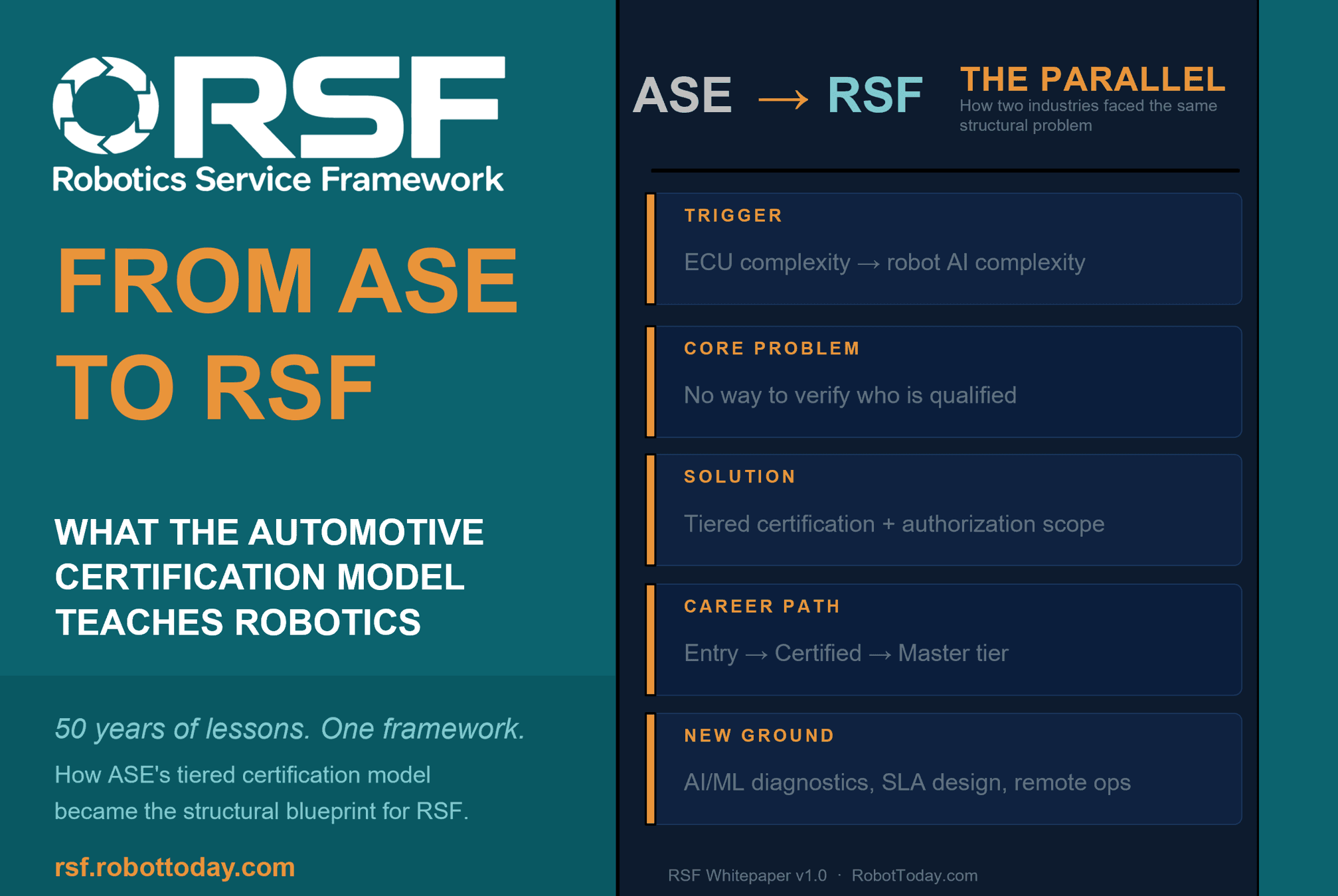
Robotics needs a service framework.
RSF defines a common language for robot service capability, lifecycle operations, certification pathways, and service-provider networks.