


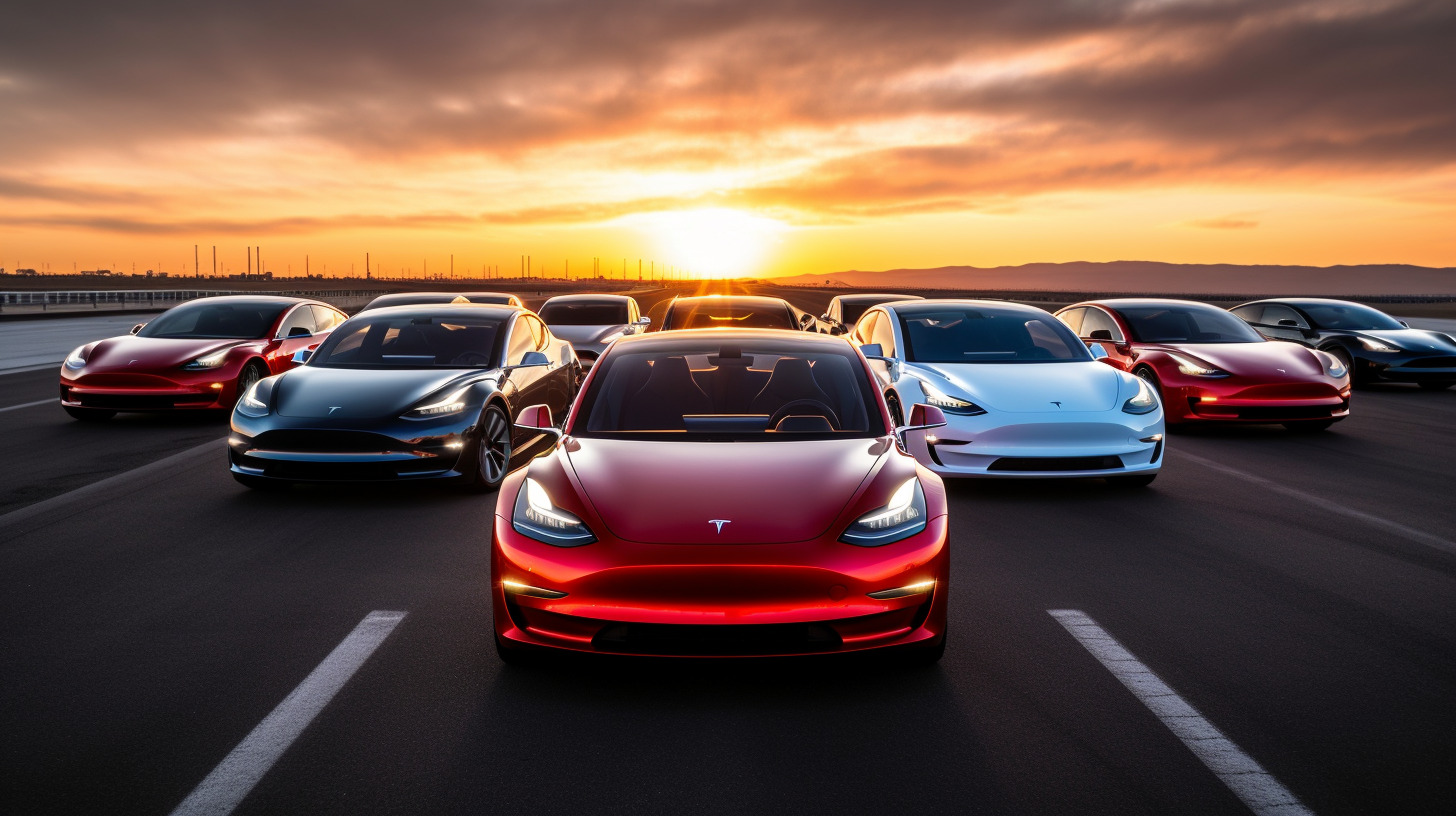
Tesla (TSLA), led by CEO Elon Musk, reported second-quarter 2026 revenue of $28.24 billion, a 26% year-over-year increase, but missed earnings expectations with a non-GAAP EPS of $0.33 compared to the $0.53 estimate. Despite record vehicle deliveries of 480,126 units, shares fell over 14% following the earnings miss, reflecting investor concerns over margin compression and high capital expenditures.
The company's performance is critical as it navigates challenges in its core automotive and energy segments, alongside emerging businesses like Robotaxi and Optimus humanoid robots. Tesla's market capitalization is approximately $1.17 trillion, yet its stock has underperformed the S&P 500 Consumer Discretionary Index this year, primarily due to execution delays and rising operational costs.
Looking ahead, Tesla confirmed the start of Cybercab production at Gigafactory Texas and the operation of Robotaxi in seven metropolitan areas. However, expansion is limited by supply chain issues. The company plans to maintain elevated capital expenditures exceeding $25 billion for 2026, focusing on autonomous driving, robotics, and AI chip manufacturing. No further timeline was disclosed at the time of publication.
Editor's Note
Tesla's recent earnings report highlights the ongoing challenges and opportunities within the electric vehicle and clean energy sectors. The company's significant investments in autonomous technologies and robotics signal a strategic shift towards becoming a comprehensive technology platform. Stakeholders should monitor how these developments impact Tesla's market position and financial performance in the coming quarters.




















Leave a comment