Regulus Cyber (IL)

Regulus Cyber is an Israeli developer of counter-unmanned systems (C-UxS), producing the Ring platform that uses GNSS manipulation and RF detection to detect and defeat enemy drones. Systems are combat-proven and deployed by defence forces.

Share
Regulus Cyber (IL)
12 Nahum Heth St
Haifa, IL 3508511
RobotToday Initiative

Robotics needs a service framework.

RSF defines a common language for robot service capability, lifecycle operations, certification pathways, and service-provider networks.

Share

Related Content

LimX Dynamics Demonstrates Autonomous Home Operations with TRON 1 and Acheron Labs' RobotKit

LimX Dynamics Demonstrates Autonomous Home Operations with TRON 1 and Acheron Labs' RobotKit

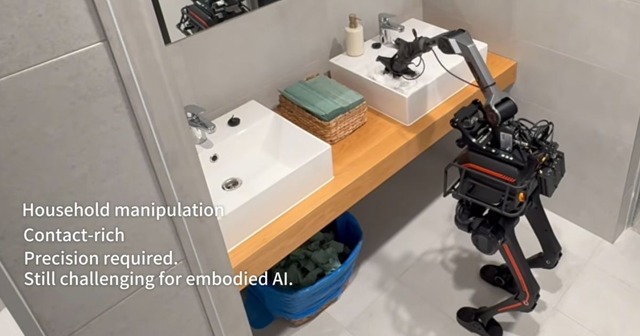
On July 13, 2026, LimX Dynamics showcased a customer case utilizing their open modular robot platform, TRON 1, to demonstrate autonomous home operation workflows with Acheron Labs' RobotKit. This collaboration illustrates the rapid development and deployment of embodied AI applications by combining RobotKit's development workflow with TRON 1's modular structure. This initiative is significant as it embodies LimX Dynamics' commitment to fostering an open embodied AI ecosystem that accelerates innovation among developers, researchers, and ecosystem partners. The demonstration serves as a practical example of development methods in the fields of embodied AI and physical AI, highlighting the potential for transforming operational tasks in various industries. Looking ahead, the focus will be on how robots can be integrated into real-world applications, particularly in high-risk environments. No further timeline was disclosed at the time of publication.

MIT Team Unveils Transformable Robot Fleet for Advanced Water Navigation

MIT Team Unveils Transformable Robot Fleet for Advanced Water Navigation

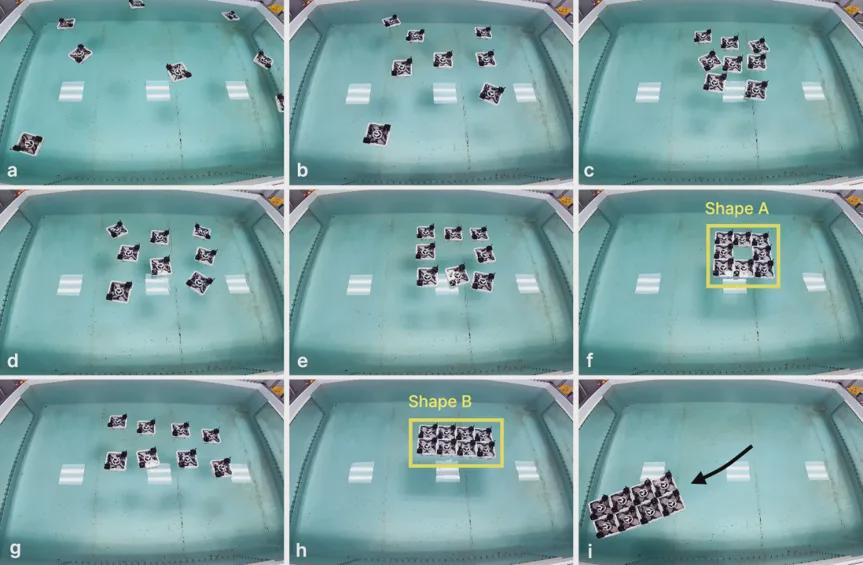
A team from MIT, along with collaborators from the University of Wisconsin-Madison, KU Leuven, and Politecnico di Milano, has developed a fleet of eight modular robot boats capable of transforming and navigating water autonomously. Each boat measures 21 cm on each side and can connect to form larger floating platforms, demonstrating advanced coordination without remote control. The significance of this development lies in its potential applications in complex environments where traditional navigation methods may fail. The robots can autonomously handle positioning, collision avoidance, and movement control, adapting their configurations based on tasks, similar to how fire ants form rafts during floods. Looking ahead, the research team has categorized their system as a Modular Self-Reconfigurable Robot (MSRR) system, which allows for dynamic reconfiguration and enhanced functionality. No further timeline was disclosed at the time of publication.

Modular Robotics Autonomous Systems Water Navigation Distributed Control Robotics Research
MIT and Toyota Research Institute Unveil SceneSmith for Robot Household Training

MIT and Toyota Research Institute Unveil SceneSmith for Robot Household Training

MIT's Computer Science and Artificial Intelligence Laboratory (CSAIL) and the Toyota Research Institute have developed SceneSmith, an AI-powered system that allows robots to practice household tasks in a virtual environment. This system utilizes three visual language models to collaboratively create realistic 3D scenes, enabling robots to learn complex skills through extensive simulation. SceneSmith not only generates lifelike environments but also incorporates physical properties like mass, friction, and inertia, allowing robots to interact meaningfully within these spaces. The research team tested over 100 unique action plans in the digital world, revealing flaws in the robots' planning that were validated by human consensus over 99% of the time, helping to refine their strategies before real-world application. The effectiveness of SceneSmith was highlighted at a recent international machine learning conference, where it received positive feedback from over 200 testers, with more than 90% rating its visual realism highly. As robots learn to perform tasks like moving objects in a kitchen, the prospect of robots handling household chores may soon become a reality.

AI Robotics Virtual Reality Machine Learning
LimX Dynamics Raises $200 Million Pre-IPO Funding, Achieving $15 Billion Valuation

LimX Dynamics Raises $200 Million Pre-IPO Funding, Achieving $15 Billion Valuation

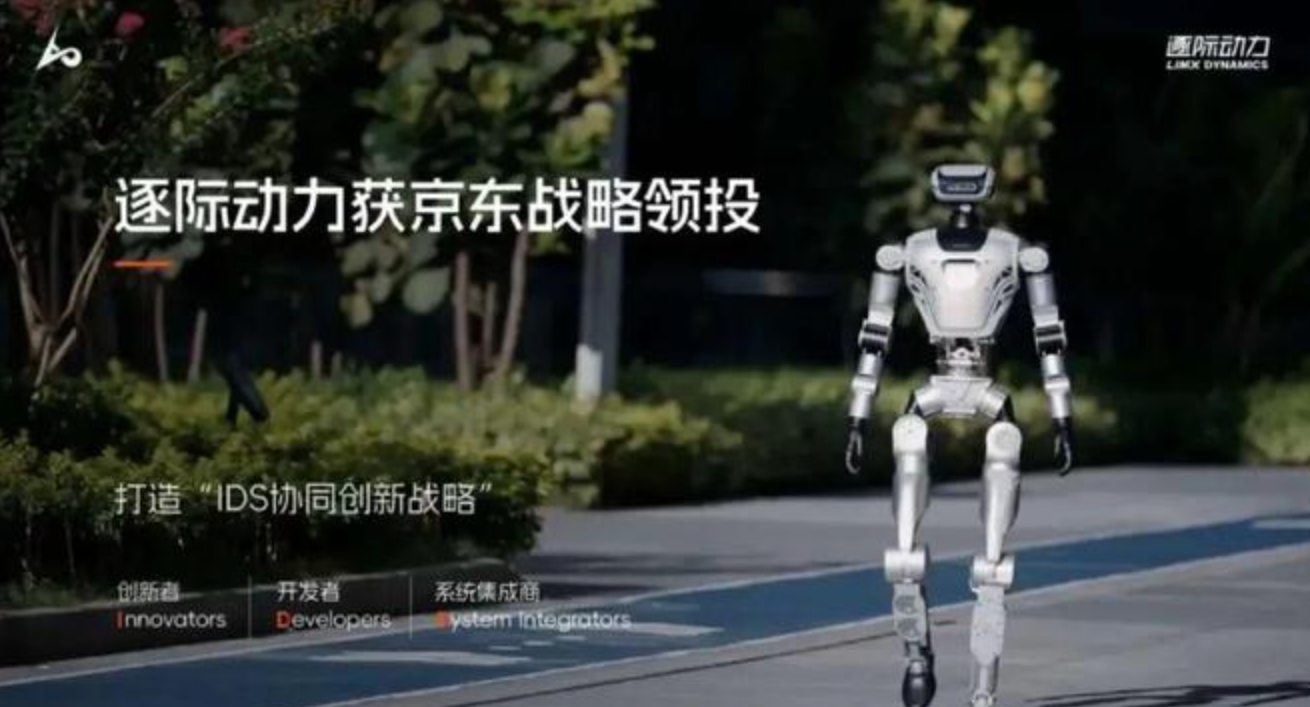
On July 14, LimX Dynamics, a humanoid robotics company based in Shenzhen, announced the completion of nearly $200 million in Pre-IPO funding, reaching a post-investment valuation of $15 billion. This funding round is part of a total of $400 million raised by the company over the past six months, indicating strong investor confidence in its long-term potential. The significance of this funding lies in LimX Dynamics' strategic positioning within the humanoid robotics sector, which is shifting focus from hardware to advanced AI capabilities. The company has initiated its IPO process for early 2026, following a shareholding restructuring completed in March. Notably, nearly 70% of the investment comes from overseas, highlighting the global interest in its innovative technology. Looking ahead, LimX Dynamics has launched several products, including the LimX Luna and LimX Oli humanoid robots, which have already received thousands of orders, with over half from international markets. The company aims to differentiate itself by focusing on commercial service applications rather than traditional manufacturing, aligning with its founder Zhang Wei's philosophy of prioritizing human service over production processes. No further timeline was disclosed at the time of publication.

Humanoid Robots Robotics Technology AI Pre-IPO Funding
Chinese Company Wins Red Dot Award for Panda-Inspired Delivery Robot Design

Chinese Company Wins Red Dot Award for Panda-Inspired Delivery Robot Design

The Shenzhen-based company, Wandachang Innovation Intelligent Co., has won the prestigious Red Dot Award for its Panda-inspired meal delivery robot, known as Xiong Da. This recognition highlights the robot's unique design that embodies Eastern aesthetics, setting it apart in a market often dominated by minimalist technology. The significance of this award lies in its affirmation of Wandachang's commitment to blending cultural heritage with advanced robotics. The Xiong Da robot features a bionic design inspired by the giant panda, integrating a SLAM positioning system and multi-sensor technology for efficient navigation in narrow spaces. This innovative approach positions the robot as not just a tool, but a companion that resonates emotionally with users. Looking ahead, Wandachang aims to expand its intelligent service system for healthcare and wellness, leveraging its award-winning design to tell the story of Chinese manufacturing on a global stage. No further timeline was disclosed at the time of publication.

Robotics Product Design Cultural Aesthetics Healthcare Technology
Efort to Showcase Universal Base Technology at WAIC 2026 for Robotics Advancement

Efort to Showcase Universal Base Technology at WAIC 2026 for Robotics Advancement

Efort's QiZhi will present its Universal Base technology at the WAIC 2026, aiming to enhance the capabilities of robots. The technology focuses on providing a foundational infrastructure that allows robots to learn and perform tasks across various scenarios, addressing the industry's need for a generalized capability rather than just hardware improvements. This initiative is crucial as the robotics sector has seen a significant influx of capital, with funding in the domestic embodied intelligence sector surpassing 93.5 billion yuan in the first half of 2026. However, the industry consensus highlights a gap in data availability and the need for a robust framework to enable effective learning and task execution by robots. Looking ahead, Efort's approach could redefine the landscape of robotics by shifting the focus from hardware specifications to a comprehensive technological foundation. As the industry transitions from demonstration to practical applications, the success of this Universal Base technology will be pivotal in overcoming existing challenges and enhancing the deployment of robots in real-world scenarios. No further timeline was disclosed at the time of publication.

Robotics AI Industrial Automation Machine Learning
Amorepacific's AI Beauty Lab Offers Customized Products at Amore Yongsan Store

Amorepacific's AI Beauty Lab Offers Customized Products at Amore Yongsan Store

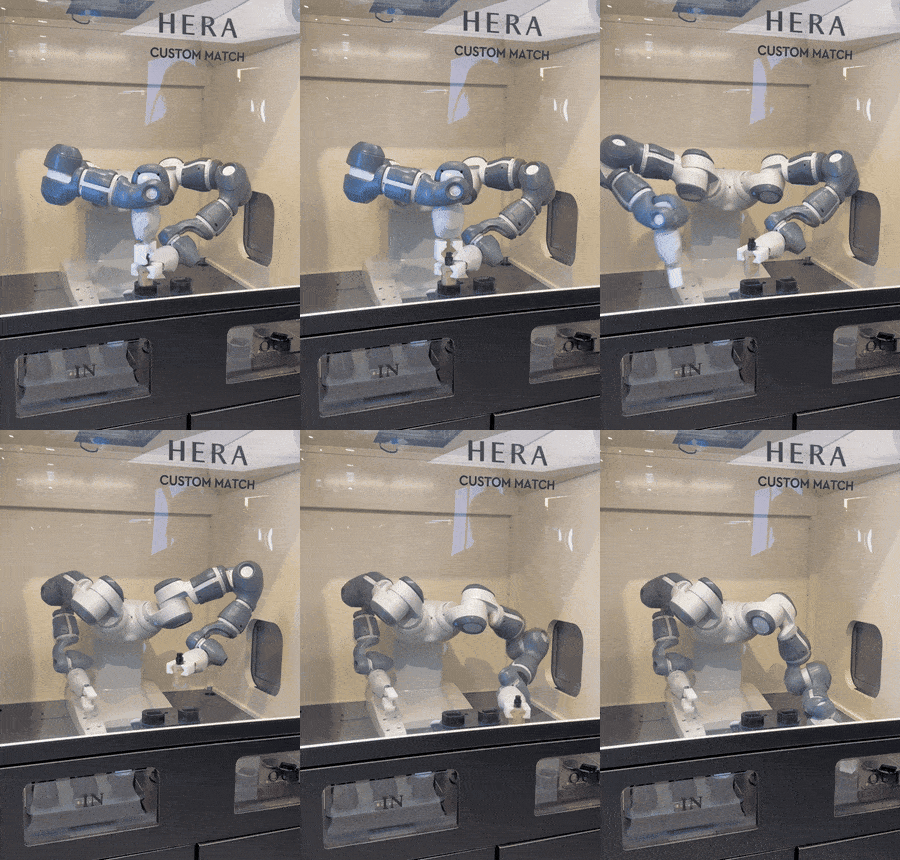
Amorepacific has launched its flagship store, Amore Yongsan, where AI and robotics create personalized beauty products, including foundations and lip cosmetics. Customers engage in a 15-minute AI consultation to select from 335 shades, with the Hera Custom Match service being particularly popular. The store also features a scalp diagnostic program and a fragrance lab, enhancing the customer experience. This innovative approach to beauty customization is significant as it positions Amore Yongsan as a potential new beauty district in Seoul, attracting both local and foreign customers. The store manager noted a nearly equal ratio of Korean and foreign clients, with a higher percentage of foreigners opting for product creation services. The bespoke essence service, inspired by Japanese preferences, further emphasizes the demand for tailored beauty solutions. Looking ahead, Amorepacific's integration of AI technology in beauty consultations and product creation may set a new standard in the industry. The store's research-focused environment, including AI skin scans and fragrance development, showcases the brand's commitment to innovation. No further timeline was disclosed at the time of publication.

All News
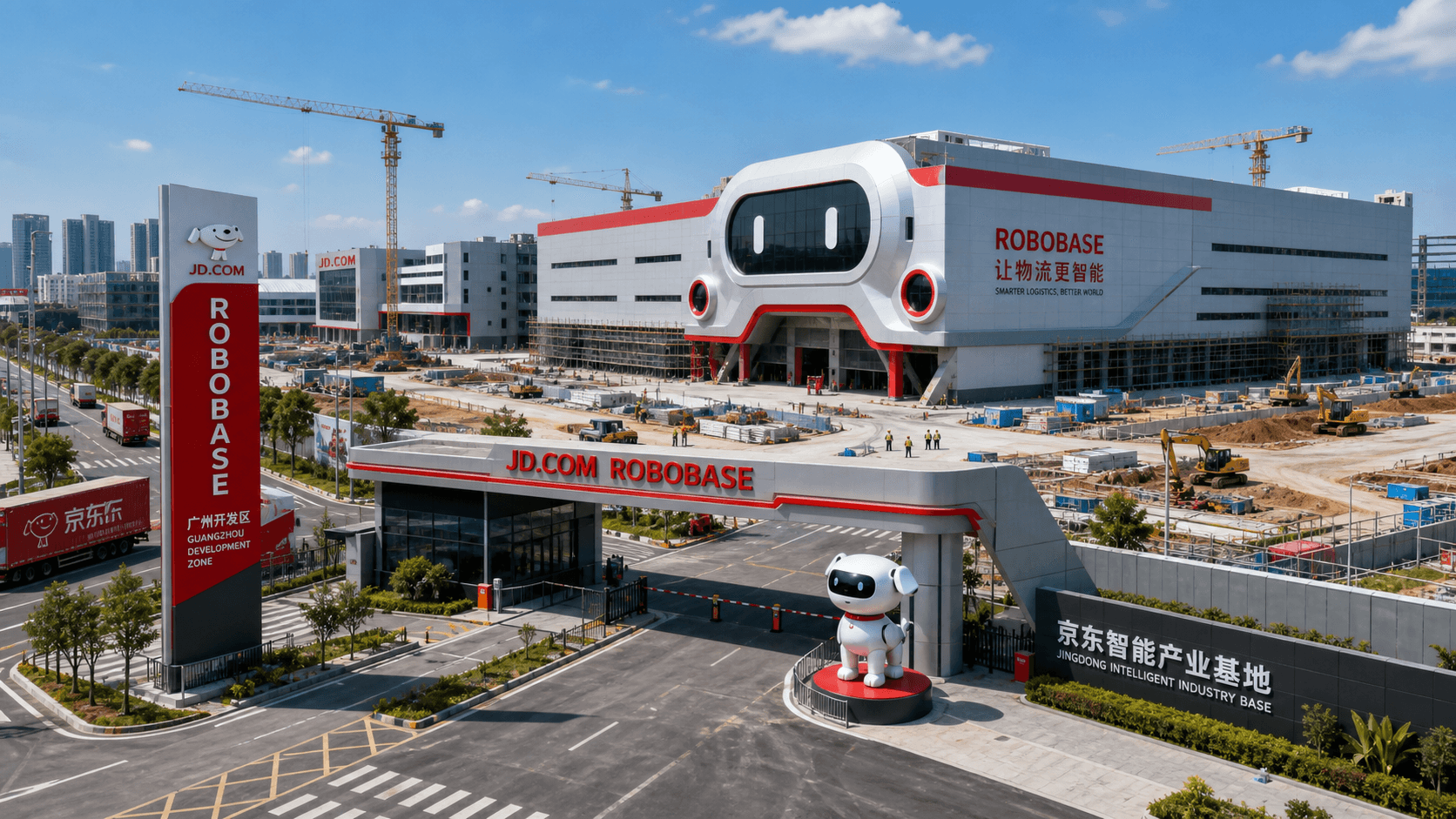
JD.com Invests $1.4B in RoboBase Network, Launches First Facility in Guangzhou

JD.com Invests $1.4B in RoboBase Network, Launches First Facility in Guangzhou

JD.com has announced a significant investment of $1.4 billion to establish a nationwide RoboBase network, marking its transition from a logistics giant to an embodied AI platform. The initiative includes plans for the procurement of 300 million robots and the construction of over 80 bases throughout China. This strategic move is crucial as JD.com aims to enhance its technological capabilities and expand its operational reach in the rapidly evolving field of embodied AI. The establishment of the first RoboBase facility in Guangzhou signifies the company's commitment to integrating advanced robotics into its logistics and supply chain operations. Looking ahead, industry observers will be keen to see how JD.com executes its ambitious plans for robot procurement and the development of its RoboBase network. No further timeline was disclosed at the time of publication.

Technology
São Paulo Becomes First City to Implement Citywide Drone Detection as a Service Network

São Paulo Becomes First City to Implement Citywide Drone Detection as a Service Network

R2 Wireless and Ôguen Tecnologias have partnered to launch a managed drone detection service in São Paulo, Brazil, making it the first city to implement a municipal-scale Drone Detection as a Service (DDaaS) network. This initiative aims to address rising concerns over the use of drones by criminal organizations, offering a cost-effective alternative to traditional counter-drone systems. The DDaaS network will provide continuous monitoring of urban airspace through a subscription model, allowing public agencies and private organizations to access drone detection, geolocation, and real-time airspace awareness without the need for hardware purchases. R2 Wireless's technology operates at the physical RF layer, enabling it to detect and geolocate various types of drones, including modified and spoofed systems. As commercial drones evolve, the demand for adaptable counter-drone solutions grows. The partnership aims to support a wide range of users, including critical infrastructure operators and government sites, and reflects a broader trend towards service-based approaches in airspace security. No further timeline was disclosed at the time of publication.

Anti-drone technology C-UAS Drones in the News News ADaaS airspace monitoring
StepFun Launches STEPX Neo: An AI Agent Phone with Cross-App Integration

StepFun Launches STEPX Neo: An AI Agent Phone with Cross-App Integration

StepFun, a Shanghai-based AI unicorn, has introduced the STEPX Neo, an innovative phone equipped with the agent-native Step AOS and Amoo agent. This device integrates over 10 major platforms, including Alipay, Meituan, Didi, and Baidu, enabling autonomous task execution across applications. The launch of STEPX Neo is significant as it represents a leap forward in mobile technology, allowing users to perform tasks seamlessly across multiple applications without manual intervention. By leveraging the capabilities of various platforms, the STEPX Neo aims to enhance user experience and efficiency in daily tasks. Looking ahead, the impact of STEPX Neo on the market will be worth monitoring, particularly in how it influences user adoption of AI-driven mobile solutions. No further timeline was disclosed at the time of publication.

Technology