


Haptic sensors have gained significant attention in the industry, becoming a focal point in the supply chain. Since 2026, financing in the haptic sensor sector has become commonplace, with companies like Paksini raising over 1 billion yuan in Series B funding, achieving a valuation exceeding 10 billion yuan. Other companies, such as Tashan Technology, have also secured substantial funding, indicating strong investor interest.
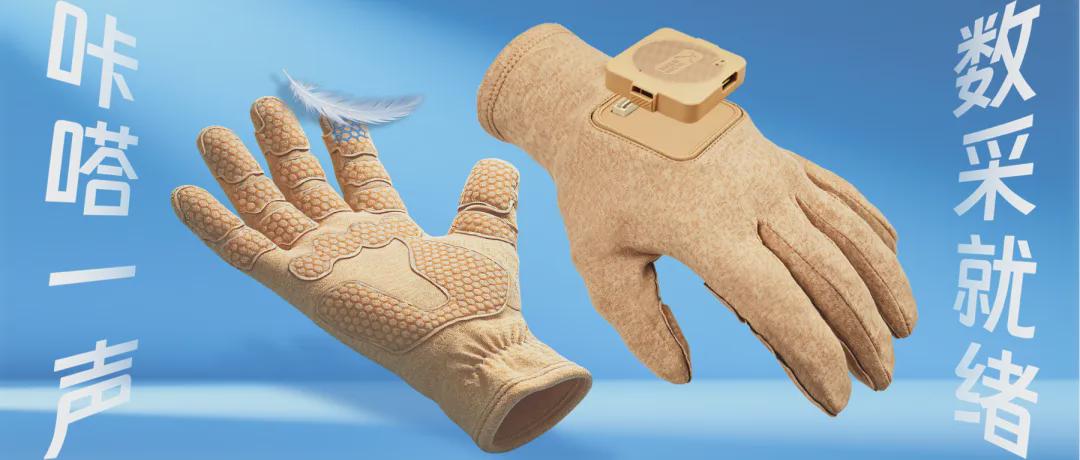
The importance of haptic sensors lies in their potential to transition from luxury industrial products to consumer-grade standards, driven by significant price reductions. Paksini's innovative 6D Hall array haptic sensor, which can analyze 15 dimensions of human-like tactile information, exemplifies this shift. Their ability to lower prices from hundreds of thousands to as low as 199 yuan could revolutionize the market, making haptic technology more accessible.
Looking ahead, Paksini is preparing for an IPO in Hong Kong, which could provide transparency regarding its sales and revenue through third-party audits. Meanwhile, Tashan Technology continues to attract investment and develop cutting-edge technology, including the world's first AI haptic perception laboratory, positioning itself uniquely in the industry. No further timeline was disclosed at the time of publication.
Editor's Note
The haptic sensor market in China is rapidly evolving, with significant investments and technological advancements shaping its future. As companies like Paksini and Tashan Technology lead the charge, the competitive landscape is likely to shift, impacting supply chains and technology adoption across various sectors. Stakeholders should monitor these developments closely to understand the implications for manufacturing and procurement strategies.


























Leave a comment