Search Result for: https://www.cbsnews.com/video/ai-powered-humanoid-robots-60-minutes-video-2026-06-14
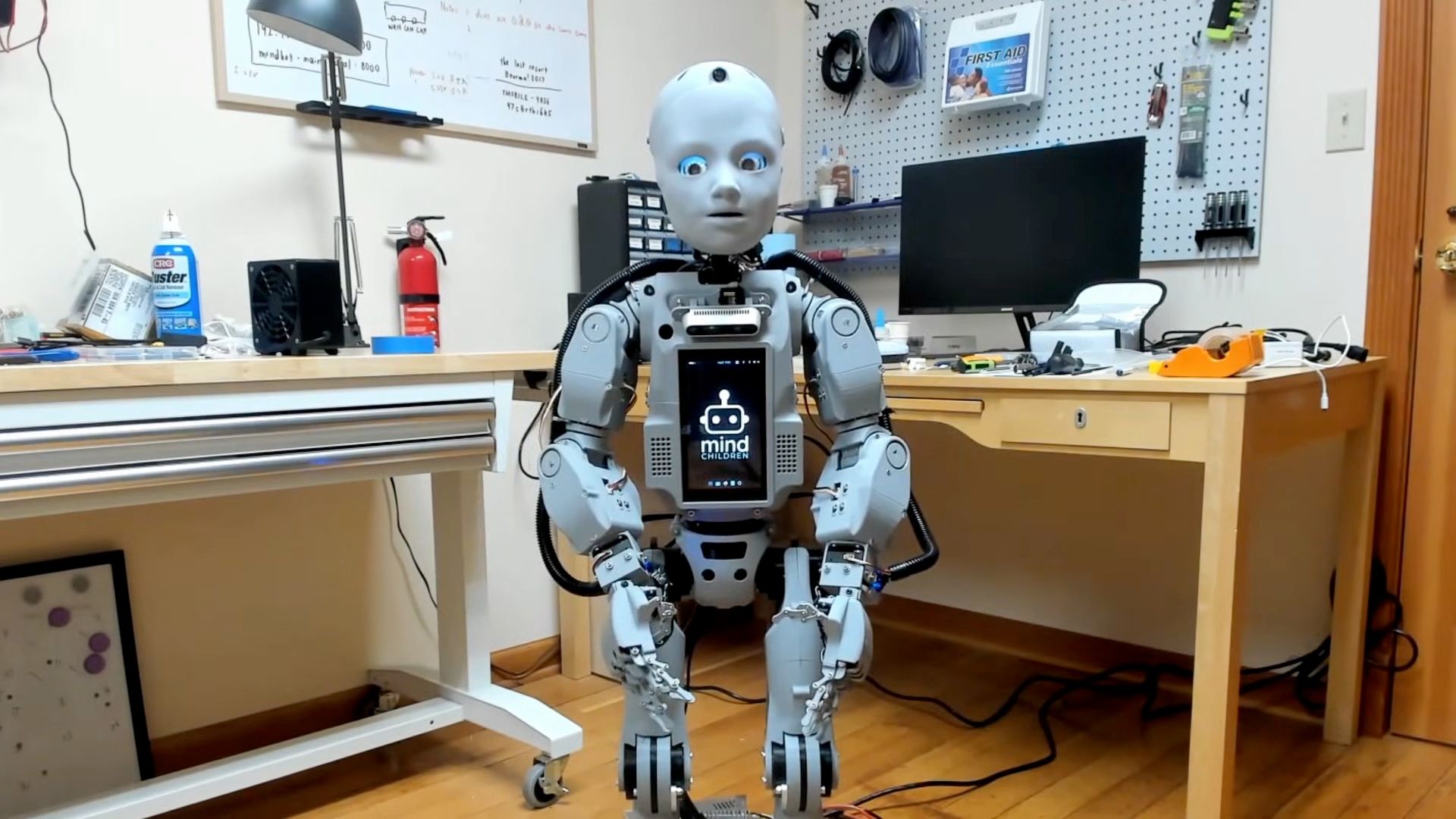
Video: Child-friendly Codey robot showcases embodied AGI future in education, healthcare
A Seattle-based robotics company has unveiled a three-foot-tall humanoid robot intended for public use, showcasing its potential to assist in various environments. The robot, which features advanced interaction capabilities, aims to enhance customer service and provide support in settings such as retail and hospitality. This development comes as part of a broader trend in the robotics industry, where companies are increasingly focusing on creating machines that can engage with people in everyday situations. The prototype was revealed during a technology expo held in Seattle last week, attracting attention from industry experts and potential investors. The creators believe that this humanoid robot could revolutionize the way businesses interact with customers, addressing labor shortages and improving efficiency. By integrating artificial intelligence and user-friendly interfaces, the robot is designed to learn from its interactions, adapting to the needs of its environment.
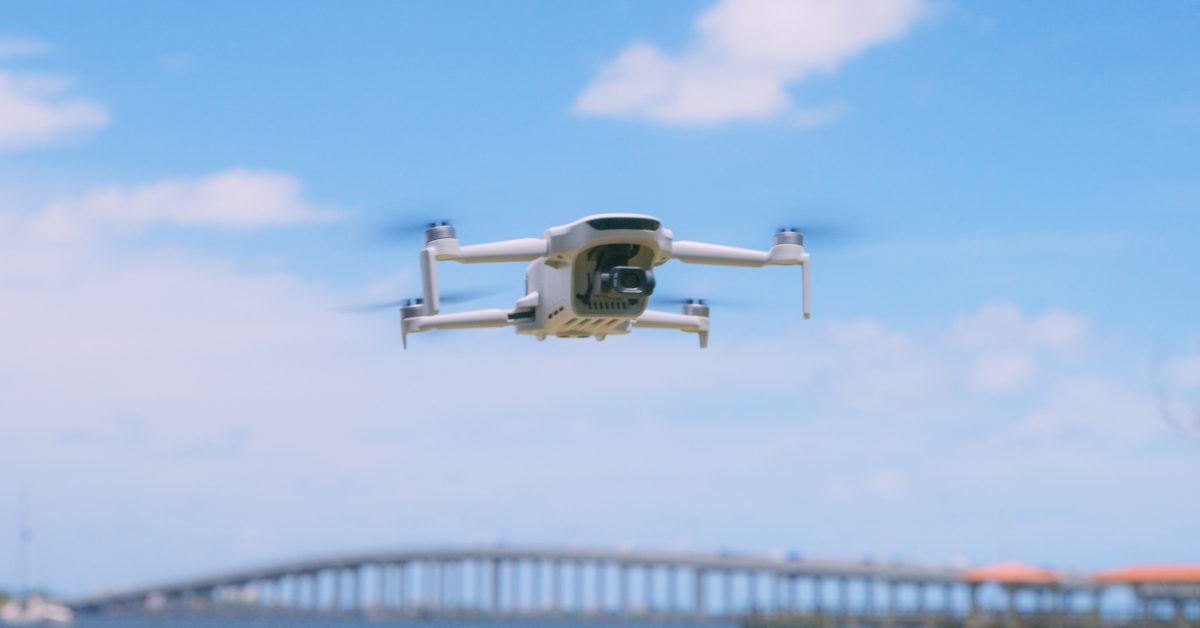
Potensic Atom 3 Review: The best beginner drone just got better
The Potensic Atom 3 has officially launched, showcasing significant advancements over its predecessor, the Atom 2. Following extensive real-world flight tests, the new model features a larger sensor, extended battery life, a more robust body, and an upgraded controller, marking a notable improvement in performance and durability. While the Atom 3 is not without its flaws, the enhancements are substantial, indicating Potensic's commitment to evolving its drone technology. The release aims to cater to both amateur and professional drone enthusiasts seeking reliable and high-quality aerial photography and videography solutions.

General Intuition in talks to raise $300M at around $2B valuation
A startup specializing in artificial intelligence is leveraging Medal's extensive dataset, which comprises 2 billion videos annually sourced from 10 million active users each month. This initiative aims to enhance the training of embodied AI and world models, utilizing the rich variety of visual content available. The training process incorporates data collected up until October 2023, allowing the AI systems to develop a more nuanced understanding of real-world scenarios and interactions. By harnessing such a vast and diverse dataset, the startup seeks to push the boundaries of AI capabilities, ultimately contributing to advancements in technology that can better interpret and interact with the world around us.
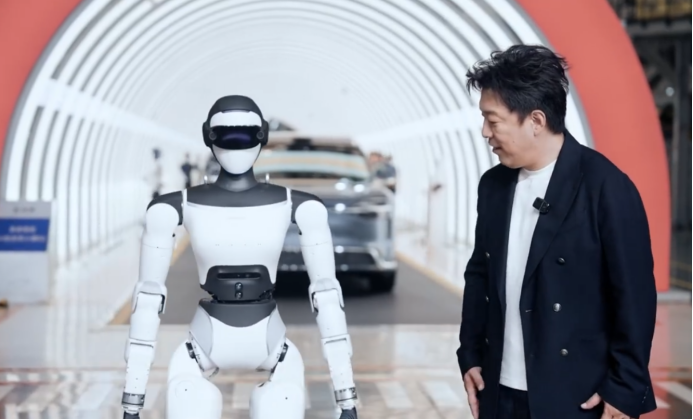
Silence Breaks: Sailis Unveils Its First Humanoid Robot in a Factory Visit
Sailis has unveiled its first humanoid robot, named 'Xiao Sai', during a recent factory tour video, distinguishing itself in an industry often characterized by flashy announcements. This innovative robot is intended to welcome and guide visitors, reflecting Sailis' dedication to incorporating robotics into its advanced manufacturing operations. The introduction of Xiao Sai highlights the company's strategy to enhance its automated systems and improve visitor engagement within its facilities.

Interview with Luo Jianlan: The true scaling law of robots occurs in real deployment loops.
In the past six months, the focus of the domestic embodied intelligence sector has shifted from hardware competition to the deeper challenges that define the intelligence limits of robots. Luo Jianlan, an associate professor at Shanghai Chuangzhi Academy and chief scientist at Zhiyuan Robotics, argues against the prevailing notion that robots can replicate large language models through sheer data accumulation. He emphasizes that the core issue in embodied intelligence is not about breakthroughs in isolated components but rather the ability to create a closed-loop system in real-world deployments. Luo, who has a background in both academia and industry, including roles at Google X and DeepMind, believes that many teams in the sector are not genuinely pre-training models but are instead engaged in mid-training or fine-tuning due to the scarcity of high-quality interaction data. He asserts that true embodied intelligence requires a scalable closed-loop system, where deployment leads to data collection, which in turn enhances model capabilities. His current focus includes developing scalable online post-training infrastructure, enabling robots to learn continuously in real-world environments, and creating a world model that predicts the consequences of actions rather than merely generating video. Luo suggests that the future of embodied intelligence hinges on successfully integrating these elements into a cohesive system, with significant advancements expected in the next 12 to 18 months. He believes that the first team to effectively implement a "deployment-data-iteration" cycle in semi-structured environments like convenience stores will gain a substantial competitive edge.
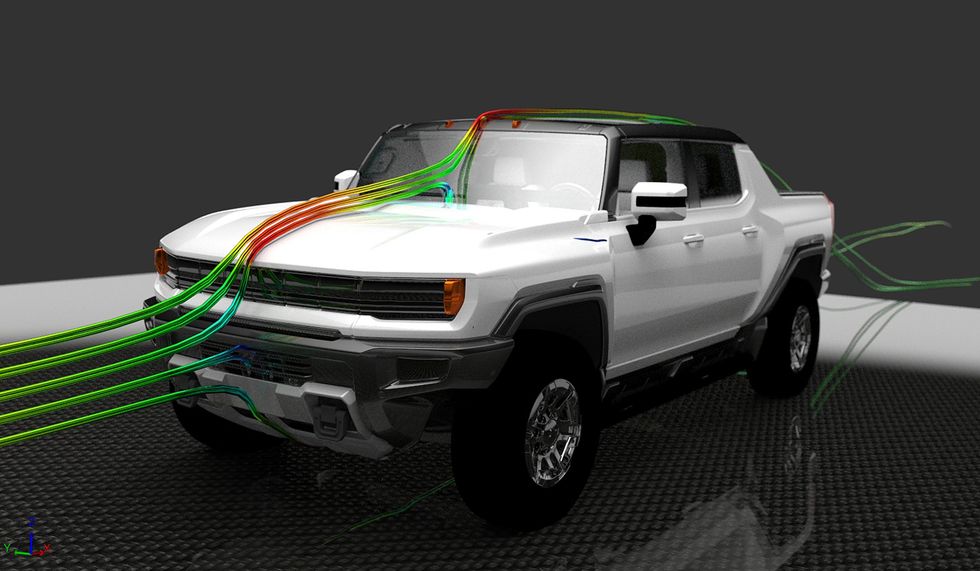
General Motors Is Cutting Its Development Cycles in Half
General Motors is accelerating its vehicle development process to compete with fast-paced Chinese automakers like BYD, which can bring electric vehicles (EVs) to market in under two years. This initiative, led by Sterling Anderson, GM’s chief product officer and former Tesla executive, aims to leverage artificial intelligence (AI) and simulation technology to significantly reduce design and production timelines. In a recent video call, Anderson and Jason Fischer, GM’s executive director of virtual integration engineering, outlined how AI is reshaping automotive design. Traditionally, the development process involved lengthy empirical testing and siloed engineering efforts. However, GM's new approach integrates multiple functions into a single virtual tool, allowing engineers to simulate design changes in minutes rather than hours. This method has already halved the development time for the electric GMC Hummer, which went from concept to showroom in just two years. GM is applying these advanced techniques across various projects, including self-driving cars and NASA's lunar rover, enhancing their ability to simulate real-world conditions and improve vehicle performance before physical prototypes are built. By running thousands of simulations, GM can identify and address potential issues early in the design process, ultimately leading to more refined vehicles. This innovative strategy positions GM to keep pace with the rapidly evolving automotive landscape and meet consumer demands for faster, more efficient vehicle production.
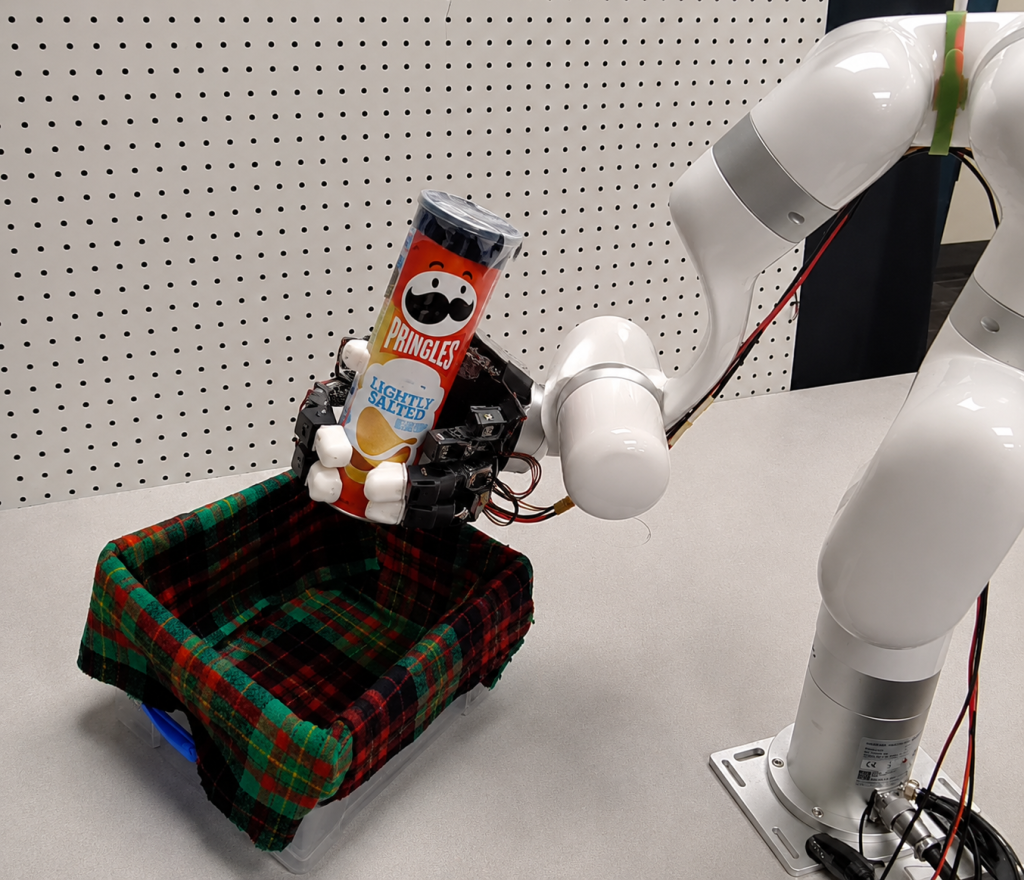
CMU Researchers Train Robots With Internet Videos
Researchers at Carnegie Mellon University's School of Computer Science have developed an innovative system called VideoManip, which enables robots to learn manipulation skills by analyzing videos of human interactions with objects. This groundbreaking approach allows robots to reconstruct movements and understand how humans make contact with various items, significantly reducing the need for lengthy, hands-on demonstrations by humans. By utilizing readily available internet videos, the system streamlines the training process for robots, enhancing their ability to acquire new skills efficiently. This advancement marks a significant step forward in robotics, potentially transforming how machines are trained to perform tasks in diverse environments.
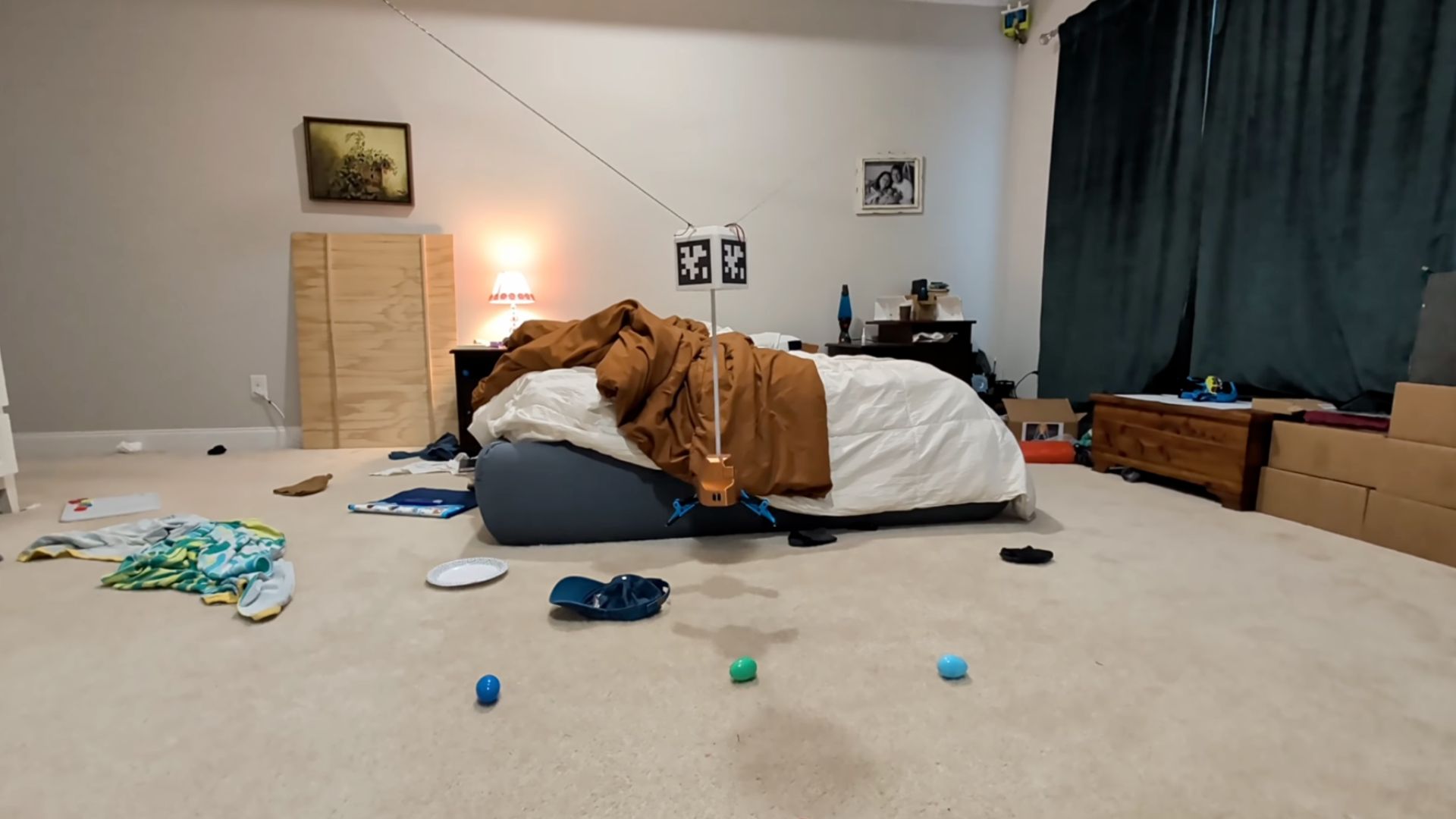
Video: Ceiling-mounted DIY robot picks up toys, clothes, and household clutter
An engineer has created an innovative open-source robotic claw that mounts on ceilings, aimed at addressing challenges in various industries. This development, which was unveiled recently, is designed to assist in tasks such as inventory management and warehouse automation. The engineer, motivated by the need for cost-effective and versatile solutions in the automation sector, has made the design freely available to encourage collaboration and further enhancements from the global engineering community. By utilizing readily available materials and components, the project promotes sustainability and accessibility in robotics. The claw's operation involves a series of precise movements controlled by a user-friendly interface, allowing for efficient handling of objects in hard-to-reach spaces. This initiative not only showcases advancements in robotics but also highlights the potential for open-source technology to drive innovation and improve operational efficiency across various fields.

Top Computer Vision Development Company Options for 2026
Selecting the appropriate computer vision development company is crucial for ensuring compatibility with the specific environment in which the model will operate. This could range from camera system-on-chips (SoCs) and cloud-based software as a service (SaaS) products to medical devices and live video systems. Among the available options, SQUAD stands out as a robust choice for edge hardware and smart camera products. Meanwhile, Intellias and Softeq are recognized as strong contenders for embedded AI solutions. As the industry evolves, companies must carefully assess their needs to align with the right technology partner.
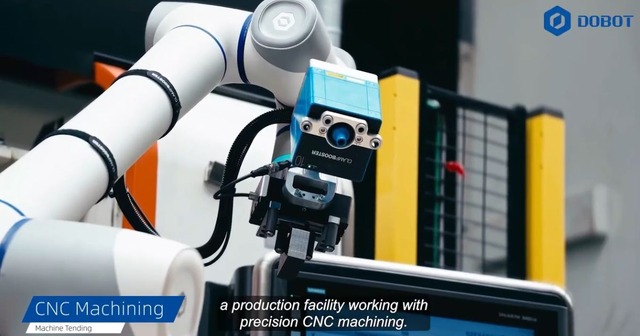
Dobot to showcase collaborative robot use cases in automotive, food, and education at "Automate 2026."
Dobot Robotics has unveiled a promotional video showcasing its products in preparation for the upcoming Automate 2026, one of North America's largest industrial automation trade shows. The video was released on YouTube on June 16, 2026, as part of the company's efforts to highlight its innovations and engage with potential customers ahead of the event. This strategic move aims to enhance visibility and demonstrate the capabilities of Dobot's automation solutions in a competitive market.
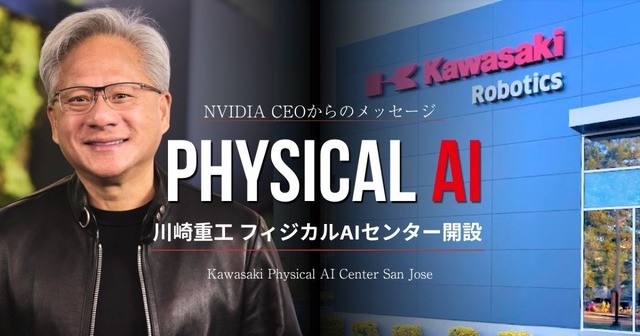
Kawasaki Heavy Industries opens Physical AI Center in San Jose, California, with a congratulatory message from NVIDIA's Jensen Huang.
Kawasaki Heavy Industries, Ltd. announced the opening of its Kawasaki Physical AI Center, scheduled for June 15, 2026. To mark this occasion, the company released a video message from NVIDIA's CEO, Jensen Huang, on YouTube. The establishment of the center aims to enhance research and development in artificial intelligence and robotics, reflecting Kawasaki's commitment to innovation in these fields. The collaboration with NVIDIA underscores the importance of integrating advanced AI technologies into Kawasaki's operations, positioning the company at the forefront of technological advancements in the industry.

Visual Language Models Train Robots to Read Human Emotions
A recent study led by Seung Chan Hong at the University of Melbourne explores the emotional capabilities of collaborative robots as they increasingly work alongside humans. Published on May 18 in IEEE Robotics and Automation Letters, the research investigates how robots can better understand human emotions through contextual cues, beyond just facial expressions. Involving 40 volunteers, the study trained a vision language model (VLM) to interpret emotions based on video interactions where robots handed objects to humans. The VLM outperformed traditional AI systems, scoring 0.86 in emotional accuracy compared to 0.77 for conventional methods. This improvement is attributed to the VLM's ability to consider the entire context of interactions rather than isolated facial expressions. In a follow-up experiment, participants interacted with a robot that was programmed to make an error, receiving either an emotionally adaptive apology or a standard one. The majority preferred the adaptive response, but trust in the robot diminished after it failed to complete its task, highlighting that emotional responses cannot compensate for a lack of functionality. While the VLM effectively recognized emotions from a third-party perspective, its accuracy dropped when compared to participants' self-reported feelings, indicating that robots still struggle to fully understand human emotions. The findings suggest that while emotional adaptivity is valuable, the primary concern for users remains the robot's competence in performing tasks.
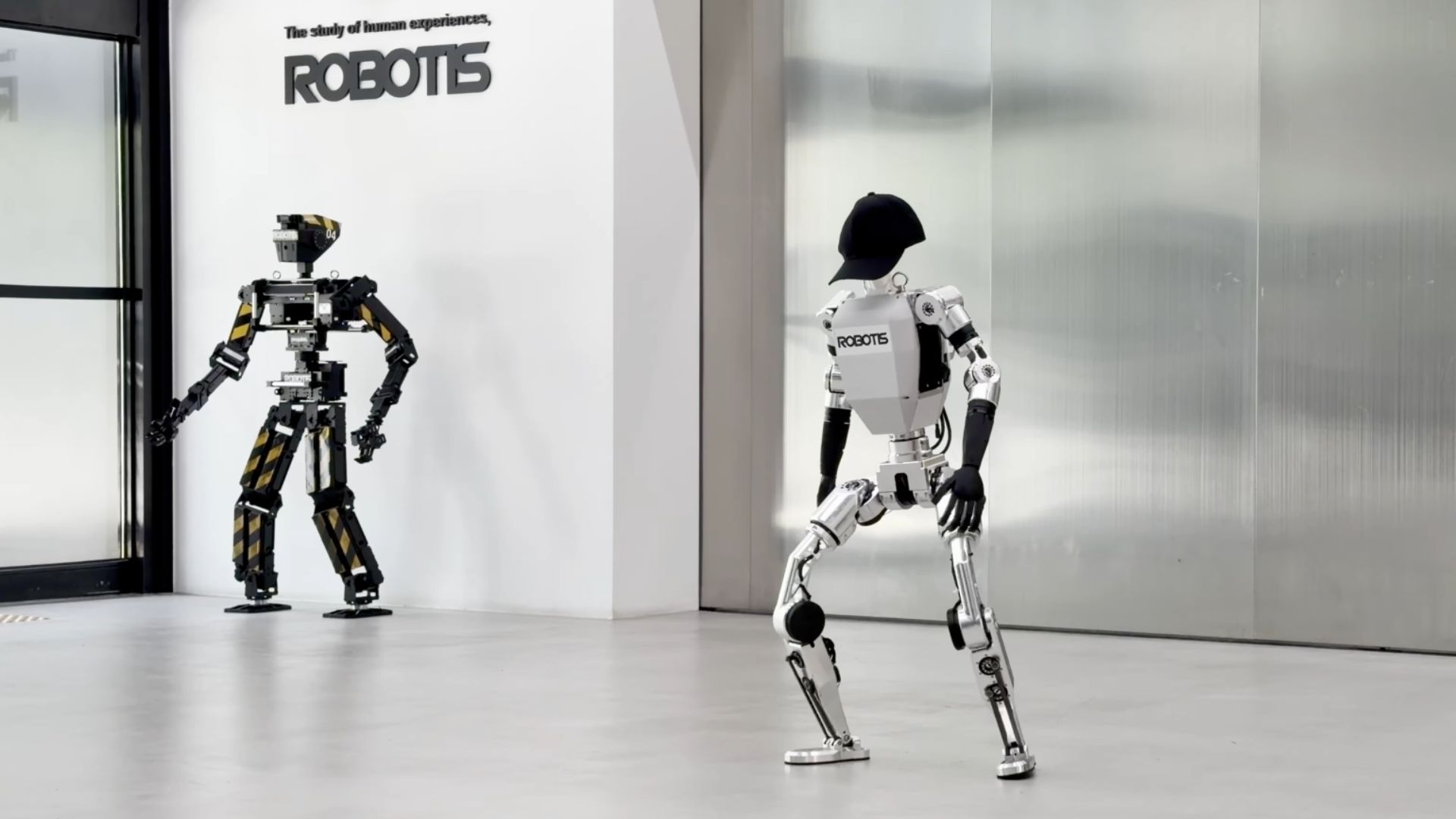
Watch: Korean humanoid robot performs viral K-POP dance, learns by watching videos
A South Korean company has made significant strides in humanoid robotics, recently unveiling a sophisticated humanoid capable of learning complex motions. This development comes amid China's prominent presence in the field of robotics, highlighting the competitive landscape of technological innovation. The demonstration took place at a technology expo in Seoul, where industry leaders gathered to witness advancements in artificial intelligence and robotics. The motivation behind this innovation is to enhance the capabilities of humanoid robots, making them more adaptable and efficient in various tasks. The company achieved this breakthrough by integrating advanced machine learning algorithms, allowing the robot to observe and replicate movements, thereby improving its functionality in real-world applications. This event marks a pivotal moment for South Korea in the global robotics arena, positioning the nation as a key player in the evolution of humanoid technology.
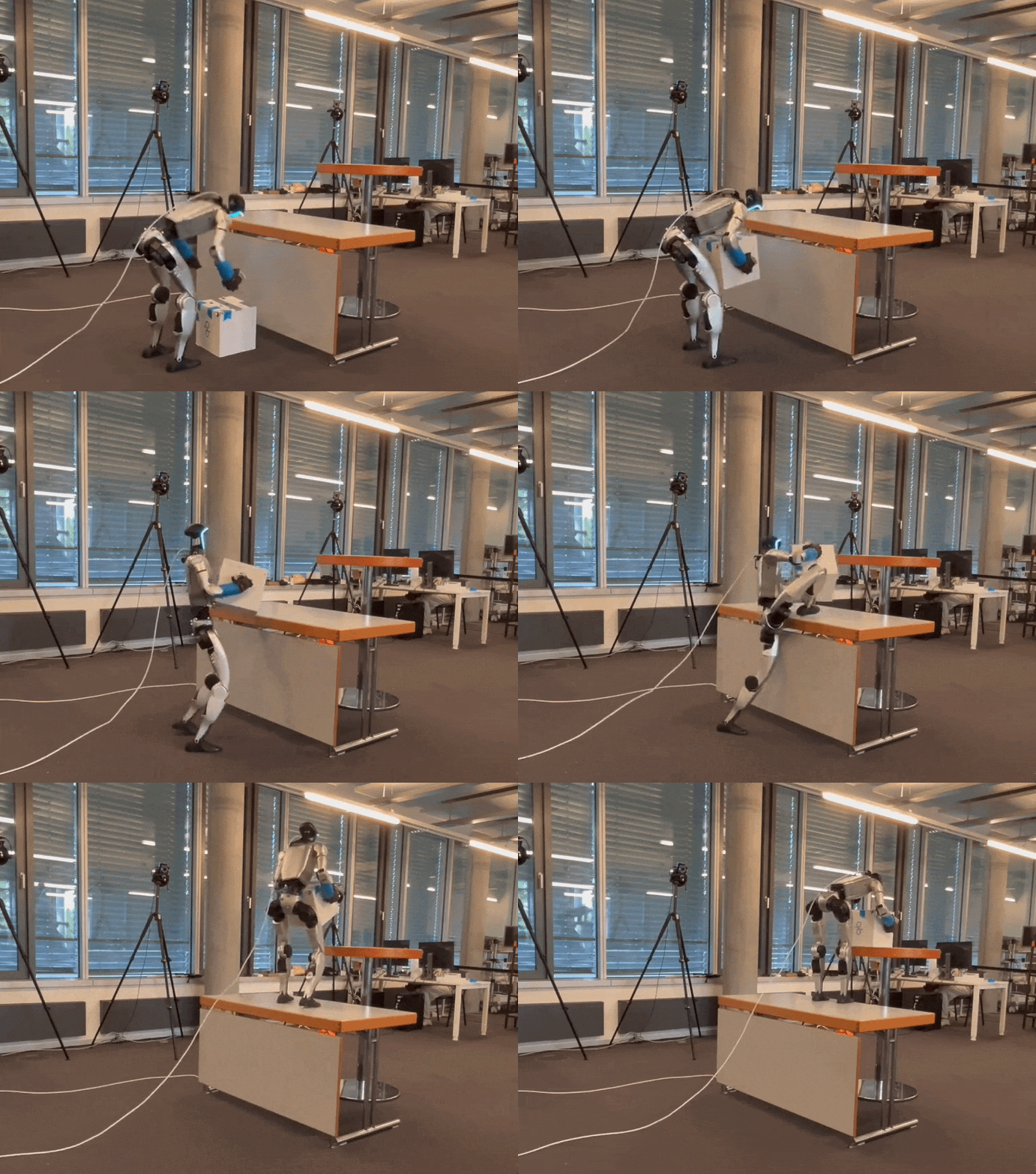
Video Friday: Robotic Motion Discovery Reveals Unusual Behaviors
IEEE Spectrum robotics has released its latest edition of Video Friday, showcasing an array of innovative robotics videos and announcing upcoming events in the field. Notable events include RSS 2026 in Sydney from July 13-17, the Summer School on Multi-Robot Systems in Prague from July 29 to August 4, and Actuate 2026 in San Francisco on August 18-19. Among the featured videos is MotionDisco, a framework that autonomously discovers complex humanoid loco-manipulation motions, highlighting the challenges of coordinating fluid movements across multiple joints. Additionally, the Human Support Robot (HSR) from Toyota is demonstrated in real home environments, assisting residents with daily tasks, showcasing the potential for robots to become long-term companions. Other highlights include the MIDAS Hand, an open-source robotic hand designed for manipulation and research, and a novel flight maneuver by a bipedal robot that showcases advanced aerial control. The European Space Agency shares a timelapse of Dextre, a robotic handyman, efficiently unloading equipment in space, while ROBOTIS introduces AI Sapiens, which learns humanoid motions using just a smartphone camera. In a collaborative effort, LUMOS Robotics has launched Project EDGE, inviting global innovators to explore humanoid robotics, while Sphero emphasizes its educational products designed to nurture computational thinking from early childhood through high school. These developments illustrate the rapid advancements and collaborative spirit within the robotics community.

The Enlightenment World Model tops evaluations in RoboTwin 2.0 and other embodied intelligence tests.
Recently, DaXiao Robotics announced that its Kairos world model has achieved top rankings in several global evaluations focused on embodied intelligence, including RoboTwin 2.0, LIBERO-Plus, WorldModelBench Robot, and DreamGen. This model employs an integrated architecture that combines multimodal understanding, generation, and prediction. In a significant move for the industry, DaXiao Robotics has made the Kairos model open-source, allowing broader access and collaboration in the field of AI-driven video generation and state prediction.

PUDU Robotics releases video showcasing new cleaning robot feature that instantly updates maps, eliminating task resets.
PUDU Robotics has released a video showcasing its cleaning robot's capabilities in a segment titled "Quick On-site Tes" on its official YouTube channel. The video was published on June 12, 2026, highlighting the robot's efficiency and effectiveness in real-time cleaning tasks. This initiative aims to demonstrate the advanced technology behind PUDU's cleaning solutions and their potential applications in various environments. By sharing this content, the company seeks to engage with its audience and promote the benefits of automation in maintaining cleanliness and hygiene.

Beni: The All-Terrain Photography Robot by Former DJI and Tesla Engineers
A new all-terrain photography robot named Beni has been launched, designed to autonomously follow users and capture high-quality moments while navigating obstacles. Weighing 1.75 kg, Beni is equipped with advanced features including 4K video recording, smart tracking technology, and automatic editing capabilities. Priced at $799, this innovative device aims to provide a hassle-free solution for capturing life’s adventures without the need for a human photographer. The introduction of Beni marks a significant advancement in photography technology, appealing to outdoor enthusiasts and content creators seeking convenience and efficiency in their shooting experiences.

NVIDIA Stockholder Meeting Set for June 24; Individuals Can Participate Online
NVIDIA has announced that its 2026 Annual Meeting of Stockholders will be conducted online on June 24, 2026, at 9 a.m. PT. The virtual meeting will be accessible to shareholders via the dedicated website, https://www.virtualshareholdermeeting.com/NVDA2026. This decision reflects the company's commitment to providing a convenient platform for stockholders to engage with corporate governance and participate in discussions regarding the company's future.

Huawei's Young Talent Wang Yuxin Launches New Venture, Secures Millions in First Month: Can Streaming Video Open New Horizons?
Wang Yuxin, a notable figure from Huawei and a key member of Yuanstone Technology, has launched a new venture named Xingjie Intelligent, dedicated to advancing 'streaming video generation.' Within just one month of its inception, the company has successfully raised millions in angel funding. Xingjie Intelligent aims to transform video interactivity by enabling real-time user engagement, thereby surpassing conventional video creation techniques. This innovative strategy is designed to tackle the evolving challenges associated with content creation in interactive environments.

HOVERAir’s UK Launch Raises a Bigger Question: Who Will Serve America’s Consumer Drone Market?
HOVERAir has officially launched its X1 Smart, a lightweight self-flying camera weighing just 99 grams, in the UK. This innovative device is designed to simplify aerial content creation for everyday users by allowing it to launch from the user's hand and automatically follow subjects to capture hands-free video, eliminating the need for traditional piloting skills. The introduction of the X1 Smart marks a significant milestone in HOVERAir's expansion into the UK retail market, raising questions about the future of consumer drone services in America.

DJI Pocket camera has a new Leica-powered rival
Insta360 has launched its latest innovation, the Luna Ultra, a compact gimbal camera designed to compete with DJI's popular Pocket series. Unveiled recently, this ambitious device features a large 1-inch sensor capable of recording in 8K resolution, along with AI-powered tracking and a built-in three-axis stabilization system. The Luna Ultra, co-engineered with Leica, is designed for creators seeking high-quality video capabilities in a portable format, making it easy to carry in a pocket. This release marks a significant step for Insta360 as it aims to capture a share of the market traditionally dominated by DJI.

indie Launches Edge AI SoC to Power Smarter Perception Systems for Automotive and Humanoids
indie, an automotive solutions innovator based in Aliso Viejo, CA, has announced the launch of its next-generation edge AI system-on-chip (SoC), the iND881, designed to enhance smart camera technology for automotive and robotic applications. Unveiled on June 10, 2026, the iND881 integrates an AI compute engine with indie’s advanced low-latency multi-camera image signal processor (ISP), providing an efficient solution for developers. The iND881 is engineered for low power consumption and real-time responsiveness, featuring a Neural Processing Unit (NPU), a versatile Digital Signal Processor (DSP), and a quad-core ARM Cortex-A53 CPU. This architecture is tailored for demanding edge perception tasks, making it particularly beneficial for advanced driver assistance systems, including driver and occupant monitoring and smart mirrors with blind-spot detection. In addition to automotive applications, the iND881 supports robotics and physical AI automation, facilitating accurate sensing and navigation for autonomous mobile robots. The device's capabilities include multi-channel video compression, high-dynamic-range ISP, and compatibility with various sensor modalities such as infrared and LiDAR, ensuring robust performance in complex environments. The iND881 is ASIL-B compliant and automotive qualified, currently available for sampling. It will be showcased at the upcoming AutoSens and InCabin USA 2026 events. Fred Jarrar, indie's senior vice president, emphasized that the launch not only expands their product portfolio but also positions indie as a comprehensive solutions provider in the edge AI market.

Robots are closing in on human-like judgments, addressing a key challenge in physical AI
Researchers at KAIST have made significant strides in advancing the commercialization of physical AI by creating a groundbreaking technology that allows artificial intelligence to autonomously learn human judgment criteria from a limited number of videos. This development, which emerged from ongoing efforts to enhance AI's adaptability and decision-making capabilities, represents a crucial step toward integrating AI more effectively into real-world applications. The innovation was unveiled recently, highlighting the potential for AI systems to better understand and replicate human-like reasoning in various contexts. By streamlining the learning process, this technology could pave the way for more intuitive and responsive AI solutions across multiple industries, ultimately enhancing user interaction and satisfaction.

No-Code Solutions Empower Robotics: Peking University Incubator Secures Millions in Funding
Qian Space, a startup specializing in embodied intelligence, has successfully secured millions in seed funding to advance its development of a no-code platform designed for creating robot motions. This groundbreaking technology enables users to generate intricate robotic movements through natural language or video input, thereby reducing the barriers for non-professionals and broadening the market for humanoid robots. The funding will facilitate the expansion of this innovative platform, which aims to democratize access to robotic technology and enhance user engagement in robotics.

Netflix expands revamped mobile app across Asia and doubles down on kids’ gaming
A leading media conglomerate is actively pursuing growth in its mobile and gaming sectors as part of its strategic expansion efforts. This initiative comes in response to the increasing demand for mobile gaming and digital entertainment, which have seen significant growth in recent years. The company aims to leverage its existing content and technological capabilities to capture a larger share of the market. By investing in new gaming titles and enhancing mobile platforms, the media giant plans to attract a broader audience and boost revenue streams. This move is expected to unfold over the coming months, as the company prepares to unveil new projects and partnerships that align with its vision for a more integrated digital ecosystem.
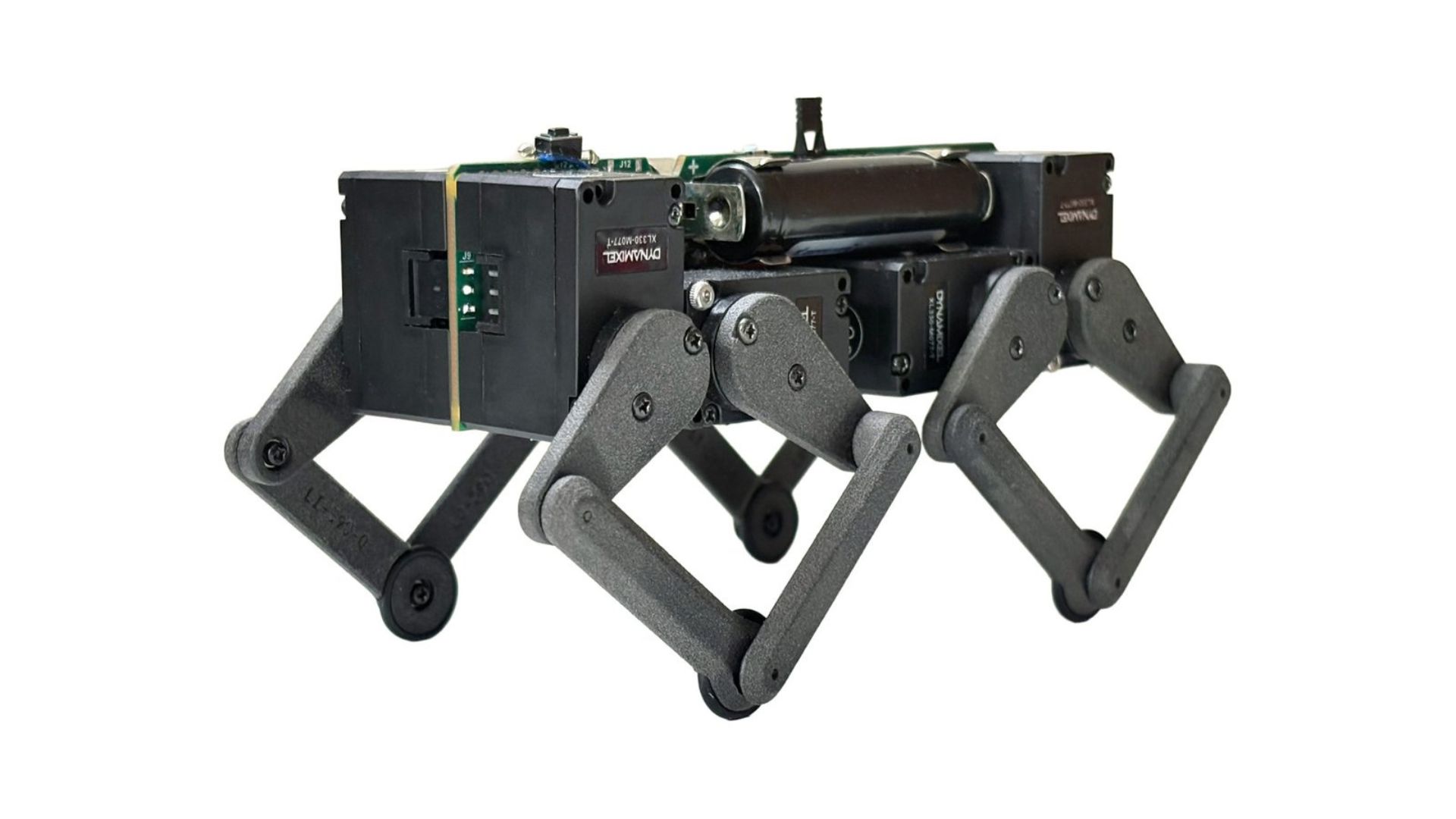
Video: New palm-sized robot with 8 smart actuators can walk, trot, and jump
A new open-source quadruped robot, Q8botOne, has been introduced to the market, designed to offer an affordable and fully assembled robotic platform for enthusiasts and developers. This innovative project was launched recently by a team of engineers and robotics enthusiasts who recognized the growing demand for accessible robotic solutions. The Q8botOne is intended to facilitate learning and experimentation in robotics, making it easier for users to engage with advanced technology without the high costs typically associated with such platforms. The robot is equipped with various features that allow for customization and adaptability, catering to a wide range of applications from education to research. By utilizing open-source software, the developers encourage a collaborative approach, inviting users to contribute to its ongoing improvement and functionality. The initiative aims to democratize access to robotics, fostering innovation and creativity in the field. With its launch, Q8botOne is set to make a significant impact on the robotics community, providing a practical tool for those looking to explore the capabilities of quadruped robots.

Robots learn to anticipate chaos, but still fail to read a decidedly human signal
Researchers at Cornell University are exploring the integration of artificial intelligence into robotics to enhance social intelligence, enabling robots to interpret facial expressions, anticipate human needs, and interact effectively within societal contexts. In a recent study, the team evaluated vision language models (VLMs)—AI systems capable of processing and generating both visual and linguistic data. The research focused on assessing these models' ability to predict outcomes in tense scenarios depicted in short videos, such as a toddler precariously carrying an overflowing mug of coffee. This investigation aims to advance the development of robots that can better understand and respond to human emotions and behaviors, ultimately improving their functionality in everyday environments.

Video Captures Rafale Fighter’s Drone Kill Over Baltic
Recent footage has emerged capturing a Rafale fighter jet successfully engaging and destroying a drone over the Baltic Sea, marking a significant development in NATO's air policing efforts. This incident, believed to be the first of its kind in Europe, highlights the increasing challenges that unmanned aerial vehicles (UAVs) present to military operations in the region. The event underscores the evolving nature of aerial warfare and the necessity for NATO forces to adapt to the growing prevalence of drones in conflict scenarios. As tensions continue to rise in Eastern Europe, this engagement illustrates the strategic importance of maintaining air superiority and the ongoing efforts to counter emerging threats in the skies.

Video: Robot masters air hockey, learns to beat humans without ever touching real table
A group of three students from the University of British Columbia has leveraged their academic knowledge to develop an innovative solution aimed at addressing environmental challenges. Their project, which focuses on sustainable practices, was unveiled during a recent university showcase event held on campus. The students, motivated by a commitment to combat climate change and promote ecological awareness, utilized advanced data analysis and research methodologies to create their initiative. By collaborating with faculty and industry experts, they were able to refine their approach and present a viable strategy that could potentially make a significant impact in the field of environmental sustainability. The initiative not only highlights the students' dedication to their studies but also underscores the importance of integrating academic research with real-world applications to foster positive change.

Video Friday: Watch This Running Robot Not Fall Down Stairs
IEEE Spectrum robotics has released its latest edition of "Video Friday," showcasing a selection of impressive robotics videos and announcing upcoming robotics events scheduled for 2026. Notable events include RSS 2026 in Sydney from July 13-17, the Summer School on Multi-Robot Systems in Prague from July 29 to August 4, and Actuate 2026 in San Francisco on August 18-19. Among the featured videos, a humanoid robot from DEEP Robotics demonstrated remarkable recovery skills, raising questions about the role of luck in robotics. The DARoS Lab shared insights on their MPC-based balance controller, while Generative Bionics revealed their new robot, GENE01, designed and produced in just three months. A significant milestone was achieved by IHMC Robotics with their humanoid robot, Alex, which successfully took its first steps outdoors in preparation for a demonstration in Maryland. Flexiv Robotics introduced the Flexiv MICO, a compact dual-arm system designed for safe collaboration in various workspaces. Additionally, ICRA 2026 showcased CCRobot-S, a team of cable-climbing robots capable of collaboratively inspecting and maintaining bridge cables. Boston Dynamics provided a behind-the-scenes look at how their Atlas robot learned to play football, exploring the possibilities of robotics in sports without biological constraints. These developments highlight the rapid advancements in robotics technology and the ongoing exploration of their capabilities across diverse applications.
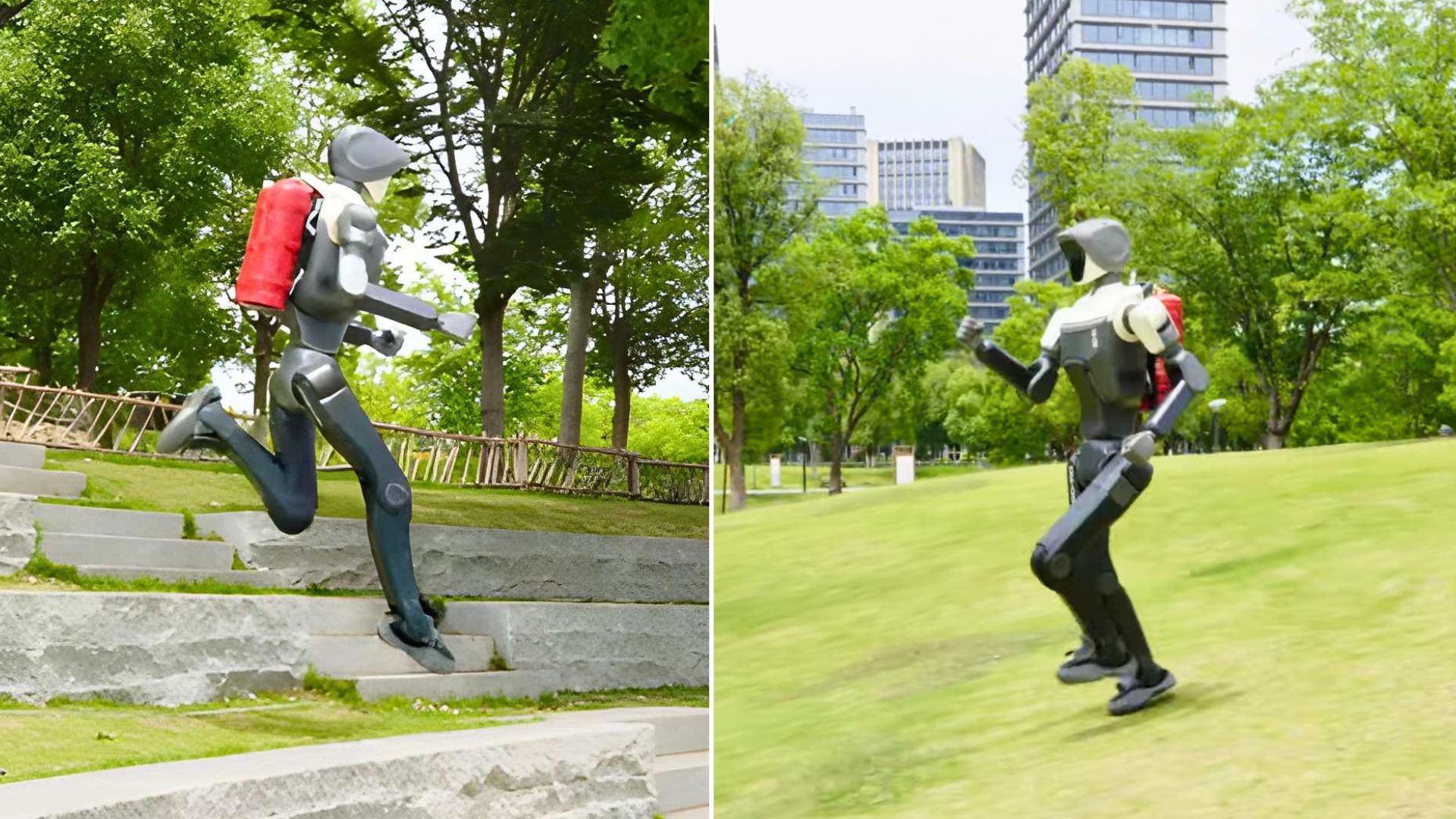
Video: New humanoid robot shows firefighting skills while tackling tough terrain
Deep Robotics, a Chinese robotics company, has unveiled a new video that highlights the advanced capabilities of its latest robotic innovations. The video, released recently, demonstrates the robots' enhanced functionalities and applications in various sectors. This showcase aims to illustrate the company's commitment to pushing the boundaries of robotics technology and to attract potential investors and partners. By presenting these advancements, Deep Robotics seeks to position itself as a leader in the rapidly evolving field of robotics, emphasizing its role in addressing complex challenges across industries.
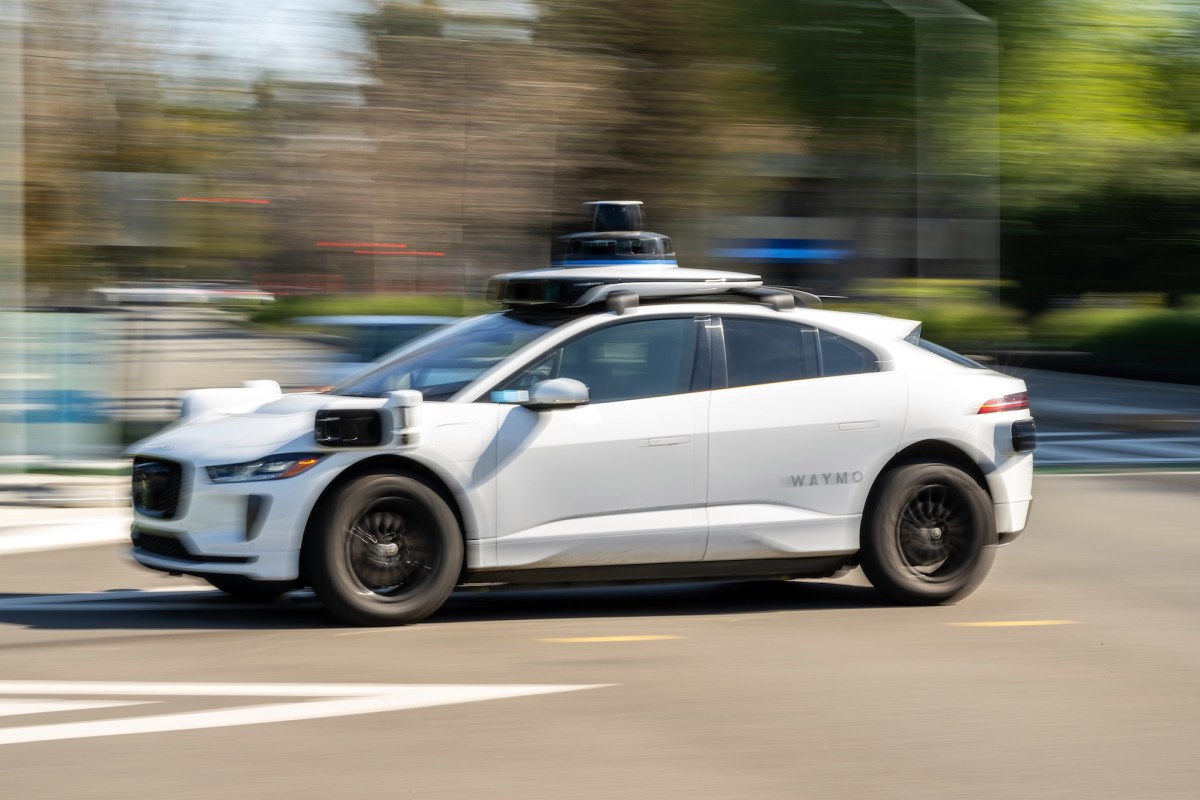
A burglar used a Waymo to steal yoga clothes in San Francisco — and got away with it
Waymo's handling of footage captured by its robotaxis has come under scrutiny following a recent incident that revealed new insights into the company's data management practices. The event, which occurred in October 2023, highlights concerns regarding the storage and treatment of video recordings made by the autonomous vehicles. This situation has prompted discussions about the implications for privacy and data security, as stakeholders seek to understand how such sensitive information is processed and retained. As the conversation unfolds, Waymo faces increasing pressure to clarify its policies and ensure transparency in its operations, particularly in light of growing public interest in the ethical considerations surrounding autonomous technology.

36Kr Exclusive: Four Key Propositions for ByteDance's AI by 2026
ByteDance is setting ambitious goals for its AI initiatives in 2026, focusing on four key areas. The company aims to enhance world model training, targeting performance levels comparable to Google's leading model, Genie 3, by the end of the year. Additionally, ByteDance plans to maintain its leadership in video models while exploring new avenues like dynamic generation. The company is also committed to strengthening its coding capabilities, emphasizing the importance of data feedback and evaluation to improve agent performance, particularly in office applications. Despite recent advancements, including the launch of Seed 2.0 and Seedance 2.0, ByteDance faces challenges in the world model arena, having entered the field later than competitors. The company established a research group in 2025 to explore visual-language-action models and has since set a clear goal for world model development. However, internal assessments indicate that performance still lags behind global standards by approximately 10%. In parallel, ByteDance is accelerating the commercialization of its Doubao platform, which has seen a surge in daily active users, reaching 200 million. The company plans to introduce paid features and enhance its offerings for professional users, particularly in sectors like finance and law. Doubao's strategy includes differentiating itself in the crowded AI tools market and expanding its presence internationally, with a focus on small language markets. As ByteDance navigates these challenges, it aims to leverage its engineering expertise and data resources to emerge as a leader in the evolving AI landscape.

The biggest industry, training hurdles for making drone wingman a reality
In a recent video, experts examined the evolving dynamics of manned-unmanned teaming in military operations, highlighting anticipated shifts for defense manufacturers as the United States increasingly integrates drones into combat scenarios. This analysis comes at a pivotal moment when the U.S. military is actively seeking to enhance its operational capabilities through advanced drone technology. The discussion focuses on how these partnerships between manned aircraft and unmanned systems could reshape defense strategies and manufacturing processes. As the demand for sophisticated drone capabilities grows, manufacturers will need to adapt to new technological requirements and operational frameworks to remain competitive in the defense sector. The insights shared in the video underscore the importance of innovation and collaboration in modern warfare, reflecting a broader trend towards automation and enhanced aerial support in military engagements.

5 Best Audio to Video AI Generators for Modern Content Workflows
The audio to video AI generator sector has become an essential component of contemporary content production, facilitating the conversion of spoken audio, voiceovers, and scripts into cohesive visual narratives. This innovative technology streamlines the content creation process by automating scene generation, timing alignment, and visual selection, thereby eliminating the need for traditional editing methods. As a result, users can produce high-quality content at scale, significantly enhancing efficiency and creativity in various media projects. The advancements in this field reflect the growing demand for automated solutions in content creation, driven by the need for faster turnaround times and increased output in an ever-evolving digital landscape.

Alibaba's Qwen3.7-Plus supports text, video and imagery inputs at low cost of $0.4/$1.6 per 1M token — but it's proprietary
Alibaba has unveiled its latest AI large language model, Qwen3.7-Plus, this week, enhancing its Qwen family with advanced multimodal capabilities and a cost reduction of 60% compared to the previous text-only model, Qwen3.7-Max. Unlike earlier versions, Qwen3.7-Plus is available solely under a closed commercial license through proprietary APIs and Qwen Chat, marking a significant shift from Alibaba's previous strategy of offering open-source models. This change may disappoint users and enterprises, including major U.S. companies like Airbnb, that relied on open-source versions. The new model excels in multimodal tasks, such as generating enterprise-grade visuals and analyzing videos and images, which its predecessor could not perform. With a competitive pricing structure, Qwen3.7-Plus is positioned just above its Chinese competitor's discounted model. It features a 1-million token context window and a unique parameter called 'preserve_thinking,' which helps maintain continuity during complex tasks, a critical need for developers. Despite its advantages, benchmarks indicate that Qwen3.7-Plus still falls short of leading U.S. models in raw capability. However, it is designed to replace high-cost models in developer workflows and robotic process automation, offering a cost-effective solution for enterprises. The model's cloud-based deployment raises compliance concerns for organizations with strict data residency requirements, as it cannot be downloaded or hosted locally. Overall, Qwen3.7-Plus presents a compelling option for enterprises seeking efficient, multimodal AI solutions without incurring high operational costs.

Royal Navy deploys Defender mine-hunting robot for Strait of Hormuz operations
The Royal Navy is set to deploy the Video Ray Defender, an advanced autonomous underwater robot, as part of its ongoing efforts to enhance maritime security. This deployment is scheduled for later this month, with operations taking place in various strategic locations to bolster surveillance and reconnaissance capabilities. The initiative aims to address increasing concerns over underwater threats and improve response times in maritime operations. By utilizing cutting-edge technology, the Royal Navy intends to streamline underwater missions, allowing for more efficient data collection and analysis. The introduction of the Video Ray Defender marks a significant step in the Royal Navy's modernization efforts, reflecting a commitment to incorporating innovative solutions in national defense strategies.

JAKA Unveils 1.22m Humanoid Robot 'Pi Zai' Ahead of Children's Day
As Children's Day approaches, JAKA's humanoid robot, known as 'π仔', has gained significant attention online following the release of a video demonstrating its playful interactions with children. Standing at 1.22 meters tall, the robot is specifically designed for public service and educational settings, highlighting the increasing consumer interest in life-like robots that enhance everyday experiences. JAKA, leveraging its expertise in collaborative robotics, aims to fulfill the growing demand for intelligent companions that can engage with users in meaningful ways.

How Many Security Cameras Does Your Philadelphia Business Actually Need?
In Philadelphia, many business owners are taking a haphazard approach to security, often relying on vague vendor recommendations that can lead to costly oversights. Typically, they might call a vendor who suggests starting with a basic setup, such as four cameras, without considering the specific needs of their premises. This method can result in significant vulnerabilities, particularly highlighted when a break-in exposes areas that were inadequately monitored. Experts emphasize that effective security solutions are not universal; they must be tailored to the unique layout and requirements of each building. As crime rates fluctuate, the importance of a customized security strategy has become increasingly clear, prompting business owners to rethink their approach to safeguarding their properties.

Zero Zero Robotics Launches Hover AQUA, the World's First Fully Waterproof Flying Camera
Zero Zero Robotics has introduced the Hover AQUA, a groundbreaking flying camera specifically engineered for water sports enthusiasts. This innovative device boasts an IP67 rating for dust and water resistance, ensuring it can withstand harsh aquatic environments. Weighing under 250 grams, the Hover AQUA is designed with positive buoyancy, allowing it to take off from and land directly on water. Additionally, it offers impressive video capabilities, recording in 4K resolution at 100 frames per second. The launch of this unique camera marks a significant advancement in aerial photography technology, catering to the growing demand for high-quality imaging in water-based activities.

X2robot Unleash 'Game-Changer': Wall-WM Redefines World Model Paradigms with Event-Level Thinking
X2robot has unveiled Wall-WM, a groundbreaking 'event-level' world model that redefines conventional approaches to video-action learning. This innovative model conceptualizes 'events' as the smallest semantic units, effectively integrating text, vision, and action to improve training and performance outcomes. By addressing previously overlooked discrepancies among different modalities, Wall-WM is poised to drive substantial advancements in the fields of robotics and artificial intelligence. The introduction of this technology marks a significant milestone in enhancing the capabilities of AI systems, potentially transforming how machines learn from and interact with their environments.
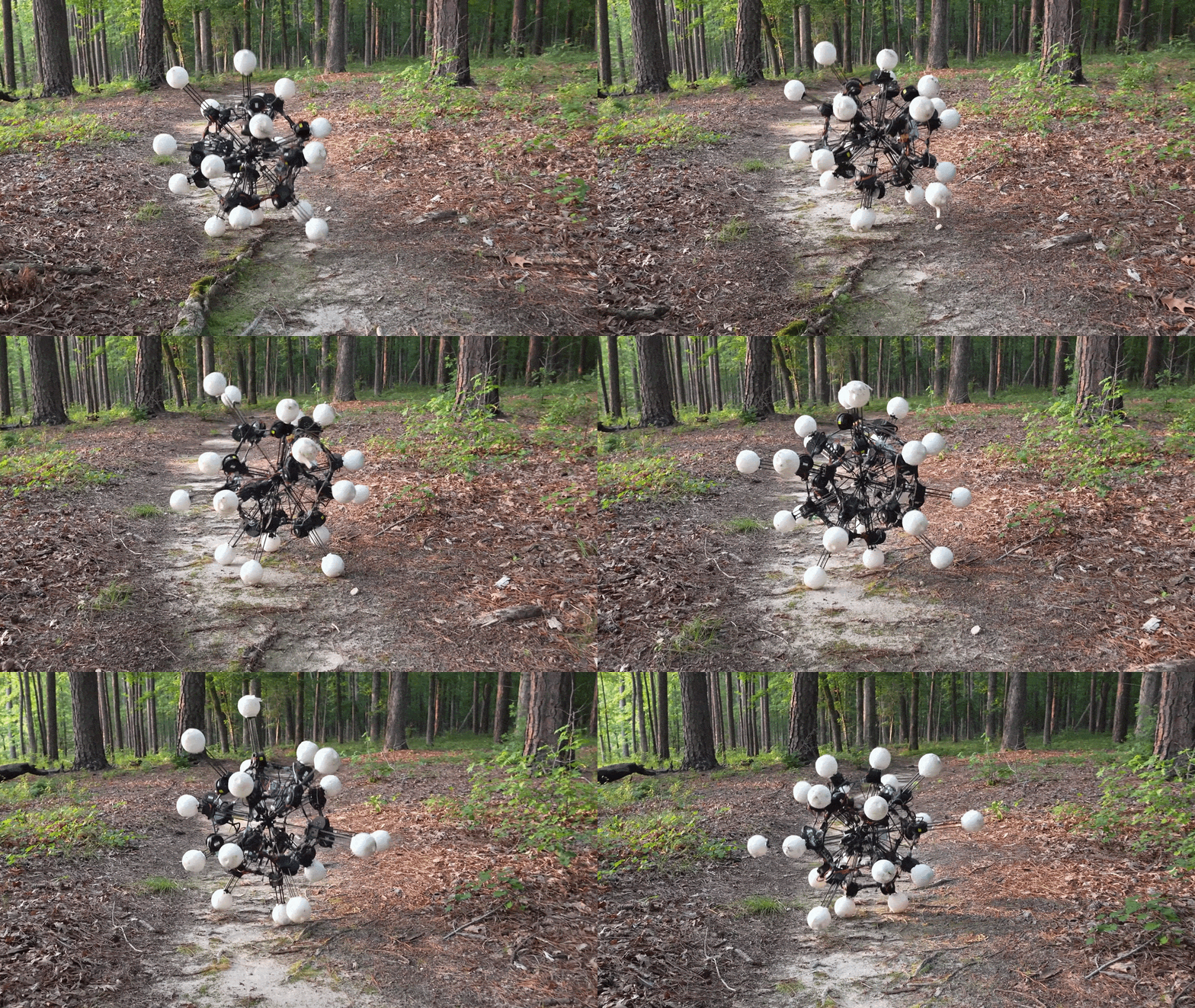
Video Friday: Extreme Omnidirectional Robot
IEEE Spectrum robotics has released its latest edition of "Video Friday," showcasing a variety of innovative robotics videos that highlight the growing integration of robots into daily life. The weekly roundup includes a calendar of upcoming robotics events, such as the International Conference on Robotics and Automation (ICRA) scheduled for June 1-5, 2026, in Vienna, and the Robotics Summer School on Multi-Robot Systems from July 29 to August 4, 2026, in Prague. Among the featured videos, one introduces the Eco-Score for Robots, a new framework aimed at assessing the environmental impact of robotic systems, akin to eco-labels in other industries. Another video demonstrates advancements in robotic manipulation, showcasing AthenaZero's ability to juggle using multi-fingered hands, while a collaboration between the University of Texas and Sony Group Corporation presents the ARISTO hand, designed for delicate object manipulation. Additionally, the segment includes insights from Kacper Nowicki, CEO of Nomagic, who discussed the ongoing debate between humanoid and purpose-built robots at the Web Summit in Vancouver. As robots continue to evolve, these developments raise important questions about their performance, cost, and sustainability in various applications.

Tech companies desperately want to film you doing chores
This week, Shift, an AI training startup, announced its initiative to offer free home cleaning services to residents of New York City. The company aims to gather video footage of the cleaning process to enhance its AI training data. Shift plans to expand this service to other cities, including London, as part of its growth strategy. While the offer may appeal to many, potential users should be aware that their participation involves providing the company with recorded footage of their homes during the cleaning.

Incredible videos show Blue Origin rocket explosion could be seen from hundreds of miles away
On the evening of May 28, Blue Origin's New Glenn rocket experienced a catastrophic explosion during a testing phase, sending flames and debris soaring into the sky. The incident was visible from extensive areas across Florida, drawing attention from residents and observers alike. The explosion highlights the challenges faced in the development of new space launch vehicles, as Blue Origin continues to work towards advancing its capabilities in the competitive aerospace industry. The company has not yet disclosed the specific cause of the failure, but such testing phases are critical for identifying potential issues before future launches.
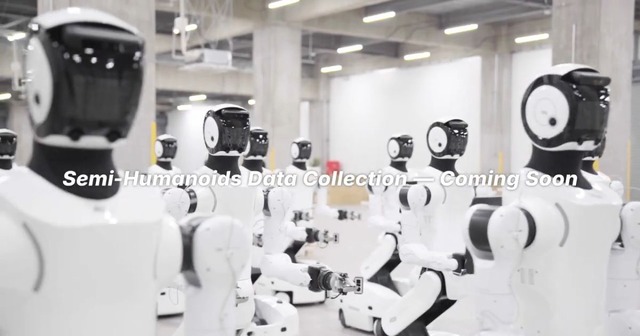
AIRoA collects 80,000 hours of robot operation data through industry-academia collaboration for physical AI infrastructure.
The AI Robot Association (AIRoA) released a YouTube video on May 29, 2026, showcasing a groundbreaking initiative titled "A Massive Collaborative Physical AI Data Initiative." The video highlights the ongoing operations of robots across various universities and research institutions, illustrating the accumulation of a global data infrastructure. This initiative aims to enhance the development of artificial intelligence by creating a comprehensive database that supports collaborative research and innovation in robotics. Through this project, AIRoA seeks to foster advancements in AI technology and improve its applications in real-world scenarios.
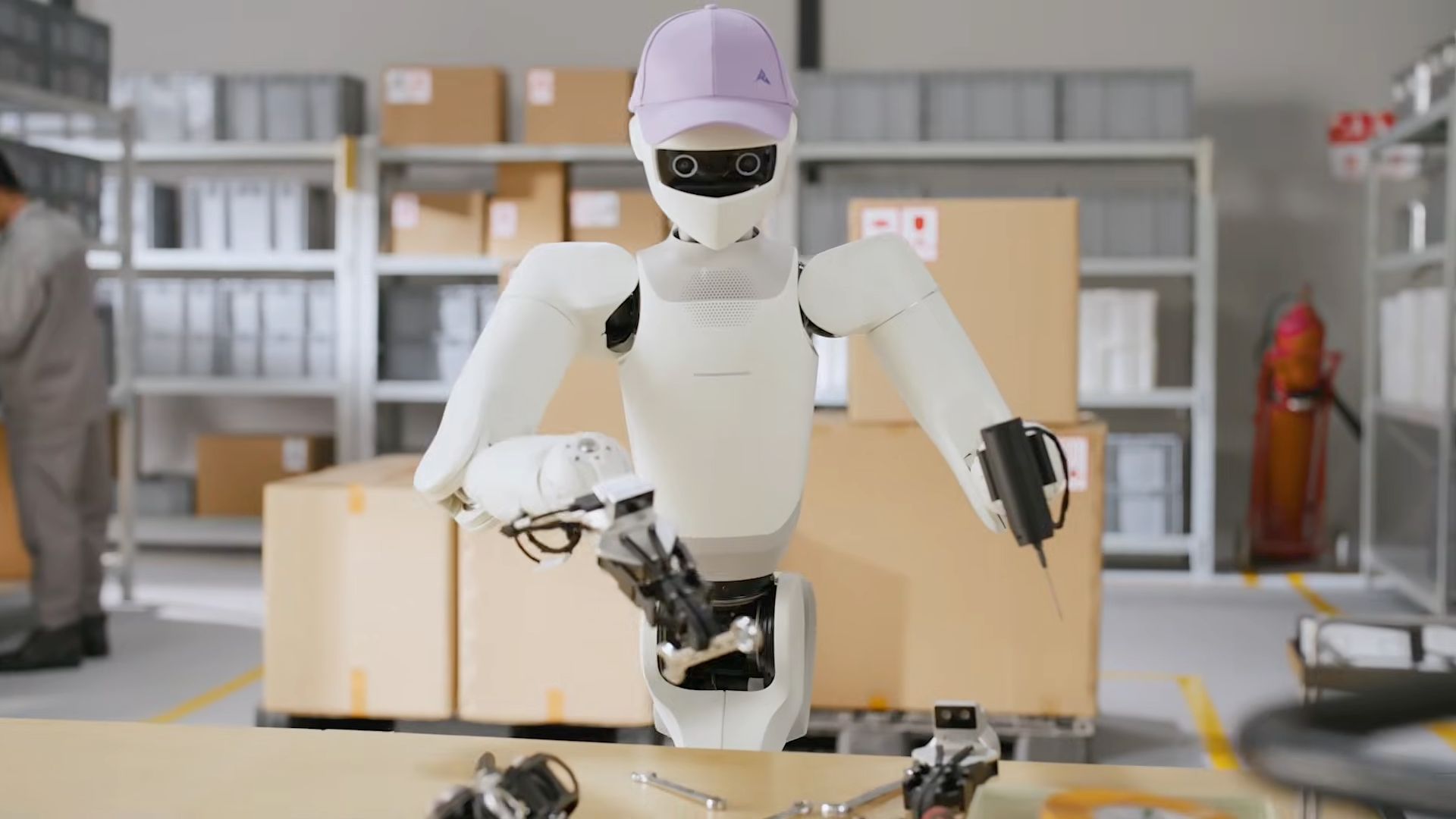
Video: New $13K humanoid from China aims to widen access to advanced robotics
Chinese robotics startup Astribot, also known as Stardust Intelligence, has recently introduced one of the country’s most advanced humanoid robots. The unveiling took place during a technology expo in Beijing on October 15, 2023. This innovative robot, designed for various applications including healthcare and customer service, aims to enhance efficiency and support human workers in multiple sectors. Astribot's motivation behind this development stems from the growing demand for automation and intelligent solutions in China’s rapidly evolving economy. The company has invested significant resources in research and development to create a robot that not only mimics human movements but also integrates artificial intelligence for improved interaction and problem-solving capabilities. The launch event showcased the robot’s features, including its ability to recognize faces, respond to voice commands, and perform complex tasks. Demonstrations highlighted its potential to assist in environments such as hospitals and retail spaces, where it can alleviate workloads and improve service delivery. As the robotics industry continues to expand, Astribot aims to position itself as a leader in the field, contributing to the broader trend of integrating advanced technology into everyday life. The introduction of this humanoid robot marks a significant milestone in China's pursuit of innovation and technological advancement.

New Counter-Drone Optimized Pantsir Air Defense System Being Deployed Atop Skyscrapers In Moscow
A video has emerged depicting the airlift of a Pantsir-SMD-E air defense system onto a skyscraper in Moscow, highlighting Russia's efforts to bolster its defenses against escalating drone attacks from Ukraine. This deployment reflects the growing concern in the Russian capital regarding the threat posed by Ukrainian drones, prompting the government to enhance its military capabilities in urban areas. The strategic placement of the Pantsir system atop high-rise buildings aims to provide a more effective response to aerial threats, showcasing a proactive approach to national security amidst ongoing conflict.
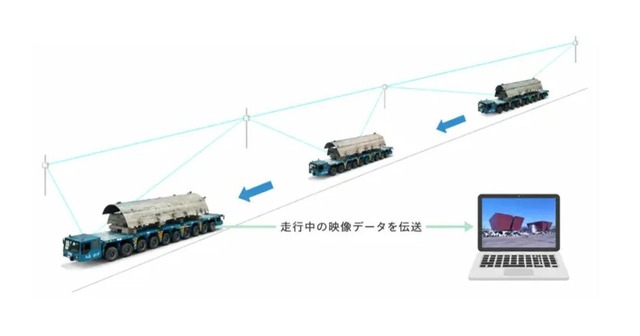
AiTrax tests mesh Wi-Fi for stable communication in AGVs and drone fleets at shipyard.
AiTrax Inc. has successfully achieved real-time video transmission via Wi-Fi access points mounted on large component transport vehicles. This milestone was reached during operations at the Imari facility of Namura Shipbuilding in Saga Prefecture. The demonstration took place from March 16 to March 18, 2026, showcasing the company's innovative technology aimed at enhancing logistics and operational efficiency in industrial settings. The successful implementation of this technology is expected to streamline processes and improve communication within manufacturing environments.
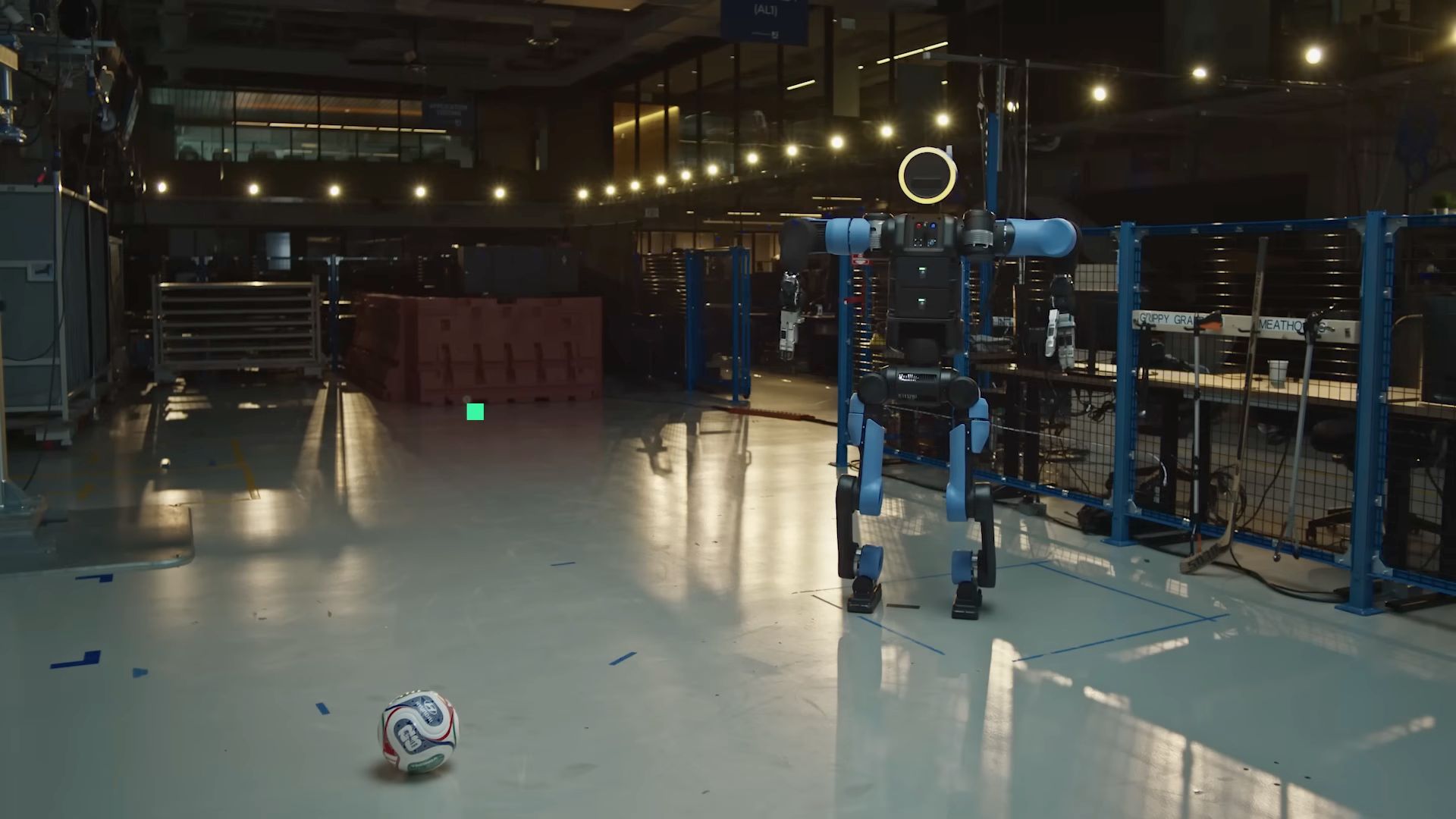
Video: Atlas humanoid robot learns soccer skills from World Cup game footage
Boston Dynamics has unveiled a new video featuring its Atlas humanoid robot, showcasing its advanced capabilities in preparation for the 2026 World Cup. Released recently, the video highlights the robot's agility and precision as it performs a series of complex movements, including running, jumping, and navigating obstacles. This demonstration aims to illustrate the potential applications of robotics in sports and entertainment, particularly as the world gears up for the highly anticipated tournament. The release comes as part of Boston Dynamics' ongoing efforts to push the boundaries of robotic technology and its integration into various fields. By showcasing Atlas's skills, the company hopes to inspire innovation and spark discussions about the future role of robots in athletic events and beyond.
How the US, allies and adversaries see the future of drone wingmen
The third installment of a video series examining manned-unmanned teaming highlights the evolution of this concept within the US defense industry and its adoption by military forces worldwide. The video explores the advancements in technology and strategic thinking that have shaped the integration of manned and unmanned systems, emphasizing the collaborative potential these partnerships offer in modern warfare. Released in October 2023, the series aims to inform military professionals and policymakers about the ongoing developments and implications of this innovative approach to defense operations. By showcasing various case studies and expert insights, the video underscores the necessity of adapting to new technologies to enhance operational effectiveness and maintain a competitive edge in global military engagements.