Search Result for: 231/detail/65.html

Tesla reveals details of 17 ‘Robotaxi’ crashes: New safety concerns emerge
Tesla has distinguished itself in the autonomous vehicle sector by maintaining a significant advantage over its competitors through its innovative approach to self-driving technology. Over the past few months, the company has focused on refining its software and hardware capabilities, which has allowed it to enhance the performance and safety of its vehicles. This commitment to advancement comes amid increasing competition in the market, as other companies ramp up their efforts to develop and deploy autonomous driving solutions. The company’s latest updates, released in October 2023, showcase improvements in navigation and obstacle detection, further solidifying Tesla's position as a leader in the industry. These enhancements are part of Tesla's broader strategy to not only meet regulatory standards but also to exceed consumer expectations for safety and reliability in autonomous driving. As the demand for self-driving vehicles continues to grow, Tesla's proactive measures in technology development and its emphasis on real-world testing have set it apart from its rivals. The ongoing evolution of its autonomous systems reflects the company's dedication to innovation and its goal of making self-driving cars a mainstream reality.
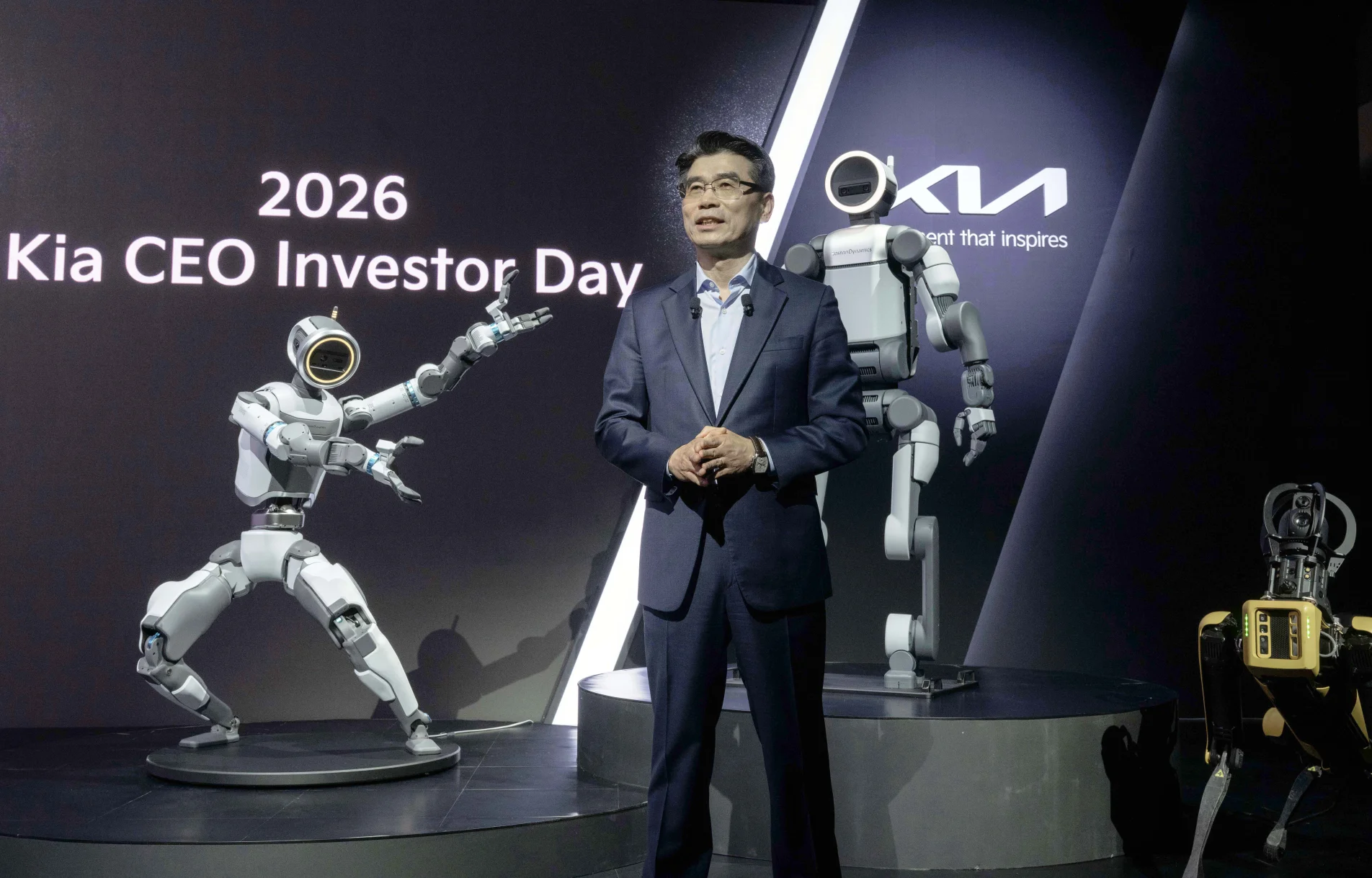
The Blueprint for a Bipedal Workforce: Kia Details Atlas Deployment Roadmap
During its 2026 CEO Investor Day, Kia unveiled an ambitious plan for the future of robotics, highlighting the full-scale industrial deployment of Boston Dynamics’ Atlas robot, set to commence in 2028. The company aims to integrate this advanced technology into a multi-modal logistics solution that will work in conjunction with its next-generation electric vans. This strategic initiative reflects Kia's commitment to enhancing operational efficiency and innovation in the automotive and logistics sectors, positioning itself at the forefront of technological advancement in the industry.

Foundation Robotics CEO Details Ukraine Pilot, "Super-Heavy" Phantom 2, and Rejection of Companion Bots
In a recent podcast, Sankaet Pathak, CEO of Foundation Robotics, discussed the company's strategic focus, highlighting an equal division between defense and commercial projects. He announced the launch of a pilot program in Ukraine, which aims to enhance operational capabilities in challenging environments. Additionally, Pathak hinted at the upcoming release of the ruggedized Phantom 2, designed to withstand harsh conditions. This initiative reflects Foundation Robotics' commitment to innovation in both military and civilian sectors, addressing the growing demand for advanced robotics solutions.
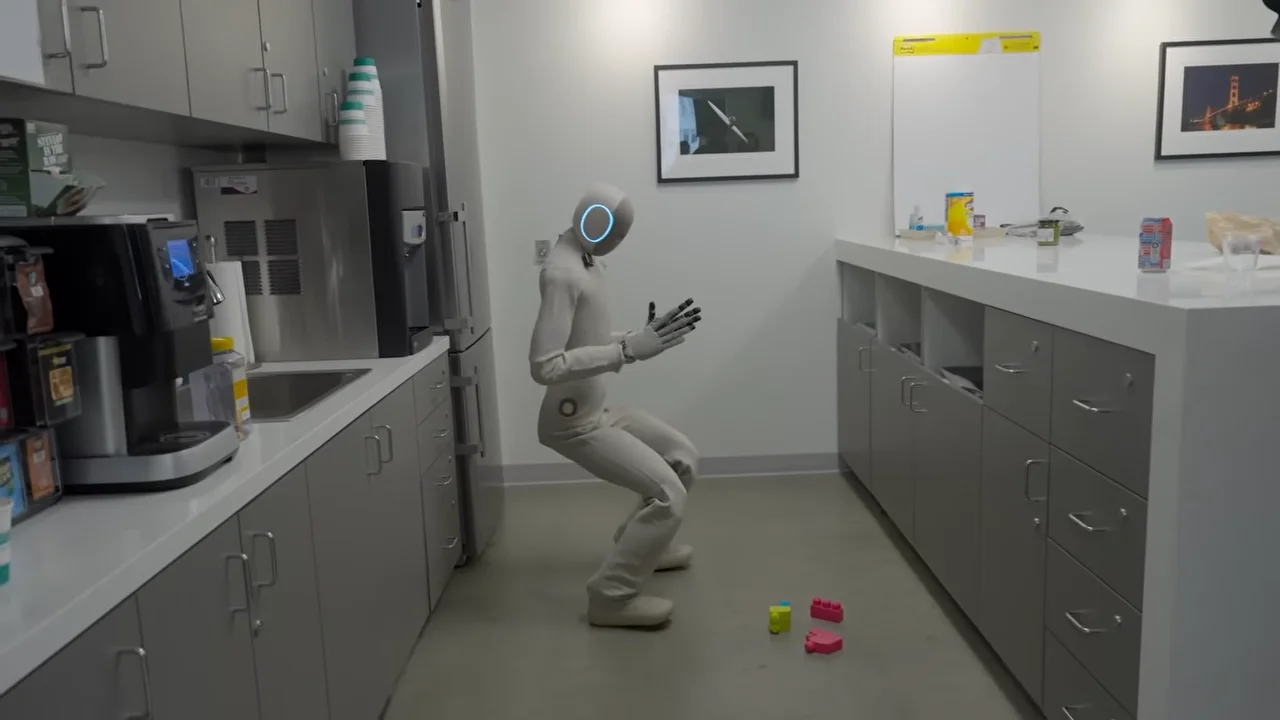
1X CEO Details NEO's 'Two Modes' and Defends Teleoperation as 'More Secure' than a Cleaner
In a recent interview, Bernt Børnich, CEO of 1X, defended the company's NEO robot, emphasizing its human-in-the-loop model and drawing comparisons to industry leaders such as Waymo and ChatGPT. Børnich explained that the NEO operates in "two modes," highlighting its adaptability and responsiveness. He also introduced new privacy controls designed to enhance user security and trust in the technology. Looking ahead, Børnich expressed optimism about achieving full autonomy for the NEO by 2027, outlining a strategic timeline for the robot's development and deployment. This vision reflects 1X's commitment to advancing robotics while addressing concerns about privacy and operational efficiency.

Figure CEO Escalates Critique of Tele-op Demos, Details Split from OpenAI
In a recent interview, Brett Adcock, CEO of Figure, reaffirmed his company's commitment to an "autonomy-first" strategy, positioning it as a leader in robotics AI. Adcock criticized competitors' reliance on tele-operated demonstrations, labeling them as "deceiving" and emphasizing that Figure's technology surpasses that of former partner OpenAI. This statement highlights Figure's confidence in its innovative approach to robotics, aiming to establish a clear distinction in the rapidly evolving industry. Adcock's remarks come as the company seeks to solidify its market presence and showcase its advancements in autonomous technology.

Google DeepMind Robotics Head Details 'Surprising' Cross-Embodiment AI, Calls Home 'The Hardest Environment'
In a recent interview, Carolina Parada from Google DeepMind highlighted the innovative features of Gemini Robotics 1.5, particularly its unique 'agentic' two-part brain. Parada emphasized the robot's impressive capability to transfer skills across different robotic platforms, showcasing a significant advancement in robotics technology. She also expressed her belief that the home environment represents one of the final frontiers for the application of such technology, suggesting a future where robots could play an integral role in daily household tasks. This discussion sheds light on the ongoing developments in robotics and the potential for transformative impacts in personal living spaces.
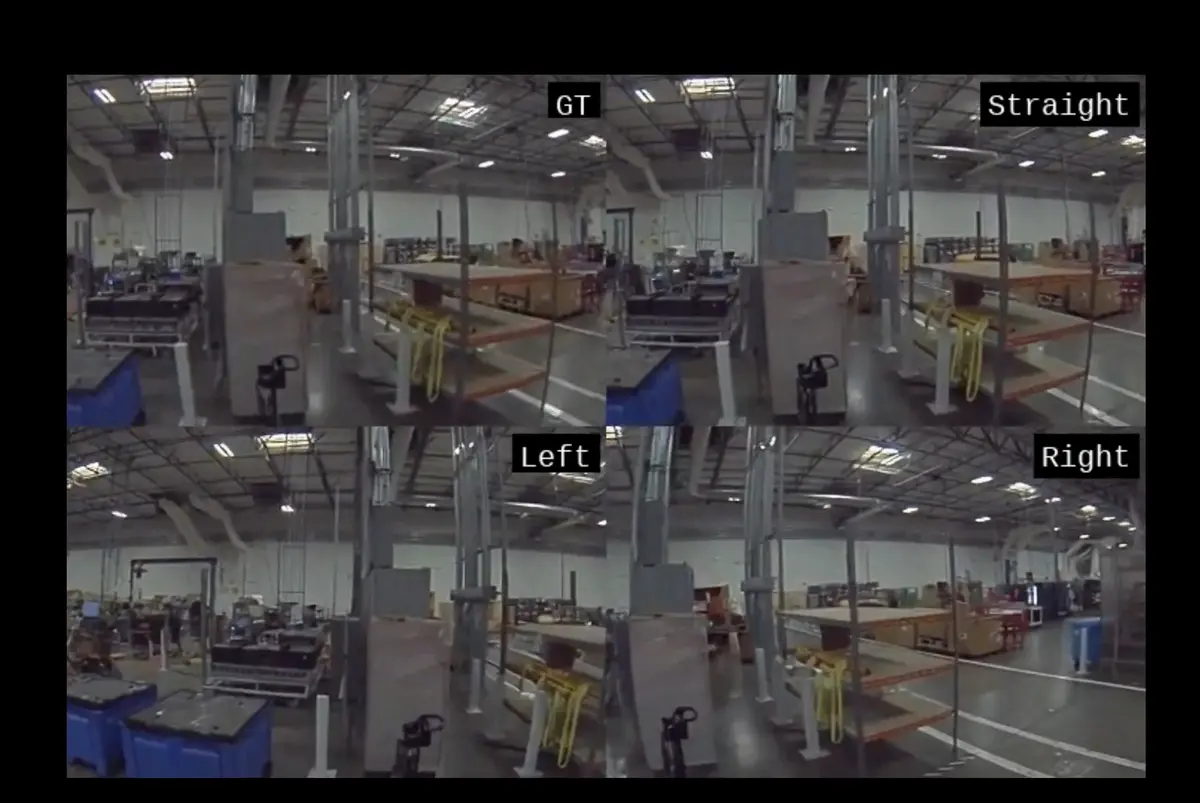
Tesla AI Chief Details Unified 'World Simulator' for FSD and Optimus
In a recent technical deep-dive, Ashok Elluswamy, Tesla's Vice President of AI and the lead for the Optimus project, unveiled the company's comprehensive neural network strategy for its Full Self-Driving (FSD) technology. During the presentation, Elluswamy confirmed that the same "neural world simulator" and underlying architecture utilized for FSD will be adapted for Tesla's humanoid robot, Optimus. This development highlights Tesla's commitment to integrating advanced AI capabilities across its product lines, aiming to enhance the functionality and efficiency of both autonomous vehicles and robotics. The announcement underscores the company's innovative approach to AI, which is expected to play a pivotal role in the future of transportation and automation.

'Don't Send a Marine, Send a Robot': Foundation Co-Founder Details Military Pitch for Humanoids
In a recent television interview, Mike LeBlanc, co-founder of Foundation and a former Marine, highlighted the company's commitment to developing humanoid robots specifically for defense purposes. He described these robots as autonomous ground drones intended to take on perilous tasks traditionally performed by soldiers. This military-oriented strategy emerges as Foundation, under the leadership of the controversial former Synapse CEO Sankaet Pathak, intensifies its efforts to establish a foothold in the competitive robotics industry.
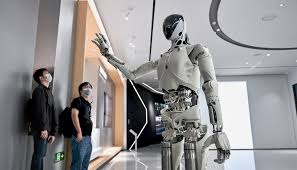
Geely’s Zeekr reveals details behind its sibling to Waymo’s robotaxi
The Zeekr Mix, a compact and aesthetically appealing vehicle, has made its debut as the first production model utilizing Geely’s innovative SEA-M platform. This platform is also being employed in the latest robotaxi prototype developed by Waymo, the autonomous driving division of Alphabet. The introduction of the Zeekr Mix marks a significant step in the collaboration between Geely and Waymo, showcasing advancements in electric vehicle technology and self-driving capabilities. This vehicle aims to cater to a growing demand for eco-friendly transportation solutions while leveraging cutting-edge automation features. The launch of the Zeekr Mix highlights the ongoing evolution of the automotive industry, where traditional manufacturing is increasingly intertwined with technological innovation.

SoftBank to Enhance Store Management with AI and Autonomous Robots in Seven & i Investment Talks
SoftBank is reportedly in discussions to invest in Seven & i Holdings, focusing on enhancing store management through its proprietary AI technology. The investment aims to integrate autonomous robots into the retail operations, potentially transforming customer service and inventory management. Specific figures regarding the investment or timeline for implementation were not disclosed at the time of publication. This initiative is significant as it aligns with the growing trend of utilizing AI and robotics in retail to streamline operations and improve efficiency. By leveraging its in-house AI capabilities, SoftBank seeks to address challenges in store management, which can lead to better resource allocation and enhanced customer experiences. The integration of autonomous robots could also reduce labor costs and improve operational accuracy. Looking ahead, industry observers will be keen to see how this potential investment unfolds and its impact on Seven & i's operations. The timeline for the rollout of AI and robotic solutions remains unclear, with no further details disclosed at this time. Stakeholders will monitor developments closely as the retail sector continues to evolve with technology adoption.
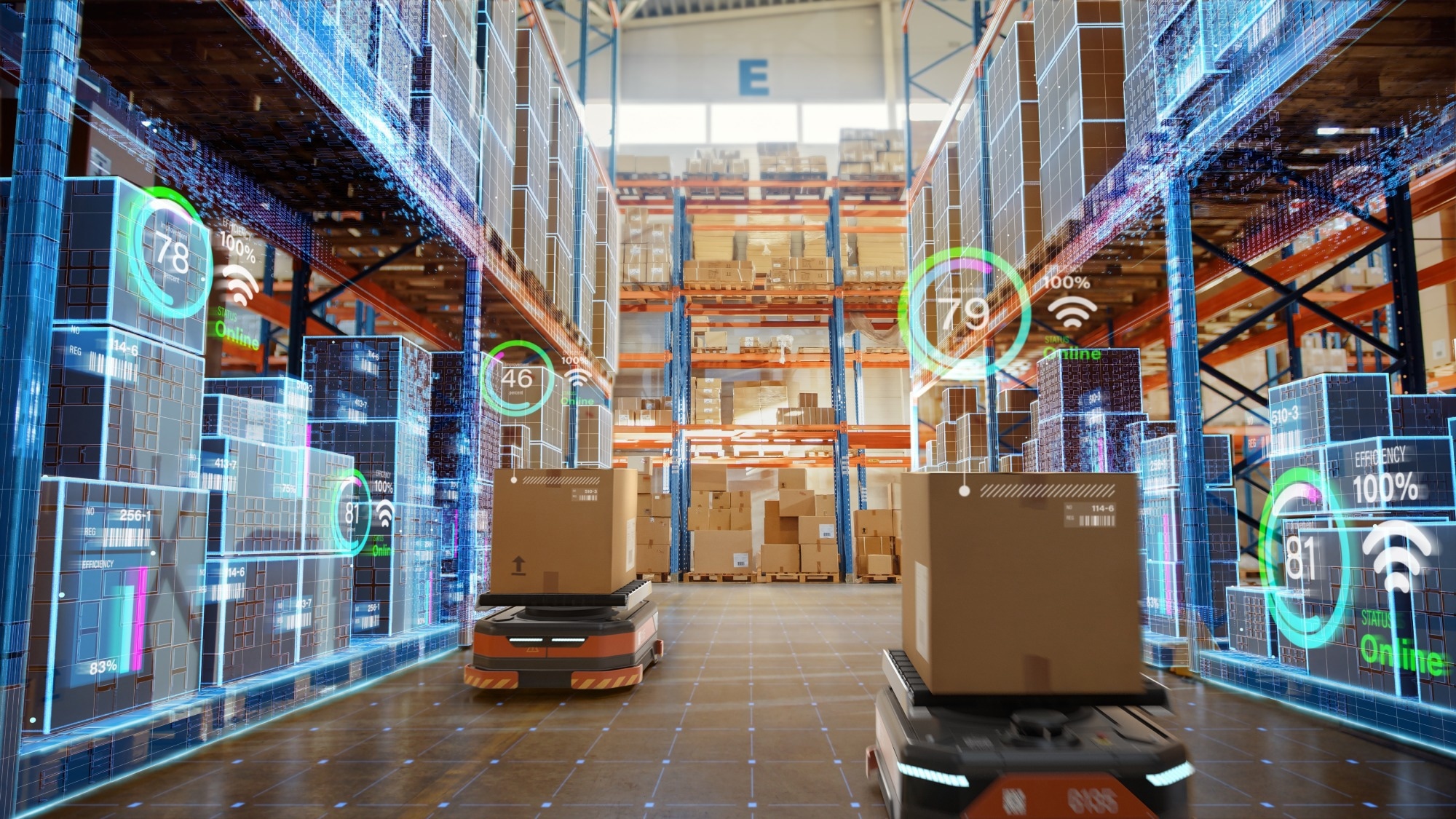
New AI Framework Helps Robots Answer Spatiotemporal Questions
DAAAM has made significant advancements in enhancing the spatiotemporal capabilities of autonomous systems by integrating real-time 4D scene graphs with detailed language descriptions derived from video input. This innovative approach aims to improve how autonomous systems perceive and interact with their environments, allowing for more sophisticated decision-making processes. The integration of 4D scene graphs enables these systems to understand complex spatial and temporal relationships, while the incorporation of rich language descriptions provides context and clarity to the visual data. This development is expected to have wide-ranging applications in various fields, including robotics, autonomous vehicles, and smart surveillance systems, ultimately leading to more efficient and effective autonomous operations.
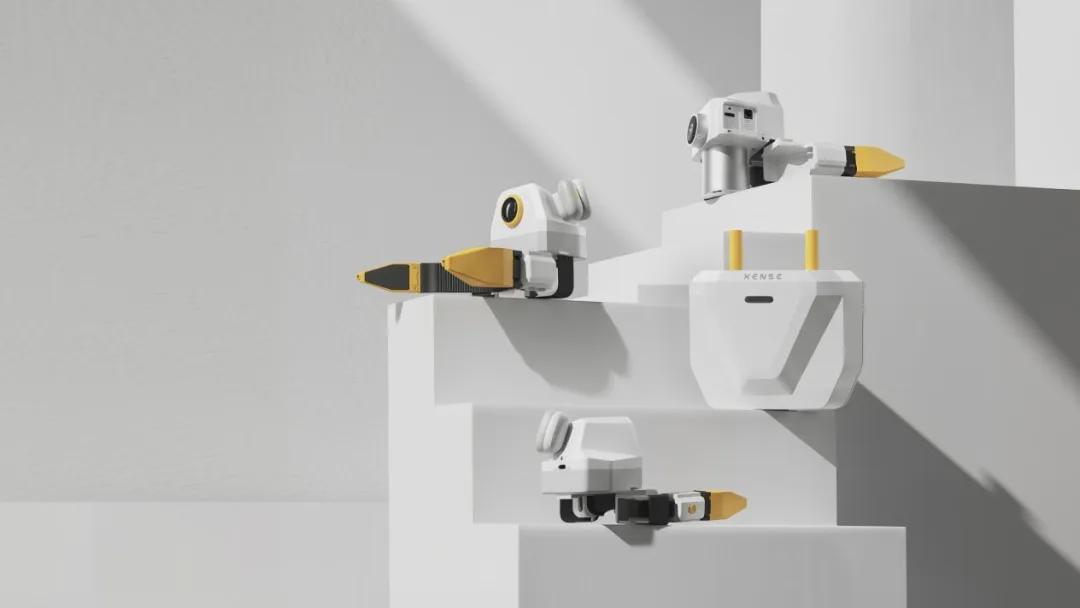
Tactile Data Competition Begins: Qianjue's Gripper Transforms Robot Training
Qianjue Robotics has unveiled the XTac UMI G1, a groundbreaking wearable multi-modal data collection gripper aimed at addressing the challenges of embodied intelligence in robotics. The introduction of this innovative device comes in response to the industry's pressing need for high-quality tactile data, which is essential for training robots to perform complex tasks in real-world environments. By capturing detailed interaction data, the XTac UMI G1 seeks to bridge the existing gap between visual data and physical interaction, thereby enhancing the capabilities of robots. This development marks a significant step forward in improving robotic performance and adaptability in various applications.

Tesla Optimus Battery Life & Runtime (2026): kWh, Hours & Power Source
Tesla's Optimus robot, powered by a 2.3 kWh battery, is designed to operate for approximately eight hours on a single charge. This innovative technology, which is set to be fully detailed in specifications for 2026, showcases advancements in runtime and power efficiency. The robot's self-charging capabilities further enhance its functionality, making it a significant development in the field of robotics. As Tesla continues to push the boundaries of automation, the Optimus robot represents a key step in the company's vision for integrating artificial intelligence into everyday tasks. The information regarding its performance and specifications is expected to be released in the coming years, reflecting Tesla's commitment to innovation and sustainability in technology.
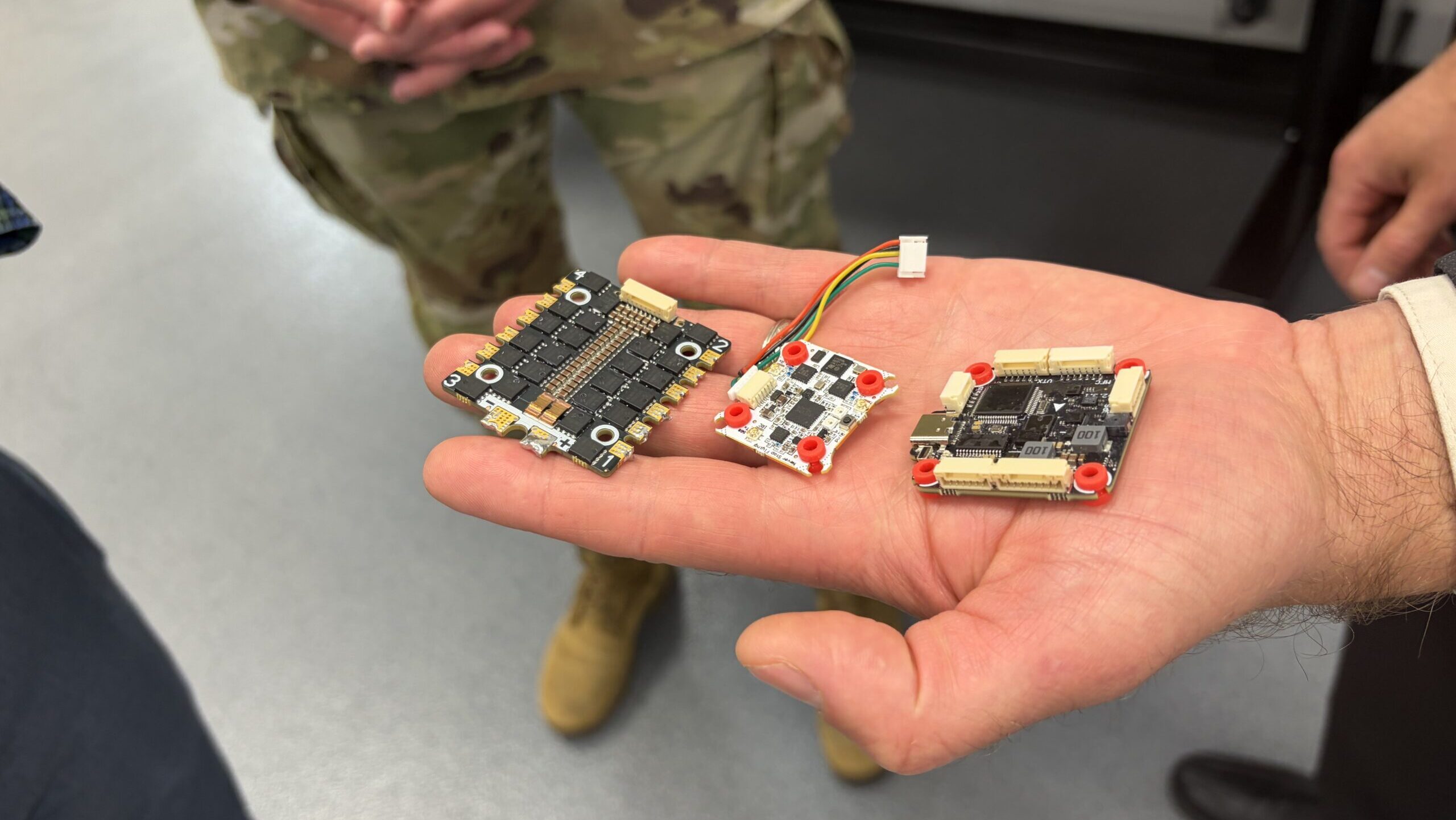
Tobyhanna Depot boosts drone component production with new assembly lines
In preparation for the Army's advanced manufacturing strategy, leaders from the Army's organic industrial base have announced plans to enhance the production of drone components under the Drone Dominance initiative. This initiative aims to bolster the Army's capabilities in unmanned aerial systems, reflecting a strategic focus on modernizing military technology. The details were unveiled during a recent briefing, highlighting the Army's commitment to increasing efficiency and output in drone manufacturing. By leveraging advanced manufacturing techniques, the Army seeks to ensure that its drone fleet remains competitive and effective in various operational environments. This move comes as part of a broader effort to adapt to evolving warfare dynamics and maintain technological superiority.

Deep dive into ARM’s physical AI and robotics strategies with Drew Henry
Drew Henry, a representative from ARM, recently shared insights into the evolving landscape of physical AI, robotics, and autonomous systems, emphasizing their development to meet real-world challenges. In a detailed discussion, Henry outlined ARM's strategic approach to integrating advanced technologies in these fields, highlighting the necessity for systems that can operate effectively within the constraints of everyday environments. This conversation comes at a time when the demand for intelligent automation solutions is rapidly increasing, driven by the need for efficiency and innovation across various industries. The dialogue took place in a recent interview featured on The Robot Report, showcasing ARM's commitment to pioneering advancements in robotics and AI.
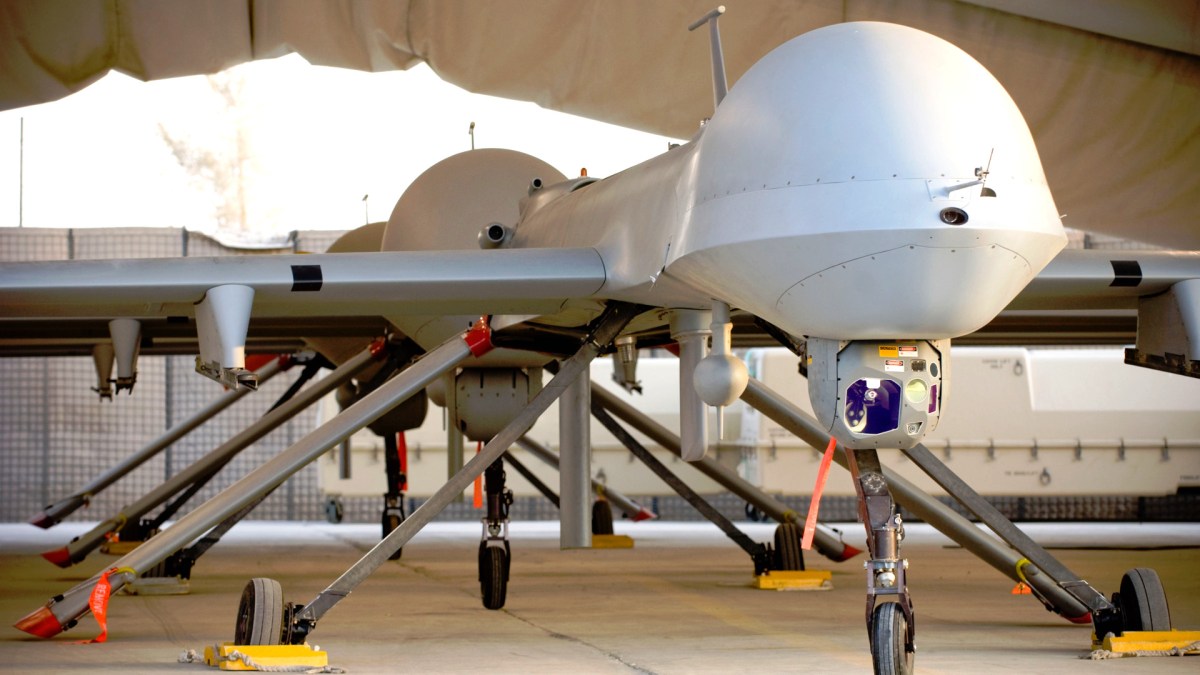
Pocket Fleet Of Unseen MQ-1 Predators Still Flying In Specialized Role
Formerly retired MQ-1 Predator drones, once a staple of the U.S. Air Force, are now being repurposed for specialized missions, showcasing their continued relevance in modern military operations. These drones, which had been phased out of active service, are being utilized in roles that require their unique capabilities, allowing them to contribute to missions that demand surveillance and reconnaissance. This resurgence of the MQ-1s comes as military strategists seek cost-effective solutions to meet evolving operational needs. The drones are primarily being deployed in less conventional environments, where their stealth and adaptability provide a tactical advantage. While the exact locations and details of their current missions remain classified, the ongoing use of these drones highlights the military's commitment to maximizing existing resources. The decision to keep the MQ-1s operational reflects a broader trend within the defense sector to extend the lifespan of proven technologies amidst budget constraints and the need for versatile aerial platforms. As of October 2023, these unmanned aerial vehicles continue to play a crucial role in enhancing situational awareness and intelligence gathering, proving that even retired military assets can find new life in the ever-evolving landscape of defense operations.

Ultraefficient chip could help tiny robots traverse complex environments
Researchers at MIT have developed an innovative chip designed to enhance the navigation capabilities of small, low-power unmanned aerial vehicles (UAVs) as they maneuver through confined spaces, such as industrial HVAC systems, to detect gas leaks. This breakthrough, announced recently, enables these autonomous robots and other battery-operated devices to create detailed three-dimensional maps of their surroundings in real time while consuming minimal energy—approximately the same amount as a single LED light. By utilizing these maps, the robots can effectively plan collision-free routes to their objectives, significantly improving their operational efficiency and safety in complex environments.

Design and Testing of a Minimal Configuration Underwater Micro‐Glider: Automating Lake and Reservoir Monitoring
The Journal of Field Robotics has recently published an early view article highlighting advancements in robotic technology and its applications in various fields. This publication, which became available in October 2023, showcases innovative research conducted by a team of engineers and scientists from leading universities and research institutions. The article focuses on the development of autonomous robots designed for complex tasks in environments such as agriculture, disaster response, and exploration. The research aims to address the growing need for efficient and reliable robotic systems capable of operating in challenging conditions, driven by the increasing demand for automation in various industries. Through rigorous testing and experimentation, the authors detail the methodologies employed in creating these advanced robotic systems, emphasizing their potential to enhance productivity and safety. The findings presented in this publication are expected to contribute significantly to the ongoing discourse on the future of robotics and its integration into everyday life. As the field of robotics continues to evolve, this early view article serves as a timely reminder of the transformative impact that innovative technologies can have on society, paving the way for further research and development in the coming years.

Mach Industries wins DIU contract for maritime, long-range strike drone
The U.S. Navy is pursuing the development of an unmanned aerial system capable of launching from smaller vessels that lack extensive flight decks. This initiative aims to enhance the Navy's long-range strike capabilities, allowing for more versatile and efficient operations at sea. The move comes as part of the Navy's broader strategy to modernize its fleet and adapt to evolving maritime threats. By leveraging unmanned technology, the Navy seeks to extend its operational reach while minimizing risk to personnel and resources. The project is currently in the planning stages, with further details expected to emerge as the Navy refines its requirements and explores potential partnerships with defense contractors.
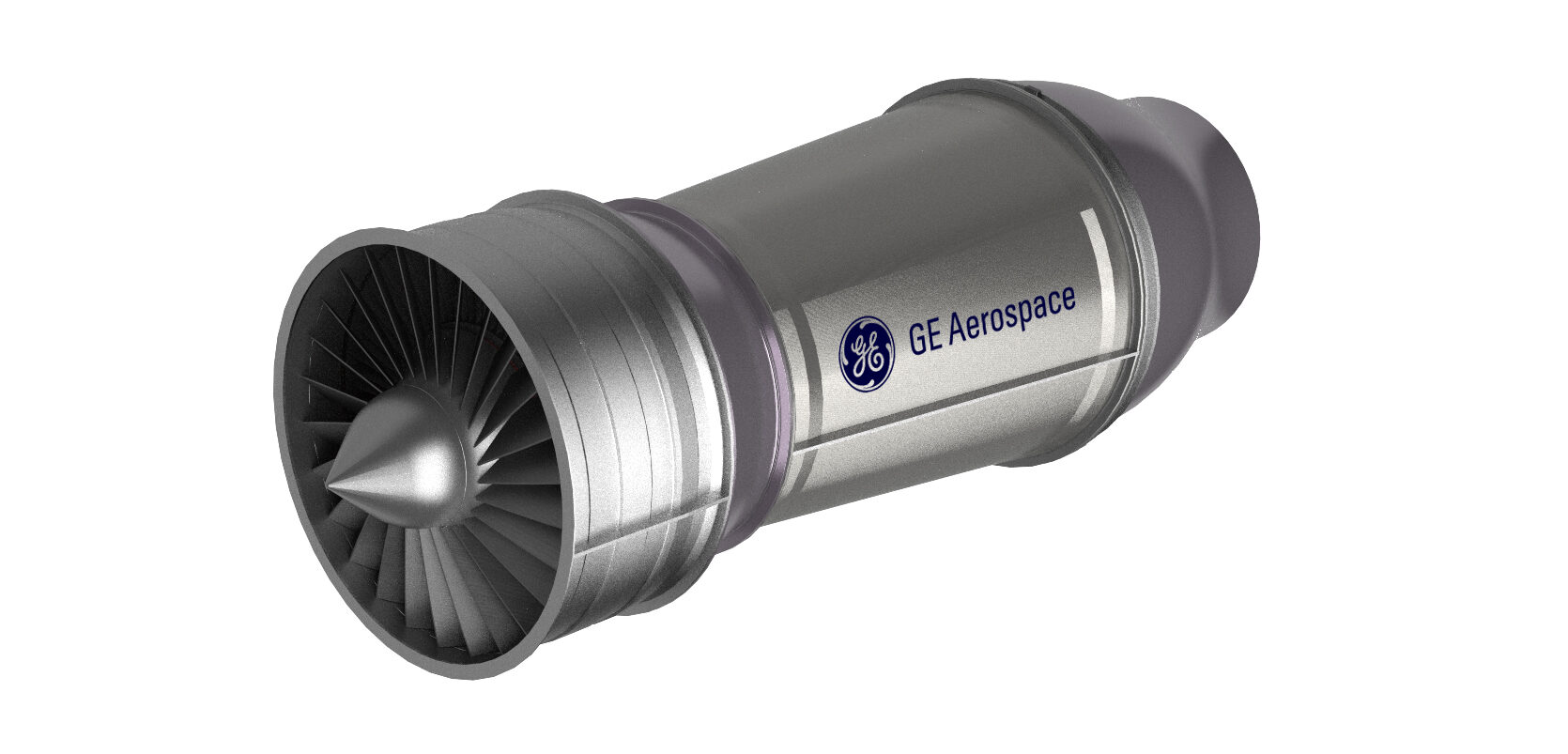
Air Force awards GE, Rolls-Royce for ‘medium thrust’ drone engines
Two prominent engine manufacturers are set to collaborate on developing advanced designs for medium thrust class drones, as confirmed by a spokesperson from the Air Force in a statement to Breaking Defense. This initiative aims to enhance the capabilities of unmanned aerial vehicles, reflecting a growing interest in drone technology within military operations. The partnership underscores the military's commitment to integrating innovative solutions to meet evolving defense needs. Further details regarding the timeline and specific locations for the development efforts have yet to be disclosed.
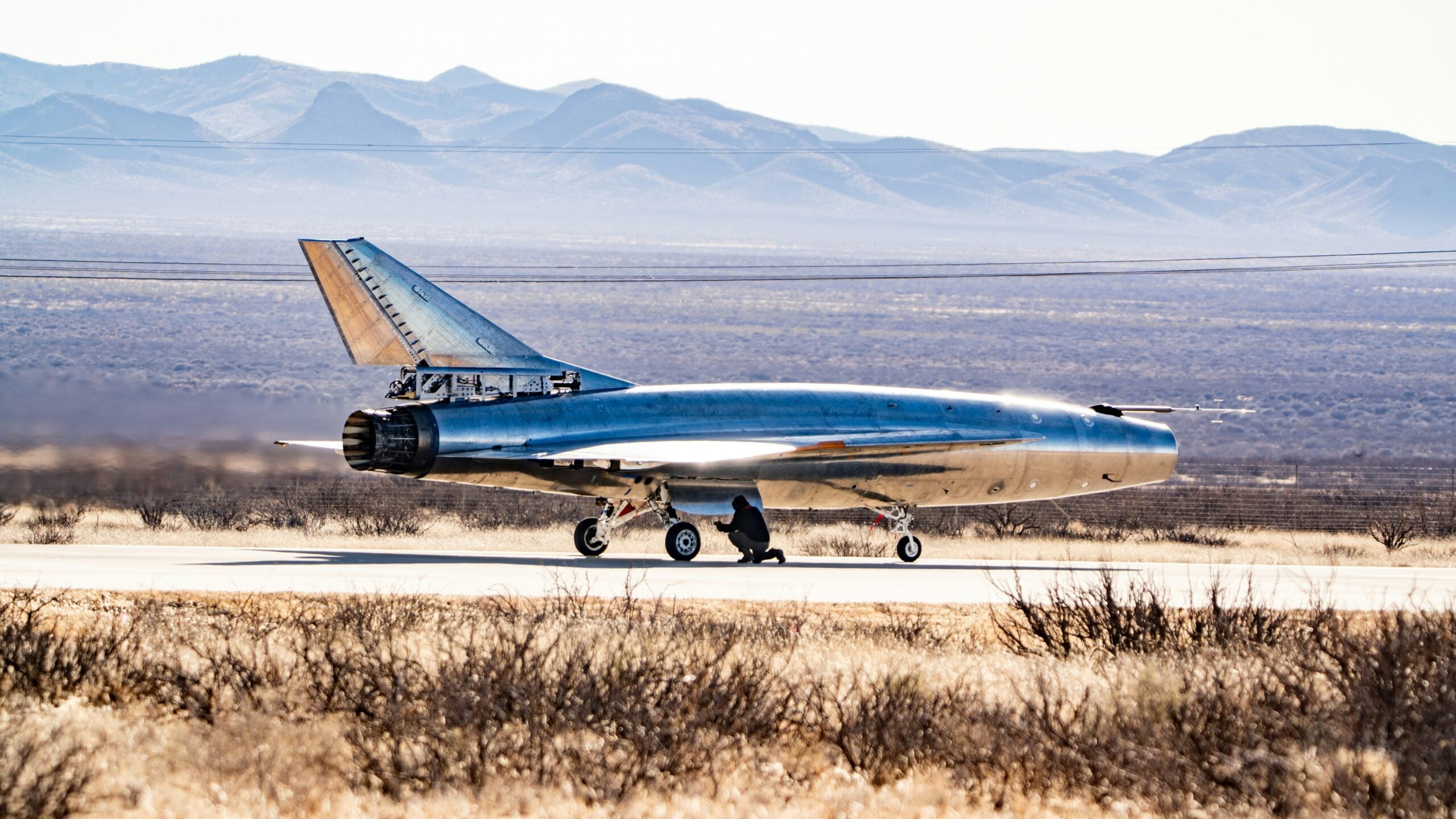
DIU ups Hermeus contract for high-speed drone
The Defense Innovation Unit has awarded a contract that increases the total ceiling to $219 million for Hermeus, a company focused on advanced aerospace technology. This funding will support the ongoing development of the Quarterhorse drone, which is designed to release payloads at speeds reaching Mach 3. CEO Zach Shore shared these details in an interview with Breaking Defense, highlighting the significance of this advancement in military and defense capabilities. The initiative aims to enhance rapid response and operational efficiency in defense applications.

Pea-size liquid-metal pump runs robot butterfly on under 0.1 V
Engineers at the University of Bristol have developed a groundbreaking liquid-metal pump that promises to enhance the portability and agility of future soft robotics and wearable devices. This innovative technology, detailed in a recent publication in the journal Nature Communications, utilizes a low-voltage power source, which could revolutionize robotic systems across various applications, including robotic legs and haptic gloves utilized in medical and industrial environments. The advancement aims to address the growing demand for more efficient and versatile robotic solutions in diverse fields.
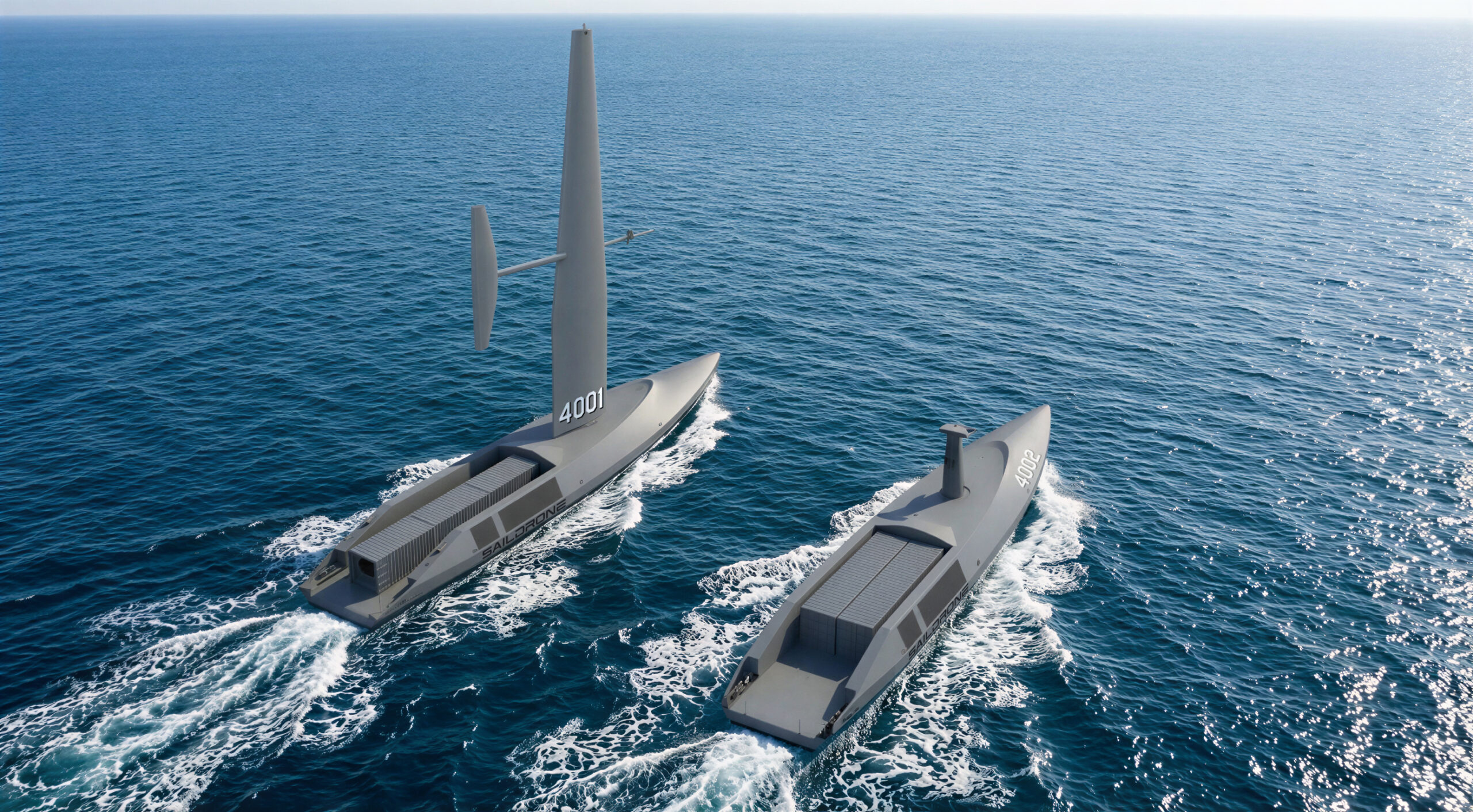
Navy green lights seven MUSV marketplace submissions to advance to prototype phase
The U.S. Navy has announced that it has selected certain designs to advance in its ongoing procurement process, although specific companies involved have not been disclosed. This decision is part of the Navy's efforts to enhance its capabilities and modernize its fleet. The announcement comes as the Navy seeks to address evolving maritime challenges and improve operational readiness. The selection process is expected to play a crucial role in shaping future naval operations and ensuring that the Navy remains competitive in a rapidly changing defense landscape. Further details regarding the selected designs and the companies behind them are anticipated in the coming weeks.
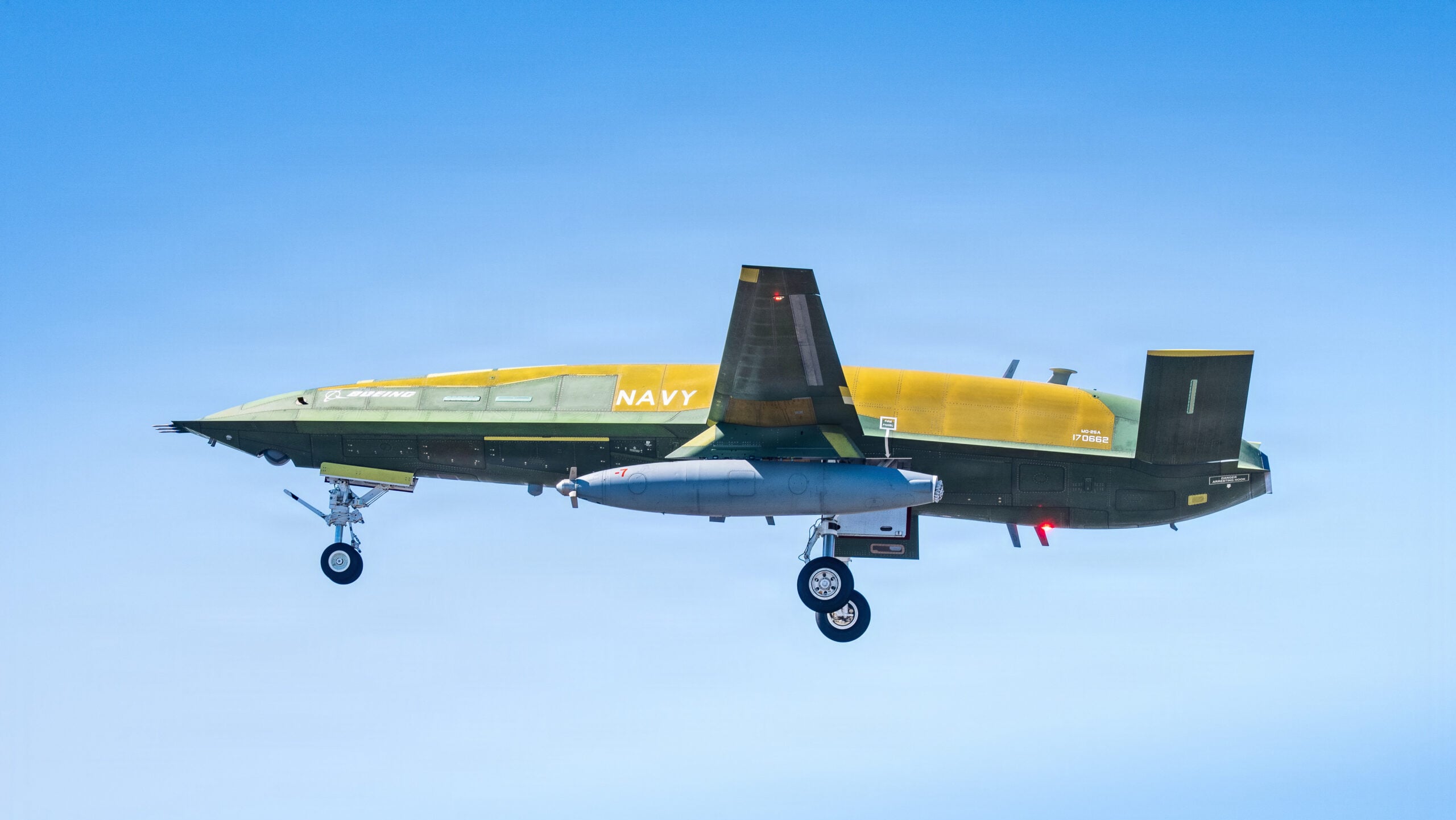
Navy’s MQ-25 Stingray gets green light for low-rate initial production
The U.S. Navy announced plans to award a low-rate initial production contract for three aircraft this summer. This contract marks a significant step in the Navy's ongoing efforts to enhance its aviation capabilities. The decision to move forward with the production is driven by the need to modernize the fleet and improve operational readiness. The specific details regarding the aircraft and the exact timeline for the contract's finalization are still pending, but the Navy's commitment to advancing its aerial assets remains clear.

Open-source framework lets drones dodge obstacles in milliseconds while minimizing travel time
In the wake of a catastrophic earthquake, researchers are exploring the use of unpiloted aerial vehicles (UAVs) to assist in rescue operations by navigating through collapsed structures. These UAVs are designed to create detailed maps of disaster zones, providing critical information that can help rescuers locate and reach survivors more efficiently. However, the implementation of this technology presents significant challenges, as the autonomous drones must be capable of rapidly adjusting their flight paths to avoid unexpected obstacles while maintaining their intended course. The development of such advanced UAV systems aims to enhance emergency response efforts and improve outcomes in disaster scenarios.
UK selects four partners for Apache helicopter drone wingmen project
The UK Ministry of Defence has selected four companies to advance the development of drones intended to complement the operations of British Army Apache attack helicopters. This initiative aims to enhance the capabilities of the Army's aerial combat units. The decision underscores the UK’s commitment to integrating advanced technology into its military operations, particularly in response to evolving defense needs. The collaboration with these companies is expected to lead to innovative drone solutions that can support and extend the operational reach of Apache helicopters. The timeline for the project and specific details regarding the companies involved have not been disclosed, but the move reflects a strategic effort to bolster the UK's defense capabilities in an increasingly complex security environment.
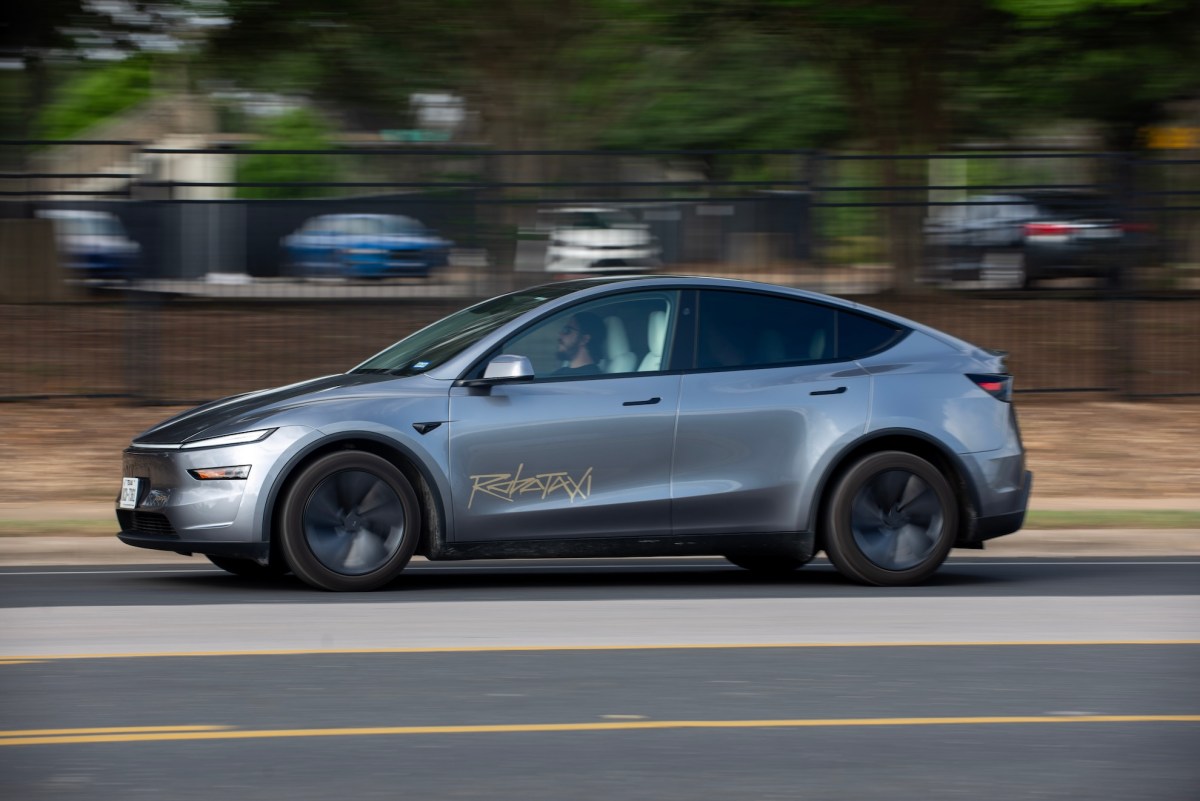
Tesla reveals two Robotaxi crashes involving teleoperators
Recent revelations from newly unredacted crash reports highlight the challenges Tesla has faced in its efforts to scale its robotaxi program. The reports, which were made public this month, detail various incidents that have raised concerns about the safety and reliability of the autonomous vehicles. As Tesla pushes forward with its ambitious plans to revolutionize transportation through self-driving technology, these findings underscore the complexities involved in achieving a fully operational fleet. The company aims to address these issues as it continues to innovate and refine its autonomous driving systems, striving to reassure consumers and regulators about the safety of its robotaxis.
UK picks 4 companies for Apache drone wingman demonstrator project
BAE Systems, along with the British branches of US-based Anduril, Portugal's Tekever, and French manufacturer Thales, has been selected to participate in Project NYX, a concept demonstrator initiative. This project aims to advance military technology and capabilities, reflecting the growing emphasis on innovation in defense systems. The collaboration among these prominent defense firms underscores a strategic effort to enhance national security and military readiness. The announcement of their involvement comes as countries increasingly seek to modernize their armed forces in response to evolving global threats. The project is expected to leverage cutting-edge technologies to develop new solutions for defense challenges, although specific timelines and details regarding the demonstrator's capabilities have yet to be disclosed.
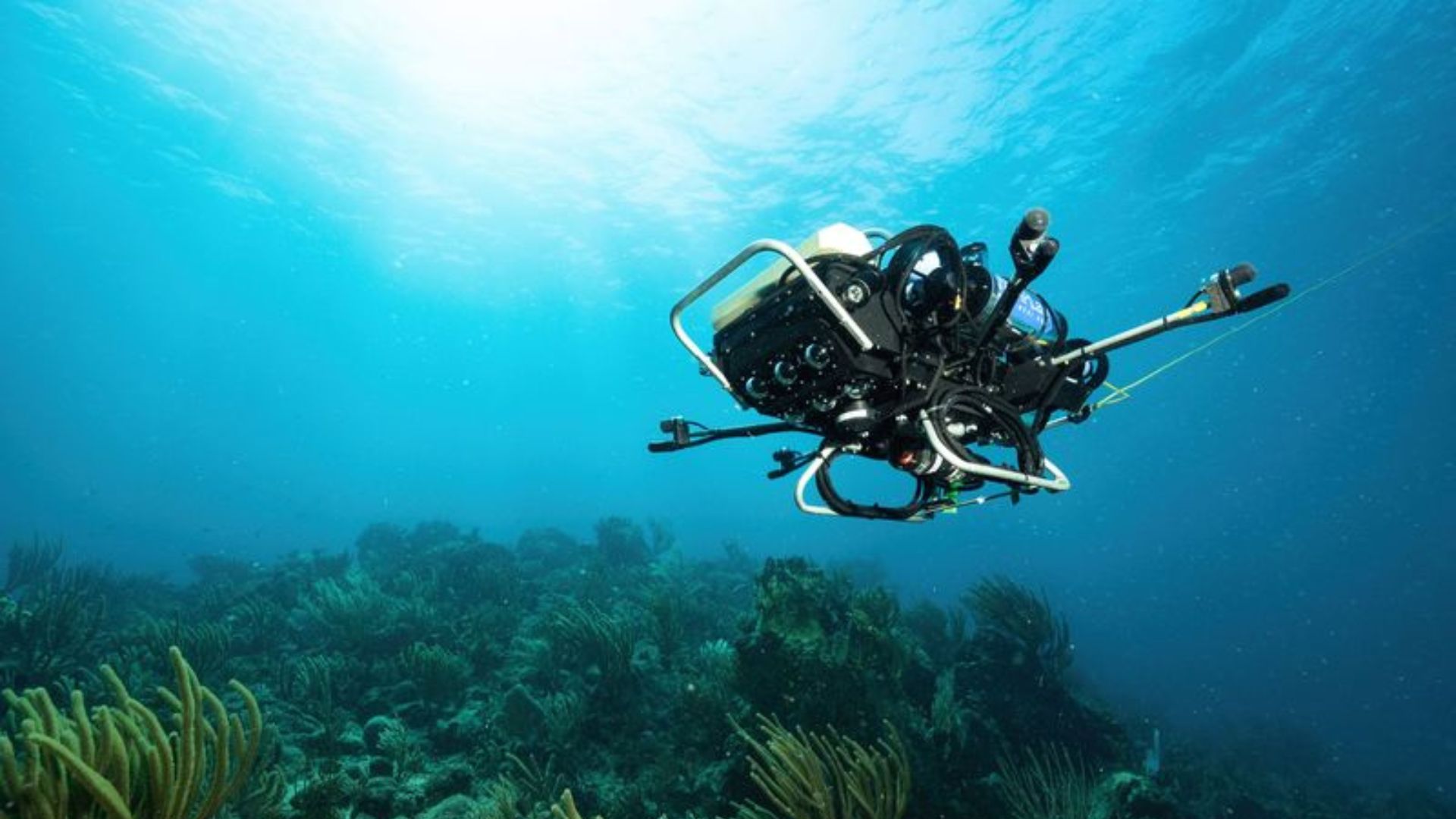
New autonomous reef robot follows shrimp snaps and fish calls to map marine life zones
A team of scientists has unveiled an innovative autonomous underwater robot designed to identify and map biodiversity hotspots in marine environments. This groundbreaking technology was introduced during a recent conference held in San Diego, California, where researchers gathered to discuss advancements in ocean exploration. The motivation behind this development stems from the urgent need to monitor and protect fragile ecosystems threatened by climate change and human activity. The robot utilizes advanced sensors and artificial intelligence to navigate underwater terrains, collect data on various species, and create detailed maps of biodiversity-rich areas. By automating the process of exploration, the scientists aim to enhance the efficiency and accuracy of marine research, allowing for more effective conservation efforts. This initiative represents a significant step forward in understanding and preserving the ocean's diverse ecosystems, which are vital for global health and sustainability.

GoLabs Launches Custom Robotics Security Initiative Using Unitree Quadrupeds
GoLabs, a newly established U.S.-based robotics company, has unveiled its innovative robotic security solutions featuring Unitree quadrupeds. Announced on May 8, 2026, these advanced four-legged robots are designed to enhance security measures for businesses by providing 24/7 autonomous surveillance without the burden of international shipping costs. Equipped with high-definition cameras, thermal imaging, and infrared sensors, these robots can operate in complete darkness and navigate challenging environments, including those hazardous to human health. GoLabs aims to streamline security operations by integrating these robots into existing systems, offering programming, setup, and troubleshooting support. Utilizing an integrated 4D LiDAR system and SLAM technology, the robots can create detailed 3D maps of facilities, allowing companies to establish automated patrol paths and checkpoints. This capability enables a wide range of applications, from monitoring AI warehouses to securing large events. GoLabs is committed to bridging innovation with practical applications, providing businesses with efficient and reliable robotic security solutions tailored to meet diverse needs. For more information, visit their website.

NASA Picks Pierce Aerospace for Bay Area Remote ID Sensor Network
Pierce Aerospace has been selected by NASA to develop a Remote ID network throughout Silicon Valley and the San Francisco Bay Area. This initiative is part of NASA's ongoing research into drones and air taxi technologies, specifically at the Ames Research Center. The project will involve the deployment of YR1 and YR2S sensors, facilitated by Metis Technology Solutions, an Indiana-based firm. The collaboration aims to enhance the safety and efficiency of unmanned aerial systems in urban environments, addressing the growing need for regulatory frameworks as drone usage expands. The timeline for the deployment and operational details has not been disclosed, but the network is expected to play a crucial role in advancing aerial mobility solutions in the region.
A Field‐Adaptive Mechanical Weeding System Coupling Oscillating Pneumatic Mechanism With Deep Learning for Intra‐Row Weed Control in Lettuce
The Journal of Field Robotics has published an early view article highlighting recent advancements in autonomous robotic systems. Researchers from leading universities and technology firms presented their findings on October 15, 2023, during a virtual conference focused on robotics innovation. The study emphasizes the growing importance of these systems in various sectors, including agriculture, search and rescue, and environmental monitoring. The motivation behind this research stems from the increasing demand for efficient and reliable robotic solutions capable of operating in complex environments. By integrating advanced artificial intelligence and machine learning algorithms, the researchers demonstrated how these autonomous systems can enhance operational capabilities and decision-making processes. The article details various case studies showcasing successful implementations of robotic technologies, illustrating their potential to revolutionize traditional practices. The findings suggest that as technology continues to evolve, the integration of autonomous robots will become crucial in addressing global challenges, such as food security and disaster response. This publication marks a significant contribution to the field of robotics, providing insights into future trends and encouraging further exploration of autonomous systems' applications. Researchers and industry professionals are urged to collaborate and innovate, ensuring that the benefits of these technologies are realized across multiple domains.
Dynamic State Feedback Control of Autonomous Underwater Vehicles Based on Switching Between Multiple Heading Movement Models
In May 2026, researchers published a significant study in the Journal of Field Robotics, detailing advancements in robotic technology. The study, appearing in Volume 43, Issue 3, pages 1679-1692, highlights innovative methodologies for enhancing robotic navigation and autonomy in complex environments. Conducted by a team of experts in robotics and artificial intelligence, the research aims to address the growing demand for efficient and reliable robotic systems in various industries, including agriculture, manufacturing, and disaster response. The motivation behind this research stems from the increasing reliance on robotics in everyday applications and the need for these systems to operate effectively in unpredictable settings. By employing advanced algorithms and machine learning techniques, the researchers demonstrated how robots can improve their decision-making processes and adapt to changing conditions in real-time. The findings are expected to have a profound impact on the future development of autonomous robots, paving the way for more sophisticated applications that can enhance productivity and safety across multiple sectors. As the field of robotics continues to evolve, this study represents a crucial step toward achieving greater autonomy and efficiency in robotic systems.
Improved Ivy Algorithm for an Enhanced Fractional Order Proportional‐Integral‐Derivative Controller: Applications From Winding Tension Control to Hybrid System
In May 2026, the Journal of Field Robotics published a comprehensive study examining advancements in robotic technologies and their applications in various fields. The research, featured in Volume 43, Issue 3, spans pages 1375 to 1414 and highlights the increasing integration of robotics in sectors such as agriculture, healthcare, and manufacturing. The study aims to address the growing demand for automation and efficiency in these industries, driven by the need for improved productivity and cost-effectiveness. Researchers from leading institutions collaborated to analyze the latest innovations in robotic systems, including autonomous vehicles, drones, and robotic arms, showcasing their potential to revolutionize traditional practices. Through a series of case studies and experimental results, the authors detail how these technologies are being implemented in real-world scenarios, demonstrating significant improvements in operational efficiency and safety. The findings underscore the importance of continued investment in robotic research and development to meet future challenges and enhance human-robot collaboration. This publication serves as a vital resource for industry professionals, policymakers, and academics, providing insights into the current state of robotics and its future trajectory. As the field continues to evolve, the study emphasizes the necessity of adapting to technological advancements to harness the full potential of robotics across various sectors.
Nonlinear Optimal and Multi‐Loop Flatness‐Based Control for Dual‐UAV Cooperative Load Transportation
In the May 2026 issue of the Journal of Field Robotics, researchers published a comprehensive study examining advancements in robotic technology and its applications in various fields. The study highlights innovative developments in autonomous systems, focusing on their integration into agriculture, search and rescue operations, and environmental monitoring. Conducted by a team of experts in robotics and engineering, the research aims to address the growing demand for efficient and reliable robotic solutions in response to global challenges such as food security and disaster management. The findings reveal how these technologies can enhance productivity and safety while minimizing human risk in hazardous environments. The publication underscores the importance of interdisciplinary collaboration in advancing robotic capabilities, showcasing case studies that illustrate successful implementations of these systems in real-world scenarios. By detailing the methodologies employed in the research, the authors provide insights into the future trajectory of robotics, emphasizing the potential for further innovation and application. This study not only contributes to the academic discourse on robotics but also serves as a valuable resource for industry professionals seeking to leverage these technologies for practical solutions. The ongoing evolution of robotics is positioned as a critical factor in addressing pressing societal needs, making this research timely and relevant.
Path Tracking for Forestry Autonomous Mobile Platforms Based on Improved Snake Optimizer‐Pure Pursuit Algorithm
A recent study published in the Journal of Field Robotics explores advancements in autonomous robotics, highlighting their potential applications in various industries. Conducted by a team of researchers from leading universities, the study was released in early October 2023. The researchers aimed to address the growing demand for efficient and reliable robotic systems in sectors such as agriculture, manufacturing, and logistics. The study details how recent technological innovations, including improved sensor technologies and machine learning algorithms, have enhanced the capabilities of autonomous robots. These advancements enable robots to perform complex tasks with greater precision and adaptability, ultimately increasing productivity and reducing operational costs for businesses. The research team conducted extensive field tests to evaluate the performance of these autonomous systems in real-world scenarios. By analyzing data collected during these tests, the researchers were able to demonstrate the effectiveness of the robots in navigating challenging environments and executing tasks autonomously. The findings underscore the importance of continued investment in robotics research and development, as the integration of autonomous systems is expected to revolutionize traditional workflows and contribute to economic growth. As industries increasingly adopt these technologies, the study serves as a crucial resource for understanding the future landscape of robotics and its implications for various sectors.
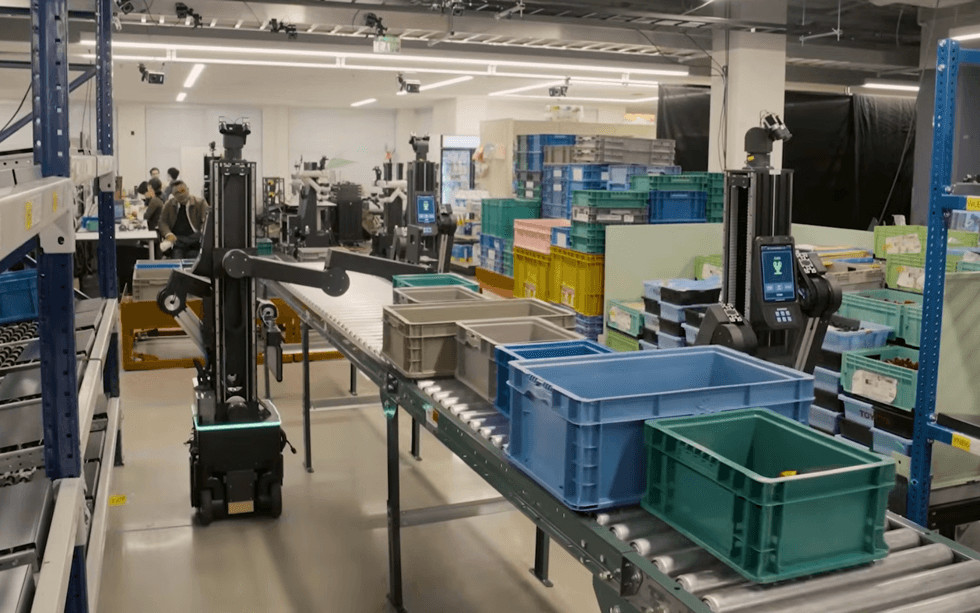
Video Friday: Autonomous Robots Learn By Doing in This Factory
In a recent edition of Video Friday, IEEE Spectrum robotics showcased a variety of innovative robotics projects and developments. Notably, scientists at the Toyota Research Institute are collaborating with Toyota Manufacturing to implement autonomous robots on factory floors, enhancing production efficiency. Zipline shared insights into their drone delivery system, detailing the challenges faced and lessons learned in its development. Humanoid introduced KinetIQ, an AI framework designed for the orchestration of humanoid robot fleets, which integrates task allocation and execution through advanced cognitive layers. Meanwhile, researchers at VISTEC unveiled a decentralized adaptive resilient neural control system (DARCON) that enables legged robots to autonomously adapt to limb loss, ensuring mission success despite mechanical failures. NASA's Jet Propulsion Lab presented an animation of the Perseverance rover's drive along the Jezero Crater, captured on December 10, 2025, showcasing the rover's navigation capabilities. Additionally, Unitree's humanoid robot G1 made its mark on the snowfields of Altay, demonstrating its adaptability in extreme conditions. The Norwegian University of Science & Technology introduced a hierarchical 3D scene graph to enhance autonomous agents' understanding of their environments. Other highlights included the HoLoArm quadrotor, which features compliant arms for improved stability, and SkyDreamer, a pioneering vision-based autonomous-drone racing policy. The event also featured demonstrations of dexterous object manipulation by the AI Worker robot and advancements in swarm robotics for architectural applications.
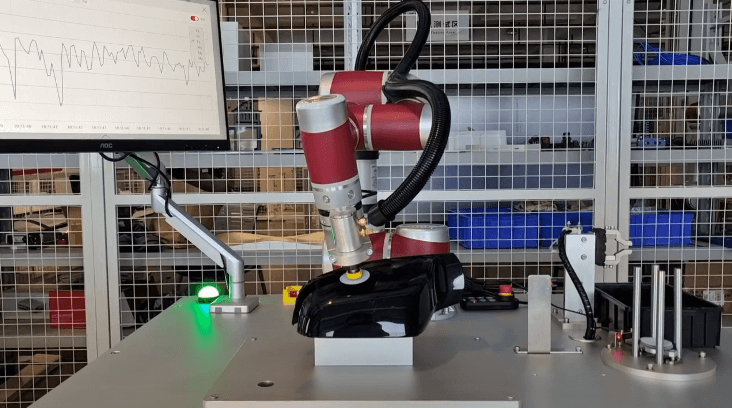
Comparing JAKA's Cobot Robot Arm Series for Different Payload Requirements
JAKA, a leader in collaborative robotics, is showcasing its diverse range of cobot robot arms tailored to meet varying payload capacities essential for different industrial applications. The company emphasizes that selecting the right robot hinges on matching its specifications to the intended tasks, particularly focusing on payload capacity, which determines the weight a robot can handle effectively. The series includes light payload cobots designed for precision tasks, such as polishing delicate components, where fine motion control is crucial. These models excel in applications requiring accuracy, such as intricate assembly and detailed inspections. For more versatile operations, JAKA offers medium payload solutions that balance strength and agility, suitable for general industrial tasks like assembly, packaging, and quality testing. These cobots can easily adapt to various production line stages, enhancing efficiency without necessitating multiple specialized robots. Additionally, JAKA provides higher payload models for demanding handling tasks, capable of managing heavier items and substantial tooling. These robots are engineered for stability and performance, making them ideal for machine tending, palletizing, and automated loading, all while adhering to collaborative safety standards. By offering a comprehensive portfolio that spans from precision-focused to robust handling capabilities, JAKA aims to support businesses in integrating collaborative automation solutions that align with their specific operational requirements, ensuring reliability and long-term mechanical integrity on the shop floor.
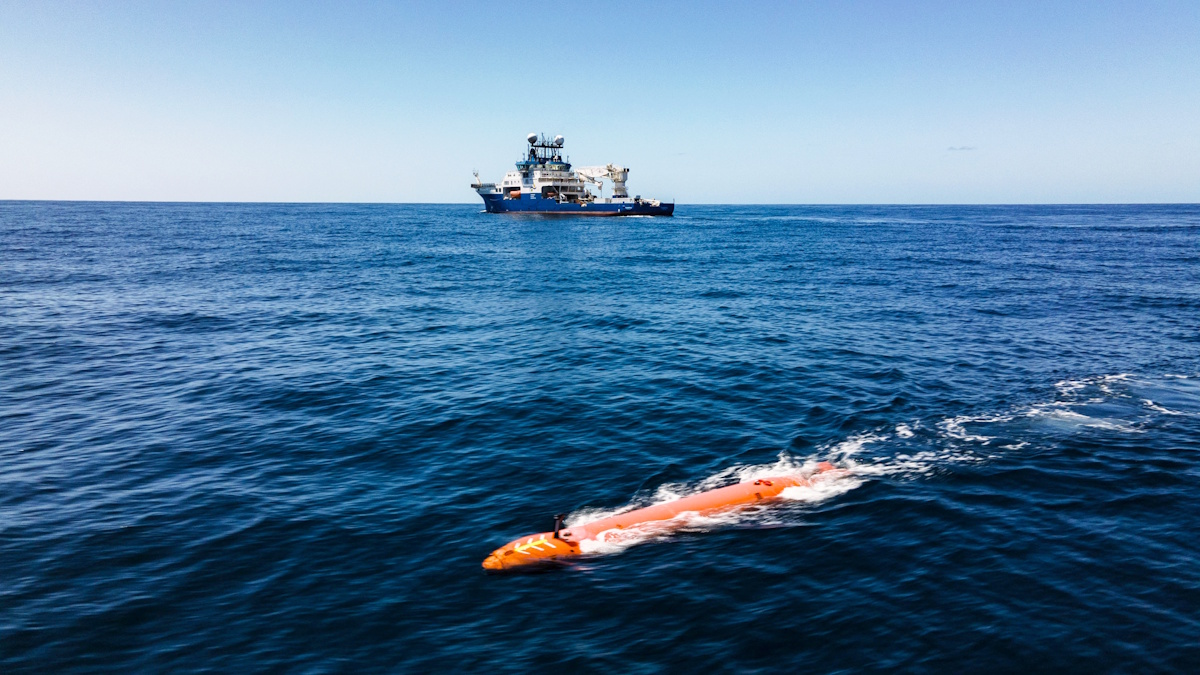
Schmidt Ocean Institute Advances R/V Falkor (too)’s Mapping Capabilities
The Schmidt Ocean Institute has successfully mapped an impressive 2 million square kilometers of seafloor, a vast area comparable to the size of Greenland. This achievement was announced recently as part of the institute's ongoing efforts to enhance underwater exploration. In a bid to improve the capabilities of its research vessel, R/V Falkor (too), the institute implemented two significant upgrades this year. These enhancements included a complete redesign of the ship's bow and the integration of advanced Autonomous Underwater Vehicles (AUVs), recognized as the gold standard in underwater mapping technology. These developments are expected to significantly bolster the institute's ability to conduct detailed and efficient seafloor mapping, furthering its mission to explore and understand the ocean's depths.
Toyota, GM-backed startup Momenta planning entry into last-mile autonomous delivery
Chinese self-driving technology company Momenta is assembling a team to create Level 4 autonomous delivery robots, aiming to enhance its valuation ahead of a potential public listing. This initiative comes as the company seeks to capitalize on its existing partnerships with major automakers such as Toyota, General Motors, and Mercedes-Benz. While specific details about the project remain undisclosed, sources from the Chinese media outlet Xinliu Car indicate that this move is part of Momenta's broader strategy to solidify its position in the competitive autonomous vehicle market.
Stellantis-backed Chinese automaker Leapmotor to deliver budget EVs in Europe
Leapmotor, the electric vehicle manufacturer, is set to commence deliveries of its T03 compact car in September, with the larger C10 sports utility vehicle scheduled for release in October across Europe. This rollout comes one year after Stellantis acquired a 20% stake in the Chinese startup, signaling a strategic partnership aimed at expanding electric vehicle offerings in the European market. The T03 compact crossover and C10 SUV will be imported, with pricing details yet to be disclosed. This move reflects Leapmotor's ambition to penetrate the competitive European automotive landscape, leveraging Stellantis' established presence in the region.
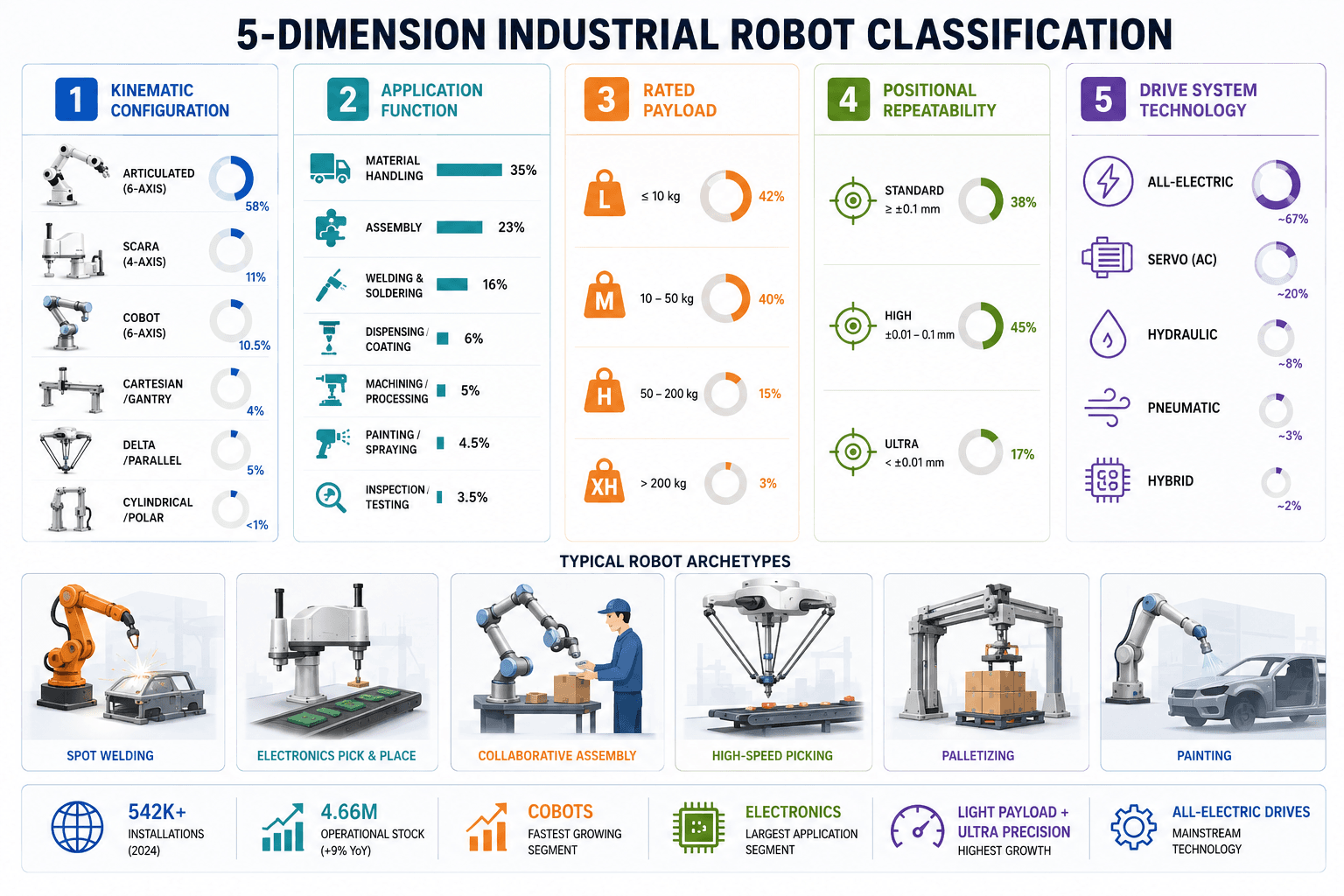
Industrial Robot Classification: 5-Dimension Framework & Market Data
A five-dimensional framework classifying industrial robots by kinematic type, application, payload, repeatability, and drive system. IFR 2024 data: 542,000 global installations across articulated, SCARA, cobot, and delta types.

Robotics Innovator Lens Unveils Ambitious Production Goals Amid AI Surge
LENS sets bold production targets as AI-augmented robotics demand soars, promising high-volume manufacturing and next-gen automation tech.