US Medical Innovations (USMI)

US medical device company developing innovative products for clinical and surgical applications. Focuses on disposable and reusable devices supporting procedural efficiency in hospital and outpatient settings.

Share
US Medical Innovations (USMI)
21000 Atlantic Blvd
Sterling, VA 20166
RobotToday Initiative

Robotics needs a service framework.

RSF defines a common language for robot service capability, lifecycle operations, certification pathways, and service-provider networks.

Share

Related Content

Supply Chain Reckoning: Can Boston Dynamics Avoid Becoming the Next iRobot?

Supply Chain Reckoning: Can Boston Dynamics Avoid Becoming the Next iRobot?

A data-driven analysis comparing Boston Dynamics Atlas and Tesla Optimus supply chain strategies in 2026. Examines actuator costs, production ramp speeds, and how Boston Dynamics can avoid iRobot's bankruptcy by adopting a tiered supply chain approach. Includes component cost tables, risk heat maps, and strategic frameworks.

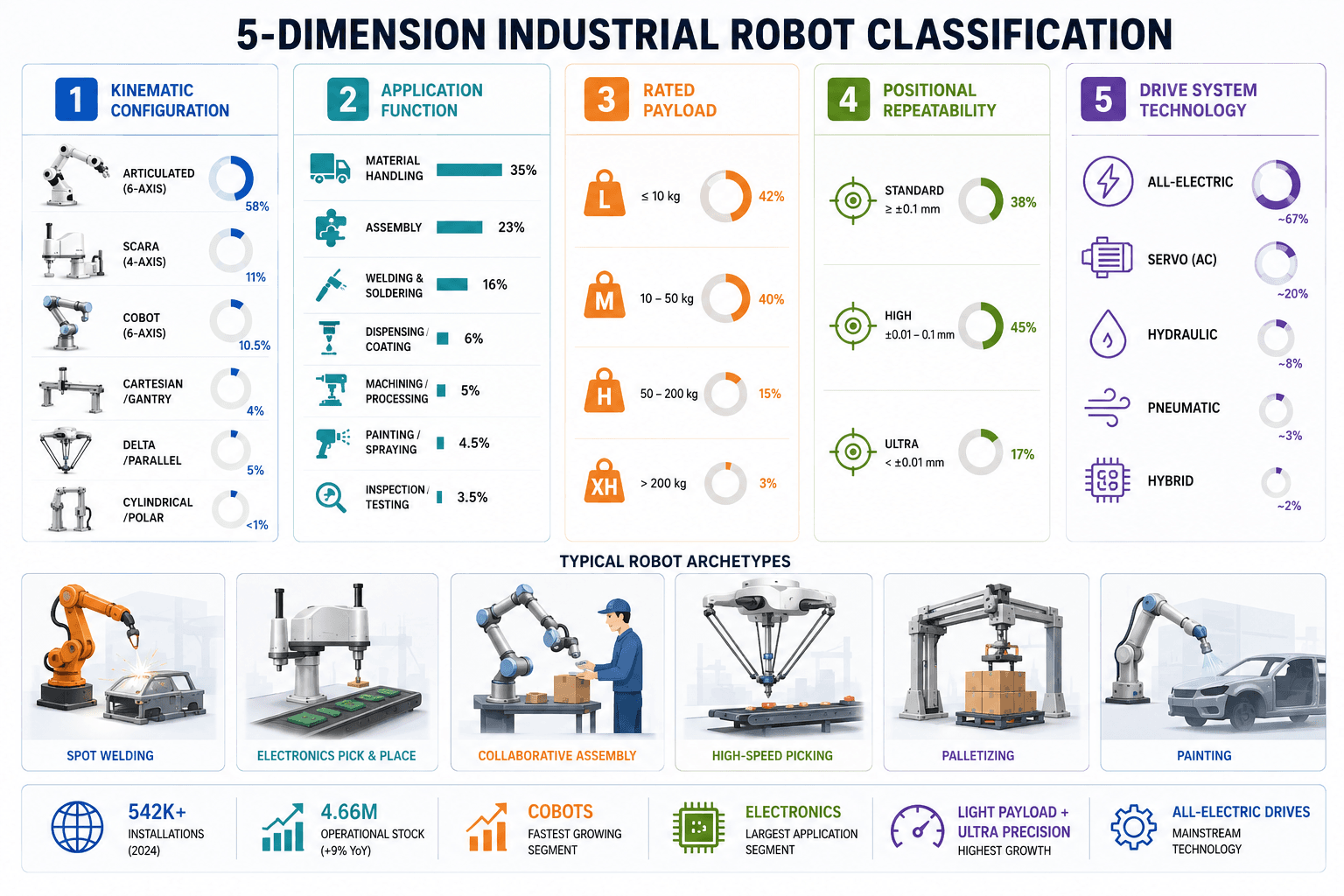
Industrial Robot Classification: 5-Dimension Framework & Market Data

Industrial Robot Classification: 5-Dimension Framework & Market Data

A five-dimensional framework classifying industrial robots by kinematic type, application, payload, repeatability, and drive system. IFR 2024 data: 542,000 global installations across articulated, SCARA, cobot, and delta types.

GLOBAL ROBOTICS INDUSTRY Comprehensive Sector Overview

GLOBAL ROBOTICS INDUSTRY Comprehensive Sector Overview

A comprehensive global robotics industry overview for 2025, analyzing 14 key market segments — from industrial and humanoid robots to logistics AMRs, military systems, and service robots — with expert market sizing, US case studies, five-year forecasts, and bilingual English-Chinese analysis for executives and investors.

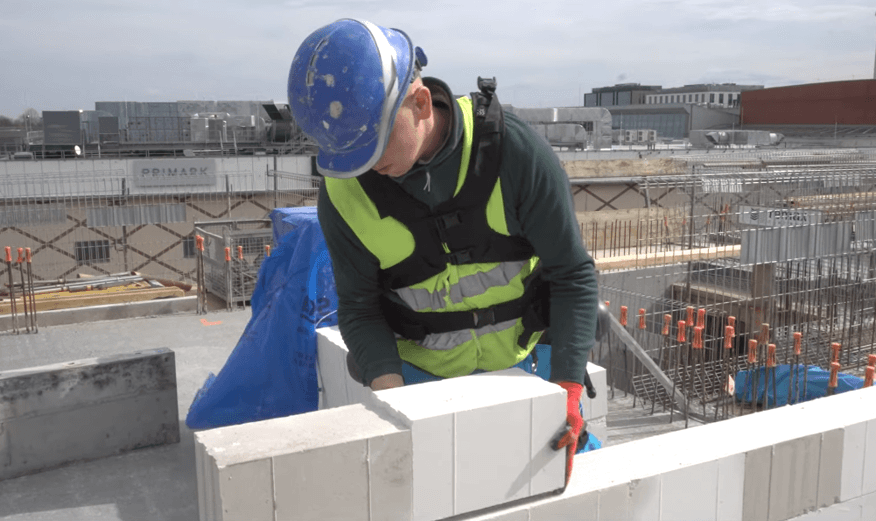
CONSTRUCTION ROBOTICS | EXOSKELETONS & HUMAN AUGMENTATION

CONSTRUCTION ROBOTICS | EXOSKELETONS & HUMAN AUGMENTATION

Construction musculoskeletal injuries cost US employers over $2 billion annually. Exoskeletons are moving from pilots to standard practice. Ottobock, German Bionic, Hyundai, and Innophys launched major products in 2024–2025. Korea and Japan lead adoption. AI is turning passive suits into connected safety platforms.

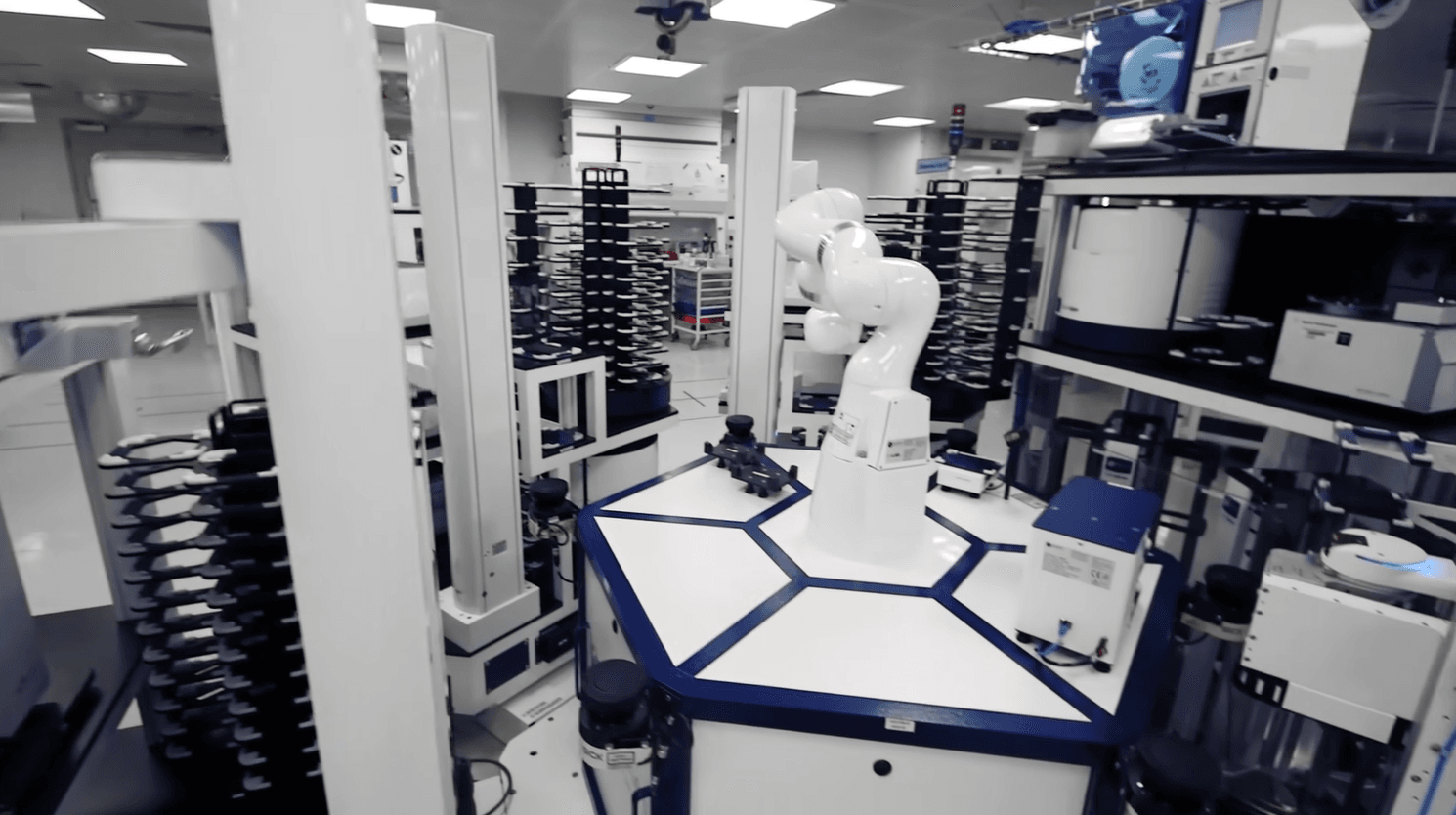
Laboratory Robotics in 2026: Technology, Companies & Vertical Maturity

Laboratory Robotics in 2026: Technology, Companies & Vertical Maturity

From clinical diagnostics to self-driving labs: a deep analysis of laboratory robotics technologies, mass-production maturity timelines across 12 vertical sectors, 26 key companies, and the investment landscape shaping lab automation through 2030.

RobotToday Weekly Industry Briefing: March 23  – March 27, 2026

RobotToday Weekly Industry Briefing: March 23 – March 27, 2026

RobotToday's weekly industry briefing for March 21–28, 2026 covers Physical Intelligence's $1B raise, Amazon's Fauna Robotics acquisition, Agile Robots' DeepMind partnership, the launch of Europe's first robotaxi service, DJI's Avata 360 drone, Skydio's $52M Army order, and the latest in humanoid, AMR, and drone technology.

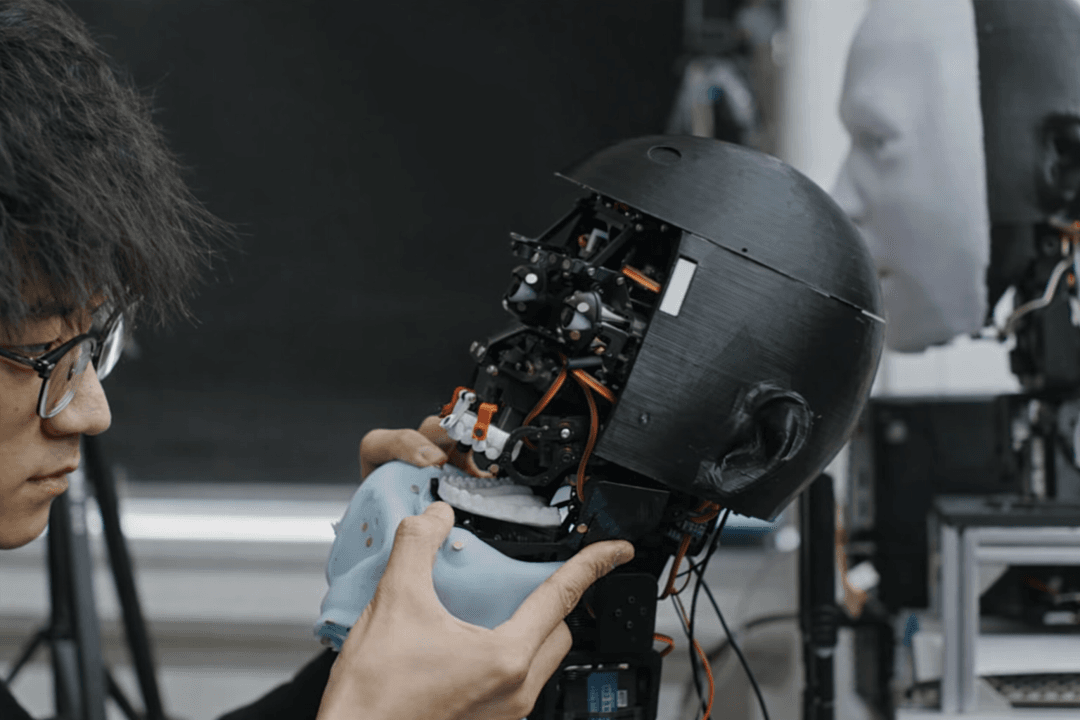
Columbia's Emo: Solving Robot Face Problem

Columbia's Emo: Solving Robot Face Problem

Columbia's Emo robot breakthrough reveals why facial biomimicry is robotics' second hardest challenge. Analysis of tech barriers and 2028-2030 timeline.

RobotToday Weekly Industry Briefing: January 19 – January 23, 2026

RobotToday Weekly Industry Briefing: January 19 – January 23, 2026

iRobot emerges from Chapter 11, Tesla sets a 2027 Optimus release, and Hyundai faces labor pushback. Explore the top robotics industry news for Jan 18-23, 2026.

S-4 Projections VS 10-K Reality: Robotics After DE-SPAC

S-4 Projections VS 10-K Reality: Robotics After DE-SPAC

A data-driven review of S-4 revenue projections versus audited 10-K results reveals how robotics companies performed after going public via SPACs.

What 67 Listed Robotics Companies Reveal About the Global Robotics Industry

What 67 Listed Robotics Companies Reveal About the Global Robotics Industry

An analysis of 67 listed robotics companies reveals how capital concentrates at the top, why most firms remain small-cap, and what valuations signal about robotics’ future.