


Twin Oaks Computing
Twin Oaks Computing provides CoreDX DDS middleware for real-time, distributed communications in robotics and autonomous systems. Their publish-subscribe software enables low-latency data exchange between sensors, controllers, and actuators in complex systems.
Contact Twin Oaks Computing
WEBSITE
https://www.twinoakscomputing.comPHONE
+1 720-733-7906HEADQUARTERS
Company Facts
Founded
-
Primary Role
-
Company Size
-
Primary Region
-
Annual Sales
-
Funding Stage
-
Funding Total
-

Microsoft Expands Excel Copilot Features with Undo, Chart Adjustments, and Python Analysis
Microsoft announced an update for Microsoft Excel on August 25, 2026, enhancing the capabilities of Copilot. The new features include improved change history management, undo functionality, enhanced operations for pivot tables and charts, and the integration of Python for data analysis. This update is significant as it allows users to better manage their data and streamline their workflows within Excel. The enhancements reflect user feedback and aim to improve the overall experience of utilizing Copilot for various tasks, including data visualization and analysis. Looking ahead, Microsoft plans to continue gathering user feedback through its 'Feedback in Action' initiative. No further timeline was disclosed at the time of publication.
IDS Imaging Expands 3D Camera Line with Nion Time-of-Flight Sensor
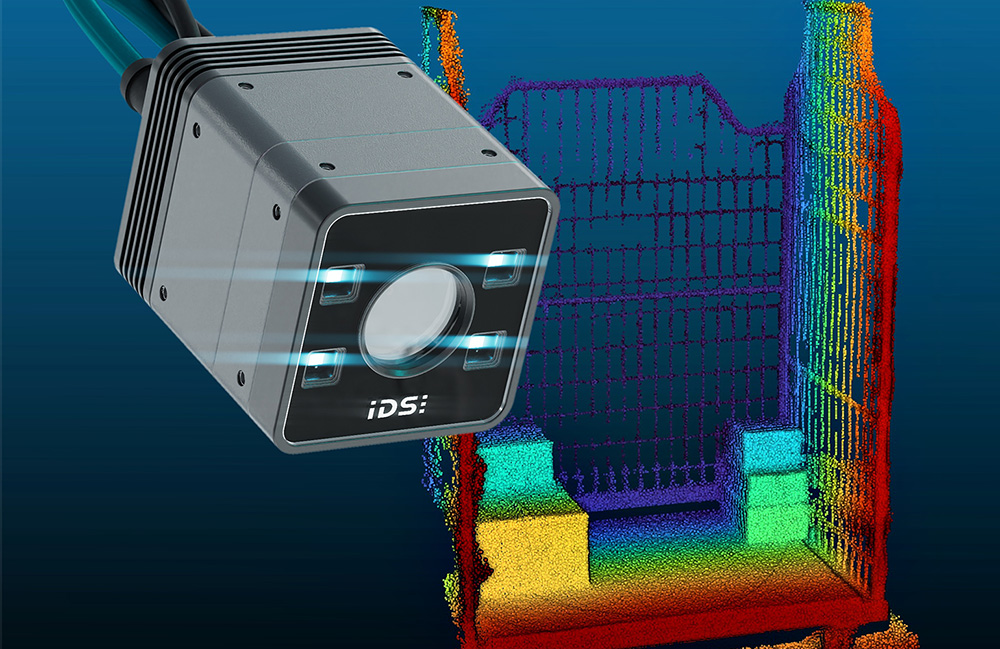
IDS Imaging Development Systems GmbH has introduced the Nion, a new industrial time-of-flight (ToF) camera featuring 1.2-megapixel resolution and integrated depth processing. The Nion camera is now in series production and delivers high-resolution, stable depth information at 30 frames per second, even during rapid movements and varying lighting conditions. The introduction of the Nion is significant for industries requiring precise 3D data at real-world speeds, including logistics, automation, and robotics. Patrick Schick, product manager at IDS, emphasized that the Nion provides reliable depth data under variable lighting, which is crucial for automation processes that depend on fast and accurate 3D information. Looking ahead, the Nion's compact design and rugged IP67-rated housing make it suitable for demanding environments, while its Power over Ethernet (PoE) capability simplifies installation. No further timeline was disclosed at the time of publication.
Cameras / Imaging / Vision News Technologies IDS Imaging onsemi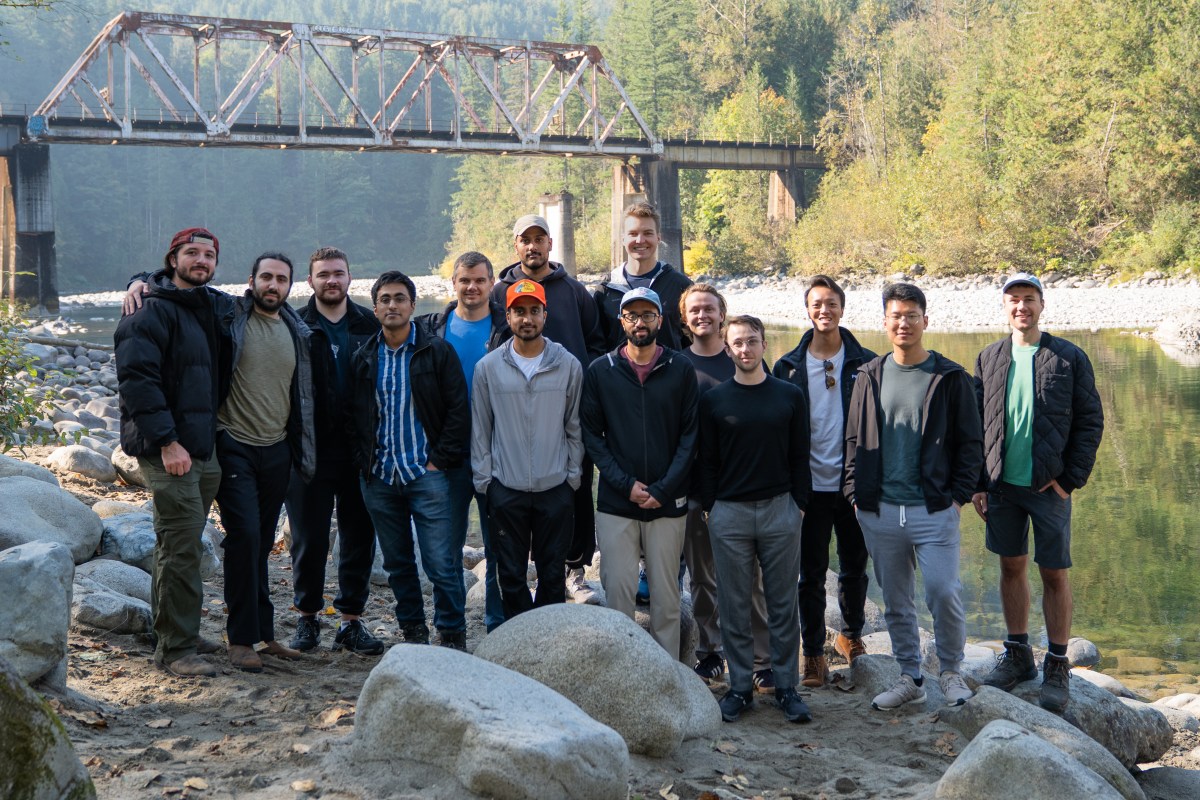
Perceptron Launches Isaac 0.5 to Enhance Visual AI for Industrial Automation
Perceptron, a startup founded by former Meta scientists, has launched Isaac 0.5, a new model designed to enhance machine interaction in industrial environments. This software enables vision-guided robots to navigate complex settings like warehouses and factory floors, extracting visual intelligence from recorded videos. The significance of Isaac 0.5 lies in its general-purpose design, allowing flexibility in various tasks rather than being limited to repetitive functions. Co-founders Armen Aghajanyan and Akshat Shrivastava emphasize that their model addresses the limitations of existing AI solutions, which often require dedicated resources or are too narrow in scope. Looking ahead, Perceptron aims to revolutionize industrial automation with its innovative approach to visual AI. The model has been trained on a million hours of diverse video data, including ego and UMI video, to enhance its operational capabilities. No further timeline was disclosed at the time of publication.
AI Robotics Meta perceptron Startups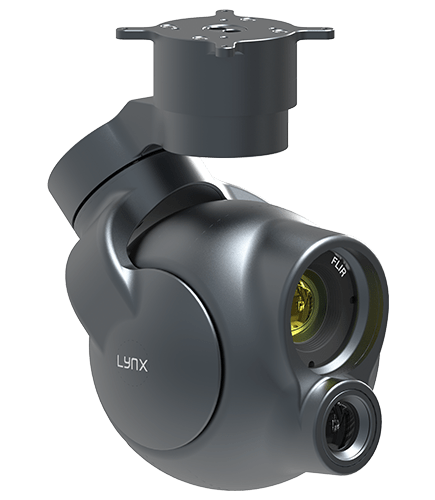
Gremsy USA Unveils Blue UAS-Cleared Payloads Amid Drone Supply Chain Changes
Gremsy USA has launched three drone payloads compliant with NDAA and Blue UAS standards for the U.S. market. This introduction responds to increasing federal pressure on drone manufacturers to establish domestic and reliable supply chains. The new products include the VIO F1, ORUS L NDAA, and LYNX NDAA, with pre-orders now being accepted. This development is significant as it aligns with the broader shift in U.S. drone policy, particularly following the Federal Communications Commission's December 2025 decision to include foreign-produced UAS and critical components on its Covered List. The White House has also emphasized the importance of domestic production, citing national security concerns regarding reliance on foreign drone components. Gremsy USA's strategy aims to meet these stringent sourcing requirements while leveraging its established international expertise. Looking ahead, Gremsy USA's U.S. operations focus on engineering and manufacturing compliant payloads domestically, integrating its gimbal technology with NDAA-compliant thermal imaging from Teledyne FLIR OEM. The VIO F1 is designed for industrial inspections and situational awareness, while the ORUS L NDAA targets long-range operations for surveillance and reconnaissance. No further timeline was disclosed at the time of publication.
defense Drone News Drone News Feeds NDAA Compliant News Products
Flying Lion Introduces Remote Staffing Service for Continuous DFR Operations
Flying Lion has unveiled a Remote Staffing Service aimed at assisting public safety and security organizations in operating Drone as First Responder (DFR) programs continuously. This service, announced at the National Real Time Crime Center Association conference in Phoenix, integrates remote pilots with Flying Lion’s proprietary pilot management software, enabling agencies to fill staffing gaps or launch new programs without altering existing technology. The significance of this service lies in its ability to provide agencies with flexible staffing solutions, allowing them to maintain 24/7 DFR operations. Barry Brennan, Founder and President of Flying Lion, emphasized that the service is not restricted to any specific drone or software platform, which enhances operational flexibility. The remote pilots can operate from an agency’s Real-Time Crime Center or Security Operations Center, ensuring critical aerial support is available promptly when needed. Looking ahead, the Remote Staffing Service can facilitate cross-jurisdictional and multi-agency operations, which is crucial as agencies expand their DFR programs. The service can be utilized for scheduled or on-demand staffing, thereby helping organizations manage their resources effectively. No further timeline was disclosed at the time of publication.
Applications DFR dispatch Drone News Drone News Feeds Featured – Safety and Security
Bedrock Robotics Launches Operator-Free Excavators in Texas and Nevada Projects
Bedrock Robotics Inc. has successfully deployed fully autonomous excavators on active infrastructure projects in Texas and Nevada. This initiative aims to tackle the construction industry's pressing labor shortages and safety concerns, particularly as over 40% of the workforce is expected to retire in the next five years. The company's innovative technology, backed by $350 million in venture capital, transforms traditional earth-moving operations into efficient, software-driven processes. The significance of Bedrock's deployments lies in their potential to revolutionize construction practices by enabling fleets of machines to self-orchestrate and execute tasks at unprecedented scales. Current projects include collaborations with Sundt Construction, Champion Site Prep, and Zachry Construction Corp., focusing on essential earthwork operations. Bedrock's advancements represent a critical shift towards integrating AI into the physical economy, enhancing productivity and safety on job sites. Looking ahead, Bedrock Robotics plans to retrofit existing excavators with its technology, expanding its impact on the construction sector. The company emphasizes safety as a top priority, ensuring that its autonomous systems can operate effectively around human workers. No further timeline was disclosed at the time of publication.
Artificial Intelligence Autonomous Mobile Robots (AMRs) Construction News Bedrock Robotics construction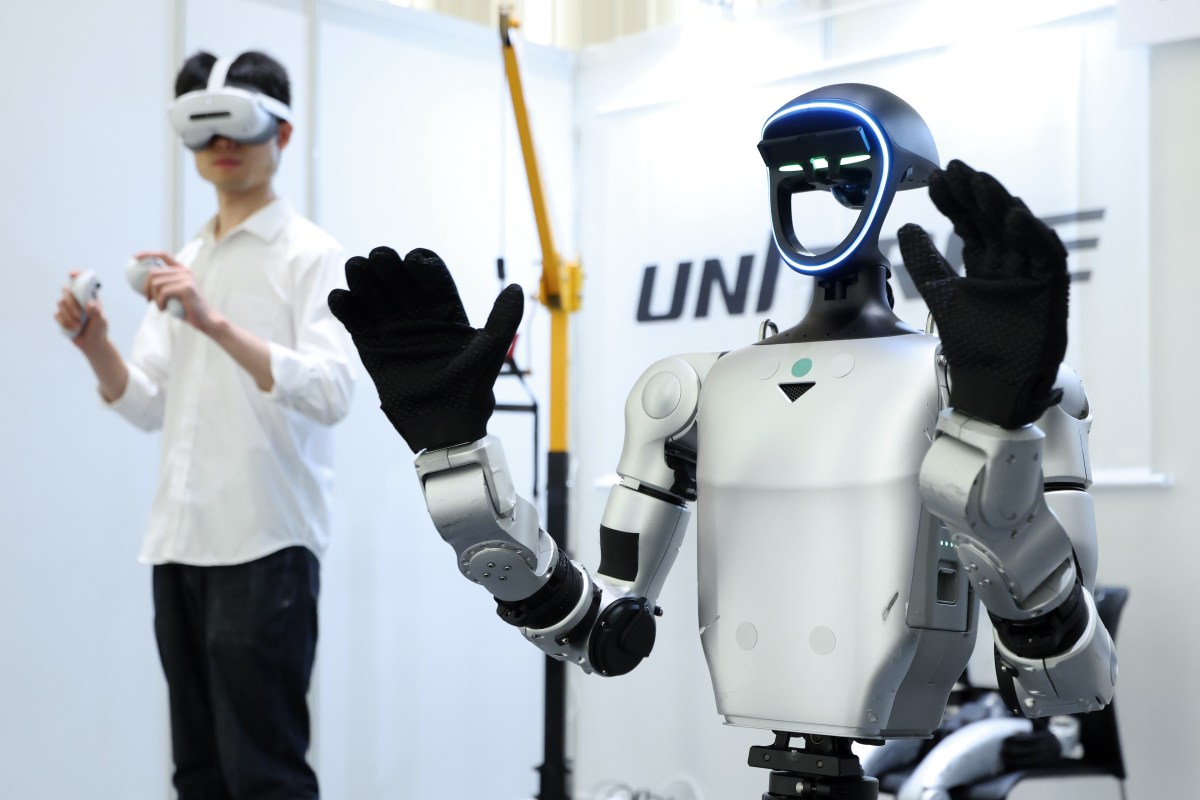
Unitree's IPO Highlights Challenges in Physical AI Amidst Market Volatility
Physical AI has emerged as a prominent sector in venture capital, with significant investments aimed at integrating advanced AI tools into robotics. Unitree, a leading Chinese robot manufacturer, recently went public with a valuation of $66 billion, but has since seen its value plummet by nearly 50%. Analysts attribute this decline to the robots' inability to perform value-creating tasks despite advancements in physical capabilities. The Actuate conference showcased the growing interest in AI-driven robotics, with attendance tripling since its inception in 2023. However, the industry faces a critical challenge: a shortage of high-quality training data for AI models. Developers are encouraged to adopt strategies similar to those used in frontier AI labs, focusing on diverse data sets and improved training methodologies to enhance performance. Looking ahead, the autonomous vehicle sector is leading the way in data collection and model development, with companies like Tesla and Wayve investing in humanoid robotics. The debate continues on the best approach to hardware and AI integration, with some experts advocating for co-design strategies to optimize performance in specific applications. No further timeline was disclosed at the time of publication.
AI Robotics Exclusive physical ai
Blue Yonder Introduces Agentic AI Innovations for Retail Stockouts and Returns Management
Blue Yonder has unveiled new innovations in its 'Cognitive Solutions' portfolio aimed at enhancing retail operations through agentic AI. These advancements focus on integrating forecasting, inventory planning, fulfillment, customer service, and returns management on the Blue Yonder Platform, enabling retailers to respond more swiftly to demand fluctuations and optimize inventory productivity. The significance of these developments lies in their potential to transform retail decision-making. By connecting various functions rather than treating them in isolation, Blue Yonder allows retailers to leverage insights on demand to improve fulfillment and returns management. This holistic approach is expected to enhance customer experience while protecting profit margins, as noted by Gurdip Singh, chief product officer at Blue Yonder. Looking ahead, the introduction of predictive fulfillment intelligence and a unified workspace for customer service aims to streamline operations and reduce costs associated with returns. With U.S. consumers projected to return nearly $850 billion in merchandise in 2025, the new functionalities are designed to mitigate losses and improve resale opportunities. No further timeline was disclosed at the time of publication.
AI eFulfilment WMS & SCM Software Agentic AI for Retail Blue Yonder Smarter fulfilment
University of Queensland Develops Cyborg Cockroaches for Emergency Medical Assistance
Researchers at the University of Queensland have developed swarms of cyborg cockroaches, known as 'Paraborgs,' equipped with cameras and miniature medical injectors. These innovative devices aim to provide supervised emergency care to individuals trapped in inaccessible locations, such as collapsed buildings or caves. The significance of this development lies in its potential to enhance rescue operations in scenarios where traditional methods are ineffective. By moving beyond mere search and rescue, these cyborg insects can actively assist trapped individuals, potentially saving lives in critical situations. Looking ahead, the research published in the journal Advanced Science opens up new avenues for the application of biorobotics in emergency response. No further timeline was disclosed at the time of publication.
Robotics
Goodfire Launches Silico Platform to Enhance AI Interpretability and Research Access
Goodfire, an AI lab based in San Francisco, has made its Silico platform publicly available, aiming to improve AI interpretability. This initiative includes a $1 million grant program for academic and nonprofit researchers to utilize Silico's tools, which focus on mechanistic interpretability to understand AI models better. The significance of this development lies in its potential to democratize access to advanced interpretability techniques, previously limited to elite labs. By enabling researchers and startups to explore AI model behaviors, Goodfire seeks to foster safer and more powerful AI systems, addressing the urgent need for transparency in AI decision-making processes. Looking ahead, the widespread adoption of Silico could transform how AI models are developed and understood. As researchers like Cameron Berg leverage these tools to accelerate scientific inquiry, the implications for trust in AI and its applications across various fields could be profound. No further timeline was disclosed at the time of publication.
Ai-interpretability Ai Science
ROBOTTODAY Weekly August 3 – 7, 2026
This week in robotics: Unitree prices its Shanghai STAR Market IPO with DeepSeek taking a strategic stake, the FCC expands its foreign-robot ban as China threatens retaliation, BMW commits to Figure 03 humanoids, and Zoox goes paid in Las Vegas. August 3–7, 2026.

ROBOTTODAY Weekly July 20 – 24, 2026
Your weekly robotics briefing: AGIBOT unveils four new robots at WAIC 2026, the NDAA bars Chinese humanoids from the U.S. military, SoftBank eyes Gravis Robotics for its Roze vehicle, and Anduril reveals its Thunder autonomous attack tiltrotor at Farnborough.
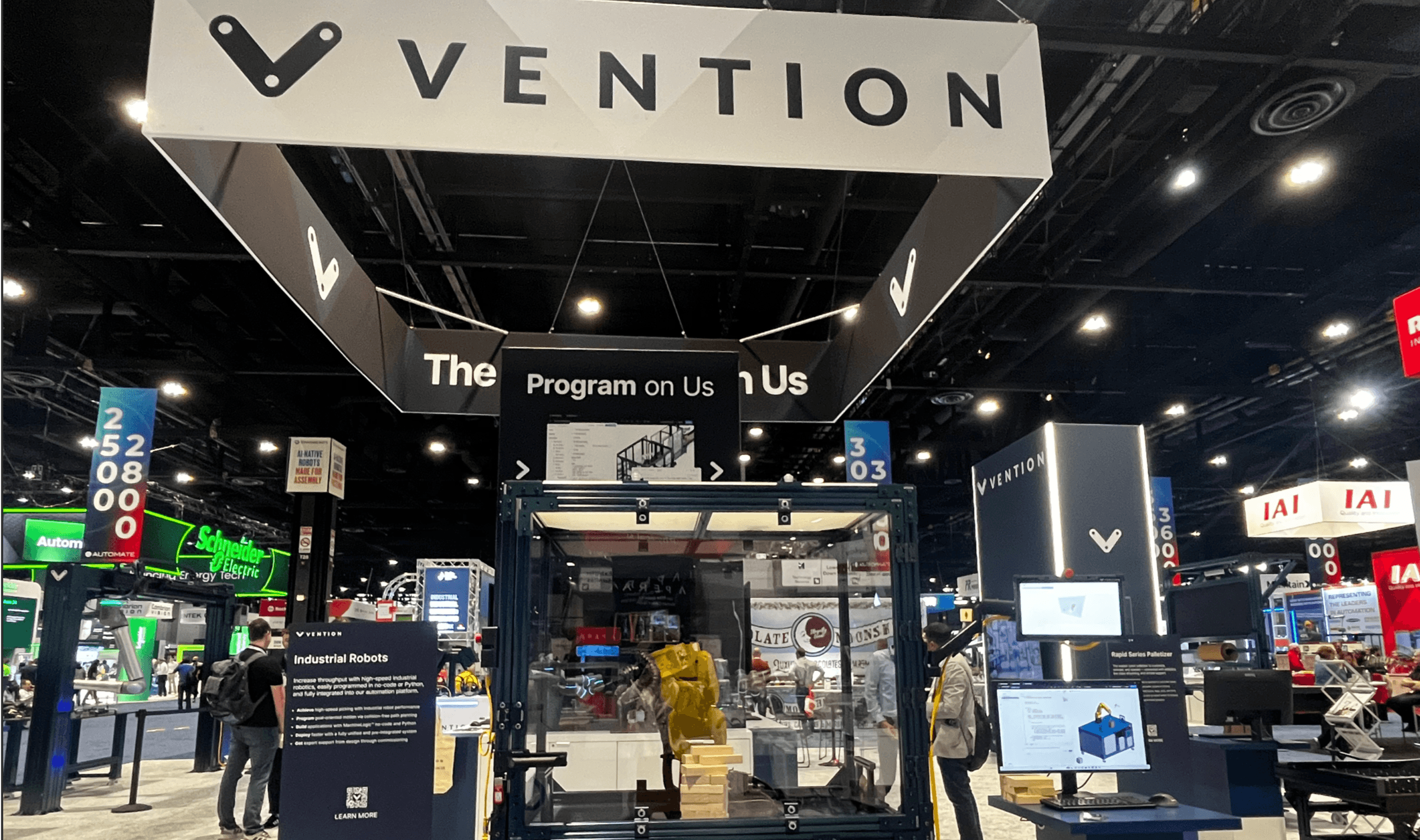
Vention Announces Two Major Robotics Collaborations at Automate 2026 | FANUC & Teradyne Robotics
Vention reveals AI-powered platform partnerships with FANUC America and Teradyne Robotics at Automate 2026, enabling software-defined automation across collaborative and industrial robot deployments.

From ASE to RSF: What the Automotive Certification Model Teaches Robotics
ASE solved automotive service in 1972. Fifty years later, RSF does the same for robotics. Learn how the certification blueprint was adapted — and what had to be built from scratch.
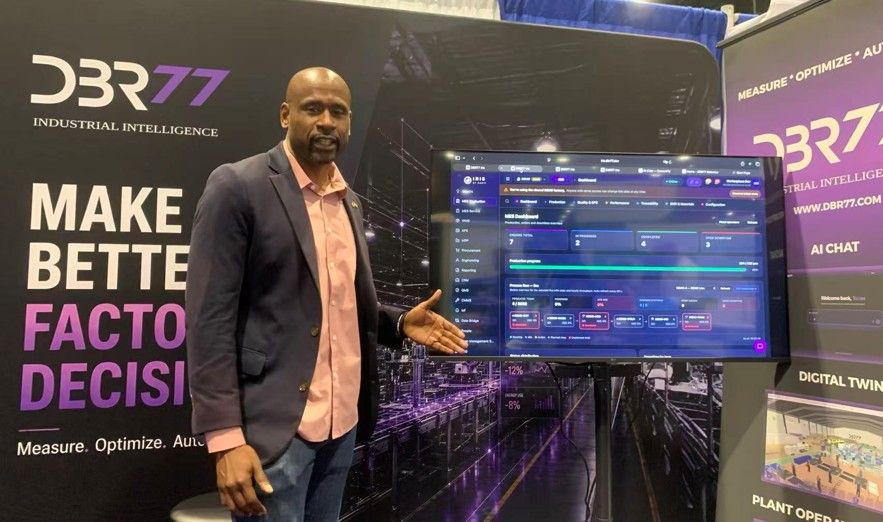
DBR77 Launches Consultify™ AI Platform at Automate 2026 | Industrial Reasoning for Manufacturing
DBR77 introduces Consultify™, powered by Vector™ Industrial Reasoning Engine, at Automate 2026. The AI platform helps manufacturers identify automation opportunities, prioritize investment, and produce ROI-backed action plans in under two minutes.
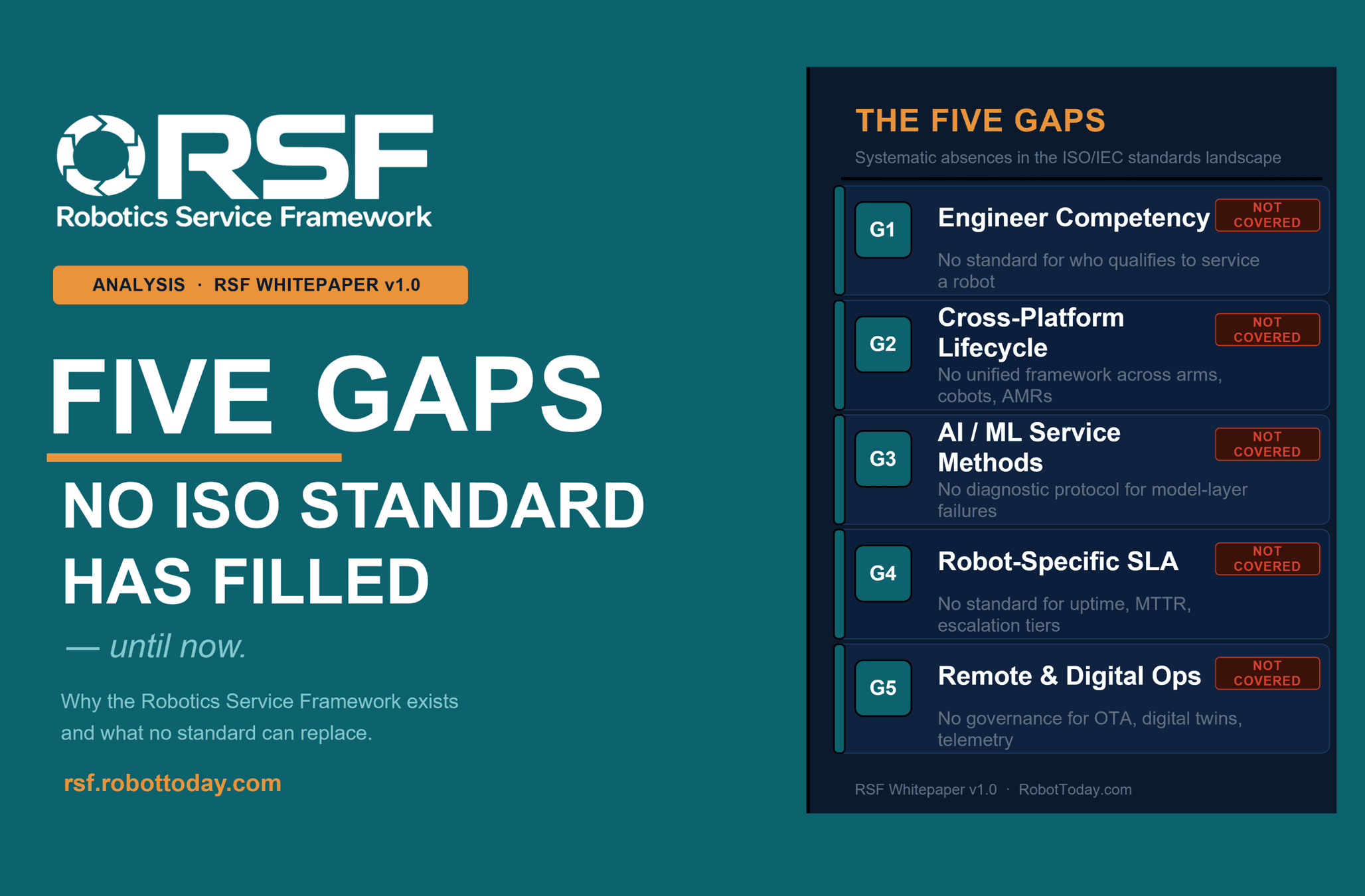
Why RSF Exists: Five Gaps No ISO Standard Has Filled
ISO standards define what a safe robot looks like. RSF defines who should service it. Discover the 5 capability gaps no standard has addressed — until now.
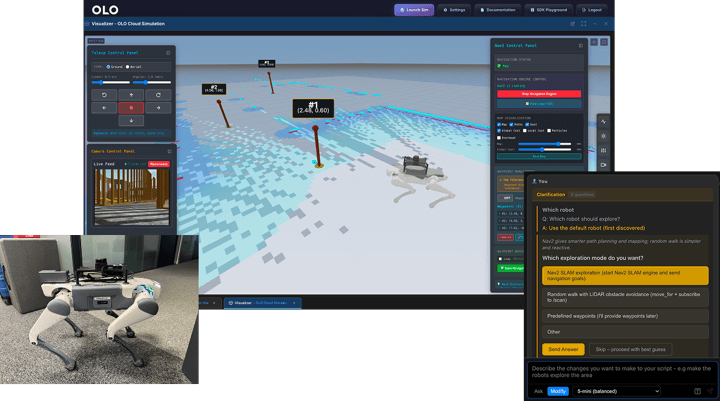
Inside OLO Robotics: a technical look at browser-based ROS 2 development and hardware integration
OLO Robotics brings ROS 2, Gazebo, Nav2 and MoveIt 2 into one browser-based platform. Discover how its appliance, Cloud Sim, and live data handling accelerate robot development.
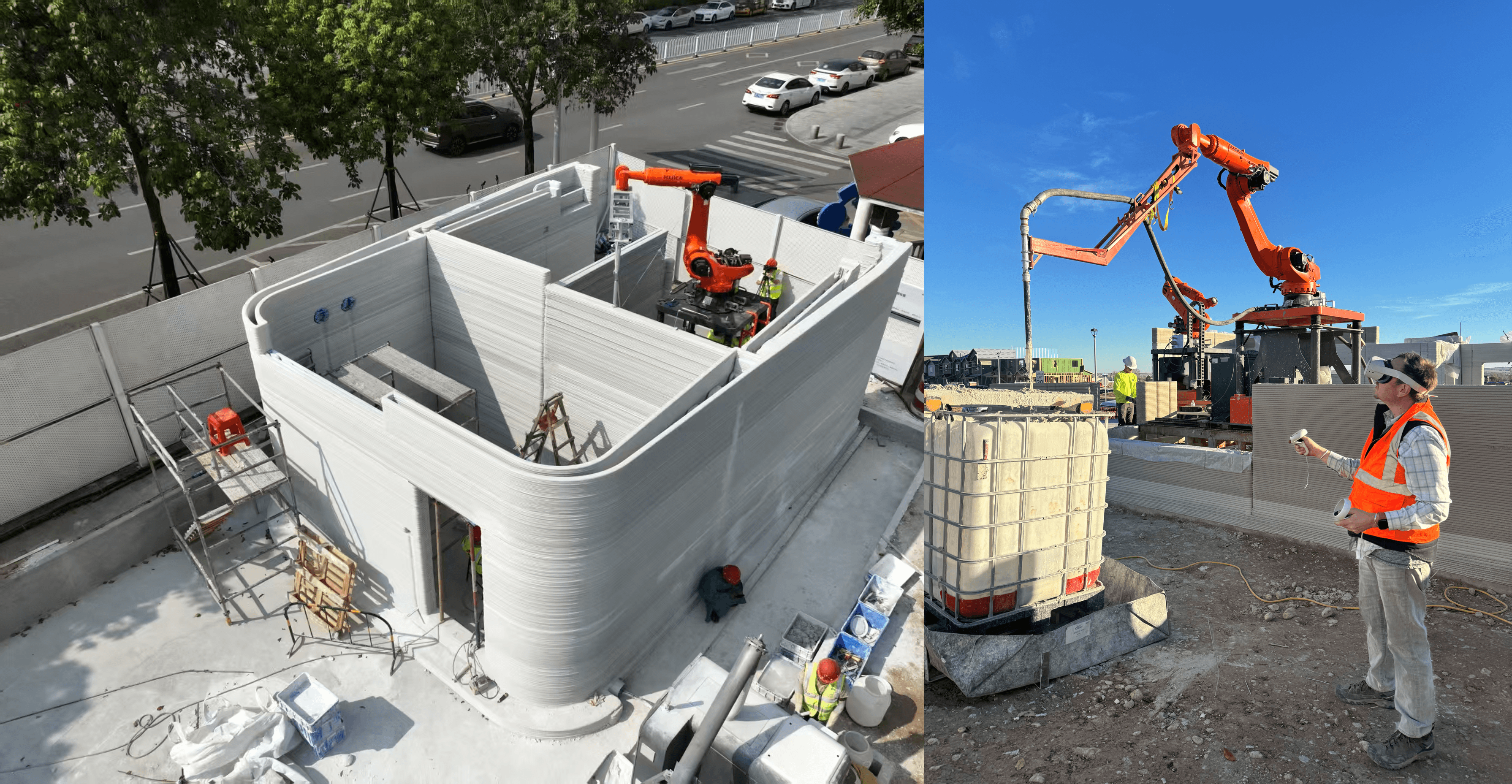
CONSTRUCTION ROBOTICS | FUTURE HORIZONS: 2025–2030 & BEYOND
Construction robotics is entering its decisive decade. Autonomous jobsites, swarm coordination, humanoid integration, and a potential $60 billion market reshape every strategic decision in the industry.
Digital Twin, Physical AI & Robot OEM Readiness 2026: Platforms, VLA Models, LLM Programming
A balanced analysis of the robot intelligence revolution: multi-vendor digital twin platforms (NVIDIA, Siemens, Dassault, ABB, Rockwell, Hexagon), Physical AI VLA models (RT-2, pi0, GR00T N1, AgiBot), current Physical AI limitations, LLM robot programming, and the OEM readiness matrix across US, European, and Chinese manufacturers.
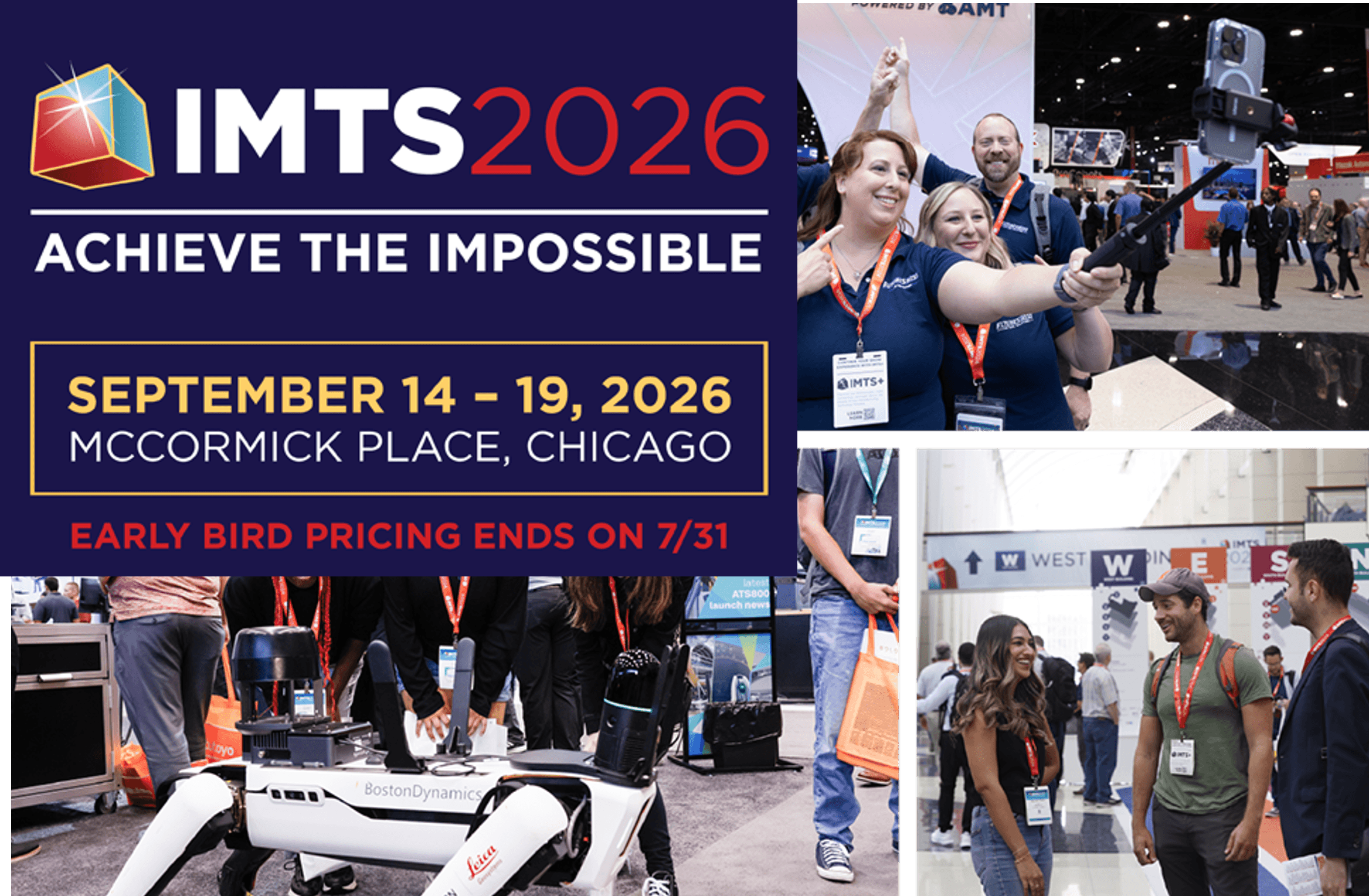
IMTS 2026: North America's Largest Manufacturing Technology Show | Chicago Sept 14–19
IMTS 2026 — the 36th edition of the International Manufacturing Technology Show — returns to McCormick Place, Chicago, September 14–19. 2,000+ exhibitors, 114,000 attendees, covering industrial robots, AI manufacturing, CNC, and automation.


