


Taylor-Winfield Technologies
U.S. OEM founded 1882 in Brookfield, OH; designs and manufactures resistance welding, arc welding, and robotic assembly systems for automotive, aerospace.
Contact Taylor-Winfield Technologies
WEBSITE
https://www.taylor-winfield.comPHONE
+1 330-259-8500HEADQUARTERS
United States

Company Facts
Founded
-
Primary Role
Manufacturer
Company Size
-
Primary Region
North America
Annual Sales
-
Funding Stage
-
Funding Total
-
Keywords
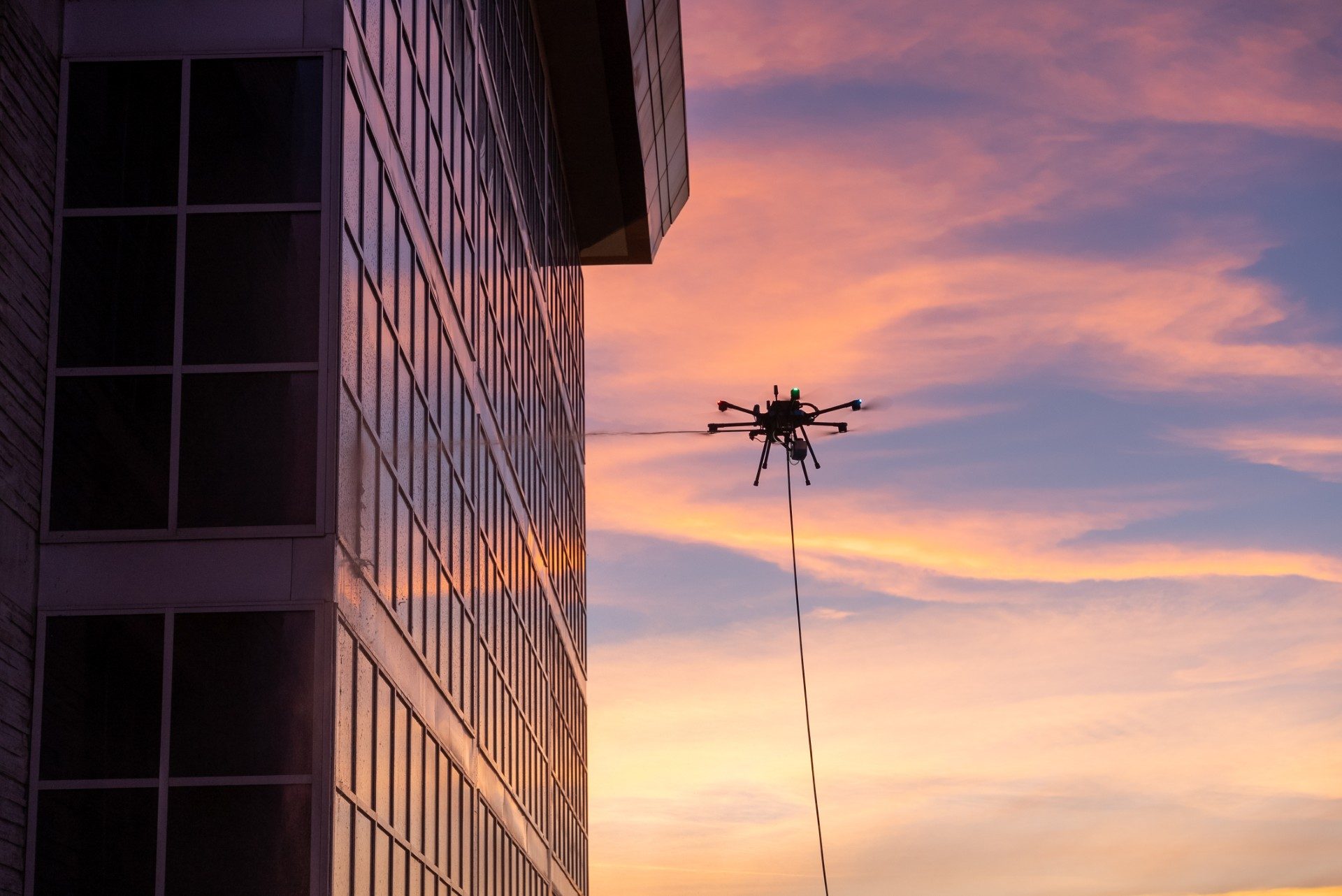
Lucid Bots Expands Drone Platform with New Power Tether and Enhanced Capabilities
Lucid Bots, led by CEO Andrew Ashur, is expanding its drone platform to include the Power Tether, which provides continuous electricity to UAVs. Founded in 2018, the Charlotte-based company has grown rapidly, employing around 80 people and serving over 400 customers across more than 40 states and three continents. The expansion into manufacturing the Power Tether is significant as it enhances the operational capabilities of Lucid Bots' drones, which are designed to replace hazardous human labor in exterior cleaning. Ashur's vision was inspired by the dangers faced by window washers, highlighting the need for safer alternatives in the cleaning industry. Looking ahead, Lucid Bots plans to ramp up production to manufacture 25 spraying drones and an equal number of Power Tethers each month. The company's innovative approach positions it to meet the growing global demand for efficient and safe exterior cleaning solutions, ensuring the maintenance of valuable real estate assets.
Drone News Drone News Feeds News Products aerial robotics American Made Drones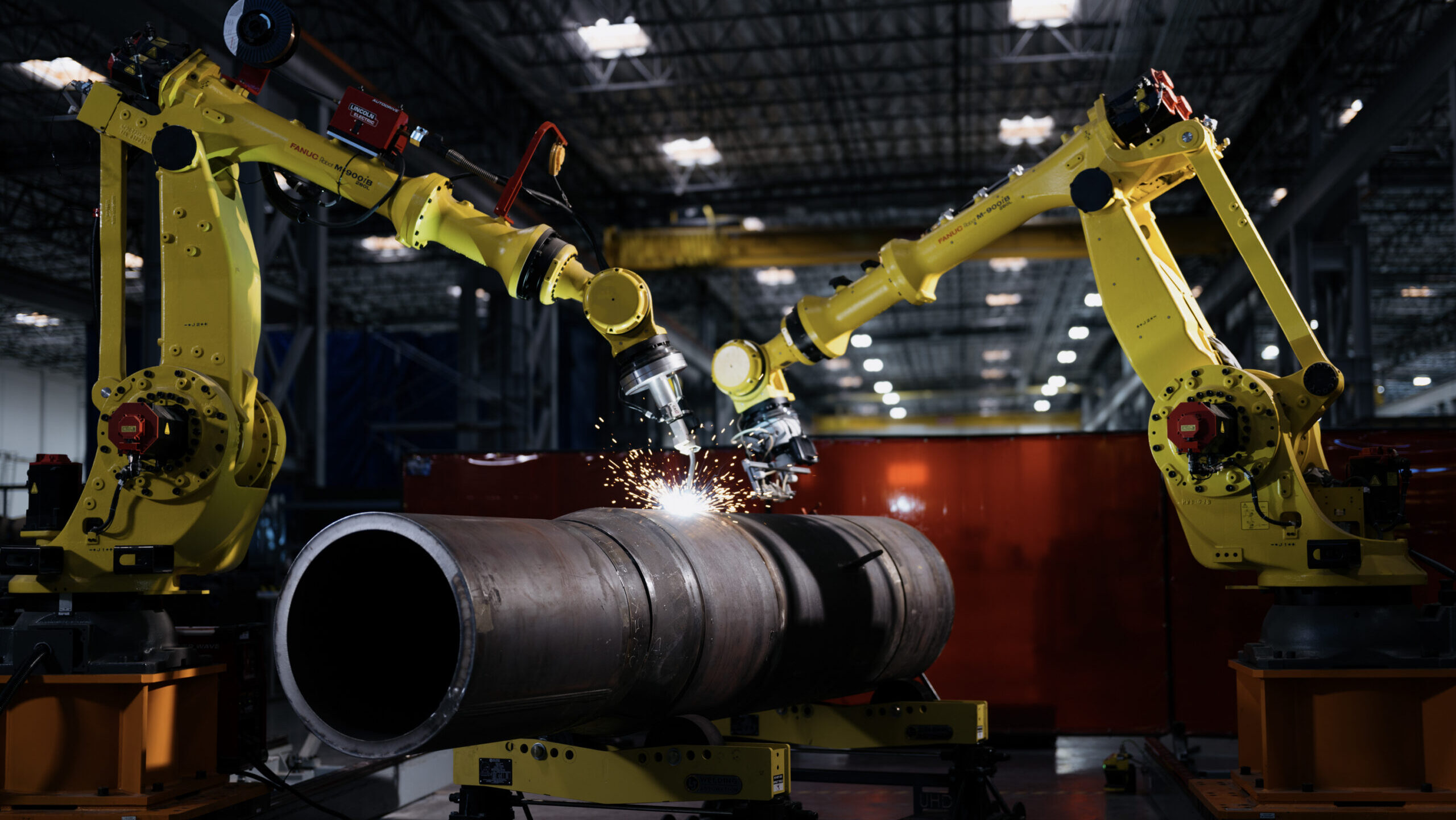
Gecko Robotics Partners with Anduril for New Arsenal-2 Shipyard in Baltimore County
Gecko Robotics has announced its collaboration with Anduril to deploy robotics and AI software at the new Arsenal-2 shipyard in Baltimore County, Maryland. This facility will focus on manufacturing submarine parts, utilizing Gecko's inspection technology for non-destructive testing (NDT) of components, and creating a digital thread for maintenance planning. The partnership is significant as it aligns with Anduril's $6.6 billion investment to enhance submarine production capabilities, including parts for Virginia-class submarines. The integration of Gecko's technology is expected to streamline inspection processes and improve quality control from the outset of operations at the new shipyard. Looking ahead, Anduril plans to commence construction of the Arsenal-2 shipyard after receiving necessary approvals, with initial operations targeted for 2030. The collaboration with Gecko Robotics is also set to extend to a new facility in Orange County, California, indicating a broader strategy to enhance submarine manufacturing efficiency and meet Navy production goals.
Naval Warfare Anduril artificial intelligence AI Gecko Robotics Navy submarine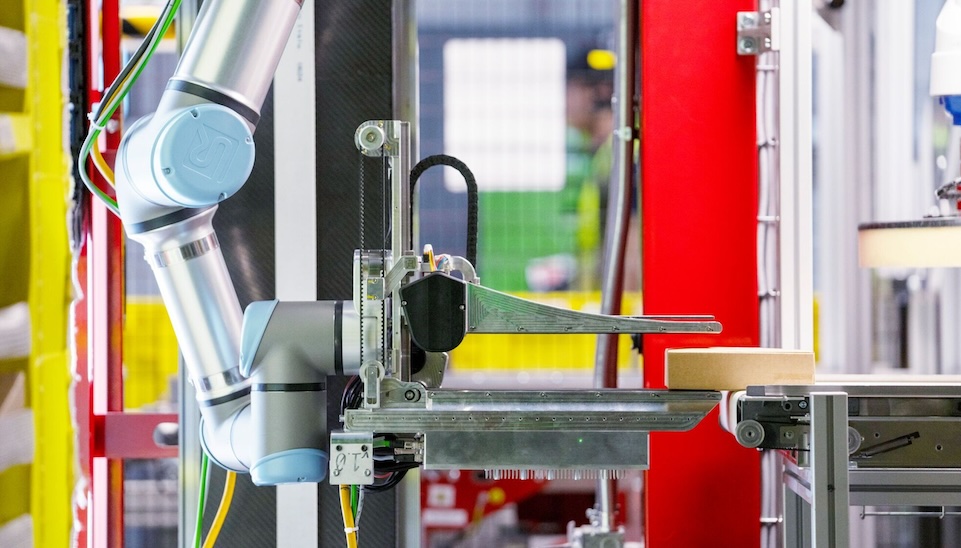
AWS Unveils Open-Source Physical AI Toolchain for Robotics Development
Amazon Web Services (AWS) has launched an open-source Physical AI Toolchain aimed at assisting roboticists in transitioning from data collection to the deployment of AI models on robots. This toolchain integrates AWS services with NVIDIA’s Physical AI software, addressing the challenge of connecting various components necessary for effective AI-powered robotics. The significance of this launch lies in its potential to streamline the development process for AI models, allowing companies to focus on solving specific problems rather than managing infrastructure. AWS's Sri Elaprolu emphasized the importance of generating synthetic data and utilizing simulation to enhance model training and deployment, particularly in environments with variable conditions. Looking ahead, the toolchain is designed to support continuous improvement through a feedback loop, where data from deployed robots is used to refine models. While no further timeline was disclosed at the time of publication, AWS's toolchain draws on insights from Amazon's extensive robotics operations, which include over 1 million robots, and aims to adapt to diverse operational environments such as convenience stores.
Artificial Intelligence Artificial Intelligence / Cognition Design / Development News Amazon amazon robotics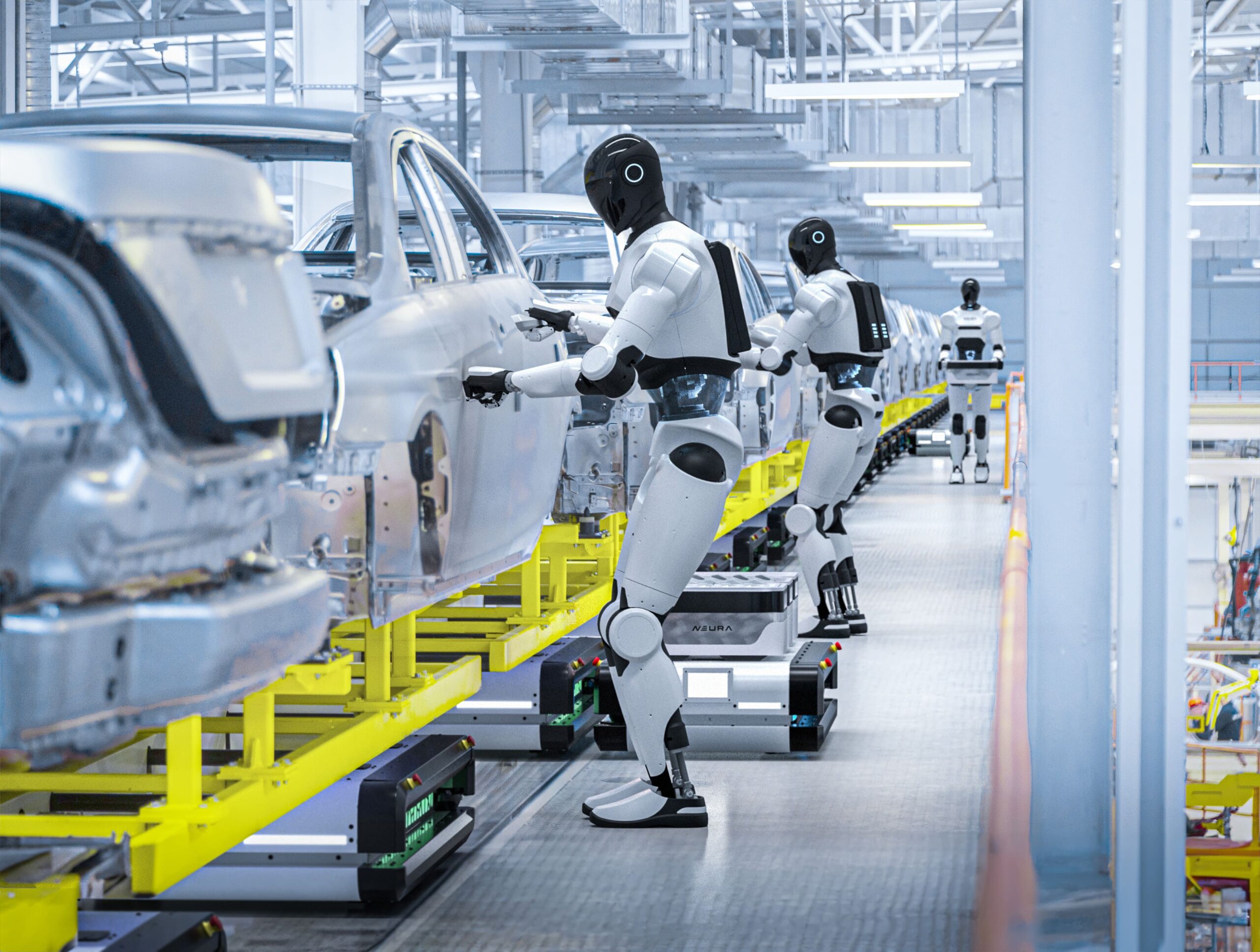
AWS Introduces Open-Source Physical AI Toolchain to Enhance Robotics Development
Amazon Web Services (AWS) has launched an open-source Physical AI Toolchain aimed at assisting robotics developers in training, simulating, deploying, and enhancing physical AI systems using AWS cloud services and Nvidia’s software stack. This toolchain encompasses synthetic data generation, model training, simulation, edge deployment, and continuous improvement, enabling users to manage fleets of machines effectively. The significance of this launch lies in its potential to streamline the engineering efforts of manufacturers and robotics developers, allowing them to focus more on innovation rather than infrastructure. With one in seven startups engaged in physical AI and 72% of them deeming cloud computing essential, the toolchain is positioned to support a wide range of applications, from industrial automation to humanoid robotics. Looking ahead, AWS's Physical AI Toolchain is expected to play a crucial role in the evolution of physical AI across various industries. As companies increasingly adopt this technology, the toolchain's capabilities for fleet management and operational data integration will be vital for improving performance and scalability in real-world applications. No further timeline was disclosed at the time of publication.
AI Physical AI Technology & Infrastructure AI infrastructure platform Amazon Amazon Web Services
AWS Startups Report Reveals Rapid Growth of Physical AI Amid Market Readiness Challenges
A report from AWS Startups in collaboration with Strand Partners indicates that 15% of startups across 20 markets are developing physical AI technologies. However, only 26% of these startups believe their local markets are ready for deployment, with 70% citing slow adoption as a significant barrier to growth. The report highlights the critical role of cloud infrastructure, with 72% of builders deeming it essential for development. Additionally, 62% of respondents indicated they could not have initiated their projects without cloud computing, while 56% noted that limited computing power hampers progress. Manufacturing and automotive sectors lead in commercial deployment at 51%, followed closely by logistics and retail at 47%. Looking ahead, 76% of builders anticipate that physical AI will become mainstream in their industries within five years, with 36% expecting this transition within two years. However, the report emphasizes that increased customer awareness, technical skills, funding, and clearer regulations are necessary for broader adoption.
Business & Markets Startups Technology & Infrastructure AI Amazon Asia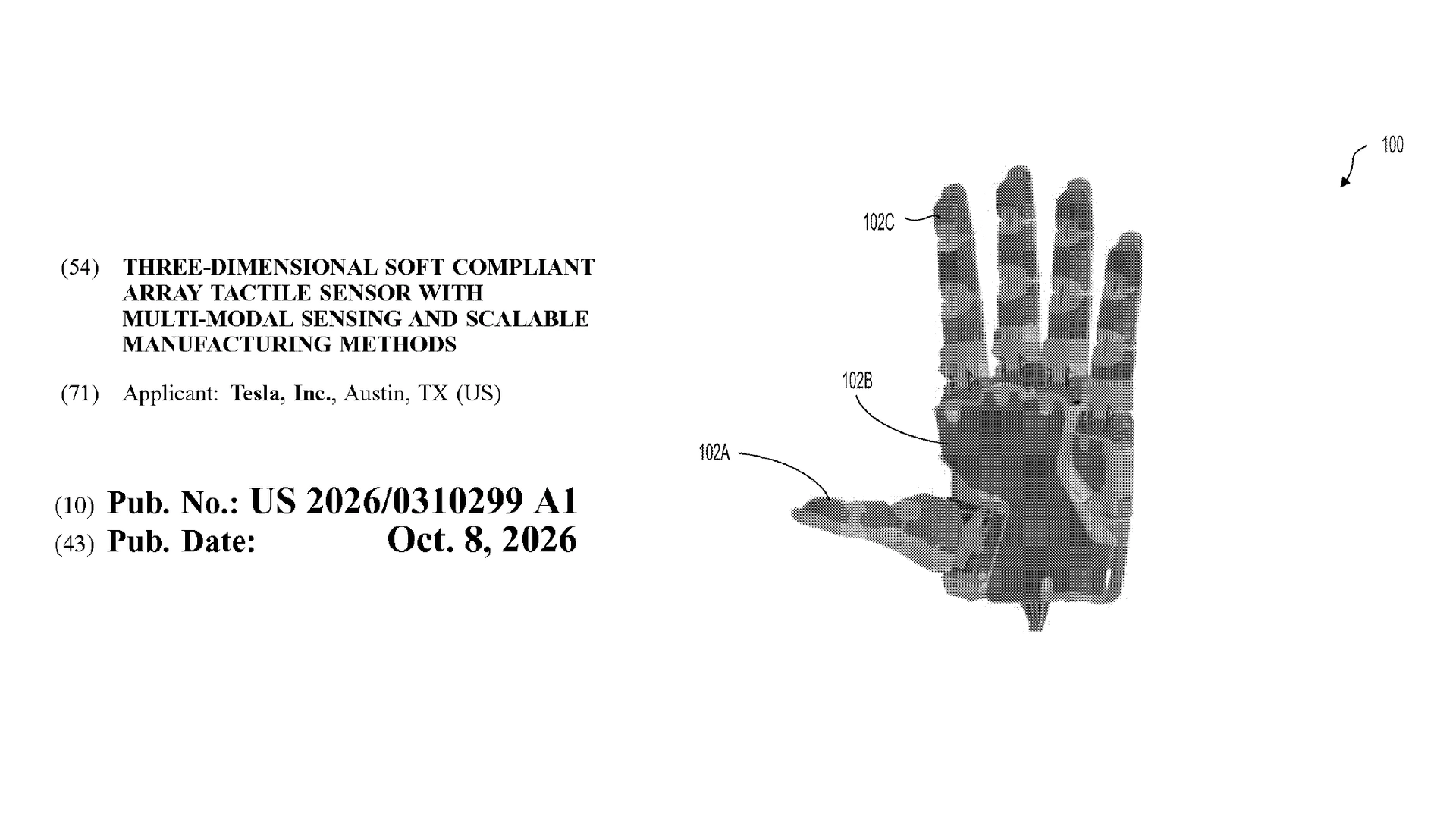
Tesla Unveils Patent for Flexible Touch Sensors in Robotic Hands
Tesla has published a patent application detailing flexible touch sensors designed for robotic fingers and palms, potentially linked to its Optimus project. The U.S. application, US20260310299A1, was made public on October 8, 2025, and highlights earlier engineering efforts rather than a new product launch. The significance of this development lies in Tesla's exploration of integrating touch sensing technology into the contours of robotic hands, which could enhance the functionality of humanoid robots. The sensors feature multiple independently readable regions to detect physical contact, suggesting a sophisticated approach to tactile feedback in robotics. Looking ahead, the application raises questions about the manufacturing techniques Tesla may employ and whether these sensors will effectively address existing challenges in the production of Optimus. No further timeline was disclosed at the time of publication.
Tesla US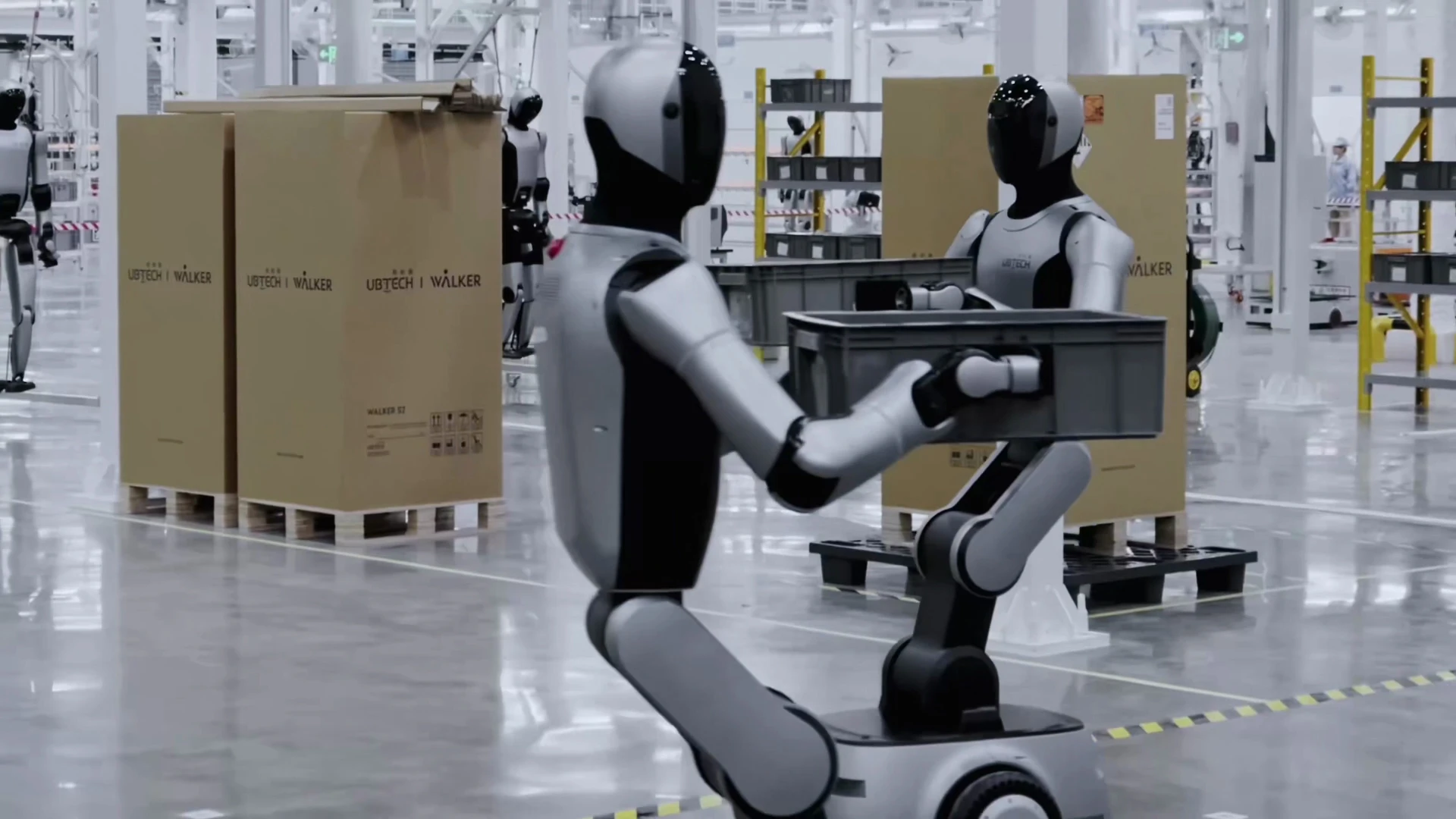
UBTECH and FAW-Volkswagen Enhance Partnership to Develop Humanoid Robots for Logistics
UBTECH and FAW-Volkswagen have announced a partnership to develop and test humanoid robot applications for logistics, building on their existing collaboration in manufacturing. This strategic cooperation, revealed on October 8, aims to create demonstration applications that promote humanoid solutions for smart manufacturing, addressing the increasing demand for personalized vehicles. The significance of this partnership lies in its potential to enhance flexibility in manufacturing processes. As automakers like FAW-Volkswagen adapt to changing consumer preferences, the integration of humanoid robots could streamline logistics operations, thereby improving efficiency and productivity on the factory floor. UBTECH's previous work with FAW-Volkswagen at the Qingdao plant, where the Walker S Lite was used for quality inspections, showcases the practical applications of their technology. Looking ahead, the partnership raises questions about the specific logistics tasks that humanoid robots will be able to perform reliably. While the agreement focuses on joint development and testing, it does not disclose details about the robot models or the facilities involved. No further timeline was disclosed at the time of publication.
China UBTECH Robotics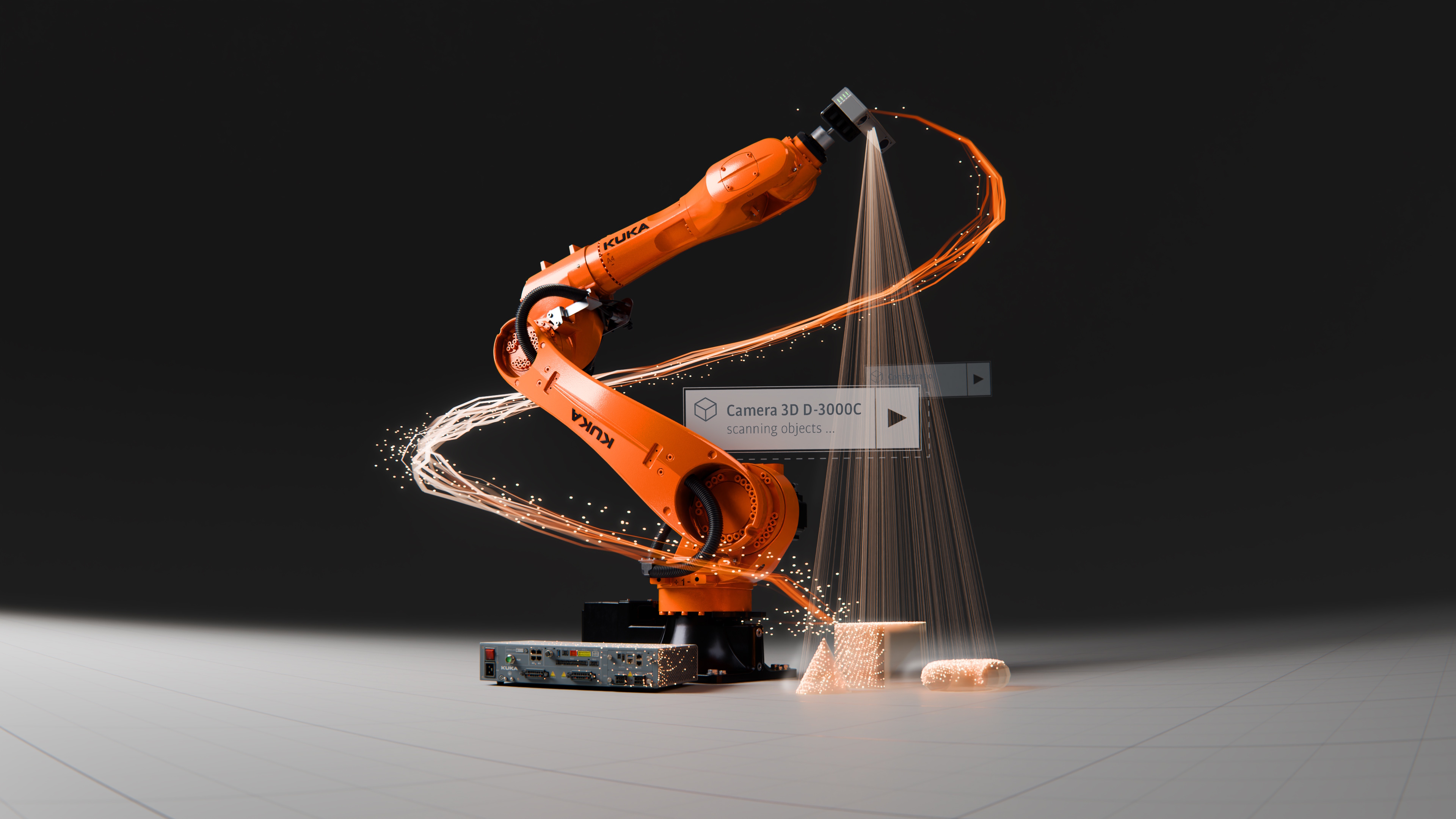
iiQKA.AI Vision Enhances Industrial Image Processing with User-Friendly Interface
iiQKA.AI Vision has introduced a standalone vision application within iiQWorks, designed to simplify industrial image processing. This application features a graphical user interface that allows users to implement vision applications efficiently, utilizing drag-and-drop functionality, pre-built templates, and guided workflows from setup to commissioning. The significance of this development lies in its ability to ensure process reliability through robust image processing capabilities, including precise 2D and 3D object recognition, automatic position determination, and gripper point calculation. The system is designed to perform reliably under varying component conditions and changing lighting, making it suitable for diverse industrial applications. Looking ahead, the seamless integration of iiQKA.AI Vision with iiQWorks and the robot controller facilitates a unified system from engineering to operation. This integration supports a consistent workflow from configuration to deployment, along with centralized management and monitoring via a web interface. No further timeline was disclosed at the time of publication.
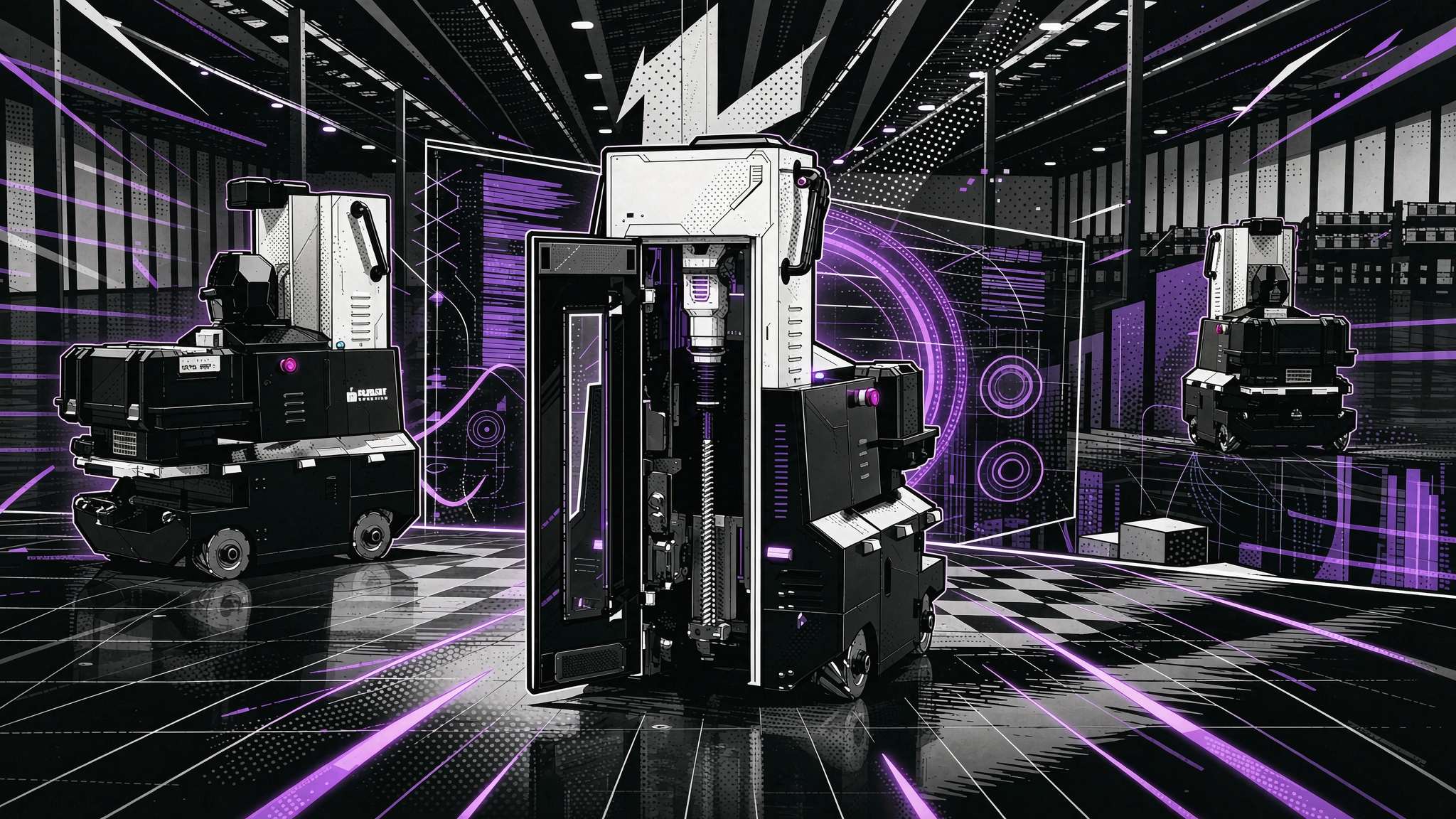
First Coordinated Drilling Robot Achieves 10x Speed and 99% Accuracy
A groundbreaking drilling robot has been developed, showcasing the ability to perform coordinated operations with a speed ten times greater than traditional methods and an accuracy rate exceeding 99%. This innovation marks a significant advancement in drilling technology, potentially transforming various industrial applications. The introduction of this robot is crucial as it addresses the limitations of conventional drilling techniques, which often suffer from slower speeds and lower precision. By enhancing operational efficiency, this technology could lead to cost savings and improved outcomes in sectors that rely on drilling processes. Looking ahead, industry stakeholders should monitor the deployment and performance of this drilling robot in real-world scenarios. No further timeline was disclosed at the time of publication.
Robotics Automation AI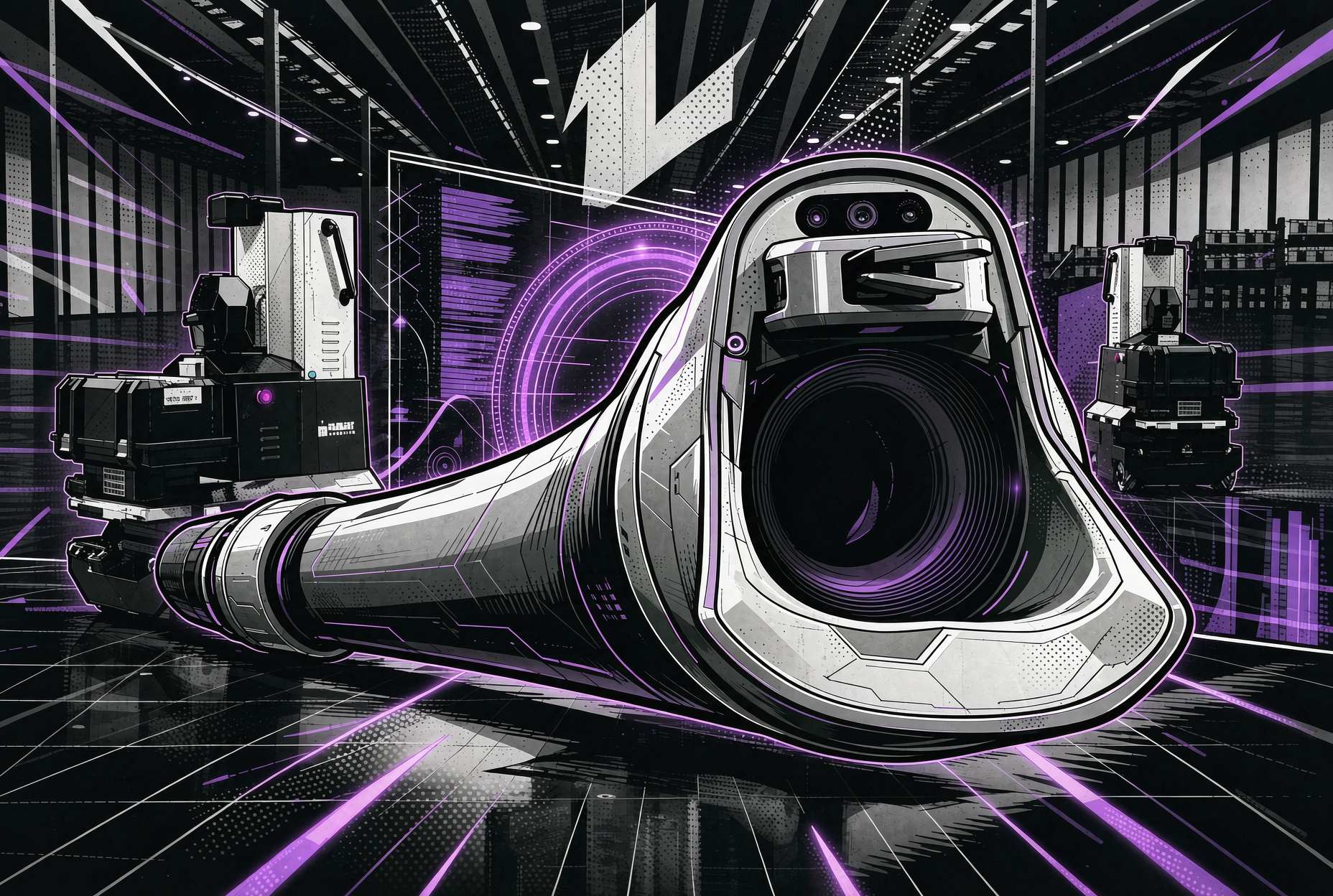
Israeli Company Develops Flexible Picking Robots Targeting 95% Fruit Coverage on Trees
An Israeli company has developed innovative flexible picking robots designed to harvest up to 95% of the fruit from trees. This advancement in agricultural robotics aims to enhance efficiency in fruit picking, addressing labor shortages and increasing productivity in the sector. The significance of this technology lies in its potential to transform the fruit harvesting process, making it more efficient and less reliant on human labor. As the agricultural industry faces challenges such as labor shortages, these robots could provide a viable solution, ensuring that fruit is harvested at optimal times and reducing waste. Looking ahead, the adoption of these flexible picking robots could reshape agricultural practices, particularly in fruit production. Stakeholders in the agriculture sector should monitor developments in this technology and its implementation in various regions. No further timeline was disclosed at the time of publication.
Robotics Automation AI
China’s Dexterous Hand Industry, 2026 Part 3 — The Players
Five vendor archetypes, MIR’s composite top ten, eight company profiles and six field deployments — every firm linked to the RobotToday supplier directory.
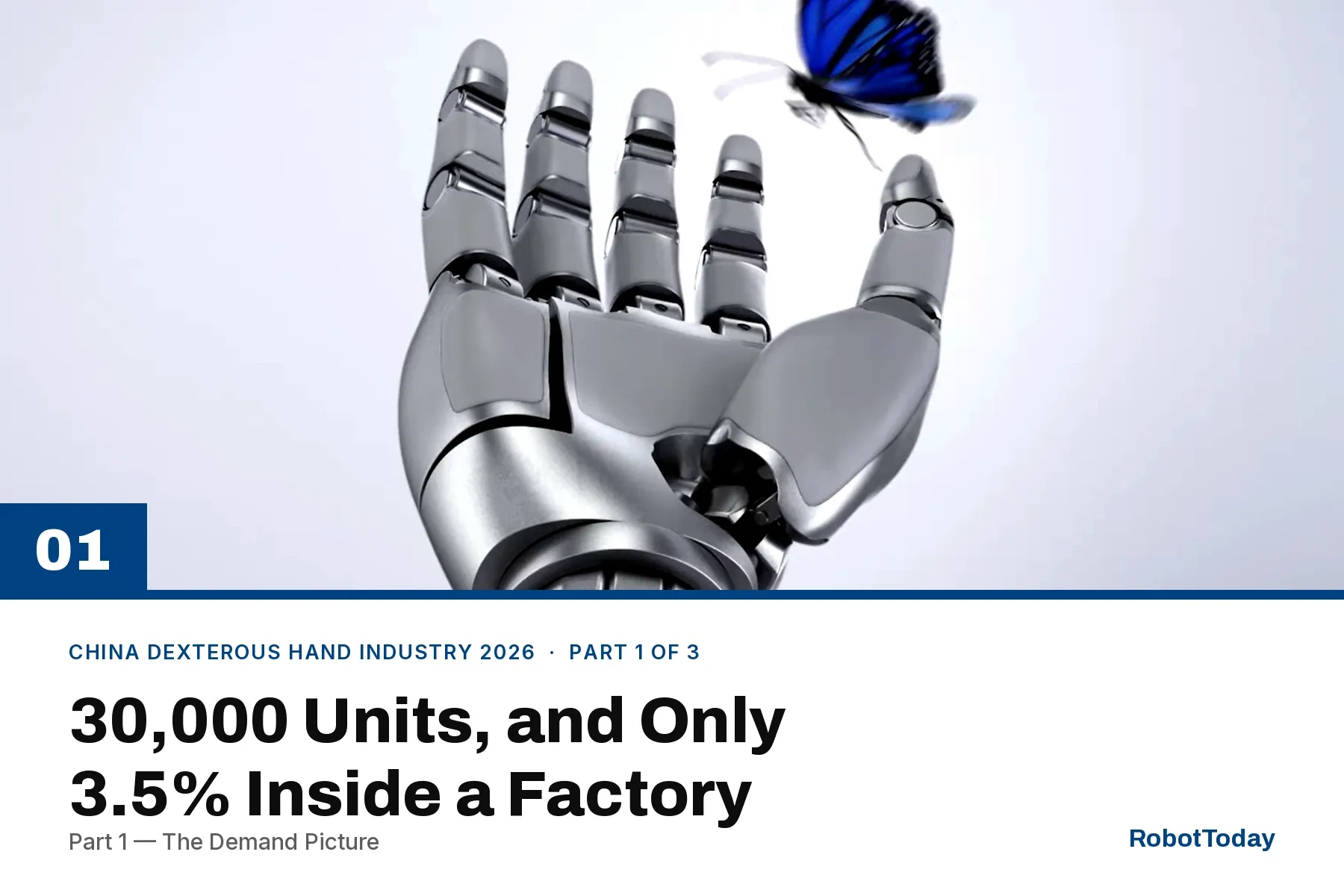
China’s Dexterous Hand Industry, 2026 Part 1 — The Demand Picture
MIR Databank puts China dexterous hand shipments above 30,000 units in 2026, yet only 3.5% of 2025 demand came from factory production. Part 1 of 3.
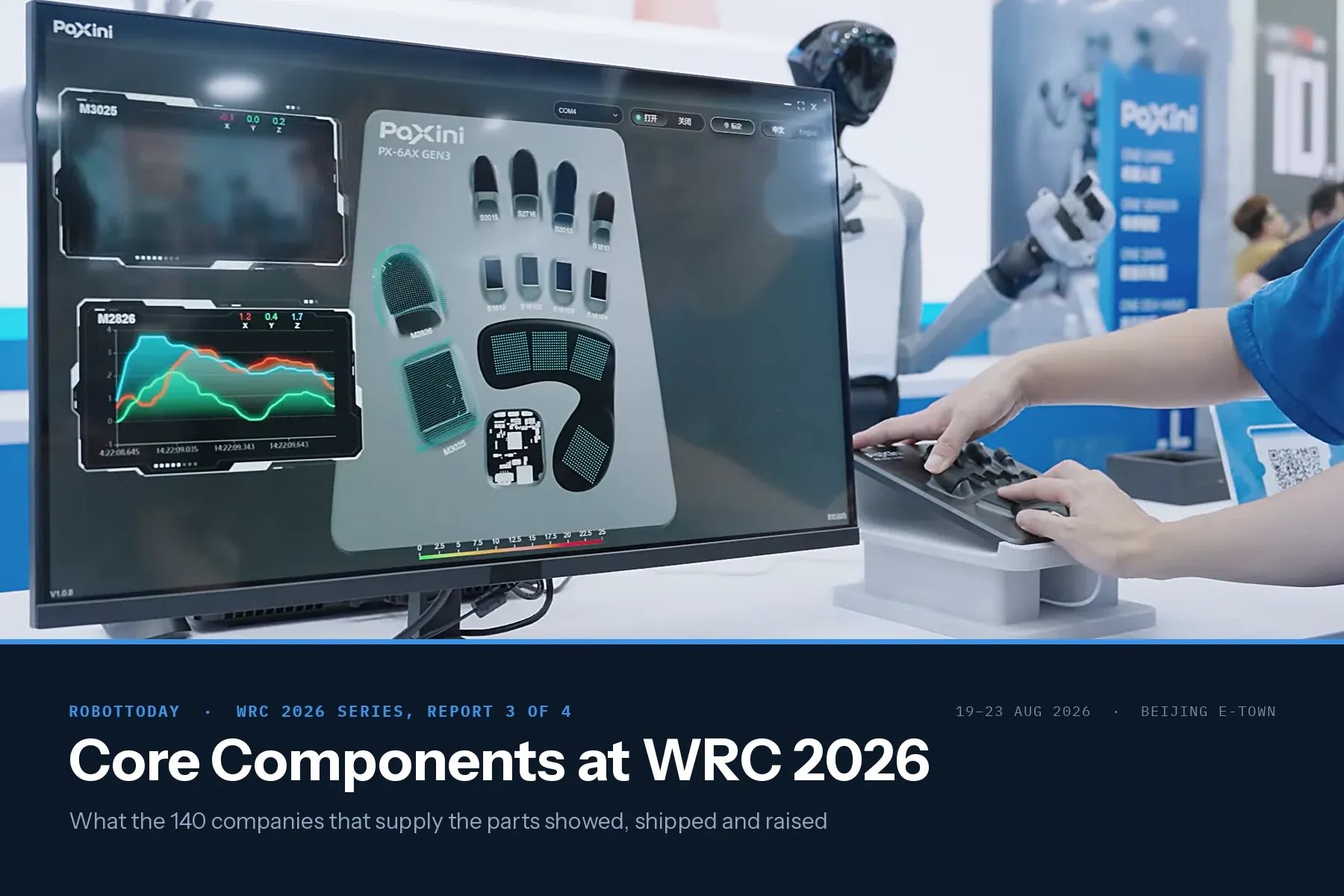
WRC 2026 Core Components: 137 Robot Parts Suppliers
The third report in the WRC 2026 series. Report 1 mapped all 248 exhibitors by category and Report 2 covered the 139 that build finished robots. This one covers the 137 that build what goes inside them.

WRC 2026 Exhibitor Map: 248 Robotics Companies Mapped
We classified 248 WRC 2026 exhibitors with the RobotToday taxonomy. Motion & Actuation leads at 75 companies, Humanoid at 72, and compute stays thin at 12. (Modified 2026-08-27)

Introduction to Robotics J. J. Craig — RSF Top 10 Robot Education Textbooks · No. 6
Six of ten benchmark universities teach kinematics from Craig. Frames, transforms and D-H parameters: the language vendor manuals already speak.
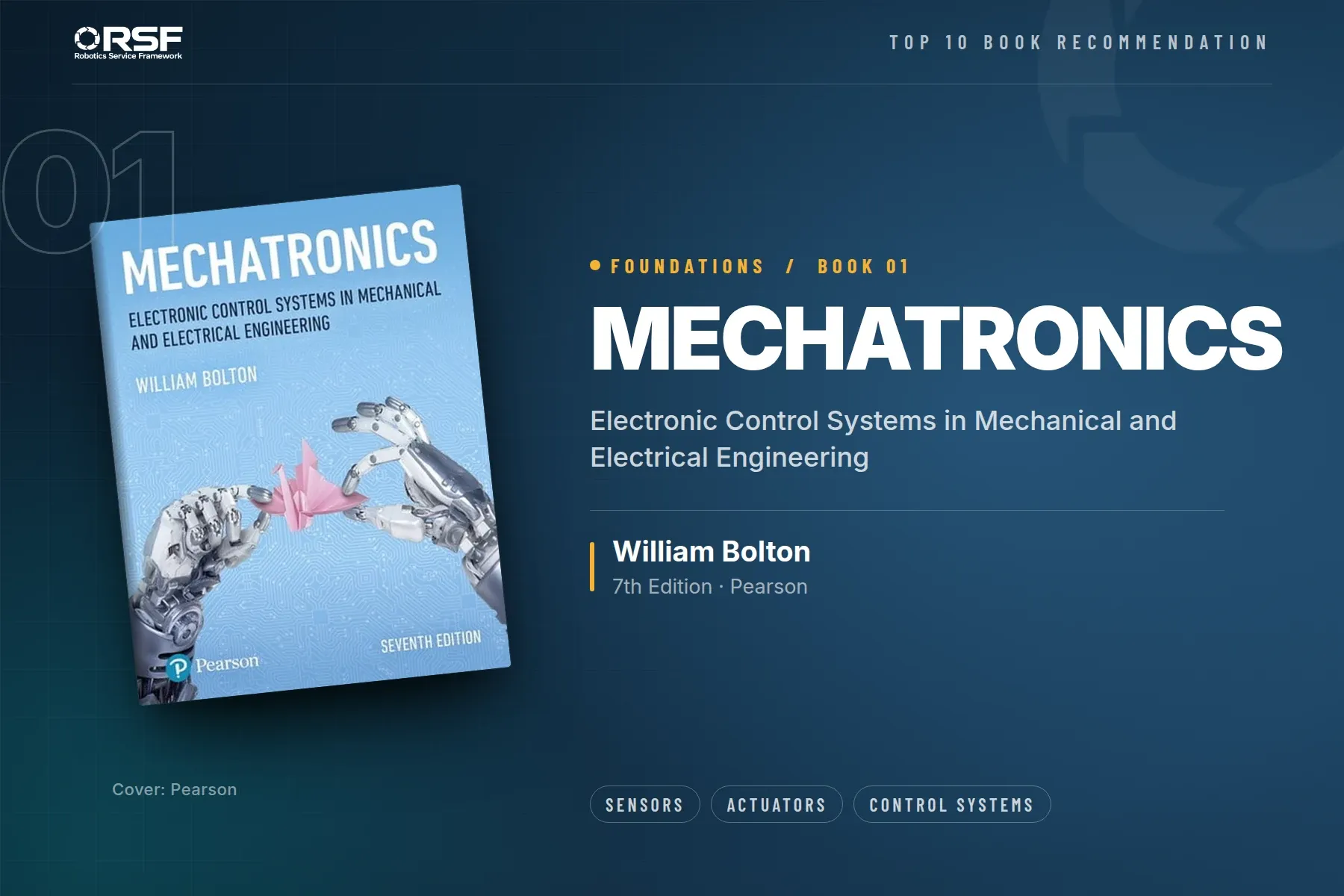
Mechatronics W. Bolton — RSF Top 10 Robot Education Textbooks · No. 1
Bolton's Mechatronics ranks No.1 for robot service engineers: encoders, drives, sensors and the Layer 2 faults most textbooks skip. Difficulty 2/5.
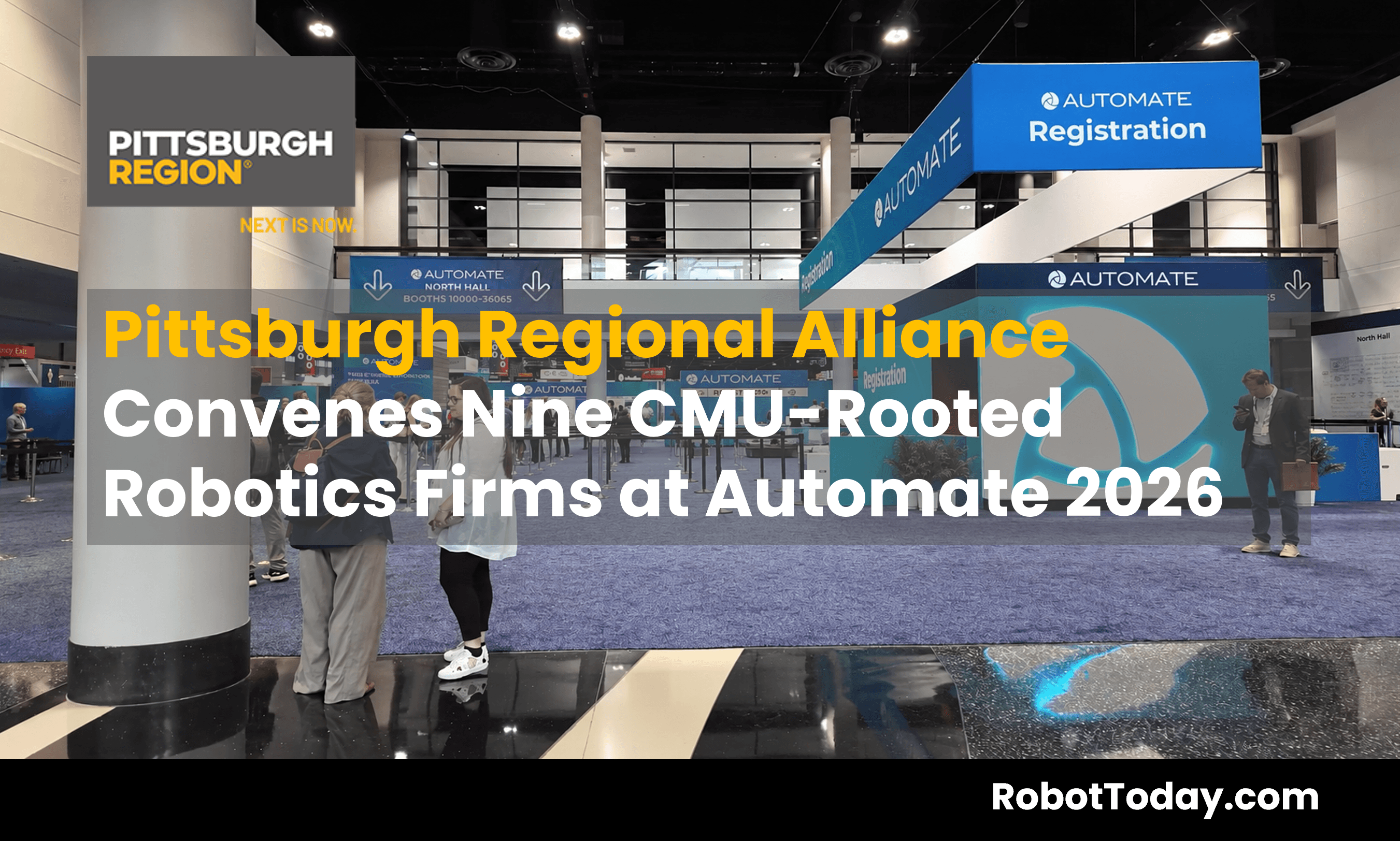
Pittsburgh Regional Alliance Convenes Nine CMU-Rooted Robotics Firms at Automate 2026
At Automate 2026, the Pittsburgh Regional Alliance convened nine robotics firms — most spun out of Carnegie Mellon — spanning materials, perception and AMRs.
CONSTRUCTION ROBOTICS | BUSINESS MODELS & INVESTMENT LANDSCAPE
Construction robotics attracted $4.4 billion in built environment tech funding through Q3 2025. SoftBank acquired ABB Robotics for $5.375 billion. RaaS is displacing capex models. AI-native platforms command 39x revenue multiples. This is where money meets machines.

Market Position of Automakers Humanoids
Automakers like Tesla and XPENG are transforming humanoid robotics with industrial scale, cost advantages, and automated factory deployment shaping the 2030 market.
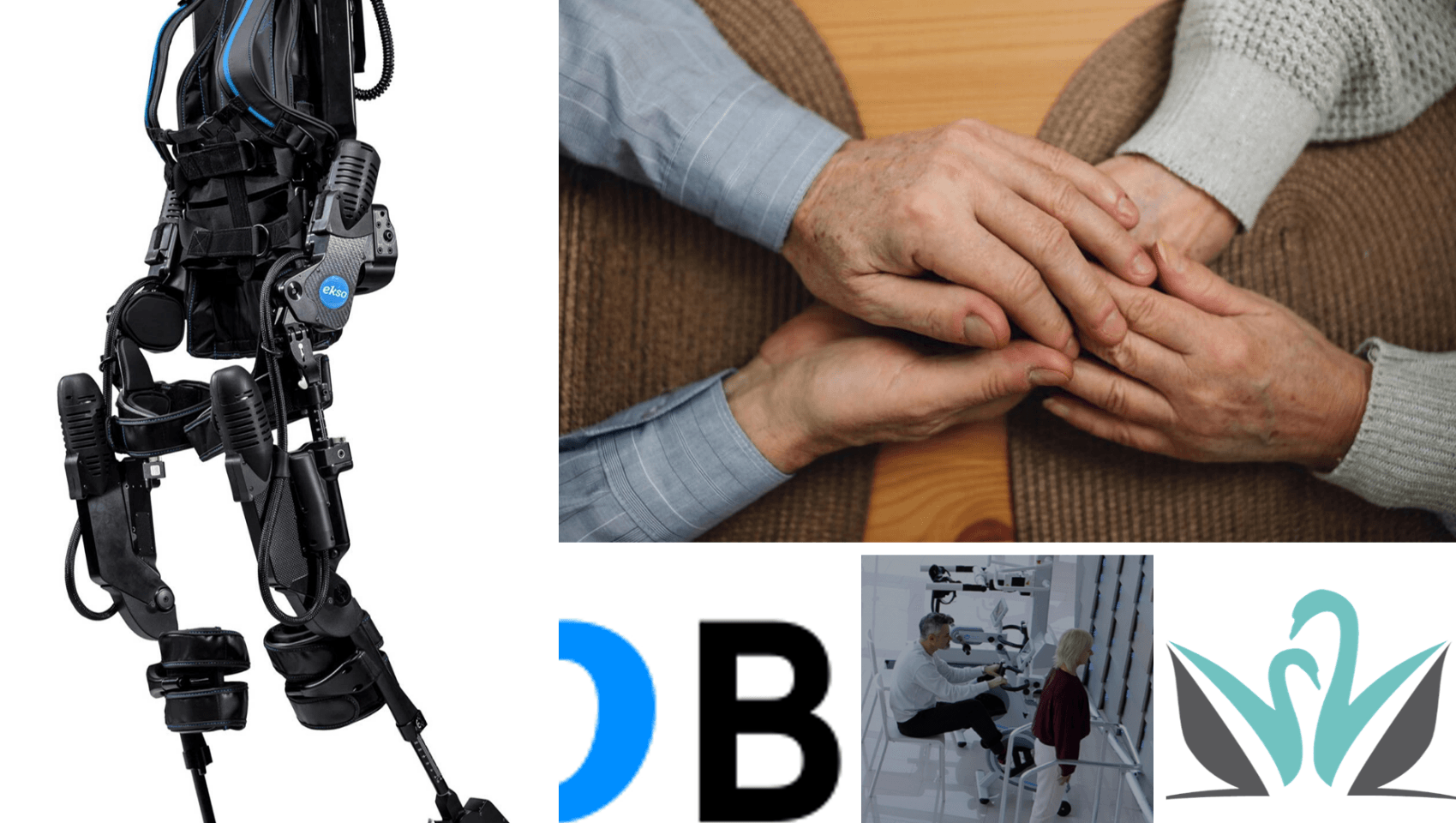
The Coming Care Crisis: Why the U.S. Aged Care System Can’t Survive Without Robots
The U.S. aged-care system faces severe labor shortages and rising costs. Care robots are emerging as a critical solution to sustain elder care at scale.


