Owens Design

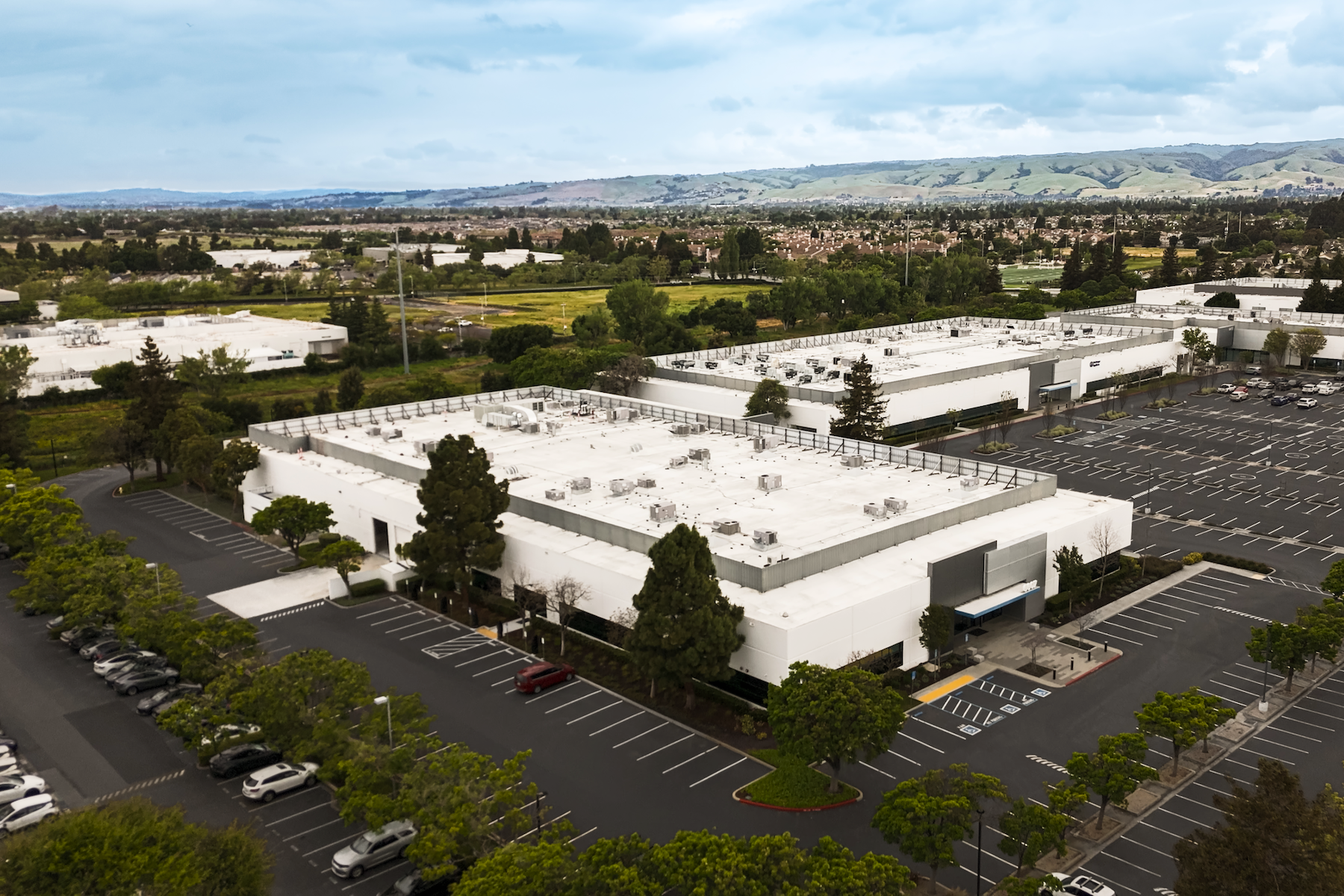
Owens Design is a Silicon Valley custom equipment and factory automation engineering firm serving semiconductor, biomedical, renewable energy, and display industries for over 40 years. Clients include NASA, DARPA, and major manufacturers.

Share
Owens Design
47427 Fremont Blvd
Fremont, CA 94538
RobotToday Initiative

Robotics needs a service framework.

RSF defines a common language for robot service capability, lifecycle operations, certification pathways, and service-provider networks.

Share

Related Content

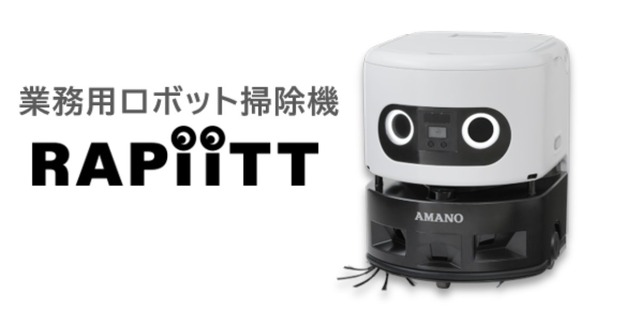
Amano Launches RAPiiTT, a New Commercial Robot Vacuum for Enhanced Cleaning Automation

Amano Launches RAPiiTT, a New Commercial Robot Vacuum for Enhanced Cleaning Automation

Amano Corporation launched the RAPiiTT commercial robot vacuum on July 16, 2026, aimed at enhancing cleaning efficiency in various facilities such as offices, commercial spaces, hospitals, and airports. This product leverages Amano's extensive experience in cleaning robot deployment since 2014, integrating advanced AI and autonomous navigation technologies developed by Preferred Robotics. The RAPiiTT is designed to automate cleaning tasks across multiple floors, reducing the need for manual labor in transporting equipment between floors. It features LiDAR for obstacle detection, ensuring safe navigation around people and objects. With a cleaning width of 500mm and a noise reduction design, it operates effectively in noise-sensitive environments, making it suitable for offices and commercial facilities. Looking ahead, the RAPiiTT's integration with the AMANO Robot Cloud allows for real-time management of multiple units, streamlining operations for facility managers. No further timeline was disclosed at the time of publication.

LG Electronics Reviews H2 Strategy Focused on AI, Robotics, and Future Growth

LG Electronics Reviews H2 Strategy Focused on AI, Robotics, and Future Growth

LG Electronics held a significant meeting with around 300 executives to discuss its strategy for the second half of the year, emphasizing growth in robotics and AI data center cooling. The meeting, chaired by CEO Lyu Jae-cheol, followed a record first half, with preliminary second-quarter revenue reaching 23.8 trillion won ($16 billion) and an operating profit of 1.58 trillion won. The focus on robotics is particularly notable as LG has established a Robotics Business Center and initiated production of its proprietary Axium robot actuator. The company aims to leverage synergies in robotics, AI data center cooling, smart factories, and AI-powered homes, which Lyu identified as key growth areas that align with the rise of artificial intelligence. Looking ahead, analysts predict that LG's cooling systems for AI data centers could start contributing to earnings within six to nine months. The collaboration with Nvidia is expected to enhance LG's robotics platform, while advancements in robotics may positively impact earnings estimates for 2027. No further timeline was disclosed at the time of publication.

All News
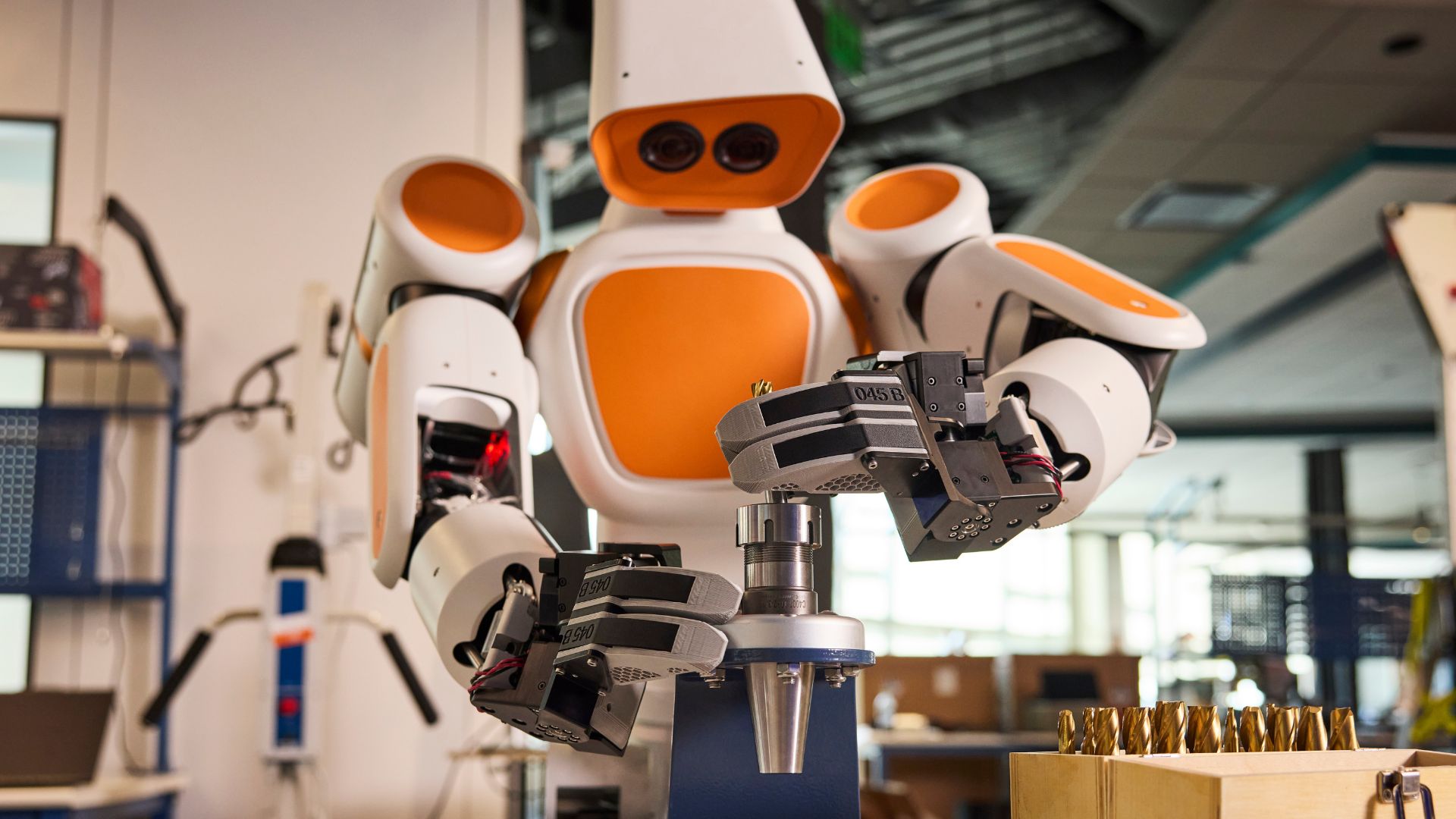
Walden Robotics Launches AI-Driven Factory Robots for Real-World Automation

Walden Robotics Launches AI-Driven Factory Robots for Real-World Automation

Walden Robotics, a US-based startup, has unveiled a general-purpose robotics platform that enables Physical AI robots to learn and adapt while performing real work. Unlike traditional robots that follow pre-programmed workflows, Walden's robots continuously improve through real-world operations, making them suitable for complex tasks alongside human workers from the outset. The significance of Walden Robotics lies in its full-stack approach, which integrates hardware, AI, and deployment software to create robots that evolve in capability over time. With $300 million in funding and a valuation of $1.1 billion, the company is addressing the growing demand for flexible automation in sectors like automotive, aerospace, and logistics, driven by labor shortages and increasing product complexity. Looking ahead, Walden Robotics has already begun deploying its robots in production environments, including a Toyota manufacturing plant in North America. The company aims to enhance its robots' skills through real-world experience, utilizing advanced AI techniques such as Large Behavior Models and Diffusion Policy. No further timeline was disclosed at the time of publication.

AI and Robotics Innovation

Hyundai Motor Group to Acquire Full Ownership of Boston Dynamics

Hyundai Motor Group to Acquire Full Ownership of Boston Dynamics

Hyundai Motor Group is poised to gain full control of Boston Dynamics after SoftBank exercised a put option on its remaining 9.65 percent stake in the robotics firm. This move comes as Hyundai accelerates its focus on physical artificial intelligence, with plans to enhance its robotics capabilities and synergies across its manufacturing operations. The acquisition is significant as it allows Hyundai to consolidate its ownership of Boston Dynamics, which it initially acquired an 80 percent stake in for $880 million in 2021. With SoftBank's stake dropping below 10 percent, Hyundai and its affiliates will fully own the company, enabling better coordination in robot development and deployment, particularly with the introduction of Atlas humanoid robots in their manufacturing plants. Looking ahead, Hyundai plans to begin testing Atlas robots at its Metaplant America and Kia's Georgia plant, with operational roles expanding by 2030. The company aims to produce 30,000 robots annually by 2028 and establish capacity for 350,000 actuators, crucial for robot functionality. No further timeline was disclosed at the time of publication.

All News
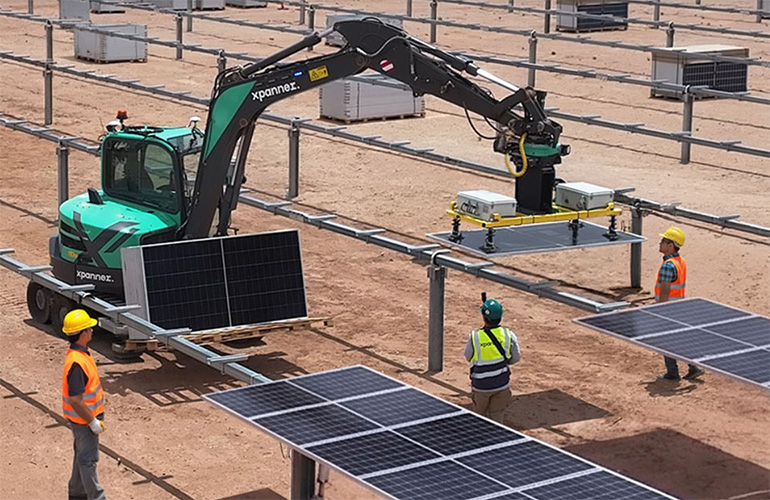
Xpanner Launches X1 Panel Lift to Automate Solar Panel Installation Processes

Xpanner Launches X1 Panel Lift to Automate Solar Panel Installation Processes

Xpanner Global has introduced the X1 Panel Lift system, aimed at alleviating the skilled labor shortage in the solar industry. This innovative platform, previously used for solar pile-driving, now facilitates automated lifting and replacement of solar panels using excavators. By automating repetitive material handling tasks, the X1 Panel Lift allows installation crews to focus on more critical activities such as aligning and fastening panels. The significance of the X1 Panel Lift lies in its potential to transform solar installation workflows, which have traditionally relied on large teams and complex setups. Henri Lee, co-founder and CEO of Xpanner, emphasized that this solution simplifies operations, enabling any operator to manage the system from day one. The introduction of this technology could lead to increased efficiency and reduced labor costs in utility-scale solar projects. Looking ahead, Xpanner plans to enhance the X1 Panel Lift's capabilities through software updates, allowing for the automation of additional workflows without necessitating new equipment purchases. No further timeline was disclosed at the time of publication.

Arms / Manipulators Artificial Intelligence Construction Energy / Solar / Renewables News Safety & Security
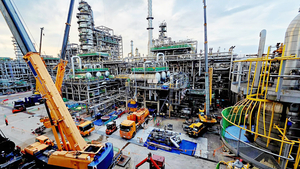
GS Caltex Completes $135 Million Overhaul at Yeosu Refinery Using Robots and AI

GS Caltex Completes $135 Million Overhaul at Yeosu Refinery Using Robots and AI

GS Caltex announced the completion of a 200 billion won ($135 million) turnaround at its Yeosu refinery, utilizing robots, artificial intelligence, and digital tools to enhance safety and operational efficiency. This large-scale maintenance operation involved halting production for intensive inspections and replacing aged components, laying the groundwork for safer and more efficient plant operations. The significance of this turnaround lies in GS Caltex's integration of digital and AI solutions, which are part of the company's broader digital transformation strategy. By digitalizing core operational systems, the refinery aims to improve workplace practices and boost overall competitiveness. The deployment of technologies like MOVision and tube-cleaning robots addresses specific operational challenges, such as locating electric motor-operated valves and enhancing thermal efficiency. Looking ahead, GS Caltex plans to continue innovating within the manufacturing sector by leveraging its DAX strategies. The company's commitment to integrating on-site expertise with advanced technologies is expected to further enhance efficiency and safety in future operations. No further timeline was disclosed at the time of publication.

All News
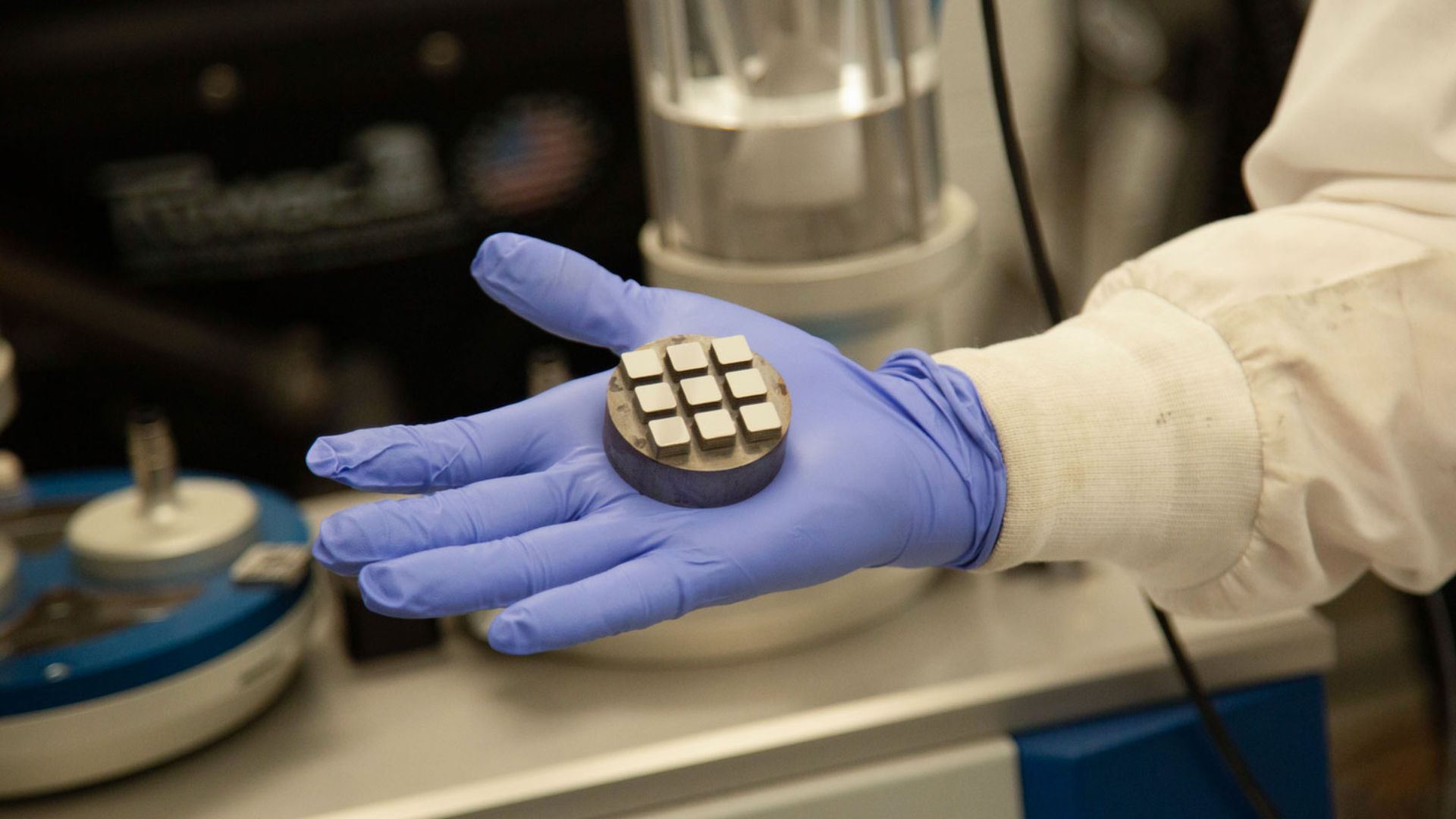
University of Toronto Engineers Develop Six New Metal Alloys for Extreme Environments

University of Toronto Engineers Develop Six New Metal Alloys for Extreme Environments

Researchers at the University of Toronto Engineering have created six innovative metal alloys using an AI-driven discovery platform. These alloys are designed to enhance the durability of components in jet engines and nuclear reactors, capable of withstanding temperatures exceeding 1,832°F. The AI-assisted approach significantly accelerates the identification of high-performance materials, demonstrating the potential for rapid advancements in material science. The significance of this development lies in the growing demand for materials that can endure extreme temperature and pressure fluctuations, which are common in applications like jet engines and nuclear power plants. Yu Zou, the project leader, emphasized the need for materials that can be produced through 3D metal printing, allowing for the creation of complex components that traditional manufacturing methods cannot achieve. Looking ahead, the researchers aim to further refine their AI-driven system to explore additional material compositions. No further timeline was disclosed at the time of publication, but the initial success in identifying six new alloy formulations suggests a promising future for advanced materials in extreme environments.

AI and Robotics Energy Innovation
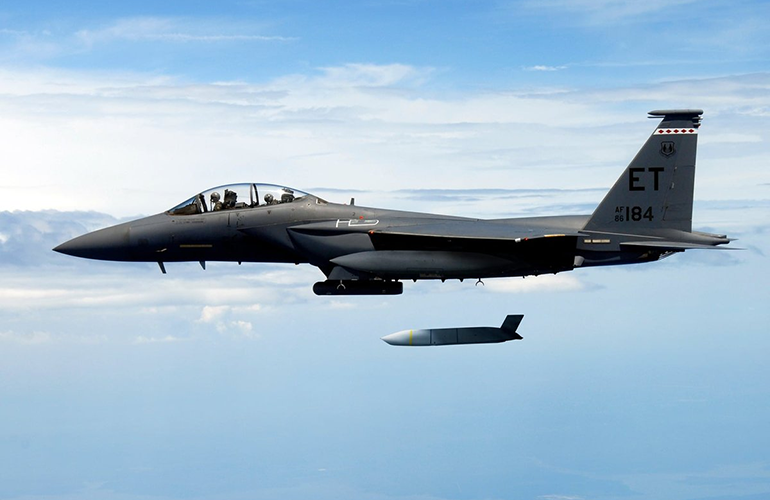
Machina Secures Contract with Lockheed Martin for JASSM Missile Parts Production

Machina Secures Contract with Lockheed Martin for JASSM Missile Parts Production

Machina Labs has received a qualification contract from Lockheed Martin to support the Joint Air-to-Surface Standoff Missile (JASSM) program. This contract marks a significant milestone as it is the first instance of a component produced using Machina's robotic 'RoboForming' technology qualifying for a U.S. defense missile system. The importance of this contract lies in addressing the production constraints faced by missile programs, as highlighted by Machina's CEO Edward Mehr. The company's advanced manufacturing capabilities allow for the rapid formation and assembly of complex metal structures, which is crucial for meeting the demands of defense readiness and enhancing production speed. Looking ahead, Machina is set to open its new facility, Factory 3, dedicated to producing defense systems. This 200,000-square-foot facility will house up to 50 RoboCraftsman cells, enabling high-rate production of mission-critical components for the JASSM program and potentially other defense initiatives. No further timeline was disclosed at the time of publication.

6-Axis Aerospace Defense / Security Manufacturing News Lockheed Martin
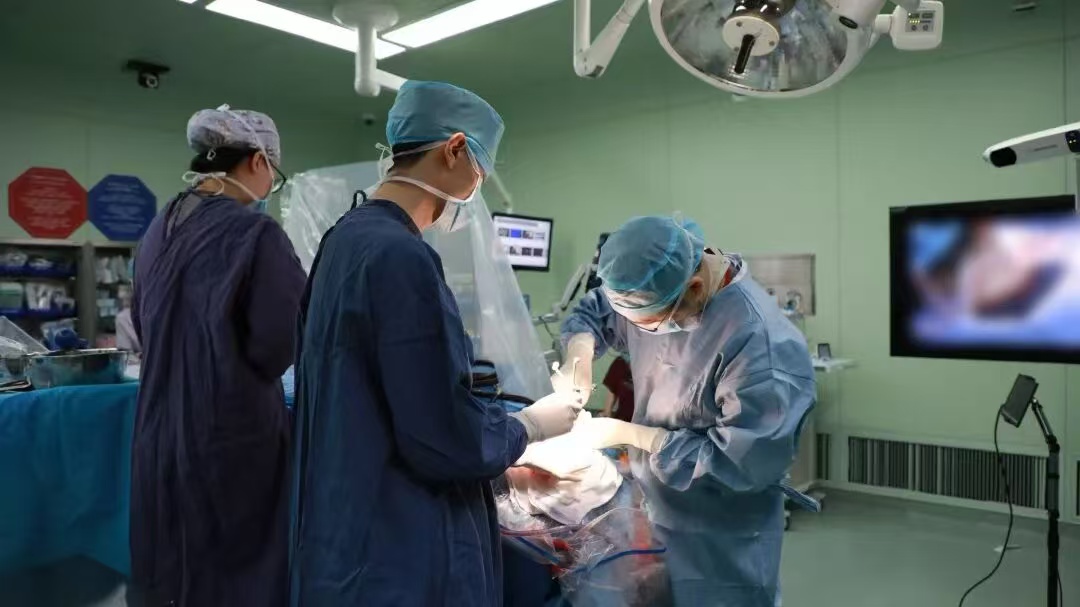
Shanghai Advances BCI Development: The Race for Commercialization Has Started

Shanghai Advances BCI Development: The Race for Commercialization Has Started

Shanghai is emerging as a key player in the global brain-computer interface (BCI) competition. The Shanghai Municipal Commission of Economy and Information Technology recently released the 'Three-Year Action Plan for the Industrialization of Brain-Computer Interfaces (2026-2028)', which aims to establish a leading national industrial chain ecosystem in the non-invasive BCI sector by 2028. The plan includes nurturing at least 50 related enterprises and achieving large-scale applications of core products in medical rehabilitation and cognitive training. This initiative is not just a theoretical blueprint. A team led by Academician Zhou Liangfu from Huashan Hospital's Neurosurgery Department, in collaboration with the Institute of Microsystem Research at the Chinese Academy of Sciences, has developed an implanted BCI product that has completed its first clinical trial with volunteers for motor function rehabilitation in paraplegic patients. Shanghai is adopting a parallel strategy with multiple technological routes, supporting invasive, semi-invasive, and non-invasive teams with dedicated funding, with non-invasive approaches progressing more rapidly. The Pudong New Area has designated a 'Brain Science Industrial Base' where the first batch of companies can benefit from various supports, including R&D expense deductions and expedited clinical trial processes. Shanghai's goal is clear: to become the city with the lowest operational costs and minimal policy friction for BCI enterprises. As the global BCI landscape evolves, Shanghai's focus on industrialization aims to establish a commercial loop in hospitals while ensuring safety and regulatory compliance, leveraging China's vast market potential in stroke rehabilitation, youth attention training, and early Alzheimer's screening.

Brain-Computer Interfaces Healthcare Technology Neurorehabilitation Cognitive Training
Nvidia Launches Cosmos 3 Edge AI Model and Expands Physical AI Ecosystem in Japan

Nvidia Launches Cosmos 3 Edge AI Model and Expands Physical AI Ecosystem in Japan

Nvidia has introduced its new AI model, Cosmos 3 Edge, aimed at enhancing physical AI applications in Japan. This model is designed to help systems perceive and navigate real-world environments, marking a significant step in Nvidia's strategy to penetrate the physical AI market. The expansion is part of CEO Jensen Huang's visit to Japan, where Nvidia is forming partnerships with local industrial leaders such as Fujitsu, Hitachi, and Kawasaki Heavy Industries. Huang emphasized the potential for Japan to reinvent its manufacturing sector for intelligent industries, highlighting the country's historical significance in modern manufacturing. Looking ahead, Nvidia is also targeting Japan's healthcare and biotechnology sectors, collaborating on initiatives like the Tokyo-1 AI drug discovery consortium. With Japan's AI market projected to reach $27.9 billion by 2029, Nvidia's efforts could significantly influence the landscape of AI adoption in the region. No further timeline was disclosed at the time of publication.

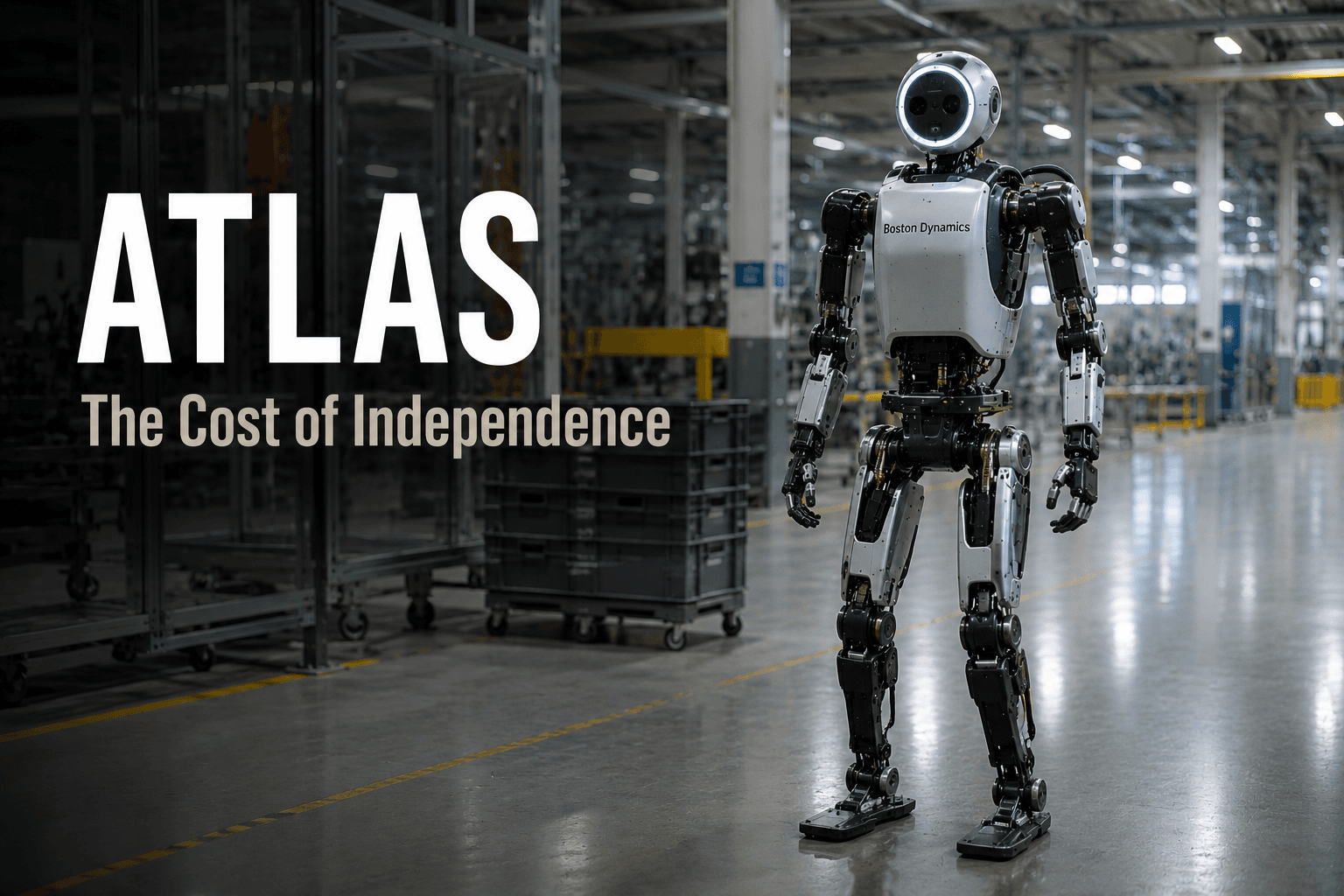
Supply Chain Reckoning: Can Boston Dynamics Avoid Becoming the Next iRobot?

Supply Chain Reckoning: Can Boston Dynamics Avoid Becoming the Next iRobot?

A data-driven analysis comparing Boston Dynamics Atlas and Tesla Optimus supply chain strategies in 2026. Examines actuator costs, production ramp speeds, and how Boston Dynamics can avoid iRobot's bankruptcy by adopting a tiered supply chain approach. Includes component cost tables, risk heat maps, and strategic frameworks.

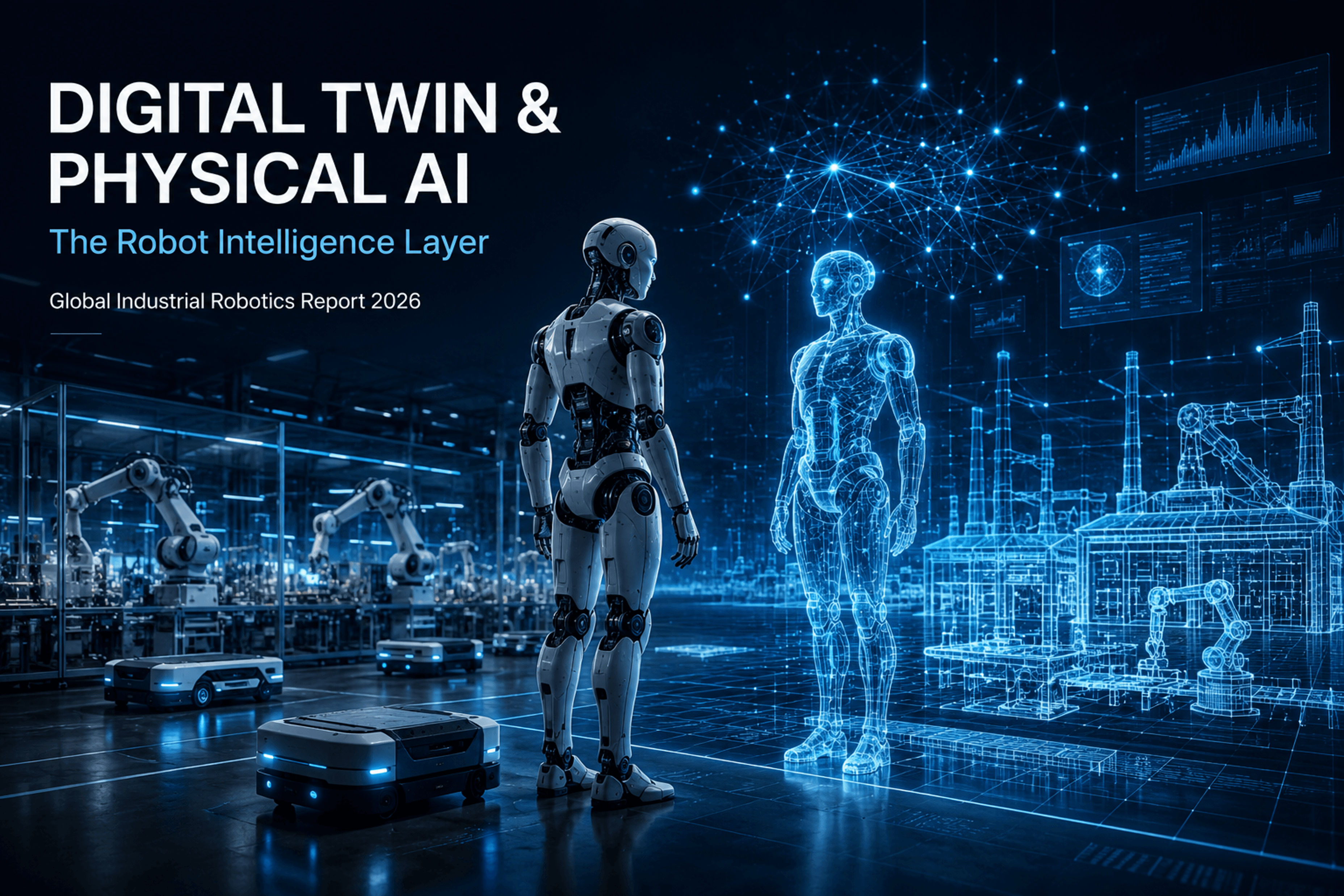
Digital Twin, Physical AI & Robot OEM Readiness 2026: Platforms, VLA Models, LLM Programming

Digital Twin, Physical AI & Robot OEM Readiness 2026: Platforms, VLA Models, LLM Programming

A balanced analysis of the robot intelligence revolution: multi-vendor digital twin platforms (NVIDIA, Siemens, Dassault, ABB, Rockwell, Hexagon), Physical AI VLA models (RT-2, pi0, GR00T N1, AgiBot), current Physical AI limitations, LLM robot programming, and the OEM readiness matrix across US, European, and Chinese manufacturers.

ROBOTTODAY Weekly May 23 – 29, 2026

ROBOTTODAY Weekly May 23 – 29, 2026

This week in robotics: the Humanoids Summit debuts in Tokyo, China assigns every humanoid robot a digital ID, Figure signs a Catalyst Brands deployment deal, and Unitree heads to a June 1 IPO hearing. May 23–29, 2026.

ROBOTTODAY Weekly April 27th – May 1st, 2026

ROBOTTODAY Weekly April 27th – May 1st, 2026

This week in robotics: Figure scales to one humanoid per hour, Meta acquires Assured Robot Intelligence, China's State Grid commits $995M for 8,500 AI robots, and SoftBank plans $100B IPO for robotics spinout Roze. April 28–May 2, 2026.

Meta Acquires ARI to Capture the Brain of the Humanoid Robot

Meta Acquires ARI to Capture the Brain of the Humanoid Robot

Meta’s acquisition of Assured Robot Intelligence (ARI) signals a pivot from hardware race to intelligence capture. We break down why Meta moved now, what ARI does, and how Amazon, Tesla, NVIDIA and Apple are responding — with different bets and different risks.

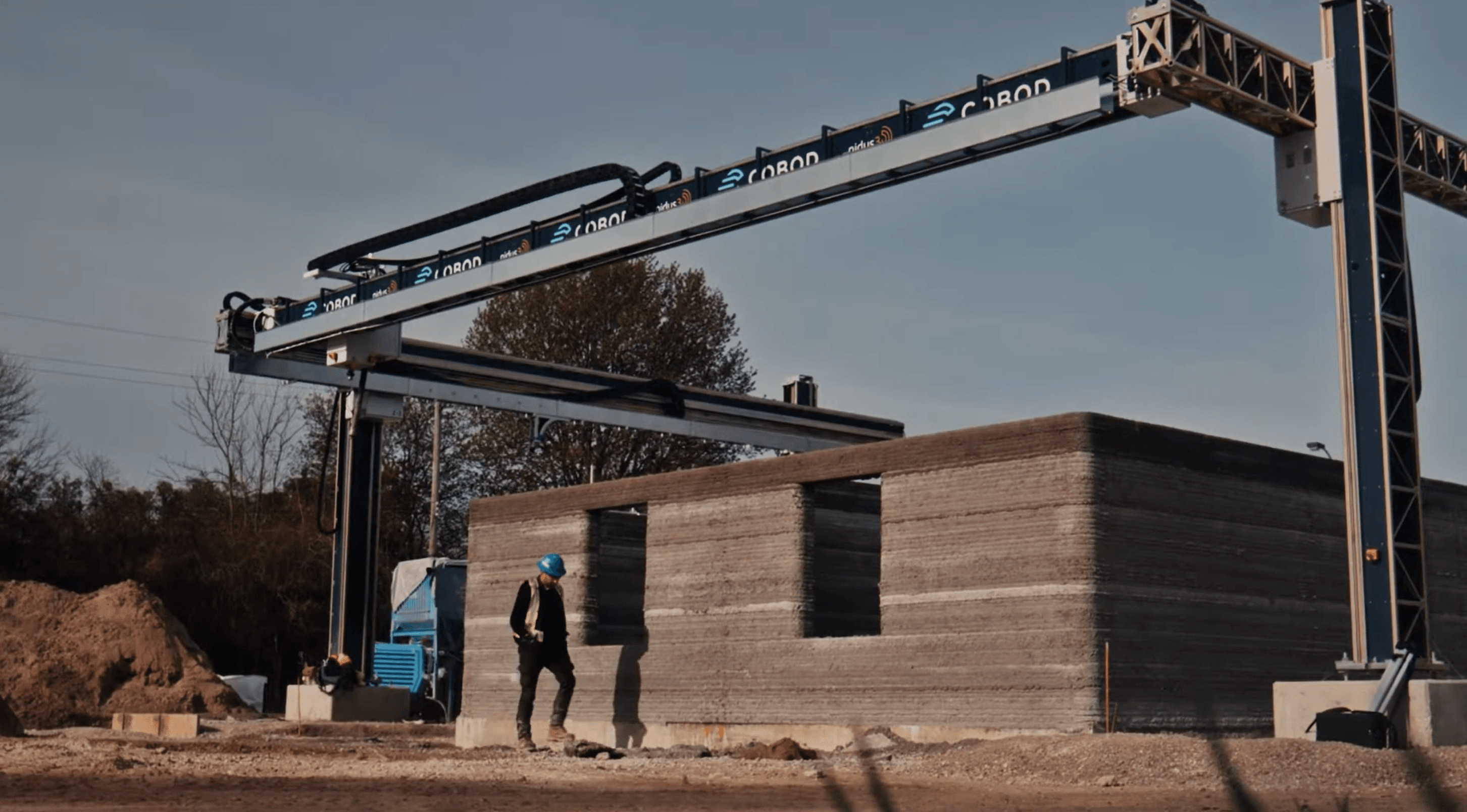
CONSTRUCTION ROBOTICS | MODULAR, PREFAB & 3D PRINTING

CONSTRUCTION ROBOTICS | MODULAR, PREFAB & 3D PRINTING

Modular, prefab, and 3D printing are moving construction off-site. ICON's Phoenix printer targets multi-story builds. PERI-COBOD's DREIHAUS delivered 30% faster and 10% cheaper in Germany. WinSun re-enters the US as Gaudi Tech. The paradigm shift is accelerating.

ROBOTTODAY Weekly April 20 – 24, 2026

ROBOTTODAY Weekly April 20 – 24, 2026

This week in robotics: Chinese humanoid wins Beijing half-marathon, Tesla begins Cybercab production, bipartisan American Security Robotics Act targets Chinese-made robots, and Figure hints at exponential manufacturing ramp-up. April 20–24, 2026.

Unitree's IPO Review: What It Means for China's Humanoid Robot IPO Landscape

Unitree's IPO Review: What It Means for China's Humanoid Robot IPO Landscape

On 1 April 2026, China's Securities Association (CSAC) randomly selected Unitree Robotics for a mandatory on-site IPO inspection — just 12 days after its STAR Market application was accepted. The event has generated significant market commentary. This analysis examines the regulatory context, what the inspection actually means, the four core controversies in Unitree's prospectus, and the implications for competing humanoid robot companies pursuing public listings.

ROBOTTODAY  Weekly Industry Briefing April 5 – 11, 2026

ROBOTTODAY Weekly Industry Briefing April 5 – 11, 2026

This week in robotics: UniX AI’s Panther becomes the first household humanoid in real deployment, Hyundai reveals a mass-production factory robot, ShengShu raises $293M for physical AI, and Spirit AI closes $420M in 30 days. April 5–11, 2026.

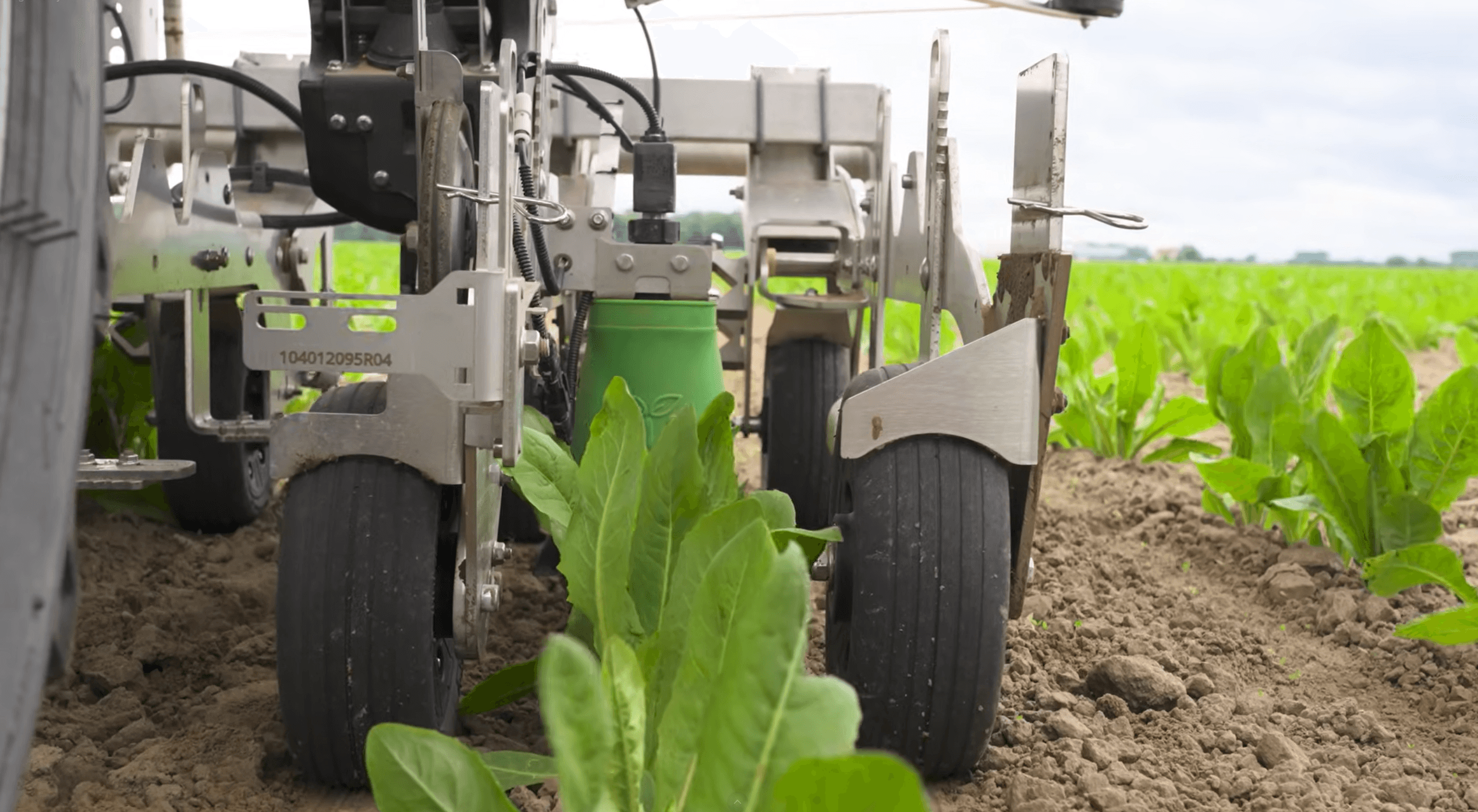
AGRICULTURAL ROBOTICS | Precision Planting & Seeding

AGRICULTURAL ROBOTICS | Precision Planting & Seeding

Precision planting and seeding robots are emerging as one of the fastest-ROI segments in agricultural robotics. This deep dive examines market size, key technologies, and leading players across North America, Europe, Japan, and Israel, including RTK-GPS planters, autonomous tractors, and swarm seeding systems.