


Nilfisk Holding A/S
Danish manufacturer of professional industrial and commercial cleaning equipment, including autonomous robotic floor scrubbers.
Contact Nilfisk Holding A/S
WEBSITE
https://www.nilfisk.comPHONE
+4543238100HEADQUARTERS
Denmark

Company Facts
Founded
1906
Primary Role
Manufacturer
Company Size
-
Primary Region
Europe
Annual Sales
-
Funding Stage
-
Funding Total
-

ROBOTTODAY WEEKLY September 7 – 11, 2026
This week in robotics: JD.com plans to deploy three million robots across its logistics network, XPeng commissions its IRON humanoid production line, FANUC and Google launch an AI arc-welding agent, and Unitree shares fall 53% from their post-IPO high. September 7–11, 2026.

Husqvarna Receives FCC Conditional Approval for Robotic Lawn Mowers in the U.S.
Husqvarna Group has secured conditional approval from the FCC for four robotic lawn mower models intended for the U.S. market. The approved models include the Automower 305V iQ, 310V iQ, 420V iQ, and 440V iQ, which are set to launch in 2027 and are exempt from the FCC Covered List. This approval is significant as it marks Husqvarna as the first robotics company to receive such conditional approval for foreign-manufactured advanced robotic devices. The U.S. market accounted for 24% of Husqvarna's total net sales in 2025, indicating the importance of this market for the company's growth strategy. Looking ahead, Husqvarna aims to capitalize on the U.S. market's growth potential, particularly in residential robotic lawn mowing, where penetration remains limited. The company currently serves over 500 golf courses with its professional mowing solutions, highlighting its established presence in the sector.
AI AI Funding & Investment AI Policy & Regulation Robotics Covered List FCC
A Decade After Predicting a $127 Billion Drone Market: Insights and Developments
In 2016, Michael Mazur and Adam Wiśniewski predicted the drone-powered solutions market would reach $127.3 billion. A decade later, they assess the accuracy of their forecast, noting that infrastructure applications have indeed become the largest segment, valued at $45.2 billion. They emphasize that the focus has shifted from hardware to data-driven services, which now comprise approximately 78% of the market. The significance of their prediction lies in its impact on shaping expectations within the commercial drone industry. The authors highlight that their report's terminology, referring to 'drone-powered solutions' rather than just 'the drone market,' has proven prescient. This distinction underscores the growing importance of services over hardware in the industry, as evidenced by the rapid growth from a $1 billion market in 2016 to a fortyfold increase in just ten years. Looking ahead, the authors suggest that the next wave of value in the drone industry may increasingly focus on the data collected rather than the aircraft themselves. No further timeline was disclosed at the time of publication.
DL Exclusive Drone News Drone News Feeds Drones in the News News AI Clearing
AI Enhancements in Robotics: Balancing Power and Risks 25 Years After 9/11
The integration of AI in robotics has significantly enhanced surveillance capabilities, raising concerns about potential risks. Experts warn that the rapid development of AI technologies, particularly in industrial robots and drones, could lead to misuse in sensitive applications, such as monitoring and security. As companies race to innovate, the implications for privacy and ethical considerations become increasingly critical. The advancements in robotics, including the MOFU's adjustable height and AEON's task validation, demonstrate the potential for improved efficiency and precision in industrial settings. However, the unchecked corporate competition in AI development poses unprecedented risks to society, as highlighted by researchers. The ability of systems like UnifoLM-X2-1.0 to predict and adapt in real-time further emphasizes the need for responsible deployment of these technologies. Looking ahead, the industry must address the ethical implications of AI in robotics, particularly in surveillance applications. With over 80 percent of production processes automated, the focus will be on ensuring that these technologies are used responsibly. No further timeline was disclosed at the time of publication.
AI and Robotics
Addressing the Fall Challenge in Commercial Robotics with Light REACT Technology
A significant challenge in commercial robotics is the frequent occurrence of falls and malfunctions, which can halt operations and increase maintenance costs. Many potential applications remain unexploited due to the inability of robots to recover from such incidents. On September 9, 2026, Liangyuan Innovation introduced the Light REACT technology, focusing on adapting to faults and disturbances in real-world environments, rather than merely enhancing speed and agility. The importance of this technology lies in its ability to redefine how robots respond to unexpected challenges in various settings, such as factories and homes. Traditional methods rely on pre-set emergency protocols that often fail in unpredictable situations, leading to increased downtime and operational costs. By shifting the focus to in-context learning, Liangyuan aims to enable robots to autonomously adjust to their physical conditions, making them more resilient and capable of functioning in diverse environments. Looking ahead, the success of Light REACT could pave the way for broader adoption of robotics across industries. The shift from a reactive to a proactive approach in fault adaptation is crucial for scaling robotic applications. No further timeline was disclosed at the time of publication.
Robotics Operational Efficiency Adaptive Technology Commercialization
Joyx and Hitch Interactive Collaborate on Embodied AI System Development
Joyx and Hitch Interactive have established a strategic partnership aimed at developing and deploying embodied AI systems for commercial applications. Joyx will focus on capturing, reconstructing, and verifying human and robot demonstration data, while Hitch Interactive will provide its Hitch Open robotics platform and necessary control interfaces. This collaboration is significant as it seeks to address the limitations of traditional robot training methods, such as teleoperation and simulation, by utilizing real-world video and sensor data. Joyx's approach aims to create a metric 3D representation of this data, which is then tailored to the physical constraints of specific robots, enhancing their training process. Looking ahead, the partnership intends to build complete systems tailored for specific commercial scenarios, leveraging the strengths of both companies. No further timeline was disclosed at the time of publication.
AI AI Funding & Investment Capital Markets Robotics California embodied AI
Humanoid Robots Enter Combat Arena: A New Path for EngineAI T800
On September 10, in Riyadh, two humanoid robots, EngineAI T800, engaged in combat in a specially constructed arena. Each robot stands 1.73 meters tall and weighs between 75 to 85 kilograms, showcasing capabilities such as walking, running, punching, and kicking. This event marked the first humanoid robot fighting competition in the Middle East, organized by Hero Esports, a leading esports operator. The significance of this event lies in its potential to commercialize humanoid robots effectively. Unlike traditional roles in factories or service sectors, combat provides a dynamic environment for robots to gather valuable data on physical interactions. This data is crucial for improving robotic movement and decision-making in real-world scenarios, making combat a more viable path for humanoid robots. Looking ahead, Hero Esports plans to host eight competitions across four regions: the Middle East, Europe, America, and Asia. The focus will be on collecting combat data to enhance motion control algorithms. The success of this initiative could transform robot fighting from mere entertainment into a significant driver of technological advancement in humanoid robotics.
Humanoid Robots Robot Combat AI Technology Data Analytics Entertainment Technology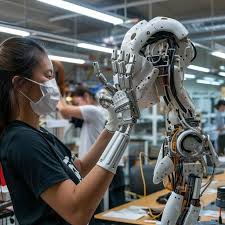
Korben for People Develops Professional Robotics Solutions Amid Labor Shortages
Korben for People, based in Perpignan and Paris, is developing software solutions for service robotics. Founded in late 2024 by Lucas Goumarre, the company addresses sectors facing labor shortages and currently has 250 establishments in France equipped with its solutions. The platform facilitates communication between different brands of robots and coordinates their operations. The significance of Korben for People lies in its innovative approach to assist employees without replacing them, which is crucial in a labor market increasingly challenged by shortages. The company reported a revenue of 5 million euros with an EBITDA of 10% in its last fiscal year. A funding round of 10 million euros is underway to support its development and expansion into Europe and North America, with a revenue target of 15 million euros by 2027. Looking ahead, Korben for People plans to expand its platform to international markets, including potential commercialization to Chinese industries. No further timeline was disclosed at the time of publication.
Pyrénées-Orientales
Record Attendance at Commercial UAV Expo 2026 Amid Regulatory Changes in Drone Market
The 12th edition of the Commercial UAV Expo took place from September 1-3, 2026, at Caesars Forum in Las Vegas, attracting 3,800 professionals and over 250 exhibiting companies. This marked the largest turnout in the event's history, highlighting the industry's focus on navigating significant regulatory changes such as Part 108 and the FCC Covered List. The impressive attendance underscores the growing interest and urgency within the commercial drone sector as it adapts to evolving regulations that impact operations and market dynamics. The presence of professionals from all 50 U.S. states and 65 countries indicates a global commitment to addressing the challenges and opportunities presented by these regulatory shifts. Looking ahead, stakeholders will be keen to monitor how the industry responds to ongoing regulatory developments and what new innovations emerge as a result. No further timeline was disclosed at the time of publication.
Robot Manufacturing Landscape Shifts as 150 Companies Enter Market Amid Declining Value
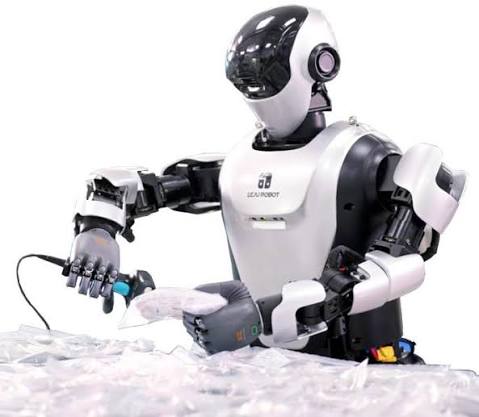
As of 2026, funding in the embodied intelligence sector has approached 15 billion yuan, with seven domestic companies now valued over 10 billion yuan, a significant increase from none a year prior. However, over 77% of robotics firms remain in early funding stages, indicating a highly competitive environment where most players lack access to the market. The rapid growth in funding, from 2.8 billion yuan in 2021 to an expected 23.6 billion yuan in 2025, paints a picture of a booming industry. Yet, analysts warn that more than 50% of commercial orders are primarily for public relations rather than productivity. Efficiency remains a critical issue, with leading robots only achieving about 45% of human worker efficiency. Looking ahead, the Ministry of Industry and Information Technology plans to deploy over 10,000 humanoid robots in commercial settings by the end of 2026. This initiative reflects a shift towards practical applications in factories rather than theoretical advancements, as companies like Tesla and XPeng aim for mass production of robots with clear timelines.
Humanoid Robots Robotics Industry AI Technology Manufacturing Automation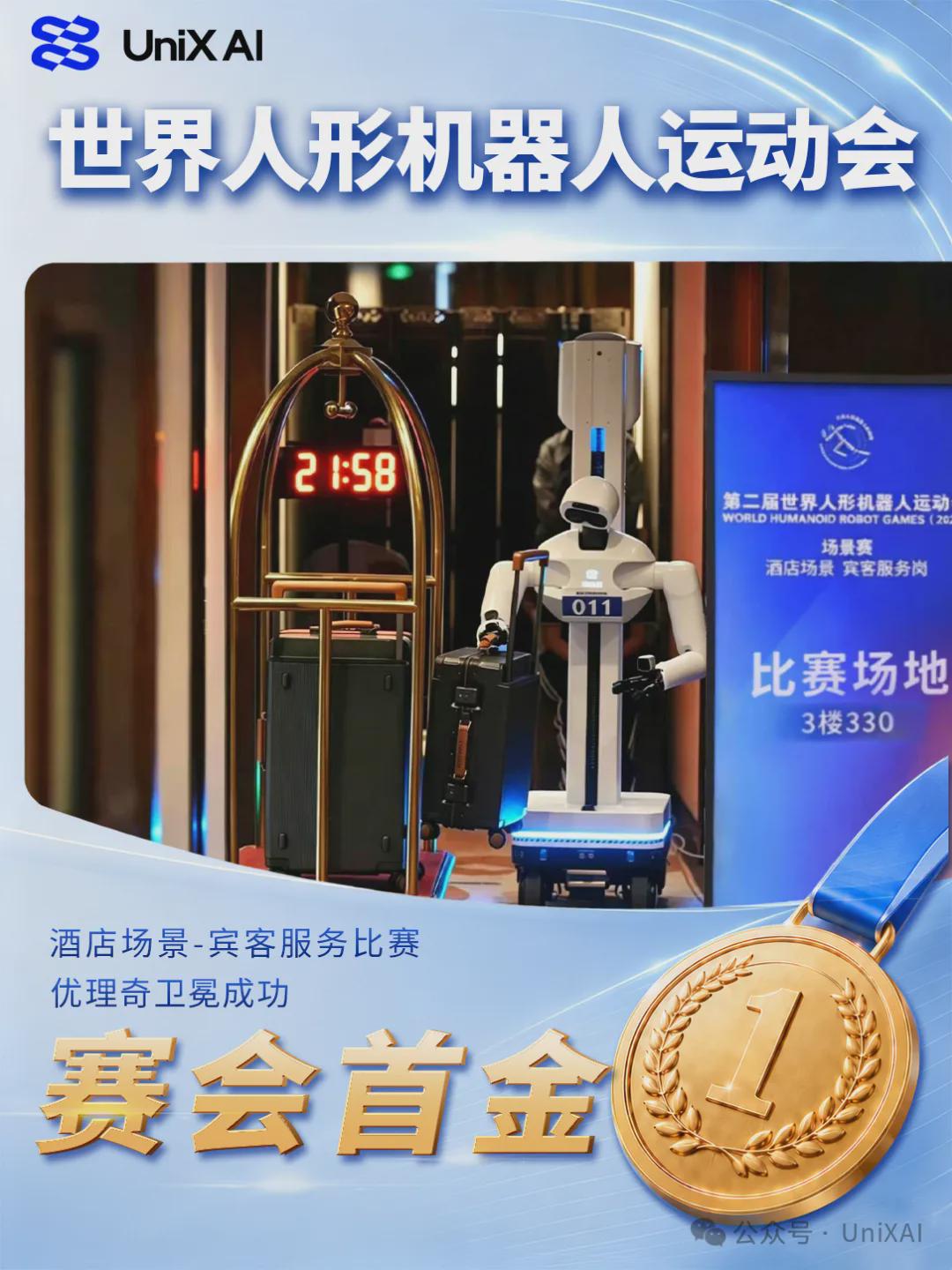
YouLiQi Achieves 100% Medal Success with Strategic Focus on Real-World Applications
YouLiQi has made a significant impact at the Second World Humanoid Robot Games, winning one gold, one silver, and one bronze medal, achieving a 100% medal success rate. This accomplishment highlights the company's strategic focus on real-world applications, emphasizing the importance of practical performance over theoretical capabilities in the humanoid robotics industry. The shift in evaluation criteria from technical specifications to practical applications reflects a broader trend in the humanoid robotics sector, where companies are increasingly judged on their ability to operate effectively in real-world scenarios. YouLiQi's three-tiered strategy of penetrating specific scenarios, extending connections, and creating a comprehensive network has positioned it as a leader in commercial service and public service sectors. Looking ahead, the competitive landscape in humanoid robotics is evolving, with various factions emerging, including platform, scenario, and module players. YouLiQi's clear positioning as a top player in the scenario category, particularly in service and emergency applications, will be crucial as the industry continues to mature. No further timeline was disclosed at the time of publication.
Humanoid Robots Commercial Robotics Robot Competitions AI Technology
China’s Dexterous Hand Industry, 2026 Part 1 — The Demand Picture
MIR Databank puts China dexterous hand shipments above 30,000 units in 2026, yet only 3.5% of 2025 demand came from factory production. Part 1 of 3.

China’s Dexterous Hand Industry, 2026 Part 2 — The Technology
Linkage, tendon, direct drive or hybrid — and why hardware is converging while the DL1–DL5 manipulation scale decides who wins. Part 2 of 3.

Software, Compute and Interaction at WRC 2026
47 WRC 2026 exhibitors supply robot software, compute or interaction — but only 19 call themselves software companies. Five open artefacts, licence-checked.
ROBOTTODAY WEEKLY BRIEFING August 24 – 28, 2026
This week in robotics: XPeng's Dogotix raises over $900 million at a $6.3 billion valuation, Unitree's post-IPO slump revives bubble talk, Beijing's World Humanoid Robot Games close with a shift to real-world tasks, and Teradyne sues JAKA at Europe's Unified Patent Court. August 24–28, 2026.
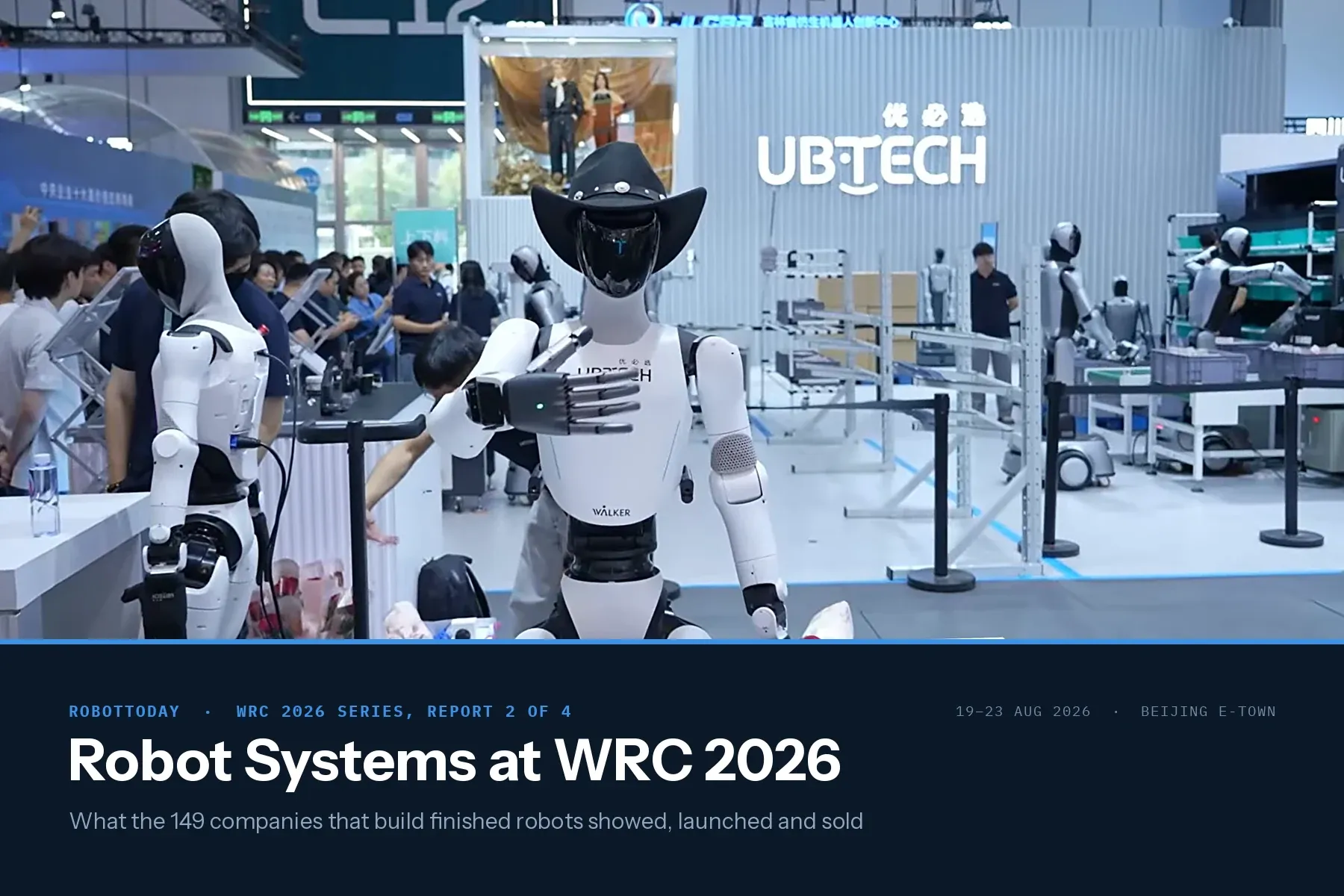
WRC 2026 Robot Systems: 149 Companies That Build Robots
149 of the 248 classified WRC 2026 exhibitors build finished robots. 93 build humanoid or legged machines. The audited humanoid sales number is one unit.

WRC 2026 Exhibitor Map: 248 Robotics Companies Mapped
We classified 248 WRC 2026 exhibitors with the RobotToday taxonomy. Motion & Actuation leads at 75 companies, Humanoid at 72, and compute stays thin at 12. (Modified 2026-08-27)

Inside Saga Robotics: UVC Light vs. Crop Disease
Saga Robotics CPO Damian Flynn on the Thorvald platform's UVC treatment system, its jump from UK strawberries to California wine grapes, and why he's “incredibly bullish” on applying automation and robotics into industries “most chaotic environment.”

Skip the Gate, Own the Liability: Phase 2 and the Stage Gate Mechanism
RSF defines two hard stops around robot commissioning. Bypass SG1 and safety liability shifts to you; skip SG2 and your SLA loses its evidence base. Inside.

ROBOTTODAY Weekly August 3 – 7, 2026
This week in robotics: Unitree prices its Shanghai STAR Market IPO with DeepSeek taking a strategic stake, the FCC expands its foreign-robot ban as China threatens retaliation, BMW commits to Figure 03 humanoids, and Zoox goes paid in Las Vegas. August 3–7, 2026.

