

Identified Technologies
Pittsburgh drone mapping and DaaS company providing 3D aerial analytics for construction, mining, and energy sectors.
Contact Identified Technologies
WEBSITE
https://www.identifiedtech.com/PHONE
(412) 307-5174HEADQUARTERS
United States

Company Facts
Founded
2013
Primary Role
Software/Algorithm
Company Size
-
Primary Region
North America
Annual Sales
-
Funding Stage
-
Funding Total
-
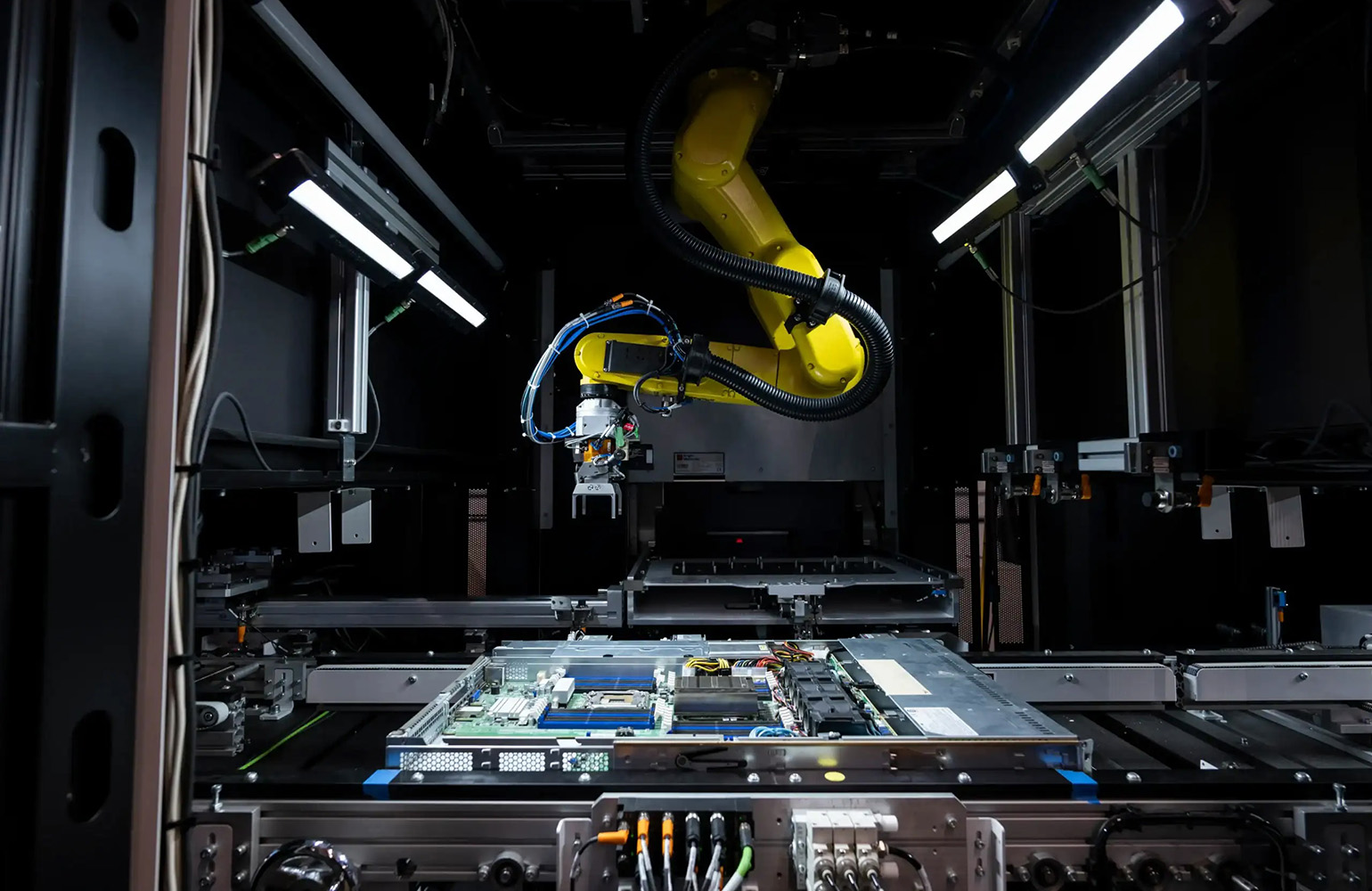
Teradyne Makes Strategic Investment in Bright Machines for AI Infrastructure Manufacturing
Teradyne Inc. has announced a strategic investment in Bright Machines Inc., focusing on integrating robotics and test technologies with Bright Machines’ intelligent manufacturing platform. This collaboration aims to enhance AI infrastructure manufacturing, leveraging Teradyne's expertise in robotics and Bright Machines' software-defined manufacturing capabilities. The partnership is significant as it aligns with Teradyne's ongoing investment in AI, which has been a key driver of its revenue growth. With the recent launch of Universal Robots' seventh-generation cobot arm, the integration of these technologies is expected to streamline production processes, enabling manufacturers to respond more effectively to the demands of AI infrastructure. Looking ahead, the companies plan to deploy integrated technologies at Bright Machines’ and customer sites, creating a cohesive production environment. This initiative will facilitate the connection of various data streams, enhancing production intelligence and efficiency. No further timeline was disclosed at the time of publication.
Artificial Intelligence Artificial Intelligence / Cognition Assembly Autonomous Mobile Robots (AMRs) Cobot Arms Collaborative Robots
Global Backlash Against Data Centers Grows Amid AI Boom and Local Resistance
Public opposition to data centers is escalating beyond the U.S., impacting investments in Europe and Asia. Concerns over electricity, water, and land use are leading to project delays and stricter regulations, with approximately $42 billion in European investments affected. The tension between the AI industry's growth and local community resistance is becoming increasingly pronounced, as seen in South Korea where residents are protesting against nearby data center constructions. The situation is critical as Europe faces heightened scrutiny due to its dense population and rising electricity costs. Over 70 data center projects in Europe were either rejected or restricted in early 2023, indicating a significant shift in public sentiment. Experts warn that this backlash could hinder the AI sector's ambitions, with Scotland pausing new approvals and Denmark implementing emergency laws to manage power applications for data centers. Looking ahead, the ongoing resistance in Asia, particularly in South Korea, highlights the challenges of balancing technological advancement with community concerns. As local governments introduce stricter regulations and residents continue to protest, the future of data center development remains uncertain. No further timeline was disclosed at the time of publication.

Exploring Automation's Impact on Metal Fabrication and Construction with Hirebotics
In a recent Automation World podcast, the focus shifted to the transformative role of automation in metal fabrication and construction. Zach Boyd, CTO at Hirebotics, discussed how innovative tools and techniques are empowering teams to enhance their workflows. The conversation highlighted the shift from traditional methods to robotic solutions in tasks such as welding and painting, marking a significant evolution in these industries. This discussion is crucial as it underscores the growing importance of automation in sectors that have historically been slower to adopt new technologies. The integration of robotic assets into metal fabrication and construction not only improves efficiency but also enhances safety and precision in tasks that were once labor-intensive. As teams transition from manual tools to automated systems, the potential for increased productivity becomes evident. Looking ahead, it will be important to monitor how these advancements continue to reshape the landscape of metal fabrication and construction. The ongoing evolution of automation technologies promises to bring further innovations, making it essential for industry professionals to stay informed about emerging trends and tools. No further timeline was disclosed at the time of publication.
Factory / Robotics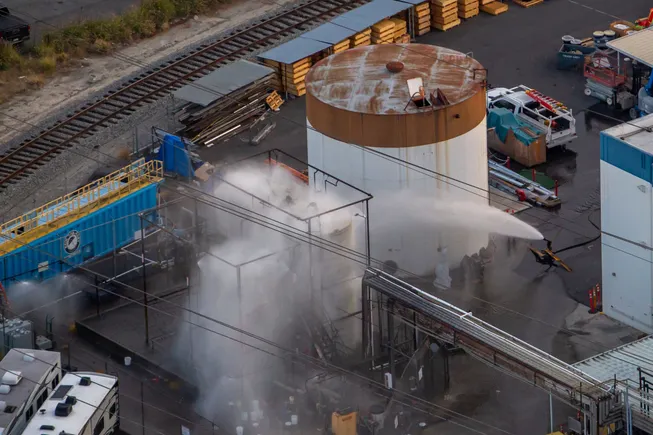
California Enacts SB 883 for Enhanced Safety Regulations on Hazardous Chemical Facilities
California Governor Gavin Newsom has signed SB 883, a new law aimed at improving safety regulations for hazardous chemical facilities. The legislation prohibits the establishment of new 'high risk' facilities near residential areas and mandates public notification and input before approval of hazardous storage sites. This law comes in response to a recent incident involving GKN's Garden Grove plant, which stores monomer methyl methacrylate (MMA), a chemical used in aerospace manufacturing. The significance of SB 883 lies in its focus on preventing accidents involving hazardous chemicals, particularly following the GKN explosion that fortunately did not result in injuries. The law brings facilities storing large quantities of MMA under California's Accidental Release Prevention program, which aims to minimize risks and damages from potential chemical leaks. Senator Tom Umberg emphasized the need for stronger safeguards to protect communities from similar incidents in the future. Looking ahead, the implementation of SB 883 will be closely monitored, especially given the opposition from various trade groups concerned about the law's provisions. GKN has also reached a settlement with the Orange County district attorney, agreeing to pay up to $100 million to affected residents following the chemical leak incident. No further timeline was disclosed at the time of publication.
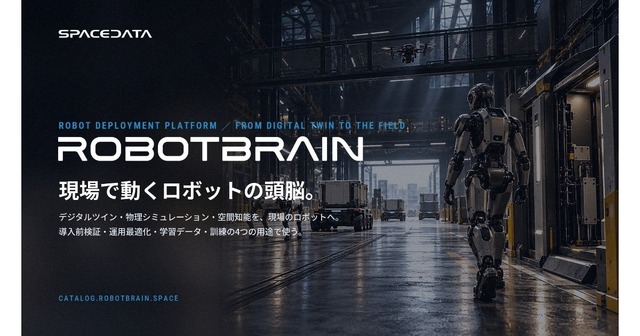
Space Data Launches RobotBrain to Enhance Robotics Implementation and Learning in Real Environments
Space Data Corporation has commenced the provision of 'RobotBrain', a foundational platform designed to support the deployment, operation, and learning of robots in real-world settings. This initiative extends their existing technologies in digital twins, physical simulations, and spatial intelligence, previously utilized in defense, disaster prevention, urban development, and infrastructure sectors. The significance of RobotBrain lies in its ability to address the challenges faced by industries in integrating robots and drones into various environments, including factories, warehouses, construction sites, and commercial facilities. While the demand for robotic solutions is growing due to labor shortages, merely purchasing robots does not guarantee operational success. The platform aims to streamline the automation process and enhance decision-making during abnormal situations by integrating various robotic systems into a cohesive operational framework. Looking ahead, RobotBrain facilitates a continuous feedback loop between virtual and real environments, allowing robots to become smarter through repeated use. The platform supports the integration of multiple manufacturers' robots and sensors, ensuring compatibility without replacing existing systems. No further timeline was disclosed at the time of publication.
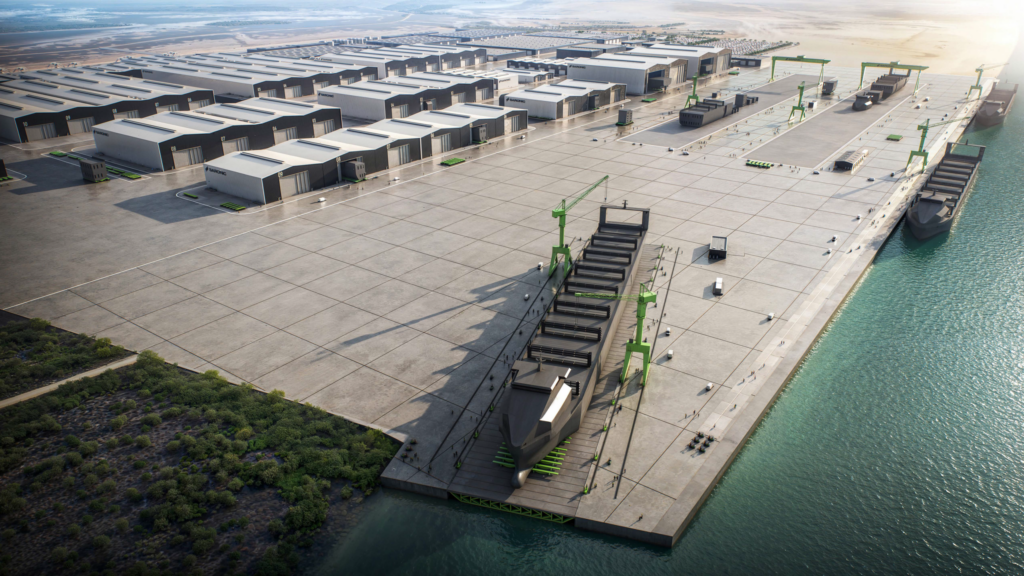
Saronic Commences Construction of Port Alpha Shipyard in Texas for Defense Vessels
Saronic has officially broken ground on its new shipyard, Port Alpha, located in Brownsville, Texas. This facility will initially cover 800 acres, with plans to expand to 4,000 acres. The shipyard aims to create approximately 10,000 jobs in various fields, including robotics and naval architecture, to support the production of both autonomous and manned vessels. The establishment of Port Alpha is significant as it addresses a capacity issue within the U.S. maritime defense sector. Saronic has already secured a contract to build Landing Craft Utility vessels for the Navy, valued at around $280 million, with deliveries expected to begin in late 2028. This project reflects Saronic's commitment to enhancing U.S. naval capabilities and meeting the growing demand for advanced maritime technology. Looking ahead, Saronic's investment in Port Alpha and its existing operations in Franklin, Louisiana, position the company to play a crucial role in the defense industry. The shipyard's capacity to produce 20 Marauder vessels annually starting in 2027 further emphasizes its strategic importance. No further timeline was disclosed at the time of publication.
Naval Warfare Business & Industry Drones Navy saronic USVs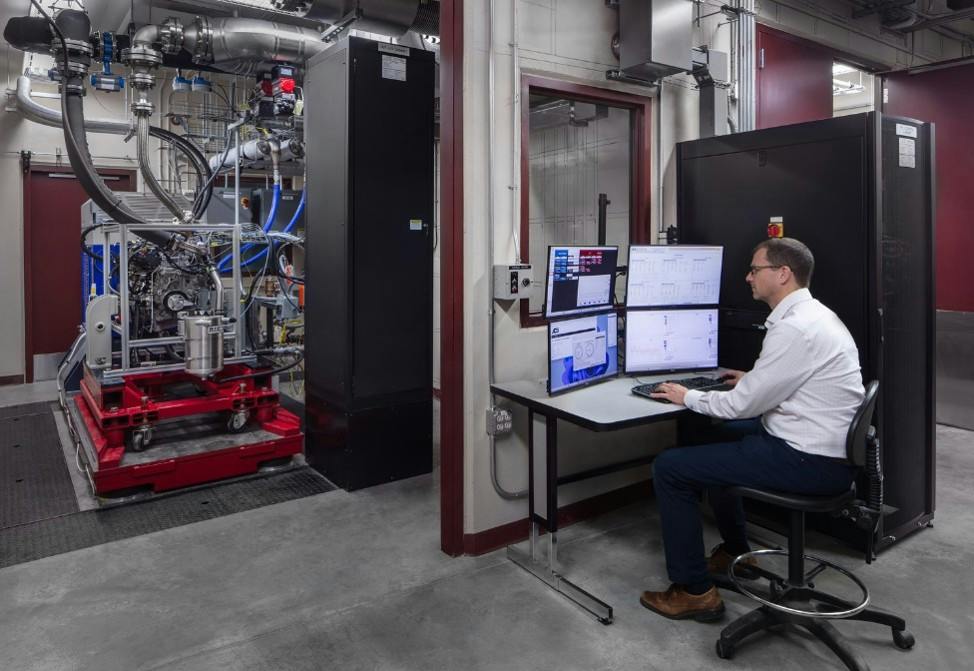
Integration Strategies to Overcome Commissioning Challenges in Industrial Projects
Real-time data monitoring within an integrated test cell is crucial for unifying machine-level interconnects, process controls, and facility infrastructure, effectively eliminating integration gaps. The silo effect often disrupts the journey from business goals to validated technical assets, as machine, process system, and facility integration are treated as isolated tasks, leading to misalignment and compounded issues across project phases. A collaborative partner-integration model offers a project management approach that synchronizes all phases of a capital project across three critical layers: machine-level interconnects, process equipment-to-control system communication, and foundational facility infrastructure. This method ensures that every technical decision aligns with the core business objective, preventing costly oversights and enabling teams to deliver assets on schedule and within budget. To avoid discovering missed requirements during commissioning, it is essential to identify integration gaps and unanticipated issues through test checkpoints throughout the design and construction phases. By treating all three layers as a single integrated thread from the outset, teams can maintain coherence and ensure that future phases remain connected to current decisions, ultimately transforming complex industrial environments into reliable engines for data-driven decision-making.
Factory / Digital Transformation
ASI and SoftBank Form Joint Venture for Autonomous Heavy Equipment Solutions
Autonomous Solutions Inc. (ASI) and SoftBank Group Corp. have announced a joint venture aimed at commercializing brand-agnostic autonomous heavy equipment to tackle labor shortages in construction. ASI's CEO, Mel Torrie, emphasized the need for innovative solutions to meet the demands of large infrastructure projects, which traditional labor methods struggle to support. The partnership is significant as it seeks to modernize civil construction through open-architecture robotics, providing contractors with a scalable, software-driven approach to automate operations. ASI's Mobius system is designed to work across mixed vehicle environments, enhancing operational efficiency and scalability. Looking ahead, ASI plans to utilize the $225 million funding from SoftBank to expand its commercial operations within the construction sector. This initiative positions ASI as a leader in autonomous construction innovation, enabling the deployment of mixed fleets of heavy equipment for various complex tasks, from earthmoving to vertical construction. No further timeline was disclosed at the time of publication.
Artificial Intelligence Autonomous Mobile Robots (AMRs) Construction Events Forestry Investments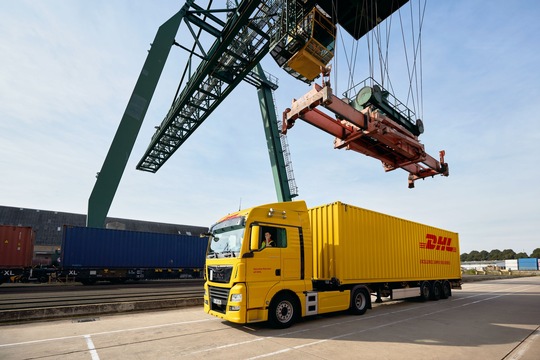
Baltic Hub Receives New Electric Rail Cranes to Boost Capacity to 1.2 Million TEUs
Baltic Hub has received two new electric rail-mounted gantry cranes at its rail yard in Gdańsk, Poland. These cranes are expected to enhance the terminal's annual rail-siding handling capacity to 1.2 million TEUs once they become operational. The addition of these cranes, which will be the fifth and sixth RMG units at the terminal, aims to improve the efficiency of container transfers between vessels, rail services, and inland supply chains. Baltic Hub currently manages nearly 800 trains monthly, linking Poland with Central and Eastern European markets. The cranes will incorporate advanced technologies such as optical character recognition for automatic container identification and safety features like anti-collision systems. This investment is crucial as it addresses the increasing demand for container handling while promoting lower-emission operations through enhanced rail connectivity. No further timeline was disclosed at the time of publication.
Ports & Maritime Baltic Hub Intermodal transport Poland rail freight RMG cranes
MIT Develops Ultra-Thin Swimming Robot Powered by Living Muscle Cells
MIT engineers have created a paper-thin swimming robot that utilizes a single layer of living muscle cells, showcasing a novel approach to biohybrid machines. This innovative design allows the robot to swim and navigate through water with significantly less biological material compared to previous models, achieving speeds of up to four times its body length in one minute. The significance of this development lies in its potential to revolutionize the construction of small, efficient robots powered by living tissue. The robot's design features a gelatin-based film and muscle cells that are genetically engineered to respond to light, enabling precise control over its movement and direction. Looking ahead, this research opens new avenues for biohybrid robotics, emphasizing the importance of material composition in enhancing muscle performance. No further timeline was disclosed at the time of publication.
AI and Robotics
Innovation Works Venture Expo 2026: 58 Pittsburgh Startups Pitch to Investors
58 health, deep tech and robotics startups pitched at Innovation Works Venture Expo 2026 in Pittsburgh. Full company list, program and 2025 funding data.

WAIC 2026: Embodied Intelligence Enters Industrial Deployment Era
WAIC 2026 in Shanghai (July 17–20) saw 200+ embodied intelligence companies, 300+ live robots, and first confirmed humanoid deployments in logistics and pharmacy. RobotToday engineering analysis.
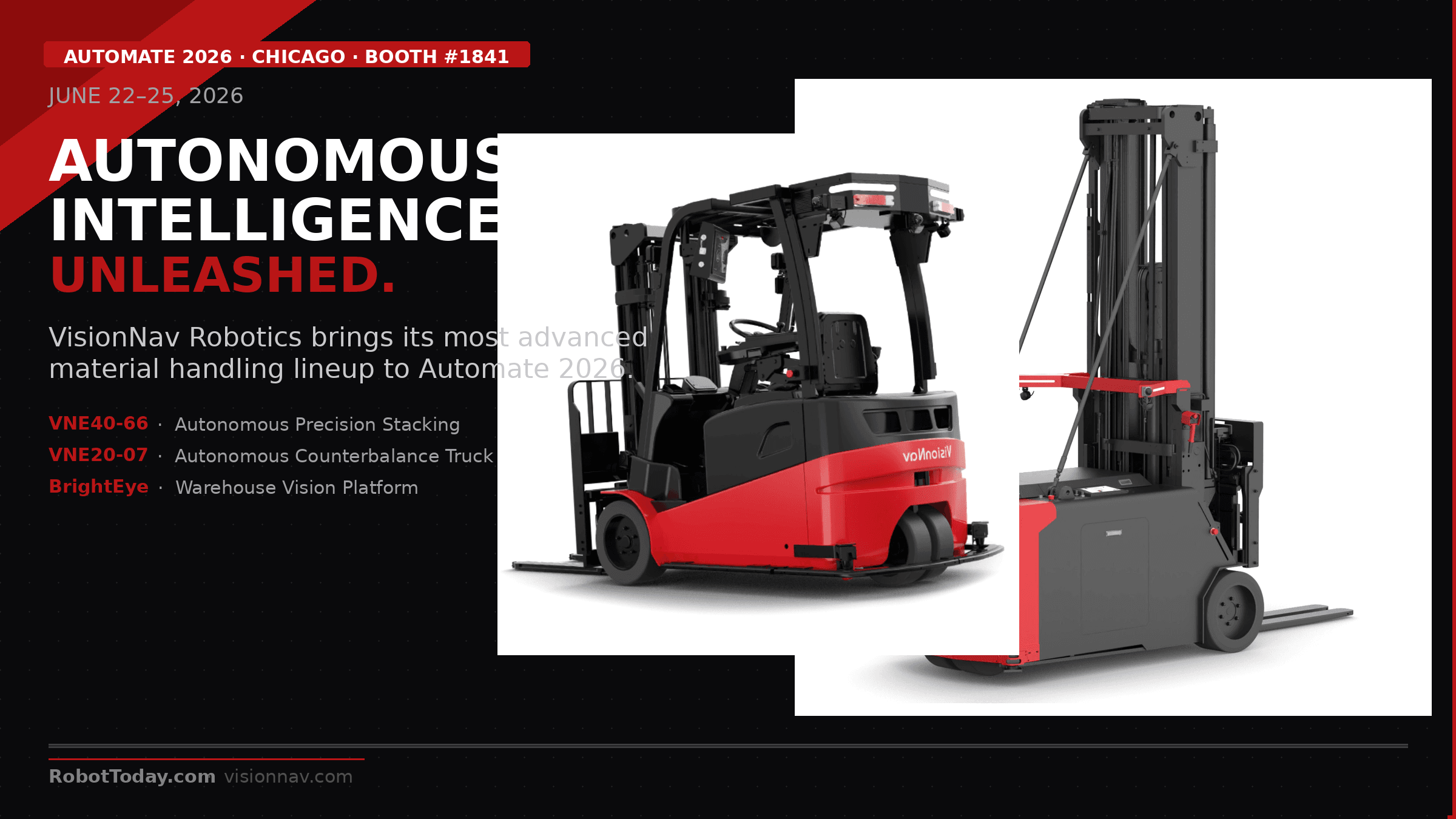
VisionNav Robotics at Automate 2026: Autonomous Stacking, Counterbalance Truck & BrightEye Vision
VisionNav Robotics showcases the VNE40-66 autonomous precision stacking solution, VNE20-07 counterbalance truck, and BrightEye vision platform at Automate 2026 in Chicago, June 22–25.
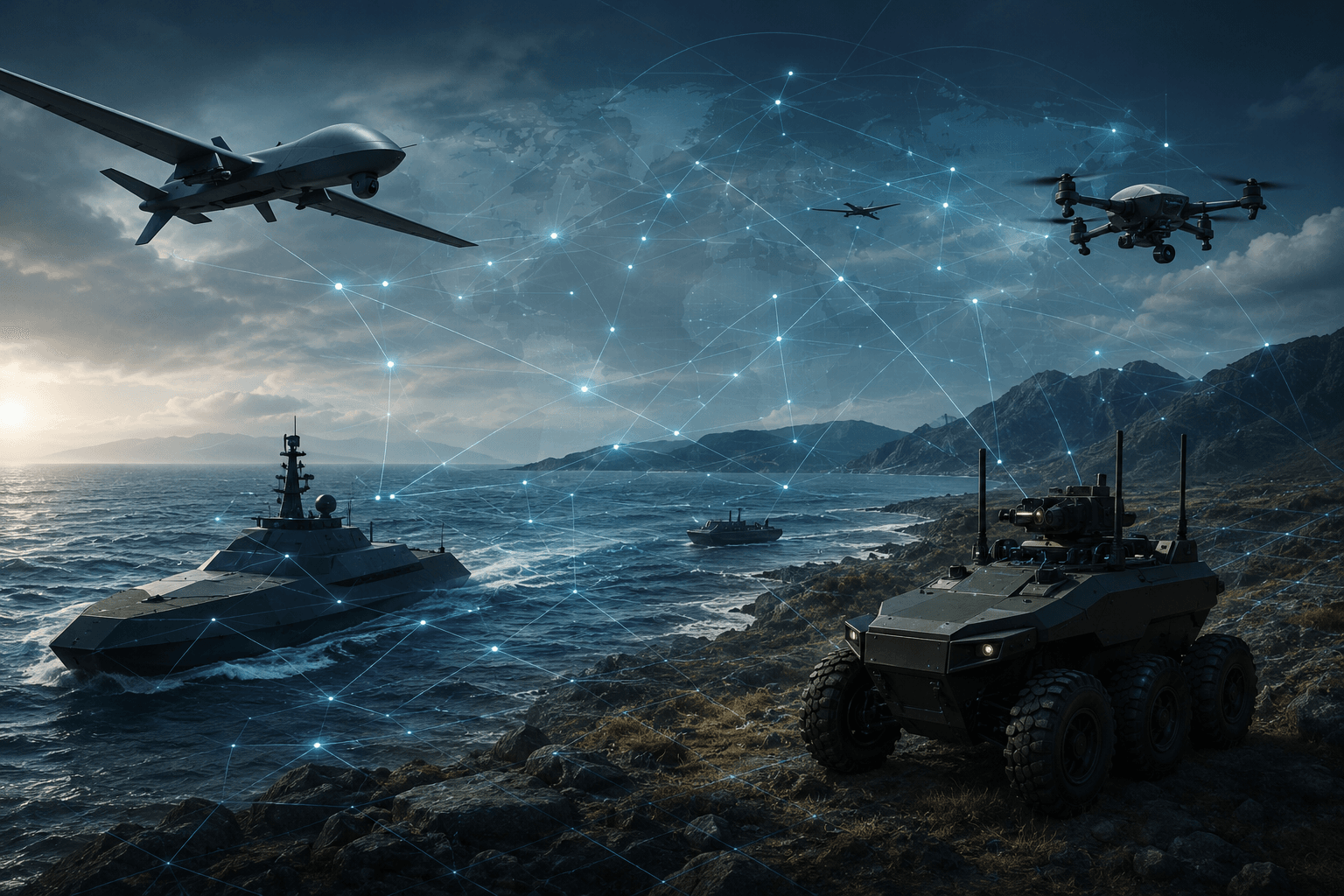
FUTURE WARFARE | Cross-Domain Integration - Integration How Land, Sea, Air and Software Are Converging Into a Single Kill Chain
Cross-domain robotics is reshaping modern warfare as drones, UGVs, AI targeting systems, and autonomous logistics converge into a single networked kill chain across land, sea, air, and software.

Meta Acquires ARI to Capture the Brain of the Humanoid Robot
Meta’s acquisition of Assured Robot Intelligence (ARI) signals a pivot from hardware race to intelligence capture. We break down why Meta moved now, what ARI does, and how Amazon, Tesla, NVIDIA and Apple are responding — with different bets and different risks.
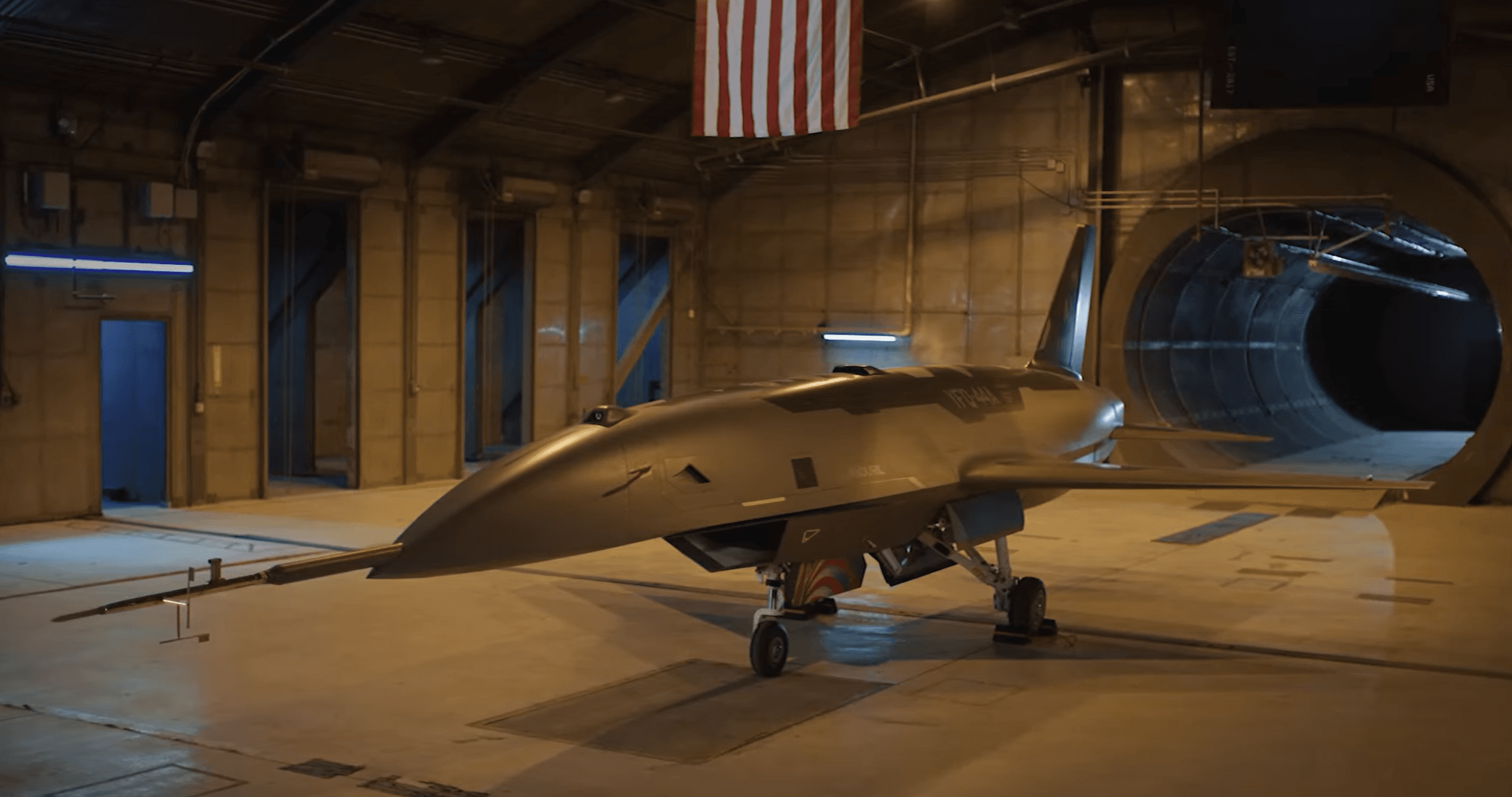
FUTURE WARFARE | Air - Collaborative Combat Aircraft, Drone Motherships & the Autonomy Race Above the Battlefield
Anduril’s YFQ-44A Fury flew its first semi-autonomous mission on 31 October 2025 — 556 days from contract to flight. By February 2026 it was carrying live missiles and swapping autonomy software mid-flight. China’s Jiutian drone mothership flew on 11 December 2025, capable of releasing over 100 loitering munitions from its internal bay at 15,000 metres. And the U.S. Air Force is standing up its second experimental one-way attack drone unit for mid-2026. This article maps the most consequential aerial autonomous systems competition in history: the CCA programme that will determine U.S. air dominance in the 2030s, the Valkyrie’s surprising rebirth, the A-GRA open-architecture breakthrough, and the Chinese drone mothership that has no Western equivalent.
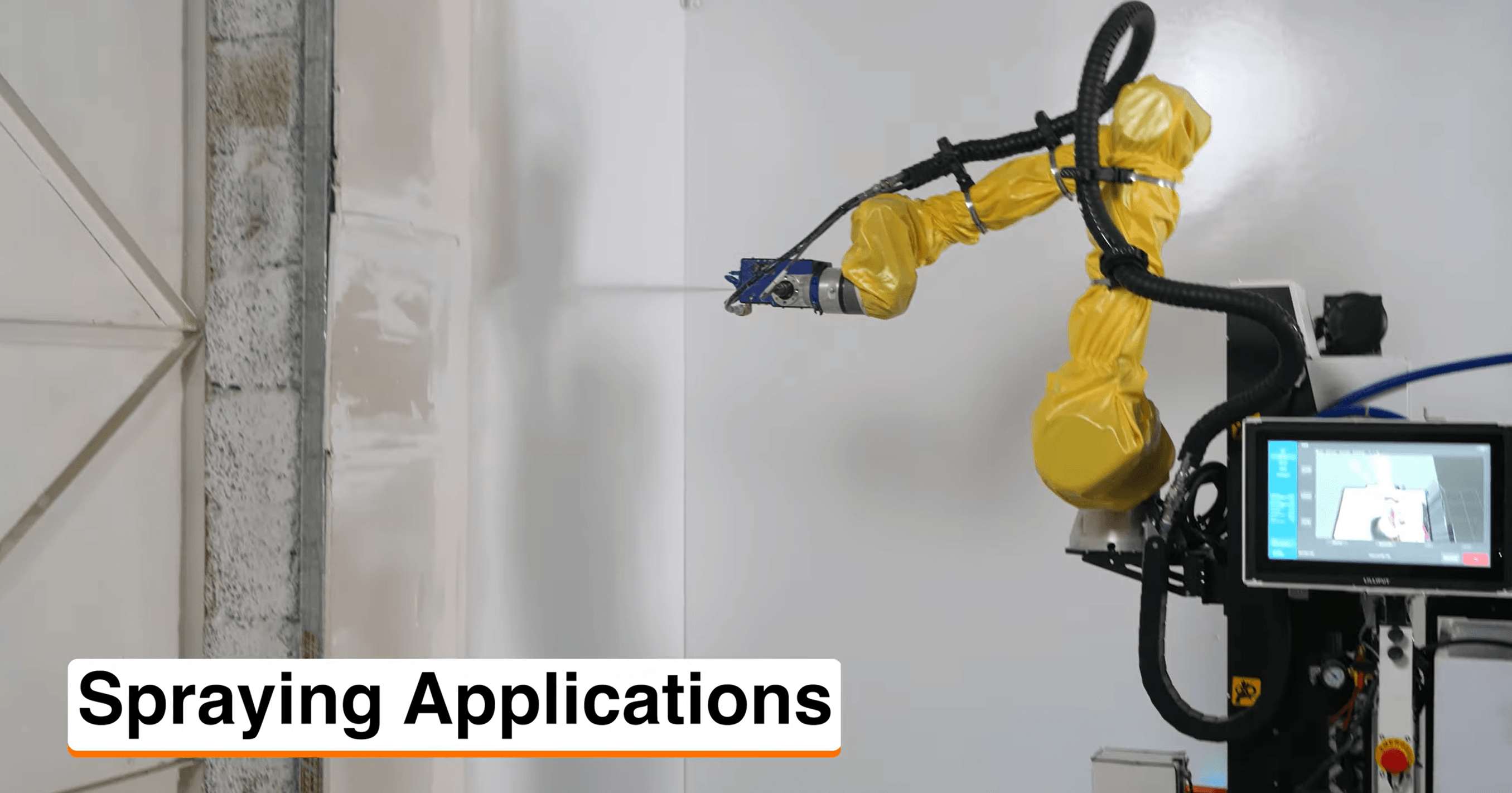
CONSTRUCTION ROBOTICS | Surface Finishing & Painting
Surface finishing robots are construction's hottest automation segment. Okibo, Canvas, Dusty Robotics, Pictobot, and Brightrobot are rewriting the economics of painting, drywall, and tile-setting. Key stat: Okibo's EG7+ cuts finishing labor costs 50% and operates 10x faster than manual crews.
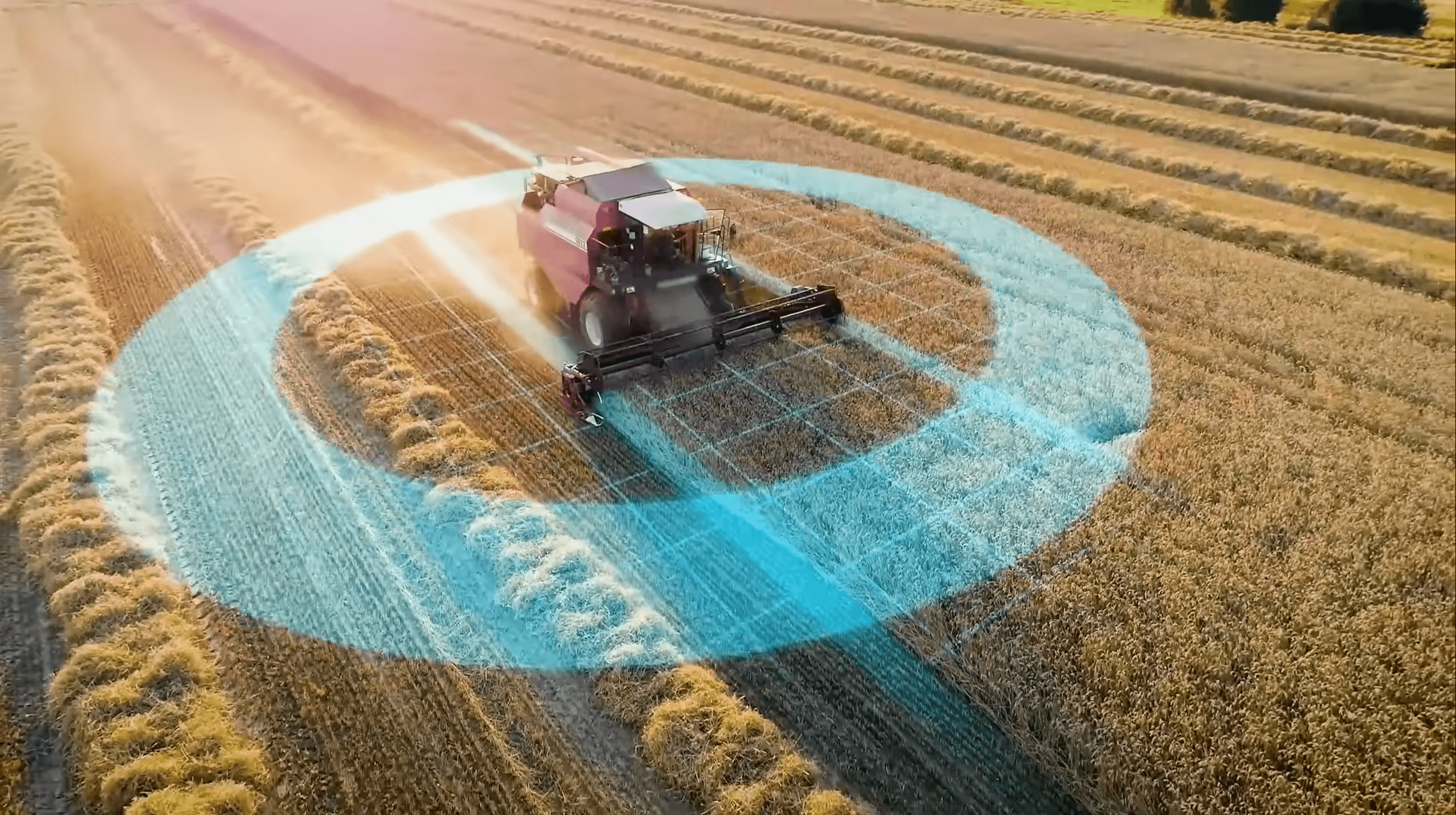
AGRICULTURAL ROBOTICS | Market Leaders, Regional Analysis & Top Countries
John Deere, DJI & 340+ companies compete for the $48–56B Western market and China’s $80–150B parallel ecosystem. Regional analysis across 5 top countries.
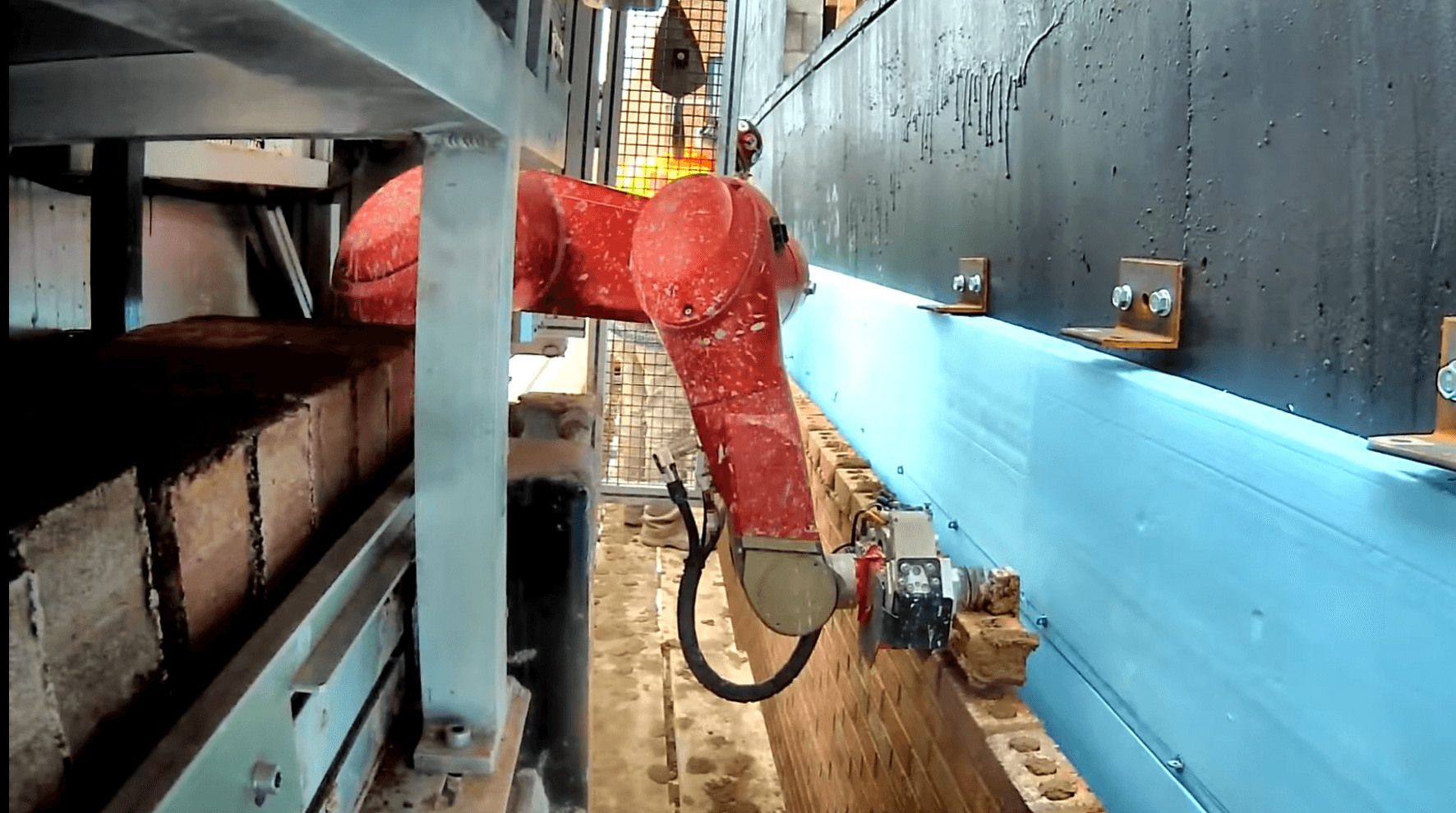
Construction Robots vs. Unions: A $500K Battle
Construction robots can lay 6× more bricks than humans—but unions, labor law, and political calculus are keeping them off U.S. sites. How Japan, Singapore, and Europe are winning the race instead.
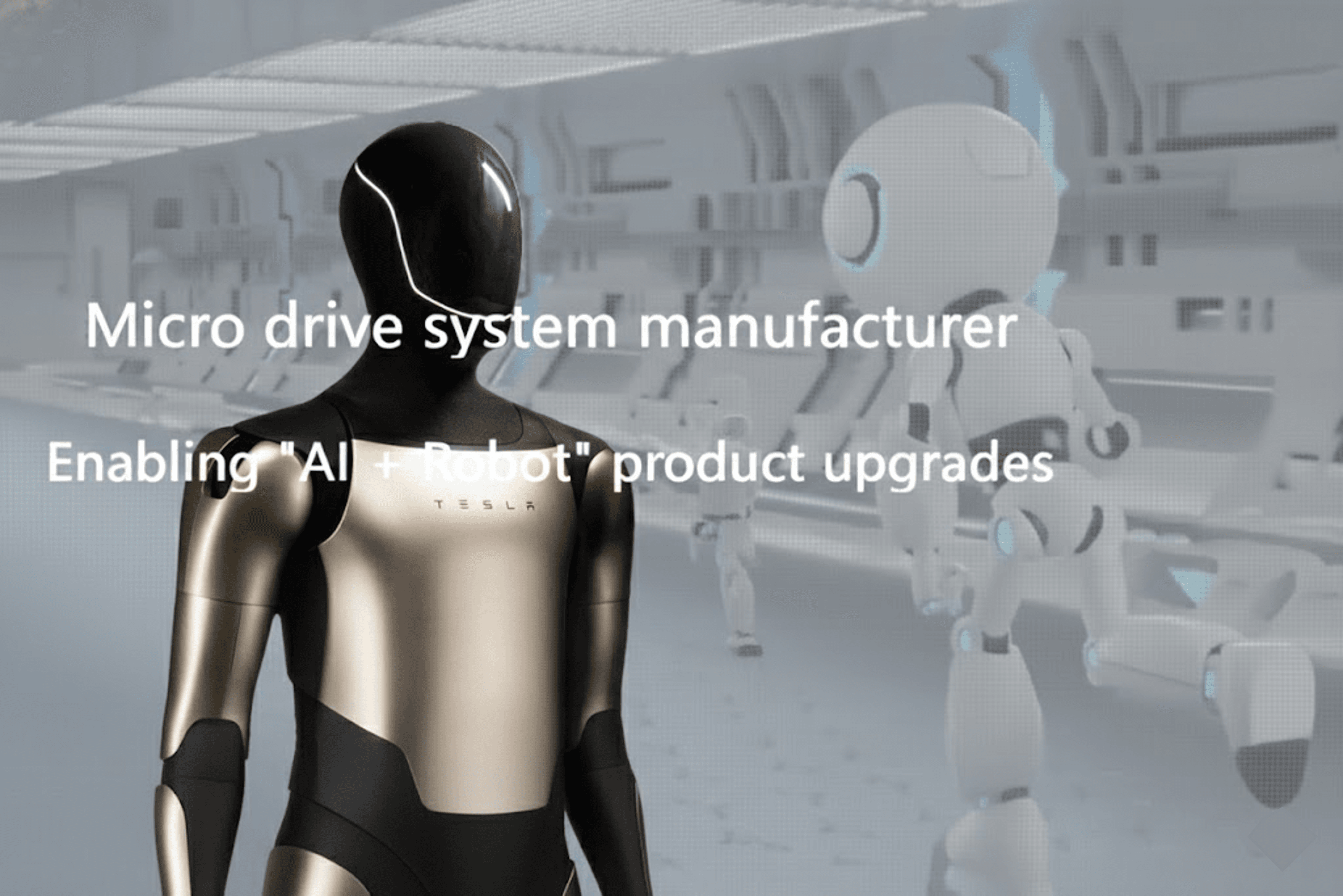
Tesla Supply Chain: How Zhaowei Powers Optimus Humanoid Gearboxes
Explore how Zhaowei is emerging as a key micro-drive and precision gearbox supplier in Tesla’s Optimus humanoid robot supply chain, with global expansion plans


