Gatik

Gatik

"The Business of Autonomous Freight"

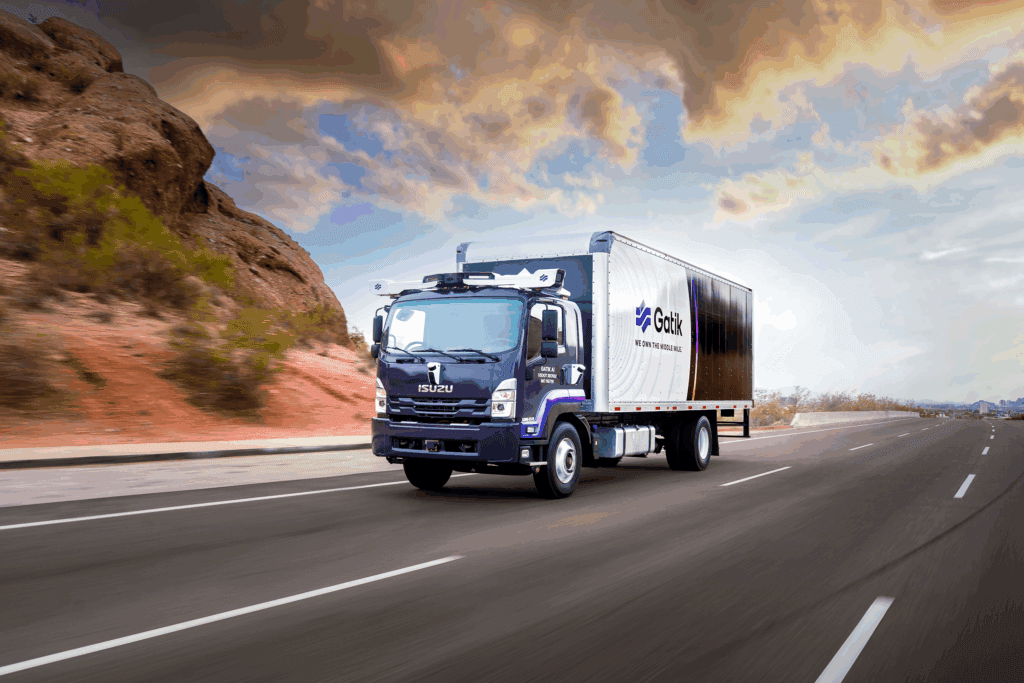
Level 4 autonomous middle-mile trucking platform for B2B logistics, operating driverless box trucks across Texas, Arkansas, and Arizona.

Visit Website

Company Overview

Gatik is an autonomous trucking company founded in 2017 and headquartered in Mountain View, California. The company develops Level 4 autonomous driving technology purpose-built for short-haul, fixed-route middle-mile freight between distribution centers and retail locations. Its core product, the Gatik Driver™, is a scalable, interpretable AI system that powers a commercial fleet of 26- and 30-foot box trucks capable of moving ambient, refrigerated, and frozen goods.

Gatik became the first U.S. company to operate fully driverless trucks at commercial scale, completing over 60,000 driverless orders since launching freight-only operations in mid-2025. The company partners with major retailers including Walmart, Kroger, and Tyson Foods, and has booked more than $600 million in contracted revenue. Its next-generation simulation platform, Gatik Arena™, uses NVIDIA DRIVE Thor hardware for validation and testing.

Gatik has raised over $152 million in funding.

Capabilities & Activities

Primary type & automation activities this supplier delivers:

Applications & Industries

Product Categories

Products & Solutions

Gatik Driver

Level 4 AI system powering driverless middle-mile box trucks for commercial freight delivery on fixed routes.

Partnership & Notable clients

Associating Events

Contact Gatik

WEBSITE

https://gatik.ai

EMAIL

[email protected]

HEADQUARTERS

161 E Evelyn Ave
Mountain View , California  94041

United States

Company Facts

Founded

2017

Primary Role

Manufacturer

Company Size

-

Primary Region

North America

Annual Sales

-

Funding Stage

-

Funding Total

-

Listed in RobotToday Supplier Discovery. Verified Profile

Related Coverage

JD Logistics Implements Diverse Robots to Transform Warehouse Automation

JD Logistics Implements Diverse Robots to Transform Warehouse Automation

JD Logistics has deployed 11 different types of robots across over 20 provinces in China, including a dexterous arm that has surpassed the single-machine economic model threshold. This approach contrasts with the industry's focus on humanoid robots, emphasizing that the shape of robots should be determined by their operational requirements. The significance of JD's strategy lies in addressing the automation gap in logistics, where over 70% of warehouses still rely heavily on manual labor. JD's dexterous arm, known as 'Yilong,' can adapt its grip for various packaging types, resulting in over a 20% reduction in operational costs compared to traditional manual sorting. Looking ahead, JD aims to replicate its successful model across multiple projects, with a projected payback period of around two years for its first airport project. As JD continues to refine its robotic systems, the industry will need to consider the viability of humanoid robots in comparison to JD's efficient, specialized solutions.

Warehouse Automation Logistics Robotics AI Robotic Arms
22-Meter Robotic Arm Faces Delays in Fukushima Nuclear Fuel Retrieval Efforts

22-Meter Robotic Arm Faces Delays in Fukushima Nuclear Fuel Retrieval Efforts

A 22-meter long robotic arm, weighing 4.6 tons and costing 7.8 billion yen (approximately 380 million RMB), is designed to retrieve a few grams of nuclear fuel debris from the Fukushima Daiichi Nuclear Power Plant's Unit 2 containment structure. Originally scheduled for deployment in 2021, the arm remains unused due to a malfunctioning motor brake, highlighting deeper issues within Japan's nuclear energy system regarding the handling of decommissioning. The retrieval of nuclear fuel debris is critical, with approximately 880 tons of highly radioactive material present. Previous attempts to extract debris using manual methods yielded only 0.9 grams over five years, raising concerns about the feasibility of the current timeline, which aims for large-scale retrieval to begin in 2037 and complete decommissioning by 2051. The current pace suggests that the ambitious goals may not be achievable without significant changes in approach. As the robotic arm's deployment continues to face setbacks, attention should focus on whether Tokyo Electric Power Company will adjust the 2037 timeline. Any delays could render the 2051 decommissioning target meaningless. The outcome of this project is not just about retrieving a few grams of debris but also about the future direction of Japan's nuclear decommissioning efforts.

Robotic Arms Nuclear Decommissioning Engineering Challenges Fukushima Waste Management
Maven Robotics Raises $100 Million to Advance Warehouse Automation with Humanoid Robots

Maven Robotics Raises $100 Million to Advance Warehouse Automation with Humanoid Robots

On September 10, Maven Robotics announced the completion of a $100 million Series A funding round. Founded in 2024, the company, co-founded by Hamza Derbas, started with minimal resources but has since deployed eight robots in a Fortune 250 consumer goods company's warehouse, operating 16 hours a day with over 99% uptime. These robots perform mixed palletizing, a task that traditionally relies on human labor. The significance of Maven's approach lies in its focus on automating the most monotonous and repetitive physical tasks in warehouses rather than pursuing humanoid capabilities. With over 480,000 job vacancies in U.S. manufacturing and a projected 2.1 million unfilled positions by 2030 due to skill gaps, automation is becoming a necessity rather than an option. The funding landscape for robotics has also shifted, with a record $18.8 billion raised in 2026, indicating a growing interest in practical automation solutions. Looking ahead, Maven plans to use the funding to produce 250 third-generation robots and initiate the design of a fourth-generation platform. The company aims to achieve over 100,000 hours of autonomous operating time by the end of 2026 and surpass 1 million hours by the end of 2027. However, the company acknowledges that expanding into more complex material handling and assembly tasks will require capabilities that currently do not exist in their robots.

Warehouse Automation Robotics Manufacturing AI
Zhejiang Company Secures Angel Investment for Low-Altitude Economy Solutions

Zhejiang Company Secures Angel Investment for Low-Altitude Economy Solutions

A Zhejiang-based company, established in 2025, has developed three vertical takeoff drones and a low-altitude AI operating system within a year. The company secured exclusive angel funding from Chi Zi Fund, although the amount remains undisclosed. According to reports, Chi Zi Fund's founding partner, Chen Weijin, expressed confidence in the company's potential to build a usable infrastructure for the low-altitude economy. Unlike many drone manufacturers, the company focuses on its ARC OS 1.0, an AI operating system set to launch in January 2026. This system aims to eliminate the need for human pilots, enabling multiple drones to collaborate autonomously and manage issues independently. The system supports voice commands, 3D modeling, intelligent path planning, and proactive safety decisions, and has already been validated in agricultural and logistics scenarios in Togo and Malaysia. As the low-altitude economy sees significant financing trends, the company’s angel investment indicates that Chi Zi Fund is betting on the potential of its operating system to become a standard rather than just its drone production capabilities. However, the company faces challenges, including a lack of public data on the reliability of its technology in real industrial scenarios, and the need to secure a major client in China to fully realize its operational framework.

Drone Technology AI Operating Systems Low-Altitude Economy Autonomous Systems
Gaode's Two Decades of Traffic Data Transforms into AI's Key Asset

Gaode's Two Decades of Traffic Data Transforms into AI's Key Asset

On September 10, Gaode launched ABot-Earth 0.7, a 3D native city world model covering 196 countries and regions. This model leverages two decades of accumulated spatiotemporal data, including trillions of data points from roads, buildings, and user interactions. The significance of this data is underscored by the challenges faced by autonomous driving companies, which spend heavily to gather real-world data, and robotics firms that rely on costly manual data collection. Gaode's extensive dataset positions it uniquely in the competitive landscape of world models, where real-world data is becoming increasingly critical. The ABot-Earth 0.7 model enables real-time interactive 3D digital twin experiences, enhancing navigation and travel recommendations. However, while the model showcases impressive capabilities, it primarily serves Gaode's own applications, raising questions about its broader applicability in interactive environments. The future of Gaode's AMAP-AI Inside strategy is pivotal. With partnerships in smart vehicles and other technologies, Gaode could transition from a mapping company to a foundational infrastructure provider for physical AI. The true test will be whether Gaode is willing to share its valuable data capabilities with companies striving to enhance robots' understanding of the physical world. No further timeline was disclosed at the time of publication.

AI Spatial Data 3D Modeling Navigation Technology
Meituan Launches China's First Dedicated Drone-Delivery Route with McDonald's in Shanghai

Meituan Launches China's First Dedicated Drone-Delivery Route with McDonald's in Shanghai

Meituan has established a low-altitude delivery network in Shanghai's West Bund, marking the launch of China's first dedicated drone-delivery route for a restaurant brand in collaboration with McDonald's. This innovative network connects multiple venues in the West Bund area and currently features nearly 20 restaurant chains, with plans to expand to over 40 by the end of the year. The significance of this development lies in its potential to revolutionize food delivery in urban areas, enhancing efficiency and speed. Meituan claims that the fastest deliveries can be completed in just 10 minutes, utilizing its advanced fourth-generation M-Drone 4L Winch, M-Port 3 drone ports, and M-DaaS 3 scheduling system, which collectively streamline the delivery process. Looking ahead, the expansion of this drone-delivery network could reshape the logistics landscape for the food service industry in China. As Meituan continues to grow its partnerships and enhance its technology, industry stakeholders should monitor the impact of this initiative on delivery times and customer satisfaction. No further timeline was disclosed at the time of publication.

News Feed
Maven Robotics Secures $100 Million in Series A Funding to Innovate Industrial Automation

Maven Robotics Secures $100 Million in Series A Funding to Innovate Industrial Automation

Maven Robotics has officially launched with $100 million in Series A funding, taking a unique technological approach by utilizing a wheeled chassis combined with dual arms to tackle monotonous palletizing tasks in warehouse logistics. CEO Hamza Derbas stated that bipedal robots are 'meaningless' in industrial scenarios due to their complexity, unreliability, and added costs. The company's wheeled robots can achieve a speed of 10 miles per hour and lift loads of up to 30 kilograms, maintaining a 99% operational rate for 16 hours a day in customer warehouses. This design prioritizes stability, efficiency, and maintainability over biomimetic forms, aligning with the core demands of industrial environments. Maven's understanding of 'task closure' positions it not merely as a robot supplier but as a provider of end-to-end automation solutions. Looking ahead, Maven aims to accumulate over 100,000 hours of autonomous operation data by the end of the year, with a goal of surpassing 1 million hours by 2027. This pragmatic approach underscores the belief that the evolution of industrial intelligence relies on consistent performance in real production lines rather than the allure of impressive demonstration videos.

Warehouse Automation Robotics Industrial Automation Logistics Technology
Elon Musk's Vision for 10 Million Robots: Supply Chain Implications and Profitability

Elon Musk's Vision for 10 Million Robots: Supply Chain Implications and Profitability

Tesla's Fremont factory has shifted its focus from producing 40,000 luxury electric vehicles annually to a target of 1 million Optimus humanoid robots. This significant increase in production capacity raises questions about the supply chain and who will benefit financially from Musk's ambitious plan to produce 10 million robots. Analysts suggest that the real profit opportunities may lie with Chinese suppliers who are scaling up to meet Tesla's demands. The supply chain for humanoid robots involves complex components such as actuators, reducers, and screws, which have high technical barriers and long validation periods. Major suppliers like Sanyuan and Top Group are positioned as core players in the Optimus supply chain, making it difficult for new entrants to compete. Tesla's procurement strategy involves framework orders based on production capacity, incentivizing suppliers to expand their operations. While substantial revenue from the robot production is not expected until 2027, the current market dynamics are already influencing stock prices. The robot industry is at a critical juncture, and established suppliers in Tesla's automotive business are leveraging their relationships to transition into the robotics sector. Musk's assertion that the global humanoid robot count could reach 1 billion in the next decade underscores the potential for significant market disruption.

Humanoid Robots Supply Chain Automation Tesla Robotics
China’s Dexterous Hand Industry, 2026 Part 1 — The Demand Picture

China’s Dexterous Hand Industry, 2026 Part 1 — The Demand Picture

MIR Databank puts China dexterous hand shipments above 30,000 units in 2026, yet only 3.5% of 2025 demand came from factory production. Part 1 of 3.

ROBOTTODAY WEEKLY BRIEFING August 24 – 28, 2026

ROBOTTODAY WEEKLY BRIEFING August 24 – 28, 2026

This week in robotics: XPeng's Dogotix raises over $900 million at a $6.3 billion valuation, Unitree's post-IPO slump revives bubble talk, Beijing's World Humanoid Robot Games close with a shift to real-world tasks, and Teradyne sues JAKA at Europe's Unified Patent Court. August 24–28, 2026.

WRC 2026 Robot Systems: 149 Companies That Build Robots

WRC 2026 Robot Systems: 149 Companies That Build Robots

149 of the 248 classified WRC 2026 exhibitors build finished robots. 93 build humanoid or legged machines. The audited humanoid sales number is one unit.

Gatik Secures $200 Million to Expand Autonomous Trucking Operations Nationwide

Gatik Secures $200 Million to Expand Autonomous Trucking Operations Nationwide

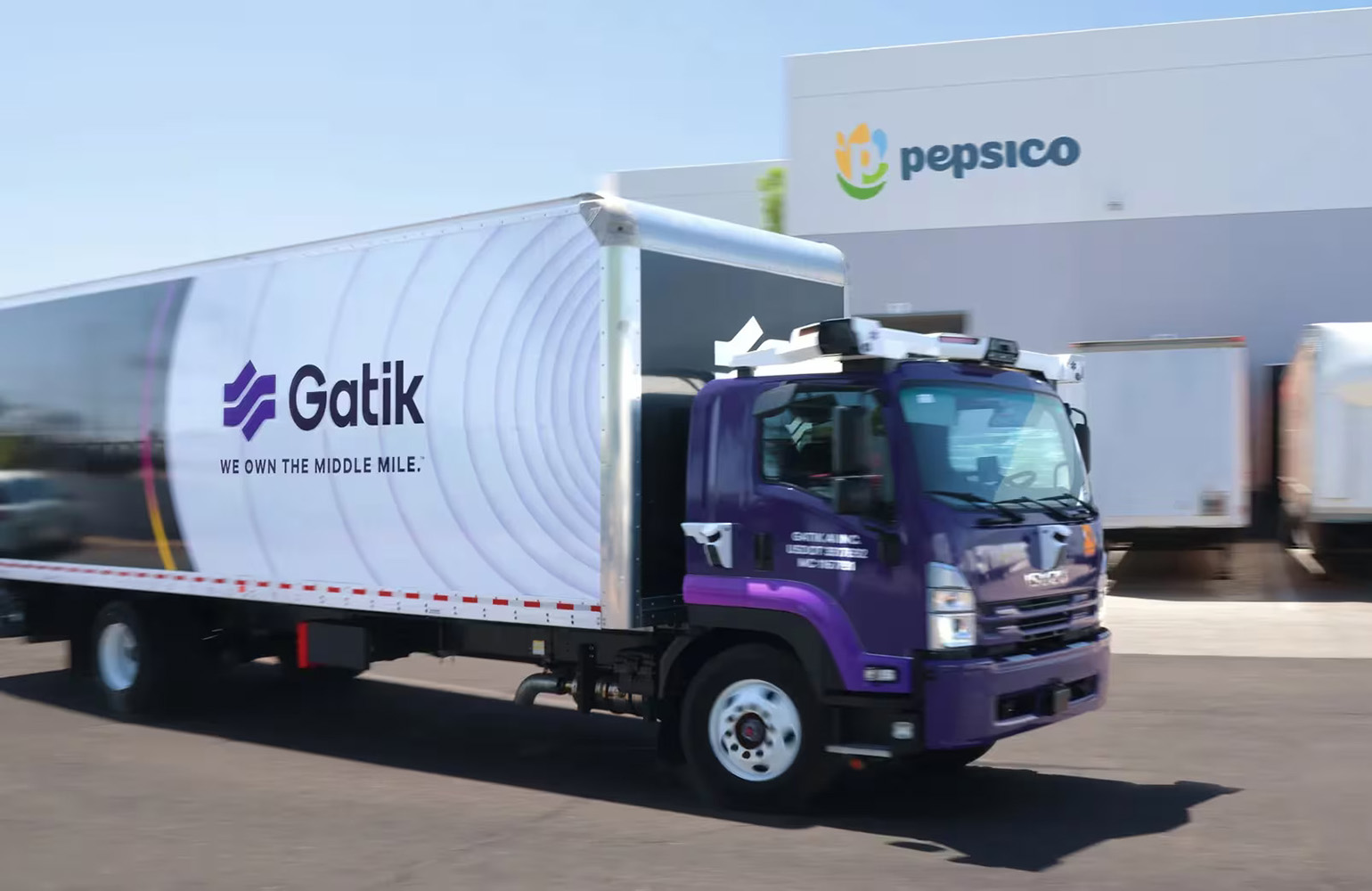
Gatik AI Inc. announced the successful completion of a $200 million Series D funding round aimed at enhancing its driverless commercial freight services. The investment will facilitate the expansion of Gatik's autonomous trucking operations across Fortune 50 retail and grocery supply chains, utilizing its AI-first vehicle technology designed for highways and surface streets. This funding round, led by prominent financial institutions, underscores Gatik's position as a leader in autonomous freight solutions. With over $600 million in contracted revenue and a track record of 85,000 fully driverless orders, Gatik is poised to scale its operations significantly. The company’s autonomous trucks are already operational across North America, providing reliable transportation solutions for major clients like PepsiCo, Kroger, and Tyson Foods. Looking ahead, Gatik plans to increase its fleet of driverless trucks to meet the growing demand for efficient supply chain solutions. The recent expansion of its partnership with PepsiCo highlights the company's commitment to enhancing regional transportation networks. No further timeline was disclosed at the time of publication.

Automotive Financial Investments Logistics Markets / Industries News
ROBOTTODAY Weekly July 20 – 24, 2026

ROBOTTODAY Weekly July 20 – 24, 2026

Your weekly robotics briefing: AGIBOT unveils four new robots at WAIC 2026, the NDAA bars Chinese humanoids from the U.S. military, SoftBank eyes Gravis Robotics for its Roze vehicle, and Anduril reveals its Thunder autonomous attack tiltrotor at Farnborough.

Automate 2026 | Ubicept Explores Photon-Level Machine Vision

Automate 2026 | Ubicept Explores Photon-Level Machine Vision

Ubicept demonstrated single-photon SPAD imaging at Automate 2026, achieving 140 dB HDR and >10 dB SNR gains for industrial robotics edge AI.

Automate 2026 | A3’s Jeff Burnstein on the New Geography of Robotics Adoption

Automate 2026 | A3’s Jeff Burnstein on the New Geography of Robotics Adoption

RobotToday interviews A3 President Jeff Burnstein post-Automate 2026 on sector diversification, China’s 10x robot installation lead, a proposed U.S. national robotics strategy, and global cooperation through the IFR.

ROBOTTODAY Weekly, June 8 – 12, 2026

ROBOTTODAY Weekly, June 8 – 12, 2026

This week in robotics: Bezos’ Prometheus raises $12B for physical AI, NEURA Robotics closes $1.4B Series C, NVIDIA deepens partnerships with Hyundai and LG in Seoul, and Hyundai’s Boston Dynamics robot dogs debut at FIFA World Cup 2026. June 8–12, 2026.

Gatik to bring autonomous freight to PepsiCo’s North American supply chain

Gatik to bring autonomous freight to PepsiCo’s North American supply chain

PepsiCo has announced a partnership with Gatik to enhance its North American supply chain by integrating autonomous freight solutions. This collaboration aims to optimize PepsiCo's regional transportation networks, which facilitate the daily movement of products between various sites. By leveraging Gatik's technology, the beverage and snack giant seeks to improve efficiency and reduce operational costs in its logistics operations. The initiative reflects a growing trend in the industry to adopt automation in supply chain management, driven by the need for faster and more reliable delivery systems.

Artificial Intelligence Artificial Intelligence / Cognition Automotive Design / Development Food / Beverage Logistics
FUTURE WARFARE | The Geopolitical Competitive Landscape

FUTURE WARFARE | The Geopolitical Competitive Landscape

Military robotics is no longer a U.S.-centric story. Global defence spending crossed $2.75 trillion in 2026; defence-tech VC hit a record $49.1 billion in 2025; and a multipolar robotics order is crystallising in real time — with China’s 15th Five-Year Plan institutionalising civil-military fusion, Europe’s €381 billion defence budget financing its own AI champions, and Turkey and Israel reshaping the export market with affordable, combat-proven systems. Part Five of the Future Warfare Series maps the country-by-country competitive landscape, the collapsing regulation race, and the investment forces reshaping who builds — and who controls — the autonomous weapons of the next decade.

Construction Robots vs. Unions: A $500K Battle

Construction Robots vs. Unions: A $500K Battle

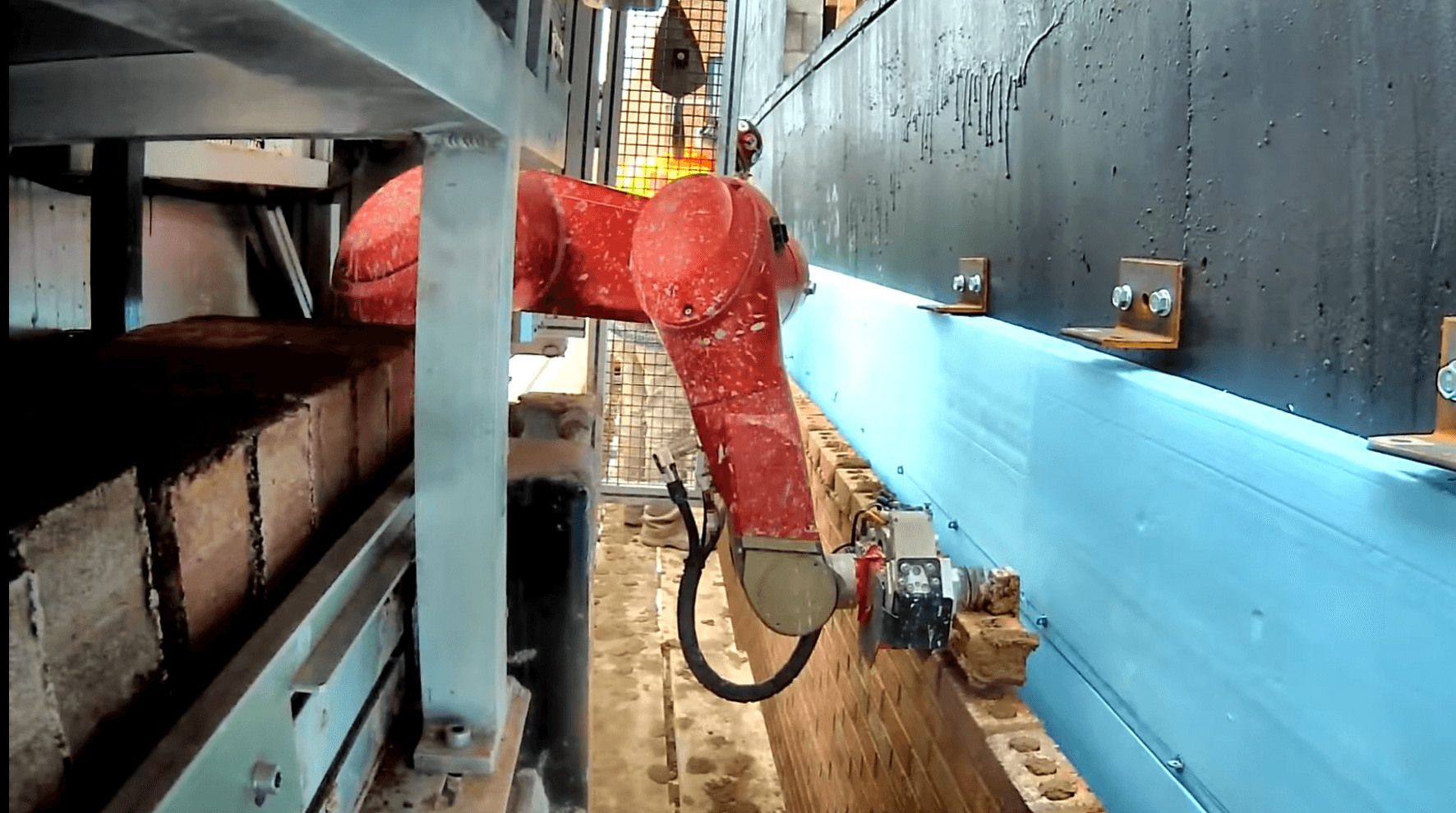
Construction robots can lay 6× more bricks than humans—but unions, labor law, and political calculus are keeping them off U.S. sites. How Japan, Singapore, and Europe are winning the race instead.

Why Tesla's Audit Standards Redefine Humanoid Manufacturing (Mass Production II)

Why Tesla's Audit Standards Redefine Humanoid Manufacturing (Mass Production II)

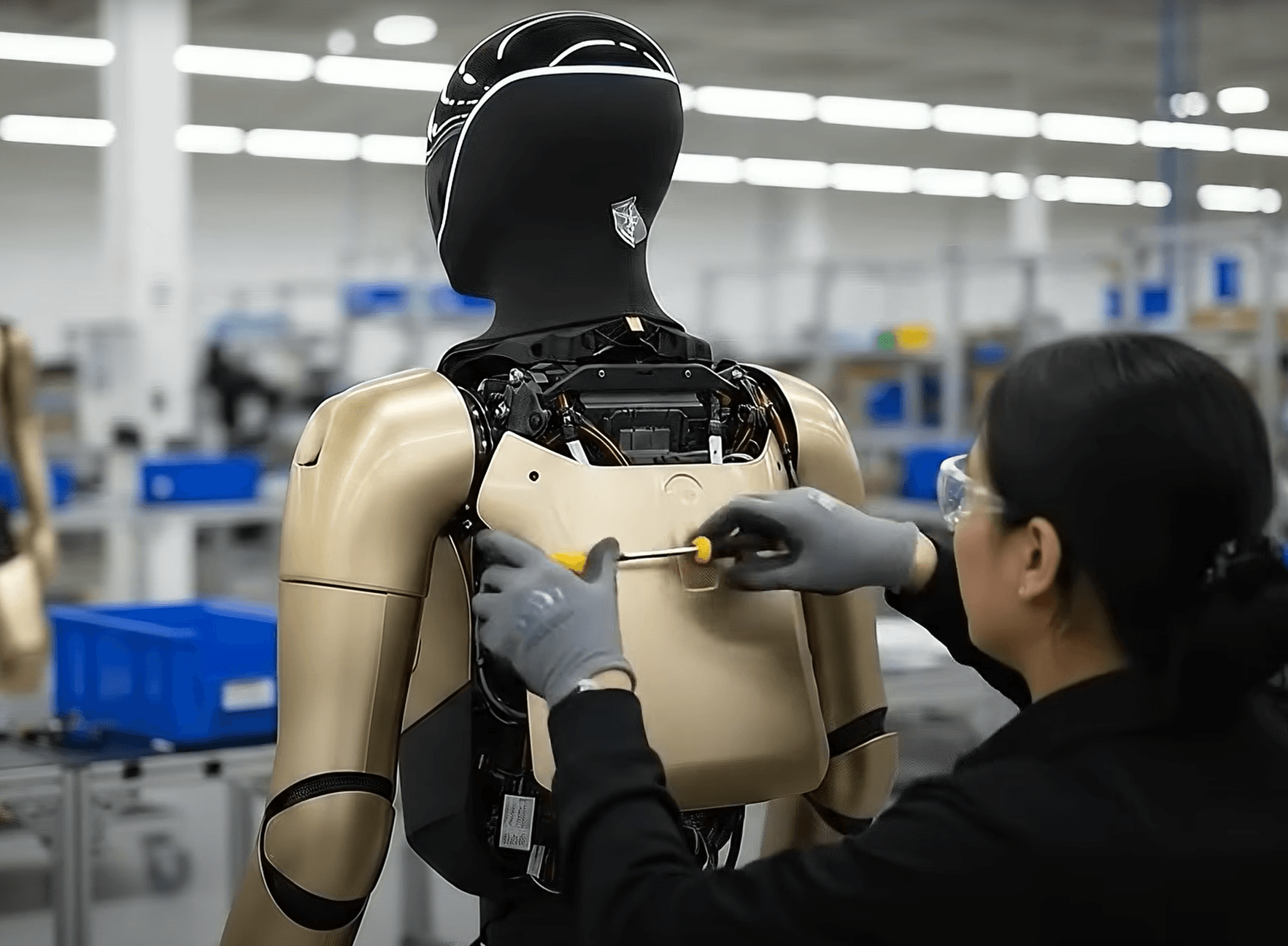
Tesla’s strict supplier audits for Optimus reveal a new industrial reality for humanoid robots. This analysis explains how automotive-grade standards—yield, cost discipline, SPC, and supply-chain governance—are redefining what “scalable robotics” truly means.