


Agrifac Machinery B.V.
Dutch manufacturer of precision self-propelled agricultural sprayers with AI-based spot-spraying technology
Contact Agrifac Machinery B.V.
WEBSITE
https://www.agrifac.comPHONE
+31 521 527 210HEADQUARTERS
Netherlands

Company Facts
Founded
1936
Primary Role
Manufacturer
Company Size
-
Primary Region
Europe
Annual Sales
-
Funding Stage
-
Funding Total
-
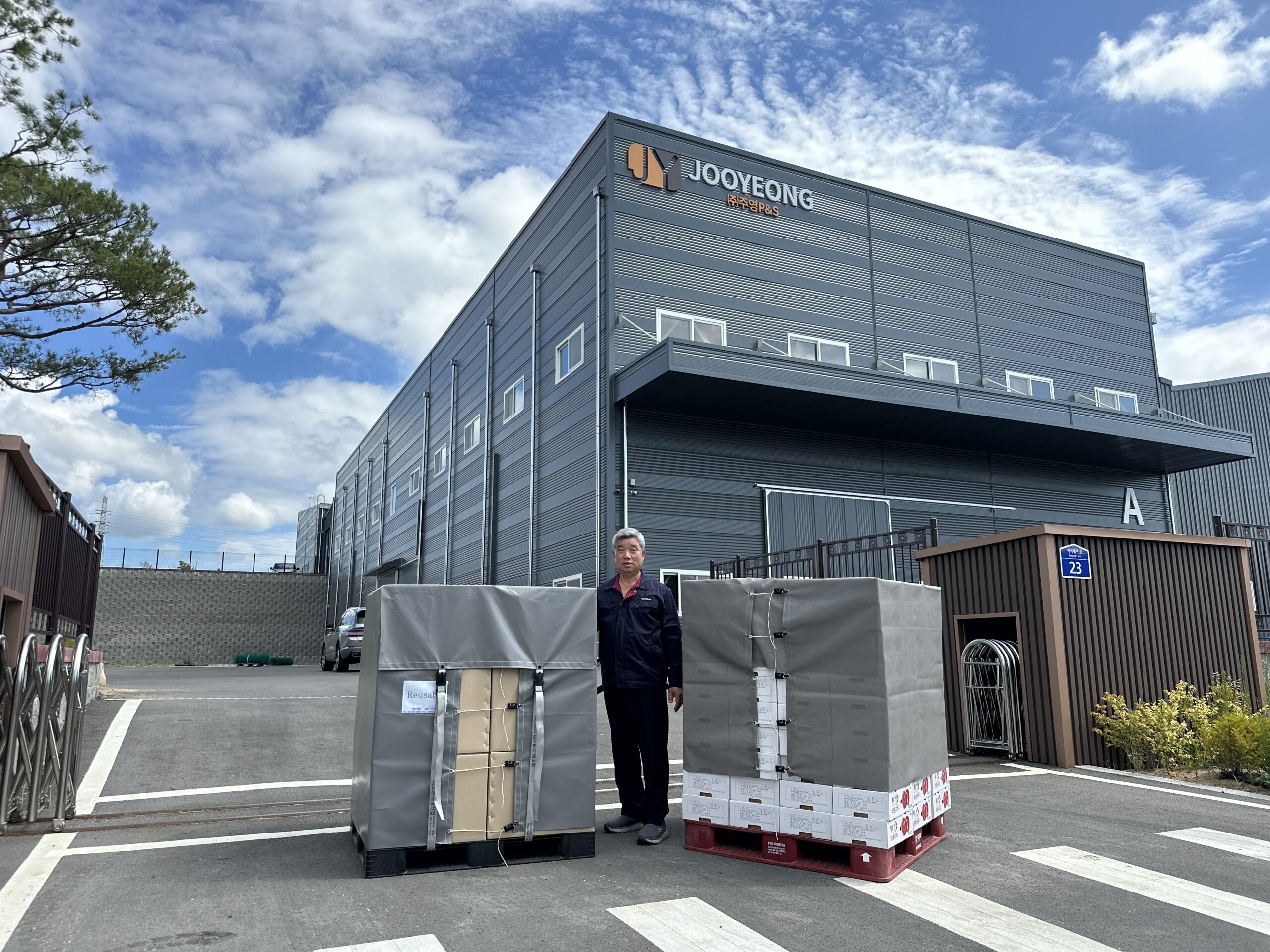
South Korean Innovator Jooyeong P&S Launches Ecobundle to Replace Stretch Wrap
Jooyeong P&S Corporation, a South Korean packaging innovator, has introduced Ecobundle™, a reusable pallet packaging system designed to replace single-use stretch wrap in logistics. This system can wrap standard pallets in just 1-2 minutes without the need for machinery or training, providing a compelling return on investment after approximately 35 uses. The significance of Ecobundle lies in its environmental benefits and cost savings. It reportedly reduces CO₂ emissions by 95% over 365 uses and eliminates 650g of plastic waste per pallet per wrapping cycle. With a lifecycle of over 1,000 reuse cycles, it offers a sustainable alternative to traditional packaging methods, aligning with the EU's Packaging and Packaging Waste Regulation requirements. Looking ahead, Jooyeong P&S's Ecobundle has already shown promising results in real-world applications, including a 30% cost reduction and a 97% decrease in packaging waste at Ilyang Logis's Okcheon Distribution Centre. As logistics operators face increasing sustainability pressures, the adoption of Ecobundle could accelerate across Europe, especially with its compliance to upcoming regulations.
Packaging and Ecommerce Pallets and Totes Ecobundle Eliminate Stretch Wrap Jooyeong reusable pallet packaging
DEEP Robotics' Lynx Robot Operates in Extreme 55°C Desert Conditions
DEEP Robotics has released a video showcasing its Lynx wheeled-legged robot navigating extreme desert terrains, including soft sand and steep slopes. The robot's design combines wheeled movement for efficiency on flat surfaces with adjustable jointed legs for overcoming obstacles, making it suitable for narrow spaces like vineyards. The Lynx series operates in temperatures ranging from -30°C to 55°C and features an IP66 rating for dust and water resistance. For instance, the Lynx M20 weighs 33 kg, has a payload capacity of 15 kg, and can operate for 2.5 hours under load. It is equipped with dual 96-line LiDAR and dual-frequency cameras for real-time obstacle detection, significantly reducing manual labor in high-temperature environments. The robot has already been deployed in commercial vineyards in Xinjiang, reducing manual transport workload by over 70%. Additionally, it has been utilized for industrial inspections and public safety tasks, demonstrating its versatility in various applications. No further timeline was disclosed at the time of publication.
Robotics Industrial Automation Extreme Environment Technology Agricultural Robotics
Ji'er 2.0: The First Humanoid Robot Transforming Smart Breeding in China
On September 4, 2026, at the 33rd China Beijing Seed Industry Conference, the team led by Xu Cao from the Institute of Genetics and Developmental Biology of the Chinese Academy of Sciences unveiled Ji'er 2.0, the world's first humanoid intelligent breeding robot. This fully domestically produced robot can autonomously navigate through tomato flowers and perform pollination in under 10 seconds. The significance of Ji'er lies in its innovative strategy called 'crop-robot collaborative design.' Traditional hybrid pollination relies heavily on manual labor, with hybrid varieties accounting for over 90% of commercial seeds. The Xu Cao team has re-engineered flower structures through gene editing, allowing the robot to effectively perform pollination tasks, improving the accuracy of stigma recognition from 85% to 92.8%. The upgraded Ji'er 2.0 features a dual-arm system, enhancing its adaptability. It can autonomously operate in various conditions, significantly reducing labor intensity in hybrid pollination. The technology has also been validated in soybean breeding, and future applications may extend to extraterrestrial environments, potentially aiding in greenhouse construction on the Moon or Mars. No further timeline was disclosed at the time of publication.
Smart Breeding Agricultural Robotics AI Technology Genetic Engineering
Robotics Must Address Major Ecological and Societal Challenges, Says Catherine Simon
Catherine Simon, an Industrial Digital Advisor at the General Secretariat for Investment, discusses the significant transformations in the robotics industry, from the era of Innorobo to the rise of Physical AI. She emphasizes the potential of service robotics across various sectors, including healthcare, logistics, and agriculture, highlighting its evolution from specialized industrial tools to a General Purpose Technology. The rapid advancement of generative AI and Physical AI is fundamentally changing robotics, moving it beyond niche applications and technological demonstrations. Simon argues that France and Europe have the potential to become global leaders in robotics by adopting a demand-driven strategy that focuses on addressing urgent economic and environmental needs, rather than merely pushing technological advancements. Looking ahead, Simon suggests that identifying promising markets where the demand for robotics is both urgent and substantial will be crucial. France and Europe can leverage a robust industrial ecosystem that includes international corporations, innovative SMEs, and top-tier research laboratories to ensure a seamless transition from innovation to practical applications in the robotics sector.
À la une Humanoide IA Interview Robotique Santé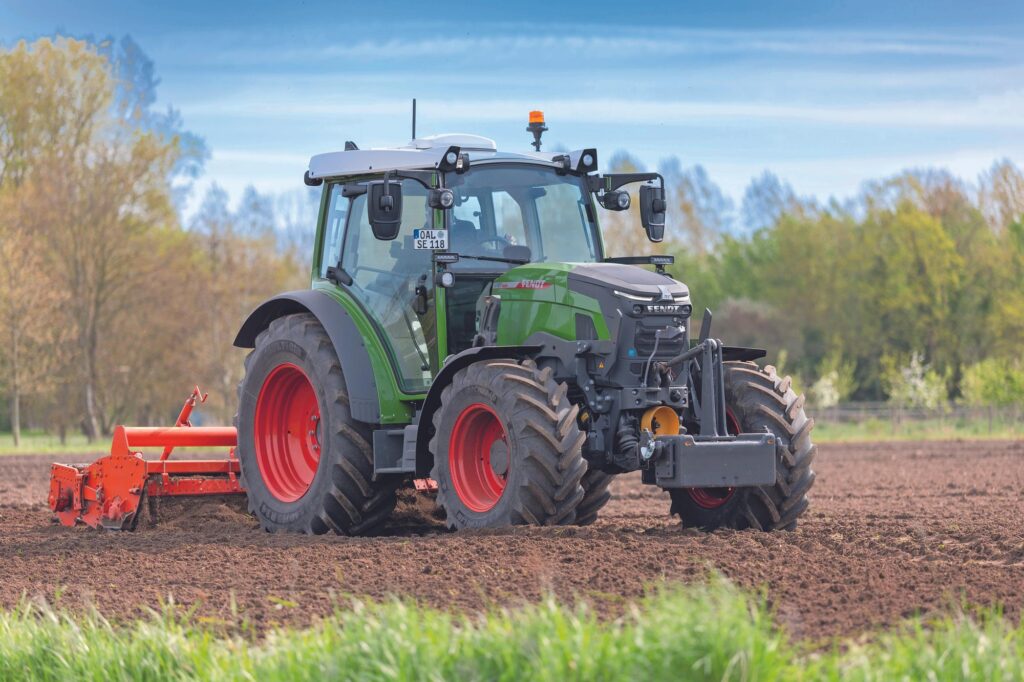
Fendt e107 Vario Electric Tractor Demonstrates Battery Power for Autonomous Field Robots
A recent test compared the Fendt e107 Vario electric tractor with the diesel-powered Fendt 207 Vario in both summer conditions in the Netherlands and winter conditions in Norway. The results indicate that while the electric tractor is advanced, its battery capacity remains a key limitation for heavy-duty tasks. This development is significant for the future of autonomous field robots, as electric drive systems could offer inherent advantages in efficiency and sustainability. The Fendt e107 Vario's performance suggests that battery-electric technology is becoming increasingly viable for agricultural applications. Looking ahead, the evolution of battery technology and electric drivetrains will be crucial for enhancing the capabilities of autonomous field robots. No further timeline was disclosed at the time of publication.
Tech in focus electric fendt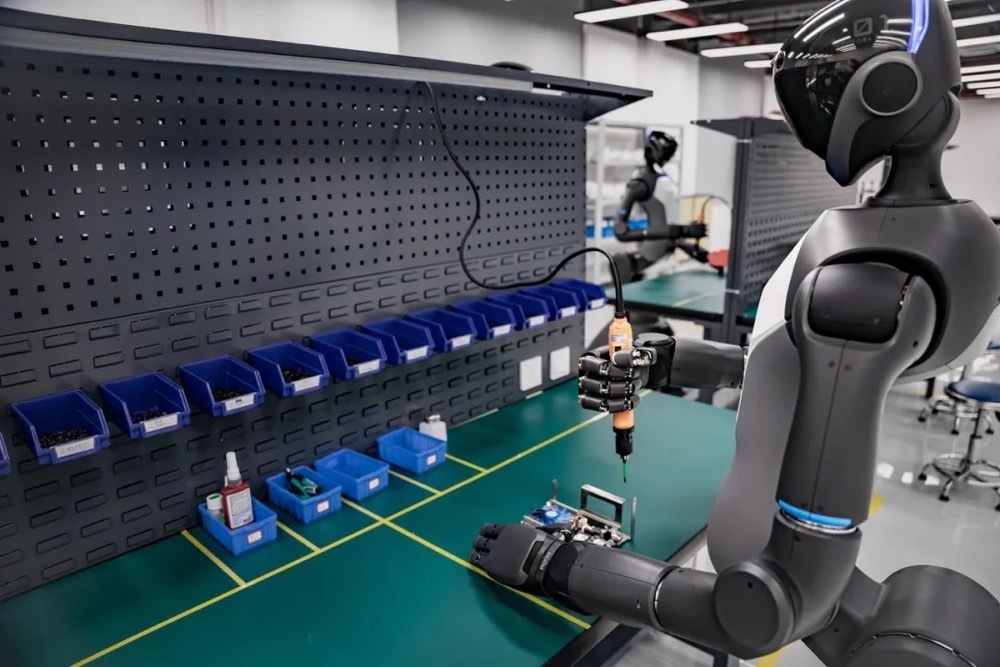
Qingdao's Smart Agricultural Plant Factory Begins Operations Amid Economic Challenges
In 2026, the Qingdao Jiaozhou Shanghe Meigu Plant Factory commenced operations, featuring advanced robotics for all stages of vegetable production. This facility, located in Li Gezhuang Town, boasts a clean environment comparable to pharmaceutical standards and produces 900 kilograms of fresh vegetables daily, supplying high-end supermarkets in Qingdao. The significance of this plant lies in its representation of China's cutting-edge smart agriculture. With a multispectral control system tailored for various vegetables and real-time monitoring by nutrient robots, the factory saves 80% of arable land and achieves a 99% reduction in water usage compared to traditional farming methods. However, a study by the Chinese Academy of Agricultural Sciences revealed that only 18.5% of scenarios analyzed yielded profits, highlighting the economic vulnerabilities of plant factories. Looking ahead, the industry faces challenges in profitability, as conventional fresh food markets struggle to support margins. The plant factory's strategy of supplying high-end supermarkets is crucial for offsetting high costs. Future solutions may focus on energy-saving technologies, photovoltaic direct supply, and cultivating high-value crops to enhance revenue. No further timeline was disclosed at the time of publication.
Robotic Farming Plant Factories Smart Agriculture Energy Efficiency High-Value Markets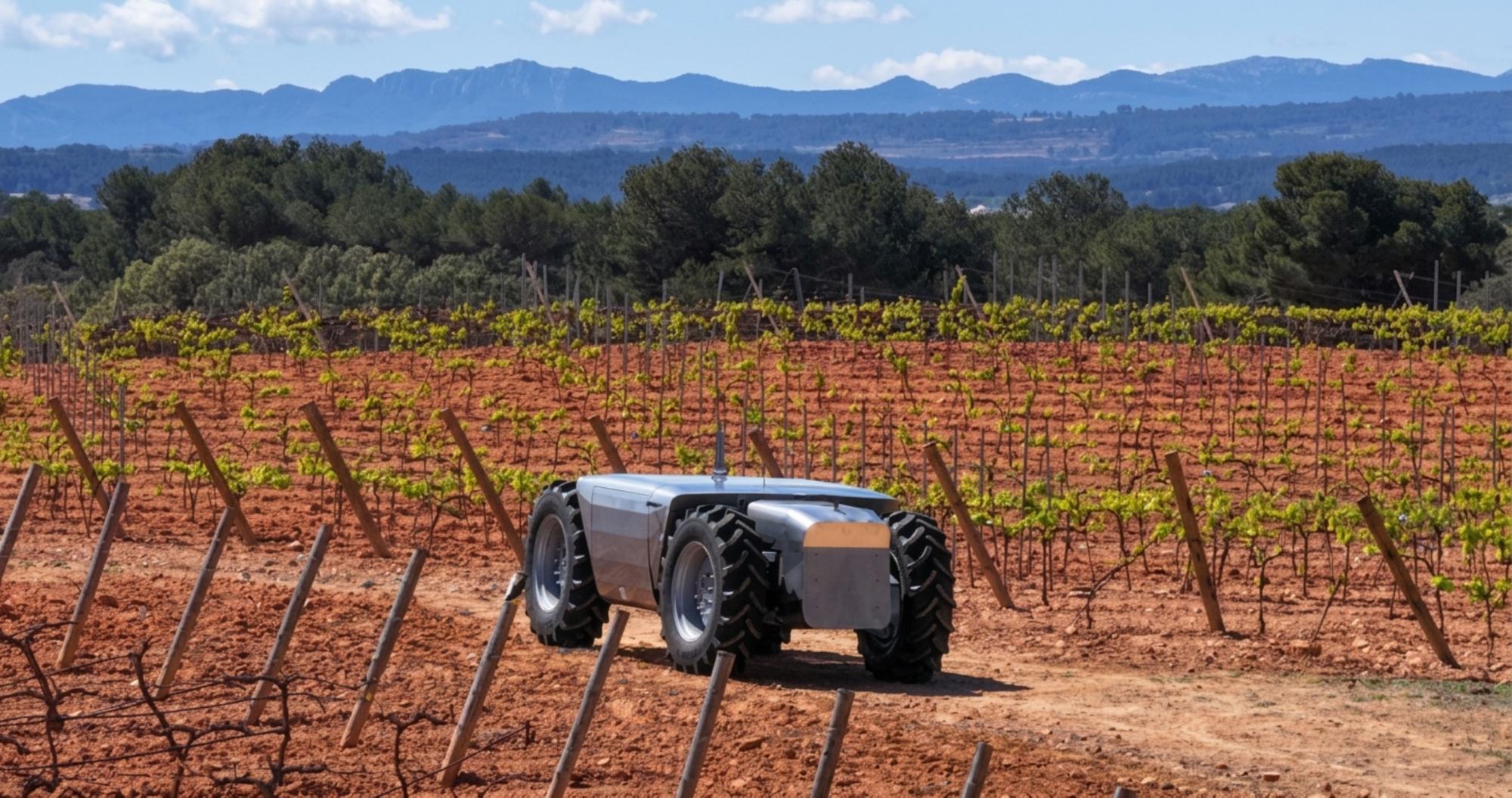
Voltrac Advances Thor Robot to Pre-Series Production Phase
Spanish agtech startup Voltrac has announced that its Thor autonomous electric robot is entering pre-series production. The current Thor 2 model, showcased at a recent robotics event in Berlin, is a pre-serial vehicle, with the Thor 3 expected to be the first production-ready version. This development is significant as Voltrac aims to manufacture 96 units annually at its Valencia factory, with plans to scale up to 1,000 vehicles per year. The Thor robot is designed from the ground up for autonomy, featuring a simplified structure with 70% fewer components than traditional tractors, enhancing reliability and reducing maintenance needs. Looking ahead, Voltrac's operational model allows one operator to supervise multiple Thor robots across various fields, leveraging GPS precision of about 5 centimeters. As the company transitions from demonstration to delivery, the focus will be on the upcoming Thor 3 and expanding its production capabilities. No further timeline was disclosed at the time of publication.
Field robots autonomy battery electric tractors robotic harvesting smart technology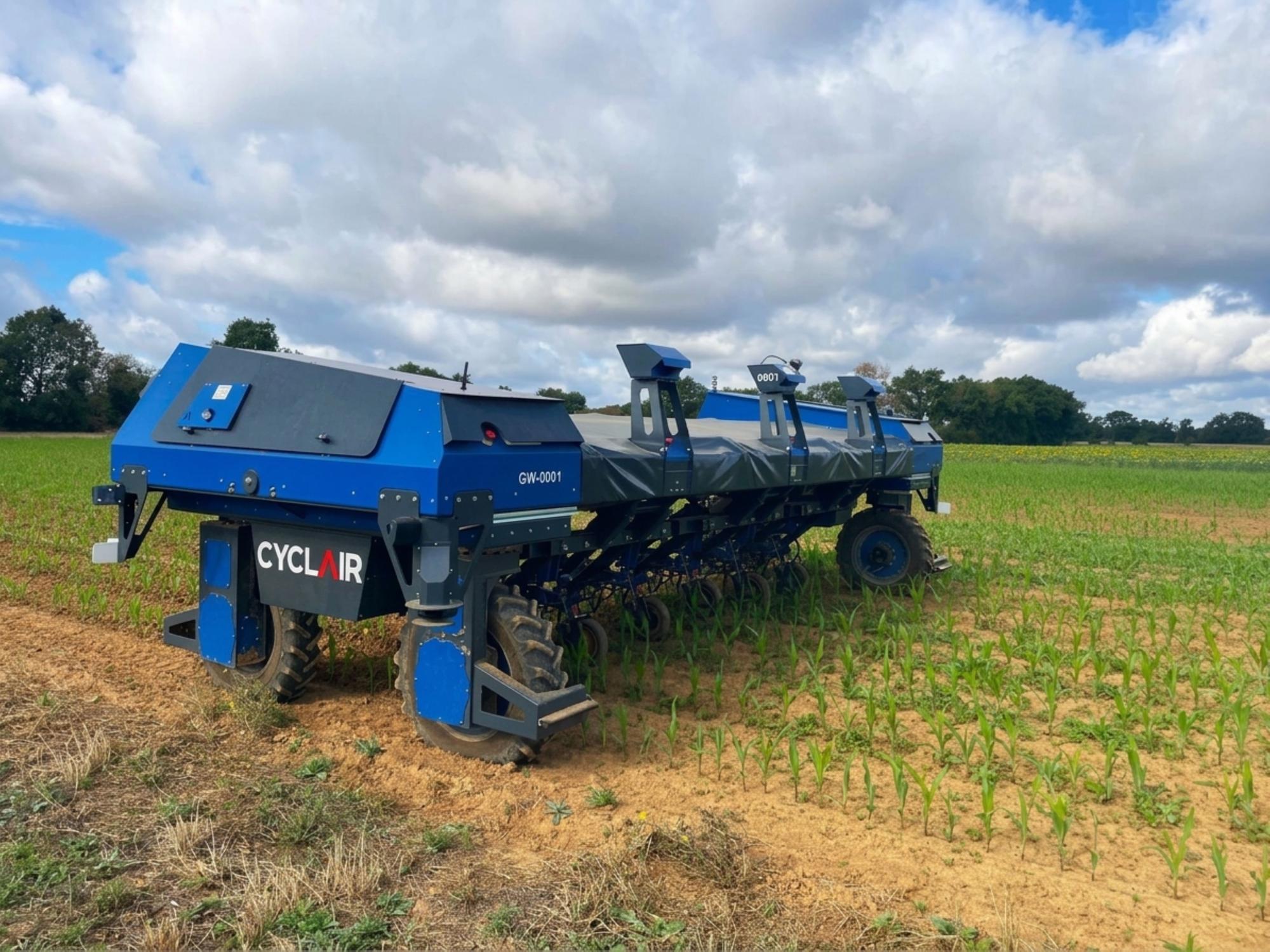
Océalia Invests in Cyclair to Enhance Autonomous Weeding Technology
French agricultural cooperative Océalia has acquired a minority stake in Cyclair, a startup focused on autonomous weeding robots, as part of its Cap 2030 strategic plan. This investment aims to provide Océalia's members in Nouvelle-Aquitaine with a mechanical weeding alternative to chemical herbicides. The Cyclair robots, currently operational in Western and Central Europe, North America, and Australia, are designed to cover crops such as maize, sunflower, and rapeseed, with plans to expand into cereals and specialty crops. The technology employs cameras and LIDAR for navigation and weed identification, eliminating the need for GPS. Looking ahead, Cyclair is developing additional features, including an electric weeding module and agronomic sensors, to enhance its platform's capabilities. The cooperative's focus on reducing herbicide use aligns with its sustainability framework, aiming for cost parity with traditional chemical weeding methods, which range from €35 to €85 per hectare.
Smart farming autonomous system crop scouting mechanical weeder robotic harvesting weed control systems
Advanced Prediction Techniques for Spray Distribution in Automatic Spraying Machines
Recent research published in the Journal of Field Robotics focuses on intelligent prediction methods for spray distribution and hydraulic behavior in automatic spraying machines used in precision agriculture. This study aims to enhance the efficiency and effectiveness of agricultural spraying processes. The significance of this research lies in its potential to optimize pesticide and fertilizer application, thereby reducing waste and environmental impact. By improving the accuracy of spray distribution, farmers can achieve better crop yields while minimizing chemical usage, which is crucial for sustainable agriculture. Looking ahead, the agricultural sector may see increased adoption of these advanced prediction techniques in automatic spraying machines. No further timeline was disclosed at the time of publication.
RESEARCH ARTICLE
Public Opposition Surges Against FCC's Military-Grade Drone Proposal
The Federal Communications Commission (FCC) has concluded the comment period for its proposal that may limit the import and sale of specific foreign-produced drones. An analysis by Pilot Institute revealed that out of 3,824 public comments, 3,770, or approximately 98.6%, opposed the proposal, highlighting significant dissent among stakeholders. This overwhelming opposition is crucial as it reflects the concerns of individuals and organizations directly affected by the proposed regulations. The FCC's initial assessment suggested that the economic and supply-chain impacts would be minimal, but Pilot Institute's findings challenge this notion, indicating potential adverse effects on small businesses and public safety operations. Looking ahead, the FCC must consider these public comments as it deliberates its next steps. The analysis underscores the importance of stakeholder input in shaping regulations that could significantly impact various sectors, including agriculture and public safety. No further timeline was disclosed at the time of publication.
DJI Drone News Drone News Feeds Drones in the News LiDAR News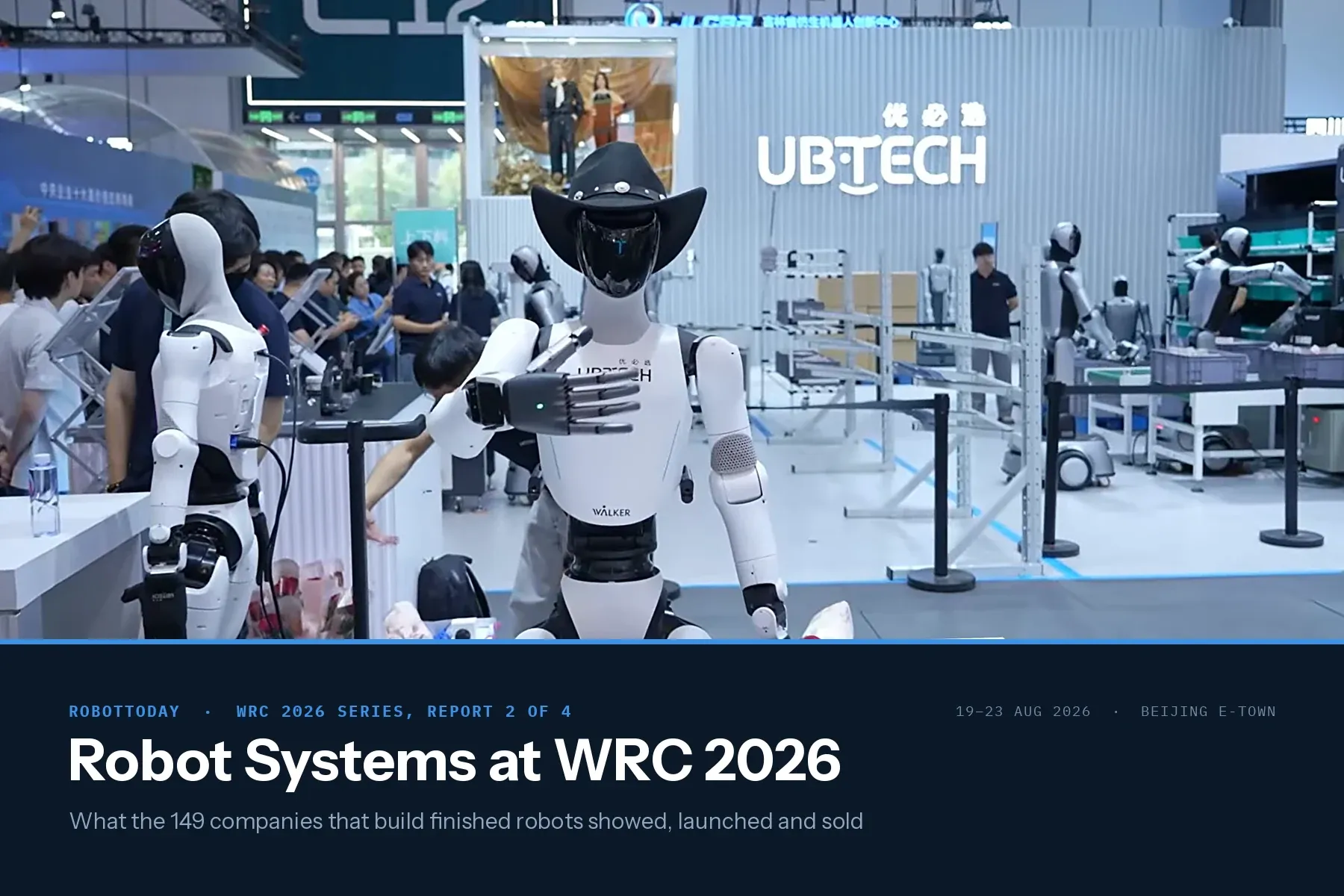
WRC 2026 Robot Systems: 149 Companies That Build Robots
149 of the 248 classified WRC 2026 exhibitors build finished robots. 93 build humanoid or legged machines. The audited humanoid sales number is one unit.
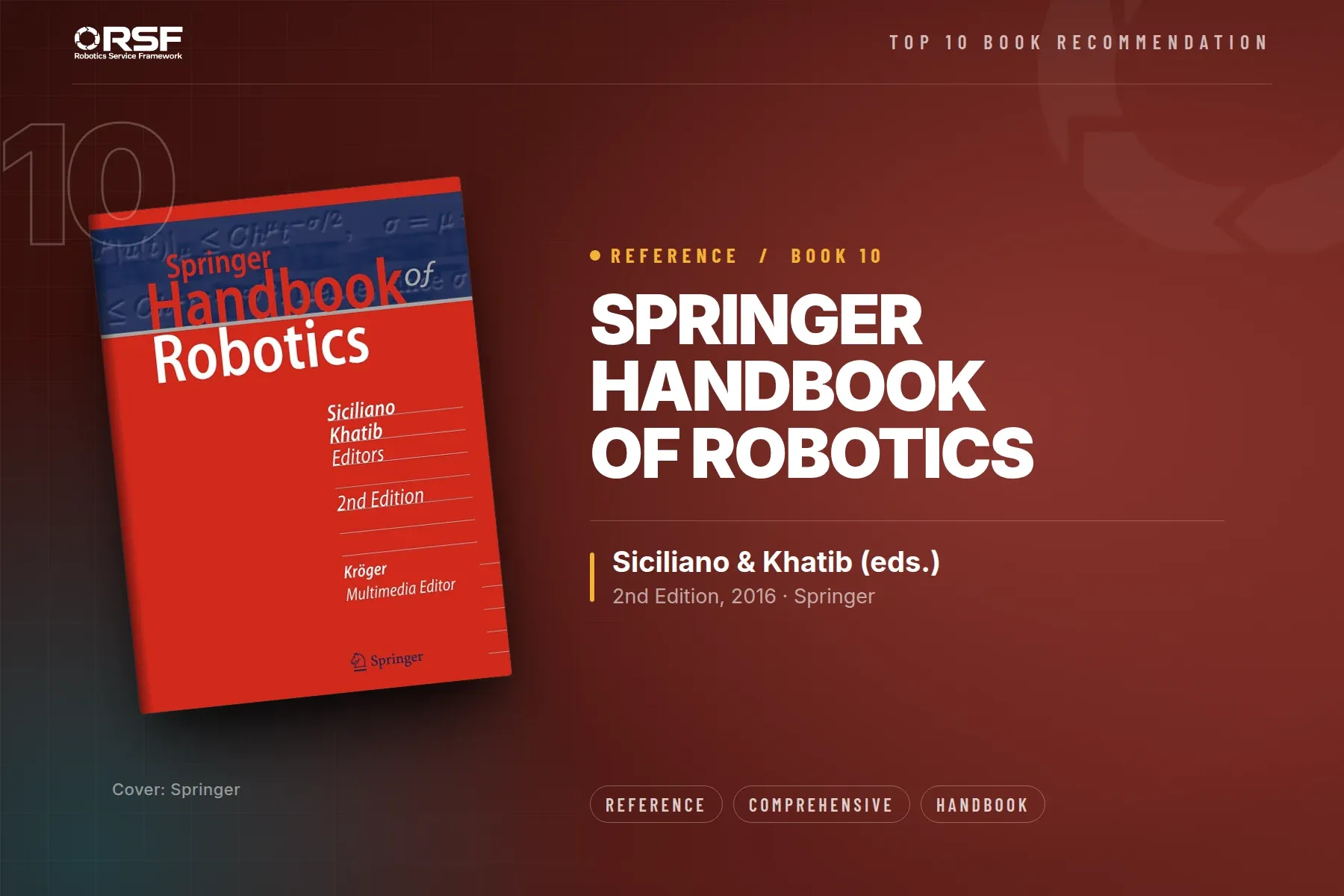
Springer Handbook of Robotics B. Siciliano & O. Khatib (eds.) — RSF Top 10 Robot Education Textbooks · No. 10
Eighty-plus chapters, 2,300 pages, nobody reads it cover to cover. It ranks for one reason: when a fault crosses domains, this is the reference of record.

Autonomous Mobile Robots Siegwart, Nourbakhsh & Scaramuzza — RSF Top 10 Robot Education Textbooks · No. 3
AMR and AGV fleets are the biggest robot service market. Siegwart decodes the vendor manual: odometry, localization, cost maps.

Robotics, Vision and Control Peter Corke — RSF Top 10 Robot Education Textbooks · No. 5
Most books you read; Corke's you run. Every concept ships as executable Python via the open Robotics Toolbox. The code softens the maths.
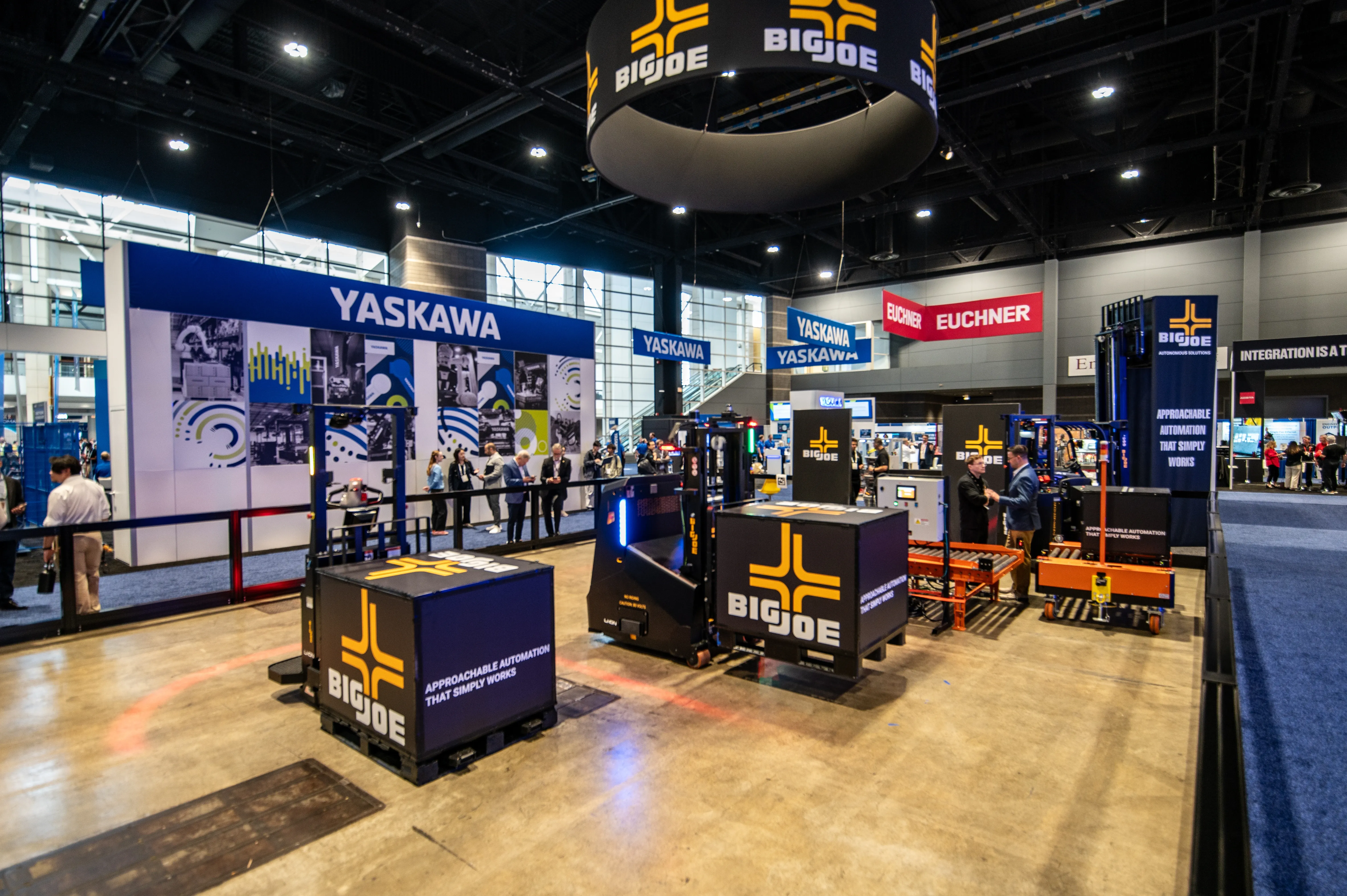
Big Joe's Four-Product AMR Push at Automate 2026: What It Reveals About the North American Warehouse Automation Market
RobotToday analyzes Big Joe's four new autonomous vehicles launched at Automate 2026 — AP44, ASC40, ATC100, ACV40 — in the context of North America's warehouse labor shortage and AMR market growth.

Piaggio Fast Forward Brings kilo® Autonomous Mobile Robot to Automate 2026
Piaggio Fast Forward showcases kilo®, an infrastructure-free collaborative AMR (300 lb payload, 360° LiDAR), at Automate 2026 booth #17054.

When a Materials Giant Meets Robotics: Covestro at Automate 2026
At Automate 2026, Covestro brought Makrolon, Bayblend, Baysafe BEF and Vulkollan to robotics — tackling weight, heat, sensing and sustainability for humanoids and AGV/AMRs.

Vietnam Robotics Industry Report 2026
Comprehensive analysis of Vietnam's robotics industry: market size, industrial policy, key companies (Vingroup, Apicoo, Phenikaa-X), geopolitical dynamics, and 2030 growth opportunities.

CIIF 2026 | China International Industry Fair | Oct 12–16, Shanghai | CIROS Robot Show
CIIF 2026 — the 26th China International Industry Fair — takes place October 12–16 at Shanghai NECC. 10,000+ exhibitors, 280,000 sqm, including the CIROS Robot Show covering industrial robots, AMR, cobots, and intelligent manufacturing.

GLOBAL ROBOTICS INDUSTRY Comprehensive Sector Overview
A comprehensive global robotics industry overview for 2025, analyzing 14 key market segments — from industrial and humanoid robots to logistics AMRs, military systems, and service robots — with expert market sizing, US case studies, five-year forecasts, and bilingual English-Chinese analysis for executives and investors.


