

3M
"Science. Applied to Life."
St. Paul, Minnesota manufacturer founded 1902; supplies Cubitron II abrasives and Scotch-Brite media for robotic grinding, sanding and paint-repair cells.
Contact 3M
WEBSITE
https://www.3m.com/PHONE
+1 888 364 3577HEADQUARTERS
United States


Company Facts
Founded
1902
Primary Role
Component Supplier
Company Size
-
Primary Region
North America
Annual Sales
-
Funding Stage
-
Funding Total
-

Robotics Summit & Expo 2027 | Jun 2–3, Boston
Robotics Summit & Expo 2027, June 2–3 at the Hynes Convention Center, Boston: The Robot Report's developer event with RBR50 awards and DeviceTalks Boston.

UC3M and UPNA Develop Advanced Soft Robotic Gripper for Object Manipulation
Professors at Universidad Carlos III de Madrid (UC3M) and Universidad Pública de Navarra (UPNA) have created a soft robotic gripper that can pick up, hold, and manipulate objects. This innovative gripper is designed to reposition items securely between its fingers without losing grip. The development of this soft robotic gripper is significant as it enhances the dexterity and functionality of robotic systems, making them more versatile in handling various objects. This advancement could lead to improved applications in fields such as logistics, manufacturing, and healthcare, where precise manipulation is essential. Looking ahead, the implications of this technology could reshape how robots interact with their environment. No further timeline was disclosed at the time of publication.
Robotics
TacnIQ.ai Raises $1.5M in $3M Pre-Seed Round for Tactile AI Development
TacnIQ.ai has successfully secured $1.5 million from In Group Holdings as part of a $3 million pre-seed funding round aimed at developing tactile AI models. These models enable robots and machines to interpret touch in real-time, enhancing their interaction with objects and environments. The significance of this funding lies in TacnIQ.ai's technology, which is already being utilized by clients in various sectors, including logistics, construction, e-commerce, hospitality, and healthcare. The company has amassed over 5,000 hours of tactile interaction data, which is crucial for training its AI models and improving workplace safety and ergonomics. Looking ahead, TacnIQ.ai plans to expand its engineering team and develop more advanced tactile AI models. The company is also collaborating with Synaptics to broaden the range of physical signals its models can process, which will facilitate the transition of tactile AI from research to commercial applications. No further timeline was disclosed at the time of publication.
AI AI Funding & Investment Robotics AI models funding In Group Holdings
Jaipur Robotics Secures €4.3M Seed Funding to Enhance AI Platform for Waste-to-Energy Operations
Jaipur Robotics has successfully raised €4.3 million in seed funding, led by EquityPitcher Ventures and High-Tech Gründerfonds, to enhance its AI and automation platform tailored for waste-to-energy plants. The company’s advanced computer-vision system processes over 5 million tons of waste each year and utilizes a dataset of more than 50 million labeled images to achieve a 99% accuracy rate in hazardous material detection. This funding round is significant as it will allow Jaipur Robotics to expand its operations into new regions and enhance its product offerings, thereby increasing its customer base across Europe. The company aims to revolutionize plant operations by leveraging data to improve safety, combustion efficiency, and crane automation, which are critical for modern waste management. Looking ahead, Jaipur Robotics plans to continue developing tools for hazard detection, waste mixing, and crane automation. The company is also in the process of hiring for various roles, including AI and engineering positions, to support its growth. No further timeline was disclosed at the time of publication.
AI AI Funding & Investment Robotics automation EquityPitcher Ventures Europe
Tianlian Launches TCE605 Robotic Arm at a Groundbreaking Price of ¥17880
Tianlian Robotics has introduced the TCE605 robotic arm, priced at ¥17880, marking a significant advancement in embodied intelligence. This model features a lightweight design at 6.8kg, capable of handling a rated load of 5kg and a maximum load of 8kg, with a working radius of 653mm and a repeat positioning accuracy of ±0.05mm. The TCE605's innovative design combines full harmonic joints with a dual encoder system, ensuring smooth motion and high precision even under rapid movements. Its low power consumption and safety features enhance its adaptability for various applications, including exploration, disaster relief, and industrial automation. This launch signifies a shift in the collaborative robotics market, making high-performance robotic arms accessible at a lower cost. The TCE605 aims to serve as a versatile interface in the embodied intelligence ecosystem, supporting various robotic operating systems and applications, thus transforming the concept of embodied intelligence into practical solutions.
Robotic Arms Embodied Intelligence Automation Industrial Robotics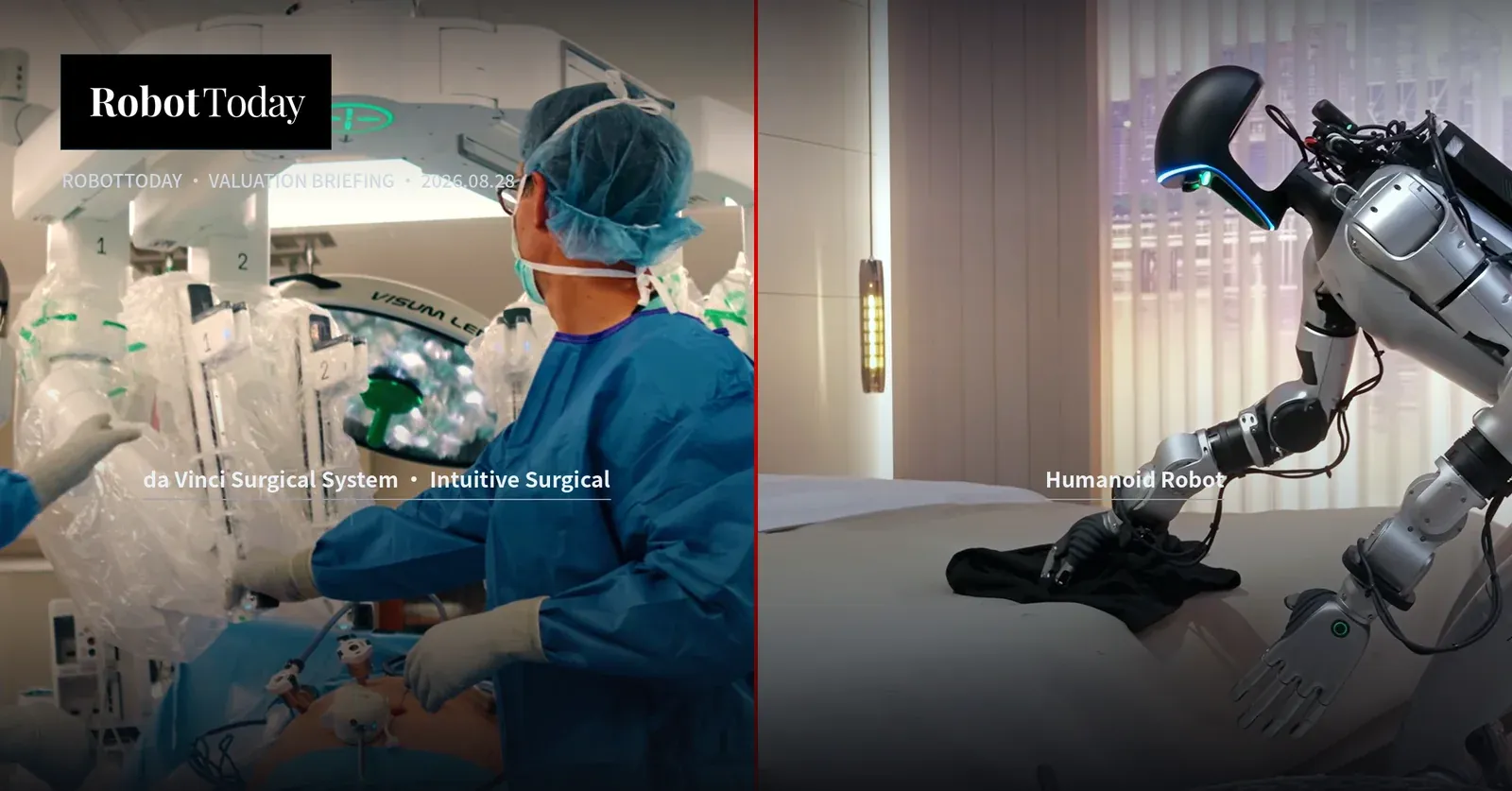
Robotics Investing: Intuitive Surgical or Unitree?
Unitree (STAR 688836) trades near 410x earnings after a 46% drawdown; Intuitive Surgical sits at 42.5x. A definition-aligned comparison of both companies.

Legend Robot Showcases 3.3m Spraying Robot for Saudi Vision 2030 at Big 5 Saudi
Legend Robot, a leader in autonomous construction robotics, has introduced its 3.3m Putty & Latex Spraying Robot at the Big 5 Saudi event. This innovative technology is designed to meet the unique challenges of Middle Eastern job sites, particularly in relation to thermal resilience and compatibility with GCC materials. The significance of this development lies in its potential to enhance the efficiency and effectiveness of construction processes within the context of Saudi Vision 2030 gigaprojects. By addressing specific regional conditions, Legend Robot's solution aims to streamline operations and improve project outcomes in a rapidly evolving construction landscape. Looking ahead, industry stakeholders should monitor the adoption of Legend Robot's technology as it may play a crucial role in the successful execution of large-scale projects under Saudi Vision 2030. No further timeline was disclosed at the time of publication.

Solid Launches Viewla IPC-16LTEII Security Camera Compatible with Three Carriers
On August 18, Solid released the Viewla IPC-16LTEII, a SIM-enabled security camera. This device can operate in areas without internet by simply inserting a SIM card and providing power. It supports networks from NTT Docomo, au, and SoftBank, with successful connectivity confirmed for Rakuten Mobile as well. The Viewla IPC-16LTEII can record for approximately four weeks on a microSD card (sold separately) with a capacity of up to 128GB. Users can remotely access video footage via smartphones or PCs. The camera is designed to be waterproof and dustproof, making it suitable for outdoor installation. Optional features include a solar panel and recording via SolidCLOUD, which ensures no loss of footage. The camera measures 58mm in width, 52mm in height, and 213mm in depth, with a maximum resolution of 1920x1080 pixels (Full HD). No further timeline was disclosed at the time of publication.

Zhejiang University Develops Millimeter-Scale Robot Powered by Ultrasonic Waves
Researchers at Zhejiang University have created a 6mm long, 2.5mm diameter helical robot that operates without a battery or traditional motor. Instead, it is powered by an external arrangement of piezoelectric transducers that generate ultrasonic fields for propulsion and directional control. The robot can navigate through pipes, perform high-speed spins, and traverse slopes of 30° and 60°, even completing vertical movements and maneuvering through complex pathways. This breakthrough addresses a significant challenge in micro-robotics: providing power to increasingly smaller devices. The robot's design allows it to operate in confined fluidic environments, demonstrating its ability to move forward and backward within a 3mm diameter pig vein. The study, published in the journal Ultrasonics, highlights the innovative use of ultrasonic manipulation to enhance the robot's capabilities in navigating complex geometries. Future developments may focus on refining the robot's navigation in more intricate environments and optimizing the control of the ultrasonic fields. The research team has shown that by adjusting the activation combinations, frequency, and phase of the piezoelectric transducers, they can significantly enhance the flow field around the robot, indicating potential for further advancements in micro-robotic applications.
Microrobots Biomedical Engineering Ultrasonic Technology Robotics
The Role of Integrated Actuators in Enhancing Humanoid Robot Joint Functionality
Humanoid robots are gaining traction in robotics research, attracting interest from universities and tech companies. Unlike traditional industrial robots, humanoid robots must navigate complex environments, requiring advanced joint coordination for human-like movements. This necessitates the use of robotic actuators, which convert electrical energy into mechanical motion, enabling actions like walking and balancing. The significance of integrated actuators lies in their ability to address the challenges faced in humanoid robot design. These actuators must provide high torque output while being compact to avoid adding excessive weight. Additionally, they require precise control for dynamic movements, as any delay can compromise stability. Integrated actuators streamline system integration by combining multiple components into a single module, reducing complexity and enhancing performance. The CubeMars AK45-10 robotic actuator exemplifies this innovation, offering a compact design with a diameter of 53mm and a weight of 260g, while delivering up to 7Nm of peak torque. As humanoid robots continue to evolve, the development of such integrated solutions will be crucial for optimizing performance and efficiency in robotic joint applications. No further timeline was disclosed at the time of publication.
Sponsored Content Cubemars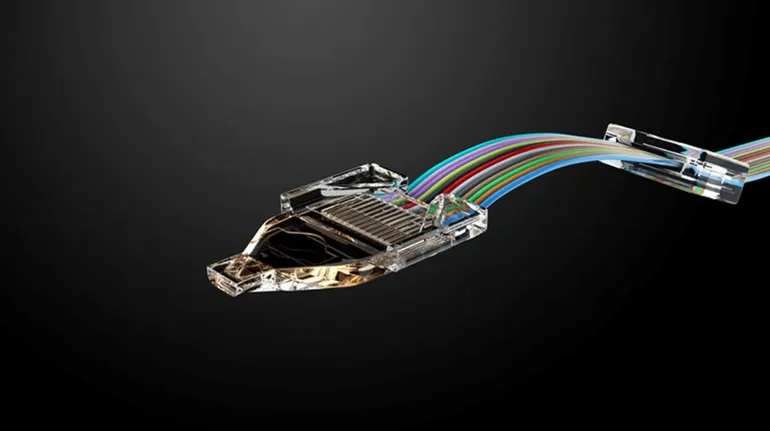
Microsoft and 3M Collaborate on AI and Data Center Research and Development
Microsoft and 3M have announced a partnership aimed at accelerating AI adoption and enhancing the physical networks necessary for cloud growth and AI workloads. This collaboration will focus on research and development related to Microsoft’s data center and device marketplace, leveraging 3M's expertise in electronic components and materials science. The significance of this partnership lies in Microsoft's ambitious plans to invest approximately $80 billion in AI-enabled data centers by January 2025, which will support the training of large language models and the deployment of machine intelligence. Currently, Microsoft operates over 400 data centers globally, with the first of two new facilities in Mount Pleasant, Wisconsin, now fully operational. Looking ahead, both companies are part of the Expanded Beam Optics Multi-Source Agreement Group, which aims to advance open specifications for EBO connectivity products in the AI market. 3M is also expanding its manufacturing capacity for high-speed interconnects, responding to increased demand from hyperscalers and ensuring a reliable supply chain for AI data centers. No further timeline was disclosed at the time of publication.

Physical AI Landscape: From Digital Intelligence to the Embodied Physical World
A comprehensive industry analysis of Physical AI — covering Embodied AI, Field AI, Factory AI, VLM, World Model, VLA, and the VLA vs WAM architecture debate. Includes 20+ companies, 28 references, and the RobotToday Physical AI Landscape diagram. July 2026.

Robotic rabbit learns users' voices on first greeting, enabling personalized elder care
Researchers from the Social Robotics Group at the Universidad Carlos III de Madrid (UC3M) have created an innovative AI-based methodology that enables a pet-type assistive robot, named Mía, to recognize individuals during interactions. Currently, this prototype is undergoing testing at day centers operated by the Madrid City Council, where it aims to provide personalized emotional support to elderly individuals experiencing cognitive decline. The initiative seeks to enhance the quality of life for these seniors by fostering meaningful connections through advanced robotic technology.
Robotics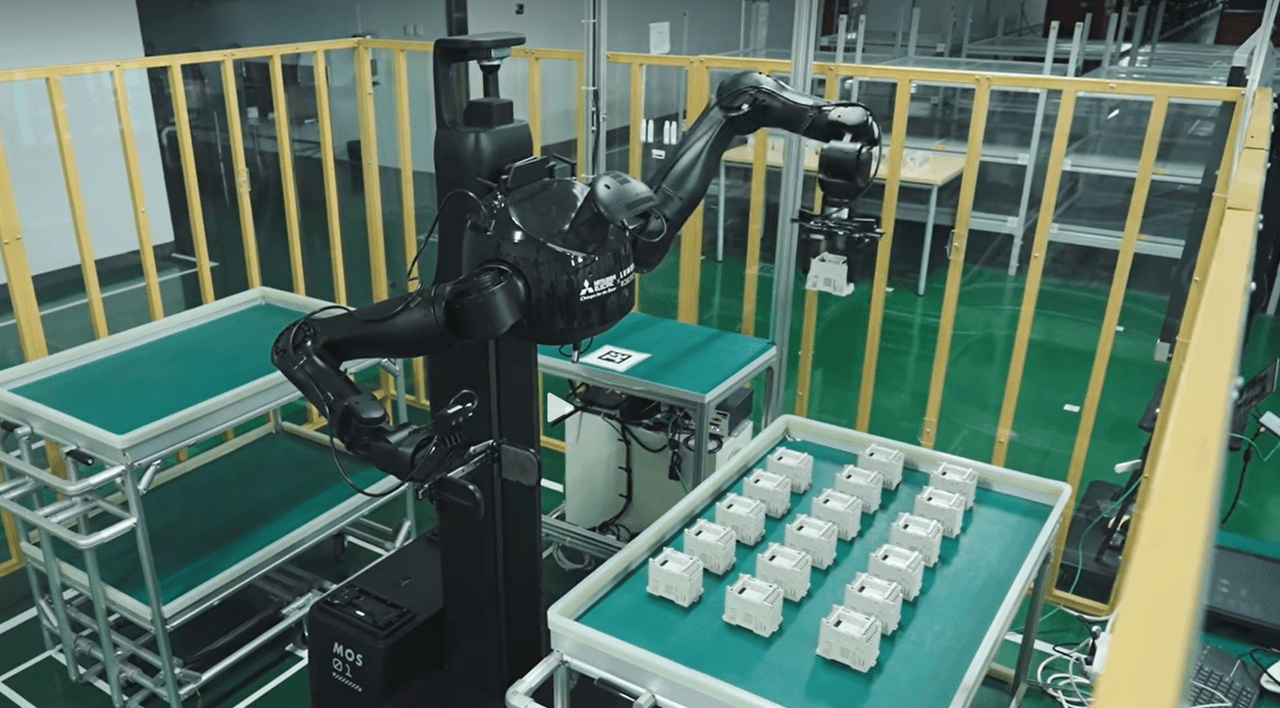
Mitsubishi Electric's Double-Bet on Lumos Robotics Signals Industrial AI's Turning Point
Mitsubishi Electric leads $140M in Lumos Robotics funding. Industrial automation giant's dual investment signals embodied AI is entering real manufacturing infrastructure.

ROBOTTODAY Weekly April 20 – 24, 2026
This week in robotics: Chinese humanoid wins Beijing half-marathon, Tesla begins Cybercab production, bipartisan American Security Robotics Act targets Chinese-made robots, and Figure hints at exponential manufacturing ramp-up. April 20–24, 2026.
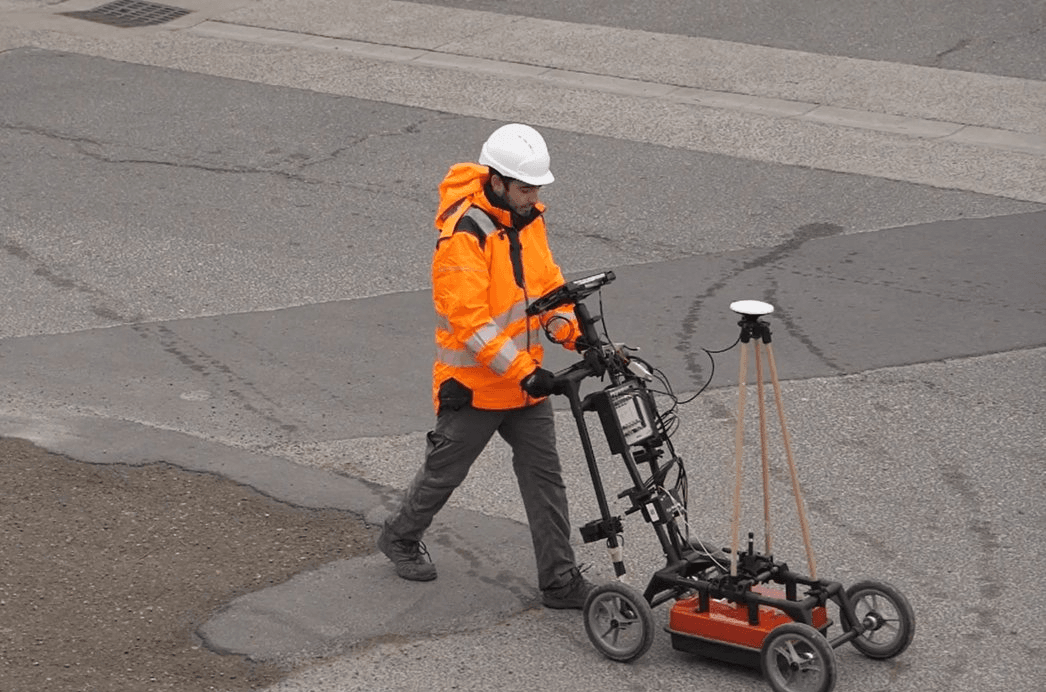
CONSTRUCTION ROBOTICS | INSPECTION, SCANNING & DIGITAL TWIN
Inspection, scanning, and digital twin robots are construction's widest adoption curve. BCA-mandated drone façade inspections in Singapore, DroneDeploy's 3M+ sites, Boston Dynamics Spot Cam 2, and Exodigo's $214M funding define the segment. Key stat: Inspection/scanning commands 30% of construction robot applications (FactMR, 2025; unverified).

EU Bets €1.5B on Drones and AI: Inside EDIP's 2026–2027 Defence Industry Programme
The EU's €1.47 billion European Defence Industry Programme (EDIP) 2026–2027 targets drones, counter-UxS systems, AI-enabled autonomy, and loitering munitions across six major funding calls — allocating over €232 million directly to unmanned systems and related electronics supply chains.
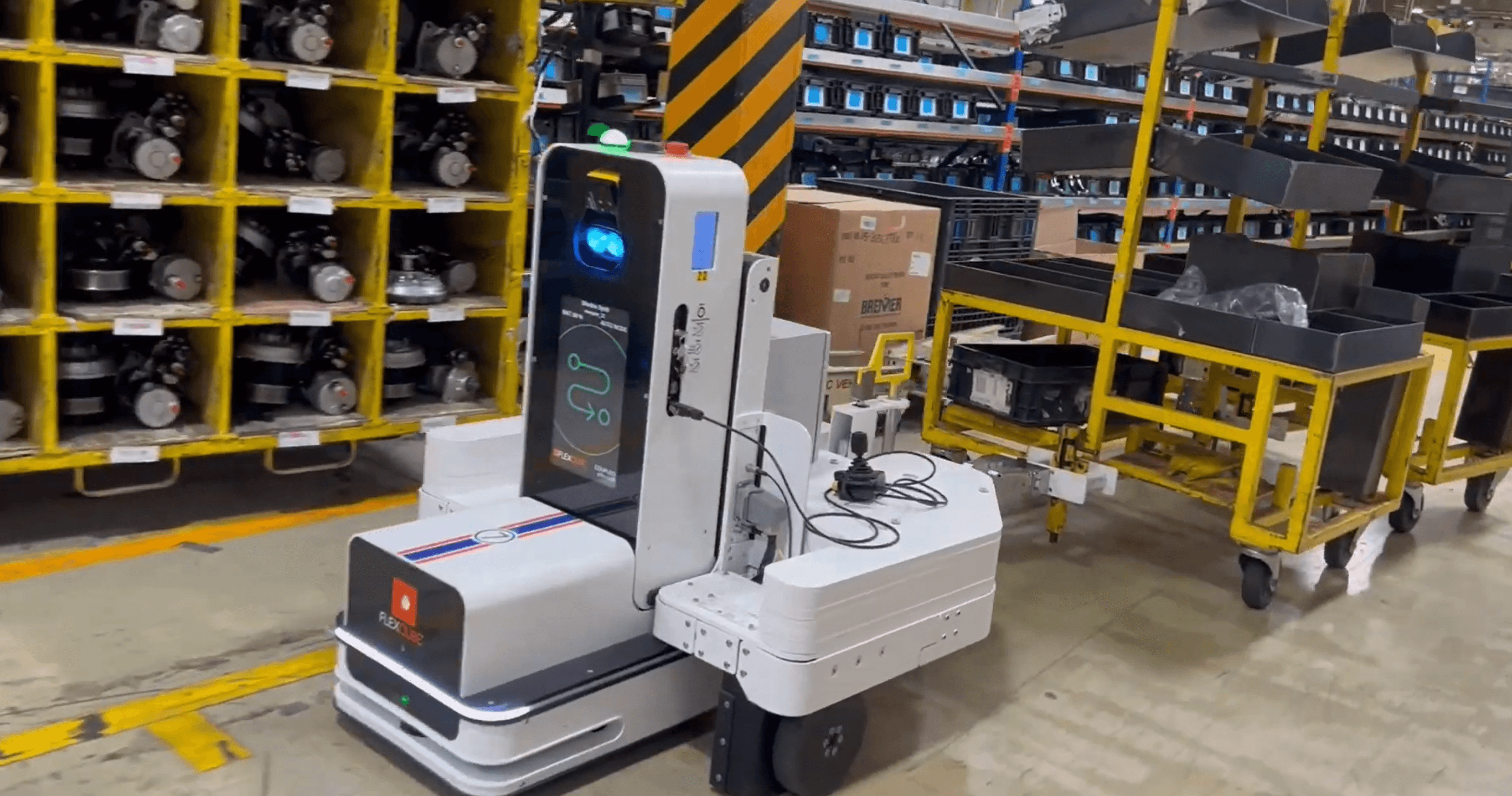
One Robot, Any Load: Inside FlexQube's AMR Platform
lexQube AB (FLEXQ) secured a record USD 13M order and saw its stock rally over 150% from its 2025 low. Explore 12 months of order flow, AMR technology, and market cap growth in this in-depth RobotToday analysis.

RobotToday Weekly Industry Briefing: January 26 – 30, 2026
Robotics industry briefing Jan 26-30, 2026: Serve-Diligent $29M acquisition, Richtech-Microsoft controversy, Waabi $1B funding, cloud robotics market to $43B by 2031, Fauna Robotics Sprout, Gartner humanoid forecast, NY Robotics launch.
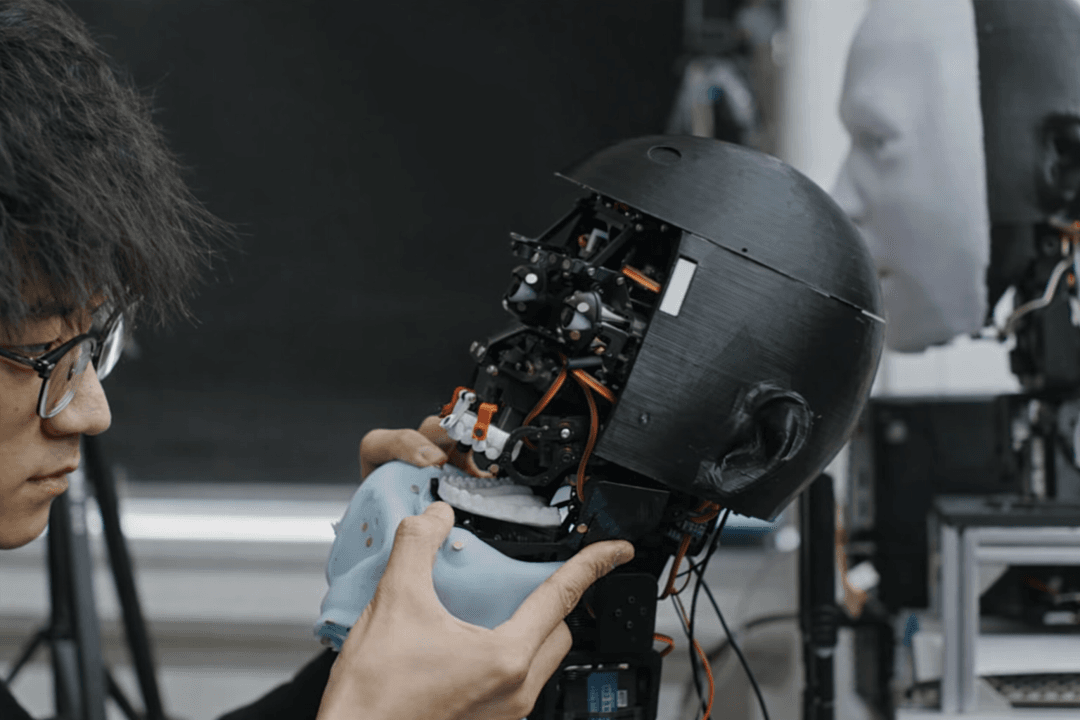
Columbia's Emo: Solving Robot Face Problem
Columbia's Emo robot breakthrough reveals why facial biomimicry is robotics' second hardest challenge. Analysis of tech barriers and 2028-2030 timeline.


