

Industry Briefing
A single destination for timely, editor-curated robotics news from around the world.
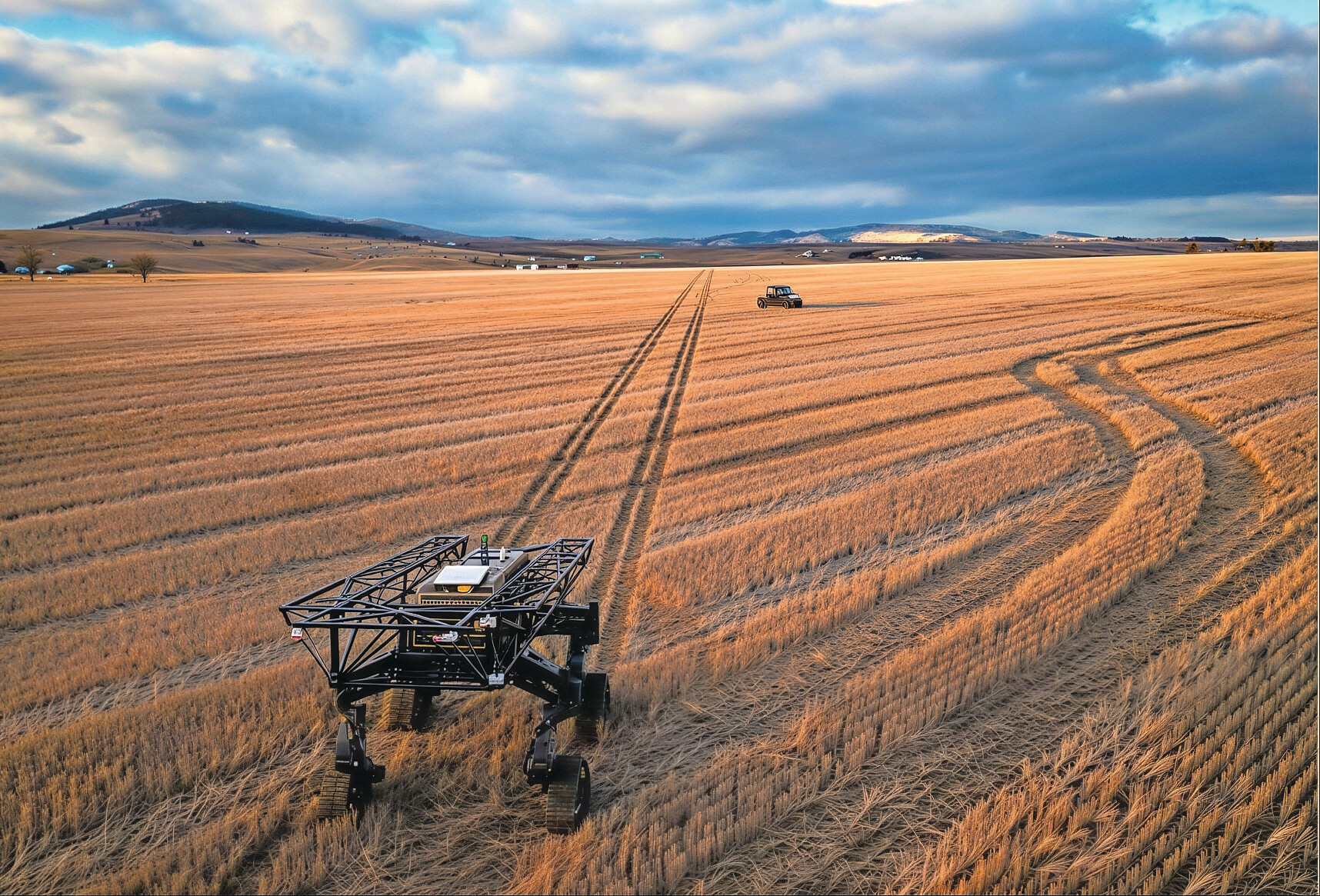
TerraClear launches autonomous TerraScout robot for field scouting
TerraClear has launched the TerraScout, an innovative autonomous robot aimed at enhancing precision farming through advanced technology. This robot is capable of capturing ultra-high-resolution imagery of agricultural fields and transforming that data into actionable insights for farmers. The introduction of the TerraScout comes as the agricultural industry increasingly seeks efficient solutions to optimize crop management and yield. By leveraging cutting-edge imaging technology, TerraClear aims to empower farmers with detailed information about their fields, ultimately improving decision-making processes and productivity. The rollout of the TerraScout marks a significant advancement in agricultural technology, reflecting a growing trend towards automation and data-driven farming practices.
Field robots autonomous farm equipment crop scouting precision agriculture weed control yield optimization
Two Fossa Flat Minima Optimization Algorithm‐Based Enhancement of Ecological Balance Using Carbon‐Neutral Eco‐Robots With Situational Intelligence for Air Quality Monitoring
A recent study published in the Journal of Field Robotics explores advancements in autonomous robotic systems designed for agricultural applications. Conducted by a team of researchers from various universities, the study highlights the growing importance of robotics in enhancing efficiency and sustainability in farming practices. The research, which was completed in October 2023, focuses on the development of robots capable of performing tasks such as planting, weeding, and harvesting crops with minimal human intervention. The motivation behind this research stems from the increasing demand for food production amid a global population surge and the need for sustainable farming methods that reduce environmental impact. By integrating advanced sensors and artificial intelligence, the robots are designed to optimize resource use, reduce labor costs, and improve crop yields. Field tests conducted in various agricultural settings demonstrated the robots' effectiveness in performing tasks traditionally done by human laborers. The study's findings suggest that these autonomous systems could significantly transform the agricultural landscape, making it more efficient and less reliant on chemical inputs. As the agricultural sector faces challenges related to labor shortages and climate change, the research underscores the potential of robotics to address these issues and pave the way for a more sustainable future in food production. The study calls for further investment and development in this technology to fully realize its benefits for farmers and the environment.
RESEARCH ARTICLE
Optimization of Magnetic Adsorption Units for Wall‐Climbing Robots via Integrated Response Surface Methodology and Genetic Algorithm
The Journal of Field Robotics has published an early view article highlighting advancements in robotic technology aimed at enhancing agricultural practices. Researchers from various institutions collaborated on this study, which was released in October 2023. The article focuses on the development of autonomous robots designed to improve efficiency in crop monitoring and harvesting processes. The motivation behind this research stems from the growing need for sustainable agricultural solutions to meet the demands of an increasing global population. By integrating advanced sensors and machine learning algorithms, these robots can analyze soil conditions, monitor plant health, and optimize harvesting schedules, ultimately reducing labor costs and increasing yield. The study outlines the methodologies employed in the design and testing of these robots, including field trials that demonstrate their effectiveness in real-world agricultural settings. The findings suggest that the implementation of such robotic systems could significantly transform traditional farming practices, offering a more sustainable approach to food production. This publication underscores the importance of innovation in agriculture and the potential for robotics to address critical challenges in the sector. As the demand for food continues to rise, the integration of technology in farming is becoming increasingly essential for ensuring food security and sustainability.
RESEARCH ARTICLE
NatPower and Tesla Strike 25 GWh European Battery Storage Deal
NatPower has entered into a multi-year agreement with Tesla to supply and deploy over 25 gigawatt-hours of battery energy storage systems in European markets, with initial projects set for Italy and the United Kingdom. Announced on June 23, 2026, the partnership will see Tesla provide its Megapack technology, along with engineering, procurement, construction services, and energy trading optimization via its Autobidder platform. The projects, which will be owned and operated by NatPower, aim to streamline project development, financing, construction, and energy trading, facilitating large-scale battery deployment. The first phase includes five projects and is part of a larger initiative targeting over 100 GWh of storage capacity. NatPower anticipates that the full program could yield between $4 billion and $5 billion in construction value and generate over $15 billion in revenue over two decades. This agreement underscores the increasing significance of large-scale energy storage in Europe, driven by rising electricity demand, renewable energy integration, and the growth of data centers. As Europe seeks to enhance grid reliability and meet decarbonization goals, substantial storage additions will be necessary in the coming years. Tesla has established itself as a leading supplier of utility-scale battery systems, while NatPower continues to expand its role in energy infrastructure development. The storage assets from this agreement will provide essential grid balancing services and support electricity-intensive customers, including industrial facilities and data centers. NatPower CEO Fabrizio Zago emphasized the shift towards large-scale execution, while Tesla Energy Vice President Mike Snyder highlighted the integration of Tesla's capabilities to expedite battery deployments across Europe.
Robotics needs a service framework.
RSF defines a common language for robot service capability, lifecycle operations, certification pathways, and service-provider networks.







