

Industry Briefing
A single destination for timely, editor-curated robotics news from around the world.
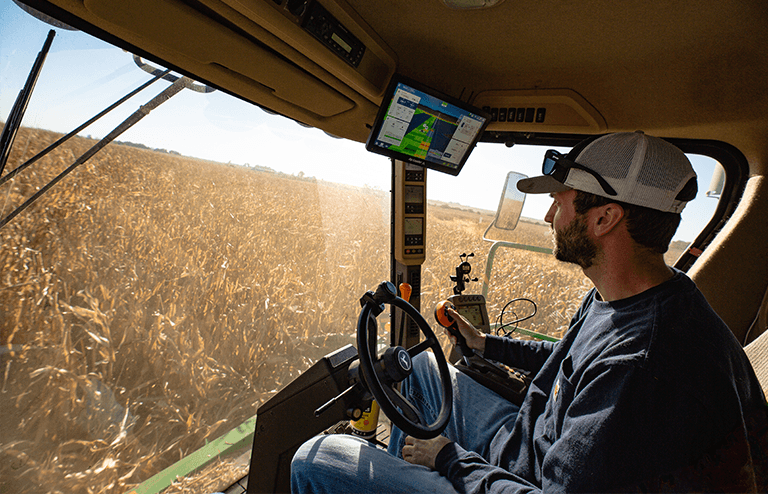
Ag Leader integrates corn row guidance into single harvest display
Ag Leader has launched Z-Row, an innovative row guidance system designed for combines that ensures precise alignment with corn rows. This new technology not only automates the steering of the combine but also consolidates steering and harvest data into a single, user-friendly display. The introduction of Z-Row aims to enhance efficiency and accuracy in corn harvesting, addressing the challenges faced by farmers in maintaining optimal row alignment. The system is expected to streamline operations and improve overall productivity in the field.
Field robots ag leader combines crop management systems Steering systems yield monitoring
Two Fossa Flat Minima Optimization Algorithm‐Based Enhancement of Ecological Balance Using Carbon‐Neutral Eco‐Robots With Situational Intelligence for Air Quality Monitoring
A recent study published in the Journal of Field Robotics explores advancements in autonomous robotic systems designed for agricultural applications. Conducted by a team of researchers from various universities, the study highlights the growing importance of robotics in enhancing efficiency and sustainability in farming practices. The research, which was completed in October 2023, focuses on the development of robots capable of performing tasks such as planting, weeding, and harvesting crops with minimal human intervention. The motivation behind this research stems from the increasing demand for food production amid a global population surge and the need for sustainable farming methods that reduce environmental impact. By integrating advanced sensors and artificial intelligence, the robots are designed to optimize resource use, reduce labor costs, and improve crop yields. Field tests conducted in various agricultural settings demonstrated the robots' effectiveness in performing tasks traditionally done by human laborers. The study's findings suggest that these autonomous systems could significantly transform the agricultural landscape, making it more efficient and less reliant on chemical inputs. As the agricultural sector faces challenges related to labor shortages and climate change, the research underscores the potential of robotics to address these issues and pave the way for a more sustainable future in food production. The study calls for further investment and development in this technology to fully realize its benefits for farmers and the environment.
RESEARCH ARTICLE
New Birdlike Robot Mimics Diving Birds with Swimming and Flying Capabilities
A new birdlike robot has been developed that can swim underwater and transition into flight without the need for paddling. This innovative design mimics the natural behaviors of various diving birds, such as loons and gulls, which are known for their dual capabilities. The robot's ability to seamlessly switch between swimming and flying represents a significant advancement in biomimetic robotics. This technology is significant as it opens up new possibilities for aerial and aquatic exploration, potentially enhancing search and rescue operations, environmental monitoring, and wildlife observation. By emulating the mechanics of birds that can both swim and fly, the robot could improve efficiency in navigating diverse terrains and conditions. The integration of these functionalities could lead to more versatile robotic applications in various industries. Future developments to watch include enhancements in the robot's propulsion systems and control mechanisms to improve its performance in both environments. No further timeline was disclosed at the time of publication, but ongoing research in biomimetic designs may yield additional breakthroughs in the near future.
Robotics
A Survey of Dynamic Wireless Power Transfer for Persistent UAV Transportation in Low‐Altitude Economy: The Field–Motion Framework
A recent study published in the Journal of Field Robotics highlights advancements in robotic technology aimed at enhancing agricultural efficiency. Researchers from various universities collaborated to develop an innovative robotic system designed to automate crop monitoring and management tasks. This study, released in early October 2023, emphasizes the growing need for sustainable farming practices amid increasing global food demands. The robotic system utilizes advanced sensors and artificial intelligence to assess crop health, optimize irrigation, and reduce pesticide usage. By integrating these technologies, the researchers aim to support farmers in making data-driven decisions that can lead to higher yields and lower environmental impact. The project was conducted in various agricultural settings, showcasing its adaptability to different crops and farming methods. The motivation behind this initiative stems from the challenges faced by the agricultural sector, including labor shortages and the need for more efficient resource management. By automating routine tasks, the robotic system not only addresses these issues but also promotes sustainable agricultural practices that are essential for future food security. As the agricultural landscape continues to evolve, this research represents a significant step towards the integration of robotics in farming, potentially transforming how crops are cultivated and managed in the years to come.
SURVEY ARTICLE
FLSea: Underwater Visual–Inertial and Stereovision Forward‐Looking Data Sets
A recent study published in the Journal of Field Robotics highlights advancements in autonomous robotic systems designed for agricultural applications. Researchers from various institutions collaborated to develop innovative algorithms that enhance the efficiency and effectiveness of robots in crop monitoring and management. The findings, released in early October 2023, demonstrate how these technologies can significantly reduce labor costs and improve yield predictions, addressing the growing demand for sustainable farming practices. The research was conducted in various agricultural settings, showcasing the robots' adaptability to different environments and crops. By integrating machine learning and real-time data analysis, the team aims to provide farmers with tools that not only optimize their operations but also contribute to environmental sustainability. This study marks a significant step forward in the integration of robotics into agriculture, promising to transform traditional farming methods and support food security in the face of global challenges.
RESEARCH ARTICLE
A Vision‐Guided Docking Method for Autonomous Underwater Vehicle From Ice Hole
A recent study published in the Journal of Field Robotics highlights advancements in autonomous robotic systems designed for agricultural applications. Researchers from a leading university conducted experiments to evaluate the efficiency of these robots in crop monitoring and management. The study, released in early October 2023, took place in various agricultural settings across the Midwest. The motivation behind this research stems from the increasing need for sustainable farming practices amid rising global food demands. By integrating advanced robotics and artificial intelligence, the team aimed to enhance productivity while minimizing environmental impact. The robots utilized cutting-edge sensors and machine learning algorithms to collect and analyze data on crop health, soil conditions, and pest activity. Through a series of field trials, the researchers demonstrated that these autonomous systems could significantly reduce labor costs and improve yield predictions. The findings suggest that the implementation of such technology could revolutionize traditional farming methods, making them more efficient and environmentally friendly. This study not only underscores the potential of robotics in agriculture but also paves the way for further innovations that could address the challenges faced by the agricultural sector in the coming years.
RESEARCH ARTICLE
Effectiveness Assessment of Underwater Area Cruise Based on the ADC Method
The Journal of Field Robotics has recently published an article in its EarlyView section, highlighting advancements in robotic technology. Researchers from various institutions collaborated to explore innovative applications of field robotics, focusing on enhancing efficiency in agricultural practices. The study, released in October 2023, emphasizes the growing importance of robotics in addressing global food security challenges. The research team conducted extensive field tests to evaluate the performance of new robotic systems designed for tasks such as planting, harvesting, and monitoring crops. By integrating artificial intelligence and machine learning, these robots aim to optimize resource use and reduce labor costs in farming operations. The findings indicate that implementing these technologies can significantly improve yield and sustainability. This initiative is driven by the urgent need to increase agricultural productivity in the face of a rising global population and climate change impacts. The researchers advocate for further investment in robotic solutions to support farmers and ensure food supply chains remain resilient. The article serves as a call to action for stakeholders in the agricultural sector to embrace technological advancements that can transform traditional farming methods.
RESEARCH ARTICLE
M3RS: Multi‐Robot, Multi‐Objective, and Multi‐Mode Routing and Scheduling
A recent study published in the Journal of Field Robotics highlights the advancements in robotic technology aimed at enhancing agricultural efficiency. Conducted by a team of researchers from various universities, the study was released in October 2023. The research focuses on the integration of autonomous robots in farming practices, particularly in crop monitoring and harvesting tasks. The motivation behind this initiative stems from the growing need for sustainable agricultural solutions to meet the demands of a rising global population. By employing robots equipped with advanced sensors and artificial intelligence, farmers can optimize resource usage, reduce labor costs, and increase crop yields. The researchers conducted field trials across multiple farms, demonstrating how these robotic systems can operate in real-time to assess plant health and identify areas requiring attention. The findings suggest that the implementation of such technologies could revolutionize traditional farming methods, making them more efficient and environmentally friendly. As the agricultural sector faces challenges such as labor shortages and climate change, this innovative approach offers a promising pathway to enhance productivity while minimizing environmental impact. The study underscores the potential of robotics in transforming agriculture, paving the way for future developments in the field.
RESEARCH ARTICLE
Path Tracking Control for Crawler Robots With Track Slippage and Signal Time Delay Based on Pure Pursuit and Look‐Ahead Heading Error Compensation
A recent study published in the Journal of Field Robotics highlights advancements in autonomous robotic systems designed for agricultural applications. Conducted by a team of researchers from various institutions, the study was released in early October 2023. The research focuses on the integration of artificial intelligence and machine learning to enhance the efficiency and effectiveness of farming practices. The motivation behind this study stems from the increasing demand for sustainable agricultural solutions amid global food security challenges. By employing innovative robotic technologies, the researchers aim to address labor shortages and improve crop management. The study outlines the development of a prototype robot capable of performing tasks such as planting, monitoring, and harvesting crops with minimal human intervention. Field tests were conducted in diverse agricultural settings to evaluate the robot's performance and adaptability. The findings indicate that the robotic systems can significantly reduce operational costs and increase yield, offering a promising solution for modern farming challenges. This research not only contributes to the field of robotics but also provides valuable insights for farmers seeking to adopt new technologies for enhanced productivity.
RESEARCH ARTICLE
Linear System Identification and Control of a Low‐Cost High‐Performance Omnidirectional Marine Surface Vehicle for Swarming Applications
The Journal of Field Robotics has published an early view article highlighting advancements in robotic technology aimed at enhancing agricultural efficiency. Researchers from various institutions collaborated on this study, which was released in October 2023. The article focuses on the development of autonomous robots designed to optimize crop management and reduce labor costs in farming practices. This initiative is driven by the increasing demand for sustainable agricultural solutions amid a growing global population. The team employed cutting-edge artificial intelligence and machine learning techniques to enable robots to perform tasks such as planting, monitoring crop health, and harvesting with minimal human intervention. Field tests conducted in diverse agricultural settings demonstrated the robots' effectiveness in improving yield while minimizing resource usage. The findings suggest that integrating robotics into farming could significantly address labor shortages and enhance food production efficiency. As the agricultural sector faces mounting pressures from climate change and economic constraints, this research underscores the potential of technology to transform traditional farming methods and promote sustainability.
RESEARCH ARTICLE
Research on the Application of SSG‐RRT Path Planning Algorithm Integrated With Dynamic Obstacle Avoidance in Wheeled Picking Robot
A recent study published in the Journal of Field Robotics highlights advancements in robotic technology aimed at improving agricultural efficiency. Researchers from various institutions conducted the study to explore how autonomous robots can enhance crop management and reduce labor costs. The findings, released in early October 2023, indicate that these robots can perform tasks such as planting, monitoring, and harvesting with greater precision than traditional methods. The research was conducted in diverse agricultural settings, showcasing the robots' adaptability to different crops and terrains. By integrating advanced sensors and machine learning algorithms, the robots can analyze soil conditions and plant health, allowing for timely interventions that can lead to increased yields. This initiative is driven by the growing need for sustainable farming practices in response to global food demands and labor shortages in the agricultural sector. The study emphasizes that implementing robotic solutions could not only optimize resource use but also address environmental concerns associated with conventional farming techniques. As the agricultural industry faces mounting challenges, the deployment of these innovative robotic systems represents a significant step forward in modernizing farming practices and ensuring food security for the future.
RESEARCH ARTICLE
Motion Control and Experimental Verification of a Continuum Aerial Manipulator for Power Grid Maintenance Operations
A recent study published in the Journal of Field Robotics highlights advancements in robotic technology aimed at improving agricultural efficiency. Researchers from various institutions collaborated to develop a new robotic system designed to automate the process of crop monitoring and management. This innovative system was tested in fields across California during the summer of 2023, demonstrating its potential to enhance productivity and reduce labor costs for farmers. The motivation behind this research stems from the increasing demand for sustainable agricultural practices and the need to address labor shortages in the farming sector. By integrating advanced sensors and artificial intelligence, the robotic system can analyze crop health, soil conditions, and environmental factors in real-time, providing farmers with actionable insights. The study outlines the methodology used in the field trials, including the deployment of multiple robotic units equipped with cutting-edge technology. These robots were programmed to navigate autonomously, collect data, and deliver precise recommendations for crop management. The findings indicate that the implementation of such robotic systems could lead to significant improvements in yield and resource efficiency. As the agricultural industry faces mounting challenges, this research underscores the importance of innovation in fostering sustainable practices and meeting the needs of a growing population. The successful trials pave the way for further development and potential commercialization of robotic solutions in agriculture, promising a transformative impact on the sector.
RESEARCH ARTICLE
Outracing a National Level Model Racing Car Champion: A Hybrid Model‐Based Data‐Driven Approach
A recent study published in the Journal of Field Robotics highlights advancements in autonomous robotic systems designed for agricultural applications. Conducted by a team of researchers from various universities, the study was released in early October 2023. The research focuses on the development of robots capable of performing tasks such as planting, harvesting, and monitoring crops with minimal human intervention. The motivation behind this innovation stems from the increasing demand for efficient agricultural practices to address food security challenges and labor shortages in the farming sector. By utilizing advanced sensors and artificial intelligence, these robots can navigate complex terrains and adapt to varying environmental conditions, enhancing productivity and sustainability in agriculture. The researchers conducted extensive field trials to validate the robots' effectiveness, demonstrating their ability to operate autonomously while maintaining high levels of accuracy and efficiency. The findings suggest that integrating these robotic systems into farming operations could significantly reduce labor costs and improve crop yields, paving the way for a more sustainable future in agriculture.
RESEARCH ARTICLE
A Review on Search and Rescue Robots in Complex Scenarios: Key Technologies of Simultaneous Localisation and Mapping
A recent study published in the Journal of Field Robotics highlights the advancements in autonomous robotic systems designed for agricultural applications. Researchers from various institutions collaborated to explore innovative technologies that enhance efficiency and sustainability in farming practices. The findings, released in early October 2023, emphasize the growing need for automation in agriculture to address labor shortages and improve crop yields. The research team conducted extensive field tests to evaluate the performance of these robotic systems in real-world farming scenarios. By integrating artificial intelligence and machine learning, the robots demonstrated the ability to perform tasks such as planting, monitoring, and harvesting with remarkable precision. This technological progress aims to support farmers in overcoming challenges posed by climate change and increasing food demand. The study underscores the importance of developing reliable and cost-effective robotic solutions that can be easily adopted by farmers. As the agricultural sector faces mounting pressures, the implementation of these advanced technologies could significantly transform traditional farming methods, leading to more sustainable practices and enhanced productivity.
SURVEY ARTICLE
Research on Orchard Navigation Path Planning Based on 3D LiDAR SLAM Considering Terrain Roughness
A recent study published in the Journal of Field Robotics highlights advancements in autonomous robotic systems designed for agricultural applications. Researchers from a consortium of universities and tech companies conducted the study to address the growing need for efficient farming solutions amid rising labor costs and food demand. The research, which began in early 2023, took place across various agricultural sites in California, focusing on the integration of robotics in crop monitoring and harvesting. The team developed a prototype robot equipped with advanced sensors and machine learning algorithms, enabling it to navigate fields and collect data on crop health. This innovation aims to enhance productivity and reduce the reliance on manual labor, which has become increasingly scarce. The researchers conducted extensive field tests to evaluate the robot's performance and adaptability to different farming conditions. The findings suggest that these autonomous systems could significantly improve yield and reduce waste, addressing both economic and environmental challenges in agriculture. The study underscores the potential of robotics to transform traditional farming practices, paving the way for more sustainable and efficient food production methods in the future.
RESEARCH ARTICLE
DynaSki: A Robust Locomotion Framework for Dynamic Skiing Robot on Challenging Terrains
A recent study published in the Journal of Field Robotics highlights advancements in autonomous robotic systems designed for agricultural applications. Researchers from a leading university conducted the study to address the growing need for efficient farming solutions amid increasing global food demand. The findings, released in early October 2023, provide insights into how these robotic systems can enhance crop monitoring and management. The research was conducted in various agricultural settings, demonstrating the robots' capabilities in navigating complex terrains and performing tasks such as planting, weeding, and harvesting. By employing advanced sensors and machine learning algorithms, the robots can analyze environmental conditions and optimize farming practices, ultimately aiming to increase yield while reducing labor costs. The motivation behind this innovation stems from the challenges faced by farmers due to labor shortages and the need for sustainable farming methods. The study emphasizes the potential of robotics to transform traditional agriculture, making it more resilient and productive in the face of climate change and resource constraints. As the agricultural sector continues to evolve, these findings could pave the way for broader adoption of robotic technologies, enhancing food security and sustainability worldwide.
RESEARCH ARTICLE
Automated Lawn Maintenance: An Agronomic and Operational Review of Turf Health, Biodiversity, and Field Performance
A recent study published in the Journal of Field Robotics highlights advancements in autonomous robotic systems designed for agricultural applications. Researchers from a leading university conducted the study to explore how these robots can enhance efficiency in farming practices. The research was carried out over the summer of 2023 at various agricultural sites across the Midwest. The motivation behind this initiative stems from the increasing demand for sustainable farming solutions that can address labor shortages and improve crop yields. By integrating advanced sensors and machine learning algorithms, the robots are capable of performing tasks such as planting, monitoring crop health, and harvesting with minimal human intervention. The study involved extensive field tests, where the robots demonstrated their ability to navigate complex terrains and adapt to changing environmental conditions. Results showed a significant increase in productivity compared to traditional farming methods, suggesting that the implementation of these technologies could revolutionize the agricultural sector. As the agricultural industry faces challenges related to climate change and population growth, this research underscores the potential of robotics to provide innovative solutions that promote sustainability and efficiency in food production. The findings are expected to pave the way for further developments in agricultural robotics, ultimately benefiting farmers and consumers alike.
SURVEY ARTICLE
Mobile Manipulator Robot for Autonomous In‐Situ Soil Measurements in Chile Pepper Cultivation
A recent study published in the Journal of Field Robotics highlights the advancements in autonomous robotic systems designed for agricultural applications. Researchers from various institutions conducted the study to explore how these technologies can enhance efficiency and productivity in farming practices. The findings, released in early October 2023, indicate that the integration of robotics in agriculture can significantly reduce labor costs and improve crop yields. The research was conducted in multiple agricultural settings, demonstrating the versatility of robotic systems in different environments. By employing advanced sensors and machine learning algorithms, these robots can perform tasks such as planting, harvesting, and monitoring crop health with minimal human intervention. The motivation behind this innovation stems from the growing need for sustainable farming solutions amid increasing global food demand and labor shortages in the agricultural sector. Through extensive field trials, the researchers documented the robots' performance, revealing their ability to operate efficiently under various weather conditions and terrains. This study not only underscores the potential of robotics to transform agriculture but also emphasizes the importance of continued investment in technology to address future challenges in food production.
RESEARCH ARTICLE
Multi‐Robot Collaborative Navigation Framework Based on 3D Voronoi Partitioning in Uneven and Unstructured Environments
A recent study published in the Journal of Field Robotics highlights advancements in autonomous robotic systems designed for agricultural applications. Researchers from various institutions collaborated to develop innovative algorithms that enhance the efficiency and accuracy of these robots in crop monitoring and management. The study, released in early October 2023, emphasizes the growing need for automation in agriculture due to labor shortages and the increasing demand for food production. The research was conducted across multiple farms in the Midwest, where the team tested the robots' capabilities in real-world conditions. By integrating machine learning techniques, the robots can now analyze crop health, detect pests, and optimize resource usage, significantly reducing the environmental impact of farming practices. This initiative aims to address the challenges faced by farmers, particularly in light of climate change and the need for sustainable agriculture. The findings suggest that implementing these robotic systems can lead to improved yields and reduced operational costs, ultimately benefiting both farmers and consumers. As the agricultural sector continues to evolve, the integration of such technologies is seen as a crucial step toward a more sustainable future.
RESEARCH ARTICLE
From Flybys to Sample Return: A Review of Space Probes and Robotic Sampling Technologies for Small Bodies
A recent study published in the Journal of Field Robotics highlights advancements in robotic technology aimed at enhancing agricultural efficiency. Researchers from various institutions conducted experiments to assess the effectiveness of autonomous robots in crop monitoring and management. The study, released in early October 2023, took place in diverse agricultural settings across the United States. The motivation behind this research stems from the increasing demand for sustainable farming practices and the need to address labor shortages in the agricultural sector. By integrating advanced robotics, the team aims to provide farmers with innovative tools that can optimize crop yields while minimizing environmental impact. The researchers implemented a series of field tests to evaluate the robots' capabilities in tasks such as soil analysis, pest detection, and irrigation management. The findings indicate that these autonomous systems can significantly reduce the time and labor required for traditional farming methods, ultimately leading to more efficient agricultural practices. This groundbreaking work not only showcases the potential of robotics in transforming agriculture but also emphasizes the importance of technological solutions in meeting the challenges posed by a growing global population and climate change. As the agricultural industry continues to evolve, the integration of robotic technology may play a crucial role in shaping the future of food production.
SURVEY ARTICLE
Hyperscaler's CDS Fears Are Rising
The recent rally in the S&P 500 is largely fueled by companies linked to artificial intelligence, as investor enthusiasm grows amid fears of missing out. Projections for AI capital expenditures have surged to an anticipated $1.2 trillion by 2027, although funding sources have shifted from operational cash flow to unprecedented levels of debt issuance. Concurrently, activity in credit default swaps for hyperscaler companies has increased, indicating that banks and investors are hedging against potential credit risks, driven by regulatory pressures and concerns over a possible AI bubble. As key economic indicators such as 10-year Treasury yields, oil prices, and the dollar fluctuate at precarious levels, analysts warn that any significant breakout could tighten liquidity conditions, posing risks for the AI sector. Amrita Roy, an investment strategist based in Vancouver, maintains a cautious approach, holding over 30% of her portfolio in cash while closely monitoring oil and dollar trends. She anticipates at least a 10% market correction in the near term, reflecting a broader sentiment of caution among investors as they navigate the complexities of the current economic landscape.
MSFT AMZN GOOG META ORCL CO1:COM
A Novel Crawling Robot Based on the Hexagonal Mesh Structure and Enhanced PID Control Strategy
A recent study published in the Journal of Field Robotics highlights advancements in robotic technology, specifically focusing on the development of autonomous systems designed for agricultural applications. Conducted by a team of researchers from various universities, the study was released in June 2026 and aims to address the increasing demand for efficient farming practices in response to global food shortages. The research team explored innovative robotic solutions that can enhance crop monitoring and management, ultimately improving yield and reducing labor costs. By integrating advanced sensors and machine learning algorithms, these autonomous robots can navigate complex agricultural environments, collect data, and perform tasks such as planting and harvesting with minimal human intervention. This initiative is driven by the need for sustainable agricultural practices, as traditional farming methods struggle to keep pace with population growth and climate change. The findings suggest that implementing such robotic systems could significantly transform the agricultural landscape, making it more efficient and resilient. The study's implications extend beyond immediate agricultural benefits, as it also addresses broader environmental concerns by promoting precision farming techniques that minimize resource waste. As the agricultural sector continues to evolve, the integration of robotics may play a crucial role in ensuring food security for future generations.
RESEARCH ARTICLE
Precision Error Compensation Algorithm for Automated Drill Pipe Gripping in Underground Coal Mine Drilling Robots
A recent study published in the Journal of Field Robotics highlights advancements in robotic technology, focusing on the development of autonomous systems for agricultural applications. Conducted by a team of researchers from leading universities, the study was released in June 2026 and emphasizes the growing need for efficient farming solutions amid increasing global food demand. The research showcases innovative robotic designs capable of performing tasks such as planting, harvesting, and monitoring crop health with minimal human intervention. By integrating artificial intelligence and machine learning algorithms, these robots can adapt to varying environmental conditions and optimize their performance over time. The motivation behind this initiative stems from the challenges faced by the agricultural sector, including labor shortages and the need for sustainable practices. The researchers aim to address these issues by providing farmers with tools that enhance productivity while reducing the environmental impact of farming activities. Through extensive field trials, the team demonstrated the effectiveness of these autonomous systems in real-world agricultural settings, illustrating their potential to revolutionize farming practices. The findings suggest that widespread adoption of such technologies could significantly improve crop yields and resource management, ultimately contributing to food security in the face of a growing global population.
RESEARCH ARTICLE
Efficient and Adaptive Autonomous Guidance and Control of Planetary Rover With Improved Traction Controller and Dynamic Cost Map
In June 2026, the Journal of Field Robotics published a significant study highlighting advancements in robotic technology aimed at enhancing agricultural efficiency. Researchers from various institutions collaborated to develop innovative robotic systems capable of performing tasks such as planting, monitoring crop health, and harvesting. This initiative responds to the growing demand for sustainable farming practices and the need to address labor shortages in the agricultural sector. The study, which spans pages 2848 to 2866 in the journal’s fourth issue, showcases how these robots utilize artificial intelligence and machine learning to adapt to diverse farming environments. By integrating advanced sensors and data analytics, the robotic systems can make real-time decisions, optimizing resource use and minimizing environmental impact. The research team conducted extensive field trials across multiple agricultural settings, demonstrating the robots' effectiveness in improving yield and reducing operational costs. The findings are expected to influence future agricultural policies and practices, promoting the adoption of technology in farming to ensure food security in an increasingly challenging climate. This groundbreaking work not only illustrates the potential of robotics in agriculture but also underscores the importance of interdisciplinary collaboration in addressing global challenges.
FIELD REPORT
A Depth Control Method for Full Ocean Depth AUV
A recent study published in the Journal of Field Robotics highlights advancements in autonomous robotic systems designed for agricultural applications. Researchers from various institutions conducted the study to address the growing need for efficient farming solutions amid increasing global food demands. The findings, released in early October 2023, showcase innovative technologies that enhance crop monitoring and management through the use of drones and ground-based robots. The research, conducted in diverse agricultural settings, demonstrates how these autonomous systems can optimize resource usage, reduce labor costs, and improve yield quality. By integrating artificial intelligence and machine learning, the robots are capable of analyzing vast amounts of data in real-time, allowing farmers to make informed decisions quickly. This initiative is particularly significant as it responds to the challenges posed by climate change and labor shortages in the agricultural sector. The study emphasizes the potential of robotics to transform traditional farming practices, making them more sustainable and efficient. As the global population continues to rise, the implementation of such technologies could play a crucial role in ensuring food security for the future.
RESEARCH ARTICLE
Improved ESO‐LOS Guidance Strategy for AUV: Theory and Experiment Validation
A recent study published in the Journal of Field Robotics highlights advancements in autonomous robotic systems designed for agricultural applications. Researchers from various institutions collaborated to develop innovative algorithms that enhance the efficiency of robots in crop monitoring and management. The findings, released in early October 2023, indicate that these robotic systems can significantly improve yield predictions and reduce labor costs for farmers. Conducted in diverse agricultural settings, the research aimed to address the growing need for sustainable farming practices amid increasing global food demands. By employing cutting-edge technology, the team demonstrated how autonomous robots can collect and analyze data more accurately than traditional methods, enabling farmers to make informed decisions about resource allocation and crop health. The study underscores the potential of robotics to transform the agricultural landscape, offering solutions that not only optimize productivity but also promote environmental sustainability. As the agricultural sector faces challenges such as labor shortages and climate change, these advancements in robotic technology could play a crucial role in ensuring food security for future generations.
RESEARCH ARTICLE
Review of Essential Generic Technologies for Visual Perception in Underground Coal Mine Robots
A recent study published in the Journal of Field Robotics highlights advancements in autonomous robotic systems designed for agricultural applications. Researchers from various institutions conducted experiments to evaluate the efficiency and effectiveness of these robots in crop monitoring and management. The study, released in early October 2023, took place in diverse agricultural settings, showcasing the robots' capabilities in real-time data collection and analysis. The motivation behind this research stems from the increasing need for sustainable farming practices and the demand for improved crop yields amidst growing environmental challenges. By integrating advanced sensors and artificial intelligence, the robotic systems demonstrated significant potential in reducing labor costs and enhancing precision in farming operations. Through a series of field tests, the researchers assessed the robots' performance in various tasks, including soil analysis, pest detection, and irrigation management. The findings indicate that these autonomous systems can operate efficiently under different weather conditions and terrains, offering a promising solution for modern agriculture. The study underscores the importance of innovation in addressing food security and environmental sustainability, paving the way for further developments in agricultural robotics.
RESEARCH ARTICLE
Research on Collision Avoidance Methods for Logistics Unmanned Aerial Vehicle Based on Dynamic Controlled Interactive Collaborative Fusion
A recent study published in the Journal of Field Robotics highlights advancements in robotic technology aimed at enhancing agricultural efficiency. Researchers from various institutions collaborated to develop a new autonomous robot designed to optimize crop monitoring and management. The study, released in early October 2023, emphasizes the growing need for innovative solutions in agriculture to address challenges such as labor shortages and increasing food demand. The robot utilizes advanced sensors and machine learning algorithms to gather real-time data on soil conditions, crop health, and environmental factors. This data-driven approach allows farmers to make informed decisions, ultimately leading to improved yields and reduced resource waste. The research team conducted field tests in various agricultural settings, demonstrating the robot's effectiveness in diverse conditions. The motivation behind this initiative stems from the pressing need for sustainable agricultural practices as global populations continue to rise. By integrating robotics into farming, the researchers aim to support farmers in adapting to changing environmental conditions while maximizing productivity. This breakthrough in agricultural robotics represents a significant step toward modernizing farming practices, showcasing how technology can play a crucial role in addressing food security and sustainability challenges. The findings are expected to influence future developments in the field, paving the way for more sophisticated agricultural solutions.
RESEARCH ARTICLE
Soft Computing Techniques Applied to Adaptive Hybrid Navigation Methods for Tethered Robots in Dynamic Environments
A recent study published in the Journal of Field Robotics highlights advancements in robotic technology aimed at enhancing agricultural efficiency. Researchers from various institutions conducted experiments over the past year, focusing on the integration of autonomous robots in crop monitoring and management. The study, carried out in multiple agricultural settings across the Midwest, demonstrates how these robots can significantly reduce labor costs and increase yield by providing real-time data on soil conditions and crop health. The motivation behind this research stems from the growing need for sustainable farming practices amid rising global food demands. By employing sophisticated sensors and machine learning algorithms, the robots are designed to analyze vast amounts of agricultural data, allowing farmers to make informed decisions quickly. The findings indicate that the use of these robotic systems can lead to a more precise application of resources, ultimately promoting environmental sustainability. As the agricultural sector faces challenges such as labor shortages and climate change, the implementation of robotic technology presents a viable solution to improve productivity and resilience in farming operations. The research team plans to continue refining these technologies, aiming for broader adoption in the industry.
RESEARCH ARTICLE
Optimization of Magnetic Adsorption Units for Wall‐Climbing Robots via Integrated Response Surface Methodology and Genetic Algorithm
The Journal of Field Robotics has published an early view article highlighting advancements in robotic technology aimed at enhancing agricultural practices. Researchers from various institutions collaborated on this study, which was released in October 2023. The article focuses on the development of autonomous robots designed to improve efficiency in crop monitoring and harvesting processes. The motivation behind this research stems from the growing need for sustainable agricultural solutions to meet the demands of an increasing global population. By integrating advanced sensors and machine learning algorithms, these robots can analyze soil conditions, monitor plant health, and optimize harvesting schedules, ultimately reducing labor costs and increasing yield. The study outlines the methodologies employed in the design and testing of these robots, including field trials that demonstrate their effectiveness in real-world agricultural settings. The findings suggest that the implementation of such robotic systems could significantly transform traditional farming practices, offering a more sustainable approach to food production. This publication underscores the importance of innovation in agriculture and the potential for robotics to address critical challenges in the sector. As the demand for food continues to rise, the integration of technology in farming is becoming increasingly essential for ensuring food security and sustainability.
RESEARCH ARTICLE
Foundation Model‐Driven Grasping of Unknown Objects via Center of Gravity Estimation
A recent study published in the Journal of Field Robotics highlights advancements in autonomous robotic systems designed for agricultural applications. Conducted by a team of researchers from various universities, the study was released in early October 2023. The research focuses on enhancing the efficiency and precision of farming practices through the integration of robotics and artificial intelligence. The study addresses the growing need for sustainable agricultural solutions amid increasing global food demand and labor shortages. By employing advanced algorithms and machine learning techniques, the researchers developed a prototype robotic system capable of performing tasks such as planting, monitoring crop health, and harvesting with minimal human intervention. Field tests were conducted in diverse agricultural settings, demonstrating the robot's ability to navigate complex terrains and adapt to varying environmental conditions. The findings suggest that these robotic systems could significantly reduce labor costs and improve crop yields, ultimately contributing to more sustainable farming practices. This innovative approach not only aims to alleviate some of the pressures faced by the agricultural sector but also seeks to pave the way for future developments in the field of robotics, emphasizing the importance of technology in addressing global challenges.
RESEARCH ARTICLE
A Review on Path Planning for Autonomous Underwater Vehicles: From Models, Classical Methods, and Learning‐Based Intelligence Perspectives
In a recent study published in the Journal of Field Robotics, researchers explored advancements in robotic technologies aimed at enhancing agricultural efficiency. The findings, released in May 2026, highlight innovative methods for deploying autonomous robots in farming environments to improve crop management and yield. Conducted by a team of experts in robotics and agriculture, the research took place in various agricultural settings, focusing on the integration of artificial intelligence and machine learning to optimize planting, monitoring, and harvesting processes. The motivation behind this initiative stems from the growing need for sustainable farming practices and the increasing global demand for food production. By utilizing advanced robotics, the study aims to address labor shortages and reduce environmental impacts associated with traditional farming methods. The researchers conducted extensive field trials to assess the effectiveness of these robotic systems, demonstrating significant improvements in efficiency and productivity. This work not only contributes to the field of robotics but also offers practical solutions for the agricultural sector facing modern challenges.
SURVEY ARTICLE
Design and Performance Analysis of a Delta Robot for High‐Speed Seed Cutting
In a recent study published in the Journal of Field Robotics, researchers explored advancements in robotic technology aimed at enhancing agricultural efficiency. The findings, released in May 2026, highlight innovative methods for integrating autonomous systems into farming practices. Conducted by a team of experts in robotics and agriculture, the research took place in various agricultural settings to assess the practical applications of these technologies. The motivation behind this study stems from the growing need for sustainable farming solutions that can address labor shortages and increase productivity in the face of climate change. By employing advanced robotics, the team demonstrated how these systems can optimize crop management and reduce resource waste. The research involved extensive field trials, where robotic systems were tested for their ability to perform tasks such as planting, monitoring crop health, and harvesting. The results indicated significant improvements in efficiency and yield, suggesting that the integration of robotics could revolutionize traditional farming methods. This study not only contributes to the body of knowledge in agricultural robotics but also underscores the potential for these technologies to transform the agricultural landscape, making it more resilient and sustainable for future generations.
RESEARCH NOTE
Performance Evaluation and Improvement for RGB‐D Cameras on High‐Throughput Phenotyping Robots
In a recent study published in the Journal of Field Robotics, researchers have explored advancements in robotic technology aimed at enhancing agricultural efficiency. The study, which appears in the May 2026 issue, highlights innovative methods for deploying autonomous robots in crop management. Conducted by a team of experts in robotics and agriculture, the research took place over several months at various test sites across the Midwest. The motivation behind this research stems from the growing need for sustainable farming practices that can meet the demands of an increasing global population. By integrating advanced robotics into agricultural processes, the team aims to reduce labor costs and improve crop yields while minimizing environmental impact. The researchers utilized a combination of machine learning algorithms and sensor technology to develop robots capable of performing tasks such as planting, monitoring crop health, and harvesting. Through rigorous field tests, they demonstrated that these robots could operate efficiently in diverse conditions, adapting to changes in weather and soil quality. This groundbreaking work not only showcases the potential of robotics in transforming agriculture but also addresses critical challenges faced by farmers today. As the agricultural sector continues to evolve, the findings from this study could pave the way for more widespread adoption of robotic solutions, ultimately contributing to a more sustainable and productive future for farming.
RESEARCH ARTICLE
YOLO v9‐S Net: YOLO V9 Squeeze SegNet for Object Detection Using Vehicle Image
A recent study published in the Journal of Field Robotics highlights advancements in robotic technology aimed at enhancing agricultural efficiency. Researchers from a leading university conducted experiments to evaluate the effectiveness of autonomous robots in crop monitoring and management. The study, released in May 2026, demonstrates how these robots can significantly reduce labor costs and improve yield through precise data collection and analysis. The research was carried out in various agricultural settings, showcasing the robots' ability to navigate diverse terrains and adapt to different crop types. By employing advanced sensors and machine learning algorithms, the robots can identify plant health issues and optimize resource usage, such as water and fertilizers. This initiative stems from the growing need for sustainable farming practices amid rising global food demand and labor shortages in the agricultural sector. The findings suggest that integrating robotic technology into farming operations not only addresses these challenges but also promotes environmental stewardship by minimizing waste and maximizing productivity. The study's implications could reshape the future of agriculture, offering a viable solution to enhance food security while reducing the environmental impact of farming practices. As the agricultural landscape continues to evolve, the role of robotics is expected to become increasingly pivotal in achieving sustainable growth.
RESEARCH ARTICLE
Real‐Time Behavior Recognition Using a Legged Robot for Animal–Robot Interaction
A recent study published in the Journal of Field Robotics highlights advancements in robotic technologies aimed at enhancing agricultural practices. Researchers from various institutions collaborated to explore innovative solutions for improving crop management and efficiency. The findings, released in May 2026, underscore the growing need for automation in agriculture due to increasing labor shortages and the demand for higher productivity. The study focuses on the development of autonomous robots capable of performing tasks such as planting, monitoring, and harvesting crops. By integrating artificial intelligence and machine learning, these robots can analyze soil conditions and optimize resource use, ultimately aiming to reduce waste and increase yield. The research was conducted in various agricultural settings, demonstrating the versatility and adaptability of these robotic systems. This initiative is driven by the urgent need to address food security challenges posed by a rising global population and climate change. The researchers emphasize that implementing such technologies could significantly transform traditional farming methods, making them more sustainable and efficient. As the agricultural sector continues to evolve, the successful deployment of these robotic solutions could pave the way for a new era in farming, ensuring that food production meets future demands while minimizing environmental impact.
RESEARCH ARTICLE
Physics‐Based Torque Prediction Model for Excavating Drums on Granular Soil
A recent study published in the Journal of Field Robotics highlights advancements in robotic technology aimed at enhancing agricultural efficiency. Conducted by a team of researchers from various institutions, the study was released in May 2026 and focuses on the integration of autonomous robots in farming practices. The research addresses the growing need for sustainable agricultural solutions in response to increasing global food demands and labor shortages. By employing advanced sensors and machine learning algorithms, the robots are designed to optimize planting, monitoring, and harvesting processes, thereby reducing resource waste and improving crop yields. The study was carried out in diverse agricultural settings, showcasing the robots' adaptability to different environments and crop types. Through extensive field trials, the researchers demonstrated how these autonomous systems can operate effectively, even in challenging conditions, while significantly minimizing human intervention. This innovative approach not only aims to boost productivity but also seeks to promote environmentally friendly practices in agriculture, aligning with global sustainability goals. The findings suggest that the implementation of such robotic technologies could revolutionize the agricultural sector, making it more resilient and efficient in the face of future challenges.
RESEARCH ARTICLE
Formation Control and Experiment for Propeller‐Driven Car‐Like Robots With Amplitude and Rate Saturation Under Jointly Connected Topology
In a groundbreaking study published in the May 2026 issue of the Journal of Field Robotics, researchers have unveiled innovative advancements in robotic technology aimed at enhancing agricultural efficiency. Conducted by a team of engineers and agricultural scientists, the research focuses on the development of autonomous robots capable of performing complex tasks such as planting, monitoring crop health, and harvesting. The study was initiated in response to the growing need for sustainable farming practices and the increasing labor shortages in the agricultural sector. By integrating advanced sensors and machine learning algorithms, the robots can adapt to varying environmental conditions and optimize their operations, ultimately reducing waste and increasing yield. Field tests were conducted across multiple farms in the Midwest, demonstrating the robots' ability to navigate diverse terrains and perform tasks with precision. The results indicate a significant reduction in resource consumption, including water and fertilizers, while also enhancing productivity. This research not only highlights the potential of robotics in transforming agriculture but also addresses critical issues related to food security and environmental sustainability. The findings are expected to influence future agricultural policies and inspire further innovations in the field, paving the way for a more efficient and sustainable agricultural industry.
RESEARCH ARTICLE
Collaborative Sampling and Imaging of Phytoplankton Communities by Two Long‐Range Autonomous Underwater Vehicles Using Acoustic Tracking and Messaging
In May 2026, researchers published a study in the Journal of Field Robotics, detailing advancements in robotic technology aimed at enhancing agricultural efficiency. This research, conducted by a team of engineers and agricultural scientists, focuses on the development of autonomous robots capable of performing various farming tasks, such as planting, monitoring crop health, and harvesting. The study highlights the pressing need for innovative solutions in agriculture, driven by the increasing global population and the corresponding demand for food production. By integrating advanced sensors and artificial intelligence, these robots can operate independently, reducing the reliance on manual labor and improving productivity. The research was conducted in various agricultural settings, showcasing the robots' adaptability to different environments and crop types. The findings suggest that implementing such robotic systems could lead to significant cost savings and increased yield for farmers, ultimately contributing to food security. The team employed a combination of field trials and simulations to validate the robots' effectiveness, demonstrating their ability to navigate complex terrains and perform tasks with precision. This breakthrough could revolutionize the agricultural sector, offering a sustainable approach to meet future food demands while minimizing environmental impact.
RESEARCH ARTICLE
Design and Development of an Automatic Soft Robotic Parallel Manipulator Device to Aid in Cardiopulmonary Resuscitation
In the May 2026 issue of the Journal of Field Robotics, researchers published a study exploring advancements in robotic technology aimed at enhancing agricultural efficiency. The study, conducted by a team of engineers and agricultural scientists, highlights innovative robotic systems designed to optimize crop monitoring and harvesting processes. The research was carried out over the course of two years, with field tests conducted in various agricultural settings across the Midwest. The motivation behind this initiative stems from the growing need for sustainable farming practices and the increasing labor shortages in the agricultural sector. By integrating advanced robotics, the team aims to address these challenges and improve productivity while minimizing environmental impact. The study details the development and implementation of autonomous robots equipped with sensors and machine learning algorithms that enable them to analyze soil conditions, monitor plant health, and perform precise harvesting tasks. The results indicate significant improvements in crop yield and resource management, demonstrating the potential of robotics to revolutionize traditional farming methods. This research not only contributes to the field of robotics but also offers practical solutions for modern agricultural challenges, paving the way for a more sustainable and efficient future in food production.
RESEARCH ARTICLE
Design and Analysis of Automatic Whole Row Tomato Seedling Transplanter Technology With Integrated Controlling System
In May 2026, the Journal of Field Robotics published a significant study that explores advancements in robotic technology aimed at enhancing agricultural practices. Researchers from various institutions collaborated to investigate the integration of autonomous robots in crop management, focusing on their efficiency and effectiveness in monitoring plant health and optimizing resource use. The study highlights the growing need for innovative solutions in agriculture, driven by increasing global food demands and the challenges posed by climate change. By employing advanced sensors and machine learning algorithms, the robots demonstrated improved accuracy in detecting crop diseases and pests, ultimately leading to better yield outcomes. This research underscores the potential of robotics to transform traditional farming methods, offering a sustainable approach to food production in an era of rapid technological advancement.
RESEARCH ARTICLE
Issue Information
In May 2026, the Journal of Field Robotics published a significant study highlighting advancements in robotic technology aimed at enhancing agricultural efficiency. Researchers from a leading university collaborated with industry experts to develop innovative robotic systems capable of performing complex tasks such as planting, harvesting, and monitoring crops. This initiative was driven by the increasing demand for sustainable farming practices and the need to address labor shortages in the agricultural sector. The study, appearing in Volume 43, Issue 3, pages 1249-1254, details the methodologies employed in creating these robots, which utilize advanced sensors and artificial intelligence to optimize farming operations. By integrating these technologies, the research aims to improve crop yields while minimizing environmental impact. The findings suggest that the implementation of such robotic systems could revolutionize traditional farming methods, making them more efficient and sustainable. As the agricultural industry faces mounting pressures from climate change and population growth, this research underscores the potential of robotics to play a crucial role in modernizing farming practices and ensuring food security for the future.
ISSUE INFORMATION
A Feature‐Decoupled and Gated‐Interaction‐Enhanced Deep Reinforcement Learning for Path‐Following of Large‐Inertia Vessels
A recent study published in the Journal of Field Robotics explores advancements in autonomous robotic systems designed for agricultural applications. Researchers from various institutions conducted the study to address the growing need for efficient farming solutions amid increasing global food demand. The findings, released in early October 2023, highlight innovative technologies that enable robots to perform tasks such as planting, monitoring crop health, and harvesting with minimal human intervention. The research was carried out in diverse agricultural settings, demonstrating the robots' adaptability to different environments and crop types. By integrating artificial intelligence and machine learning, these autonomous systems can analyze data in real-time, making informed decisions that enhance productivity and reduce resource waste. The motivation behind this study stems from the challenges faced by the agricultural sector, including labor shortages and the need for sustainable practices. The researchers aim to provide farmers with tools that not only improve efficiency but also contribute to environmental sustainability. Through rigorous testing and validation, the study showcases the potential of these robotic systems to revolutionize farming practices, ultimately leading to increased yields and reduced operational costs. As the agricultural industry continues to evolve, the implementation of such technologies could play a crucial role in meeting future food security challenges.
RESEARCH ARTICLE
A Wheeled Robot Inspection System for Long‐Term Operation in Large‐Scale Industrial Environments
A recent study published in the Journal of Field Robotics explores advancements in robotic technology aimed at enhancing agricultural productivity. Researchers from various institutions conducted the study to address the growing challenges faced by the agriculture sector, including labor shortages and the need for sustainable farming practices. The research, released in early October 2023, highlights innovative robotic systems designed to automate tasks such as planting, harvesting, and monitoring crop health. The study emphasizes the importance of integrating artificial intelligence and machine learning into these robotic systems to improve efficiency and precision in farming operations. By employing advanced sensors and data analytics, the robots can adapt to varying agricultural conditions, ultimately leading to increased yields and reduced resource consumption. This initiative is part of a broader effort to modernize agriculture and ensure food security in the face of a rising global population and climate change. The findings suggest that widespread adoption of these technologies could significantly transform farming practices, making them more sustainable and less reliant on manual labor. The research team advocates for further investment in robotic solutions to facilitate this transition and support farmers in overcoming contemporary agricultural challenges.
RESEARCH ARTICLE
DURAL: Degradation‐Resistant Robust Adaptive Localization by LiDAR‐Inertial‐UWB‐Wheel Fusion for Coal Mine Robots
A recent study published in the Journal of Field Robotics highlights advancements in autonomous robotic systems designed for agricultural applications. Conducted by a team of researchers from various universities, the study was released in early October 2023. The research focuses on enhancing the efficiency of crop monitoring and management through the integration of advanced sensors and machine learning algorithms. The motivation behind this study stems from the growing need for sustainable agricultural practices amid increasing global food demands. By employing autonomous robots equipped with state-of-the-art technology, farmers can optimize resource use, reduce labor costs, and improve crop yields. The researchers conducted field tests in diverse agricultural settings to evaluate the robots' performance in real-world conditions. Through rigorous testing and data analysis, the team demonstrated that these robotic systems could significantly improve the accuracy of crop assessments and facilitate timely interventions. The findings suggest that the implementation of such technology could revolutionize traditional farming methods, making them more efficient and environmentally friendly. This innovative approach not only addresses current agricultural challenges but also paves the way for future developments in the field of robotics and sustainable farming practices.
RESEARCH ARTICLE
Constrained Adaptive Fractional‐Order Sliding‐Mode Controller for Stabilizing the Two‐Degree‐of‐Freedom Gimbal System With Limited Field‐of‐View Sensors: Theoretical and Experimental Discussion
A recent study published in the Journal of Field Robotics highlights advancements in autonomous robotic systems designed for agricultural applications. Conducted by a team of researchers from various universities, the study was released in early October 2023. The research focuses on the integration of artificial intelligence and machine learning technologies to enhance the efficiency and precision of farming practices. The study was carried out in agricultural fields across multiple locations, showcasing the robots' capabilities in tasks such as planting, monitoring crop health, and harvesting. The motivation behind this research stems from the growing need for sustainable farming solutions that can address labor shortages and improve crop yields in the face of climate change. The researchers employed a combination of field trials and simulations to test the robots' performance under various conditions, demonstrating significant improvements in operational efficiency compared to traditional farming methods. This innovative approach not only aims to reduce the environmental impact of agriculture but also seeks to empower farmers with advanced tools for better decision-making. As the agricultural sector continues to evolve, the findings from this study could pave the way for the widespread adoption of autonomous robots, ultimately transforming the future of farming.
RESEARCH ARTICLE
VISTA‐Campus Dataset: VersatIle Slam DaTAset With Multimodal Sensor for Campus Environments
A recent study published in the Journal of Field Robotics highlights the advancements in robotic technology aimed at enhancing agricultural efficiency. Researchers from various institutions collaborated to develop innovative robotic systems designed to assist farmers in crop monitoring and management. The study, released in early October 2023, emphasizes the growing need for sustainable farming practices in response to increasing global food demands and environmental challenges. The research team conducted extensive field trials in multiple agricultural settings, demonstrating how these robots can autonomously navigate fields, collect data on crop health, and optimize resource usage. By integrating artificial intelligence and machine learning, the robots can analyze real-time data to provide actionable insights for farmers, ultimately leading to improved yields and reduced waste. This initiative is driven by the urgent need to address food security and environmental sustainability, as traditional farming methods face limitations in efficiency and scalability. The findings suggest that adopting robotic technology could significantly transform agricultural practices, making them more resilient and productive in the face of future challenges.
RESEARCH ARTICLE
Underwater Image Enhancement Based on Accelerated Conditional Diffusion Probabilistic Model
A recent study published in the Journal of Field Robotics highlights advancements in autonomous robotics technology, focusing on its applications in agriculture. Conducted by a team of researchers from various universities, the study was released in early October 2023. The research aims to address the growing need for efficient farming practices amid rising global food demands and labor shortages. The team explored how autonomous robots can enhance crop monitoring, soil analysis, and pest management, ultimately increasing productivity while reducing environmental impact. By integrating machine learning and sensor technologies, these robots can operate independently, making real-time decisions based on data collected from the fields. The findings suggest that implementing such robotic systems could significantly streamline agricultural operations, allowing farmers to allocate resources more effectively and improve yields. The study emphasizes the importance of innovation in tackling the challenges faced by the agricultural sector, particularly in light of climate change and population growth. As the agricultural landscape continues to evolve, the research underscores the potential of robotics to transform traditional farming methods, paving the way for a more sustainable and efficient future in food production.
RESEARCH ARTICLE
Enabling Under Ice Glider Operations: A Backseat Driver Approach
A recent study published in the Journal of Field Robotics highlights advancements in robotic technology aimed at enhancing agricultural efficiency. Researchers from various institutions collaborated to develop a new robotic system designed to optimize crop monitoring and management. The findings were released in early October 2023, showcasing the potential for these innovations to revolutionize farming practices. The study was conducted in agricultural fields across multiple regions, where the robotic system demonstrated its ability to gather real-time data on crop health and soil conditions. This technology aims to address the growing challenges faced by farmers, including labor shortages and the need for sustainable practices. By utilizing advanced sensors and machine learning algorithms, the robots can analyze vast amounts of data, providing farmers with actionable insights to improve yields and reduce resource waste. The motivation behind this research stems from the increasing demand for food production amid a rising global population and the urgent need for environmentally friendly agricultural solutions. The collaborative effort underscores the importance of integrating robotics into traditional farming methods, paving the way for smarter, more efficient agricultural practices that can adapt to the changing climate and economic pressures. As the agricultural sector continues to evolve, this innovative approach could play a crucial role in shaping the future of food production, ensuring that farmers can meet the demands of a growing population while maintaining sustainable practices.
RESEARCH ARTICLE
Automatic Transport System for Replacing Disc Cutters in Tunnel Boring Machine
A recent study published in the Journal of Field Robotics highlights advancements in robotic technology aimed at enhancing agricultural efficiency. Researchers from various institutions collaborated to develop an innovative robotic system designed to automate crop monitoring and management tasks. This groundbreaking research, released in early October 2023, took place at multiple agricultural research centers across the United States. The motivation behind this initiative stems from the increasing demand for sustainable farming practices and the need to address labor shortages in the agricultural sector. By integrating advanced sensors and artificial intelligence, the robotic system can analyze soil conditions, monitor plant health, and optimize resource usage, ultimately leading to improved crop yields. The study outlines the process of designing and testing the robotic prototypes in real-world farming environments, demonstrating their effectiveness in various agricultural settings. The findings suggest that such technology could significantly reduce the reliance on manual labor while promoting environmentally friendly farming practices. As the agricultural industry continues to evolve, this research paves the way for future innovations that could transform how food is produced and managed.
RESEARCH ARTICLERobotics needs a service framework.
RSF defines a common language for robot service capability, lifecycle operations, certification pathways, and service-provider networks.







