Industry Briefing
A single destination for timely, editor-curated robotics news from around the world.
Agibot Dominates World Humanoid Robot Games with 46 Medals in Debut
Agibot made a remarkable debut at the 2nd World Humanoid Robot Games, winning a total of 46 medals, which included 18 gold, 16 silver, and 12 bronze. This achievement placed Agibot at the top of both the gold medal and overall medal tables, showcasing its capabilities across various events. The significance of Agibot's performance lies in its demonstration of advanced humanoid robotics in real-world applications. Competing in diverse categories such as athletics, martial arts, and scenario-based tasks, Agibot's robots, including OmniHand and X2, proved their effectiveness in dexterous manipulation and motion-control events, highlighting their readiness for deployment in practical settings. Looking ahead, the continued development of Agibot's technologies, particularly the AGILE framework, will be crucial for enhancing the performance of its robots in future competitions and real-world applications. No further timeline was disclosed at the time of publication.
Humanoids News agibot AGIBOT A3 Agibot G2 agibot x2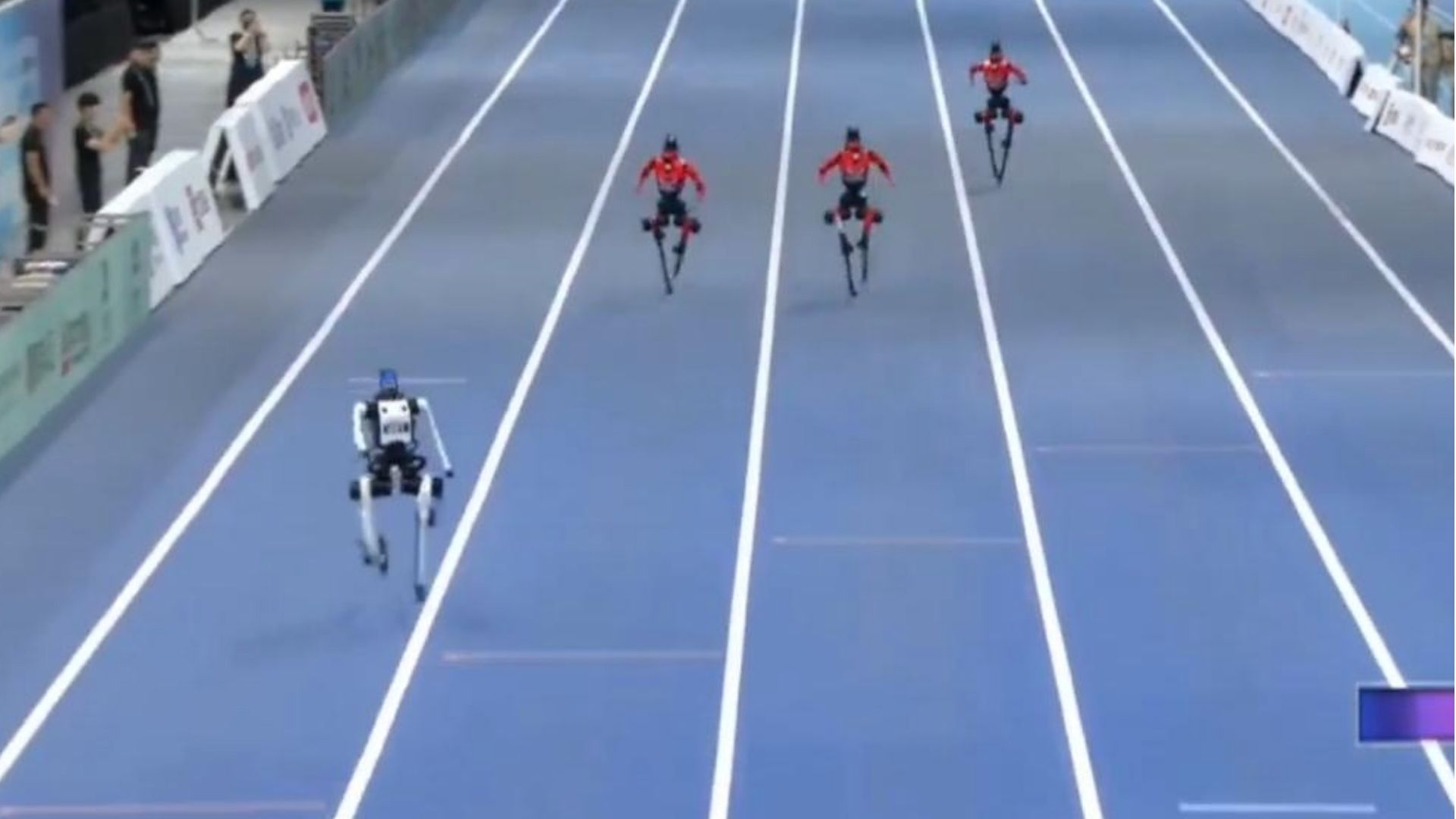
Tiangong Ultra Sets New 100-Meter Record at World Humanoid Robot Games
At the 2nd World Humanoid Robot Games, the humanoid robot Tiangong Ultra, developed by X-Humanoid in Beijing, completed a 100-meter race in 8.64 seconds, establishing a new record for the event. This performance was nearly one second faster than Usain Bolt's human world record of 9.58 seconds, although direct comparisons between robot and human times are not applicable. The achievement is significant as it demonstrates the rapid advancements in humanoid locomotion, with Tiangong Ultra improving its own previous record of 8.86 seconds set earlier in the competition. This year's event showcased substantial progress compared to the inaugural games, where the fastest time exceeded 12 seconds, indicating a year of remarkable development in robotic sprinting capabilities. Looking ahead, Tiangong Ultra's performance raises expectations for future competitions and advancements in humanoid robotics. The robot's closest competitor, Lightning, also made headlines with its own record-breaking feats, including a half-marathon completion time of 50 minutes and 26 seconds. No further timeline was disclosed at the time of publication.
AI and Robotics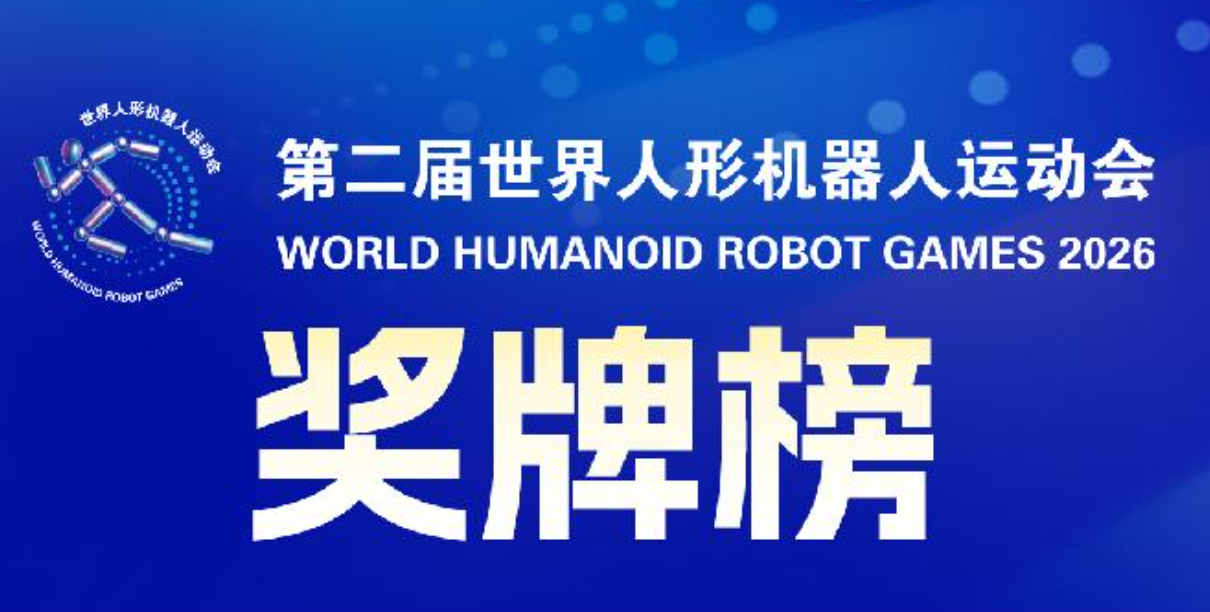
Final Medal Tally Released for the Second World Humanoid Robot Games
The final medal tally for the Second World Humanoid Robot Games has been announced, showcasing the achievements of various teams. This event highlights the advancements in humanoid robotics and the competitive spirit among participants. The games serve as a platform for innovation and collaboration in the robotics community. The significance of the Second World Humanoid Robot Games lies in its ability to bring together engineers, researchers, and enthusiasts to share knowledge and push the boundaries of humanoid robot capabilities. The medal tally reflects not only individual team efforts but also the growing interest and investment in humanoid robotics. Looking ahead, the robotics community will continue to monitor developments in humanoid technologies and the impact of competitions like these on future innovations. No further timeline was disclosed at the time of publication.
Robotics Automation AI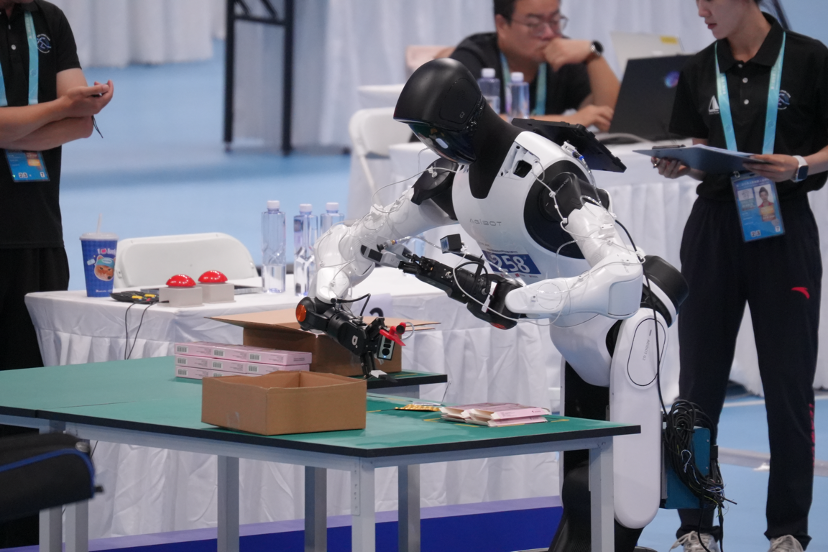
Leading Production Robot Secures Six Gold Medals at World Humanoid Robot Games
On August 26, the second World Humanoid Robot Games concluded at the National Speed Skating Oval. The event tested humanoid robots in real-world scenarios, including emergency response, firefighting, and hotel guest services. The ZhiYuan G2 robot excelled, winning six gold medals, seven silver medals, and five bronze medals, making it the top-performing mass-produced humanoid robot. The significance of this achievement lies in the G2's ability to perform complex tasks without specialized adjustments, demonstrating its full-body coordination, environmental understanding, and long-process task planning capabilities. The industrial scene presented the highest demands, requiring precision and adaptability, which the G2 successfully met, particularly in tasks like packaging and assembly. Looking ahead, the G2's performance in challenging environments, such as firefighting, has garnered significant attention. Its ability to operate under pressure and adapt to complex scenarios showcases the practical experience gained from real-world deployments. No further timeline was disclosed at the time of publication.
Humanoid Robots Industrial Automation AI Robotics Warehouse Operations
AGIBOT Achieves 18 Gold Medals at World Humanoid Robot Games Debut
AGIBOT made a remarkable debut at the World Humanoid Robot Games, securing 18 gold medals and leading both the gold and overall medal tables. The competition featured a diverse range of events, including athletics, martial arts, dance, and practical applications like hotel services and emergency response. This achievement highlights AGIBOT's advanced capabilities in humanoid robotics, showcasing its proficiency in various tasks that mimic real-world scenarios. The competition serves as a platform for innovation in robotics, pushing the boundaries of what humanoid robots can accomplish in both competitive and practical environments. Looking ahead, the success of AGIBOT may influence future developments in humanoid robotics and inspire further participation in international competitions. No further timeline was disclosed at the time of publication.
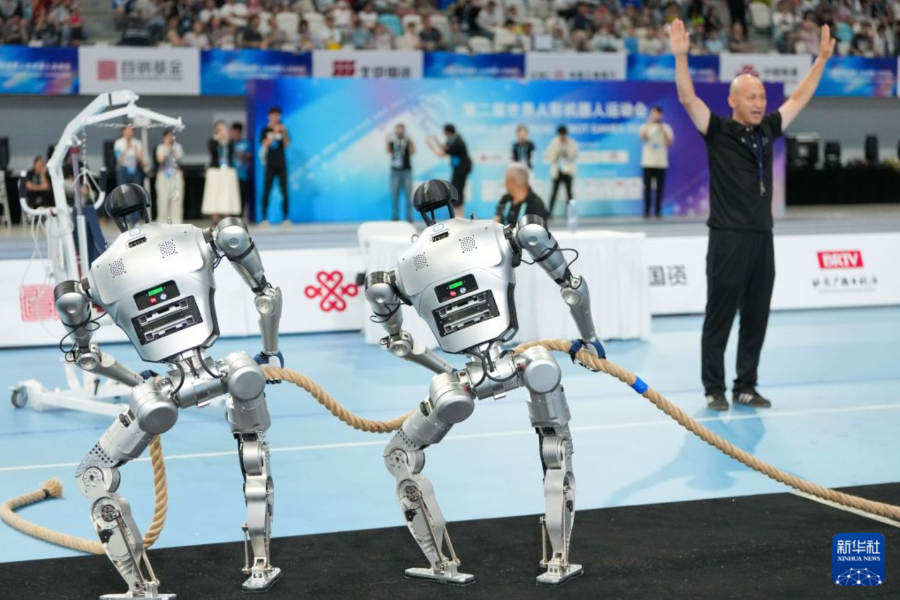
Humanoid Robots Showcase Strength in Tug-of-War at World Robot Games
On August 25, the second World Humanoid Robot Games featured a tug-of-war competition at the National Speed Skating Stadium in Beijing. This new event captivated audiences as it tested not only the robots' strength but also their teamwork and grip capabilities. The lightweight category saw the Xingzhe Taishan team emerge victorious, demonstrating exceptional coordination and stability. The heavyweight competition was even more intense, with the Tiangong team facing off against the Beijing Humanoid-Huake Union team. Both teams showcased their robots' grip and stability in a fierce battle, ultimately leading to Tiangong's triumph due to superior teamwork. The tug-of-war event is significant as it evaluates core robotic abilities, including lower body strength, grip control, and multi-robot collaboration, highlighting any weaknesses in these areas. As humanoid robots evolve from speed to stability and from individual tasks to team challenges, the tug-of-war serves as a critical test of their foundational capabilities for real-world applications. Each match acts as a pressure test for technological maturity, with spectators noting the heightened tension compared to human competitions.
Humanoid Robots Robotics Competitions Team Collaboration Grip Strength AI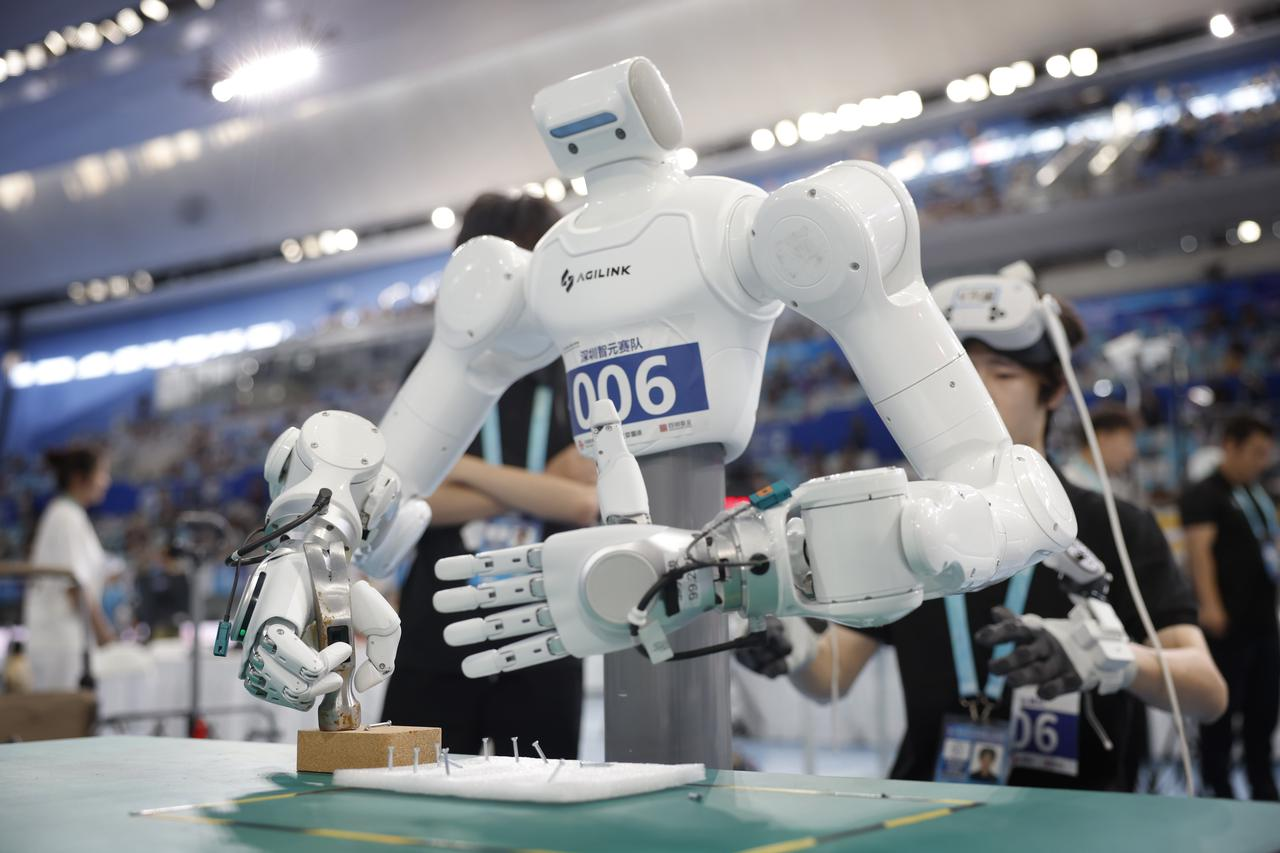
AGIBOT Achieves 18 Gold Medals at World Humanoid Robot Games, Leading Medal Rankings
AGIBOT made a significant impact during its first appearance at the 2nd World Humanoid Robot Games, securing 18 gold medals and leading the overall medal standings with a total of 46 medals. This achievement underscores AGIBOT's commitment to advancing humanoid robotics, as its robots demonstrated exceptional performance in events such as dexterous manipulation, motion control, and real-world scenario tasks. The success reflects the company's emphasis on practical applications of embodied AI technology. Looking ahead, AGIBOT's performance at this prestigious event may influence future developments in humanoid robotics and AI applications. No further timeline was disclosed at the time of publication.
Robotics Artificial Intelligence Humanoid Robots Technology Competitions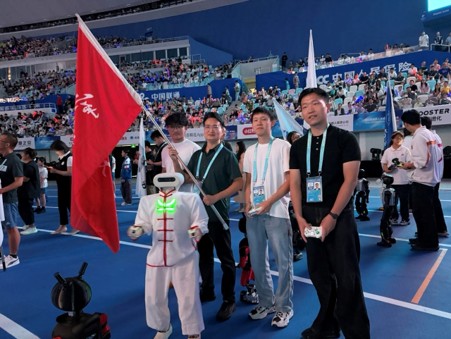
JAKA π Robot Successfully Completes Trials Ahead of 2026 World Humanoid Robot Games
The JAKA π robot, developed by JAKA Robotics, has successfully completed its first international humanoid competition at the World Humanoid Robot Games in Beijing. This lightweight humanoid robot, which debuted just two months ago, showcased its capabilities in various events, including 100m sprints and emergency rescue scenarios, demonstrating its adaptability to real-world applications. The significance of JAKA π's participation lies in its focus on expanding the boundaries of humanoid robotics beyond traditional athletic performance. JAKA Robotics aims to make robotic technology accessible for diverse applications, including education, commercial services, and entertainment, thereby fostering innovation and talent development in the field. Looking ahead, JAKA π is set for an official launch in June 2026, following a series of successful trials and public demonstrations. The company is committed to refining its technology and expanding its impact on various industries, emphasizing the importance of making advanced robotics more approachable for students and professionals alike. No further timeline was disclosed at the time of publication.
Humanoid Robots Robotics Technology AI Education Robotics Emergency Services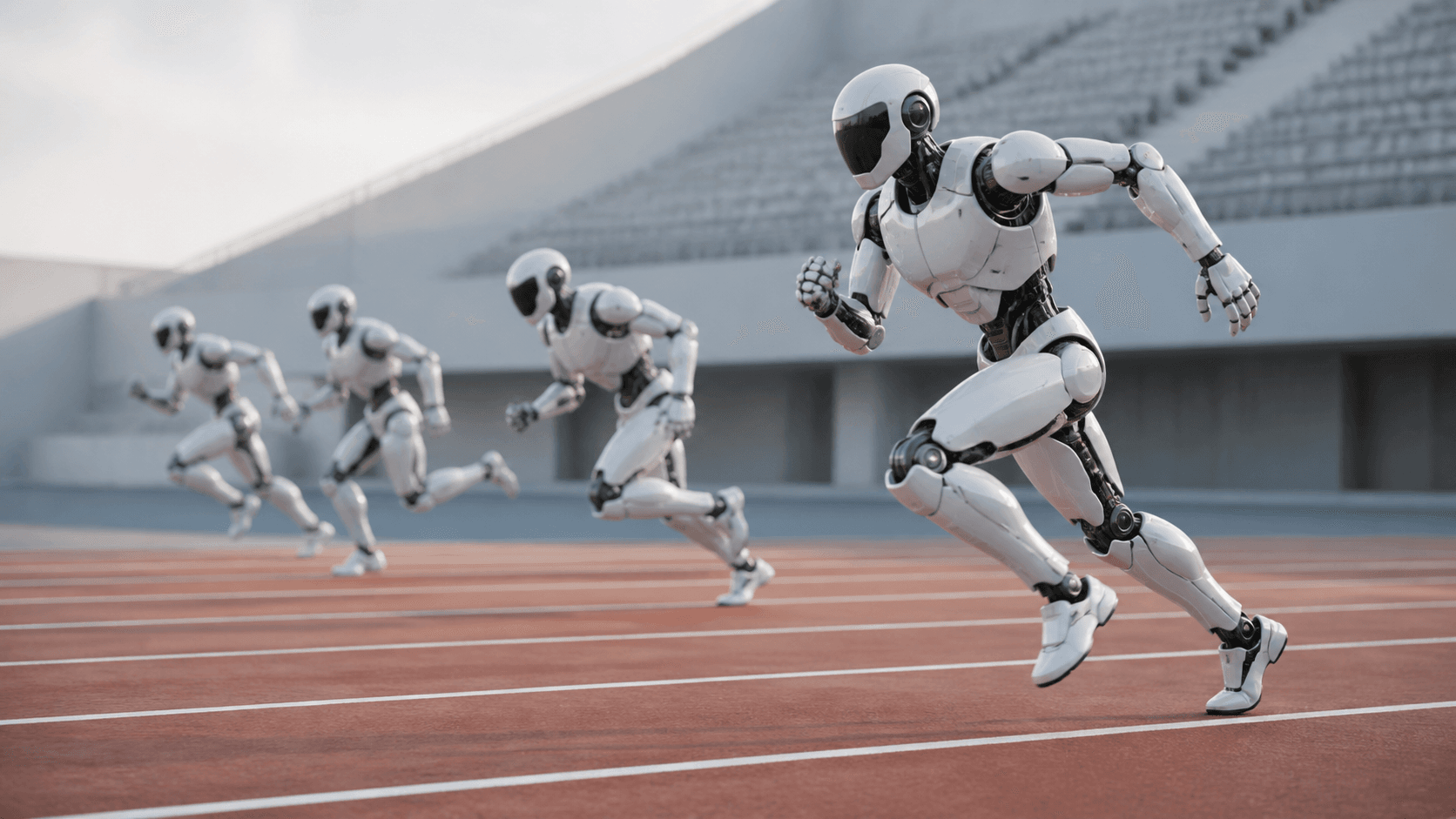
World Humanoid Robot Games 2.0 Concludes in Beijing with Focus on Real-World Applications
The second edition of the World Humanoid Robot Games concluded at Beijing's Ice Ribbon, featuring 666 teams and 2,056 robots competing in 51 events. This year's focus shifted from merely achieving speed to demonstrating dexterity and autonomy in real-world scenarios. This evolution in the competition highlights the growing importance of practical applications for humanoid robots, moving beyond traditional speed tests. The emphasis on real-scenario work reflects industry trends toward developing robots capable of performing complex tasks in everyday environments. Looking ahead, the outcomes of these games may influence future designs and functionalities of humanoid robots. No further timeline was disclosed at the time of publication.
World Humanoid Robot Games Showcase Robots in Precision Task Competitions
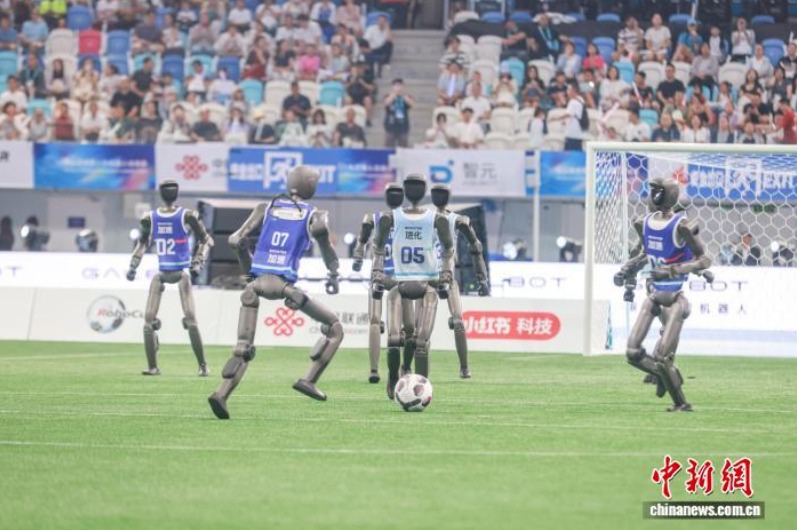
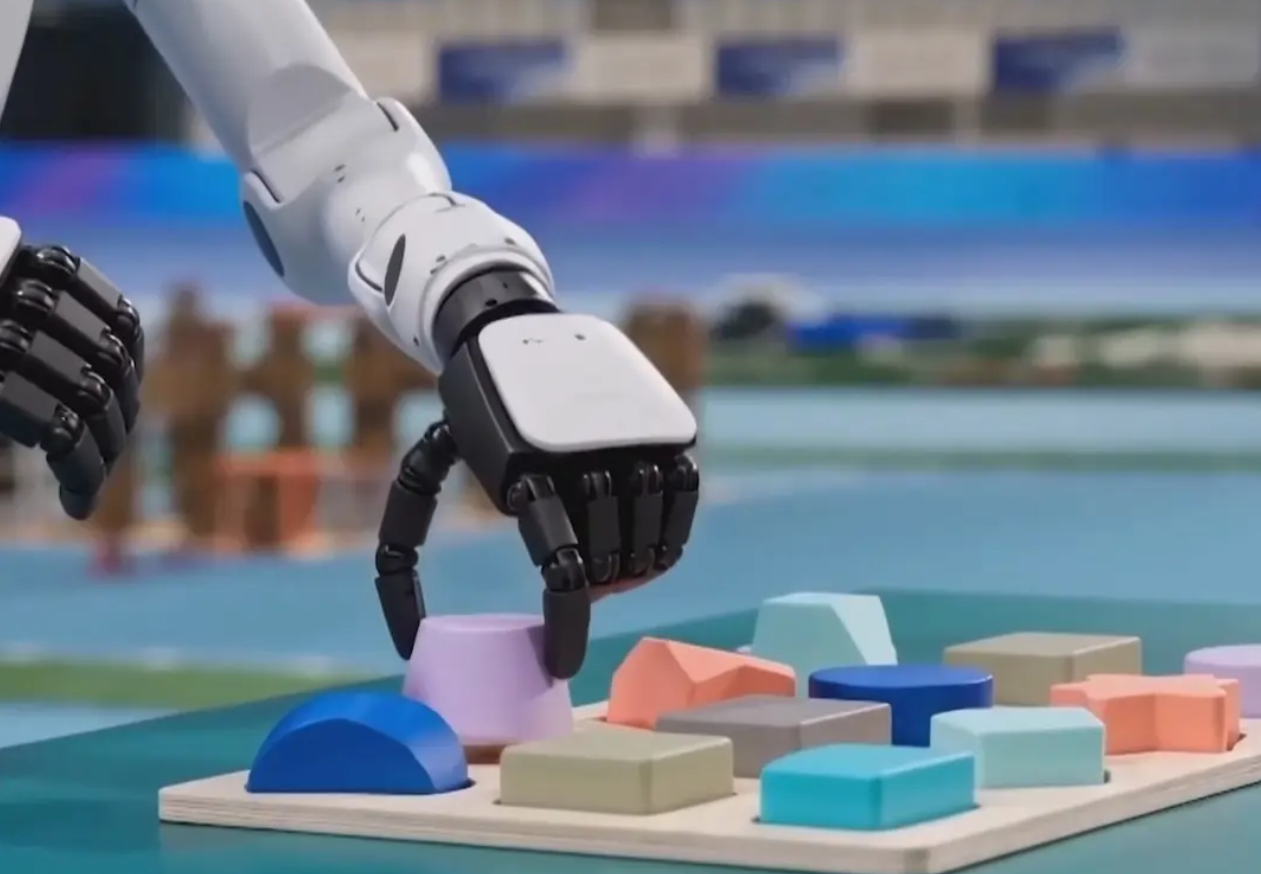
The second World Humanoid Robot Games opened on August 22 at the National Speed Skating Hall in Beijing, featuring 666 teams and 2,056 robots from 16 countries, marking a 138% increase in teams and a fourfold increase in robots compared to the first event. The competition includes various precision tasks such as the dexterous hand event, where robots simulate real-world scenarios requiring fine motor skills. Tasks include weighing 20 grams of powder with a tolerance of ±0.5 grams, stacking building blocks, using tweezers to pick up soybeans, and connecting USB cables, all testing the limits of robotic hand-eye coordination and force control. The event emphasizes the importance of autonomous operation, with a scoring system favoring fully autonomous robots over remote-controlled ones. While the performance of autonomous robots exceeded expectations, challenges remain in adapting to variations in object properties and placement. No further timeline was disclosed at the time of publication.
Humanoid Robots Robotic Dexterity Autonomous Robotics AI Food Service Robotics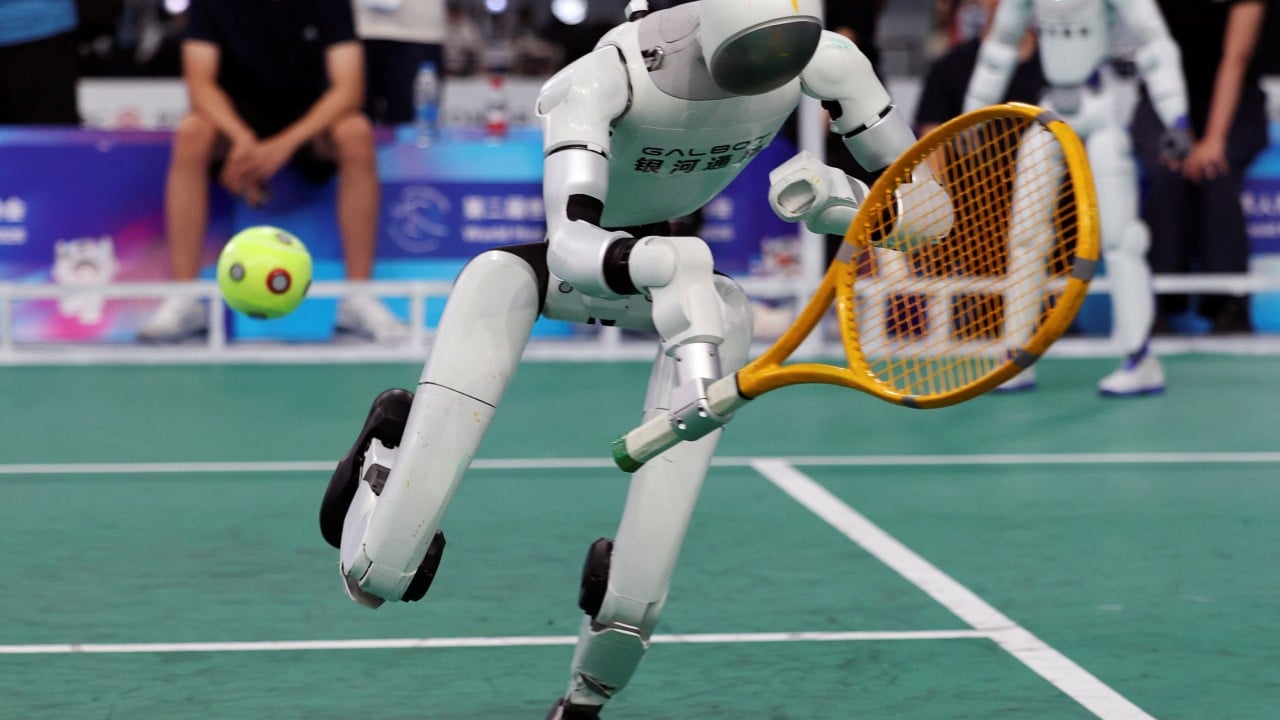
Galbot's Humanoid Robot Excels in Tennis at World Humanoid Robot Games
At the second World Humanoid Robot Games in Beijing, Galbot's humanoid robot showcased its skills in a tennis match against human players. The event highlighted the robot's ability to perform quick movements and return shots, although it faced challenges such as balance issues, which led to a moment of falling during play. This demonstration is significant as it marks what Galbot claims to be the world's first human-robot tennis match, emphasizing the advancements and limitations of humanoid robots in sports. The event featured over 600 teams and 2,056 robots competing in various sports, illustrating the growing interest and development in humanoid robotics. Looking ahead, the games included new competitions like table tennis and kickboxing, alongside expanded scenario-based events. Observers should note the ongoing challenges in robot autonomy and balance, as these factors will influence future developments in humanoid robotics and their applications in various sectors.
RealBOT Demonstrates Functional Robotics at the 2nd World Humanoid Robot Games Opening Ceremony
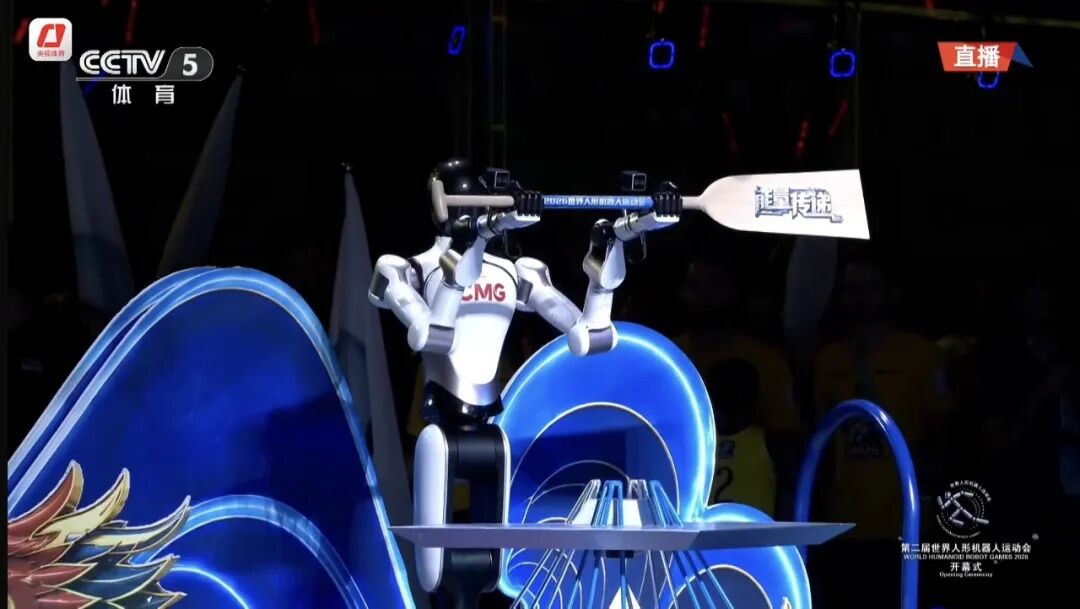
On August 22, the 2nd World Humanoid Robot Games opened at the National Speed Skating Oval, featuring 51 events and 1,301 matches with 666 teams from 16 countries and 2,056 robots. This year's competition has doubled in scale compared to the inaugural event. RealBOT, a company focused on practical robotics, showcased its capabilities during the opening ceremony, participating in the 'Smart Chip Lighting' ceremony and performing a flower arrangement act. The RealBOT S2 wheeled humanoid robot represented the Bazhong station in Sichuan, lifting the energy token 'paddle' during the lighting ceremony. RealBOT's founder and CEO, Zheng Suibing, attended the event, highlighting the company's commitment to demonstrating the practical abilities of robots. Earlier this year, the RealBOT robot acted as a 'robot chef' in Xinjiang, completing various challenging tasks in a real kitchen environment. RealBOT's robots are designed for long-term, high-intensity operations, certified for reliability with a 50,000-hour mean time between failures. The robots' precision and adaptability were showcased in the flower arrangement performance, achieving ±0.05mm positioning accuracy. RealBOT also participated in six scenario competitions, validating the robots' capabilities in emergency response, public service, retail, and industrial applications. No further timeline was disclosed at the time of publication.
Humanoid Robots Robotics Technology AI Automation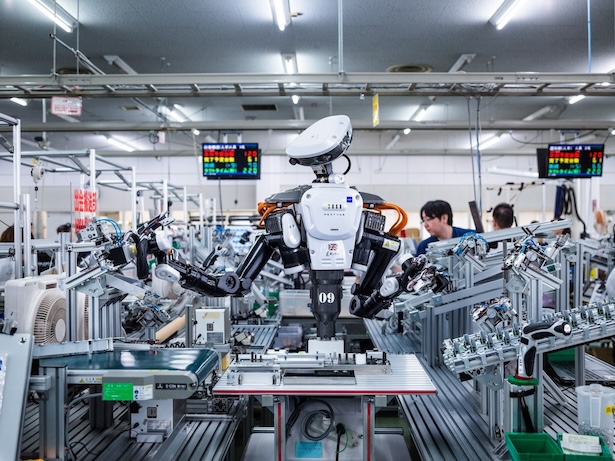
2026 World Humanoid Robot Games Kick Off in Beijing with 666 Competing Teams
The 2026 World Humanoid Robot Games have officially commenced in Beijing, featuring 666 teams from various countries. These teams are showcasing over 2,000 humanoid robots in a series of competitions designed to highlight advancements in robotics. This event is significant as it brings together a diverse range of participants, fostering innovation and collaboration in the field of humanoid robotics. The competition serves as a platform for engineers and developers to demonstrate their latest technologies and designs, potentially influencing future developments in the industry. As the games progress, observers should pay attention to the emerging trends in humanoid robot capabilities and the performance of different teams. No further timeline was disclosed at the time of publication.
Second World Humanoid Robot Games Opens in Beijing with 2056 Robots Competing
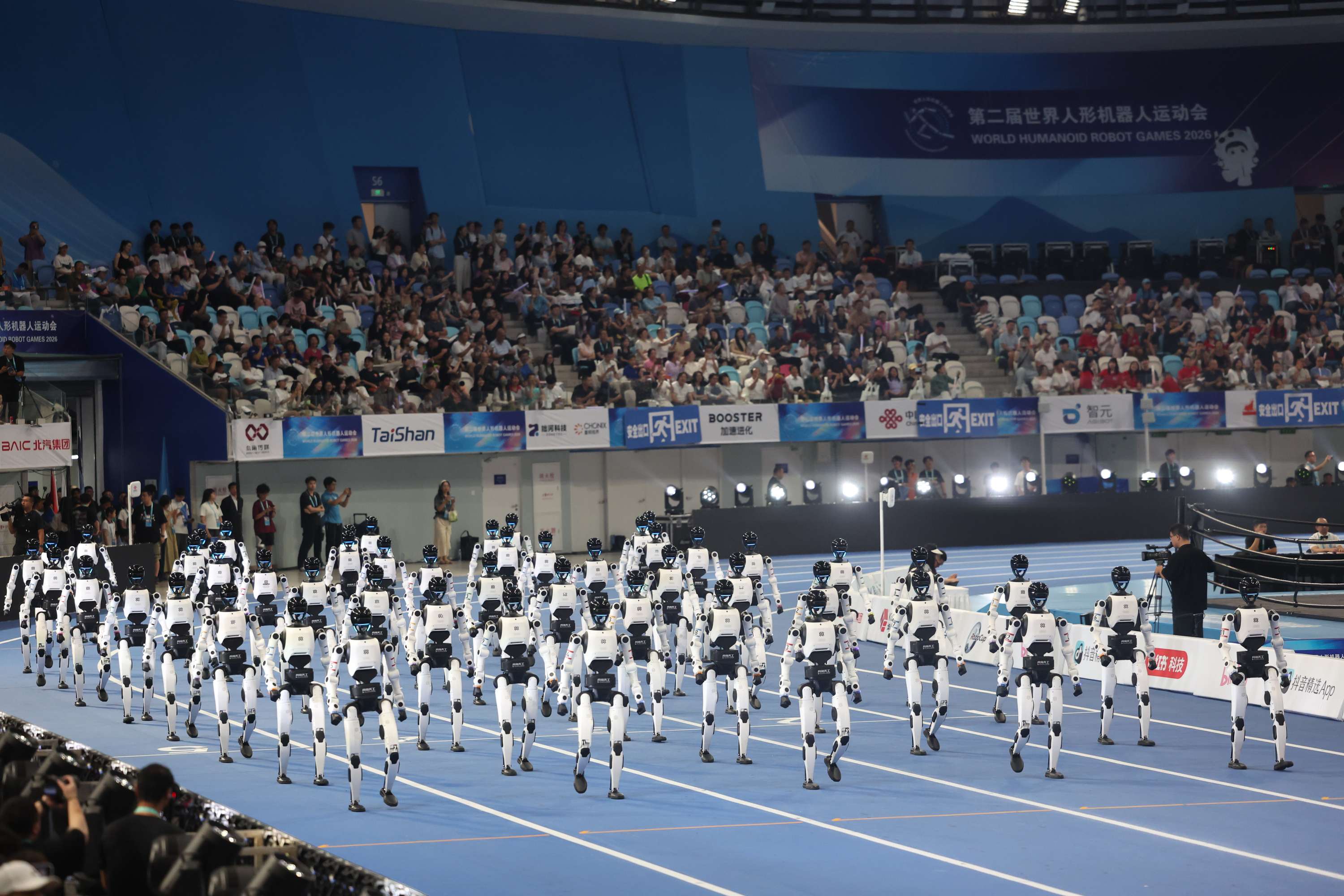
The Second World Humanoid Robot Games commenced on August 22 at the National Speed Skating Hall in Beijing, featuring 666 teams from 16 countries and 2056 robots competing across 51 events over five days. This event is significant as it showcases cutting-edge technology and promotes the development of the embodied intelligence industry, serving as a platform for international technical exchange and innovation in robotics. Looking ahead, the competition has upgraded to fully autonomous operations, eliminating manual controls. The interactions between robots and human athletes highlight the advancements in robotics, setting high expectations for their performance in various scenarios.
Humanoid Robots Robotics Competitions AI Technology Autonomous Systems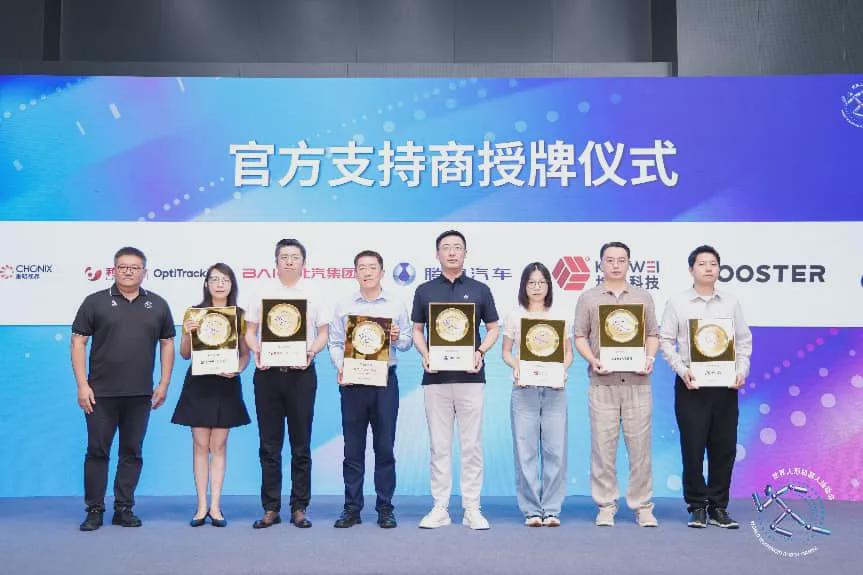
Kunwei Technology to Support 2nd World Humanoid Robot Games with Force Control Technology
The 2nd World Humanoid Robot Games will take place on August 22, 2026, at the National Speed Skating Stadium in Beijing. This event, themed 'Intelligent Competition Towards the Future,' will feature 666 teams and 2056 robots from 16 countries, marking a 138% increase in teams and a fourfold increase in robots compared to the first event. The competition will expand from 26 to 51 events, introducing high-intensity challenges such as long jump, weightlifting, tug-of-war, and table tennis, while also extending scenarios to nine real-world environments including industrial and domestic settings. This event is significant as it showcases the advancements in humanoid robot technology and aims to promote industry standards through competition. Analysts predict that 2026 will be a pivotal year for the commercialization of humanoid robots. The core components, such as six-dimensional force and joint torque sensors, are crucial for ensuring safe human-robot interaction and effective performance. Domestic manufacturers, led by Kunwei Technology, are gaining market share, achieving 58.8% in 2025, marking a shift away from reliance on foreign brands. Looking ahead, the focus will be on the development of a self-sufficient supply chain for force sensors in humanoid robots. Leading manufacturers are prioritizing domestic sensors for their stability, lightweight integration, and rapid customization. Kunwei Technology, with over 20 years of experience in multi-dimensional force sensor research, is positioned to meet these demands with its innovative technologies and products, including specialized sensors for humanoid robots that have already been adopted by major companies in the field. No further timeline was disclosed at the time of publication.
Humanoid Robots Force Sensors Robotics Technology Industrial Automation
Second World Humanoid Robot Games Features 2,056 Robots from 16 Countries
The second edition of the World Humanoid Robot Games has attracted 666 teams and 2,056 robots from 16 countries across six continents. This marks a significant increase in participation, with the number of robots quadrupling since the inaugural event. This year's games highlight the growing global interest in humanoid robotics and the advancements in technology that allow for more complex and capable robots. The event serves as a platform for showcasing innovations and fostering international collaboration in the field of robotics. Looking ahead, observers will be keen to see the performances and capabilities demonstrated by the participating robots. No further timeline was disclosed at the time of publication.
World Humanoid Robot Games Showcase Hotel Service Robots in 30-Minute Challenges
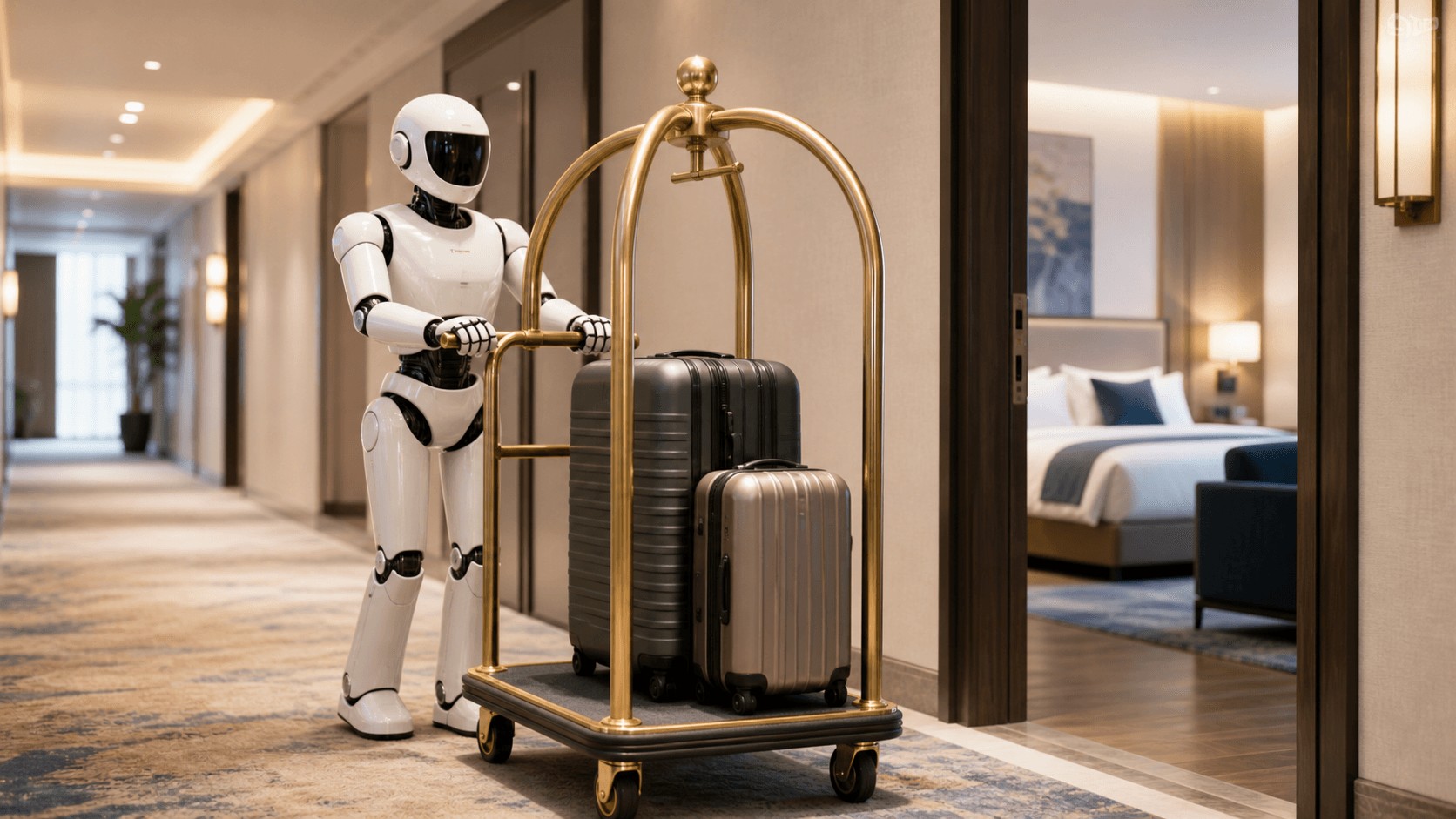
The second World Humanoid Robot Games took place on August 16-17 at the Beijing Wuzhou Hotel, featuring a hotel guest service competition. During the event, robots were tasked with moving luggage, restocking rooms, and tidying bedding within a strict 30-minute timeframe, demonstrating their capabilities in a real hotel environment. This competition is significant as it tests various robotic skills, including weight-bearing balance, dexterous grasping, navigation, and long-chain task planning. Robots were evaluated based on their autonomy, with a full autonomous performance scoring a weight of 1.0, while remote control operations received a score of 0.5. Looking ahead, the outcomes of this competition may influence future developments in hotel automation and service robotics. The results could provide insights into the effectiveness of robotic systems in hospitality settings, although no further timeline was disclosed at the time of publication.

23 Humanoid Robot Teams Compete in Firefighting Challenge at World Humanoid Robot Games
Twenty-three humanoid robot teams participated in a simulated firefighting mission in Beijing during the second World Humanoid Robot Games. This event tested their capabilities in complex, real-world conditions, as robots navigated a real fire brigade setting rather than a controlled environment. The significance of this challenge lies in its emphasis on realistic simulation, showcasing the difficulties humanoid robots face in unpredictable environments. Only three out of twelve teams successfully completed the full challenge, highlighting the gap between laboratory demonstrations and practical deployment. Looking ahead, the event has expanded significantly, featuring 30 competitive and 21 scenario-based events, with a notable increase in participating teams and robots. No further timeline was disclosed at the time of publication.
AI and Robotics
Beijing to Host Second World Humanoid Robot Games with 2,056 Competing Robots
The second World Humanoid Robot Games will take place in Beijing from August 22 to 26, featuring a record 2,056 robots from 666 teams across 16 countries. This year's event has expanded to five days and includes new competitions such as long jump, weightlifting, and tug-of-war, alongside traditional events. The significant increase in participation, with a 138 percent rise in teams and a quadrupling of robot entries compared to last year, highlights the growing interest in humanoid robotics. The event will showcase 51 competitions and 1,301 matches, reflecting the advancements in robotic capabilities and the diversity of challenges presented. Looking ahead, the games will emphasize autonomous performance, with stricter competition rules and new challenges designed to test practical robotic skills. Notably, the Dexterous Hand Challenge and Integrated Five Challenge will assess robots' dexterity and operational accuracy. The event promises to be a pivotal moment for the robotics community, with gold medals awarded across various sessions, including soccer and combat finals.
AI and Robotics
Children Engage with Robotics Ahead of World Humanoid Robot Games in Beijing
As the countdown begins for the second World Humanoid Robot Games, the National Speed Skating Stadium in Beijing welcomed 100 children from the city. These young representatives were invited to witness the preparations of humanoid robots ahead of the event, which aims to blend sports, technology, and culture in the venue. This initiative, part of the 'Caring for Growth, Lighting Hope' project, allows children to experience cutting-edge technology through interactive demonstrations. They observed various real-life scenarios set up for the competitions, such as supermarkets and libraries, and were introduced to the concepts and principles of humanoid robots, culminating in performances that amazed the young audience. The event, supported by the Beijing State-owned Assets Management Company and organized by the Beijing Women and Children Development Foundation, aims to inspire a scientific attitude among youth. The second World Humanoid Robot Games is set to commence on August 22, featuring over 300 teams and more than 1,000 robots, marking a significant step in Beijing's development as a hub for the robotics industry.
Humanoid Robots Robotics Education AI Technology Public Welfare Sports Innovation
Second World Humanoid Robot Games Set for August 22 Featuring Table Tennis and Tug-of-War
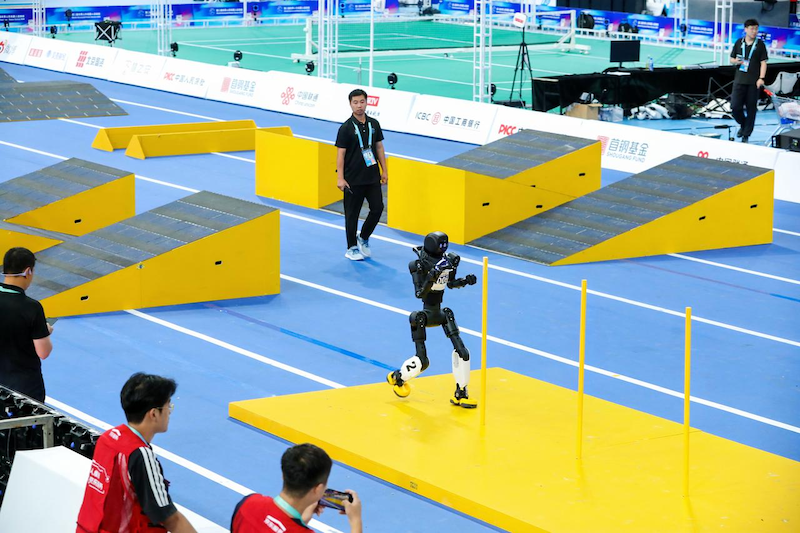
The Second World Humanoid Robot Games will take place from August 22 to 26 at the National Speed Skating Hall in Beijing. This year, table tennis and free fighting have been officially included in the competition, with 14 teams participating in table tennis, showcasing advanced robotics capabilities. The event emphasizes the robots' ability to autonomously predict trajectories and make strategic decisions in milliseconds, crucial for success in table tennis. The competition rules align with international standards, and any hardware failure will result in an immediate loss. New this year is the introduction of motion capture technology, allowing operators to synchronize their movements with the robots. The games will test the limits of autonomous control, real-time decision-making, and physical interaction, marking a significant advancement in robotics competitions.
Humanoid Robots Robotics Competitions AI Autonomous Systems
Beijing Humanoid Robotics Dominates World Humanoid Robot Games; CEO Highlights AI's Pre-ChatGPT Era
Beijing Humanoid Robotics Innovation Center has triumphed at the World Humanoid Robot Games, showcasing its advanced capabilities in humanoid robotics. CEO Xiong Youjun emphasized that the industry is on the brink of a significant transformation, likening the current state of embodied AI to a pre-ChatGPT moment. This achievement is crucial as it highlights the advancements in humanoid robotics and the potential for embodied AI to revolutionize various sectors. The success at the World Humanoid Robot Games positions Beijing Humanoid Robotics as a leader in the field, potentially influencing future developments and investments in AI technologies. Looking ahead, industry stakeholders should monitor the evolution of embodied AI technologies and their applications. Xiong Youjun's comments suggest that significant breakthroughs may be imminent, which could reshape the landscape of AI and robotics. No further timeline was disclosed at the time of publication.
HumanoidRobotics
Insights from China's World Humanoid Robot Games and Their Future Implications
China recently hosted the World Humanoid Robot Games, showcasing advancements in robotics technology. This event not only highlighted the capabilities of humanoid robots but also served as a platform for innovation and competition in the field. The significance of the World Humanoid Robot Games lies in its potential to influence future developments in robotics. By bringing together various teams and technologies, the event fosters collaboration and inspires new ideas that could shape the industry. Looking ahead, stakeholders in robotics should monitor the outcomes and innovations presented at the Games. The advancements showcased may lead to new applications and improvements in humanoid robot design and functionality. No further timeline was disclosed at the time of publication.

World Humanoid Robot Games to Feature 666 Teams and 2,056 Robots This August
The second World Humanoid Robot Games is set to open on August 22 at the Ice Ribbon, featuring 666 teams and 2,056 robots. This marks a significant increase of 138% in team participation and a quadrupling of the number of robots compared to previous events. This year's games highlight the growing interest in humanoid robotics, with industry figures noting a convergence in machine configurations and a rise in core parts capacity and orders. However, challenges remain, as scenarios are still unsettled and hardware has not yet reached industrial-grade quality. As the event approaches, attention will be on the evolving landscape of humanoid robotics, particularly the increasing data demand, which has surged from thousands of hours to tens of millions. No further timeline was disclosed at the time of publication.
Key Insights on Humanoid Robot Sports Games Addressing Major Questions
The WAIC 2026 event showcased a significant emergence of humanoid robots, sparking interest among data seekers despite the absence of robots at some booths. This highlights the growing focus on embodied intelligence and its potential applications in various sectors. The importance of this development lies in the increasing investment in the field, with reports of 5 billion in funding and a valuation of 20 billion. This surge indicates a strong market interest and the potential for humanoid robots to play a crucial role in future technological advancements. Looking ahead, industry watchers should pay attention to how these developments in embodied intelligence will shape the landscape of robotics and automation. No further timeline was disclosed at the time of publication.
Robotics Automation AI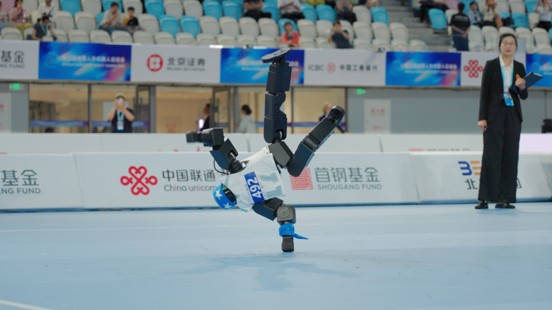
Luming's NexCore Achieves Two Golds and a Silver at World Robot Games
On August 27, the second World Robot Games concluded, with Luming Robotics winning gold in cheerleading and securing both gold and silver in breakdancing. Luming ranked fourth in the overall gold medal tally. The event showcased humanoid robots from around the globe, testing their movement, collaboration, and task adaptability through diverse competitions. Luming's success is attributed to its Lumos NexCore technology, which supports continuous data collection, model training, skill assessment, and deployment optimization. This enables robots to acquire and enhance new movement skills, facilitating stable performance in high-dynamic movements, complex actions, and multi-robot collaboration. The cheerleading event required multiple robots to perform synchronized dance routines, emphasizing the need for coordination and timing. Luming's robots excelled, demonstrating their ability to decompose complex tasks and execute them collaboratively. As robots transition from individual tasks to multi-robot coordination, these capabilities will be essential for applications in complex environments like factories. No further timeline was disclosed at the time of publication.
Humanoid Robots Robot Skills Evolution Multi-Robot Collaboration AI Robotics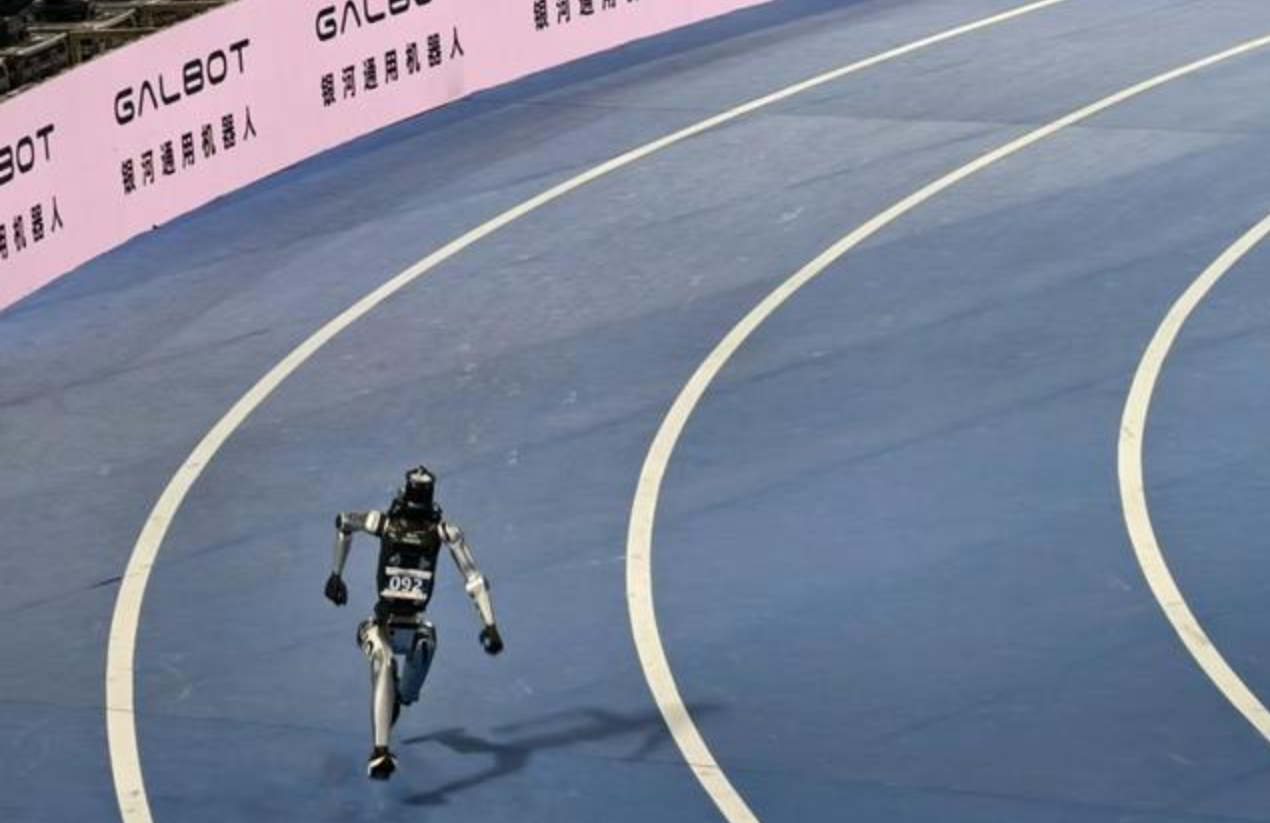
Insights from the World Championships Highlight Advancements and Challenges in Humanoid Robotics
The second World Humanoid Robotics Championships took place from August 22 to 26 at the National Speed Skating Hall in Beijing, featuring 666 teams and 2056 robots from 16 countries. The event expanded significantly, showcasing 51 events including soccer, athletics, and boxing. The Beijing Humanoid Robotics Innovation Center emerged as a major winner, securing 8 gold, 4 silver, and 12 bronze medals, along with setting 4 new world records in various running events. The advancements in humanoid robotics were evident, with notable improvements in performance metrics. For instance, the 100-meter sprint record improved from 20 seconds last year to 9.32 seconds this year. However, challenges were also apparent, as some robots struggled with navigation and control during competitions, leading to humorous mishaps. According to Cao Xu, Vice President of the General Business Department at Zhiyuan, while there are still visible flaws, the rapid development in robotics is promising, especially with ongoing data collection efforts. Looking ahead, the event emphasized the need for robots to transition from competitions to real-world applications. Industry experts believe that while pure athletic capabilities may have limited practical value, foundational technologies like balance control and recovery from falls can be applied in various sectors. With over 40,000 humanoid robots shipped in China in the first half of the year, the evolution of robotics continues to progress, with expectations for further improvements in the coming years.
Humanoid Robots Robotics Competitions AI Development Robotic Applications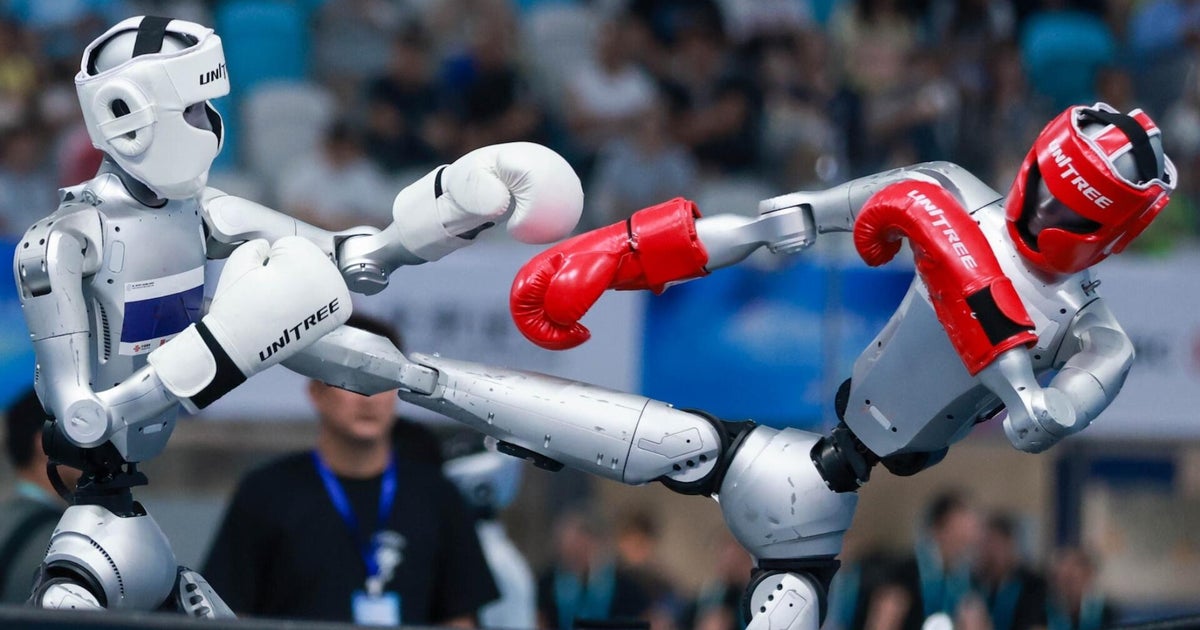
Current Status of the World Humanoid Robot Games in Beijing, China
The World Humanoid Robot Games are currently taking place in Beijing, China, utilizing a stadium that was previously used for the 2022 Winter Olympics. This event showcases advanced humanoid robots that have demonstrated capabilities surpassing those of elite human athletes in speed and agility. The significance of these games lies in their ability to highlight the rapid advancements in robotics technology, particularly in humanoid design and performance. The robots' ability to outperform top Olympians in running and jumping illustrates the potential for robotics to revolutionize various sectors, including sports and entertainment. As the event progresses, observers should pay attention to the innovations presented by participating teams and the implications for future developments in robotics. No further timeline was disclosed at the time of publication.

T800 Humanoid Robot Showcases Combat Skills at World Robot Conference 2026
During the 2026 World Robot Conference, the T800 humanoid robot captivated audiences with its combat skills, showcasing punching, dodging, and flying kicks. The event featured a fighting competition between two robots named 'Doujiang' and 'Luzhu,' part of the world's first industrial-grade humanoid robot fighting league, which attracted over 200 teams and offered a total prize pool of 14 million yuan. Zhao Tongyang, founder and CEO of Zhongqing, emphasized that combat-related investments account for less than 10% of the company's focus, with the majority directed towards integrating robots into homes and factories. He explained that mastering physical capabilities through combat is essential for robots to serve humans effectively, as agility and strength are crucial for handling unexpected scenarios. The T800 has already begun operations in the Luxshare Precision factory in Suzhou, handling material loading and transportation tasks. Zhongqing also introduced the EngineAI Awaken, a brain-inspired intelligent engine, which allows for rapid deployment and high success rates in robotic actions. Zhao predicts a significant breakthrough in embodied intelligence within three years, aiming for mass production of humanoid robots to make them commonplace in households.
Humanoid Robots Robotics Competitions AI Technology Industrial Automation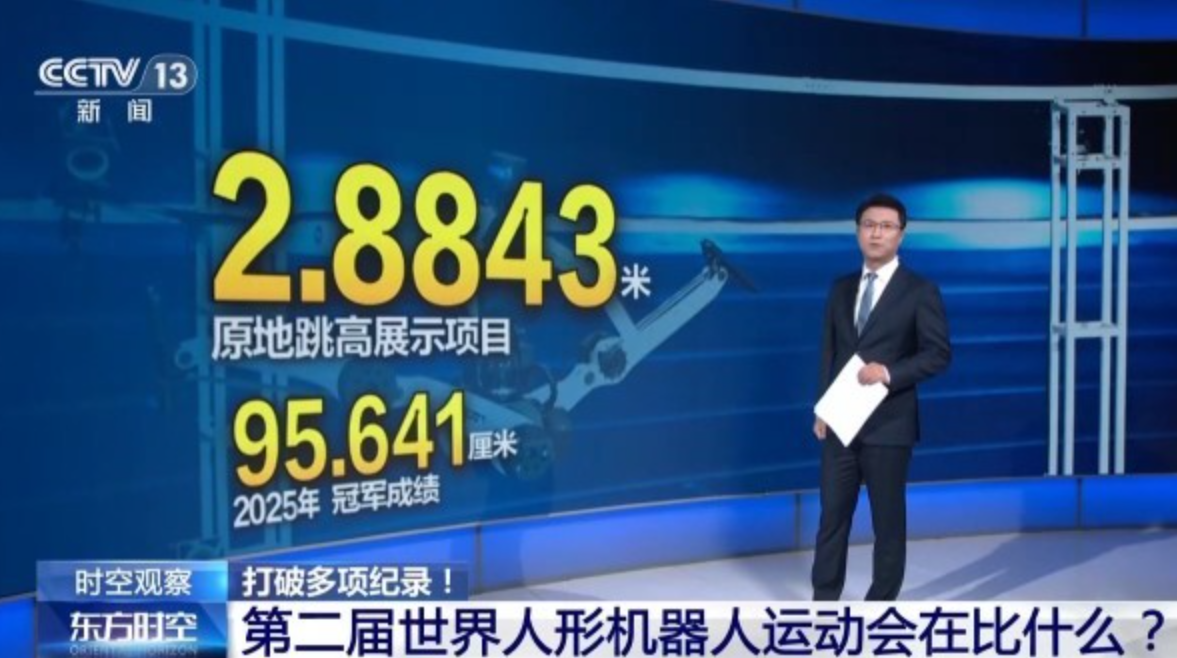
Humanoid Robot Sets New 100m Record at World Championships with 9.39 Seconds
A humanoid robot completed the 100m dash in 9.39 seconds, breaking the previous human world record of 9.58 seconds. This event took place on August 22 at the second World Humanoid Robot Championships held at the National Speed Skating Stadium in Beijing, featuring 666 teams and 2056 robots from 16 countries, marking a 138% increase in teams and a fourfold increase in robots since the first event. The significance of this achievement extends beyond speed; it challenges the industry's perceptions of robotic capabilities. The competition expanded from 26 to 51 events, including real-life scenario simulations such as food service and emergency response tasks. The scoring system favors fully autonomous operations, emphasizing the importance of real-world applicability for humanoid robots. Looking ahead, the competition's focus on practical applications highlights the need for robots to demonstrate their utility in real-world environments. The advancements in humanoid robotics, particularly in China, where over 40,000 units were shipped in the first half of the year, indicate a growing market and technological foundation that supports further development and deployment of these robots in various sectors.
Humanoid Robots Robotics Competitions AI Technology Industrial Automation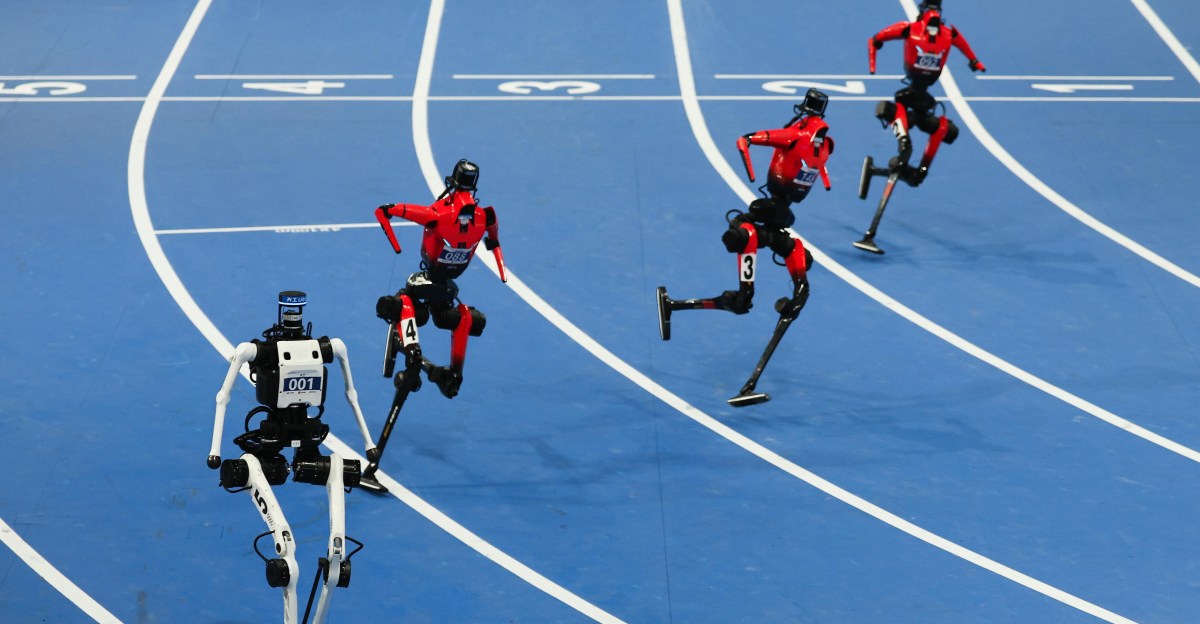
Chinese Robots Break Usain Bolt's 100-Meter Record at World Humanoid Robot Games
Chinese robots have surpassed Usain Bolt's 100-meter dash record during the World Humanoid Robot Games in Beijing. The Tiangong Ultra, developed by the Beijing Humanoid Robot Innovation Center, completed the race in 9.39 seconds, while the Honor-developed Lightning followed closely at 9.47 seconds. This achievement is significant as it highlights the advancements in bipedal robot technology, showcased at an event likened to an annual robot Olympics. The World Humanoid Robot Games, launched in 2025, features 2,056 robots from 16 countries competing in various categories, including sprinting and jumping. Looking ahead, the event continues to attract attention for its innovative displays of robotics. Tiangong Ultra also set a record in the 400-meter race, finishing in 38.16 seconds, outperforming the previous record held by Wayde van Niekerk. No further timeline was disclosed at the time of publication.
Entertainment News Robot Sports Tech
Chinese Humanoid Robots Break Human Records in 100m Sprint and High Jump at Beijing Games
On the opening day of the World Humanoid Robot Games in Beijing, Chinese humanoid robots achieved remarkable feats by breaking human records. Notably, they surpassed Usain Bolt's world record in the 100-meter sprint, showcasing their advanced capabilities. This achievement is significant as it highlights the rapid advancements in robotics technology, particularly in humanoid design and performance. The ability of these robots to outperform human athletes in such competitive events underscores the potential for robotics in various applications, including sports and entertainment. Looking ahead, it will be interesting to see how these developments influence future competitions and the evolution of humanoid robotics. No further timeline was disclosed at the time of publication.
Robotics
Humanoid Robot Crashes During Training for World Humanoid Robot Games in Beijing
A humanoid robot experienced a severe crash during a training sprint in Beijing, colliding with a cushioned wall and nearly splitting in half. This incident occurred as part of the preparations for the World Humanoid Robot Games, also known as the 'Robot Olympics,' set to begin on August 22. The event will feature 2,056 machines from 666 teams across 16 countries. The crash, which was captured on video and has garnered over 13 million views online, raises questions about the robot's programming and perception capabilities. Experts note that such failures are crucial for testing robots under challenging conditions, allowing developers to gather data to enhance performance and safety before real-world deployment. As the World Humanoid Robot Games approaches, with 30 competitive events planned, the increase in participation—up 138 percent in teams and quadrupled robot entries—highlights the growing interest and advancements in humanoid robotics. No further timeline was disclosed at the time of publication.
AI and Robotics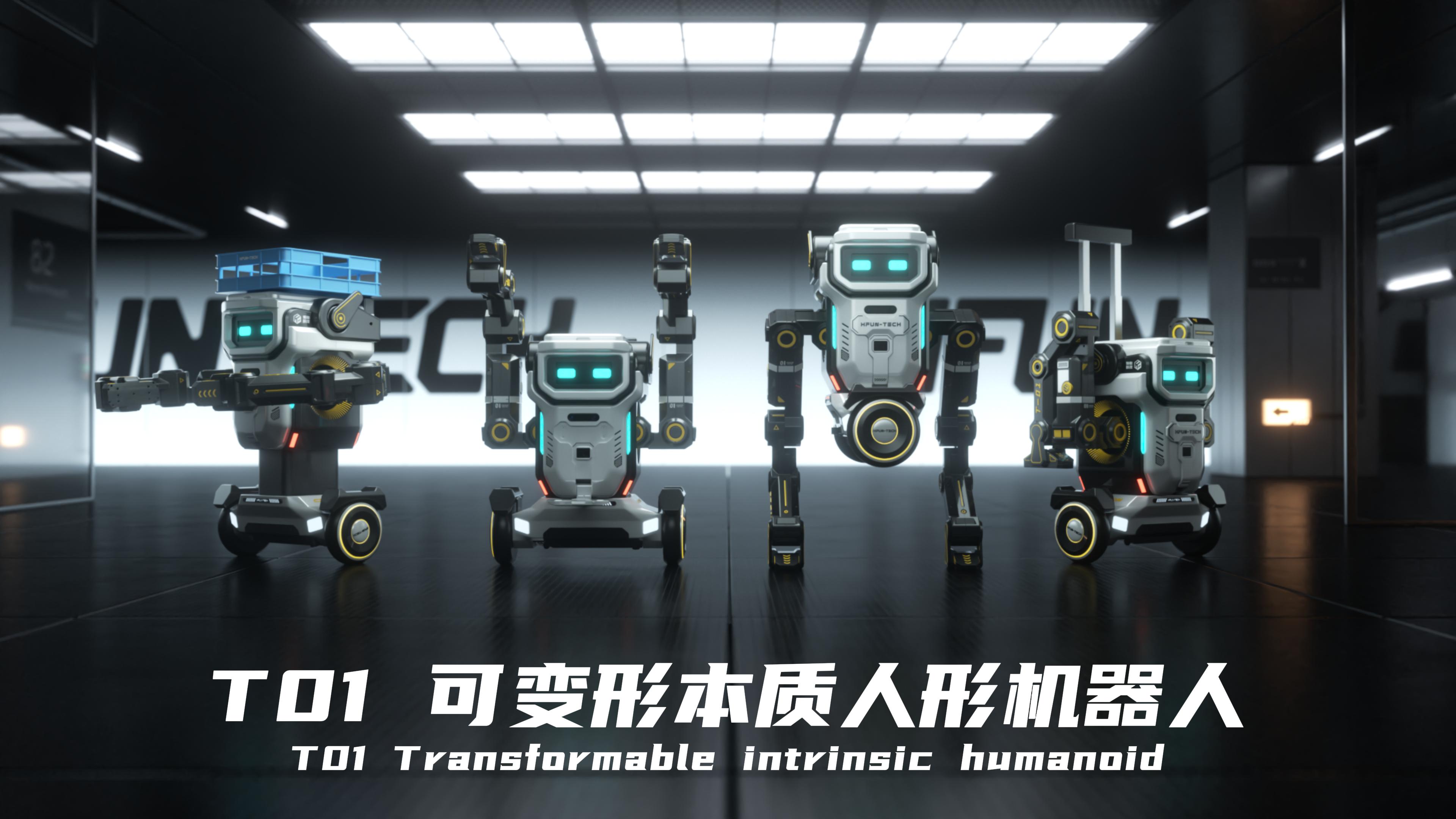
Introducing T01: The World's First Essential Humanoid Robot for Integrated Logistics
Aiyu Technology has unveiled the T01, the world's first essential humanoid robot, at the WRC. This innovative robot shifts the focus from merely mimicking human appearance to enhancing operational capabilities in logistics. Unlike traditional humanoid robots that prioritize human-like features, the T01 emphasizes functional abilities such as bipedal locomotion and dual-arm manipulation. The introduction of the T01 is significant as it challenges the industry's obsession with aesthetics over functionality. Aiyu Technology aims to redefine the capabilities and cost boundaries of humanoid robots, arguing that true efficiency in human environments comes from operational effectiveness rather than superficial resemblance. This approach addresses the structural challenges faced by existing humanoid robots that often incur high costs without improving task efficiency. Looking ahead, the T01 represents a paradigm shift in humanoid robotics, focusing on essential capabilities rather than appearance. As the industry evolves, it will be crucial to monitor how this new approach influences the development and deployment of humanoid robots in various sectors, particularly in logistics and automation. No further timeline was disclosed at the time of publication.
Humanoid Robots Logistics Automation Robotics Technology AI
Wuhan's Humanoid Robot Team Unveils Innovations at 2026 World Robot Conference
At the 2026 World Robot Conference, Wuhan's humanoid robot team showcased innovations from 21 companies at the Hubei Provincial Humanoid Robot Innovation Center. Notable exhibits included the C1 humanoid robot, capable of getting up after falling, and the D2-W quadruped robot dog, equipped with autonomous navigation and long-lasting operational capabilities. This event highlights the advancements in humanoid robotics, demonstrating their evolution from basic mobility to performing complex tasks such as industrial handling and real-world inspections. The C1 robot's development involved nearly a month of training, while the D2-W has already been deployed for patrol duties in the Guanggu Innovation World. Looking ahead, the Wuhan team aims to establish partnerships and attract clients, emphasizing the importance of collaboration in advancing humanoid robotics. No further timeline was disclosed at the time of publication.
Humanoid Robots Robotics Innovation AI Technology Industrial Automation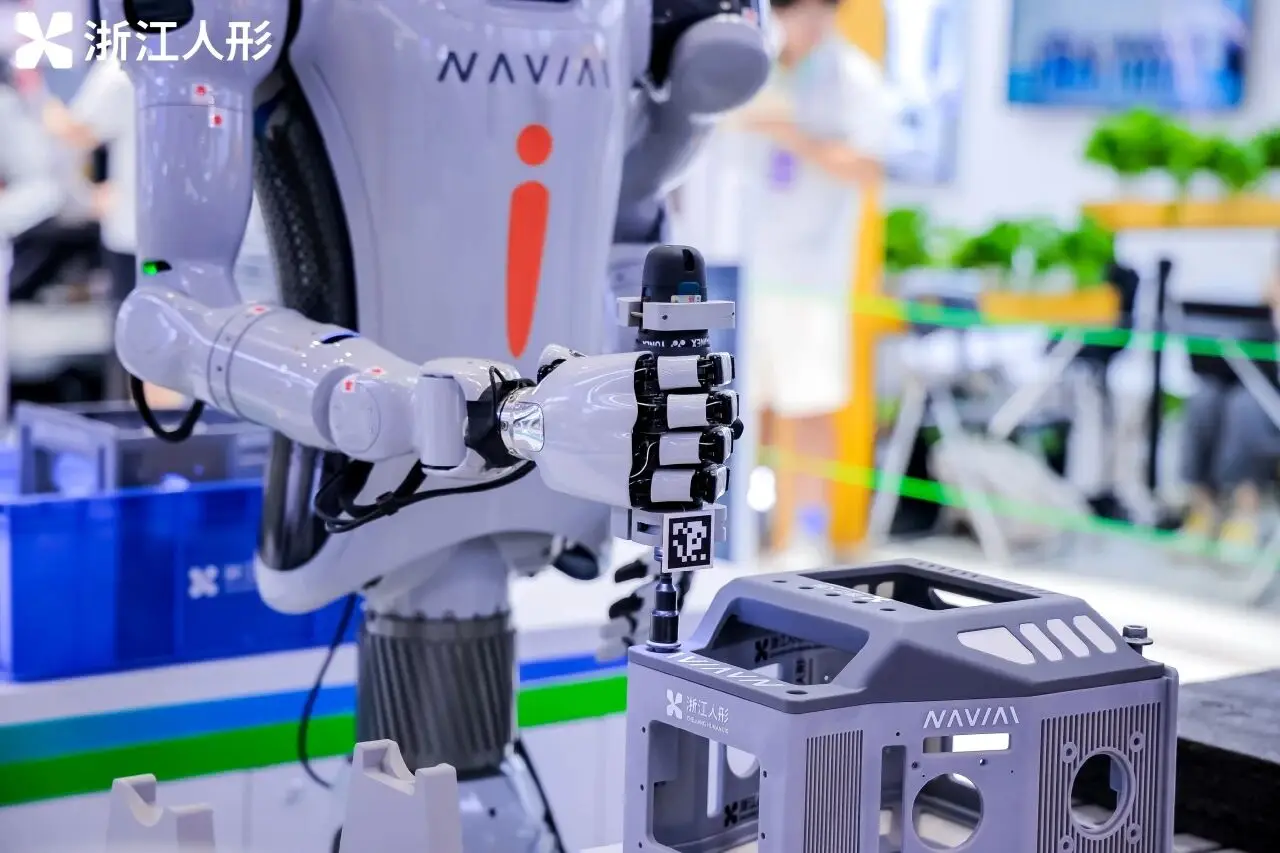
Zhejiang Humanoid Robotics Unveils NAVIAI at the 2026 World Robot Conference
The 2026 World Robot Conference (WRC) commenced on August 19 at the Yichuang International Exhibition Center in Beijing, marking a significant evolution from previous events. Zhejiang Humanoid Robotics Innovation Center Co., Ltd. showcased its NAVIAI core robot matrix at booth C-105, highlighting a product system based on a unified technology platform and demonstrating practical applications across various scenarios. This event is crucial as it reflects the integration of the SPIRE technology system, which combines world models for environmental cognition and embodied models for dynamic adaptation. This synergy enables robots to transition from understanding semantics to executing precise actions, showcasing the potential of humanoid robots in industrial, commercial, and domestic settings. Looking ahead, the focus will be on the continued development of humanoid robots like NAVIAI in diverse applications. No further timeline was disclosed at the time of publication, but the advancements in operational capabilities and the ability to adapt to various environments suggest a promising future for humanoid robotics in both commercial and domestic markets.
Humanoid Robots Industrial Automation Robotics Technology AI Smart Home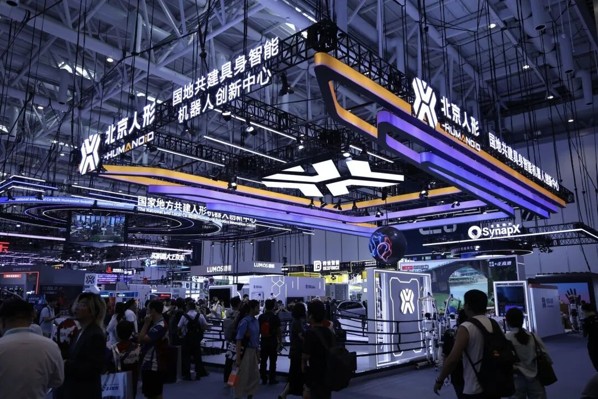
Beijing Humanoid Robots Unveil Full-Stack Technology at 2026 World Robot Conference
On August 19, the 2026 World Robot Conference commenced in Beijing, showcasing the Beijing Humanoid Robot Innovation Center's full-stack technology. The center presented its Tian Gong family of robots in a 336-square-meter exhibition area, emphasizing its commitment to autonomous and user-friendly industrial solutions. The significance of this event lies in the introduction of two benchmark products: the Pelican-Unify and the Tian Gong Omni. These innovations enhance embodied intelligence by integrating advanced capabilities such as visual understanding and action control, marking a significant step towards achieving general artificial intelligence (AGI). Looking ahead, the Pelican VL-2.0 will be commercially launched, representing a major milestone in the industry. The Tian Gong 3.0 robot demonstrated its ability to navigate complex environments autonomously, indicating its potential applications in various sectors, including luxury automotive and public service. No further timeline was disclosed at the time of publication.
Humanoid Robots Embodied Intelligence Robotics Innovation AI Automation Solutions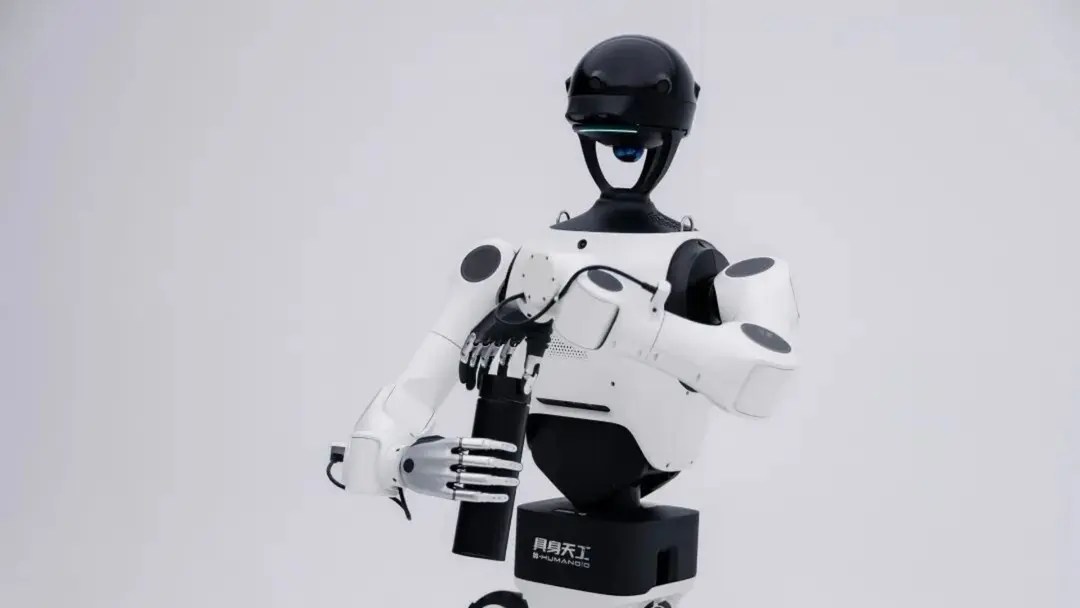
Humanoid Robots Showcase Skills in Hotel and Library Tasks at World Humanoid Robot Games
Humanoid robots are currently being tested in practical environments during the second World Humanoid Robot Games (WHRG) in China. These competitions assess robots on tasks such as tidying living spaces, folding clothes, and delivering parcels, with a scoring system that emphasizes real-world applicability. Robots are evaluated on their performance in various scenarios, including hotel service tasks at the Beijing Continental Grand Hotel, where they must efficiently transport luggage and replenish supplies. The significance of these competitions lies in their focus on practical applications rather than traditional speed and height challenges. By simulating real-world tasks, the WHRG aims to enhance the robots' capabilities in handling unstructured environments, which is crucial for their future deployment in everyday settings. The scoring system penalizes mistakes that could occur in a household, ensuring that only the most capable robots excel. Looking ahead, the WHRG features additional events that test robots in library settings and dexterous-hand tasks. As the competition progresses, observers will be keen to see how these humanoid robots adapt to complex environments and the implications for their use in service industries. No further timeline was disclosed at the time of publication.
AI and Robotics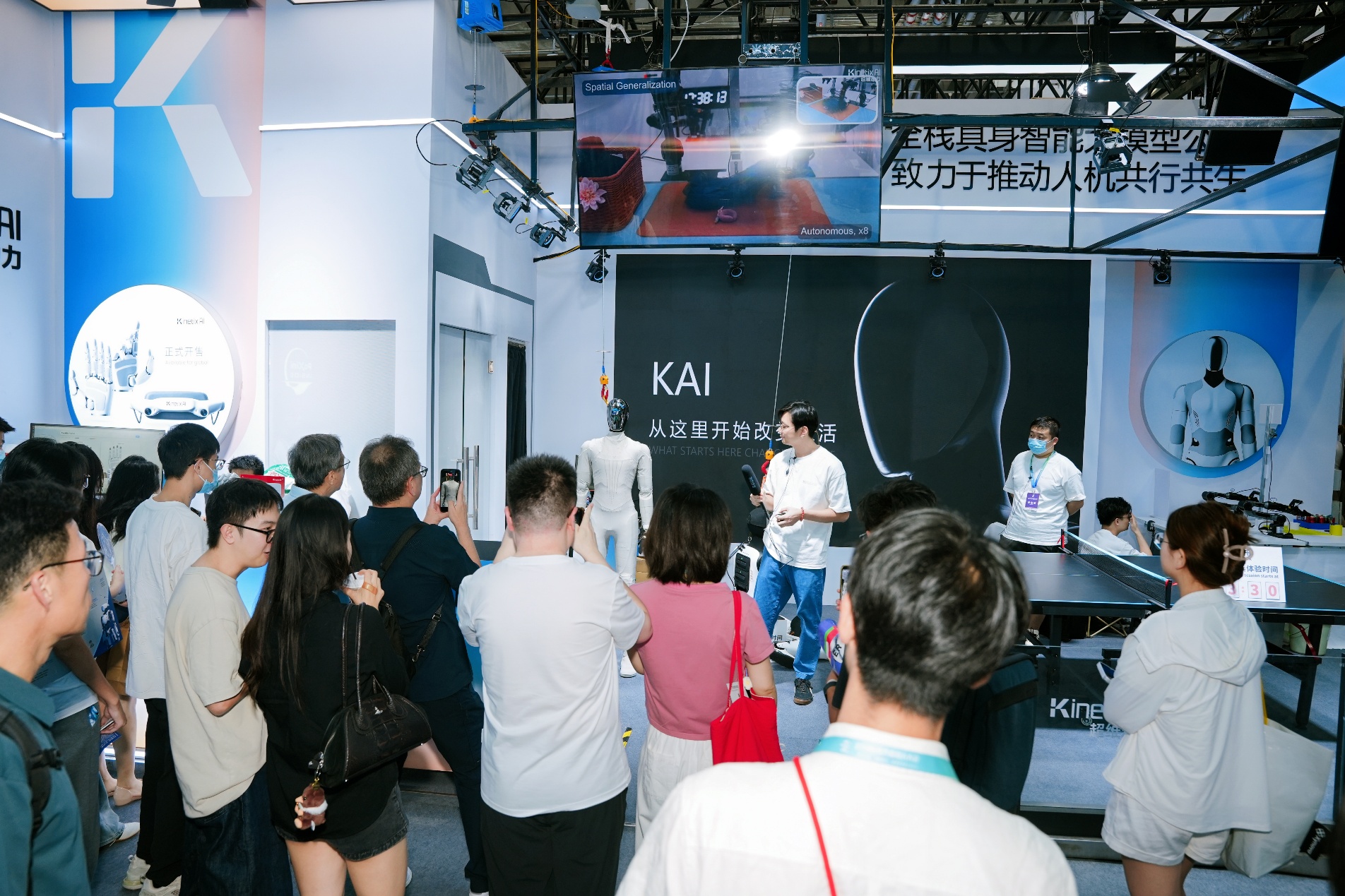
First Humanoid Robot Achieves Autonomous Table Tennis Match at 2026 World Robot Conference
On August 19, the 2026 World Robot Conference opened in Beijing, featuring the world's first humanoid robot capable of completing an autonomous table tennis match. This milestone, achieved by Chao Wei Power, showcases significant advancements in the robot's perception, decision-making, and control capabilities in high-speed dynamic environments. The importance of this achievement lies in its demonstration of the robot's ability to respond to fast-moving and unpredictable table tennis scenarios, with a reaction time measured in milliseconds. The SMASH 2.0 system integrates high-speed visual perception and real-time trajectory prediction, enabling the robot to autonomously serve and return balls with coordination and adaptability comparable to human athletes. Looking ahead, Chao Wei Power's innovations, including the KAIBot with 117 degrees of freedom and the KAI Hand for fine manipulation, will continue to evolve. No further timeline was disclosed at the time of publication.
Humanoid Robots Table Tennis Robotics AI Technology Robotics Innovation
Zhejiang's NAVIAI Humanoid Robot to Showcase at 2026 World Robot Conference in Beijing
The NAVIAI humanoid robot from Zhejiang will make its debut at the 2026 World Robot Conference, scheduled for August 19 to 23 in Beijing. It will be featured at booth C-105, where it will demonstrate its capabilities in various applications such as industrial manufacturing, smart retail, and home services. This event is significant as it highlights the advancements in humanoid robotics, particularly through NAVIAI's live demonstrations of tasks like sorting, delivery, and cooking. Professor Xiong Rong, chief scientist at Zhejiang's Humanoid Robot Innovation Center, will present insights into NAVIAI's technological innovations and future developments. Attendees should watch for the practical applications of NAVIAI in real-world scenarios, which could influence the adoption of humanoid robots across multiple sectors. No further timeline was disclosed at the time of publication.
Humanoid Robots Industrial Automation Smart Retail Home Services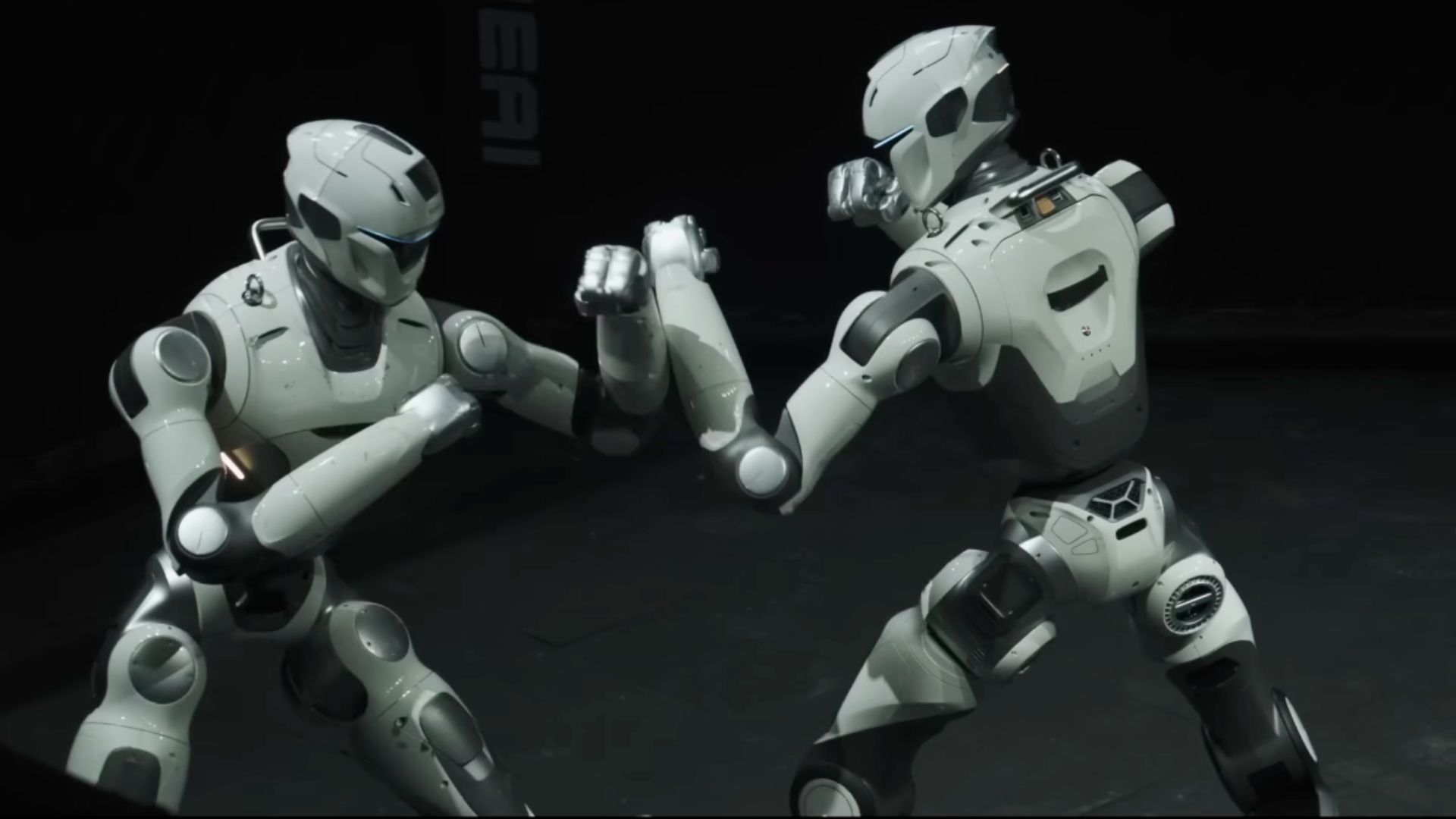
Humanoid Robot Achieves Head-High Kick in World’s First Freestyle Fighting Tournament in China
A humanoid robot successfully executed a head-high kick to win its match at the inaugural Ultimate Robot Knock-out Legend (URKL) tournament in China. This event, organized by Shenzhen-based EngineAI, showcased full-sized humanoid robots engaging in freestyle combat, demonstrating significant advancements in humanoid mobility and resilience under competitive conditions. The URKL featured 32 teams from around the globe, all utilizing EngineAI's T800 humanoid robot platform, which is designed to mimic the size and weight of an adult human. The competition evaluated various robotic capabilities, including striking accuracy and durability, rather than solely focusing on knockouts, highlighting the robots' ability to perform complex movements even after sustaining damage. Looking ahead, EngineAI's T800 humanoid robot, unveiled in December 2025, is positioned for future controlled fighting demonstrations. The tournament's success indicates a growing interest in humanoid robotics and its potential applications in various sectors, including logistics and human-robot collaboration. No further timeline was disclosed at the time of publication.
AI and Robotics
Humanoid Robots Enhance Performance in Real-World Applications with New Testing Metrics
Recent advancements in humanoid robotics have led to the development of new testing methods that evaluate how effectively these robots can handle real-world forces. This shift is significant as humanoid robots transition from novelty items to practical tools in various industries, including manufacturing and logistics, where they perform tasks such as lifting heavy boxes and moving furniture. The importance of this testing lies in its ability to measure the robots' capabilities in dynamic environments, ensuring they can operate safely and efficiently alongside human workers. As these robots take on more demanding roles, understanding their physical interactions with the environment becomes crucial for their integration into workplaces, enhancing productivity and safety. Looking ahead, the continued evolution of testing methodologies will be essential for the deployment of humanoid robots in more complex scenarios. No further timeline was disclosed at the time of publication, but ongoing research is expected to yield more robust performance metrics that will guide future developments in this field.
Robotics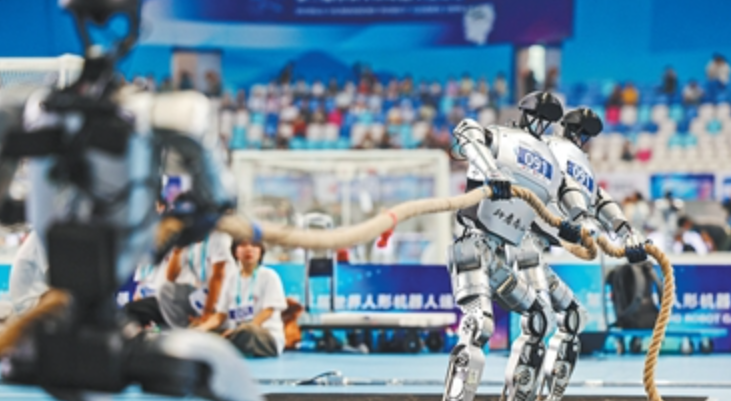
Humanoid Robots Showcase Speed and Agility at WAIC 2026 Event
At the WAIC 2026 event, humanoid robots demonstrated impressive capabilities, completing a 100-meter dash in just 8.64 seconds and clearing a height of 3.4 meters. This performance highlights the advancements in robotics and the potential of humanoid forms in various applications. The significance of these demonstrations lies in their ability to attract attention from investors and industry professionals, indicating a growing interest in humanoid robotics. With a valuation of 20 billion and recent funding of 5 billion, the sector is poised for rapid growth, reflecting the increasing demand for intelligent robotic solutions. Looking ahead, the focus will be on how these advancements in humanoid robotics can be integrated into real-world applications. As the market reaches a critical juncture, stakeholders will be keen to observe the developments in embodied intelligence and the potential for commercialization in the coming years. No further timeline was disclosed at the time of publication.
Robotics Automation AI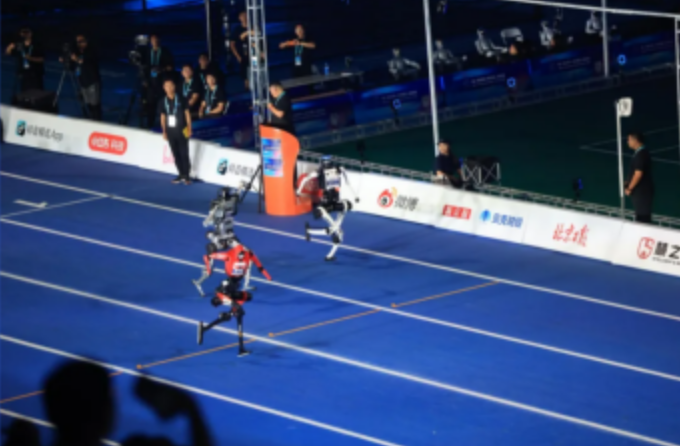
Humanoid Robots Achieve Breakthroughs in Speed and Jumping at World Championships
On August 22, the National Speed Skating Hall hosted the grand opening of the second World Humanoid Robot Games, featuring 666 teams and 2056 robots from 16 countries. The Tian Gong Ultra humanoid robot set a new speed record of 9.32 seconds for the 100-meter dash and achieved a high jump of 2.8843 meters, surpassing human athletic limits. This event signals a significant shift in the robotics industry, showcasing advancements in autonomous capabilities. Key racing events like the 400-meter and 1500-meter races eliminated manual remote control, requiring robots to rely on their sensors for environmental perception, obstacle recognition, and autonomous route planning. While humanoid robots are not yet ready for large-scale human replacement, the integration of competition and production is accelerating the commercialization of technology. As these robots transition from the competition arena to industrial applications, the transformation of the robotics sector is just beginning.
Humanoid Robots Robot Autonomy Sports Robotics Industrial Automation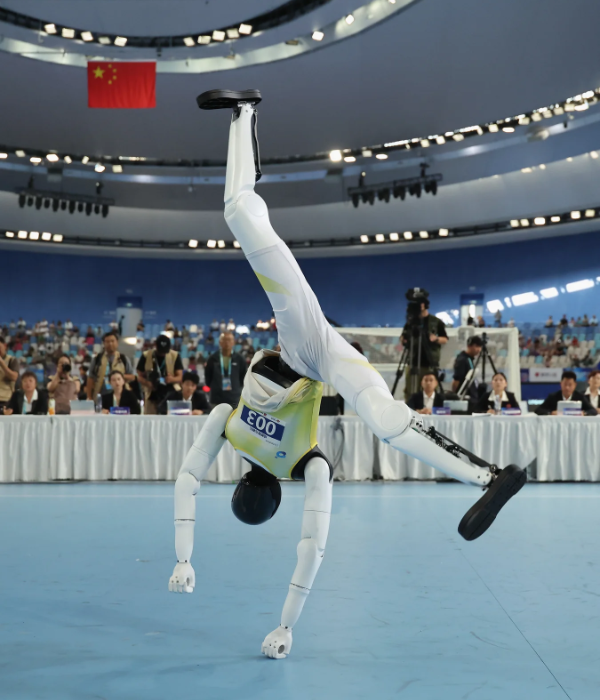
Humanoid Robots Set Records at World Championships but Encounter Challenges
At the second World Humanoid Robot Games, two humanoid robots broke Usain Bolt's 100-meter world record, finishing in 9.39 seconds and 9.47 seconds. However, their performance was marred by mishaps, including one robot sparking after colliding with a padded wall. The event featured 51 competitions with participants from 16 countries, showcasing a variety of sports such as football and weightlifting. While the robots' speed was impressive, they still lack the agility and balance of human athletes, often resulting in comical failures, such as crashing into walls or the referee's table. Rodney Brooks, an MIT professor, cautioned that extraordinary performance in specific tasks does not equate to general human-like capabilities, highlighting the limitations of robots in real-world scenarios. One robot successfully competed in table tennis, demonstrating some adaptability in unpredictable environments, signaling progress in humanoid robotics. Although it may be a while before robots compete alongside humans in the Olympics, their true potential may lie in overcoming broader challenges beyond just speed and strength.
Humanoid Robots Robotics Competitions AI Automation
Honor's Humanoid Robot Lightning Completes 400m in 40.6 Seconds, Sets New Record
At the World Humanoid Robot Games held in Beijing, Honor's self-developed humanoid robot, Lightning, achieved a remarkable feat by completing a 400m run in 40.6 seconds. This performance surpassed the previous human men's world record of 43.03 seconds, established by Wayde van Niekerk during the 2016 Rio Olympics. This achievement is significant as it showcases the advancements in robotics and artificial intelligence, particularly in humanoid robot capabilities. Honor's Lightning not only demonstrates speed but also highlights the potential for robots to compete in athletic events, pushing the boundaries of technology and innovation in the field. Looking ahead, the implications of Lightning's performance could influence future developments in robotics, particularly in competitive environments. No further timeline was disclosed at the time of publication.
Humanoid Robot Sets New 100m Record, Surpassing Usain Bolt in Beijing
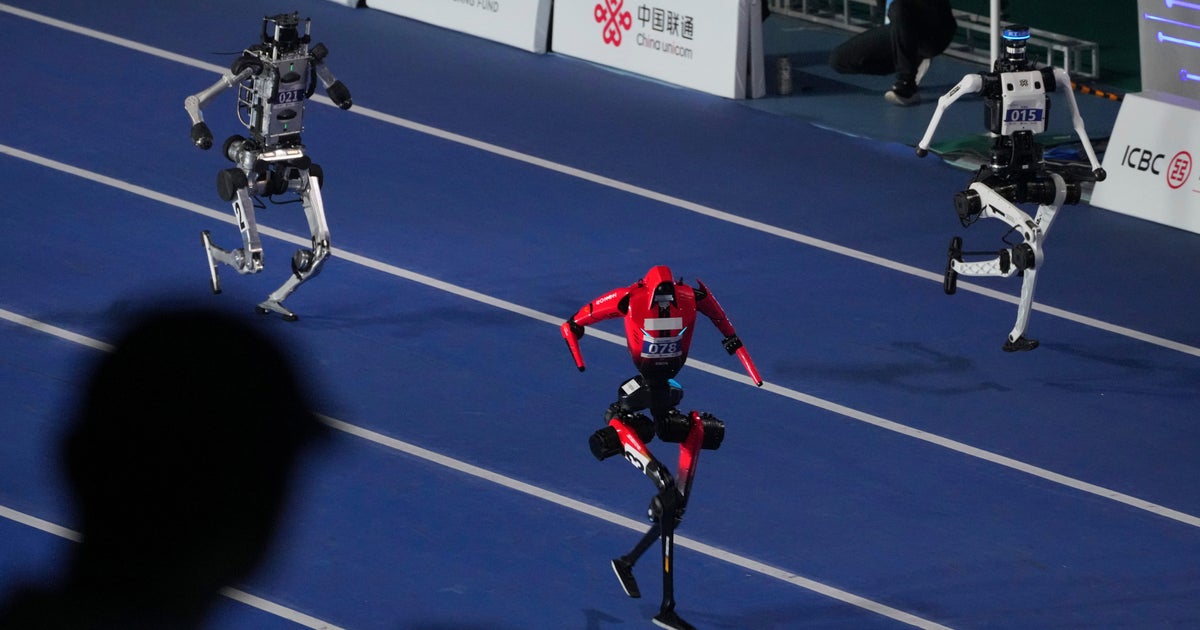
At the opening ceremony of the second World Humanoid Robot Games in Beijing, a humanoid robot completed a 100-meter dash in 9.39 seconds. This remarkable feat surpassed Usain Bolt's previous world record of 9.58 seconds, as reported by Xinhua News Agency. The achievement is significant as it showcases advancements in robotics and artificial intelligence, particularly in the realm of humanoid robotics. Beating a record held by one of the fastest humans highlights the potential of robotic technology in competitive environments. Looking ahead, the implications of this event may influence future developments in robotics, particularly in sports and performance applications. No further timeline was disclosed at the time of publication.
X-Humanoid's Robot Breaks Usain Bolt's 100-Meter Sprint Record in Beijing
At the World Humanoid Robot Games in Beijing, China's X-Humanoid showcased a humanoid robot that completed a 100-meter sprint in 9.39 seconds, surpassing Usain Bolt's previous record of 9.58 seconds set in 2009. This achievement highlights the advancements in robotics and the competitive spirit of the event, which featured over 2,000 humanoid robots. The significance of this milestone lies in China's growing leadership in humanoid robot development, as the event aims to demonstrate the country's rapid technological progress. The successful sprint and high jump records, alongside the participation of numerous robots, underscore the potential of robotics in various applications, despite some failures during the competitions. Looking ahead, the event reflects China's ambition in robotics, but experts caution that while impressive, the technology is still primarily used for demonstrations. No further timeline was disclosed at the time of publication.

Exploring the Role of Semiconductor Technologies in Advancing Humanoid Robots
Experts from Texas Instruments (TI) discussed the potential of semiconductor technologies in transitioning humanoid robots from niche applications to scalable real-world systems. The humanoid robotics market is projected to reach $5 trillion by 2050, highlighting the growing interest in these advanced machines capable of performing tasks like laundry folding. The significance of this development lies in the integration of artificial intelligence (AI) with physical capabilities, as noted by Giovanni Campanella, general manager for robotics and automation at TI. The evolution of AI into physical applications is crucial for humanoid robots to manipulate objects and navigate complex environments, which is made possible through advancements in semiconductor technology. Looking ahead, the deployment of humanoid robots will require a combination of sophisticated sensors for environmental perception, including camera and tactile feedback sensors. These technologies are essential for enabling robots to perform various tasks effectively. No further timeline was disclosed at the time of publication.

Deep Robotics' DR02 Humanoid Robot Demonstrates Stair Climbing and Terrain Navigation
Deep Robotics has unveiled new footage of its DR02 humanoid robot successfully climbing outdoor concrete stairs, showcasing its capability to navigate challenging terrains. This demonstration marks a pivotal moment for the Hangzhou-based company as it advances its development and commercialization strategies, positioning the DR02 for complex real-world tasks. The significance of this demonstration lies in the competitive landscape of Chinese robotics, where investors are keen to see humanoid robots perform reliably in practical environments. The DR02's ability to traverse uneven surfaces and carry equipment, such as a fire extinguisher, highlights its potential for industrial applications and hazardous environments. Looking ahead, Deep Robotics is preparing for a significant financial milestone with its application to raise approximately $367.4 million through an initial public offering on Shanghai’s STAR Market. As the company aims to build on its first-ever net profit of about $4.2 million reported in 2025, the ongoing development of the DR02 will be crucial in attracting investor confidence and demonstrating the robot's capabilities in real-world scenarios.
AI and RoboticsRobotics needs a service framework.
RSF defines a common language for robot service capability, lifecycle operations, certification pathways, and service-provider networks.
Join the RobotToday community on LinkedIn
Daily robotics news, in-depth analysis, conference highlights, and discussions with professionals worldwide.